Image: Museum Langmatt, Baden; photo by Raimond Spekking · Public domain · via Wikimedia Commons
Ice Floes at Twilight
Claude Monet, 1893
Ice Floes at Twilight is an 1893 painting by Claude Monet of the frozen, swollen Seine near Giverny at dusk, its ice floes glowing yellow and blue below a snowy violet hillside. It is in the Museum Langmatt in Baden, Switzerland.
- Artist
- Claude Monet
- Date
- 1893
- Medium
- Oil on canvas
- Dimensions
- 60 × 99.7 cm
- Collection
- Museum Langmatt, Baden, Switzerland
- Movement
- Impressionism
- Catalogue
- Wildenstein 1344
- Nature & Landscape
- Water & Sea
Claude Monet's Ice Floes at Twilight was painted in January 1893, when a hard winter froze the Seine near Giverny and the river broke up into drifting plates of ice. The light is that of late afternoon, warm on the sky, cold on the snow. The long, low canvas, 60 by 99.7 centimeters, is signed and dated "Claude Monet 93" at lower right and catalogued by Wildenstein as number 1344. It belongs to the Museum Langmatt in Baden, Switzerland, the former home of the collectors Sidney and Jenny Brown.
What you are looking at
The lower two-thirds of the canvas are ice. The river is packed with floes, each one painted as a flat, irregular patch in lilac, pale blue or white, with gaps of open water between them that catch the sky and glow pale yellow and peach. Toward the right foreground the ice thickens into a snowy, blue-white mass along the bank.
Across the river runs a low line of hills, their slopes white with snow and shadowed in deep violet and blue, with a few bare trees and darker patches where hedges and buildings show through. In the middle of the composition, an island or a clump of riverbank trees rises as a rounded mass of rust and red-brown, the one warm, solid shape in the picture. The sky is a high, pale band of cream, lemon and pink, the last light of the day.
The island of trees repays close looking. The Langmatt's catalogue essay describes how, up close, its brushwork becomes a nervously quivering bundle of lines that no longer reads as trees at all, in sharp contrast with the stillness of the frozen water. From across the room it snaps back into focus.
Where and when
The winter of 1892–93 was severe across northern France. In January 1893 the Seine, swollen and high, froze and then broke up, and Monet, who had lived at Giverny since 1883, went out to paint it. The same subject had gripped him once before, at Vétheuil in the winter of 1879–80, when he painted the famous débâcle pictures such as The Breakup of the Ice at Lavacourt. In 1893 he returned to it with the discipline of a series painter: the Langmatt says he painted twelve versions of this motif from roughly the same viewpoint.
Those 1893 pictures center on the river at Bennecourt, across from Giverny, with a few views near Port-Villez. Related canvases include the Metropolitan Museum's Ice Floes and Floating Ice at Bennecourt.
How this version differs
Several of the 1893 ice pictures record gray or pearly daylight. The Langmatt canvas is a twilight effect: the sky turns warm while the snow and ice go blue and violet, and the open water reflects gold. The warm, glowing island at the center is unusual for the group and gives the composition an anchor. As the Langmatt essay suggests, the glittering, fragmented surface of the floes also looks ahead to the Water Lilies, where the surface of the water would become the whole subject.
How it was painted
The floes are painted in flat, broad strokes laid side by side, each a separate shape, so that the river becomes a mosaic. The hills are worked in softer, blended passages of white and violet. The trees are a dense tangle of short, wiry strokes. The palette is restricted almost entirely to a complementary pair, yellow and violet, which gives the picture its sense of cold air lit by a warm sky.
For Monet's landscapes around his home, see Giverny: Monet's House and Garden.
Where to see it
The painting entered the collection of Sidney and Jenny Brown in 1910 and has been at their villa in Baden, now the Museum Langmatt, ever since. The museum's Impressionist collection, with works by Monet, Renoir, Cézanne, Sisley and Pissarro, has toured internationally while the villa was renovated. See Where to See Monet's Paintings and Claude Monet.
Questions & answers
Where is Monet's Ice Floes at Twilight?
It is in the Museum Langmatt in Baden, Switzerland, the former villa of the collectors Sidney and Jenny Brown. The painting entered their collection in 1910 and now belongs to the foundation that runs the museum.
When and where was Ice Floes at Twilight painted?
Monet painted it in January 1893, when the Seine near his home at Giverny froze and broke up after a severe winter. It is signed and dated 1893 at lower right and catalogued as Wildenstein 1344.
What does Ice Floes at Twilight show?
It shows the swollen Seine packed with drifting ice floes in lilac and blue, open water glowing yellow with reflected sky, snowy violet hills on the far bank and a warm clump of rust-colored trees at the center, all in late-afternoon light.
How many ice floe paintings did Monet make in 1893?
According to the Museum Langmatt, Monet painted twelve versions of this motif in 1893 from roughly the same viewpoint, mostly looking toward Bennecourt across from Giverny. He had painted a similar breakup of the ice at Vétheuil in 1880.
More by the artist
Claude Monet
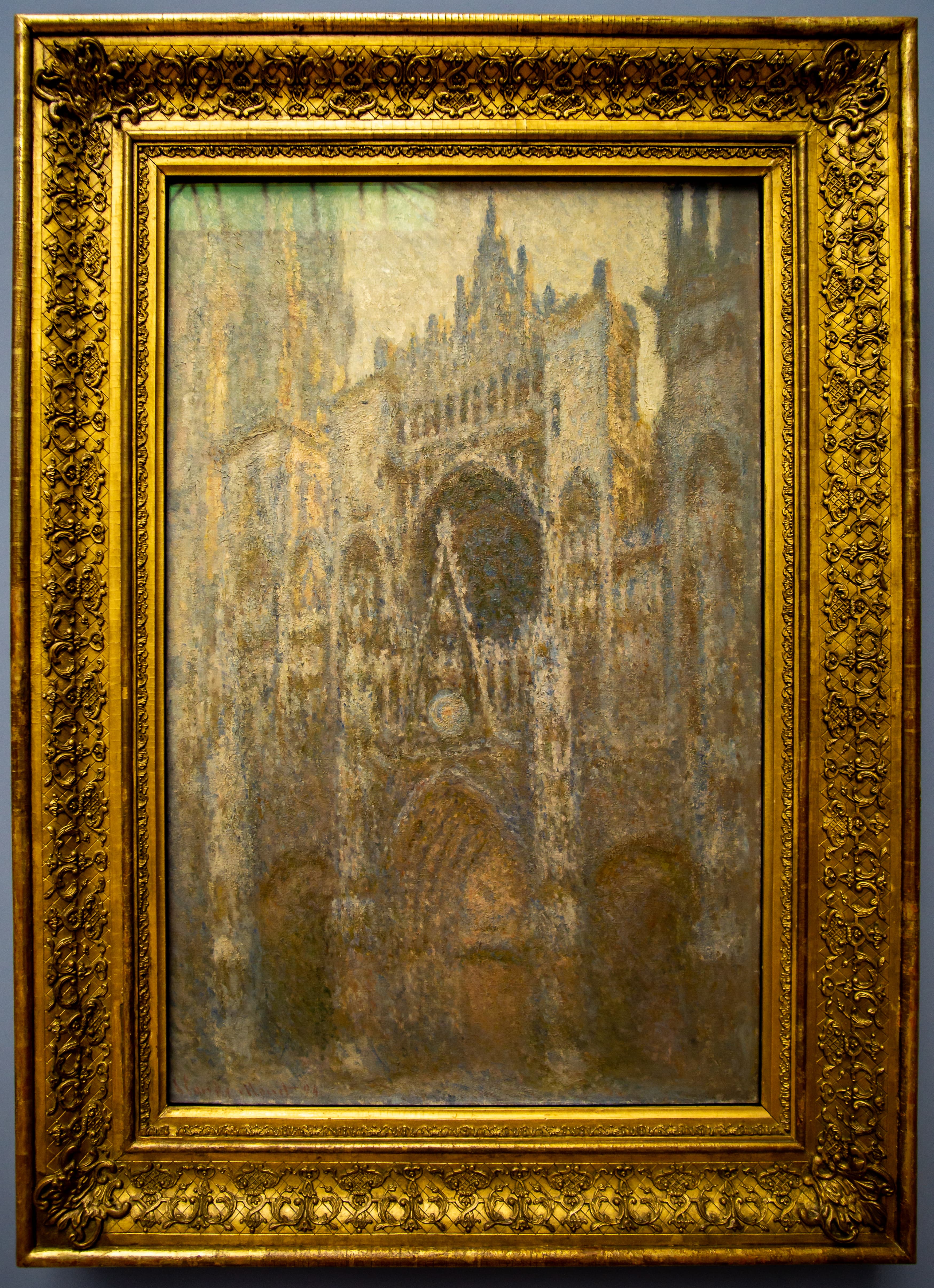
Rouen Cathedral, Portal
Claude Monet · 1893–94
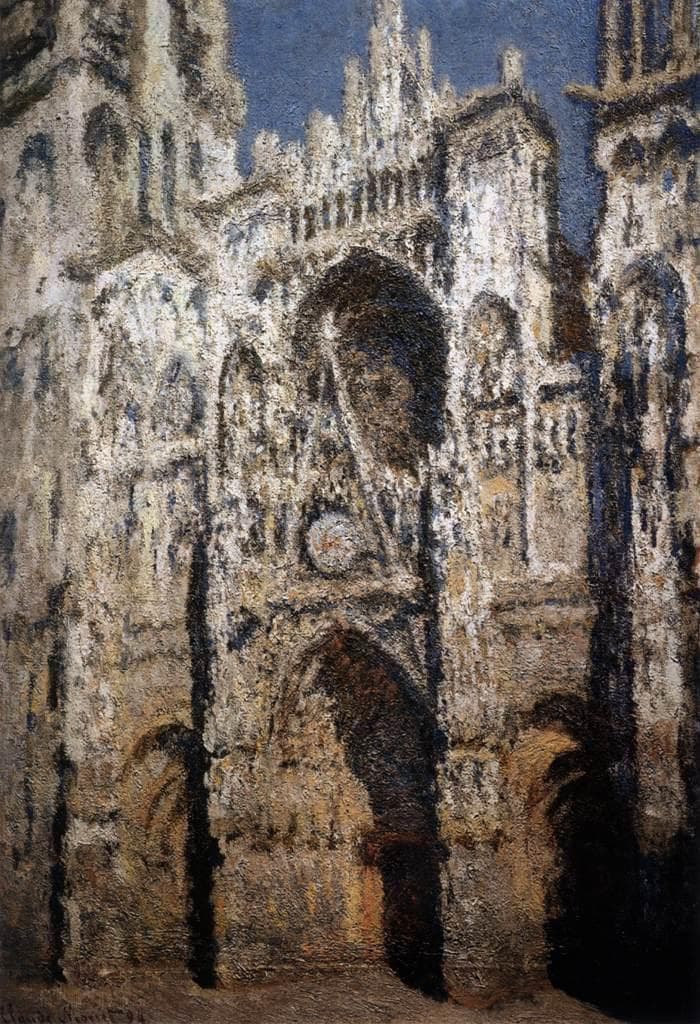
Rouen Cathedral in Full Sunlight
Claude Monet · 1893
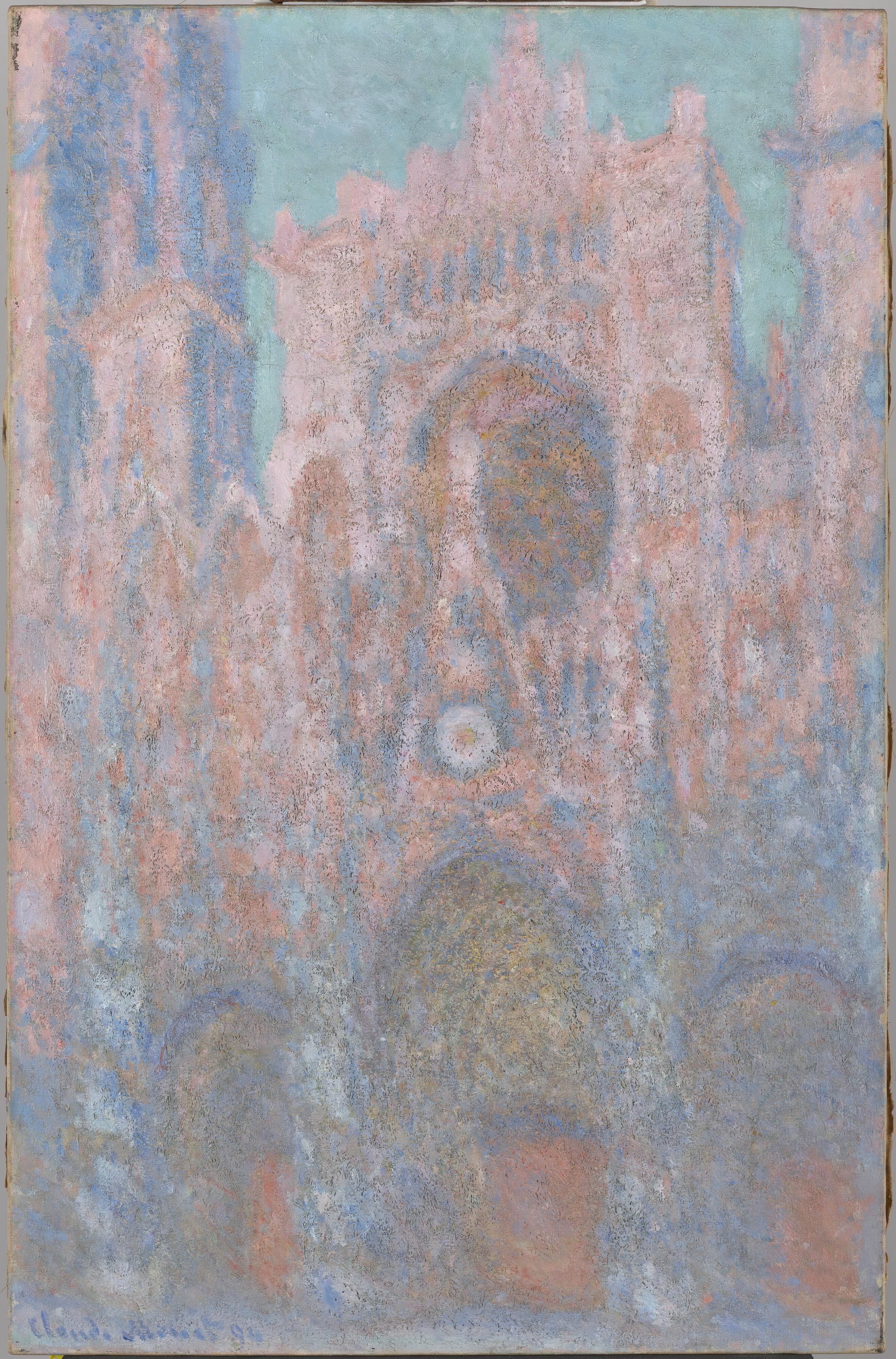
Rouen Cathedral: Setting Sun (Symphony in Pink and Grey)
Claude Monet · 1892–94
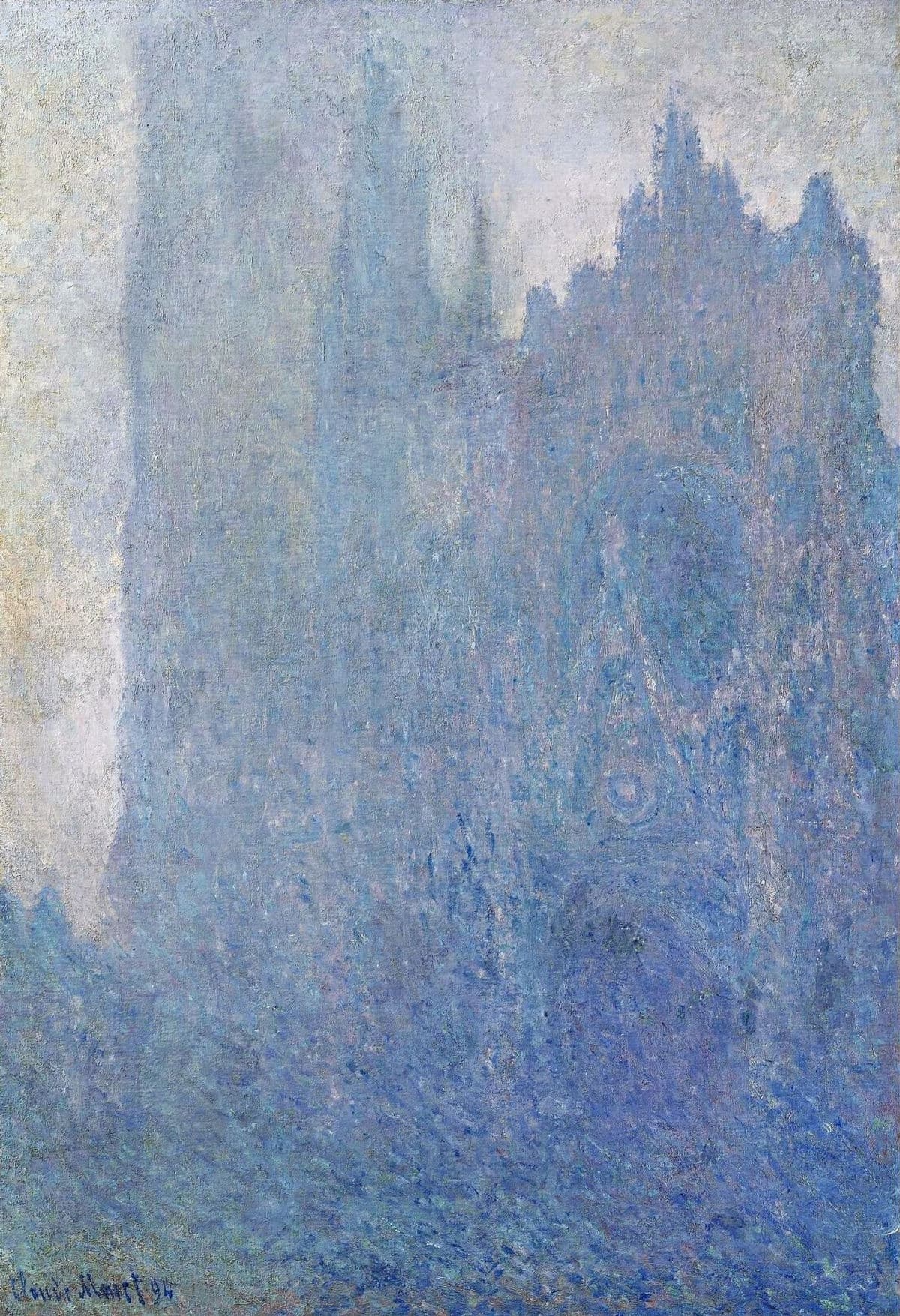
Rouen Cathedral, Fog
Claude Monet · 1893–94
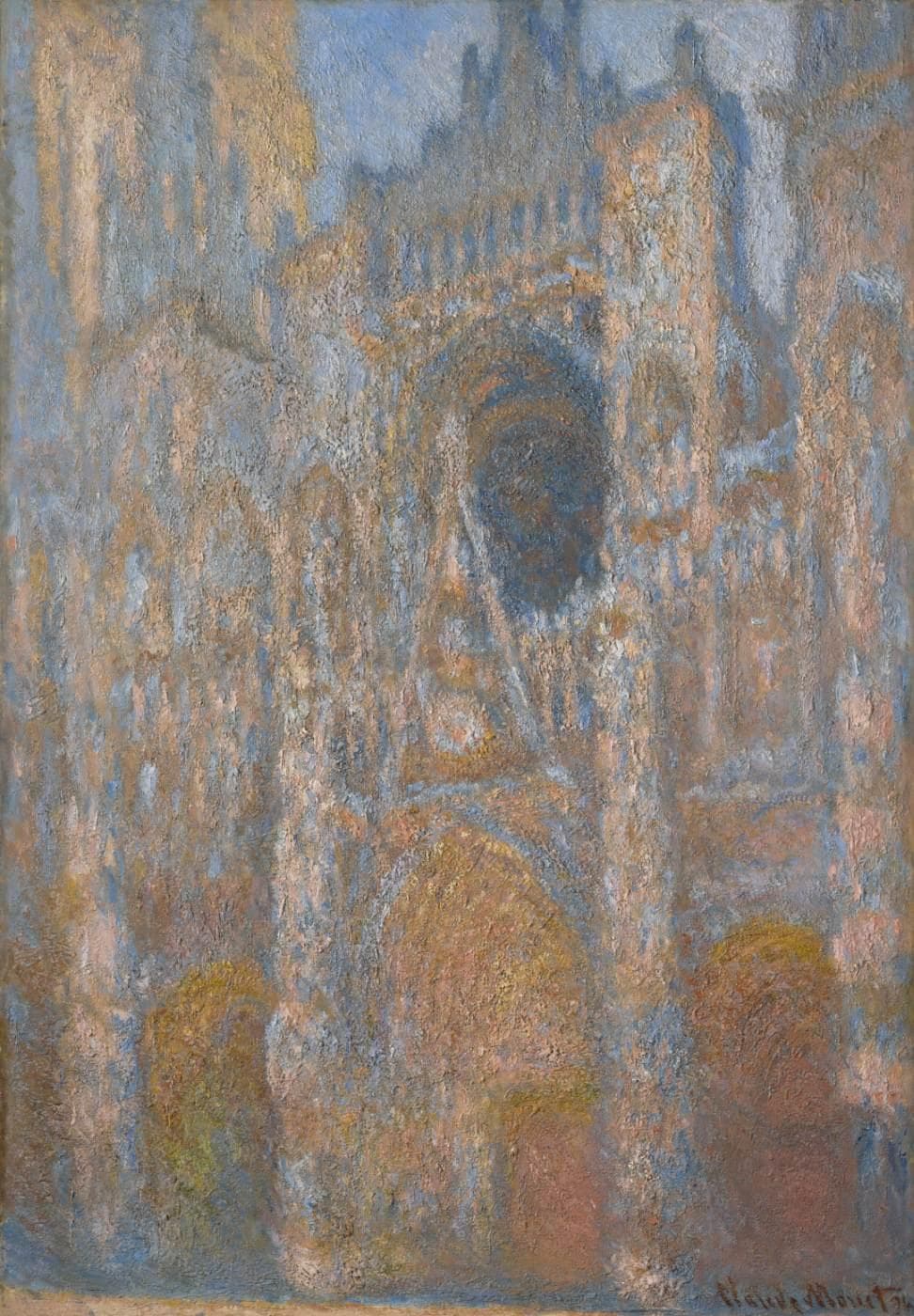
Rouen Cathedral in Sunlight
Claude Monet · c. 1892–94
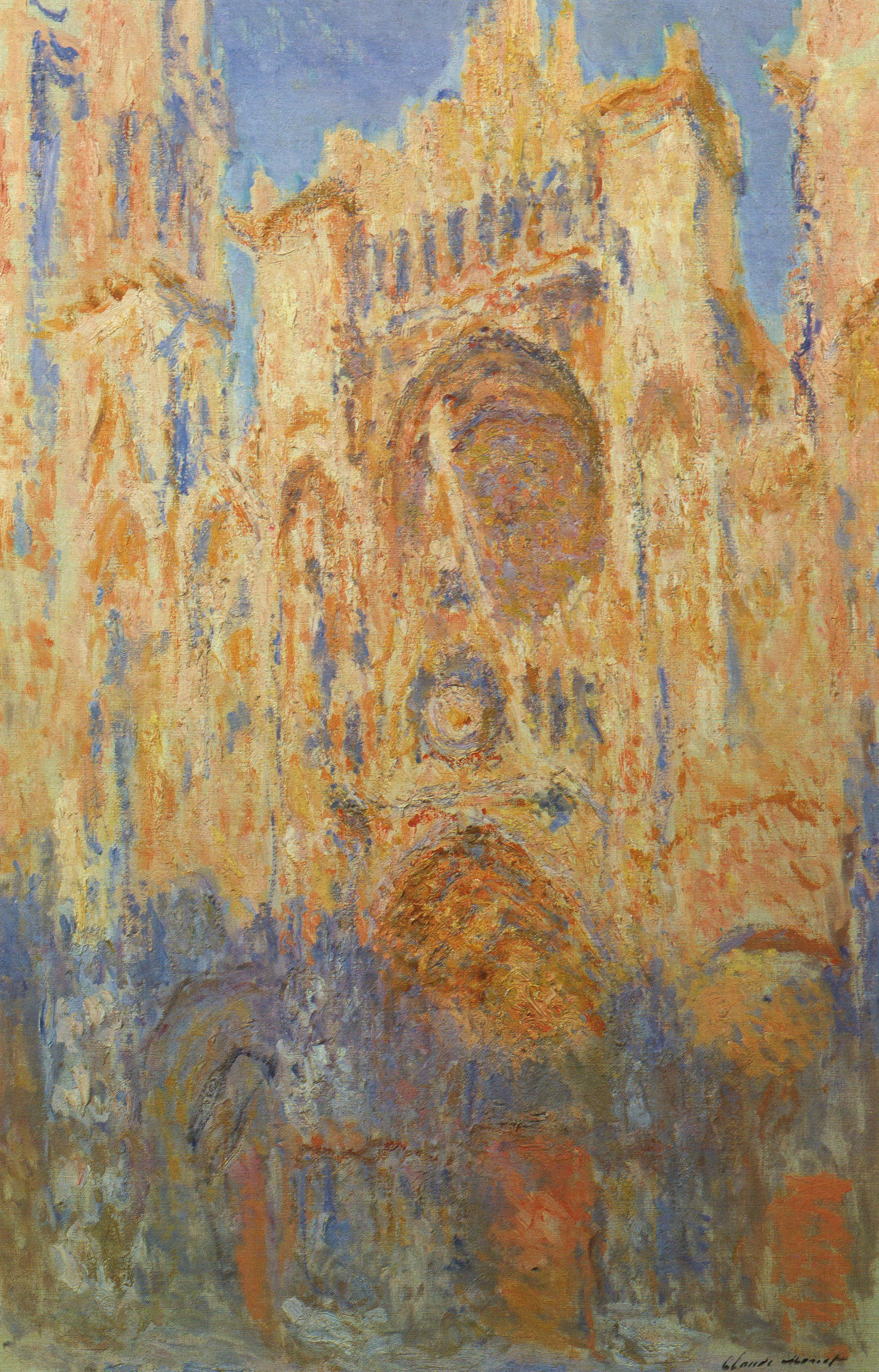
Rouen Cathedral, Sunlight Effect, End of the Day
Claude Monet · 1892
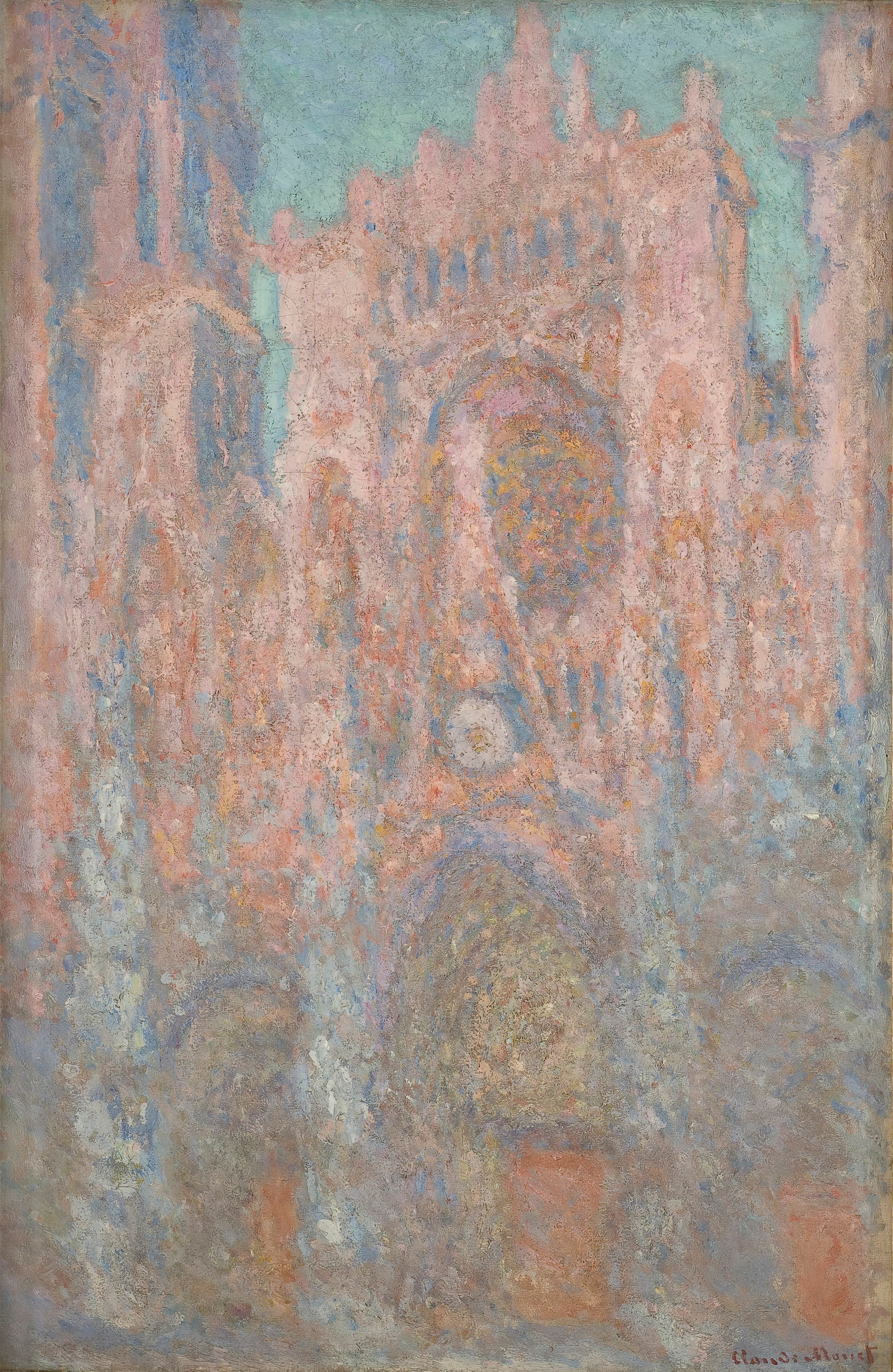
Rouen Cathedral
Claude Monet · 1892–94
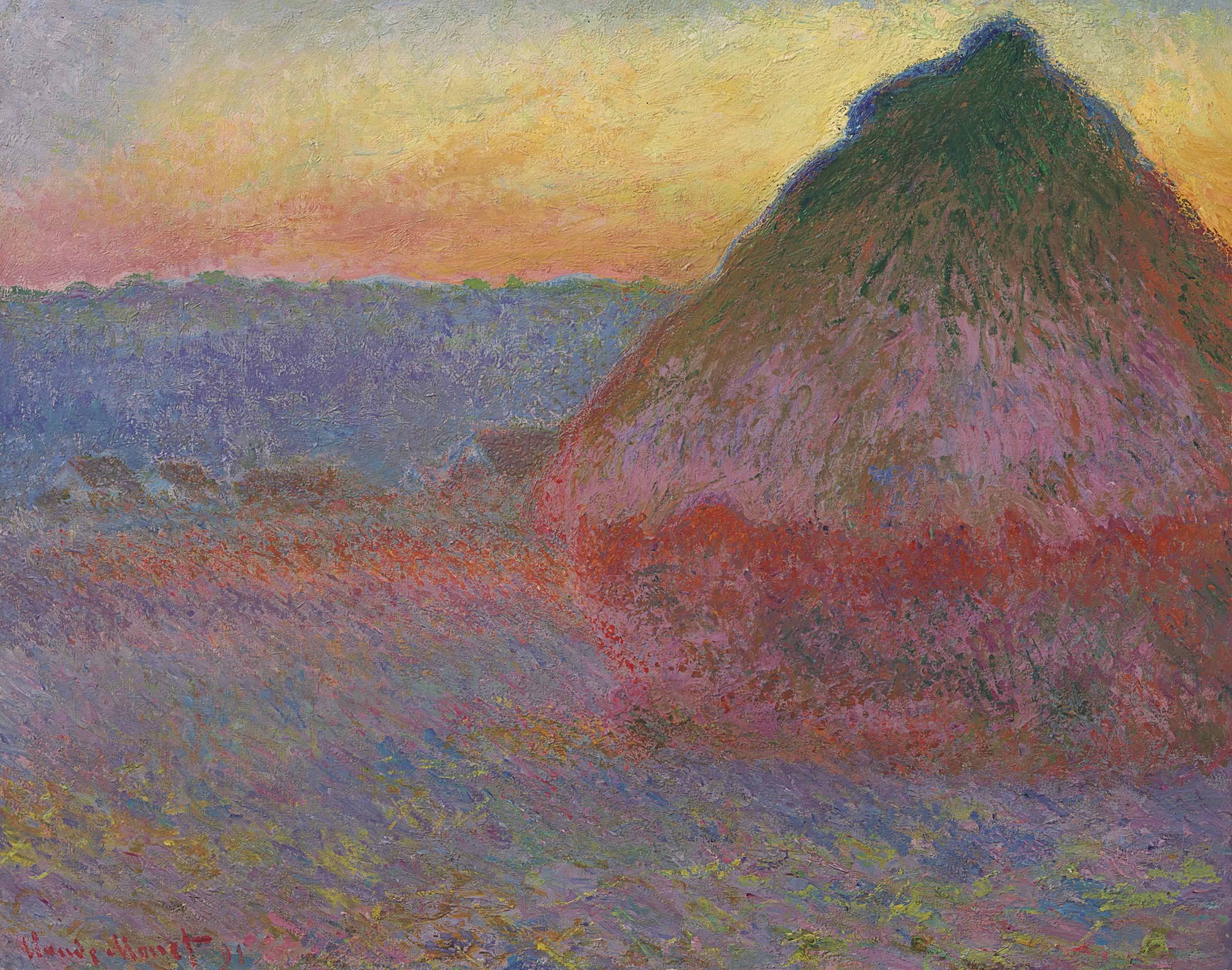
Grainstack in the Sunlight
Claude Monet · 1891
Also painted in 1893
The same year
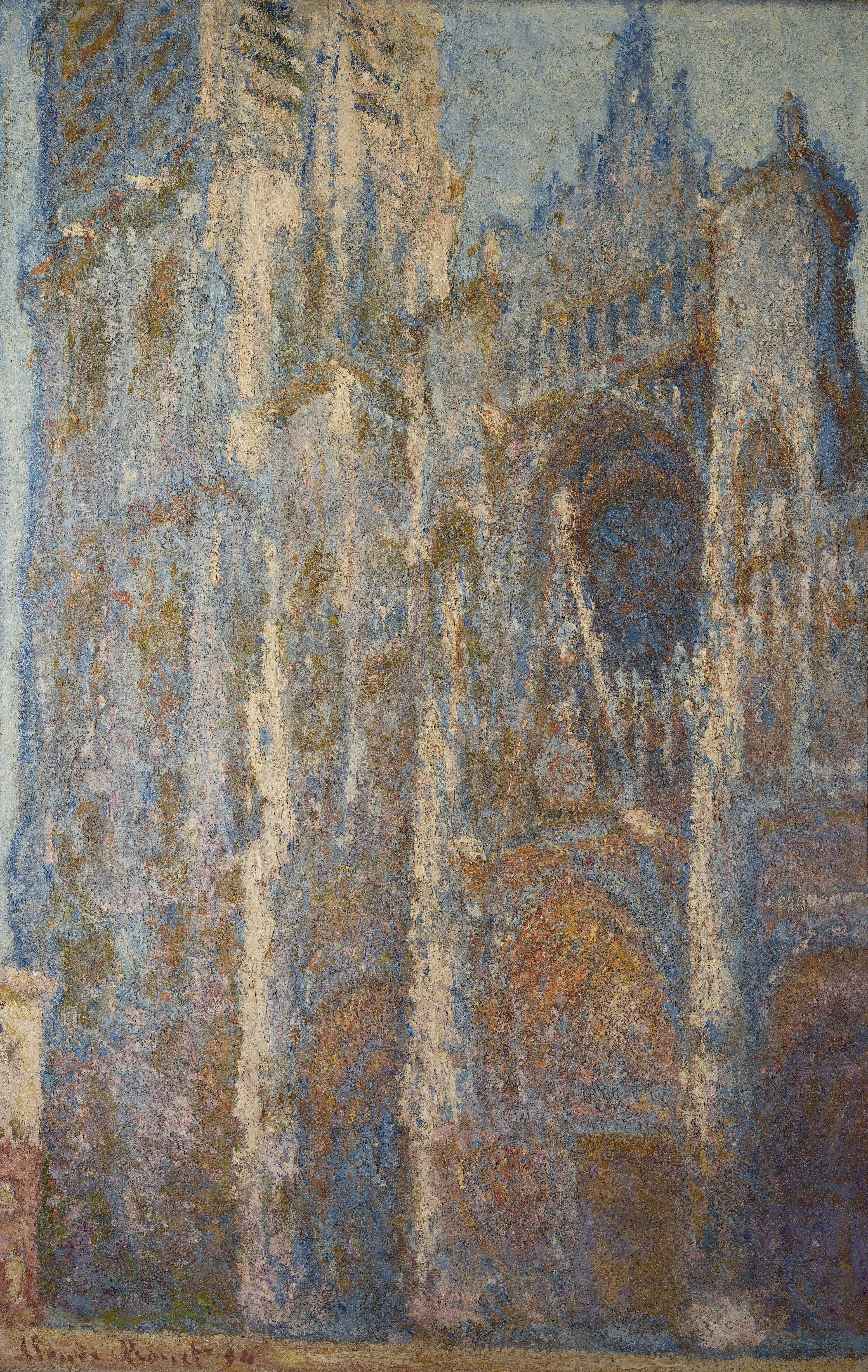
Rouen Cathedral, Portal and Tower d'Albane, Midday
Claude Monet · 1893–94
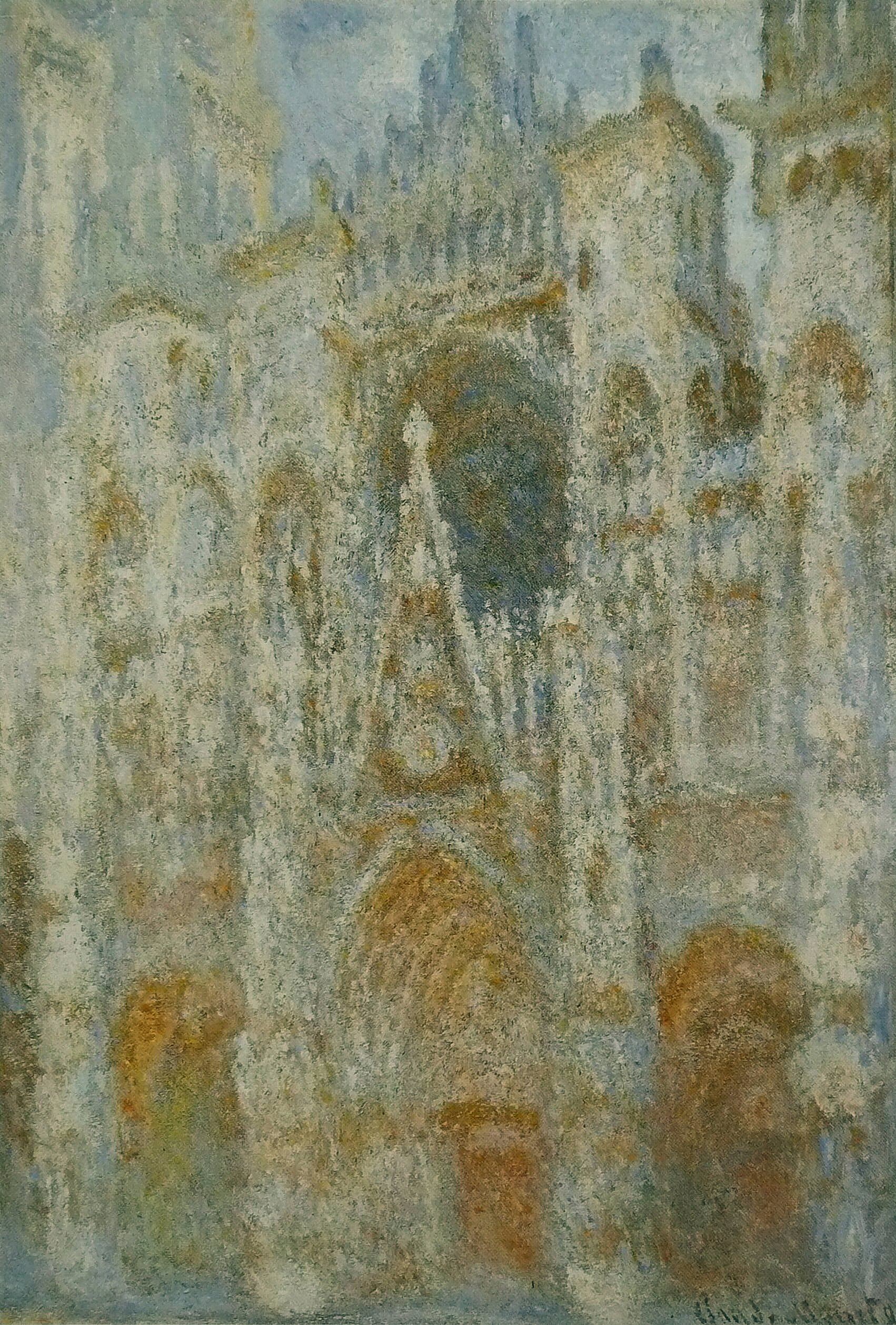
Rouen Cathedral, the Portal, Morning Sun (Harmony in Blue)
Claude Monet · 1893–94
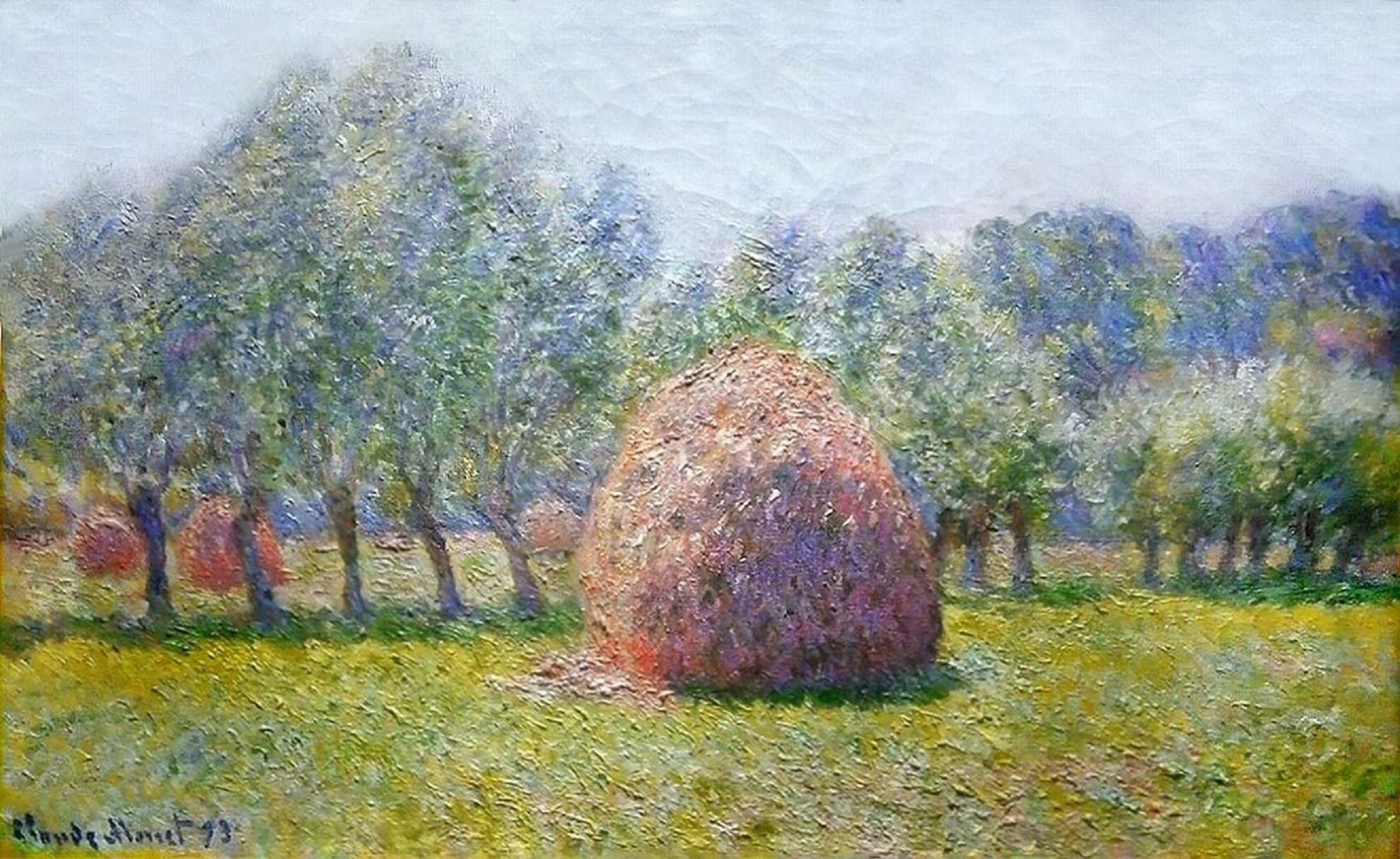
Grainstack
Claude Monet · 1893
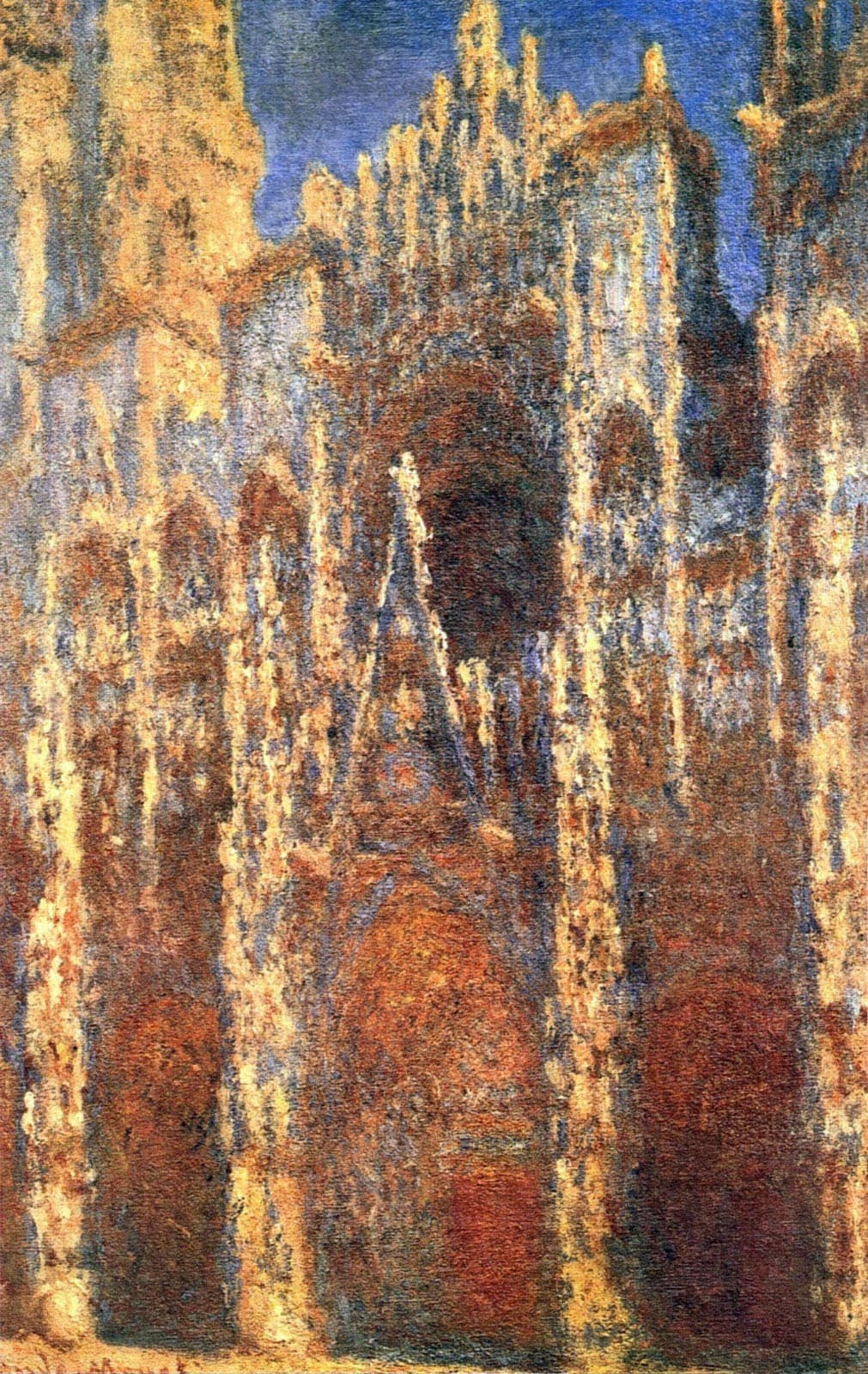
Rouen Cathedral, Portal (W 1359)
Claude Monet · 1893–94
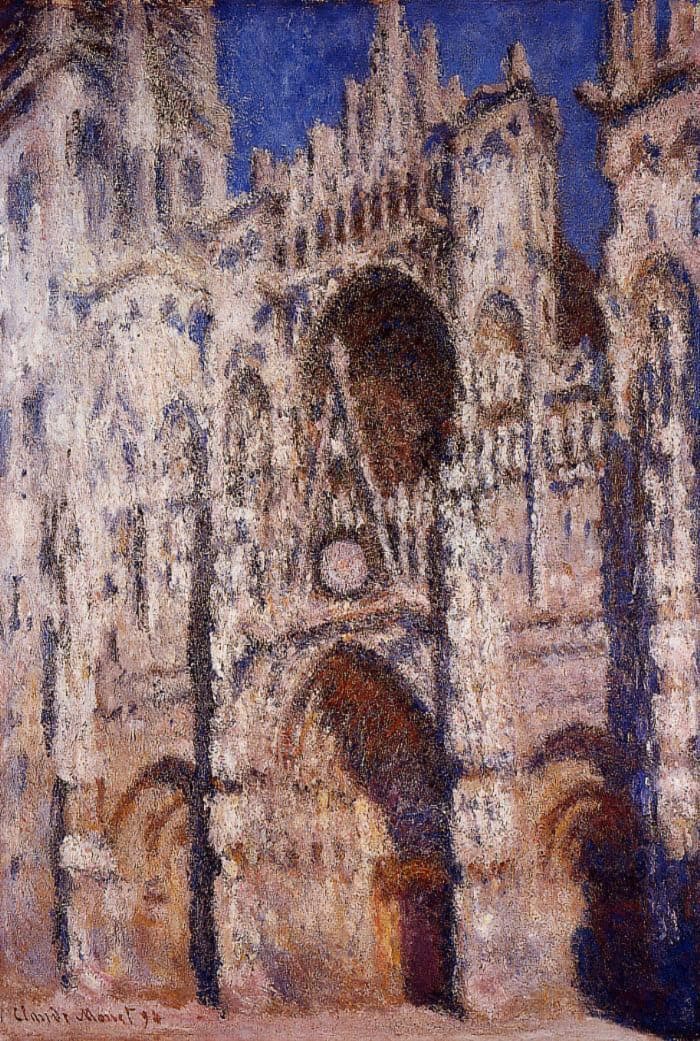
Rouen Cathedral (W 1361)
Claude Monet · 1893–94
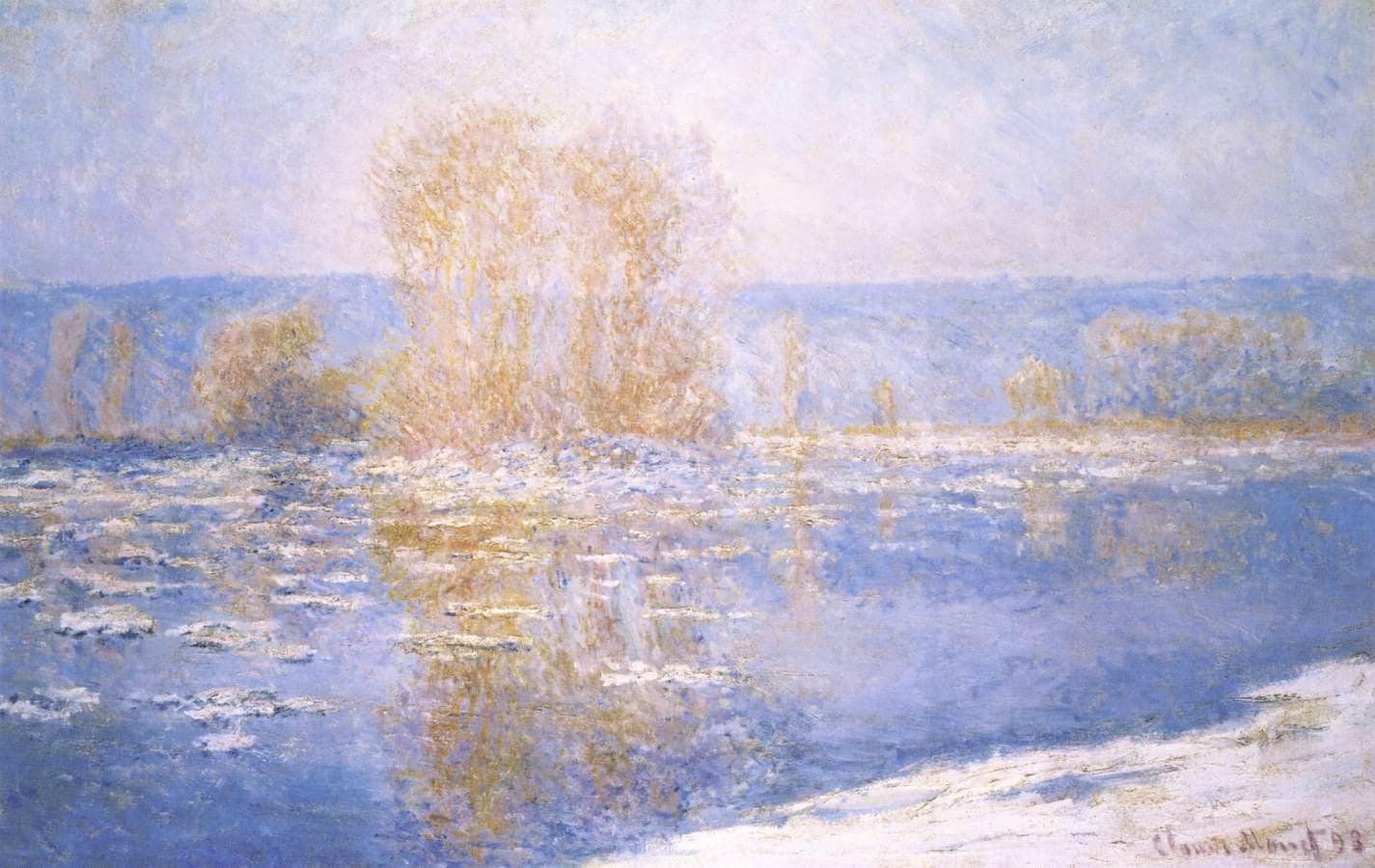
Floating Ice at Bennecourt
Claude Monet · 1893
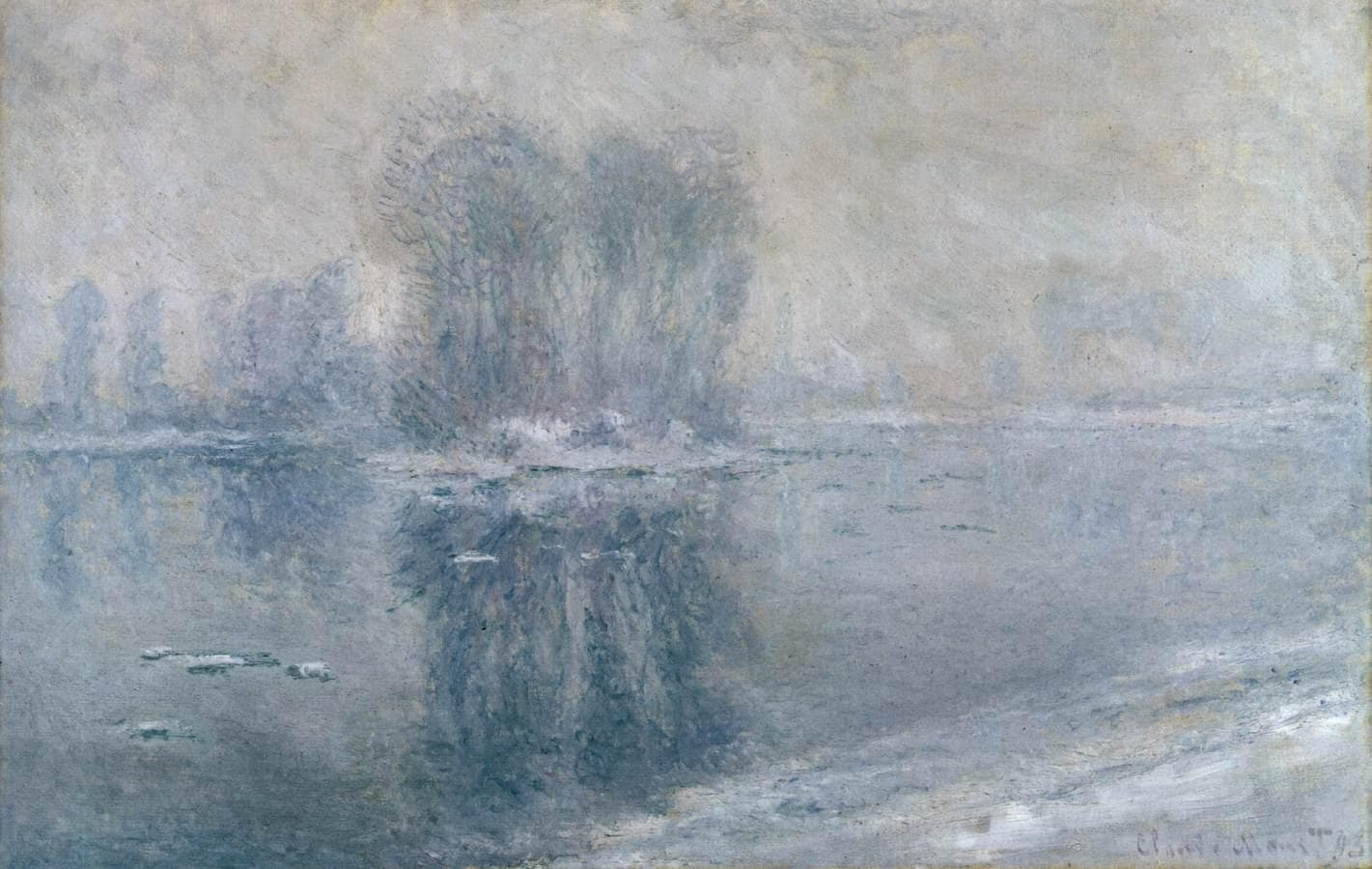
Ice Floes
Claude Monet · 1893
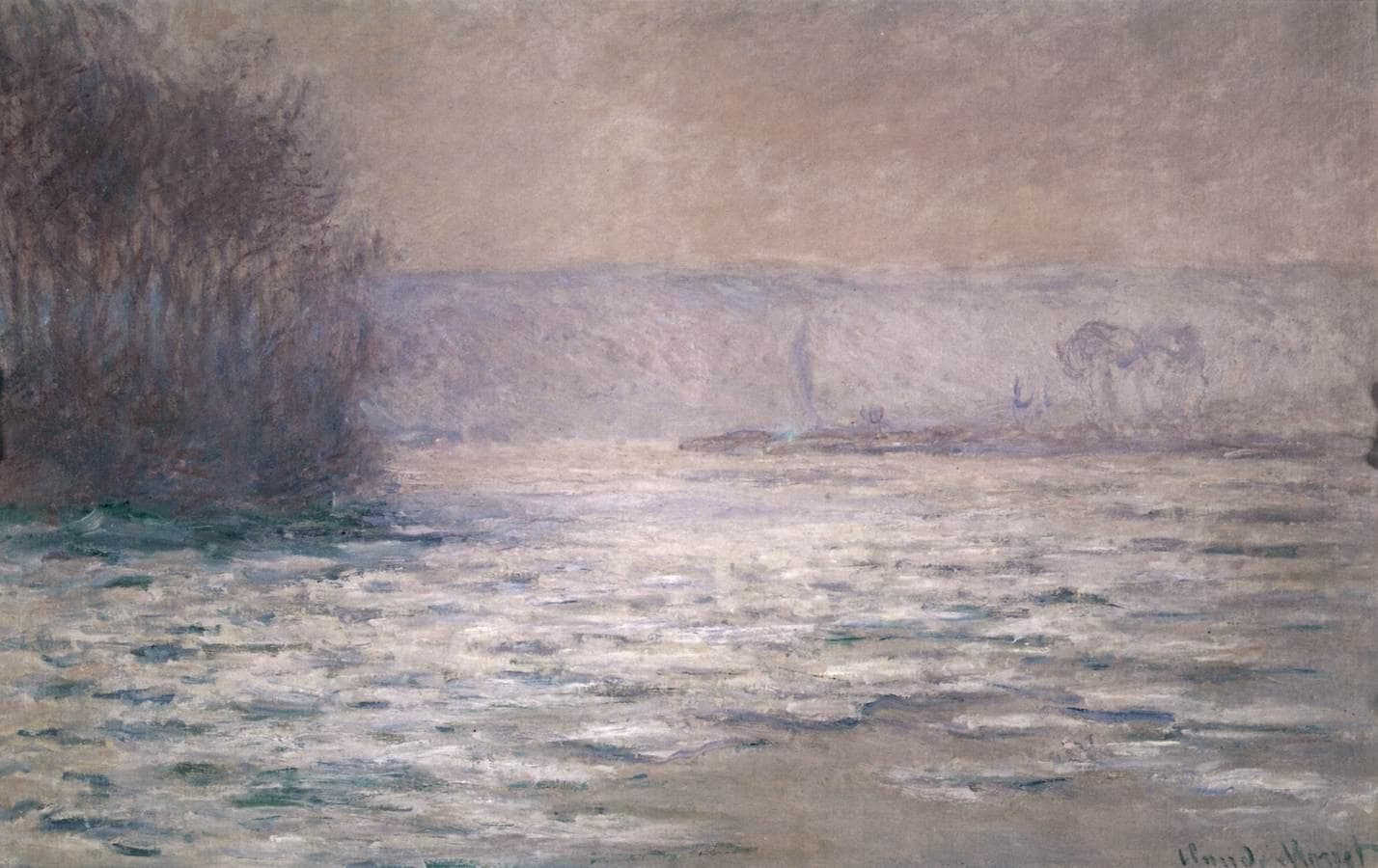
Ice Floes on the Seine near Bennecourt
Claude Monet · 1893
Kindred works
You may also study
Ice Floes
Claude Monet · 1893
Floating Ice at Bennecourt
Claude Monet · 1893
Ice Floes on the Seine near Bennecourt
Claude Monet · 1893
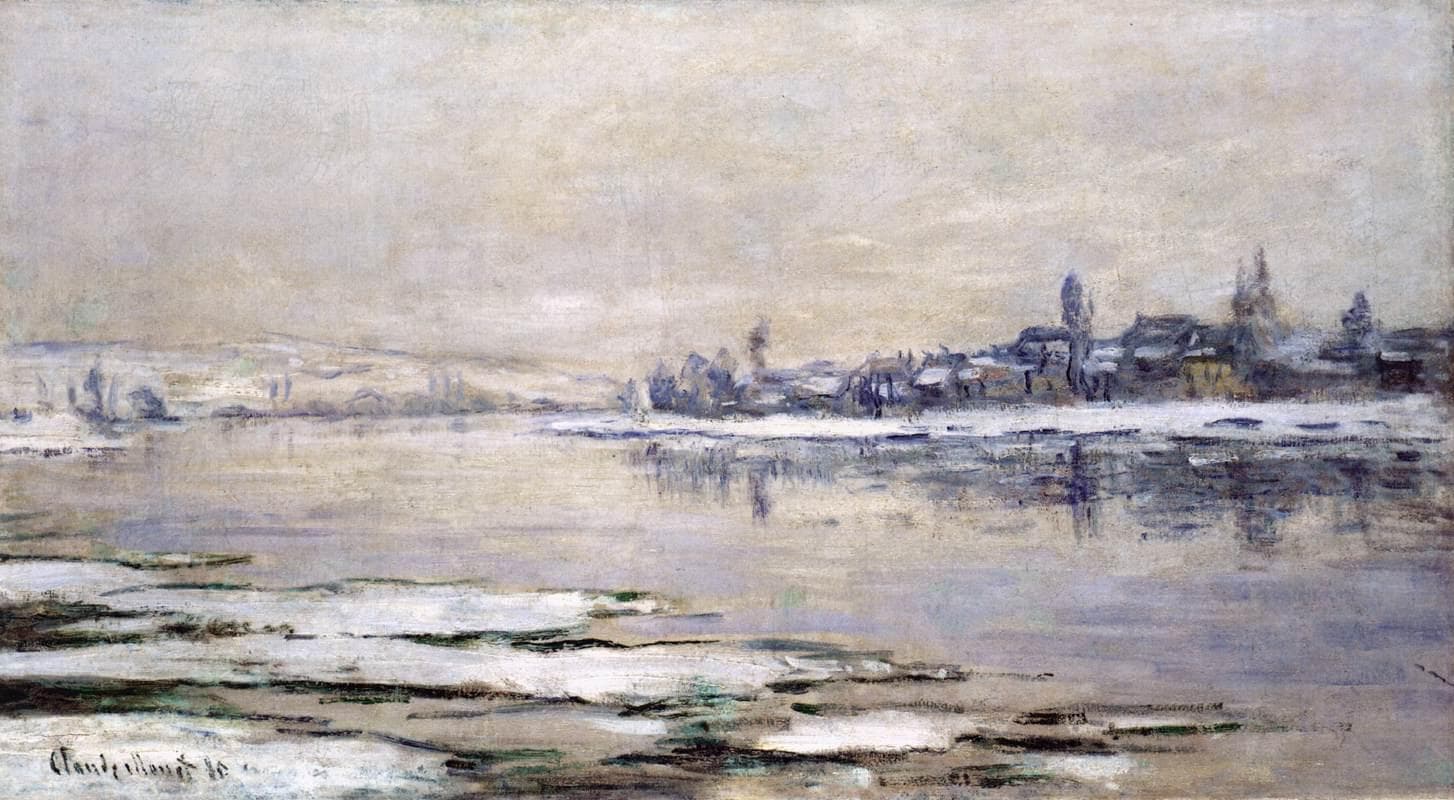
The Breakup of the Ice at Lavacourt
Claude Monet · 1880
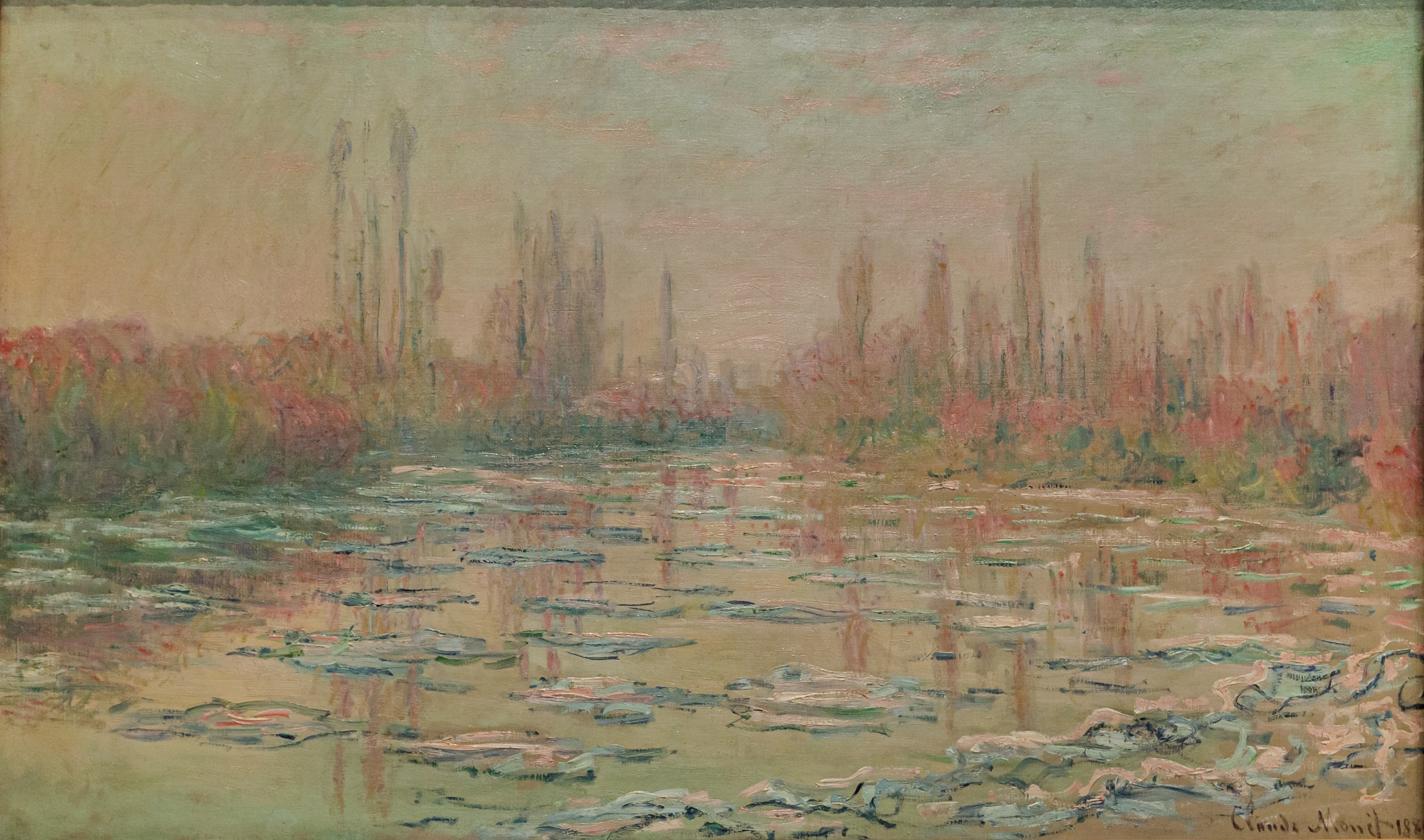
Floating Ice on the Seine (Les Glaçons)
Claude Monet · 1880
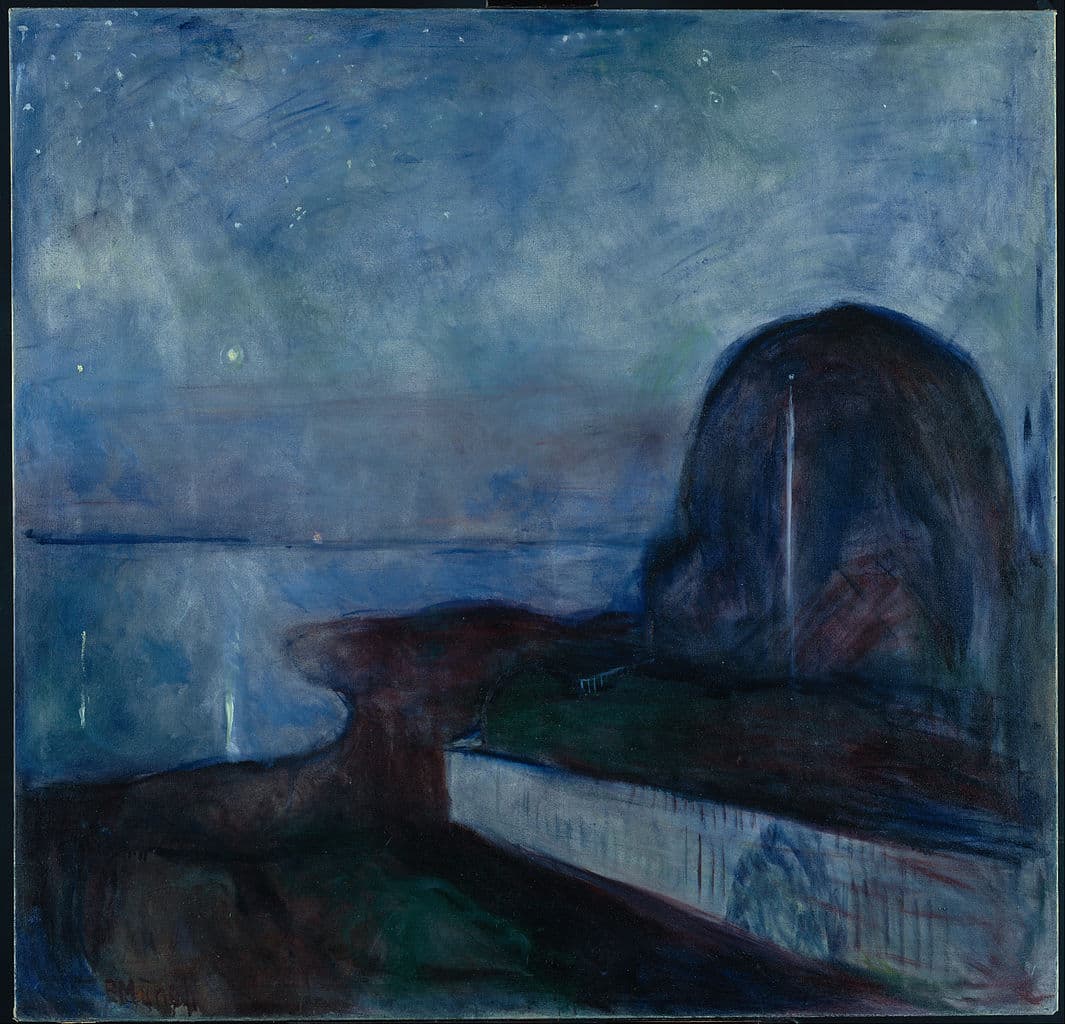
Starry Night (Munch)
Edvard Munch · 1893
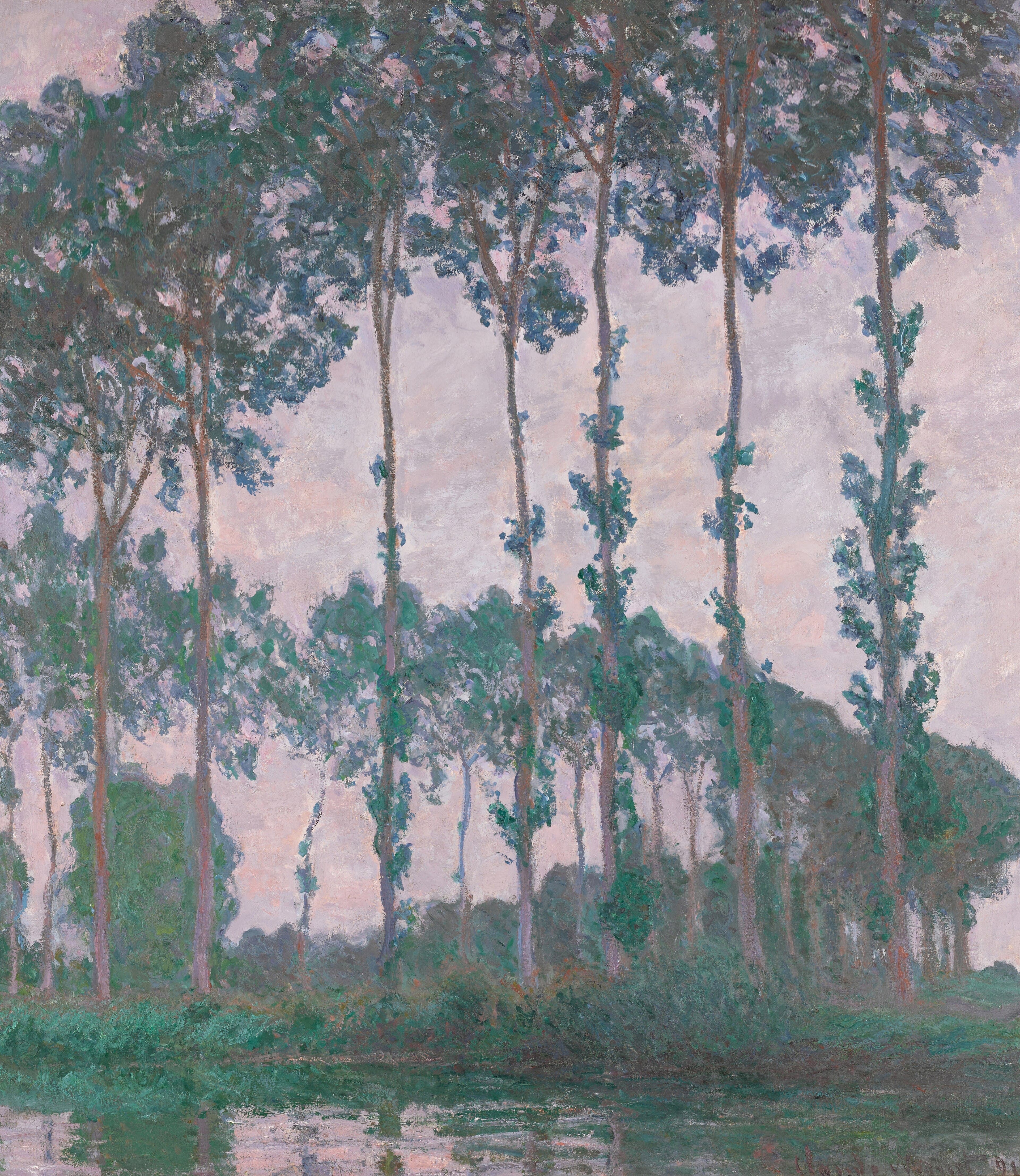
Peupliers au bord de l'Epte, temps couvert
Claude Monet · 1891
Three Poplars, Autumn Effect
Claude Monet · 1891