Image: Claude Monet (source: http://www.wikiart.org/en/claude-monet/rouen-cathedral-in-the-fog) · Public domain · via Wikimedia Commons
Rouen Cathedral, Fog
Claude Monet, 1893–94
Rouen Cathedral, Fog is a Claude Monet painting from his Rouen Cathedral series, begun in 1893 and dated 1894: the façade and its north tower seen at an angle, almost erased by blue morning fog. It is in a private collection.
- Artist
- Claude Monet
- Date
- 1893–94
- Medium
- Oil on canvas
- Collection
- Private collection
- Movement
- Impressionism
- Catalogue
- Wildenstein 1349
- Architecture & Ruins
- Religion & Saints
What you are looking at
The cathedral is a shadow in a blue cloud. Monet looks at the west front from an angle, so the tall square tower rises on the left of the canvas and the gabled façade steps up to the right, its pinnacles making a jagged silhouette against a whitish sky. But fog has swallowed nearly everything. The tower is a pale column of blue-gray, the façade a darker mass of cobalt and lavender, and the bottom of the picture is an undivided haze of blue strokes in which the portals can only just be made out.
The sky is a warm off-white, faintly pink at the left edge and pale lemon near the top, suggesting the sun is up somewhere beyond the mist. On the façade, the great rose window shows as a slightly darker oval in the blue, and the clock dial below it as a faint ring. There is no hard edge anywhere in the picture.
The signature and date, Claude Monet 94, are at lower left in dark blue.
Rouen, 1893
Claude Monet returned to Rouen in February 1893 for a second campaign on the cathedral. Along with rooms facing the portal, he rented space above a shop at 81 rue du Grand-Pont, at the southwest corner of the square, which gave him this angled view with the north tower (called the Tour d'Albane in Monet's catalogue raisonné; many scholars identify it as the Tour Saint-Romain). He finished the series at Giverny in 1894. See the Rouen Cathedral series for the whole group.
How it was painted
Monet keeps the palette almost monochrome: ultramarine, cobalt, violet and white, with a little pink and yellow in the sky. The strokes are short and broken, laid in crisscrossing layers so the blue seems to vibrate. In the lower half the brushwork loosens and runs in diagonal flicks, which reads as moving mist. The building's outline is the only drawing, and even that is soft.
How this version differs
The angled view with the tower exists in several weathers. The Museum of Fine Arts, Boston, has the dawn version, Façade and Tour d'Albane (Morning Effect), where the building is also blue but crisp against the sky. The Musée d'Orsay's Morning Effect turns it white, and the Pushkin Museum's Portal and Tower, Midday shows it in full sun. This canvas goes furthest toward dissolution: the tower in particular is less a structure than a column of fog. Among the frontal views, the Folkwang's The Portal, Morning Fog is its counterpart.
Looking closely
The only crisp marks on the canvas are the pale lines along the edges of the tower and the jagged tips of the gables against the sky. Everything below dissolves into broken blue strokes. At lower left, the signature in dark blue is the sharpest mark of all.
Fog as a subject
Fog fascinated Monet long before Rouen; his 1872 Impression, Sunrise is a picture of morning mist on the harbor at Le Havre. A decade after the cathedrals he would make fog the central subject of his London views of the Thames. The Rouen fog pictures sit between those two moments.
Ownership and where to see it
Catalogued as Wildenstein 1349, the painting is in a private collection, and published information about its size and ownership history is limited. To see the fog effect in a public museum, visit the Museum Folkwang in Essen; for the angled view, the MFA Boston and the Musée d'Orsay. Our guide to where to see Monet's paintings lists the rest.
Questions & answers
Where is Monet's Rouen Cathedral, Fog?
It is in a private collection and is not on public display. It is catalogued as Wildenstein 1349. The closest comparable pictures in museums are the Museum Folkwang's Portal, Morning Fog in Essen and the MFA Boston's dawn view of the façade and tower.
When was it painted?
Monet began it during his second stay in Rouen in early 1893, working from rooms at the southwest corner of the cathedral square, and completed it at Giverny, dating it 'Claude Monet 94'. The cathedral series was exhibited in Paris in 1895.
What does the painting show?
The west front of Rouen Cathedral and its tall north tower seen at an angle, almost dissolved in morning fog. The palette is nearly all blue and lavender, with a warm, pale sky behind, and only the jagged outline of the gables is clearly defined.
How many fog pictures are in the Rouen series?
A small number. Fog and mist were common in Rouen in late winter, and Monet painted both the frontal portal and the angled view with the tower in fog. This canvas and the Folkwang's Morning Fog are the best-known examples.
More by the artist
Claude Monet
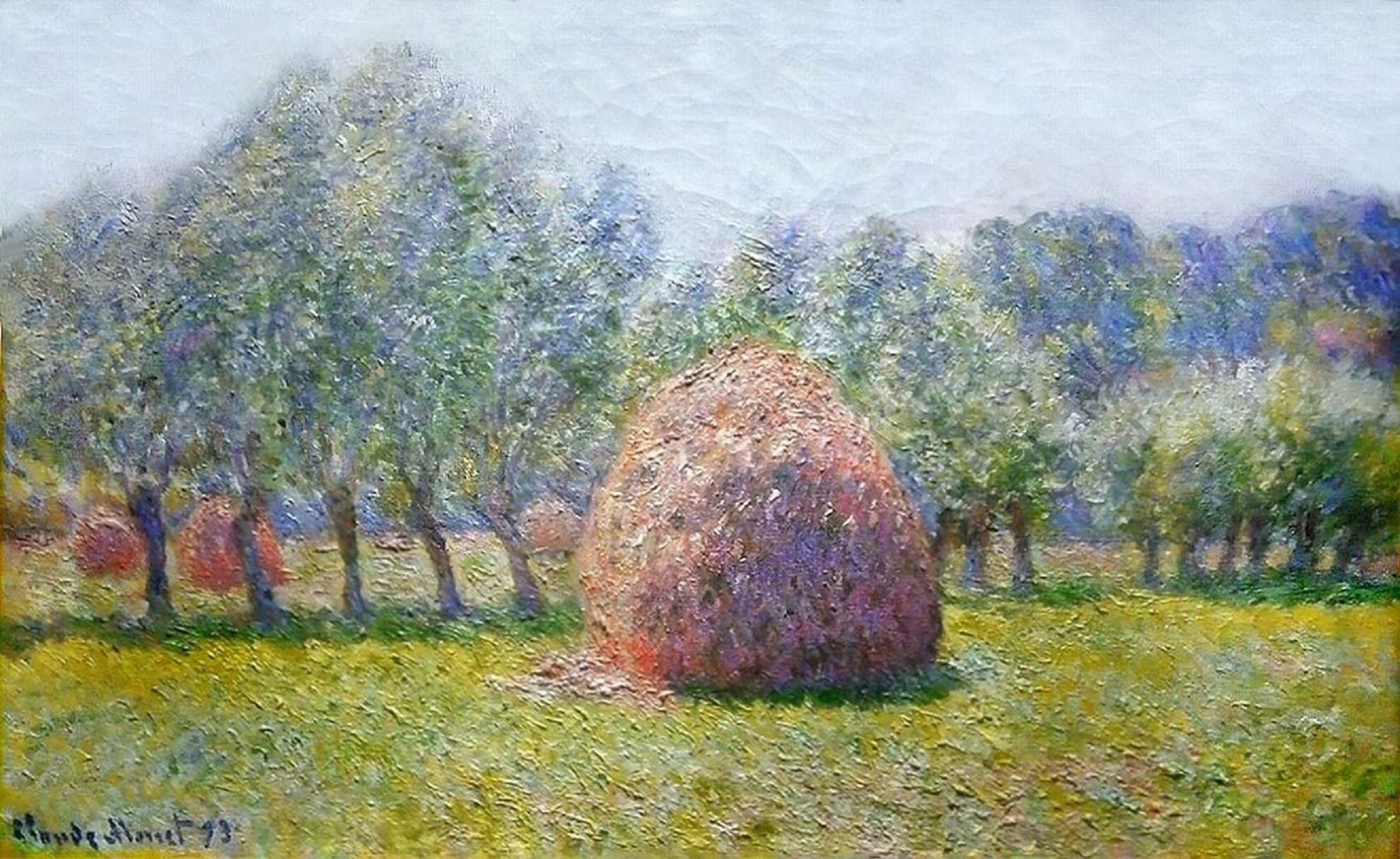
Grainstack
Claude Monet · 1893
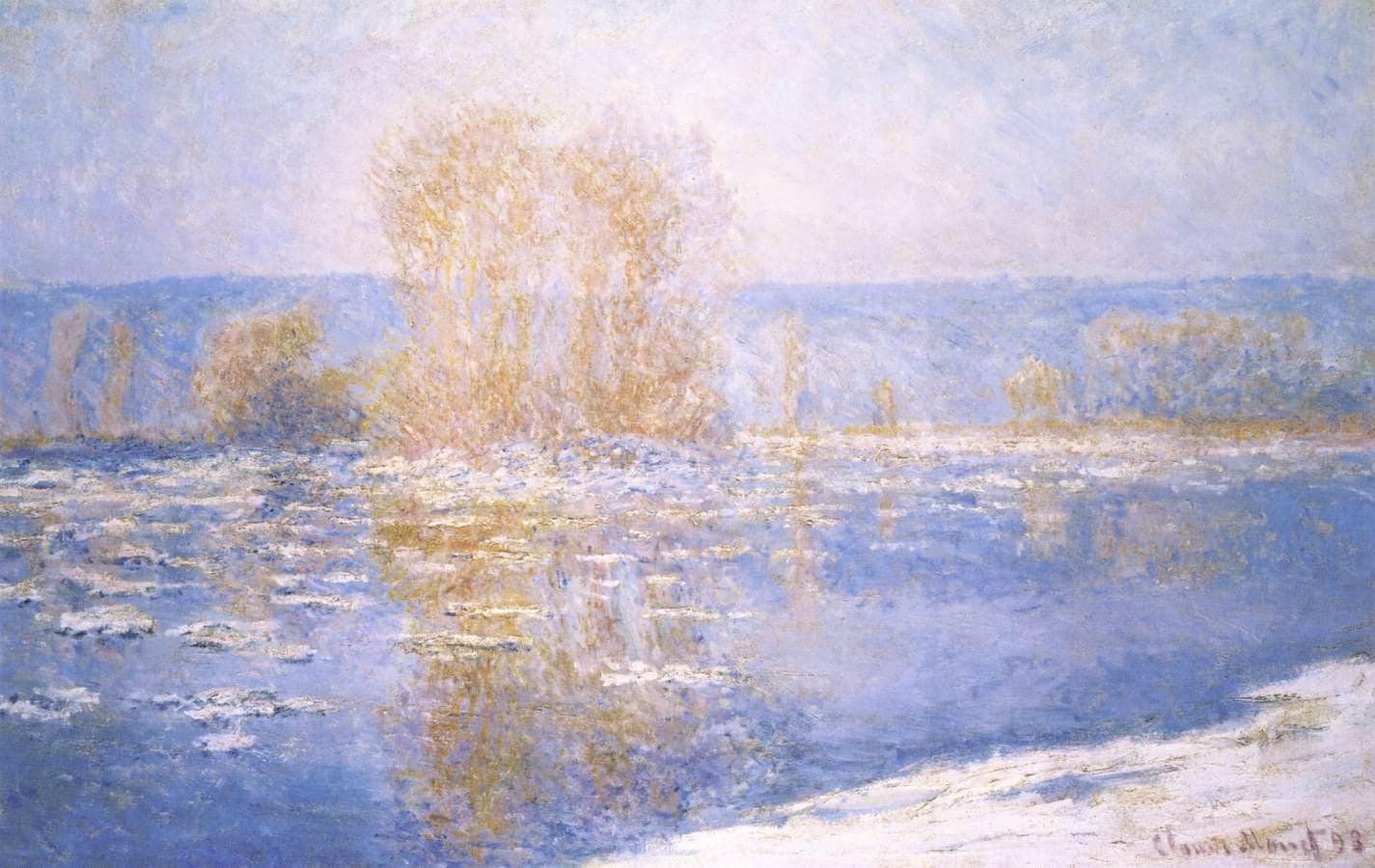
Floating Ice at Bennecourt
Claude Monet · 1893
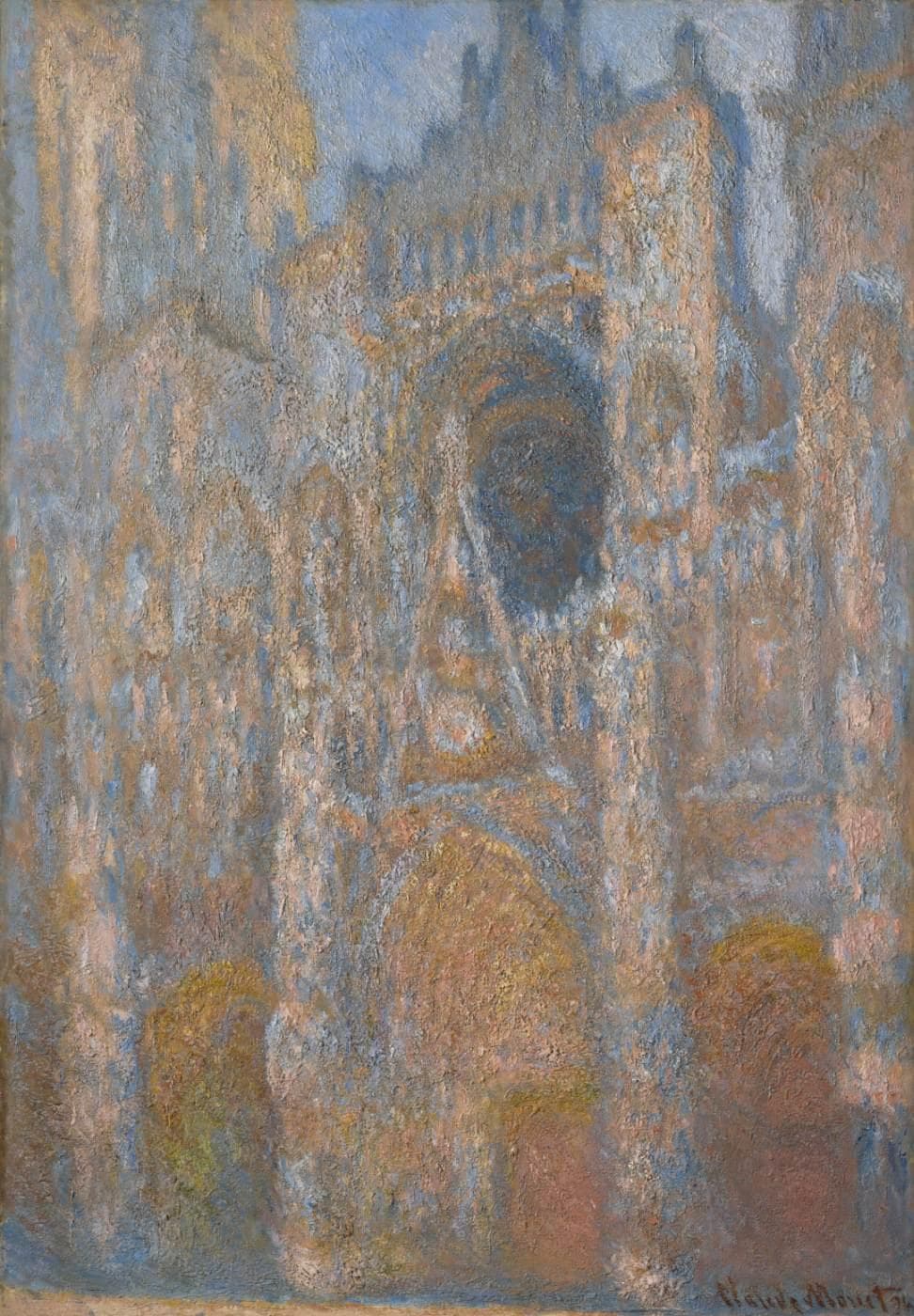
Rouen Cathedral in Sunlight
Claude Monet · c. 1892–94
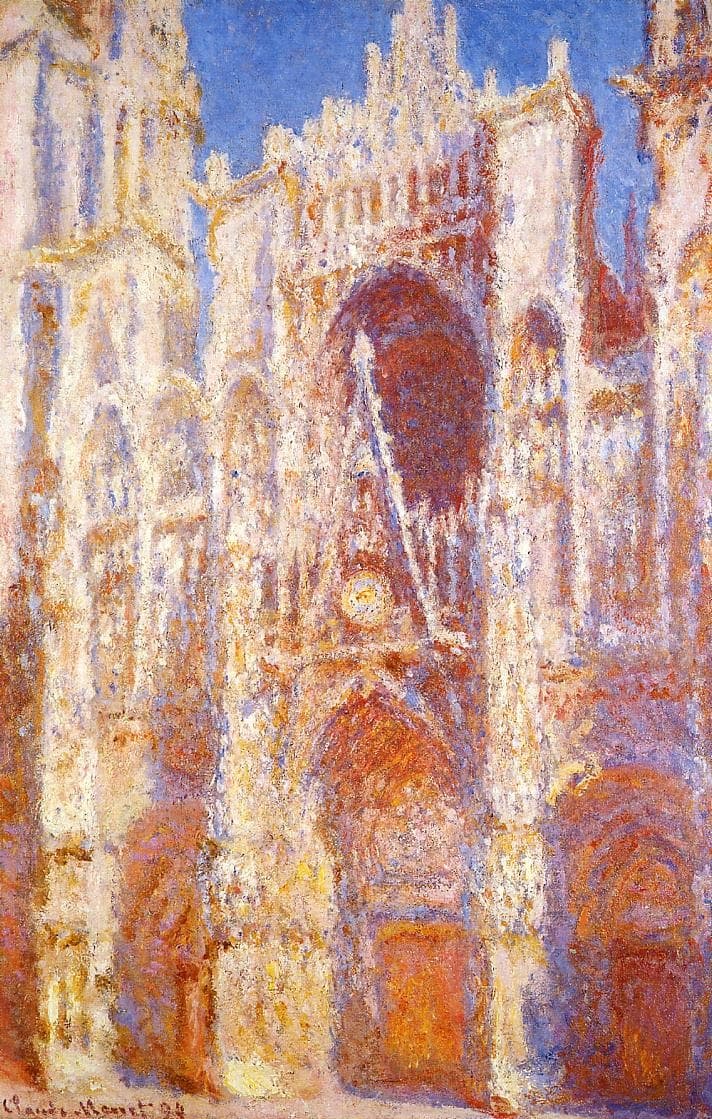
Rouen Cathedral, Portal, Sunlight (W 1322)
Claude Monet · 1892–94
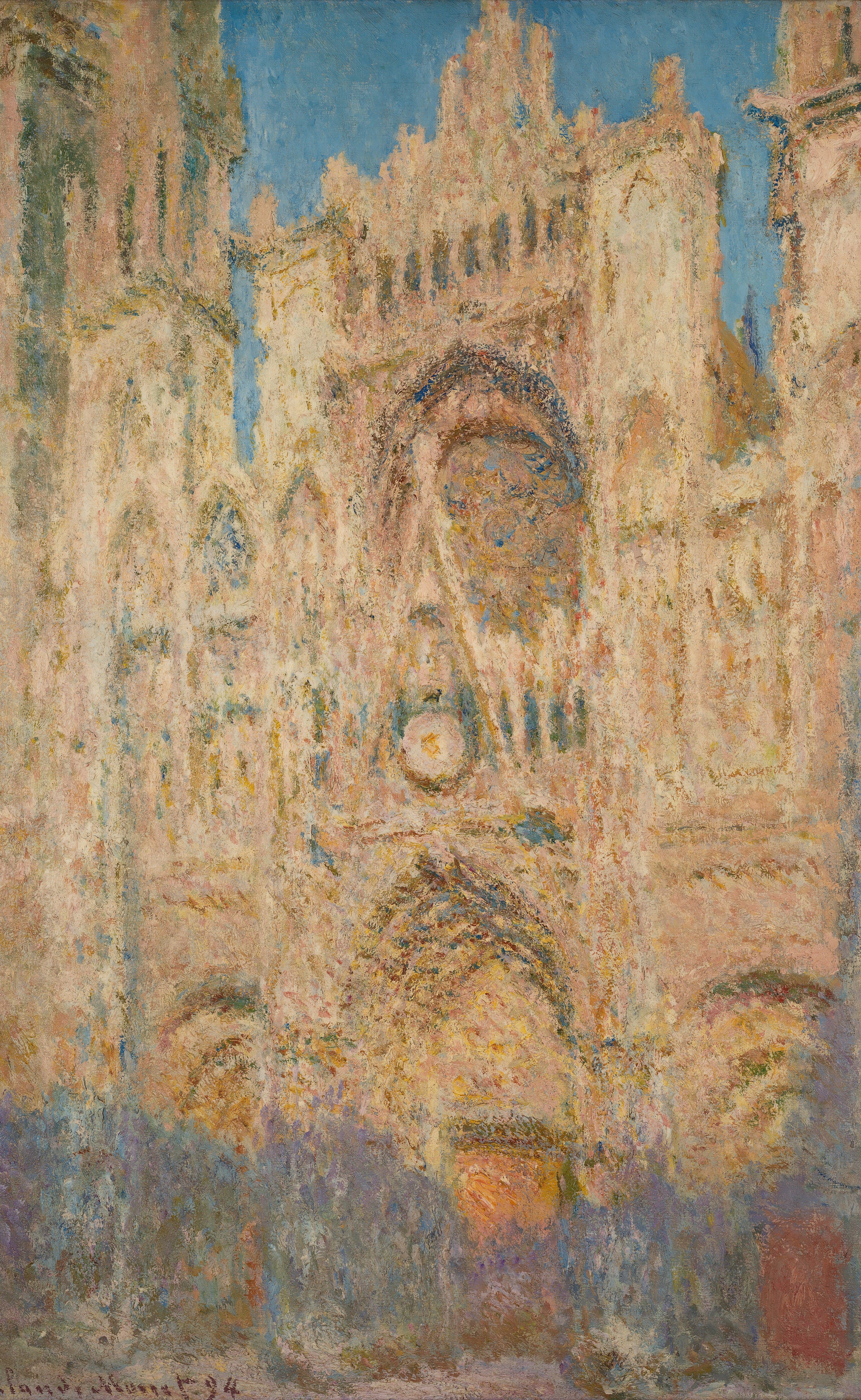
Rouen Cathedral, Evening
Claude Monet · 1894
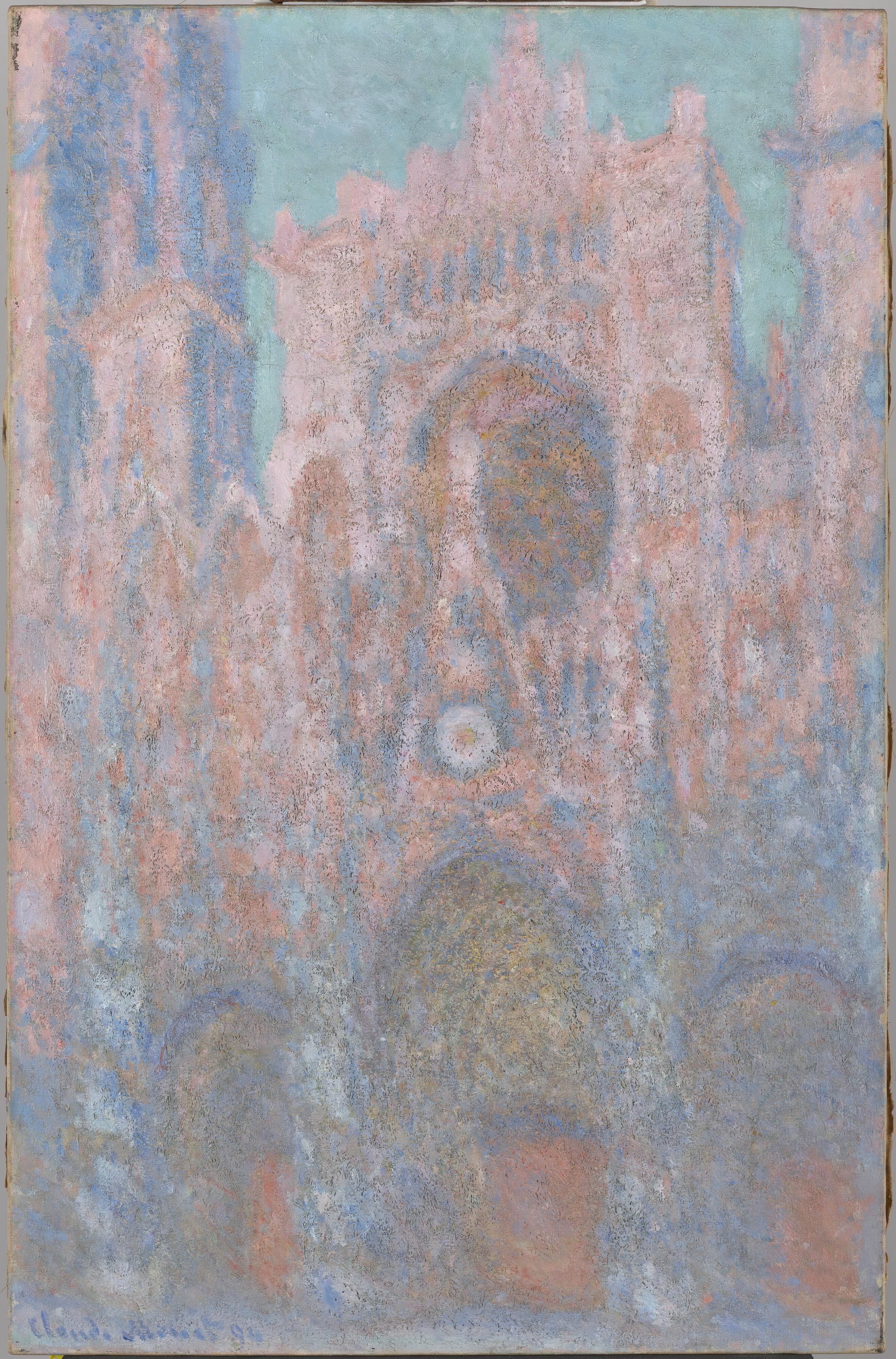
Rouen Cathedral: Setting Sun (Symphony in Pink and Grey)
Claude Monet · 1892–94
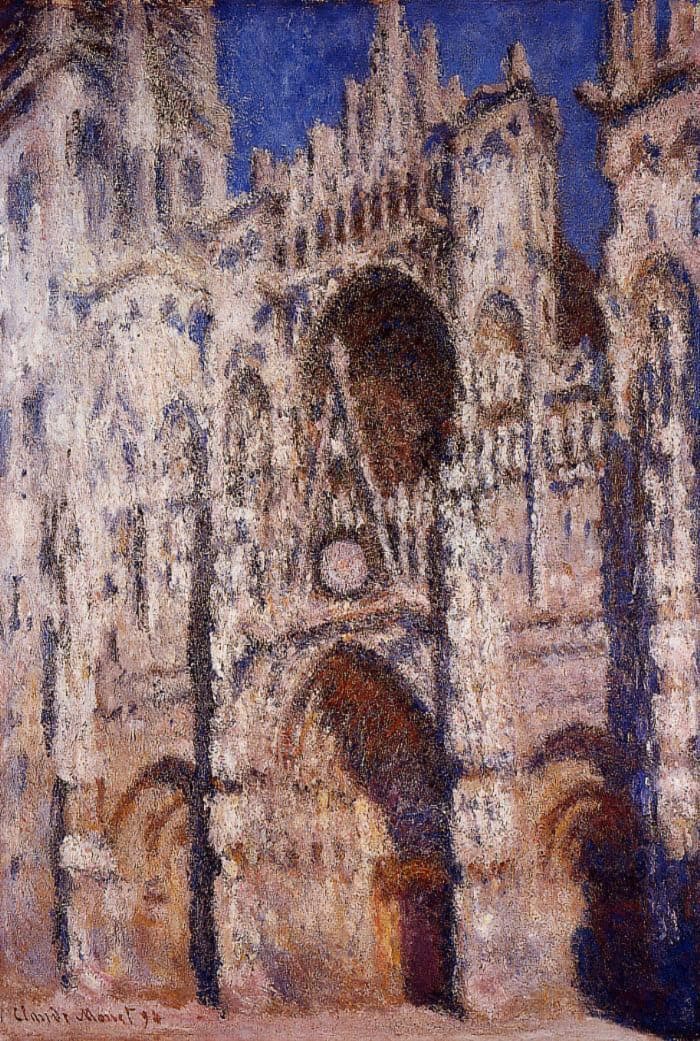
Rouen Cathedral (W 1361)
Claude Monet · 1893–94
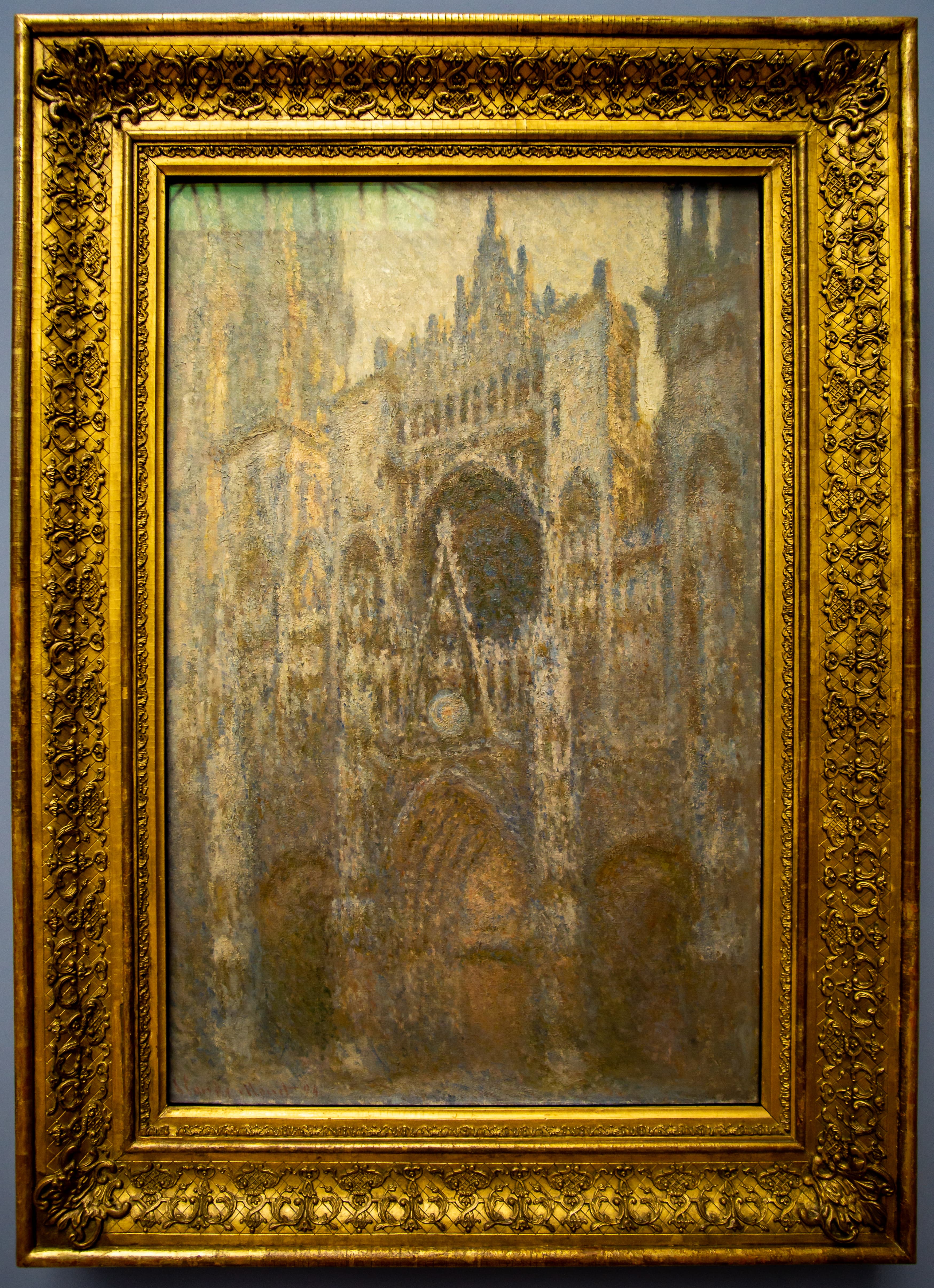
Rouen Cathedral, Portal
Claude Monet · 1893–94
Also painted in 1893
The same year
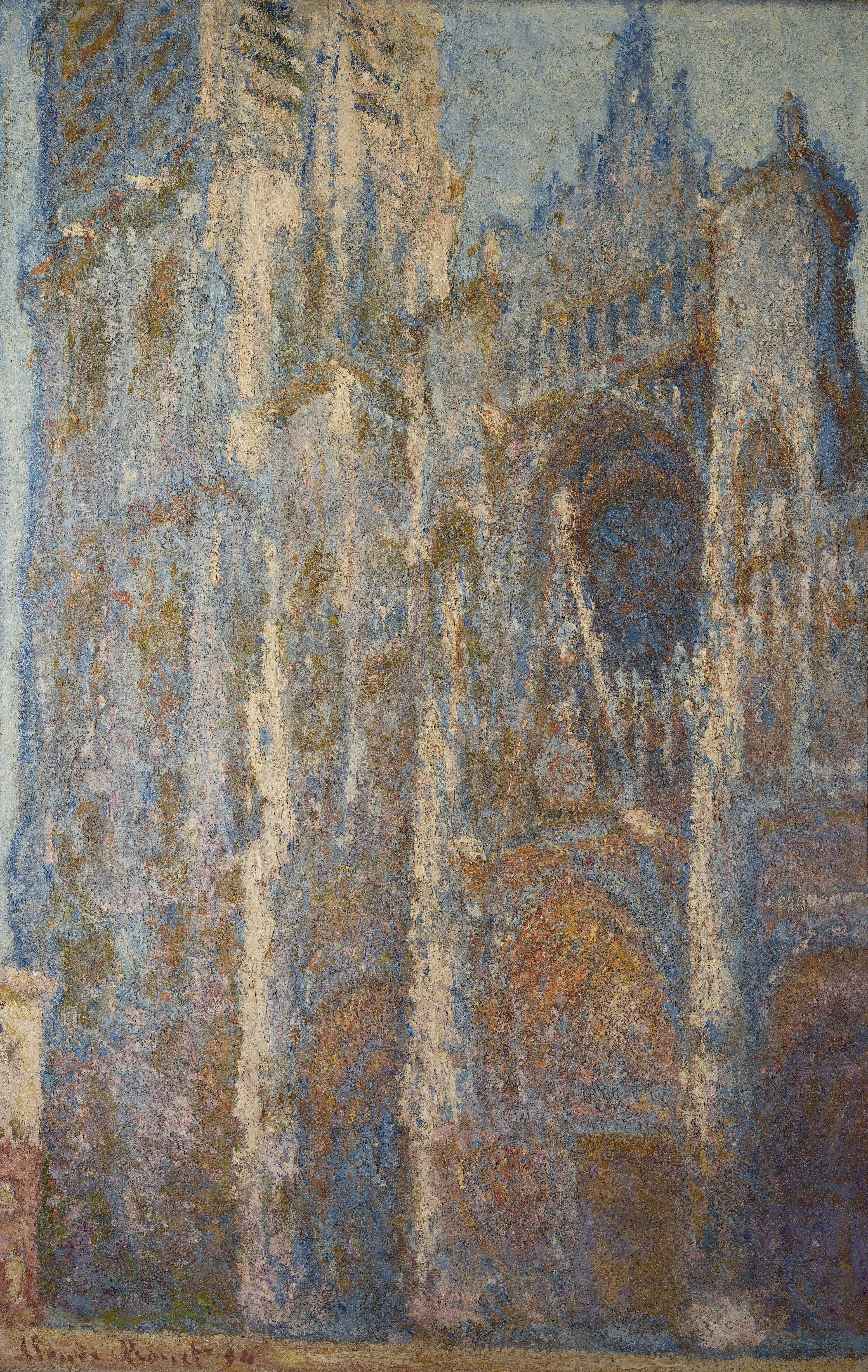
Rouen Cathedral, Portal and Tower d'Albane, Midday
Claude Monet · 1893–94
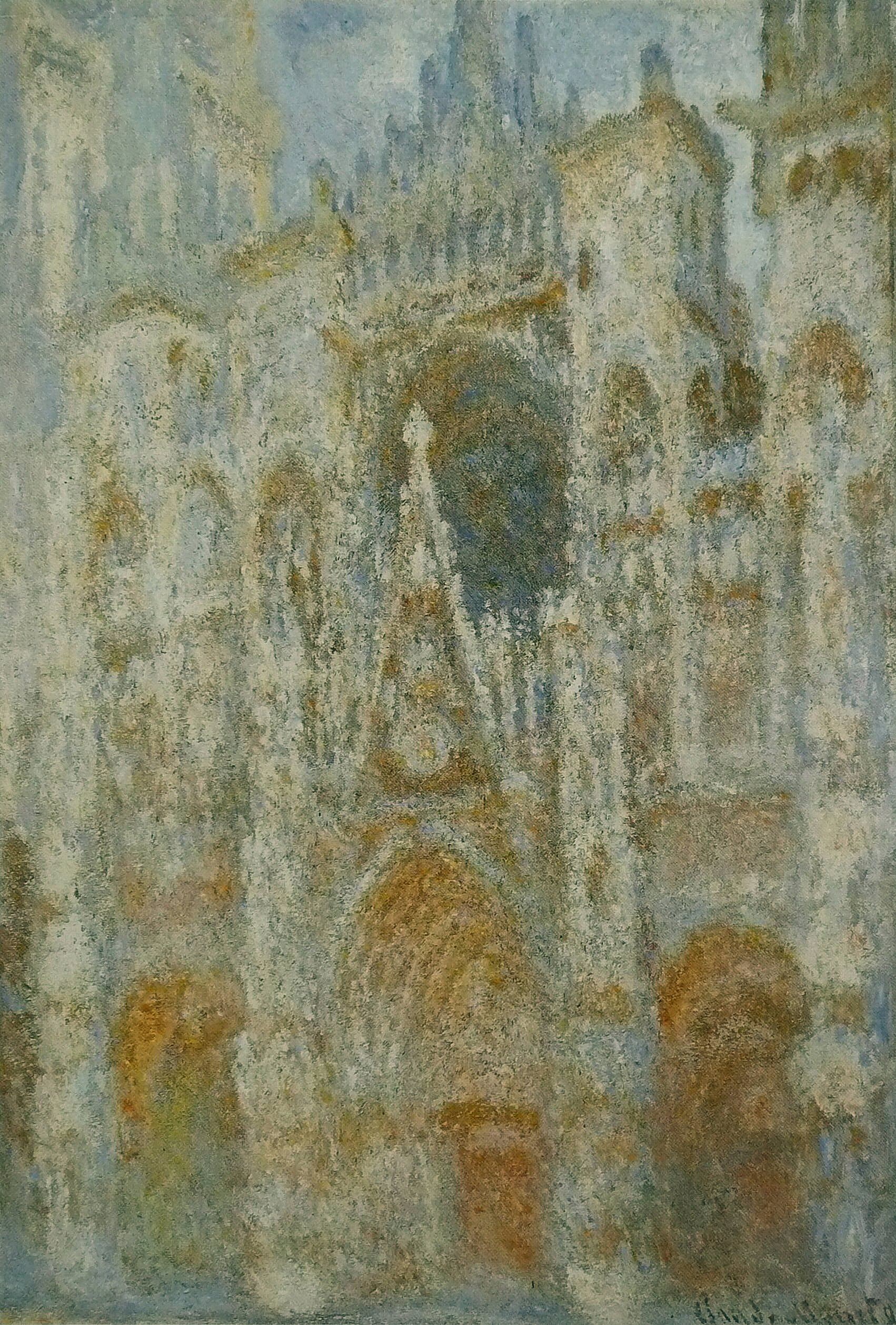
Rouen Cathedral, the Portal, Morning Sun (Harmony in Blue)
Claude Monet · 1893–94
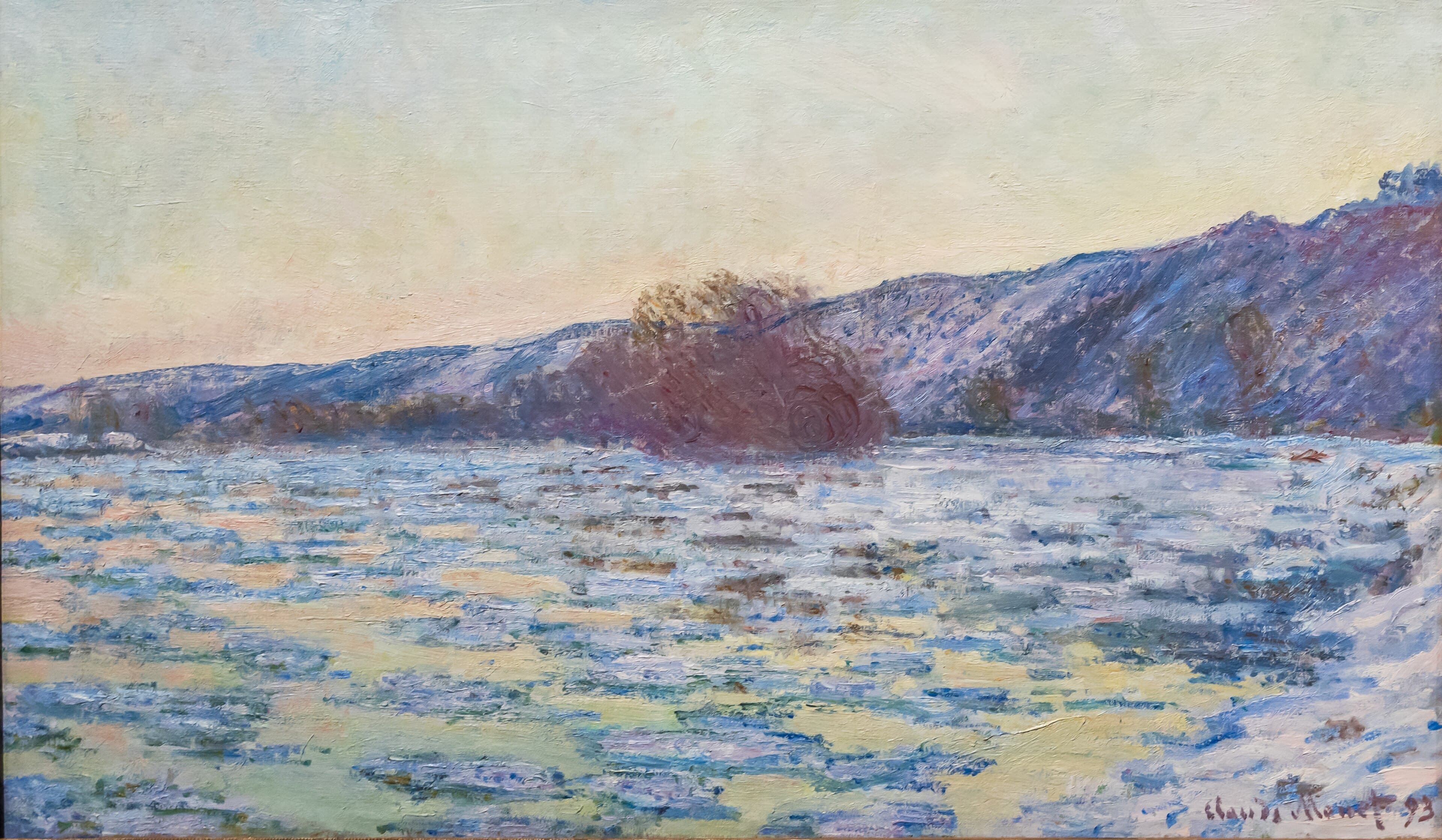
Ice Floes at Twilight
Claude Monet · 1893
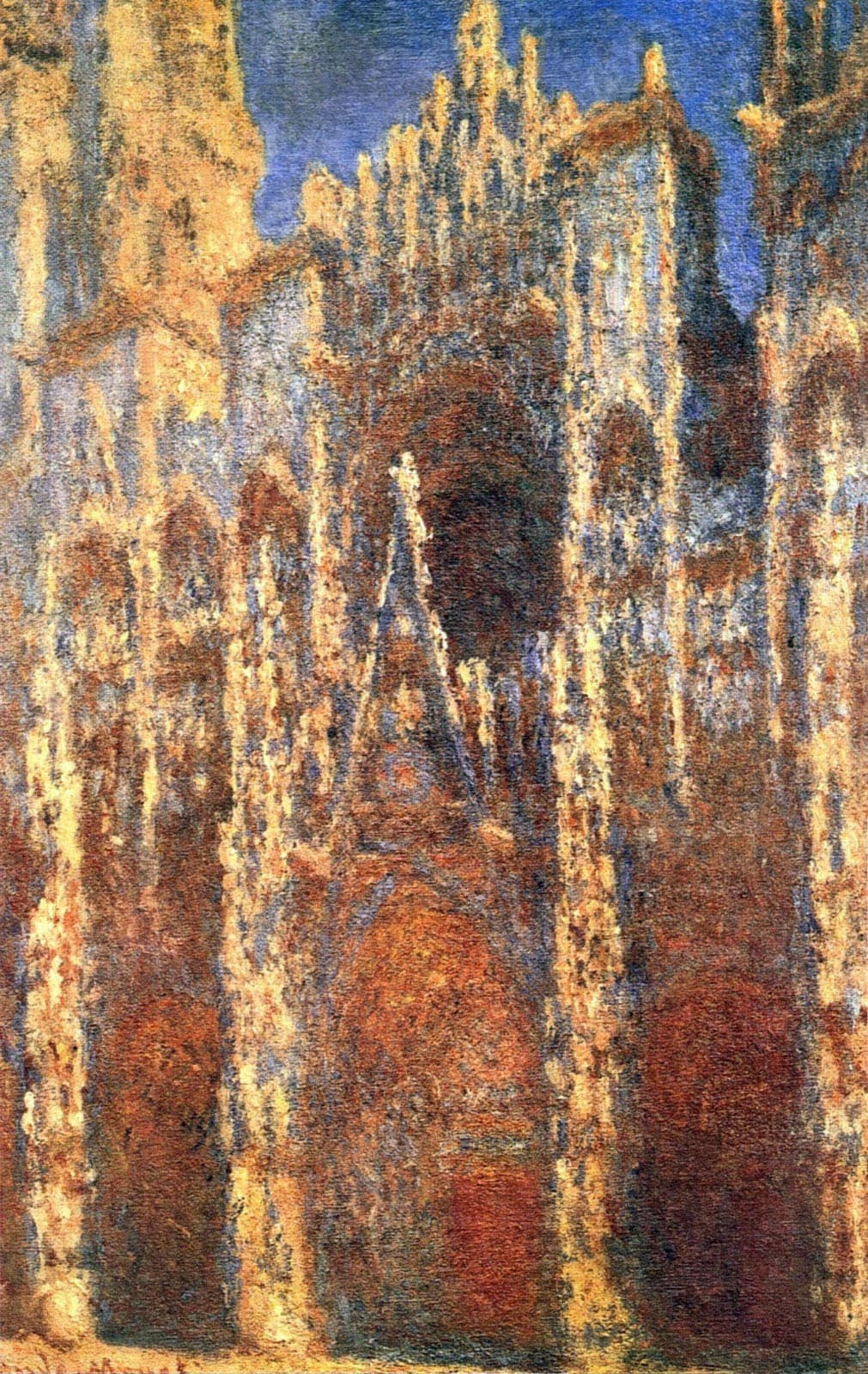
Rouen Cathedral, Portal (W 1359)
Claude Monet · 1893–94
Ice Floes
Claude Monet · 1893
Ice Floes on the Seine near Bennecourt
Claude Monet · 1893
Rouen Cathedral, Effects of Morning Light
Claude Monet · 1893
Rouen Cathedral in Full Sunlight
Claude Monet · 1893
Kindred works
You may also study
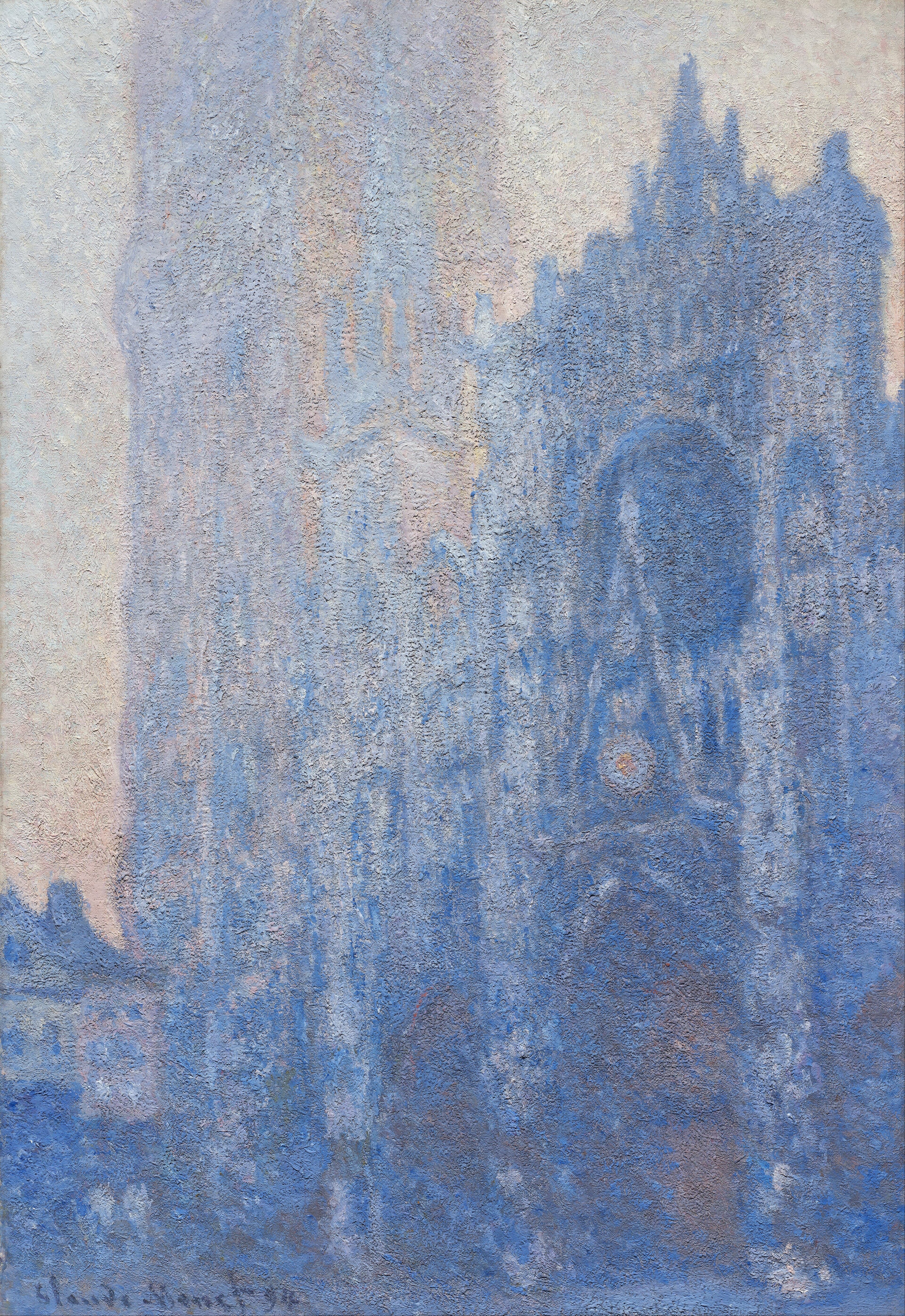
Rouen Cathedral Façade and Tour d'Albane (Morning Effect)
Claude Monet · 1893–94
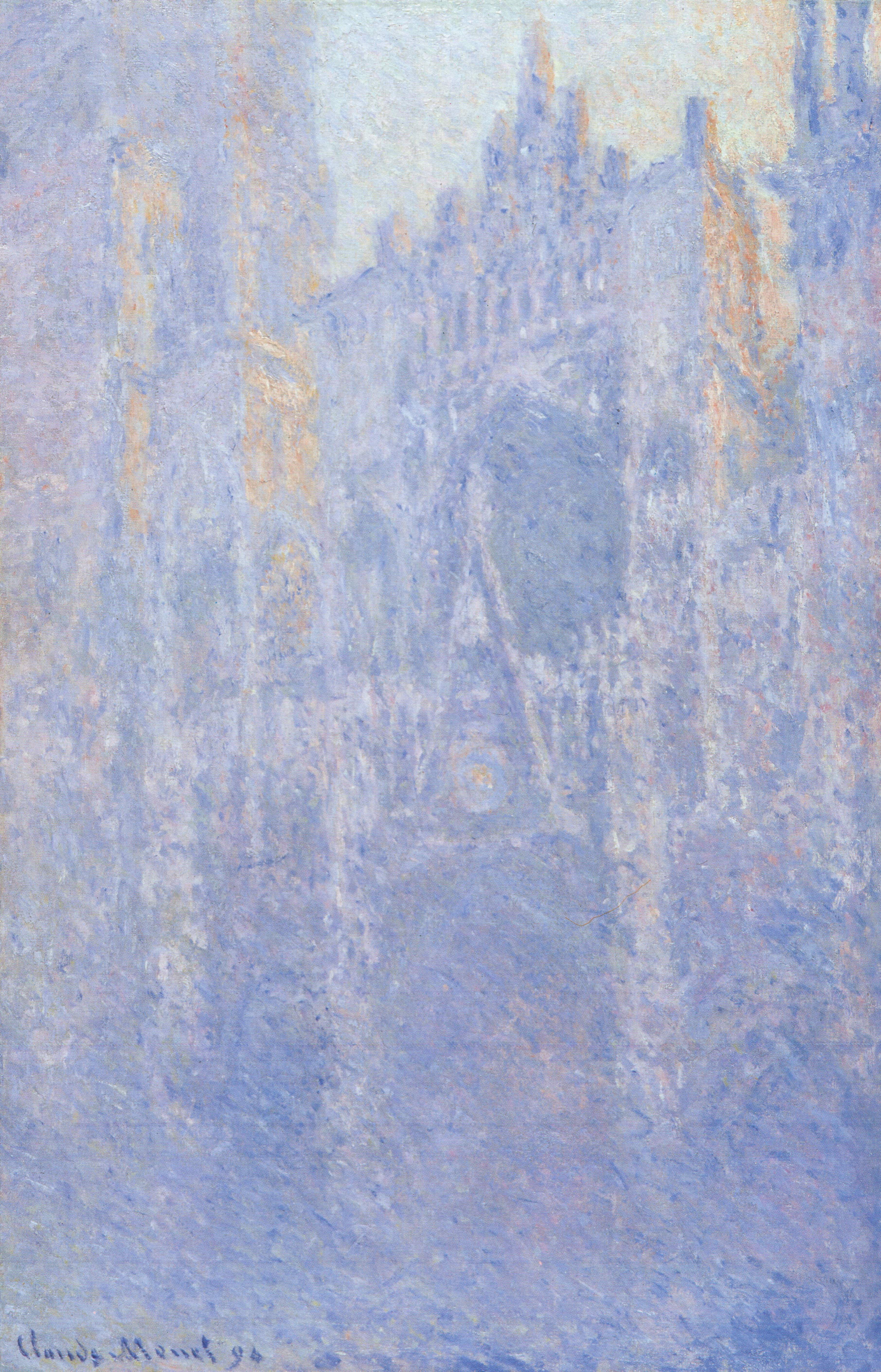
The Portal, Morning Fog
Claude Monet · 1893–94
Rouen Cathedral, Effects of Morning Light
Claude Monet · 1893
Rouen Cathedral, Portal and Tower d'Albane, Midday
Claude Monet · 1893–94
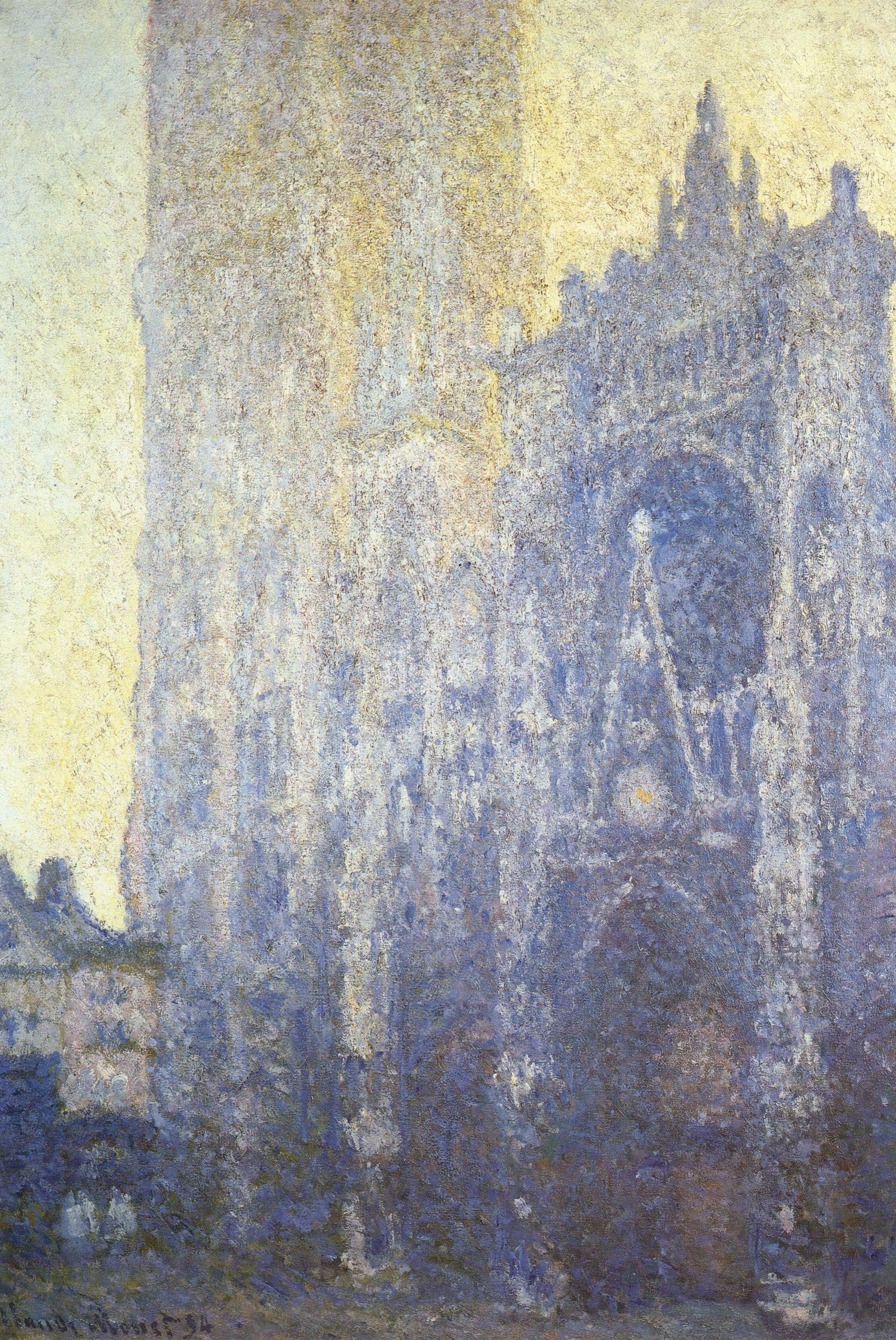
Rouen Cathedral, the Portal, Morning Effect
Claude Monet · 1893–94
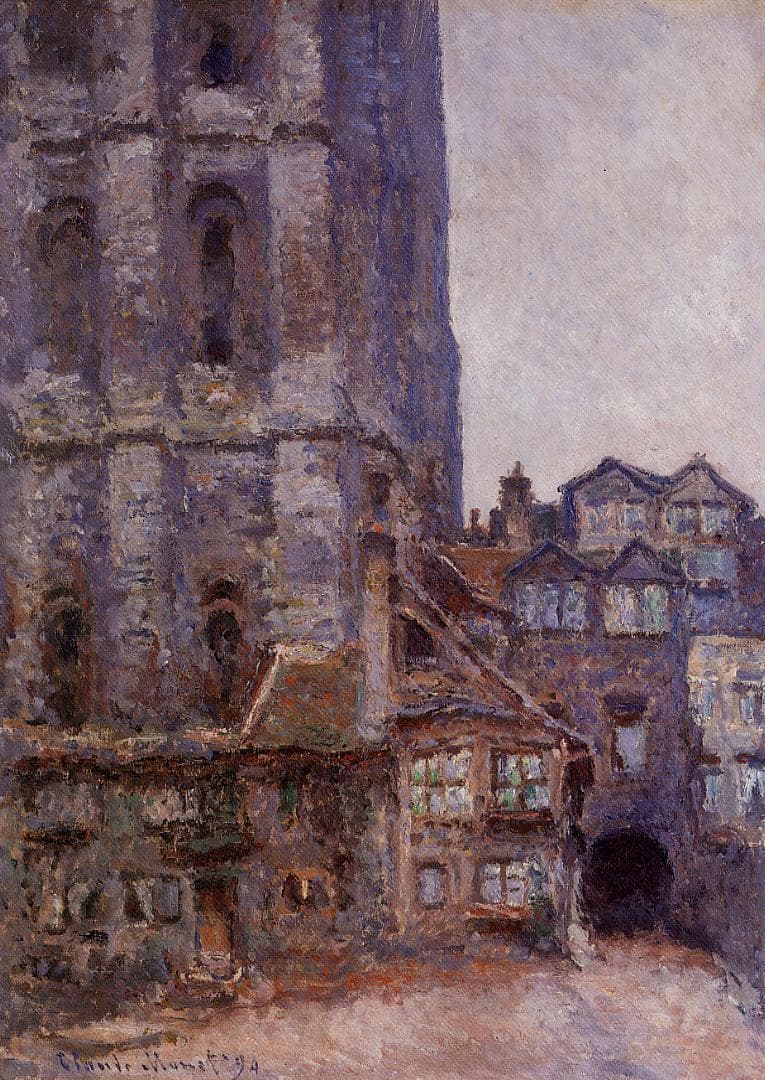
La Cour d'Albane, temps gris
Claude Monet · 1892–94
Rouen Cathedral: The Portal (Sunlight)
Claude Monet · 1892–94
Rouen Cathedral, the Portal and the Tour d'Albane, Grey Weather
Claude Monet · 1893–94