Image: National Gallery of Canada, Ottawa (book reproduction via Wikimedia Commons) · Public domain · via Wikimedia Commons
Waterloo Bridge: the Sun in a Fog
Claude Monet, 1903
Waterloo Bridge: the Sun in a Fog is a 1903 Claude Monet painting of a red sun high in grey-gold fog, its reflection laying an orange path across the Thames under a blue bridge. The National Gallery of Canada bought it in 1914.
- Artist
- Claude Monet
- Date
- 1903
- Medium
- Oil on canvas
- Dimensions
- 73.7 × 100.3 cm
- Collection
- National Gallery of Canada, Ottawa, Canada
- Movement
- Impressionism
- Catalogue
- Wildenstein 1573
- The City
- Water & Sea
Waterloo Bridge: the Sun in a Fog (also Effect of Sunlight in the Fog) is one of Claude Monet's views of the Thames from the Savoy Hotel, dated 1903 at lower left. At 73.7 × 100.3 cm it is slightly taller than most canvases of the series, and it is number 1573 in the Wildenstein catalogue raisonné. The National Gallery of Canada in Ottawa bought it from Durand-Ruel in New York in 1914 (no. 817).
What you're looking at
The sun is the center of the picture. It hangs in the upper middle as a small, intense disc of orange-red, ringed with a faint halo, in a sky of grey-gold and lilac fog laid on in thick, dry, crusty strokes. There are no chimneys, no buildings: only fog.
Below, across the middle, the bridge lies as a long band of blue and violet, its arches only faintly suggested at the left. A second, smaller patch of orange sits just above the deck at center, a reflection or a gap in the fog.
The river is the counterpart to the sky. Straight down from the sun runs a vertical path of horizontal strokes in orange, gold and pink, the reflection broken by the current, widening as it comes toward us. On either side the water is blue-violet and green, with two small dark boats at left and right.
This version's distinction is its clear, almost symmetrical structure: sun, bridge and reflection on one vertical axis. It is among the most direct images in the series of the sun as a physical presence in the fog.
Where and when it was painted
Monet painted Waterloo Bridge in the mornings during his London stays of 1899–1901, facing the rising sun downstream. He was fascinated by how London's fog, thickened by coal smoke, turned the sun red and dimmed it enough to look at. He finished and dated this canvas at Giverny in 1903.
The canvas's slightly taller proportions, 73.7 cm high instead of the usual 65, give the sky more room and allow the sun to sit well above the bridge. Monet used this format for several of his fog pictures, in which the space of the sky mattered as much as the bridge.
How it was painted
The fog is built up in thick, scumbled layers, giving the sky a heavy, granular texture. The reflection is laid on in short, horizontal, impasto strokes of warm color over the cool river. The sun is a single, thick dab. The whole surface shows the slow accumulation of paint typical of Monet's studio reworking of the London series.
How this version differs
In the Waterloo Bridge series, the Kunsthaus Zürich's Le Pont de Waterloo shows a similar blazing reflection but hides the sun. The small canvases in the Kerry Stokes Collection (Waterloo Bridge) and the Davis Museum (Waterloo Bridge) set the sun at upper left in turquoise fog. Ottawa's canvas is the most monumental and centered.
A detail to look for
Look just above the bridge, at center: a second, smaller patch of orange glows there, directly below the sun and above its reflection. It may be the sun's light caught on a gap in the fog, or reflected on the wet stone of the parapet. Whatever it represents, it links the sun above to the reflection below, making a vertical chain of warm color down the middle of the picture. Monet seems to have added it to strengthen that axis. It is easy to overlook in reproductions, but in the gallery it is one of the brightest notes on the canvas.
Ownership and where to see it
Durand-Ruel bought the painting from Monet in 1905. It was briefly sold in 1907 to William Lowell Putnam of Boston, who returned it within a month, and it stayed with Durand-Ruel's New York branch until Ottawa's purchase in 1914. It was lent to the Courtauld's Monet and London: Views of the Thames in 2024–25. See Monet in London, where to see Monet's paintings and Claude Monet.
Questions & answers
Where is Waterloo Bridge: the Sun in a Fog?
It is in the National Gallery of Canada in Ottawa (no. 817). The gallery bought it from Durand-Ruel in New York in 1914.
When was it painted?
It is dated 1903. Monet painted the view from the Savoy Hotel in London during his stays of 1899–1901 and finished the canvas at Giverny. It is Wildenstein number 1573.
What does the painting show?
A small red-orange sun high in grey-gold fog over Waterloo Bridge, with its reflection forming a vertical path of orange and gold across the blue-violet Thames, and two small boats on the water.
Why is the sun red in Monet's London paintings?
London's fog was thick with coal smoke, which filtered the sunlight and turned the sun red or orange, dim enough to look at directly. Monet painted that effect many times.
More by the artist
Claude Monet
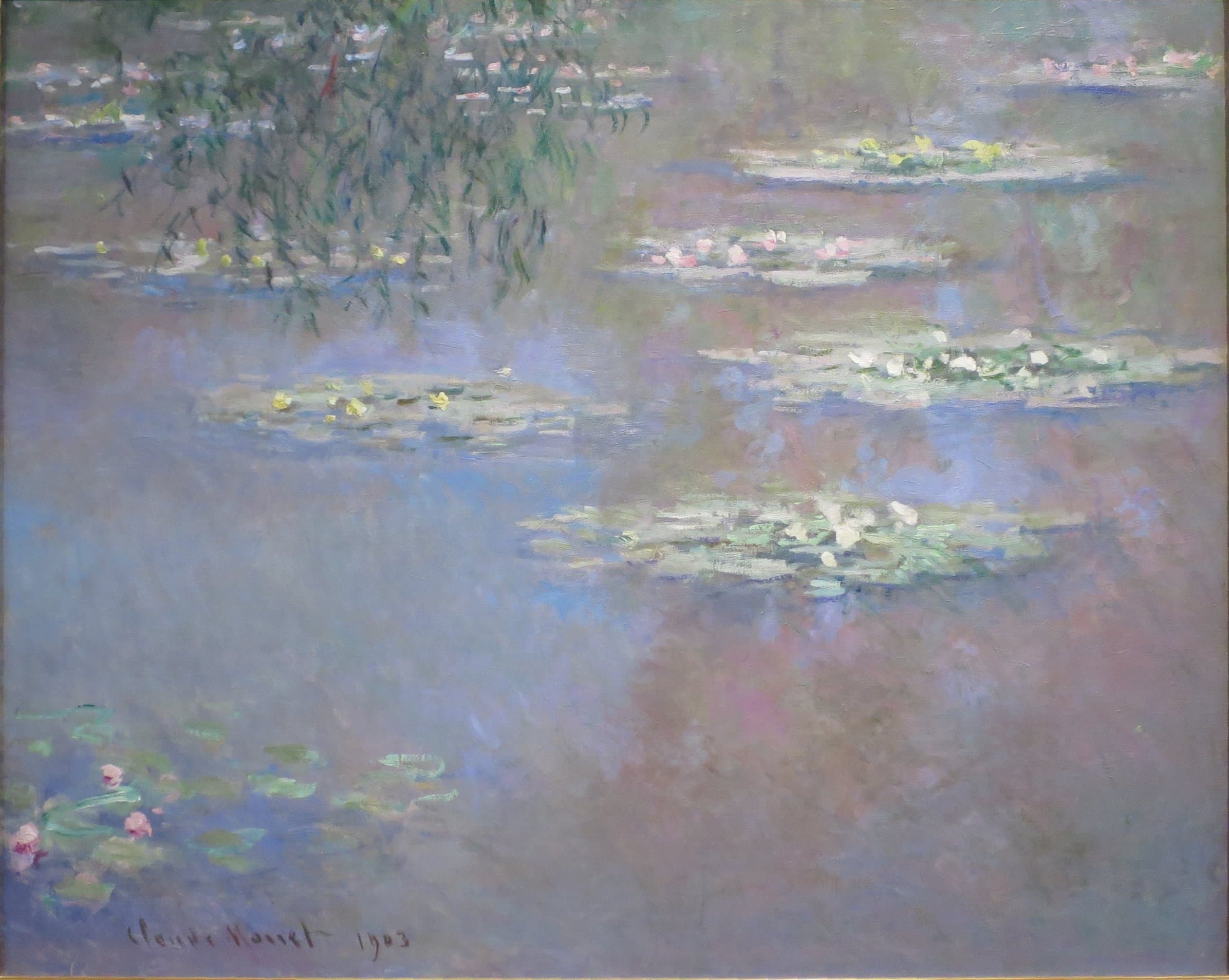
Waterlilies (1903, Dayton Art Institute)
Claude Monet · 1903
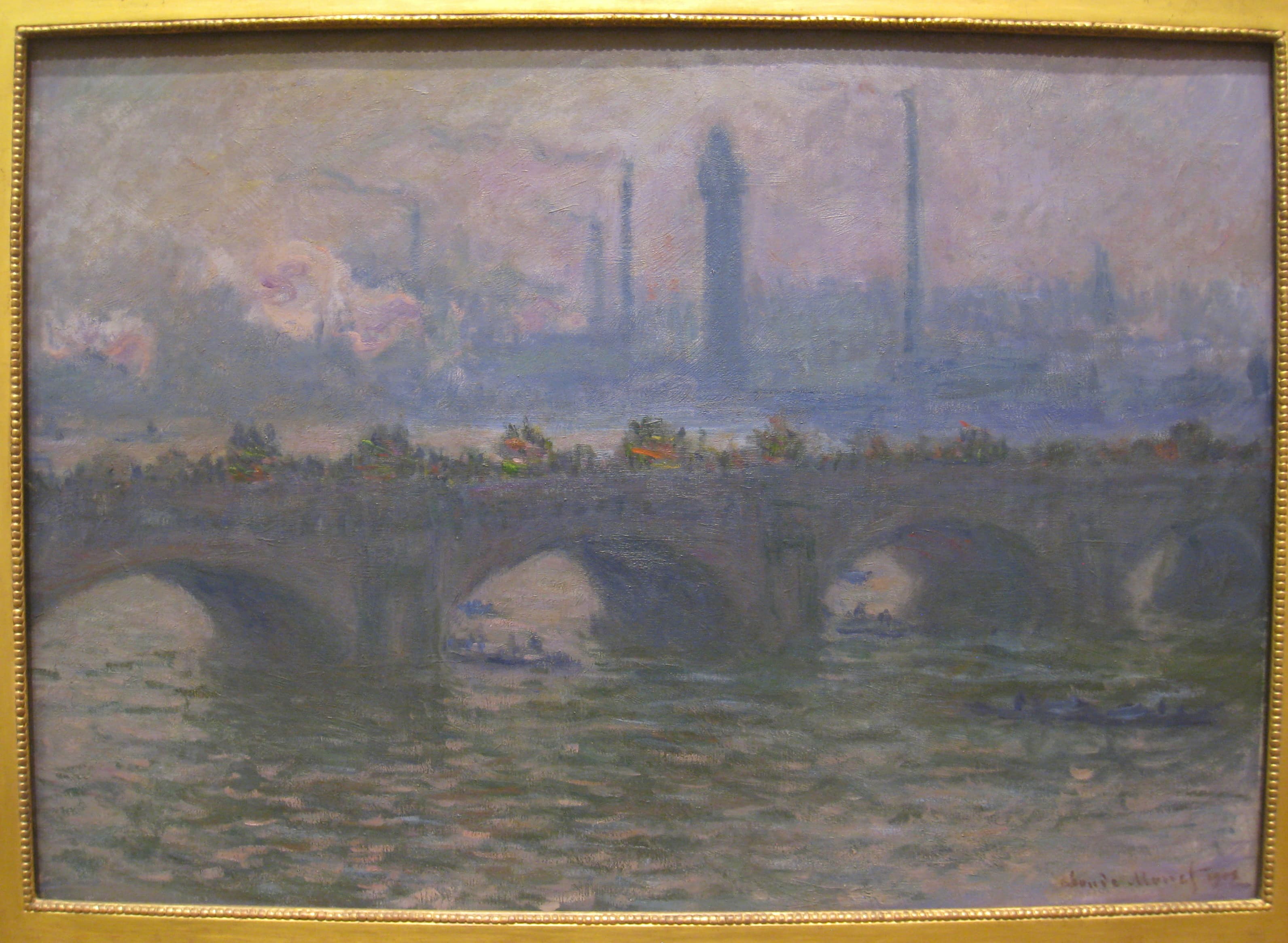
Waterloo Bridge (Worcester Art Museum)
Claude Monet · 1903
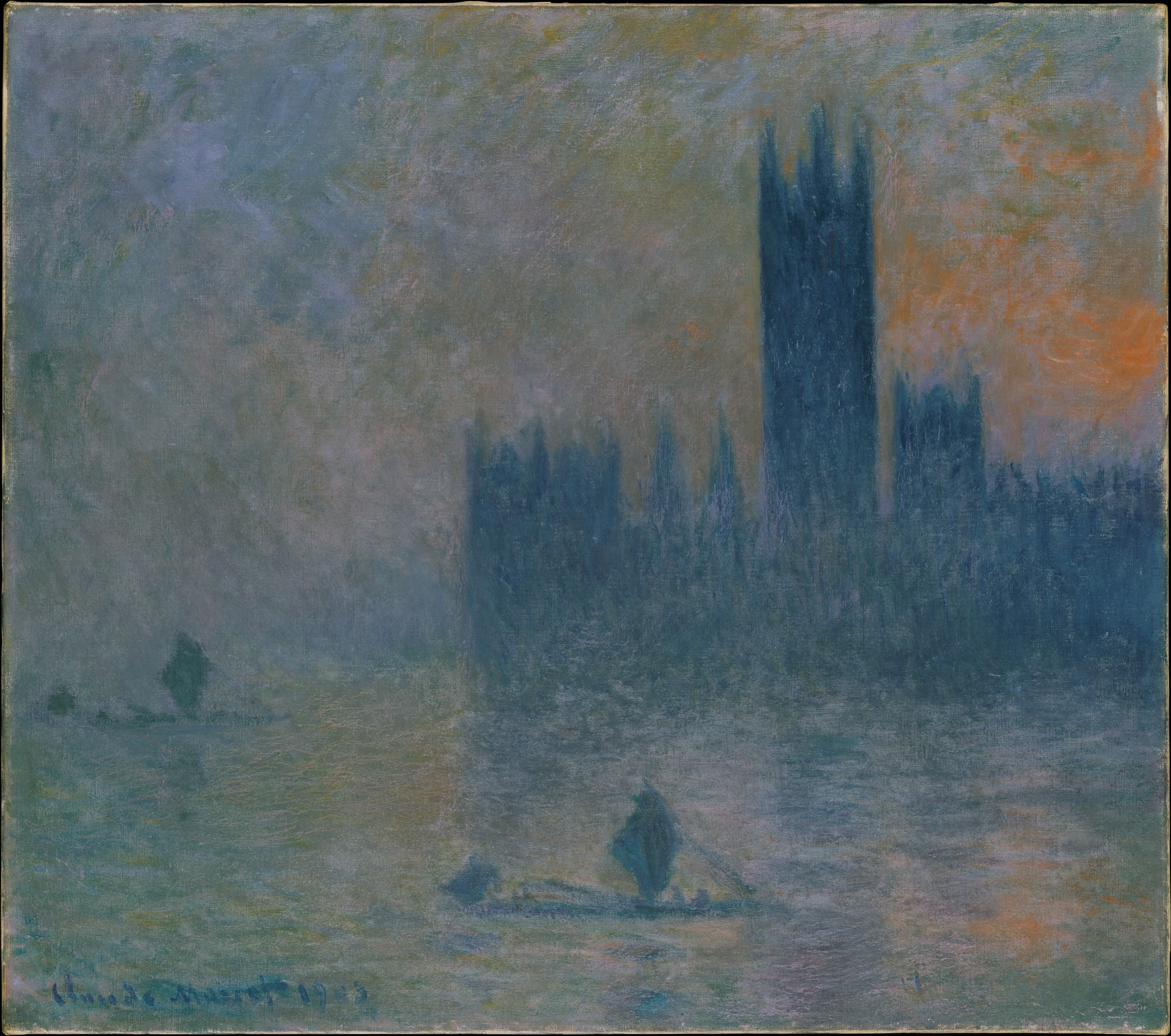
The Houses of Parliament (Effect of Fog)
Claude Monet · 1903–04
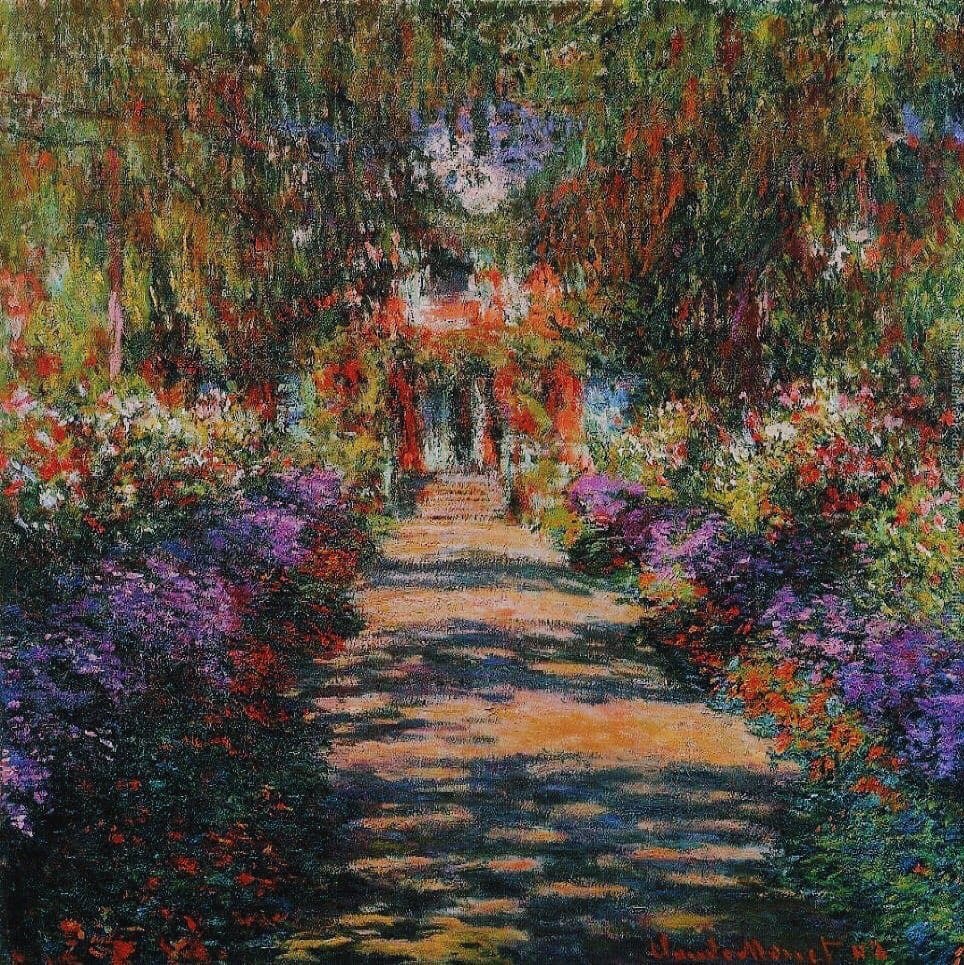
The Garden Path at Giverny
Claude Monet · 1902
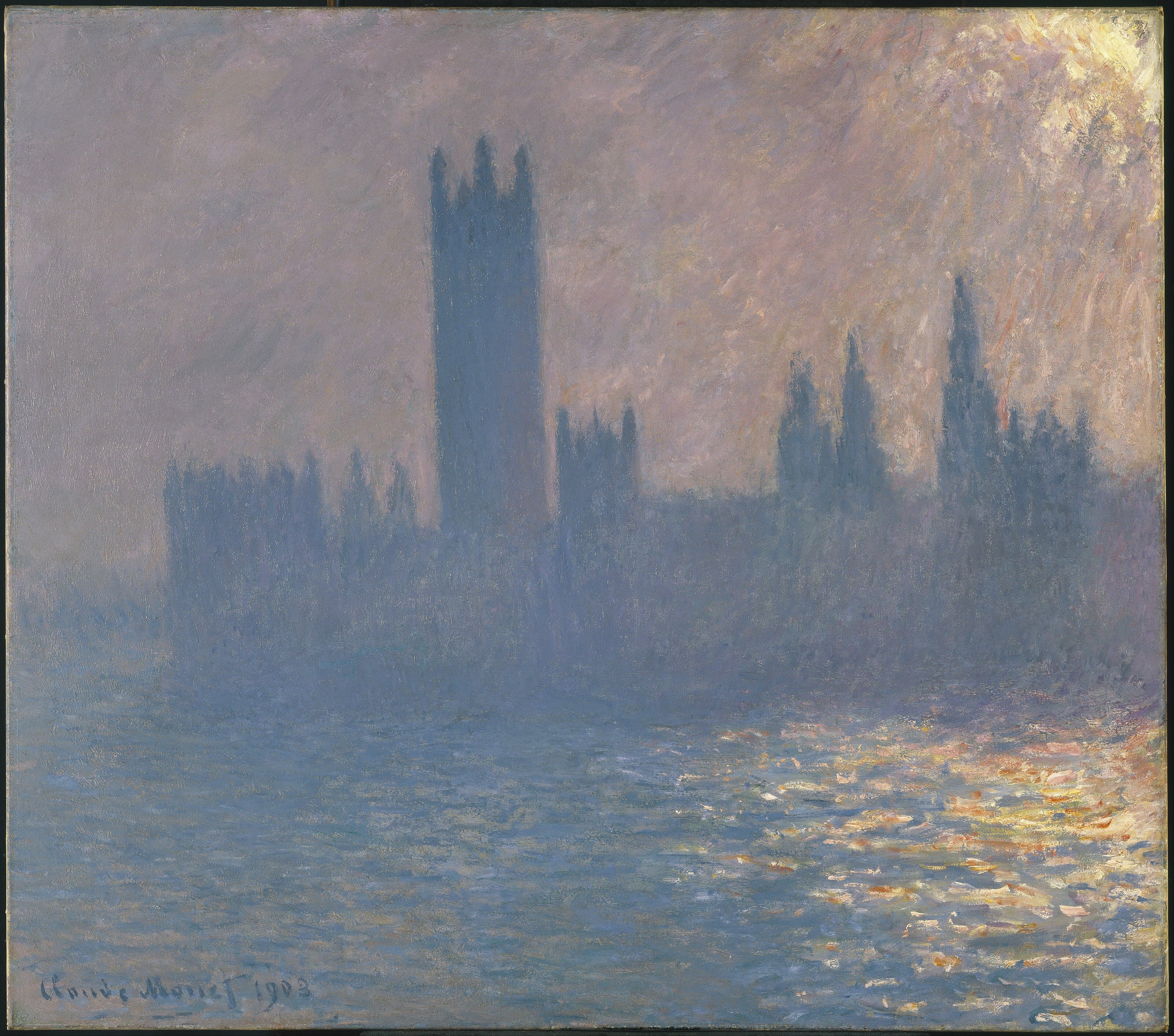
Houses of Parliament, Sunlight Effect
Claude Monet · 1903
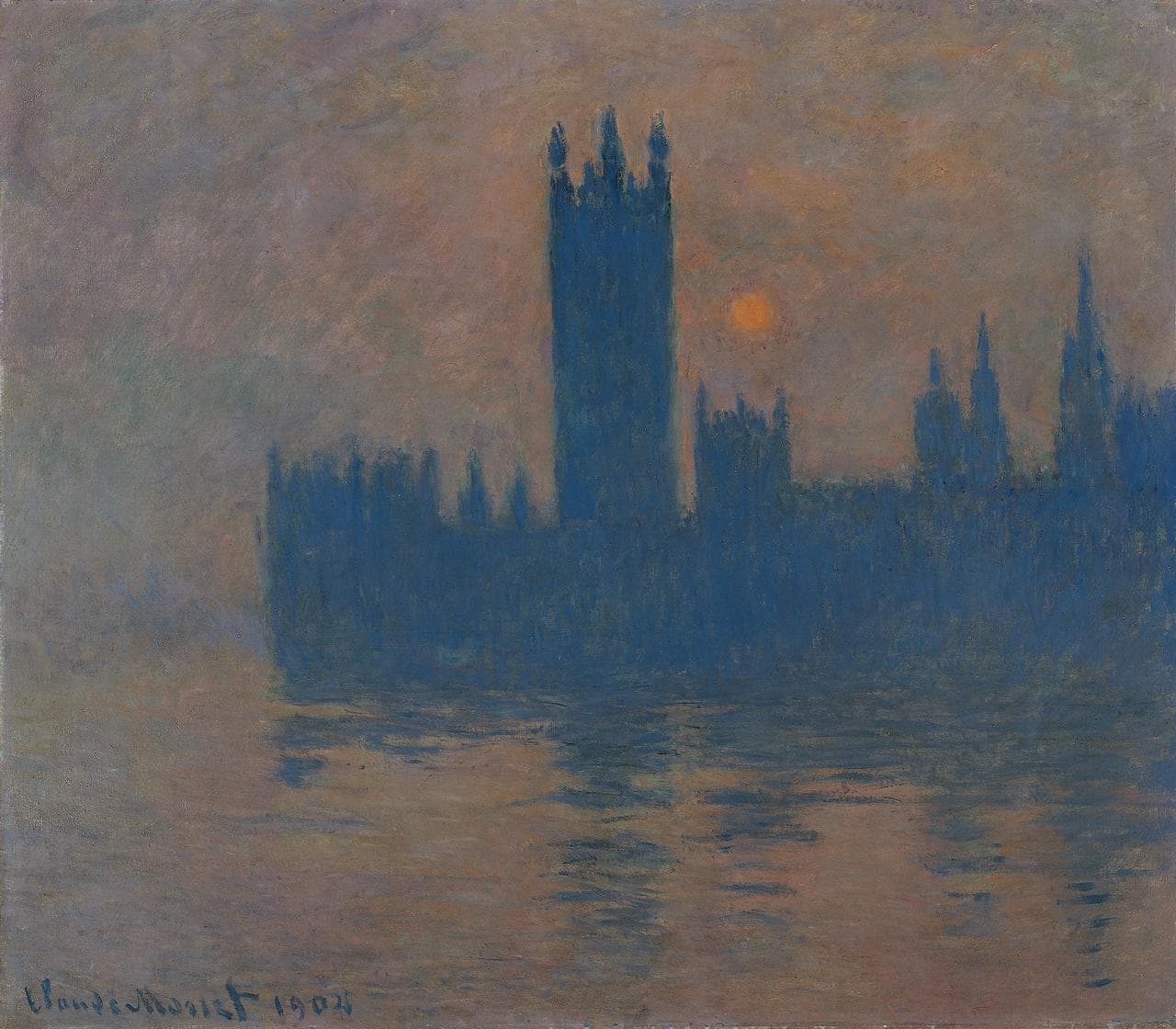
Le Parlement, coucher de soleil
Claude Monet · 1904
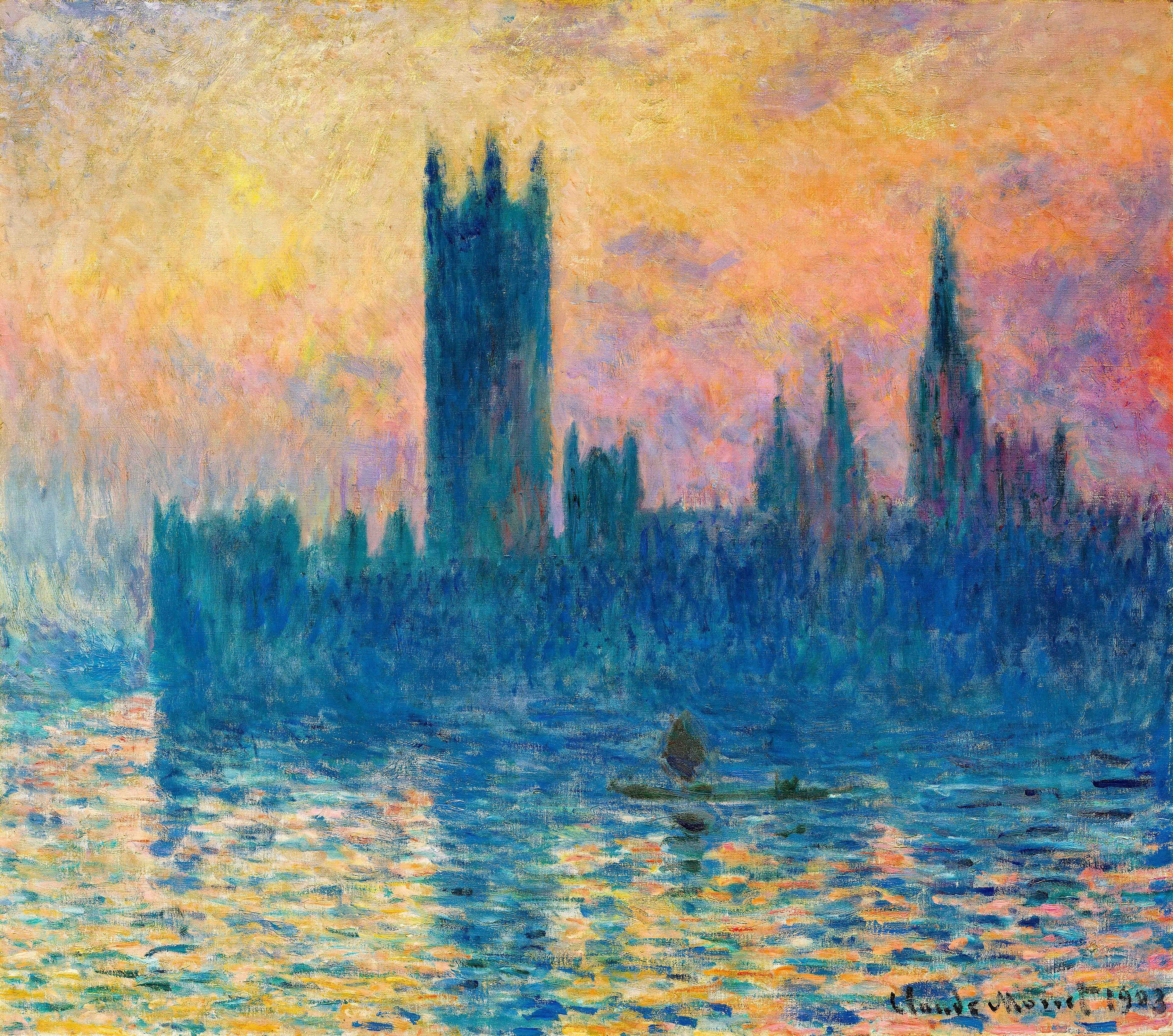
The Houses of Parliament, Sunset
Claude Monet · 1903
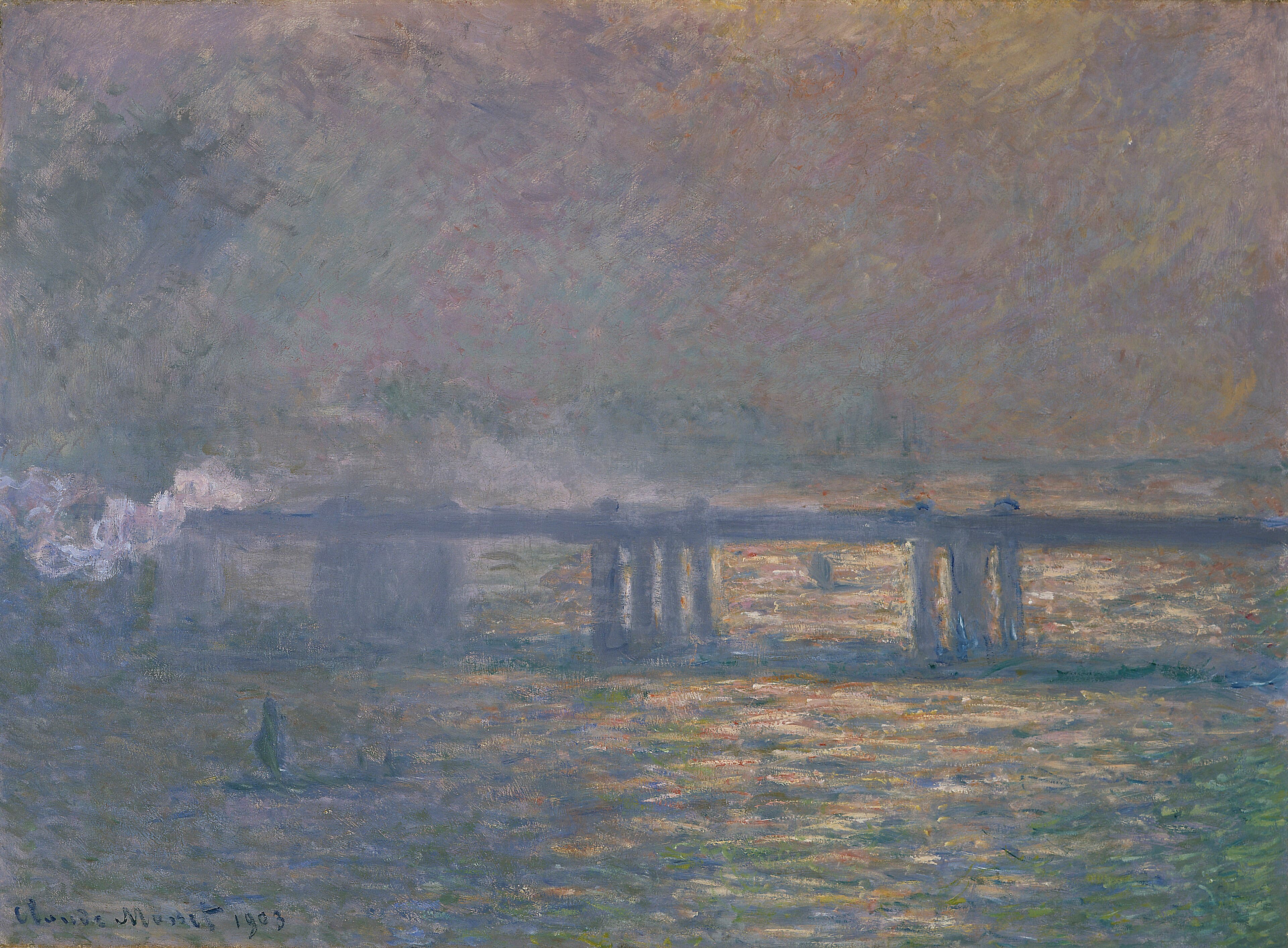
Charing Cross Bridge (Saint Louis)
Claude Monet · 1903
Also painted in 1903
The same year
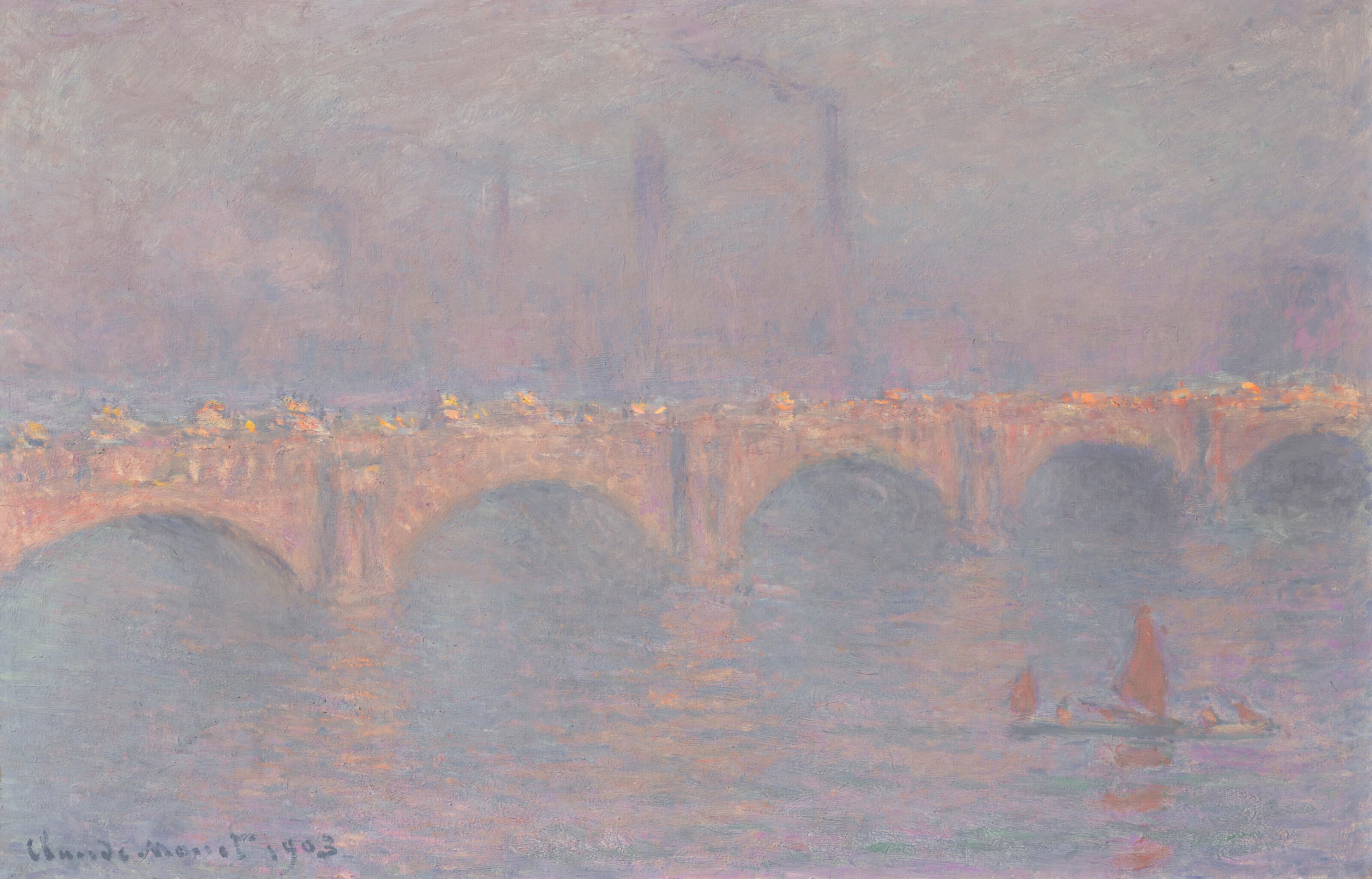
Waterloo Bridge, Hazy Sun
Claude Monet · 1903
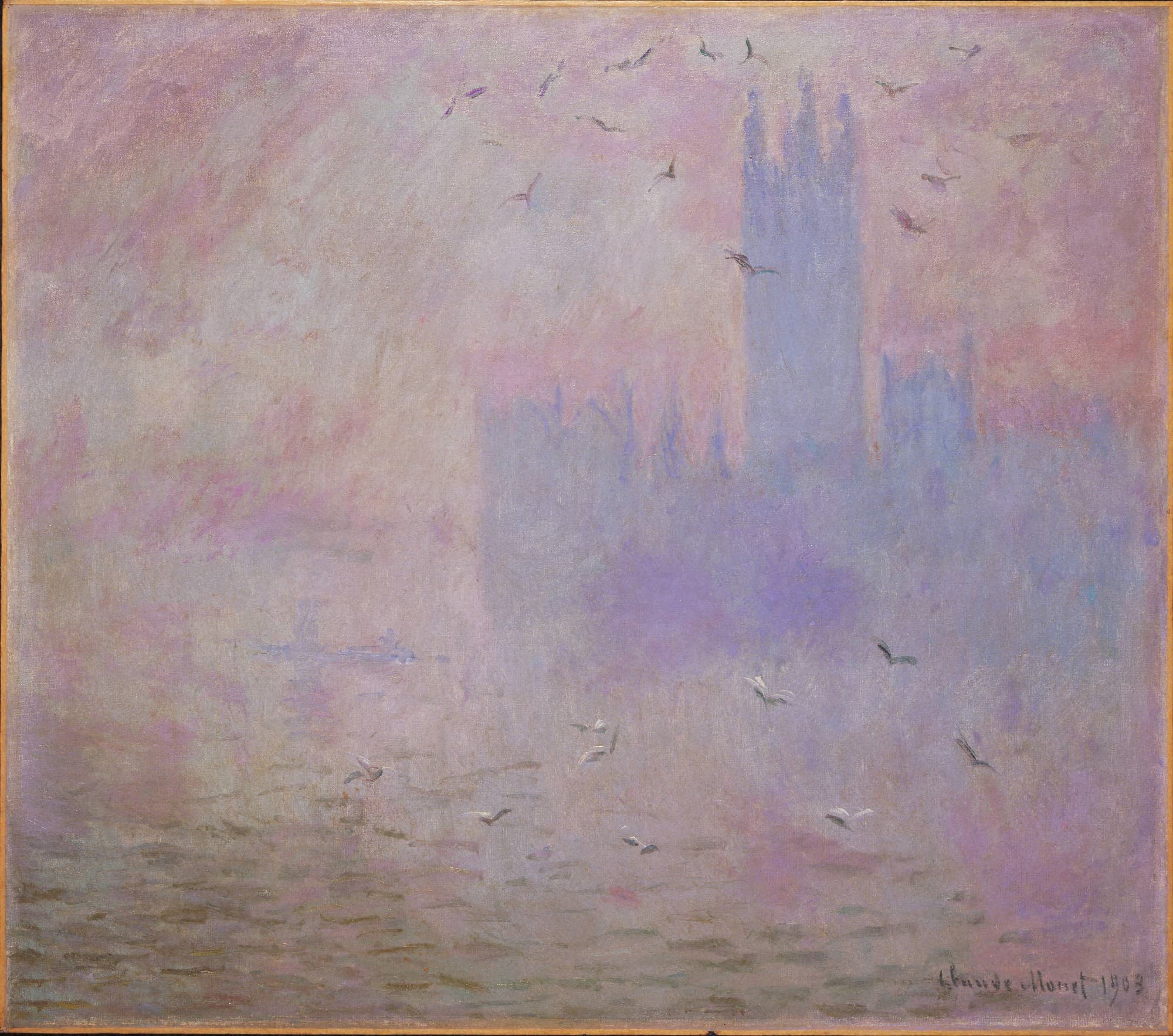
The Houses of Parliament, Seagulls
Claude Monet · 1903
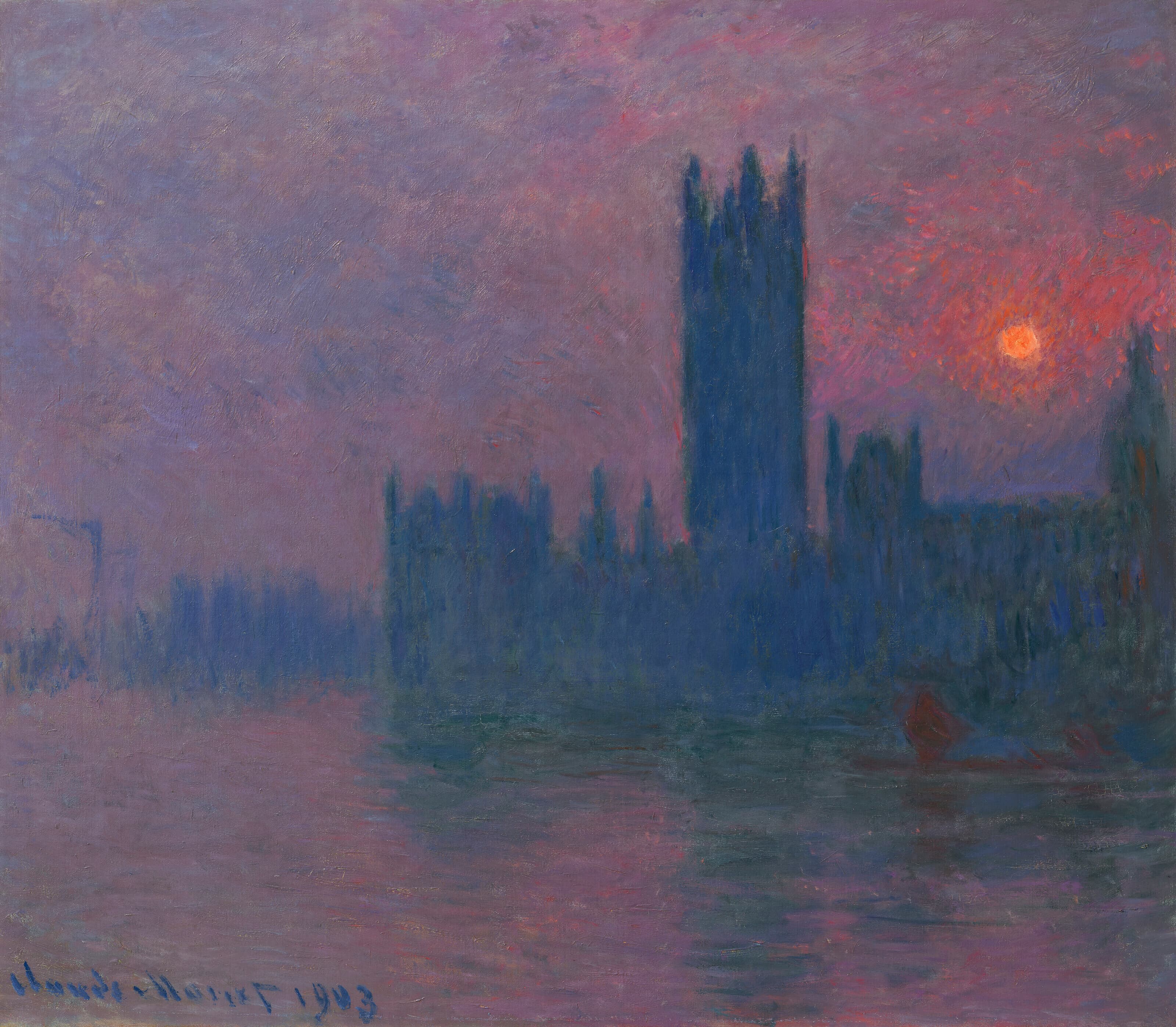
Houses of Parliament, Sunset
Claude Monet · 1903
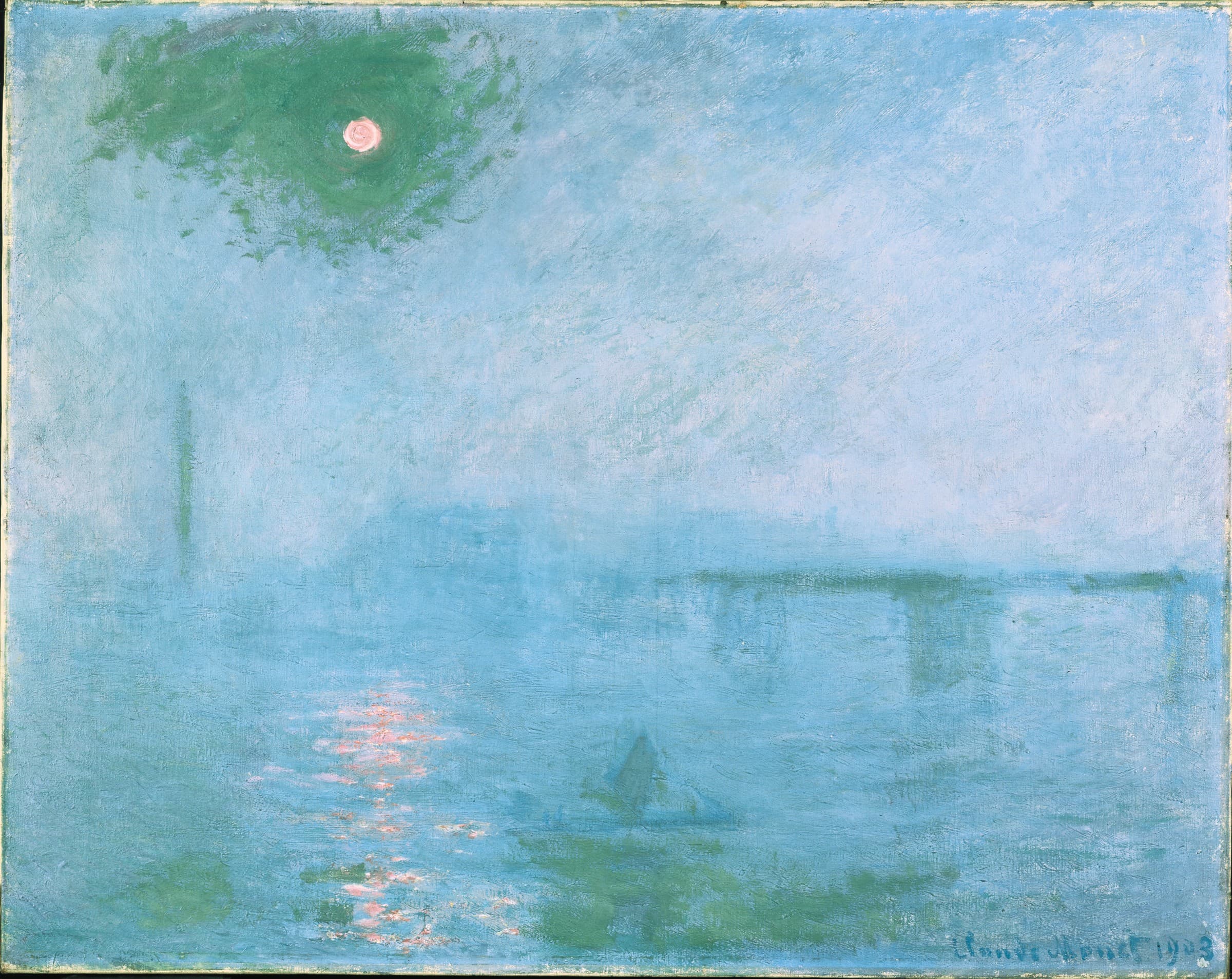
Charing Cross Bridge: Fog on the Thames
Claude Monet · 1903
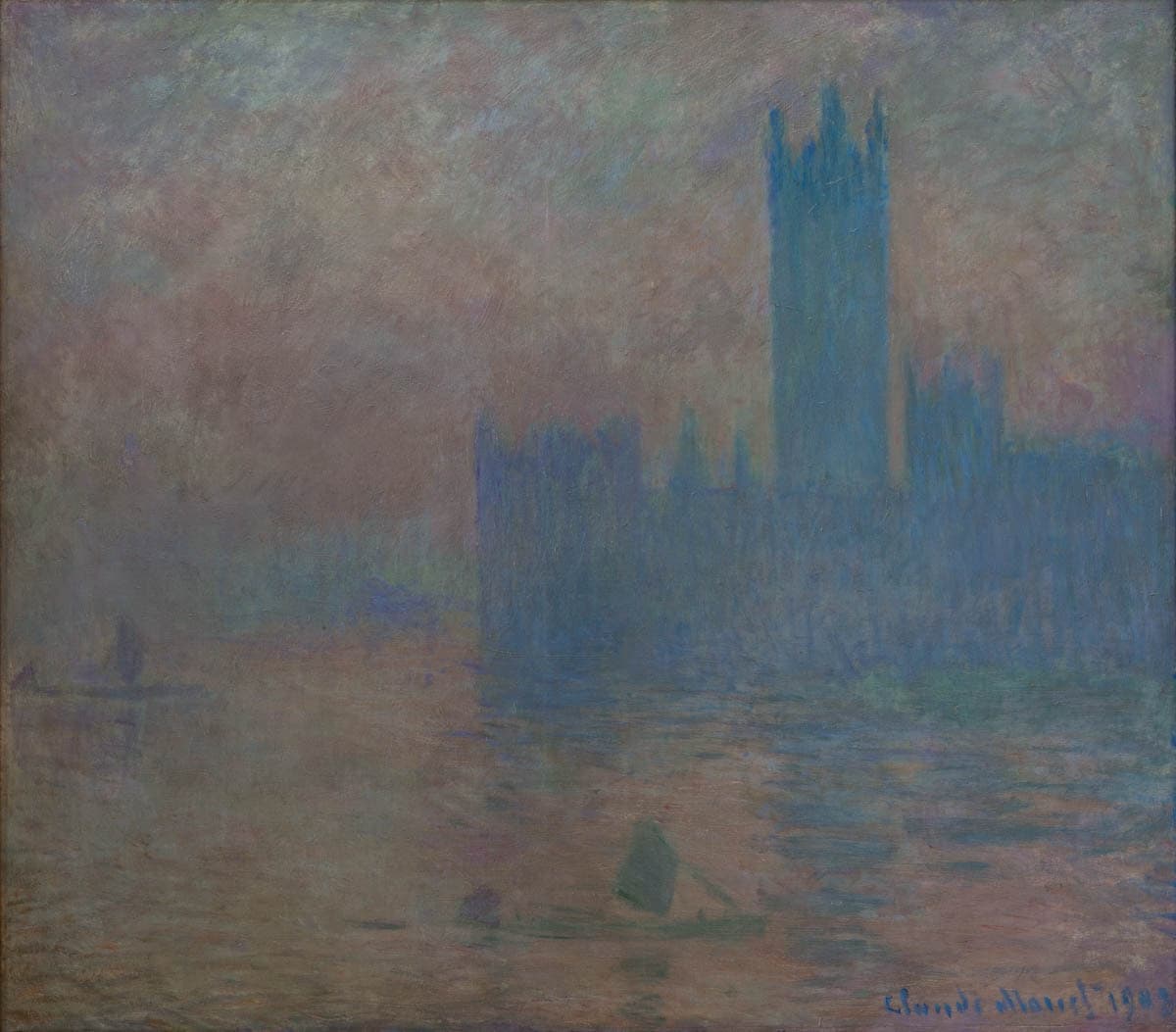
Le Parlement de Londres, effet de brouillard
Claude Monet · 1903
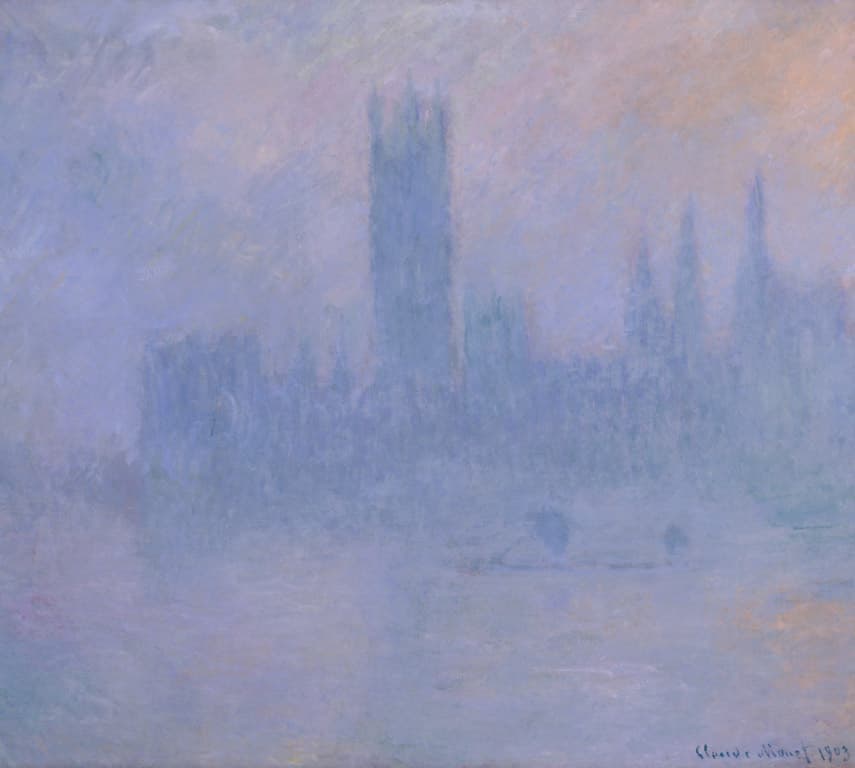
Houses of Parliament, Symphony in Blue
Claude Monet · 1903
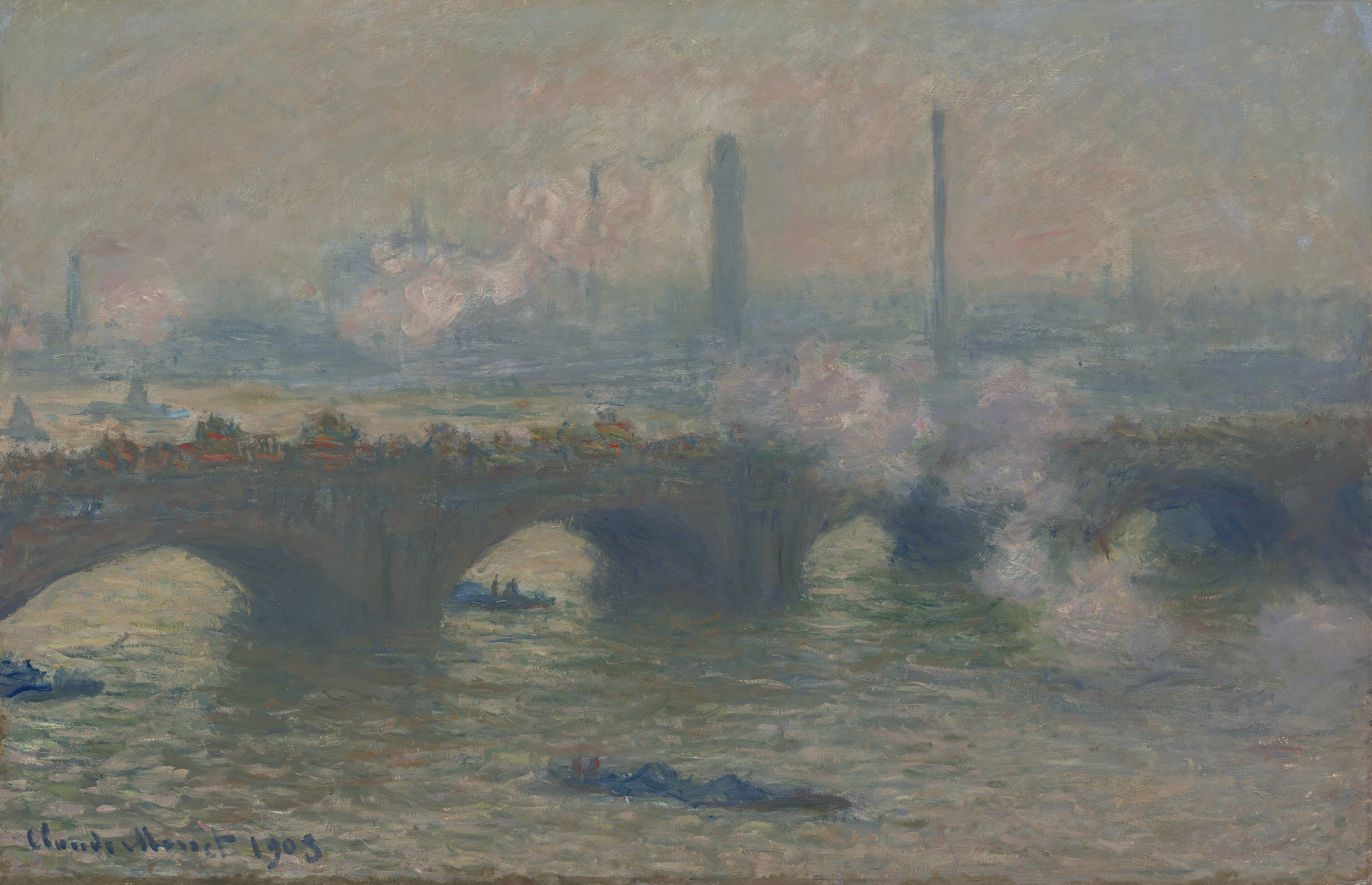
Waterloo Bridge, Gray Day
Claude Monet · 1903
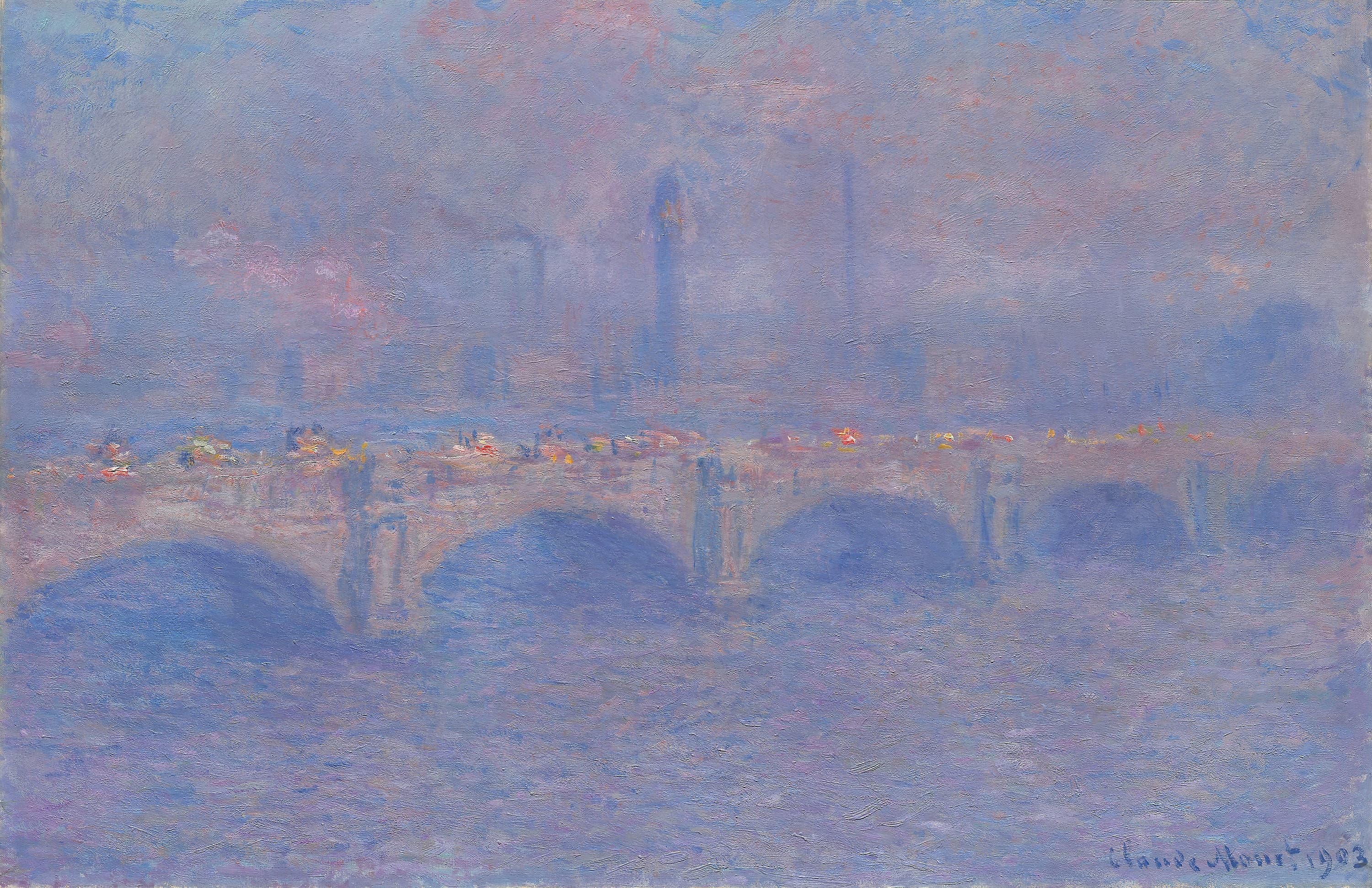
Waterloo Bridge, Sunlight Effect
Claude Monet · 1903
Kindred works
You may also study
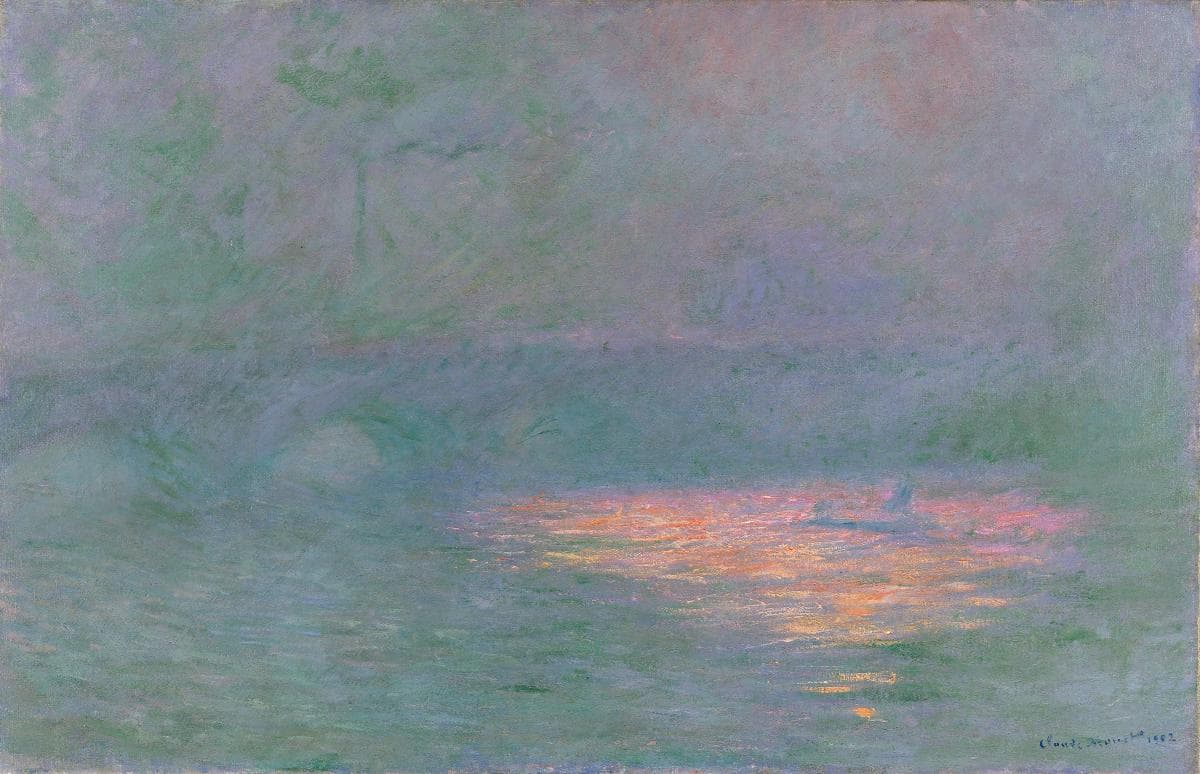
Waterloo Bridge (Kunsthaus Zürich, 1902)
Claude Monet · 1902
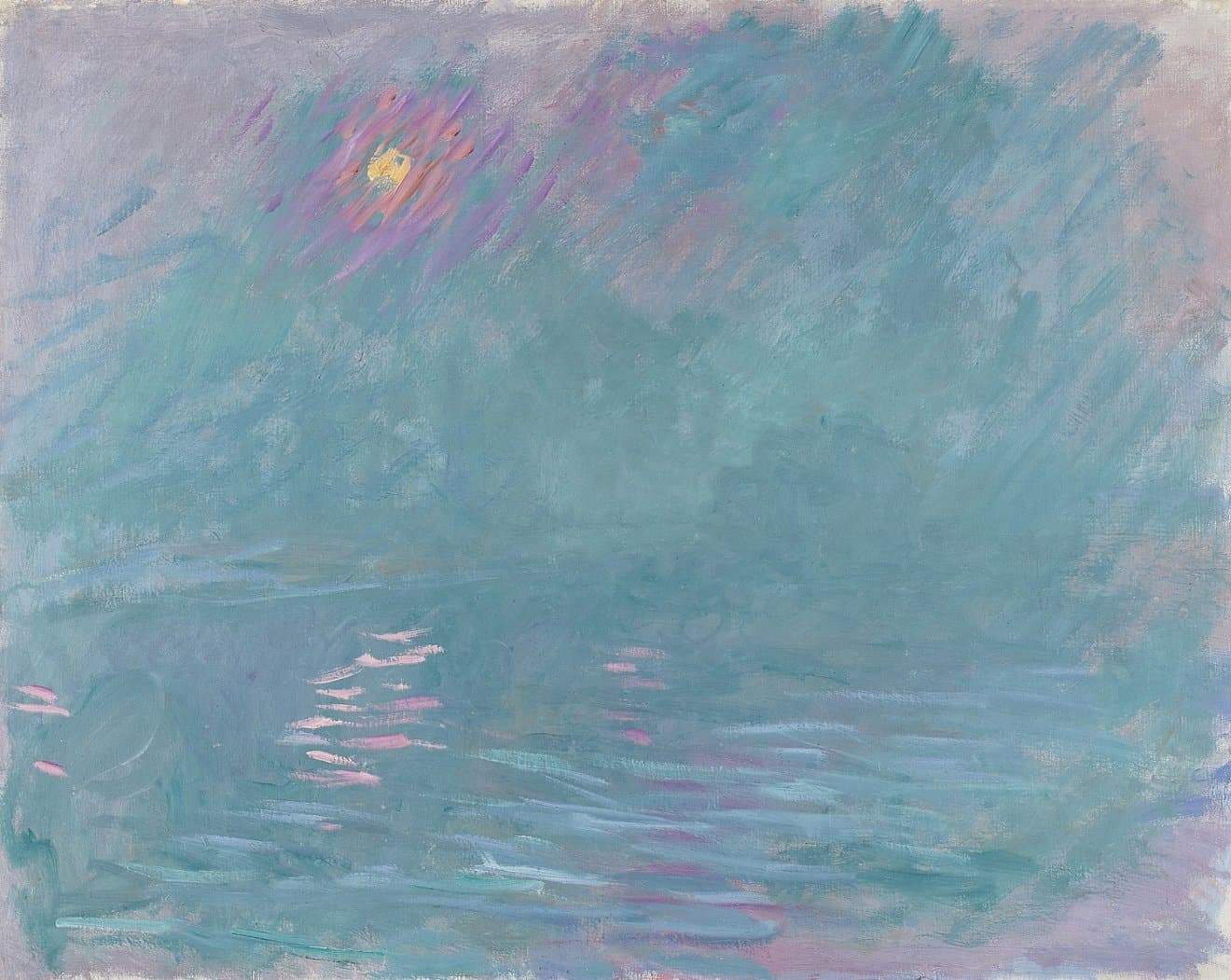
Waterloo Bridge (Kerry Stokes Collection)
Claude Monet · 1899–1901
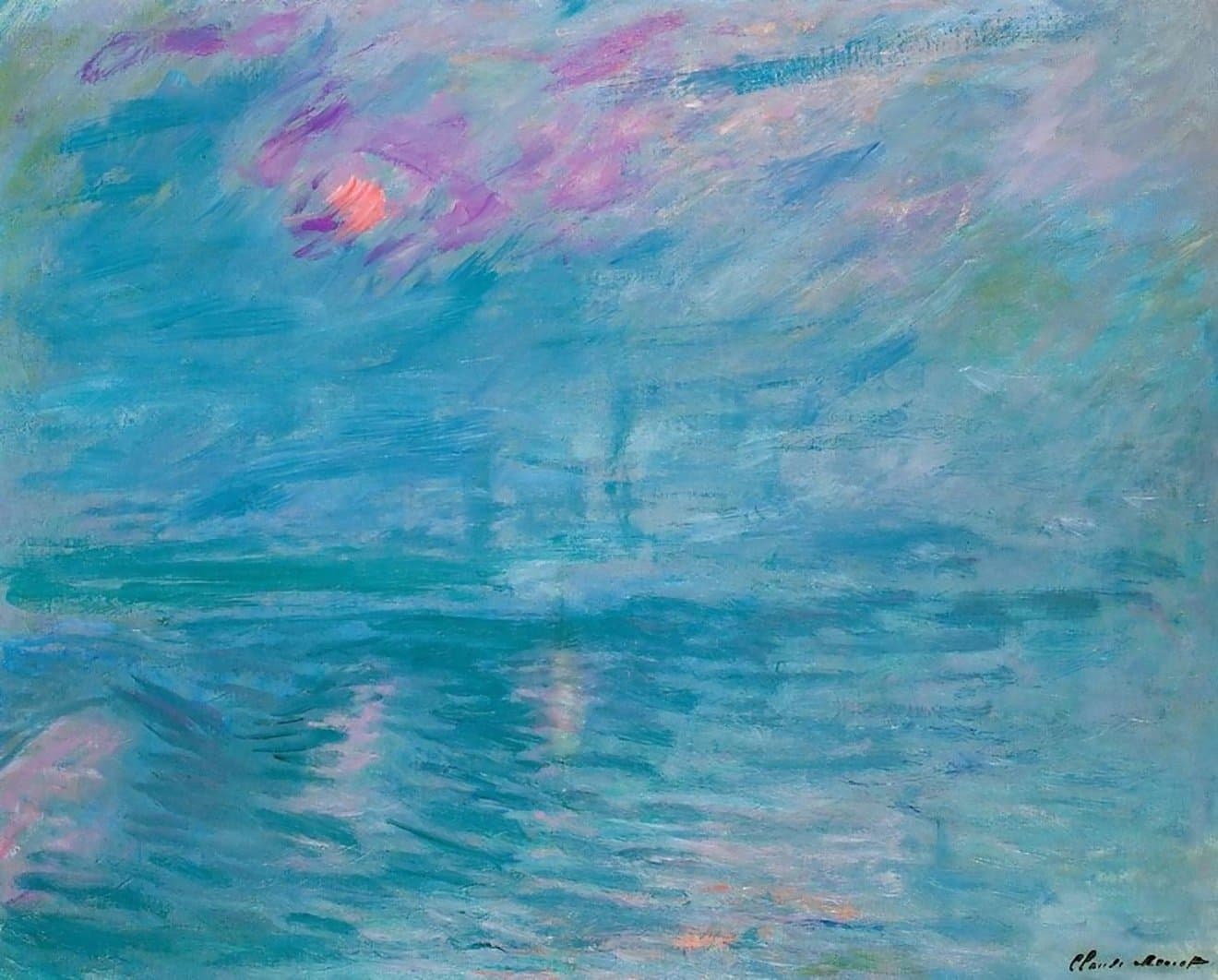
Waterloo Bridge (Davis Museum)
Claude Monet · 1899–1903
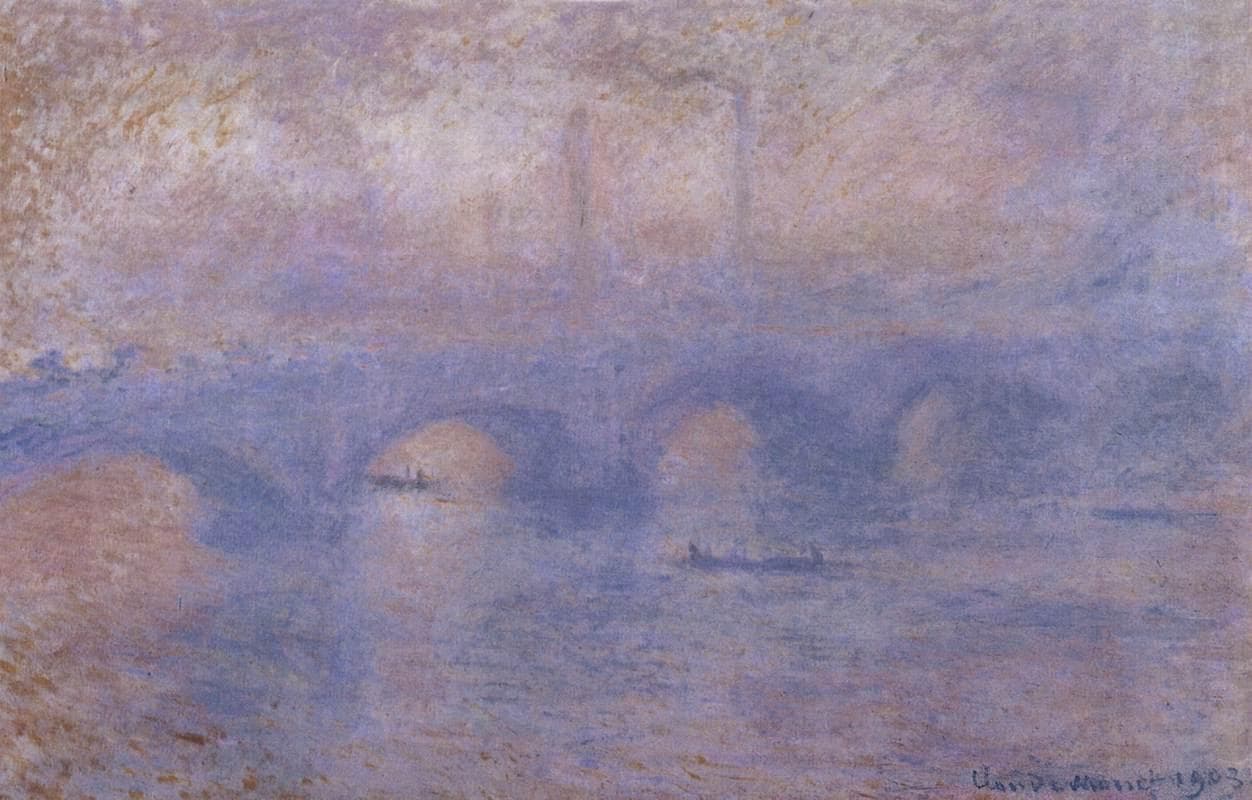
Waterloo Bridge, Effect of Fog
Claude Monet · 1903
Waterloo Bridge, Veiled Sun
Claude Monet · 1903
The Church of San Giorgio Maggiore, Venice
Claude Monet · 1908
Palazzo Da Mula Morosini
Claude Monet · 1908

Sunset in Venice
Claude Monet · 1908–12