Image: Carmen Thyssen-Bornemisza Collection, Madrid, via Google Arts & Culture · Public domain · via Wikimedia Commons
Charing Cross Bridge
Claude Monet, 1899
Charing Cross Bridge (1899) is a pale blue-gray view of the Thames by Claude Monet, painted from the Savoy Hotel in London. It belongs to the Carmen Thyssen Collection and hangs on loan at the Museo Thyssen-Bornemisza, Madrid.
- Artist
- Claude Monet
- Date
- 1899
- Medium
- Oil on canvas
- Dimensions
- 64.8 × 80.6 cm
- Collection
- Museo Nacional Thyssen-Bornemisza (Carmen Thyssen Collection), Madrid, Spain
- Movement
- Impressionism
- Catalogue
- Wildenstein 1531
- The City
- Water & Sea
Charing Cross Bridge is a canvas Claude Monet painted in London in 1899, looking upriver from the Savoy Hotel at the iron railway bridge over the Thames. It is one of the coolest and quietest pictures in the series: almost everything is pale blue-gray, with only small sparks of gold on the water and a pinkish glow where a train's smoke catches the light. Signed and dated Claude Monet 99, it belongs to the Carmen Thyssen-Bornemisza Collection and is on long-term loan to the Museo Nacional Thyssen-Bornemisza in Madrid.
What you are looking at
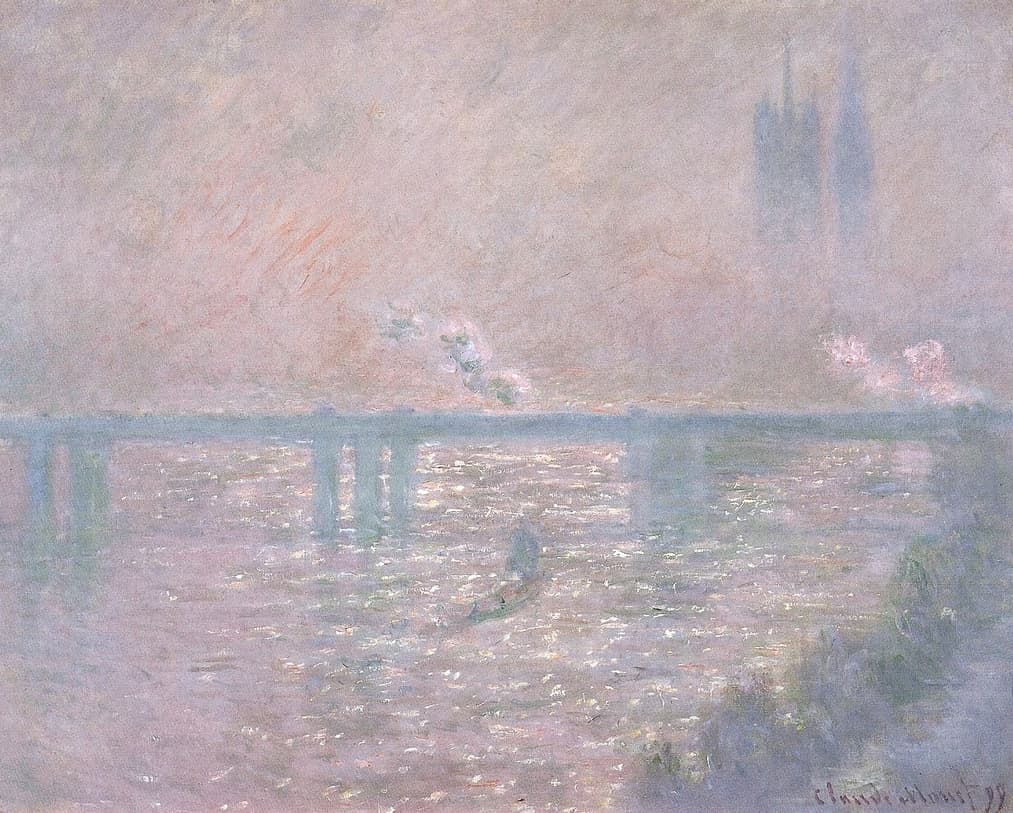
The bridge is a single horizontal bar of slate blue running right across the picture just below the middle, with its piers dropping straight down into their own reflections. Above it a band of soft light, cream and peach, marks where the sun is trying to break through. To the left, little plumes of white and apricot smoke rise from the deck, the trace of a train heading north into Charing Cross station. Behind, on the right, the Houses of Parliament appear as ghostly vertical shapes, the square Victoria Tower and the thinner clock tower barely darker than the sky.
The river is the liveliest part of the canvas. Horizontal dashes of white, lemon and lilac sit on a blue-gray base, thicker near the center where the light falls. In the foreground a boat with a dark triangular sail moves toward us, its reflection a wobbling stroke beneath it, and two or three smaller craft can be picked out under the central spans.
Where and when it was painted
Monet arrived in London in September 1899 and stayed some six weeks at the Savoy, on the Victoria Embankment. His window gave him a view west toward Westminster, framed by the long, low bridge, and east toward Waterloo Bridge. He would return in 1900 and 1901 and eventually produce nearly a hundred Thames pictures, gathered in our Monet in London hub.
This canvas belongs to the first campaign and shows a typical autumn morning on the river: mist rather than the heavy coal smog he later sought out.
How it was painted
The handling is economical. Monet laid a light, cool ground and built the sky with thin, overlapping strokes of gray-blue and white, then picked out the warm notes in the smoke and the sun's glow. The bridge is pulled across in one long movement of the brush, and the piers are a few vertical marks. On the water he used shorter, more broken touches, so that the eye reads movement even in this hushed color scheme.
What distinguishes the Madrid picture is its restraint. The palette is close to monochrome, the contrasts are minimal, and the composition is nearly symmetrical. It shows how much Monet could do with a narrow band of values, and it is close in spirit to the London nocturnes of Whistler, whose work he knew well.
How it differs from the rest of the series
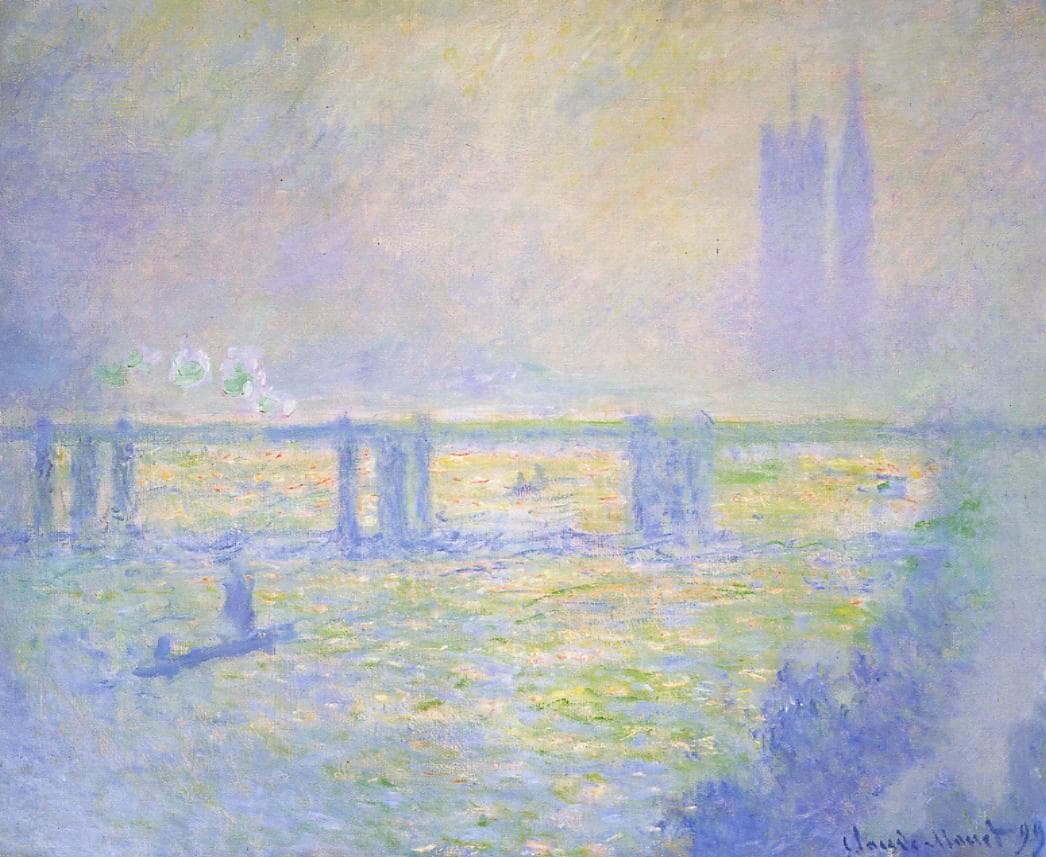
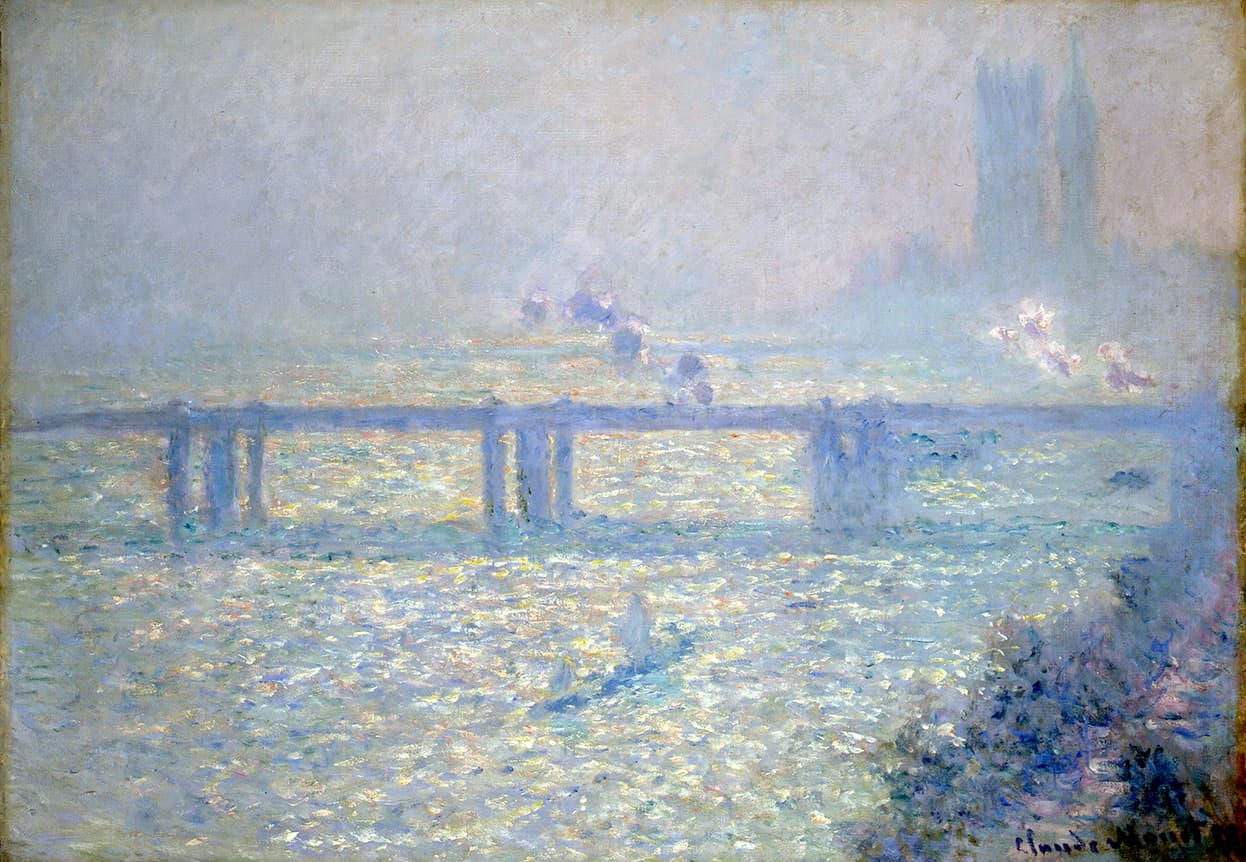
Set beside its siblings from the same autumn, the differences are striking. The Santa Barbara canvas is suffused with yellow and violet; the Menard Art Museum version glows pink; the Shelburne Museum picture sparkles with stronger sunlight. This one is the blue morning of the group. The full run is collected in our Charing Cross Bridge series page.
Owners and reputation
Like most of the London pictures, this canvas passed through the hands of Monet's dealers into private collections. Because it stayed in private hands until its sale at Christie's in 1996, it is less familiar than the versions in Chicago or Boston. Its purchase that year, and its later display in Madrid alongside the Thyssen family's other Impressionist and Post-Impressionist paintings, has made it one of the most visible Charing Cross canvases in continental Europe. In a museum dominated by Old Masters, it offers a rare chance to see one of Monet's London series in Spain.
Where to see it
The painting (CTB.1996.7) was bought at Christie's New York in 1996 for the collection of Carmen Cervera, Baroness Thyssen-Bornemisza, and is shown with her collection at the Museo Nacional Thyssen-Bornemisza on the Paseo del Prado in Madrid. For other Monet collections worldwide, see where to see Monet's paintings.
Questions & answers
Where is Monet's Charing Cross Bridge in Madrid?
It belongs to the Carmen Thyssen-Bornemisza Collection (CTB.1996.7) and is on long-term loan to the Museo Nacional Thyssen-Bornemisza on the Paseo del Prado, Madrid. It was acquired at Christie's New York in 1996.
When was it painted?
In autumn 1899, during Monet's first six-week stay at the Savoy Hotel in London. The canvas is signed and dated 'Claude Monet 99' at lower right.
What does the painting show?
The Hungerford railway bridge, known as Charing Cross Bridge, crossing the Thames in a soft blue-gray mist. Train smoke rises above the deck, a boat with a dark sail approaches in the foreground and the Houses of Parliament are faint shapes at right.
How is this version different from the other Charing Cross Bridge paintings?
It is one of the coolest and most restrained in color, nearly monochrome blue-gray with small warm notes. Other 1899 canvases of the same view, in Santa Barbara or at the Menard Art Museum, are dominated by yellow, violet or pink light.
More by the artist
Claude Monet
The Japanese Footbridge
Claude Monet · 1899
Charing Cross Bridge
Claude Monet · 1899
The Japanese Footbridge and the Water Lily Pool, Giverny
Claude Monet · 1899
Charing Cross Bridge (Indianapolis)
Claude Monet · c. 1900
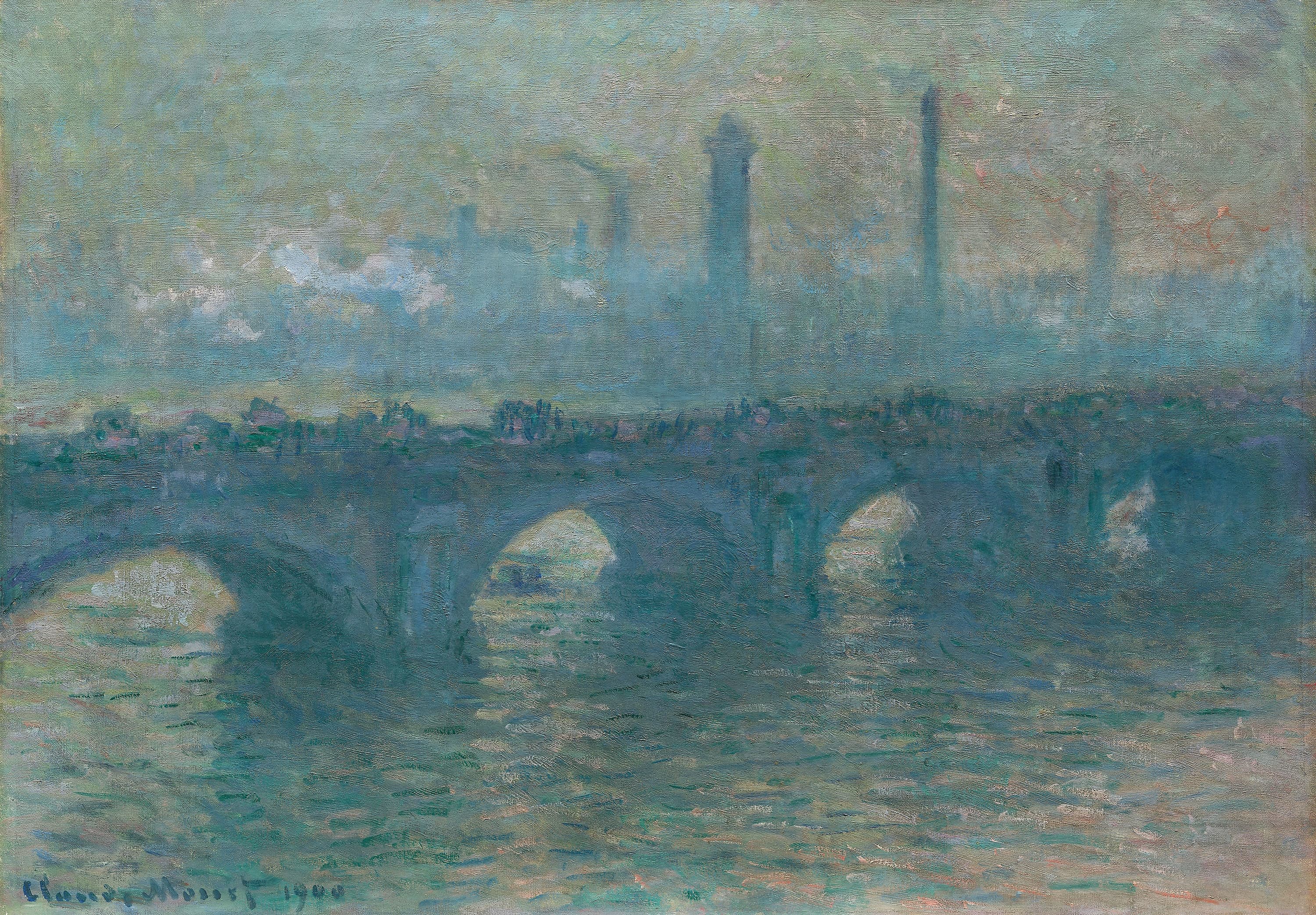
Waterloo Bridge, Gray Weather
Claude Monet · 1900
Irises in Monet's Garden at Giverny
Claude Monet · 1900
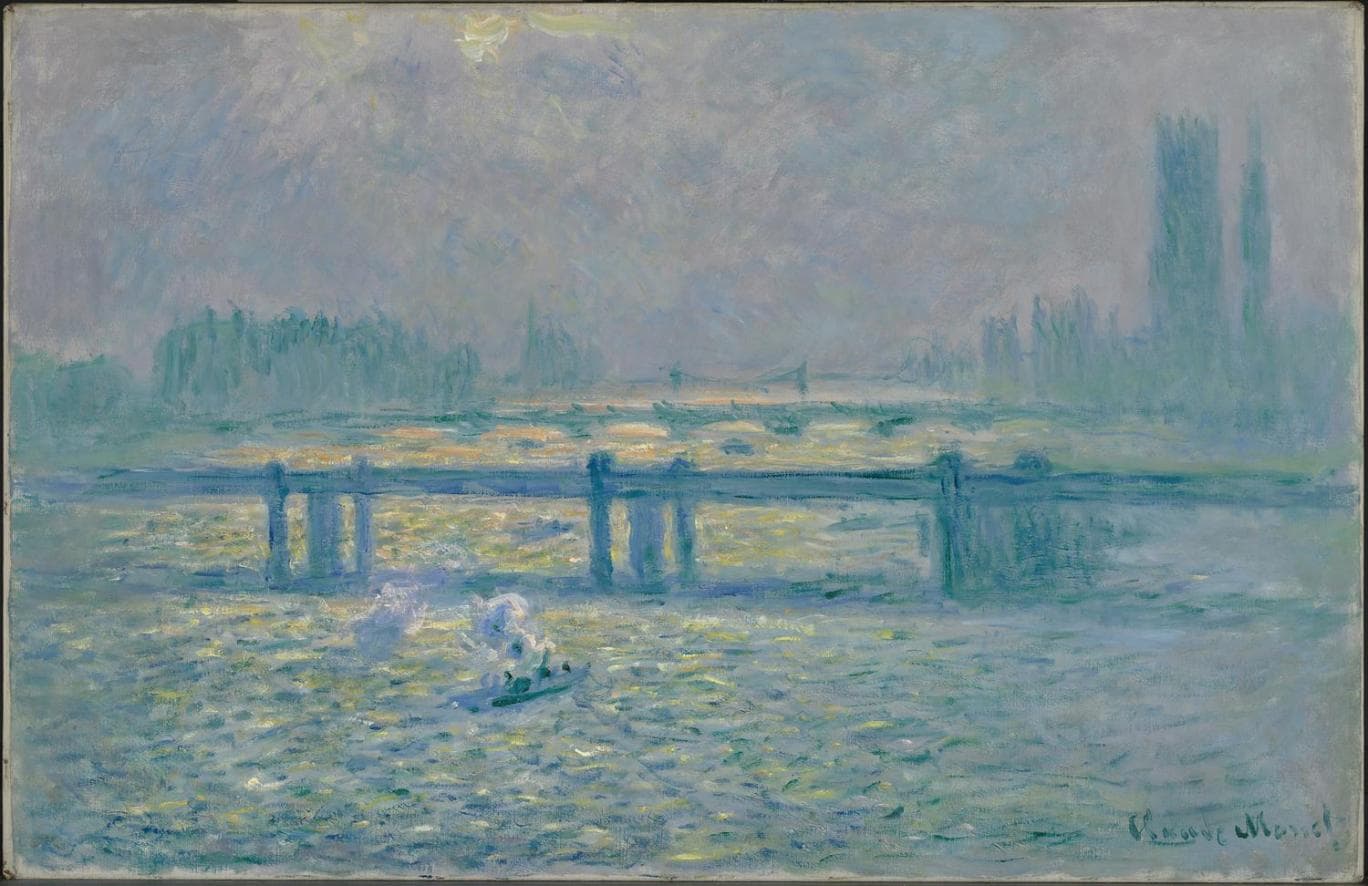
Charing Cross Bridge, Reflections on the Thames
Claude Monet · c. 1900
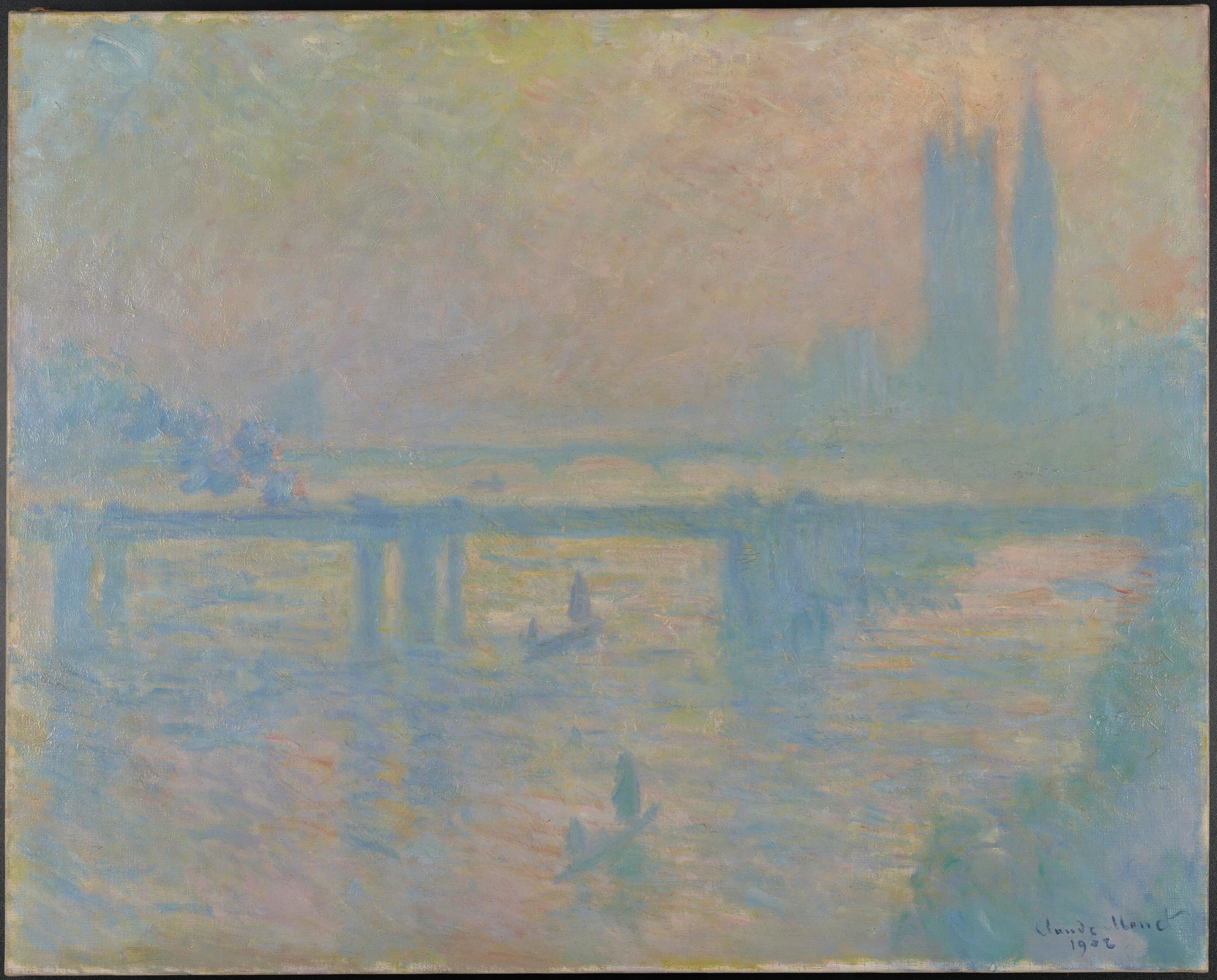
Charing Cross Bridge (Cardiff)
Claude Monet · c. 1900 (dated 1902)
Also painted in 1899
The same year

Bridge over a Pond of Water Lilies
Claude Monet · 1899
White Water Lilies
Claude Monet · 1899
The Water-Lily Pond (National Gallery, London)
Claude Monet · 1899
Water Lilies and Japanese Bridge
Claude Monet · 1899
Waterloo Bridge (Matsushita Museum of Art)
Claude Monet · 1899–1901
Charing Cross Bridge
Claude Monet · 1899
Charing Cross Bridge
Claude Monet · c. 1899
Charing Cross Bridge (Shelburne Museum)
Claude Monet · 1899
Kindred works
You may also study
Charing Cross Bridge
Claude Monet · 1899
Charing Cross Bridge (Shelburne Museum)
Claude Monet · 1899
Charing Cross Bridge
Claude Monet · c. 1899
Waterloo Bridge, Effect of Fog
Claude Monet · 1903
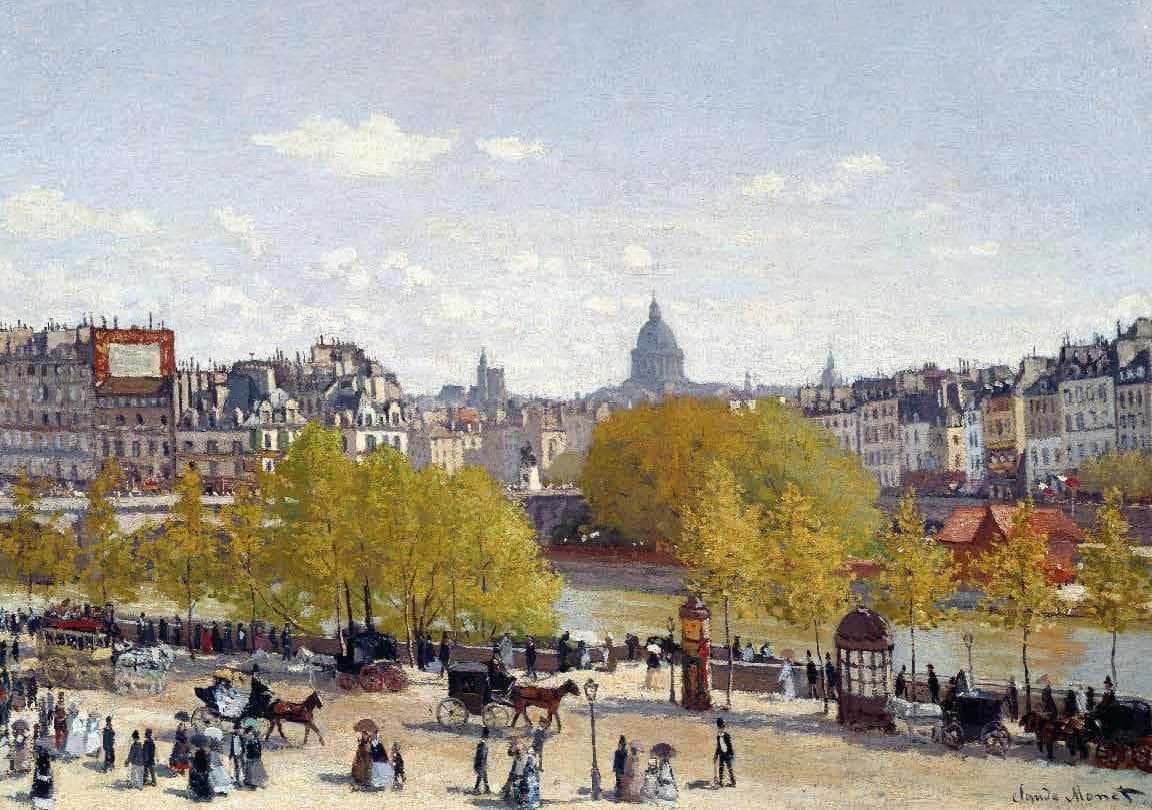
Quai du Louvre, Paris
Claude Monet · 1867
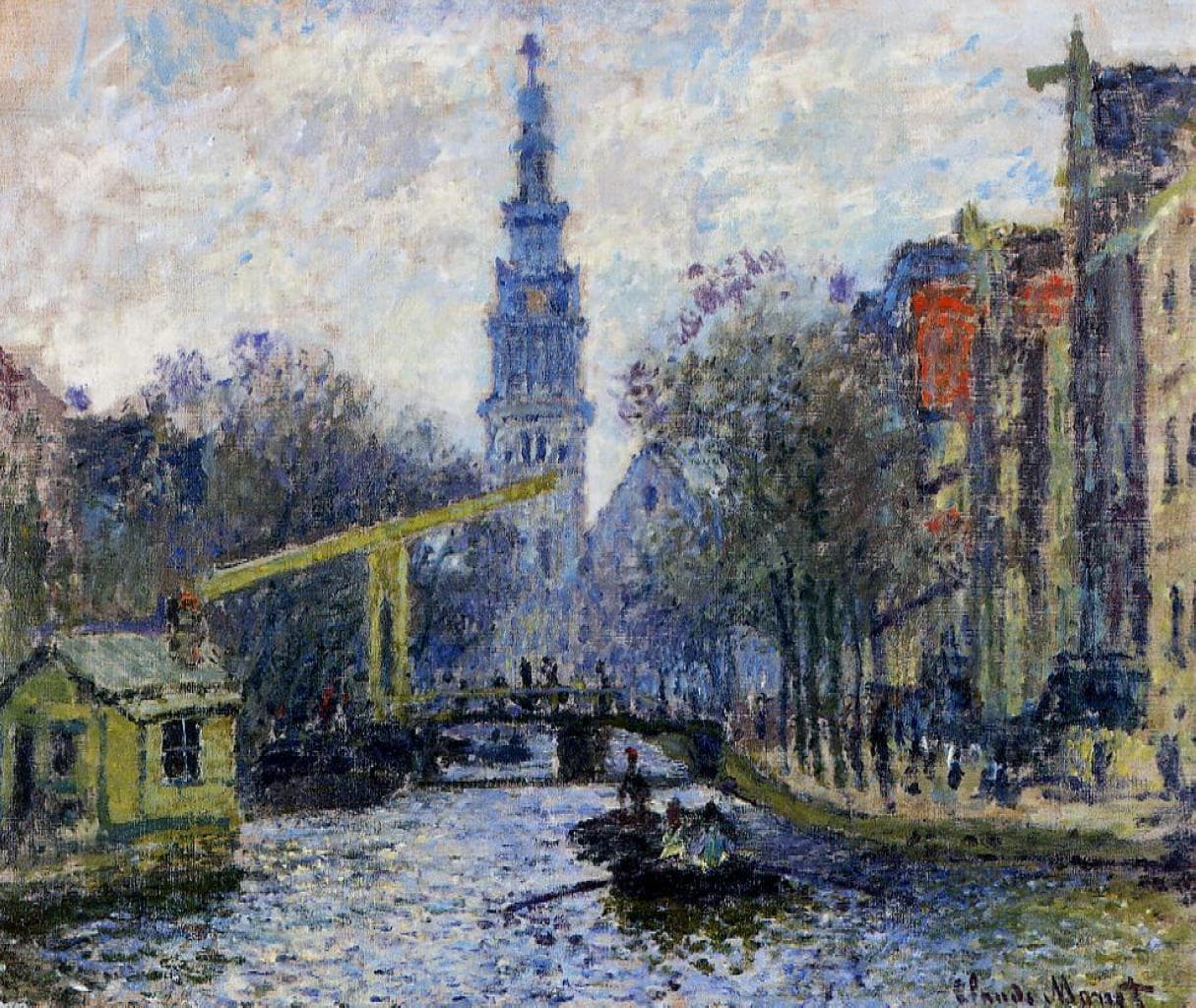
Canal in Amsterdam
Claude Monet · 1874
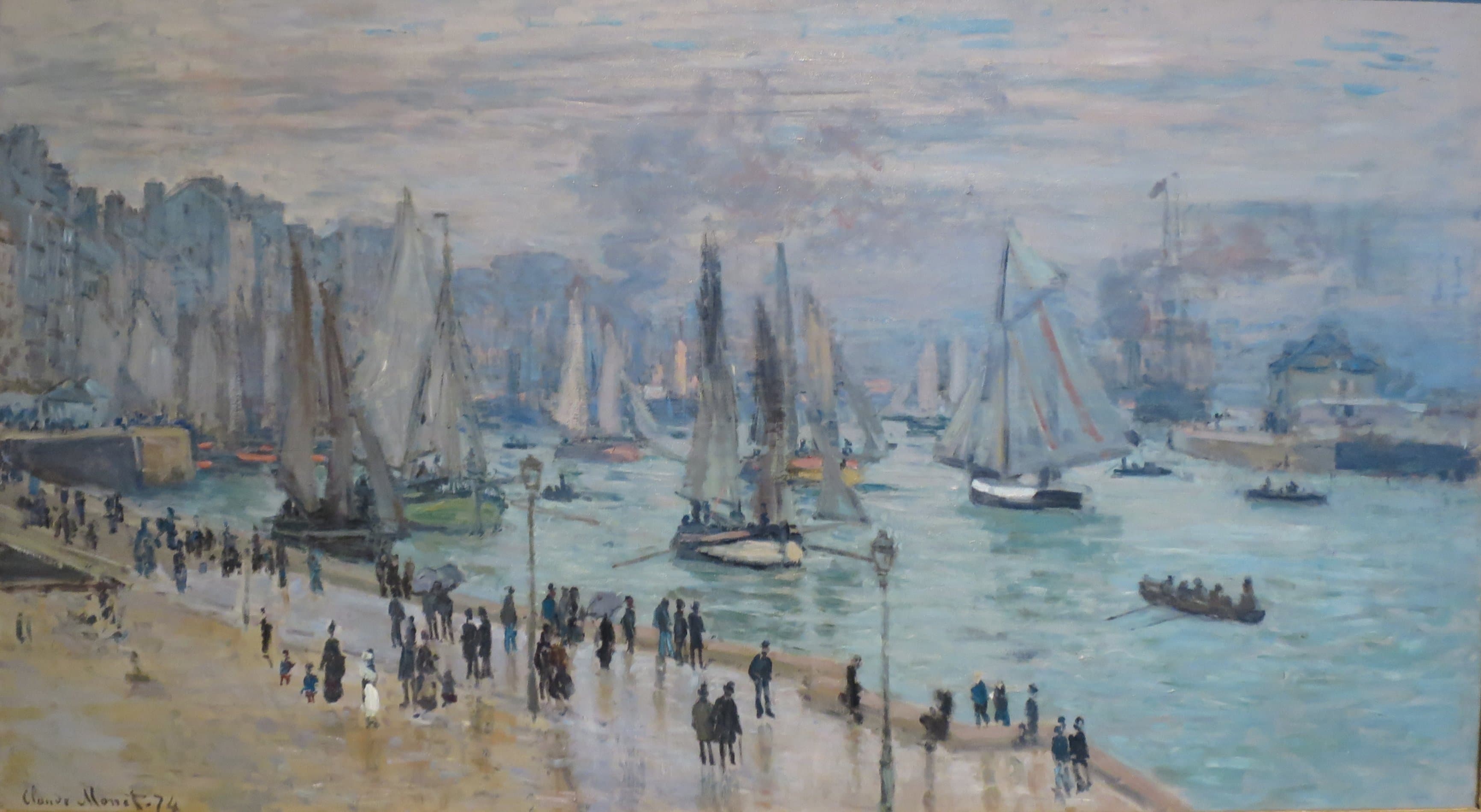
Fishing Boats Leaving the Harbor, Le Havre
Claude Monet · 1874
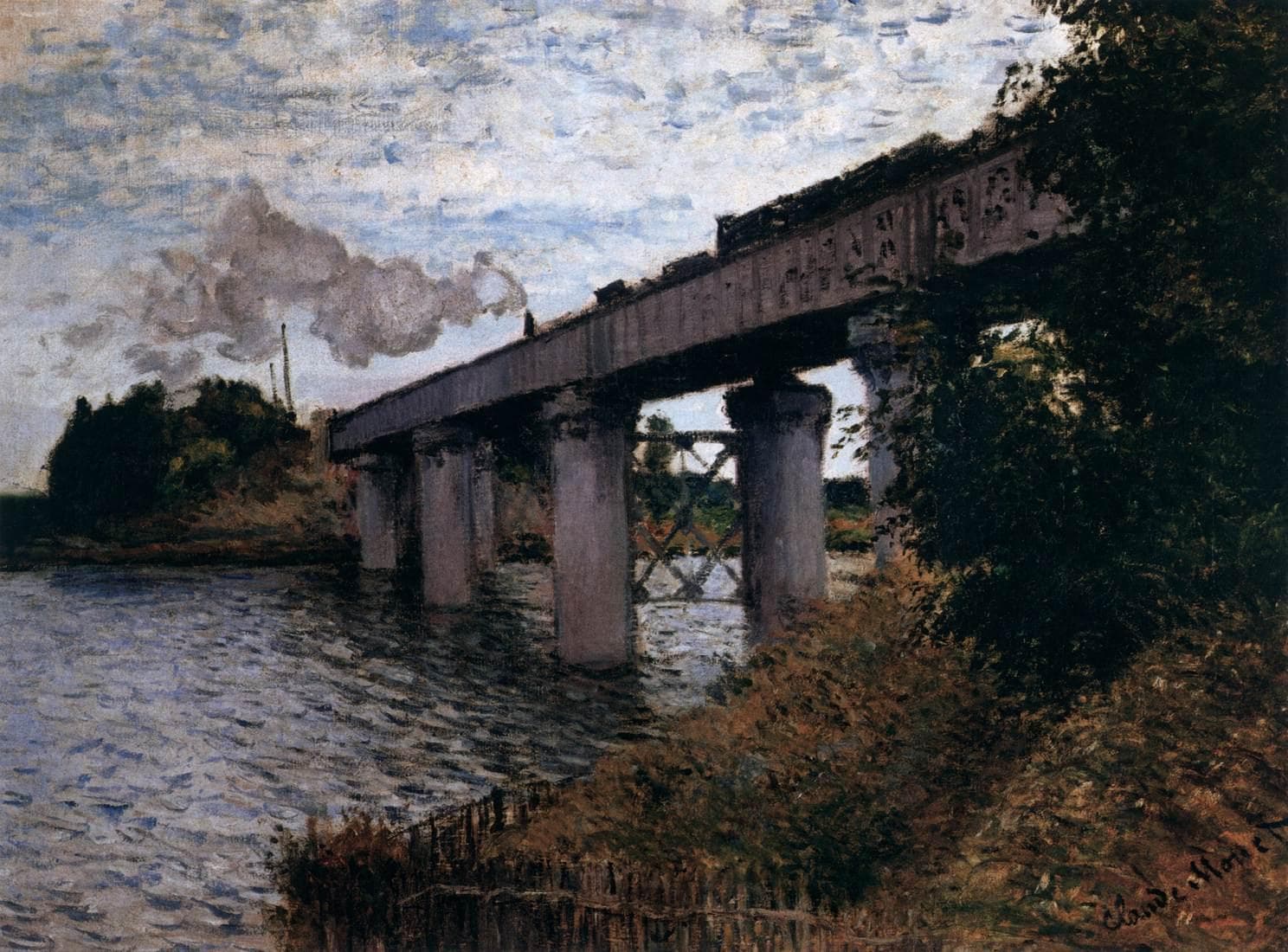
The Railway Bridge at Argenteuil
Claude Monet · c. 1873–74