Image: Art Gallery of Ontario, Toronto · Public domain · via Wikimedia Commons
Charing Cross Bridge, Fog
Claude Monet, 1902–03
Charing Cross Bridge, Fog (1902–03) is Claude Monet's view of the Thames bridge and Parliament in a yellow-green fog, the sun a smudge of orange high in the sky. It is in the Art Gallery of Ontario, Toronto.
- Artist
- Claude Monet
- Date
- 1902–03
- Medium
- Oil on canvas
- Dimensions
- 73 × 92 cm
- Collection
- Art Gallery of Ontario, Toronto, Canada
- Movement
- Impressionism
- Catalogue
- Wildenstein 1541
- The City
- Water & Sea
Charing Cross Bridge, Fog (Le Pont de Charing-Cross, brouillard) is a London canvas Claude Monet finished at Giverny in the early 1900s. A thick, sunlit fog of acid yellow and pale green fills the scene; the railway bridge is a thin blue-gray line, the towers of Westminster are green ghosts at upper right, and the sun shows only as a few strokes of orange high in the sky. It is in the Art Gallery of Ontario in Toronto (inv. 90/161), a gift of Ethel and Milton Harris in 1990. Wikidata dates it 1903; published catalogue entries read the date on the canvas as 1902.
What you are looking at
The canvas is 73 by 92 cm. The bridge crosses just below the middle as a band of pale blue-gray, its piers grouped in twos and threes. On the left the piers cast long, wavering reflections into the water; in the center, a cluster of darker blue strokes on the deck may be a train or a lamp post. At upper right, the Victoria Tower and the clock tower rise as tall, soft green-blue verticals, their bases lost in the fog.
The sky is the most remarkable passage. Monet scrubbed lemon yellow, chartreuse and pale green over one another in short, curling strokes, with a small tangle of orange and red near the top center where the sun is burning through. The river below repeats the yellow-green tones, with a few horizontal touches of lilac and pink. The signature is at lower right.
Where and when it was painted
Monet painted the view from the Savoy Hotel during his London campaigns of 1899–1901, looking upriver at the bridge and Westminster; downriver lay Waterloo Bridge. He described London's fog with real affection, writing that without it the city would not be beautiful. Back at Giverny, he spent until 1904 reworking the canvases, and many carry dates of 1902 or 1903. Our Monet in London hub follows the whole project.
How it was painted
The surface is layered and dense, worked in small, flexible strokes that change direction across the sky. Monet built the yellow fog from several related hues rather than a single color, which keeps it vibrating. Dark tones are almost absent; even the bridge and towers are only slightly cooler than the air. This high-key, near-monochrome approach, which some critics in 1904 called almost abstract, is what makes the London series so distinctive.
The yellow-green tonality has a basis in fact. London's coal-smoke fogs were often described as yellow, and recent research comparing the paintings with weather and pollution records has argued that Monet's colors register real atmospheric conditions, not just studio invention.
How this version differs
The Toronto canvas is one of several in which the fog turns yellow. The golden Chartwell picture is warmer and more saturated; the Chicago canvas of 1901 keeps its yellow to a single corner. Here the color fills the whole sky, cooled with green, and the sun is visible as a small red-orange knot. For a blue version of nearly the same moment, compare Fog on the Thames at Harvard, where the sun is a red disc in a turquoise sky. The full run is in our Charing Cross Bridge series page.
A gift to Toronto
The painting came to the Art Gallery of Ontario in 1990 from Ethel and Milton Harris, Toronto collectors and philanthropists. It is one of a small number of Monet paintings in Canadian public collections, and among the most important Impressionist works at the AGO.
The 1904 exhibition
When Monet finally showed the London pictures at Durand-Ruel's Paris gallery in May and June 1904, he hung 37 canvases of the three motifs together. Critics wrote of them as a kind of visual music, a set of variations on a theme in different keys, and the yellow fog pictures were among the most remarked on. The show was a commercial success, and many of the canvases, like this one, went to collectors in the United States and later reached museums across North America.
Where to see it
The painting is in the Art Gallery of Ontario on Dundas Street West in Toronto. Display changes, so check the AGO's online collection before visiting. For other collections, see where to see Monet's paintings.
Questions & answers
Where is Monet's Charing Cross Bridge, Fog?
In the Art Gallery of Ontario in Toronto (inv. 90/161), a gift of Ethel and Milton Harris in 1990. It is one of the few Monet paintings in a Canadian public collection; check the AGO's website for current display.
When was it painted?
Monet began it in London between 1899 and 1901, painting from the Savoy Hotel, and finished it at Giverny. Catalogue entries read the date on the canvas as 1902; Wikidata gives 1903.
What does the painting show?
Charing Cross railway bridge over the Thames in a thick yellow-green fog, with the towers of the Houses of Parliament faint at upper right and the sun visible only as a few orange strokes near the top.
Why is the fog yellow?
London's coal-smoke fogs were often yellowish, and when the sun shone through them the effect could be golden or greenish. Monet tried to record each such effect on a separate canvas, and this is one of his yellow versions.
More by the artist
Claude Monet
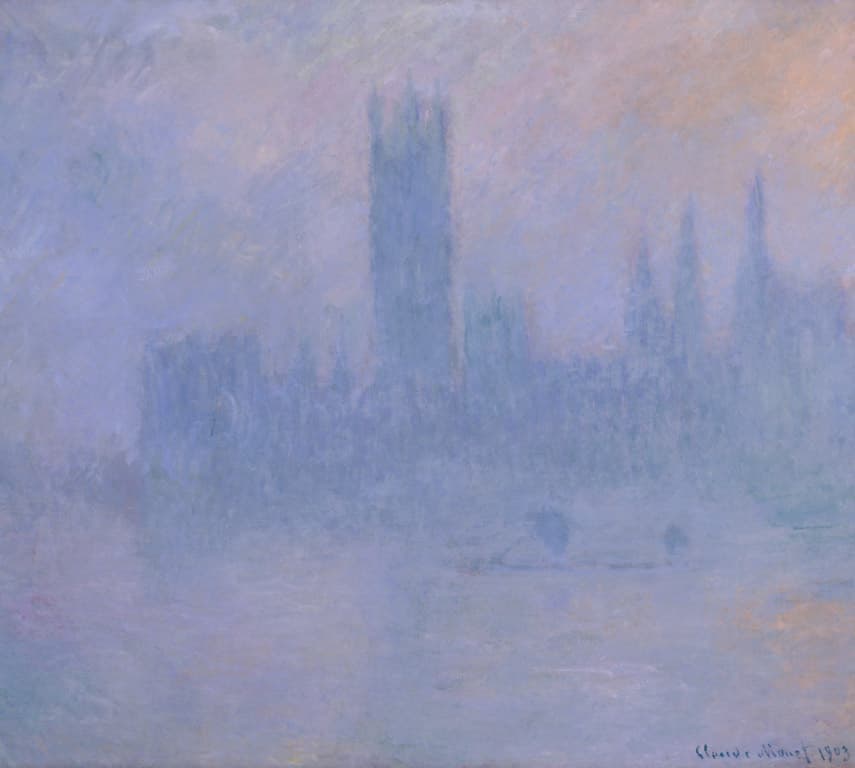
Houses of Parliament, Symphony in Blue
Claude Monet · 1903
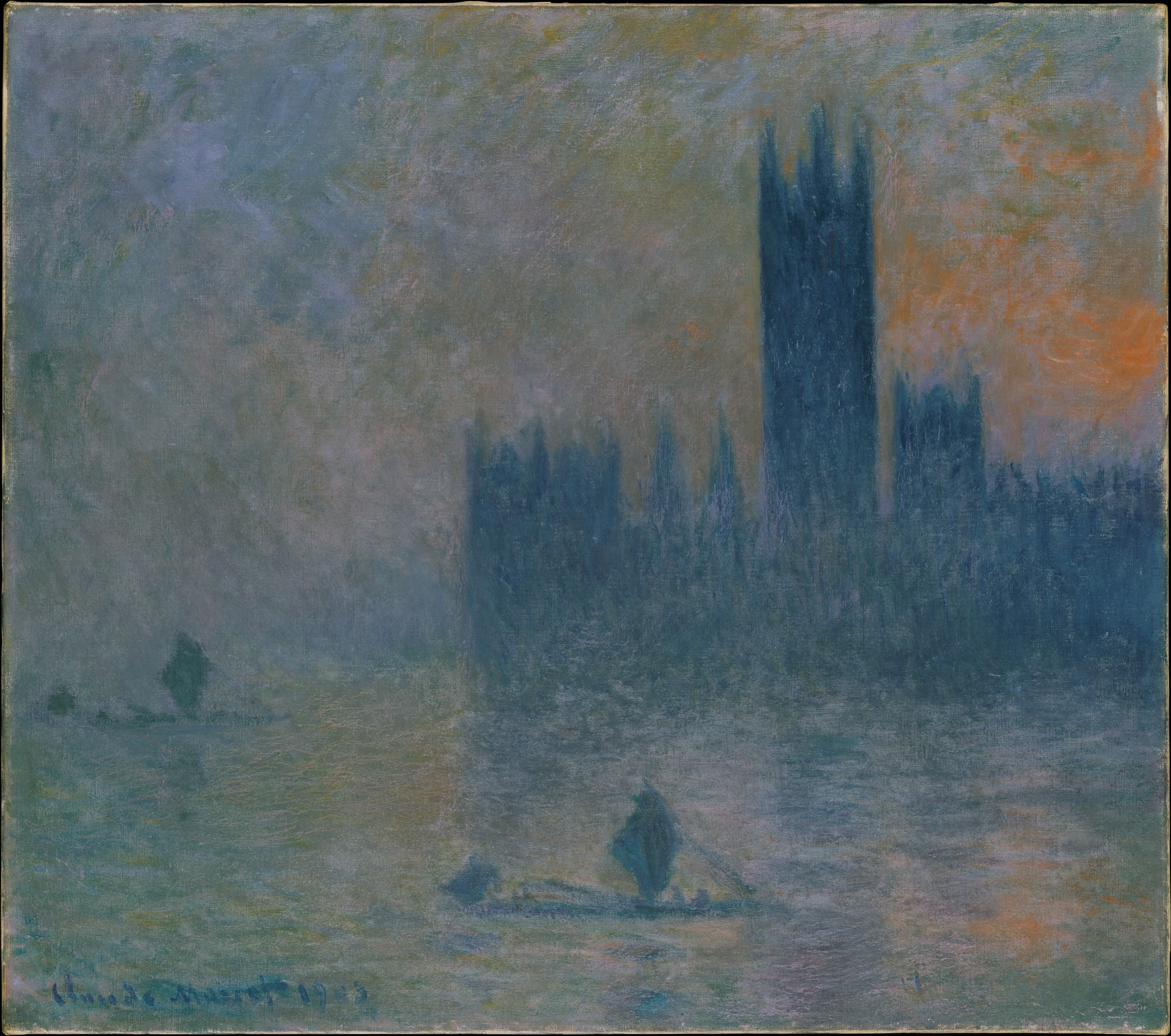
The Houses of Parliament (Effect of Fog)
Claude Monet · 1903–04
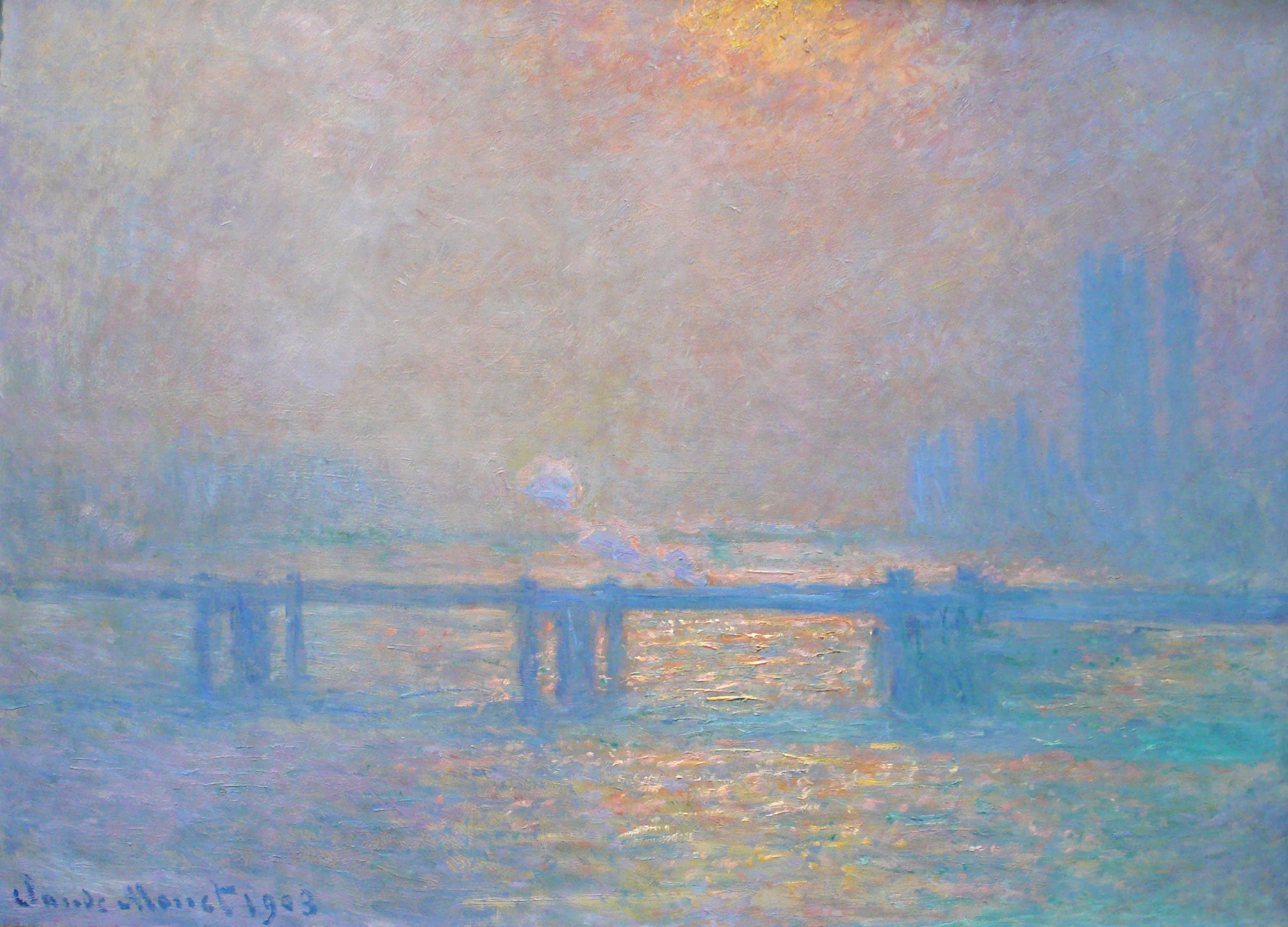
Charing Cross Bridge, The Thames
Claude Monet · 1903
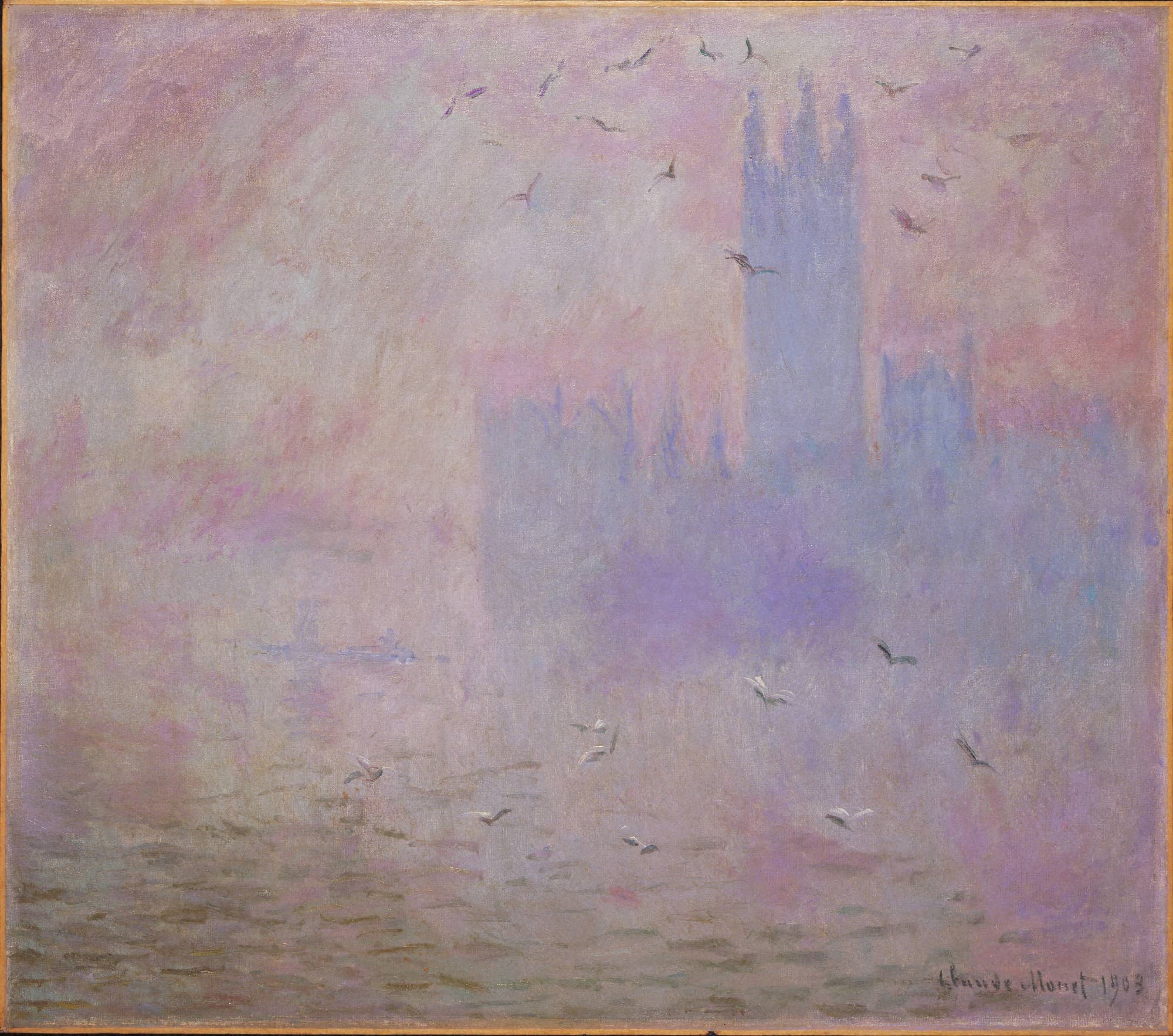
The Houses of Parliament, Seagulls
Claude Monet · 1903
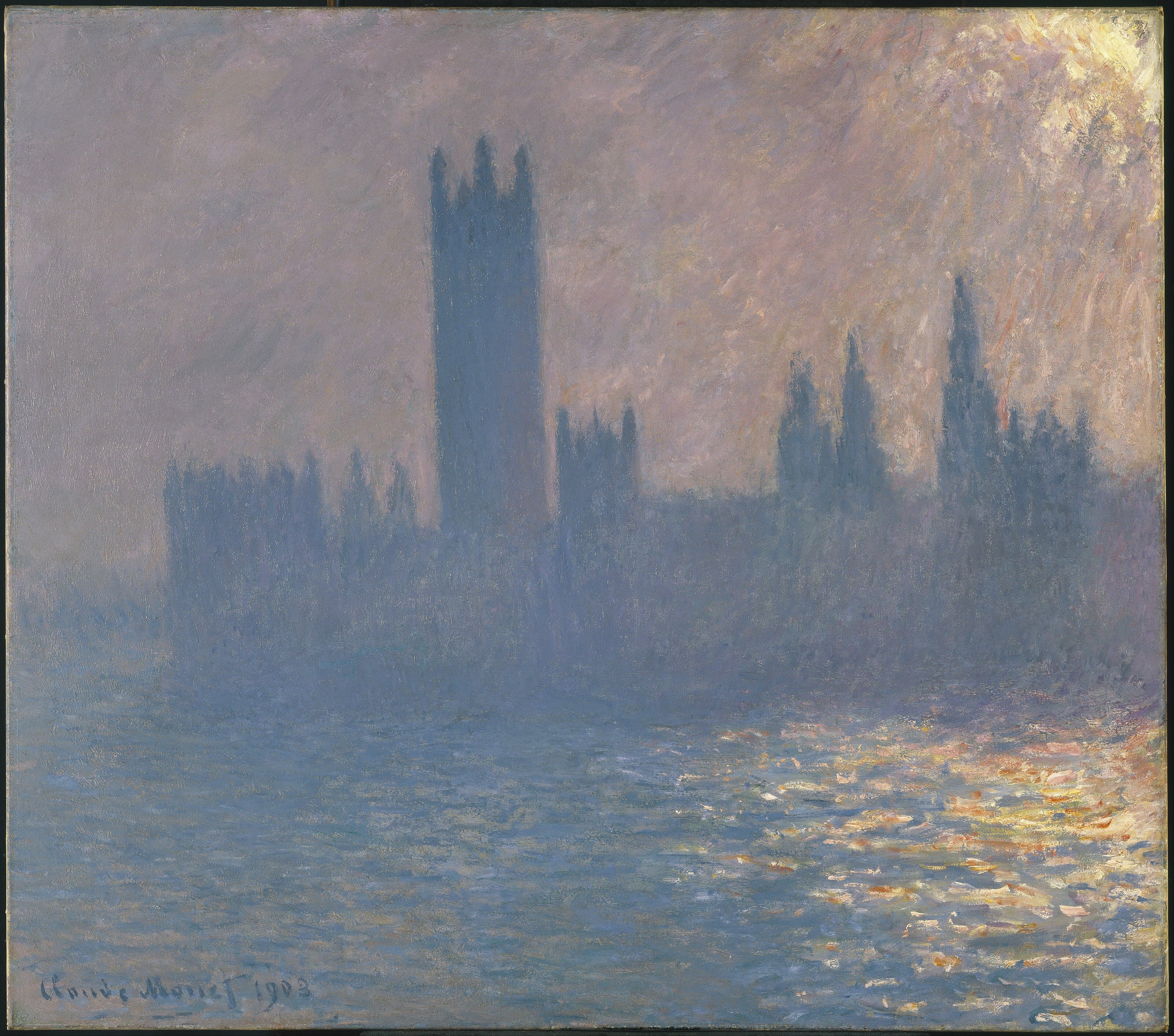
Houses of Parliament, Sunlight Effect
Claude Monet · 1903
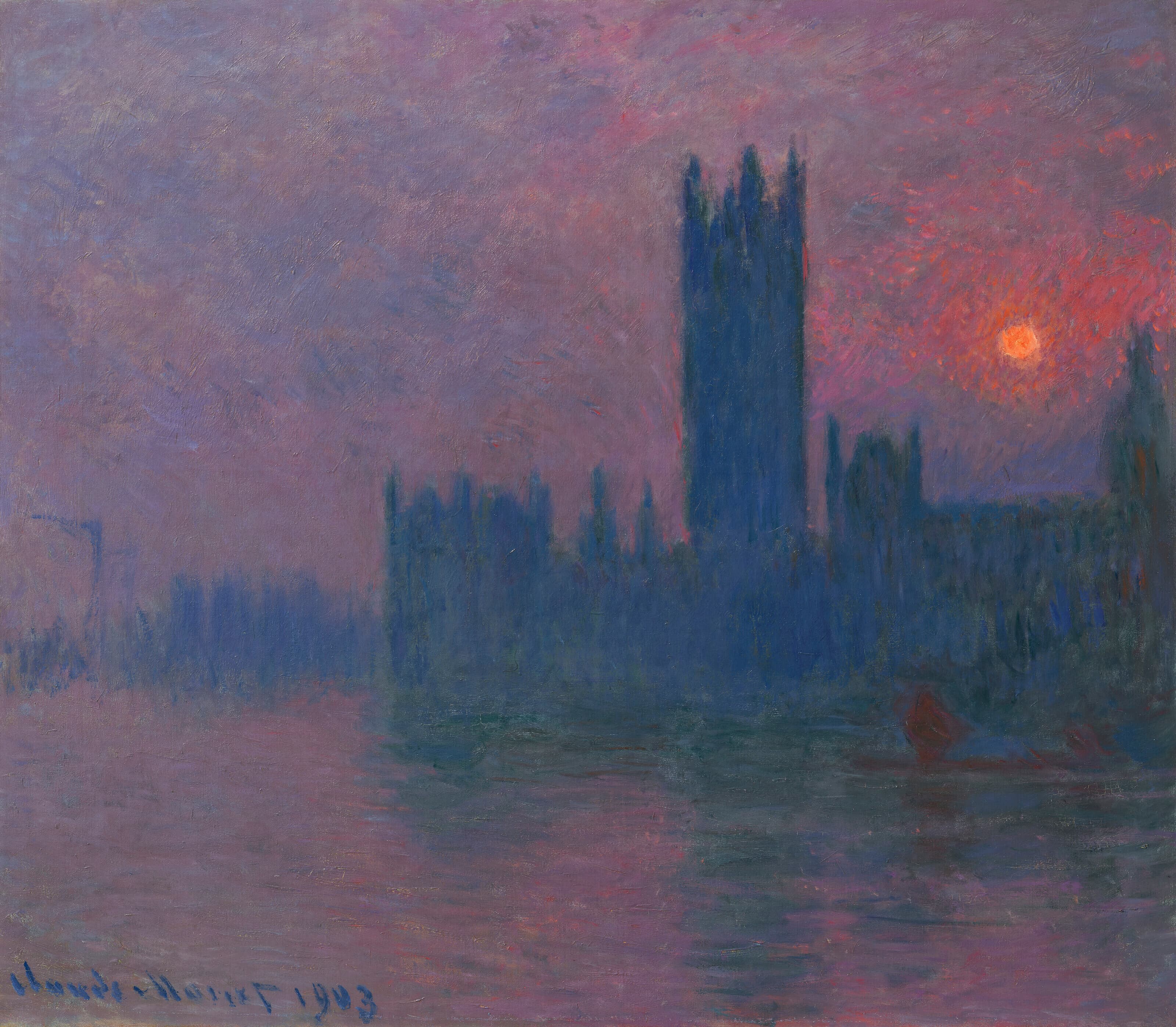
Houses of Parliament, Sunset
Claude Monet · 1903
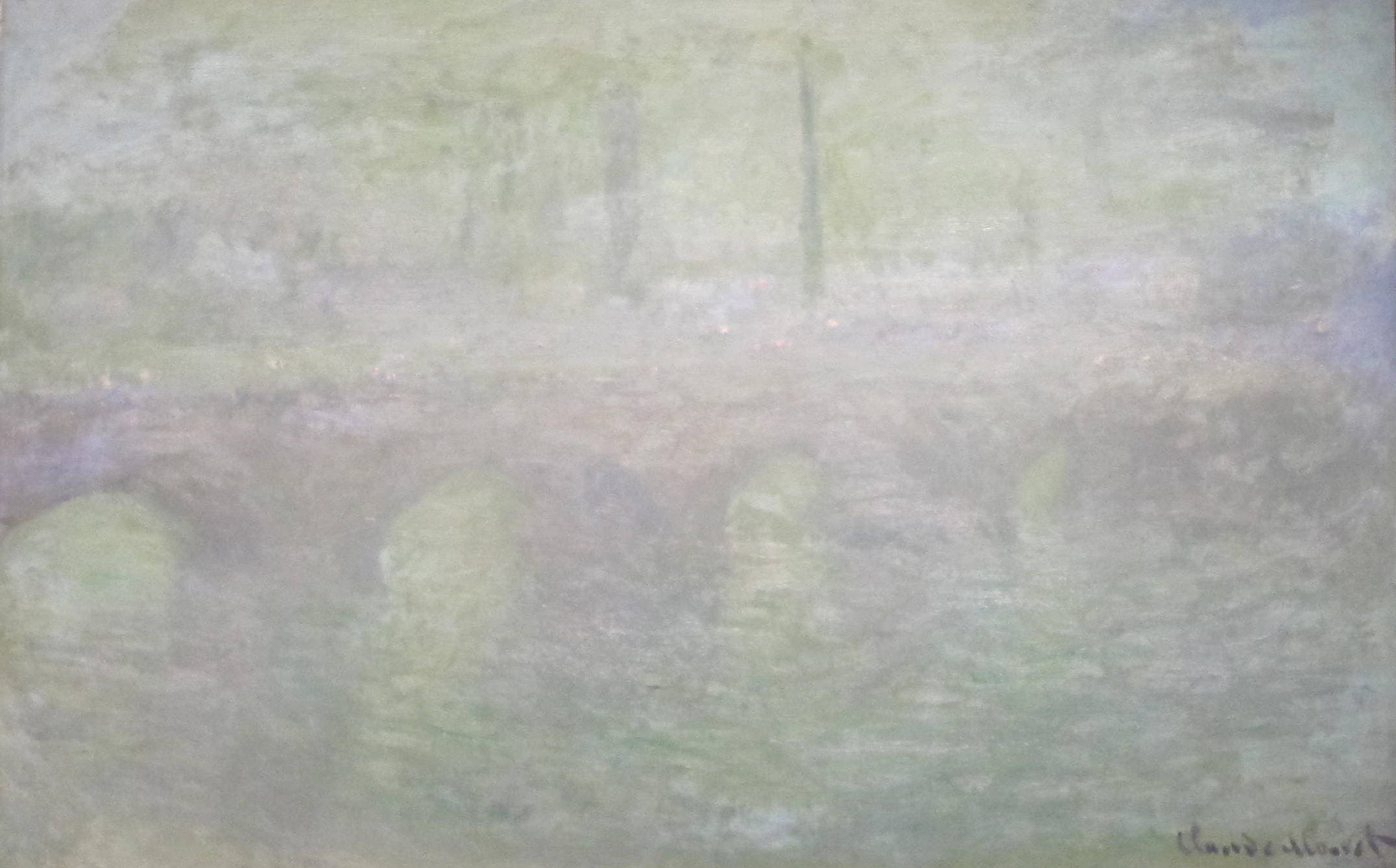
Waterloo Bridge, London, at Dusk
Claude Monet · 1904
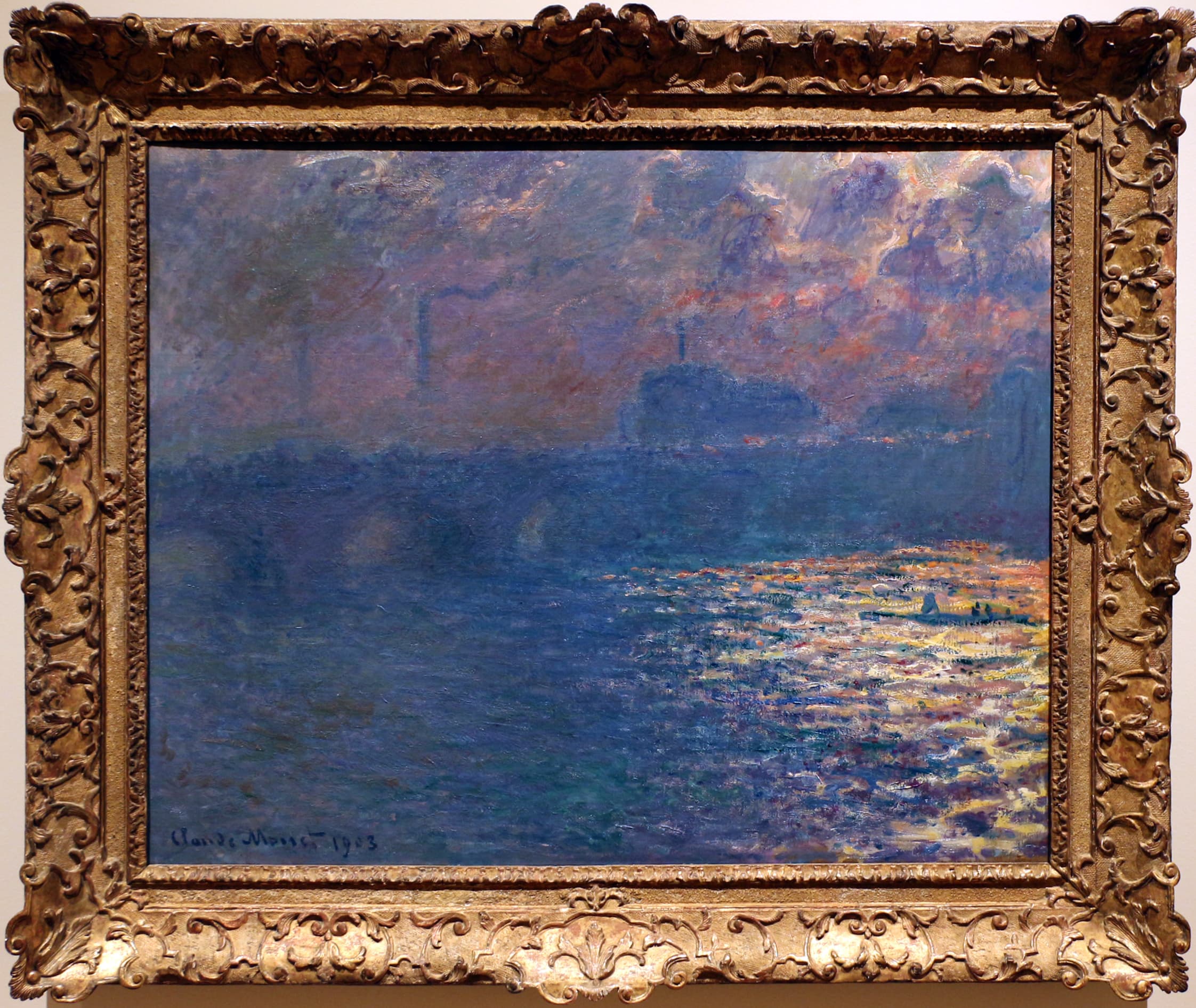
Waterloo Bridge, Sunlight Effect
Claude Monet · c. 1900 (dated 1903)
Also painted in 1903
The same year
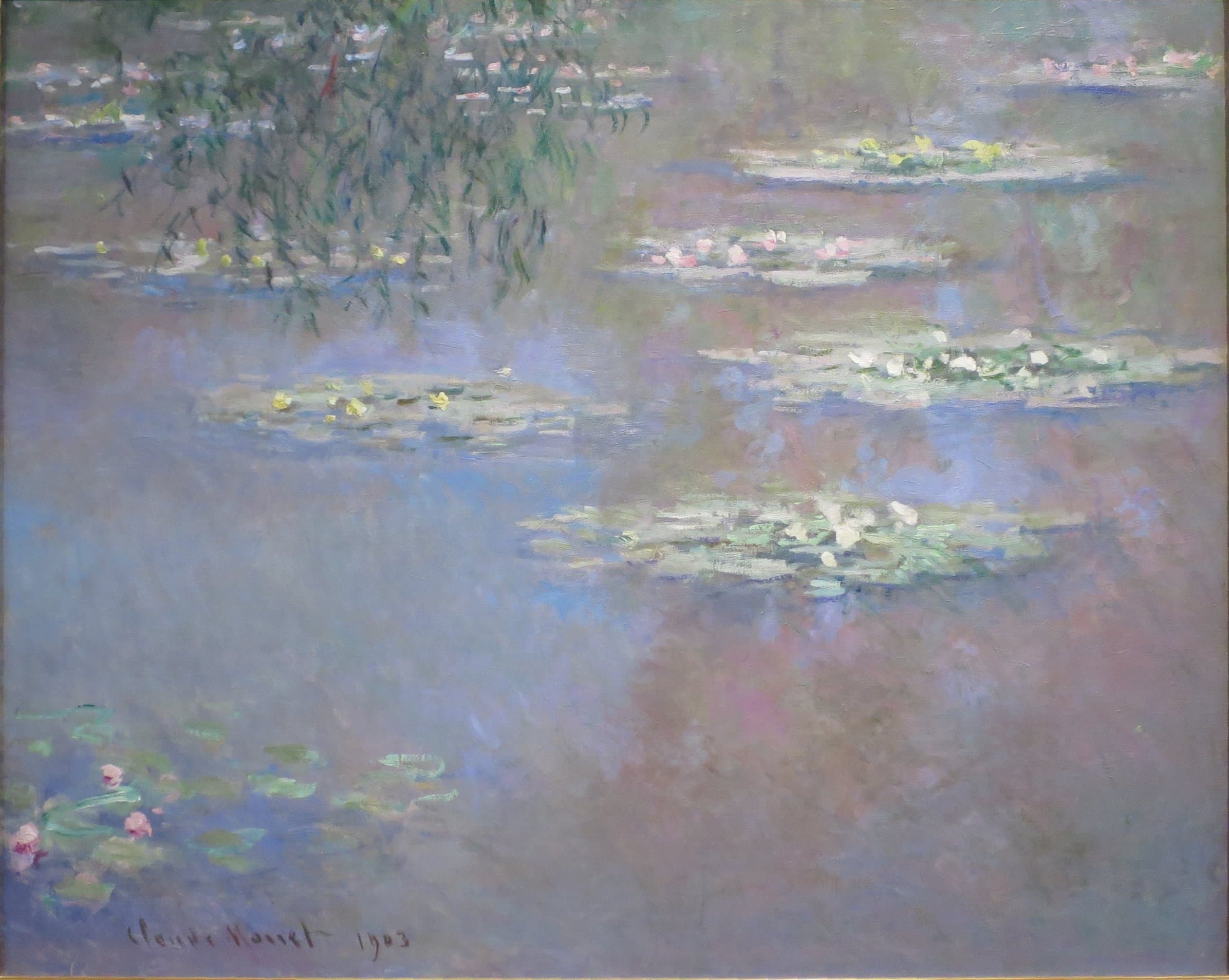
Waterlilies (1903, Dayton Art Institute)
Claude Monet · 1903
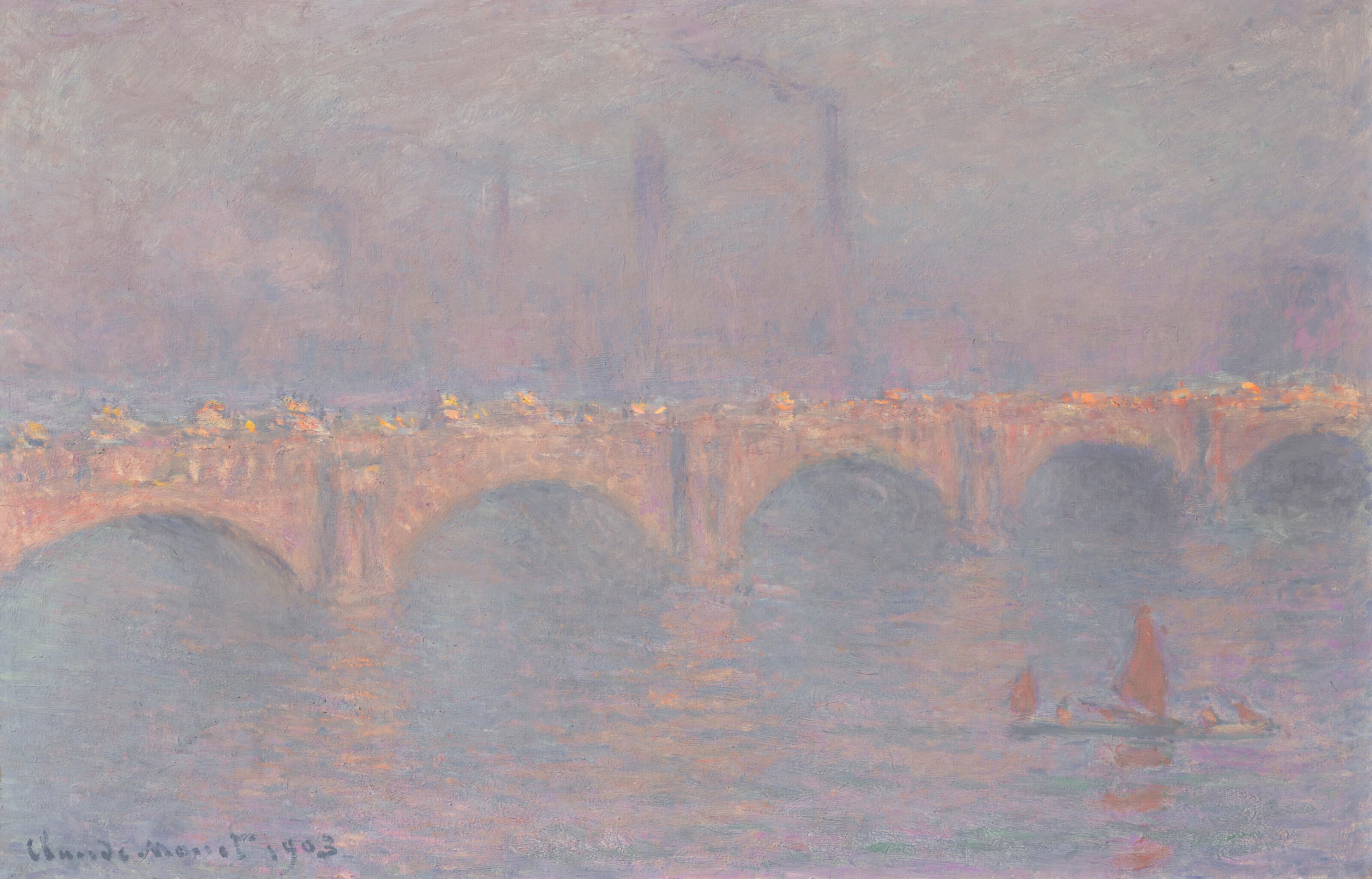
Waterloo Bridge, Hazy Sun
Claude Monet · 1903
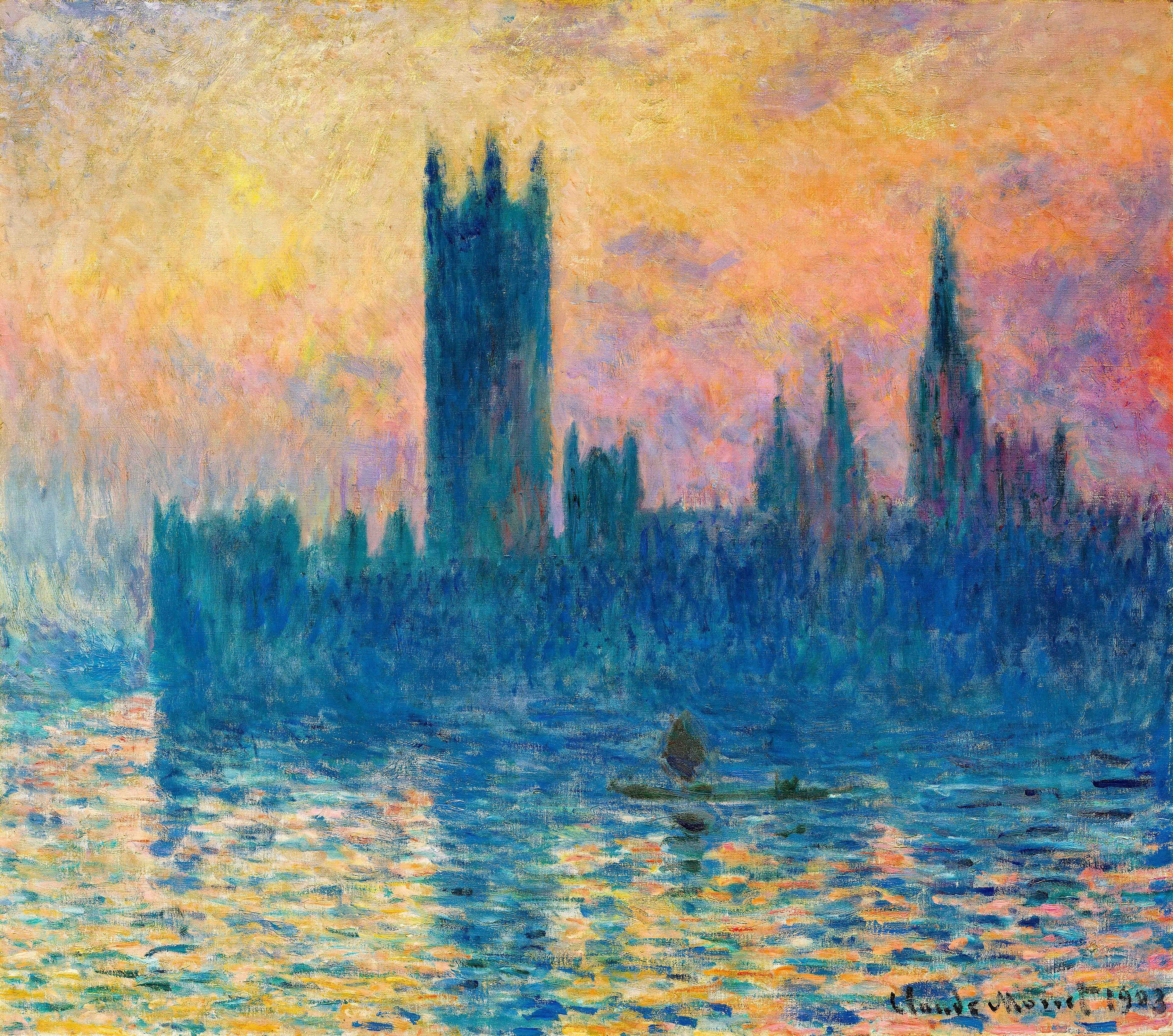
The Houses of Parliament, Sunset
Claude Monet · 1903
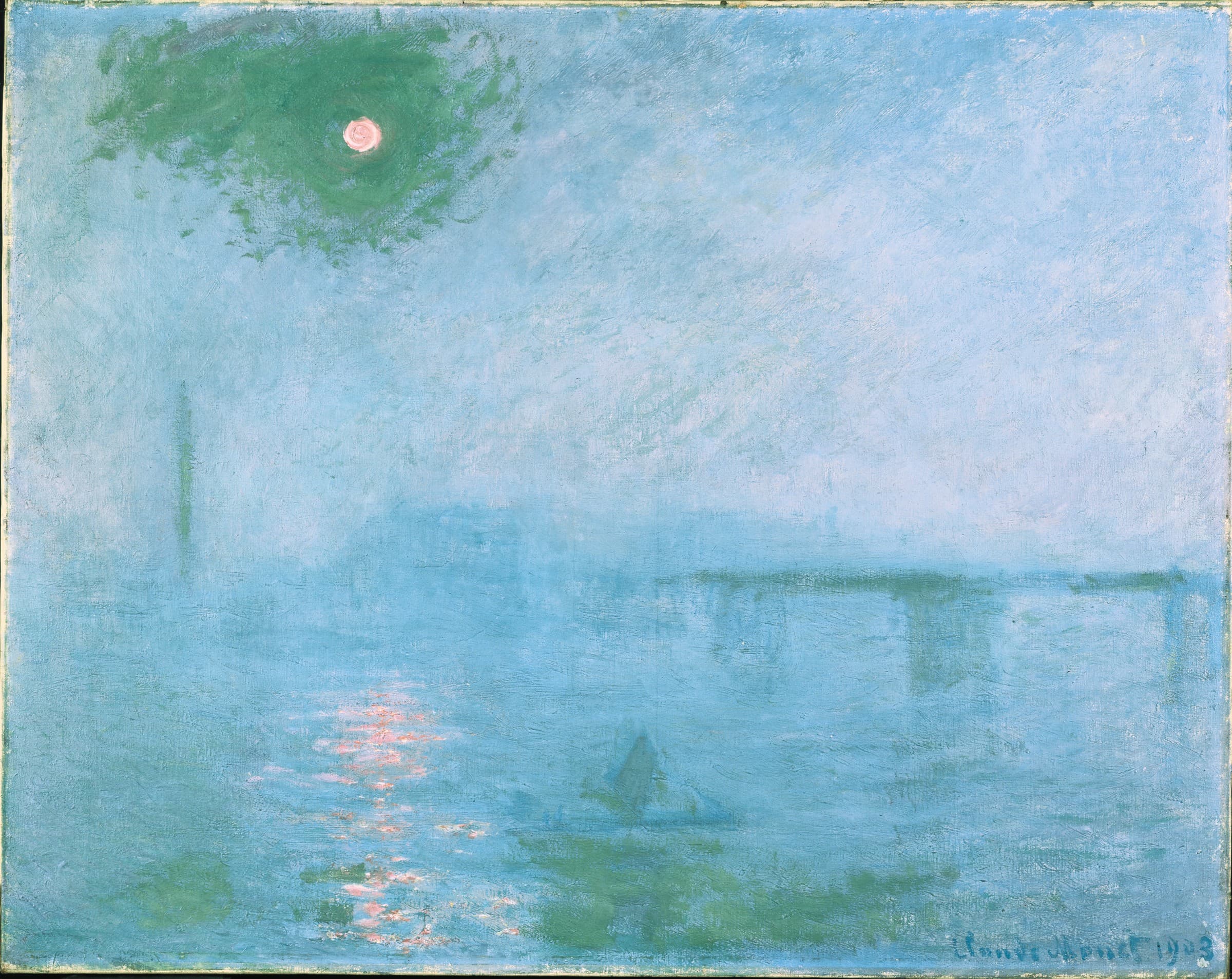
Charing Cross Bridge: Fog on the Thames
Claude Monet · 1903
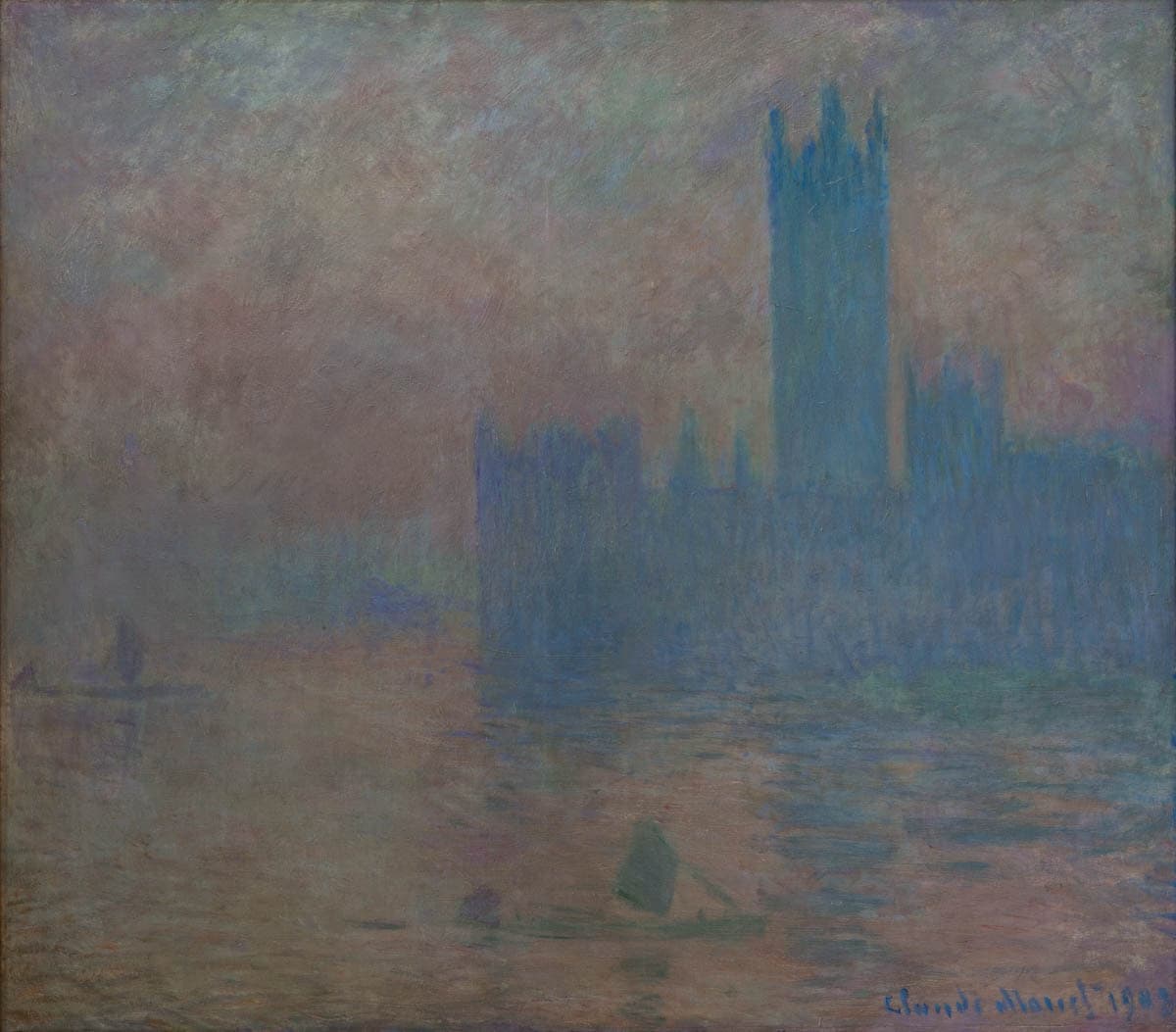
Le Parlement de Londres, effet de brouillard
Claude Monet · 1903
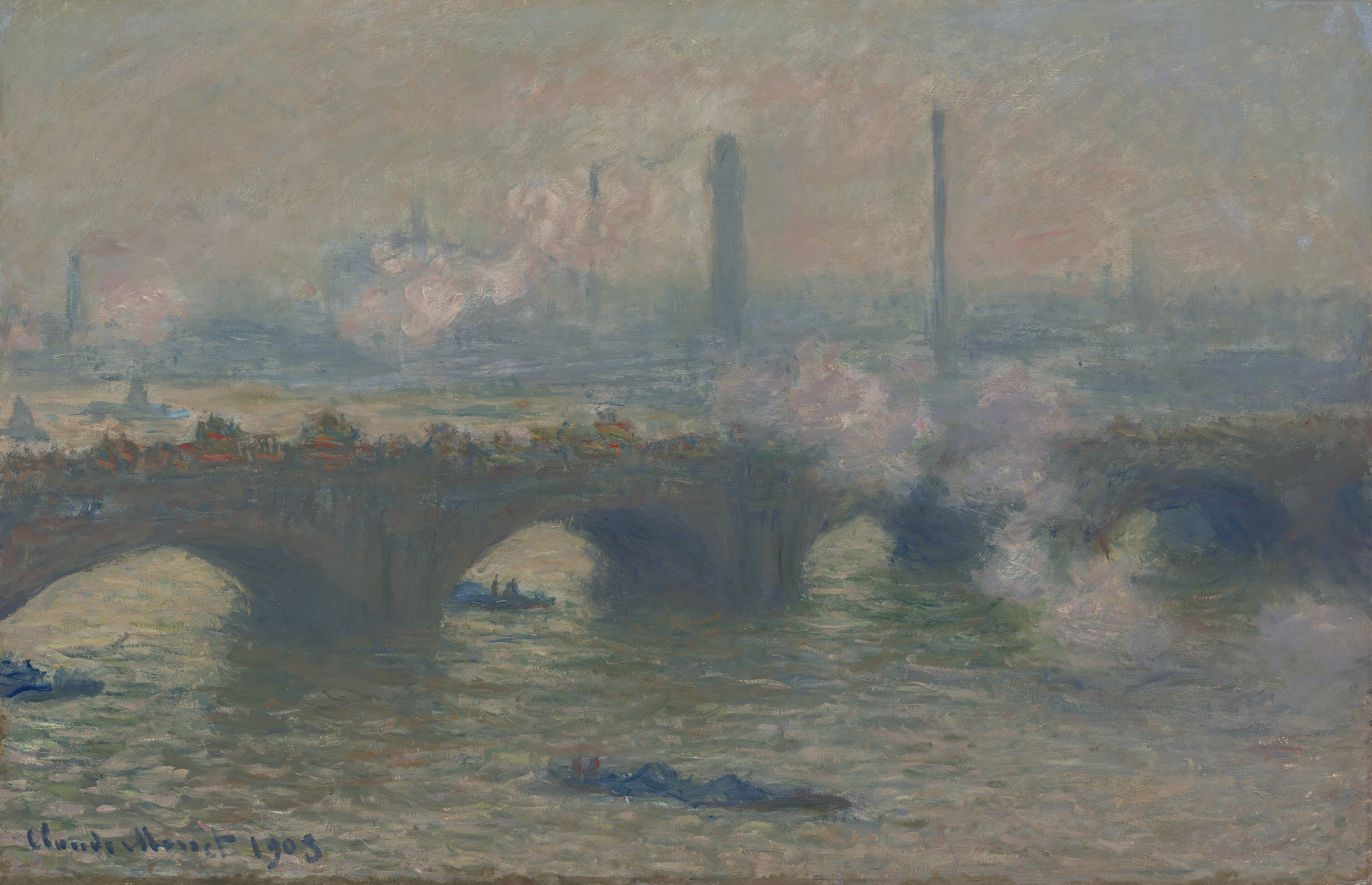
Waterloo Bridge, Gray Day
Claude Monet · 1903
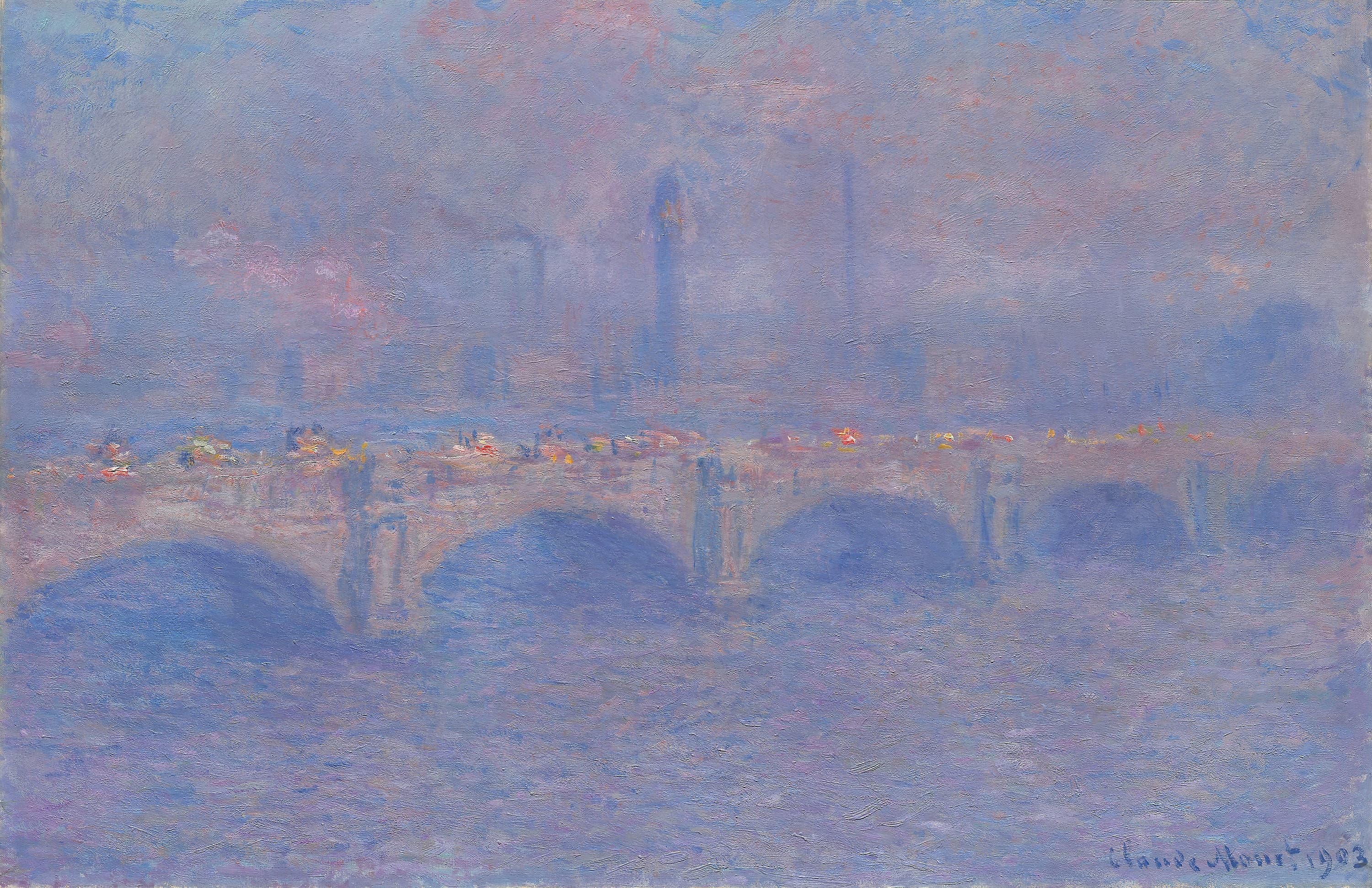
Waterloo Bridge, Sunlight Effect
Claude Monet · 1903
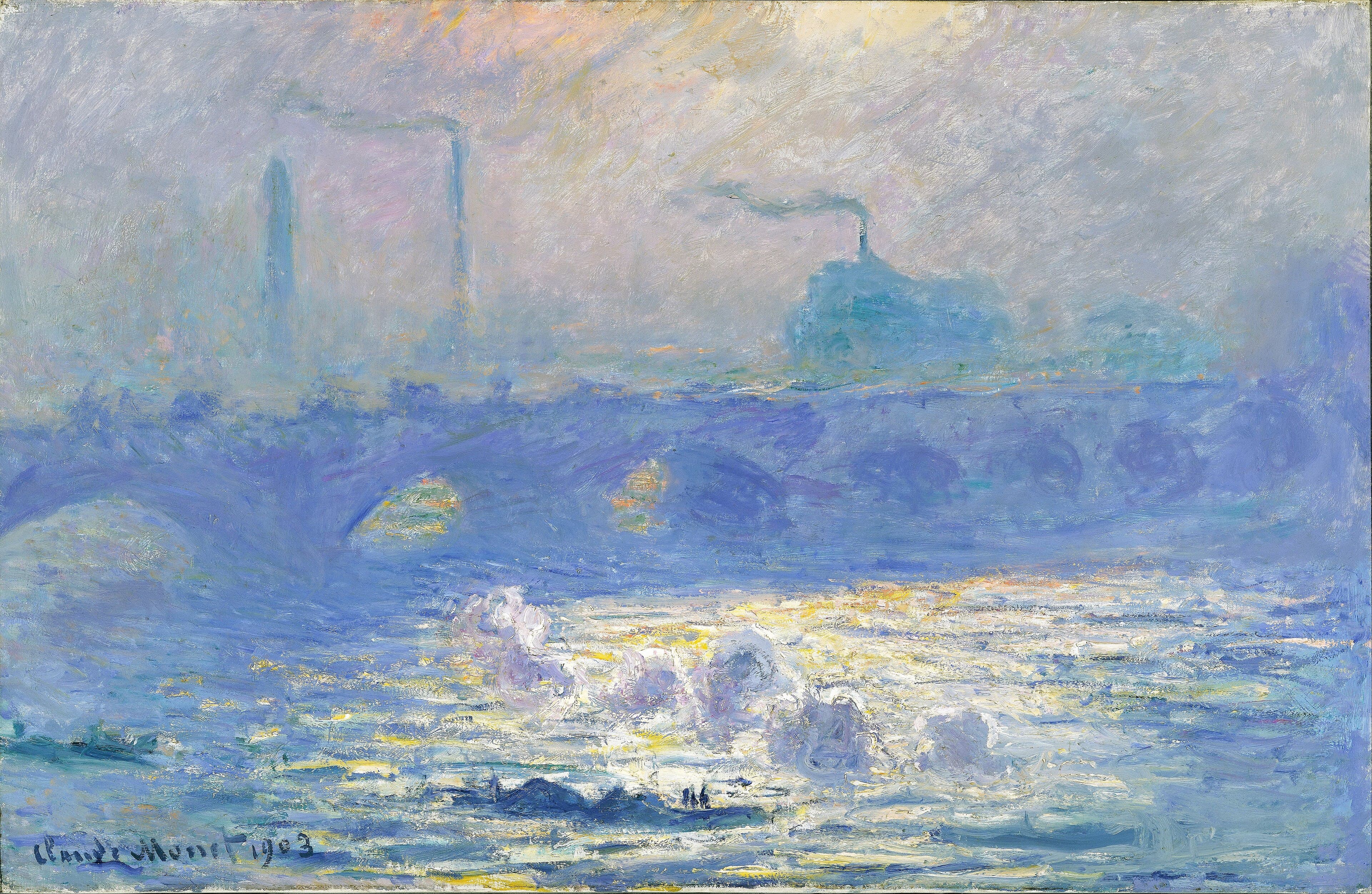
Waterloo Bridge, Sunlight Effect (Denver Art Museum)
Claude Monet · 1903
Kindred works
You may also study
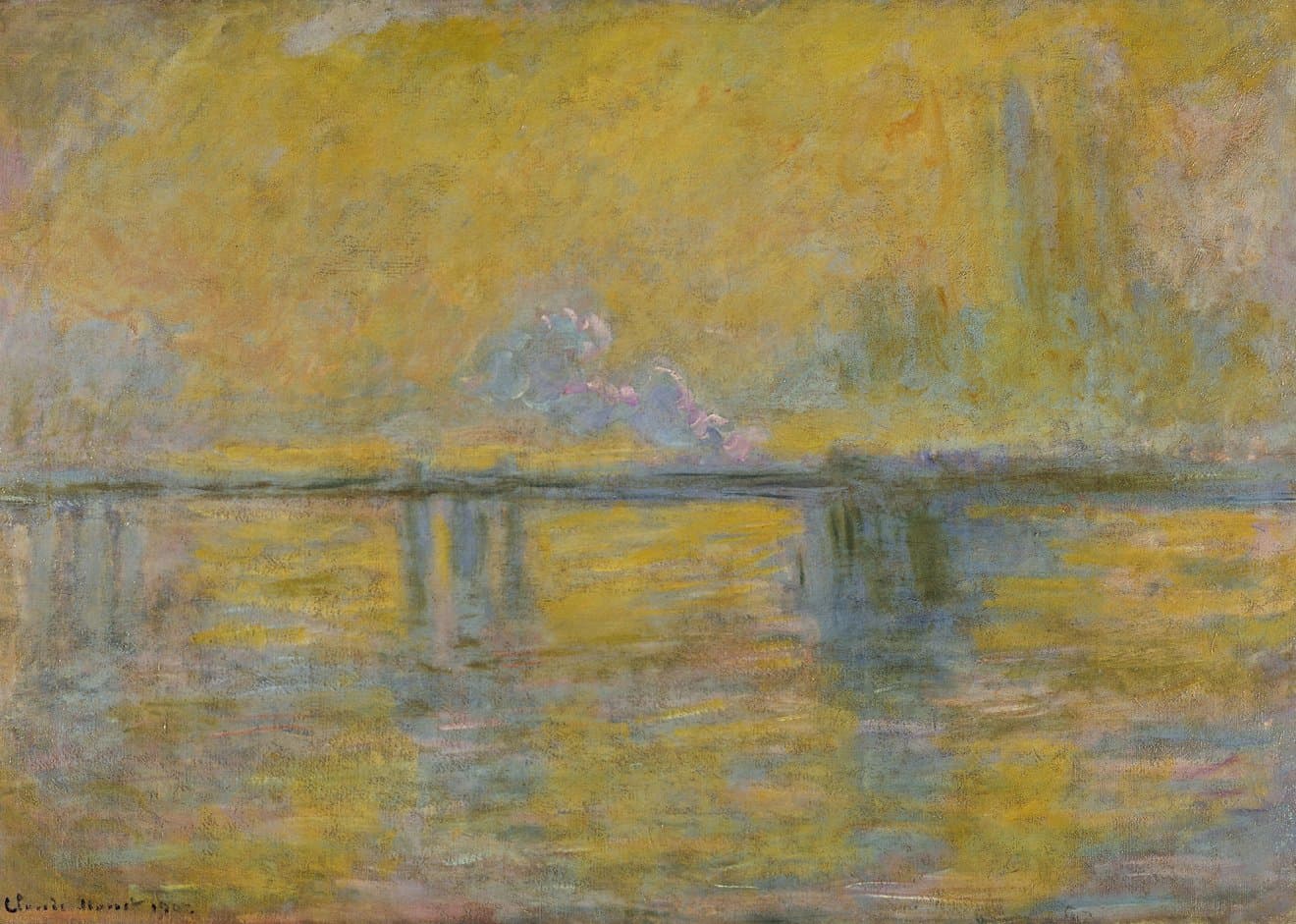
Charing Cross Bridge (Chartwell)
Claude Monet · 1899–1902 (dated 1902)
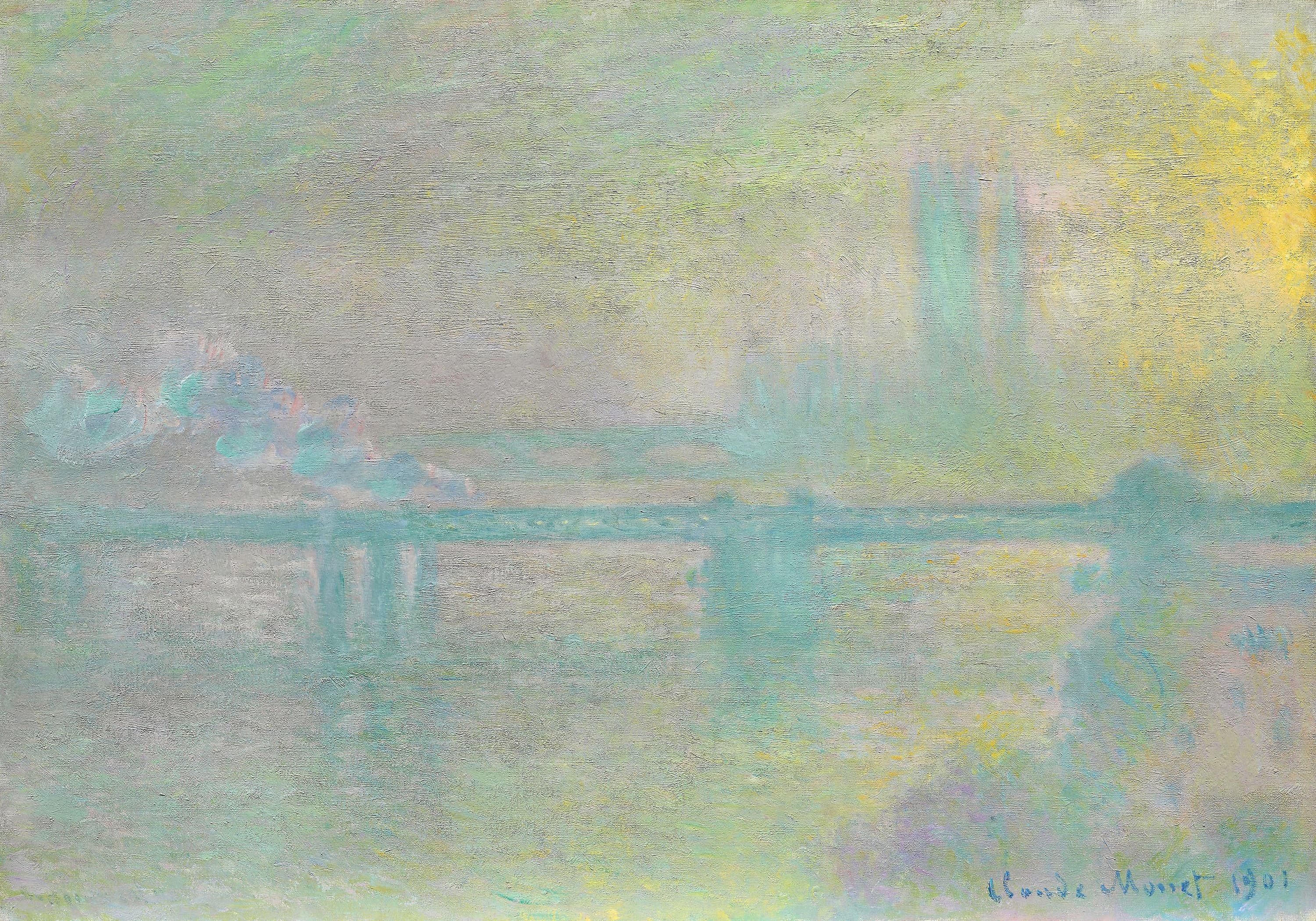
Charing Cross Bridge, London
Claude Monet · 1901
Charing Cross Bridge: Fog on the Thames
Claude Monet · 1903
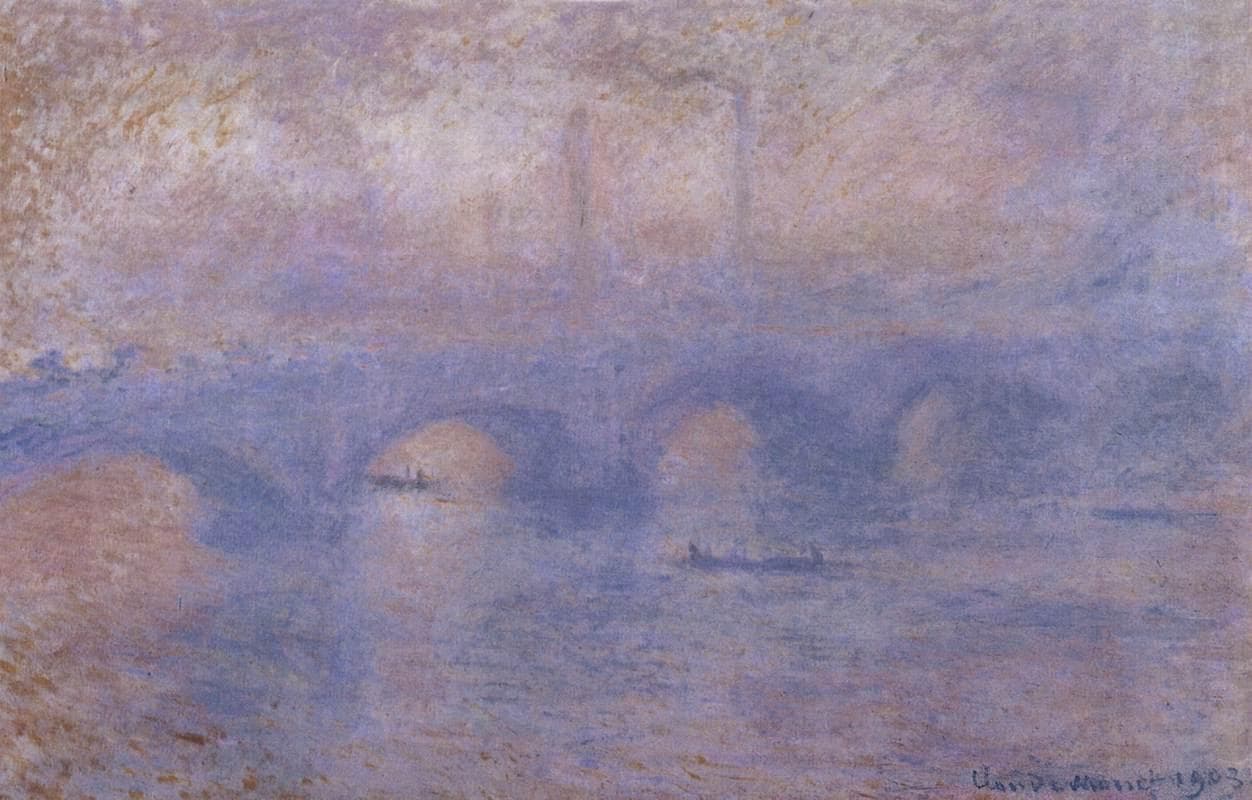
Waterloo Bridge, Effect of Fog
Claude Monet · 1903
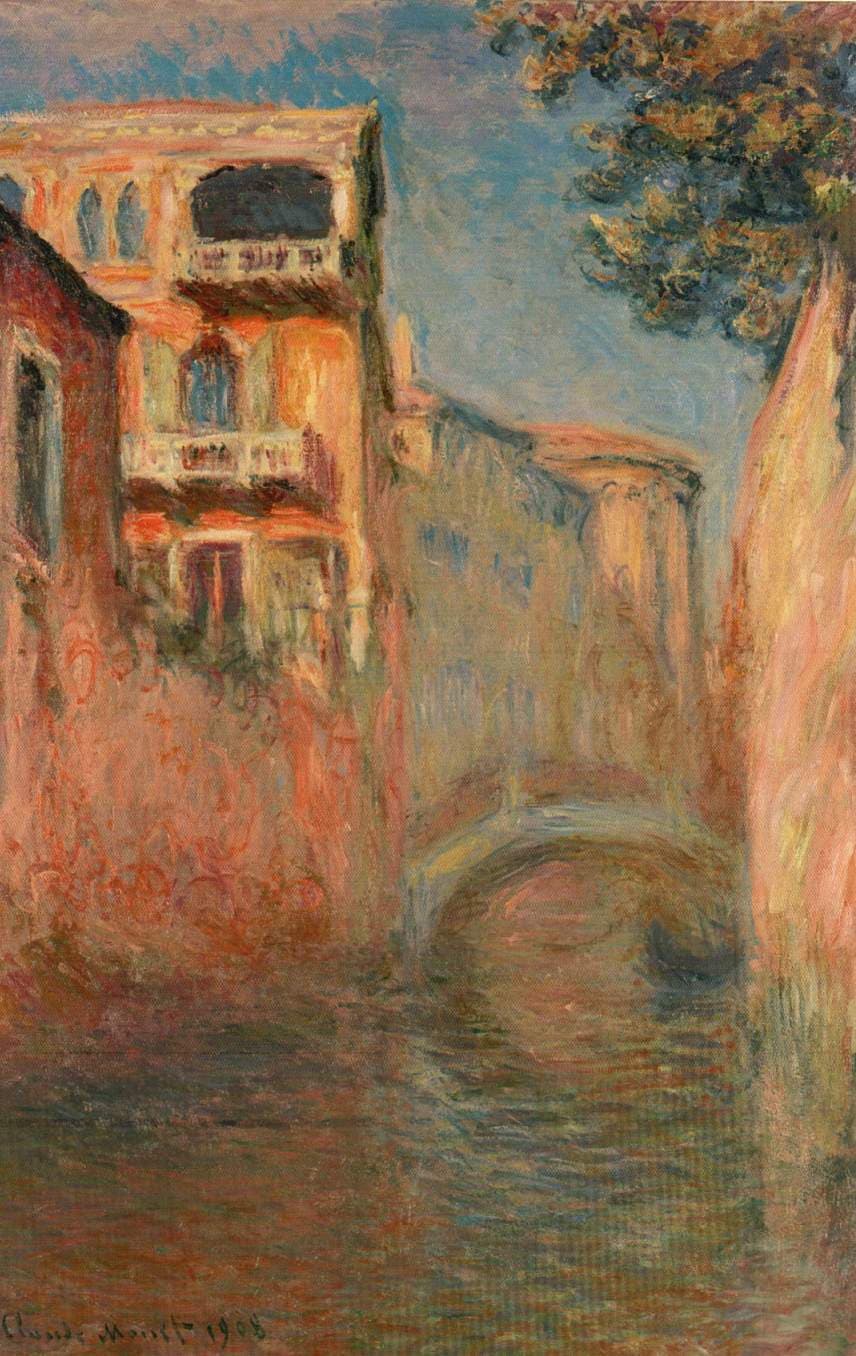
The Rio della Salute
Claude Monet · 1908
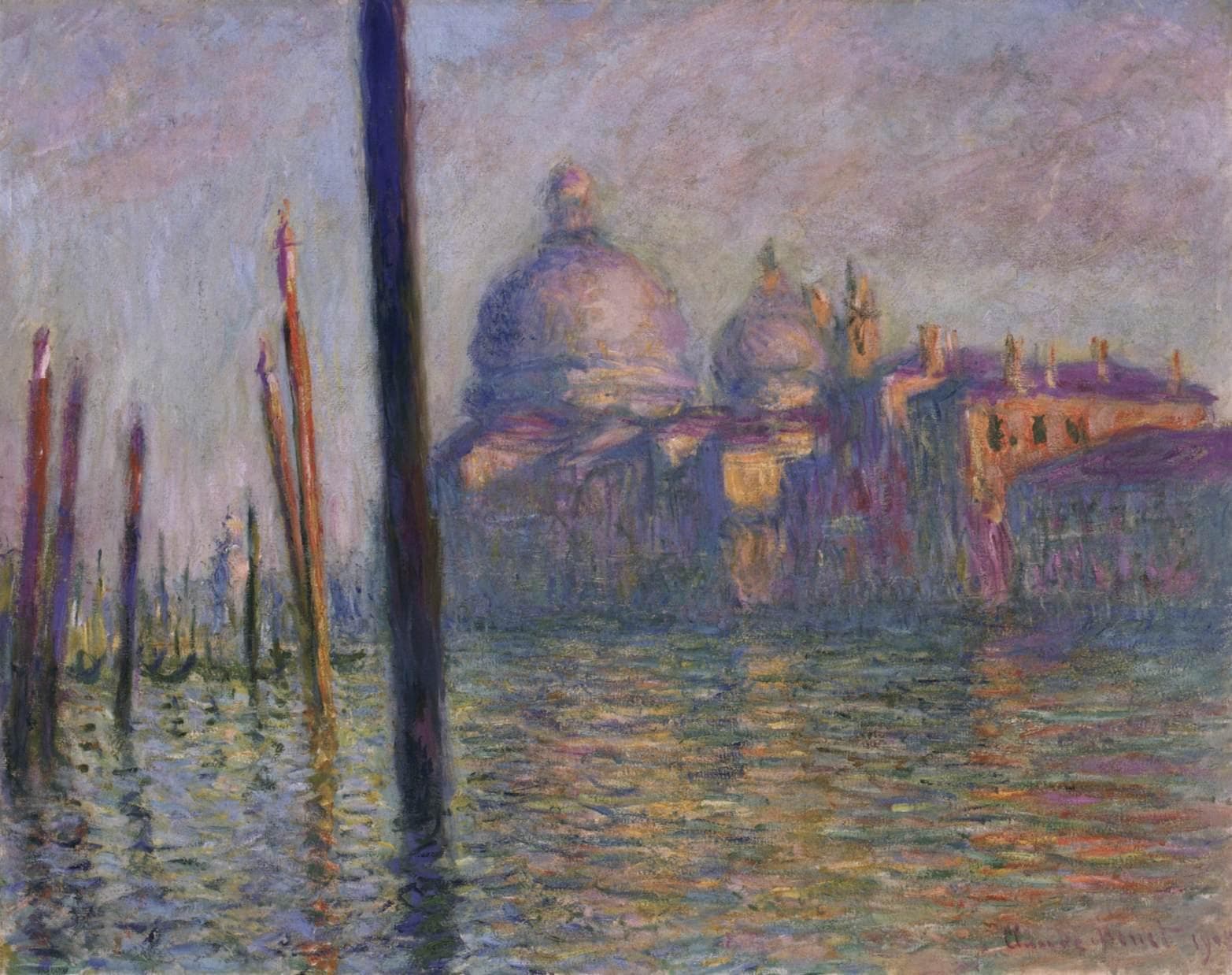
The Grand Canal in Venice
Claude Monet · 1908
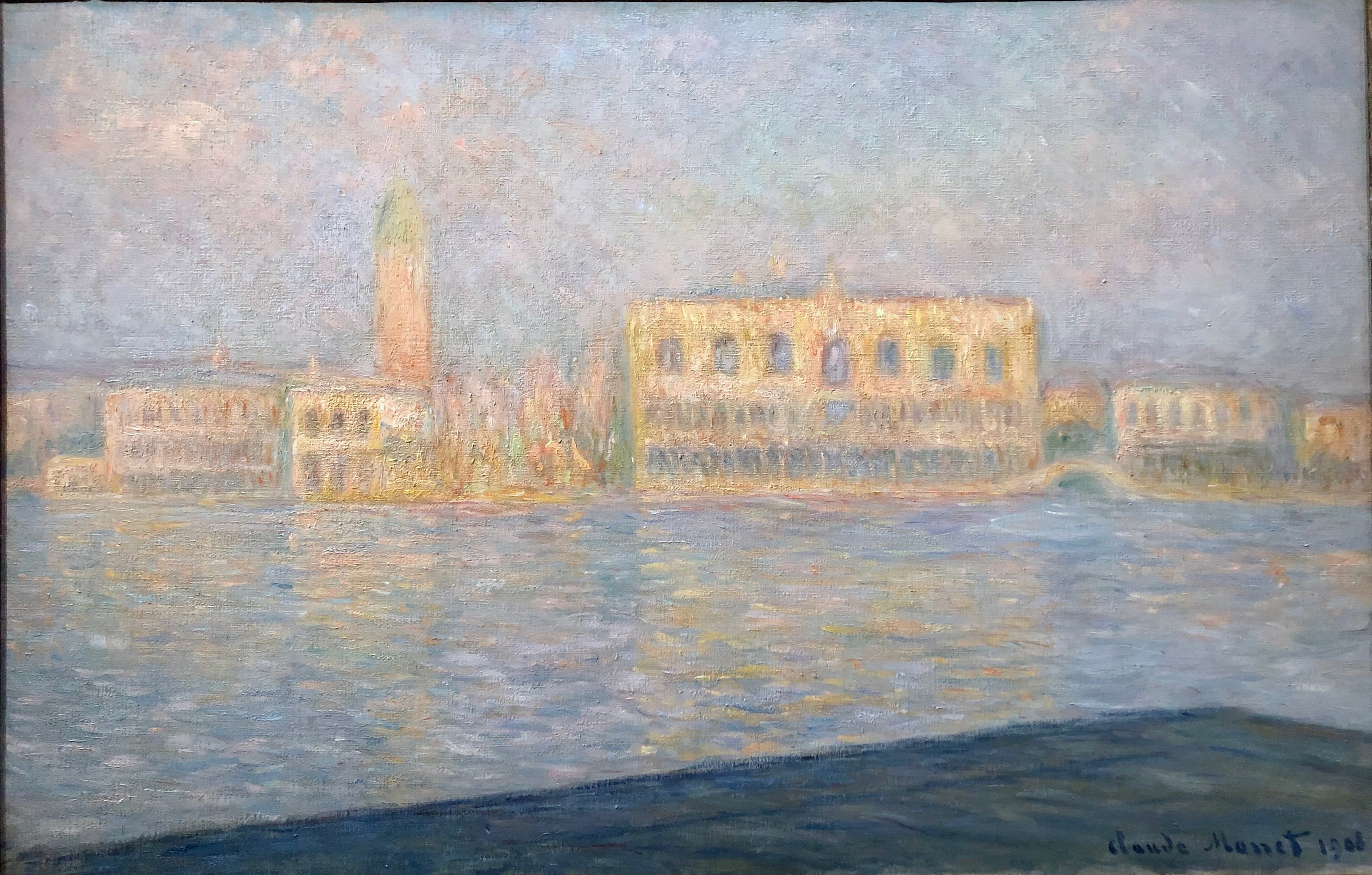
The Palazzo Ducale, Seen from San Giorgio Maggiore (Guggenheim)
Claude Monet · 1908
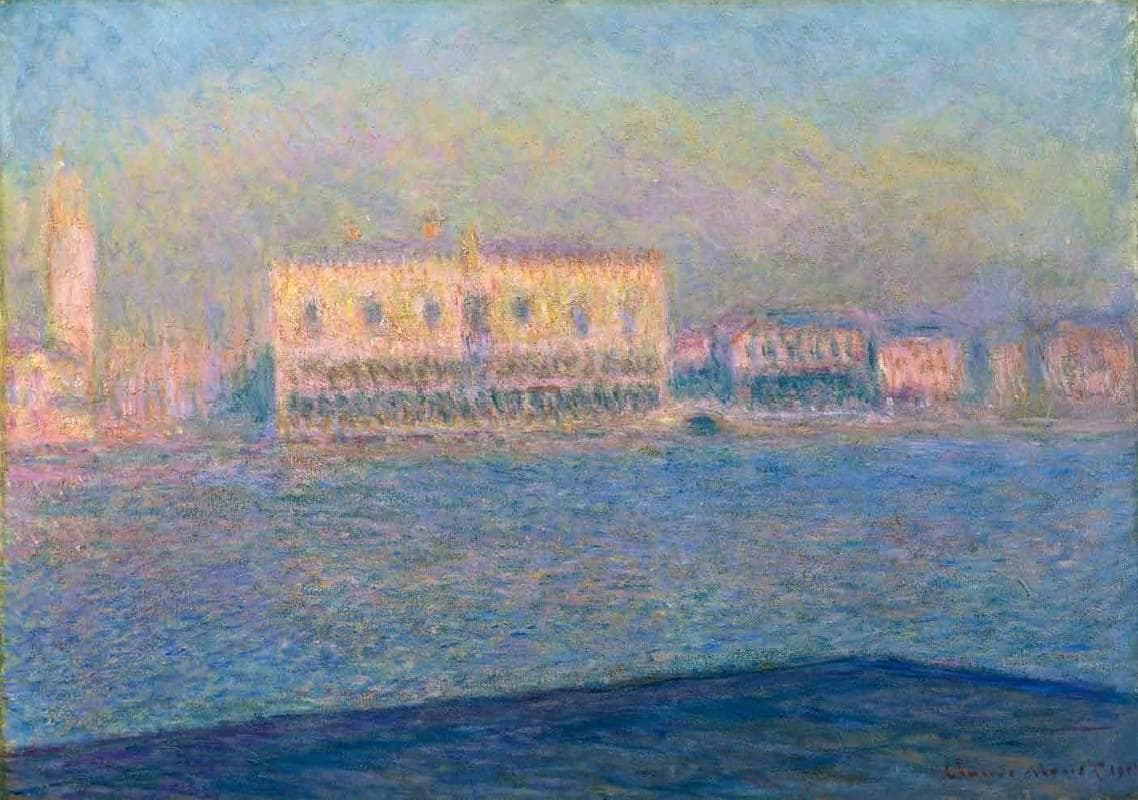
The Palazzo Ducale Seen from San Giorgio Maggiore
Claude Monet · 1908