Image: Photo: Sailko, CC BY 3.0, via Wikimedia Commons (Milwaukee Art Museum) · CC BY 3.0 · via Wikimedia Commons
Waterloo Bridge, Sunlight Effect
Claude Monet, c. 1900 (dated 1903)
Waterloo Bridge, Sunlight Effect is a Claude Monet painting, c. 1900 and dated 1903, in which the sun breaks through London smoke and blazes on the dark Thames. It is in the Milwaukee Art Museum, a 1950 bequest.
- Artist
- Claude Monet
- Date
- c. 1900 (dated 1903)
- Medium
- Oil on canvas
- Dimensions
- 73.8 × 98.1 cm
- Collection
- Milwaukee Art Museum, Milwaukee, Wisconsin, United States
- Movement
- Impressionism
- Catalogue
- Wildenstein 1567
- The City
- Water & Sea
Waterloo Bridge, Sunlight Effect in the Milwaukee Art Museum is one of the most dramatic of Claude Monet's London views: the sun bursts through cloud and smoke and lays a broad path of fire across the dark river below Waterloo Bridge. The museum dates the canvas about 1900, the period of Monet's London campaigns, and notes that he dated it 1903 when he finished it; it is no. 1567 in the Wildenstein catalogue. It came to Milwaukee in 1950 as the bequest of Mrs. Albert T. Friedmann.
What you're looking at
The composition is almost the reverse of the pale, hazy versions. Most of the canvas is dark: deep ultramarine, violet and blue-green. The bridge is a low, shadowed band across the middle, its arches barely distinguishable, seen against the light. Above it the south bank is a silhouette of blue shapes, with a large boxy building at center right and two chimneys at the left, one trailing a thin line of smoke.
The sky is the stage for the drama. Heavy masses of cloud and smoke, painted in violet, rust and orange, are torn open at the upper right where the sun breaks through, edged with bright white and pale yellow. Directly below, on the right half of the river, the light hits the water in a dense field of thick yellow, orange, white and pink strokes, the brightest passage in the series. A small dark boat with figures sits silhouetted in the glare. The left half of the river stays in deep blue shadow. The signature and date are at lower left, unusually, in pink.
Where and when it was painted
Monet painted Waterloo Bridge from his room at the Savoy Hotel during three stays in London between the autumn of 1899 and the spring of 1901, looking east toward the bridge and the industrial south bank. Facing that way, he often had the sun in front of him, low in the winter sky, which is the condition this canvas records. He worked on dozens of pictures at once, then finished them at Giverny and dated many of them 1903. See the Waterloo Bridge series and Monet in London.
How it was painted
The Milwaukee canvas is taller than the standard 65 by 100 centimeter format of most of the series, about 74 by 98 centimeters, which gives more room to the sky. The paint in the sunlit water is very thick, with heavy impasto strokes that physically catch the gallery light, while the shadowed areas are thinner and smoother. Monet uses complementary contrasts, orange against blue and yellow against violet, to make the light seem to burn.
How this version differs
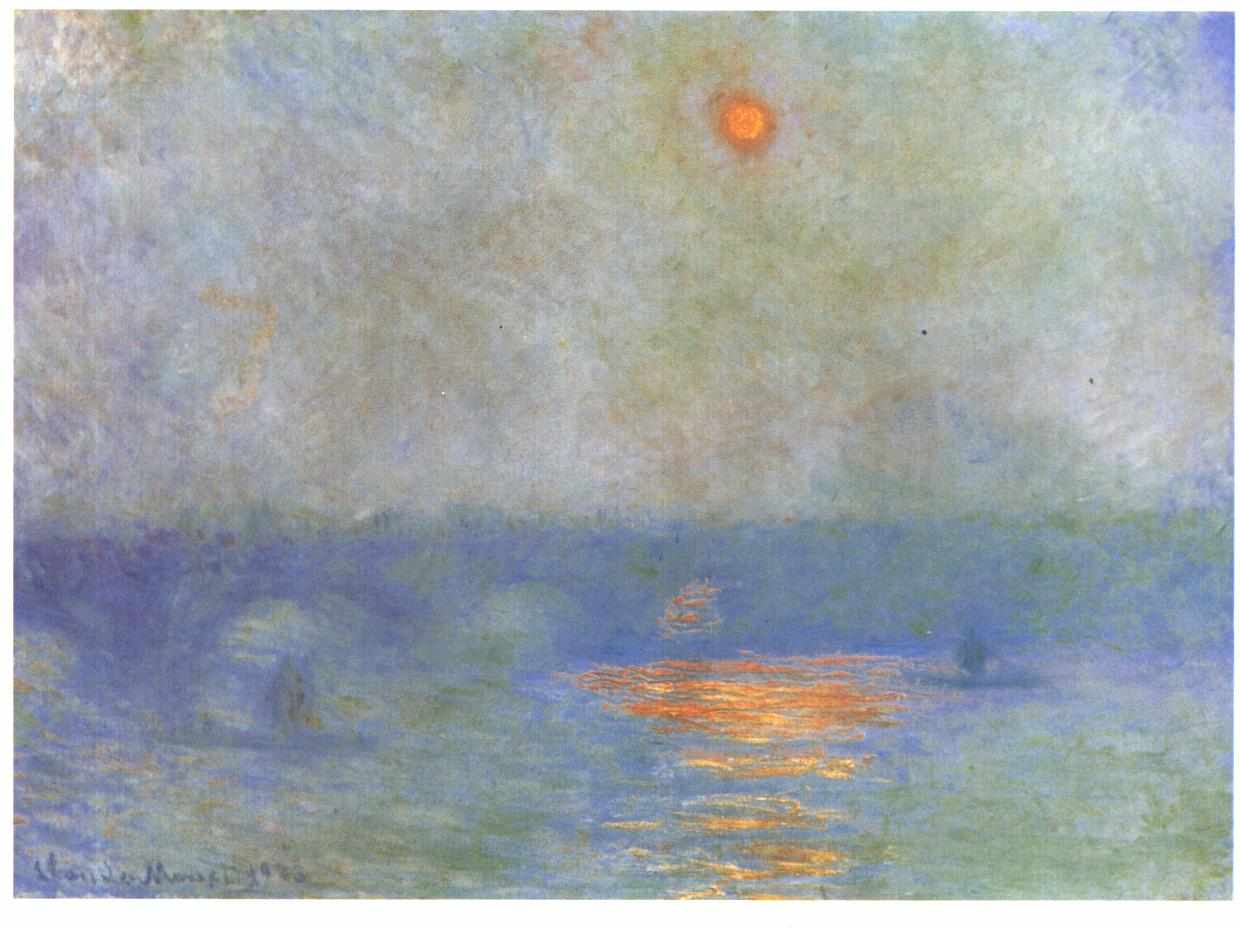
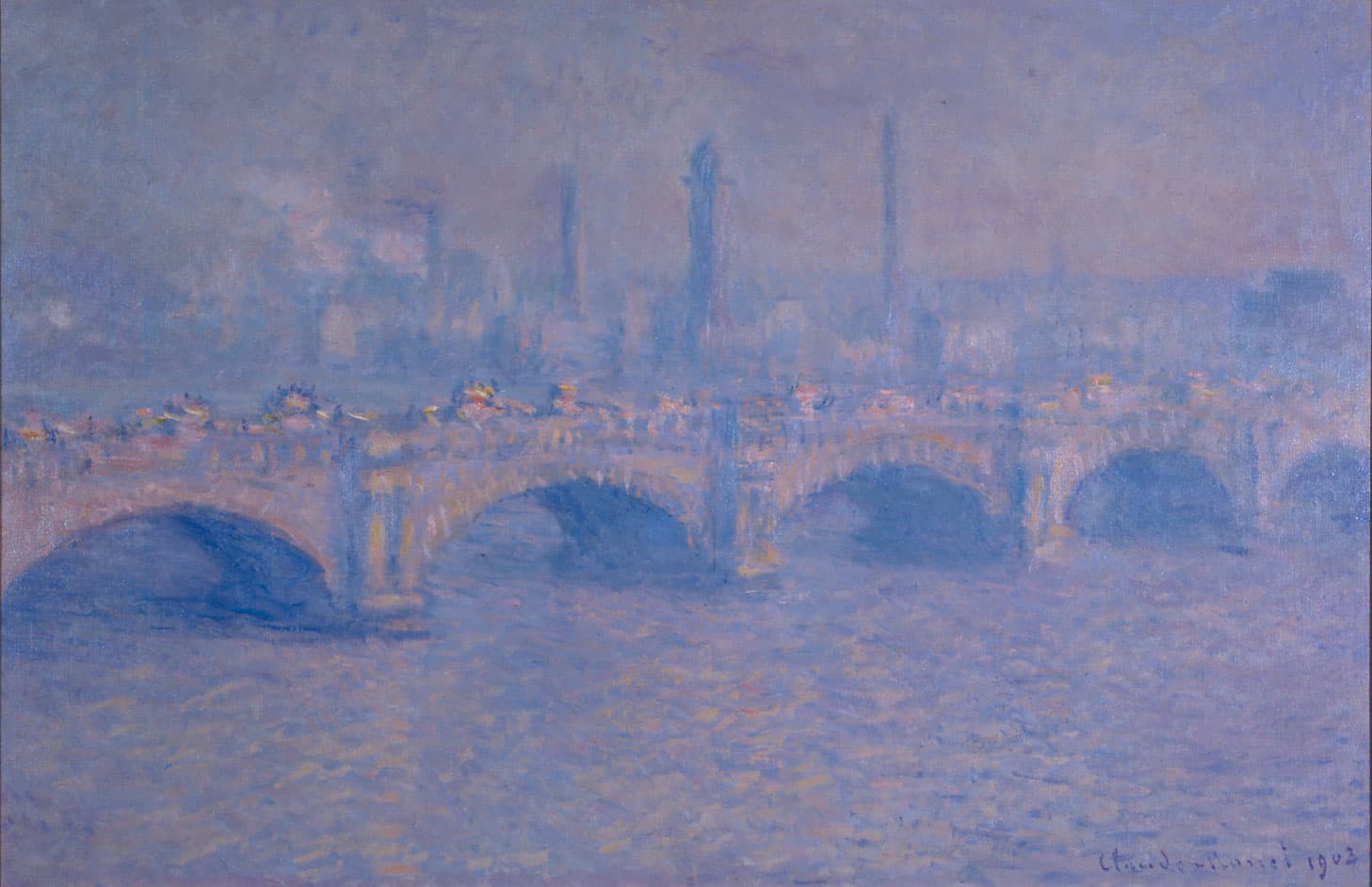
Several Waterloo Bridge canvases carry the title Sunlight Effect, but they are very different pictures. In the McMaster version the sun is diffused into a gentle lilac haze, and in the Art Institute of Chicago's the light is softer and more even. The Milwaukee picture is the most contrasted: a dark, backlit bridge and a single concentrated blaze of light. Its closest relative is Waterloo Bridge: the Sun in a Fog in Ottawa, where a visible sun also throws a path of light on the river.
Ownership and where to see it
The painting entered the Milwaukee Art Museum in 1950 (accession M1950.3) as the bequest of Mrs. Albert T. Friedmann, a significant gift for the museum at the time. It is one of the highlights of Milwaukee's European collection and is normally on view. The Commons photograph shows it in its carved gilt frame. For other Monet collections, see where to see Monet's paintings.
Questions & answers
Where is Waterloo Bridge, Sunlight Effect in Milwaukee?
It is in the Milwaukee Art Museum in Milwaukee, Wisconsin (accession M1950.3). It came to the museum in 1950 as the bequest of Mrs. Albert T. Friedmann and is usually on view.
When was it painted?
The museum dates it about 1900, during Monet's London stays at the Savoy Hotel between 1899 and 1901. He finished it at Giverny and inscribed the date 1903.
What does the Milwaukee Waterloo Bridge show?
It shows a dark, backlit Waterloo Bridge under heavy clouds and smoke, with the sun breaking through at upper right and a blazing path of yellow and orange light on the Thames, where a small boat is silhouetted.
Why are there several Monet paintings called Waterloo Bridge, Sunlight Effect?
Monet titled his London canvases by their weather and light. Several record sunlight, and they are now in Milwaukee, Chicago, Hamilton (McMaster), Denver and elsewhere, each with a different intensity of sun.
More by the artist
Claude Monet
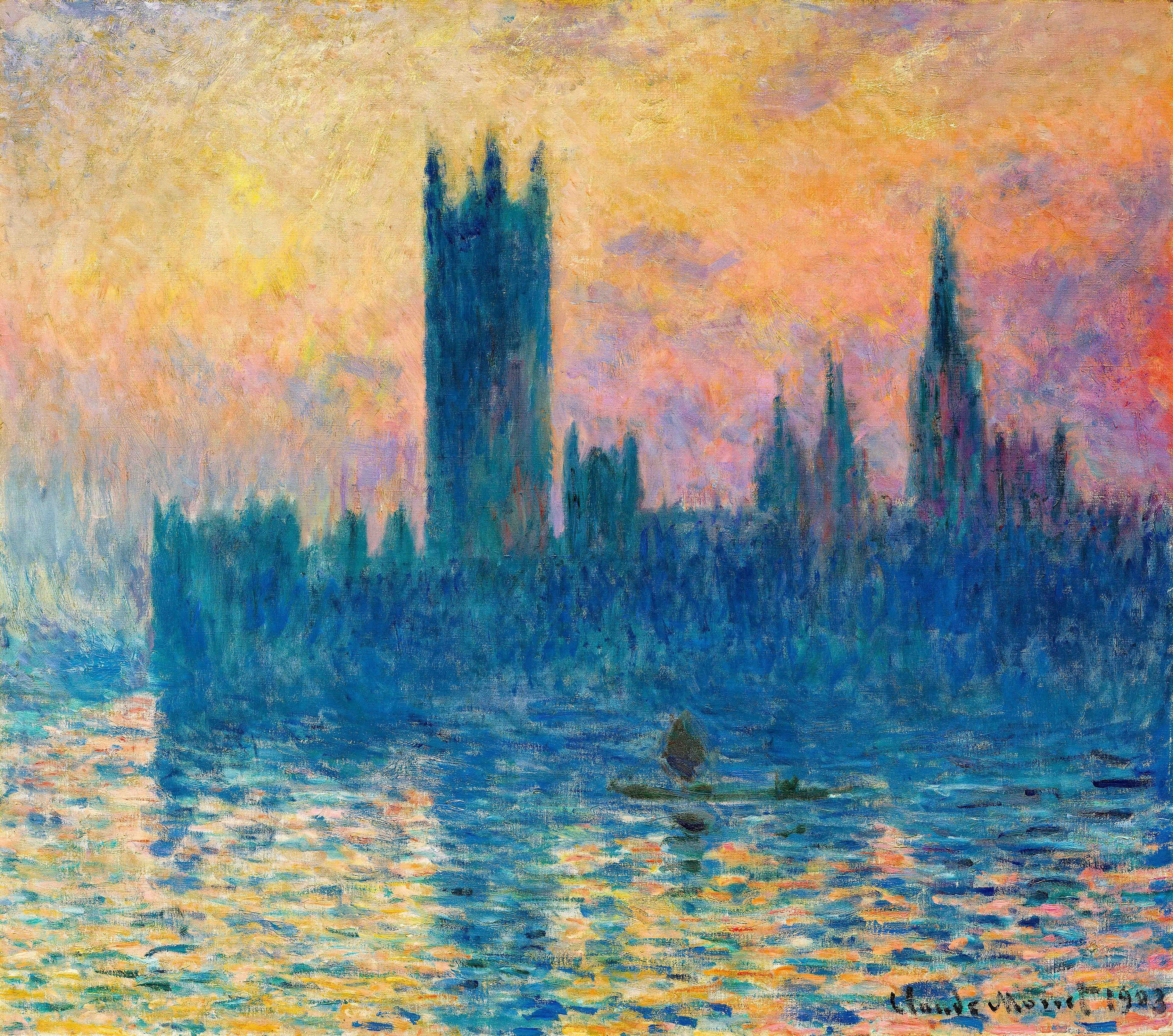
The Houses of Parliament, Sunset
Claude Monet · 1903
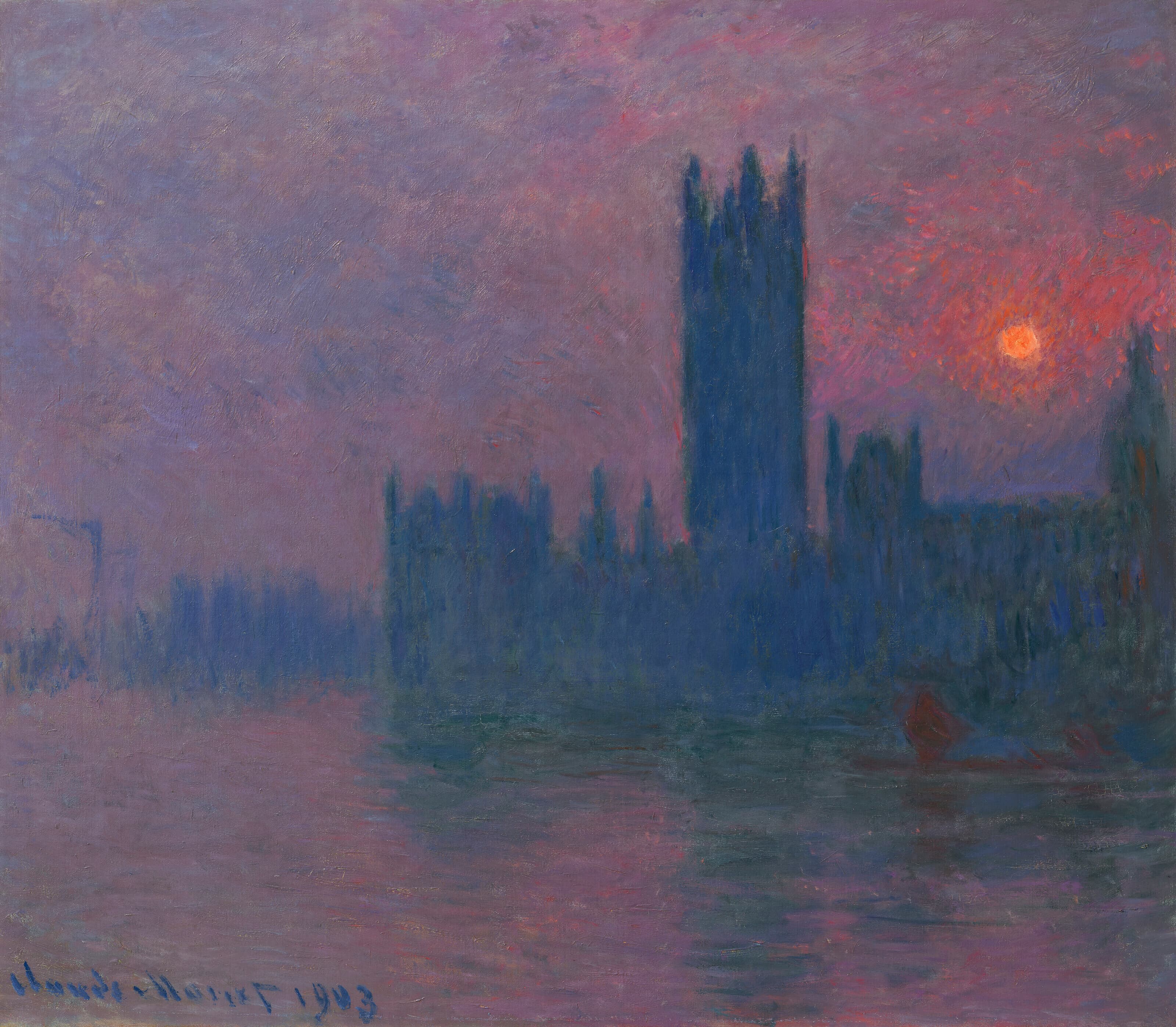
Houses of Parliament, Sunset
Claude Monet · 1903
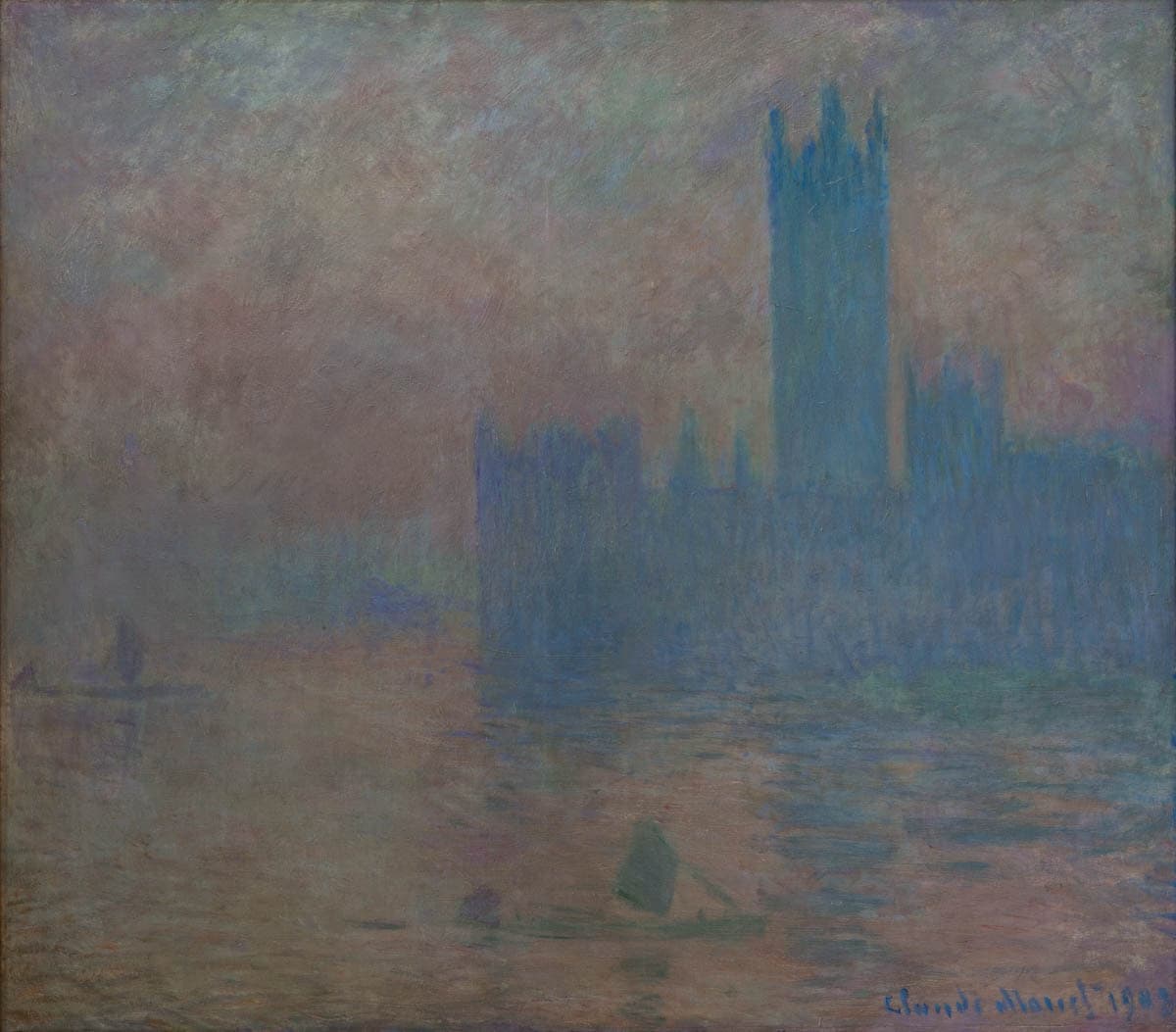
Le Parlement de Londres, effet de brouillard
Claude Monet · 1903
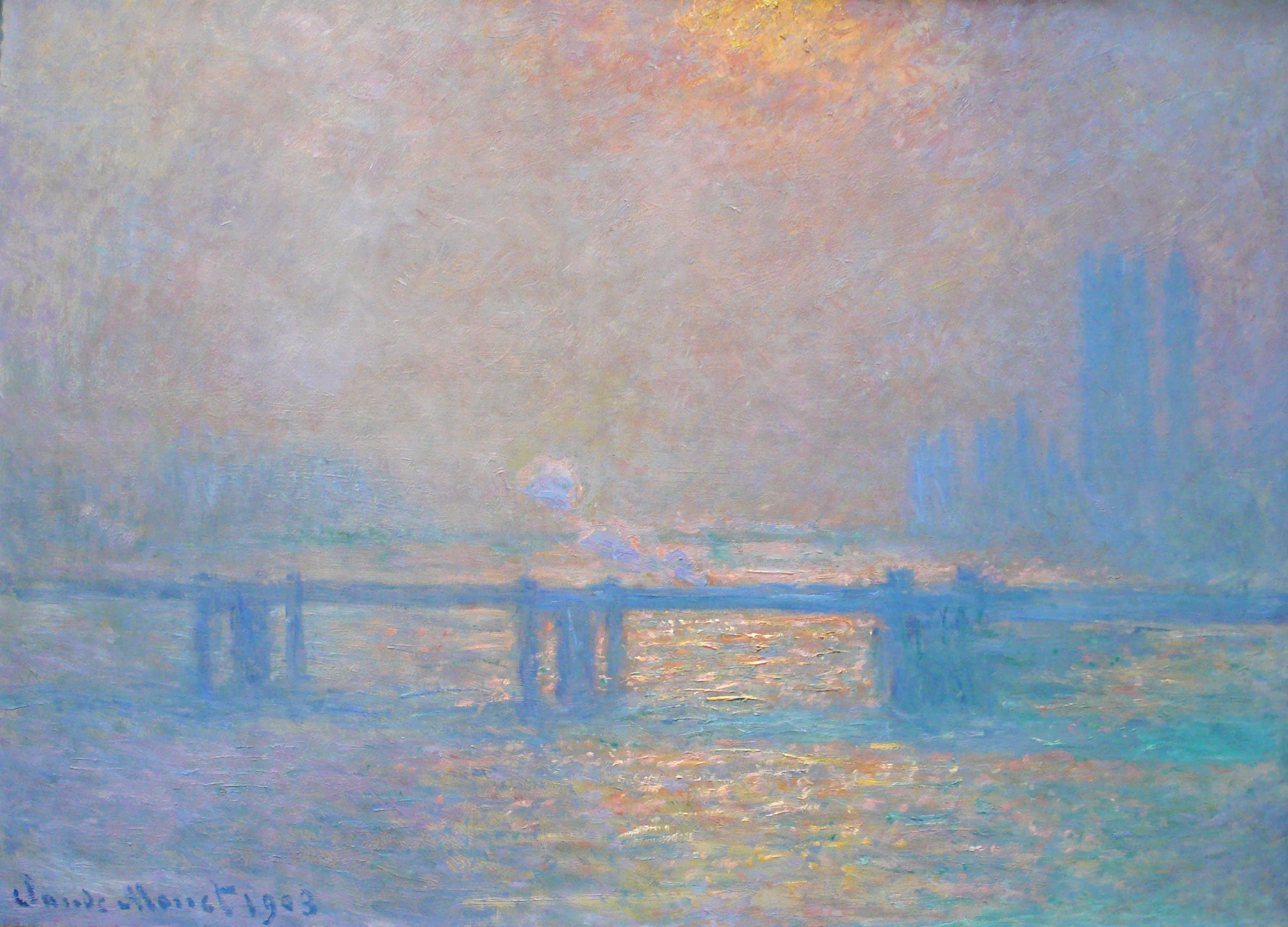
Charing Cross Bridge, The Thames
Claude Monet · 1903
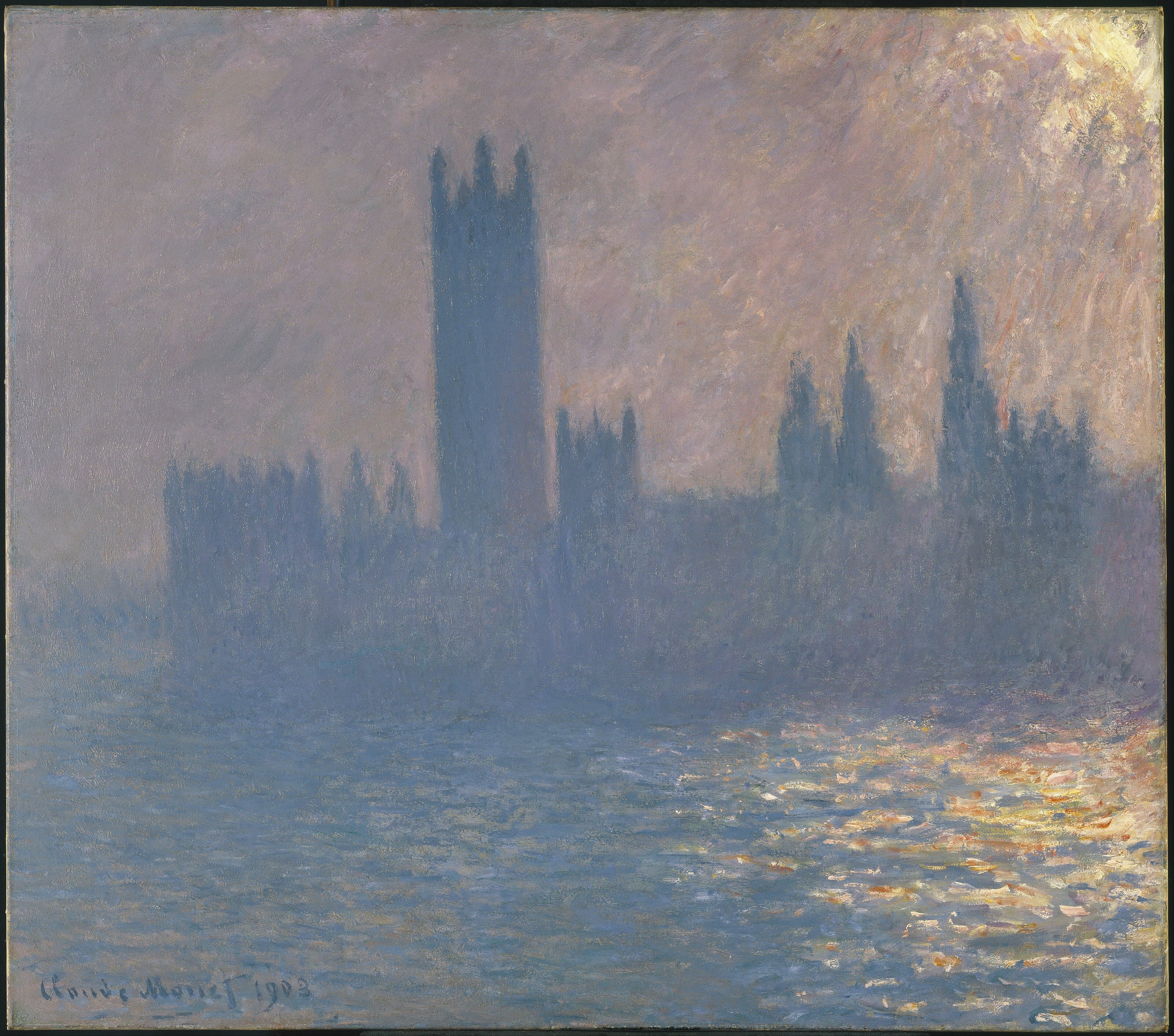
Houses of Parliament, Sunlight Effect
Claude Monet · 1903
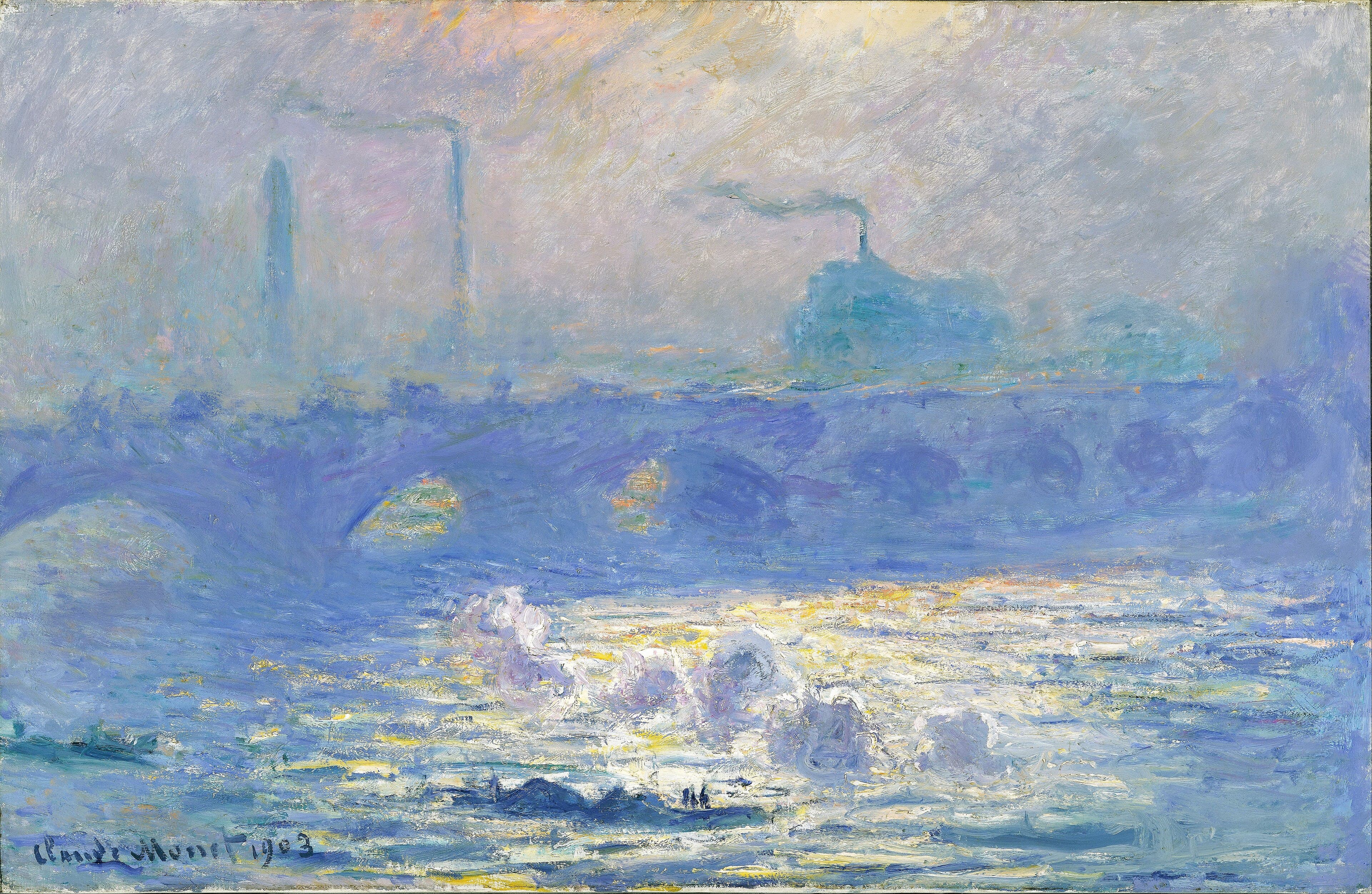
Waterloo Bridge, Sunlight Effect (Denver Art Museum)
Claude Monet · 1903
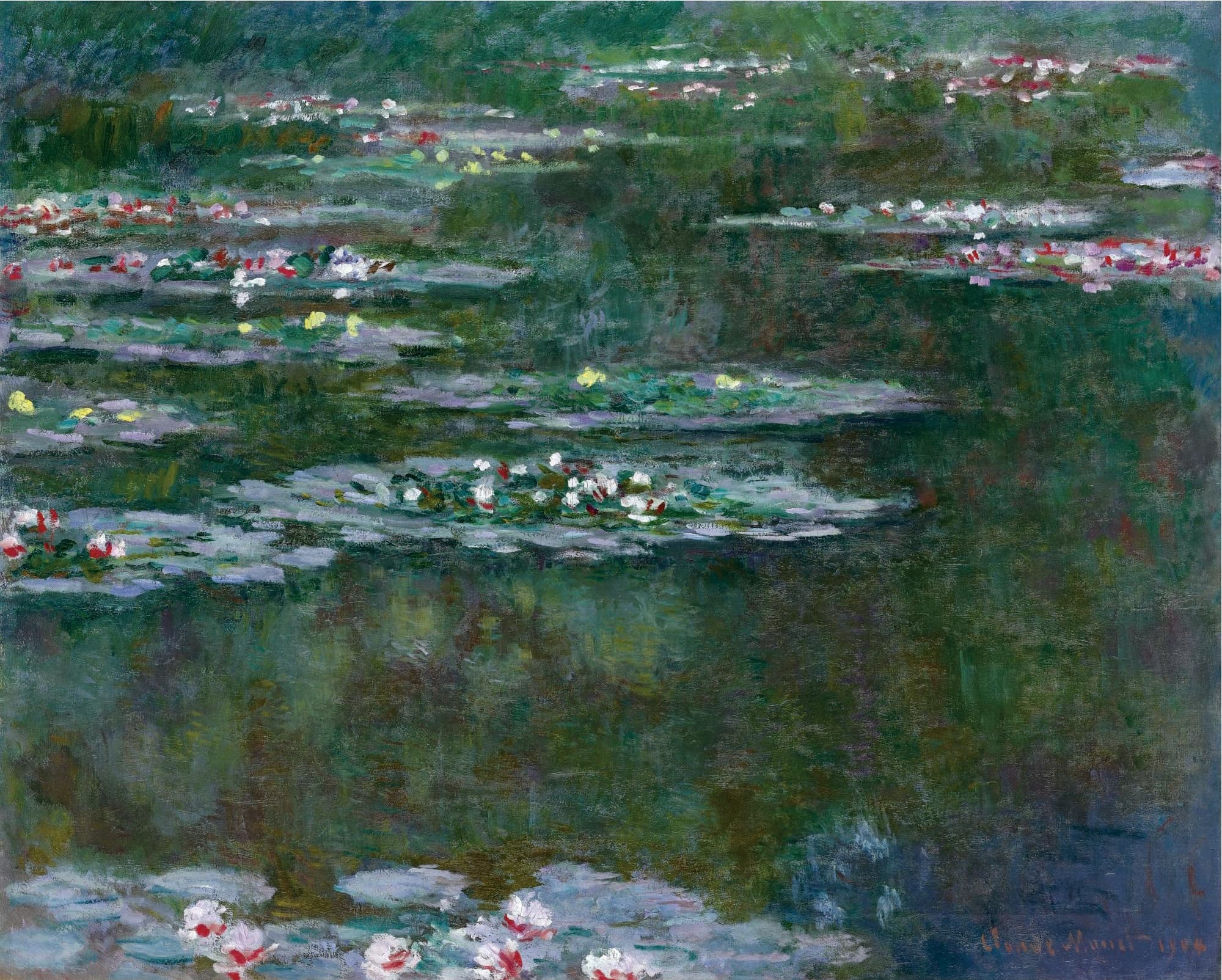
Water Lilies (1904)
Claude Monet · 1904
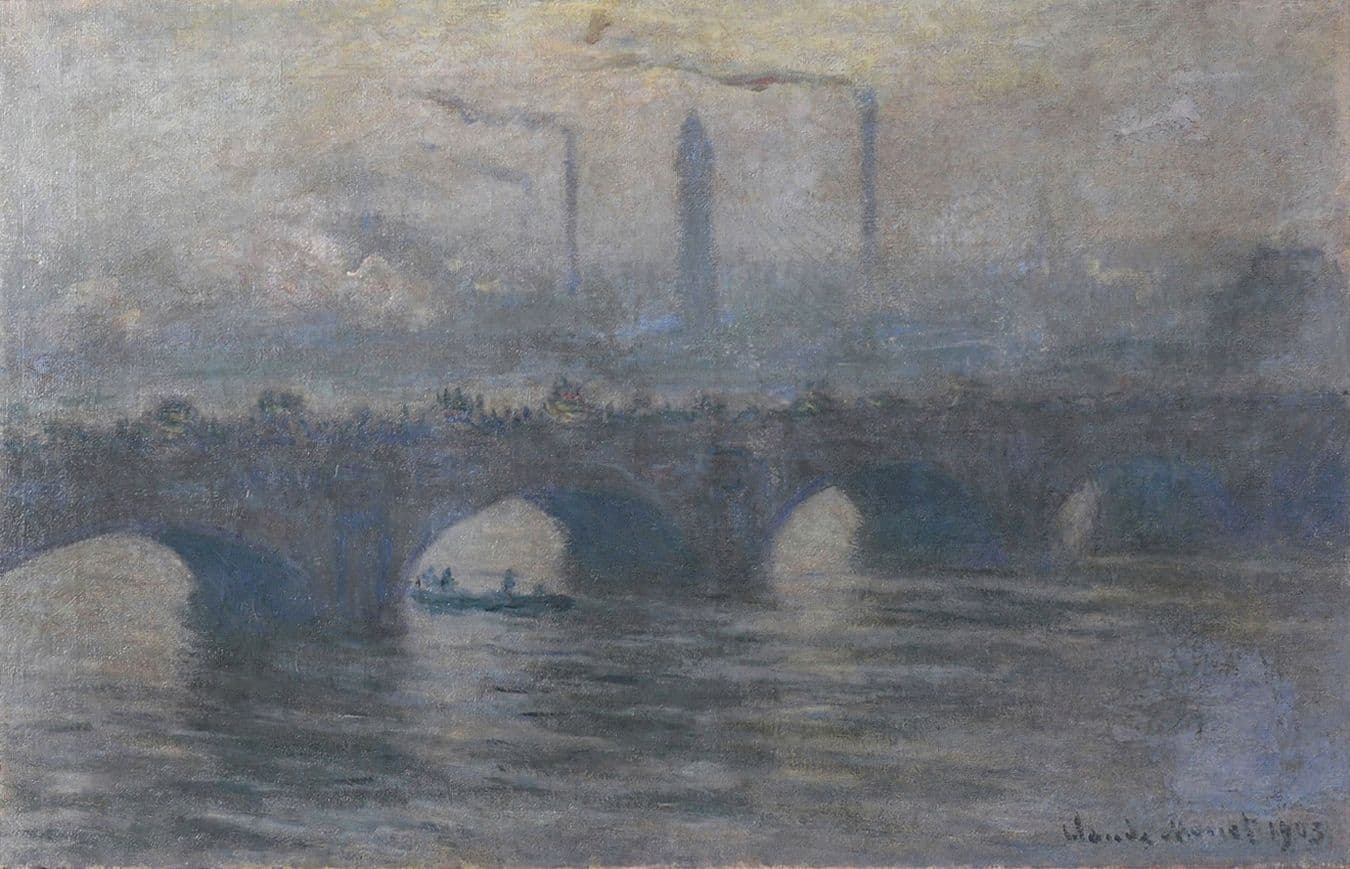
Waterloo Bridge, Gray Weather (Gurlitt Bequest)
Claude Monet · 1903
Also painted in 1903
The same year
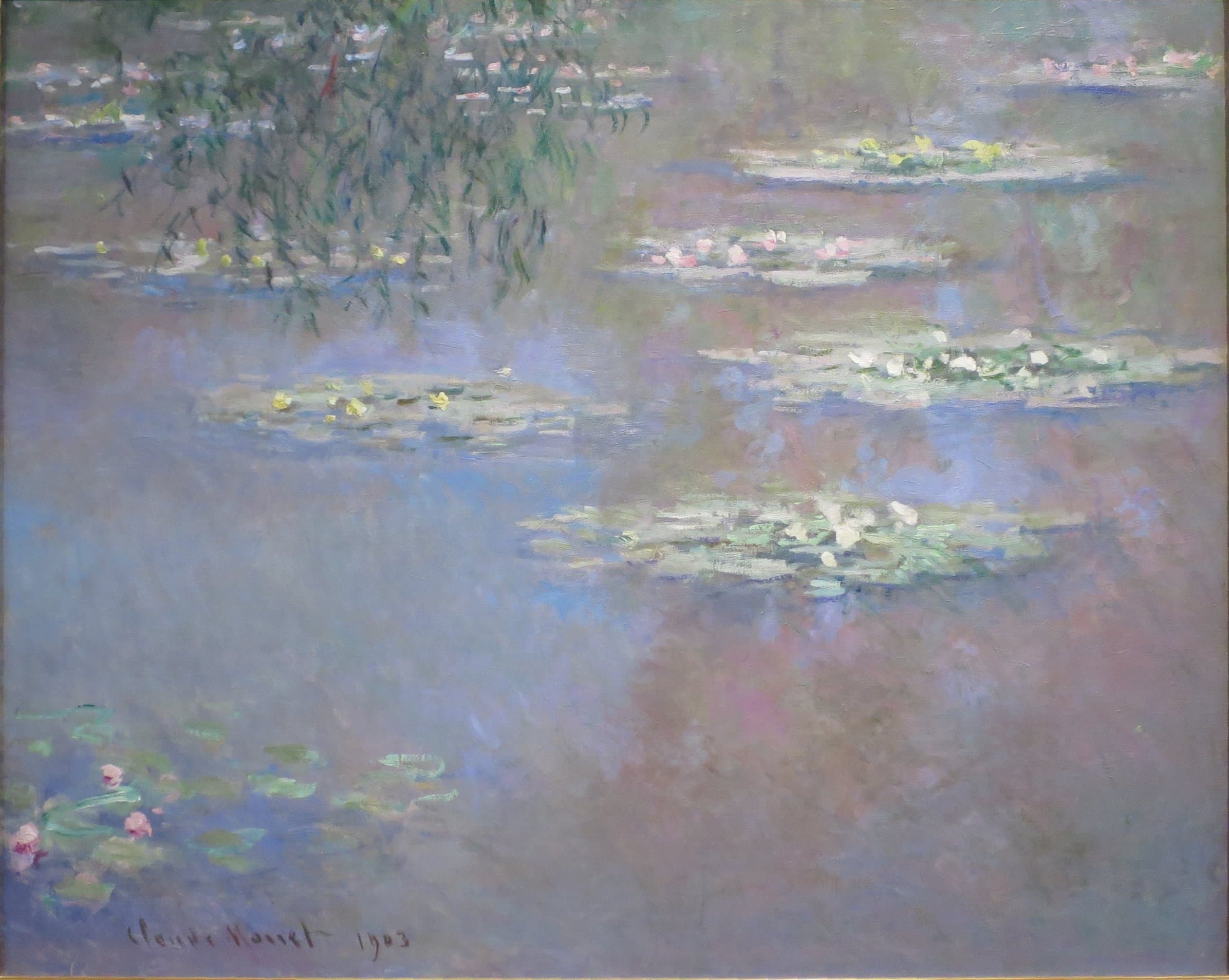
Waterlilies (1903, Dayton Art Institute)
Claude Monet · 1903
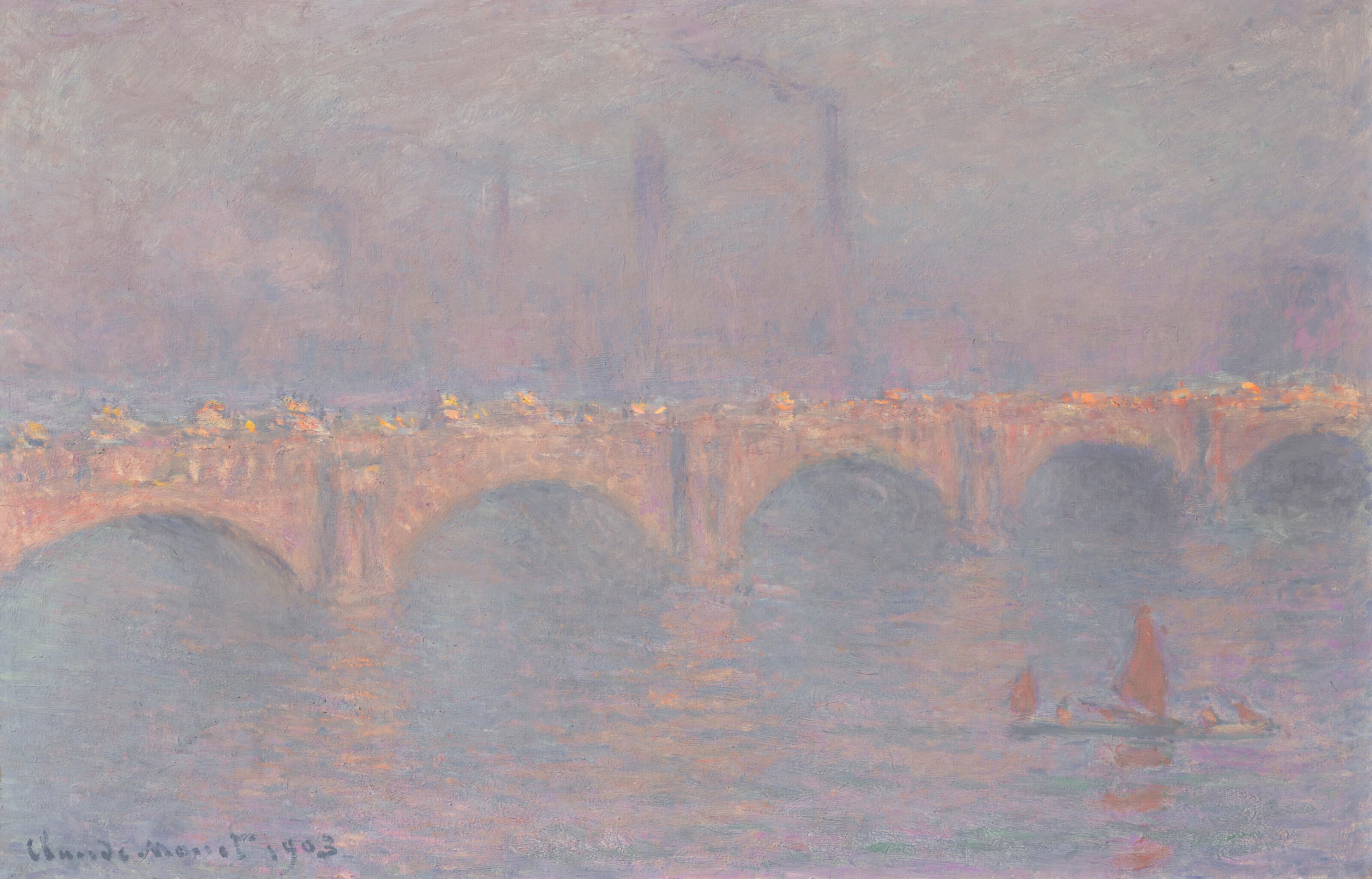
Waterloo Bridge, Hazy Sun
Claude Monet · 1903
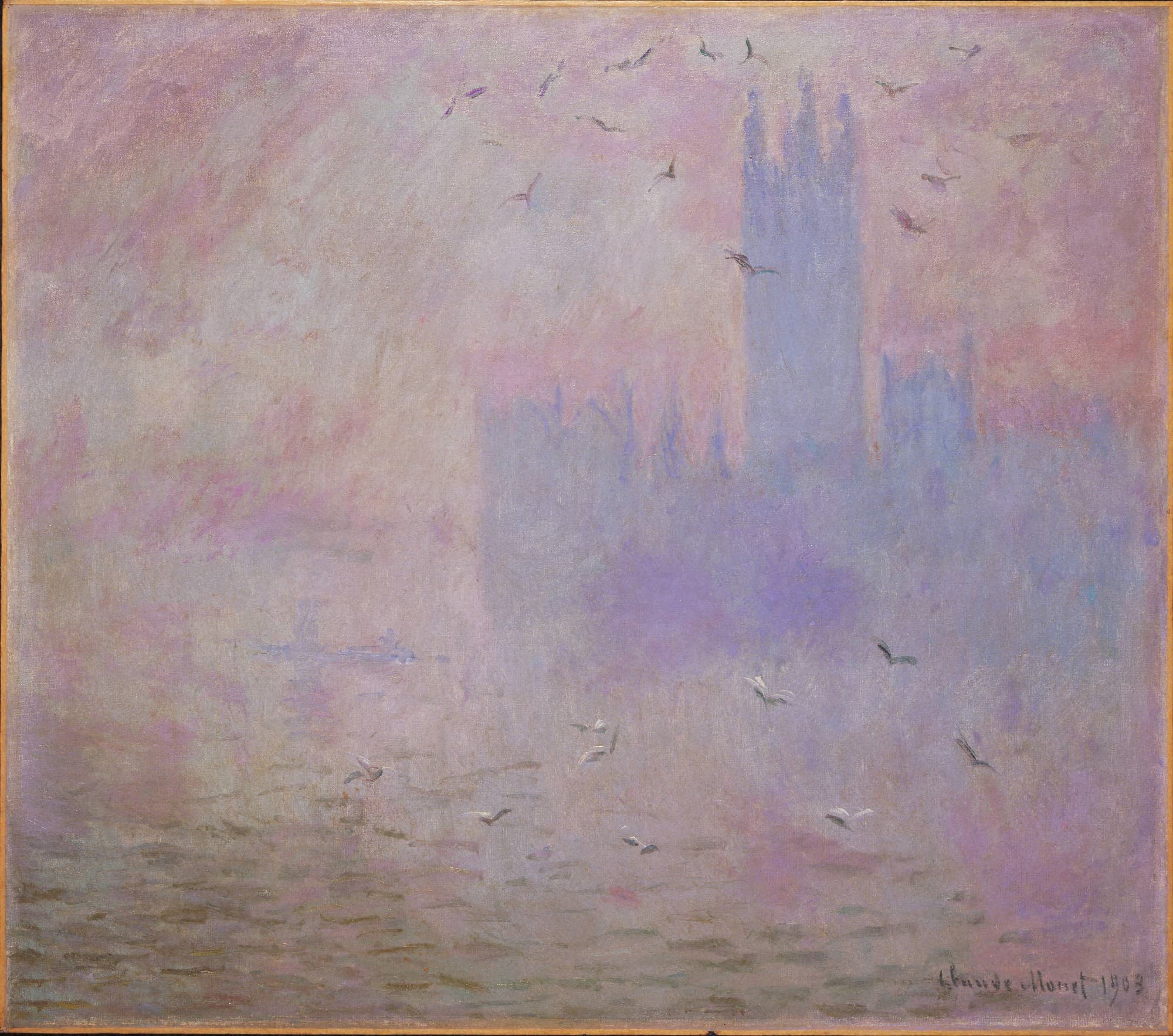
The Houses of Parliament, Seagulls
Claude Monet · 1903
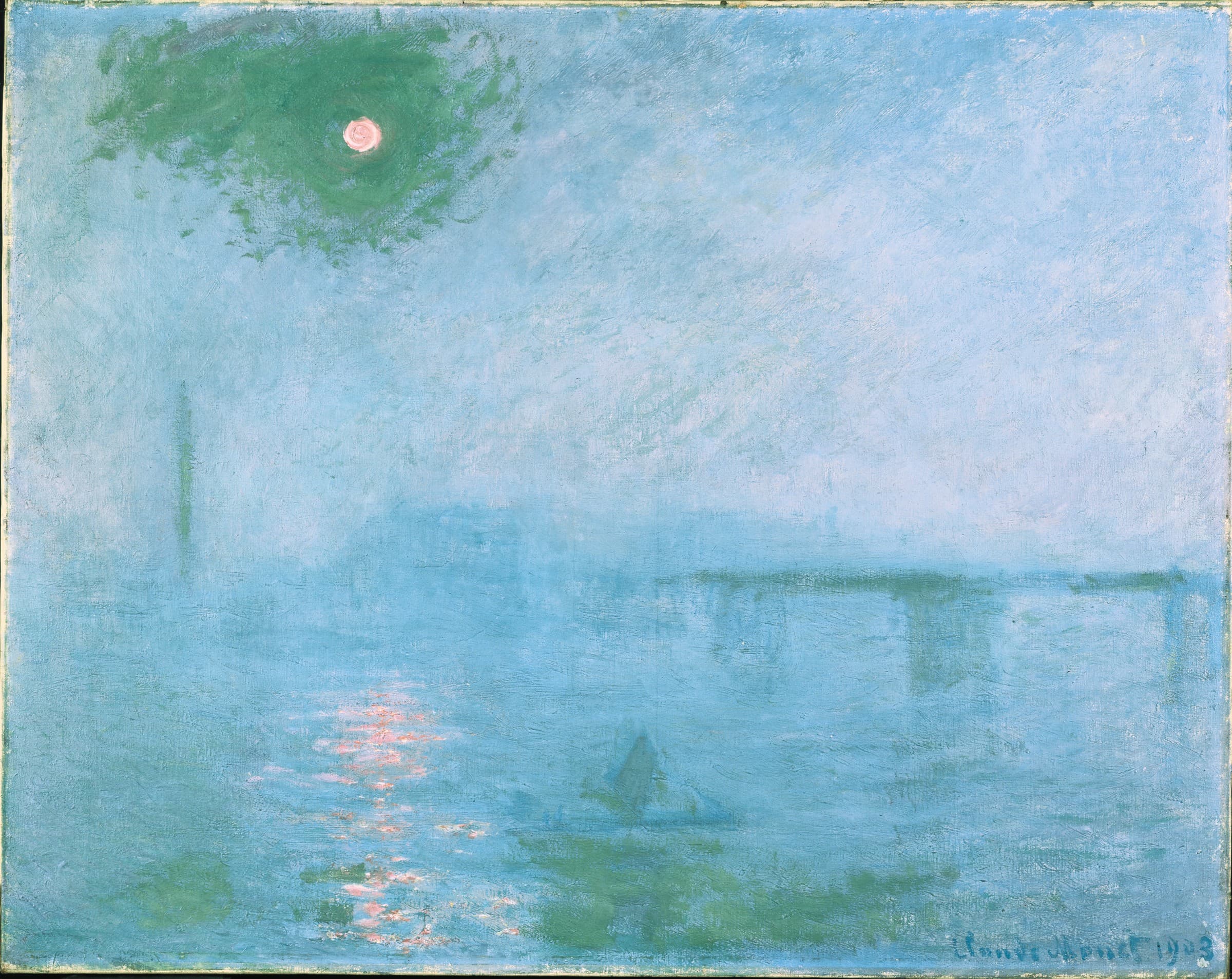
Charing Cross Bridge: Fog on the Thames
Claude Monet · 1903
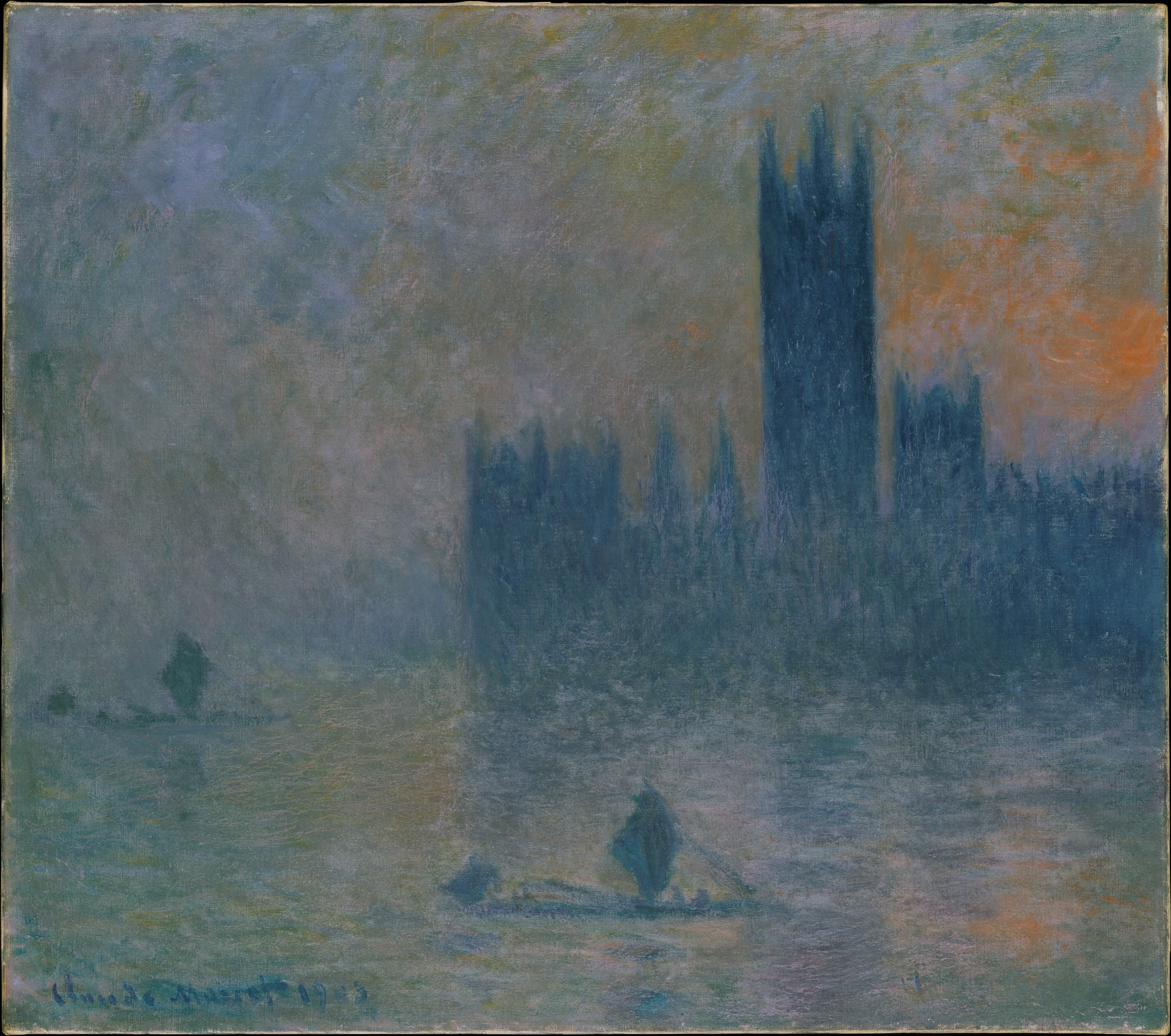
The Houses of Parliament (Effect of Fog)
Claude Monet · 1903–04
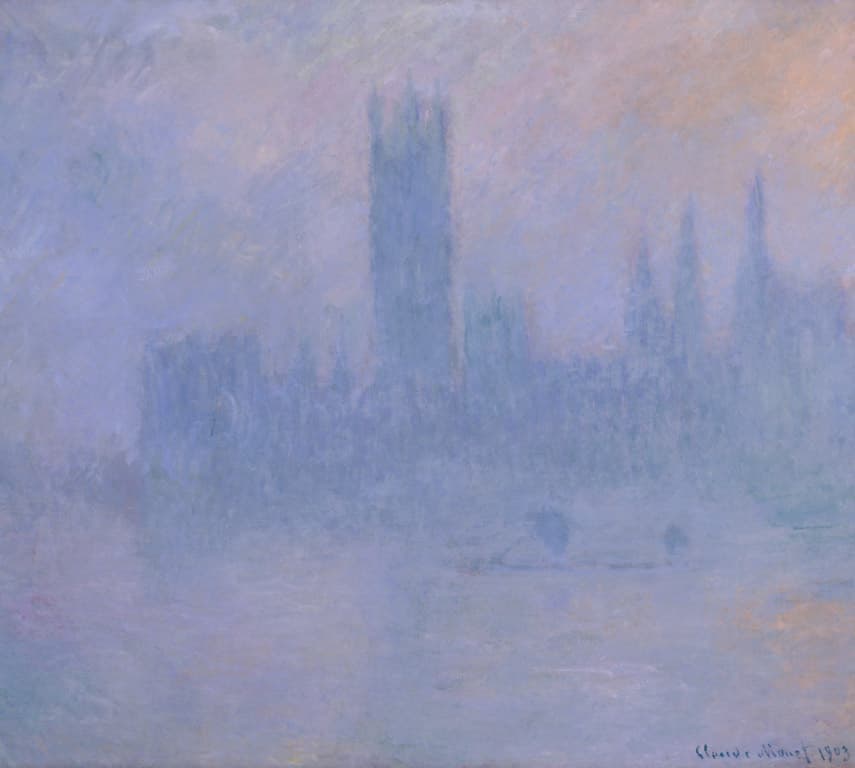
Houses of Parliament, Symphony in Blue
Claude Monet · 1903
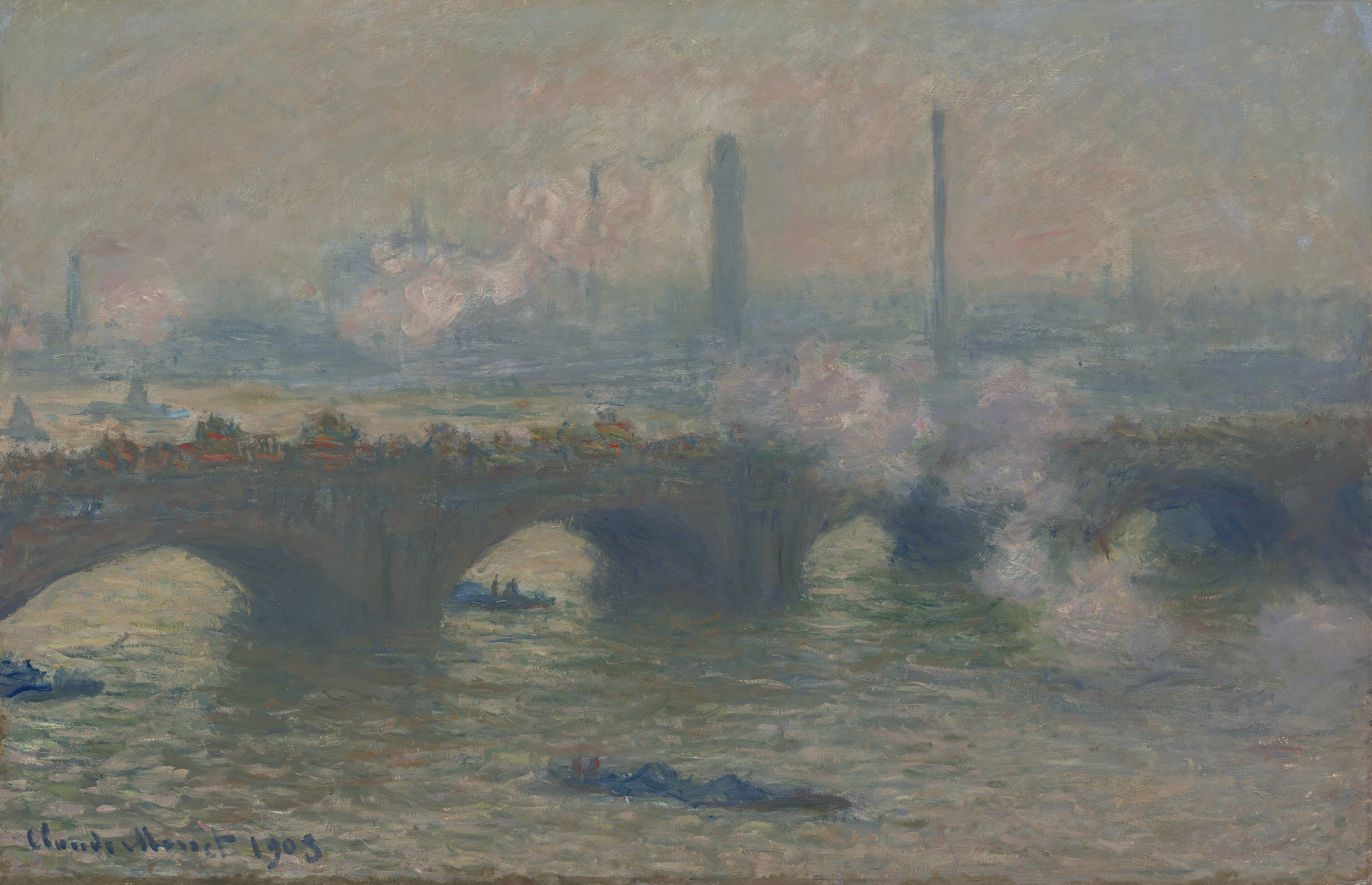
Waterloo Bridge, Gray Day
Claude Monet · 1903
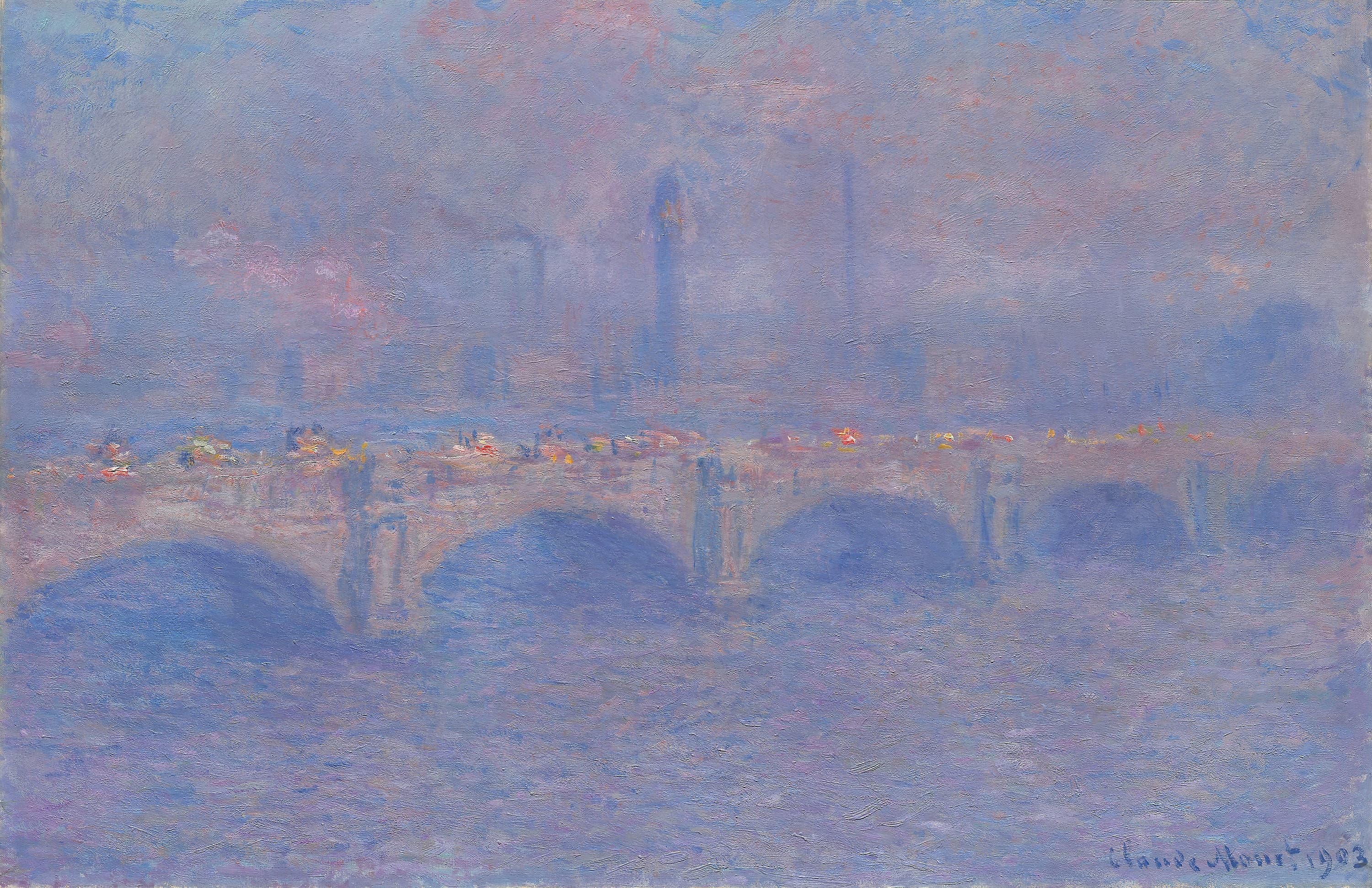
Waterloo Bridge, Sunlight Effect
Claude Monet · 1903
Kindred works
You may also study
Waterloo Bridge: the Sun in a Fog
Claude Monet · 1903
Waterloo Bridge, Sunlight Effect
Claude Monet · 1903
Waterloo Bridge, Sunlight Effect
Claude Monet · 1903
Waterloo Bridge, Hazy Sun
Claude Monet · 1903
The Grand Canal, Venice
Claude Monet · 1908
The Rio della Salute
Claude Monet · 1908
The Palazzo Ducale, Seen from San Giorgio Maggiore (Guggenheim)
Claude Monet · 1908
Charing Cross Bridge (Overcast Day)
Claude Monet · 1900