Image: Rijksmuseum, Amsterdam · Public domain · via Wikimedia Commons
Dutch Golden Age
The Night Watch
Rembrandt, 1642
The Night Watch is Rembrandt's 1642 group portrait of an Amsterdam civic militia company led by Captain Frans Banninck Cocq, famous for its drama, movement and light. It hangs in the Rijksmuseum in Amsterdam.
- Artist
- Rembrandt
- Date
- 1642
- Medium
- Oil on canvas
- Dimensions
- 363 × 437 cm
- Collection
- Rijksmuseum (on loan from the City of Amsterdam), Amsterdam, Netherlands
- Movement
- Dutch Golden Age
What you are looking at
A militia company spills out of a dark archway into the light. At the front, Captain Frans Banninck Cocq, in black with a red sash, strides toward us with his hand raised, giving an order to his lieutenant, Willem van Ruytenburch, who walks beside him in a dazzling yellow-white buff coat and plumed hat. The shadow of the captain's hand falls across the lieutenant's coat, a small detail that shows how exactly Rembrandt thought about his light.
Behind them everything is in motion. A musketeer in red loads his gun; another, half hidden, fires it, the flash just behind the lieutenant's hat. A drummer beats on the right, a dog barks at him, the ensign unfurls the company's flag, and pikes and lances cross against the dark. Among the men, a small girl in gold, lit as brightly as the officers, hurries through with a dead chicken hanging from her belt.
Why is it called The Night Watch?
It is not a night scene. The picture's official title is Militia Company of District II under the Command of Captain Frans Banninck Cocq. By the eighteenth century, layers of darkened varnish and dirt had turned the daylight scene so murky that it was nicknamed The Night Watch, and the name stuck. Cleaning has since revealed far more light, though Rembrandt always intended deep shadow around his figures.
Who commissioned it?
The painting was one of six group portraits commissioned around 1639 for the great hall of the Kloveniersdoelen, the headquarters of Amsterdam's arquebusiers' guild (kloveniers). Civic guard companies were part social club, part neighborhood defense, and their members paid to be included, usually more if they were placed prominently. Eighteen names were later painted on a shield on the arch at the back.
The girl is the company's mascot. The claws of the chicken at her waist (klauw in Dutch) were a pun on kloveniers, and she carries the drinking horn of the guild. She is a living emblem, not a portrait.
How Rembrandt made it new
Militia portraits were traditionally rows of men standing or seated around a table, each face given equal space. Rembrandt (1606–1669), then at the height of his success in Amsterdam, turned the genre into a history painting: a company caught in the act of moving out. He used light the way a stage director uses spotlights, isolating the captain, lieutenant and girl and letting others fall into shadow. Some sitters are barely visible, which has fueled a long-standing myth that the painting ruined Rembrandt's career. There is no evidence of that; the company paid, and the picture hung in its hall for decades.
Look just behind the ensign's raised flag, at the back: a man peering between other heads, with only part of his face and one eye visible. He is often said to be Rembrandt himself.
What happened to The Night Watch?
- It was cut down. In 1715 the painting was moved to Amsterdam's Town Hall, now the Royal Palace on Dam Square, and trimmed on all four sides to fit a wall, losing most on the left, including two figures. A seventeenth-century copy attributed to Gerrit Lundens, in the National Gallery in London, shows the original composition. In 2021 the Rijksmuseum displayed reconstructed strips, made with the help of artificial intelligence, to show the full design.
- It survived war. During the Second World War it was rolled up and hidden, finally in a cave near Maastricht.
- It was attacked. It was damaged by a knife in 1911, slashed in 1975 and sprayed with acid in 1990, each time restored.
- It is under study. Since 2019 the museum's research and restoration project, Operation Night Watch, has been examining every square centimeter in public view, using scanning and imaging techniques that have revealed Rembrandt's underdrawing and changes of mind.
Reception and legacy
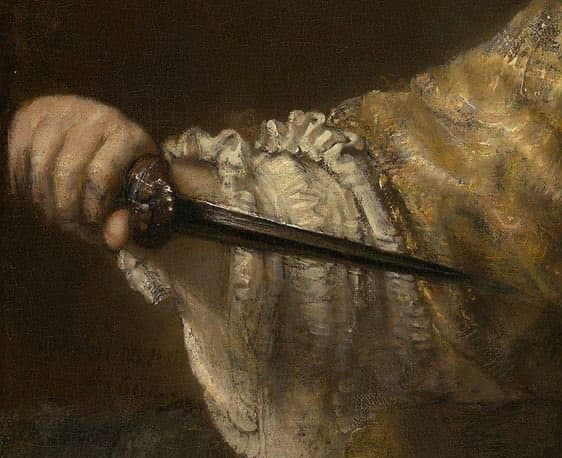
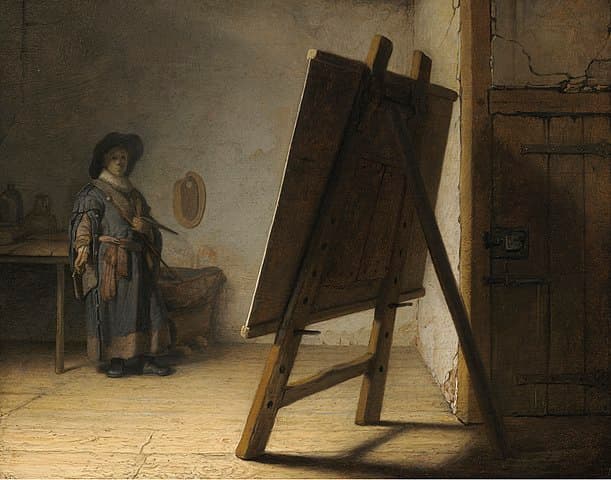
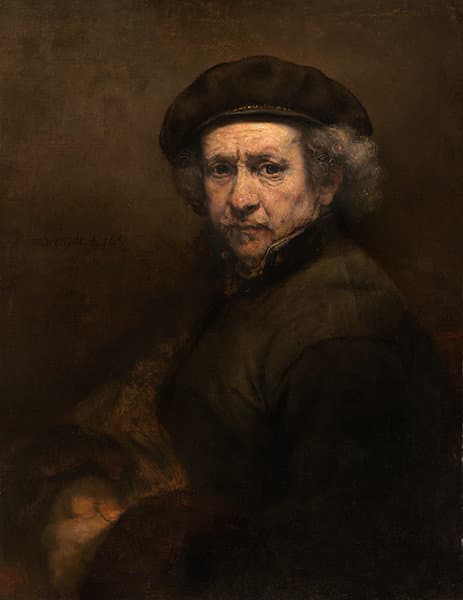
The Night Watch became a national symbol as the Netherlands built its identity around the Dutch Golden Age, and the Rijksmuseum was designed around it: the building's Gallery of Honour leads to the room where it hangs. It remains the definitive image of Rembrandt's dramatic light. For a more intimate side of the artist, see his Self-portrait with Beret, Artist in His Studio and The Suicide of Lucretia, and his only seascape, Storm on the Sea of Galilee.
Details most viewers miss
- The hand's shadow. Captain Banninck Cocq's raised left hand casts its shadow onto the lieutenant's pale buff coat, a demonstration of how precisely Rembrandt placed his light.
- The second girl. Behind the girl in gold, a second, darker girl is partly visible, often overlooked.
- The musket sequence. Three militiamen, in red, at the center and behind the lieutenant, appear to load, fire and clear a musket, a sequence drawn from drill manuals.
Where to see The Night Watch
The painting hangs in its own gallery at the end of the Gallery of Honour in the Rijksmuseum, Amsterdam. It belongs to the City of Amsterdam and is on permanent loan to the museum. Because restoration work continues, it may at times be seen inside a glass enclosure with conservators at work in front of it.
Questions & answers
Where is The Night Watch?
It is in the Rijksmuseum in Amsterdam, in a dedicated room at the end of the Gallery of Honour. It is owned by the City of Amsterdam and on permanent loan to the museum, where it is undergoing the ongoing research project Operation Night Watch.
Why is it called The Night Watch?
It depicts a daytime scene. The nickname arose in the eighteenth century when darkened varnish made the picture look like a night scene. Its formal title is Militia Company of District II under the Command of Captain Frans Banninck Cocq.
Who is the girl in The Night Watch?
She is the company's mascot rather than a real individual. The dead chicken's claws at her belt are a pun on kloveniers, the arquebusiers' guild, and she carries the guild's drinking horn.
Was The Night Watch cut?
Yes. In 1715 it was trimmed on all sides to fit a wall in Amsterdam's Town Hall, losing two figures on the left. A contemporary copy in London's National Gallery shows the original composition, and the Rijksmuseum has displayed reconstructed strips.
Is Rembrandt in The Night Watch?
Possibly. A partly hidden face peering out at the back, behind the ensign, is often identified as Rembrandt's self-portrait, though this cannot be proven.
More by the artist
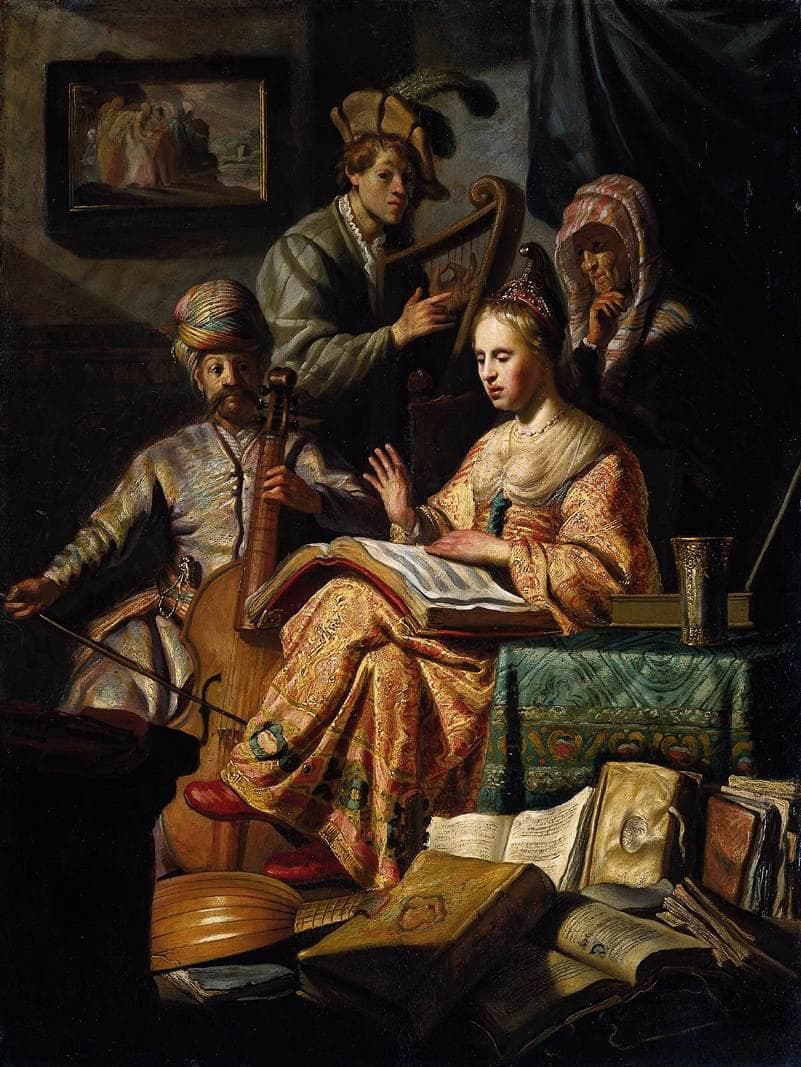
Rembrandt
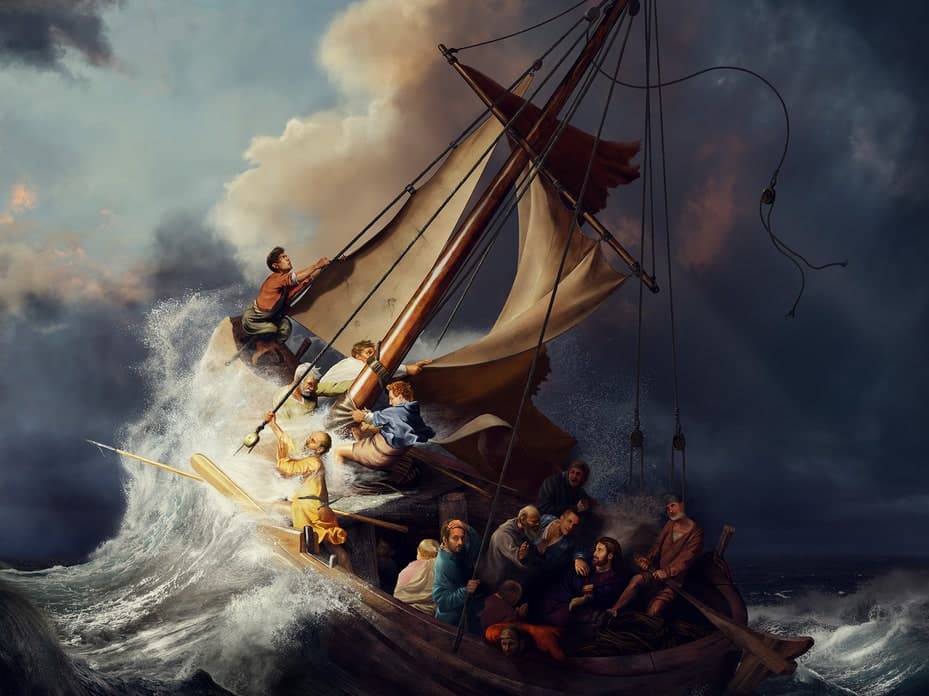
Kindred works
You may also study

Woman with a Parasol – Madame Monet and Her Son
Claude Monet · 1875
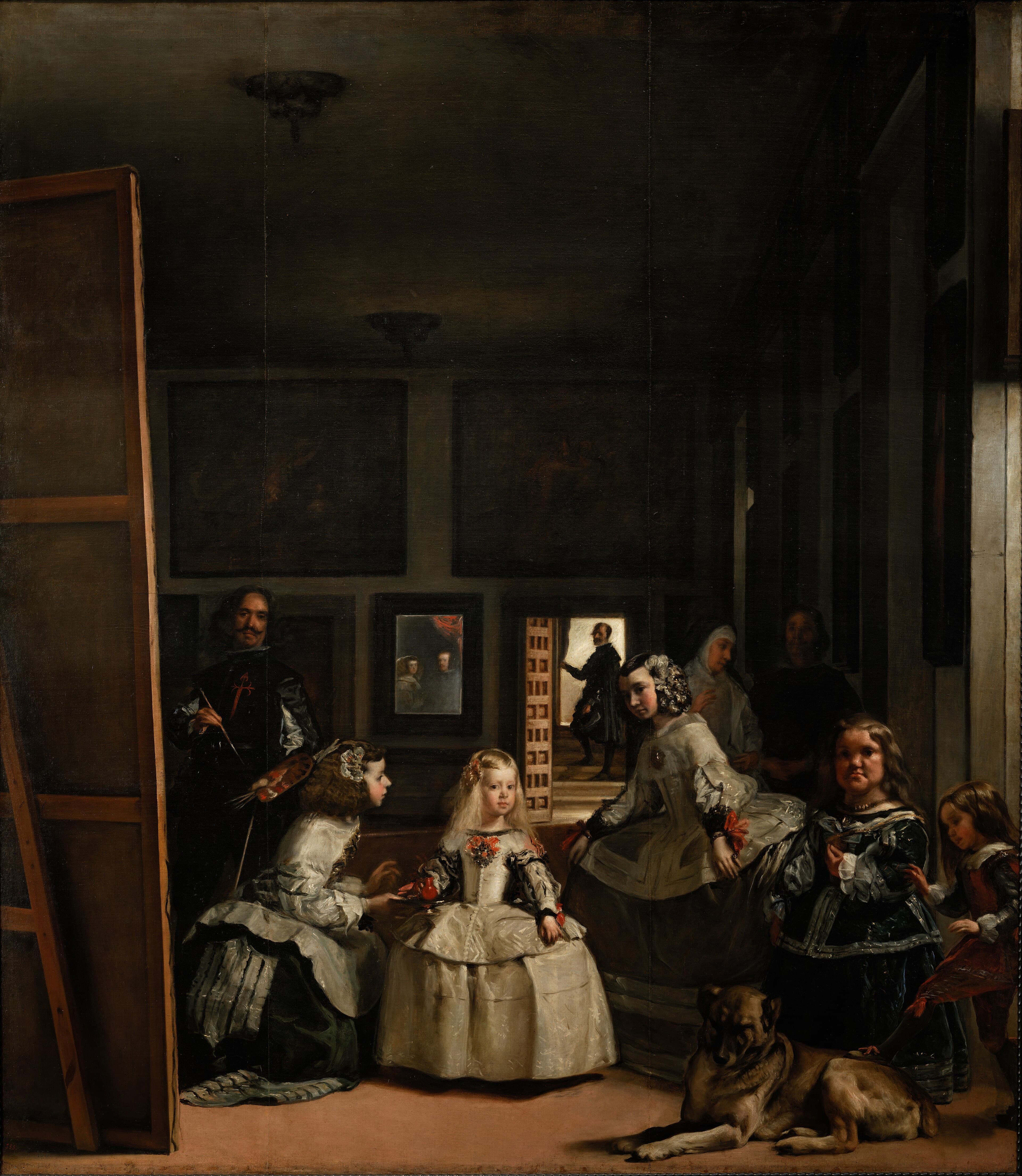
Las Meninas
Diego Velázquez · 1656
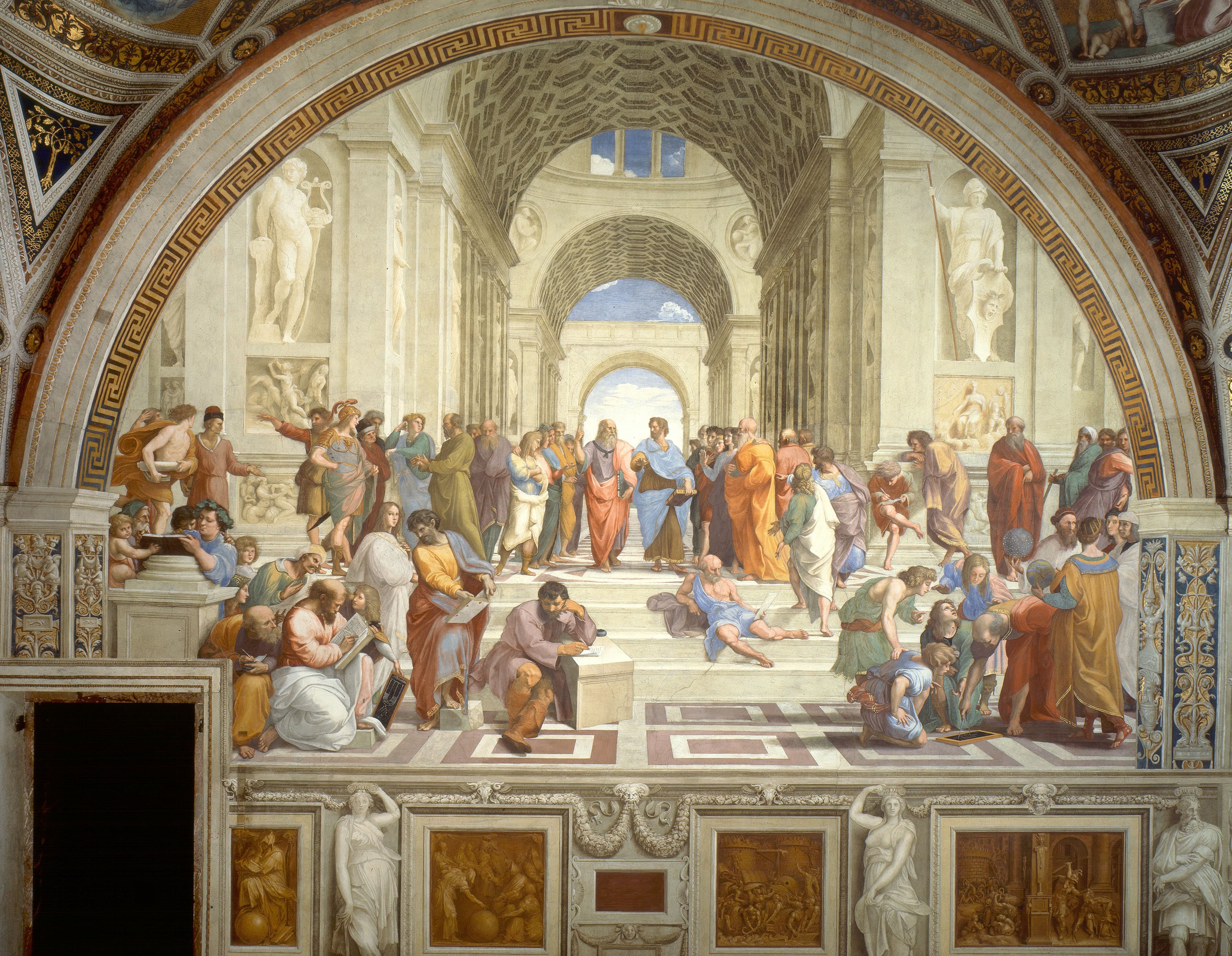
The School of Athens
Raphael · 1509–1511
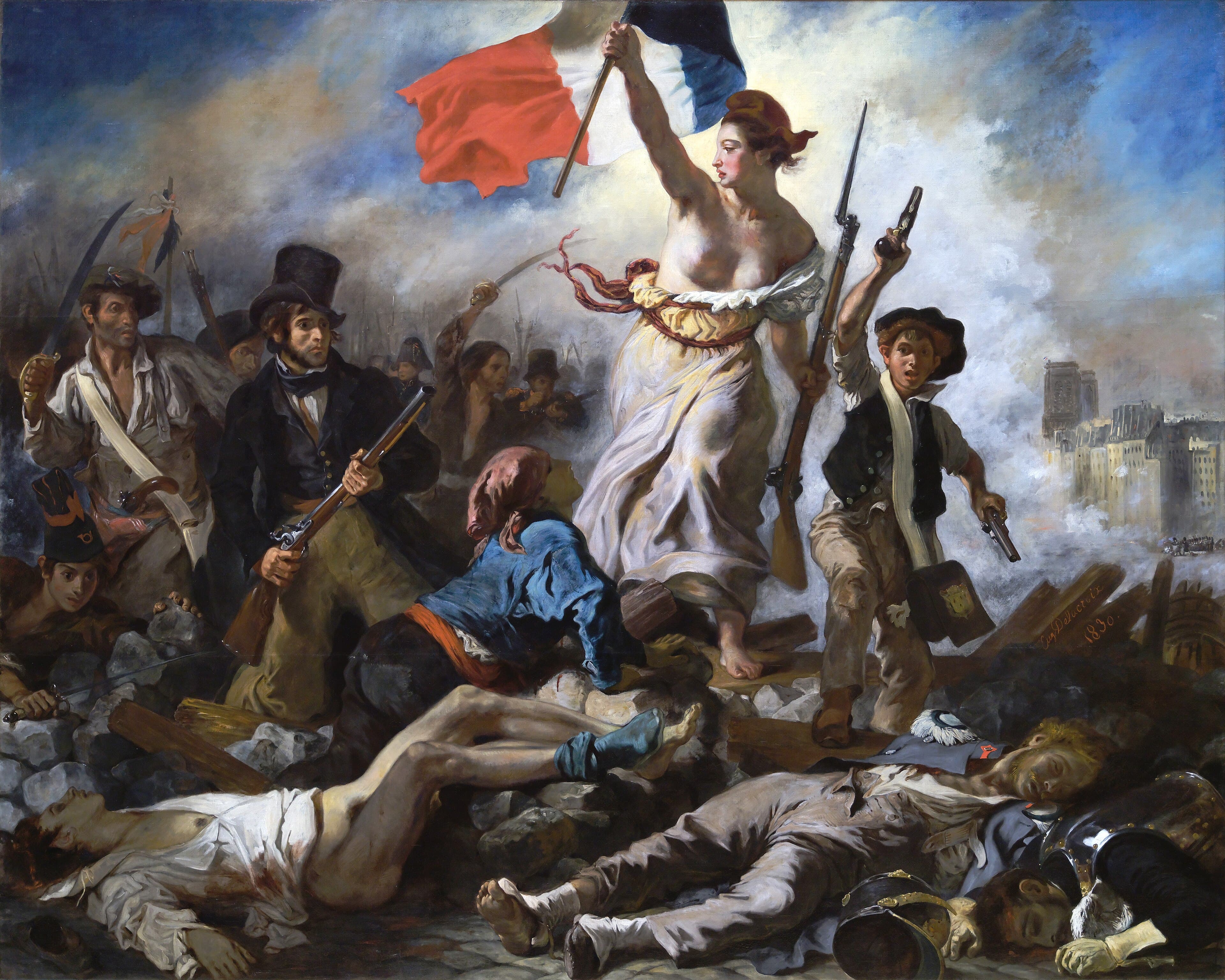
Liberty Leading the People
Eugène Delacroix · 1830
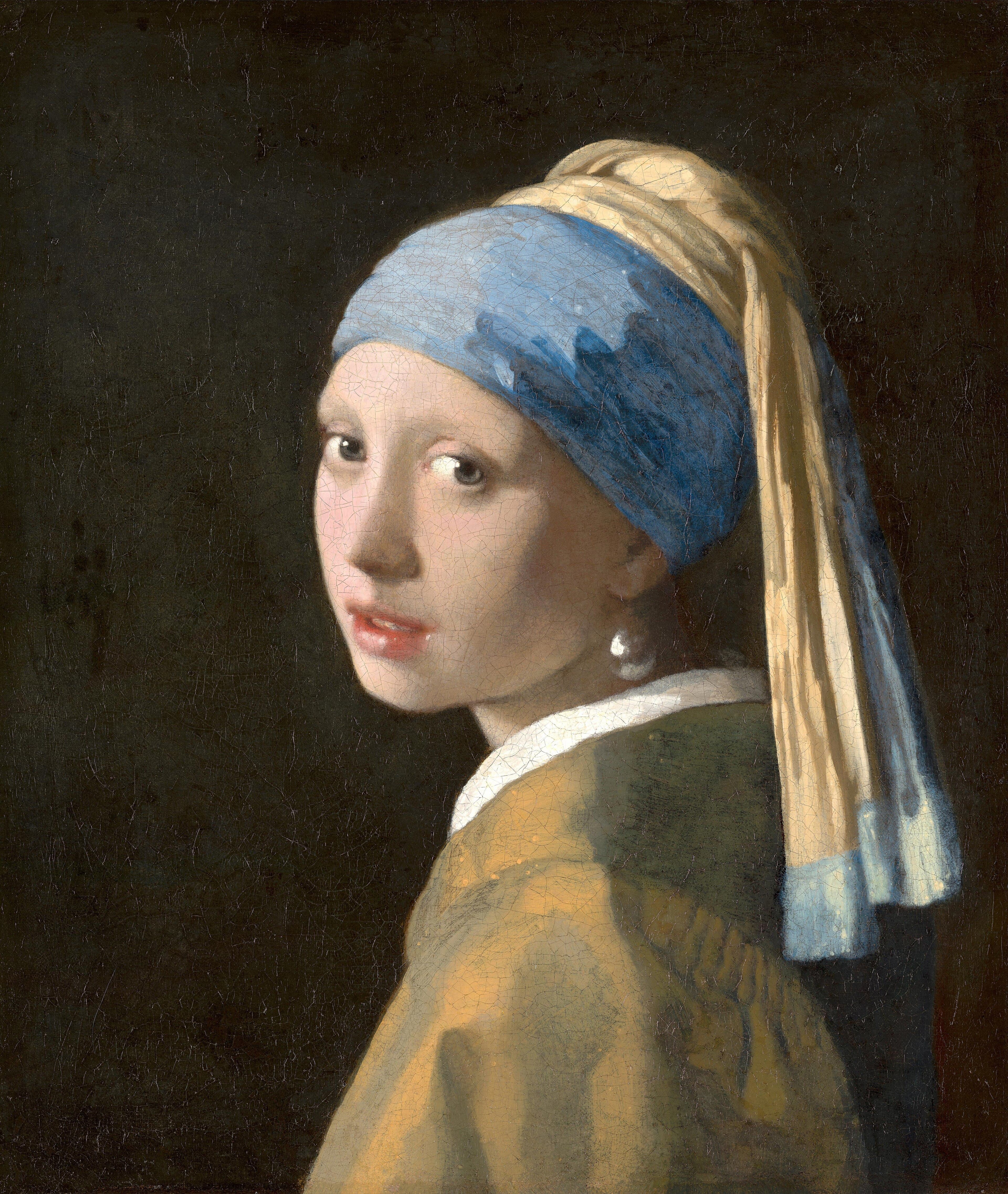
Girl with a Pearl Earring
Johannes Vermeer · c. 1665
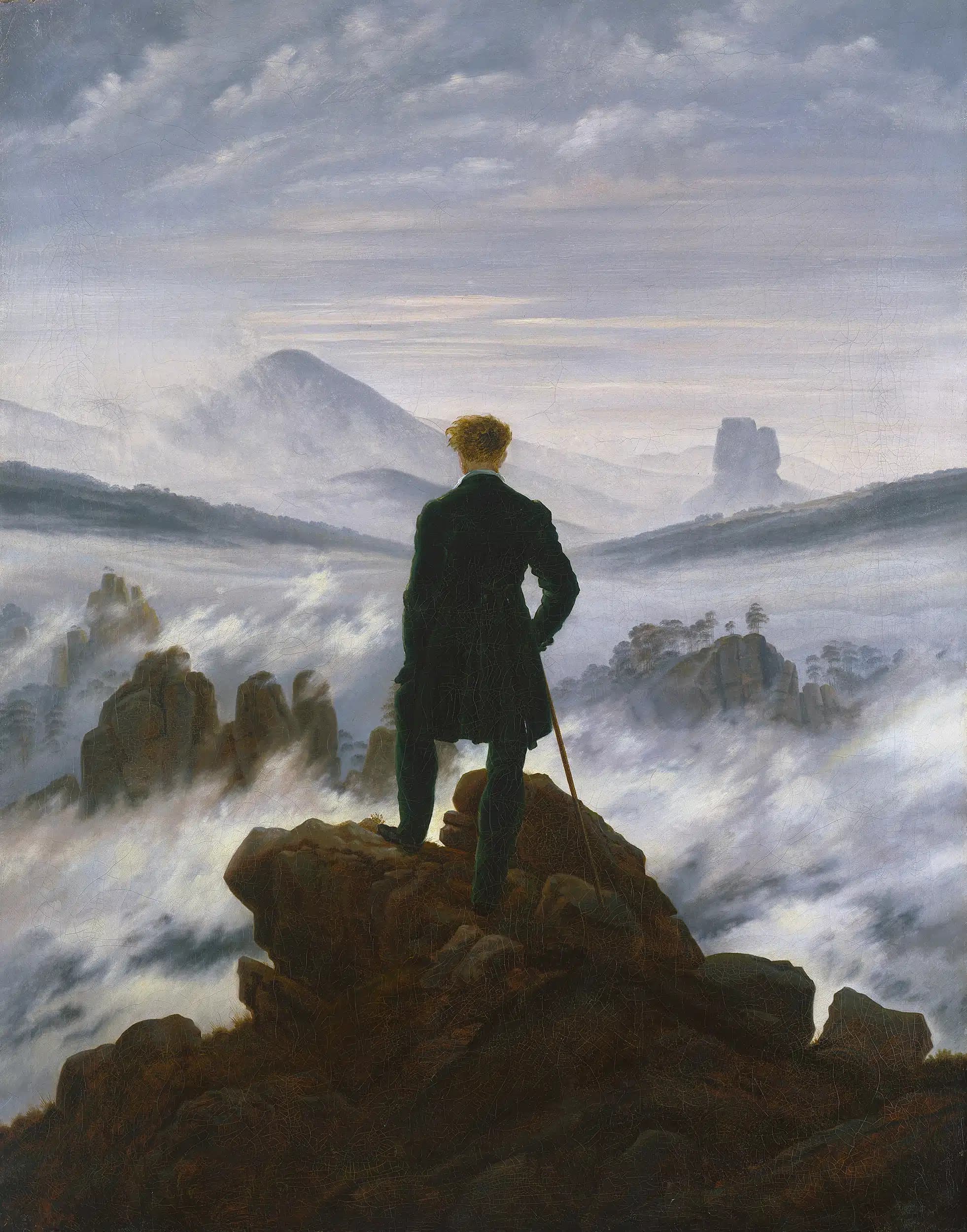
Wanderer above the Sea of Fog
Caspar David Friedrich · c. 1817
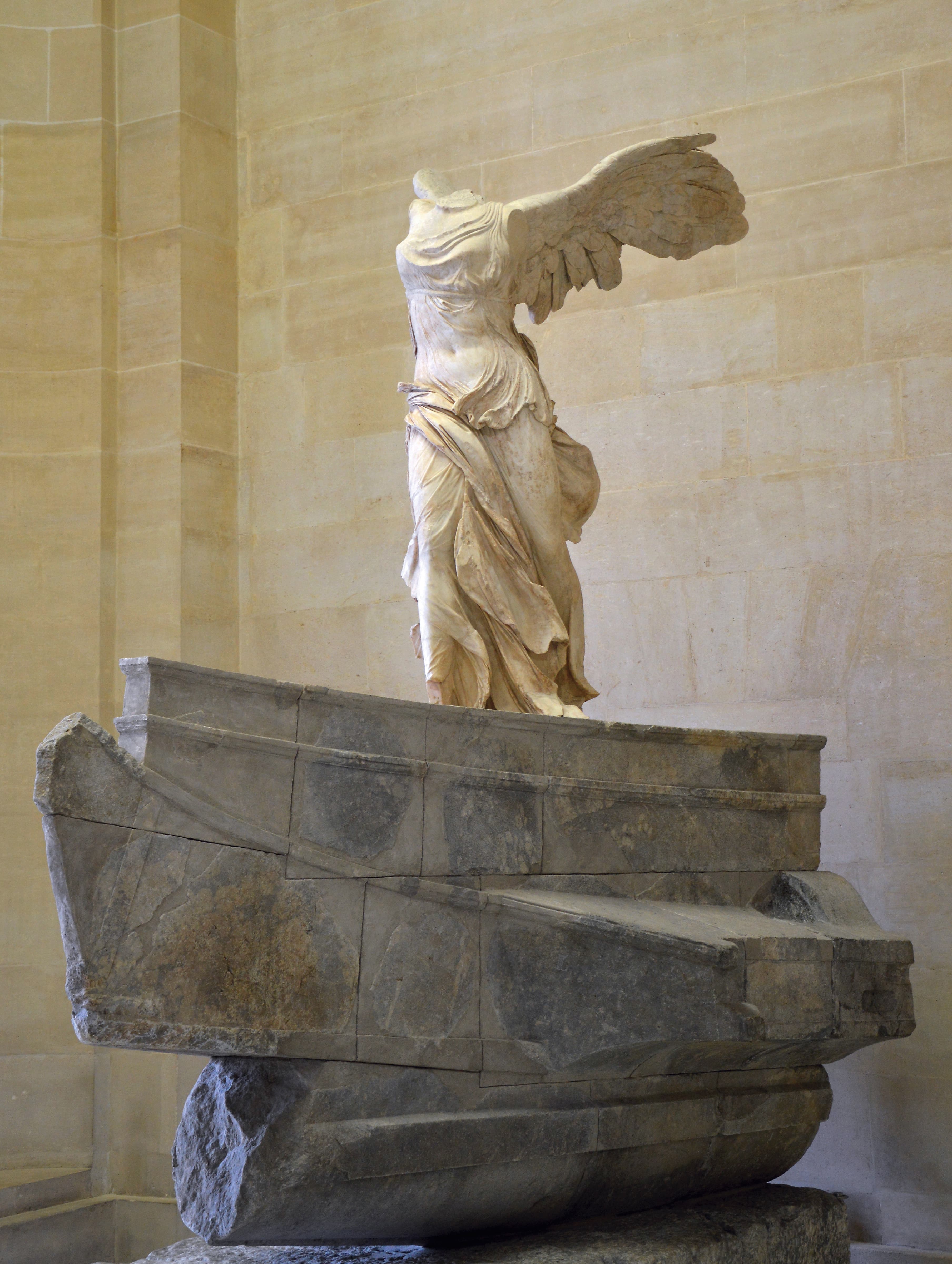
Winged Victory of Samothrace
Artist Unknown · c. 200–190 BC
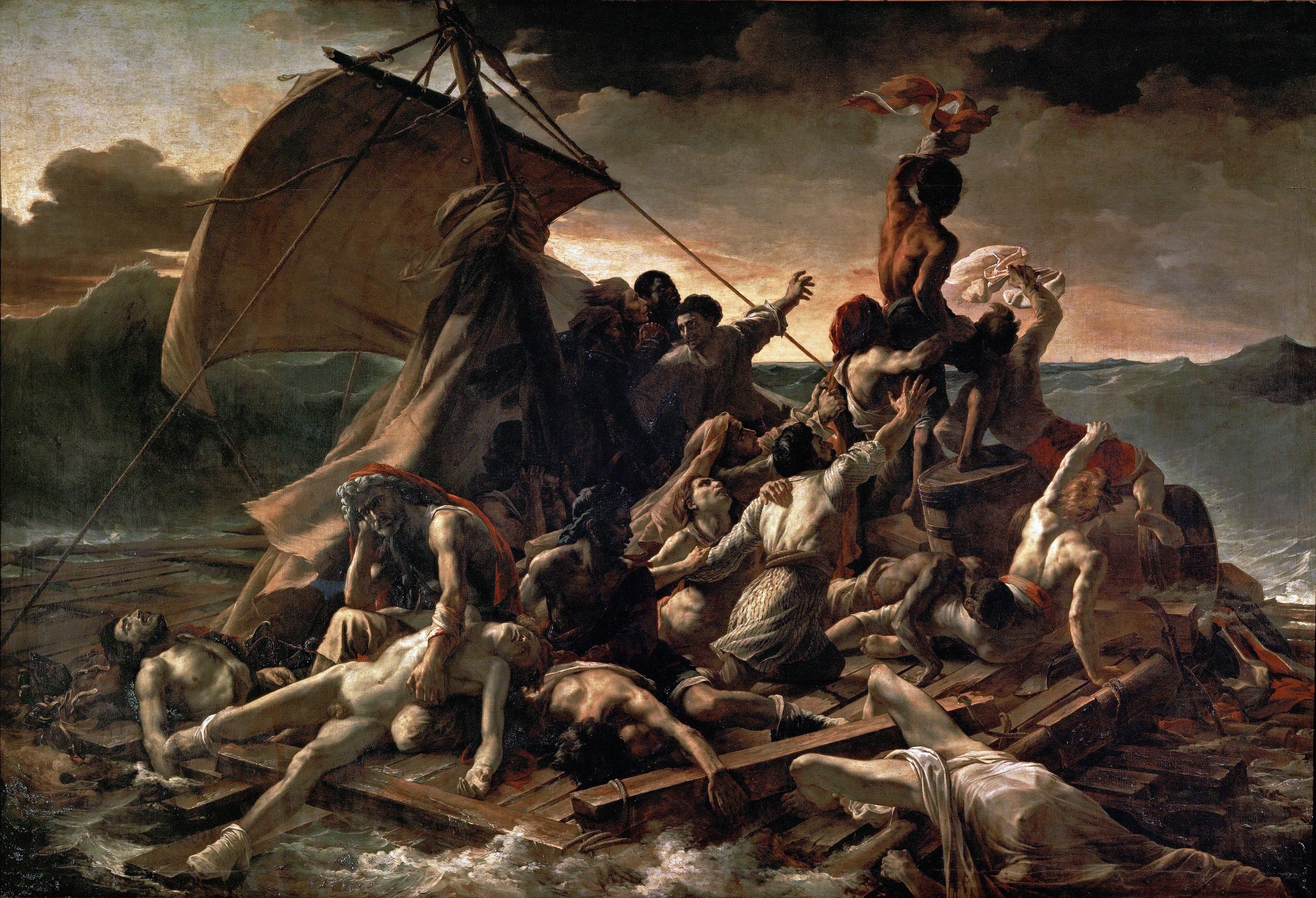
The Raft of the Medusa
Théodore Géricault · 1818–1819