Image: Musée Marmottan Monet, Paris · Public domain · via Wikimedia Commons
Arm of the Seine near Giverny, Rising Sun
Claude Monet, 1897
Arm of the Seine near Giverny, Rising Sun is an 1897 Claude Monet painting from his Mornings on the Seine: blue-violet trees and mist over still water, warmed by faint pink and yellow as the sun rises. It is on deposit at the Musée Marmottan Monet, Paris.
- Artist
- Claude Monet
- Date
- 1897
- Medium
- Oil on canvas
- Dimensions
- 91 × 93 cm
- Collection
- Musée Marmottan Monet (on deposit from the Fondation Ephrussi de Rothschild), Paris, France
- Movement
- Impressionism
- Catalogue
- Wildenstein 1478
- Nature & Landscape
- Water & Sea
- Night & Dreams
Bras de Seine près de Giverny, soleil levant (Arm of the Seine near Giverny, Rising Sun) is a painting by Claude Monet from his Mornings on the Seine series, signed and dated Claude Monet 97 at the lower left. The canvas, 91 by 93 centimeters, is almost square. It is shown at the Musée Marmottan Monet in Paris, on deposit from the Fondation Ephrussi de Rothschild.
What you're looking at
Blue fills the picture. On the left, a great mass of trees rises the full height of the canvas, painted in deep blue, teal and violet, with a few pale, almost white touches near the top where the first light catches the leaves. On the right, a smaller rounded group of trees on the far bank stands in softer blue-lilac, half dissolved in mist. Between them, a channel of the river runs back into the distance, where low trees appear as faint lavender shapes.
The sky between the banks is a pale, milky blue-green, and here and there it warms: a few streaks of pink and pale yellow near the top center, a faint rose glow behind the far trees. Those touches are the sun rising, still hidden. The Marmottan describes them as the light pink and yellow that warm the canvas to suggest sunrise.
Below the horizon, which lies just under the center of the canvas, the trees are mirrored in water so still that bank and reflection merge. A band of pale lilac mist lies across the channel. The reflection of the sky makes a soft, pale path down the right center of the canvas, framed by the dark blue-violet reflections of the trees. At the lower left the signature, in dark red, is the sharpest mark in the picture.
Giverny, summers of 1896 and 1897
The Marmottan places the series at the confluence of the Seine and the Epte, near Giverny. Monet rose before dawn, rowed out to his motif, and recorded the passage from first light to sunrise on a set of canvases painted in turn. The composition hardly changes from one canvas to the next: large leafy trees frame the water and lead the eye to a horizon at mid-height. What changes is the color of the light. The museum also notes how the series, with its reflections and its emphasis on water, anticipates the Water Lilies.
How it was painted
The handling is soft and close-toned. Monet lays the trees in with feathery, blended strokes and fuses their edges into the surrounding sky and mist. The sky and water are thin, smoothly brushed layers in which the weave of the canvas shows. Contrast is kept low; the drama of the picture lies in the slight shift from cool blue to warm pink and yellow.
How this version differs
In the sequence of the morning, this canvas sits between the cold, pre-dawn Morning on the Seine, near Giverny in Boston, still entirely blue and mauve, and the full sunrise of Morning on the Seine, Good Weather, where the far trees glow orange. The Met's Morning on the Seine near Giverny is a little later still, with a gold sky. This version is distinguished by its dense, almost uniform blue, its taller format, and the faint, scattered warm touches that announce the sun. See the whole series in Mornings on the Seine and the village in Monet's Giverny.
Where to see it
The painting is shown at the Musée Marmottan Monet in Paris, on deposit from the Fondation Ephrussi de Rothschild, the foundation that runs the Villa Ephrussi de Rothschild at Saint-Jean-Cap-Ferrat. The Marmottan holds the world's largest collection of Monet's works; see Monet at the Musée Marmottan.
Questions & answers
Where is Monet's Arm of the Seine near Giverny, Rising Sun?
It is at the Musée Marmottan Monet in Paris (D.11-1993), on deposit from the Fondation Ephrussi de Rothschild. The Marmottan holds the largest collection of Monet's work.
When and where was it painted?
In 1897, at dawn, where the Epte meets the Seine near Giverny. It belongs to the Mornings on the Seine series Monet painted in the summers of 1896 and 1897.
What does it show?
It shows trees on both banks of a quiet river channel in deep blue and violet, mirrored in still water under a band of mist, with faint pink and yellow touches in the sky as the sun begins to rise.
How does the Mornings on the Seine series relate to the Water Lilies?
The Marmottan notes that the series, with its emphasis on reflections and water, anticipates the Water Lilies. In both, the reflected world becomes as important as the real one.
More by the artist
Claude Monet
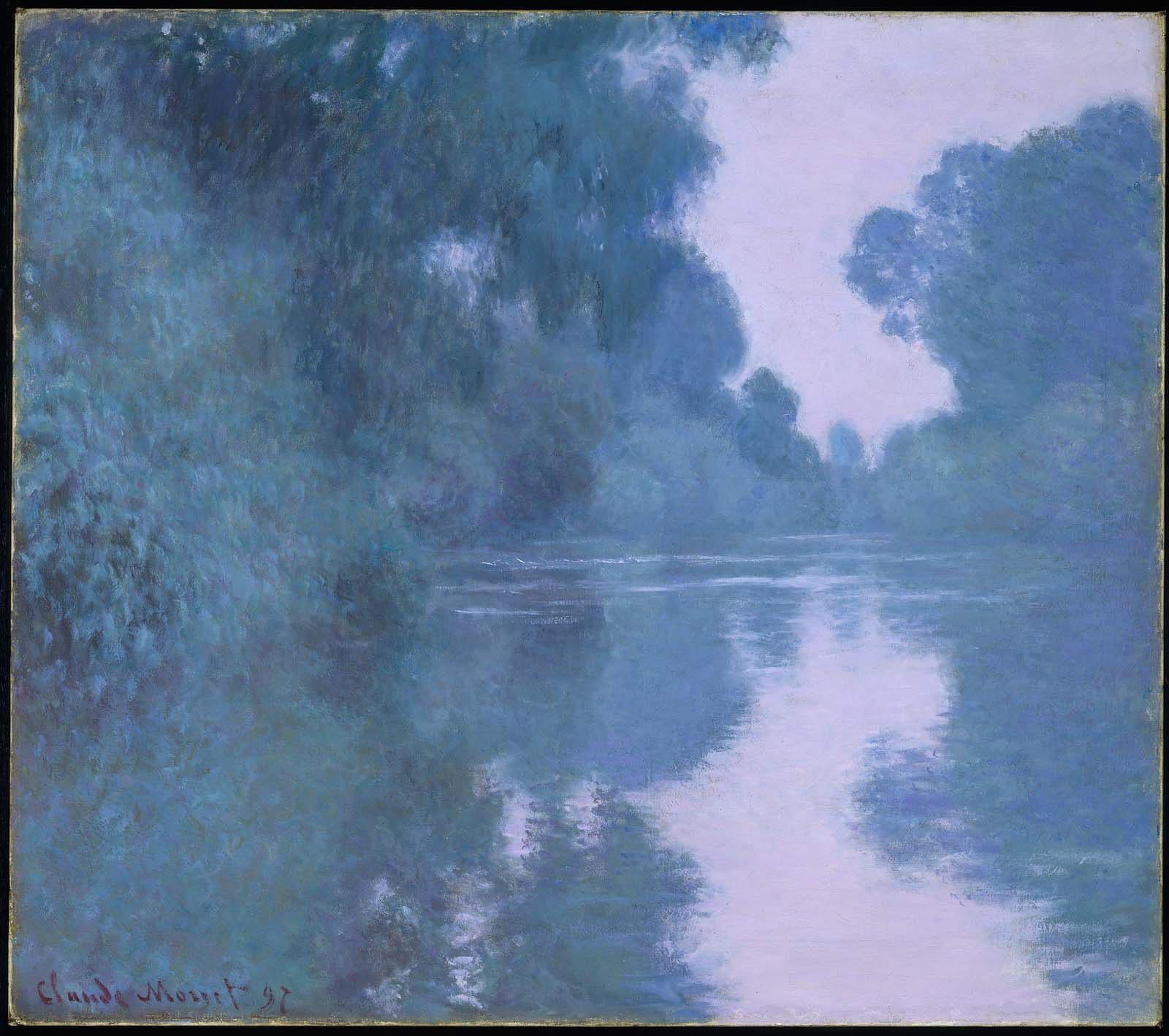
Morning on the Seine, near Giverny (1897)
Claude Monet · 1897
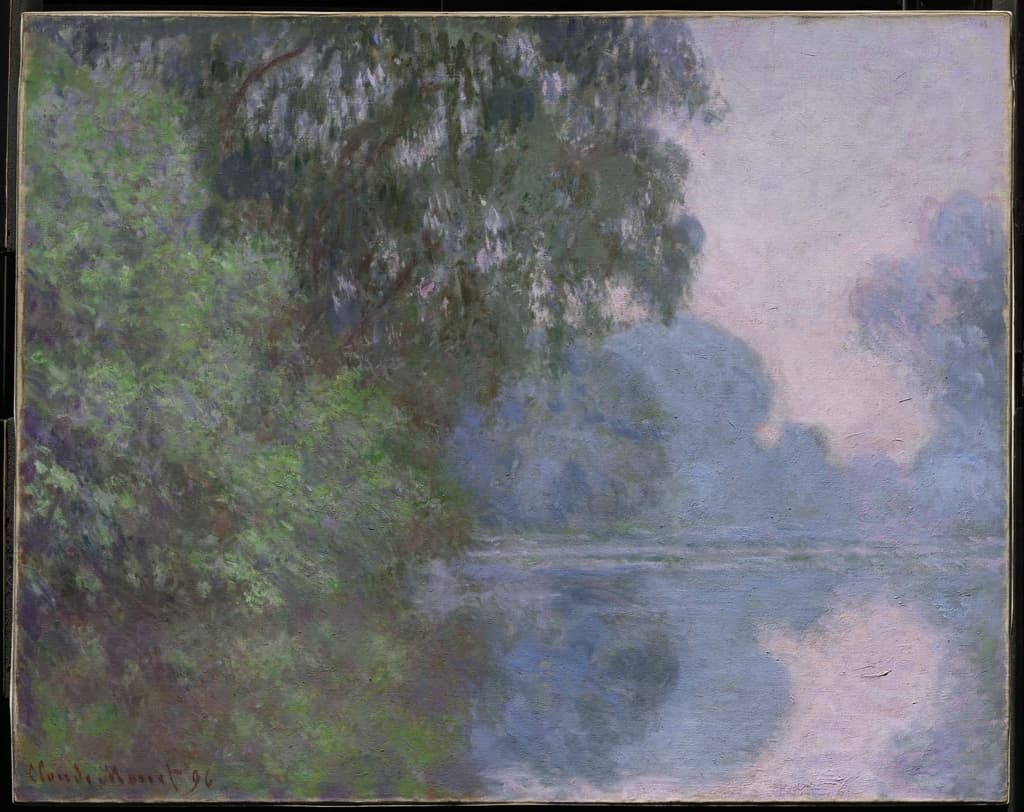
Morning on the Seine, near Giverny (1896)
Claude Monet · 1896
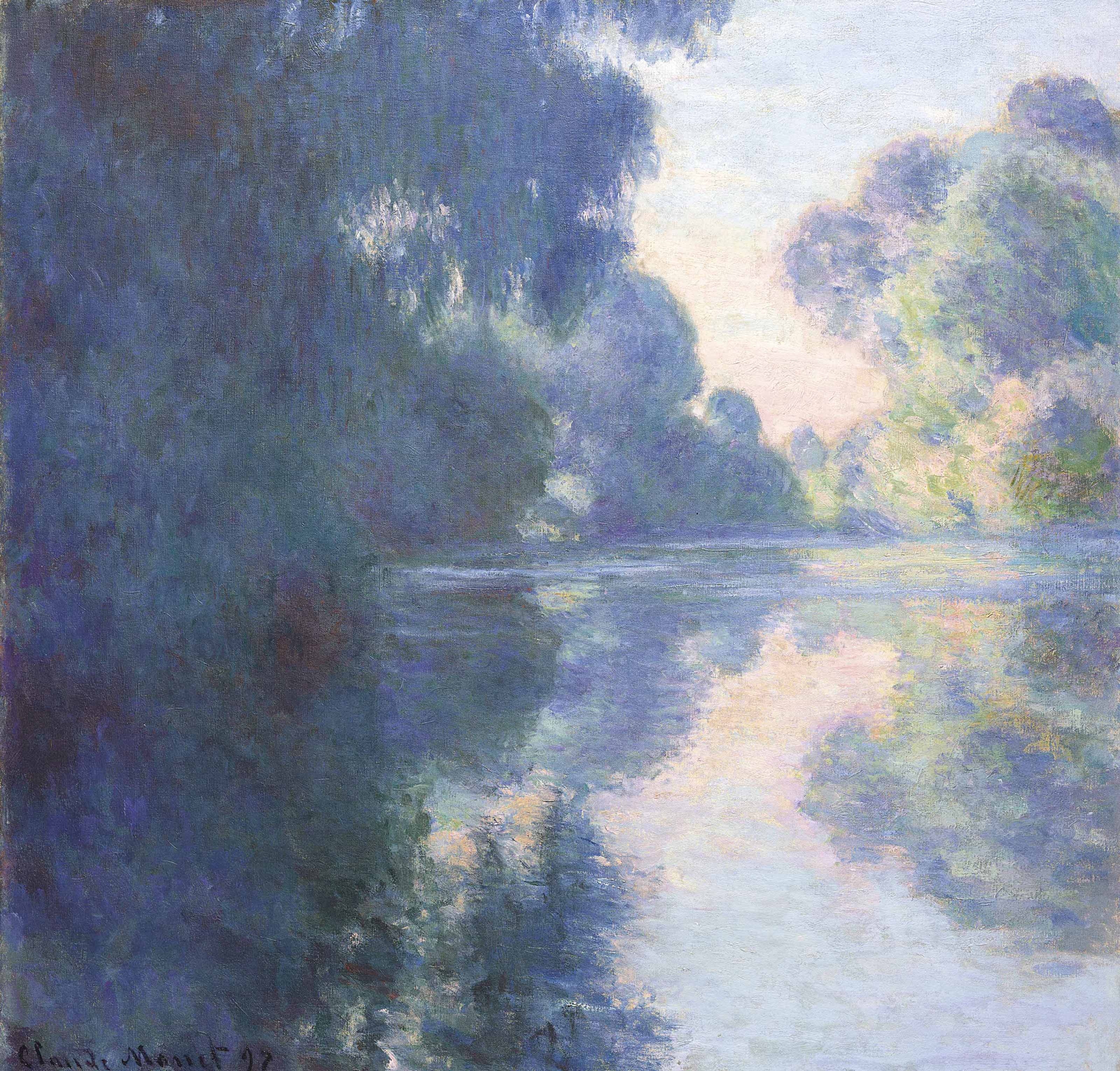
Matinée sur la Seine
Claude Monet · 1897
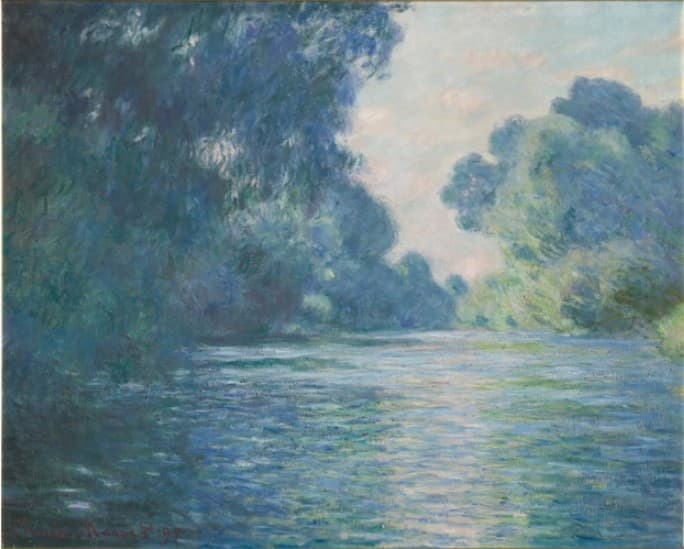
Arm of the Seine near Giverny
Claude Monet · 1897
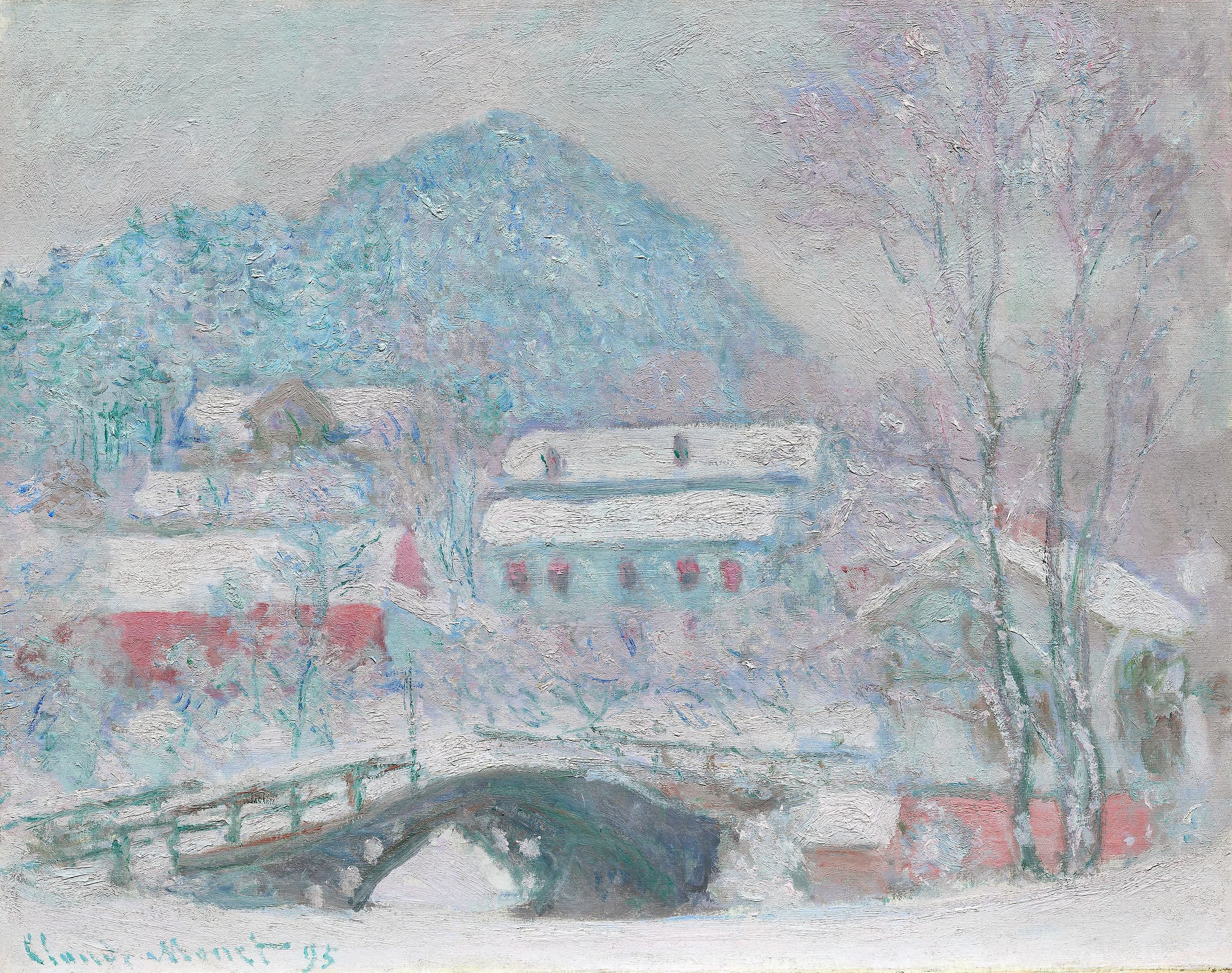
Sandvika, Norway
Claude Monet · 1895
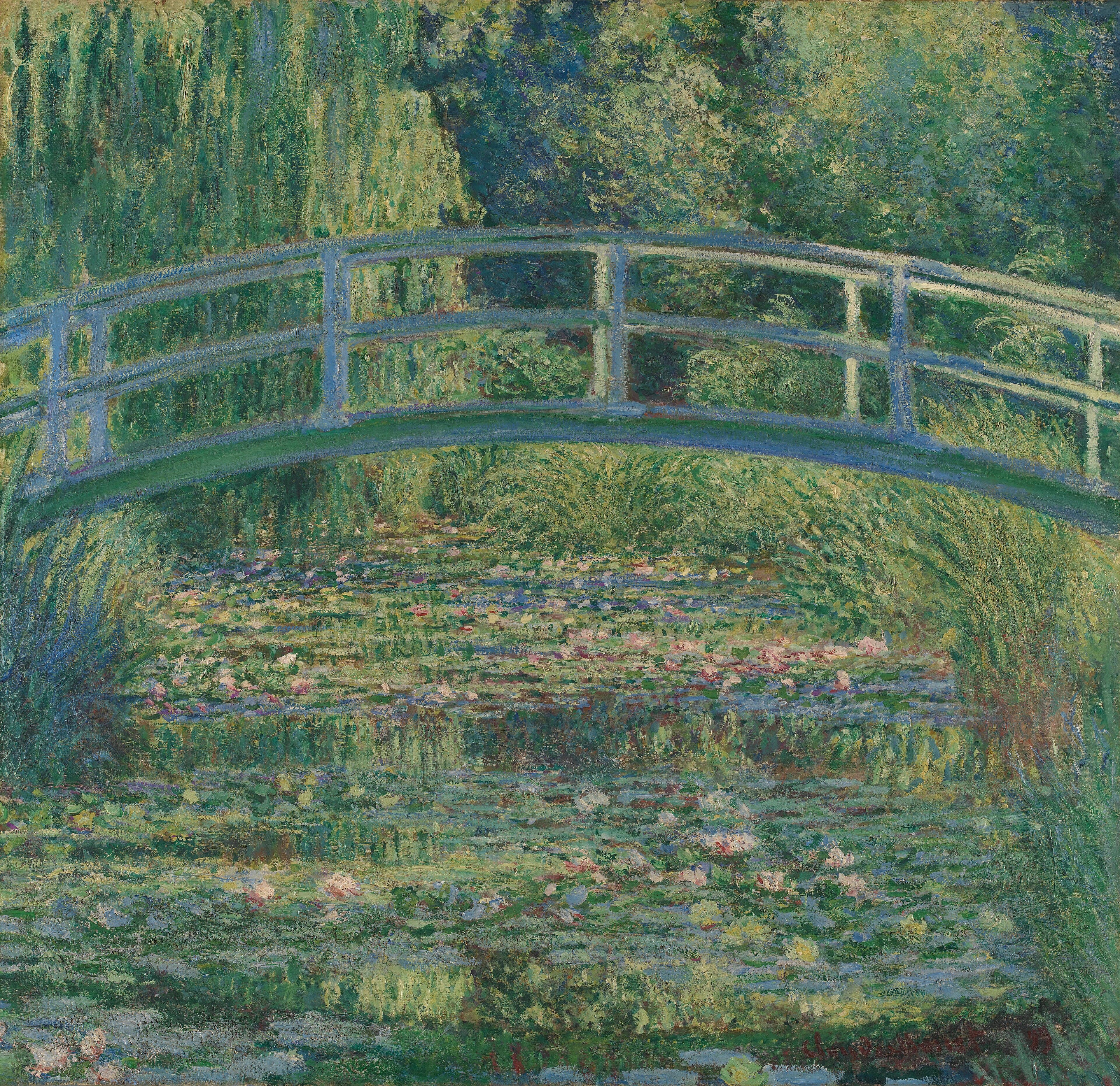
The Water-Lily Pond (National Gallery, London)
Claude Monet · 1899
Charing Cross Bridge
Claude Monet · c. 1899
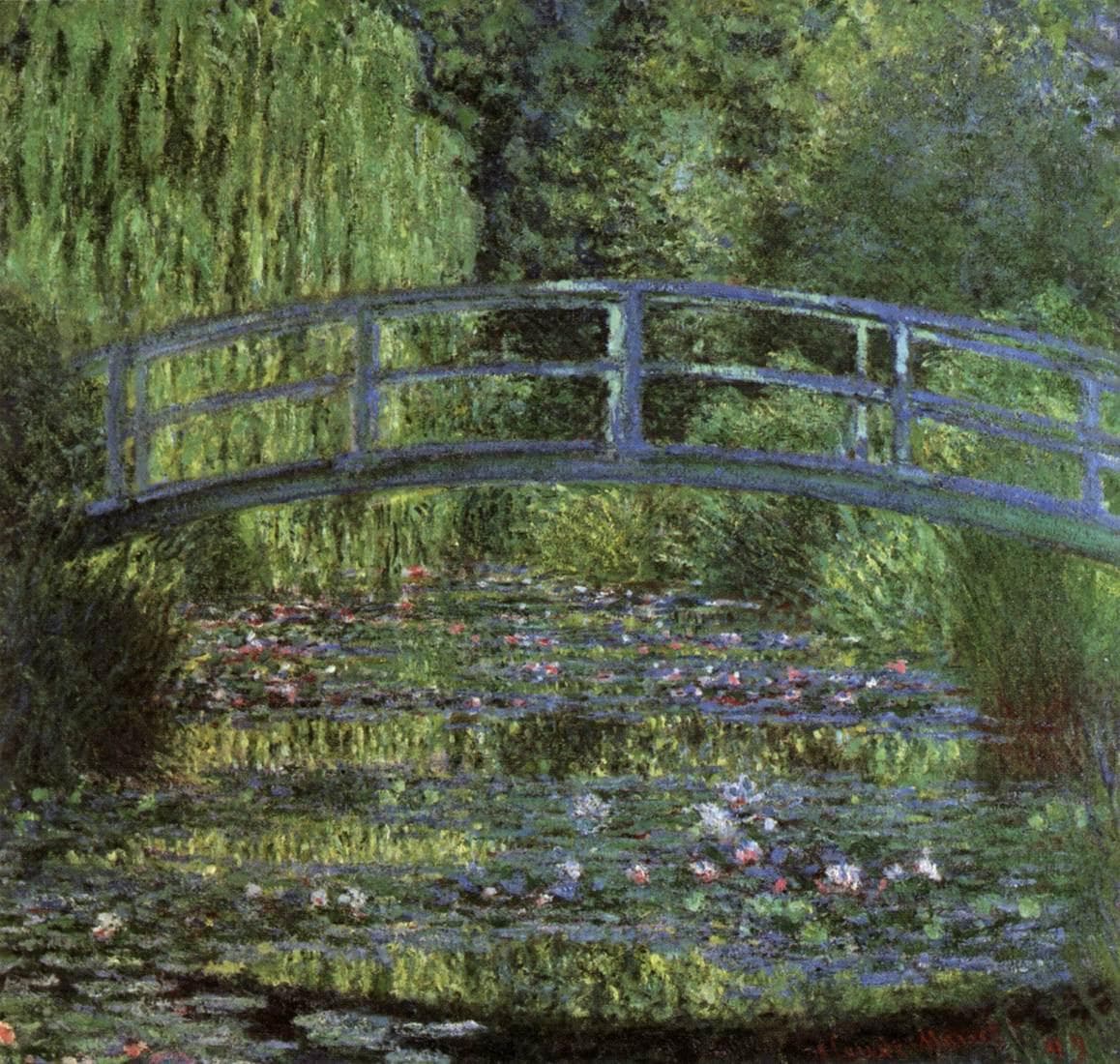
Water Lily Pond, Green Harmony
Claude Monet · 1899
Also painted in 1897
The same year
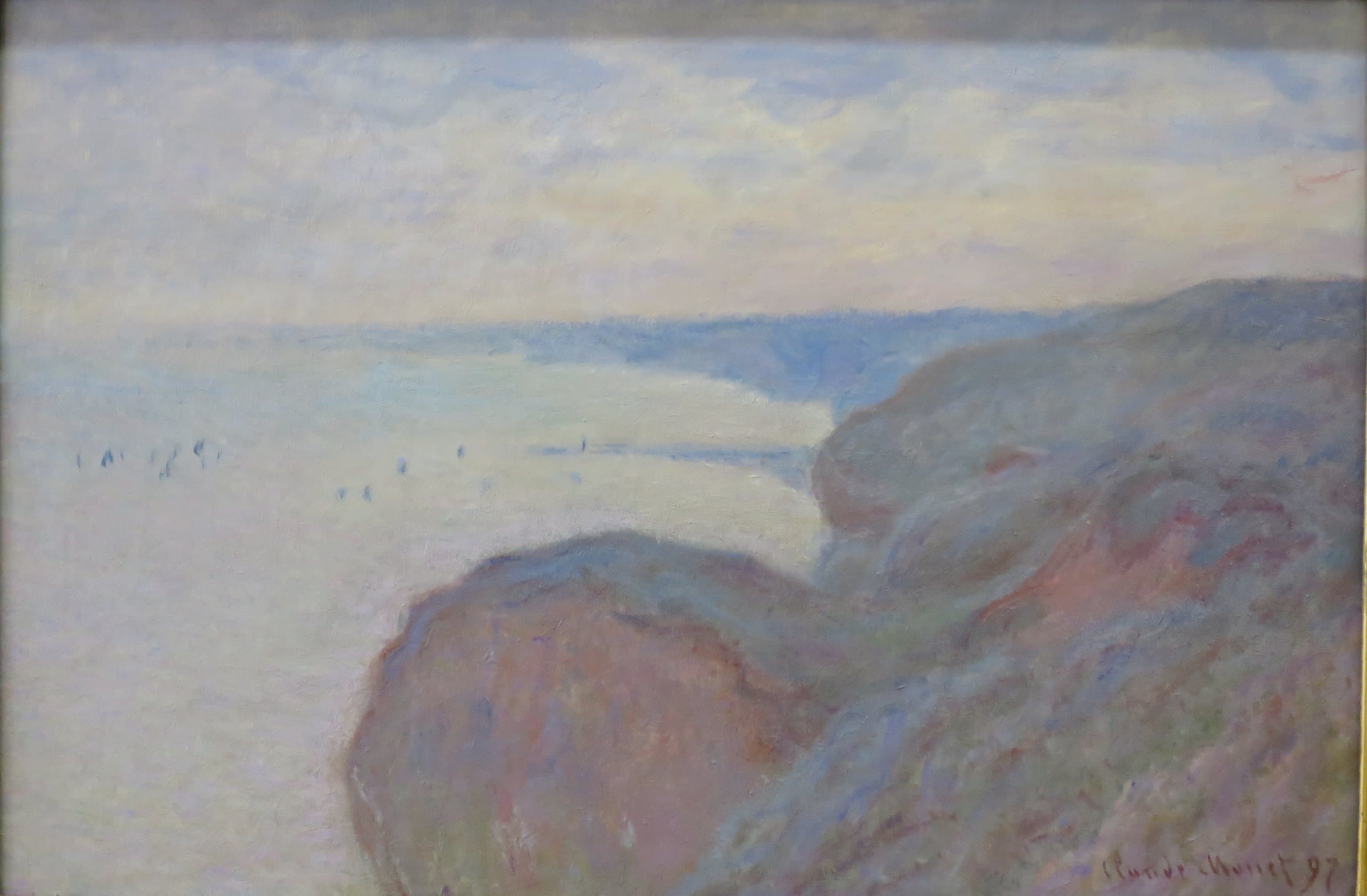
Steep Cliffs near Dieppe
Claude Monet · 1897
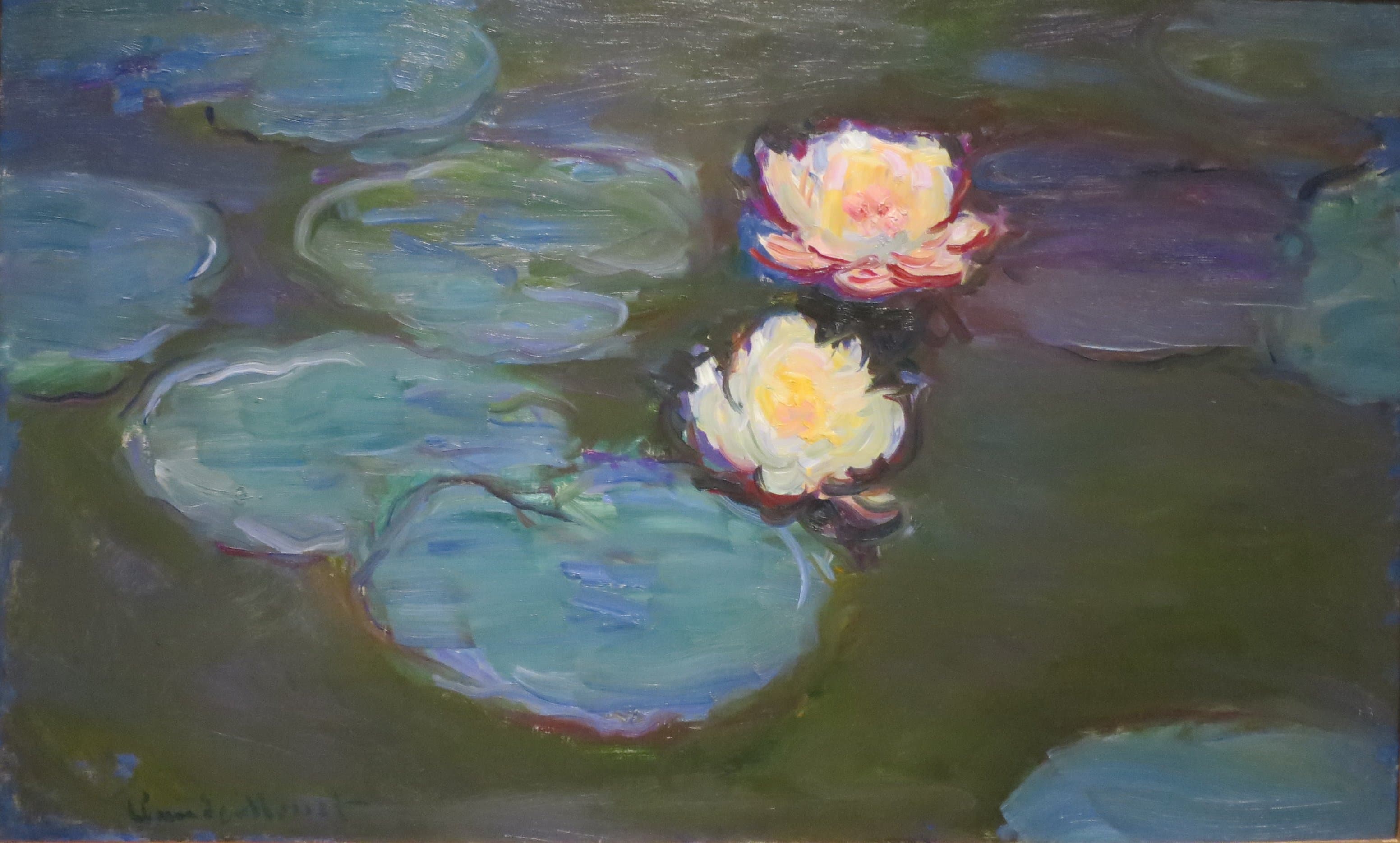
Nymphéas (Water Lilies), c. 1897–98
Claude Monet · c. 1897–98
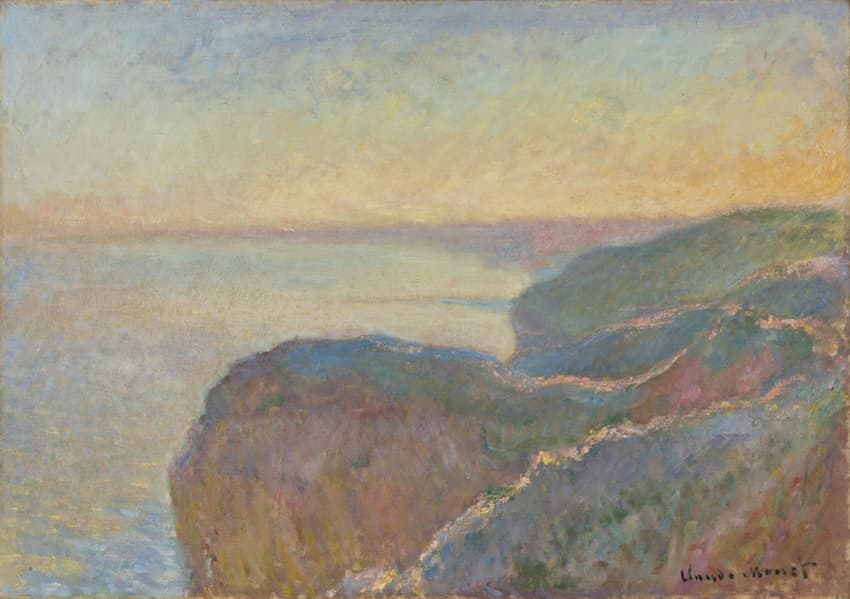
Sur la falaise de Dieppe
Claude Monet · 1897
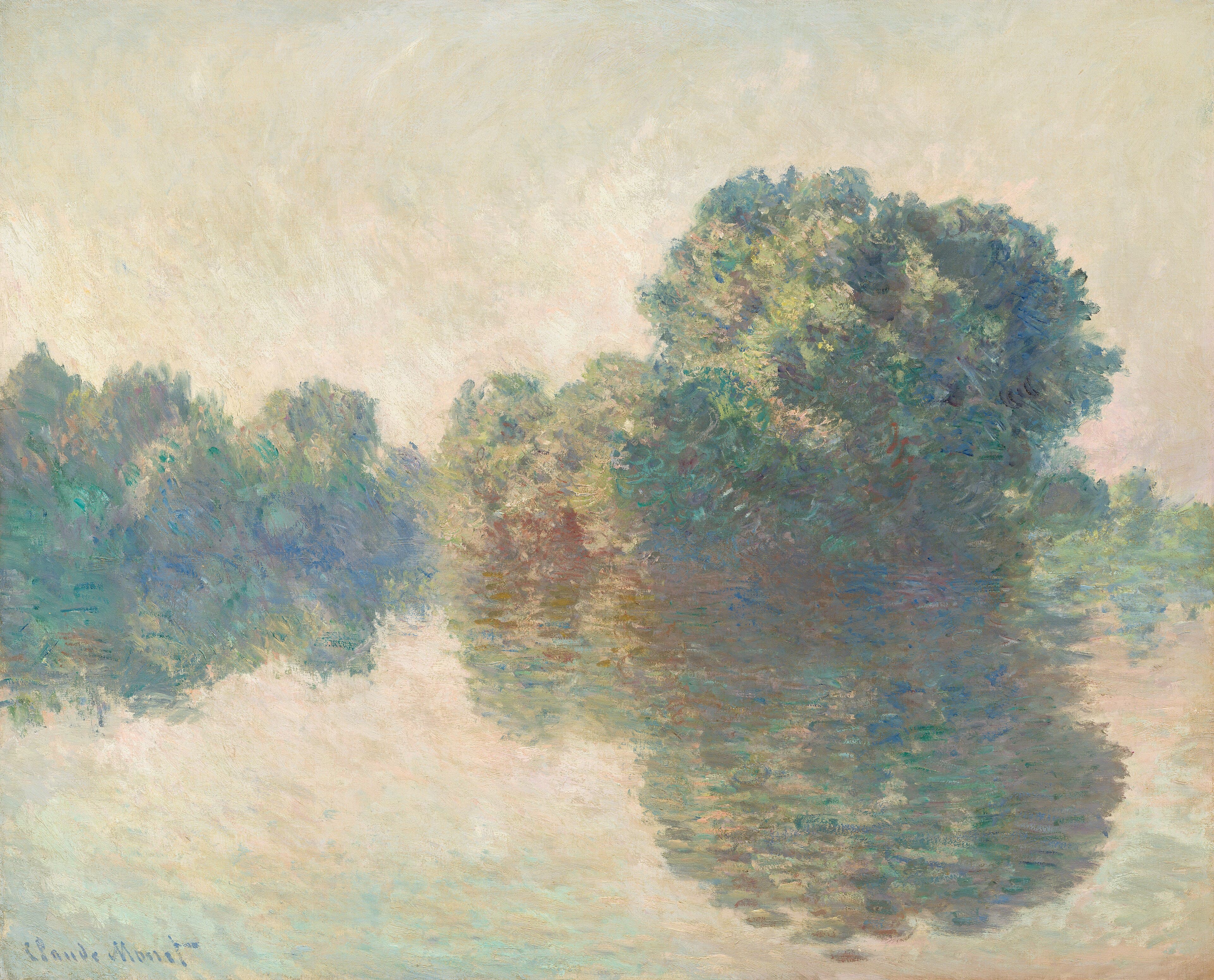
The Seine at Giverny
Claude Monet · 1897
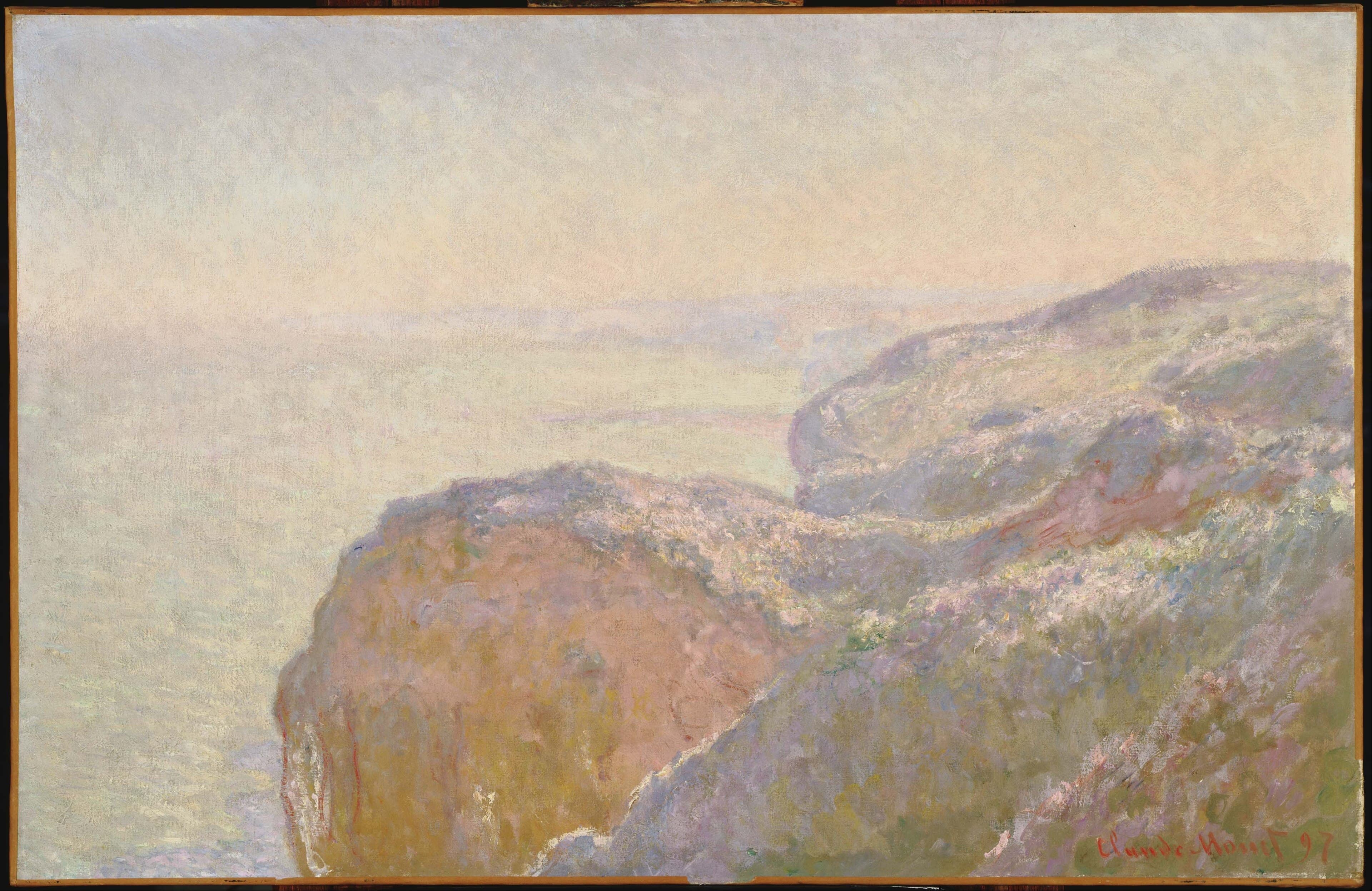
Val-Saint-Nicolas, near Dieppe (Morning)
Claude Monet · 1897
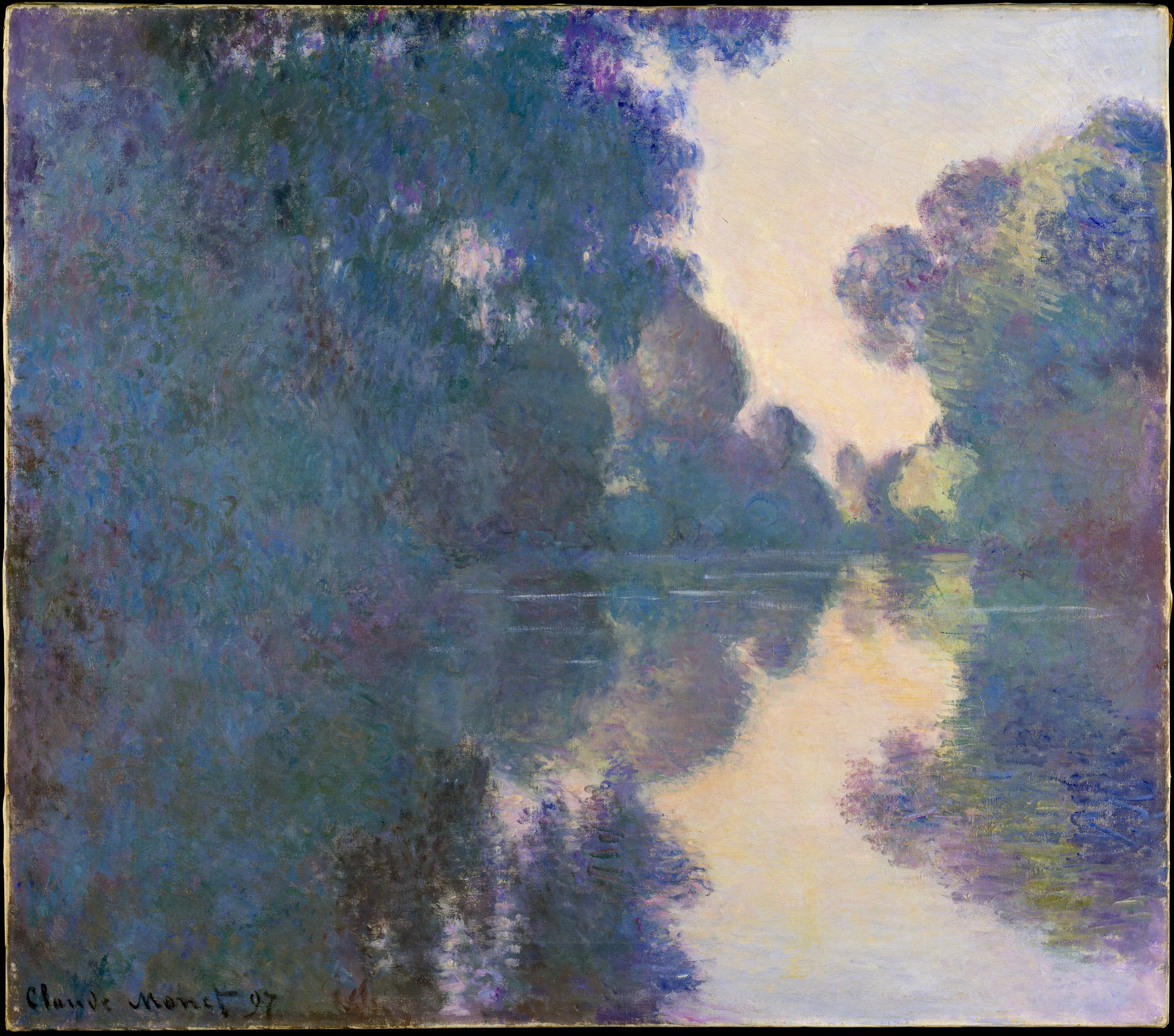
Morning on the Seine near Giverny
Claude Monet · 1897
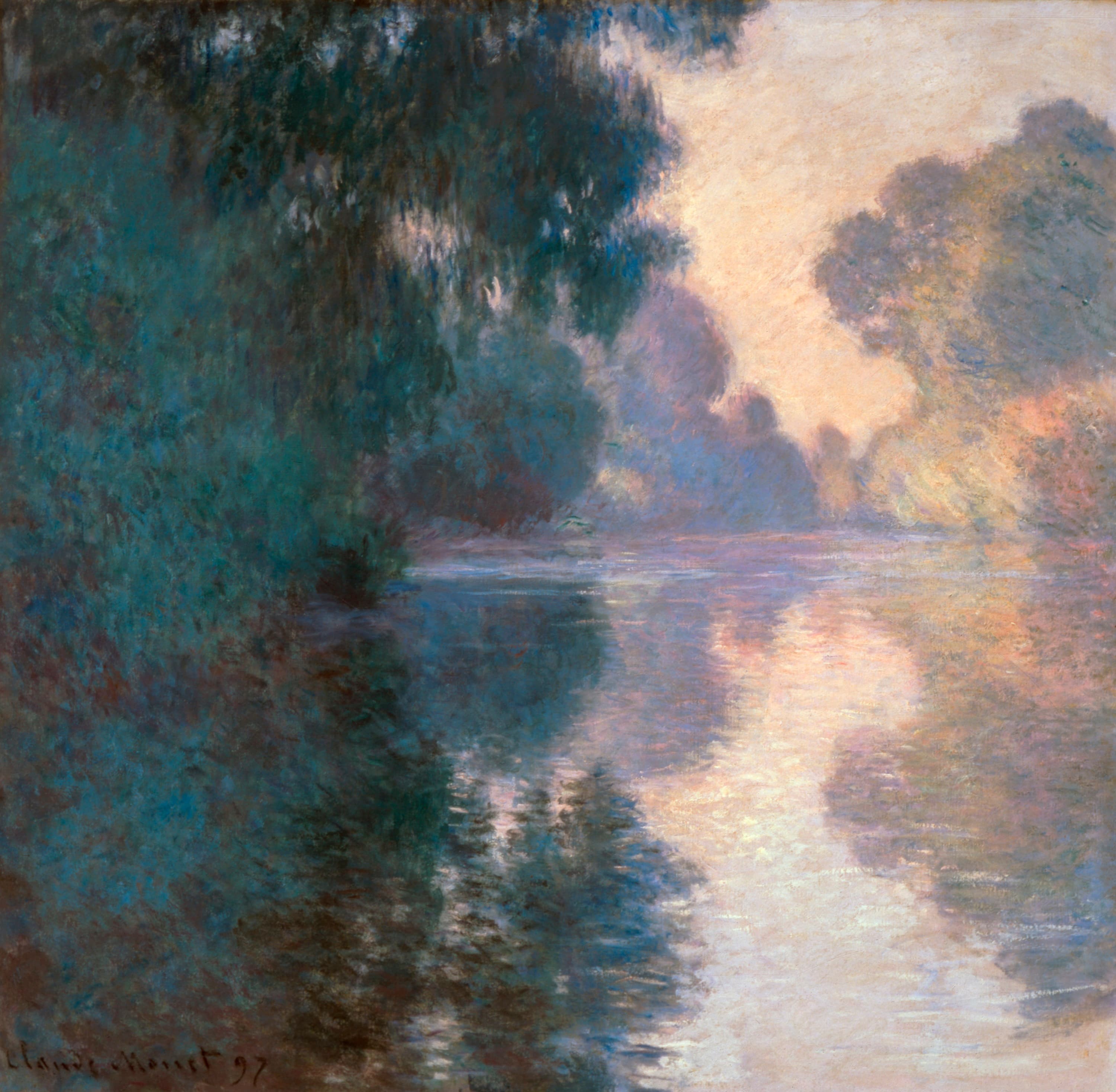
Morning on the Seine, Good Weather
Claude Monet · 1897
Morning on the Seine
Claude Monet · 1897
Kindred works
You may also study
Morning on the Seine, Good Weather
Claude Monet · 1897
Morning on the Seine near Giverny
Claude Monet · 1897
Bras de Seine à Giverny
Claude Monet · 1885
Peupliers au bord de l'Epte, crépuscule
Claude Monet · 1891
Morning on the Seine
Claude Monet · 1897
Morning on the Seine, Giverny
Claude Monet · 1897
Starry Night (Munch)
Edvard Munch · 1893
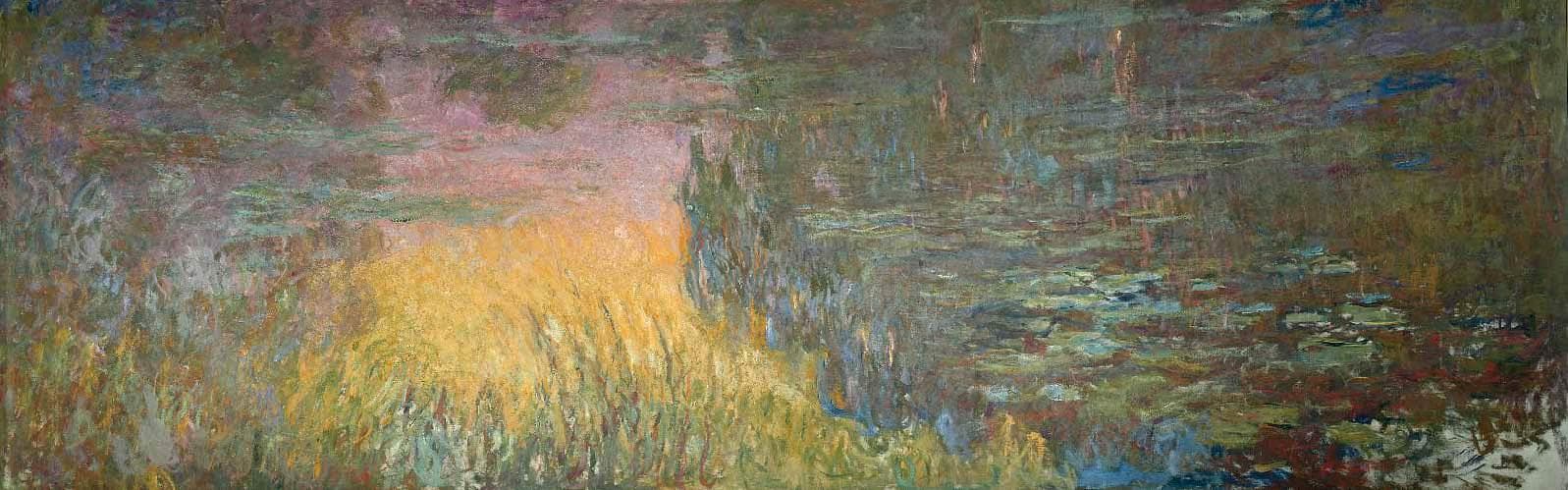
Water Lilies: Setting Sun
Claude Monet · 1914–26