Image: The Phillips Collection, Washington (Google Arts & Culture) · Public domain · via Wikimedia Commons
Val-Saint-Nicolas, near Dieppe (Morning)
Claude Monet, 1897
Val-Saint-Nicolas, near Dieppe (Morning) is an 1897 painting by Claude Monet of grassy cliffs above the Channel near Dieppe, dissolved in pale pink and lilac morning haze. It is in the Phillips Collection, Washington, D.C.
- Artist
- Claude Monet
- Date
- 1897
- Medium
- Oil on canvas
- Dimensions
- 64.8 × 100 cm
- Collection
- The Phillips Collection, Washington, D.C., United States
- Movement
- Impressionism
- Catalogue
- Wildenstein 1466
- Nature & Landscape
- Water & Sea
Claude Monet's Val-Saint-Nicolas, near Dieppe (Morning) was painted in early 1897 on the Normandy coast, during his last campaign on the cliffs he had first explored fifteen years earlier. A rounded headland covered in grass and heather juts out over the sea, and everything, cliff, water and sky, is softened by the pale haze of early morning. The canvas, 64.8 by 100 centimeters (Wildenstein 1466), is signed and dated "Claude Monet 97" in red at lower right. It has been in the Phillips Collection in Washington since 1959.
What you are looking at
The composition is split on a diagonal. On the right, the land rises in two great rounded masses: a nearer headland whose bare face drops sharply to the sea in ocher and rose, and a farther, higher slope behind it. Their tops are covered in grass and low vegetation painted in pale green, lilac, pink and cream, with small, separate strokes that catch the light like dew.
On the left, the sea stretches away to a horizon that is barely there. The water is a pale, milky lilac and gray-green, and it merges with a sky of almost the same tone, pale pink, peach and cream. Far off, a faint line of cliffs and the hint of a further headland run along the coast and disappear into the mist.
The Phillips Collection describes the work as a representative example of Monet's technique, where contours dissolve into light, and that is exactly what happens at the edge of the cliff. Its outline is soft, almost furred, and its color blends into the haze. Only the warm, ocher face of the near rock and the red signature give the picture any hard accent.
Where and when
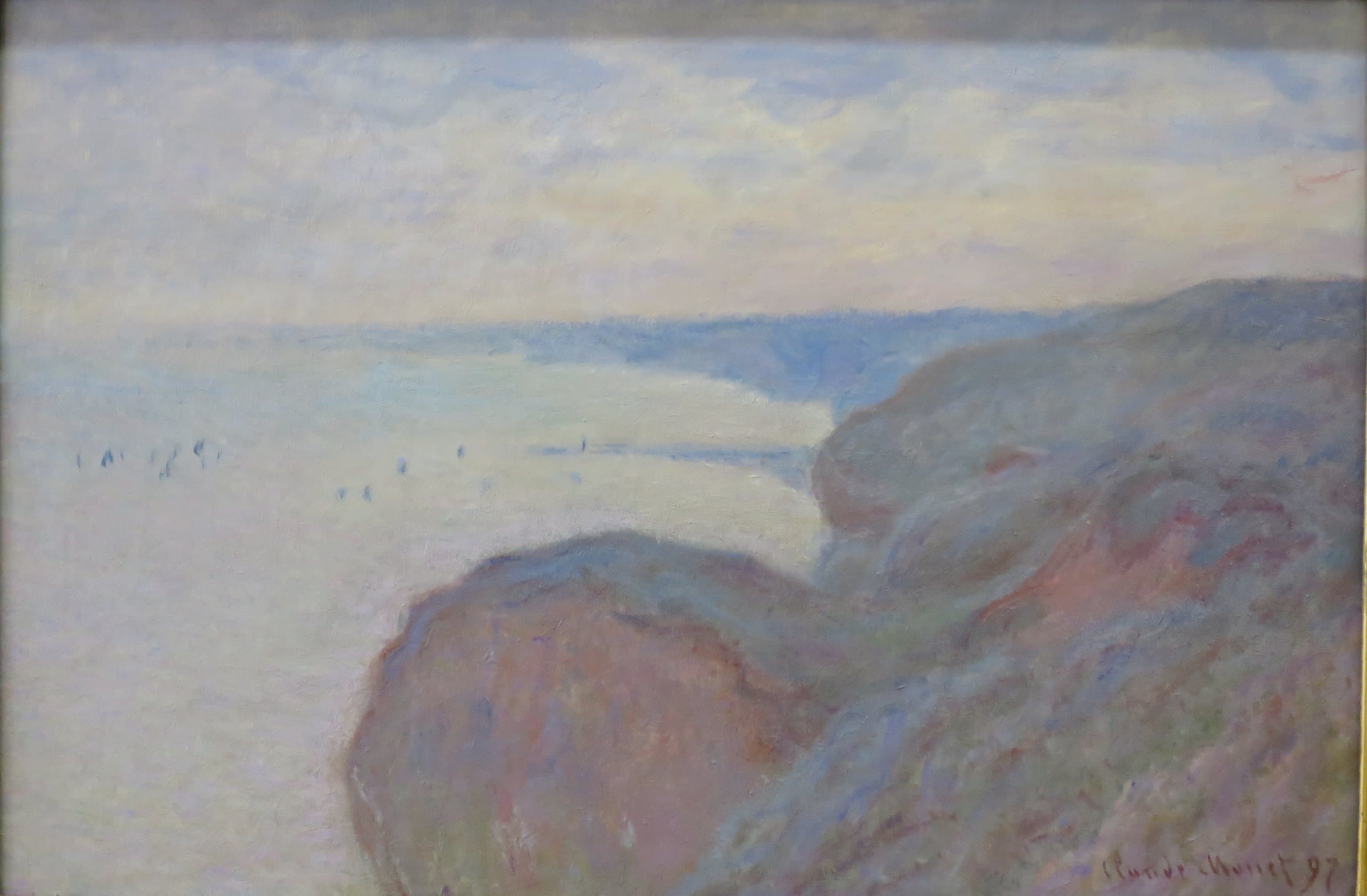
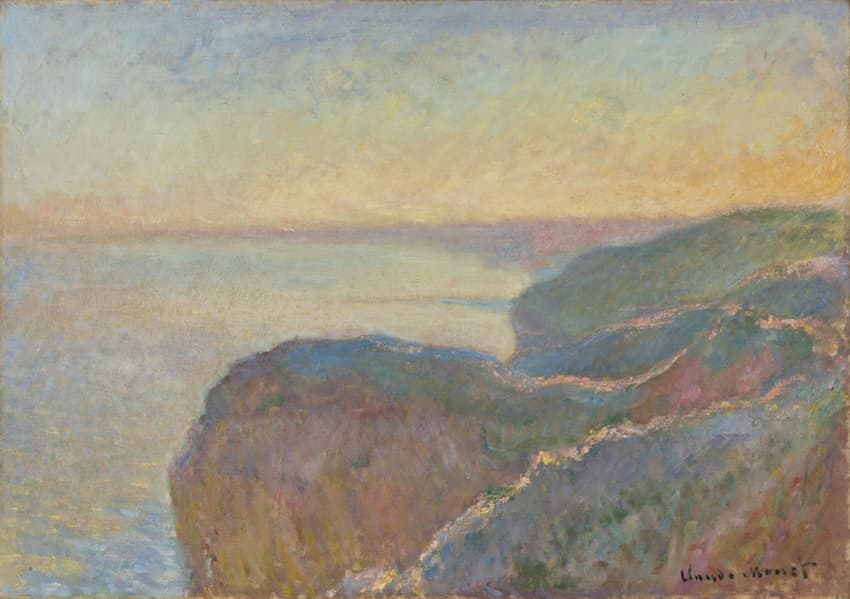
Monet first painted around Dieppe, Pourville and Varengeville in 1882. In 1896 he returned, and again from January to April 1897, now working in series: he painted the same few motifs, the clifftop, the gorge of Val-Saint-Nicolas, the customs house, at different hours, often in fog or mist. The Val-Saint-Nicolas is one of the small valleys that cut through the chalk cliffs west of Dieppe. In the same campaign he made Cliffs East of Pourville, Steep Cliffs near Dieppe, now in the Hermitage, and On the Cliff at Dieppe, which entered the Musée d'Orsay in 2023.
How this version differs
The subtitle, Morning, is the key. Monet painted the Val-Saint-Nicolas view at several times of day, and this version records the first, soft light, when the mist has not yet lifted. Compared with the warm, golden light of On the Cliff at Dieppe or the overcast evening of the Hermitage picture, this is the palest and most diffuse. It also differs sharply from the bright, clear views Monet painted on the same coast in 1882, like Clifftop Walk at Pourville, which are full of sunlight, color contrasts and figures. Fifteen years later, the people have gone, and the subject is light and air.
How it was painted
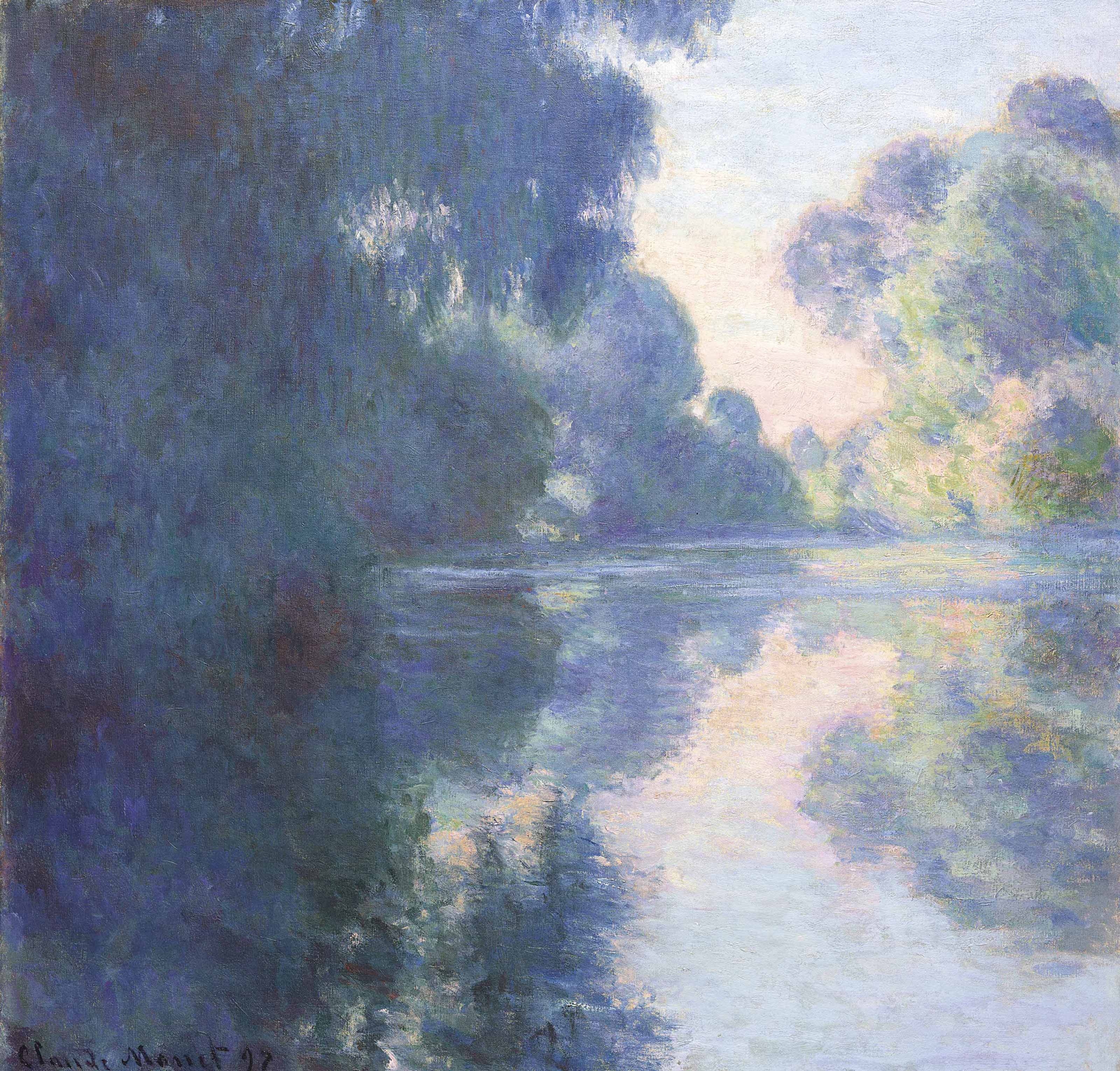
The surface is covered in small, close strokes of pastel color, built up thickly on the cliff and more thinly in the sea and sky. Monet keeps the values very close together, so that the eye has trouble finding edges. The few warmer, darker passages on the rock face are what make the rest of the picture look misty by contrast. It is a technique he was refining at the same moment in the Mornings on the Seine.
For Monet's paintings of this coast across his career, see Étretat and the Normandy Coast.
Ownership and where to see it
Duncan Phillips, founder of the Phillips Collection, had searched for many years for a Monet that satisfied him; he bought and later sold four others in the 1920s and 1930s before acquiring this canvas in 1959. He praised it as one of Monet's most beautiful works and thought it was not well enough known. Display varies; check the museum before visiting. See Where to See Monet's Paintings and Claude Monet.
Questions & answers
Where is Monet's Val-Saint-Nicolas, near Dieppe (Morning)?
It is in the Phillips Collection in Washington, D.C. (object number 1377). Duncan Phillips acquired it in 1959 after years of searching for a Monet he considered good enough for his collection. Display varies.
When and where was it painted?
Monet painted it in early 1897 on the cliffs near Dieppe in Normandy, during his return to the coast where he had worked in 1882. Val-Saint-Nicolas is one of the small valleys that cut through the chalk cliffs west of Dieppe.
What does Val-Saint-Nicolas, near Dieppe (Morning) show?
It shows a rounded, grassy headland dropping to the sea, seen from above, with the sea and sky dissolved in pale pink, lilac and cream morning haze. The cliff's edges are soft, and the coastline fades into the mist.
Did Monet paint other versions of this view?
Yes. In 1896 and 1897 Monet painted the cliffs near Dieppe and Pourville in series at different times of day. Related views include Steep Cliffs near Dieppe in the Hermitage and On the Cliff at Dieppe in the Musée d'Orsay.
More by the artist
Claude Monet
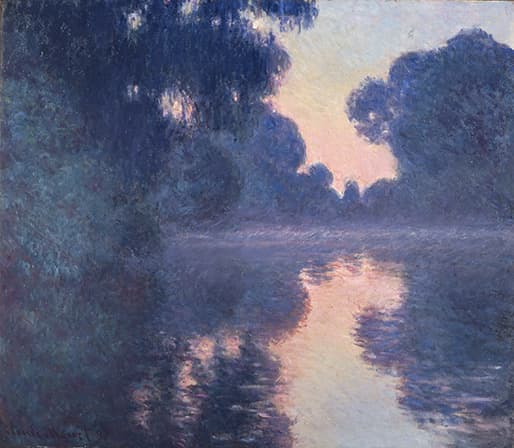
Morning on the Seine
Claude Monet · 1897
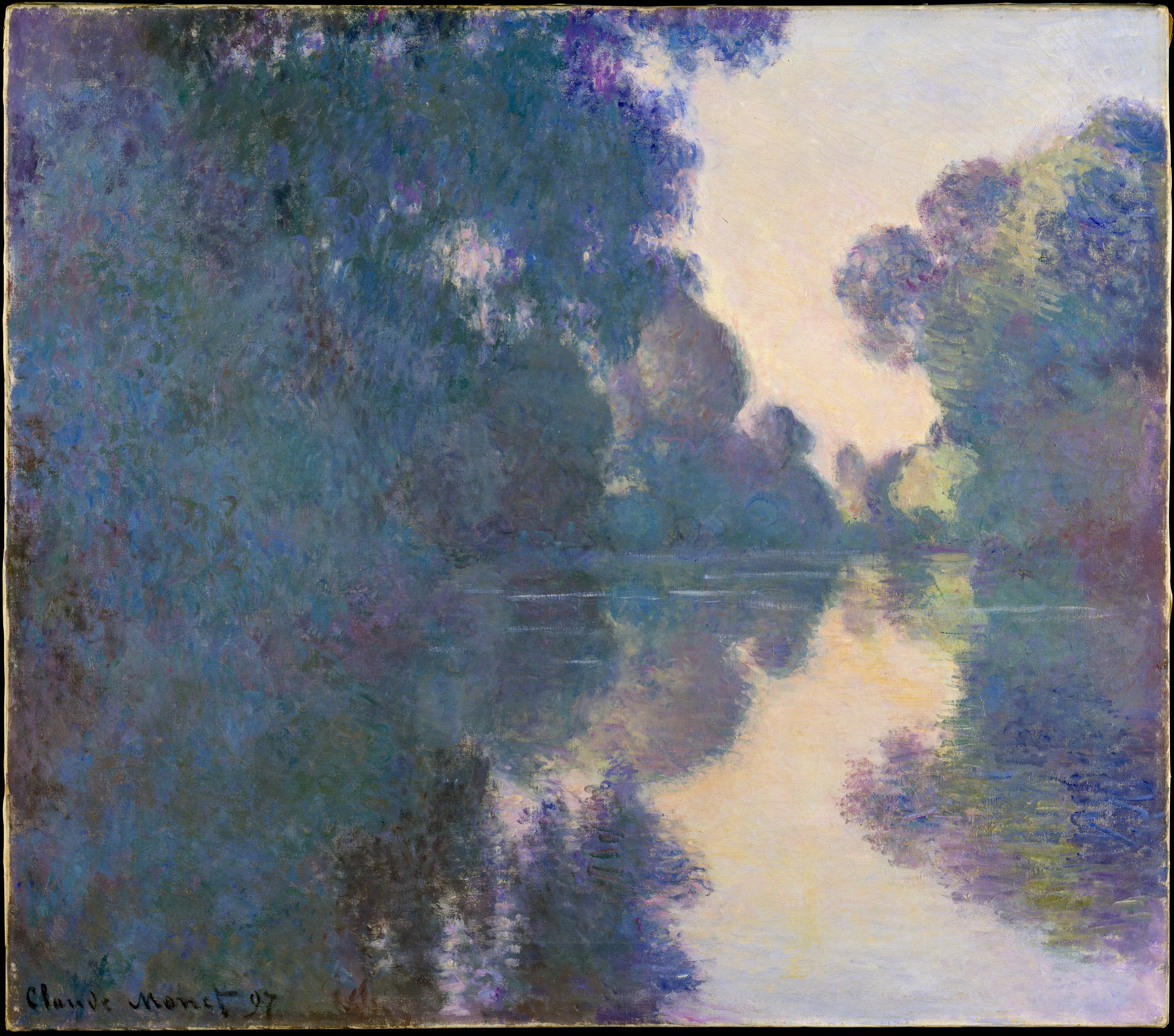
Morning on the Seine near Giverny
Claude Monet · 1897
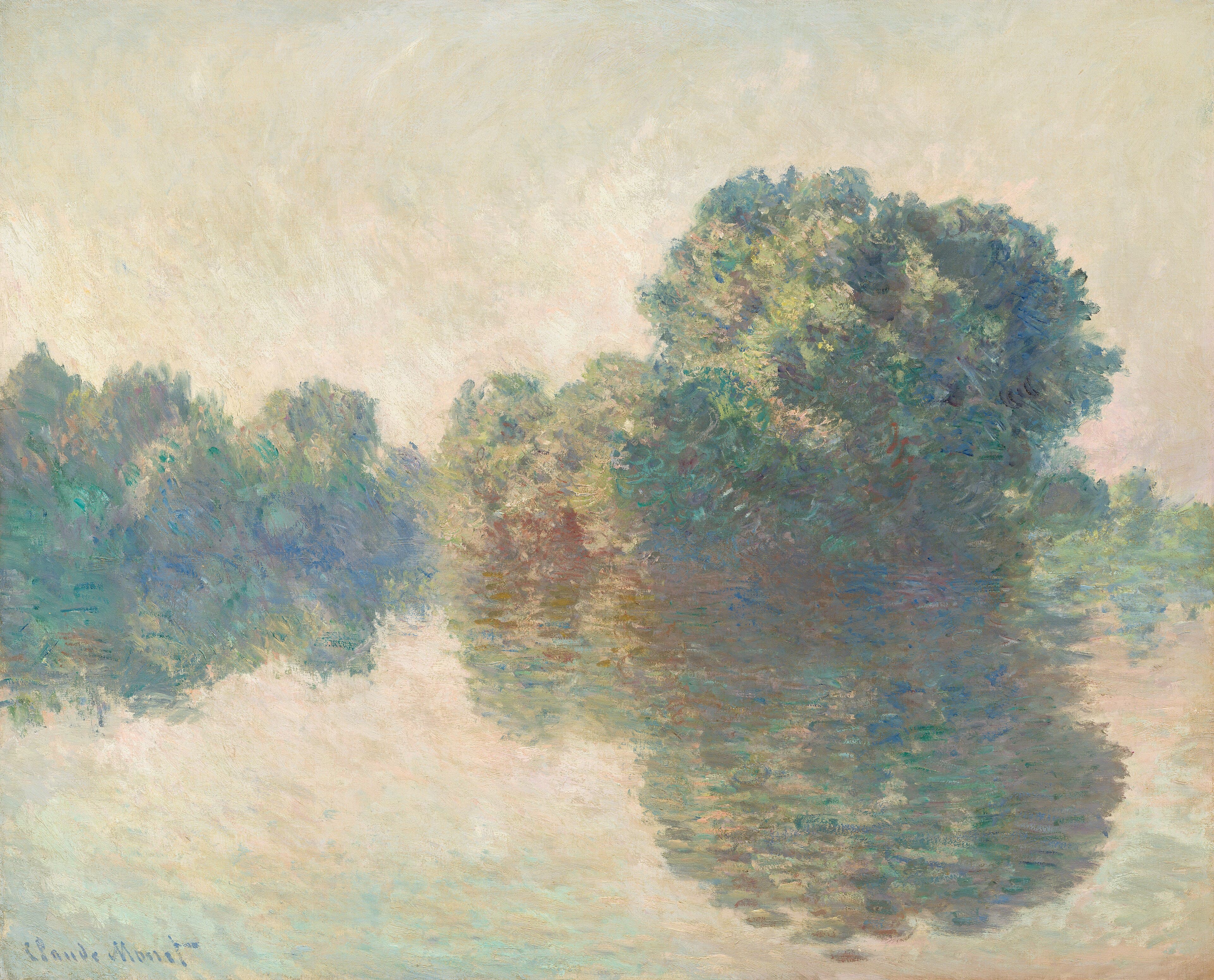
The Seine at Giverny
Claude Monet · 1897
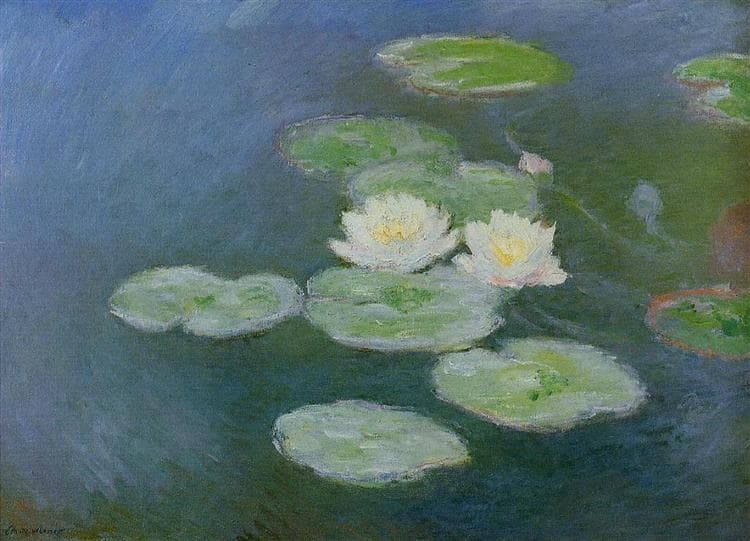
Water Lilies, Evening Effect
Claude Monet · 1897
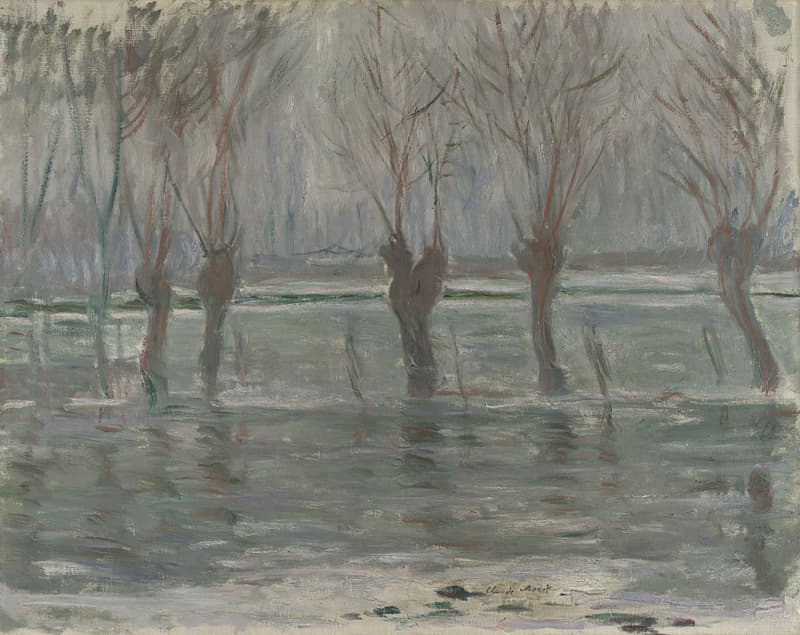
Flood Waters
Claude Monet · 1896
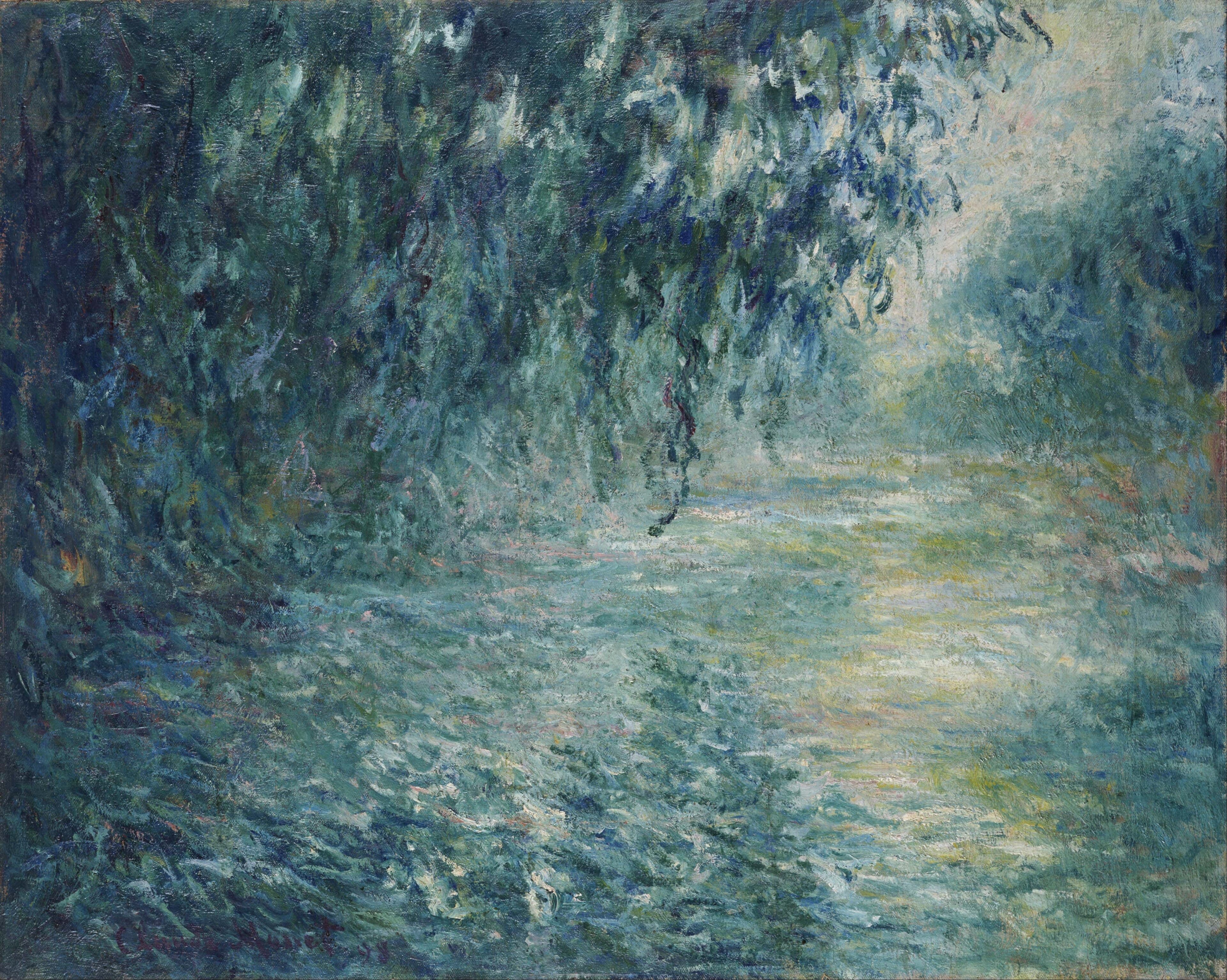
Morning on the Seine
Claude Monet · 1898
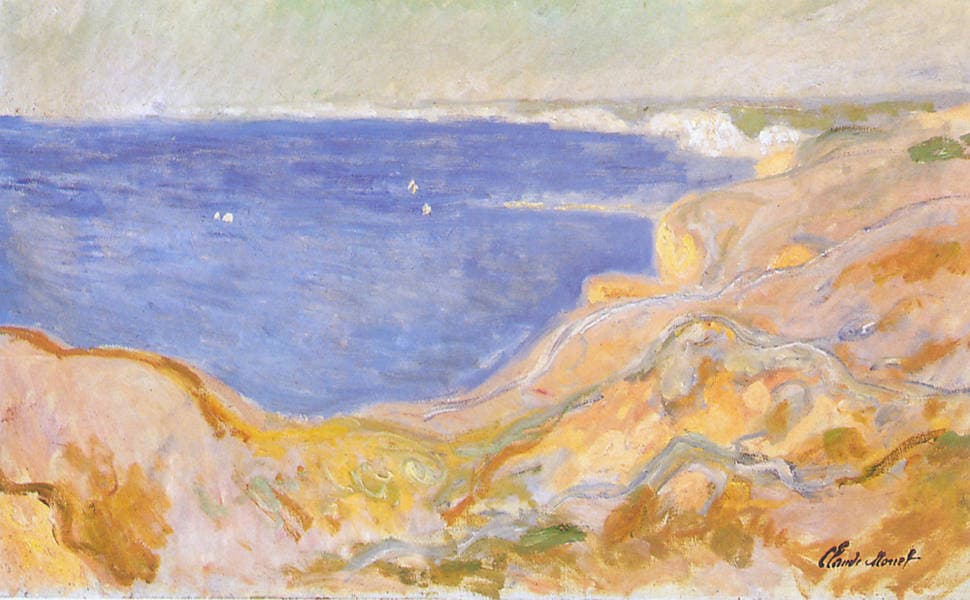
Cliffs East of Pourville
Claude Monet · 1896
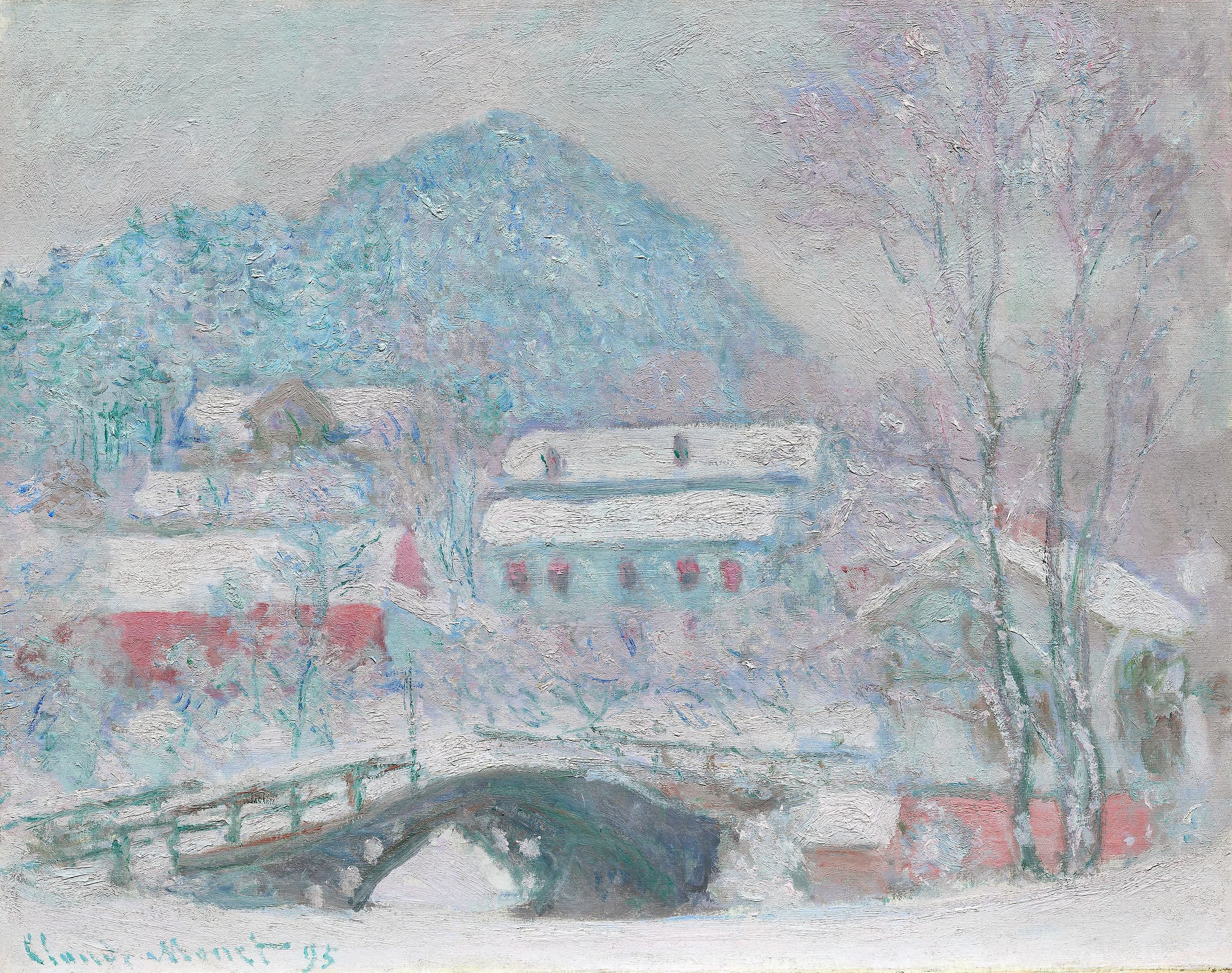
Sandvika, Norway
Claude Monet · 1895
Also painted in 1897
The same year
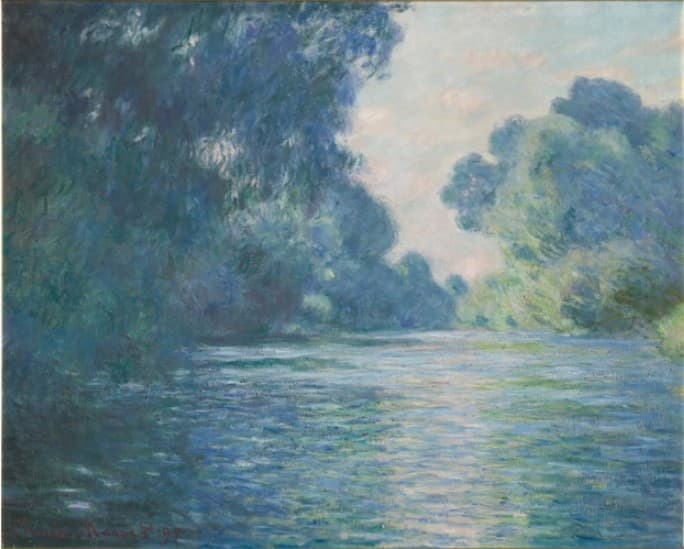
Arm of the Seine near Giverny
Claude Monet · 1897
Steep Cliffs near Dieppe
Claude Monet · 1897

Nymphéas (Water Lilies), c. 1897–98
Claude Monet · c. 1897–98
Sur la falaise de Dieppe
Claude Monet · 1897
Matinée sur la Seine
Claude Monet · 1897
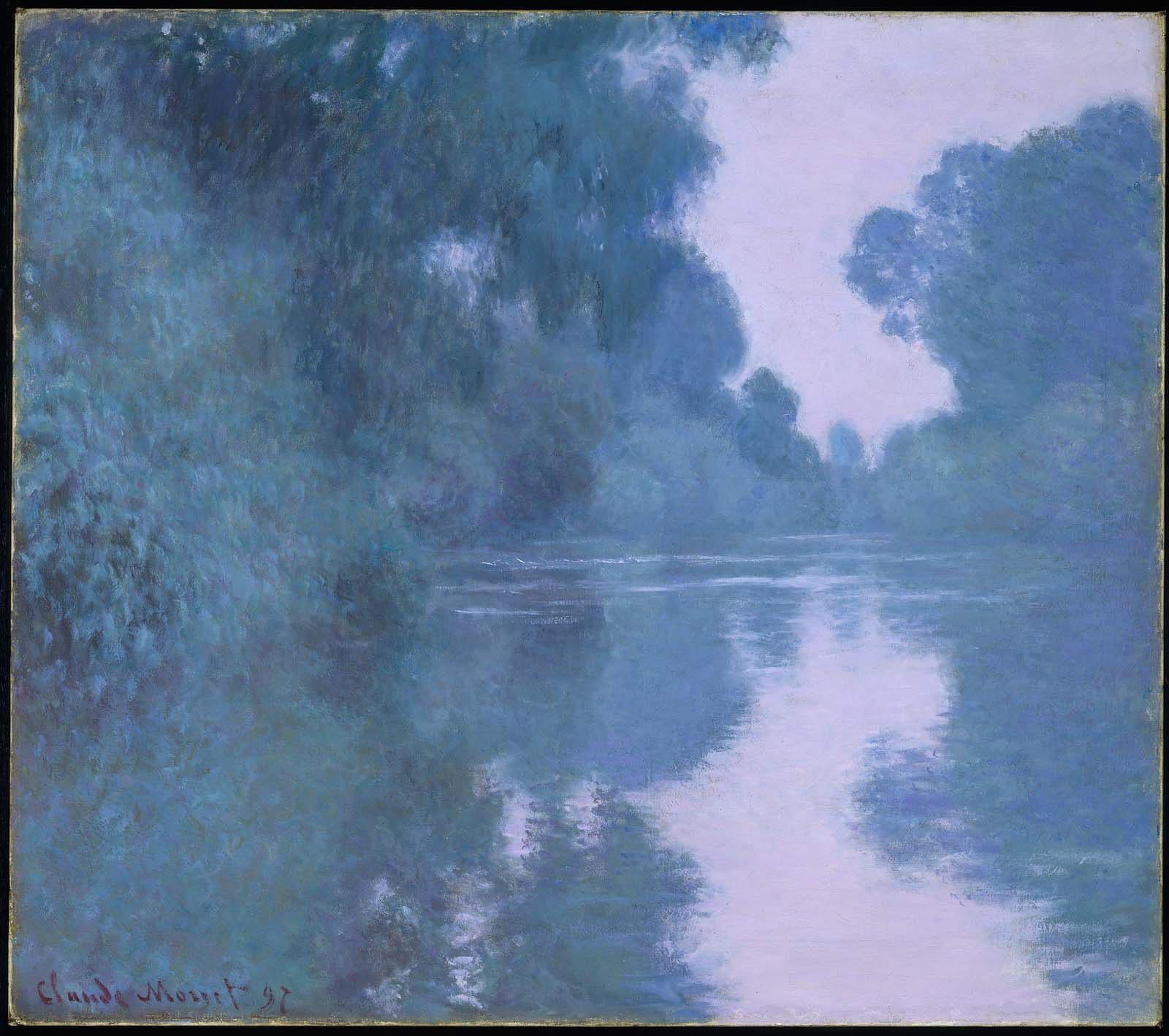
Morning on the Seine, near Giverny (1897)
Claude Monet · 1897
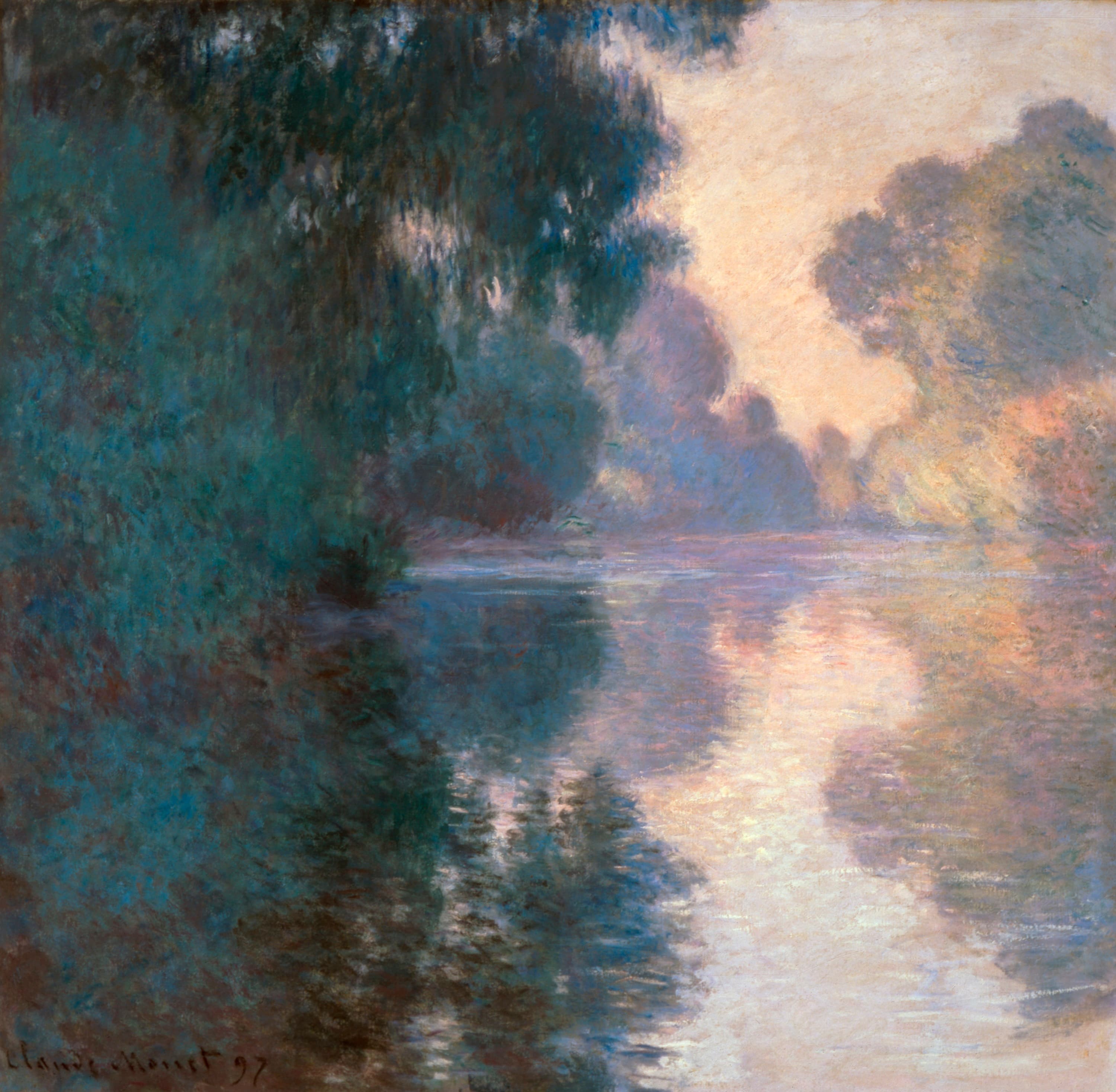
Morning on the Seine, Good Weather
Claude Monet · 1897
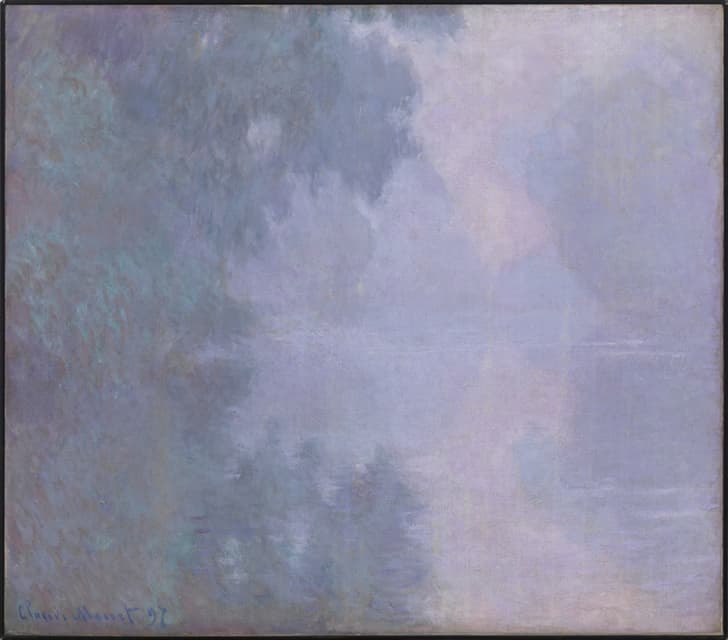
Morning on the Seine, Giverny
Claude Monet · 1897
Kindred works
You may also study
Steep Cliffs near Dieppe
Claude Monet · 1897
Sur la falaise de Dieppe
Claude Monet · 1897
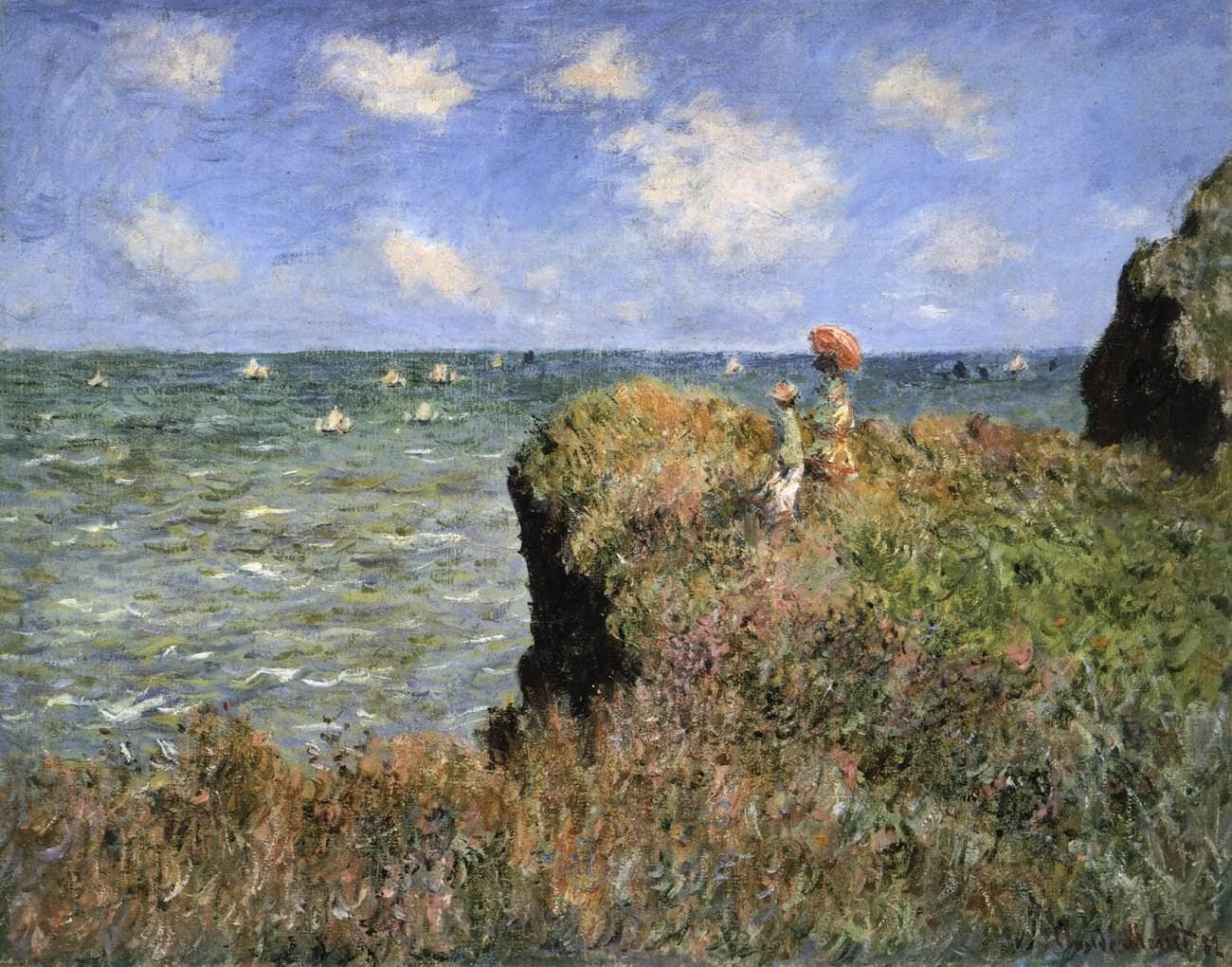
Cliff Walk at Pourville
Claude Monet · 1882
The Church at Varengeville
Claude Monet · 1882
The Manneporte near Étretat
Claude Monet · 1886
Floating Ice at Bennecourt
Claude Monet · 1893
Varengeville, Low Tide
Claude Monet · 1882
The Japanese Footbridge
Claude Monet · 1899