Image: Private collection · Public domain · via Wikimedia Commons
Row of Poplars in Autumn
Claude Monet, 1891
Row of Poplars in Autumn is an 1891 Claude Monet painting from his Poplars series: a tall row of gold and orange trees under a gray sky, their sunlit trunks reflected in the Epte. It is in a private collection.
- Artist
- Claude Monet
- Date
- 1891
- Medium
- Oil on canvas
- Collection
- Private collection
- Movement
- Impressionism
- Catalogue
- Wildenstein 1293
- Nature & Landscape
- Water & Sea
Row of Poplars in Autumn (Rangée de peupliers en automne) is a painting from Claude Monet's 1891 series of poplars on the river Epte near Giverny, catalogued by Wildenstein as no. 1293. It is a tall upright canvas, signed and dated Claude Monet 91 at the lower right, and it is in a private collection.
What you're looking at
A line of seven or eight tall poplars marches across the canvas from left to right, close to us on the riverbank. Their trunks are painted in orange, coral and pink, clearly sunlit, with clumps of green leaves climbing up them. The crowns, which rise toward the upper right, are a dense mass of yellow, gold, olive and ochre, with a few touches of blue and violet in the shadows. The row steps up from left to right, so that the tallest trees are at the right edge and the sky opens wide at the upper left.
That sky is a soft, even gray, with a little blue and lilac in it: an overcast day, or a thin haze. Against it the gold of the leaves and the orange of the trunks glow. Behind the main row, lower trees and bushes in yellow-green and orange fill the space at the level of the trunks' midpoints.
At the bottom, a strip of grass in red, orange and green marks the bank, and below it the river reflects the trunks as long orange and green verticals, broken by short horizontal strokes of cream and yellow. The signature is at the lower right in red.
The Poplars series
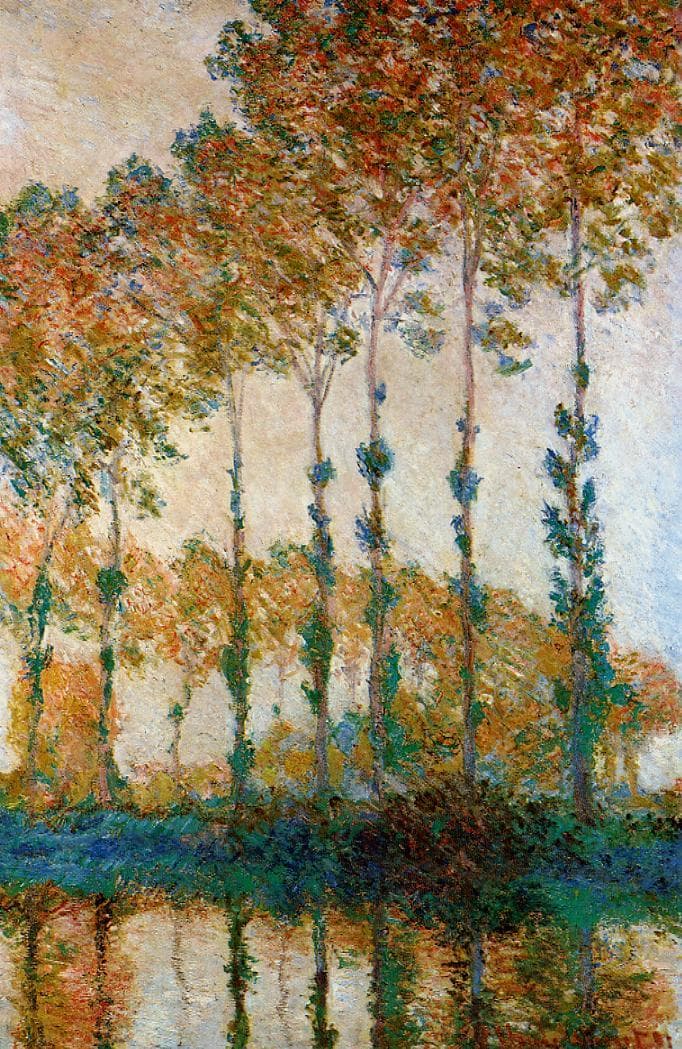
In 1891 Monet painted a single line of poplars on the Epte near Limetz, a few kilometers from his house, working from his boat. When the trees were sold for timber that summer, he paid the merchant to postpone cutting them until he had finished. This canvas is one of the close views of the row, like Poplars on the Banks of the Epte, Autumn and Poplars on the Banks of the River Epte in Philadelphia.
How it was painted
The tall format lets Monet show the full height of the trees. The trunks are long vertical strokes; the foliage is built in dense, short touches of warm color over a lighter ground; the gray sky is laid in smoothly so that it reads as flat and calm behind the busy leaves. Monet sets the warmest colors, orange and gold, against the coolest, the gray-lilac sky.
How this version differs
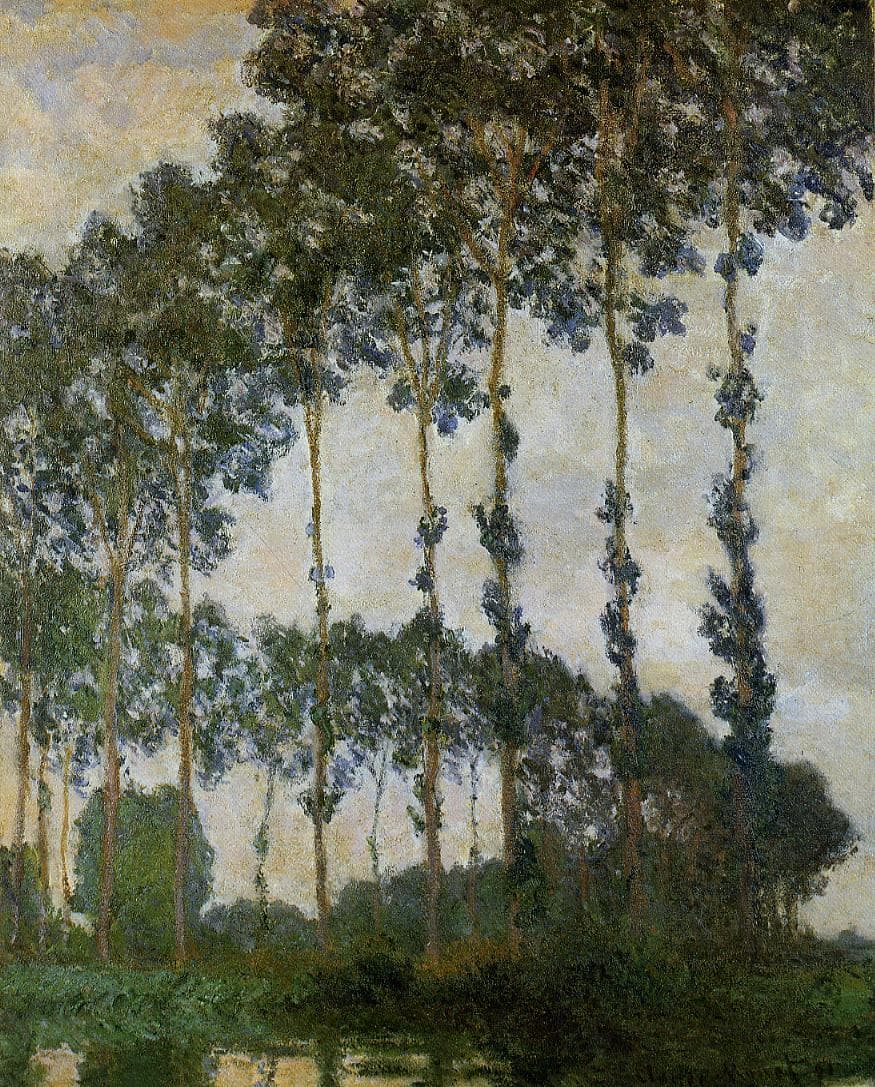
Compared with Poplars on the Banks of the Epte, Autumn, which is deeper and redder under a pink sky, this canvas is golden under gray. It is lighter and more sunlit than the overcast Poplars near Giverny, Overcast Weather, and much warmer than the wind-blown Wind Effect, Series of The Poplars. See the whole series in the Poplars series and the countryside in Monet's Giverny.
Where to see it
The painting is privately owned and not on public view. For canvases from the series in public collections, see where to see Monet's paintings and the Claude Monet page.
Questions & answers
Where is Monet's Row of Poplars in Autumn?
It is in a private collection and not on public view. Other canvases of the same row of poplars are in museums including the Philadelphia Museum of Art, Tate, the Metropolitan Museum and the Musée d'Orsay.
When and where was it painted?
In autumn 1891, on the Epte near Limetz, a few kilometers from Monet's home at Giverny. It is signed and dated 'Claude Monet 91' at lower right (Wildenstein 1293).
What does it show?
It shows a tall row of poplars with sunlit orange trunks and gold autumn crowns, rising from left to right against a soft gray sky, with the trunks reflected in the river below.
Where were Monet's poplars?
They grew along the river Epte in a marshy area near the village of Limetz, upstream from Giverny. They belonged to the commune, which sold them for timber in 1891; Monet paid to keep them standing until his series was done.
More by the artist
Claude Monet
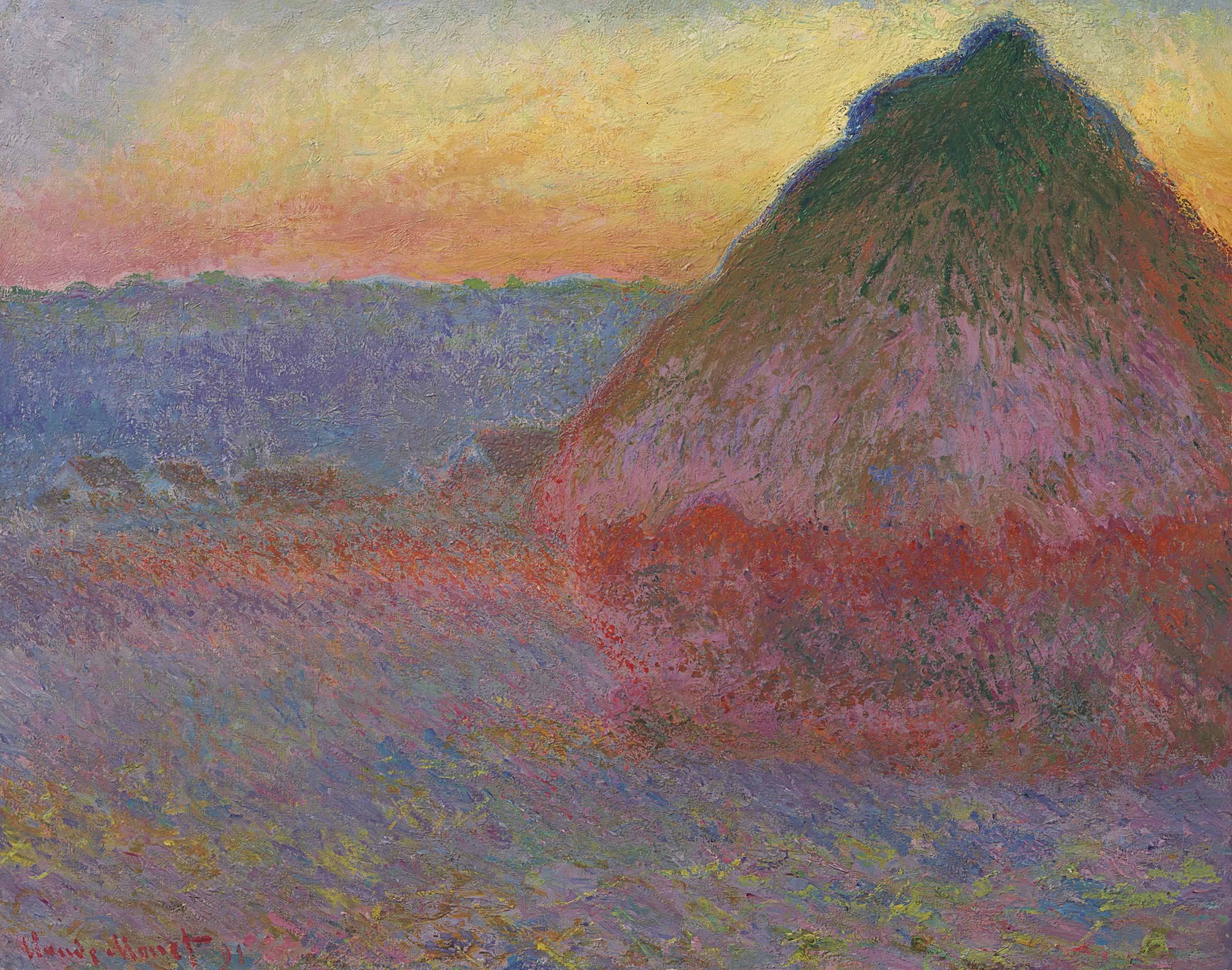
Grainstack in the Sunlight
Claude Monet · 1891
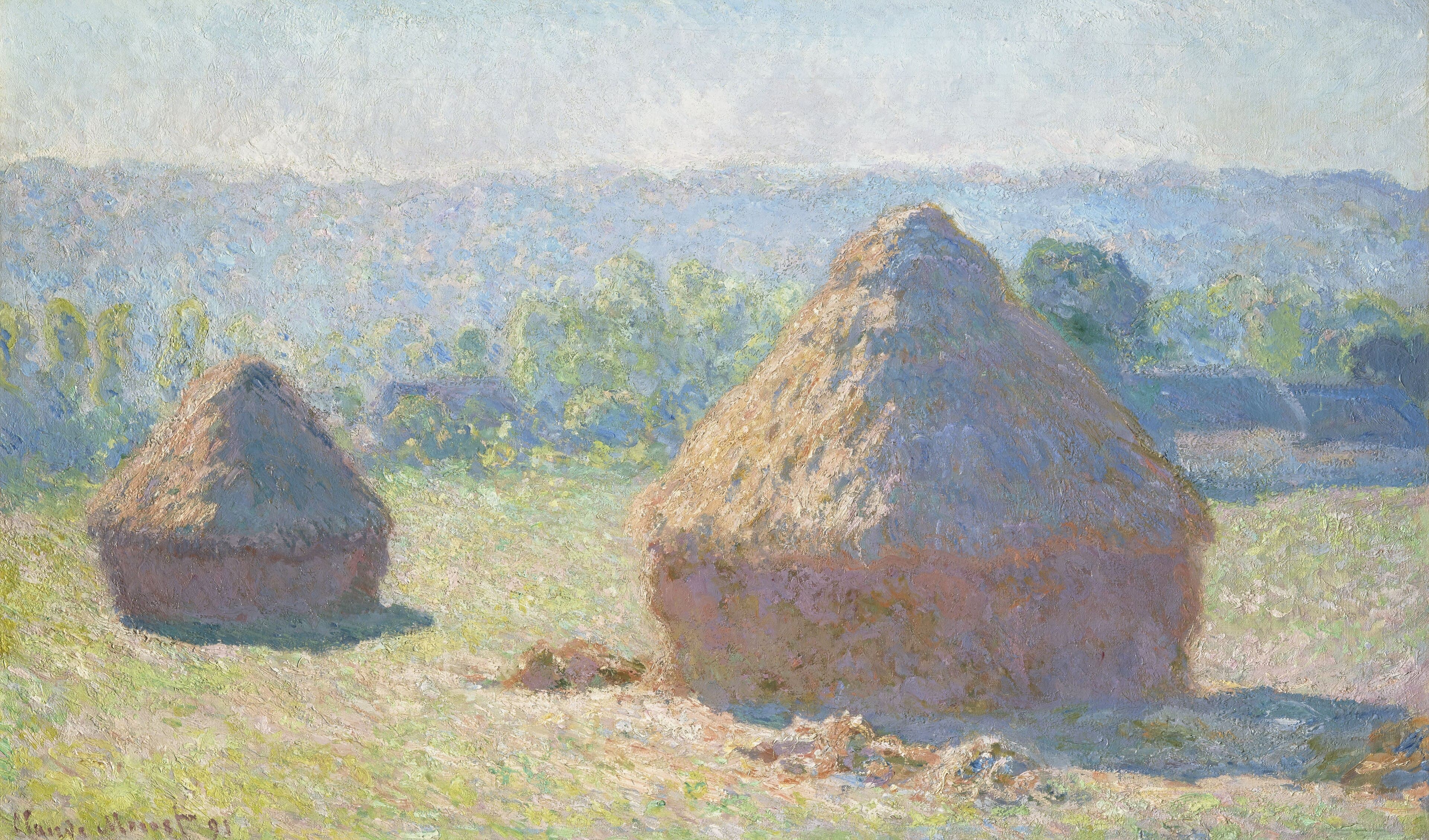
Haystacks, End of Summer
Claude Monet · 1891
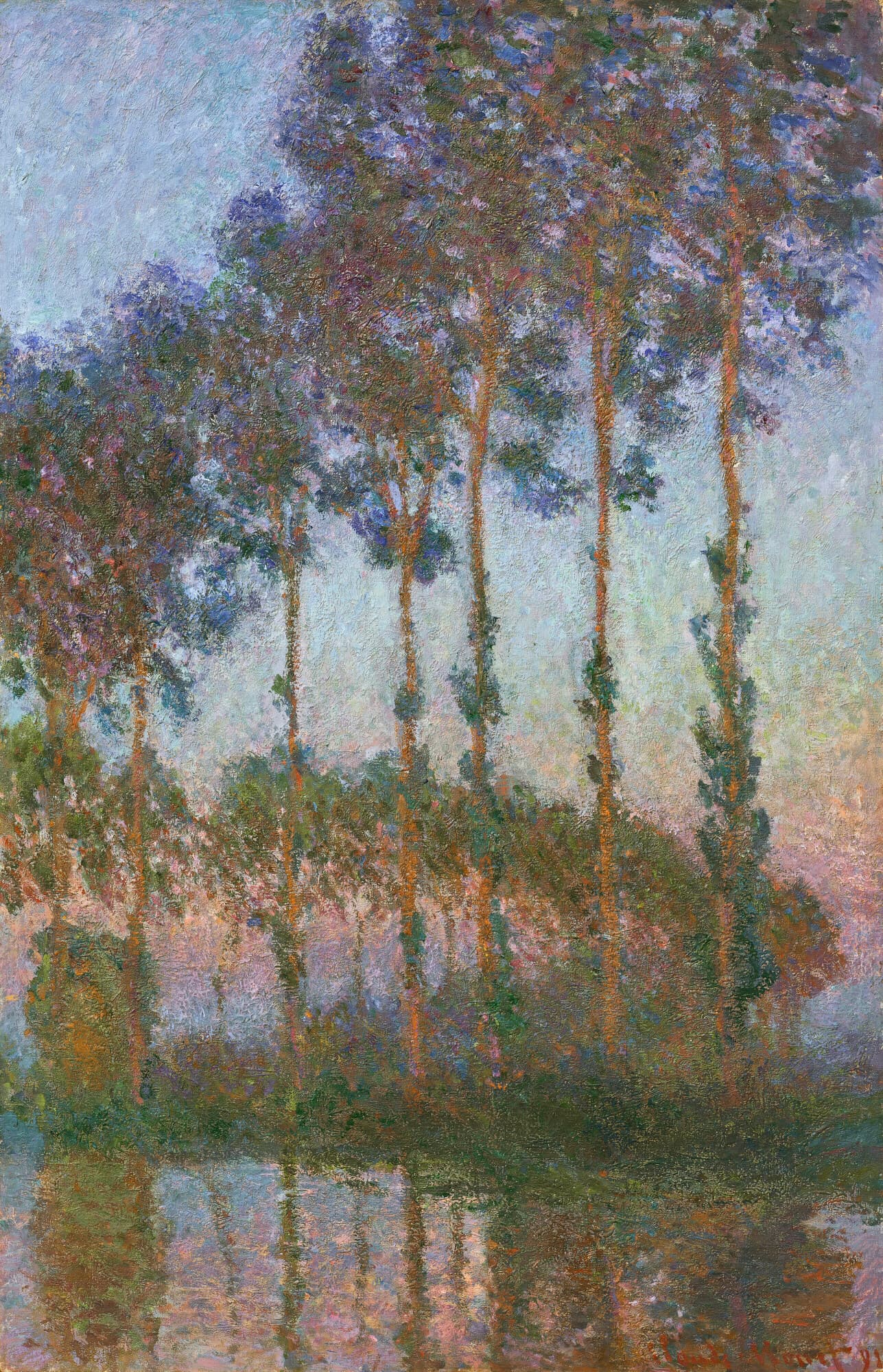
Peupliers au bord de l'Epte, crépuscule
Claude Monet · 1891
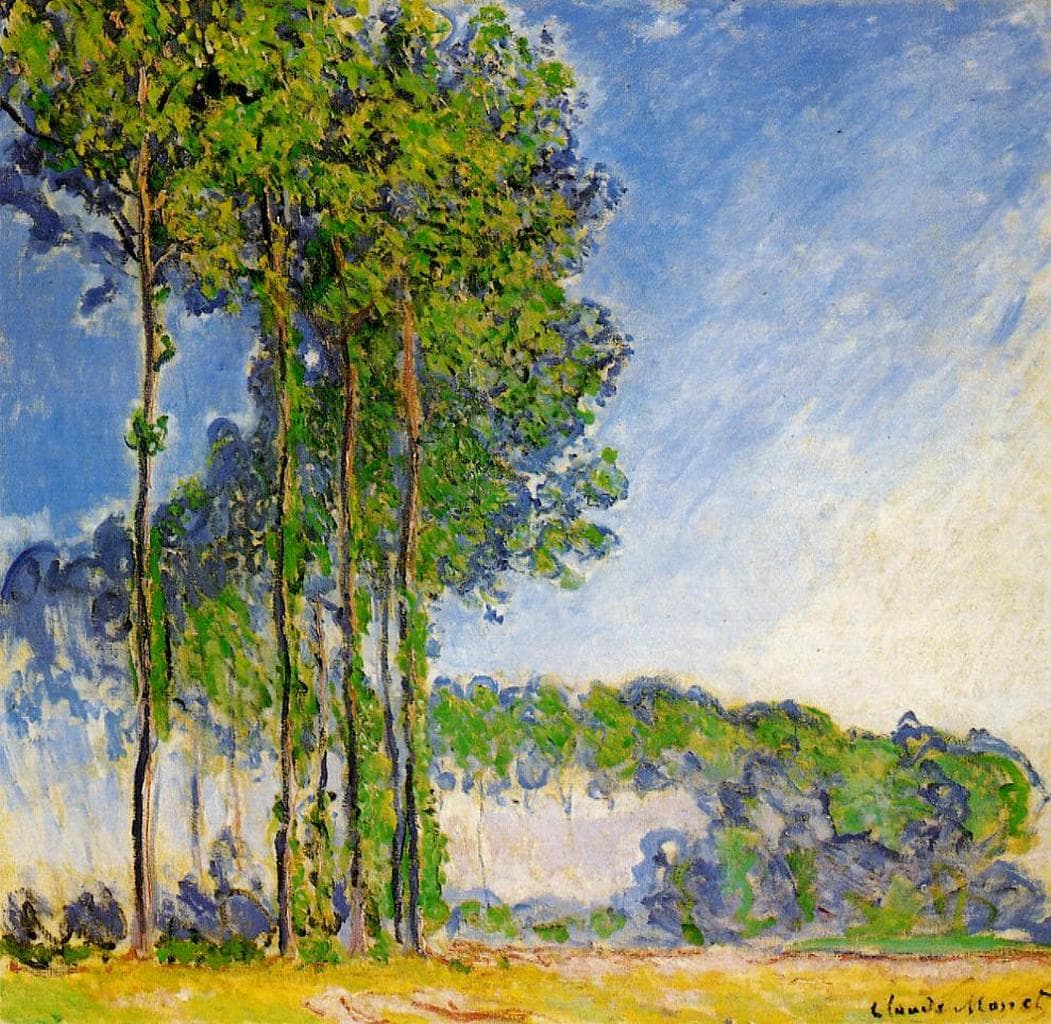
Les Peupliers
Claude Monet · 1891
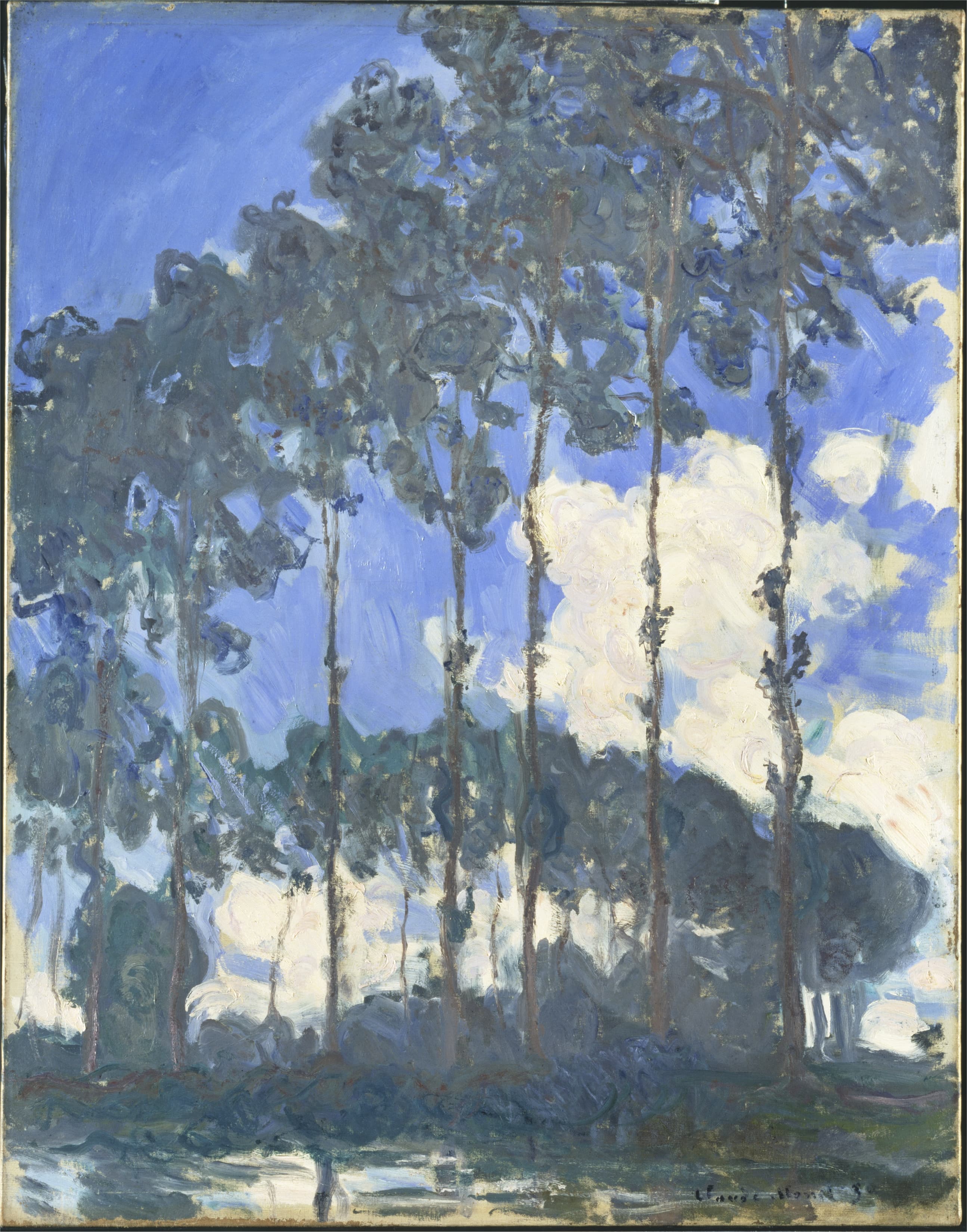
Poplars on the Epte (London)
Claude Monet · 1891
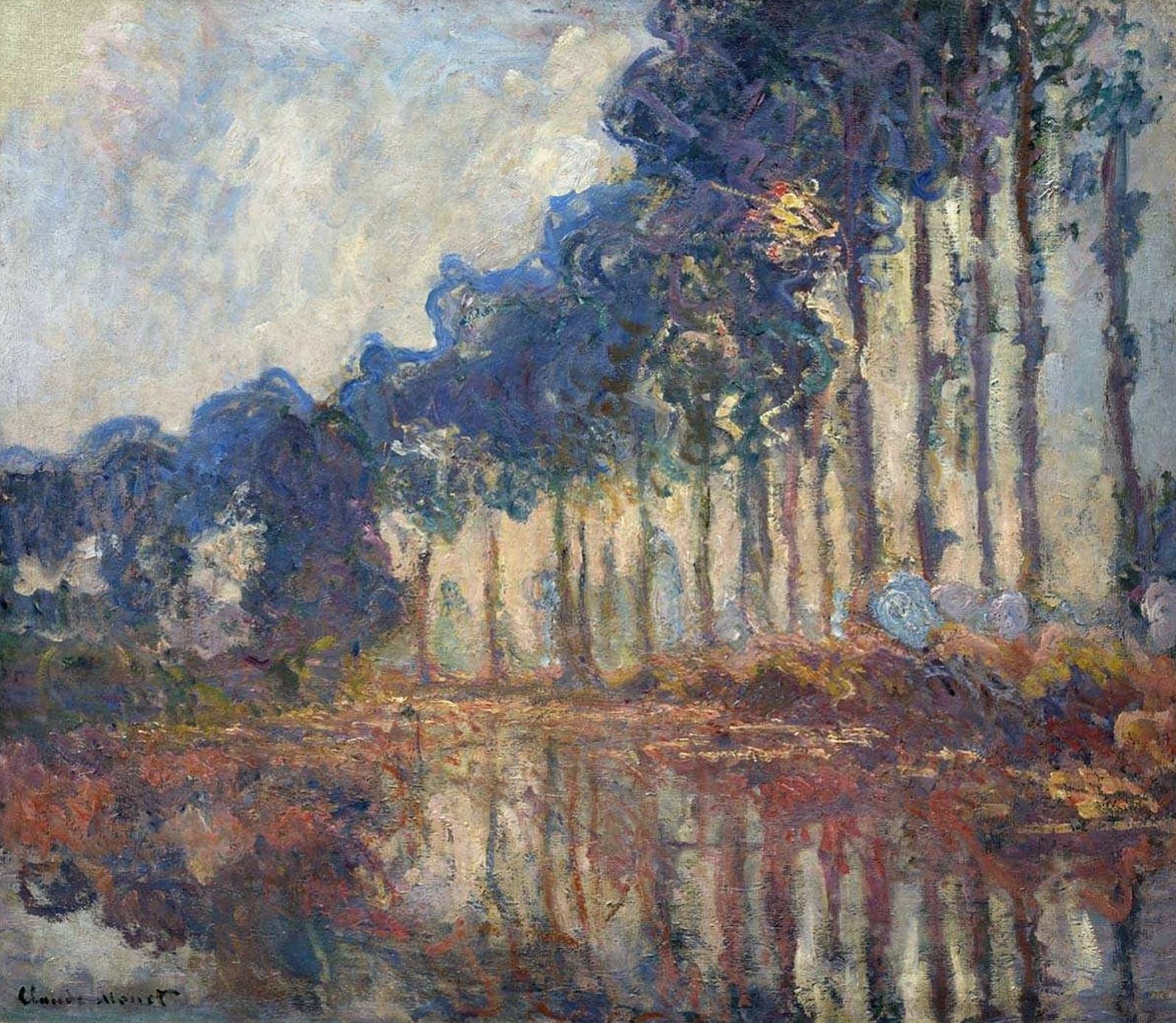
Les peupliers, automne
Claude Monet · 1891
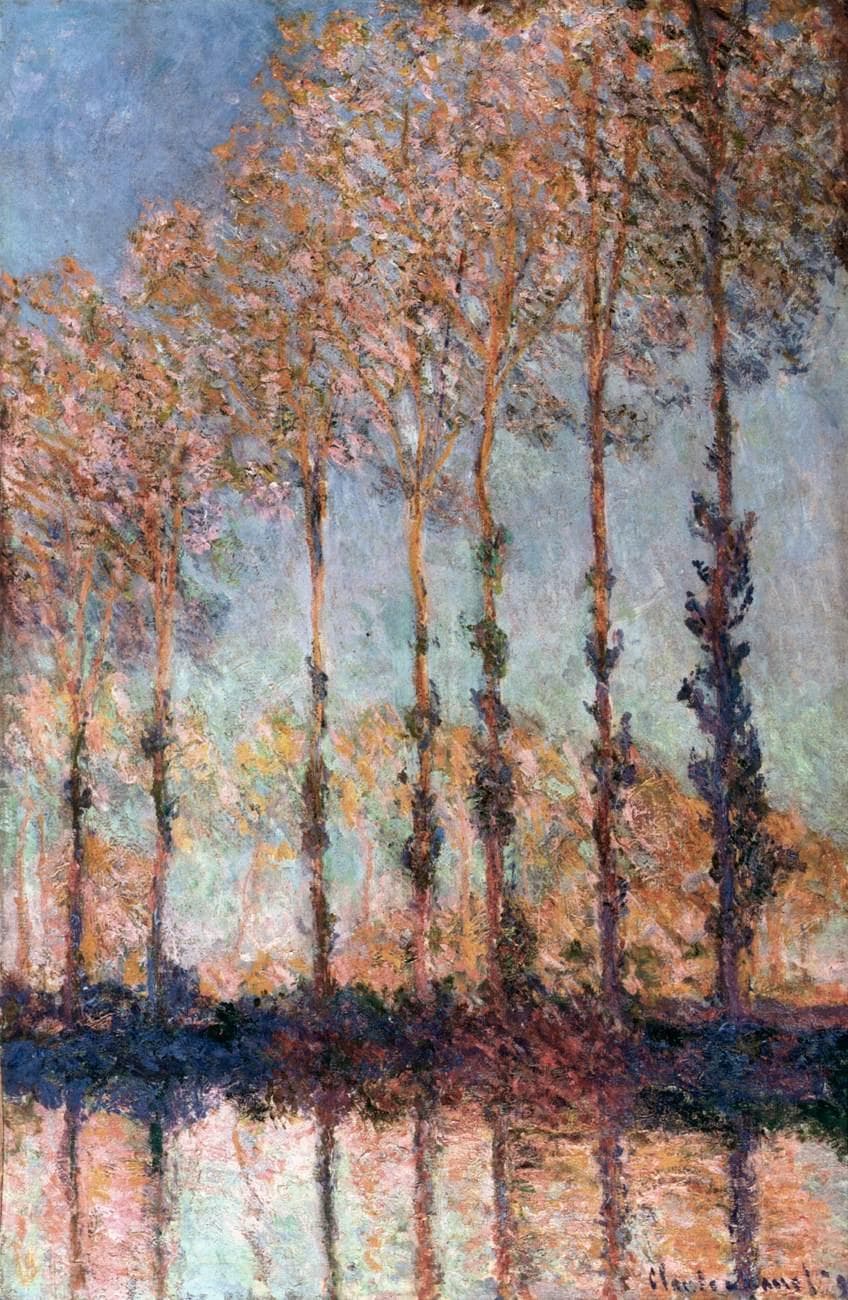
Poplars on the Banks of the River Epte
Claude Monet · 1891
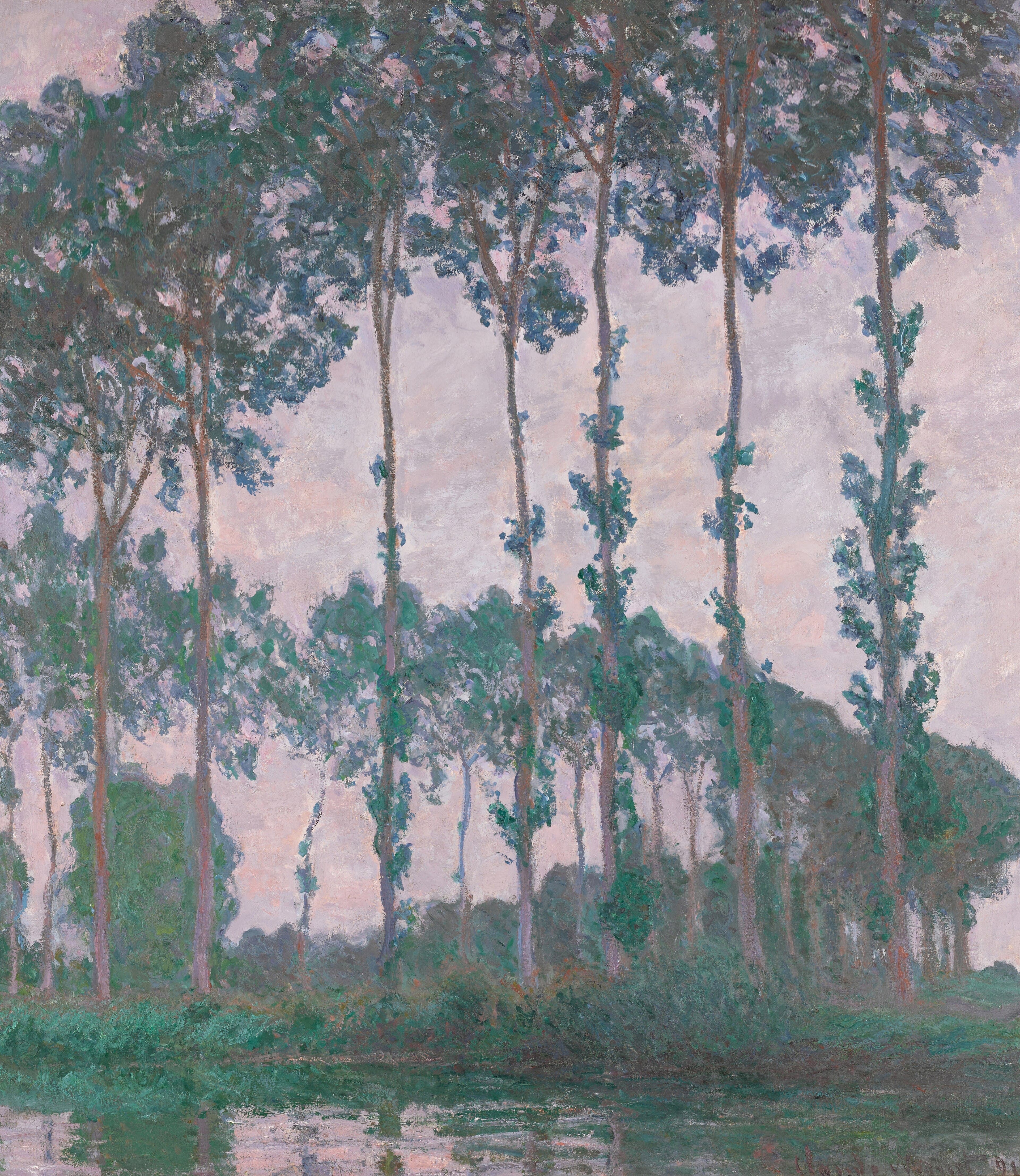
Peupliers au bord de l'Epte, temps couvert
Claude Monet · 1891
Also painted in 1891
The same year
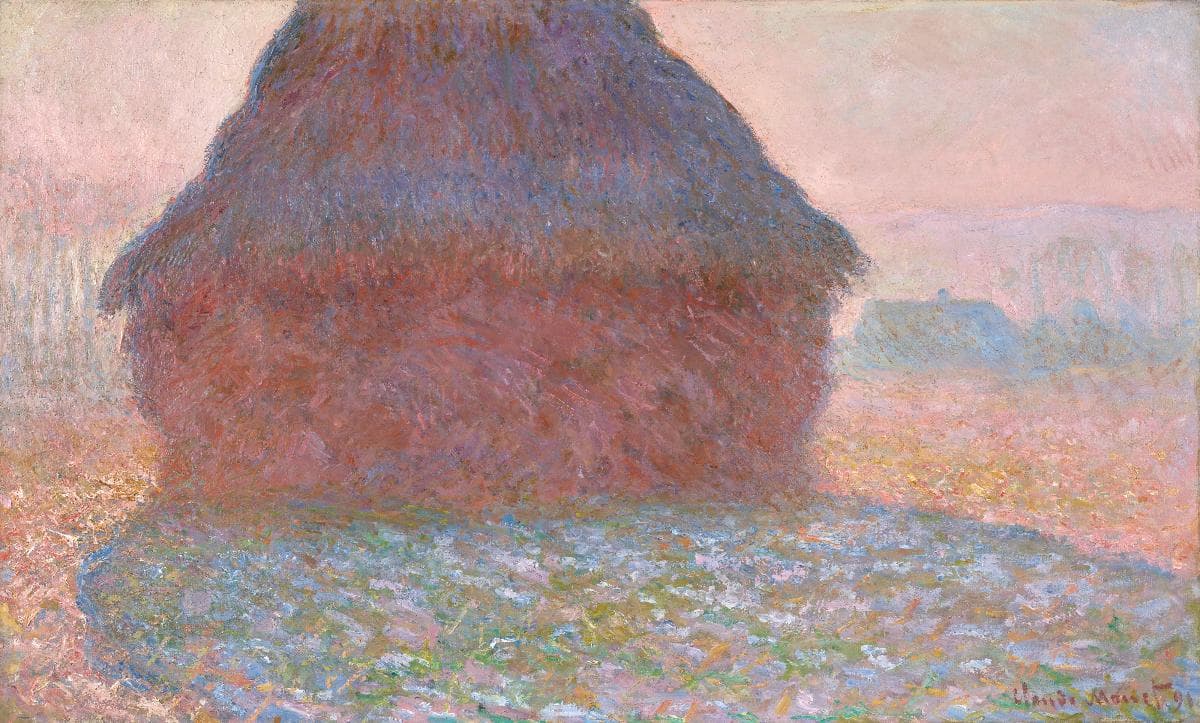
Grainstack in Sunlight
Claude Monet · 1891
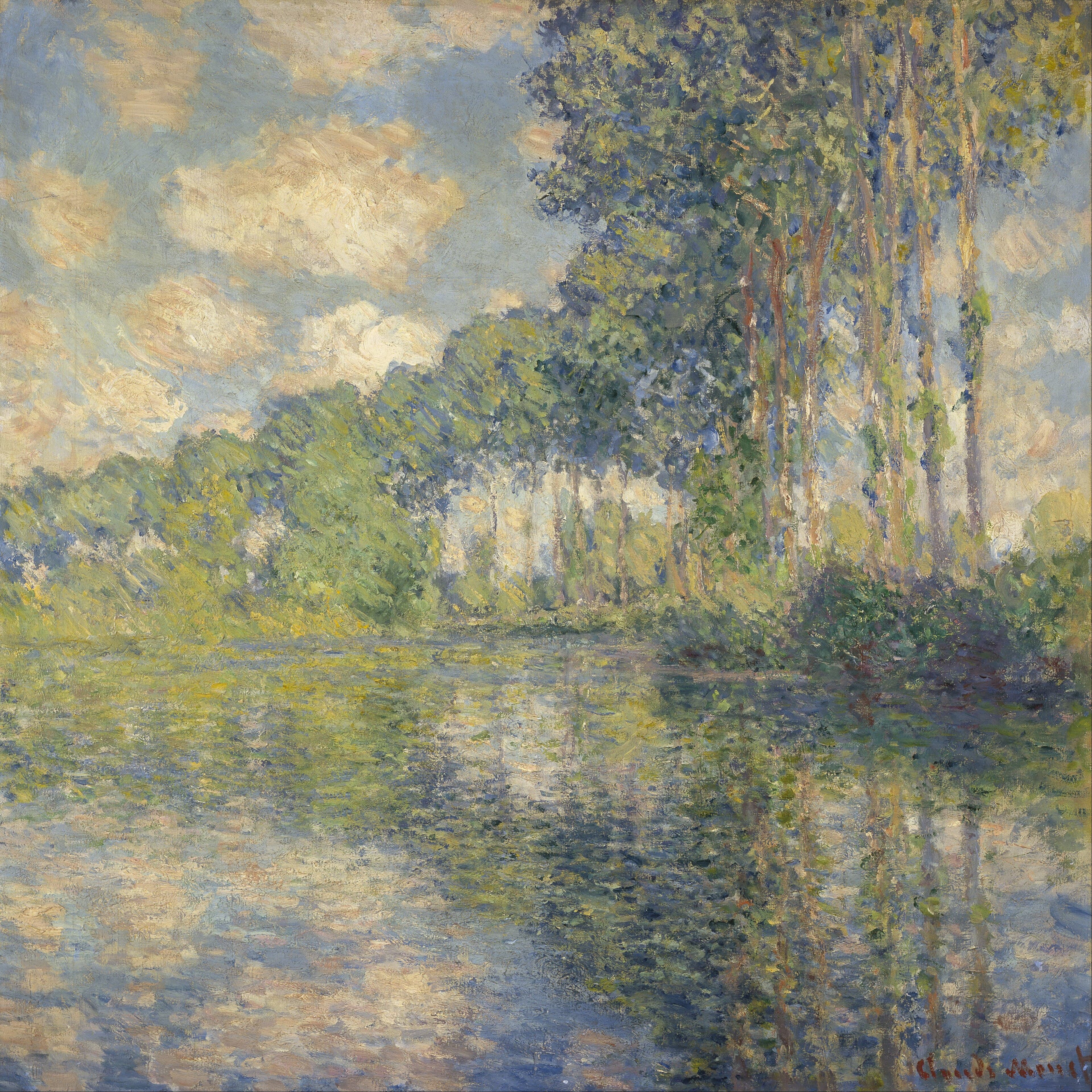
Poplars on the Epte (Edinburgh)
Claude Monet · 1891
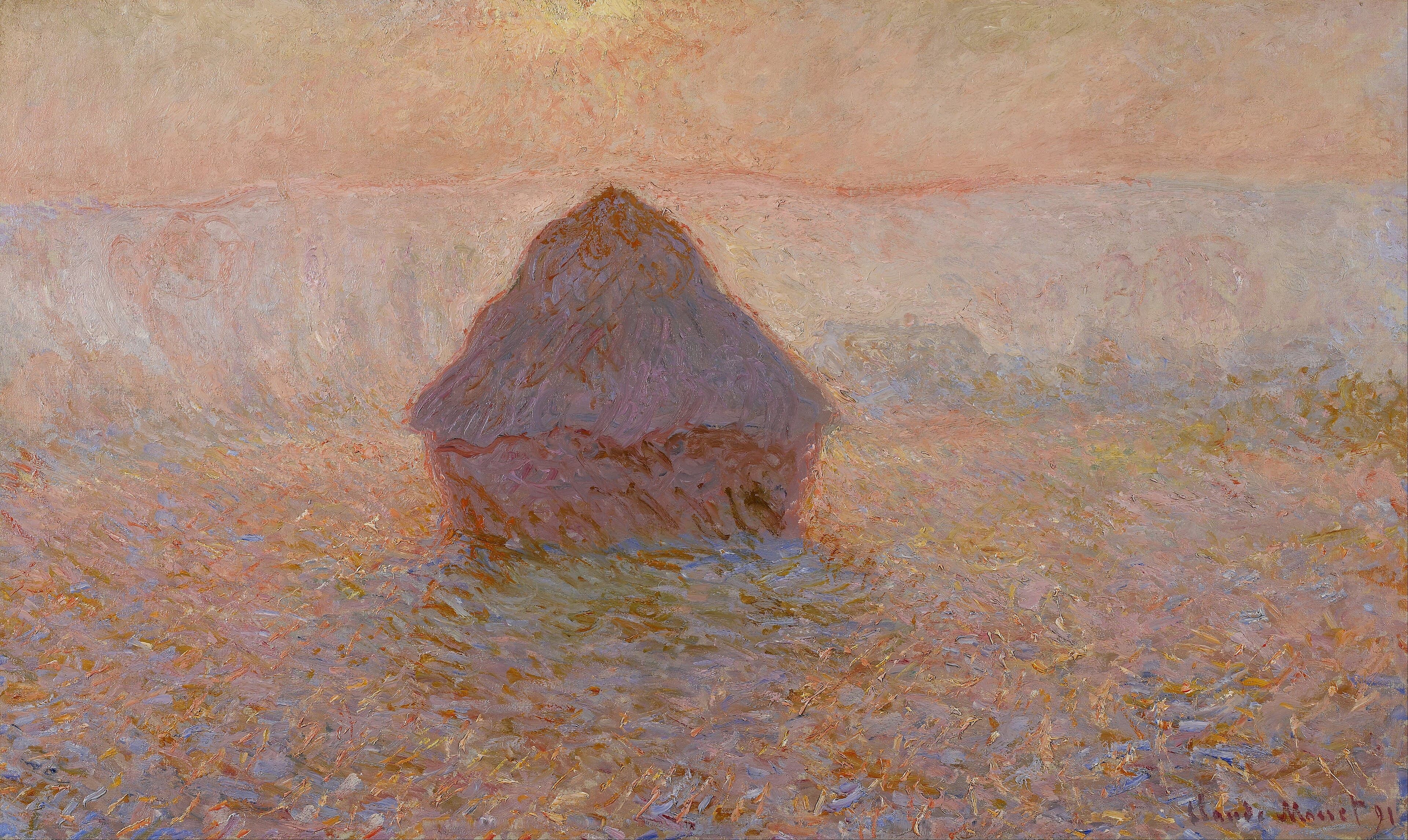
Grainstack, Sun in the Mist
Claude Monet · 1891
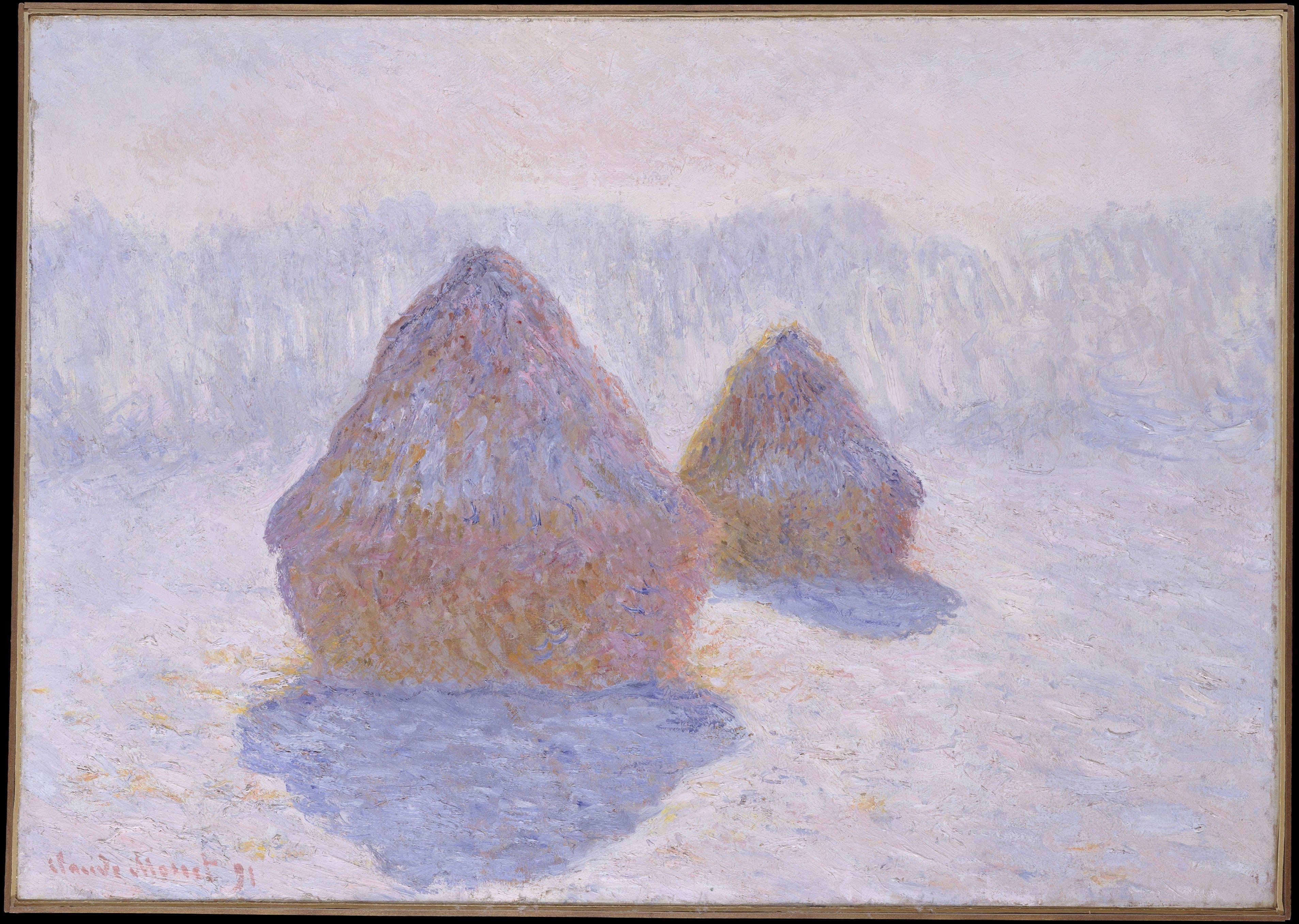
Haystacks (Effect of Snow and Sun)
Claude Monet · 1891
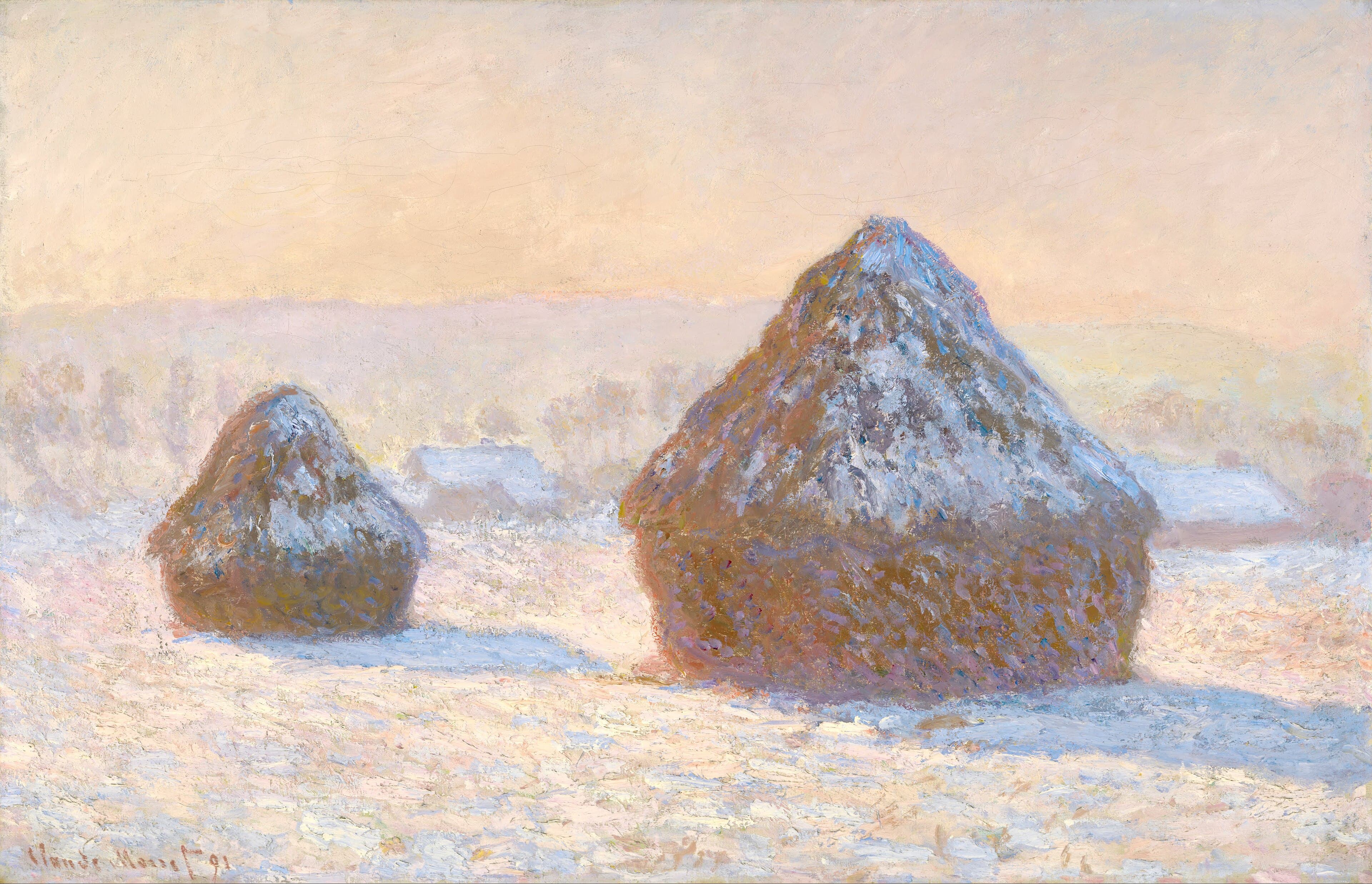
Wheatstacks, Snow Effect, Morning
Claude Monet · 1891
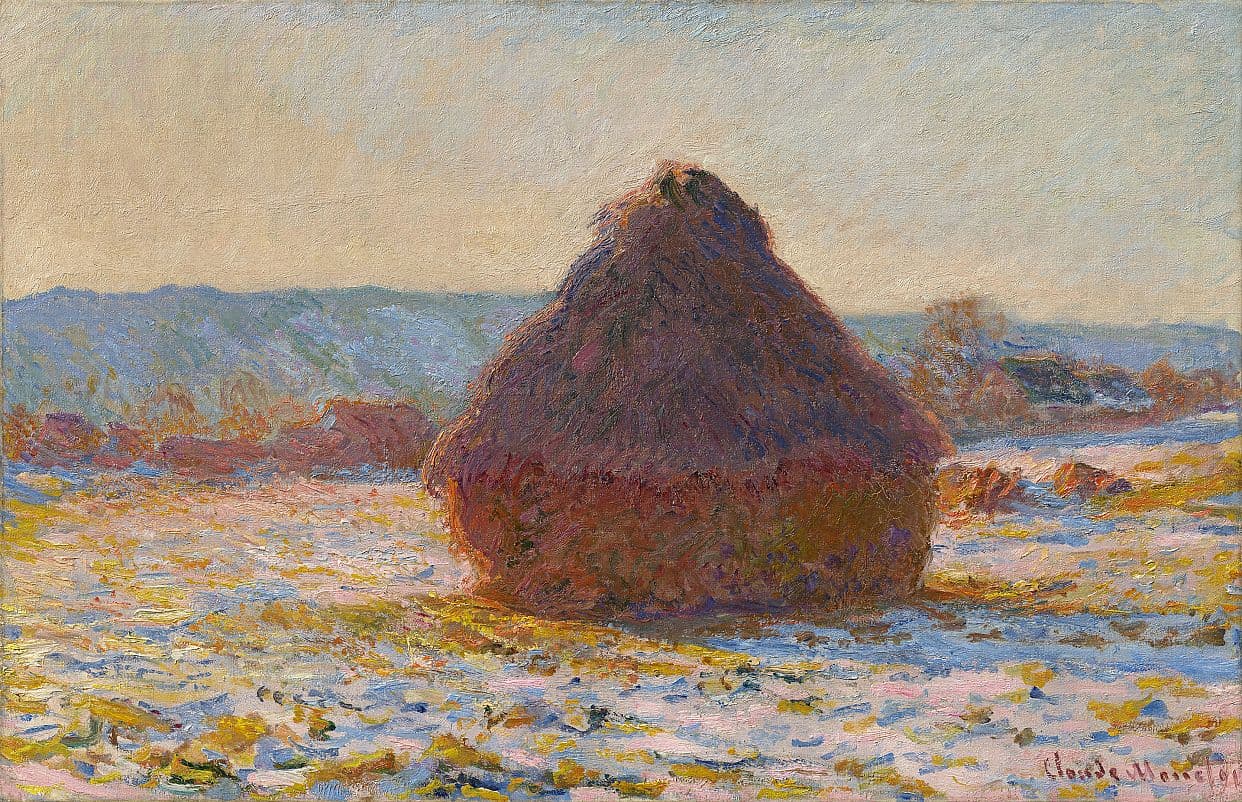
Grainstack in the Sunlight, Snow Effect
Claude Monet · 1891
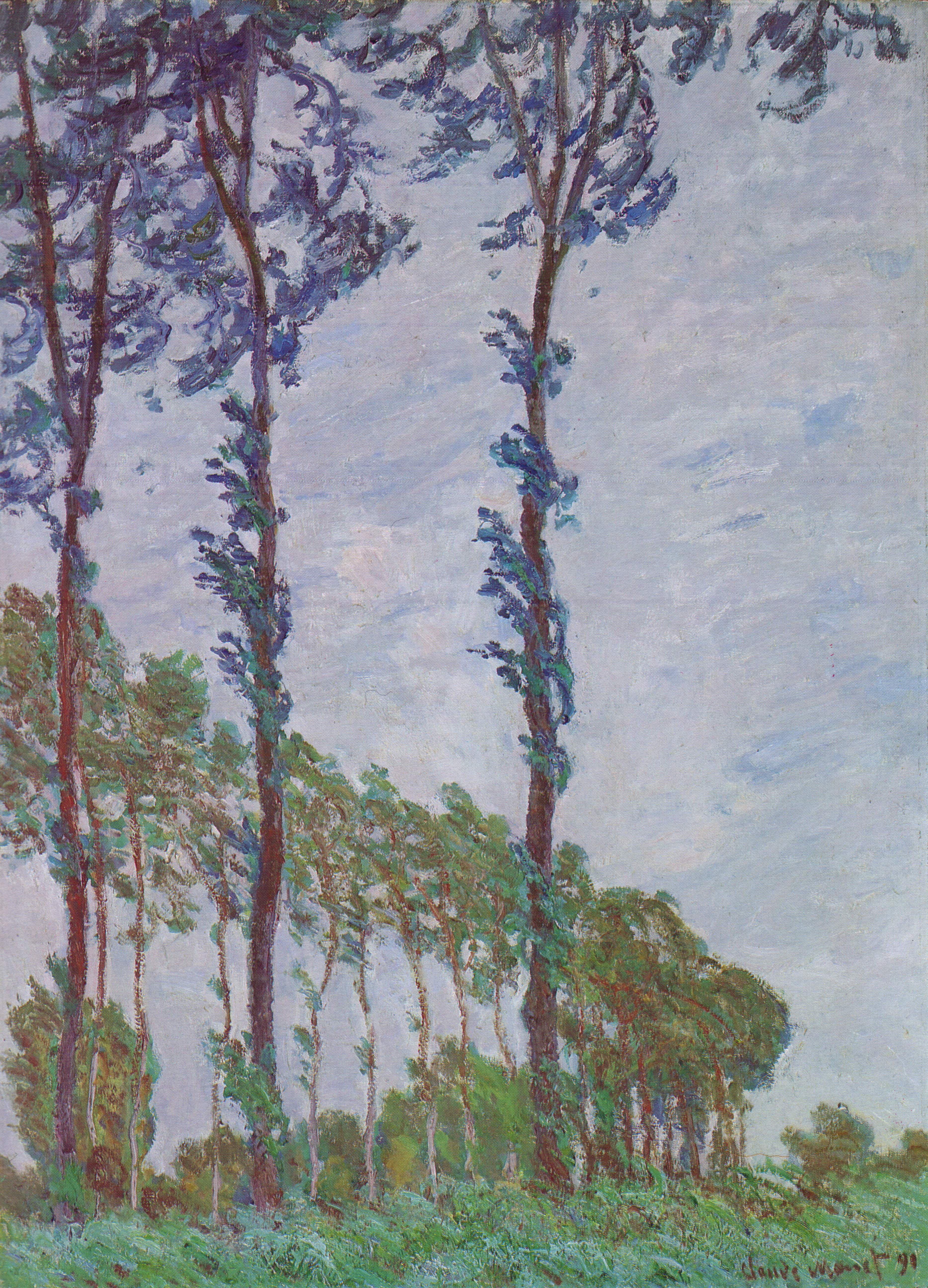
Wind Effect, Series of The Poplars
Claude Monet · 1891
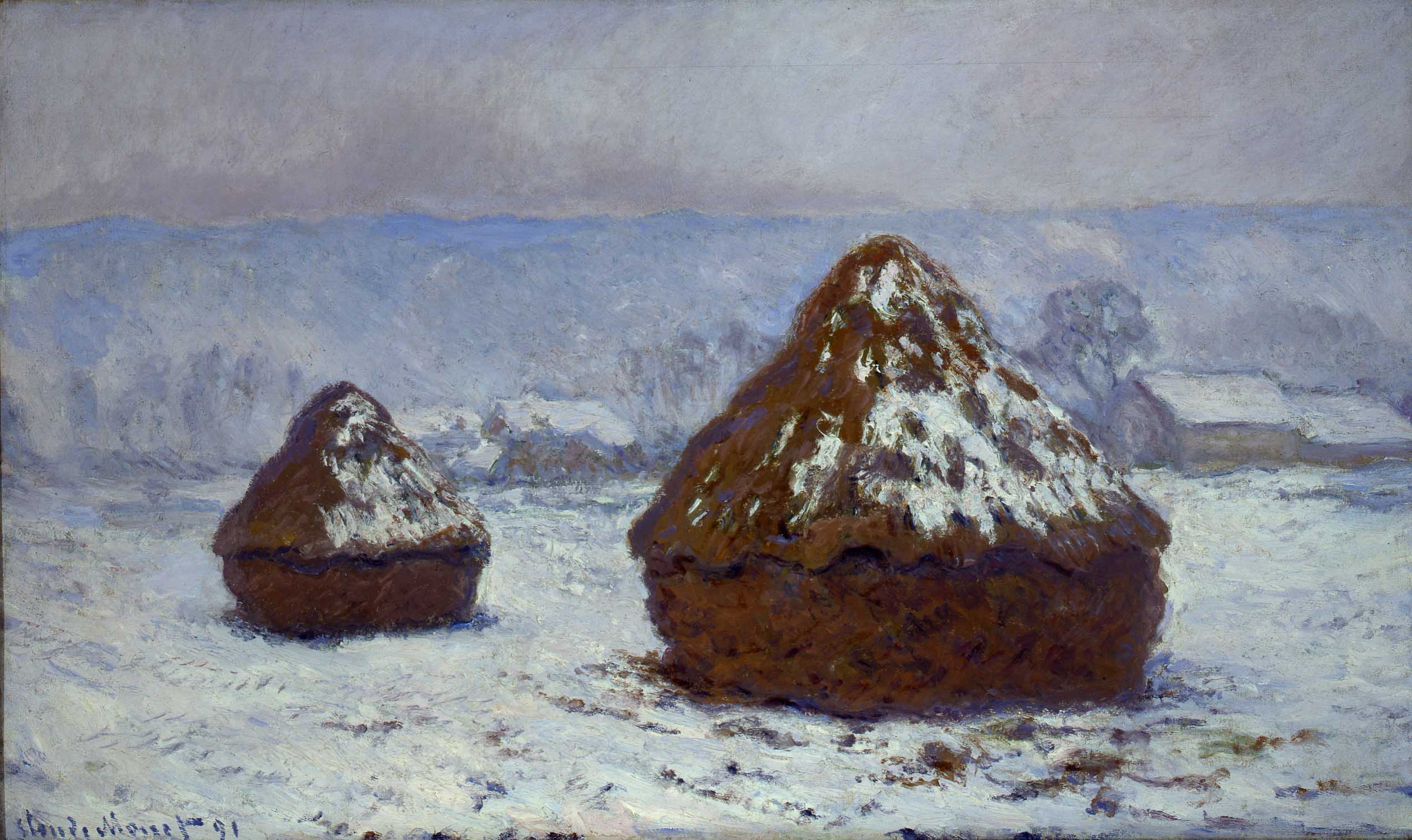
Grainstacks, Snow Effect
Claude Monet · 1891
Kindred works
You may also study
Poplars on the Banks of the Epte, Autumn
Claude Monet · 1891
Poplars near Giverny, Overcast Weather
Claude Monet · 1891
Wind Effect, Series of The Poplars
Claude Monet · 1891
The Bridge at Argenteuil
Claude Monet · 1874
Railroad Bridge, Argenteuil
Claude Monet · 1873
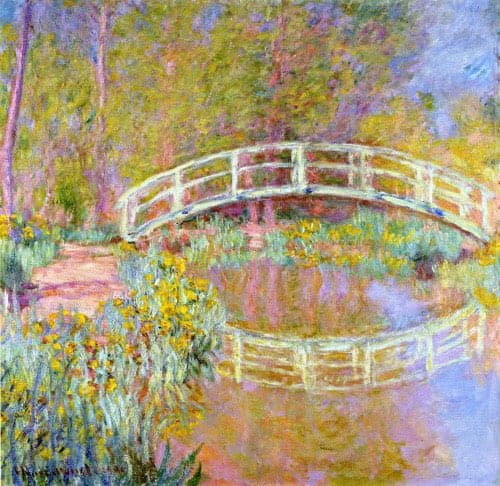
The Bridge in Monet's Garden
Claude Monet · c. 1895–96
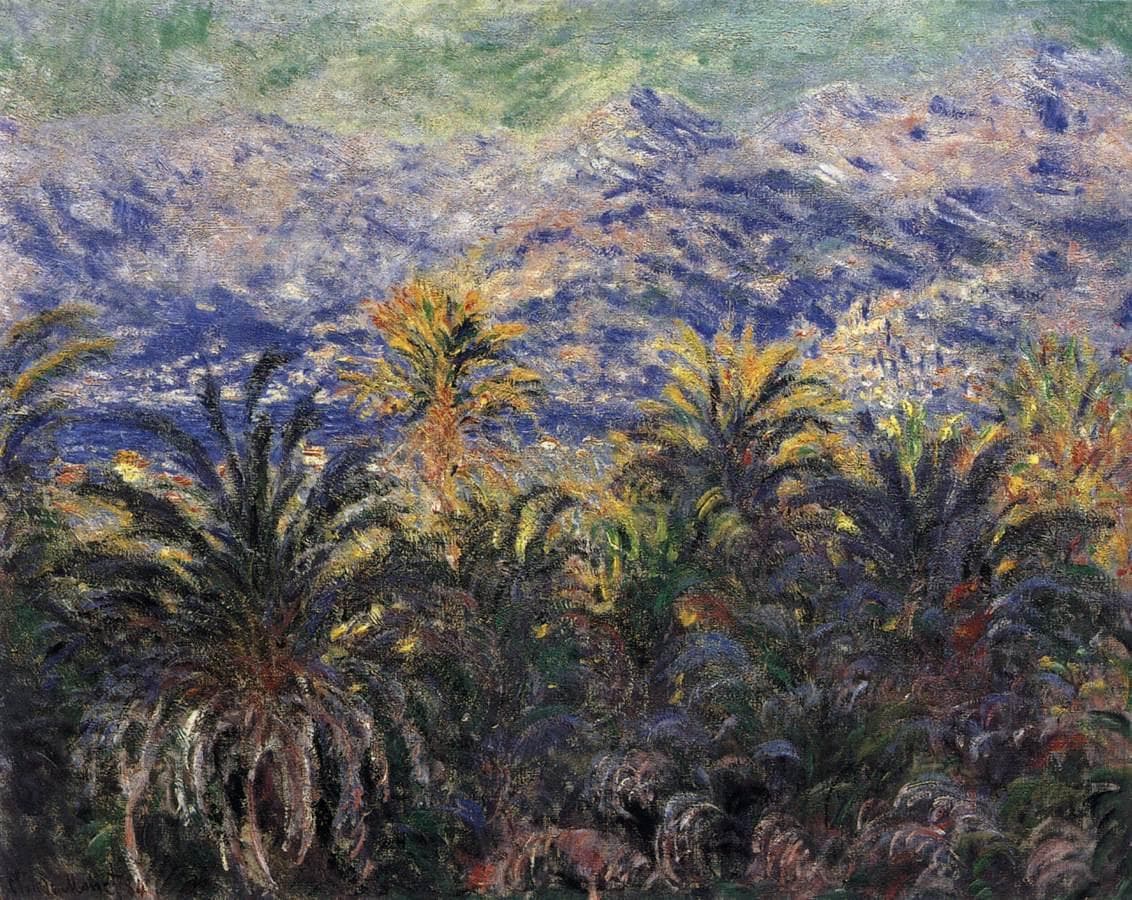
Palm Trees at Bordighera
Claude Monet · 1884
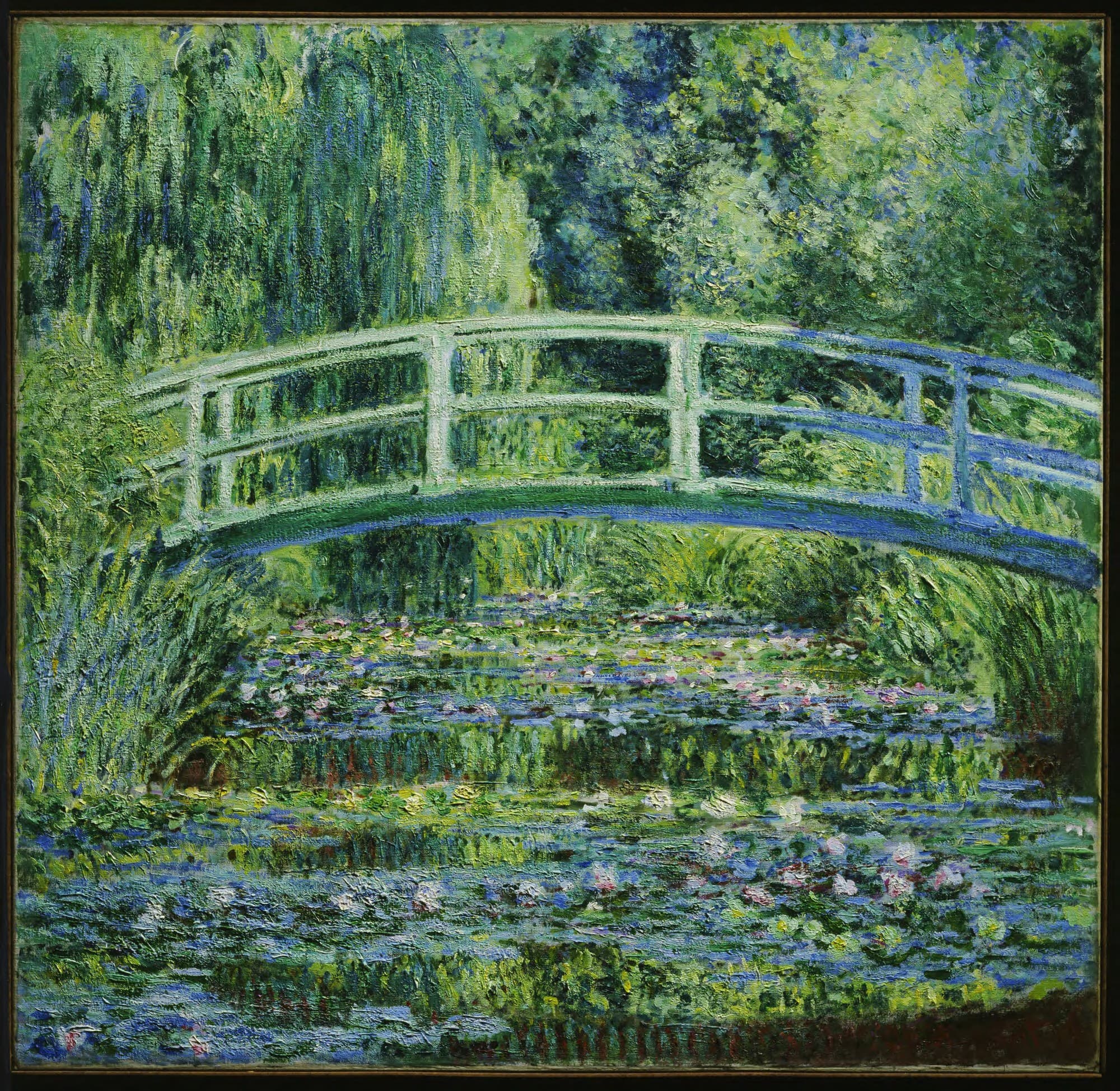
Water Lilies and Japanese Bridge
Claude Monet · 1899