Image: Claude Monet (source: Christie's [1]) · Public domain · via Wikimedia Commons
Peupliers au bord de l'Epte, crépuscule
Claude Monet, 1891
Peupliers au bord de l'Epte, crépuscule (Poplars on the Epte, Twilight) is an 1891 Claude Monet from the Poplars series: tall trunks lit orange by the setting sun against a violet sky. Long on view in Boston, it sold at Christie's New York in 2025 for about $43 million.
- Artist
- Claude Monet
- Date
- 1891
- Medium
- Oil on canvas
- Dimensions
- 100 × 65 cm
- Collection
- Private collection
- Movement
- Impressionism
- Catalogue
- Wildenstein 1296
- Nature & Landscape
- Water & Sea
- Night & Dreams
What you are looking at
Six tall poplars stand in a row across a tall, narrow canvas, their trunks glowing orange and copper as if lit from the side by the last of the sun. Above, their crowns dissolve into a violet and blue haze that fills the top third of the picture. Behind them a lower mass of trees spreads across the middle, green and olive with flecks of rose, and to the right the sky drops toward the horizon in a band of pink and peach. At the bottom, the river Epte returns the trunks as broken orange stripes on lilac water.
The whole surface is worked in short, thick, interlocking touches, so the sky looks granular, almost woven, and nothing has a hard edge. The light is fading. Colors that are separate in daylight, green leaves, blue sky, brown bark, have been pulled into one key of violet, rose and orange. It is the most atmospheric kind of Monet: the subject is less the trees than the moment the sun leaves them.
The signature and date, Claude Monet 91, are at lower right in red.
Twilight on the Epte, 1891
Through the spring, summer and autumn of 1891 Claude Monet painted a row of poplars along the river Epte at Limetz, upstream from his home at Giverny. He worked from his studio boat and moved between canvases as the light changed, putting a picture aside when its effect had passed and taking it up again when the same light returned. Twilight gave him only minutes a day.
The trees belonged to the commune, which put them up for sale before he had finished. Monet paid the timber merchant who bought them to delay the felling. In early 1892 Paul Durand-Ruel showed fifteen of the canvases together in Paris, and the Poplars series became the first group Monet exhibited entirely on its own.
How it was painted
The format is tall and narrow, 100 by 65 centimeters, which stretches the trunks and makes the row feel like a colonnade. Monet built up the surface in many sessions. Underneath, the sky is a cool blue; over it go dense, dry touches of lilac, pink and pale green, dragged so that the lower layers show through. The trunks are drawn last in single strokes of orange and red ocher with green clumps of leaves clinging to them.
The heavy, crusted texture is typical of the series canvases Monet finished in the studio. Critics in 1892 noticed it: the paint holds light on its ridges, so the picture seems to shimmer as you move in front of it.
How this version differs
A near-twin is Peupliers au bord de l'Epte, temps couvert, which shows a similar stretch of trunks under cloud: its sky is a flat pink-gray and its trunks are brown, not orange. Here the warm light is directional, coming low from the right, and it sets fire to the bark while leaving the foliage in shadow. The effect is closer to the glowing reds of Poplars, Three Pink Trees, Autumn than to the clear midday of Three Poplars, Summer. It is also one of the few poplar canvases to name a time of day rather than a season or weather.
Time of day in the series
Twilight is among the rarest effects in the poplar series, and among the most fleeting. Visitors reported Monet saying that some effects lasted only minutes before the light moved on, so a dusk canvas could be worked for only a short time each day. That scarcity helps explain the dense, layered surface here, built up session after session over weeks, and finished, as many of the series were, in the studio at Giverny.
Ownership and where to see it
Catalogued as Wildenstein 1296, the painting was bought by Durand-Ruel in 1892, the year it was first exhibited, and stayed with the dealer's family until 1955. It then spent more than six decades in a private collection and was lent for many years to the Museum of Fine Arts, Boston. Christie's sold it in New York on May 12, 2025, for about $43 million, a record for a canvas from the series. It is in private hands. For poplars on public view, see our guide to where to see Monet's paintings.
Questions & answers
Where is Monet's Peupliers au bord de l'Epte, crépuscule?
It is in a private collection. Christie's sold it in New York on May 12, 2025, for about $43 million. Before that it had been lent for many years to the Museum of Fine Arts, Boston. It is catalogued as Wildenstein 1296 and measures 100 by 65 centimeters.
When and where was it painted?
In 1891, on the river Epte at Limetz near Giverny, where Monet painted a row of poplars from his studio boat between spring and autumn. He dated this canvas '91' beside his signature. It was first shown in Paris in 1892 in Durand-Ruel's exhibition of the poplar series.
What does the painting show?
Six tall poplars at twilight, their trunks lit orange by the low sun while their crowns dissolve into a violet sky, with a lower bank of trees behind and the river reflecting the trunks below. Crépuscule means twilight or dusk.
Who owned it?
The dealer Paul Durand-Ruel acquired it in 1892, and it stayed in his family until 1955. It then belonged to a private collector for more than sixty years, spending a long period on loan in Boston, before its sale at Christie's in 2025.
More by the artist
Claude Monet
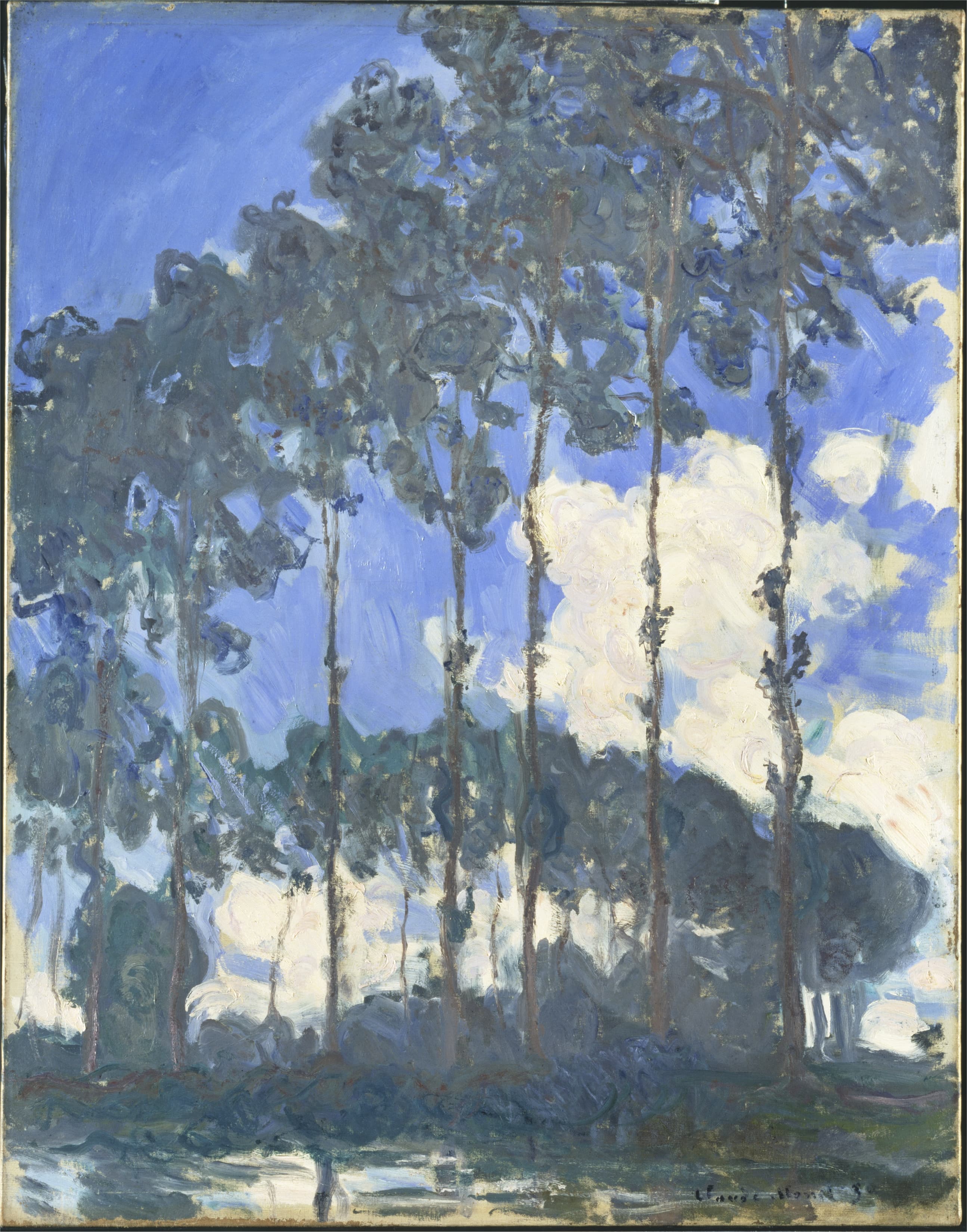
Poplars on the Epte (London)
Claude Monet · 1891
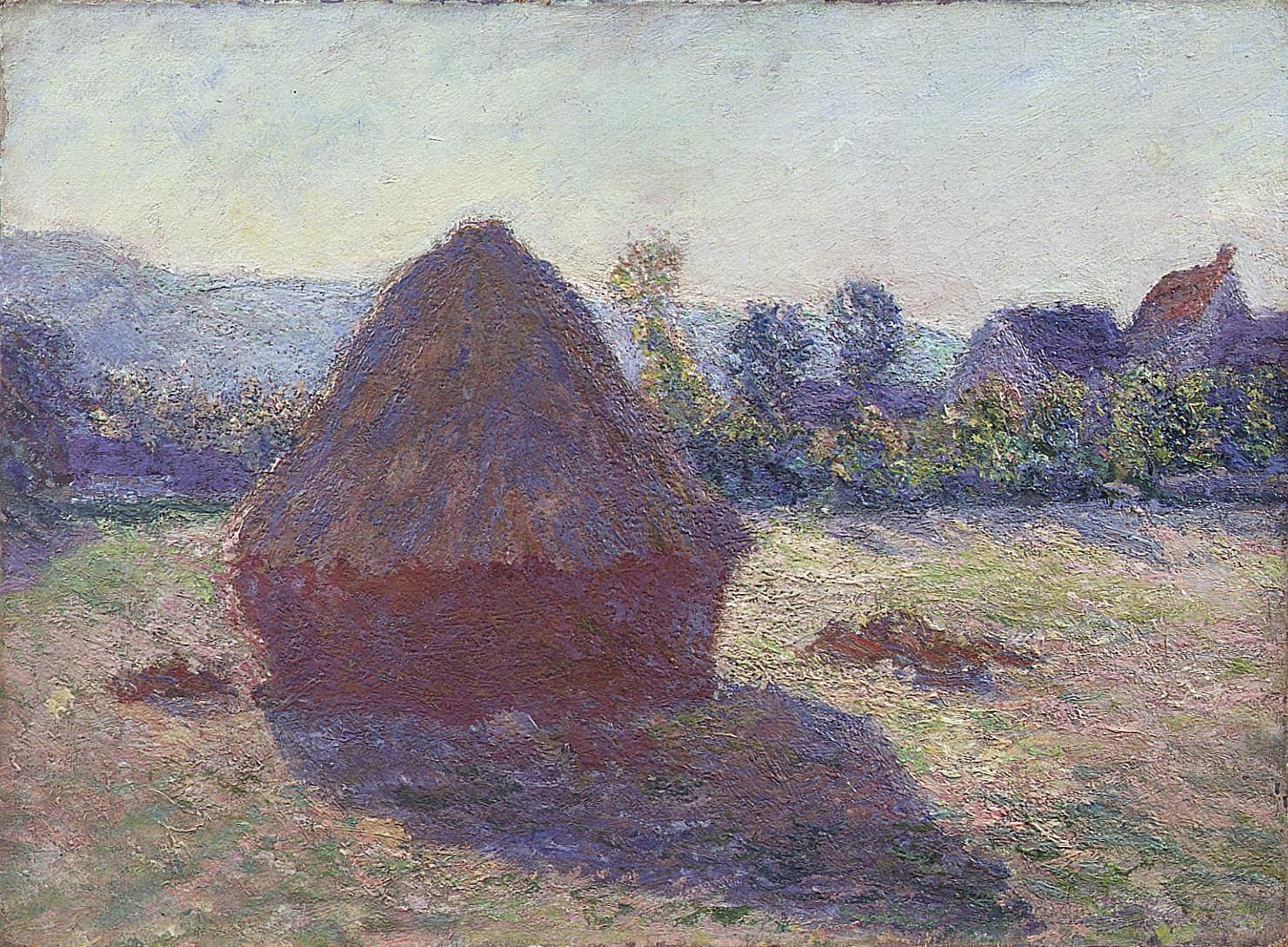
Haystack in the Evening Sun
Claude Monet · 1891
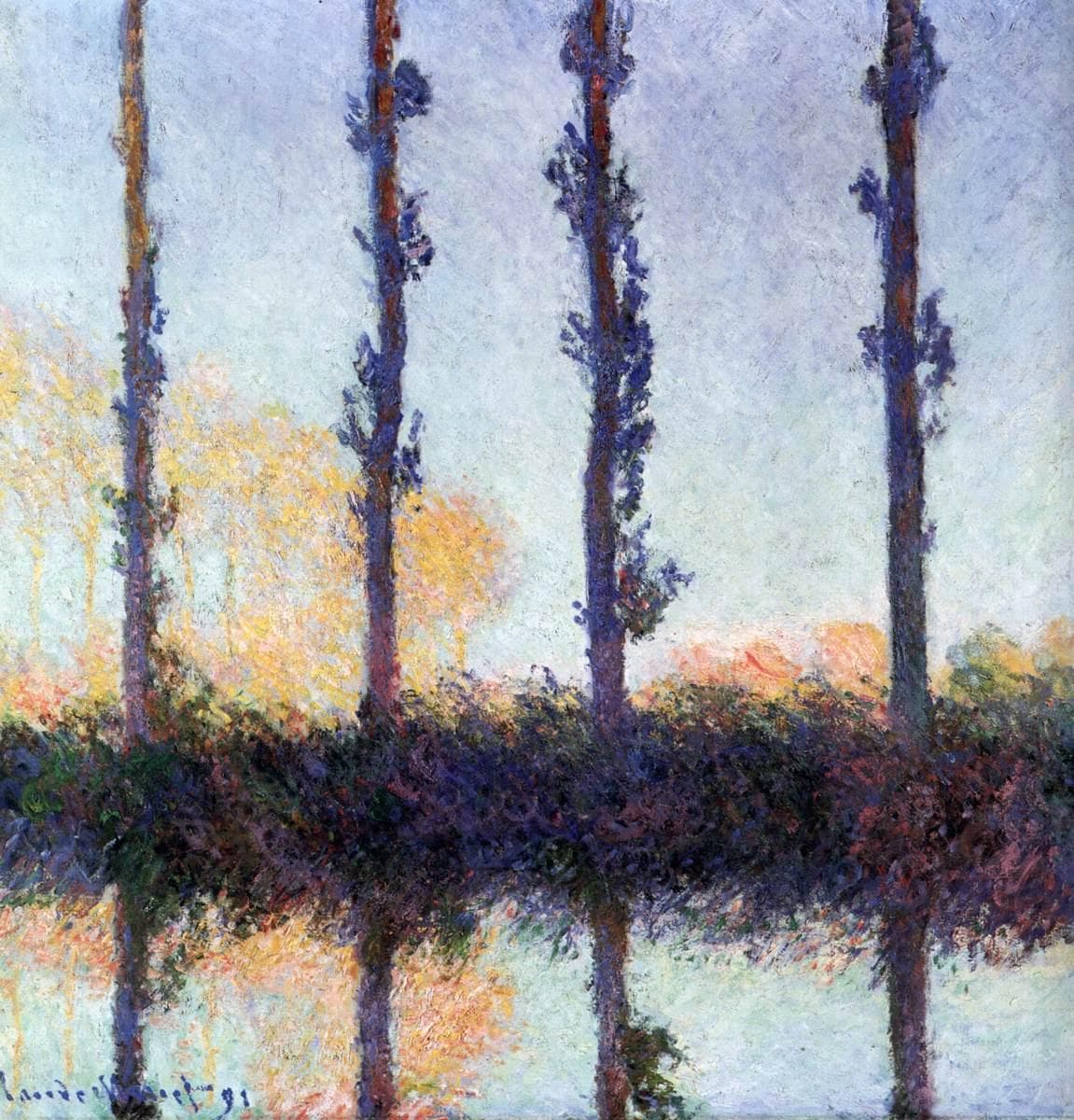
The Four Trees
Claude Monet · 1891
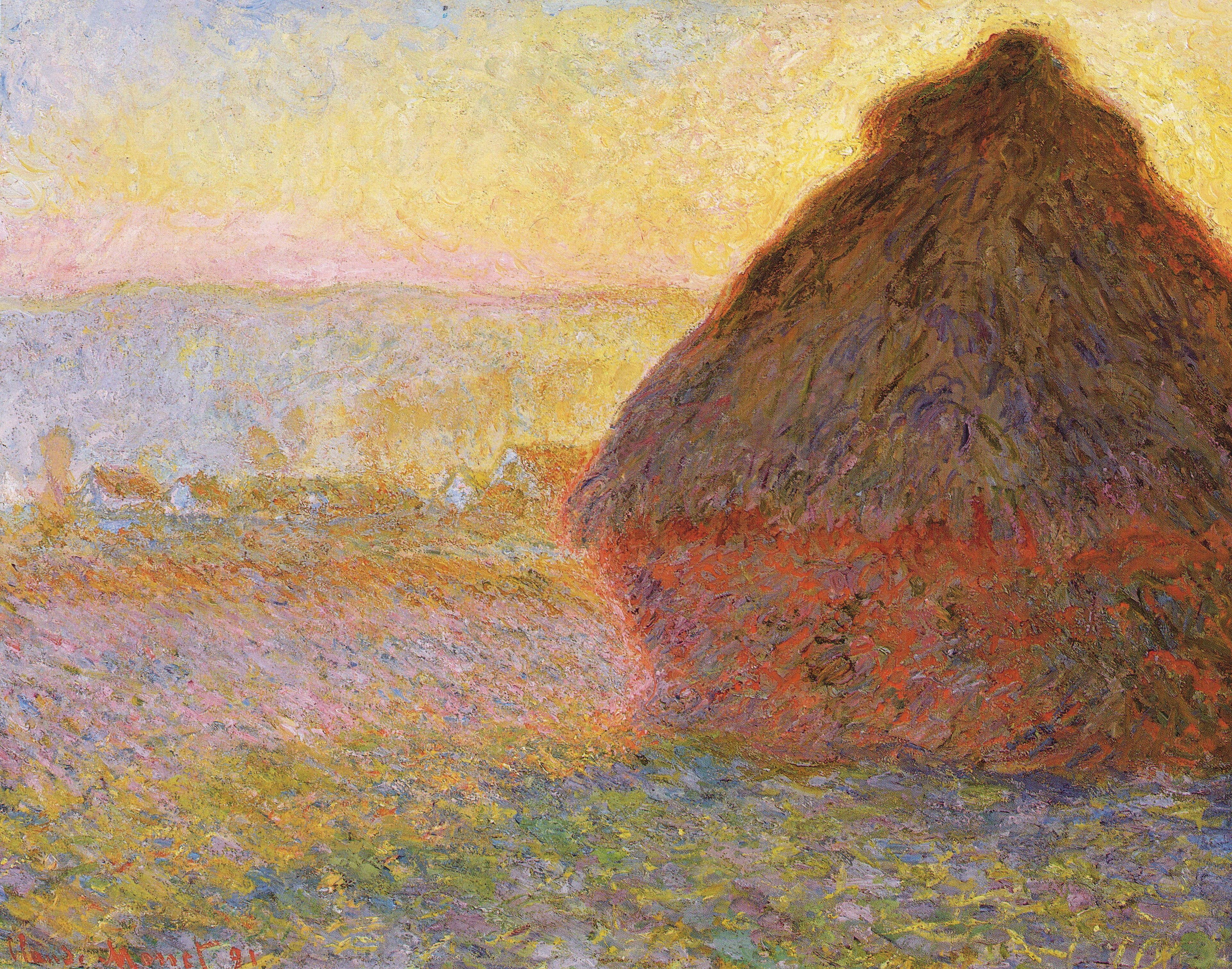
Grainstack (Sunset)
Claude Monet · 1891
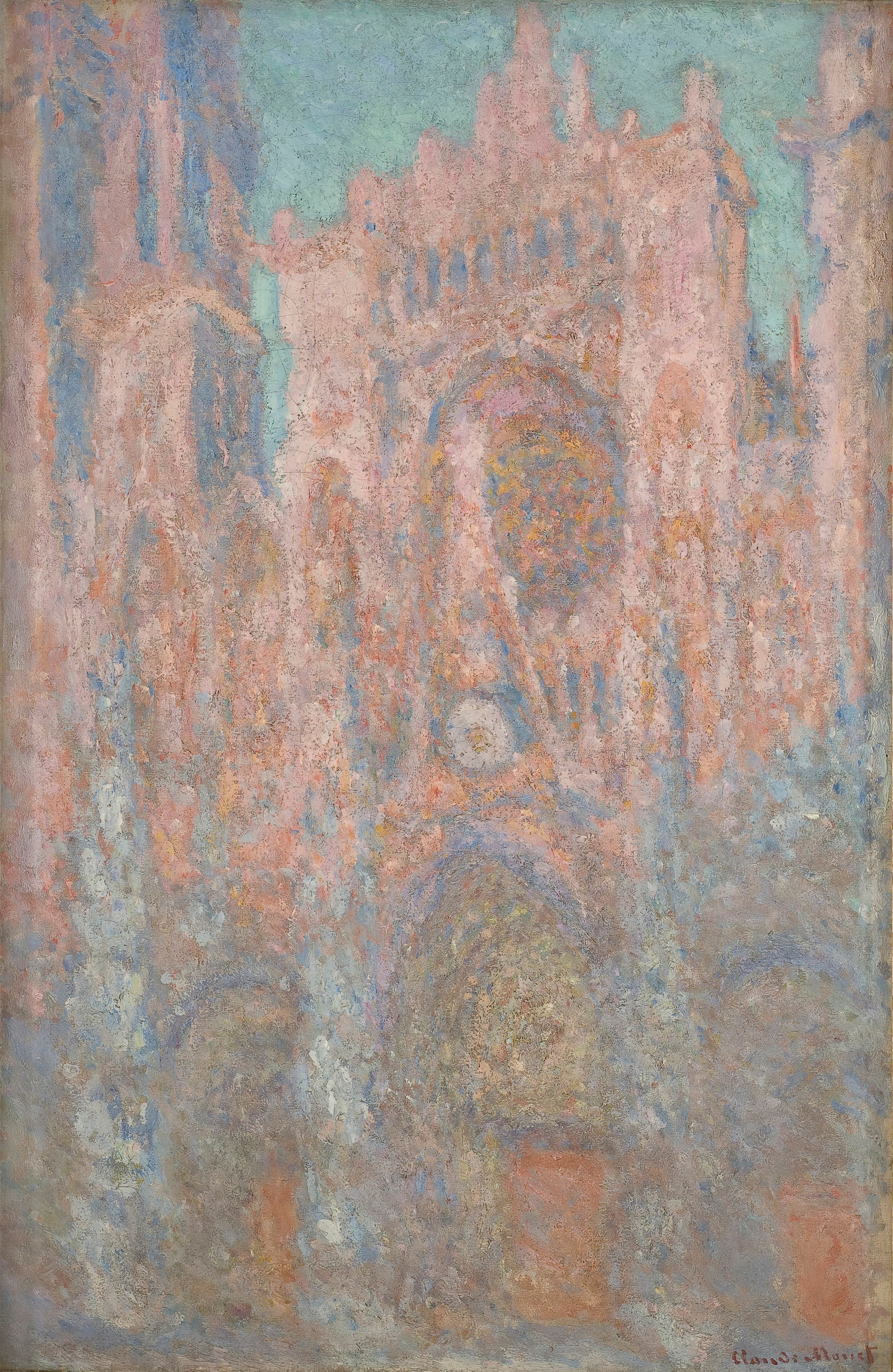
Rouen Cathedral
Claude Monet · 1892–94
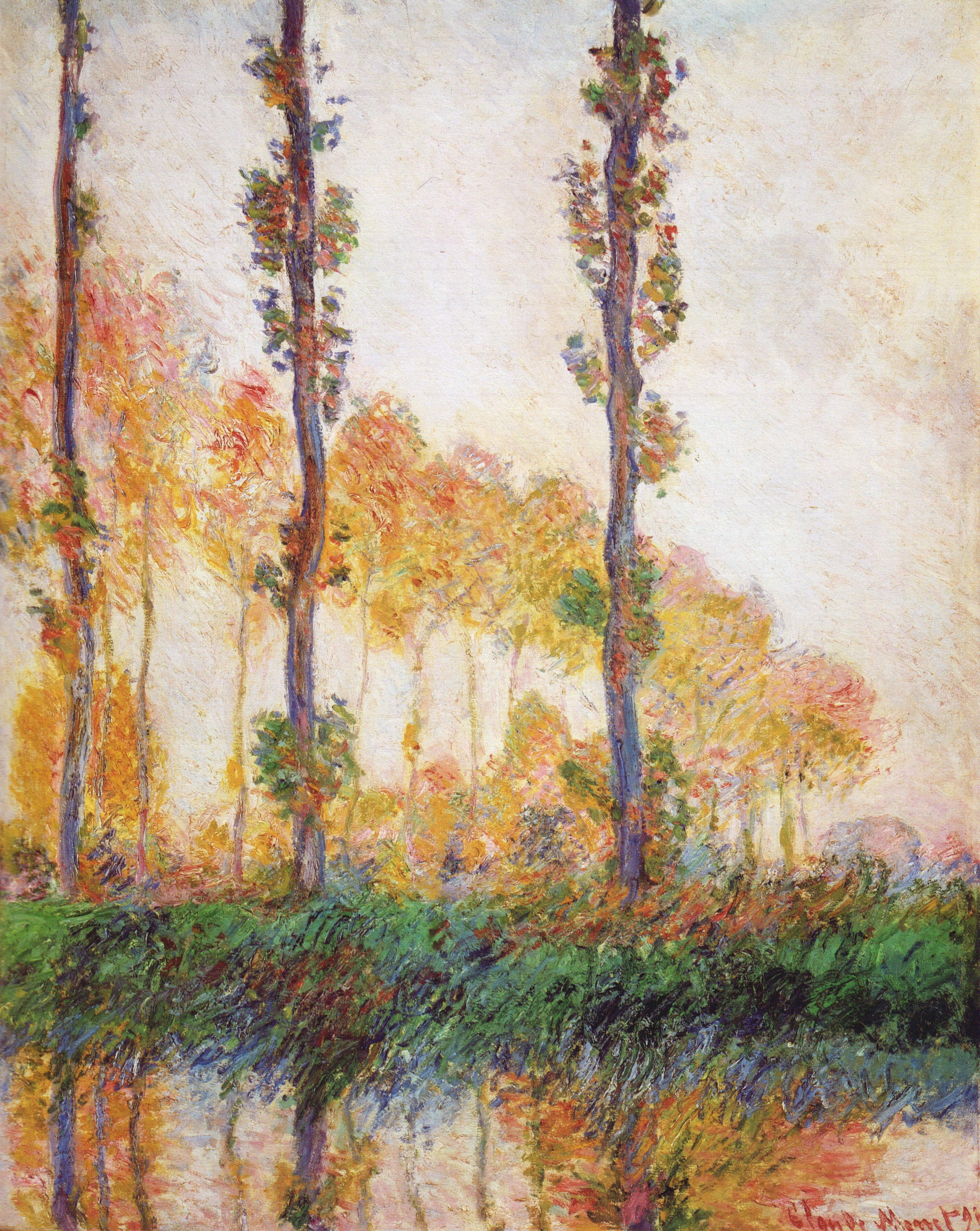
Poplars (Autumn)
Claude Monet · 1891
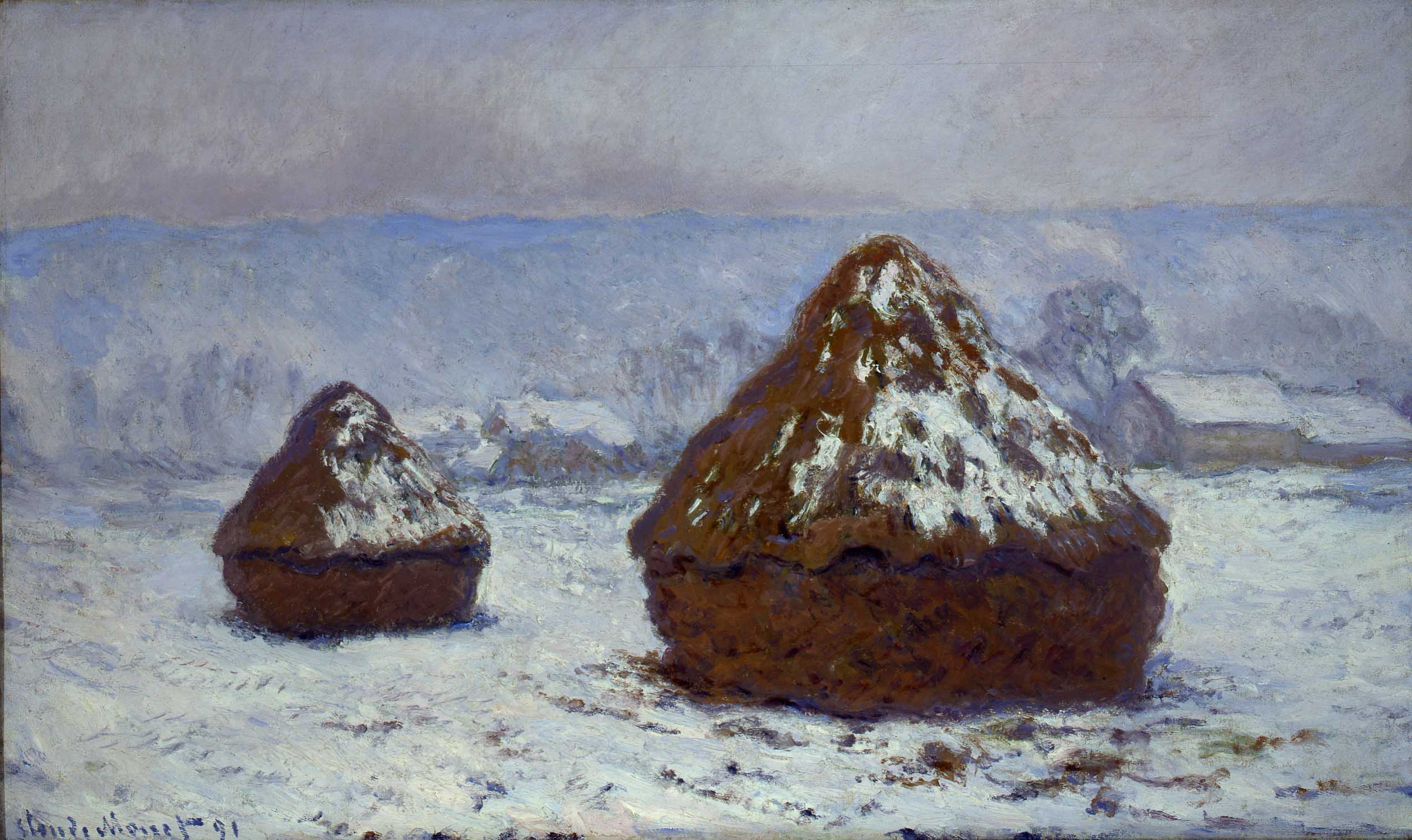
Grainstacks, Snow Effect
Claude Monet · 1891
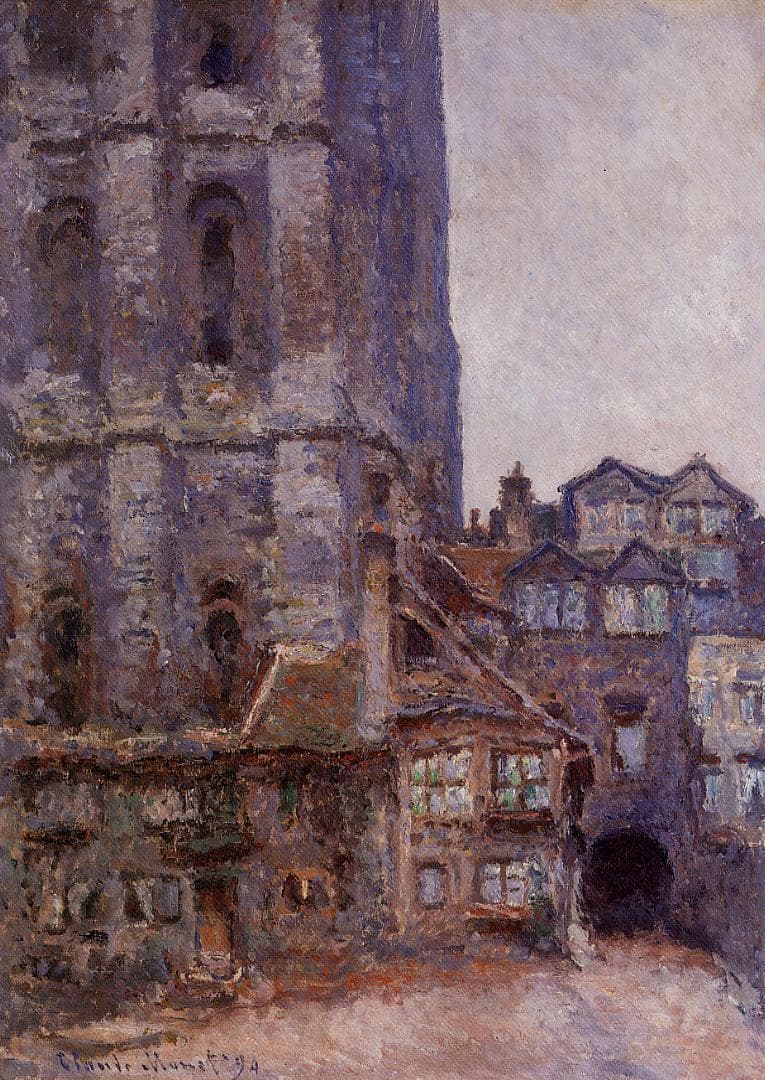
La Cour d'Albane, temps gris
Claude Monet · 1892–94
Also painted in 1891
The same year
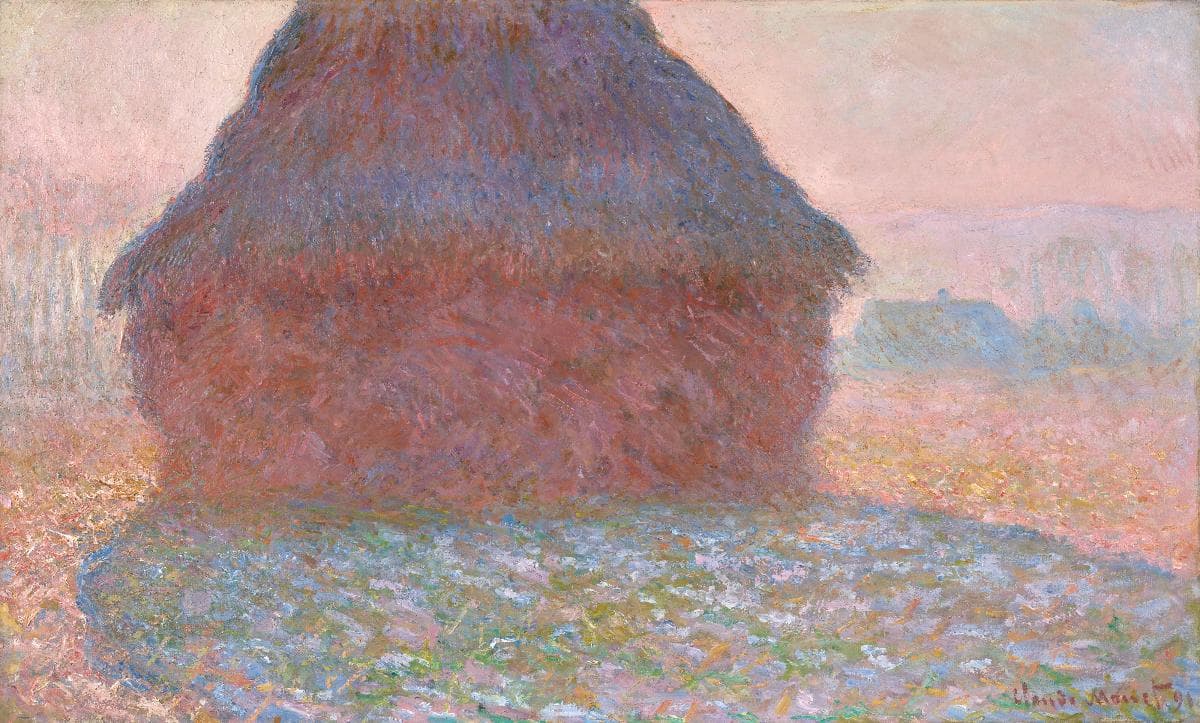
Grainstack in Sunlight
Claude Monet · 1891
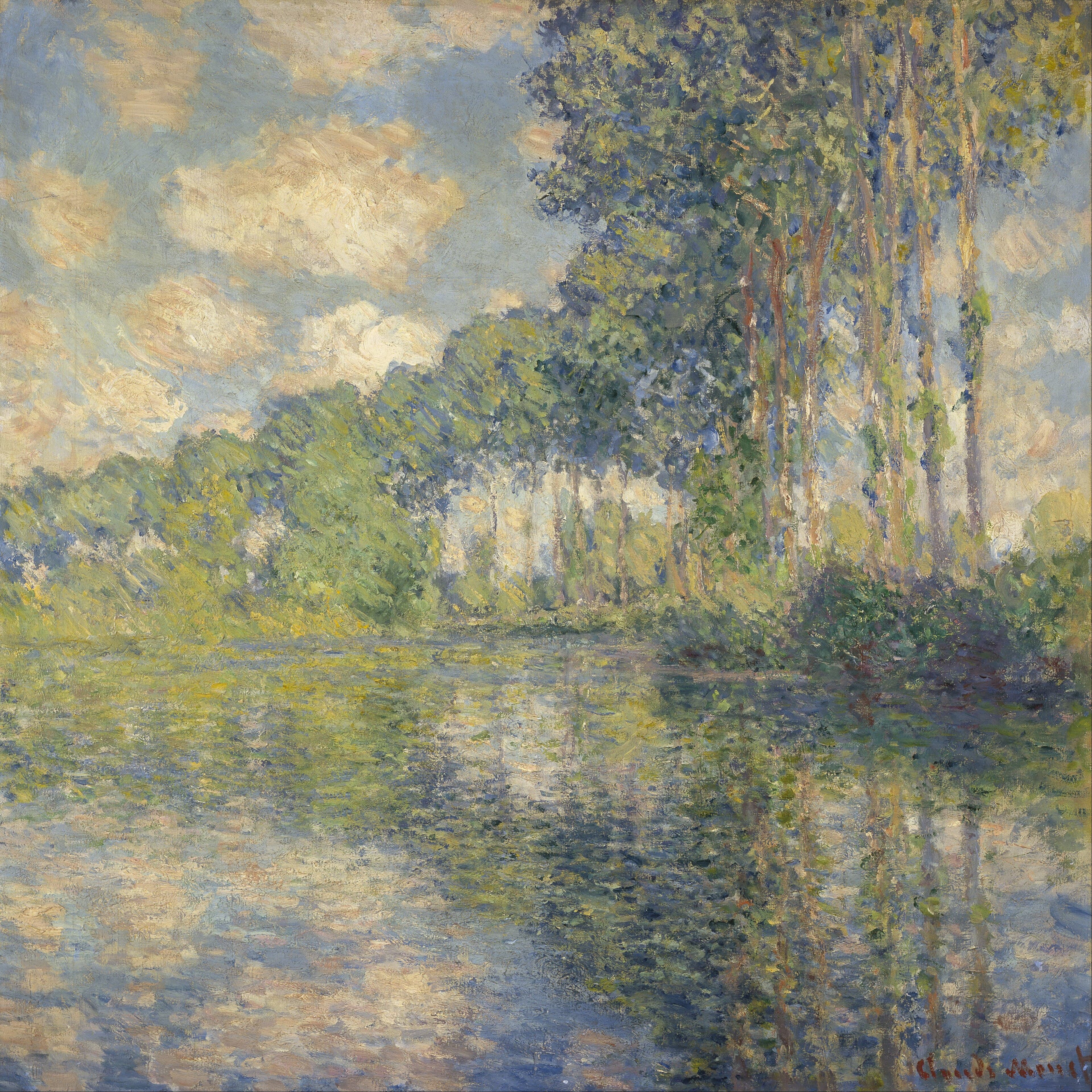
Poplars on the Epte (Edinburgh)
Claude Monet · 1891
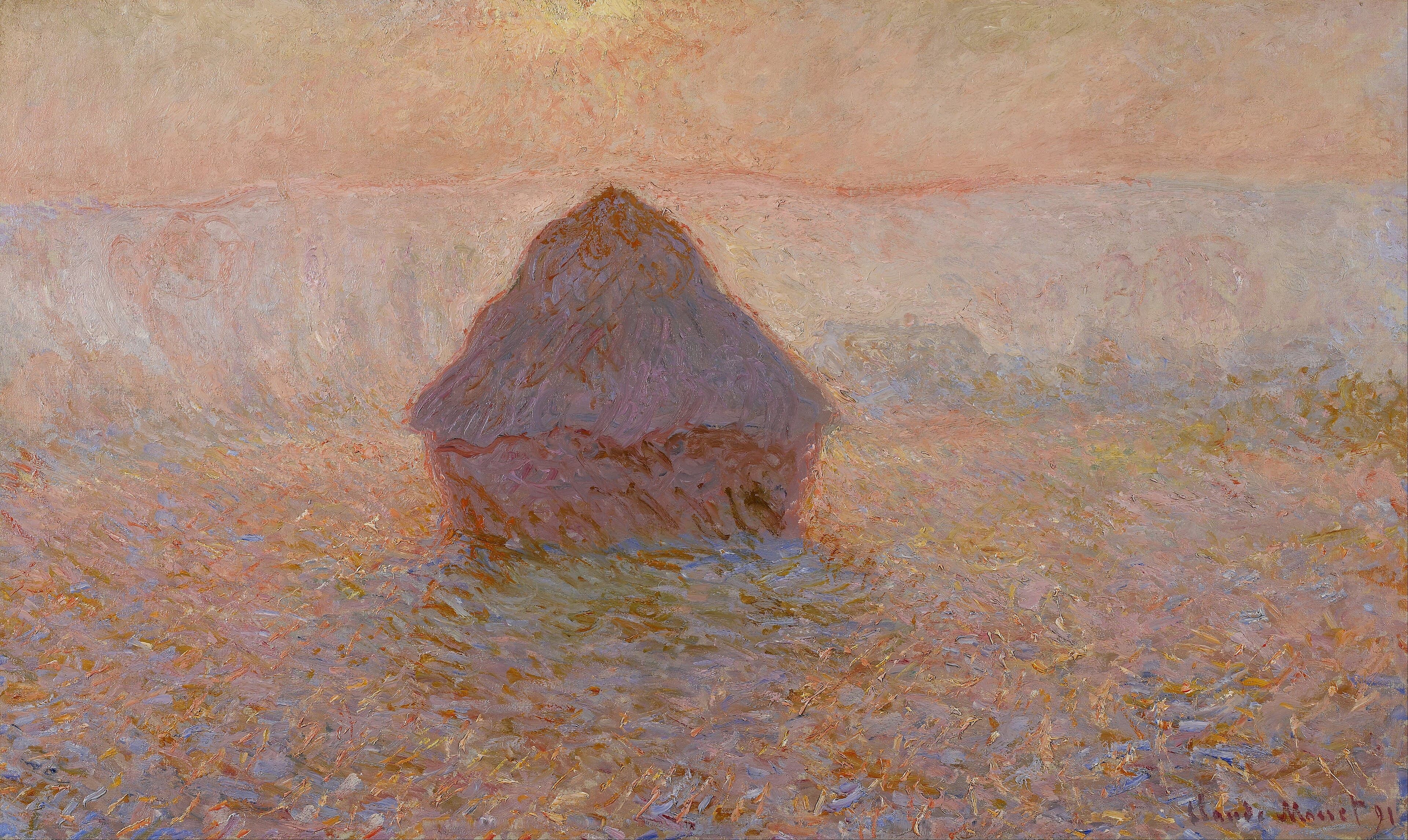
Grainstack, Sun in the Mist
Claude Monet · 1891
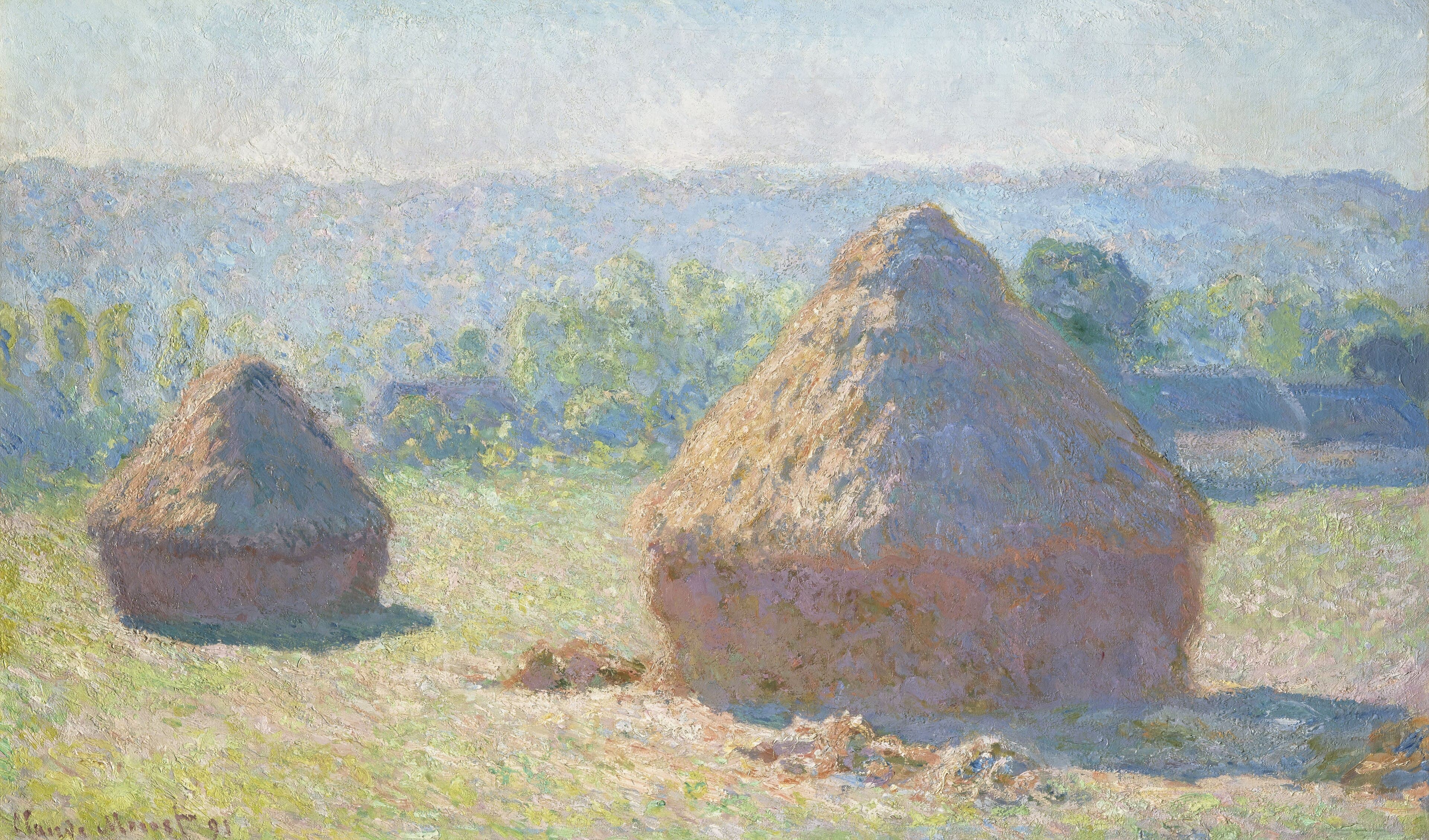
Haystacks, End of Summer
Claude Monet · 1891
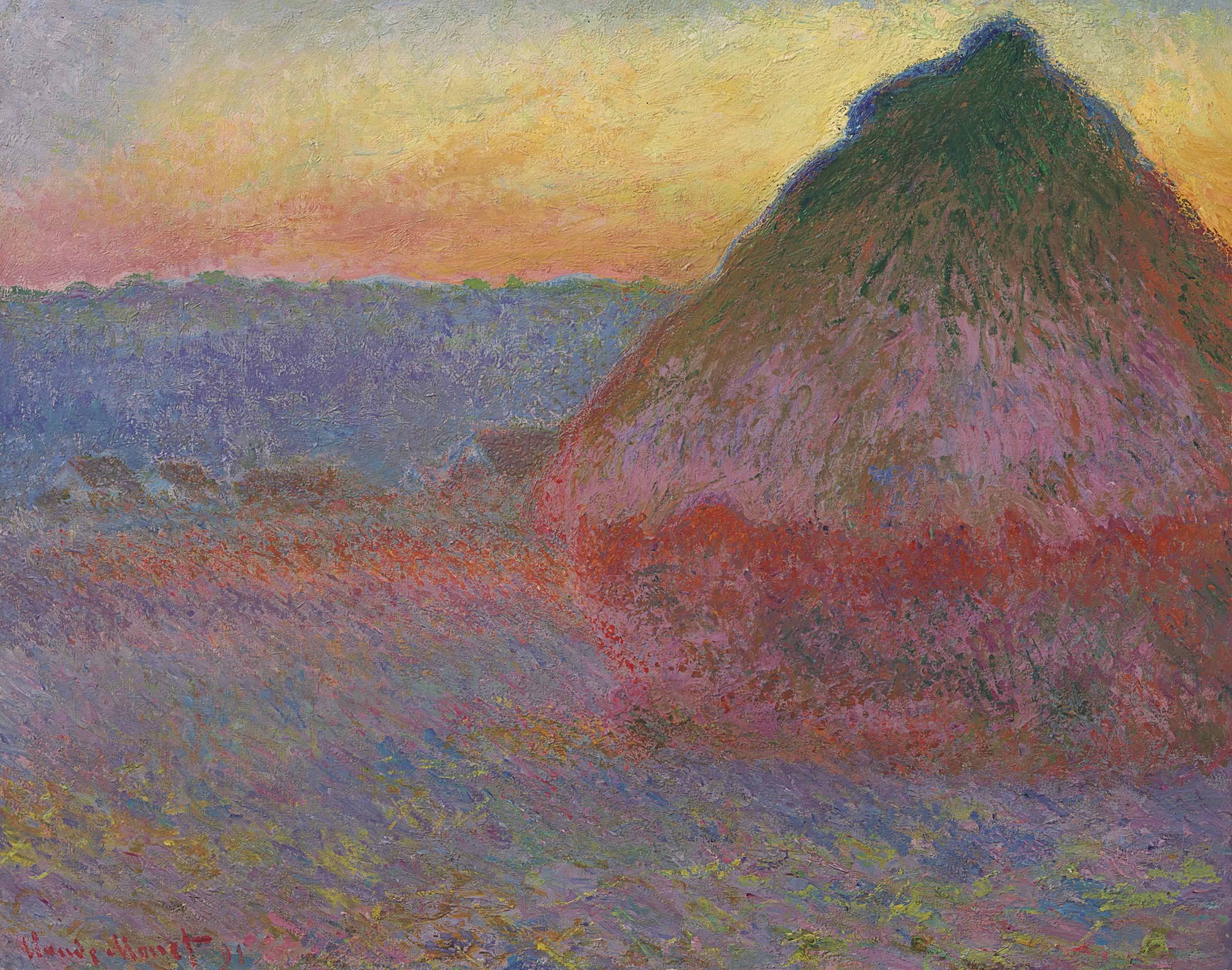
Grainstack in the Sunlight
Claude Monet · 1891
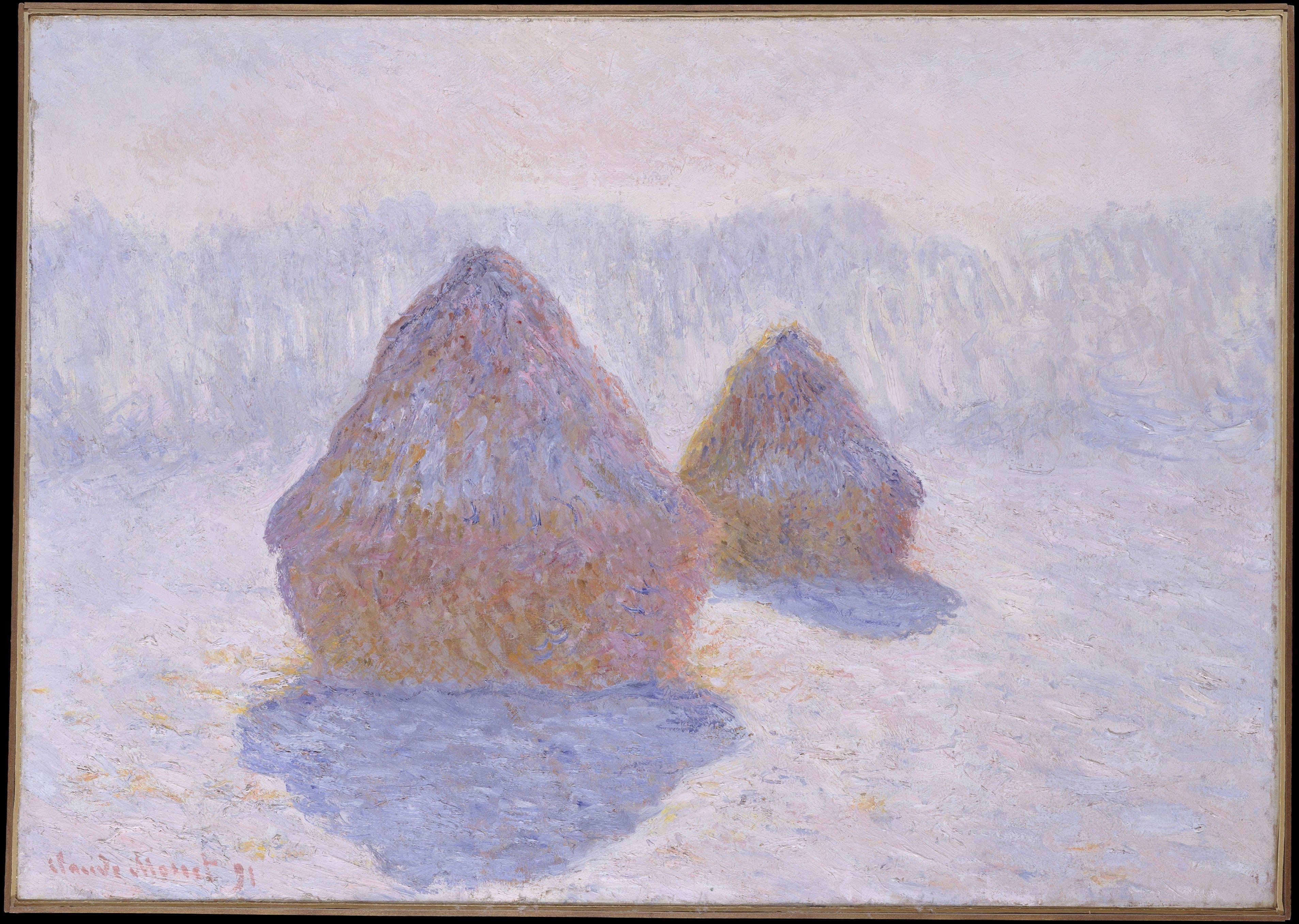
Haystacks (Effect of Snow and Sun)
Claude Monet · 1891
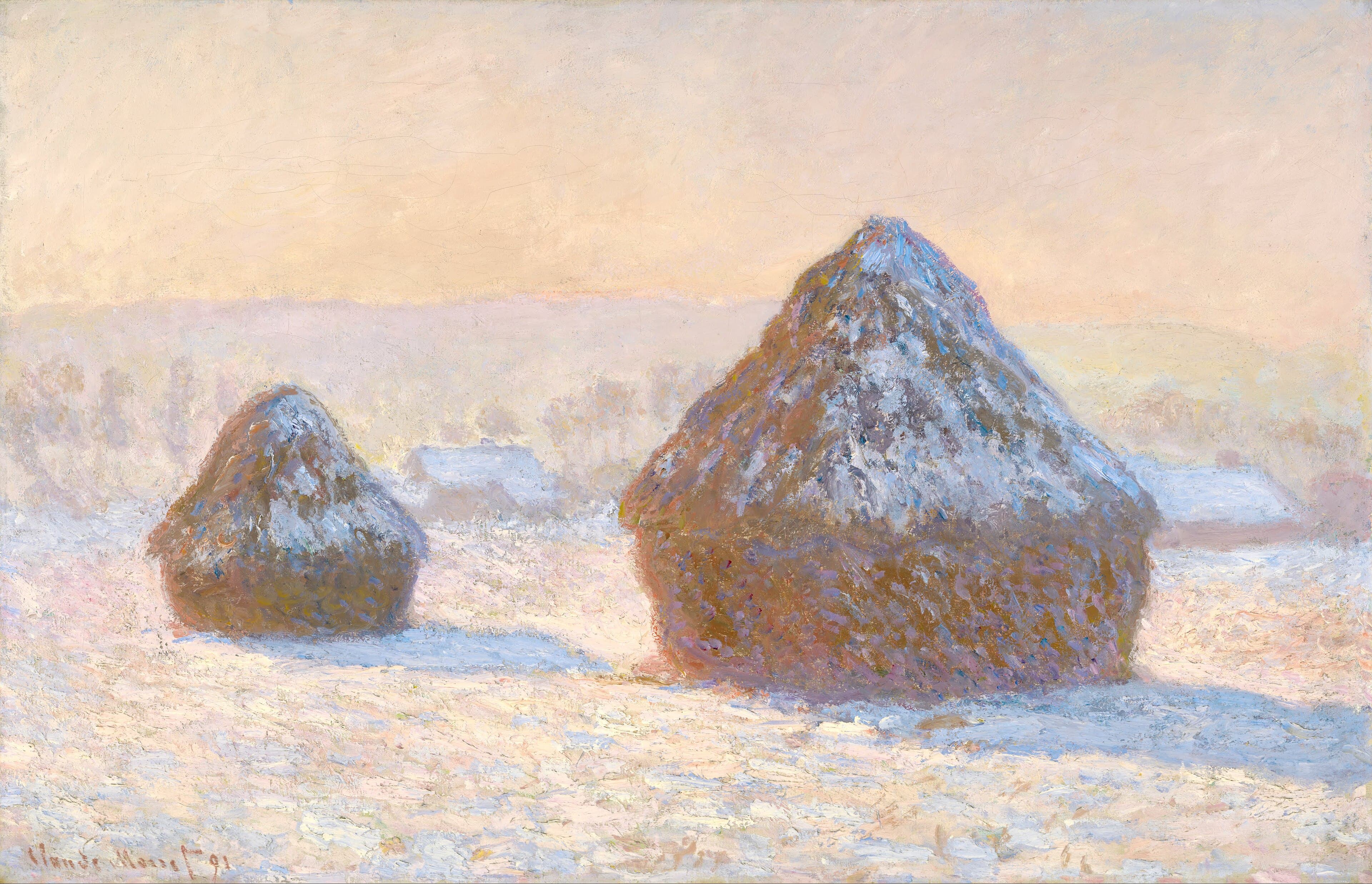
Wheatstacks, Snow Effect, Morning
Claude Monet · 1891
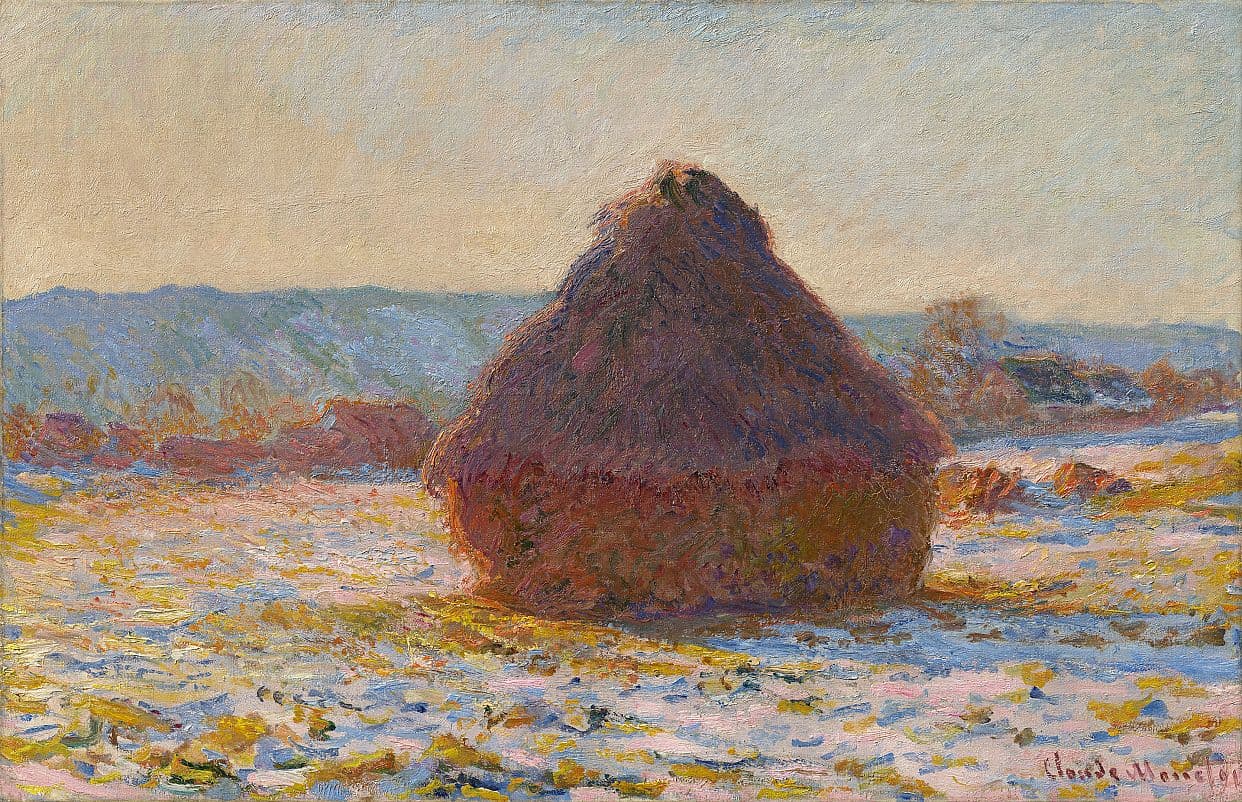
Grainstack in the Sunlight, Snow Effect
Claude Monet · 1891
Kindred works
You may also study
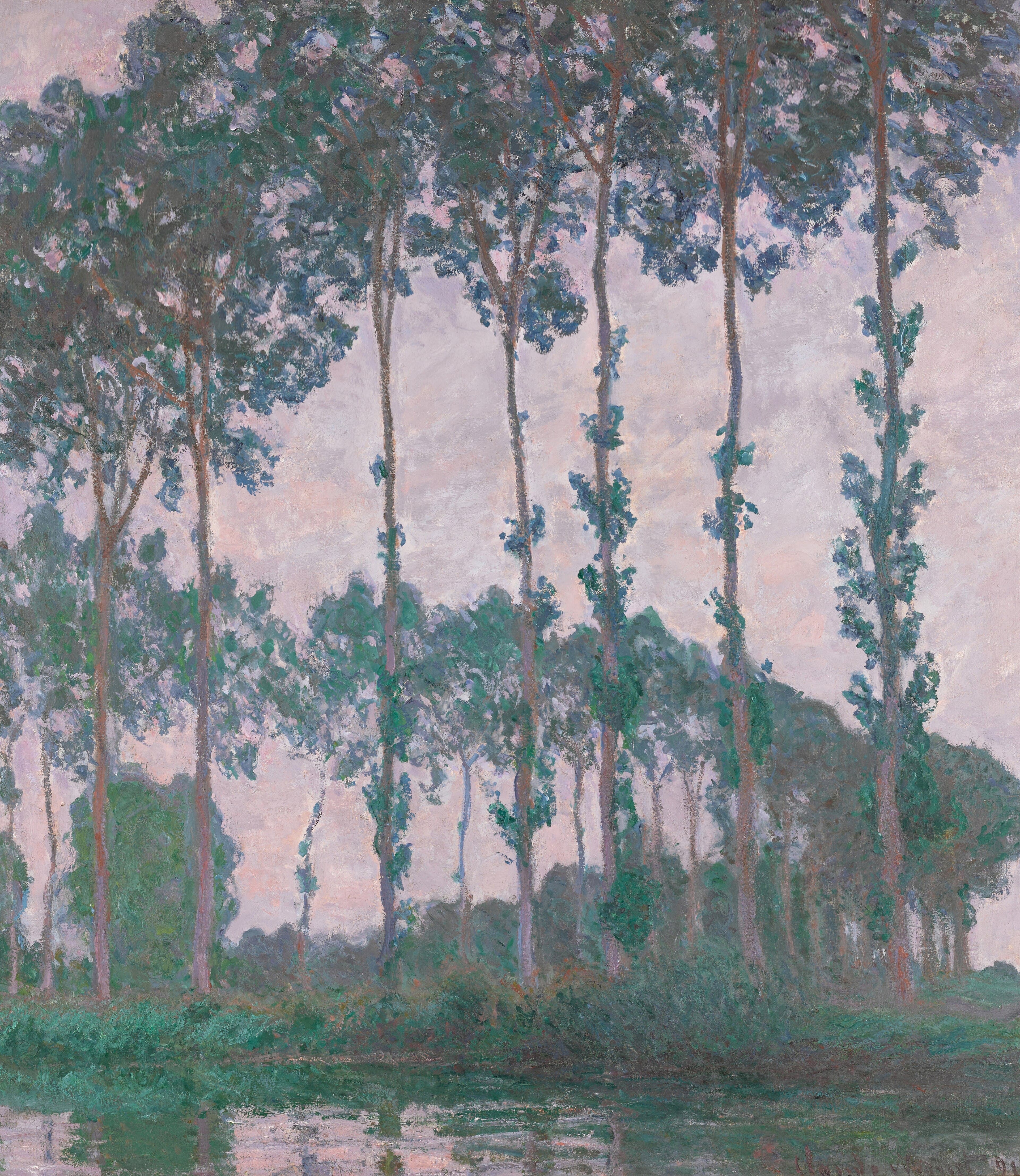
Peupliers au bord de l'Epte, temps couvert
Claude Monet · 1891
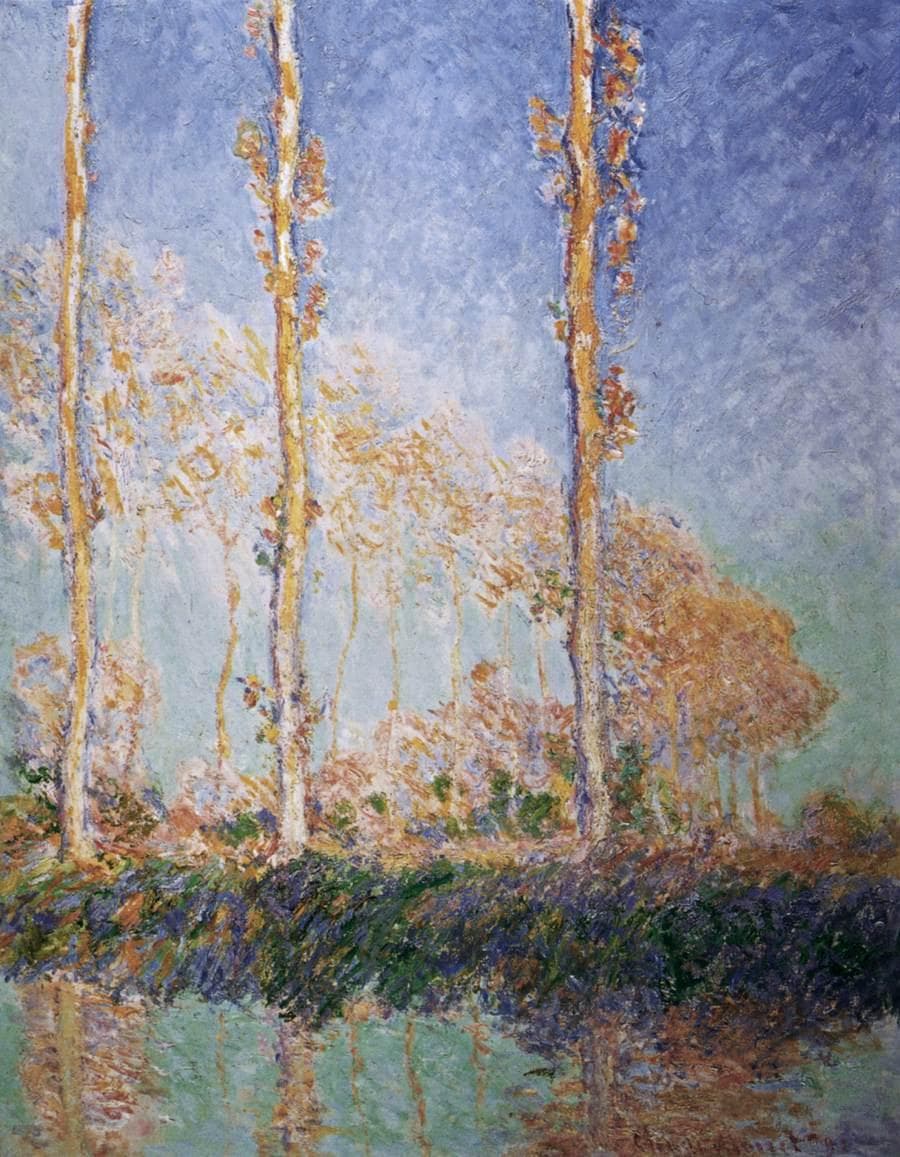
Poplars, Three Pink Trees, Autumn
Claude Monet · 1891
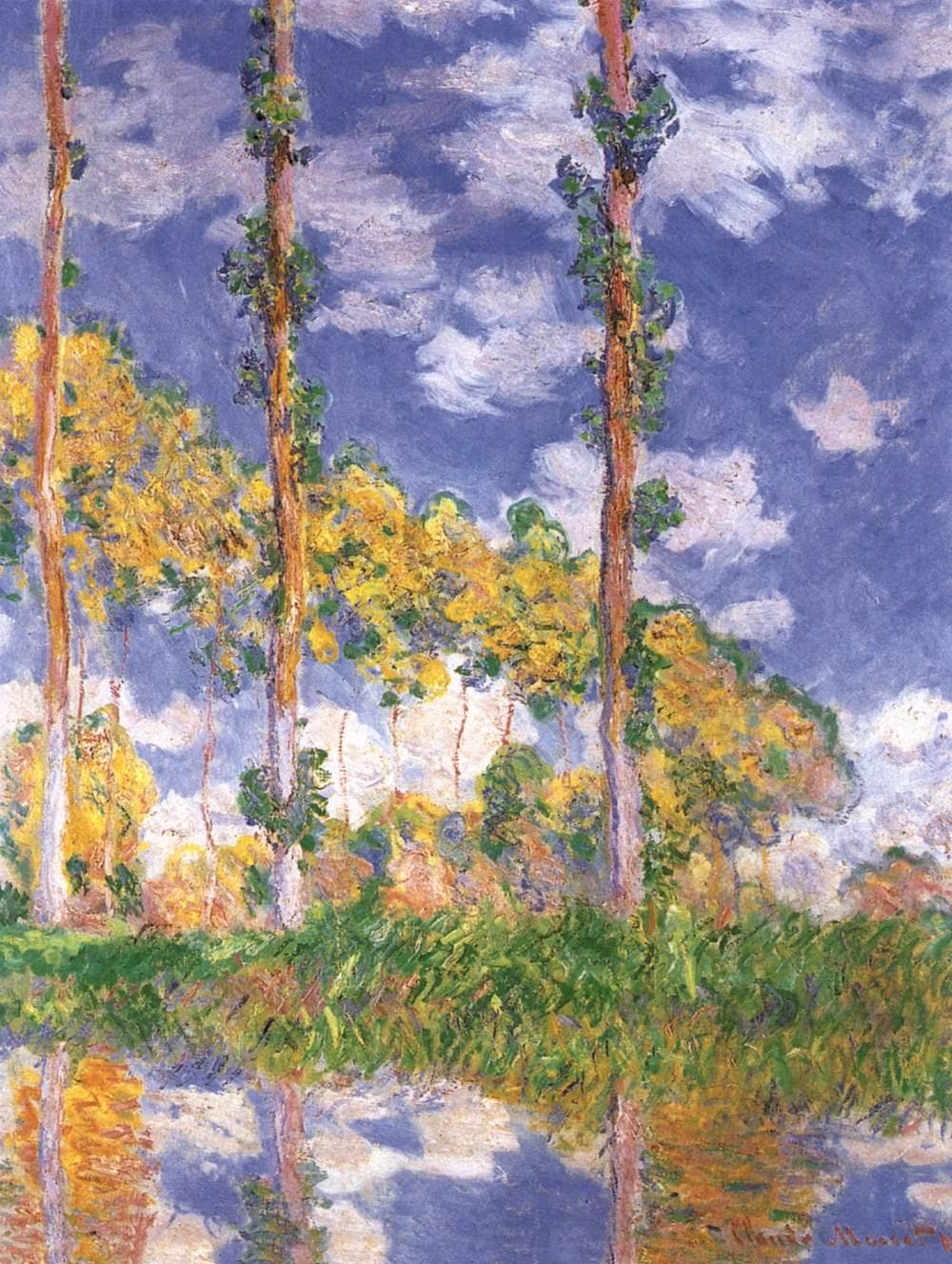
Three Poplars, Summer
Claude Monet · 1891
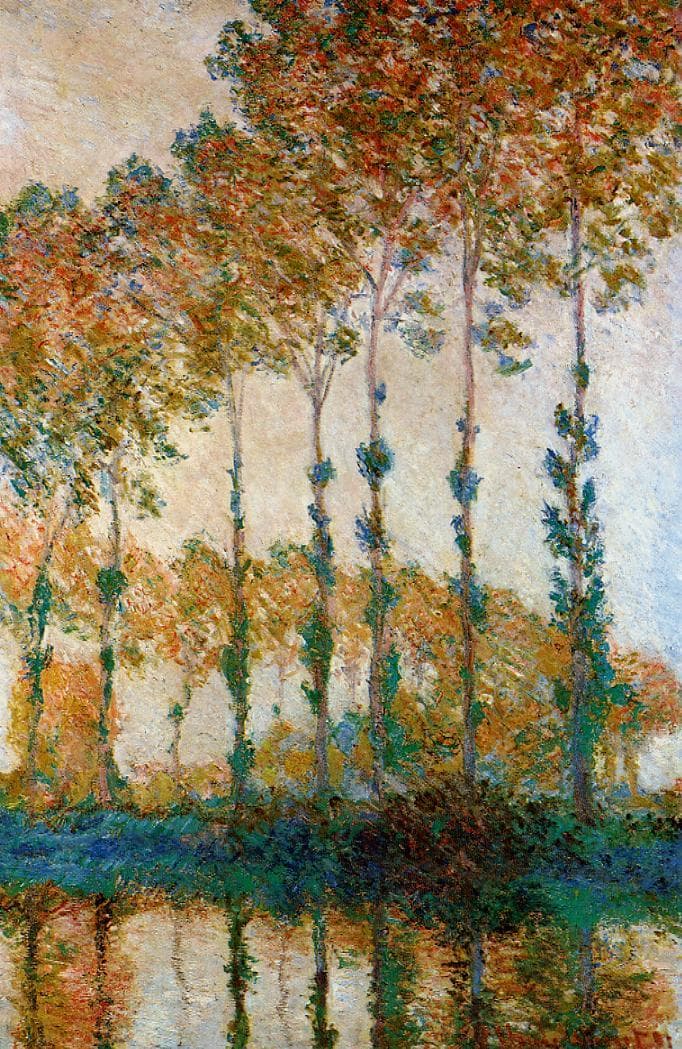
Poplars on the Banks of the Epte, Autumn
Claude Monet · 1891
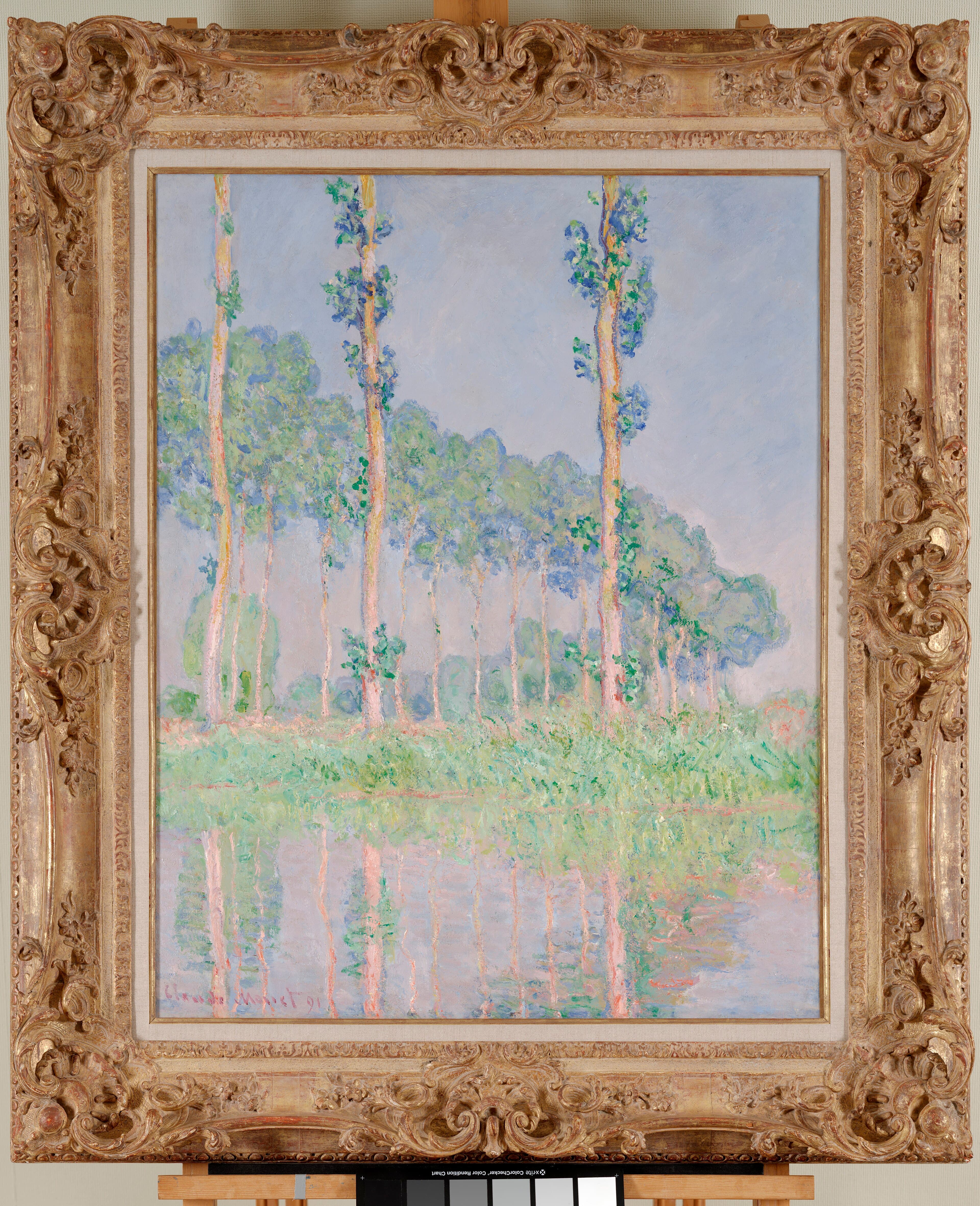
Poplars, Pink Effect
Claude Monet · 1891
Water Lilies, Evening Effect
Claude Monet · 1897
Starry Night (Munch)
Edvard Munch · 1893
Morning on the Seine
Claude Monet · 1897