Image: Claude Monet (source: Flickr [1]) · Public domain · via Wikimedia Commons
Les peupliers, automne
Claude Monet, 1891
Les peupliers, automne is an 1891 canvas from Claude Monet's Poplars series: the row of poplars on the Epte near Giverny turning blue and violet against a pale autumn sky, its rust-red bank doubled in still water. It is in a private collection.
- Artist
- Claude Monet
- Date
- 1891
- Medium
- Oil on canvas
- Dimensions
- 80 × 92 cm
- Collection
- Private collection
- Movement
- Impressionism
- Catalogue
- Wildenstein 1311
- Nature & Landscape
- Water & Sea
What you are looking at
A line of poplars sweeps across the canvas from the lower left to the upper right like a rising wave. On the left the trees are low, rounded masses of blue and violet; toward the right they climb until their crowns break out of the top edge, and their trunks, pale and nearly white, stand in a tight palisade along the far bank of the river. Below them a strip of rust, coral and ochre marks the autumn bank, and below that the river Epte repeats everything upside down: the trunks become wavering mauve ribbons, the bank a smear of red.
The sky takes up almost half the picture and is the quietest part of it, a cream and pale blue haze with soft cloud at the upper left. Against it the foliage reads as a ragged, rippling silhouette, painted in curling strokes of ultramarine, violet and green-blue. One small patch near the top center flares orange-gold, as if a single crown had caught the low sun. It is the hottest color on the canvas and the eye goes straight to it.
The signature, Claude Monet, is at lower left, written in dark paint across the reddish water.
The poplars of Limetz, 1891
Claude Monet painted the poplars from spring to autumn 1891 along the Epte at Limetz, a couple of kilometers upstream from his house at Giverny. He worked from his studio boat, moored in the river, which is why we look across water at the trees and why the bank sits so low in the picture. When the commune sold the trees for timber before he had finished, Monet reached an arrangement with the buyer to keep them standing until the series was done.
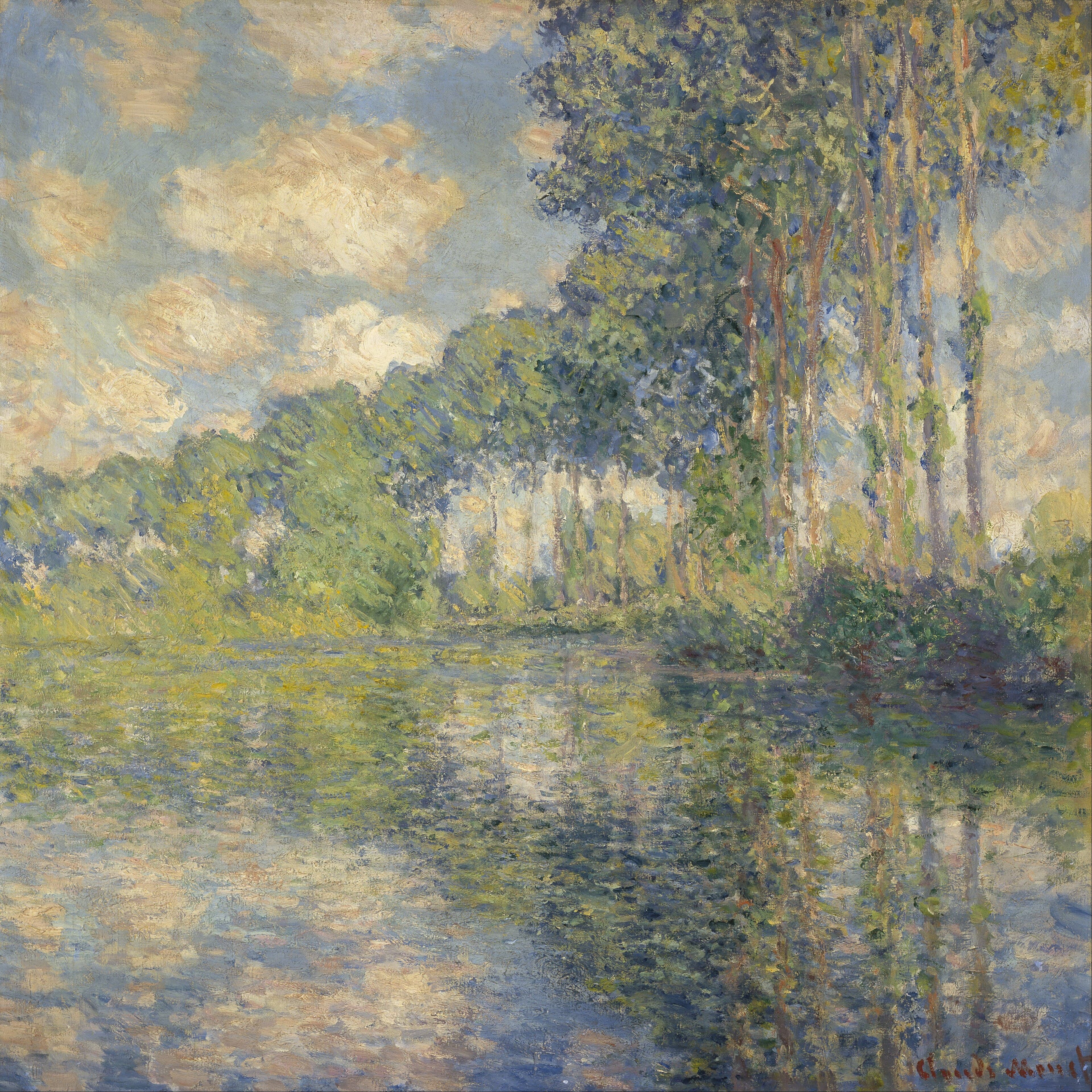
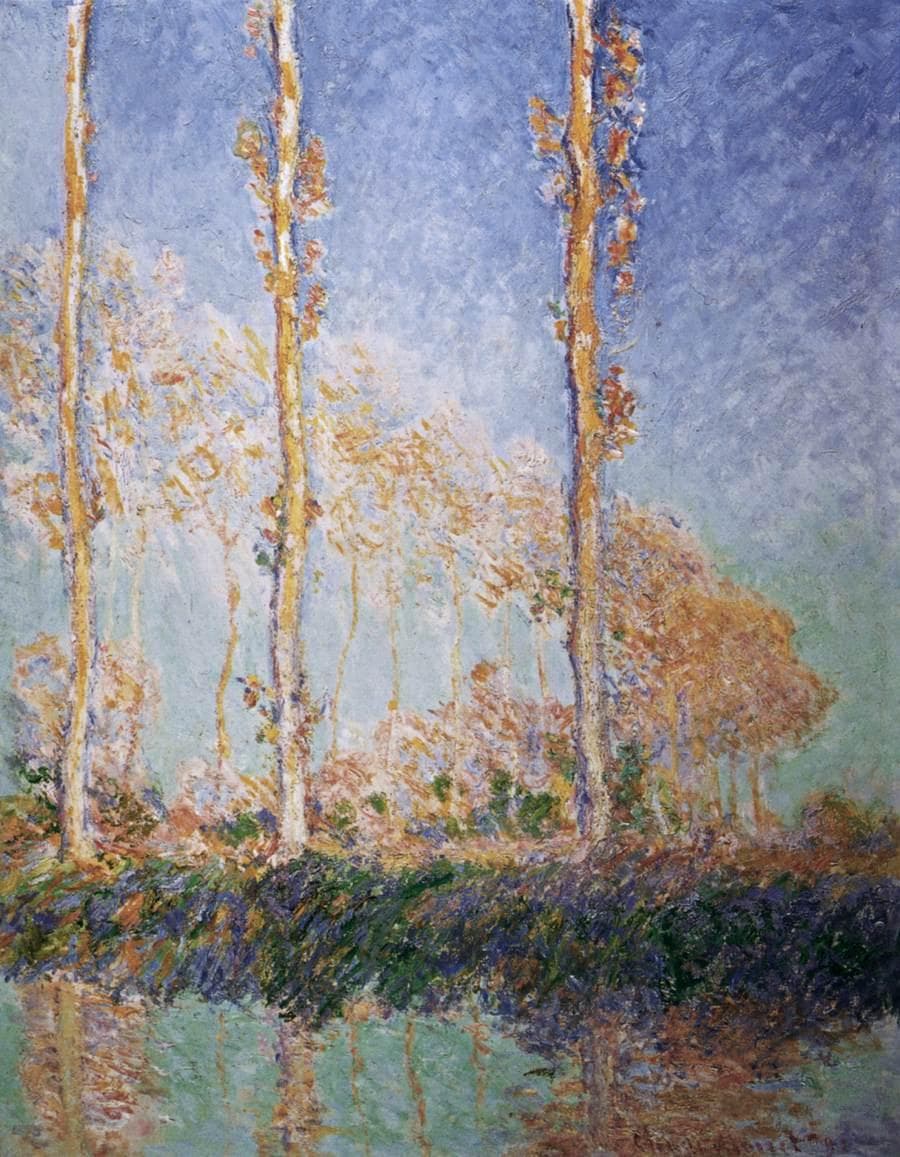
This canvas belongs to the largest group in the Poplars series: the long, serpentine row seen obliquely from the river, as it bends away along the meander. The other groups close in on a few trunks seen frontally, as in Three Poplars, Summer or the Tate's Poplars on the Epte.
How it was painted
The canvas is close to square, 80 by 92 centimeters, a format that suits the long diagonal of the row. Monet painted it fast and in layers. The foliage is laid in with loose, looping strokes that leave the outlines soft, then reworked with denser touches of blue and violet. The trunks on the right are thin vertical drags of cream and lilac over a darker underlayer, and the water is built from short horizontal dabs that catch the reflections of the trunks and bank.
The color logic is the late-season one Monet used across the autumn canvases. Leaves that would read as yellow or brown in daylight become blue and violet in shadow against a bright sky, while the warm notes are reserved for the bank, the reflections and that single sunlit crown. Compare Peupliers au bord de l'Epte, automne, where the same row blazes yellow and orange in direct sun, and Poplars (Autumn) for another autumn effect.
How this version differs
Most of the serpentine-row canvases are upright or tall, the row rising out of the frame. Here the horizontal format lets the line of trees run its full length, from bushy, low growth at the left to the tall poplars at the right, so the picture reads as a slow crescendo rather than a screen of verticals. The light is soft and slightly veiled; there are no hard shadows on the water, and the sky has none of the strong blue of the summer pictures. It is a picture of an overcast autumn afternoon briefly warmed by sun.
Ownership and where to see it
The canvas is catalogued as Wildenstein 1311 and is in a private collection, so it is rarely on public view. Its published history is thin, and its date within 1891 is given only as the year. To see poplar canvases in public museums, try the Tate and National Galleries of Scotland in Britain, the Philadelphia Museum of Art and the Metropolitan Museum in the United States, and the Musée d'Orsay in Paris; our guide to where to see Monet's paintings lists more.
Questions & answers
Where is Monet's Les peupliers, automne?
It is in a private collection and is not on regular public display. The canvas measures about 80 by 92 centimeters and is catalogued as Wildenstein 1311. Other poplar canvases from the same 1891 campaign can be seen at the Tate, the Musée d'Orsay, the Philadelphia Museum of Art and the Metropolitan Museum.
When and where was it painted?
Monet painted it in 1891, in the autumn phase of his Poplars campaign. The trees stood along the river Epte at Limetz, a short distance upstream from his home at Giverny, and he painted them from his studio boat moored in the river, which explains the low, waterside viewpoint.
What does the painting show?
A row of poplars curving away along the far bank of the Epte, their foliage blue and violet against a pale autumn sky, the bank a band of rust and coral, and the whole scene reflected in the still river. One crown near the top catches the sun in orange-gold.
How many Poplars paintings did Monet make?
About two dozen canvases, painted between spring and autumn 1891. Fifteen were shown together at Durand-Ruel's gallery in Paris in early 1892. This canvas belongs to the largest group, showing the winding row of trees seen obliquely from the river.
More by the artist
Claude Monet
Poplars on the Epte (Edinburgh)
Claude Monet · 1891
Poplars, Three Pink Trees, Autumn
Claude Monet · 1891
Haystacks (Effect of Snow and Sun)
Claude Monet · 1891
Grainstack, Sun in the Mist
Claude Monet · 1891
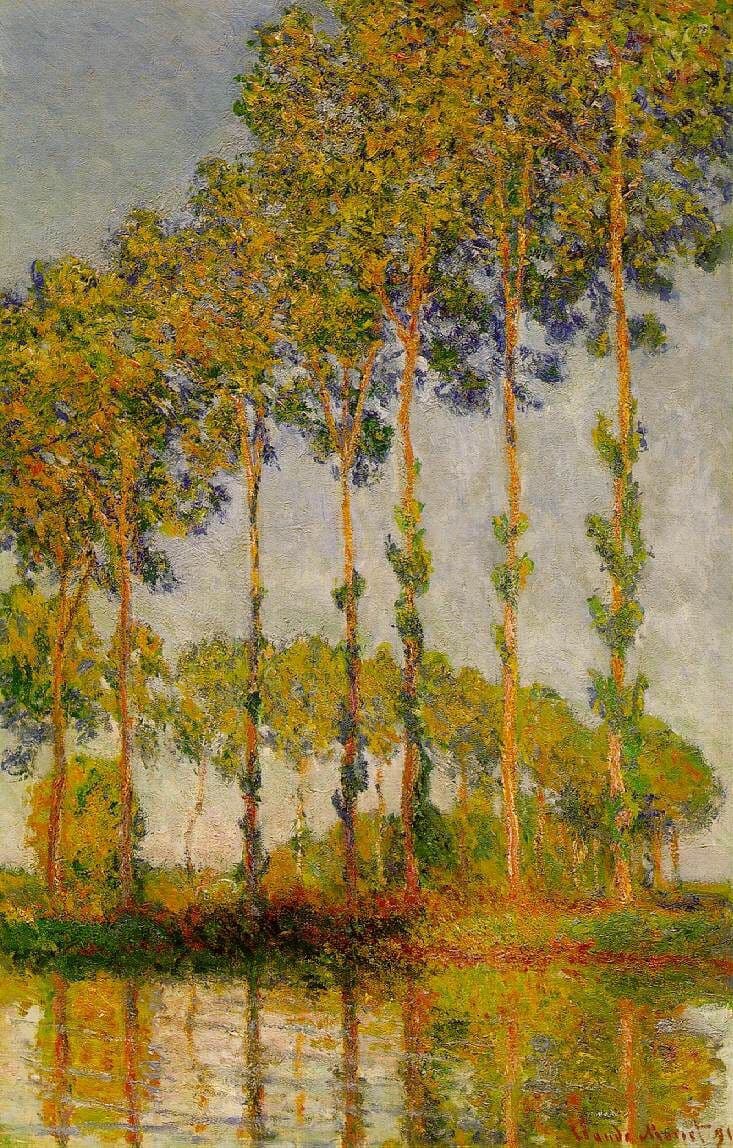
Row of Poplars in Autumn
Claude Monet · 1891
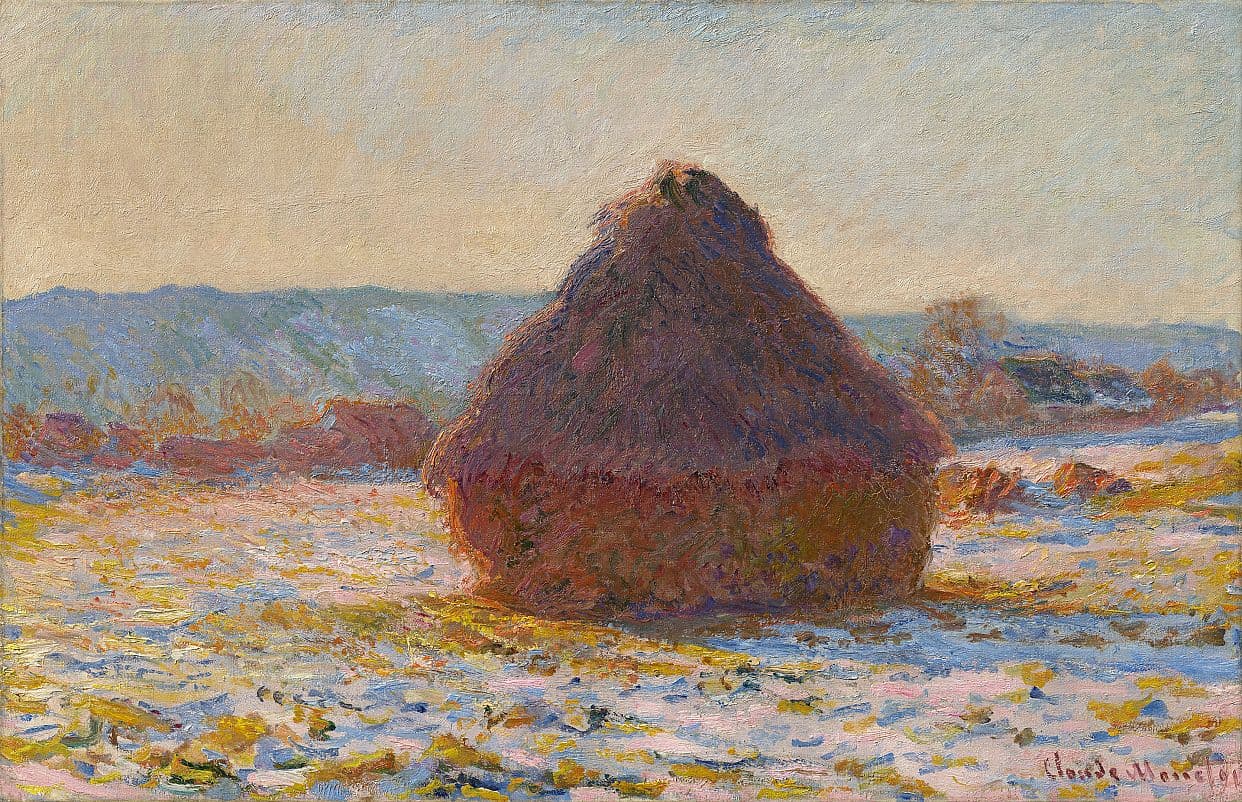
Grainstack in the Sunlight, Snow Effect
Claude Monet · 1891
Grainstacks in the Sunlight, Morning Effect
Claude Monet · 1890
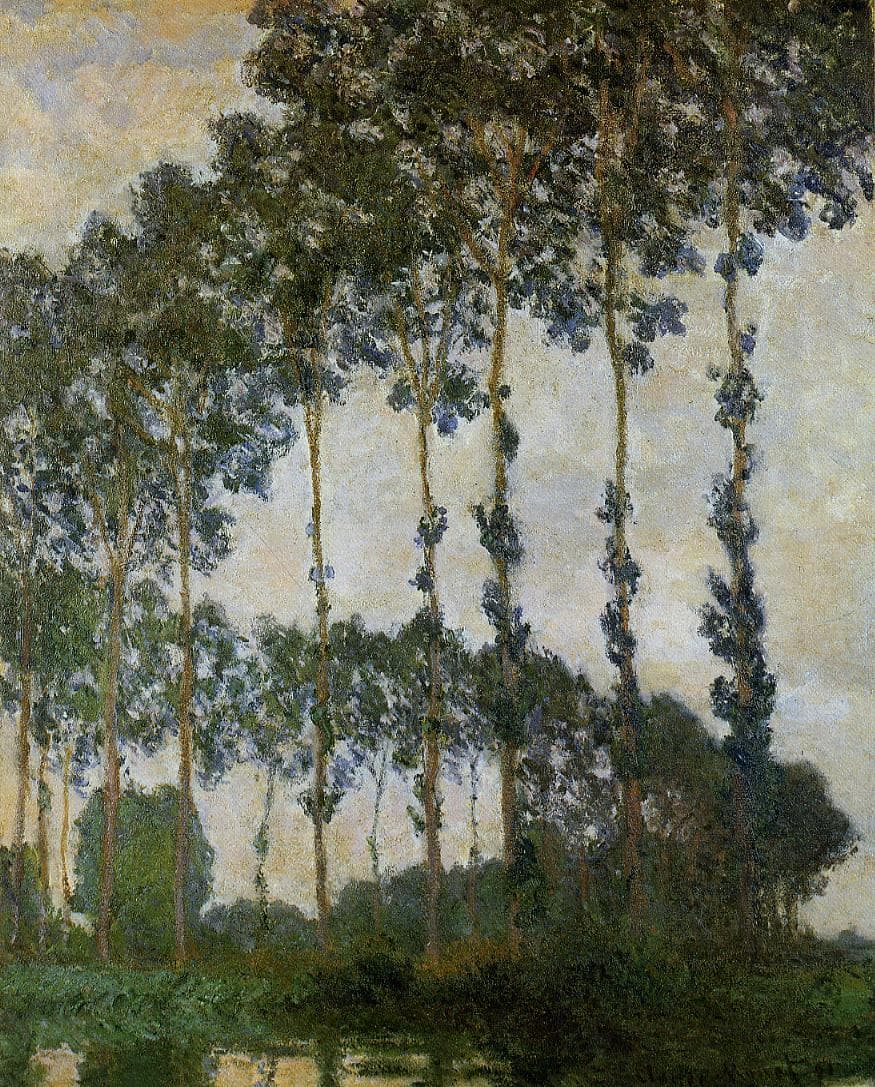
Poplars near Giverny, Overcast Weather
Claude Monet · 1891
Also painted in 1891
The same year
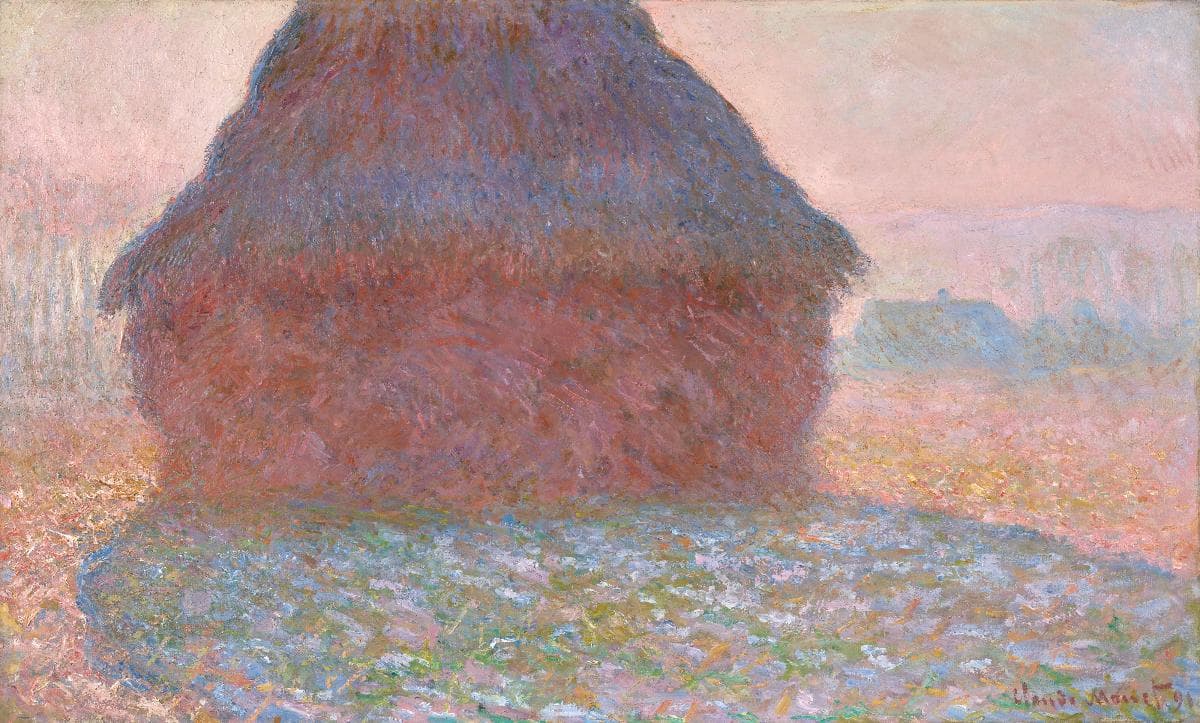
Grainstack in Sunlight
Claude Monet · 1891
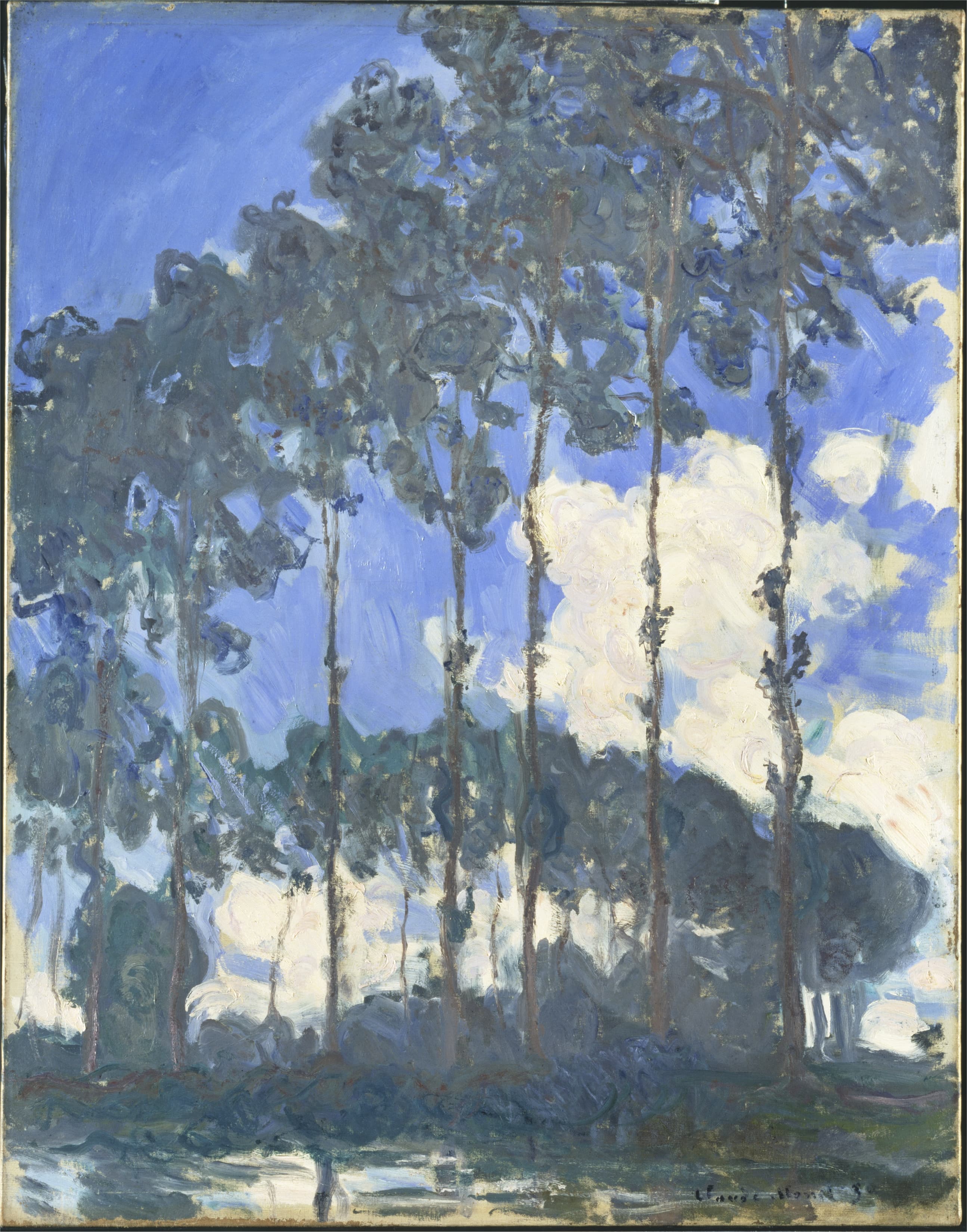
Poplars on the Epte (London)
Claude Monet · 1891
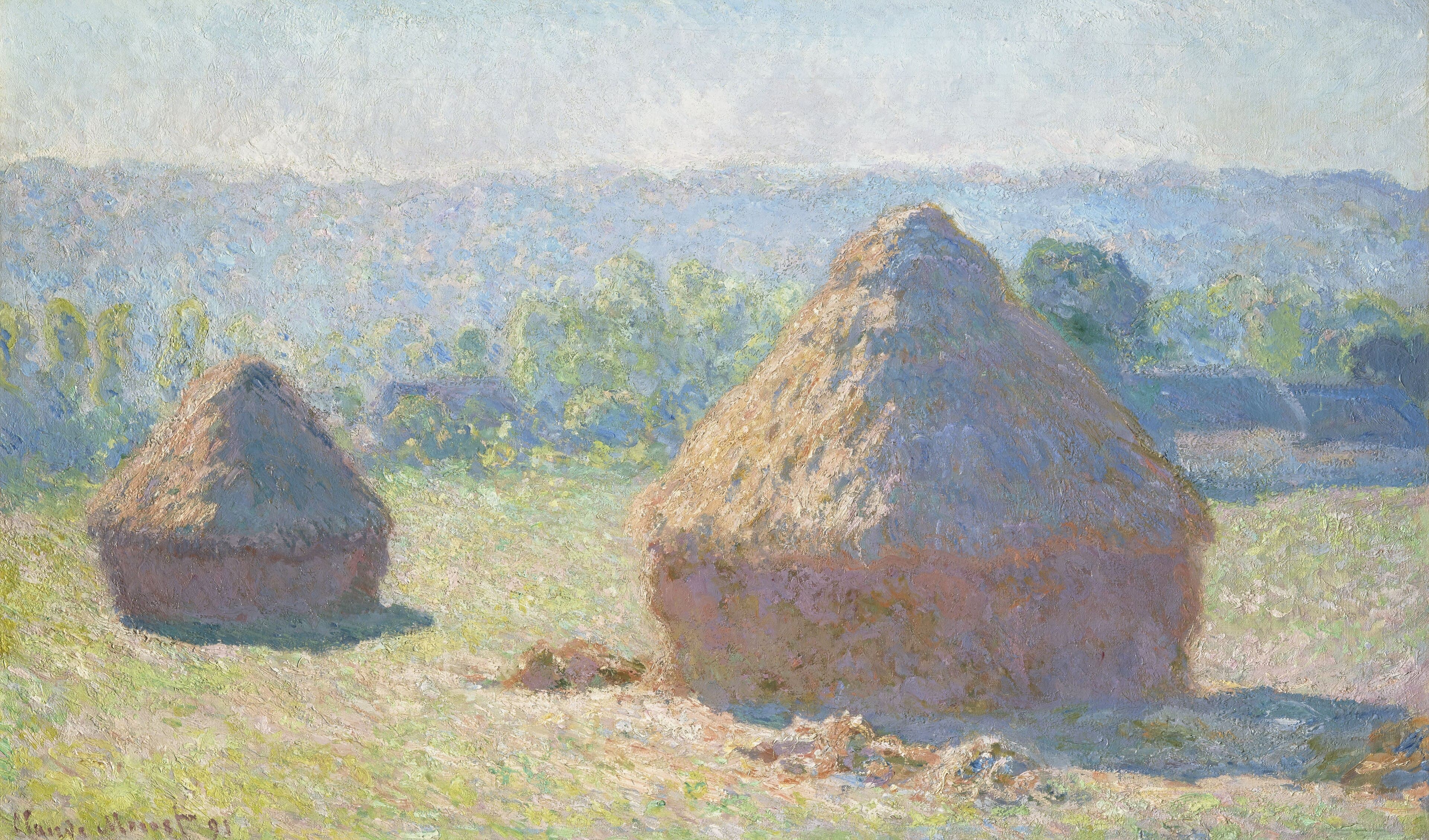
Haystacks, End of Summer
Claude Monet · 1891
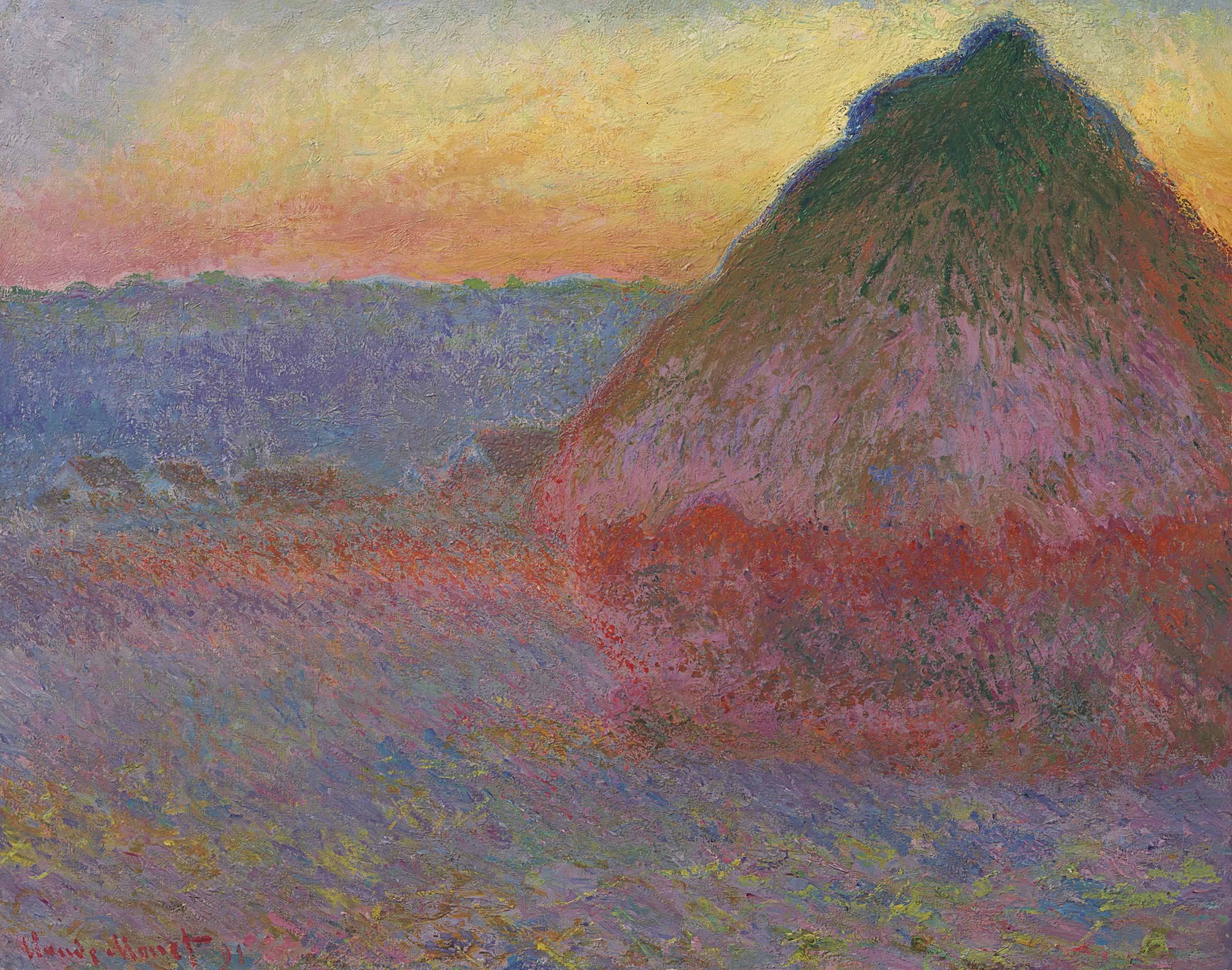
Grainstack in the Sunlight
Claude Monet · 1891
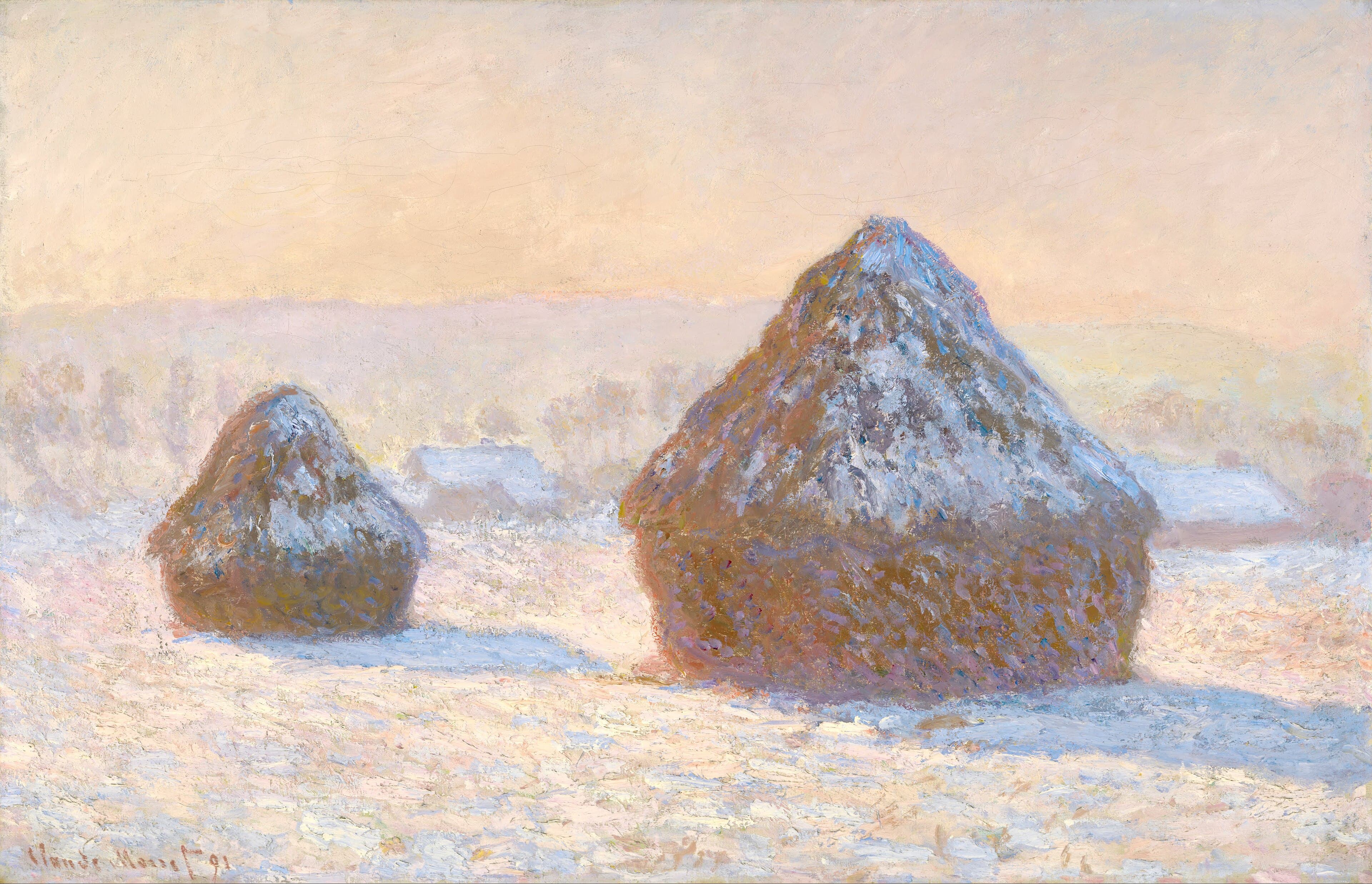
Wheatstacks, Snow Effect, Morning
Claude Monet · 1891
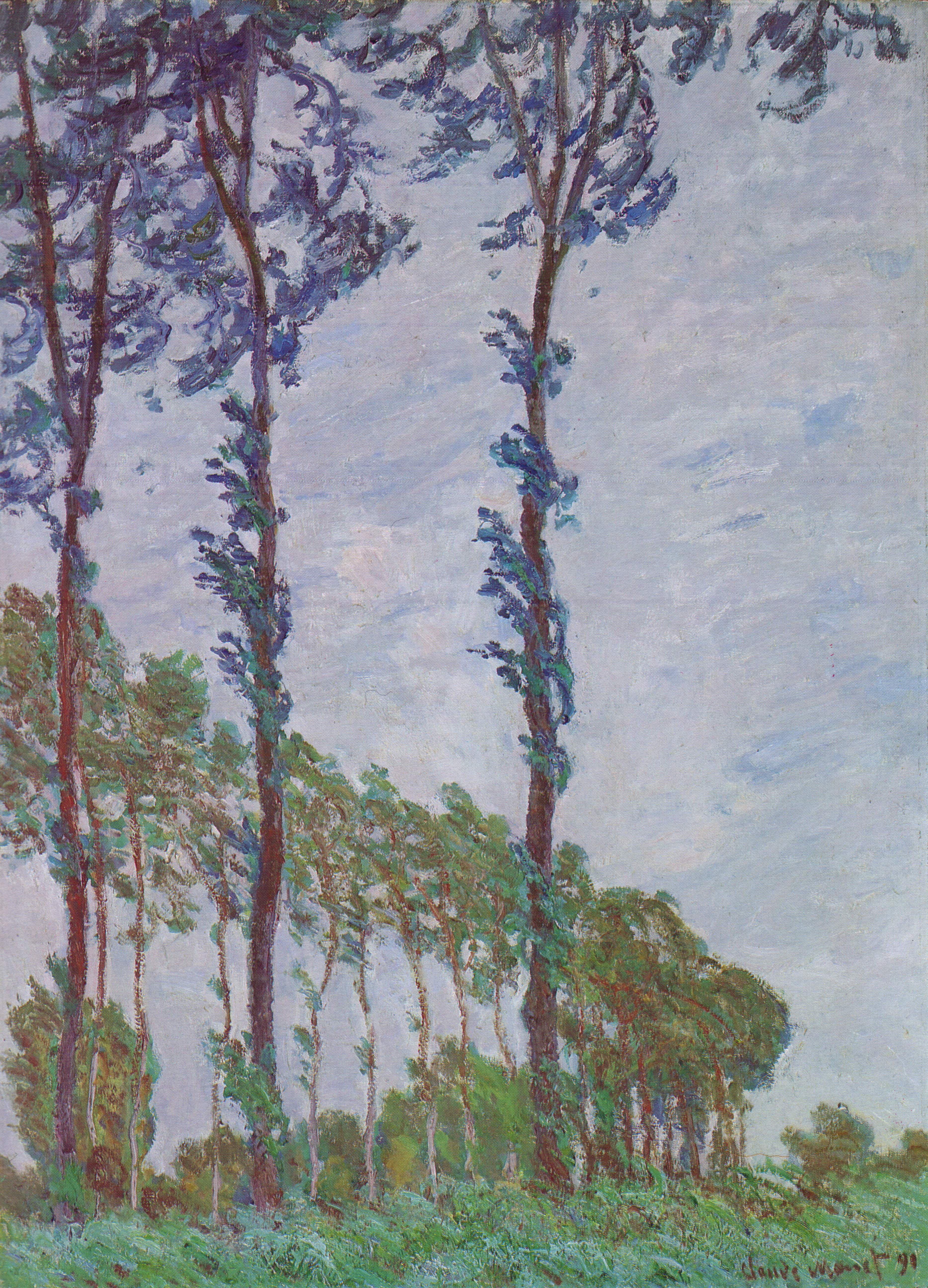
Wind Effect, Series of The Poplars
Claude Monet · 1891
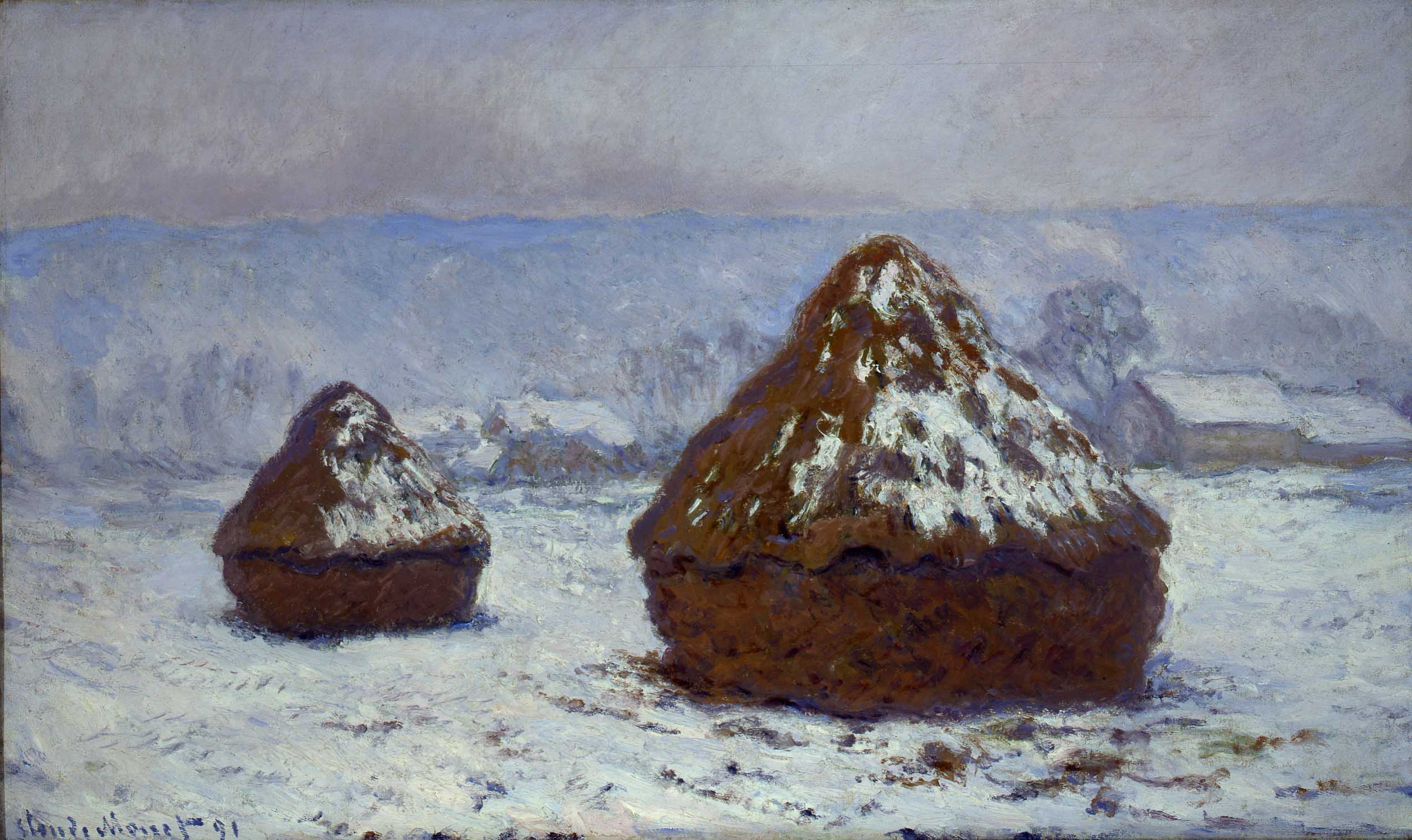
Grainstacks, Snow Effect
Claude Monet · 1891
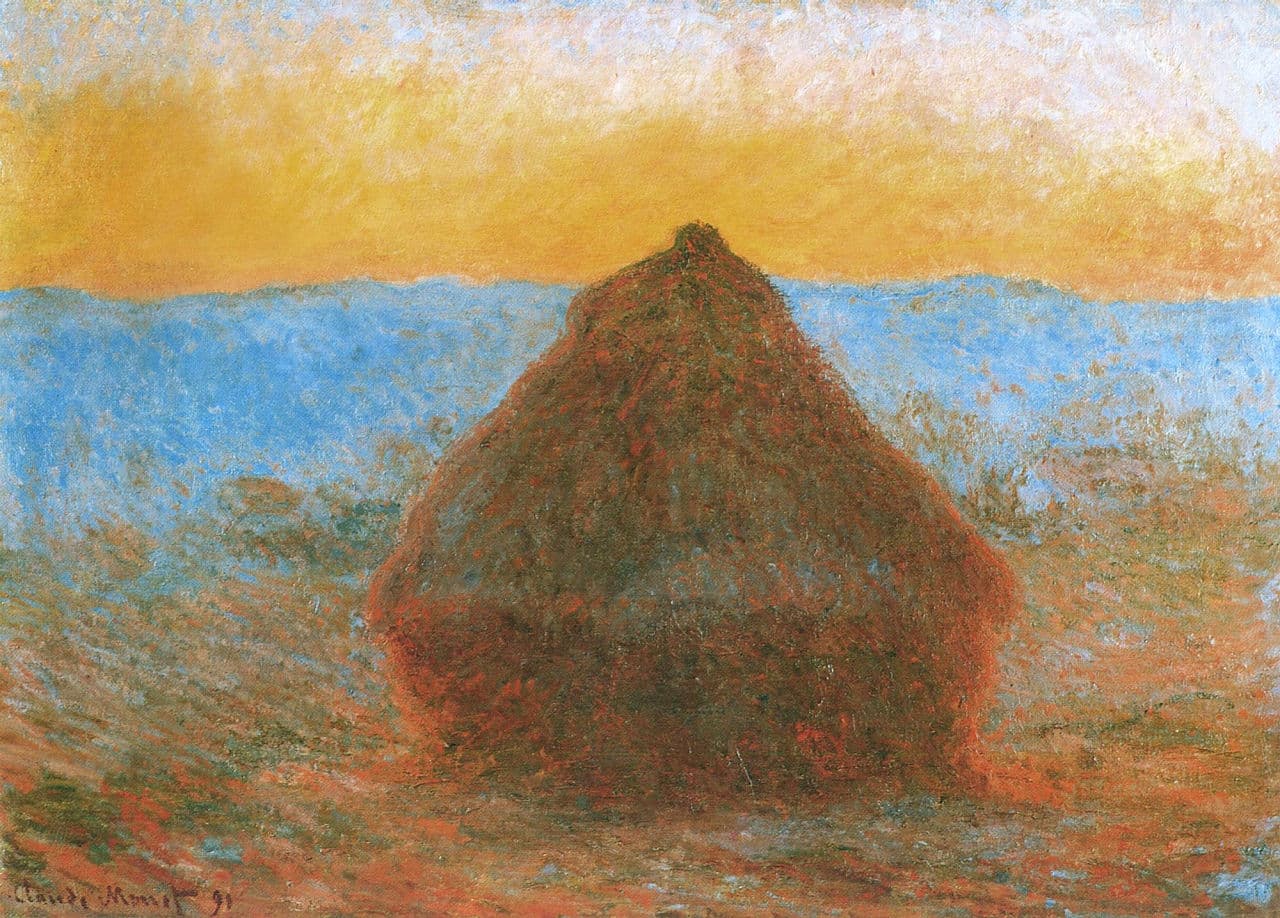
La Meule
Claude Monet · 1891
Kindred works
You may also study
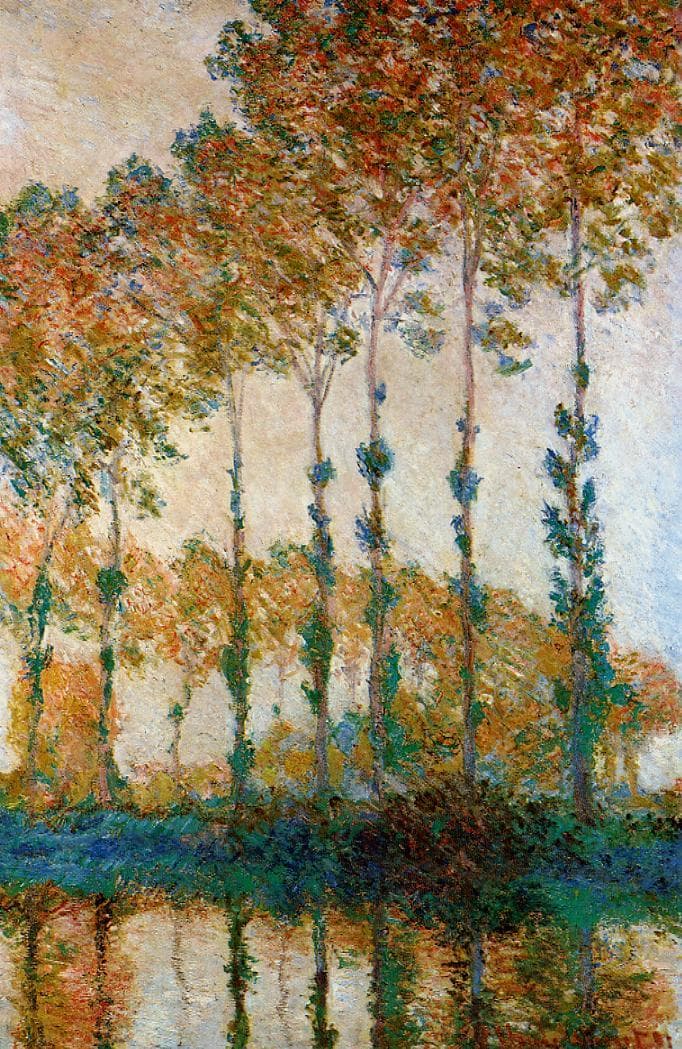
Poplars on the Banks of the Epte, Autumn
Claude Monet · 1891
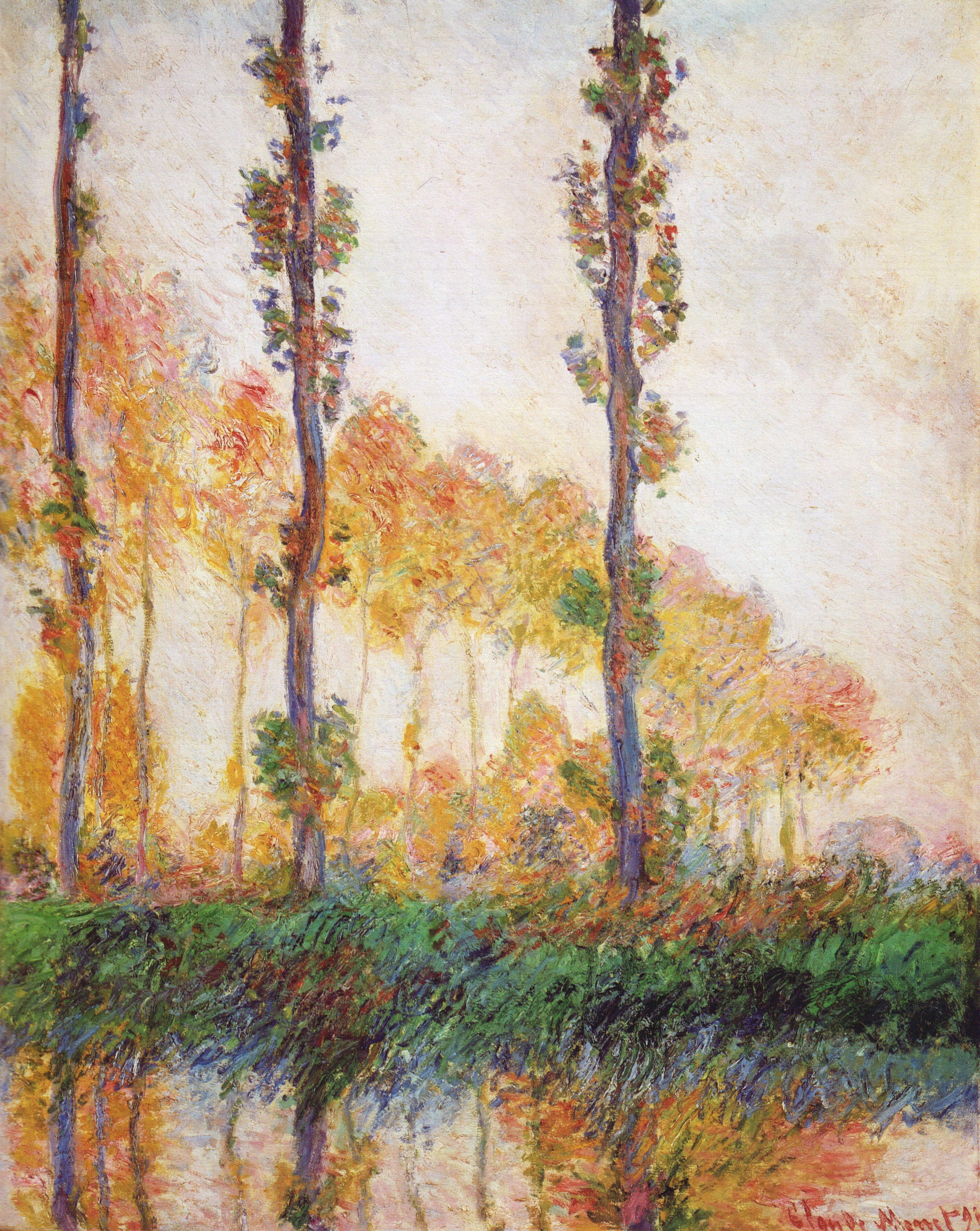
Poplars (Autumn)
Claude Monet · 1891
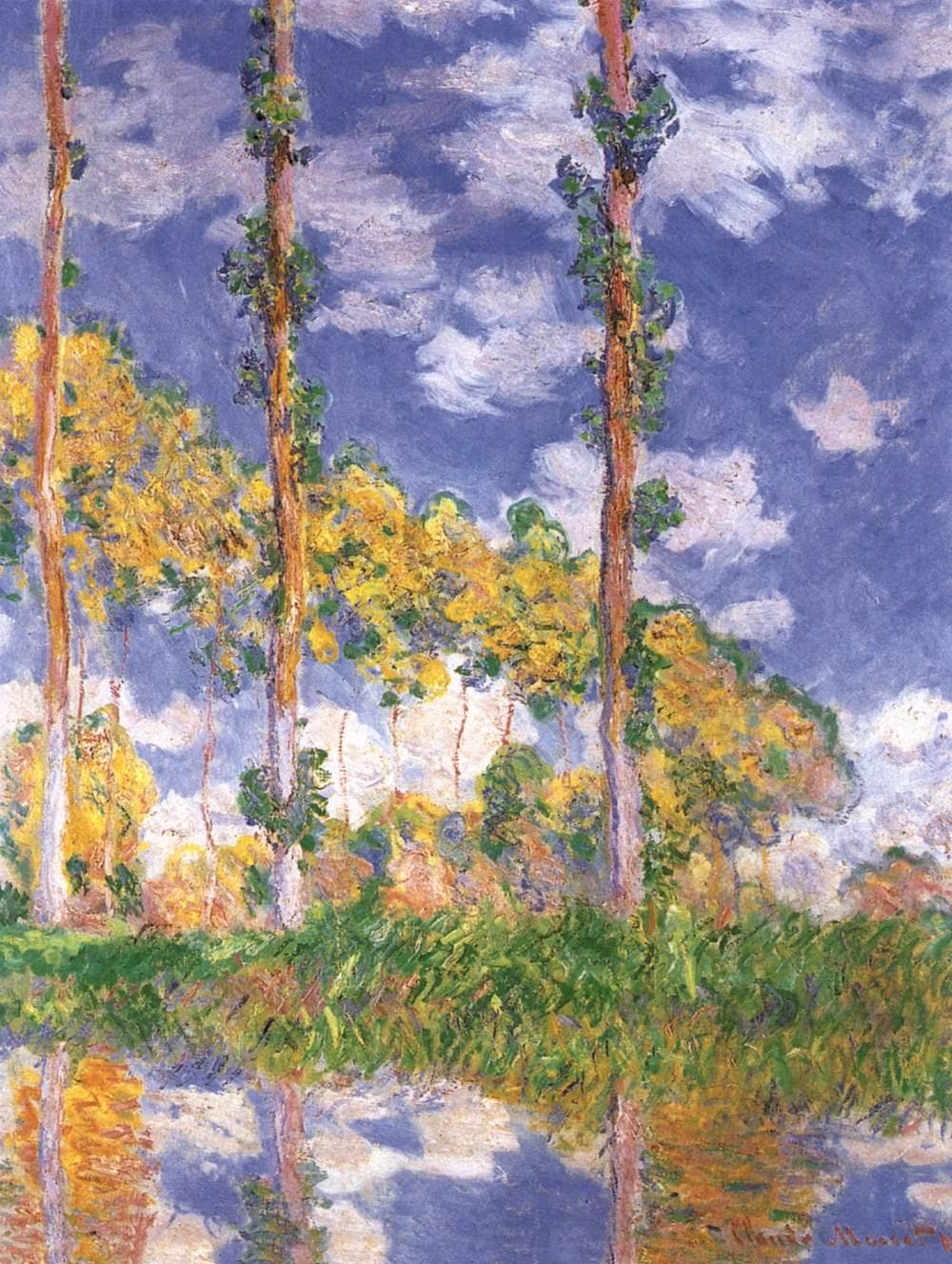
Three Poplars, Summer
Claude Monet · 1891
Poplars on the Epte (London)
Claude Monet · 1891
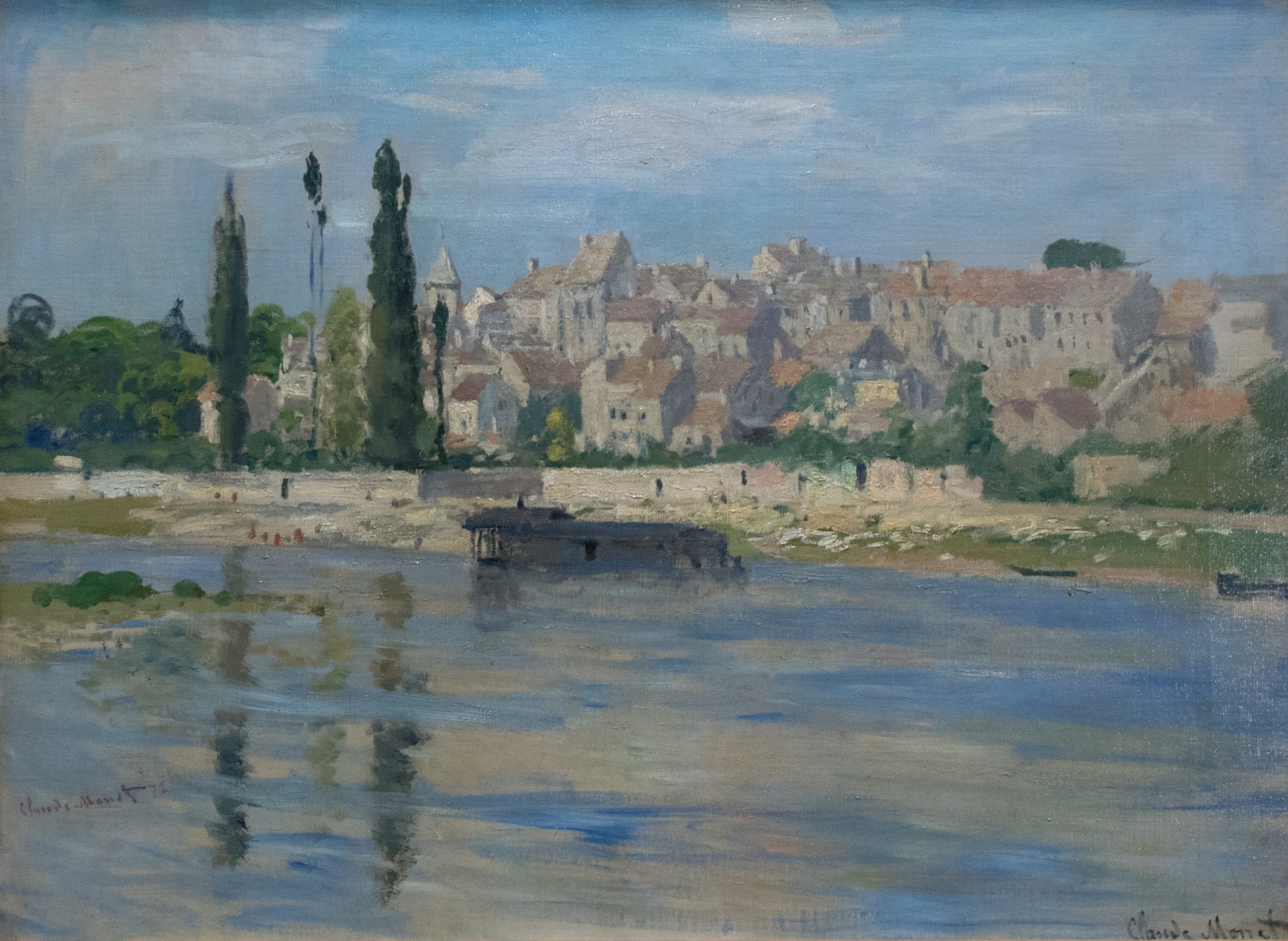
Carrières-Saint-Denis
Claude Monet · 1872
Argenteuil
Claude Monet · c. 1872
Lavacourt under Snow
Claude Monet · c. 1878–81
The Basin at Argenteuil
Claude Monet · 1872