Image: Minneapolis Institute of Art (via Google Arts & Culture) · Public domain · via Wikimedia Commons
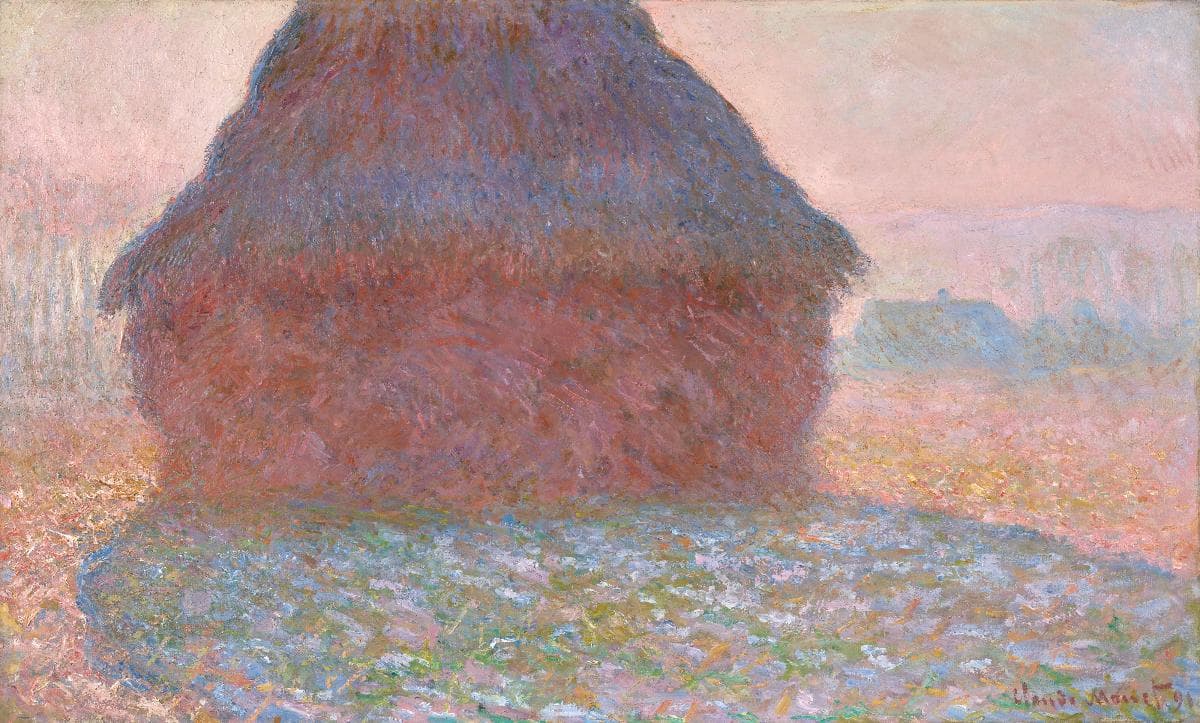
Grainstack, Sun in the Mist
Claude Monet, 1891
Grainstack, Sun in the Mist (Meule, soleil dans la brume) is an 1891 painting by Claude Monet of a single wheat stack at Giverny as the sun burns through morning mist. It is in the Minneapolis Institute of Art.
- Artist
- Claude Monet
- Date
- 1891
- Medium
- Oil on canvas
- Dimensions
- 60 × 100.3 cm
- Collection
- Minneapolis Institute of Art, Minneapolis, United States
- Movement
- Impressionism
- Catalogue
- Wildenstein 1286
- Nature & Landscape
Grainstack, Sun in the Mist (Meule, soleil dans la brume) is a painting by Claude Monet, signed and dated "Claude Monet 91" at lower right. It shows a single stack of wheat in the field beside his house at Giverny, at the moment the sun begins to break through a morning mist. The canvas measures 60 by 100.3 centimeters and is in the Minneapolis Institute of Art (Mia), accession 93.20, acquired in 1993. Wildenstein lists it as number 1286.
What you're looking at
One stack stands almost in the center of a long, low canvas. It is the only solid thing in the picture, and even it is not very solid: its cap is a dusky violet cone, its drum a band of rose and red, and its outline flickers with orange where the light catches loose straw.
Everything around it is mist. The sun is a pale, whitish disk at the very top of the canvas, barely distinguishable from the sky around it, which glows in coral, peach and pink. Below the sky, where hills and trees would be, there is a broad band of pale blue and lilac in which a few shapes, a farm building, a line of trees, are suggested and immediately lost.
The foreground is the most energetic part of the picture. Monet covers the field with short, slanting strokes of orange, gold, blue and mauve, laid down fast and close together. They read as stubble catching the first light, but also as pure color, a field of sparks.
Sun in the mist: what makes this version distinct
The museum describes the scene as an autumn dawn, when the sun burns off the rising mist. Few canvases in the series go this far toward dissolving the motif. In most versions the horizon, the hills and the farm give a stable frame; here only the stack stays put, and the rest of the picture is light and moisture. It is a useful contrast with Boston's Grainstack (Sunset), where one stack is also set against a hot sky, but the stack is huge, dark and close. In Minneapolis the stack is smaller, centered and paler, almost absorbed by the air around it.
The canvas is also one of the clearest demonstrations of Monet's statement that the subject of the series was the "envelope" of light and atmosphere around the motif rather than the motif itself.
How it was painted
Monet worked on the stacks outdoors from late summer 1890, keeping several canvases going and switching between them as the light changed, then refined them in the studio. Here the handling is loose and open. The sky is laid in broad, scumbled strokes; the stack in layered, curving touches; the field in quick, separate dashes. The red of the stack's base is the strongest color on the canvas, and it is repeated in tiny touches across the field, so the eye keeps returning to the stack. The signature is placed at lower right, opposite the usual lower-left position, perhaps to balance the composition.
At Mia
The painting came to Minneapolis in 1993 through a gift of Ruth and Bruce Dayton and several museum funds, and it quickly became one of Mia's most popular works. In 2018 the museum replaced its old frame with a new gilded one better suited to the picture. Mia also owns Monet's late The Japanese Bridge, painted at Giverny more than thirty years later.
Details to look for
Look just below the stack, where a dark reflection or shadow of blue and violet seems to sit in the field like a pool. It is the only cool, dark area in the lower half and keeps the stack from floating away. At the top, the sun is not a disk but a smudge of pale cream and yellow. Monet resists painting it clearly, so the mist stays thick.
Where to see it
It hangs in the Minneapolis Institute of Art's European painting galleries. See our Haystacks series hub, Where to See Monet, Giverny and Claude Monet.
Questions & answers
Where is Monet's Grainstack, Sun in the Mist?
It is in the Minneapolis Institute of Art (Mia) in Minnesota, accession number 93.20. It was acquired in 1993 through a gift of Ruth and Bruce Dayton and several museum funds, and it hangs in the European painting galleries.
When and where was it painted?
Monet painted it in the field next to his house at Giverny and dated it 1891. The museum describes the scene as an autumn dawn, as the sun begins to burn off the mist over the field.
What does Grainstack, Sun in the Mist show?
A single wheat stack, small and centered, in a field shrouded in mist. A pale sun glows at the top of a coral and pink sky, hills and buildings dissolve into blue haze, and the field is a mass of orange, gold and blue strokes.
How many grainstack paintings are there?
About twenty-five canvases make up the main 1890–91 series, according to Wildenstein's catalogue. Fifteen were shown at Durand-Ruel's gallery in Paris in May 1891. They are now spread among museums and private collections worldwide.
More by the artist
Claude Monet
Les Peupliers
Claude Monet · 1891
Grainstack in the Sunlight, Snow Effect
Claude Monet · 1891
Grainstack (Snow Effect)
Claude Monet · 1891
Grainstacks, Snow Effect
Claude Monet · 1891
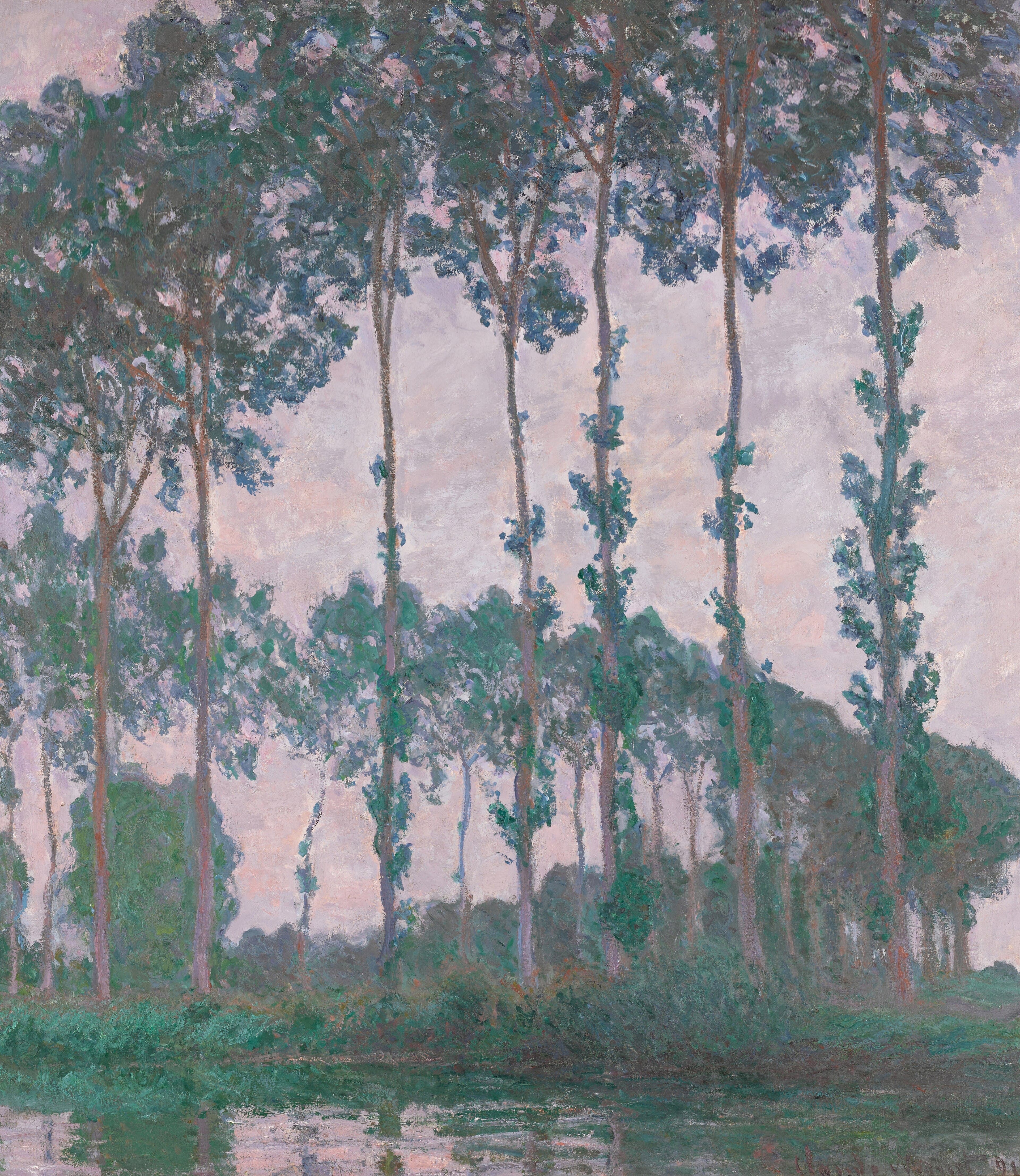
Peupliers au bord de l'Epte, temps couvert
Claude Monet · 1891
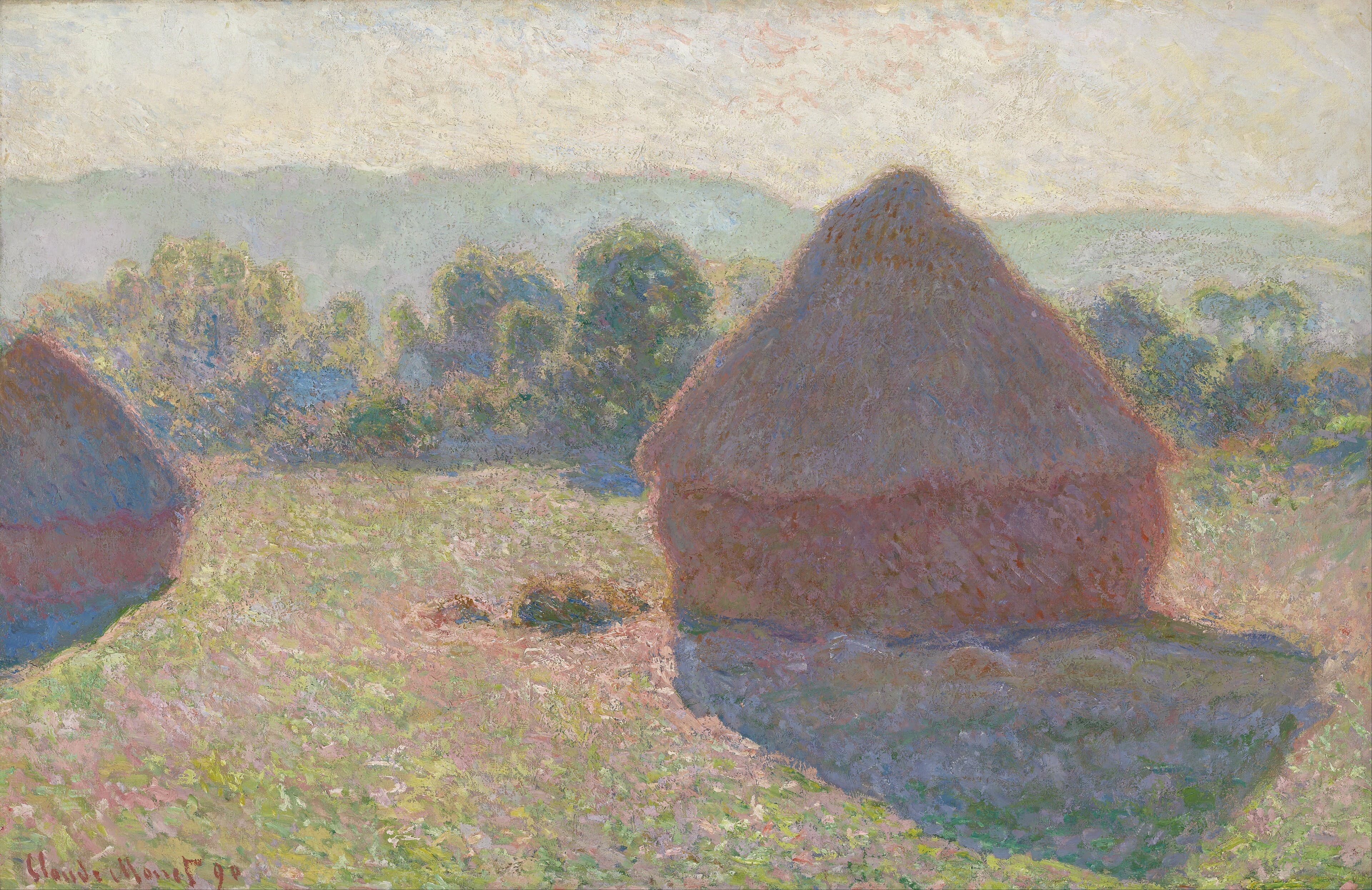
Haystacks, Midday
Claude Monet · 1890
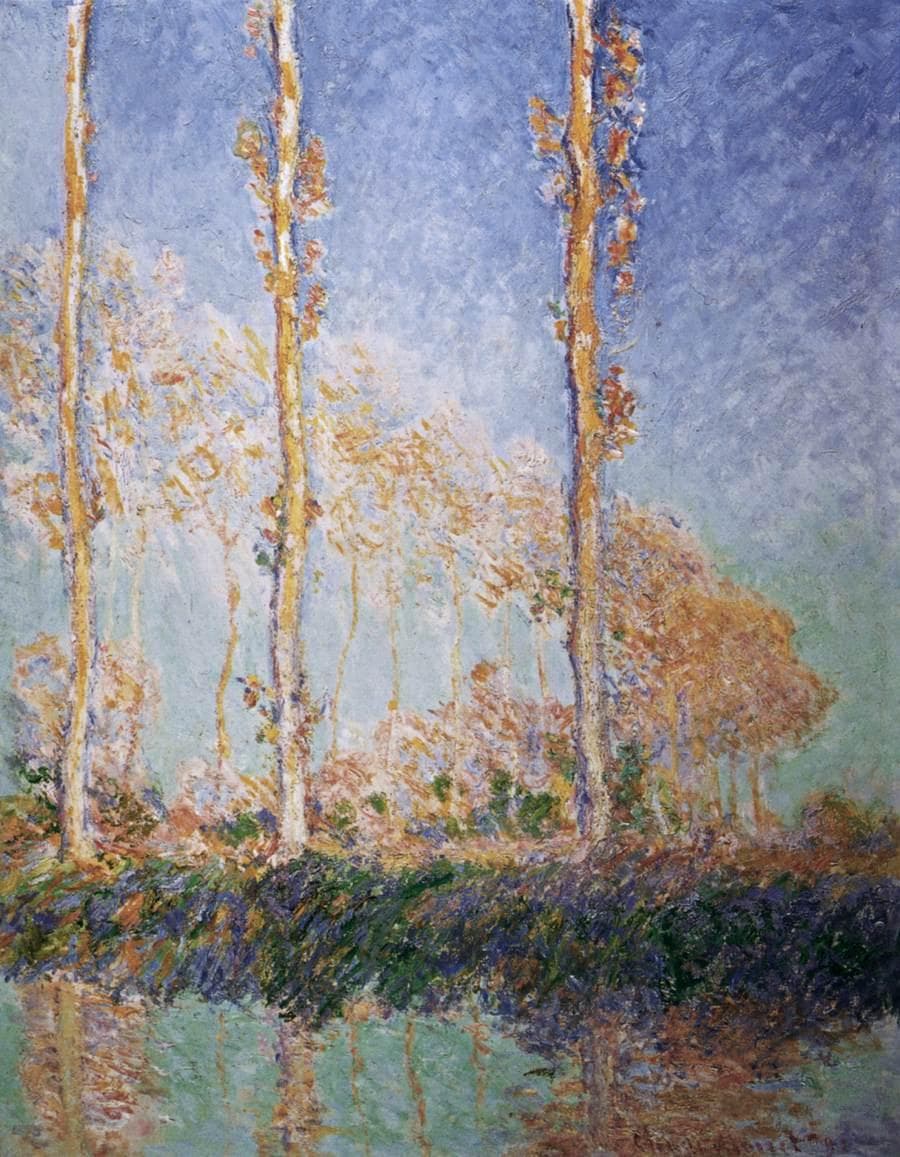
Poplars, Three Pink Trees, Autumn
Claude Monet · 1891
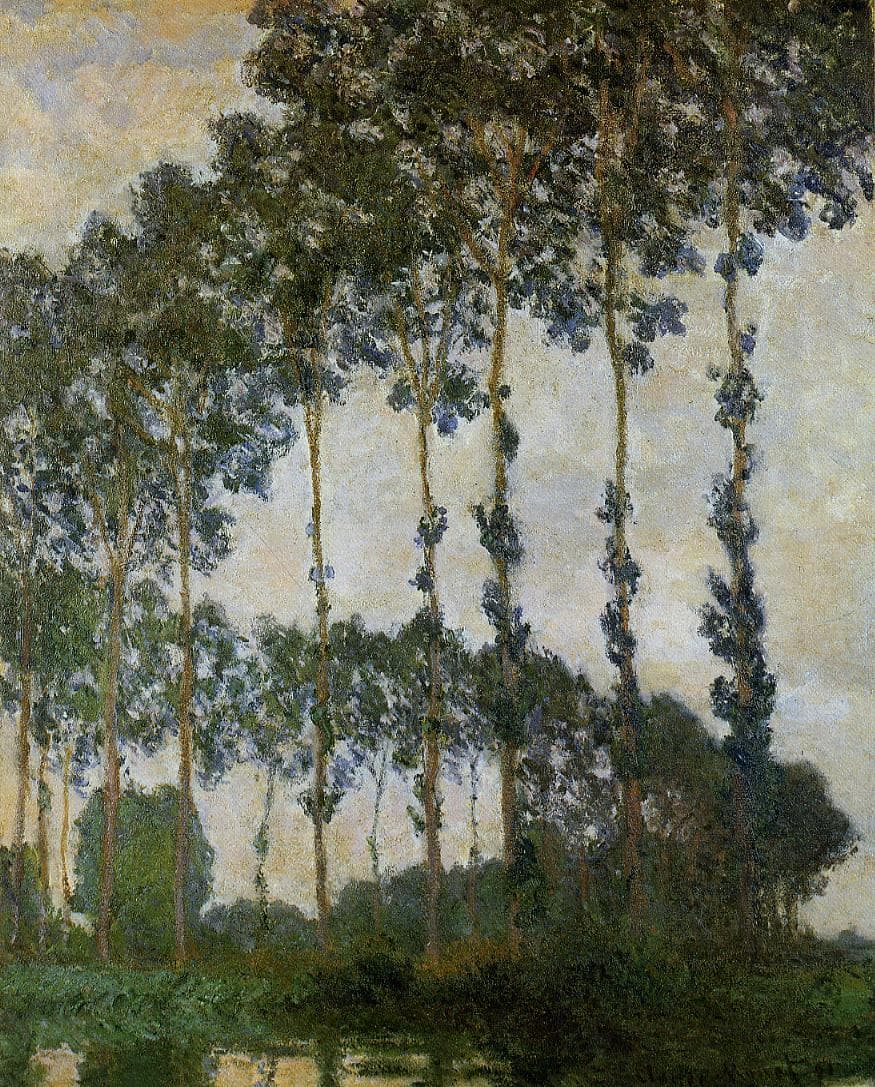
Poplars near Giverny, Overcast Weather
Claude Monet · 1891
Also painted in 1891
The same year
Grainstack in Sunlight
Claude Monet · 1891
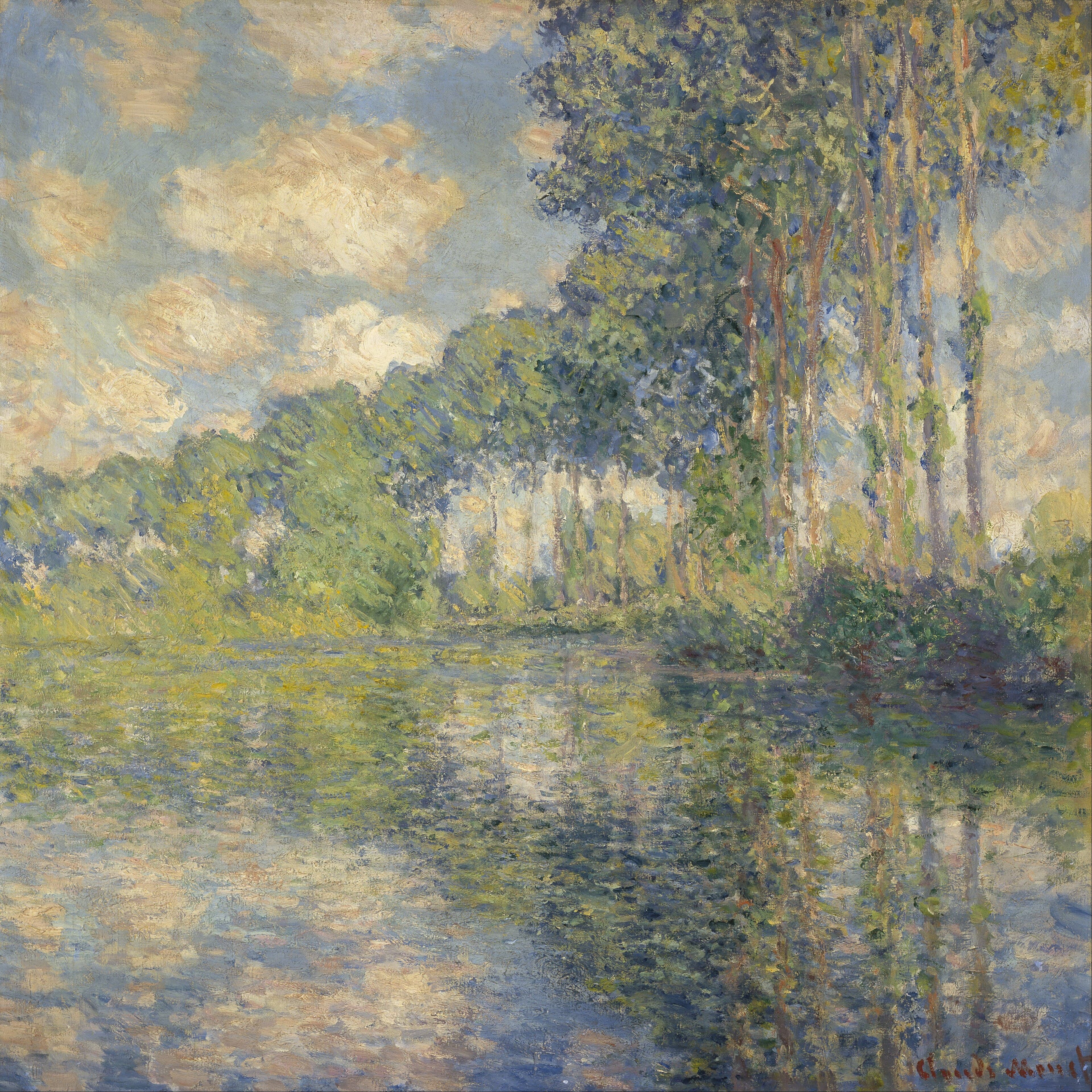
Poplars on the Epte (Edinburgh)
Claude Monet · 1891
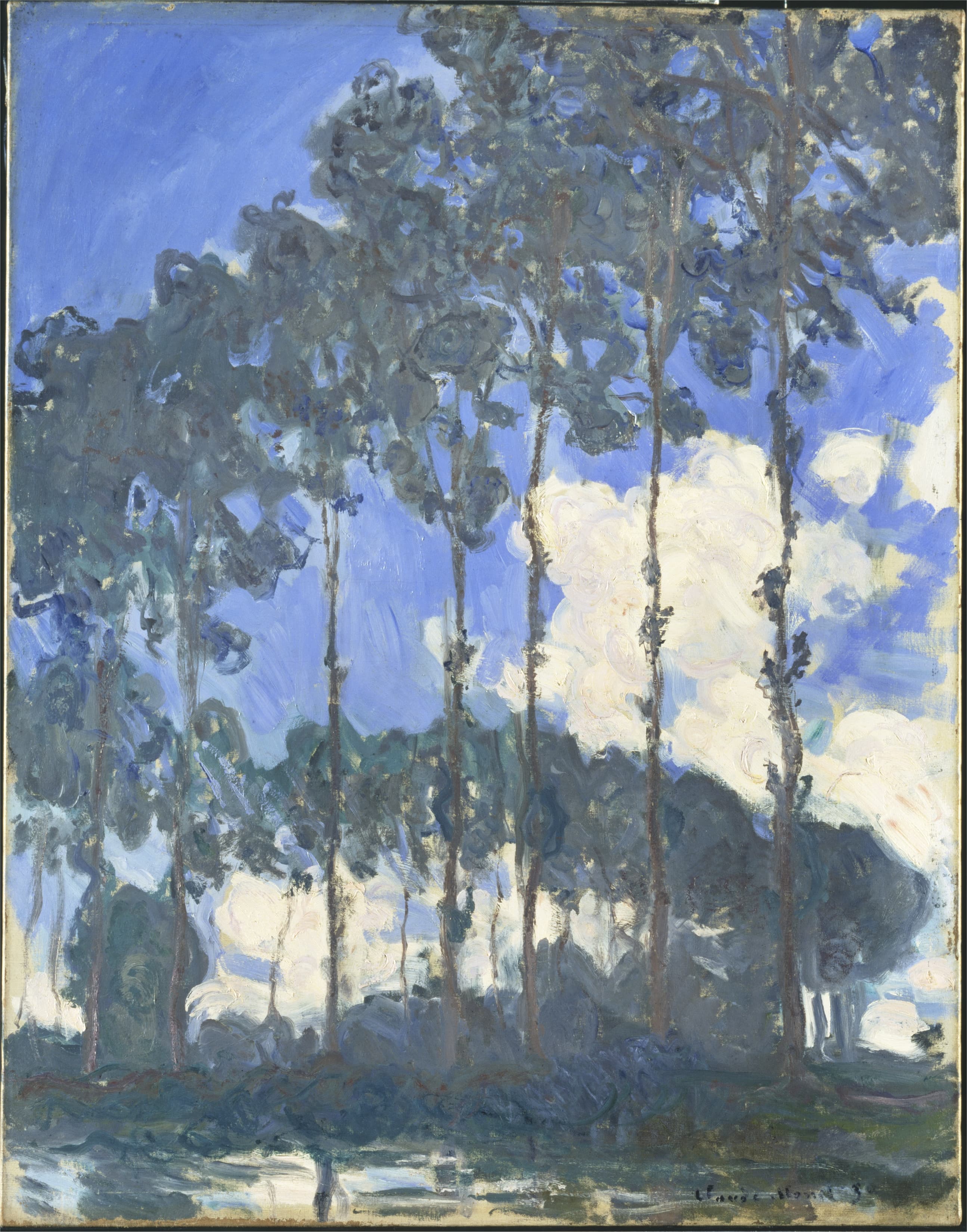
Poplars on the Epte (London)
Claude Monet · 1891
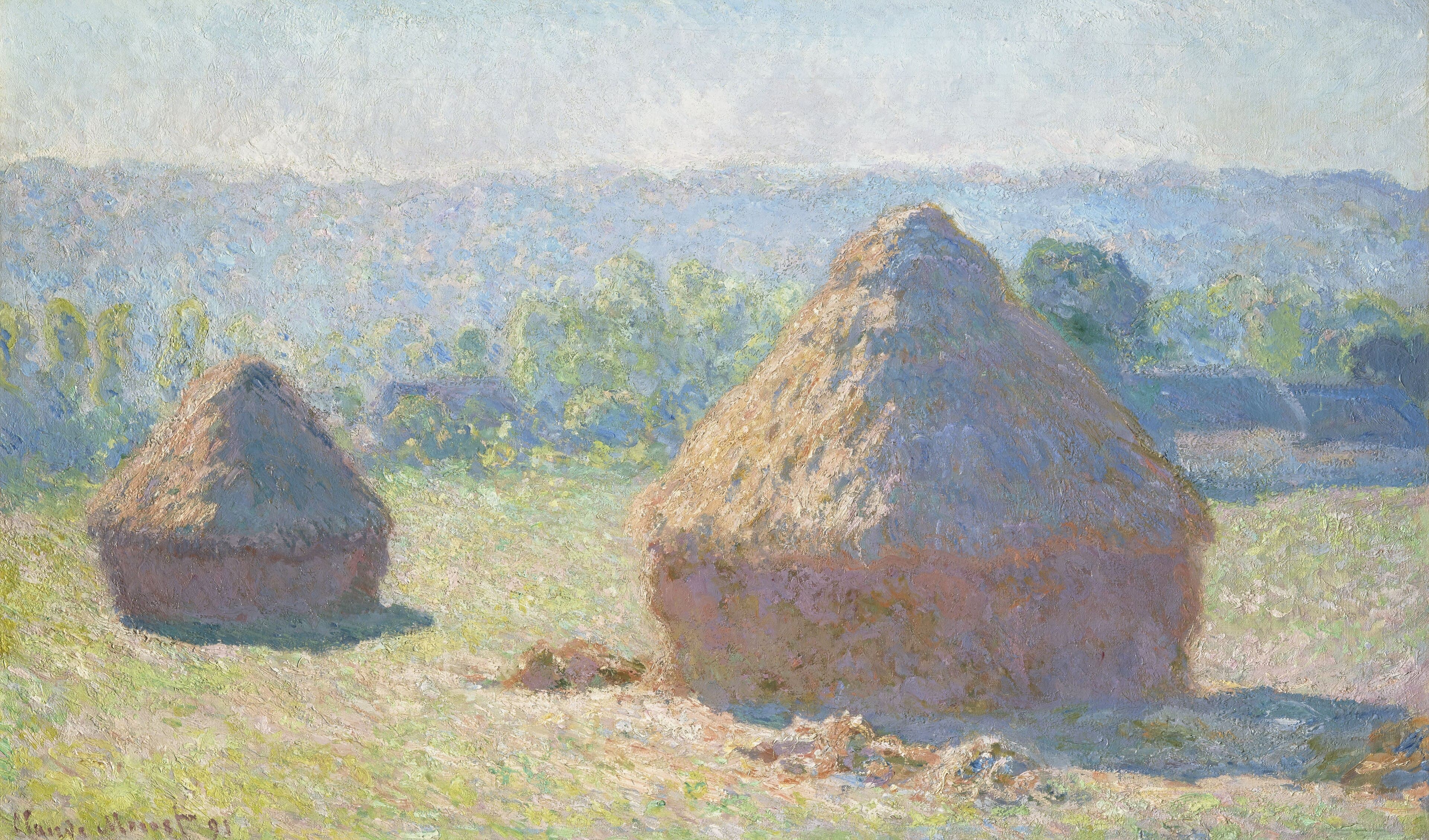
Haystacks, End of Summer
Claude Monet · 1891
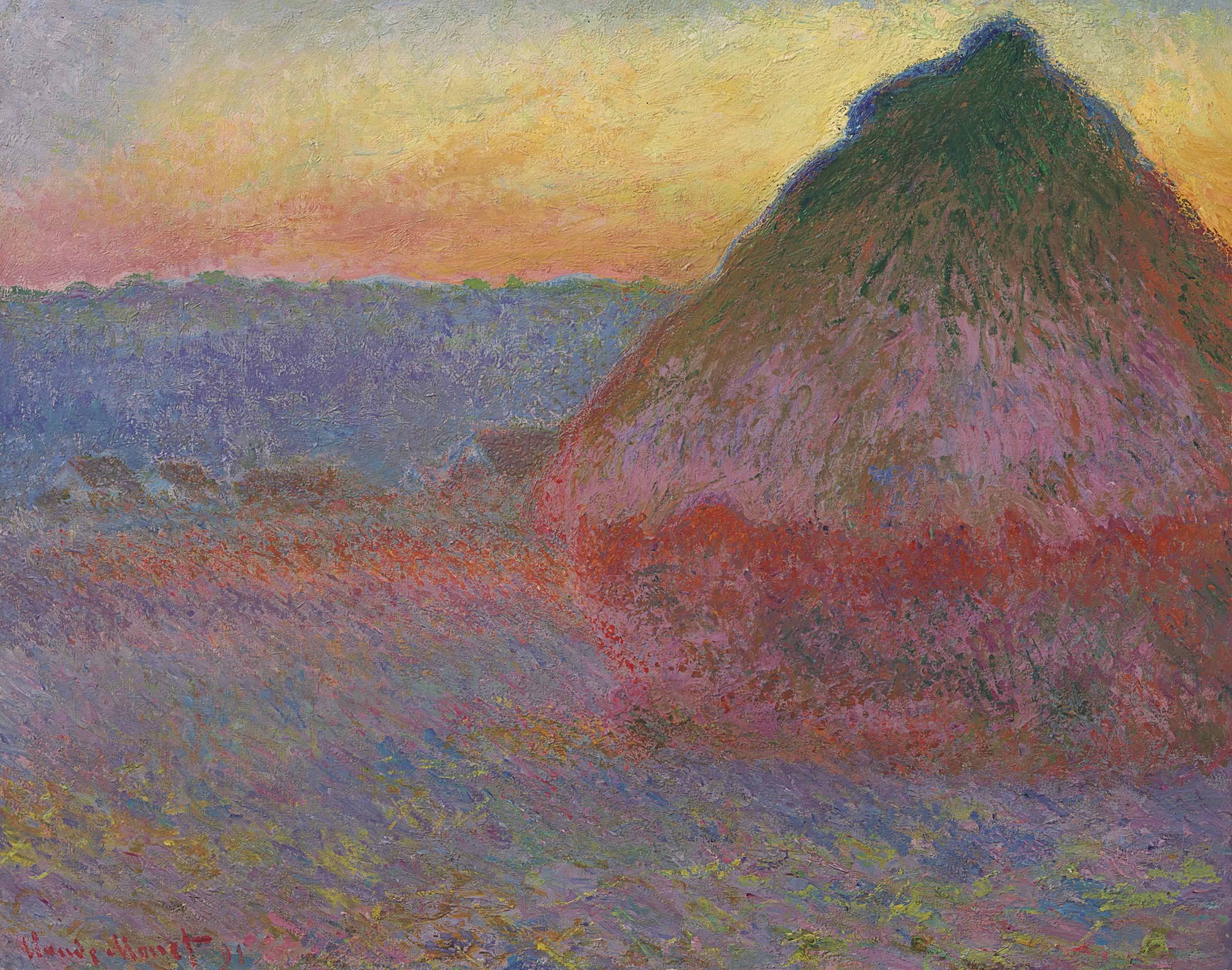
Grainstack in the Sunlight
Claude Monet · 1891
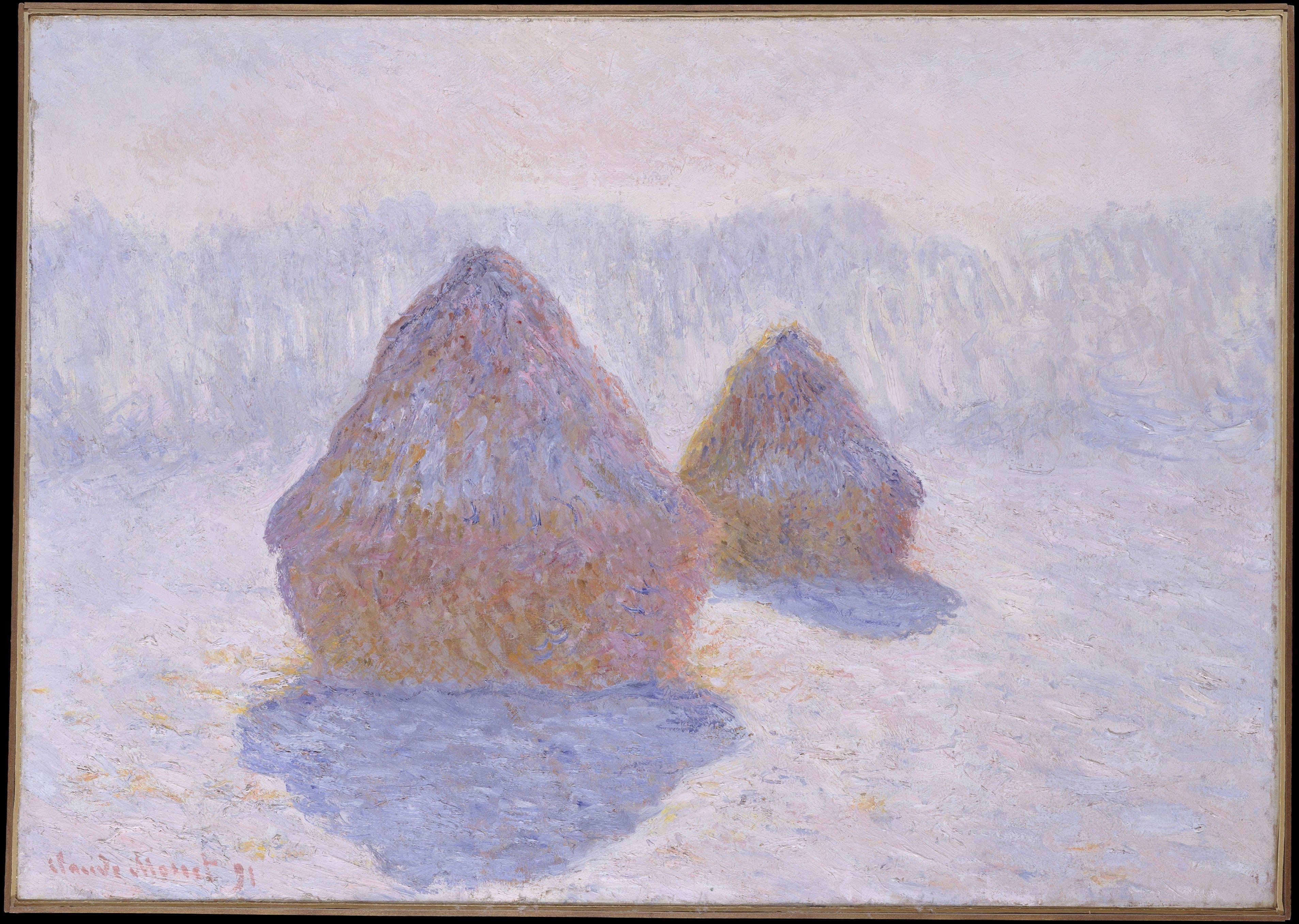
Haystacks (Effect of Snow and Sun)
Claude Monet · 1891
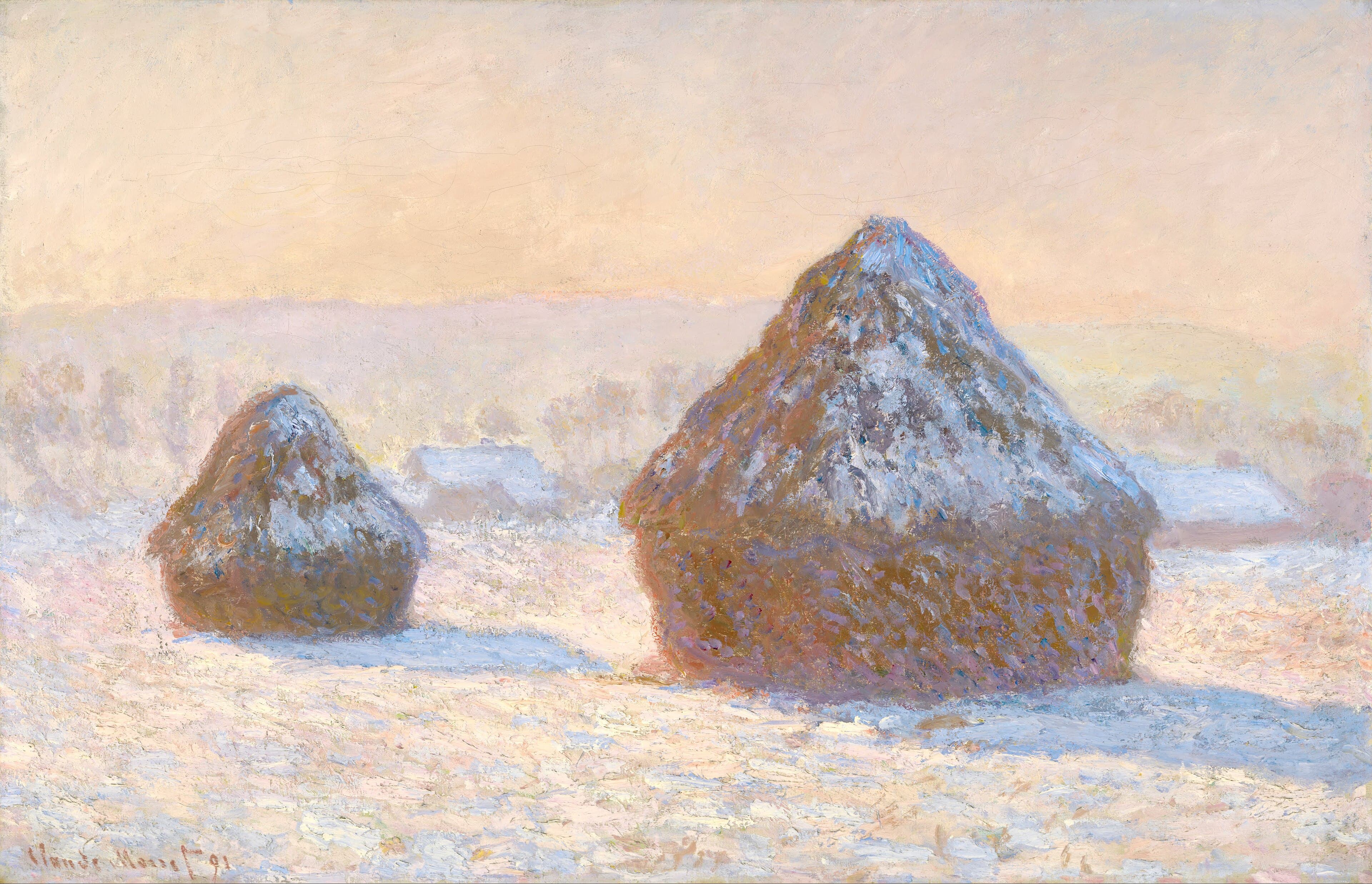
Wheatstacks, Snow Effect, Morning
Claude Monet · 1891
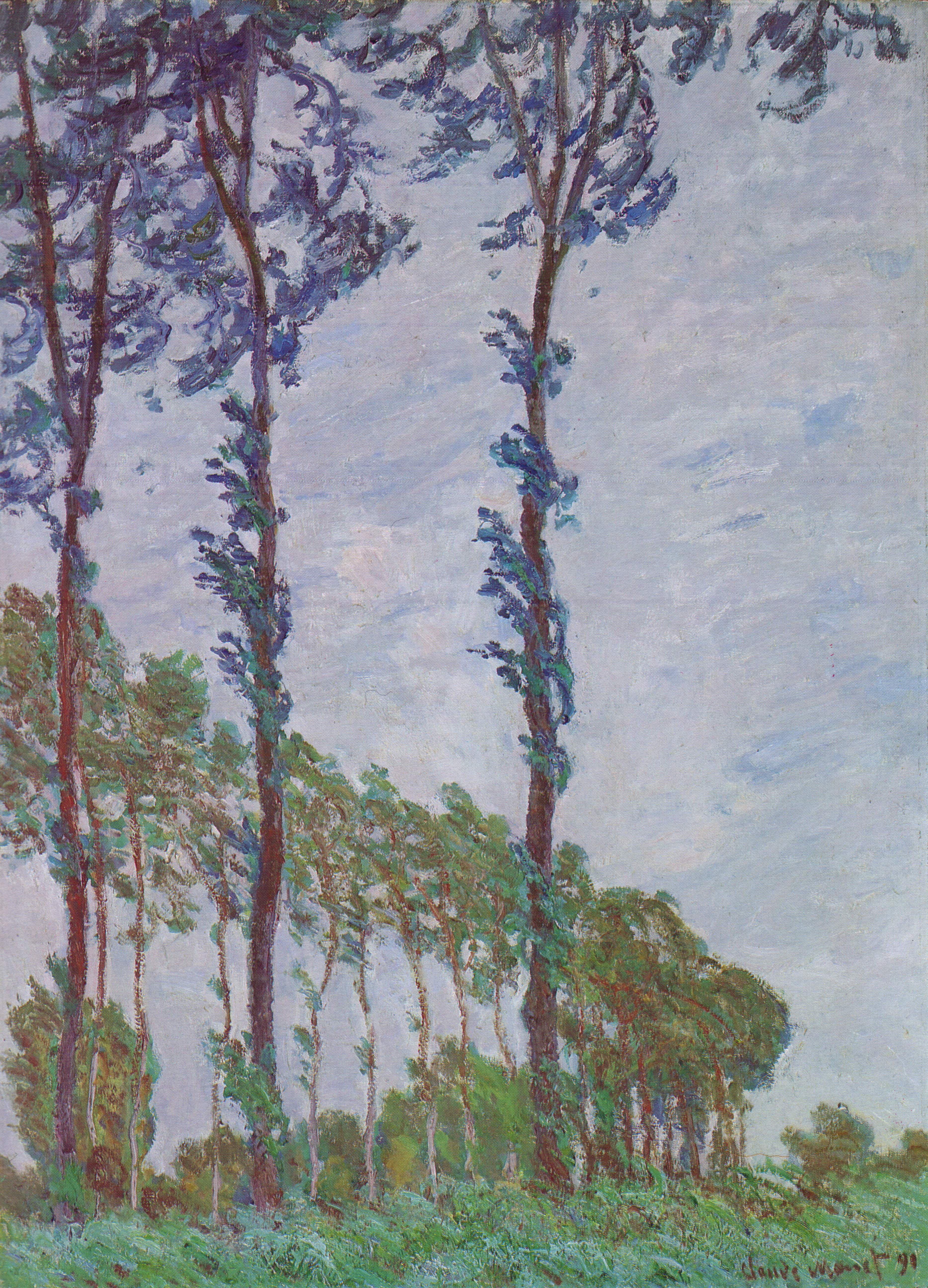
Wind Effect, Series of The Poplars
Claude Monet · 1891
Kindred works
You may also study
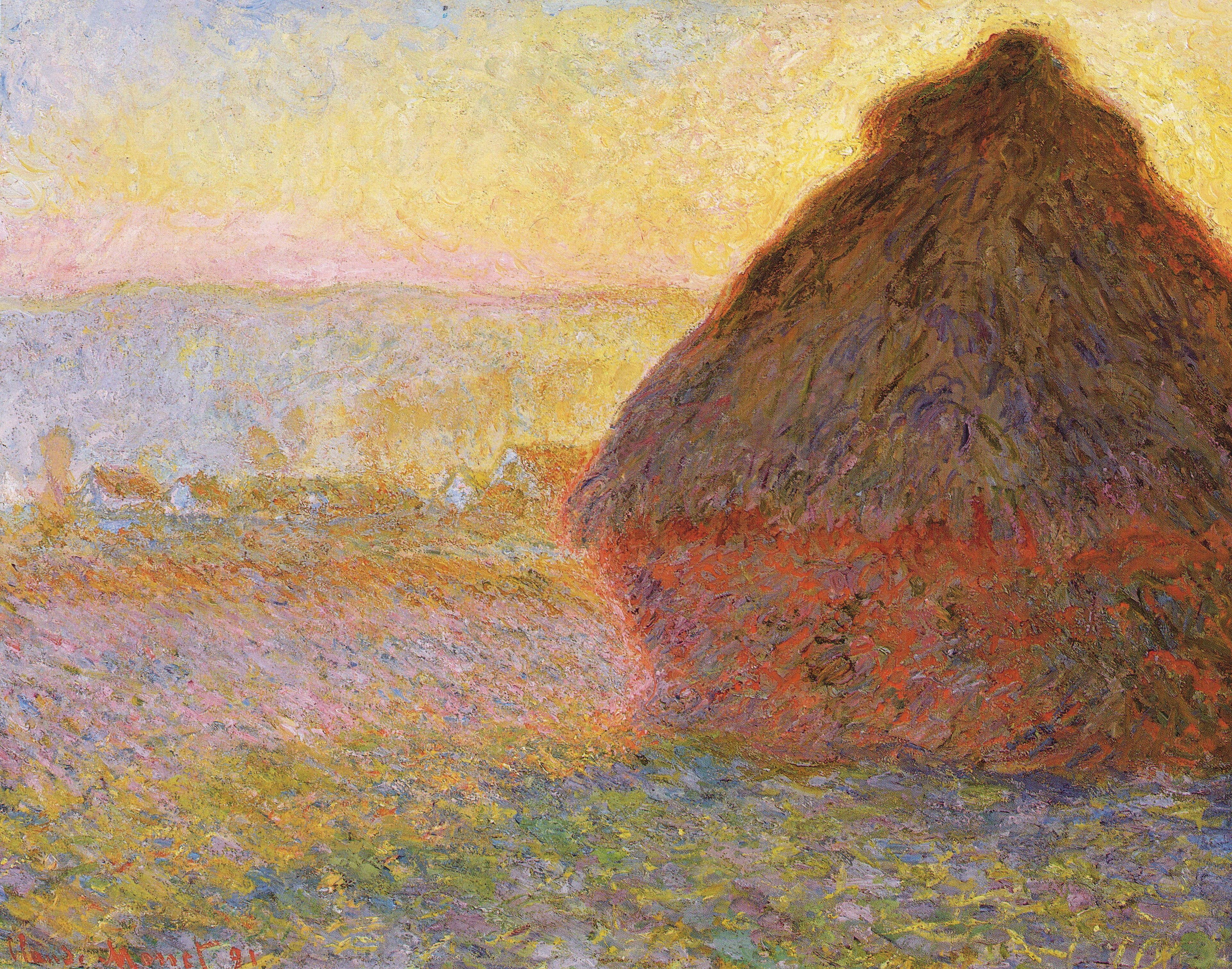
Grainstack (Sunset)
Claude Monet · 1891
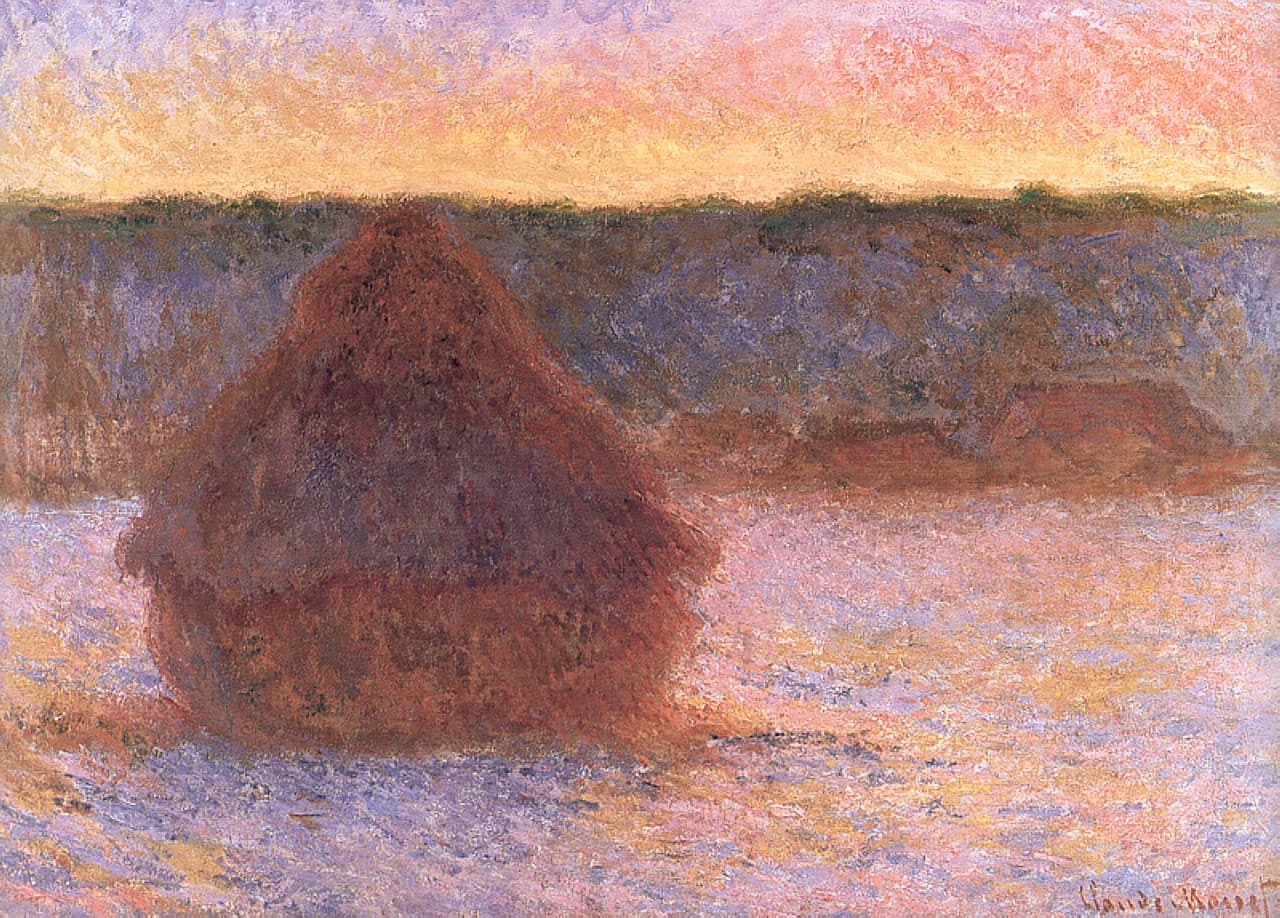
Haystacks at Sunset, Frosty Weather
Claude Monet · 1891
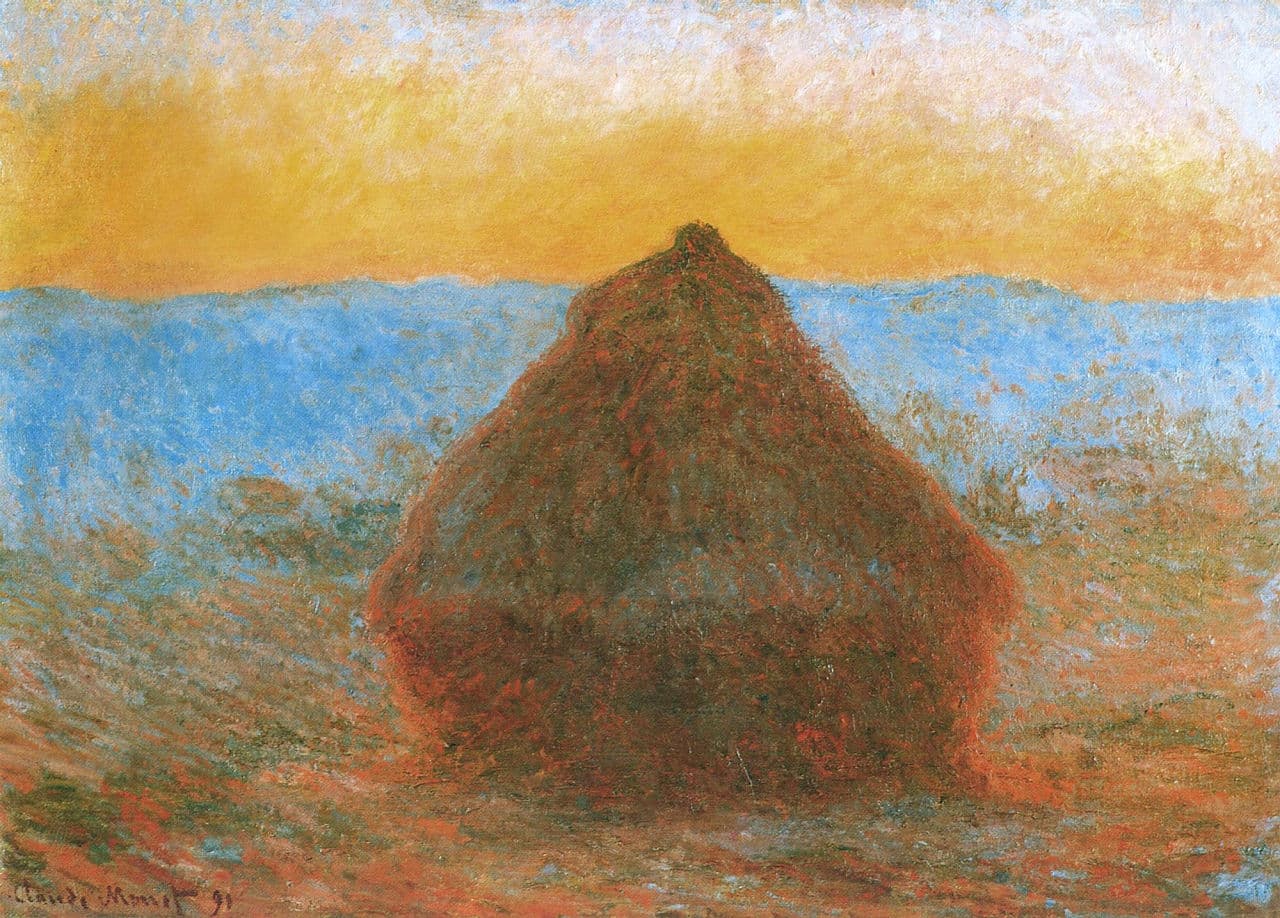
La Meule
Claude Monet · 1891
Grainstack in the Sunlight
Claude Monet · 1891
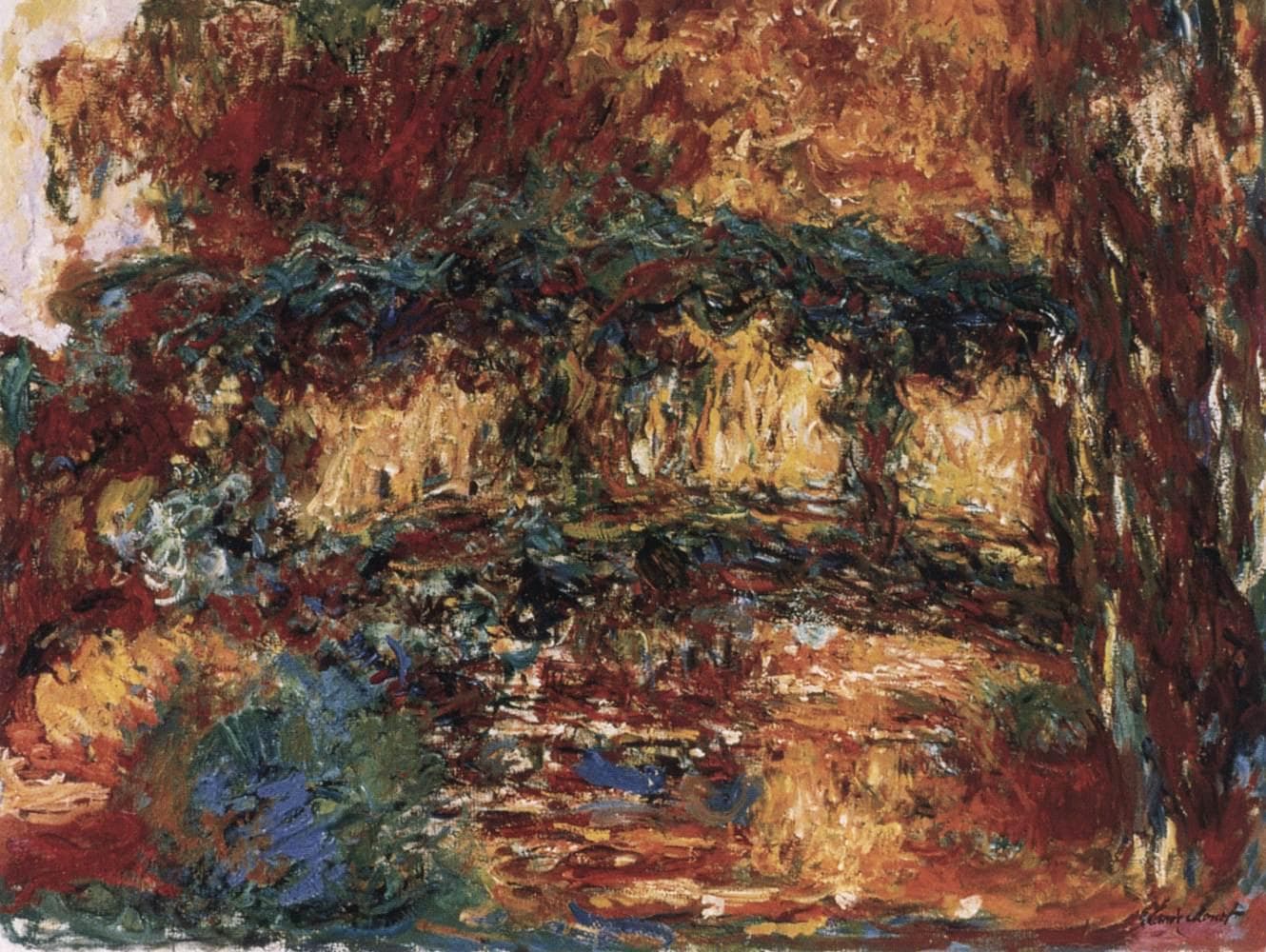
The Japanese Bridge
Claude Monet · c. 1923–25
View of Bordighera
Claude Monet · 1884
Morning Haze
Claude Monet · 1894
Poppy Field in a Hollow near Giverny
Claude Monet · 1885