Image: J. Paul Getty Museum, Los Angeles (via Google Arts & Culture) · Public domain · via Wikimedia Commons
Wheatstacks, Snow Effect, Morning
Claude Monet, 1891
Wheatstacks, Snow Effect, Morning (Meules, effet de neige, le matin) is an 1891 painting by Claude Monet of two snow-capped wheat stacks at Giverny in peach-colored morning light. It is in the J. Paul Getty Museum, Los Angeles.
- Artist
- Claude Monet
- Date
- 1891
- Medium
- Oil on canvas
- Dimensions
- 64.8 × 99.7 cm
- Collection
- J. Paul Getty Museum, Los Angeles, United States
- Movement
- Impressionism
- Catalogue
- Wildenstein 1276
- Nature & Landscape
Wheatstacks, Snow Effect, Morning (Meules, effet de neige, le matin) is a painting by Claude Monet, signed and dated "Claude Monet 91" at lower left. It shows two stacks of wheat capped with snow in the field beside his house at Giverny, early on a winter morning. The canvas, 64.8 by 99.7 centimeters, is in the J. Paul Getty Museum in Los Angeles (accession 95.PA.63), which acquired it in 1995. Wildenstein lists it as number 1276. It is the Getty's best-known Monet.
What you're looking at
The two stacks stand in the same arrangement as in many summer pictures, a smaller one at left and a large one at right of center, but now they wear caps of snow. On the big stack, the snow lies in patches on the sloping top, painted in white, pale blue and lilac, while the drum-shaped body below is a dark mix of brown, violet and rust. The snow outlines the eave where the cap overhangs, a detail that shows how these stacks were built.
The sun is low and ahead of us, behind the stacks, so their snowy tops glow and their faces fall into shade. Shadows fall toward the viewer in pale blue across the snow. The foreground is a field of cream, pink and pale gold, broken by small blue touches.
The background is half-lost in mist. A line of trees in pink and lilac runs across the middle, two farm buildings with white snowy roofs sit between and behind the stacks, and a soft blue ridge of hills closes the view. The sky above is a smooth gradation of peach and apricot, warmest just above the horizon, where the sun is rising out of the haze.
Snow and morning: what makes this version distinct
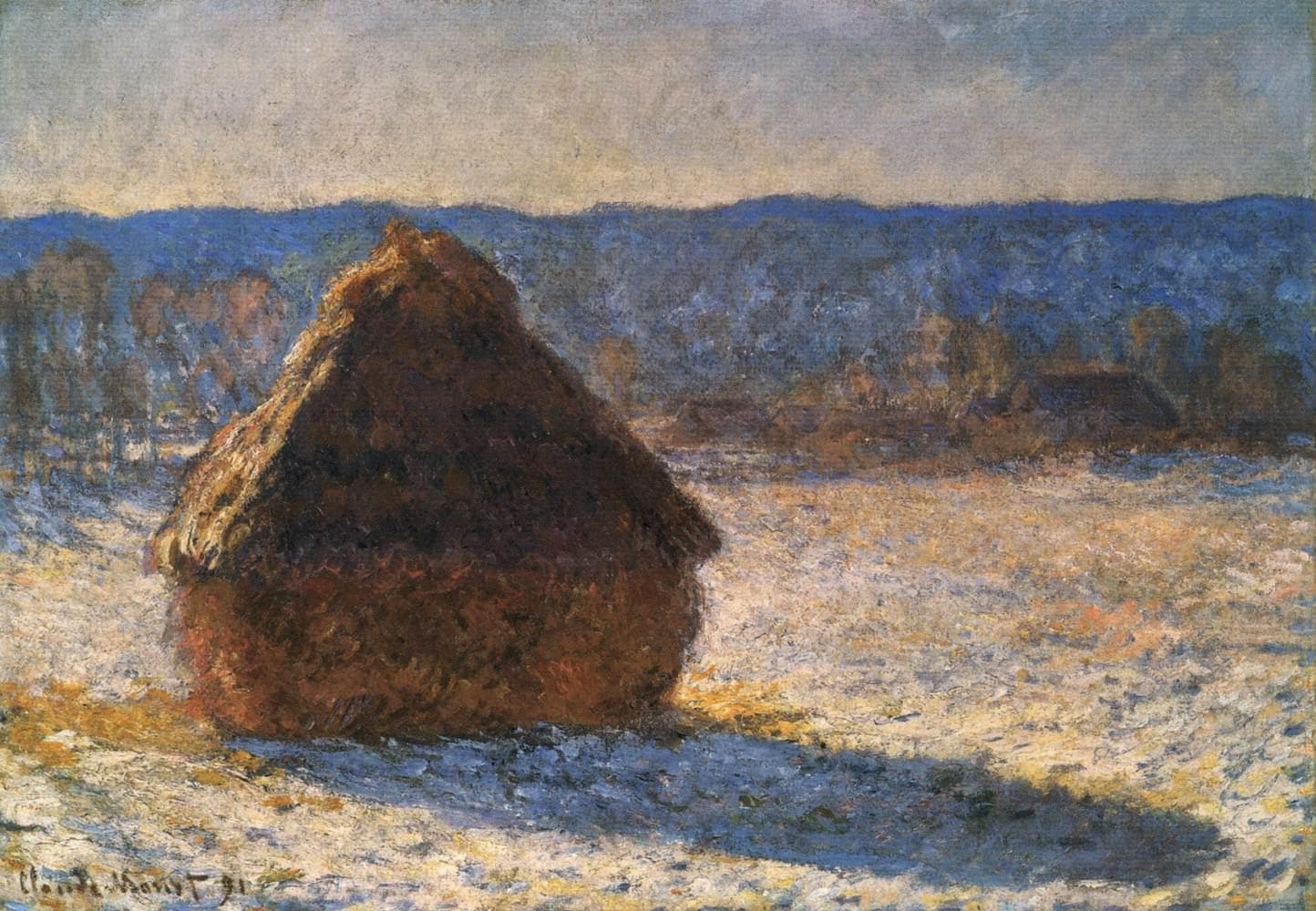
Snow pictures make up the core of the series. What marks this one is its temperature. Compared with the cold, overcast blues of Shelburne's Grainstacks, Snow Effect, which shows the same two snow-capped stacks under a gray sky, the Getty canvas is suffused with warmth: the whole scene seems lit by the peach sky. Compared with the Met's Haystacks (Effect of Snow and Sun), it keeps the farm buildings and the hills, so we still feel the place. The contrast of dark, solid stacks against a weightless, glowing background is the picture's main effect.
How it was painted
Monet painted the snow canvases outdoors in the hard winter of 1890–91, switching between several at a time as the light changed, then worked on them in the studio before his May 1891 exhibition. Here the brushwork varies by zone. The sky is laid on in long, smooth strokes; the snow in short, flat dabs that leave the canvas texture visible; the stacks in dense, layered touches. The snowy roofs are flicked in with a few strokes of nearly pure white.
Ownership
The painting was in American private collections for much of the twentieth century. Public records list John T. Dorrance Jr., the Campbell Soup heir, as its owner from 1969 to 1989, and then Henryk de Kwiatkowski until 1995, when the Getty acquired it. It has been one of the museum's signature Impressionist works since the Getty Center opened in 1997.
Details to look for
The stacks are not identical. The small one at left is rounder and its snow cap is thicker, while the large one has a steeper cap with the snow sliding in streaks down its face. Look also at the field between them: a faint warm band of peach runs across it, the reflection of the morning sky on the snow, which links the two stacks and the horizon in a single color.
Where to see it
It is at the Getty Center in Los Angeles, in the museum's nineteenth-century painting galleries when on view. For the series see our Haystacks series hub; for other snowy versions, Grainstack (Snow Effect) in Boston and Grainstack in the Sunlight, Snow Effect in Potsdam. See also Where to See Monet, Giverny and Claude Monet.
Questions & answers
Where is Monet's Wheatstacks, Snow Effect, Morning?
It is in the J. Paul Getty Museum at the Getty Center in Los Angeles, accession number 95.PA.63. The museum acquired it in 1995, and it is usually on view in the nineteenth-century European painting galleries.
When and where did Monet paint it?
He painted it at Giverny, in the field next to his house, during the snowy winter of 1890–91, and dated it 1891. Like the rest of the series, it was begun outdoors and finished in the studio.
What does Wheatstacks, Snow Effect, Morning show?
Two wheat stacks capped with snow in a white field early on a winter morning. The sun is low behind them, so their snowy tops glow, their faces are in shade, and pale blue shadows fall toward the viewer under a peach sky.
How is the Getty version different from other snowy stacks?
It is the warmest of the snow pictures. The same two snow-capped stacks appear in Shelburne's version under a cold gray sky; here a peach and apricot sunrise colors the whole scene, while farm roofs and hills stay visible in the mist.
More by the artist
Claude Monet
Poplars on the Epte (London)
Claude Monet · 1891
Poplars at the Banks of Epte
Claude Monet · 1891–92
Grainstack (Snow Effect)
Claude Monet · 1891
Haystacks, End of Summer
Claude Monet · 1891
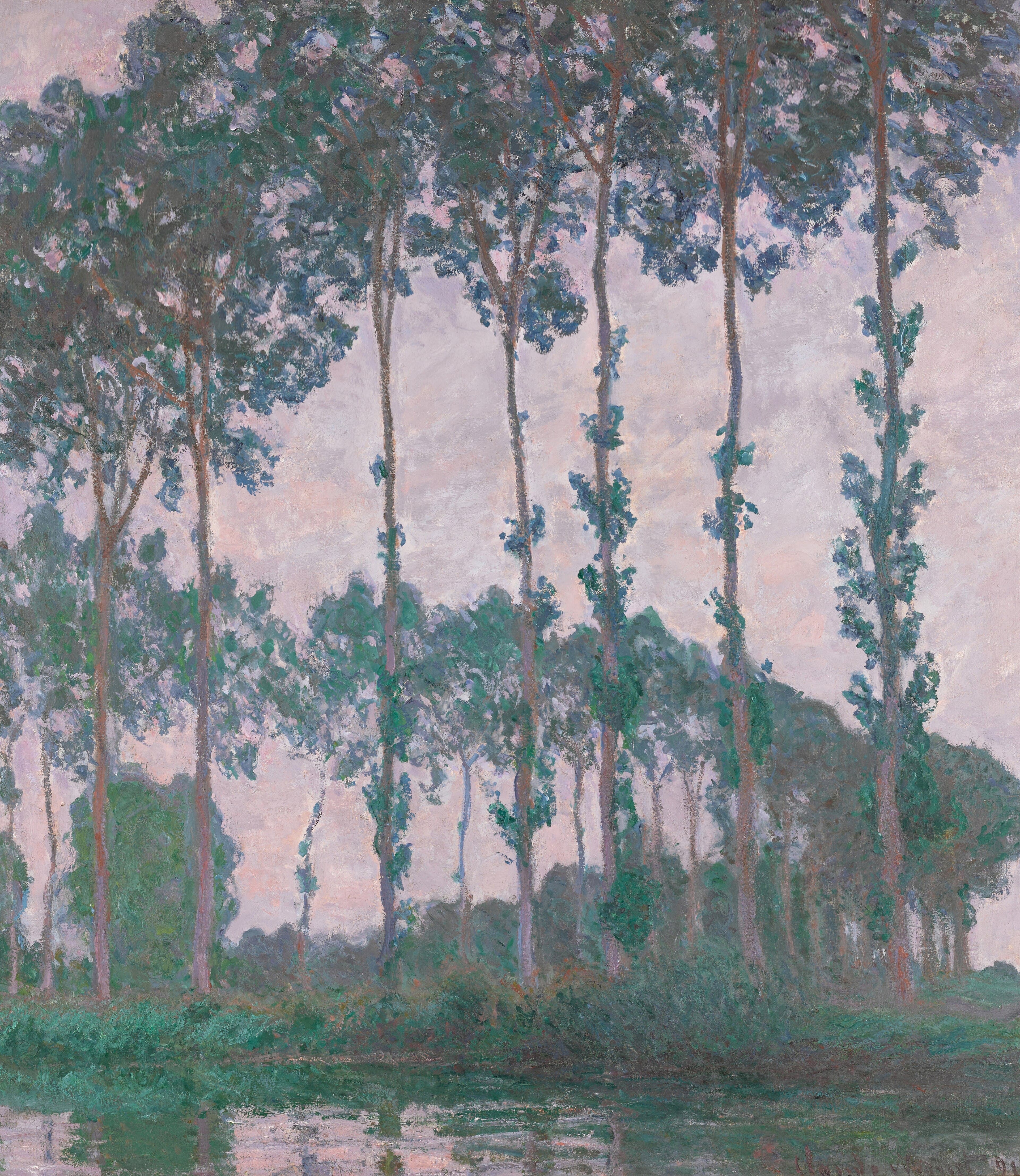
Peupliers au bord de l'Epte, temps couvert
Claude Monet · 1891
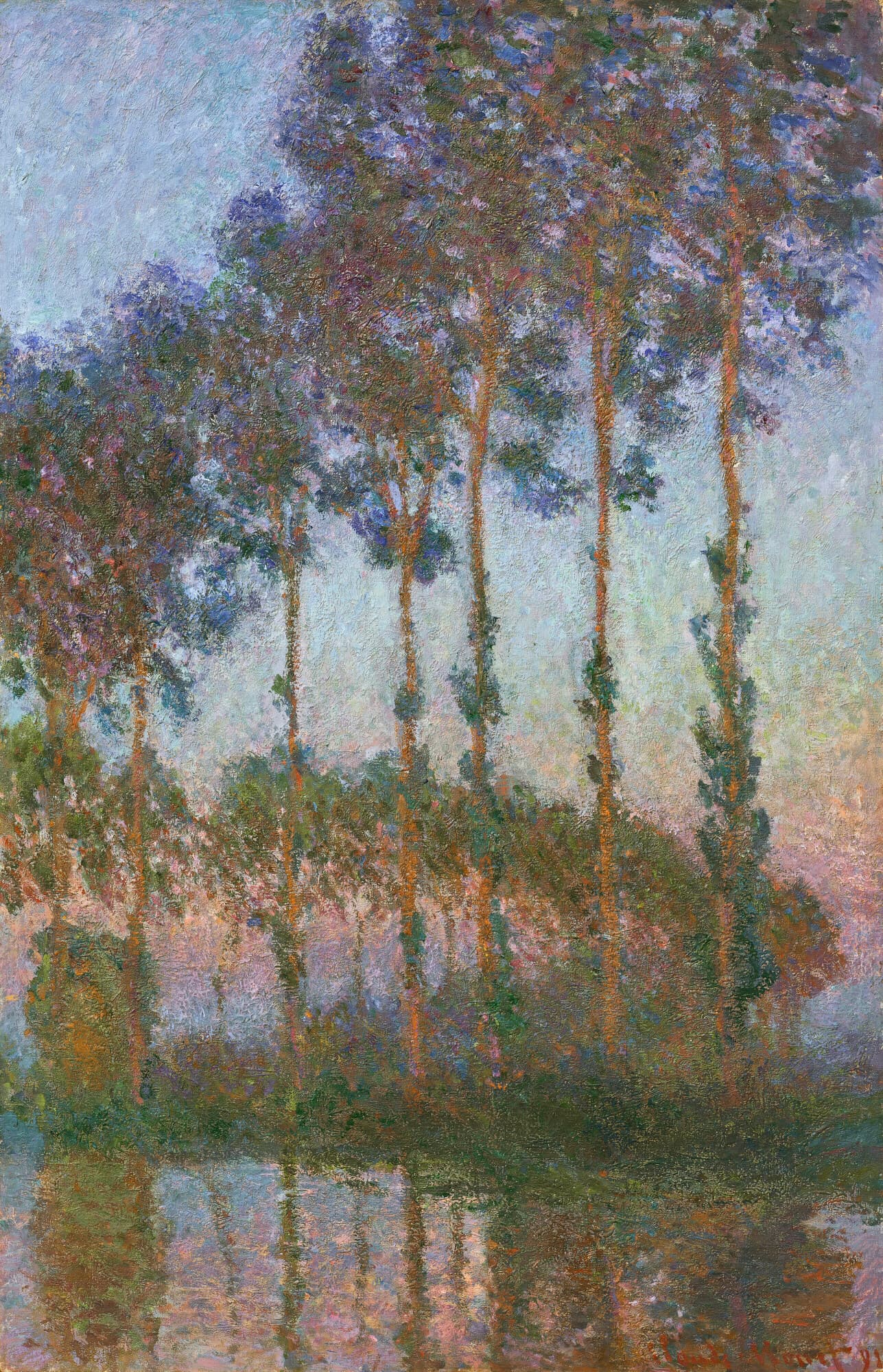
Peupliers au bord de l'Epte, crépuscule
Claude Monet · 1891
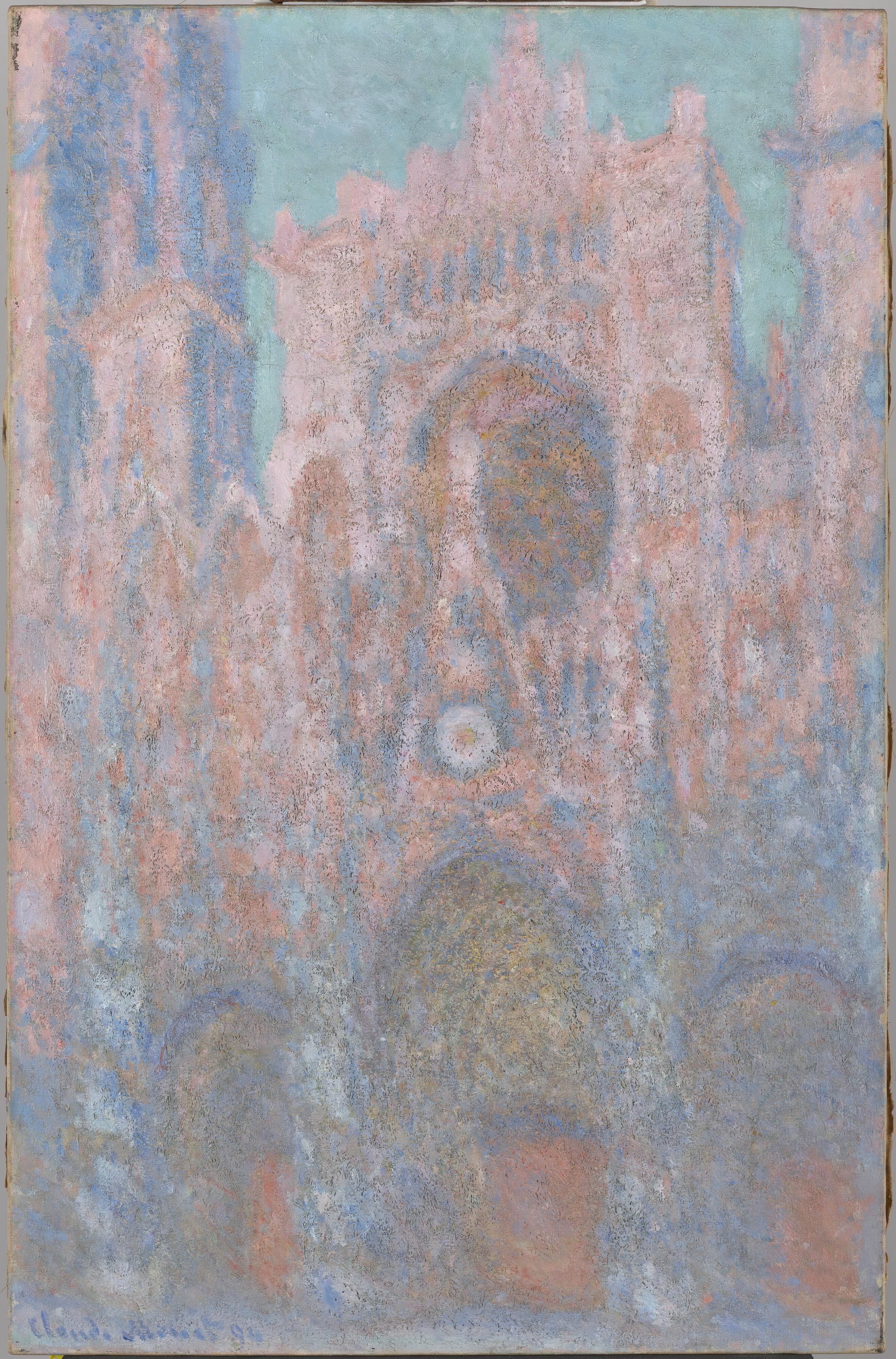
Rouen Cathedral: Setting Sun (Symphony in Pink and Grey)
Claude Monet · 1892–94
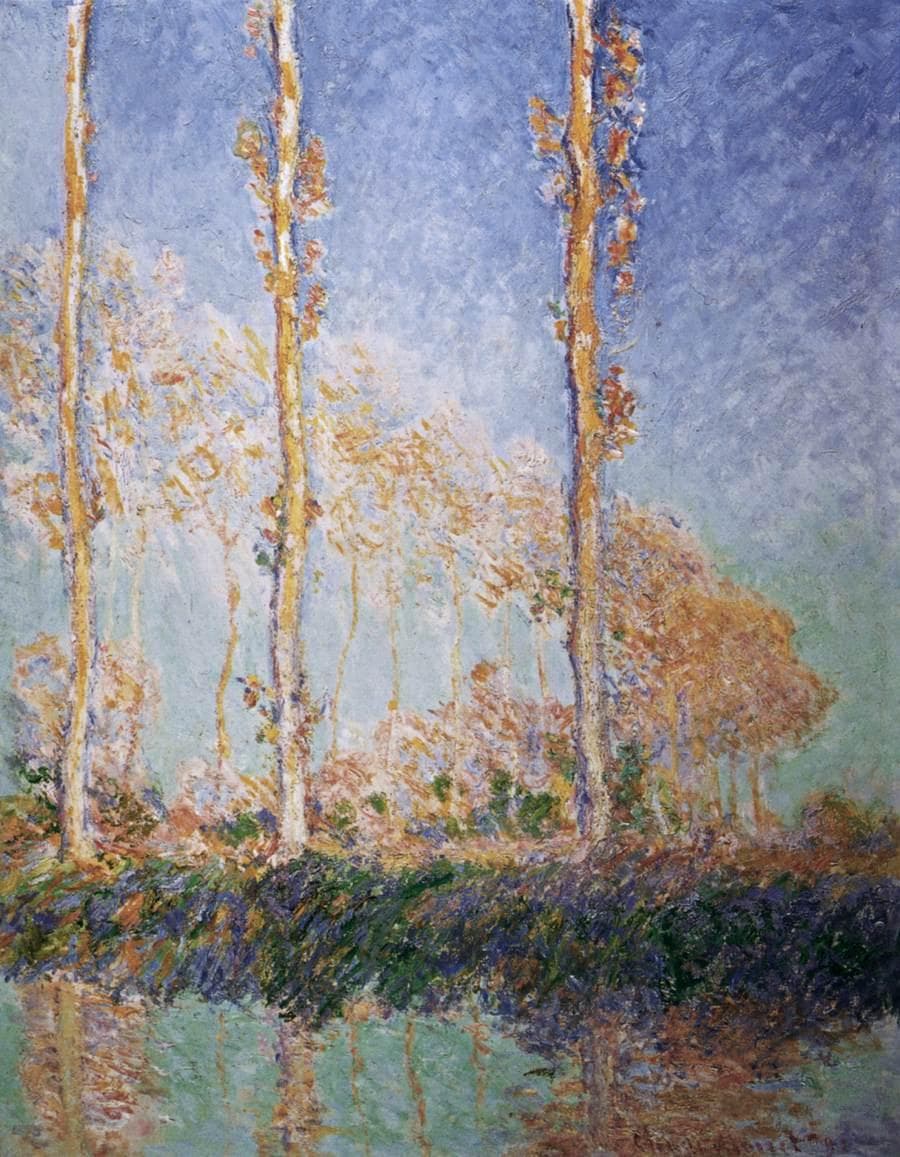
Poplars, Three Pink Trees, Autumn
Claude Monet · 1891
Also painted in 1891
The same year
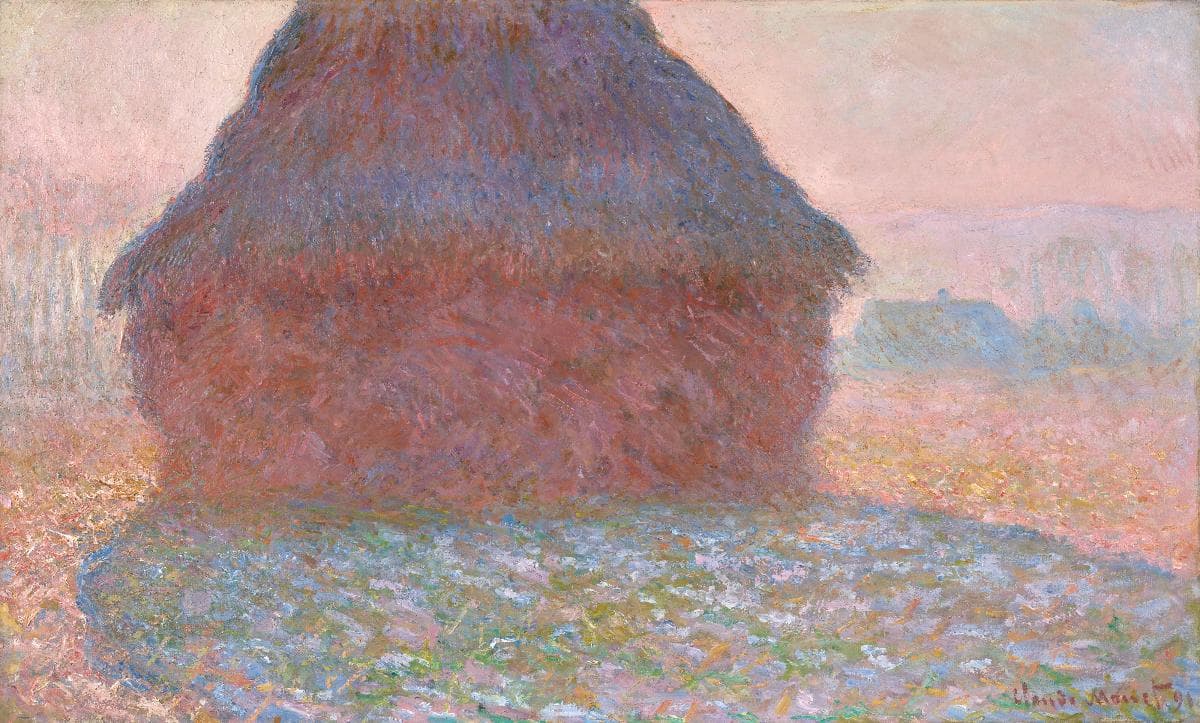
Grainstack in Sunlight
Claude Monet · 1891
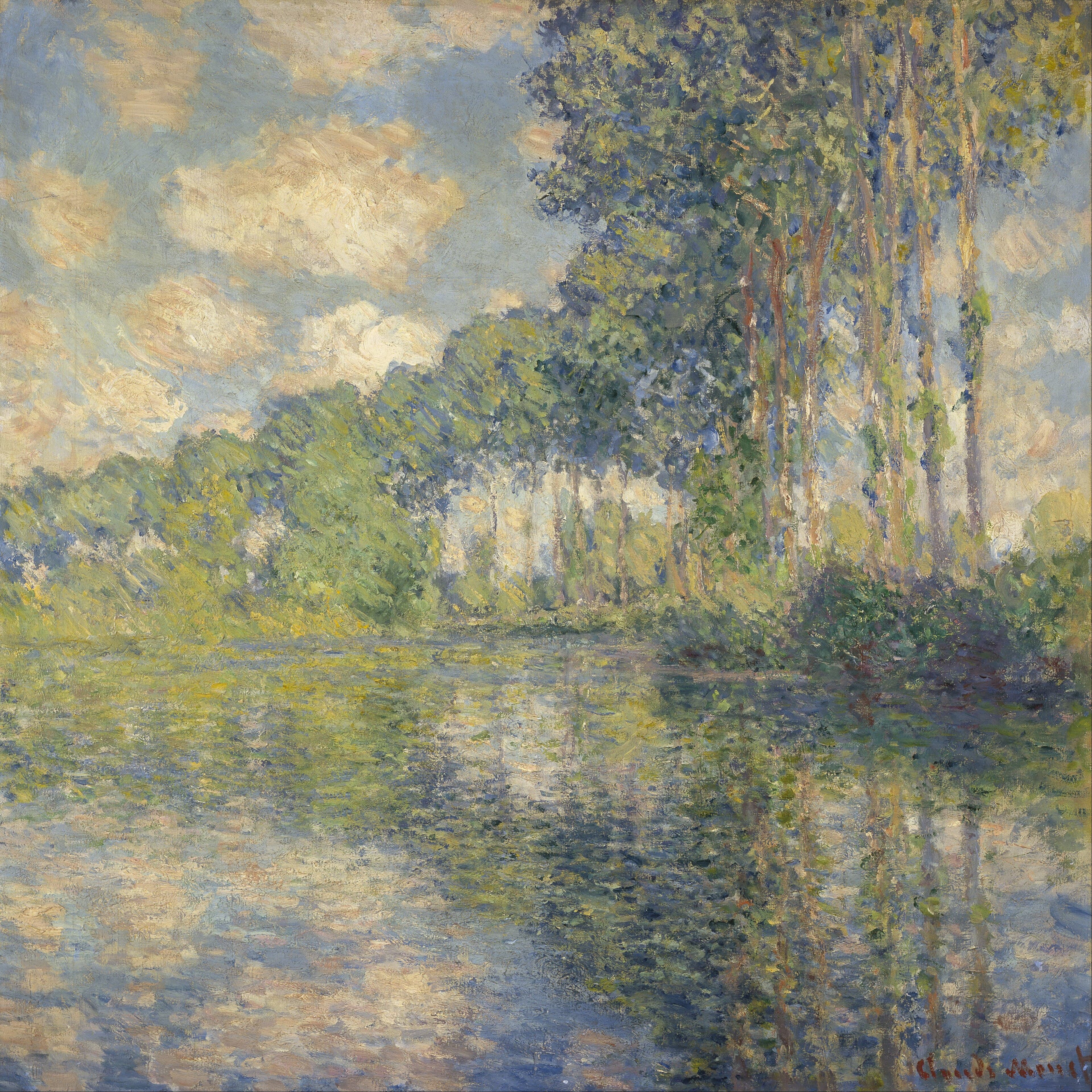
Poplars on the Epte (Edinburgh)
Claude Monet · 1891
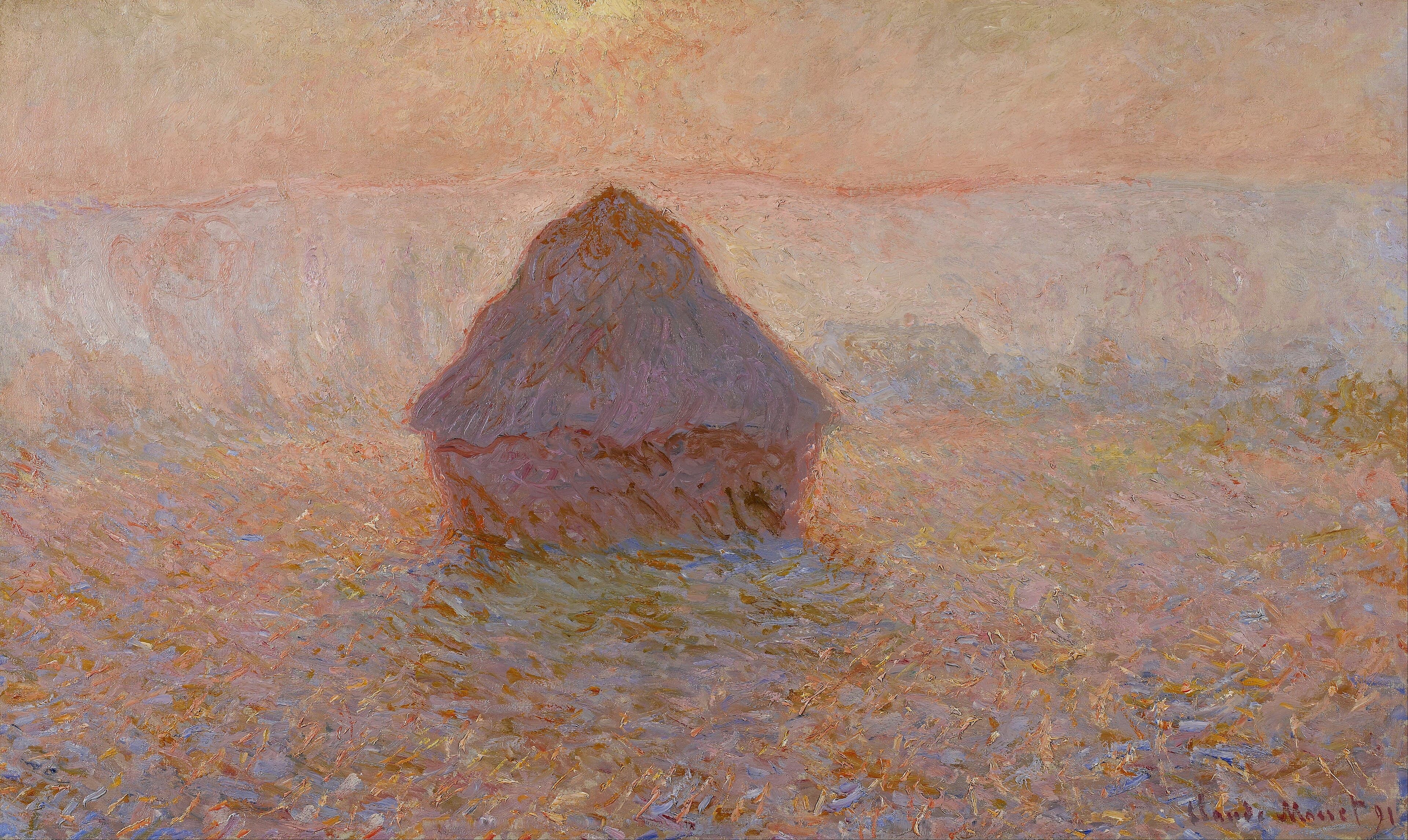
Grainstack, Sun in the Mist
Claude Monet · 1891
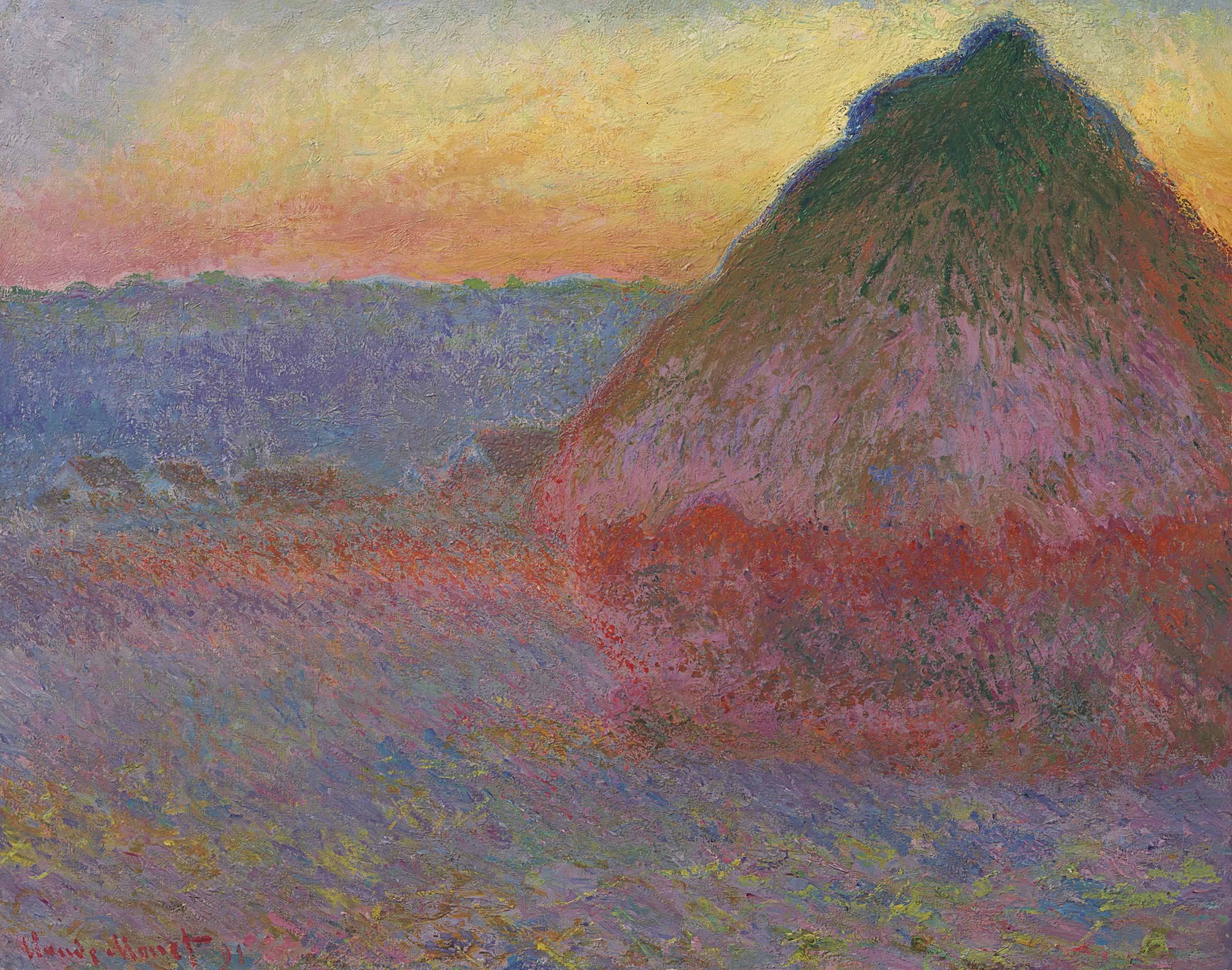
Grainstack in the Sunlight
Claude Monet · 1891
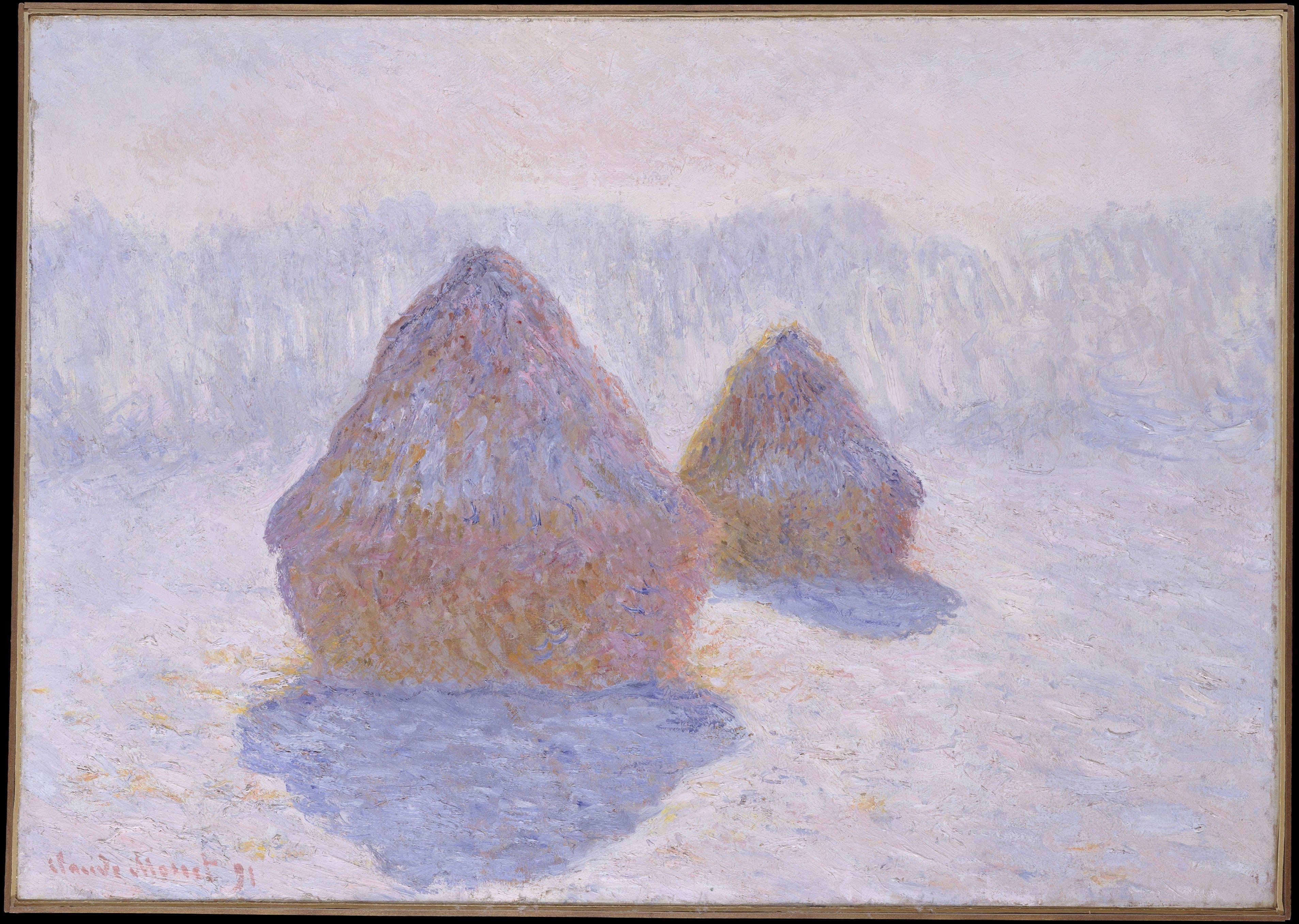
Haystacks (Effect of Snow and Sun)
Claude Monet · 1891
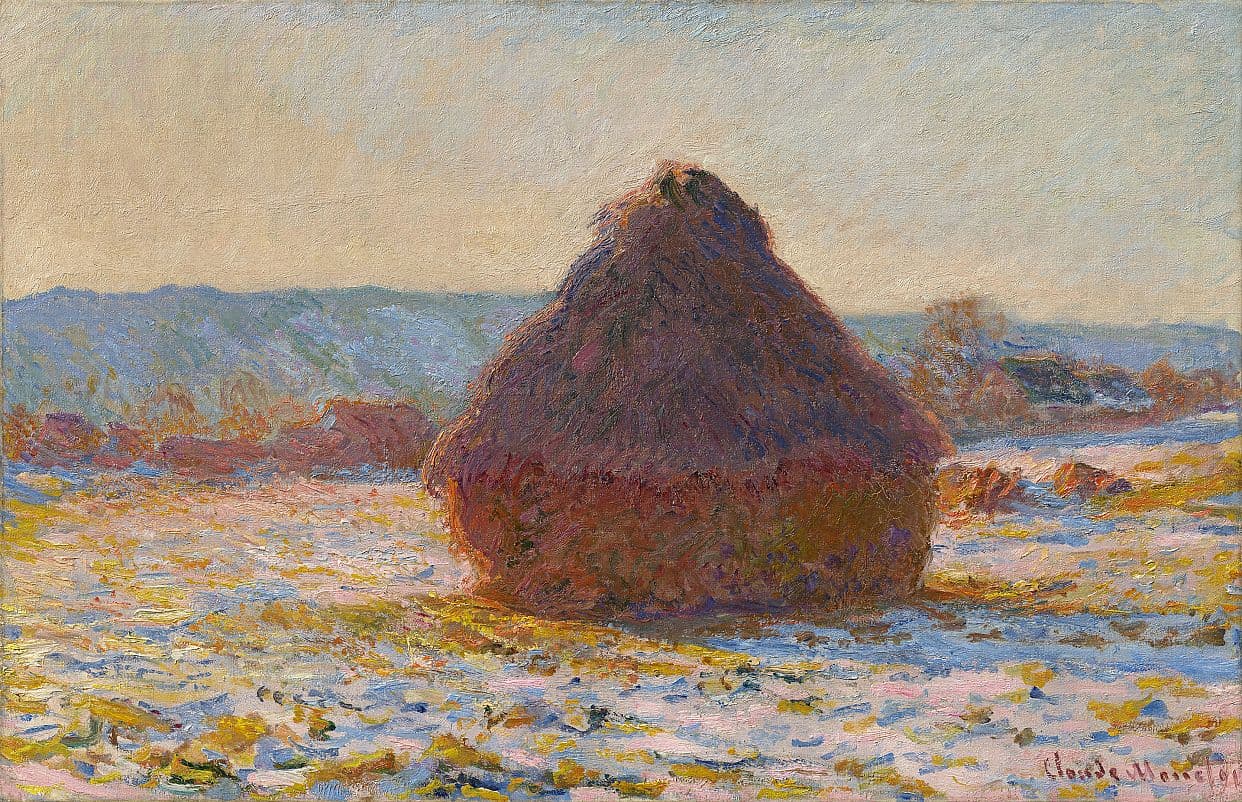
Grainstack in the Sunlight, Snow Effect
Claude Monet · 1891
Wind Effect, Series of The Poplars
Claude Monet · 1891
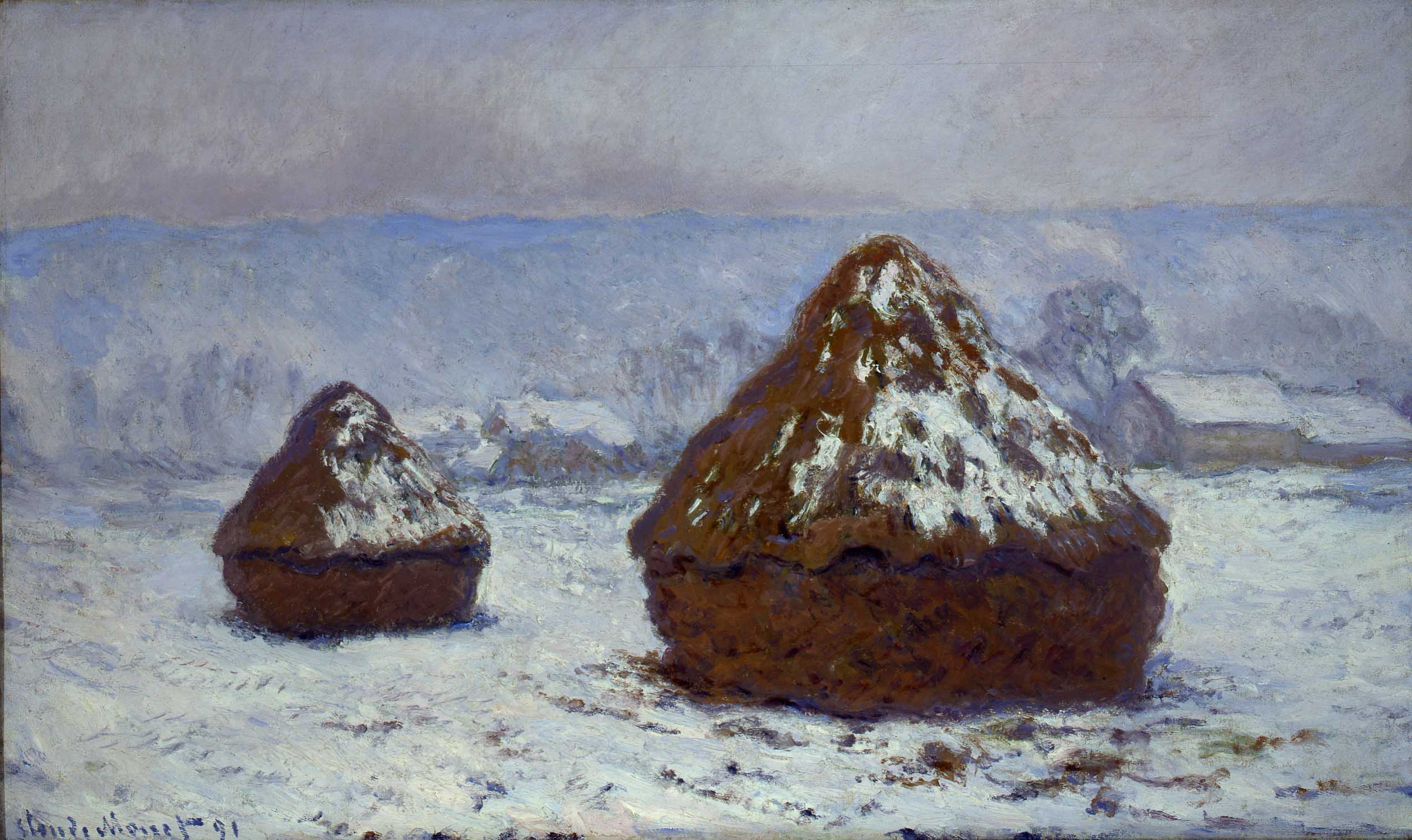
Grainstacks, Snow Effect
Claude Monet · 1891
Kindred works
You may also study
Grainstacks, Snow Effect
Claude Monet · 1891
Haystacks (Effect of Snow and Sun)
Claude Monet · 1891
Grainstack in the Sunlight, Snow Effect
Claude Monet · 1891
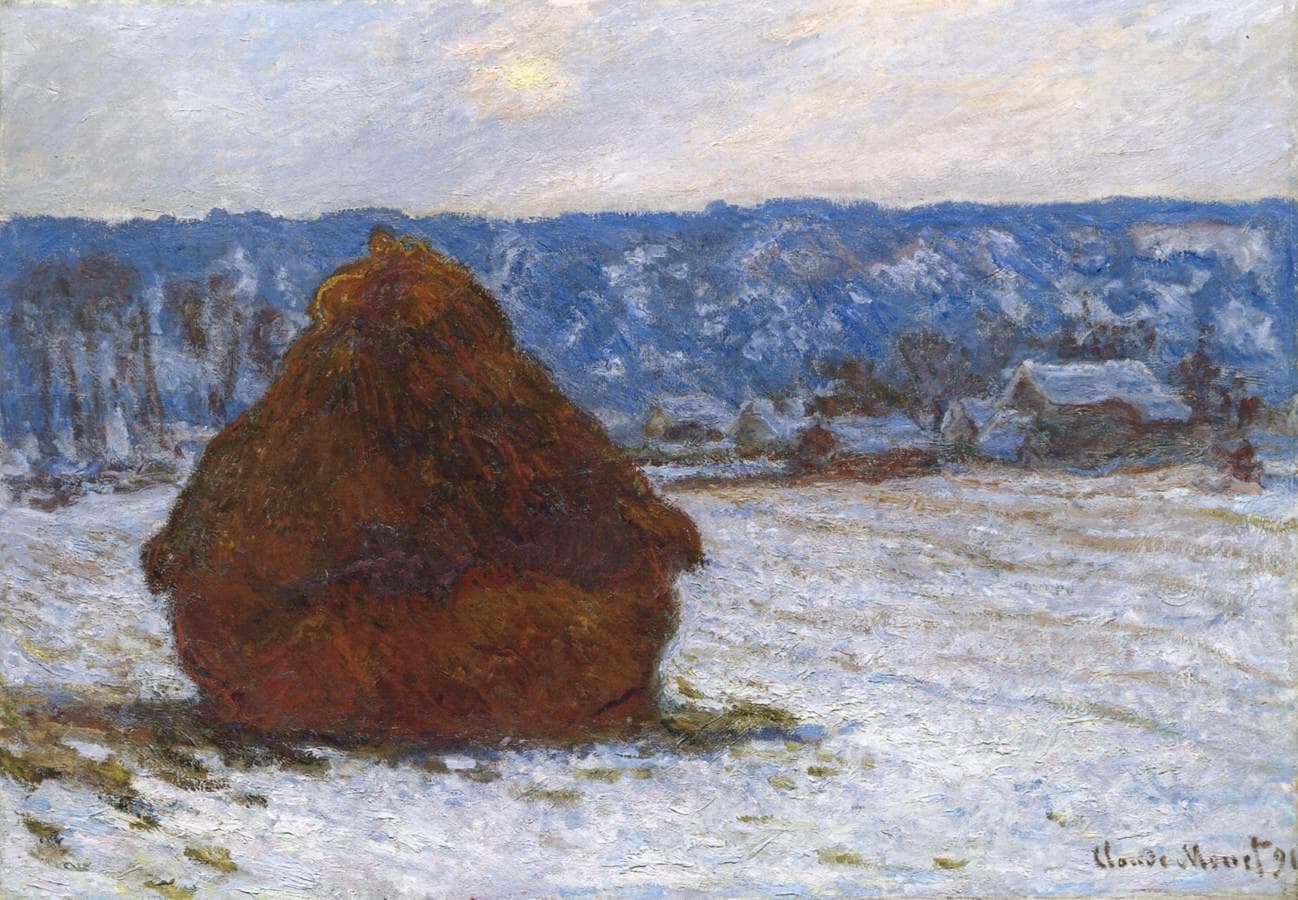
Stack of Wheat, Snow Effect, Overcast Day
Claude Monet · 1890–91
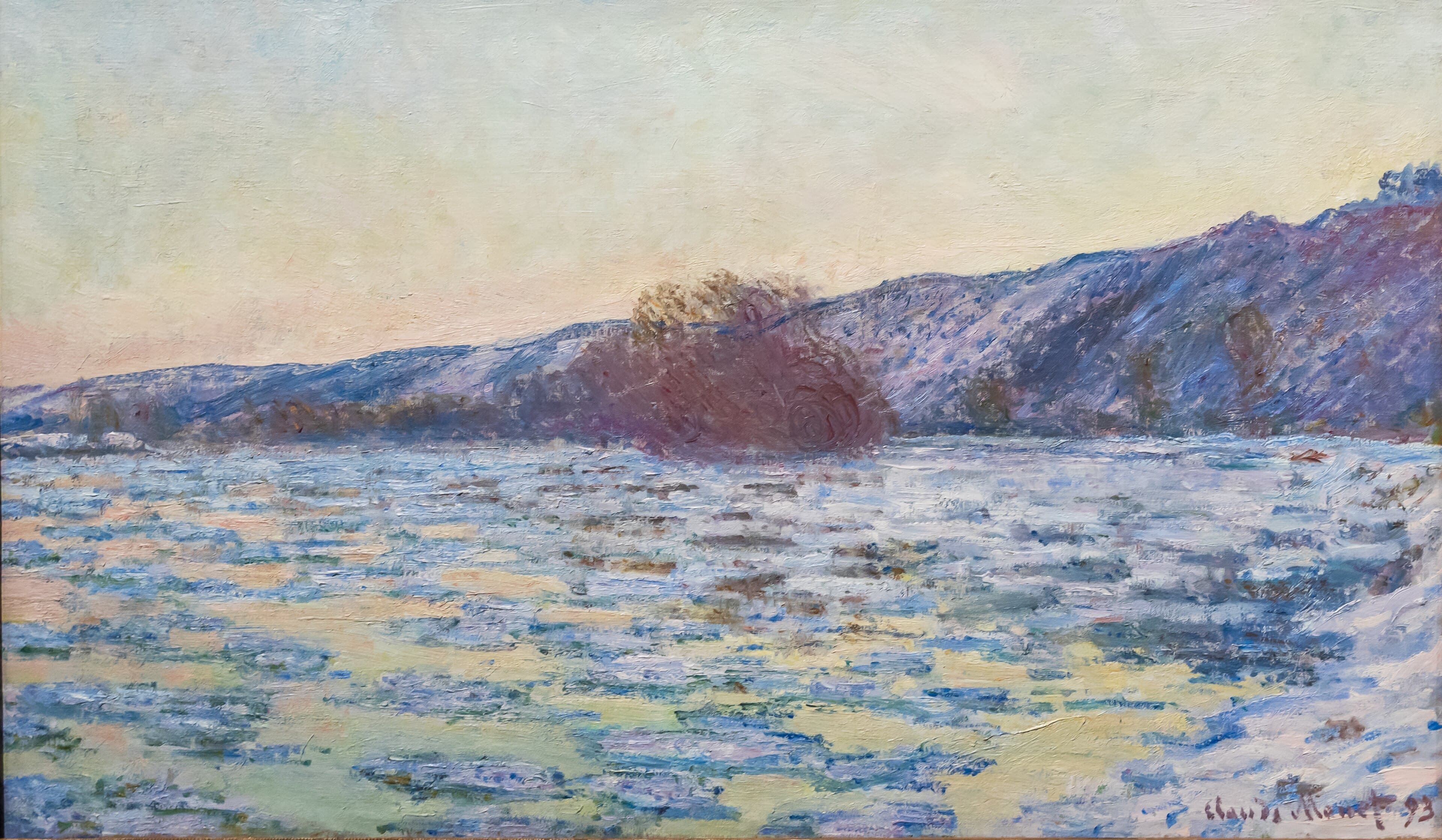
Ice Floes at Twilight
Claude Monet · 1893
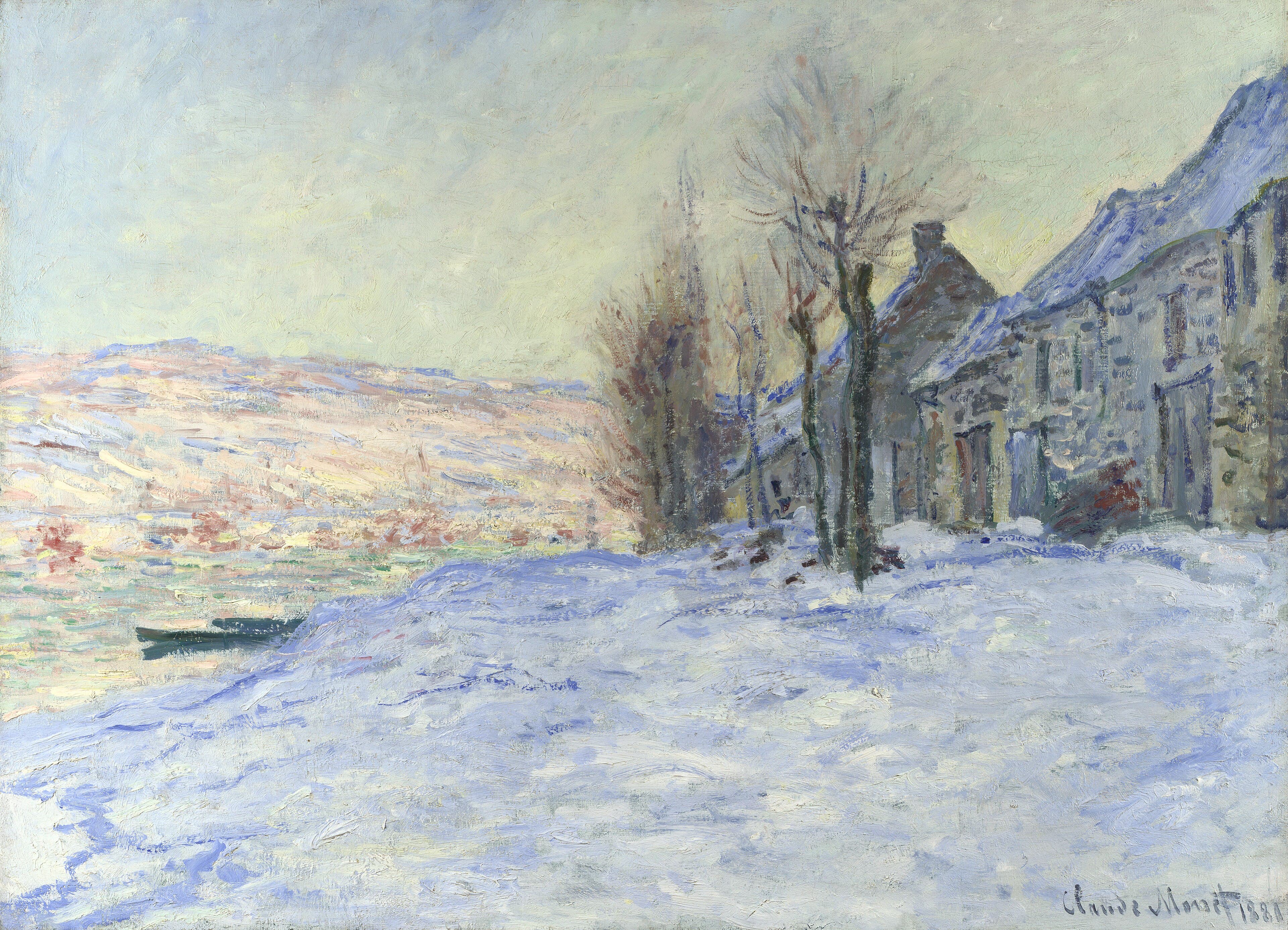
Lavacourt under Snow
Claude Monet · c. 1878–81
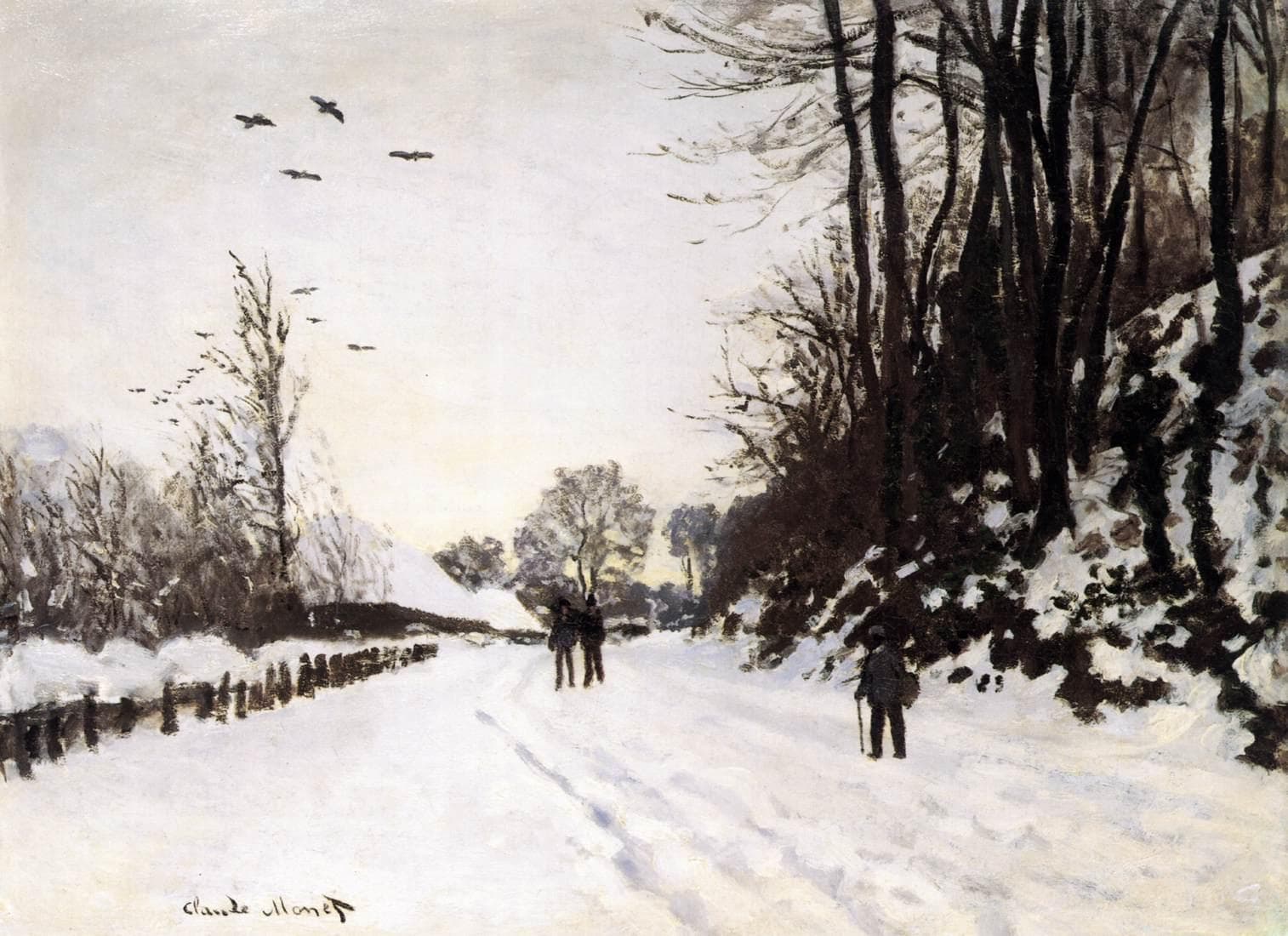
Road by Saint-Siméon Farm in Winter
Claude Monet · 1867
Road at Louveciennes, Snow Effect
Claude Monet · 1869–70