Image: Art Institute of Chicago (artic.edu/artworks/64818) · Public domain · via Wikimedia Commons
Stacks of Wheat (End of Summer)
Claude Monet, 1890–91
Stacks of Wheat (End of Summer) is a painting by Claude Monet of 1890–91 showing two wheat stacks at Giverny in low late-summer sun, with long blue shadows. It was number 1 in his 1891 stacks exhibition and is in the Art Institute of Chicago.
- Artist
- Claude Monet
- Date
- 1890–91
- Medium
- Oil on canvas
- Dimensions
- 60 × 100.5 cm
- Collection
- Art Institute of Chicago, Chicago, United States
- Movement
- Impressionism
- Catalogue
- Wildenstein 1269
- Nature & Landscape
Stacks of Wheat (End of Summer) is a painting by Claude Monet, made in 1890–91 and signed "Claude Monet 91" at lower left. It shows two stacks of harvested wheat in the field beside his house at Giverny, late on a day at the end of summer. The canvas, 60 by 100.5 centimeters, is in the Art Institute of Chicago (accession 1985.1103), a gift of Arthur M. Wood Sr. in memory of Pauline Palmer Wood. Wildenstein lists it as number 1269. It has a special place in the series: it was catalogue number 1 in Monet's landmark exhibition at Durand-Ruel in May 1891.
What you're looking at
The smaller stack stands in the middle distance at left; the large one fills the right third of the picture, its peak just touching the line of the hills. The sun is low and off to the left, behind the viewer's shoulder at an angle, so the left flank of the big stack flares with pink and orange while its body turns rose, violet and rust.
The most striking passage is the ground. Long shadows reach across the field toward the right in bands of blue and lilac, and between them the stubble is lit in pink, cream and pale green. Around the base of the big stack lie a few loose bundles of straw, painted in orange and ocher, a homely detail that most viewers miss.
Behind the field, a belt of trees and a cluster of houses with blue and white roofs sit in a soft green shade. A long, wooded ridge rises above them, lit along its crest. The sky is pale yellow-green, painted in quick diagonal strokes that run down from upper right, as if the light itself were slanting in.
End of summer: what makes this version distinct
This is the same pair of stacks seen in Haystacks, End of Summer at the Musée d'Orsay, which has the same French title, Meules, fin de l'été. The difference is the hour. The Orsay picture is a hazy morning or midday view in white and blue; Chicago's is later in the day, with the sun lower, the shadows lengthening and the color warming toward rose. Compared with the coral sunset of Stacks of Wheat (End of Day, Autumn), also in Chicago, it holds a moment just before the light goes golden.
How it was painted
Monet worked outdoors on several canvases at once in late summer and autumn 1890, moving between them as the light changed, and finished them in the studio over the winter. Here the paint is laid in short, dry, overlapping touches, thick in the stacks and sky and thinner in the shadows. The diagonal hatching in the sky is a deliberate device: it unifies the upper half of the canvas and keeps it moving.
From the 1891 exhibition to Chicago
Monet sold the canvas to Durand-Ruel on May 9, 1891, the day his exhibition of fifteen stacks opened in Paris, where it hung as number 1, Meules (Fin de l'été). In June it was sold to Charles Fairchild of Boston, who in August exchanged it for another Monet, a cliff view at Pourville. It then went to the Chicago collectors Potter and Bertha Palmer, who had some of the best Monets in America. It stayed with the family for almost a century, until Arthur M. Wood Sr. gave it to the Art Institute in memory of his wife Pauline Palmer Wood.
Details to look for
Stand close to the large stack and you will see that its shaded side is not brown at all but a mix of violet, blue and rose, with green flecks where the field reflects into it. The bright rim on its left flank is painted last, in a few thick strokes of orange and pink laid over the dry layers beneath. The signature at lower left is in the same rose as the light, so it almost disappears into the field.
Where to see it
It hangs in the Art Institute's Impressionist galleries (Gallery 243 at the time of writing), usually with Chicago's other stacks, including the winter Stack of Wheat (Snow Effect, Overcast Day). See Monet at the Art Institute of Chicago, our Haystacks series hub, Giverny and Claude Monet.
Questions & answers
Where is Monet's Stacks of Wheat (End of Summer)?
It is in the Art Institute of Chicago, accession number 1985.1103, given by Arthur M. Wood Sr. in memory of Pauline Palmer Wood. It usually hangs in the Impressionist galleries with the museum's other stacks of wheat, the largest group anywhere.
When and where was it painted?
Monet painted it at Giverny in 1890–91, in a field next to his house, and signed it "Claude Monet 91." He began it outdoors at the end of summer 1890 and finished it in the studio before his exhibition in May 1891.
What does Stacks of Wheat (End of Summer) show?
Two wheat stacks late on a summer afternoon. Low sun from the left warms the big stack to rose and orange, long blue shadows stretch across the pink stubble, and trees, houses and a lit ridge stand under a pale yellow-green sky.
Was this painting in Monet's 1891 exhibition?
Yes. It was number 1 in the exhibition of fifteen stacks at the Galerie Durand-Ruel in Paris in May 1891, listed as Meules (Fin de l'été). Durand-Ruel bought it from Monet the day the show opened.
More by the artist
Claude Monet
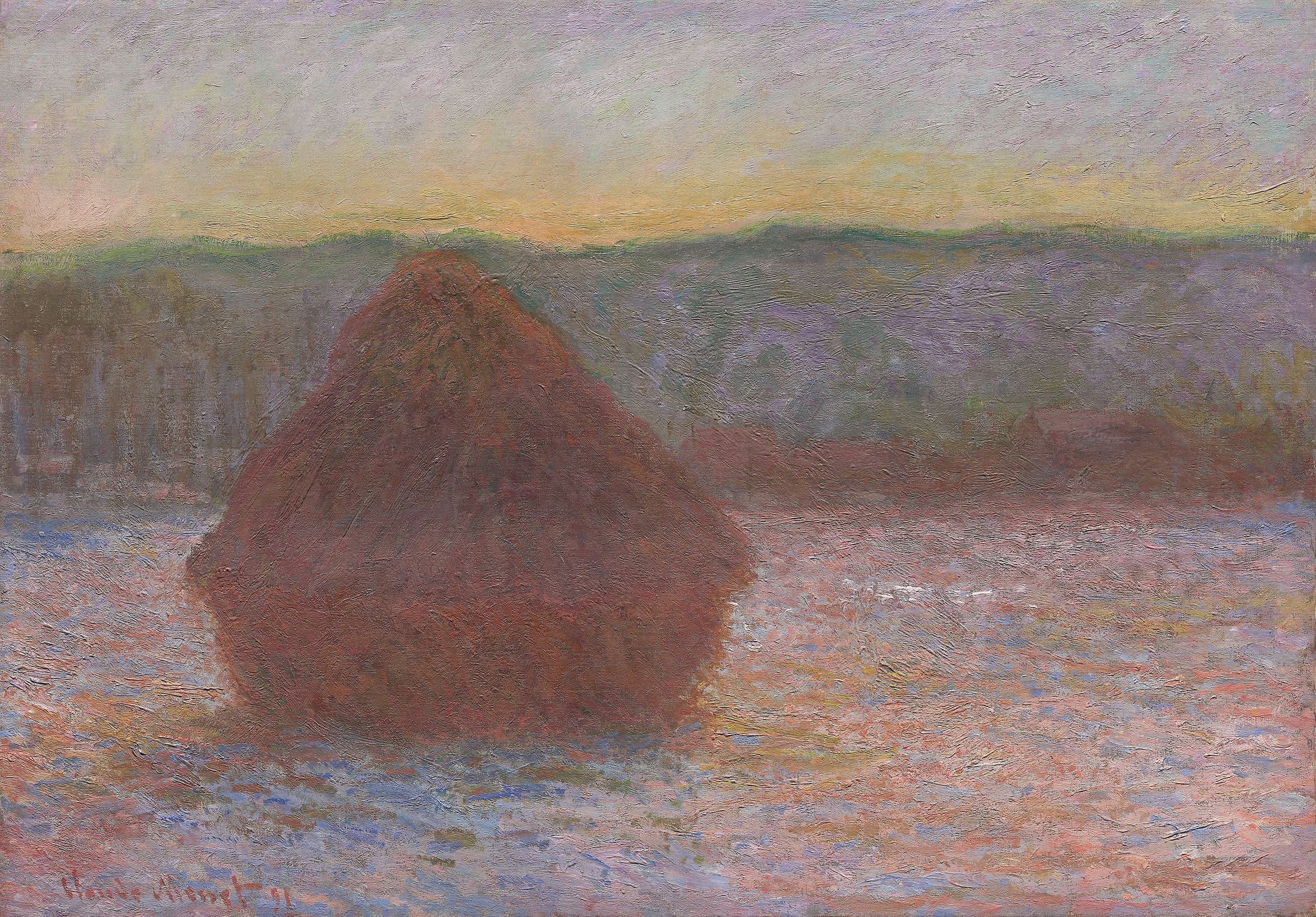
Stack of Wheat (Thaw, Sunset)
Claude Monet · 1890–91
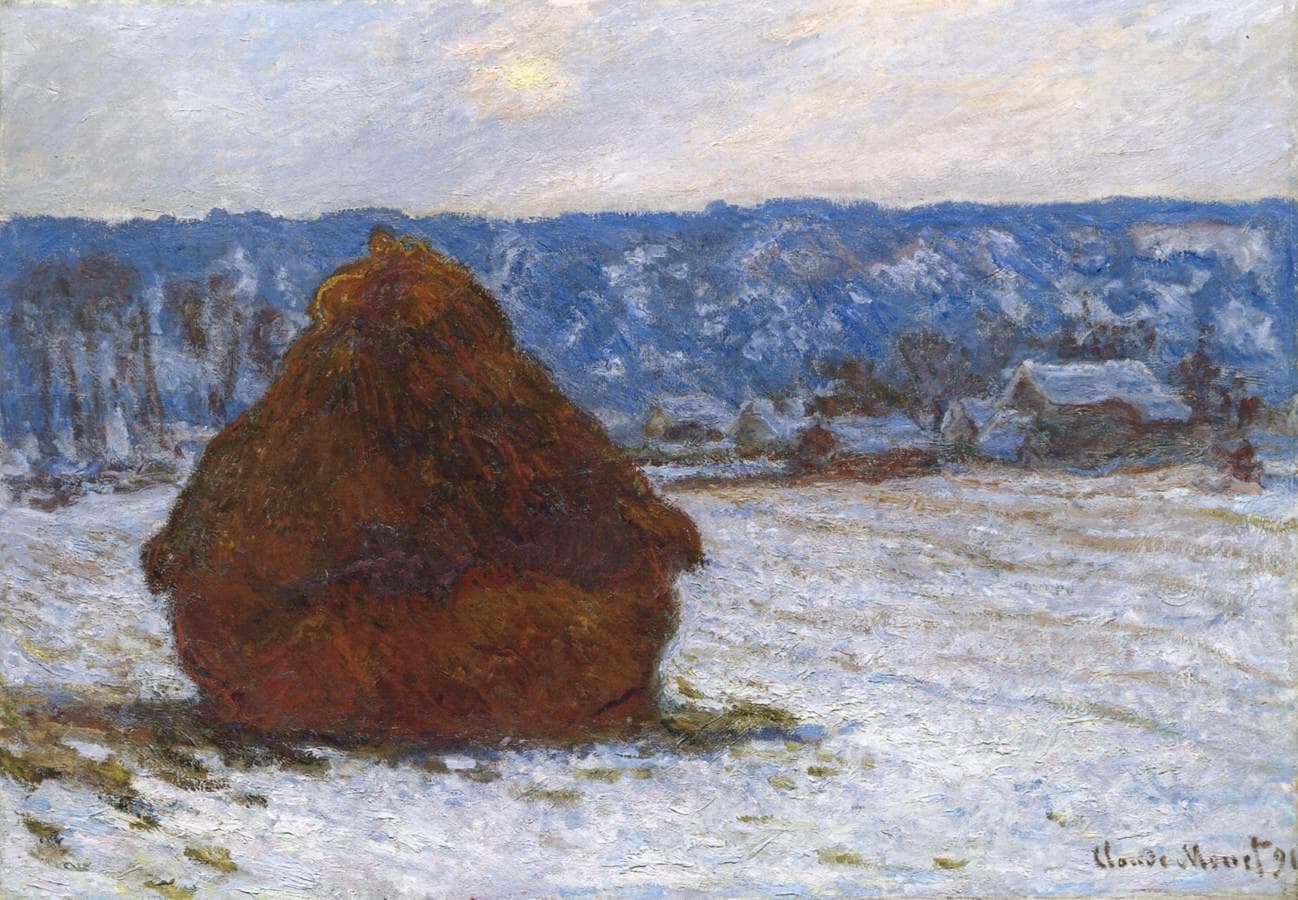
Stack of Wheat, Snow Effect, Overcast Day
Claude Monet · 1890–91
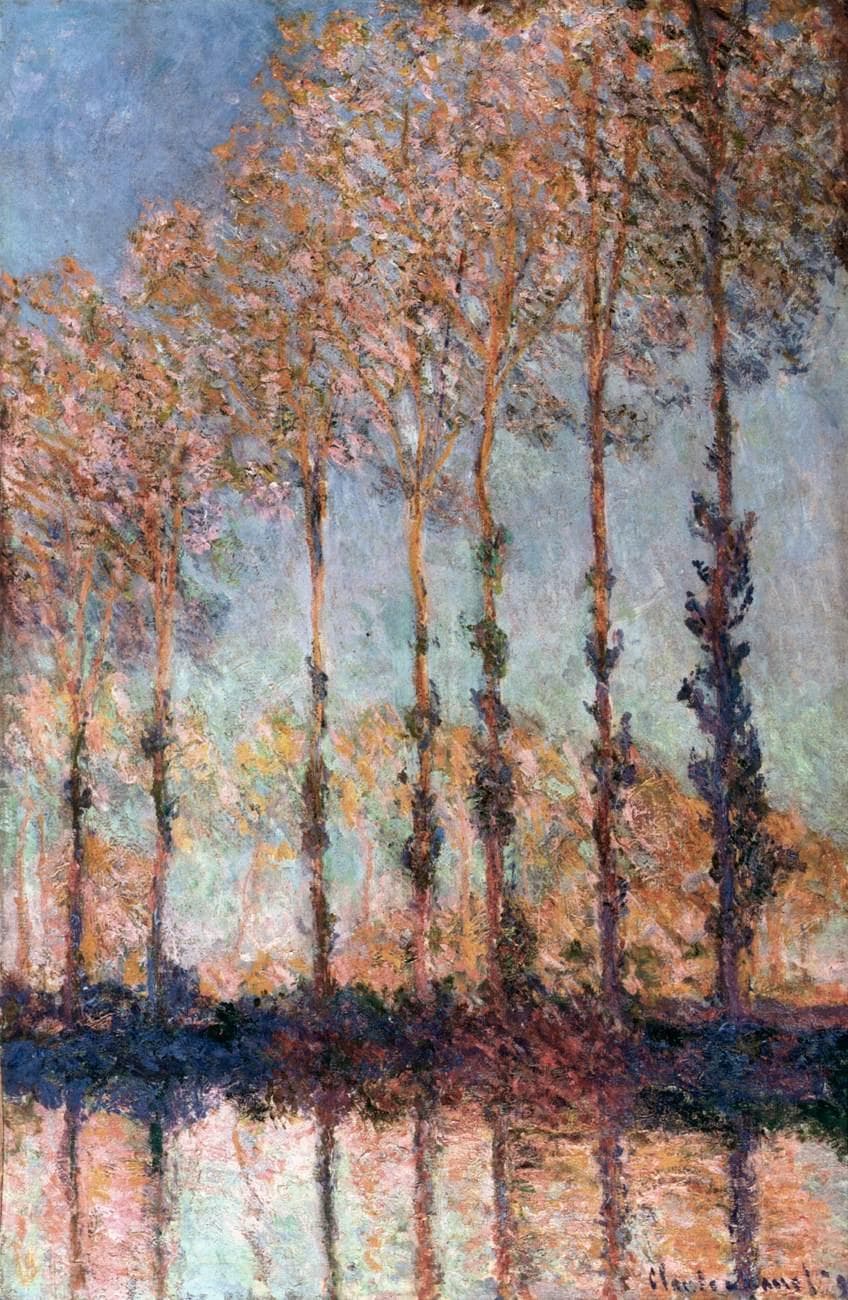
Poplars on the Banks of the River Epte
Claude Monet · 1891
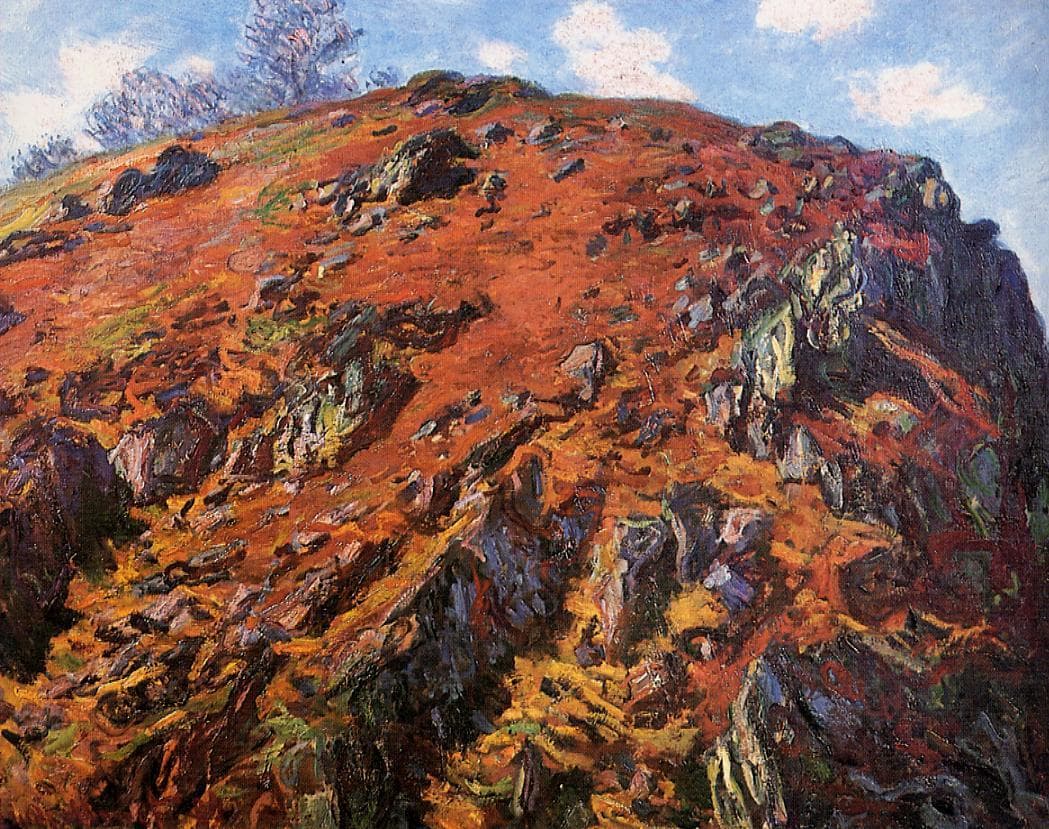
Study of Rocks, Creuse ('Le Bloc')
Claude Monet · 1889
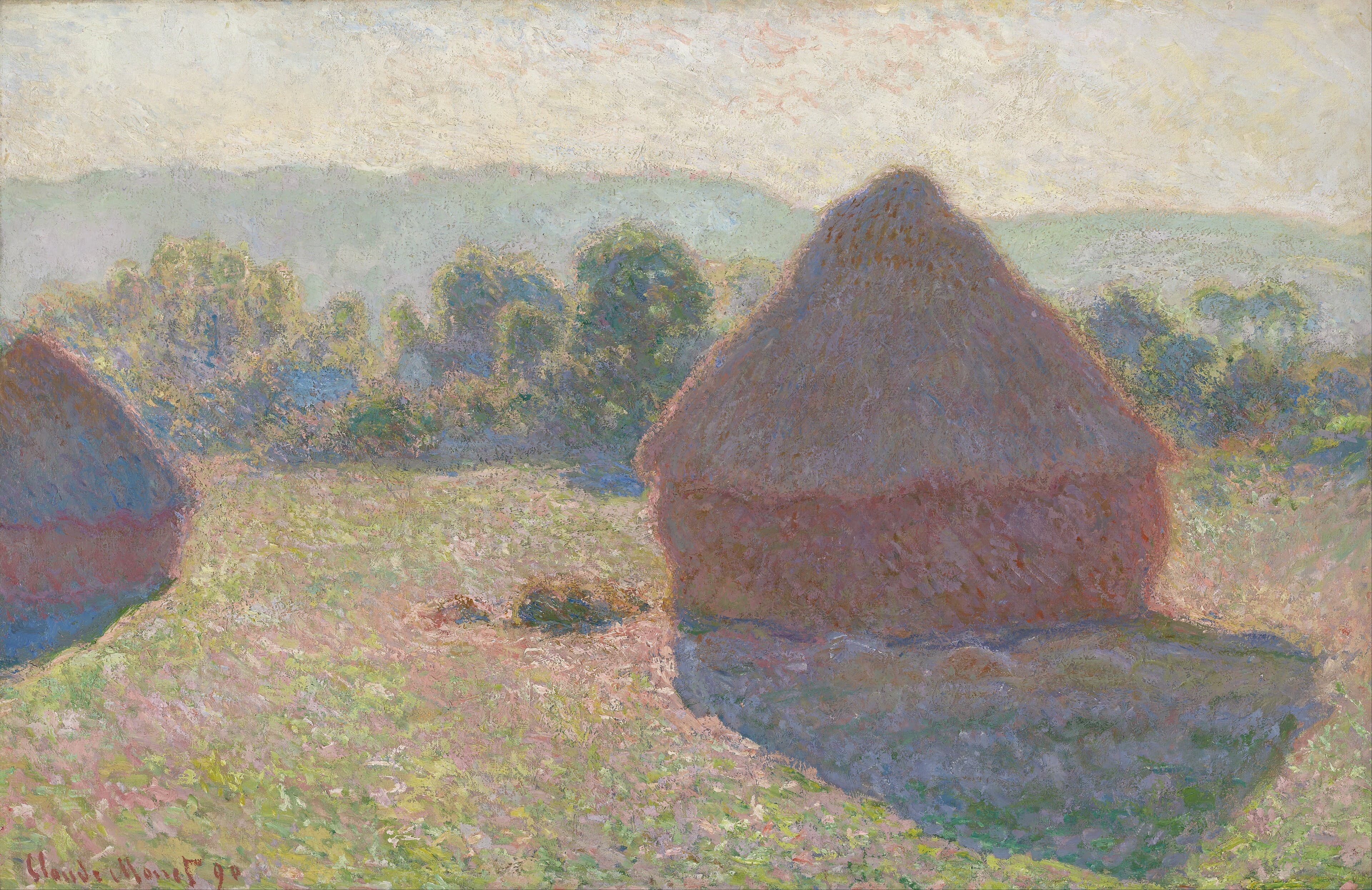
Haystacks, Midday
Claude Monet · 1890
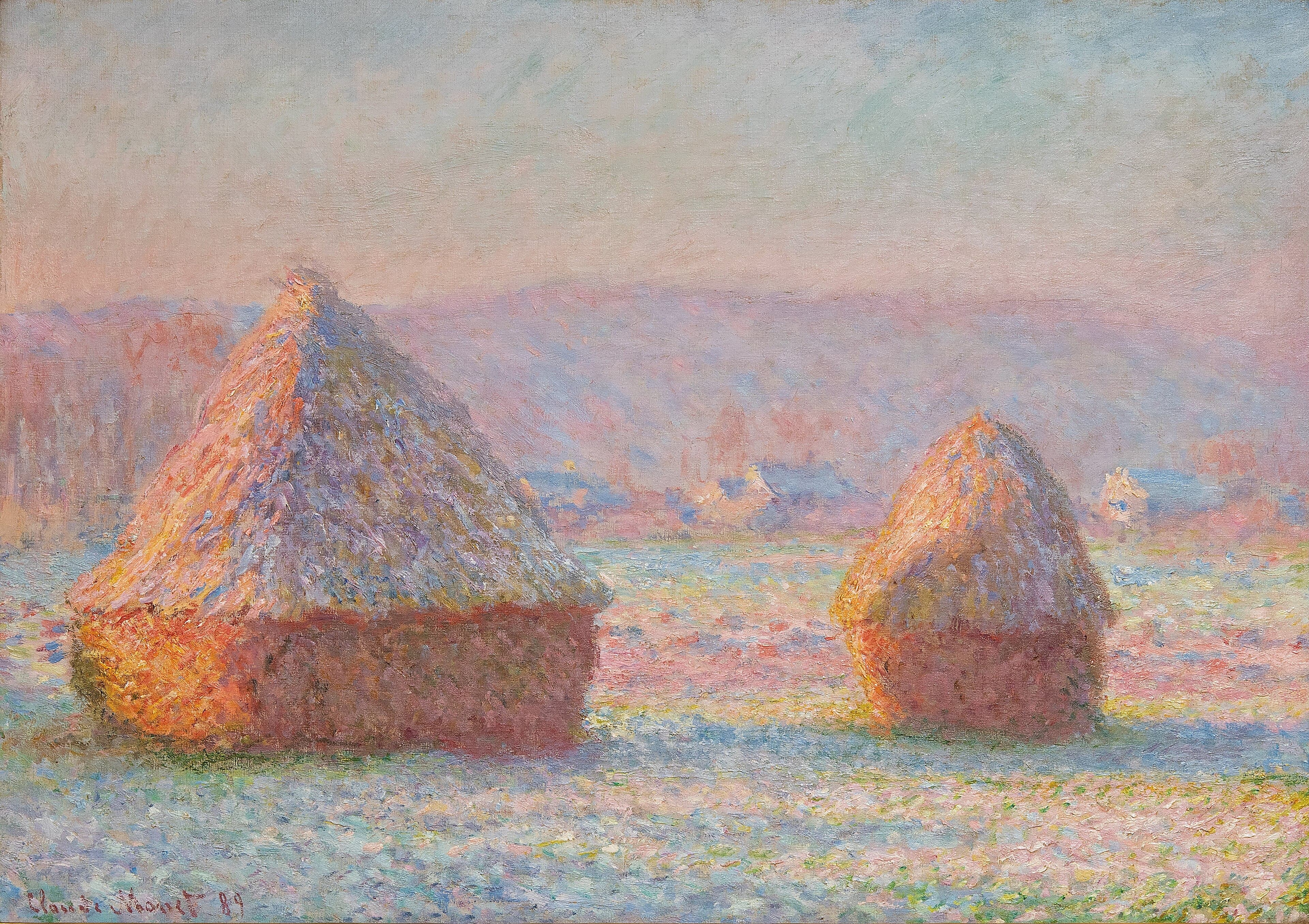
Grainstacks, White Frost Effect
Claude Monet · 1888–89
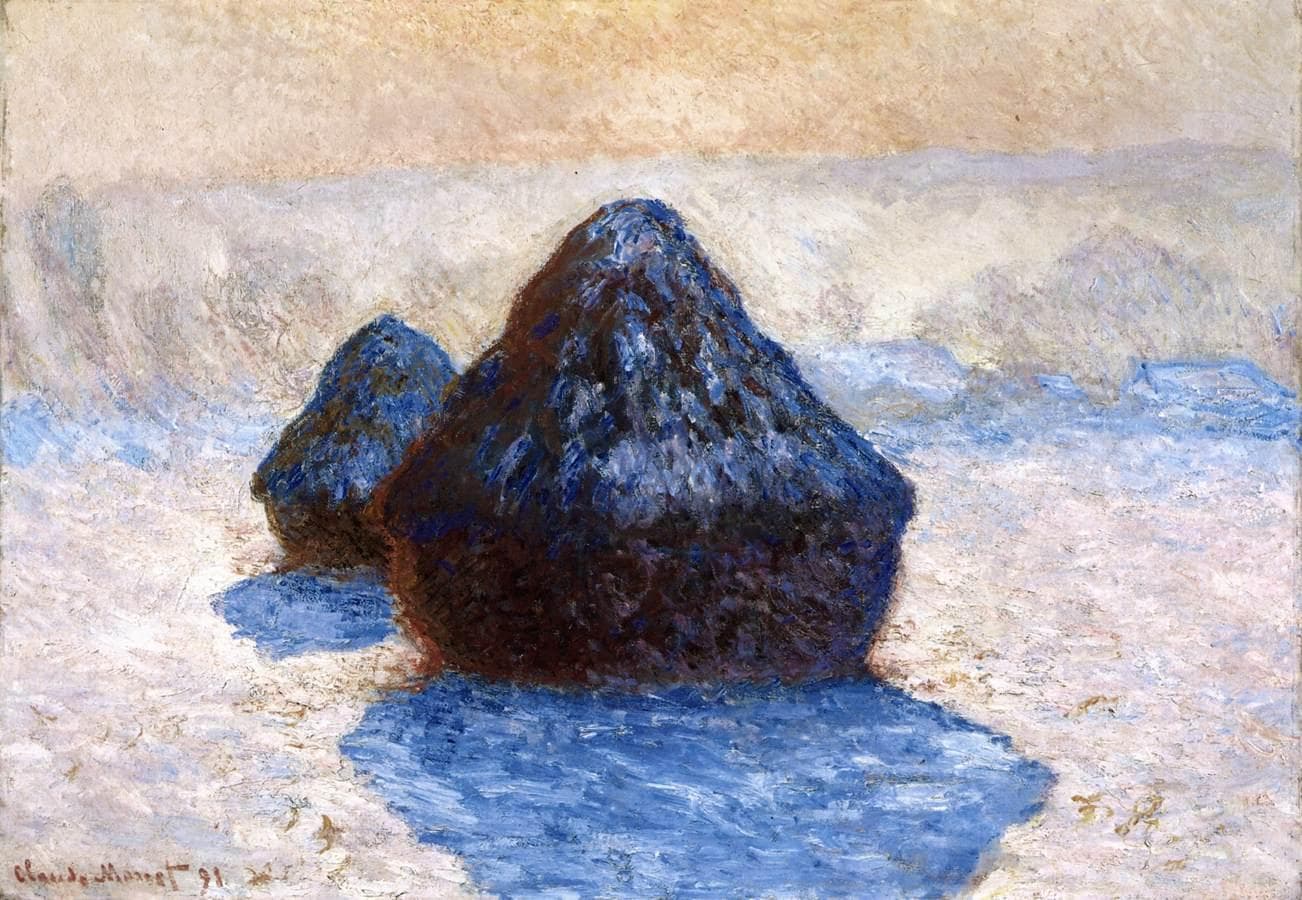
Haystacks, Snow Effect
Claude Monet · 1891
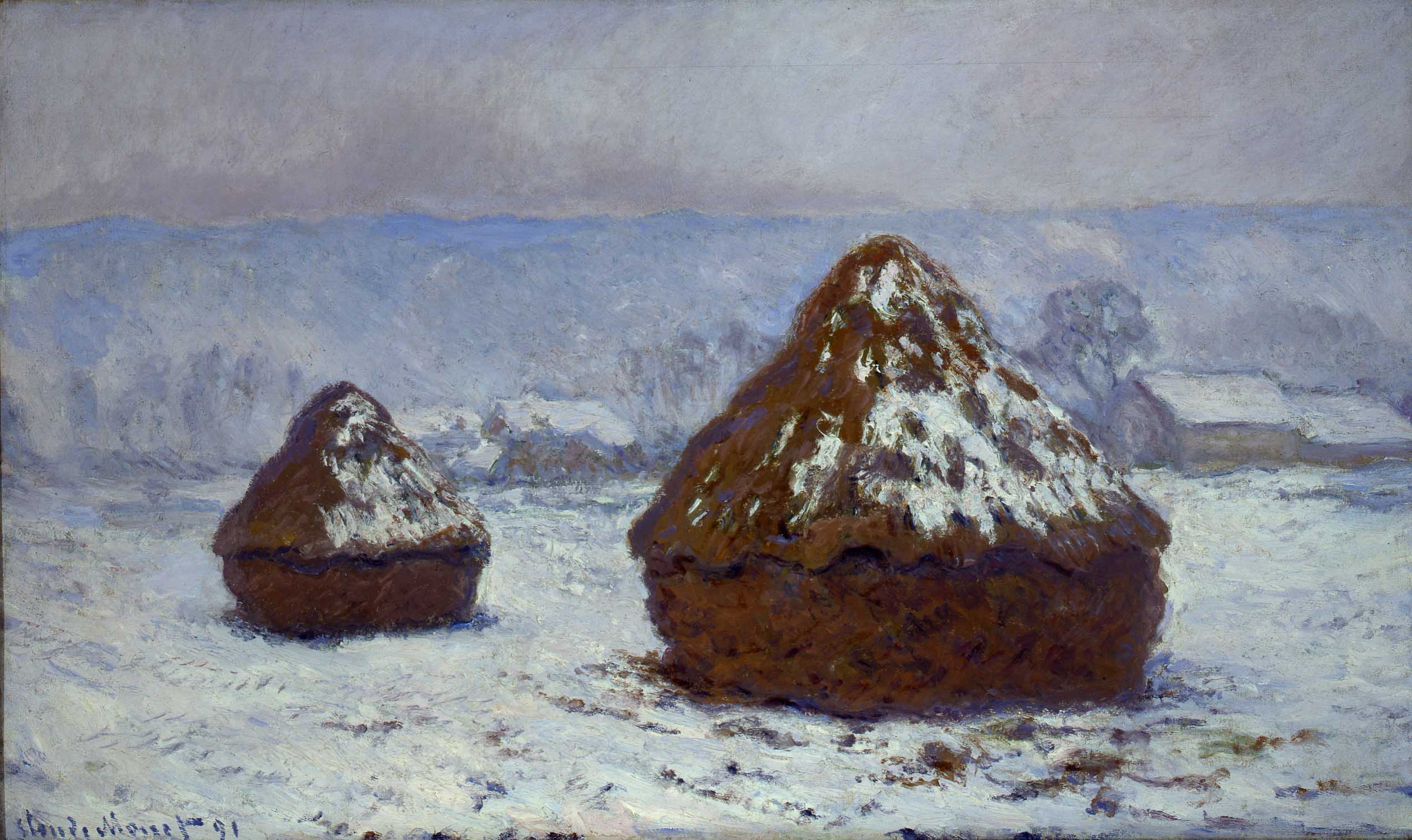
Grainstacks, Snow Effect
Claude Monet · 1891
Also painted in 1890
The same year

Boating on the River Epte
Claude Monet · 1890
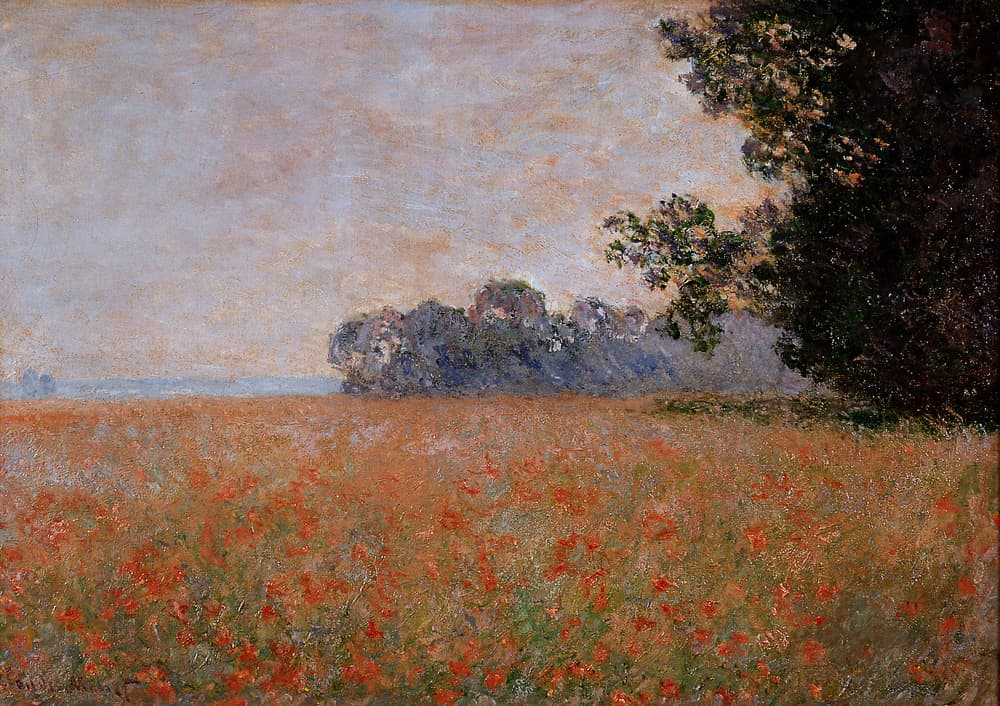
Oat Field with Poppies
Claude Monet · c. 1890
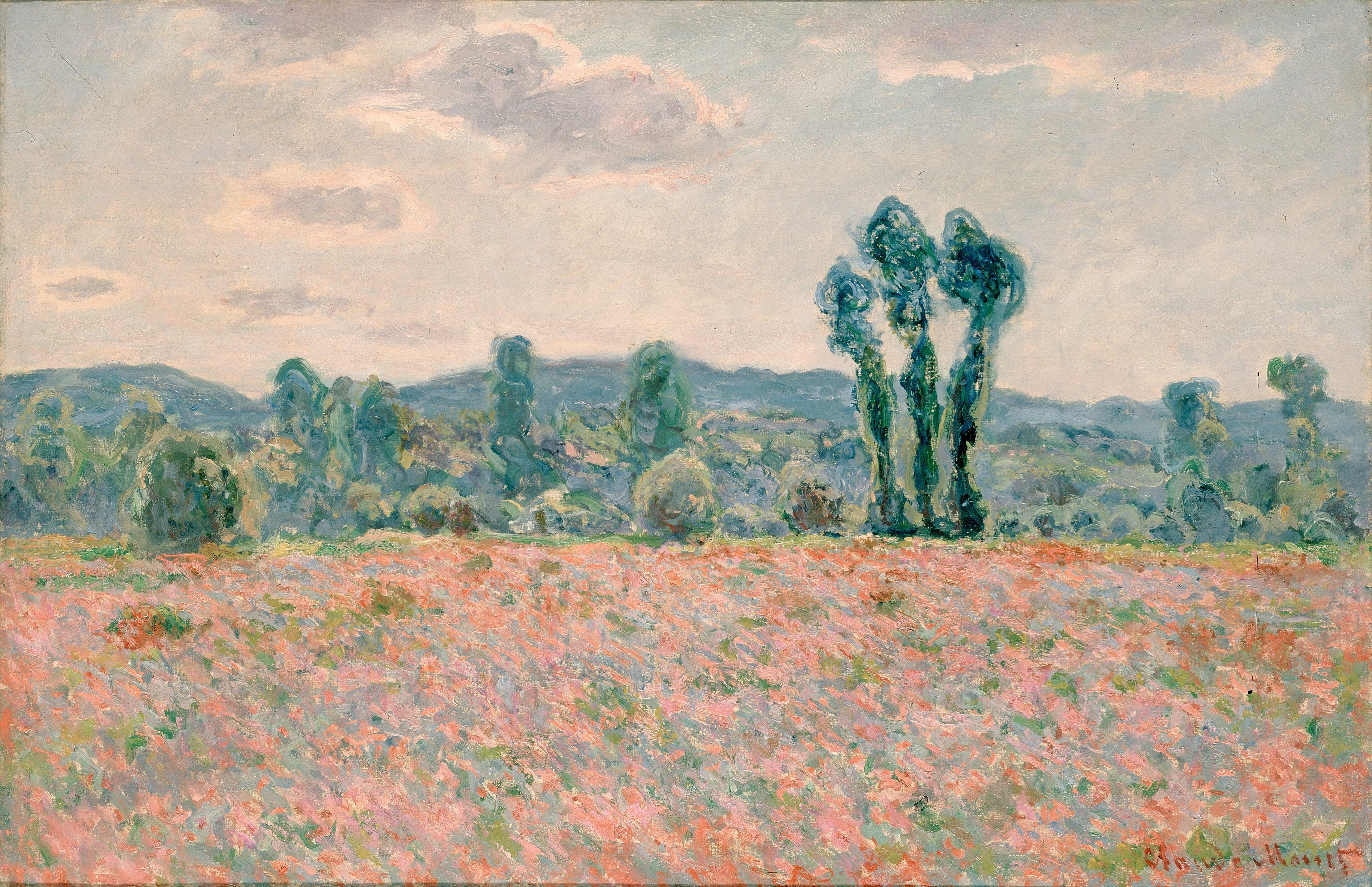
Poppy Field
Claude Monet · c. 1890
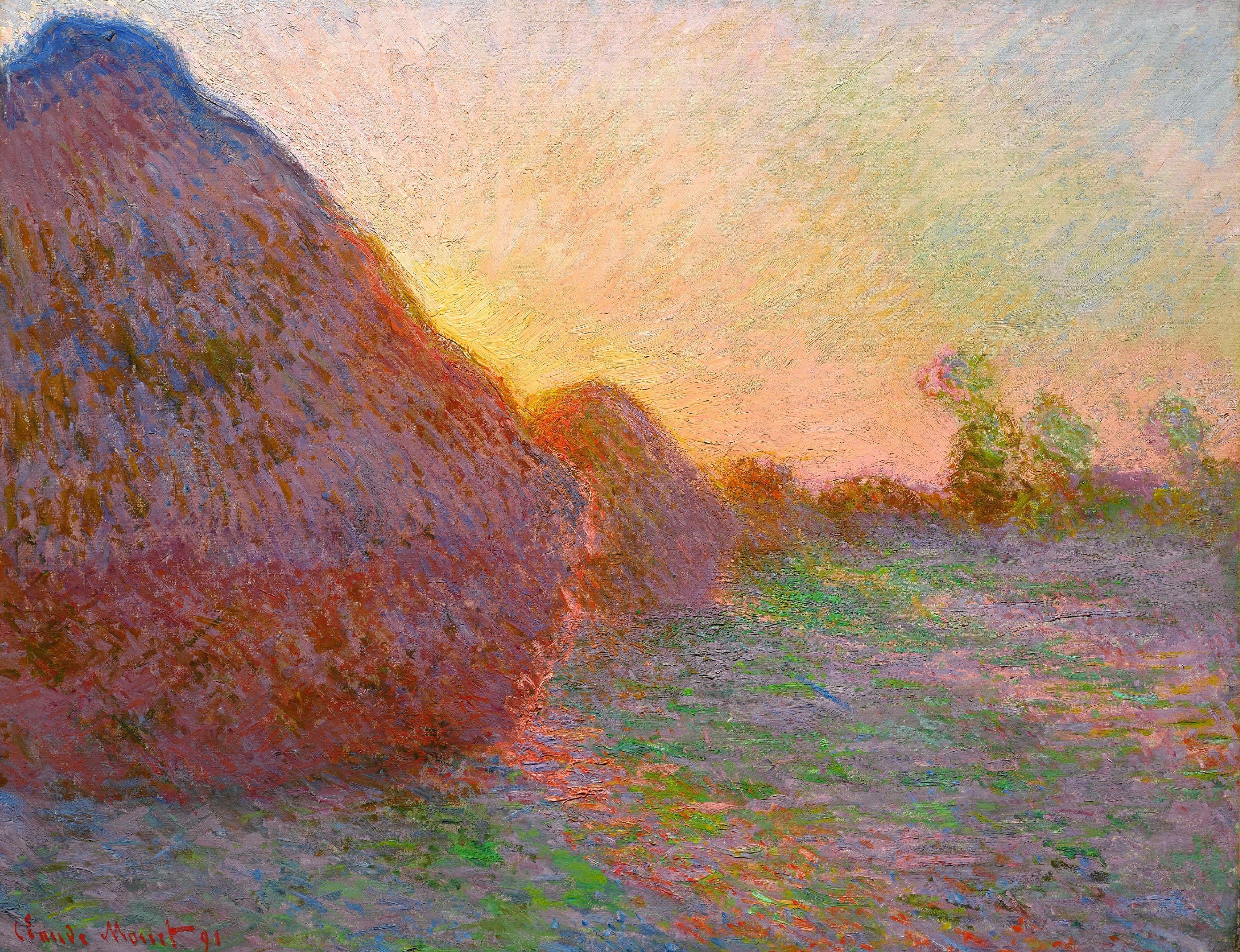
Meules (Grainstacks), 1890
Claude Monet · 1890
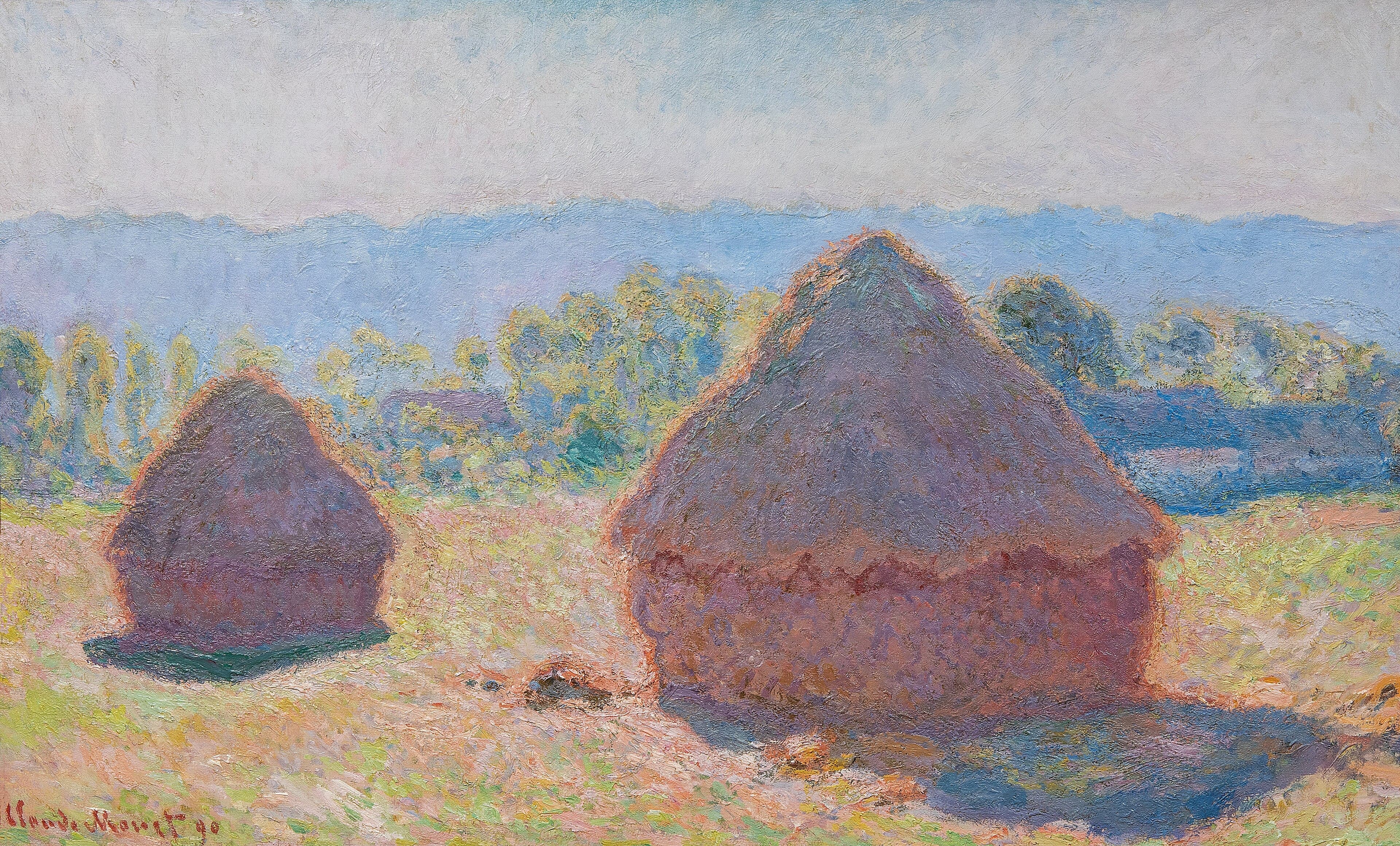
Grainstacks, in Bright Sunlight
Claude Monet · 1890
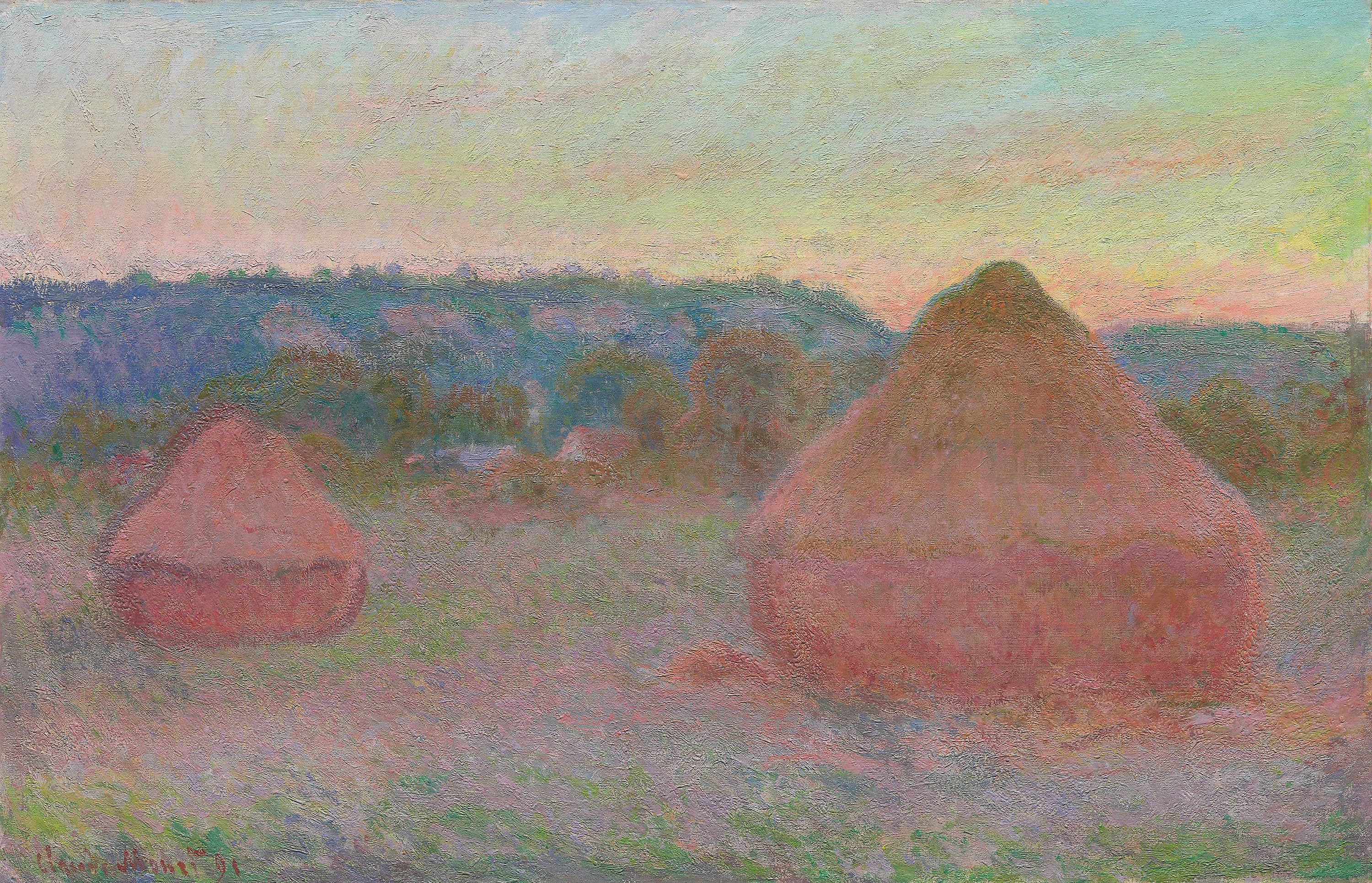
Stacks of Wheat (End of Day, Autumn)
Claude Monet · 1890–91
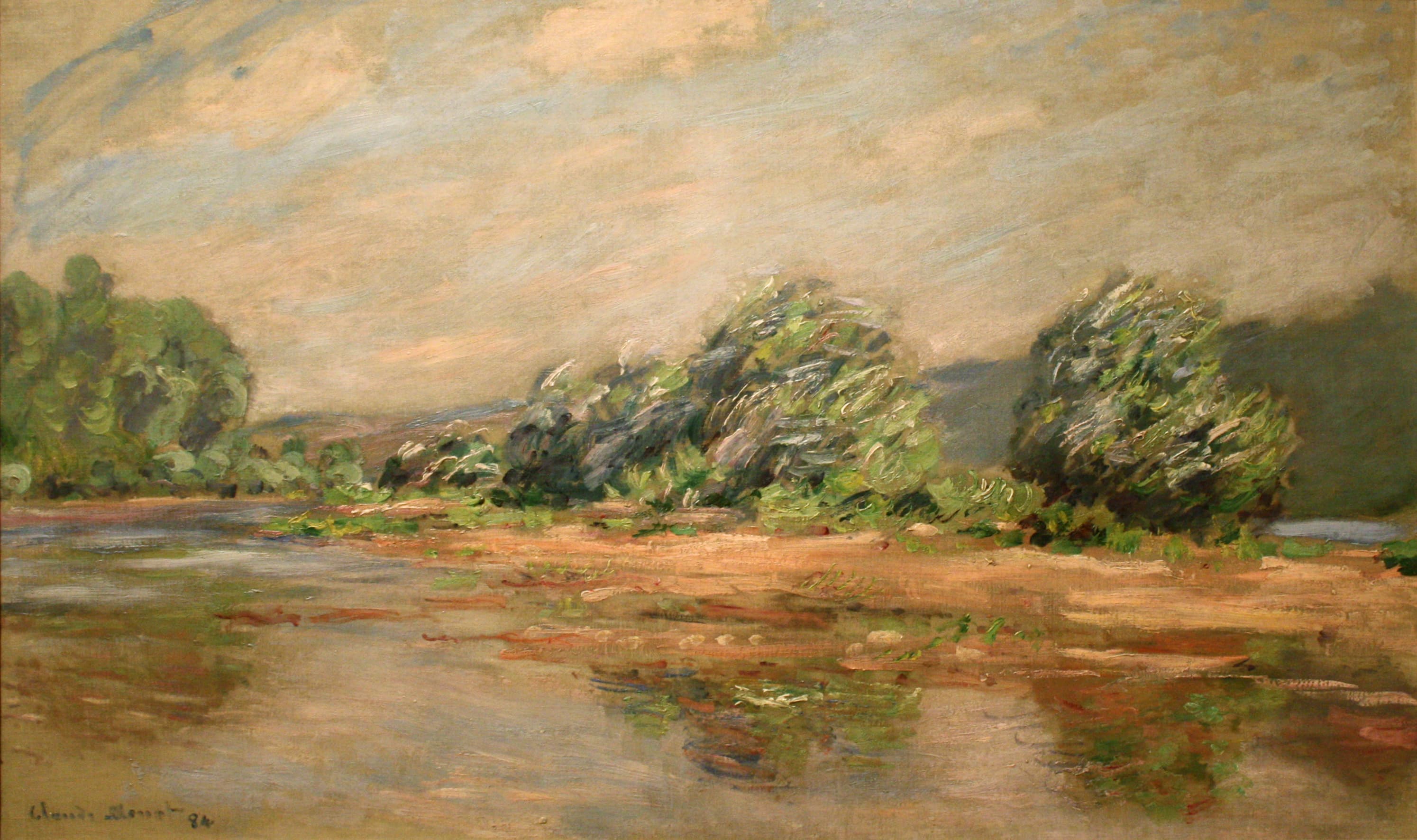
The Seine at Port-Villez (A Gust of Wind)
Claude Monet · c. 1883–90
Grainstacks in the Sunlight, Morning Effect
Claude Monet · 1890
Kindred works
You may also study
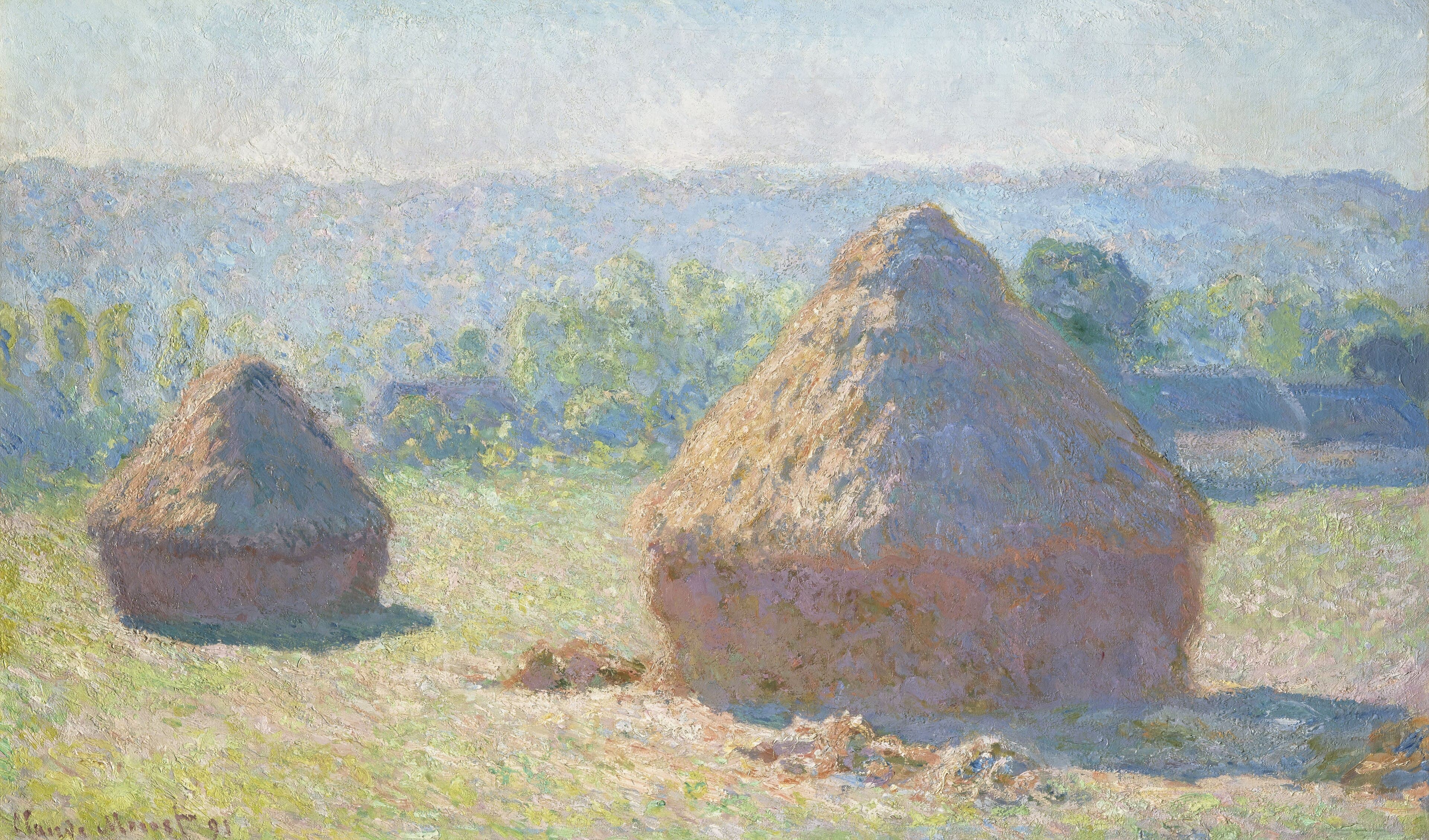
Haystacks, End of Summer
Claude Monet · 1891
Stacks of Wheat (End of Day, Autumn)
Claude Monet · 1890–91
Grainstacks, in Bright Sunlight
Claude Monet · 1890
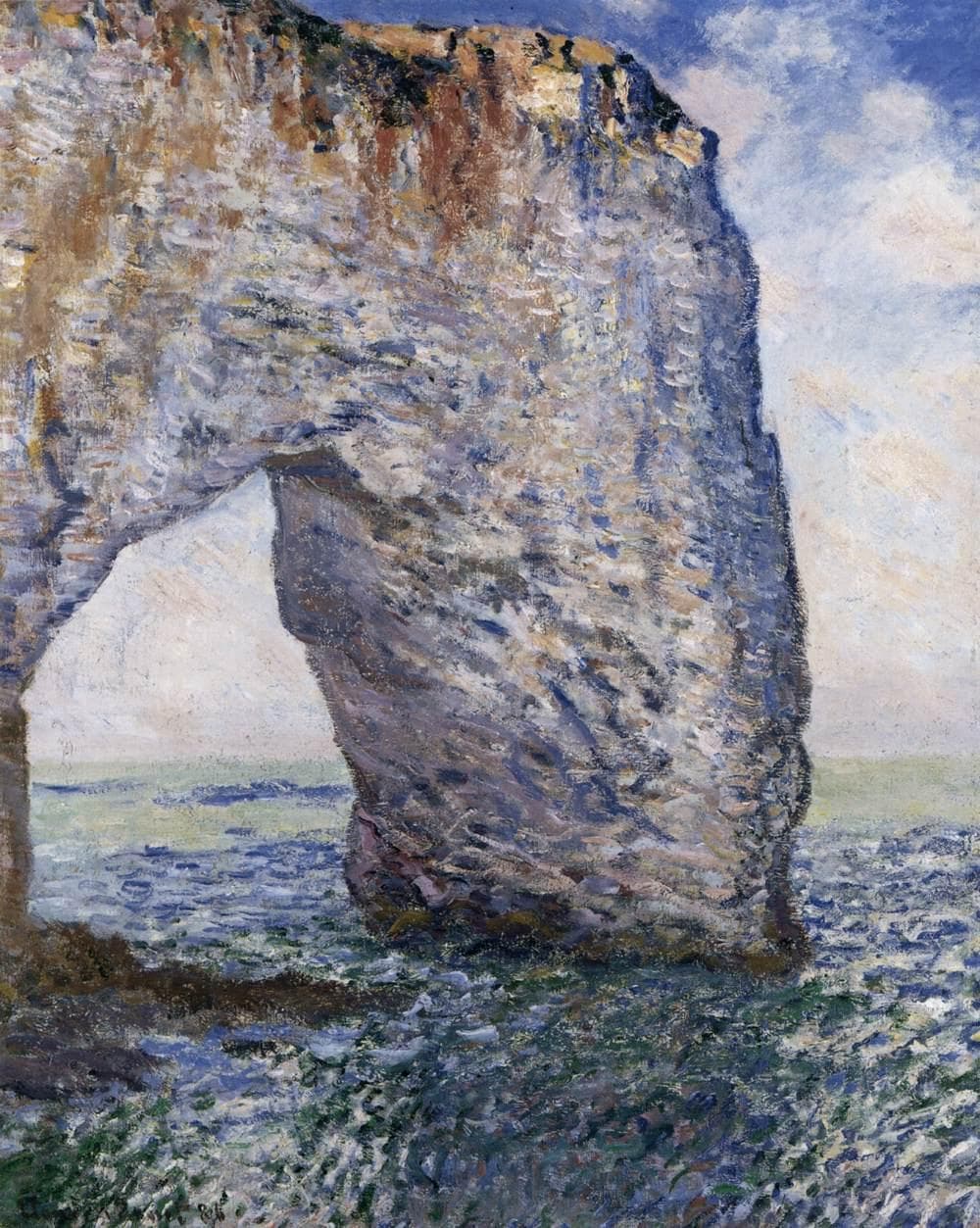
The Manneporte near Étretat
Claude Monet · 1886

The Seine at Asnières (Hermitage)
Claude Monet · 1873
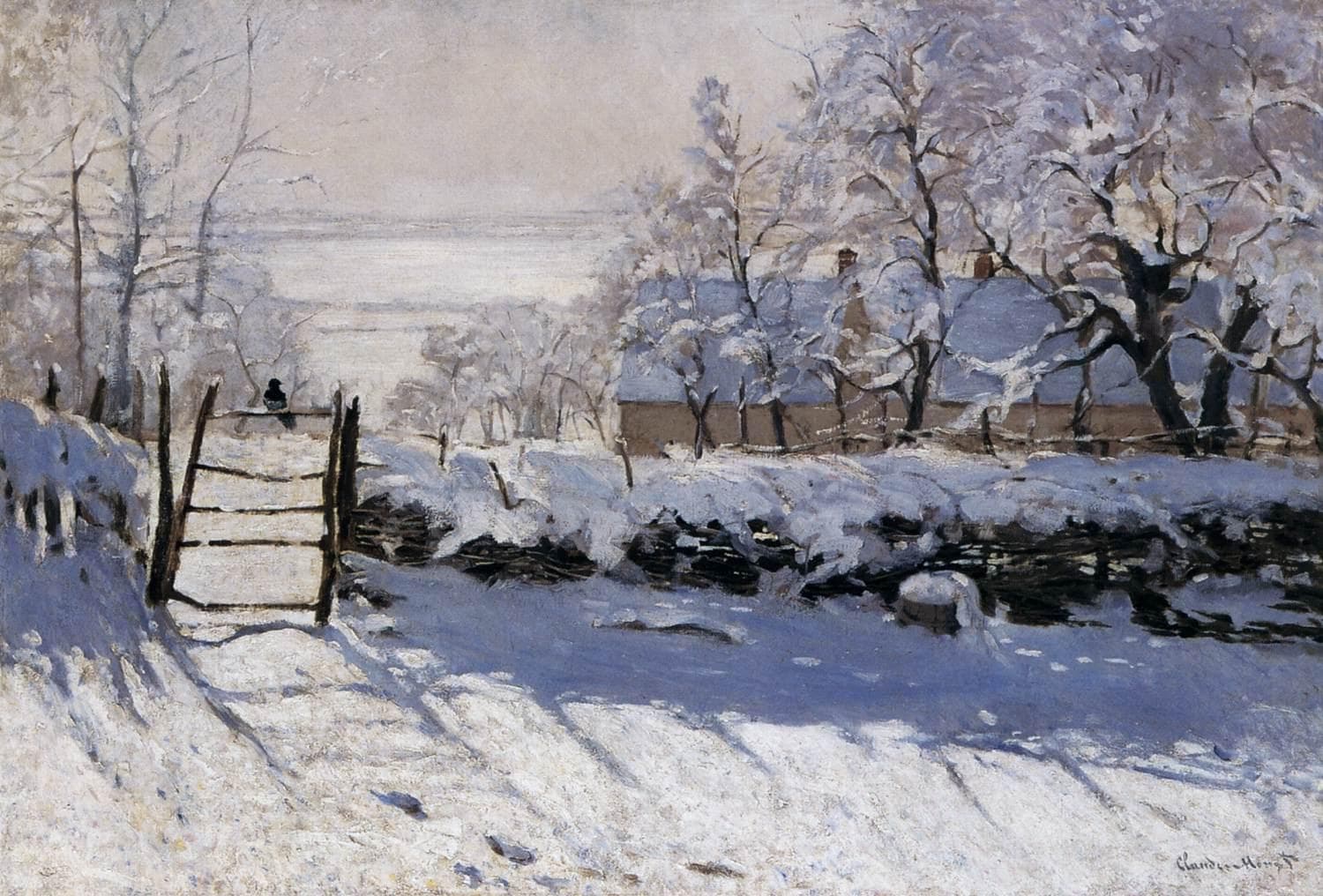
The Magpie
Claude Monet · 1868–69
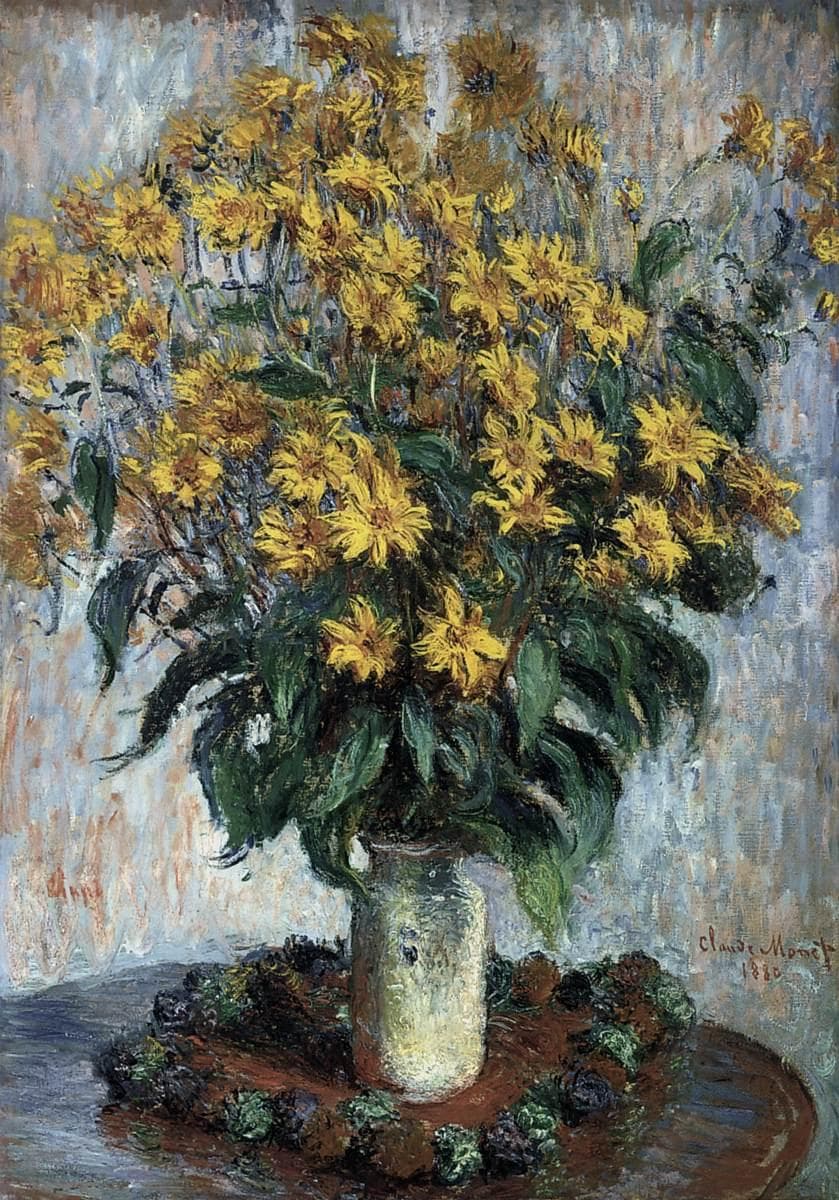
Jerusalem Artichoke Flowers
Claude Monet · 1880
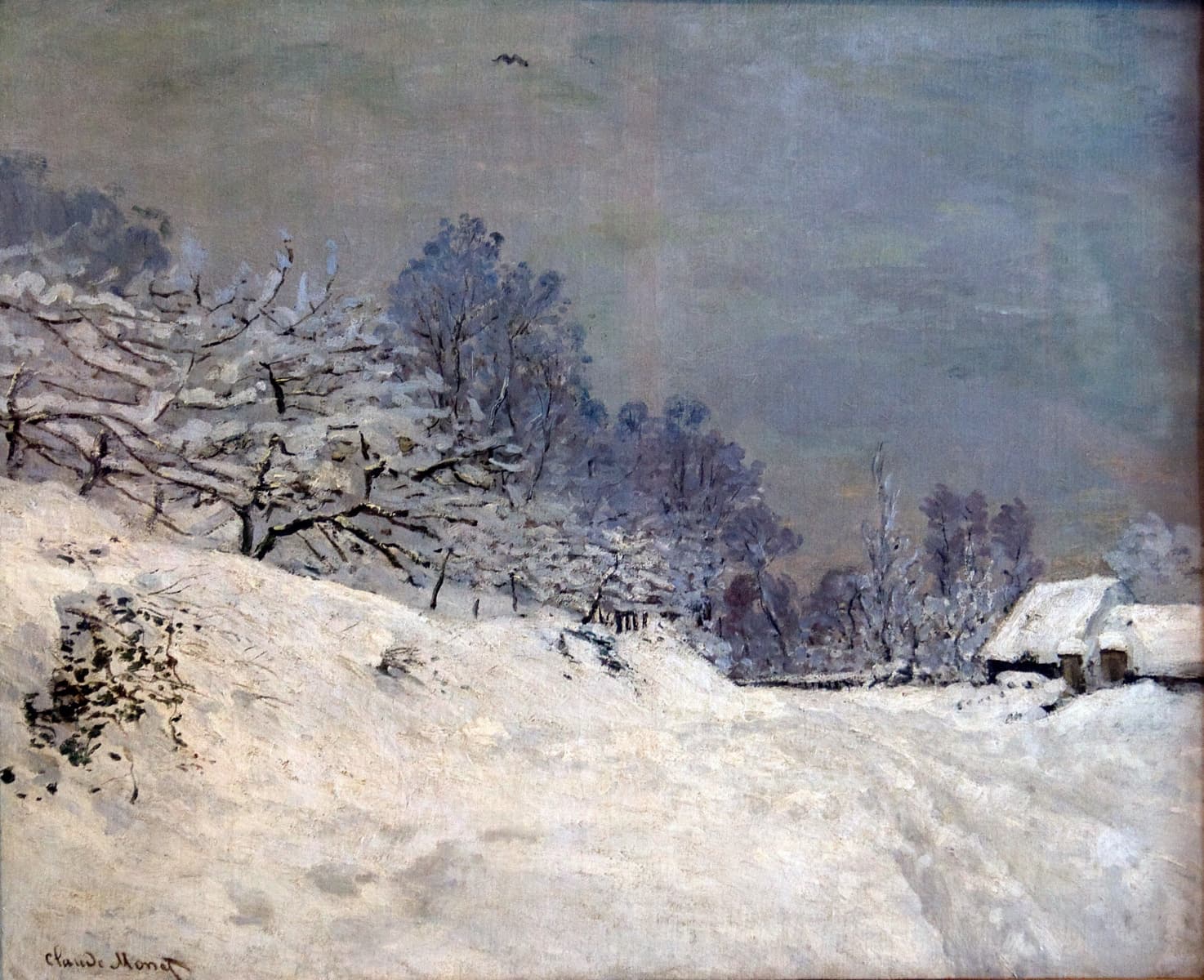
The Road in Front of Saint-Siméon Farm in Winter
Claude Monet · 1867