Image: Christie's (sale image) · Public domain · via Wikimedia Commons
Haystacks at Giverny (1885)
Claude Monet, 1885
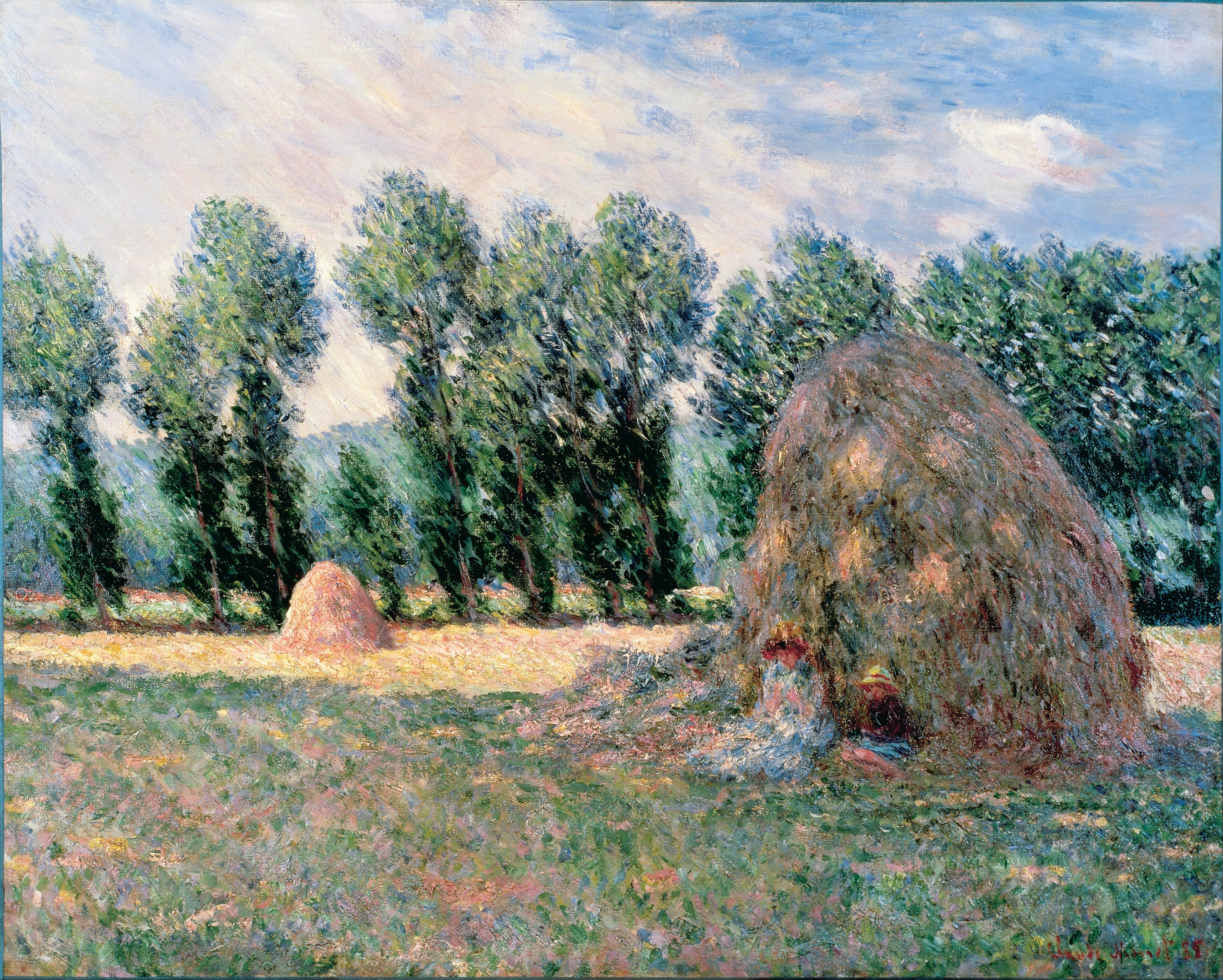
Haystacks at Giverny (Les meules à Giverny), 1885, is Claude Monet's summer meadow with three grainstacks, poplars and small figures under a red parasol. Signed and dated '85', it is in a private collection.
- Artist
- Claude Monet
- Date
- 1885
- Medium
- Oil on canvas
- Dimensions
- 64.9 × 81.1 cm
- Collection
- Private collection
- Movement
- Impressionism
- Catalogue
- Wildenstein 993
- Nature & Landscape
- Women in Art
Haystacks at Giverny (Les meules à Giverny) is a summer landscape Claude Monet painted in 1885 and signed and dated Claude Monet 85 at lower left. Three golden grainstacks stand in a sunlit meadow before a line of tall poplars; at the left, a group of small figures, a woman under a red parasol and several children, walks through the grass. It is in a private collection and has appeared at auction at Christie's.
What you are looking at
The canvas is about 65 by 81 cm. The largest stack stands right of center, a big, rounded cone of gold, ocher and rose with a violet shadow on its left side spilling across the grass. A second stack, smaller and further back, sits in the center, and a third, cut by the right edge, peeks out behind the first. Behind them, a row of poplars marches across the picture, their foliage a light, airy mass of green and blue, their trunks thin and pale. Low hills appear in blue between them.
At far left, in the sunny meadow, are the figures: a woman in white holding a red parasol, a smaller figure in blue, and two children, all painted with a few touches. Their bright spots of red and white are the only accents outside the stacks. A broad band of shadow crosses the foreground, cool green-blue, and the meadow beyond is lit in yellow-green. The sky is pale and hazy, with streaks of white cloud.
Where and when it was painted
Monet settled at Giverny in 1883 with Alice Hoschedé and their eight children, and spent the following summers painting the meadows near the house. The grainstacks built there after harvest became a recurring motif, years before the Haystacks series of 1890–91. The figures in this canvas are not identified, but the women and children of the Monet-Hoschedé household often appear in his Giverny meadow pictures of these years. See our Giverny hub.
How it was painted
The touch is light and lively. Monet built the stacks with curving strokes that follow their rounded form, warm on the lit side and violet in shadow, and painted the poplars with small, flickering dabs. The red parasol is a single bright note that balances the warm mass of the stacks across the canvas. Compared with the 1890–91 series, the light here is the even, high light of a summer afternoon rather than a specific, fleeting effect.
Ownership
Wikidata records a long chain of owners: the dealers Durand-Ruel, the American collector Frank Thomson, the Paris dealer René Gimpel (until about 1942), the Galerie Athénée in Geneva (until June 1944), the Swiss industrialist Emil Georg Bührle (from 1944), and the dealer Fritz Nathan (from 1958). The wartime transfers from Gimpel, a Jewish dealer who died in a Nazi camp in 1945, to Bührle place the picture in a period of art-market history that museums and auction houses now research closely. It has since passed through Christie's to a private owner.
How this version differs
Among the summer stack pictures of 1884–86, this is one of the most populated. The Ohara Museum's Haystacks of the same year places two resting figures in a stack's shade; the Pola Museum's Haystacks at Giverny of 1884 has none. The MFA's Meadow with Haystacks near Giverny pushes the stacks to the margin. See also the Pushkin Museum's Haystacks at Giverny.
A family landscape
Monet's first years at Giverny were crowded and financially uncertain, but his paintings of the period are full of ease. Alice Hoschedé's children and his own sons appear boating on the Epte, walking in the poppy fields and resting under trees, and the grainstacks form part of that setting rather than its subject. Five years later, when he turned the stacks into a series, Monet removed the people entirely, and the motif changed from a scene of family life to a study of light.
Where to see it
The painting is in a private collection and not on public view. Monet's grainstack pictures of the 1880s can be seen in Hakone, Kurashiki, Boston and Moscow; see where to see Monet's paintings.
Questions & answers
Where is Monet's Haystacks at Giverny (1885)?
It is in a private collection and not on public view. It has been sold at Christie's. Related summer stack pictures of 1884–85 are in the Pola Museum (Hakone), the Ohara Museum (Kurashiki) and the MFA Boston.
When was it painted?
In summer 1885 at Giverny. It is signed and dated 'Claude Monet 85' at lower left.
What does the painting show?
Three golden grainstacks in a sunny meadow before a row of tall poplars, with a woman under a red parasol and several children walking in the grass at left.
Who are the figures in the painting?
They are not identified. Members of the Monet-Hoschedé household, Alice Hoschedé and the children, often appear in Monet's Giverny meadow scenes of the mid-1880s, but the figures here are too small and sketchy to name with certainty.
More by the artist
Claude Monet
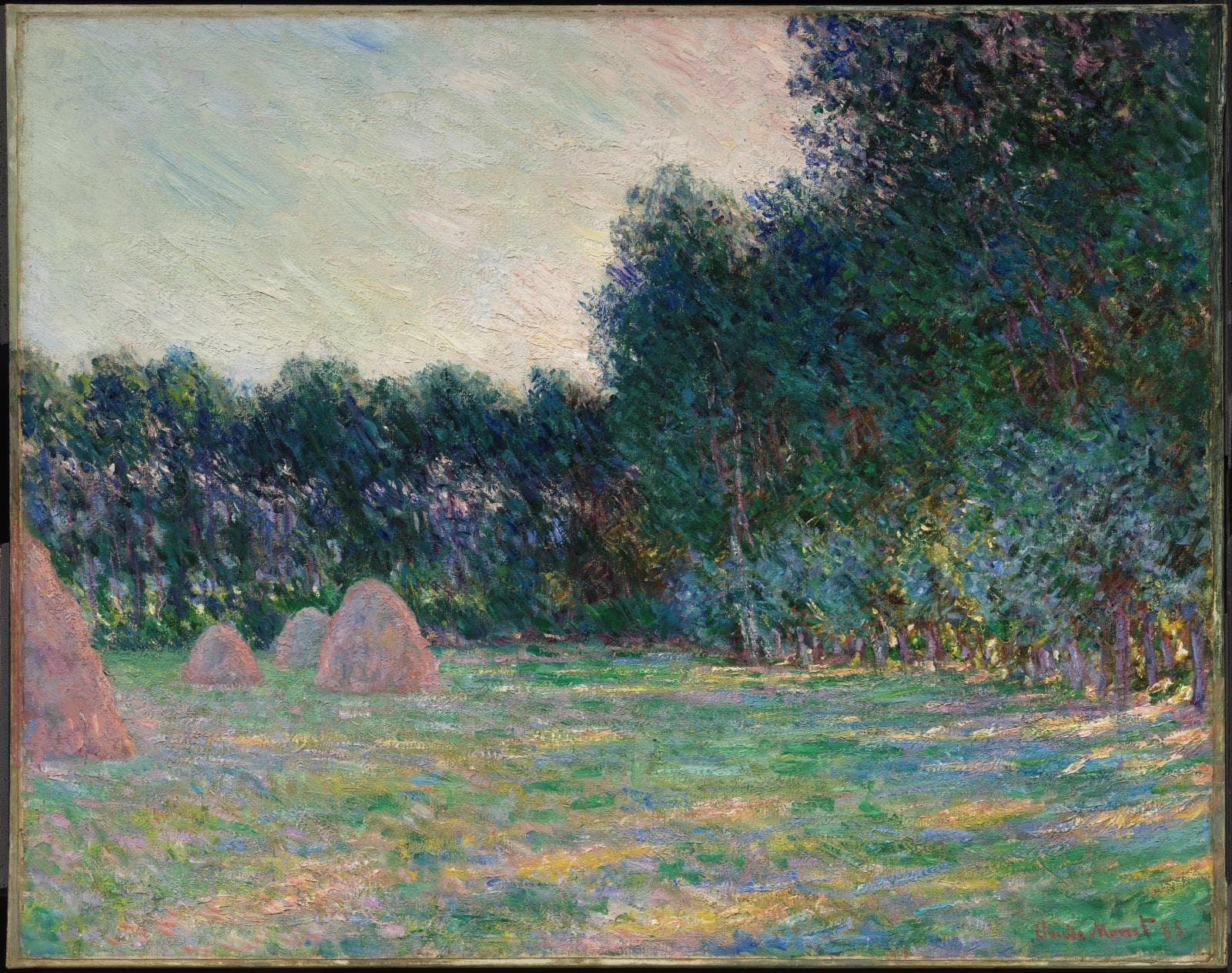
Meadow with Haystacks near Giverny
Claude Monet · 1885
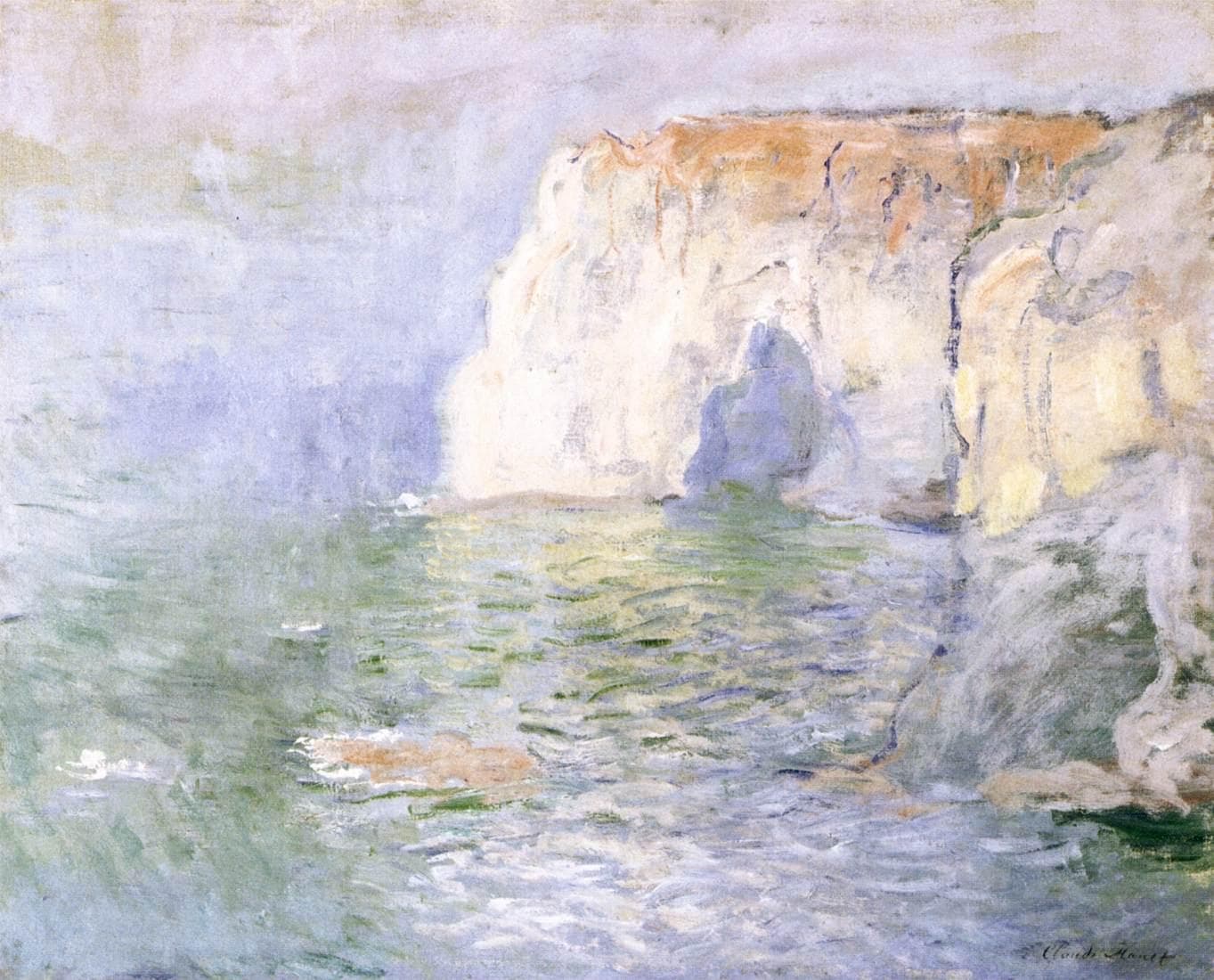
Étretat, the Manneporte, Reflections on the Water
Claude Monet · c. 1885
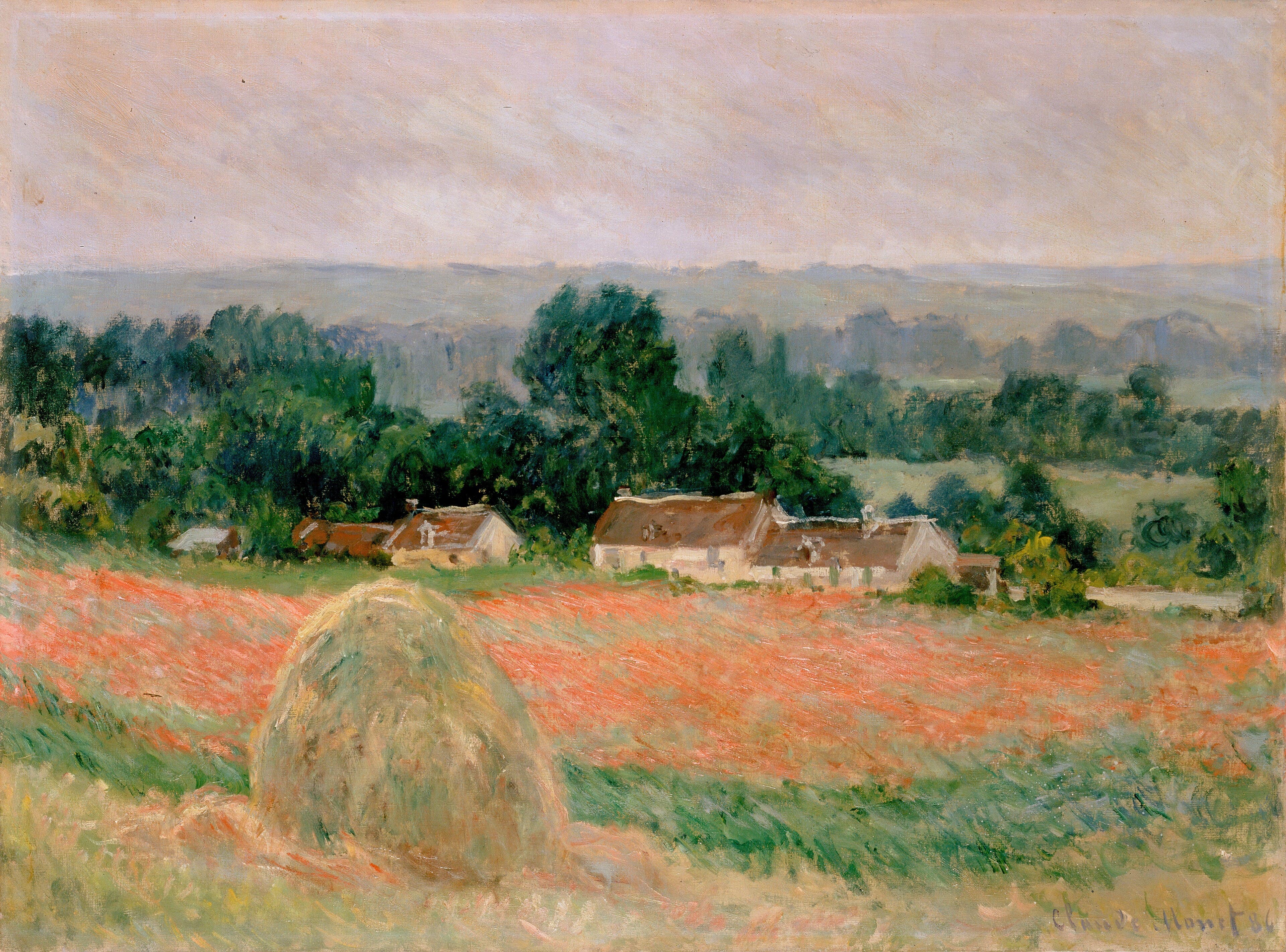
Haystack at Giverny
Claude Monet · 1886
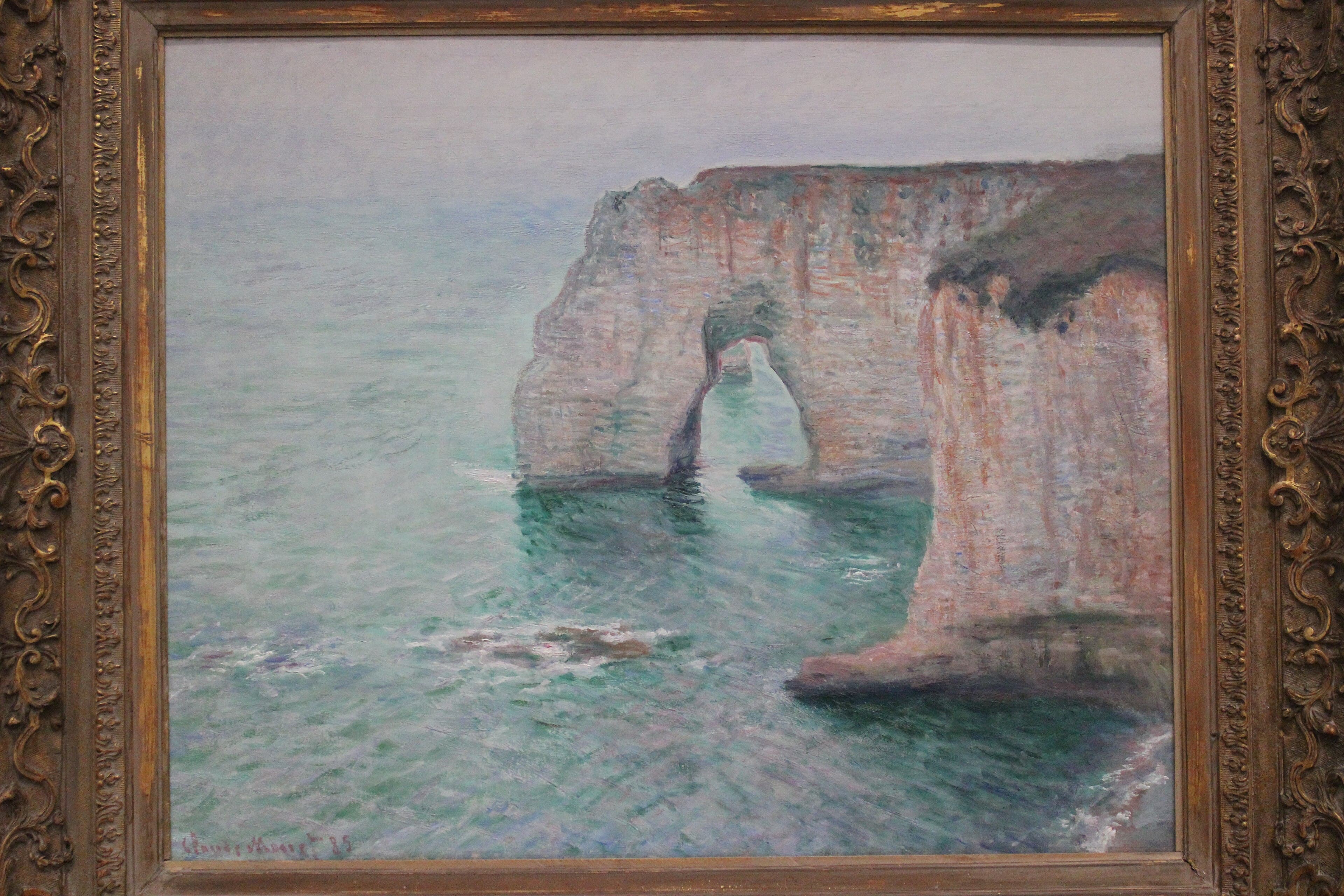
Manne-Porte, Étretat
Claude Monet · 1885
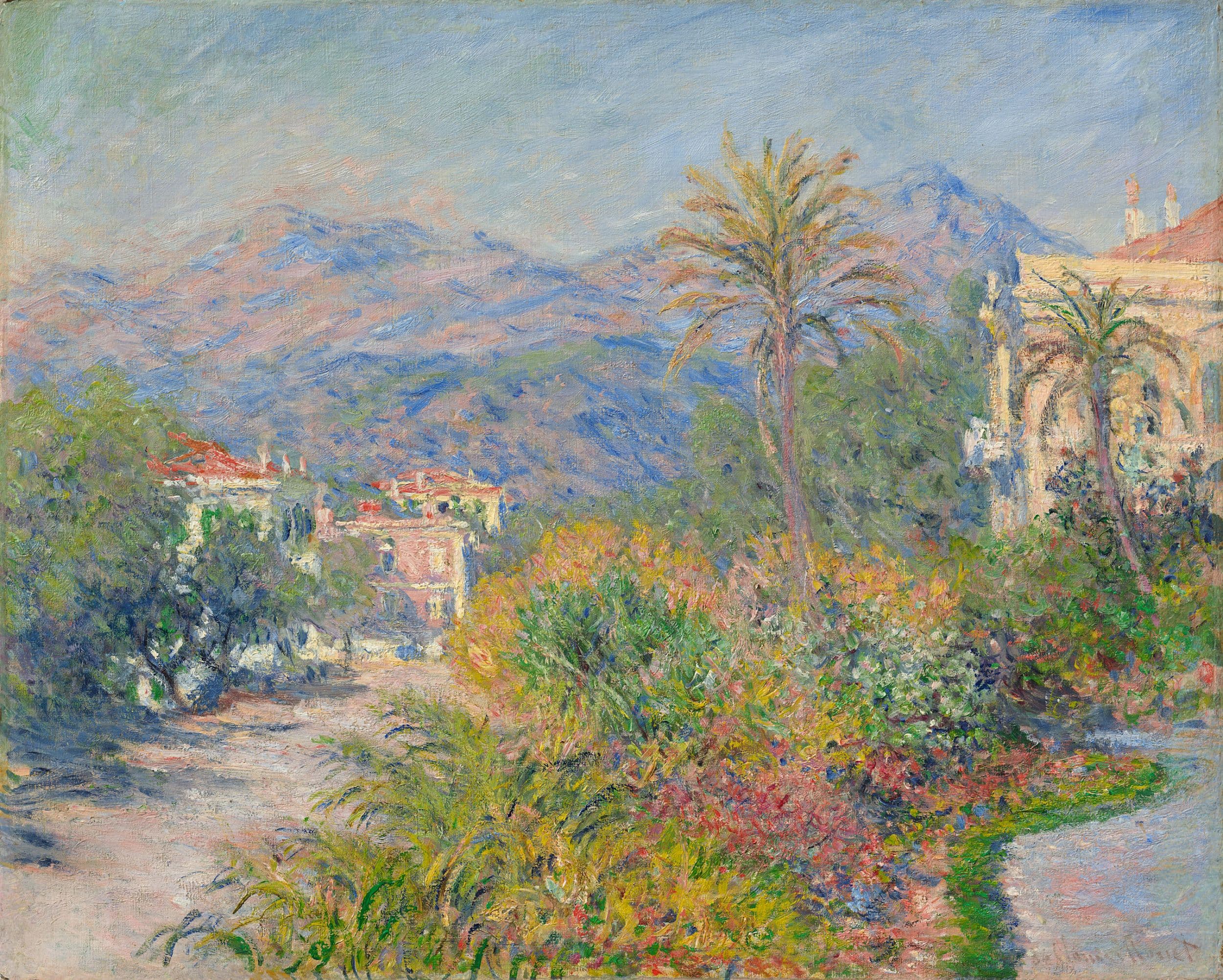
Strada Romana in Bordighera
Claude Monet · 1884
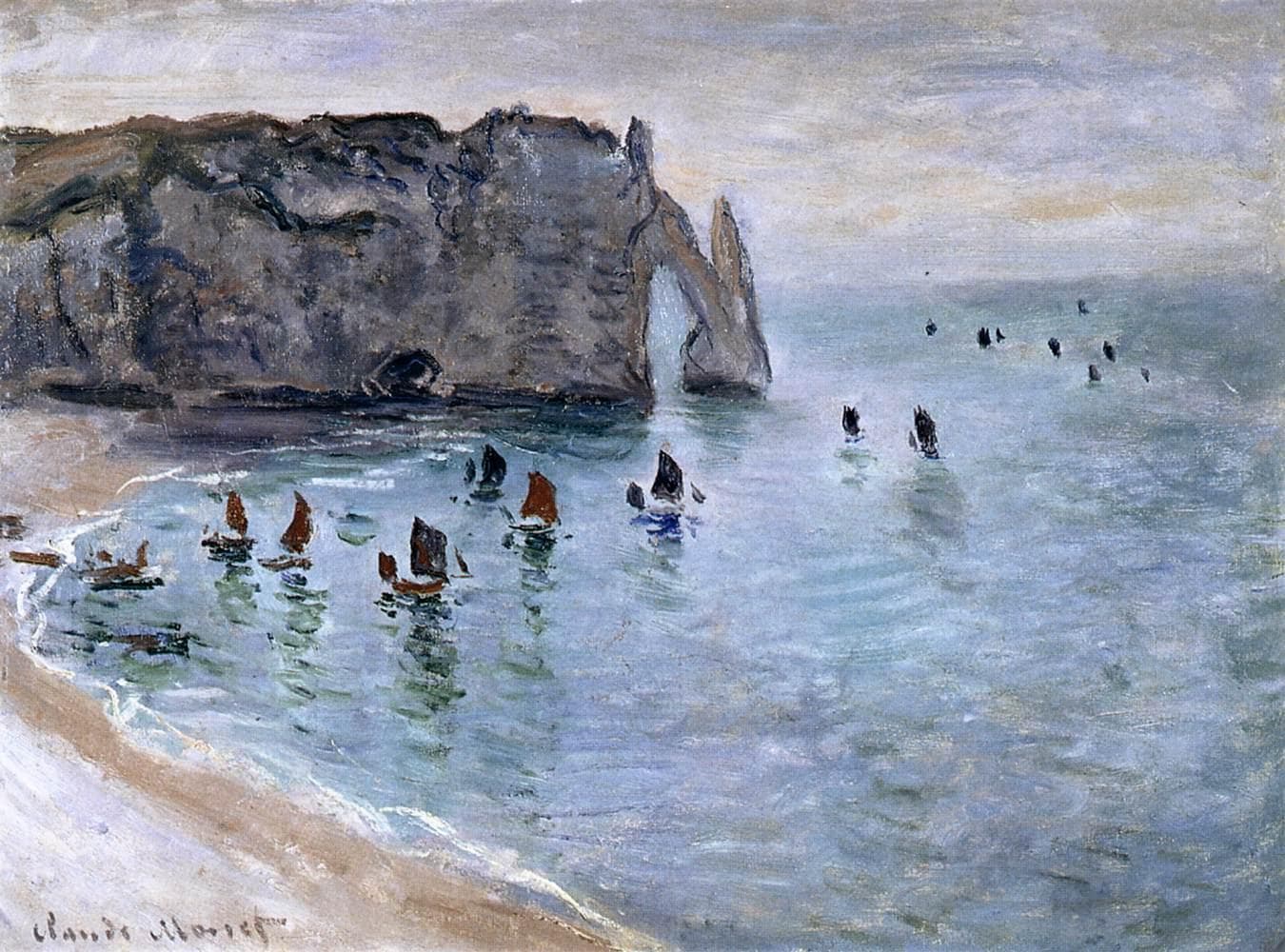
Étretat, the Porte d'Aval: Fishing Boats Leaving the Harbor
Claude Monet · 1885
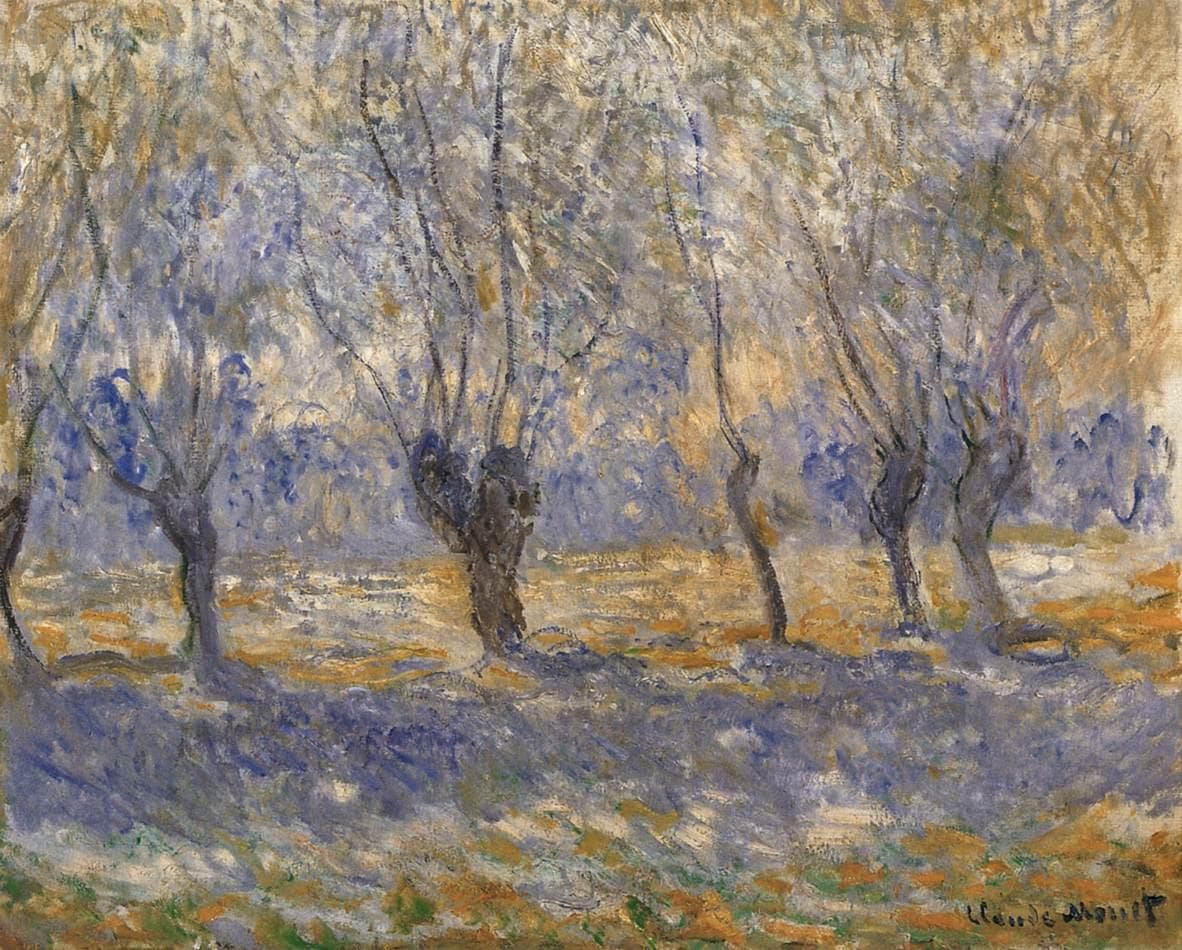
Willows at Giverny
Claude Monet · 1886
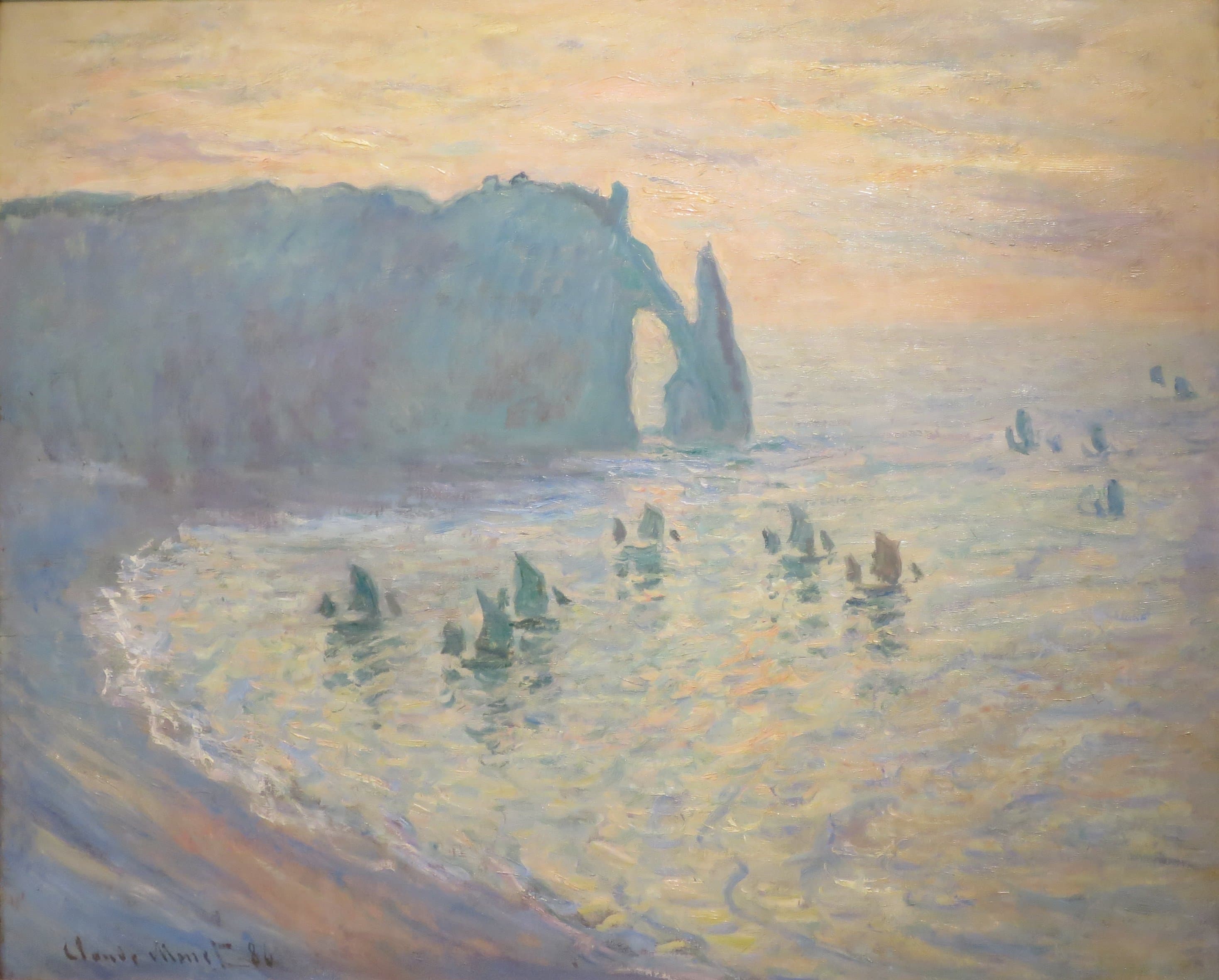
The Cliffs at Étretat
Claude Monet · 1886
Also painted in 1885
The same year
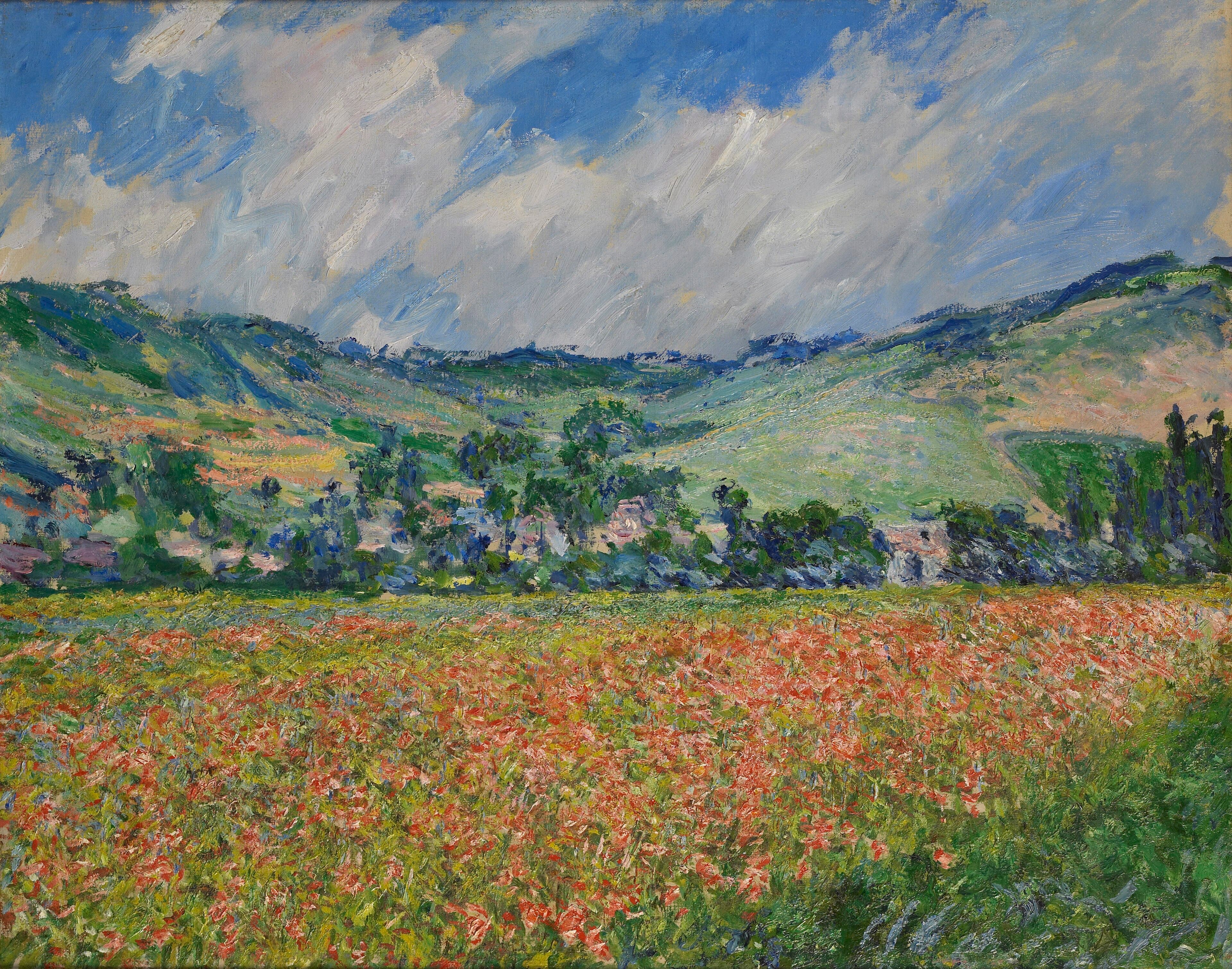
Poppy Field, Around Giverny
Claude Monet · 1885
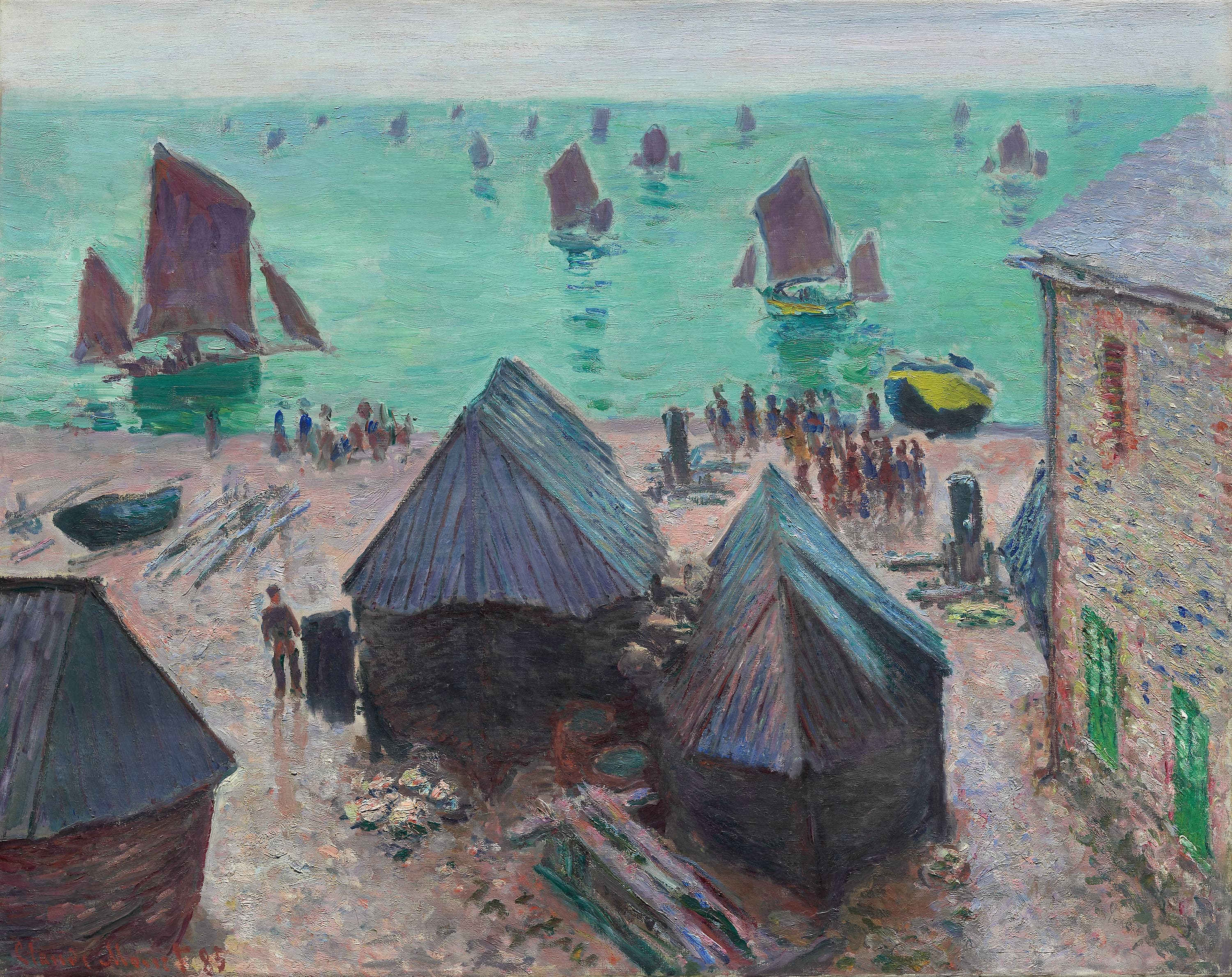
The Departure of the Boats, Étretat
Claude Monet · 1885
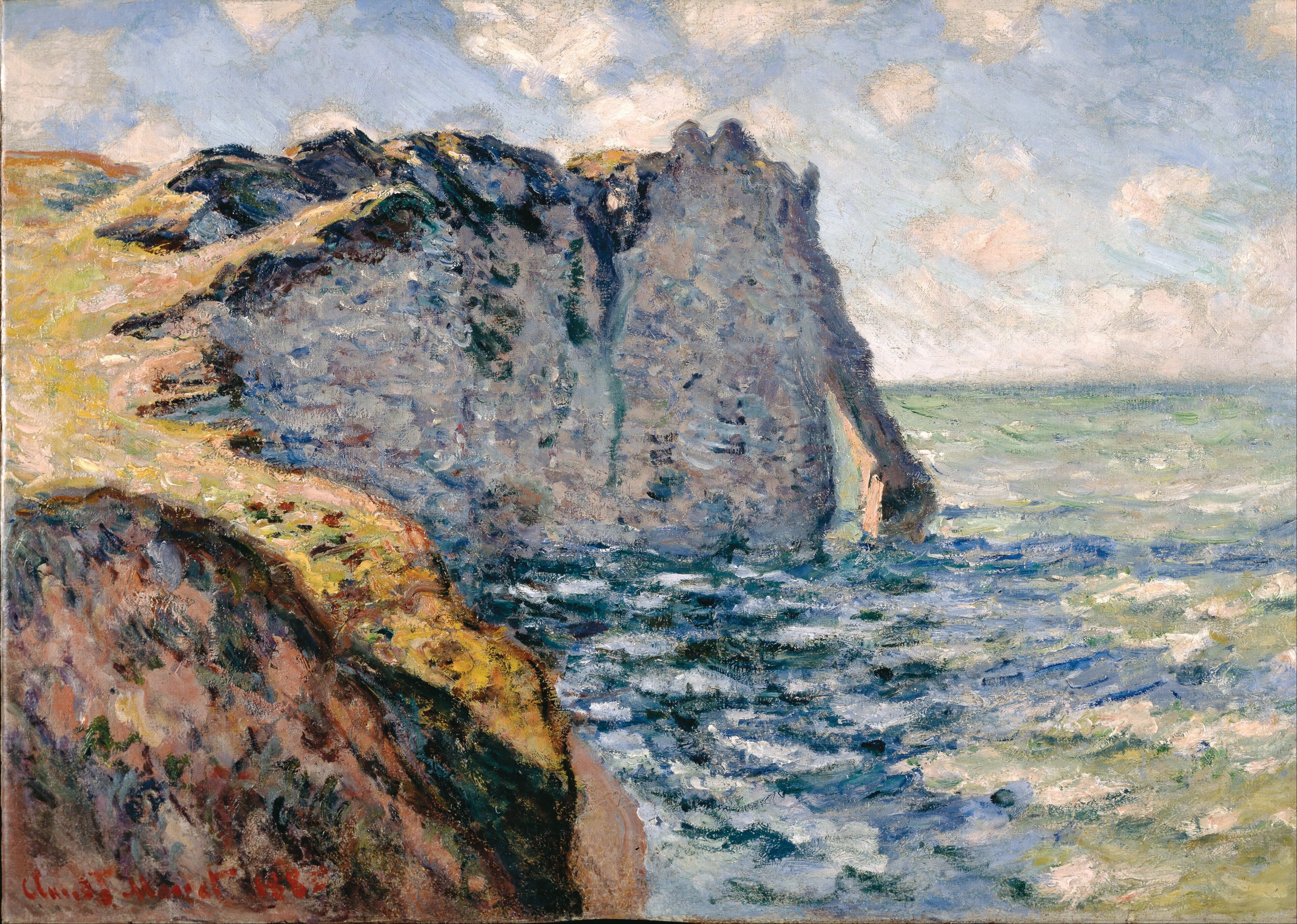
The Cliff of Aval, Étretat
Claude Monet · 1885
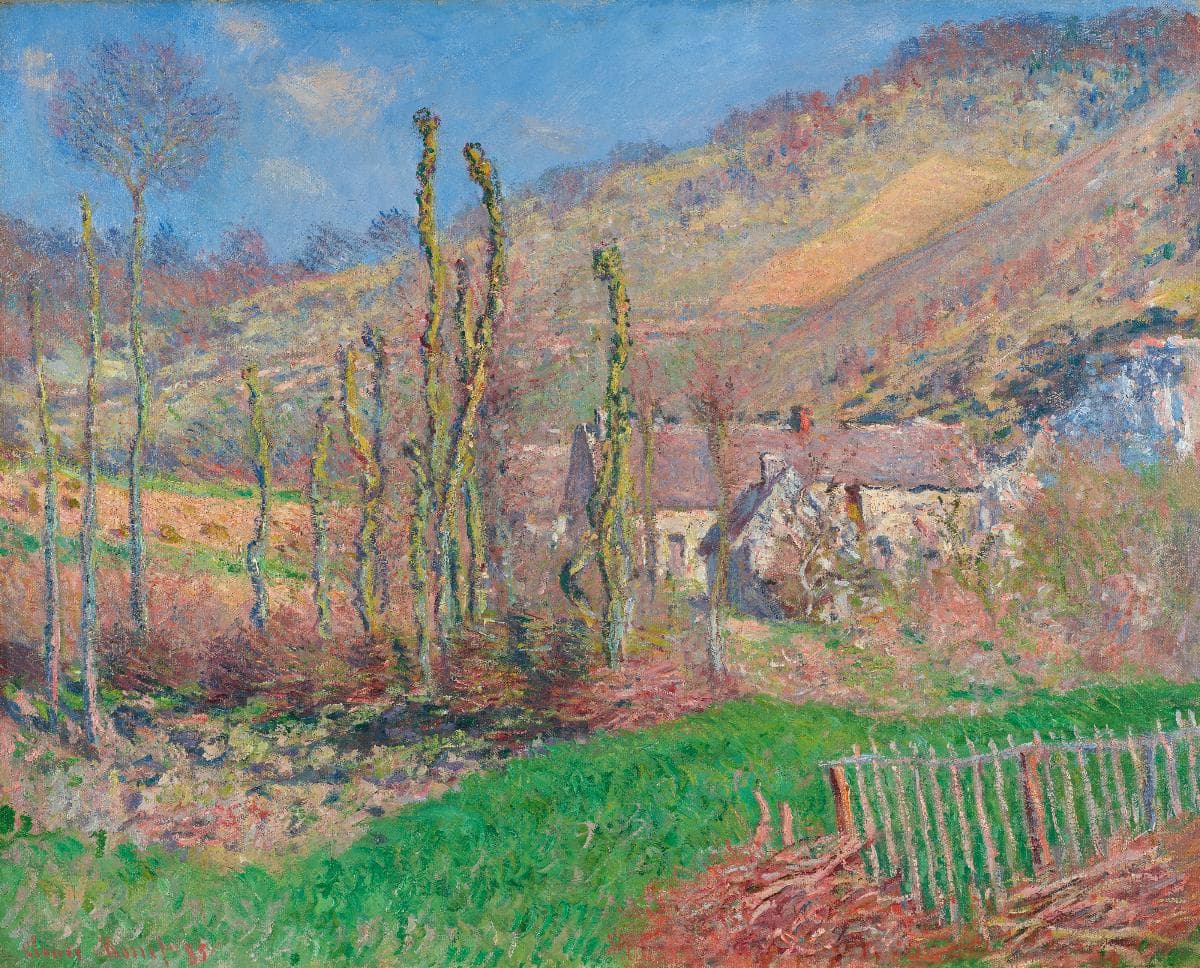
Winter Landscape at the Val de Falaise (Giverny)
Claude Monet · 1885
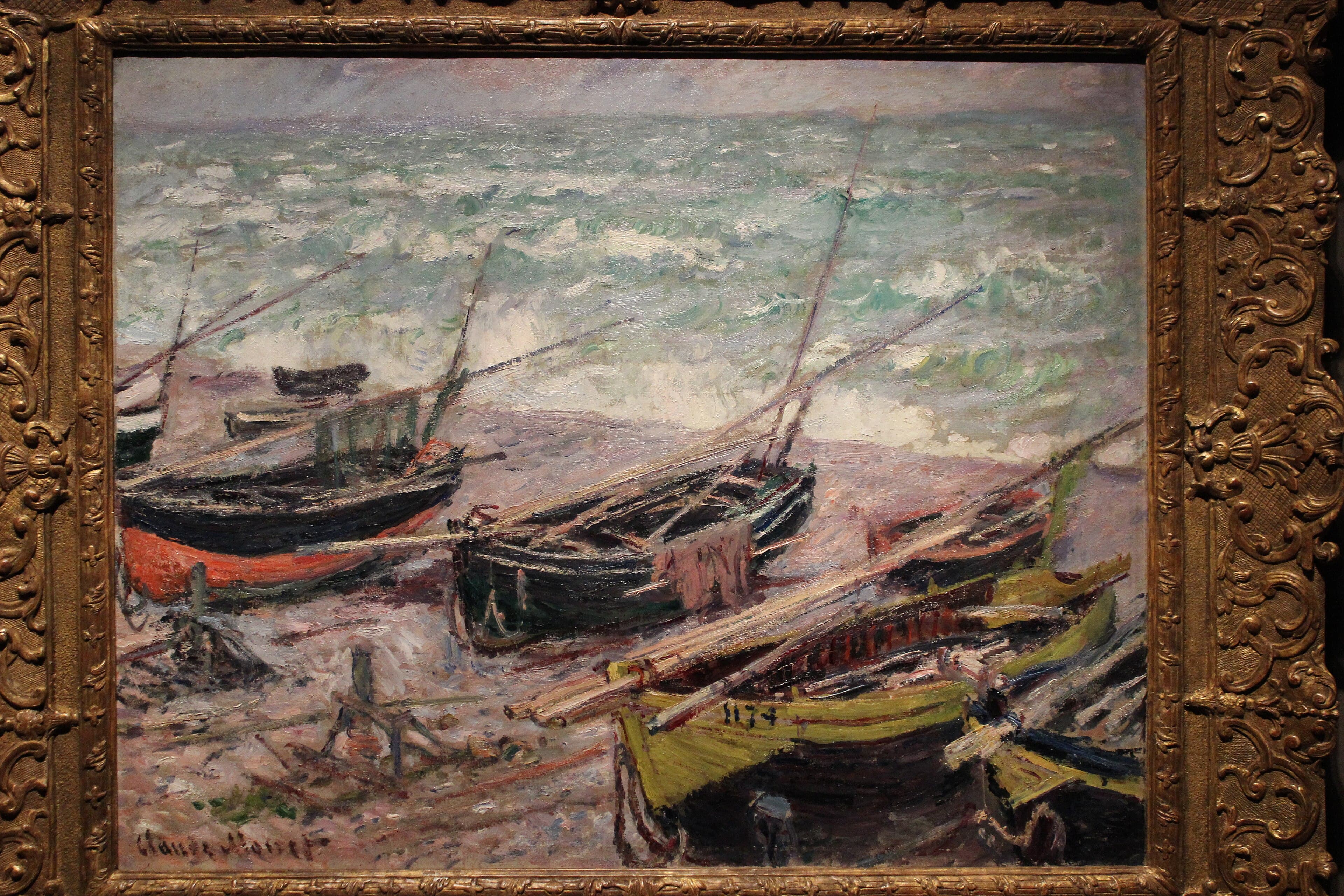
Fishing Boats at Étretat
Claude Monet · 1885
Bras de Seine à Giverny
Claude Monet · 1885
Haystacks (Ohara Museum, 1885)
Claude Monet · 1885
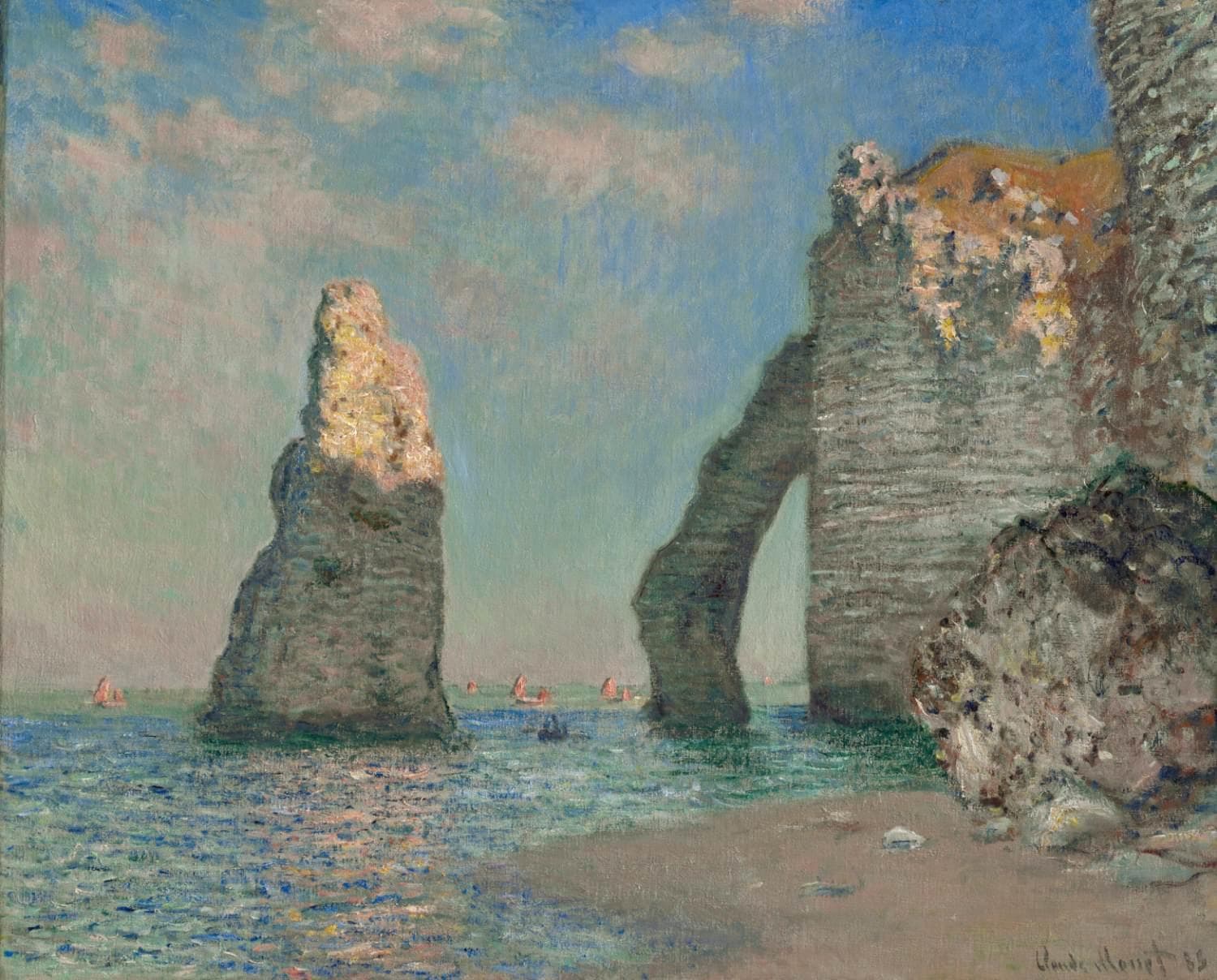
The Cliffs at Étretat
Claude Monet · 1885
Kindred works
You may also study
Haystacks (Ohara Museum, 1885)
Claude Monet · 1885
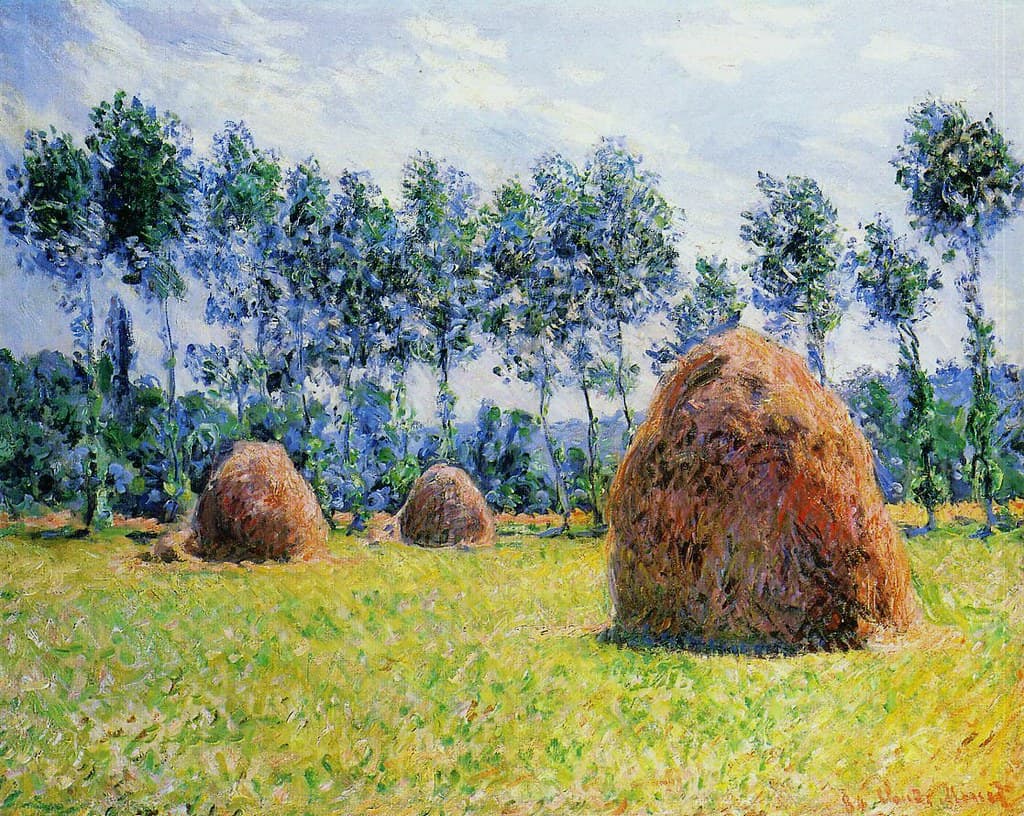
Haystacks at Giverny (1884)
Claude Monet · 1884
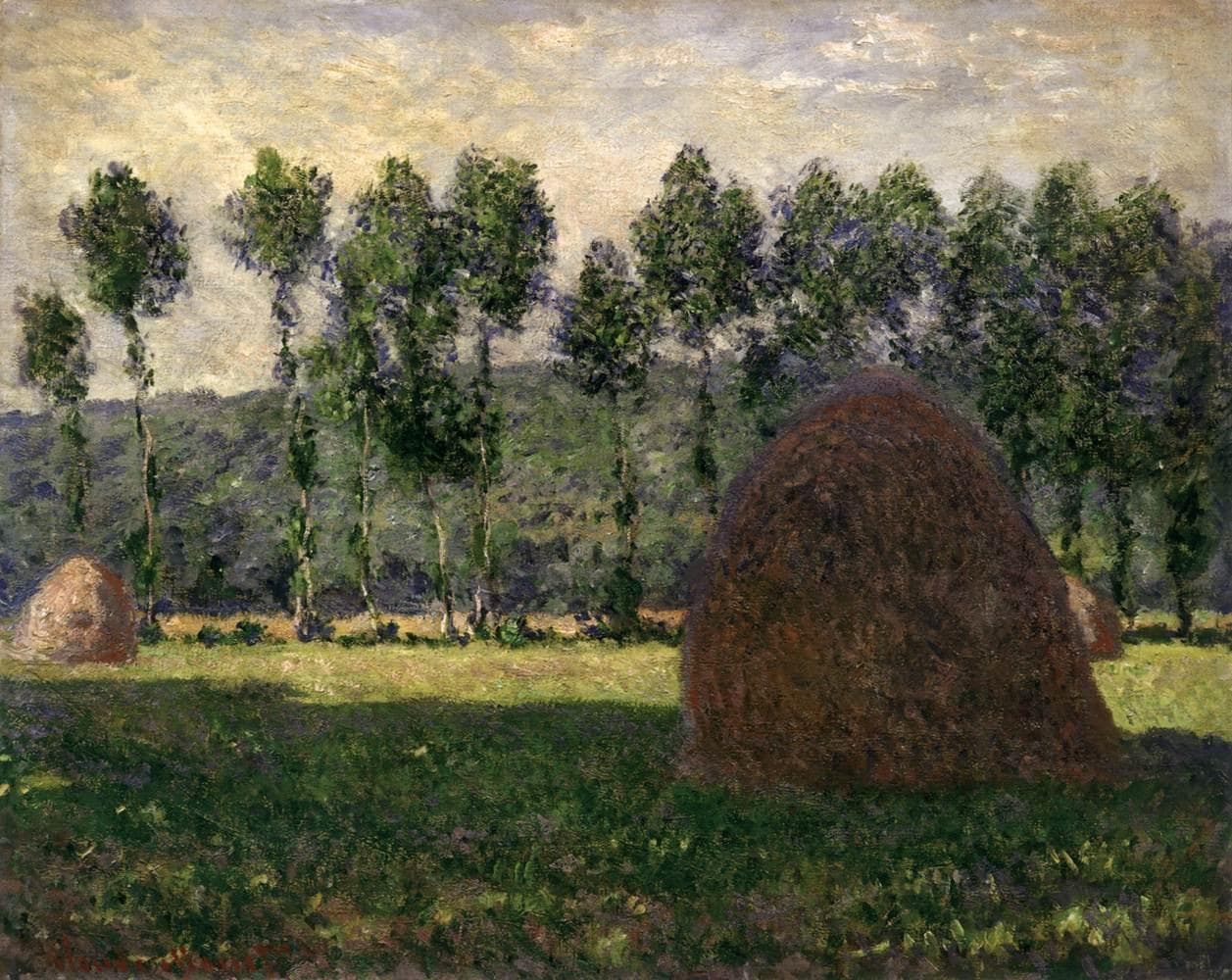
Haystack near Giverny
Claude Monet · 1884–89
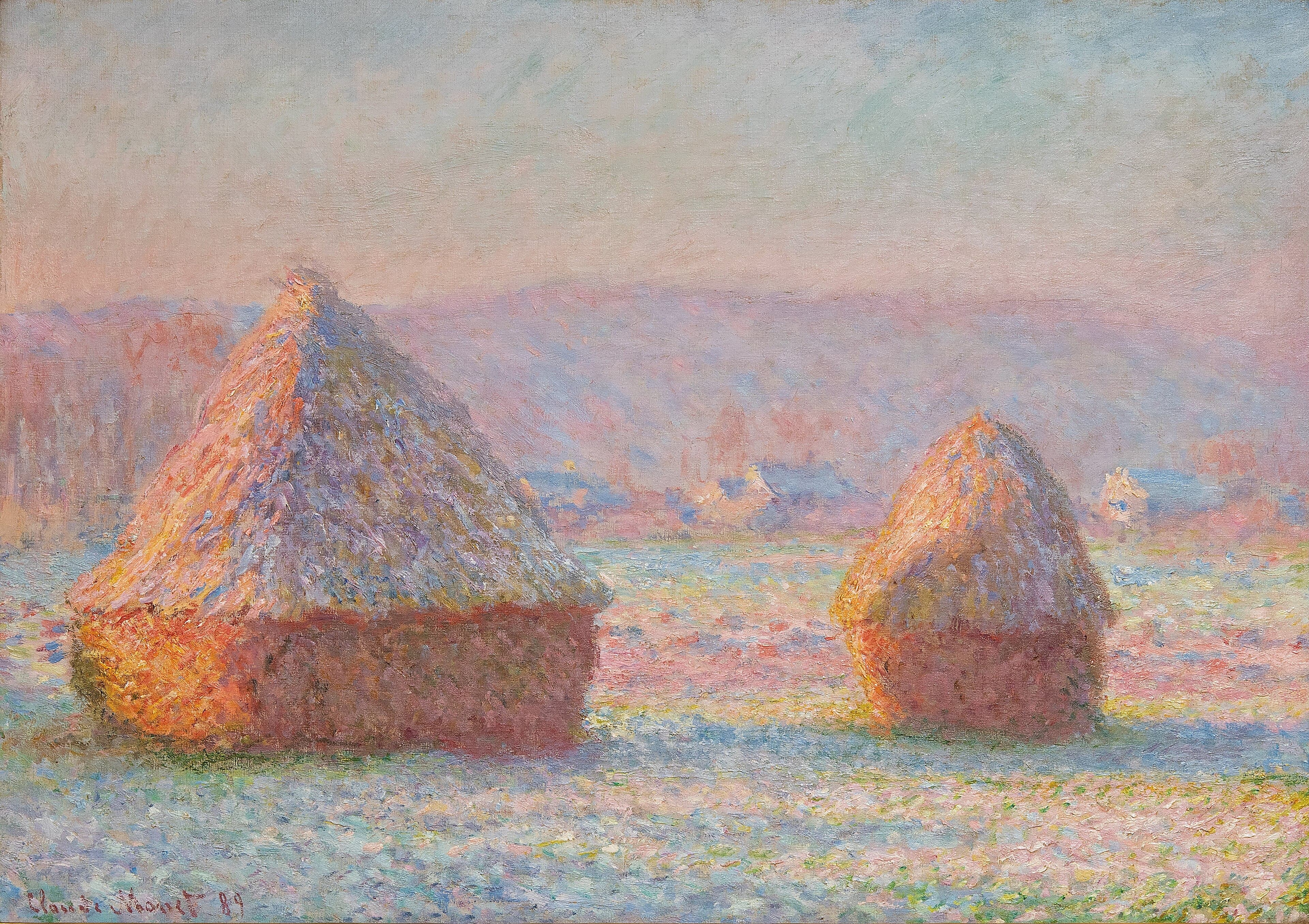
Grainstacks, White Frost Effect
Claude Monet · 1888–89

Springtime
Claude Monet · 1872
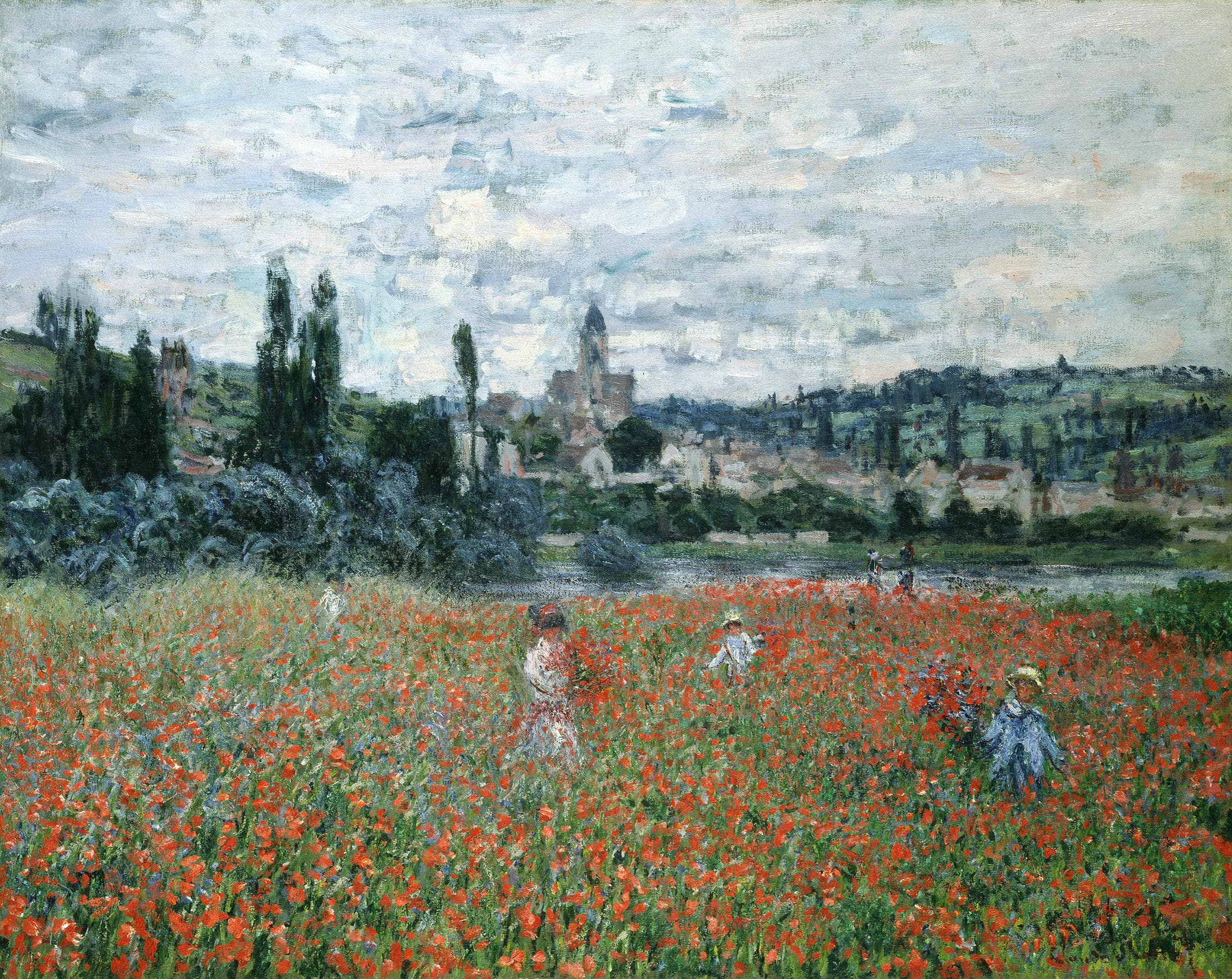
Poppy Field near Vétheuil
Claude Monet · c. 1879
Lilac in the Sun
Claude Monet · 1873
Poplars in the Sun
Claude Monet · 1887