Image: The Israel Museum, Jerusalem (Google Arts & Culture) · Public domain · via Wikimedia Commons
The Cliff of Aval, Étretat
Claude Monet, 1885
The Cliff of Aval, Étretat is an 1885 painting by Claude Monet of the great arched cliff of the Falaise d'Aval at Étretat in Normandy, seen from a grassy clifftop above a choppy blue-green sea. It is in the Israel Museum, Jerusalem.
- Artist
- Claude Monet
- Date
- 1885
- Medium
- Oil on canvas
- Dimensions
- 65.5 × 91.7 cm
- Collection
- Israel Museum, Jerusalem, Israel
- Movement
- Impressionism
- Catalogue
- Wildenstein 1019
- Nature & Landscape
- Water & Sea
Claude Monet's The Cliff of Aval, Étretat was painted in the autumn of 1885, during the longest of his campaigns at the famous Normandy resort. It shows the Falaise d'Aval, the cliff west of the town, with its natural arch, seen from high on the neighboring headland. The canvas, 65.5 by 91.7 centimeters (Wildenstein 1019), is signed and dated in red at lower left. It is in the Israel Museum in Jerusalem, where it is on permanent loan from the Administrator General of the State of Israel.
What you are looking at
Monet stands on the clifftop, and the edge of the land falls away in the lower left: a slope of rose, brown and ocher earth, topped by a lip of sunlit yellow-green grass. Its curve sweeps the eye down and across to the main subject, the great rock of the Falaise d'Aval, which rises from the sea in the center of the canvas.
The cliff is painted in cool grays, blues and violets, with streaks of green where grass and weed cling to the ledges. Its top is jagged, broken into crenellations like a ruined castle wall. At its seaward end, at right, the rock opens into a narrow arch, and through the opening you catch a sliver of sunlit chalk, a vertical flash of pale pink and cream. It is the one bright accent in the cliff and the detail most viewers miss.
The sea fills the lower right half of the picture with short, choppy strokes of deep blue, turquoise and white. It is a windy day: the waves are flecked with foam, and further out the water turns a pale, milky green toward a hazy horizon. Above, puffy white clouds lit with pink drift across a soft blue sky.
Where and when
Monet knew Étretat from the 1860s and painted there intensively in 1883. In 1885 he returned, first for a family holiday with Alice Hoschedé and the children at the end of the summer season, then staying on through the autumn, until December, in a house lent by the opera singer and collector Jean-Baptiste Faure. He worked in all weathers, often from awkward vantage points on the cliffs or on the shingle below, and the autumn produced dozens of canvases of the arches and needles.
The Étretat cliffs and how this version differs
Monet painted the cliffs of Étretat many times: the Porte d'Aval and its needle seen from the beach, the Manneporte from below, the Falaise d'Amont across the bay. Most of those pictures are taken from sea level, so that the rock towers over the viewer. The Cliff of Aval does the opposite. It is a view from above and to the side, so that the cliff becomes a long, low mass seen across water, and the near slope plays as much of a role as the rock itself. Compare the frontal, almost geometric arch of Manne-Porte, Étretat, painted the same autumn, or the beach-level views of The Cliffs at Étretat and Étretat, the Porte d'Aval: Fishing Boats Leaving the Harbor.
The weather is also distinctive: not the still, glassy calm of some Étretat pictures, but a fresh, breezy day with a choppy sea and moving clouds.
How it was painted
The picture is built on a contrast between the warm, earthy slope in the foreground and the cool cliff and sea beyond. On the slope, Monet uses thick, curving strokes that follow the shape of the ground; on the cliff face, a cross-hatch of short marks in blue, gray and lilac; on the sea, small horizontal dashes laid side by side. The sky is the thinnest area, with the clouds added in thicker touches of white and pink. The red signature at lower left picks up the reds of the slope.
For the whole coast, from Pourville and Varengeville to Fécamp and Étretat, see Étretat and the Normandy Coast.
Where to see it
The painting came to the State of Israel through the bequest of Marie Dabek of Paris, in memory of Jack and Mimi Dabek, and is on permanent loan to the Israel Museum in Jerusalem, which also holds Monet's The Young Ladies of Giverny, Sun Effect. For other museums with Monet's paintings, see Where to See Monet's Paintings and Claude Monet.
Questions & answers
Where is Monet's The Cliff of Aval, Étretat?
It is in the Israel Museum in Jerusalem. The painting was bequeathed to the State of Israel by Marie Dabek of Paris, in memory of Jack and Mimi Dabek, and it is on permanent loan to the museum from the Administrator General of the State of Israel.
When did Monet paint The Cliff of Aval?
Monet painted it in the autumn of 1885 at Étretat on the Normandy coast. He stayed on after a family holiday there and worked until December, lodging in a house lent by the singer Jean-Baptiste Faure. It is signed and dated 1885 in red at lower left.
What does The Cliff of Aval show?
It shows the Falaise d'Aval, the cliff west of Étretat, as a long gray-violet rock with a narrow arch, seen from a grassy clifftop across a choppy blue-green sea under white clouds. A sliver of sunlit chalk shows through the arch.
How is this Étretat painting different from Monet's other versions?
Most of Monet's Étretat cliffs are seen from the beach or sea level. Here he looks down and across from the neighboring headland, so the near slope frames the view and the cliff reads as a long mass seen across water on a windy day.
More by the artist
Claude Monet
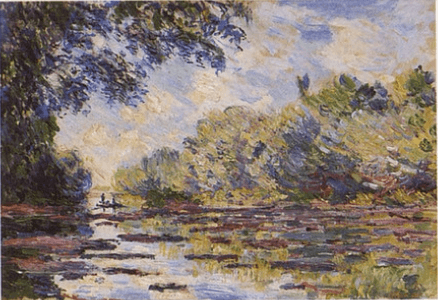
Bras de Seine à Giverny
Claude Monet · 1885
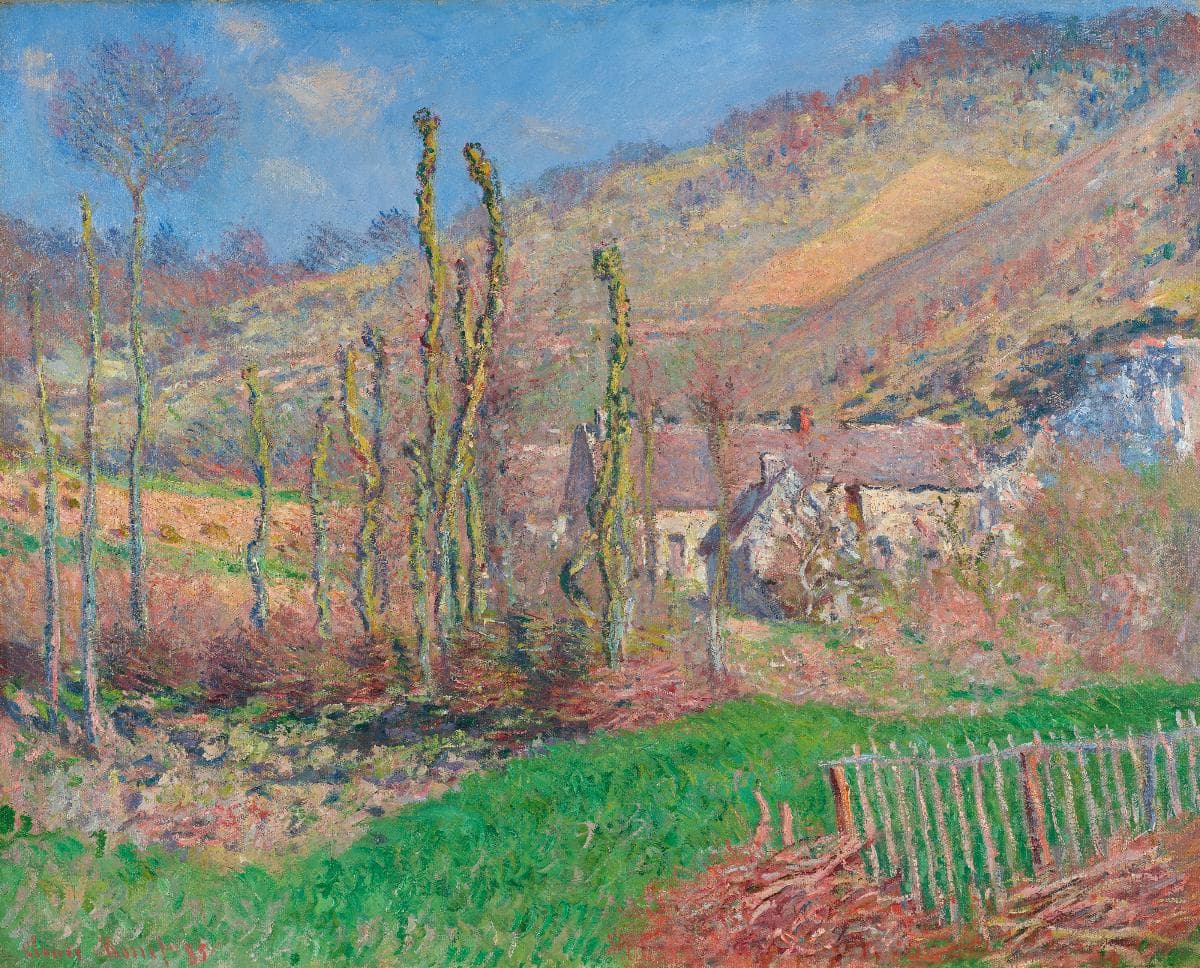
Winter Landscape at the Val de Falaise (Giverny)
Claude Monet · 1885
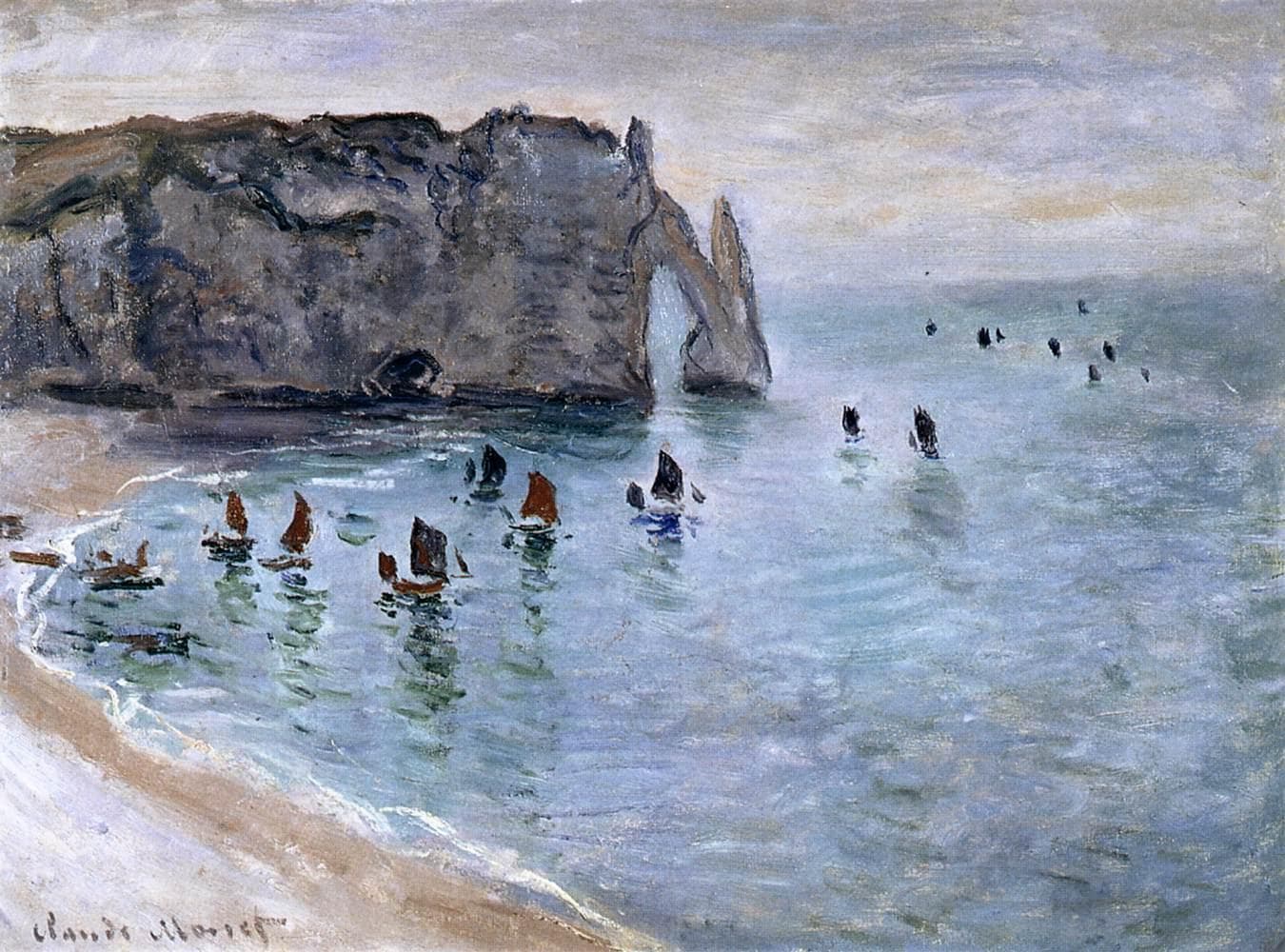
Étretat, the Porte d'Aval: Fishing Boats Leaving the Harbor
Claude Monet · 1885
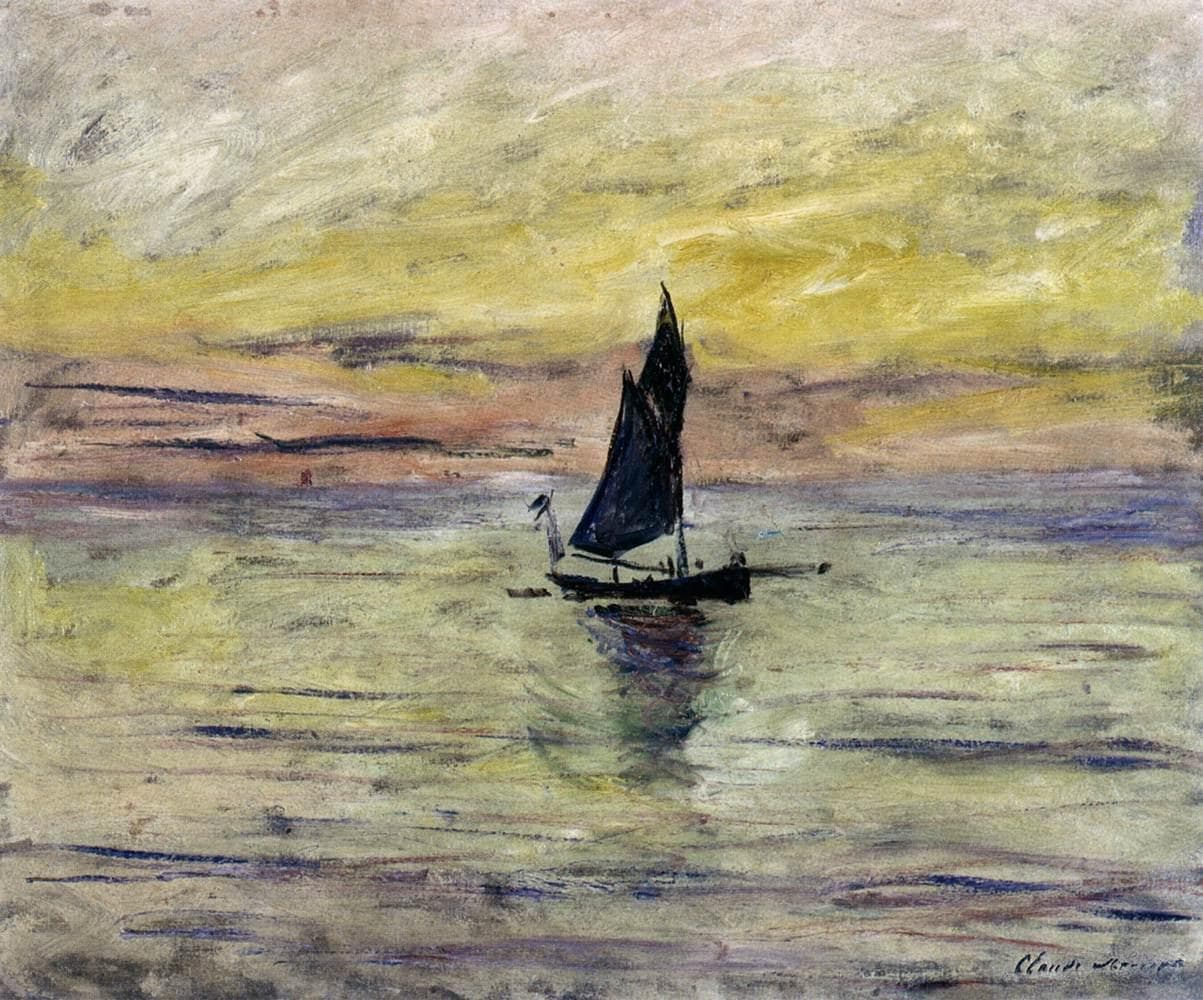
Sailboat, Evening Effect
Claude Monet · 1885
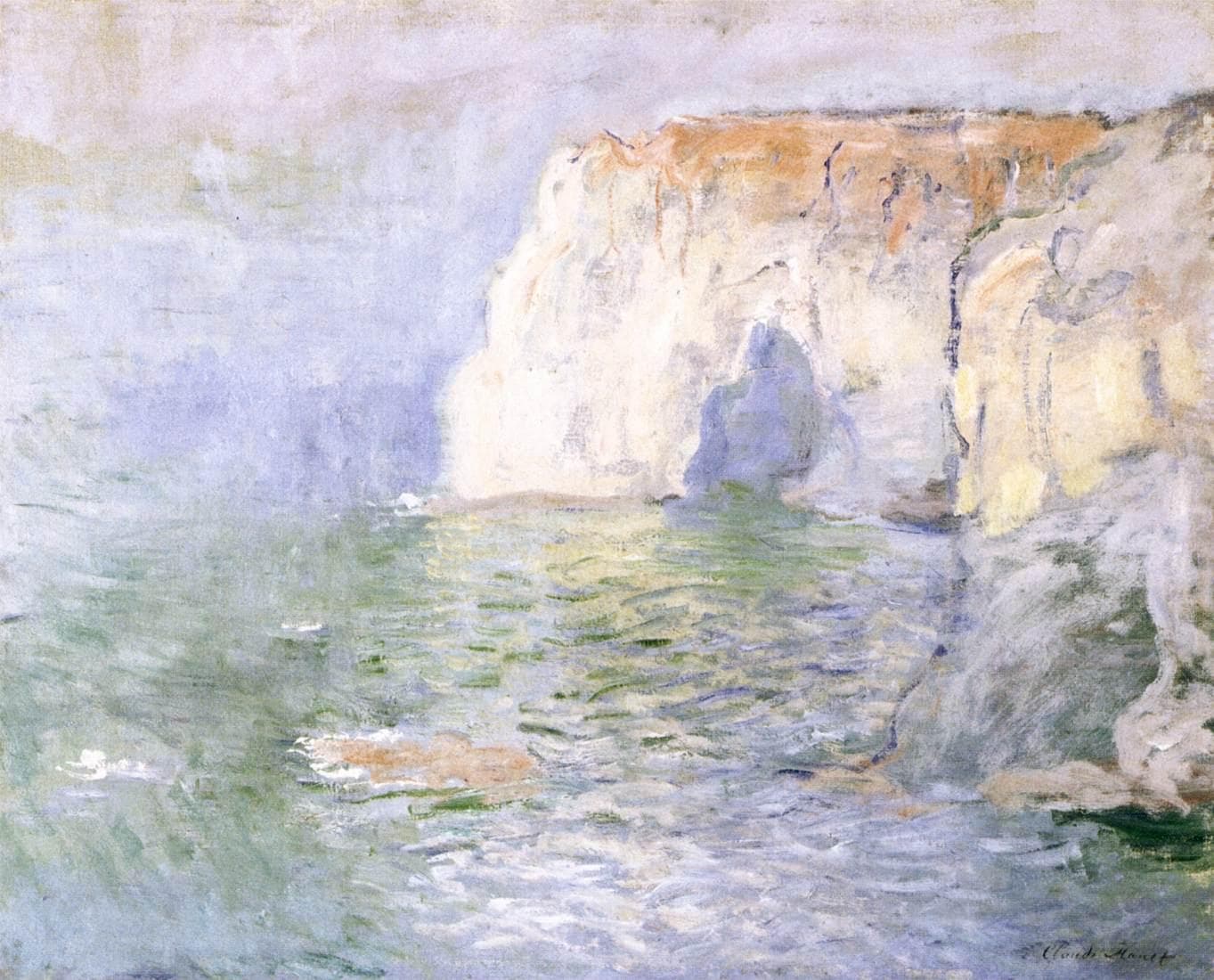
Étretat, the Manneporte, Reflections on the Water
Claude Monet · c. 1885
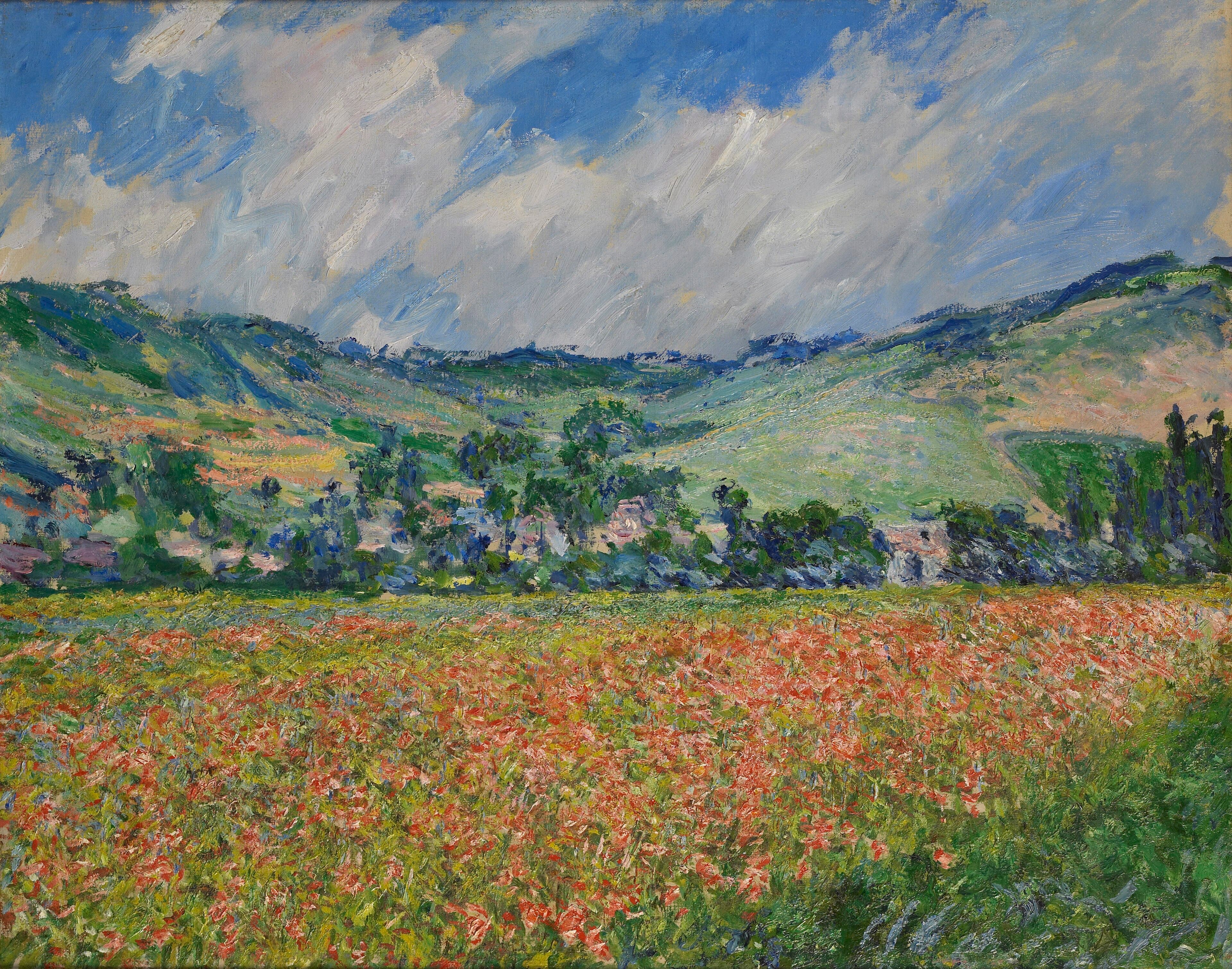
Poppy Field, Around Giverny
Claude Monet · 1885
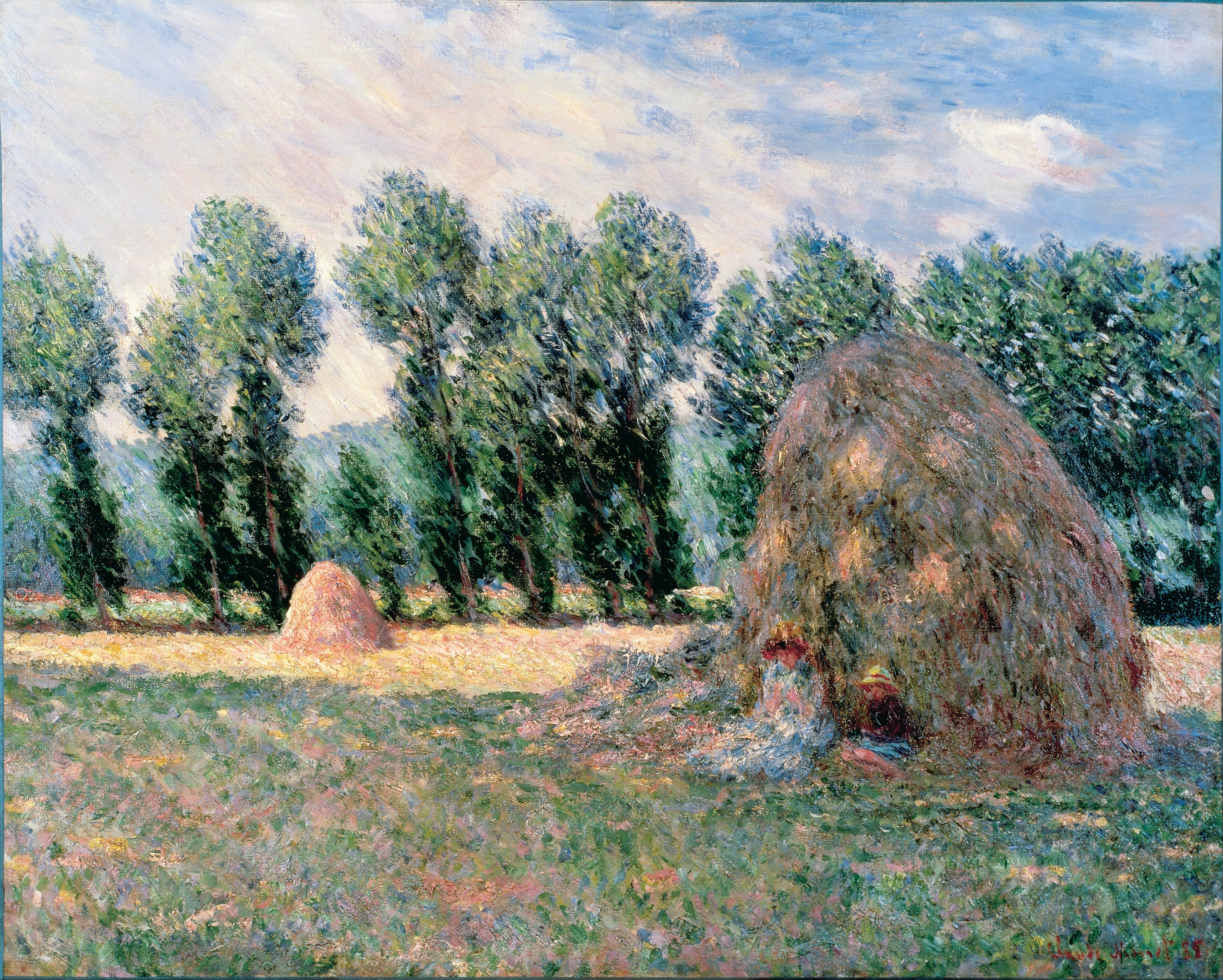
Haystacks (Ohara Museum, 1885)
Claude Monet · 1885
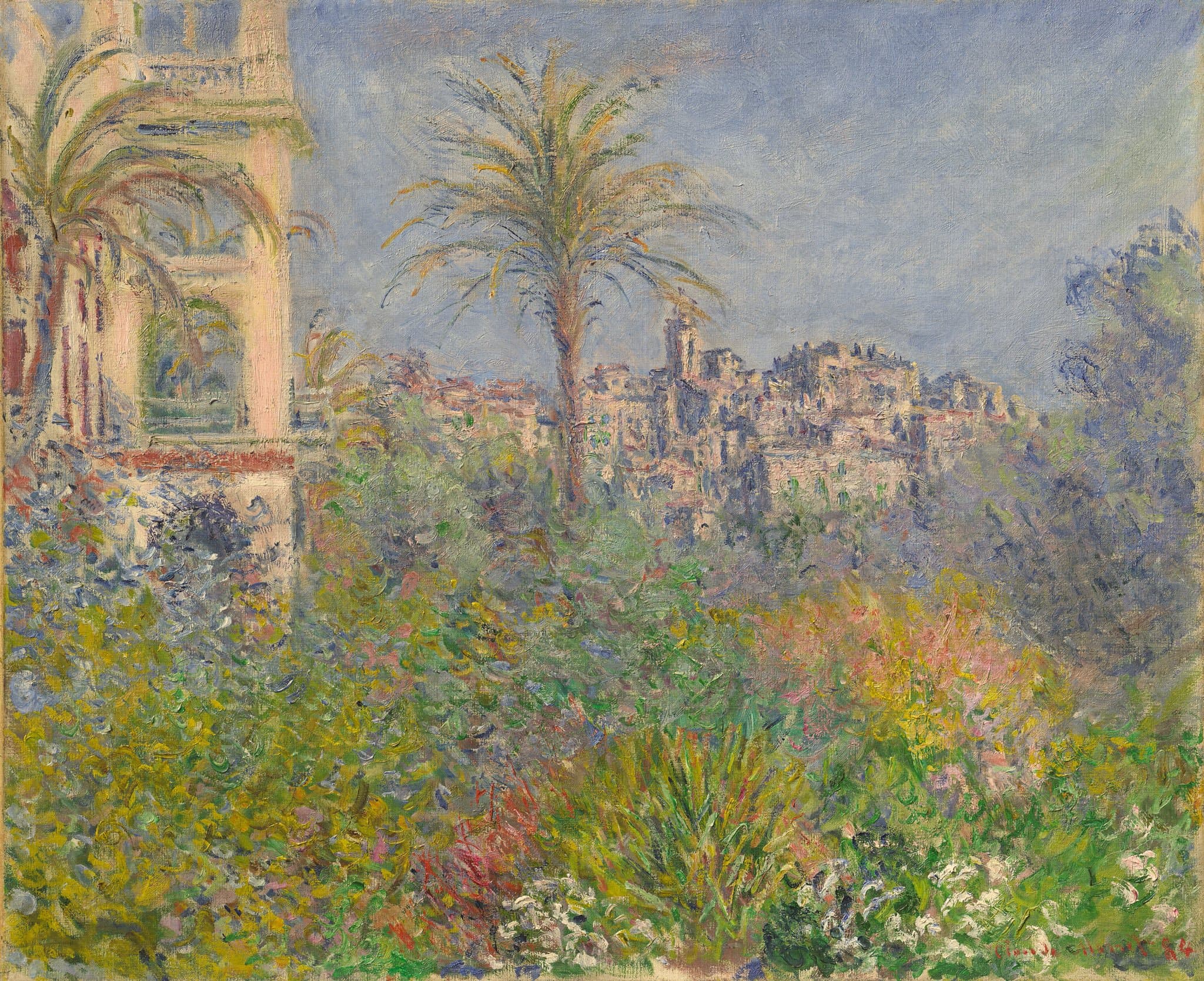
Villas at Bordighera
Claude Monet · 1884
Also painted in 1885
The same year
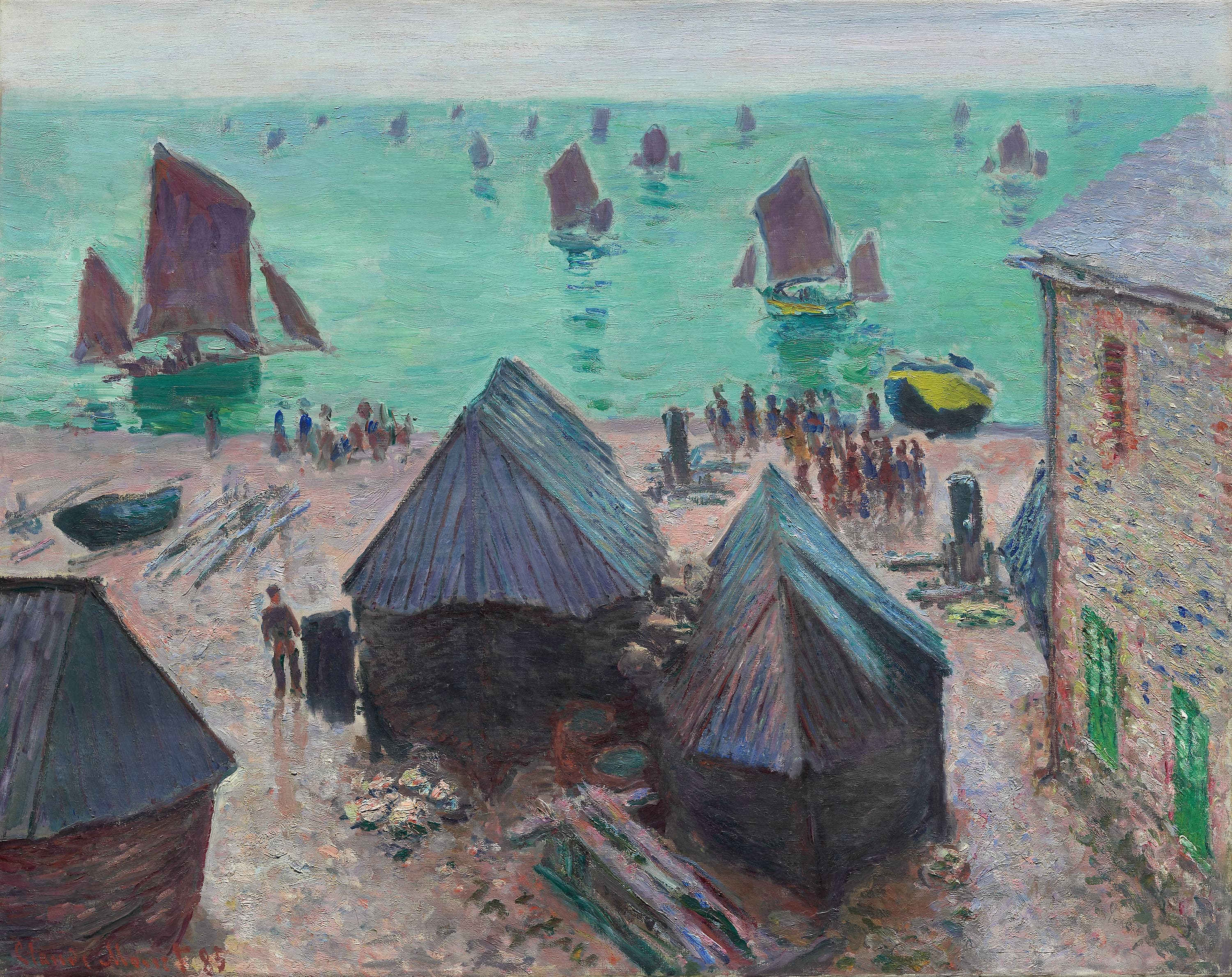
The Departure of the Boats, Étretat
Claude Monet · 1885
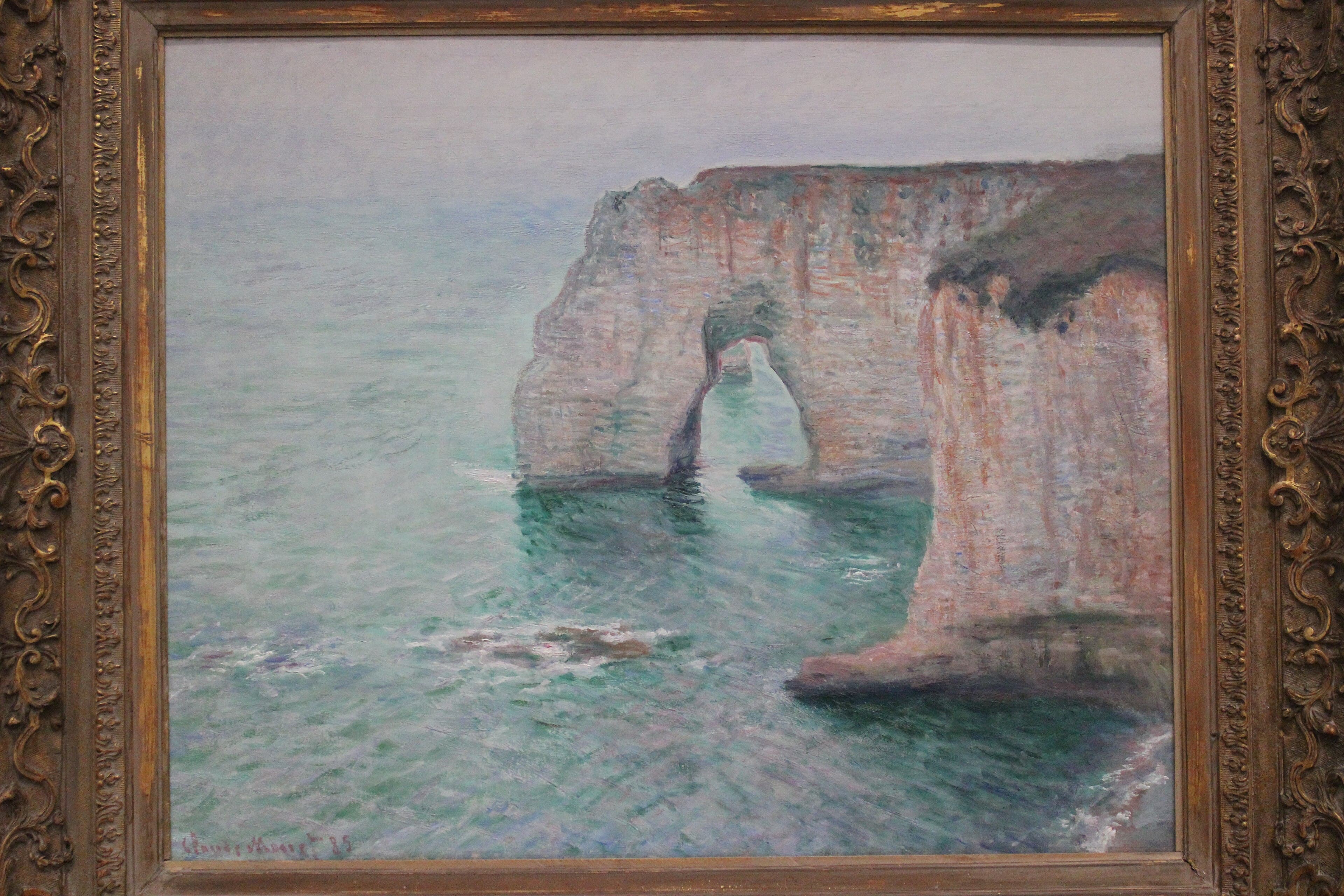
Manne-Porte, Étretat
Claude Monet · 1885
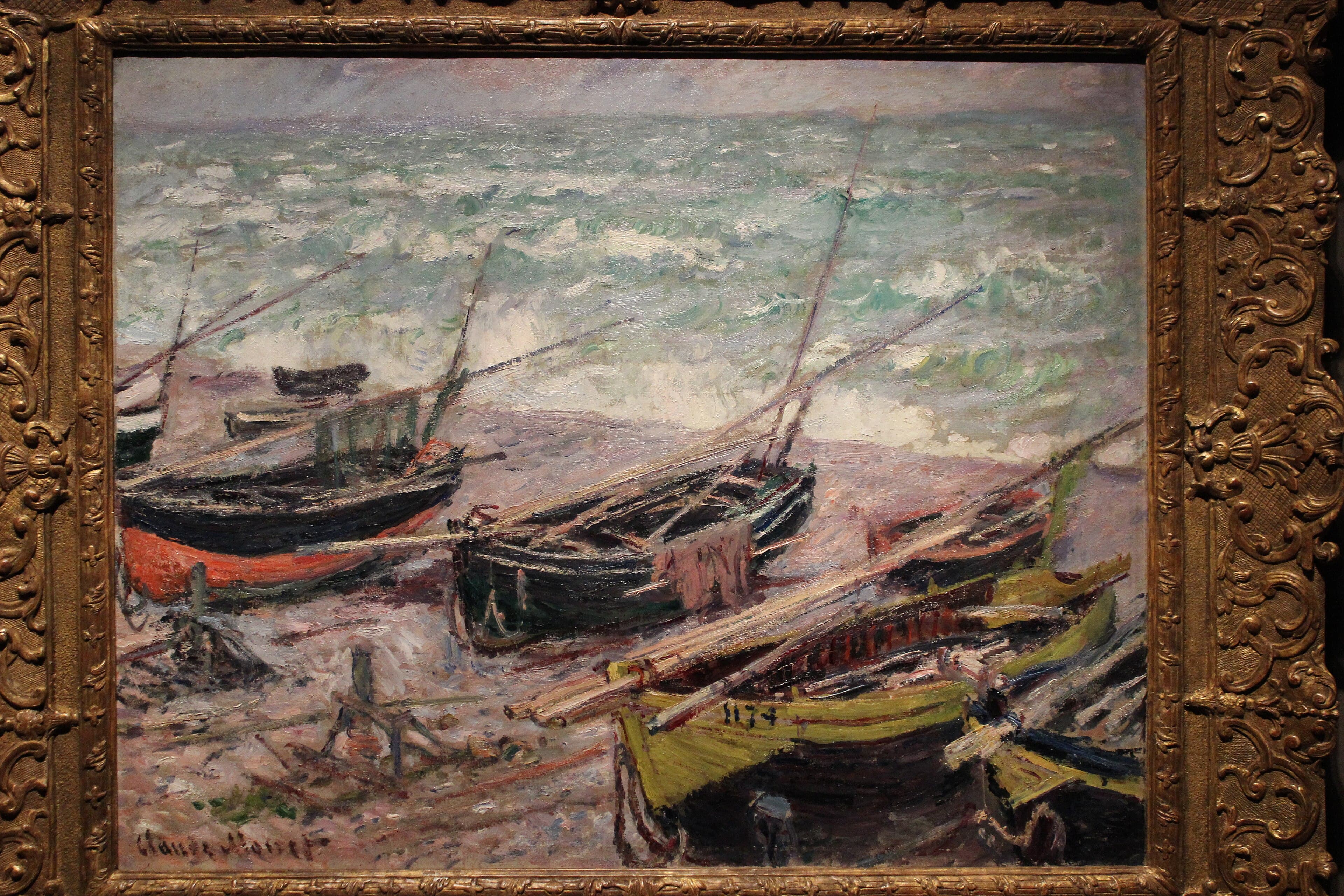
Fishing Boats at Étretat
Claude Monet · 1885
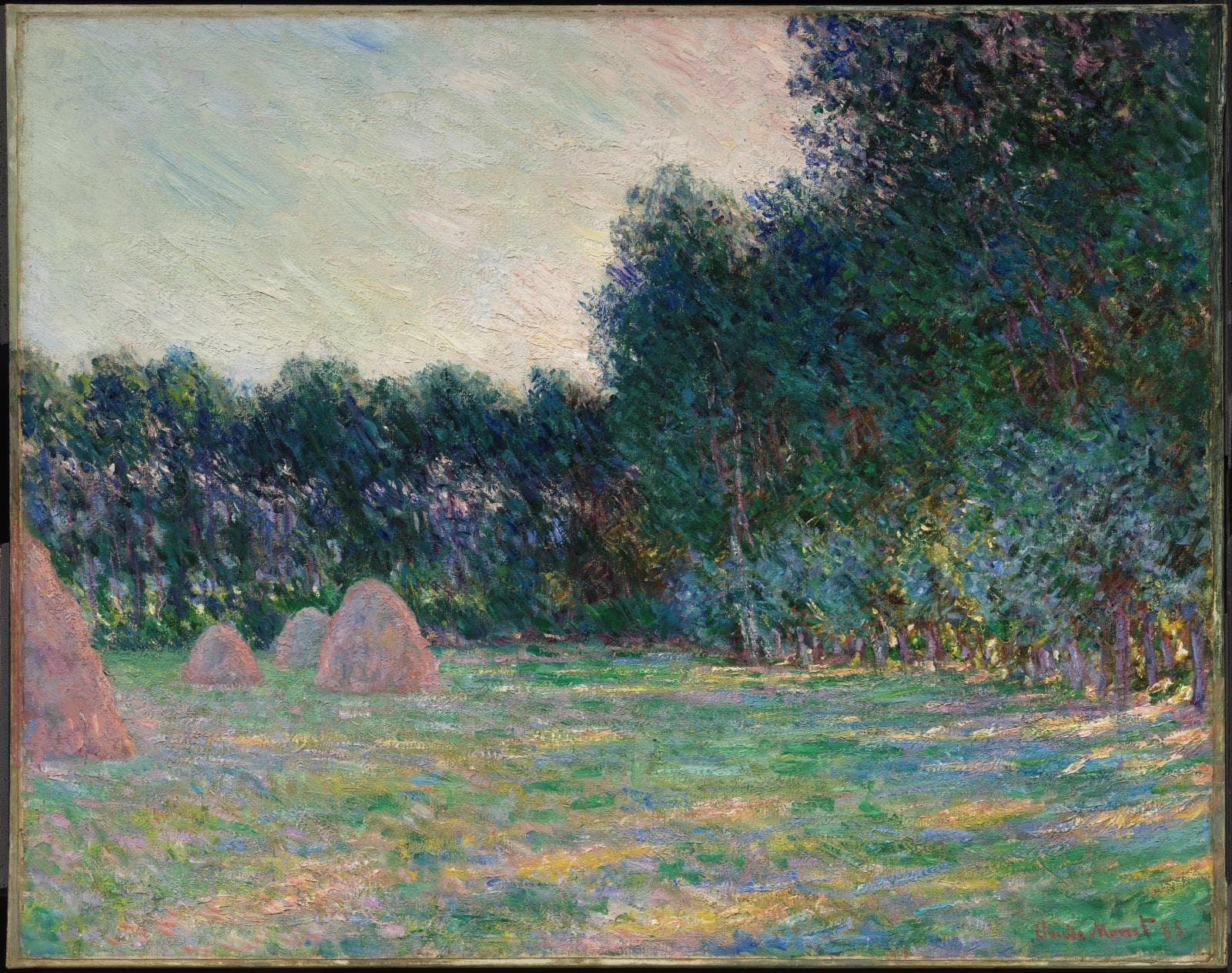
Meadow with Haystacks near Giverny
Claude Monet · 1885
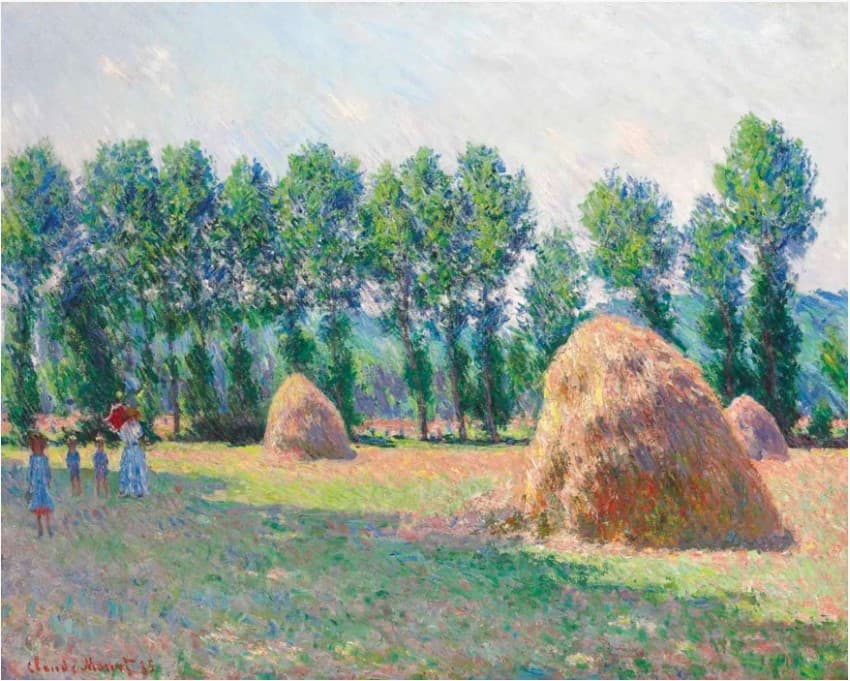
Haystacks at Giverny (1885)
Claude Monet · 1885
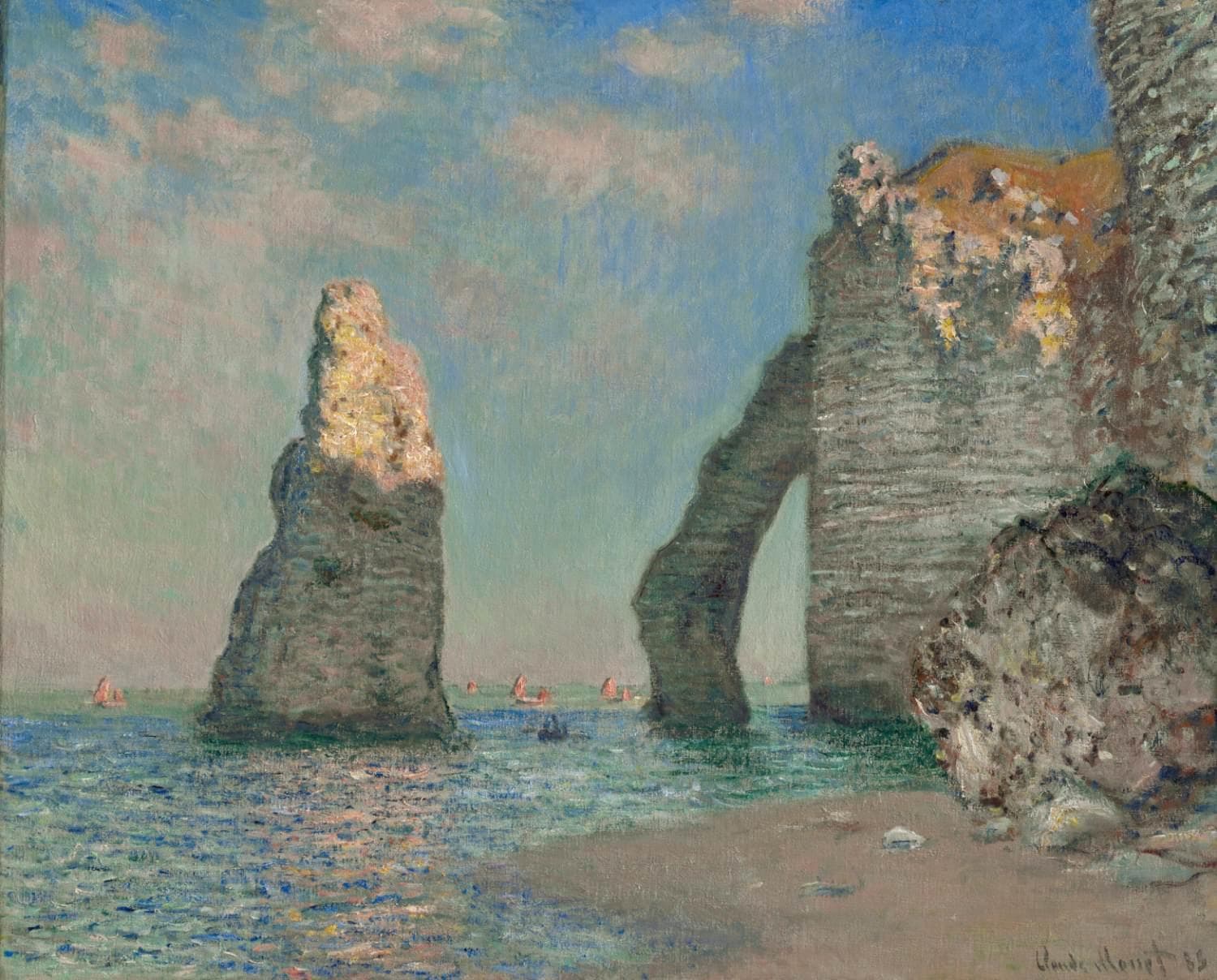
The Cliffs at Étretat
Claude Monet · 1885
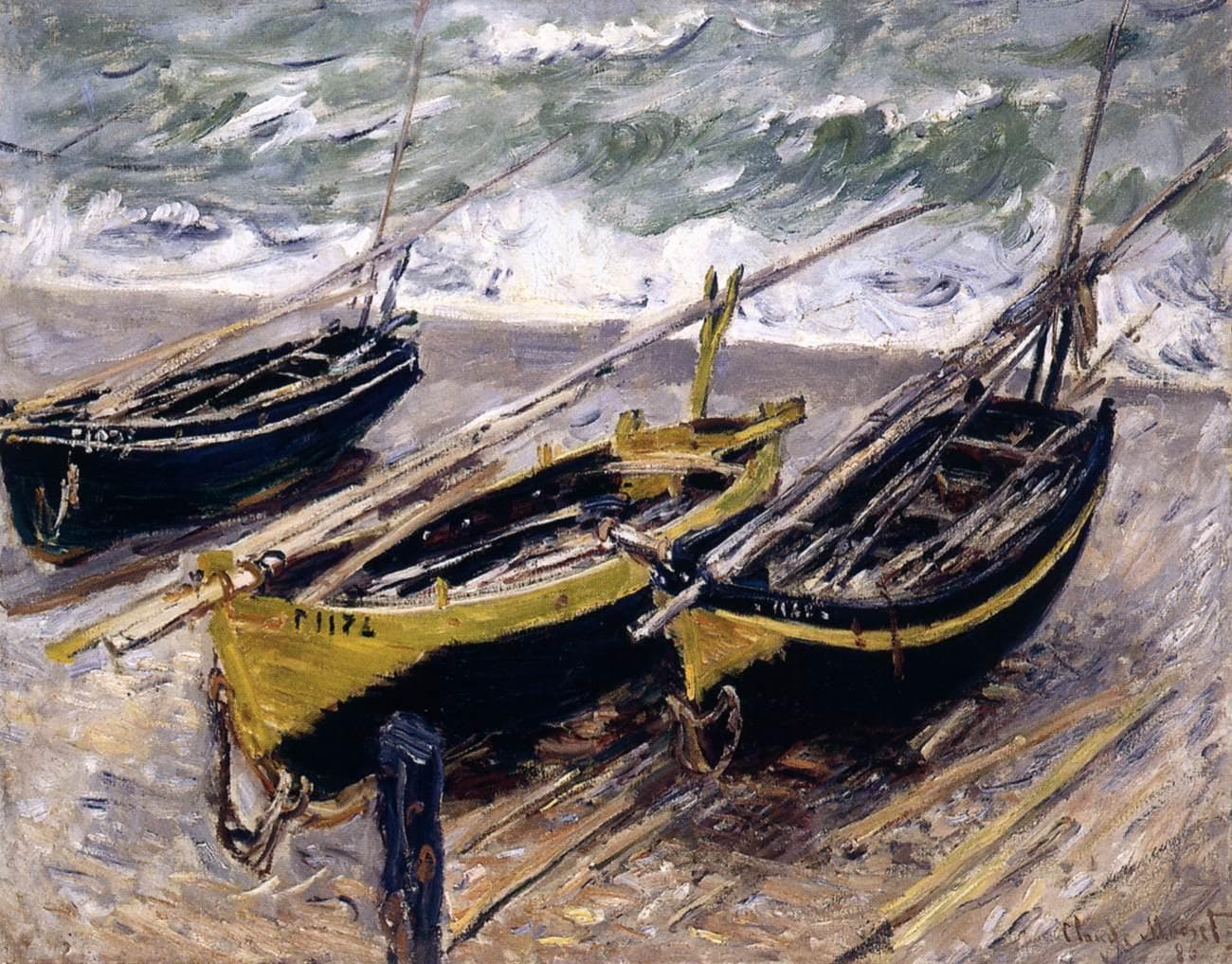
Three Fishing Boats
Claude Monet · 1885
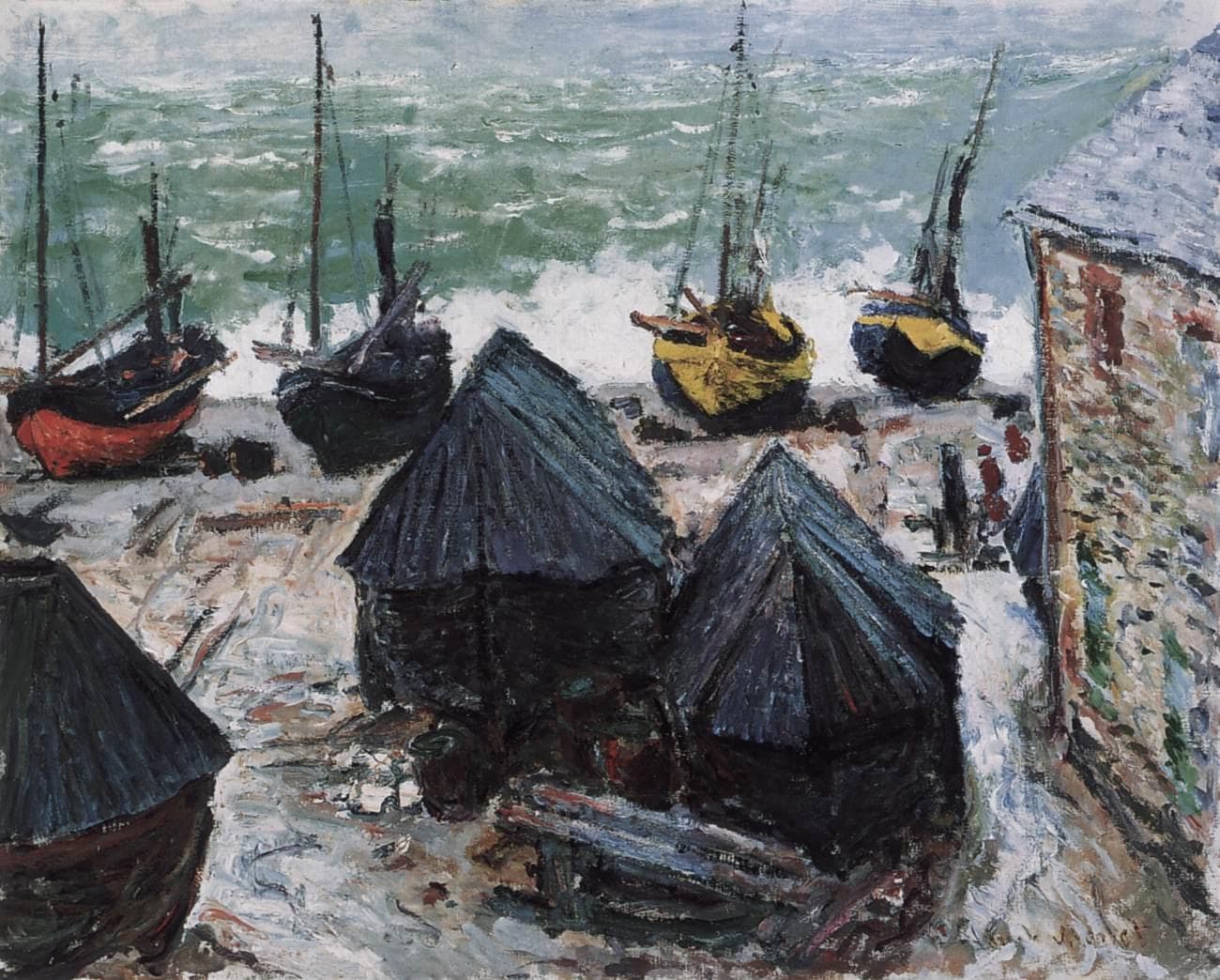
Boats on the Beach at Étretat
Claude Monet · 1885
Kindred works
You may also study
Manne-Porte, Étretat
Claude Monet · 1885
The Cliffs at Étretat
Claude Monet · 1885
Fishing Boats at Étretat
Claude Monet · 1885
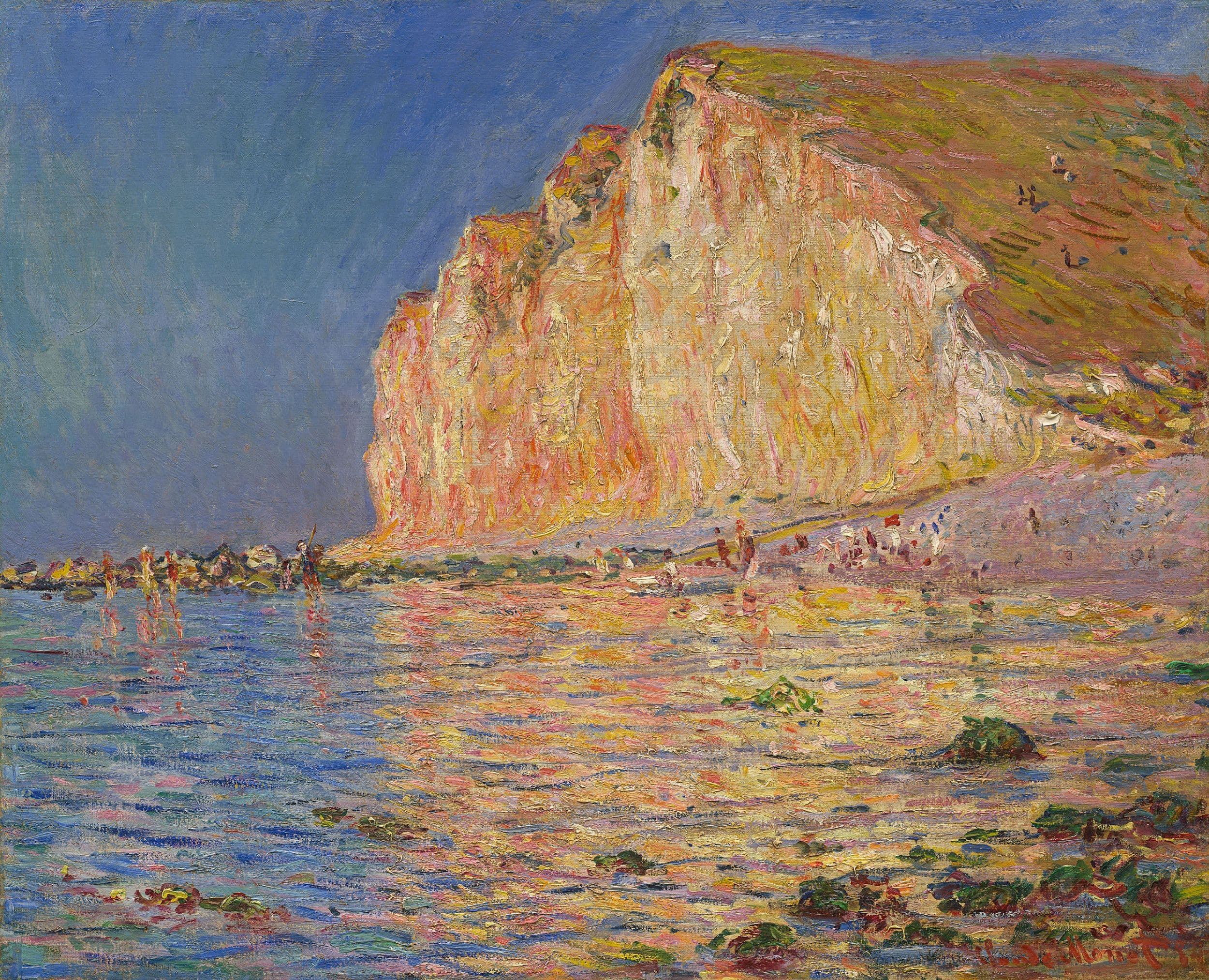
Low Tide at Les Petites-Dalles
Claude Monet · 1884
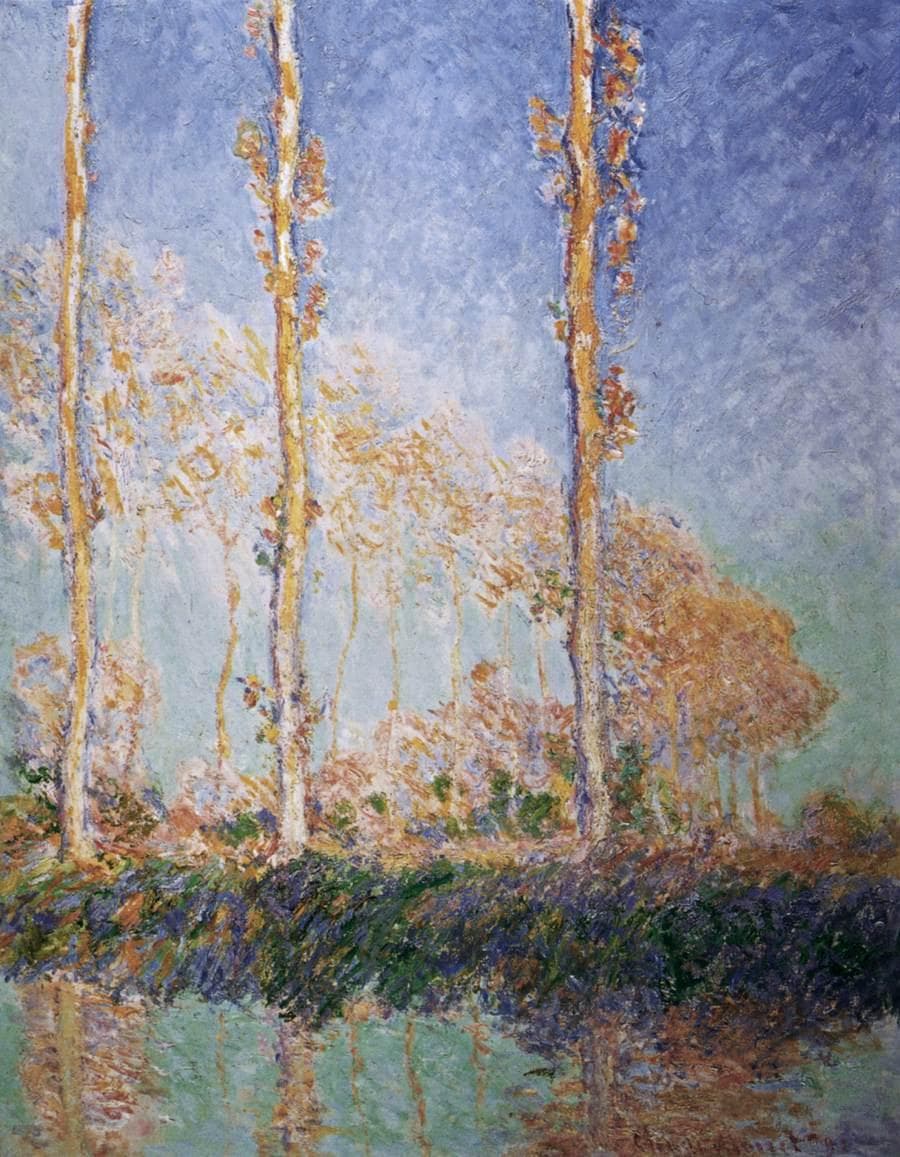
Poplars, Three Pink Trees, Autumn
Claude Monet · 1891
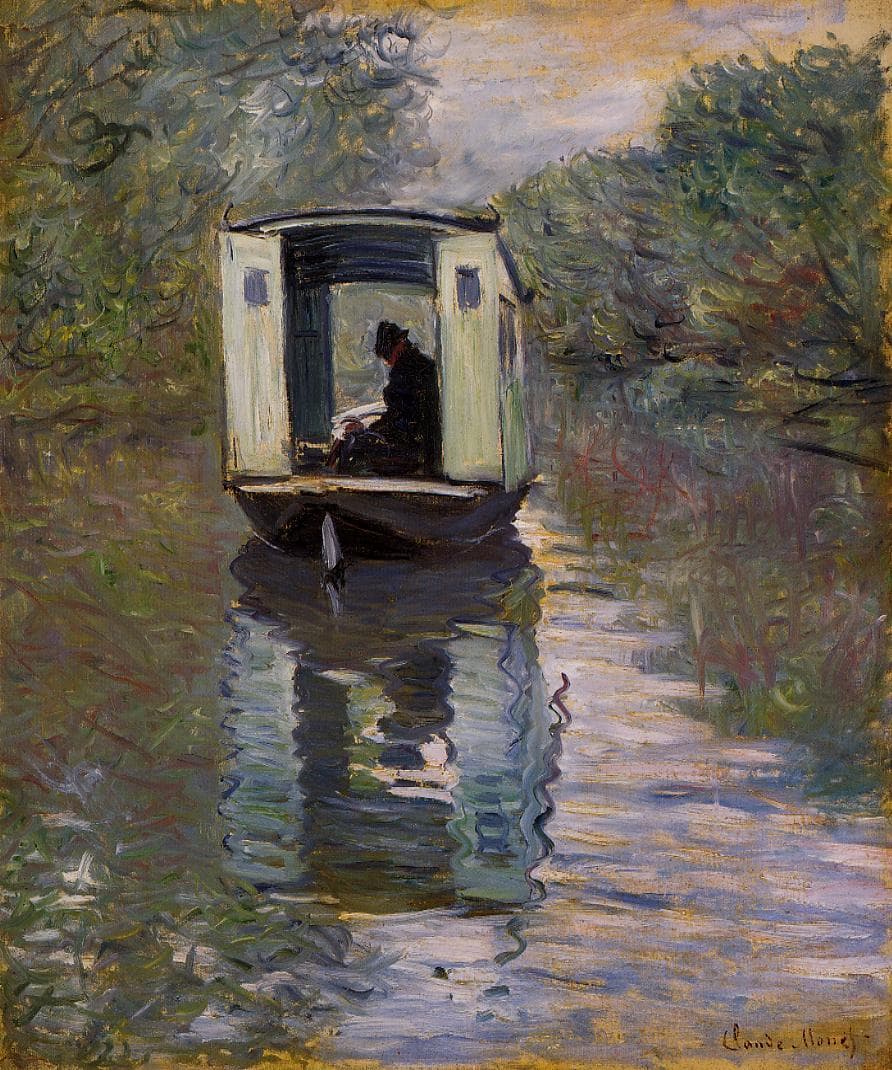
The Studio Boat (Le Bateau-atelier)
Claude Monet · 1876
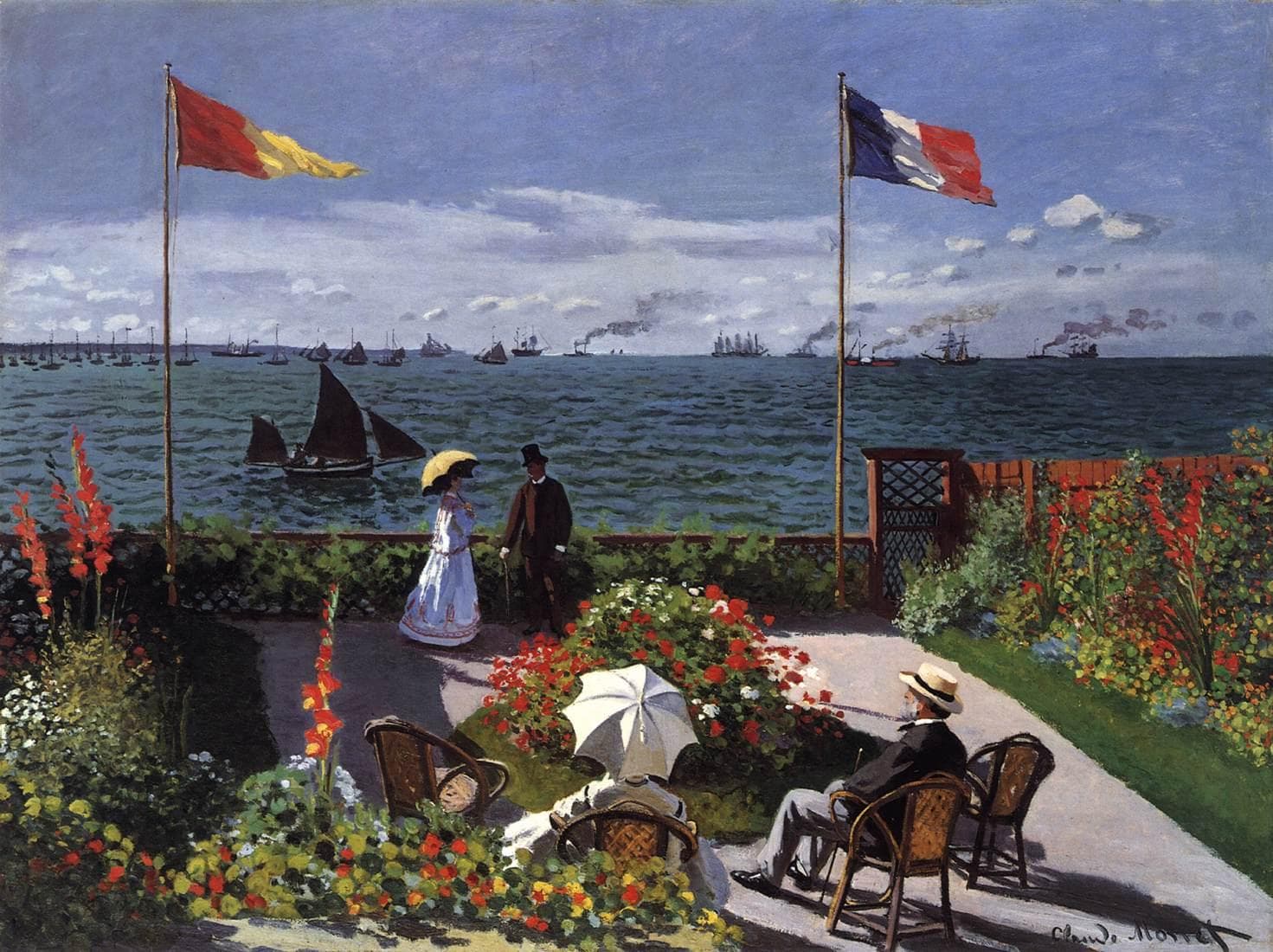
Garden at Sainte-Adresse
Claude Monet · 1867
The Studio Boat
Claude Monet · 1874