Image: Musée Marmottan Monet, Paris · Public domain · via Wikimedia Commons
Bras de Seine à Giverny
Claude Monet, 1885
Bras de Seine à Giverny (Arm of the Seine at Giverny) is an 1885 Claude Monet painting of a branch of the river near his new home, a small boat among bright reflections under a windy sky. It is in the Musée Marmottan Monet, Paris.
- Artist
- Claude Monet
- Date
- 1885
- Medium
- Oil on canvas
- Dimensions
- 66 × 93 cm
- Collection
- Musée Marmottan Monet, Paris, France
- Movement
- Impressionism
- Catalogue
- Wildenstein 1008
- Nature & Landscape
- Water & Sea
Bras de Seine à Giverny (Arm of the Seine at Giverny) is a painting Claude Monet made in 1885, two years after he settled at Giverny, of one of the side channels of the Seine near the village. It is signed Claude Monet at the lower right and measures 66 by 93 centimeters. The painting belongs to the Musée Marmottan Monet in Paris, which received it in 1966 with the bequest of Michel Monet, the painter's younger son.
What you're looking at
The view looks along the river toward a distant gap in the trees. At the upper left, a large tree leans in from the edge of the canvas, its foliage painted in dark blue, teal and green against the sky, its branches arching over the water like a frame. On the right, a long bank of trees and shrubs runs back toward the center in bright yellow-green, olive and blue, the sun catching the tops of the leaves.
The sky is lively and windy: drifting clouds in cream, white and pale yellow, broken by patches of clear blue, laid on in thick, swirling strokes. Down on the water, at the left of center, a small boat with two figures sits near the far bank, the only sign of people. The river fills the lower third of the picture with broad horizontal bands of color: mauve, pink, dull red, cream and blue, the reflections of the trees and clouds broken by ripples. A light, almost white streak runs down the center, the bright sky reflected in the water.
The palette is warm and sunlit, a long way from the misty blues Monet would use on the same river a decade later.
Giverny in 1885
Monet moved to Giverny in April 1883 with Alice Hoschedé and their combined family of eight children. The village lies where the Epte meets the Seine, and its river channels, islands and boatyards gave him a new repertory of motifs. In these first years he painted the river with his family boating on it, as in The Boat at Giverny, and the meadows around the village, as in Haystacks at Giverny. He had not yet built his water garden, and the Seine was still his main water subject.
How it was painted
The handling is energetic and textured. The foliage is built with short, crisscrossing strokes; the sky with thick, curving dabs that suggest moving cloud; the water with long horizontal strokes of separate color laid side by side. The contrast between the dark, cool tree at left and the sunlit warm bank at right sets up the space, and the small boat gives the scale.
Looking forward to the Mornings on the Seine
This canvas shows the same kind of place Monet would return to in 1896–97 for his series Mornings on the Seine: a quiet branch of the river, trees on both banks, the channel running back between them. Compared with those later pictures, such as Morning on the Seine near Giverny or Arm of the Seine near Giverny, Rising Sun in the same museum, this is a daytime scene with wind, sun and people, painted in broken, separate strokes rather than the soft, blended veils of the later series. Seen together, they show how far Monet moved in ten years from recording a moment toward painting an atmosphere. For the village and garden, see Monet's Giverny.
Where to see it
The painting is in the Musée Marmottan Monet in Paris, home of the largest collection of works by Claude Monet. Displays rotate; see Monet at the Musée Marmottan.
Questions & answers
Where is Monet's Bras de Seine à Giverny?
It is in the Musée Marmottan Monet in Paris (inventory 5175). It came to the museum in 1966 with the bequest of Michel Monet, the painter's younger son.
When and where was it painted?
In 1885, on a branch of the Seine near Giverny, the Normandy village where Monet had settled in 1883. It is signed at the lower right.
What does it show?
It shows a channel of the Seine between tree-lined banks under a windy, cloud-streaked sky, with a small boat carrying two figures and bright, broken reflections on the water.
How does it relate to the Mornings on the Seine series?
It shows a similar motif, a quiet arm of the river near Giverny, eleven years earlier. Here the scene is sunny and windy and painted in separate strokes; in the 1896–97 series Monet painted the river at dawn in soft, misty blues.
More by the artist
Claude Monet
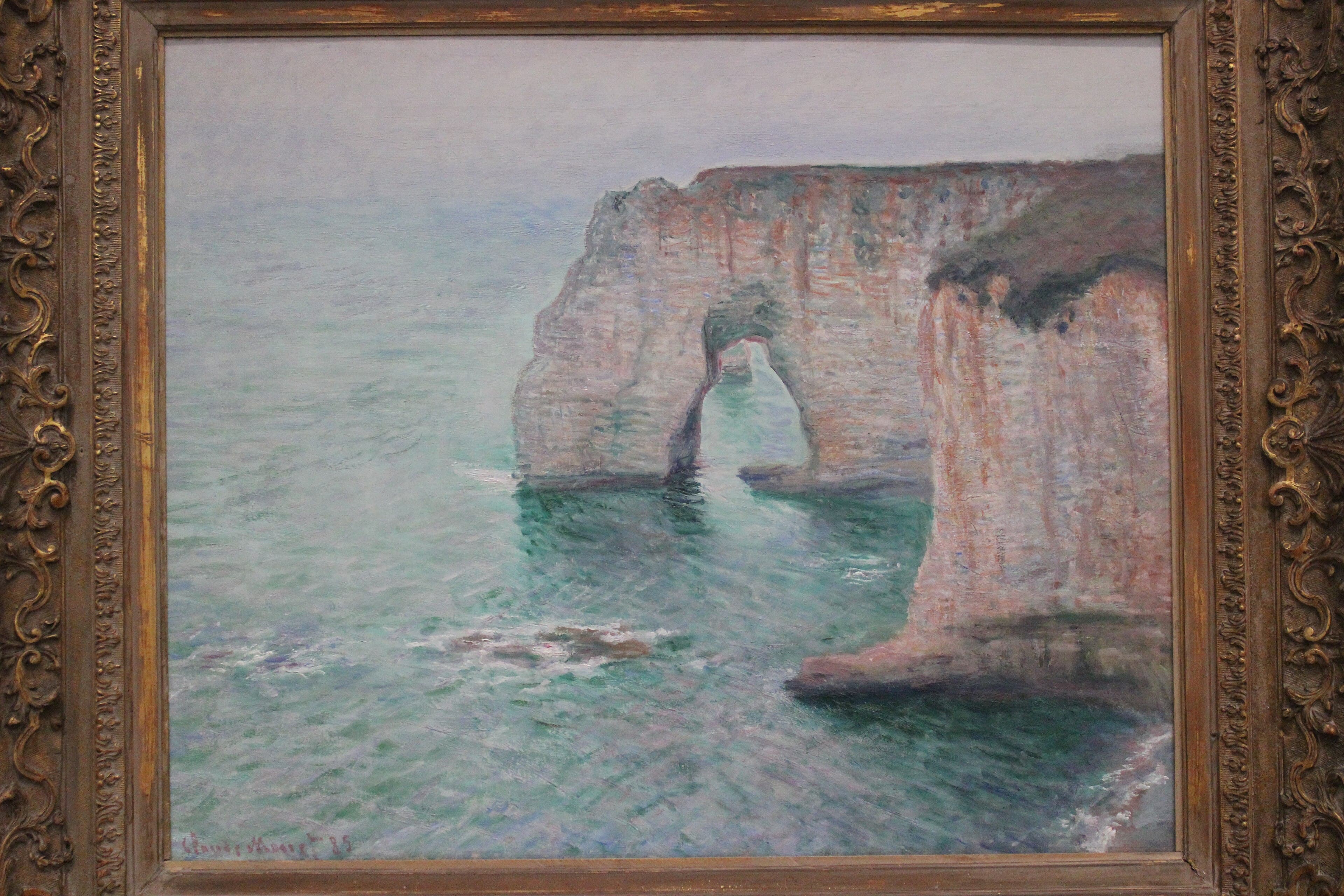
Manne-Porte, Étretat
Claude Monet · 1885
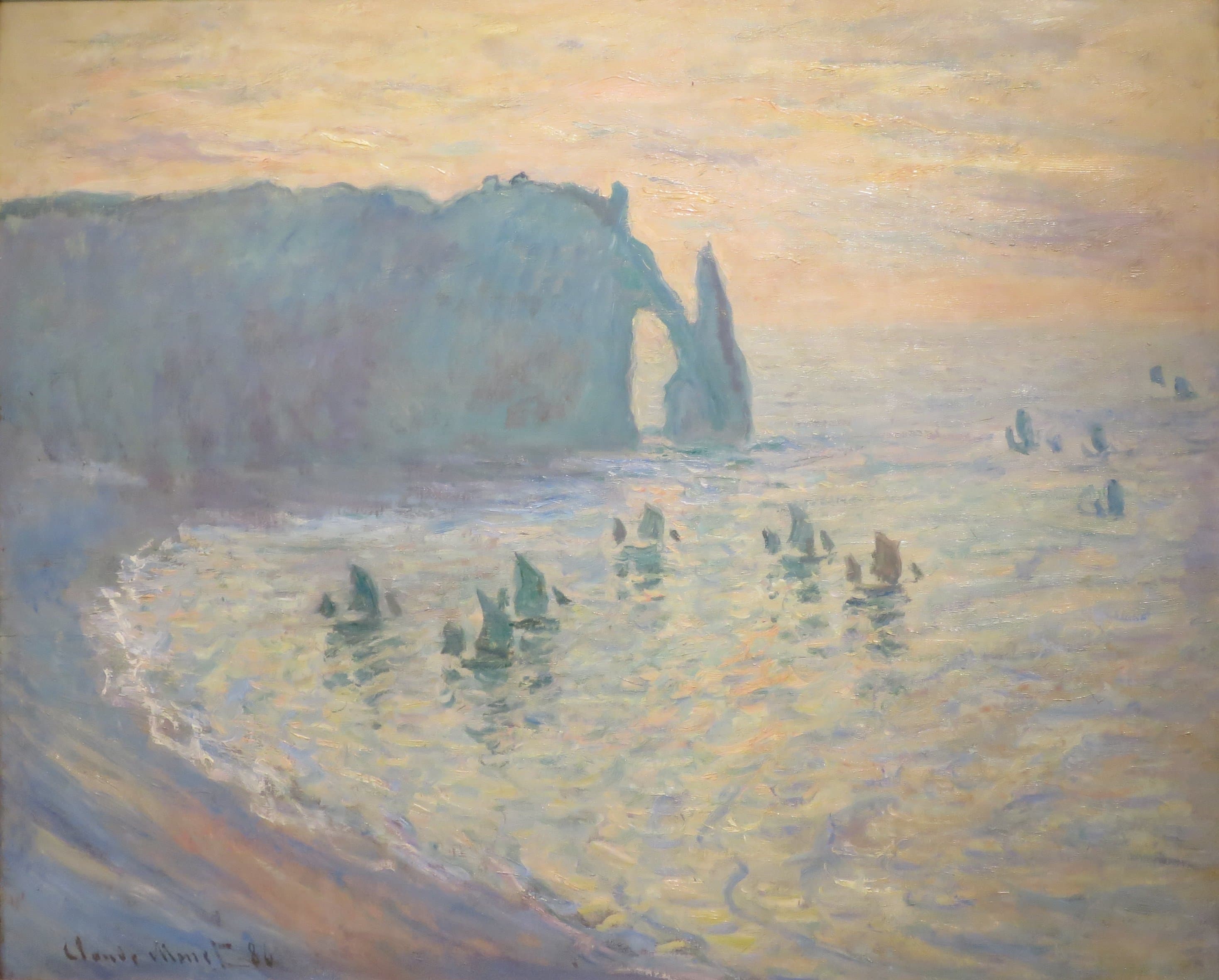
The Cliffs at Étretat
Claude Monet · 1886
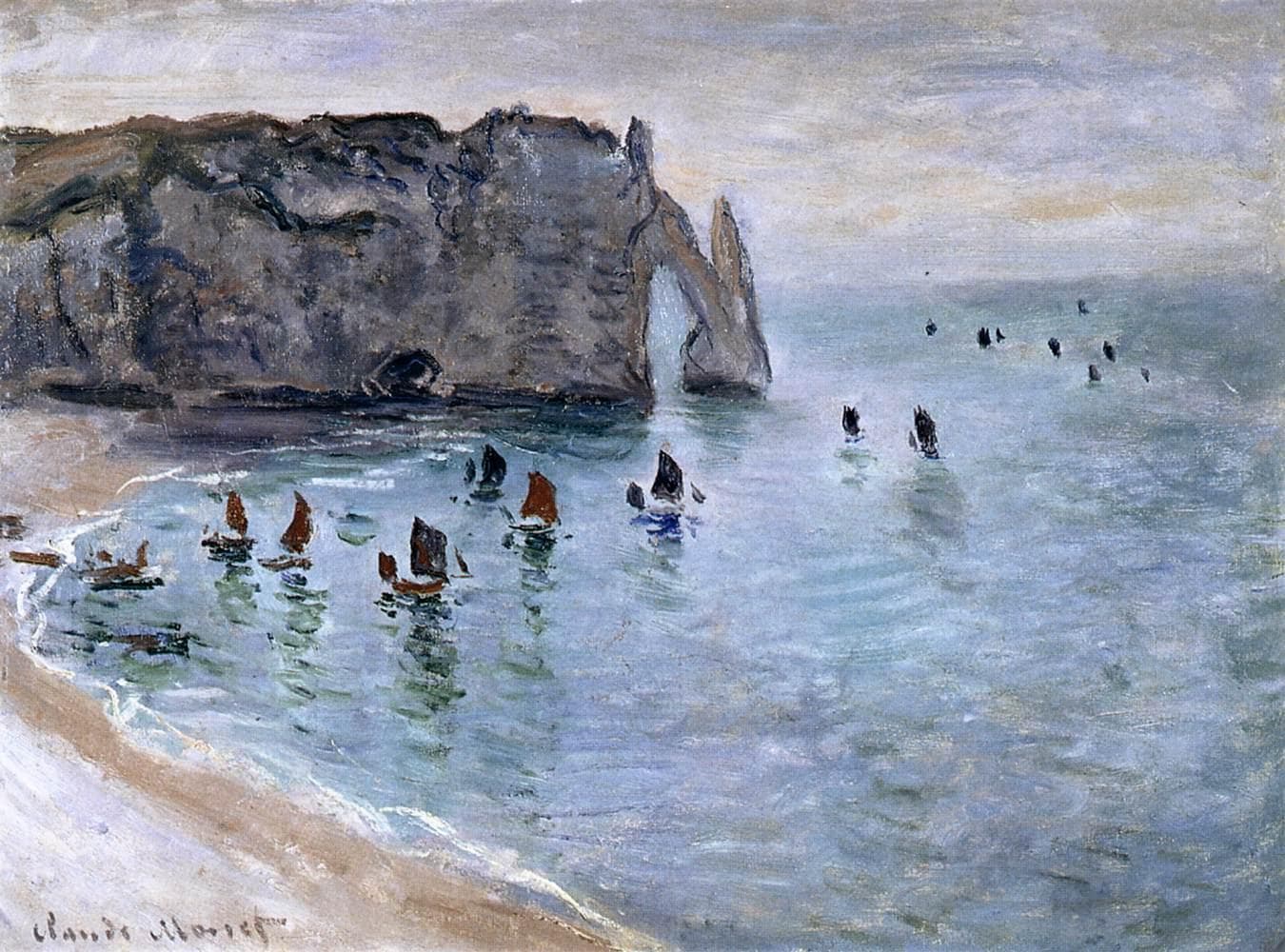
Étretat, the Porte d'Aval: Fishing Boats Leaving the Harbor
Claude Monet · 1885
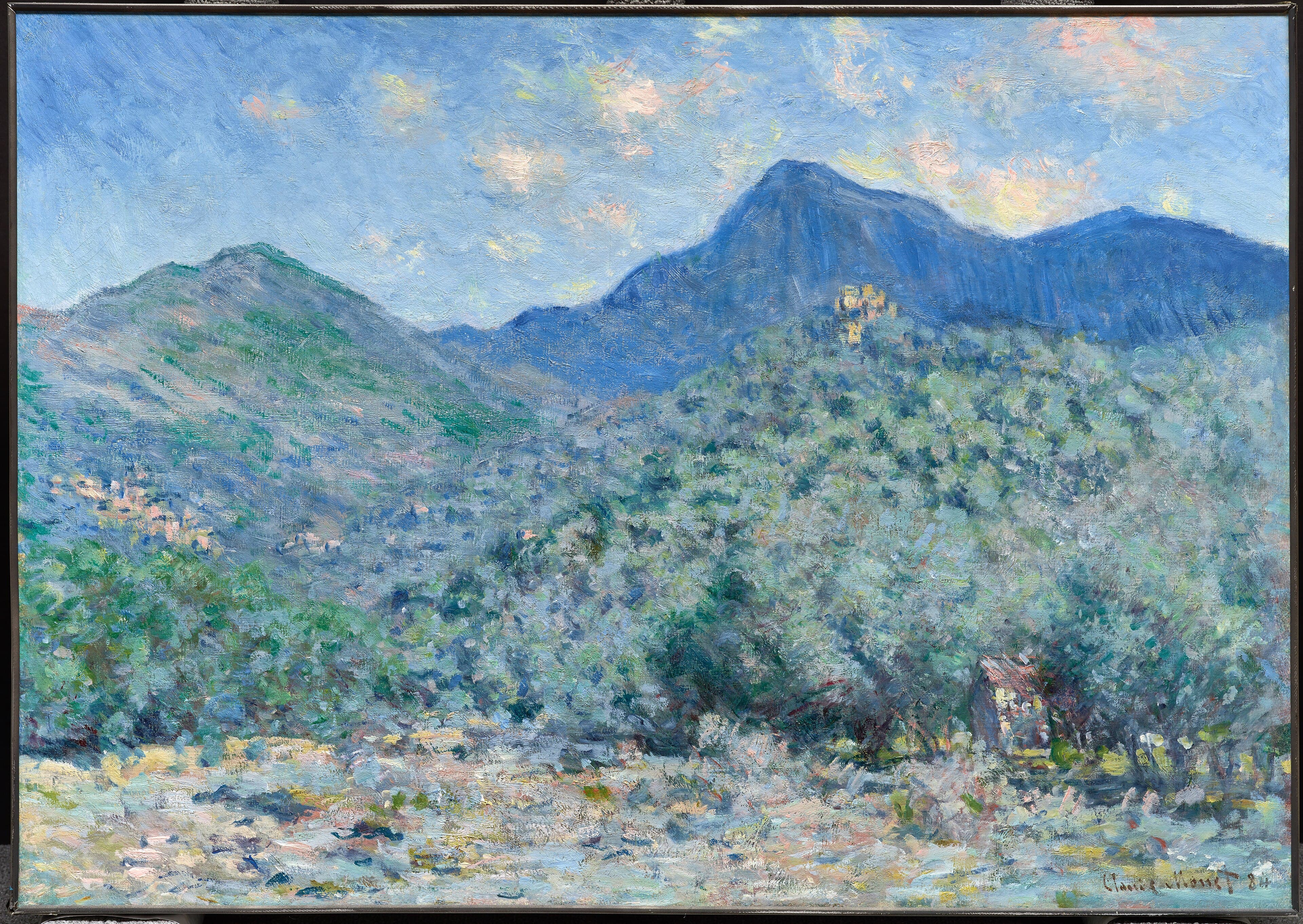
Valle Buona, near Bordighera
Claude Monet · 1884
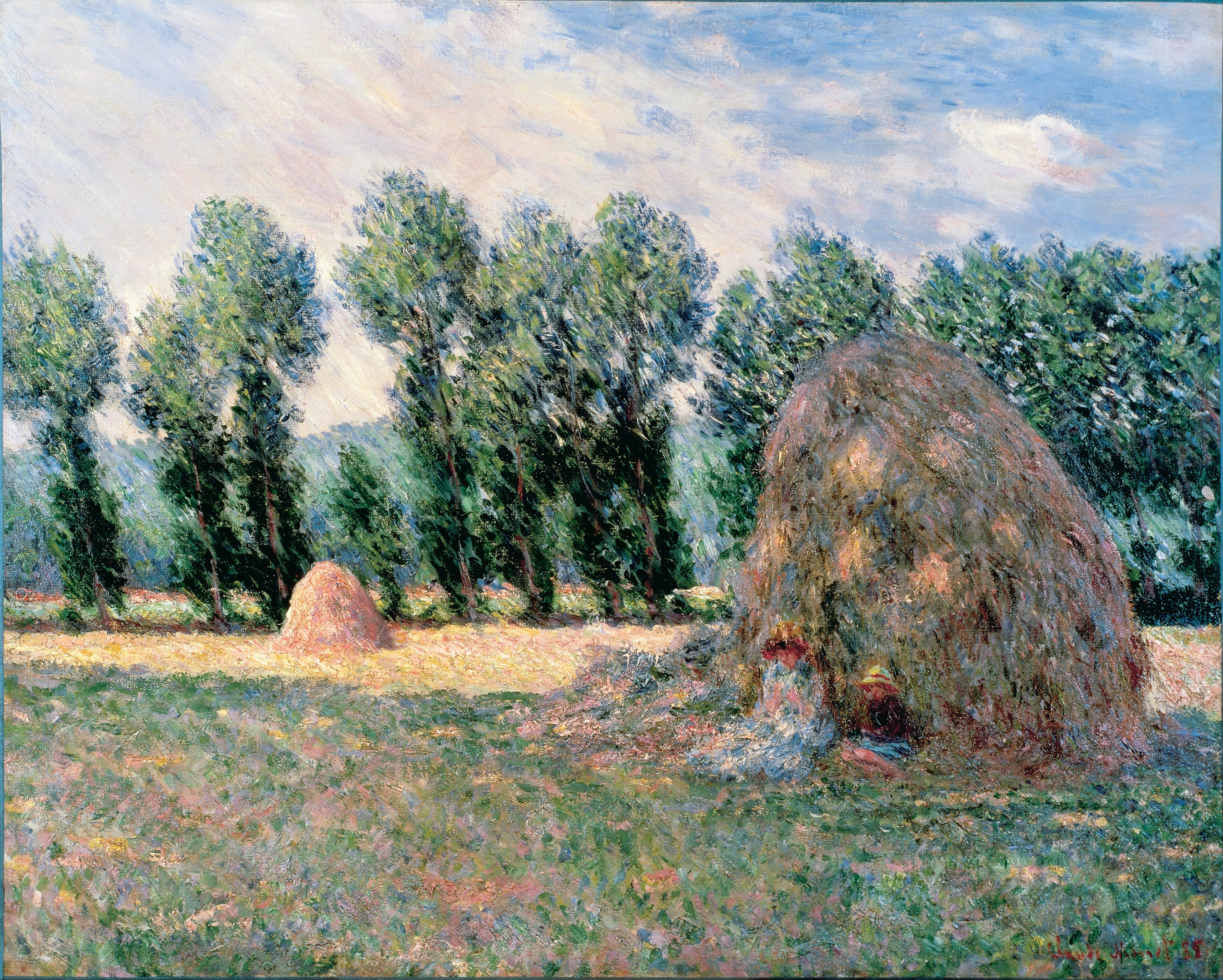
Haystacks (Ohara Museum, 1885)
Claude Monet · 1885
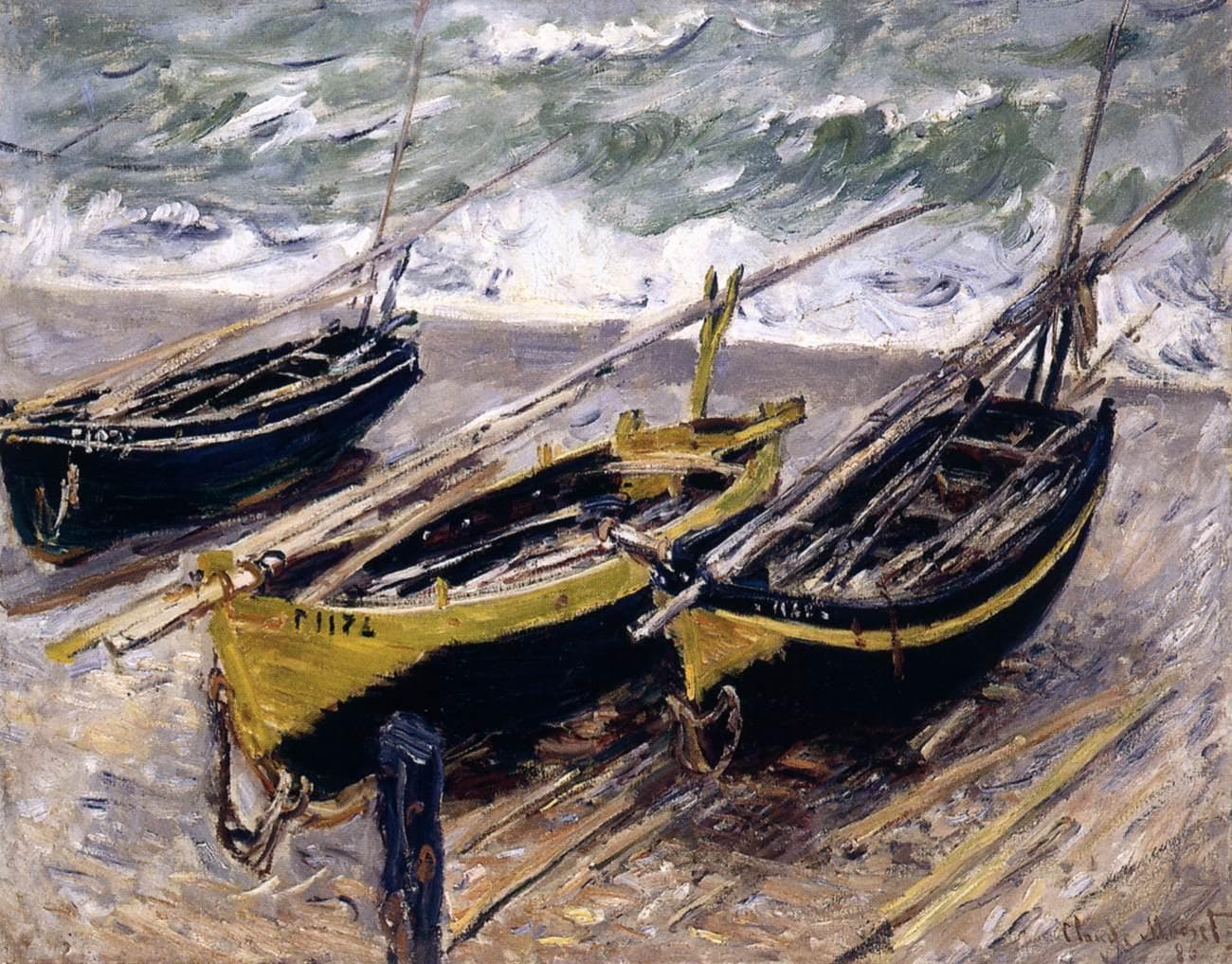
Three Fishing Boats
Claude Monet · 1885
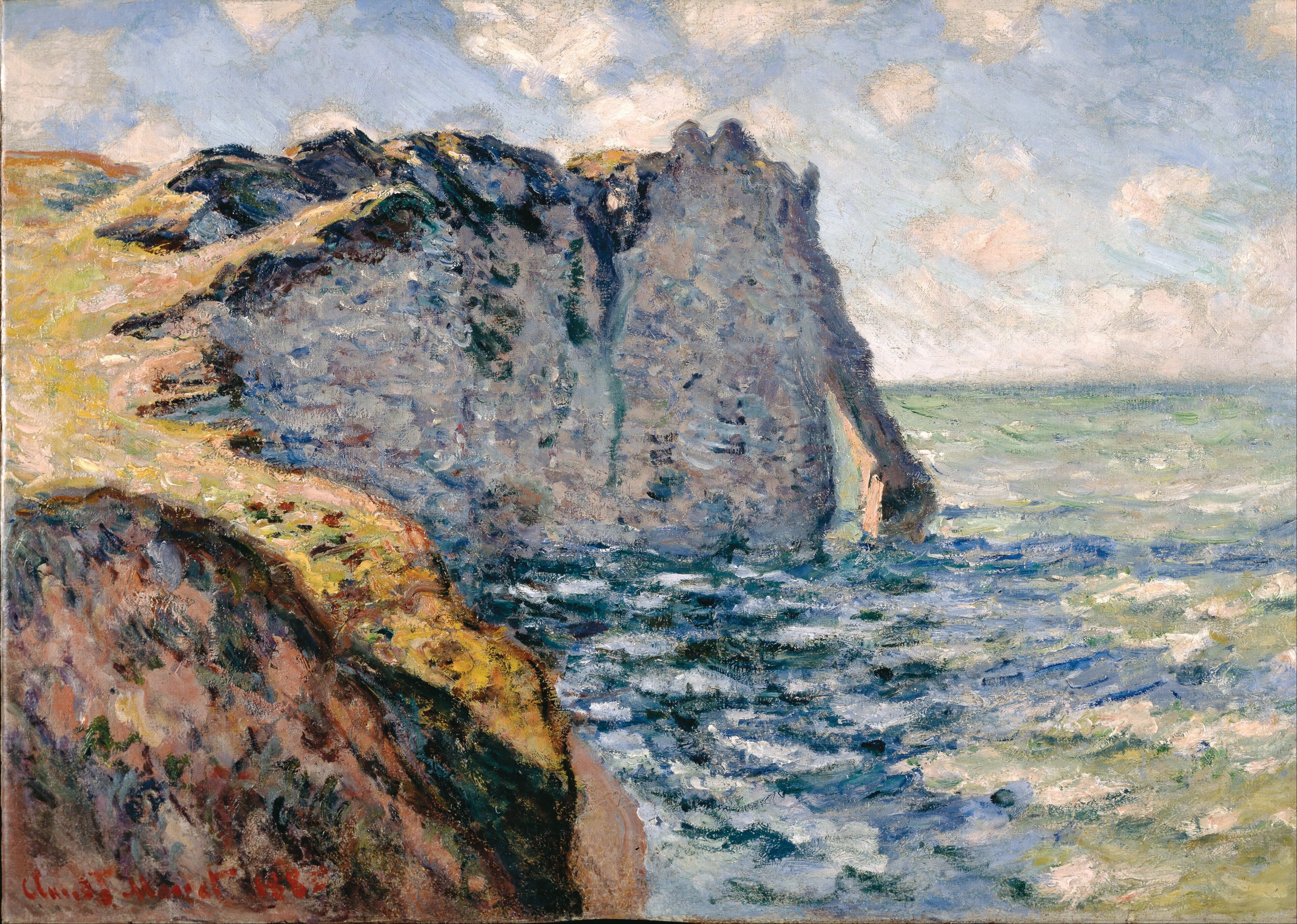
The Cliff of Aval, Étretat
Claude Monet · 1885
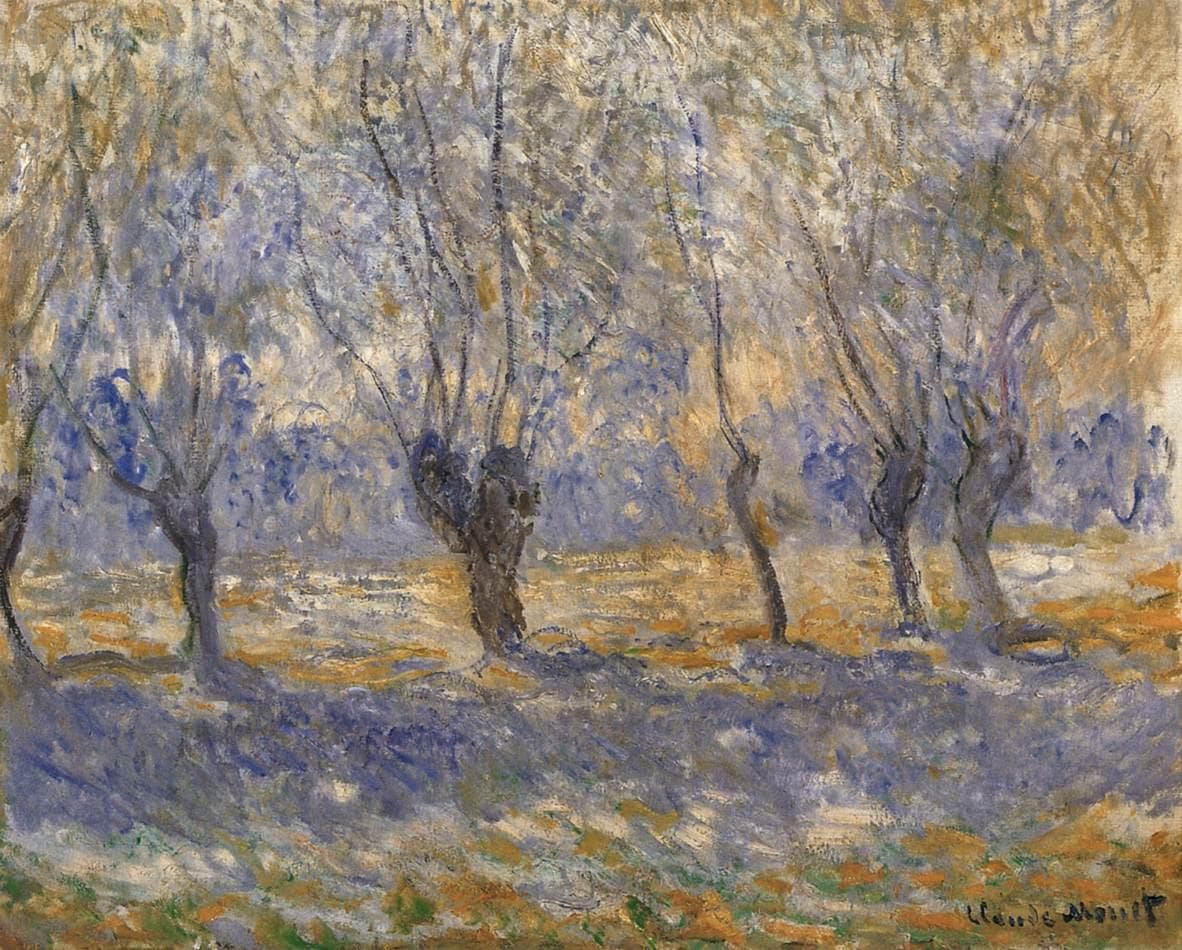
Willows at Giverny
Claude Monet · 1886
Also painted in 1885
The same year
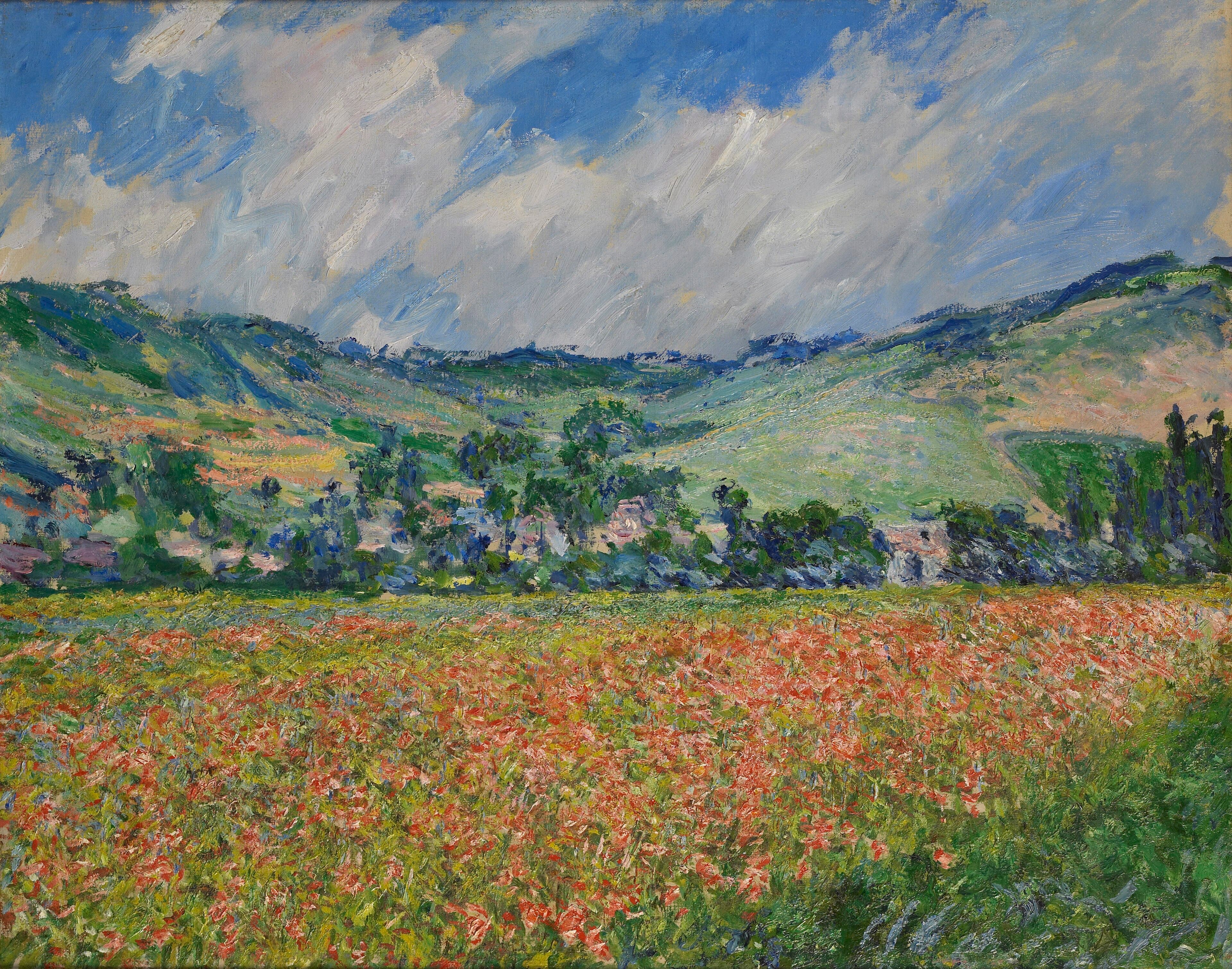
Poppy Field, Around Giverny
Claude Monet · 1885
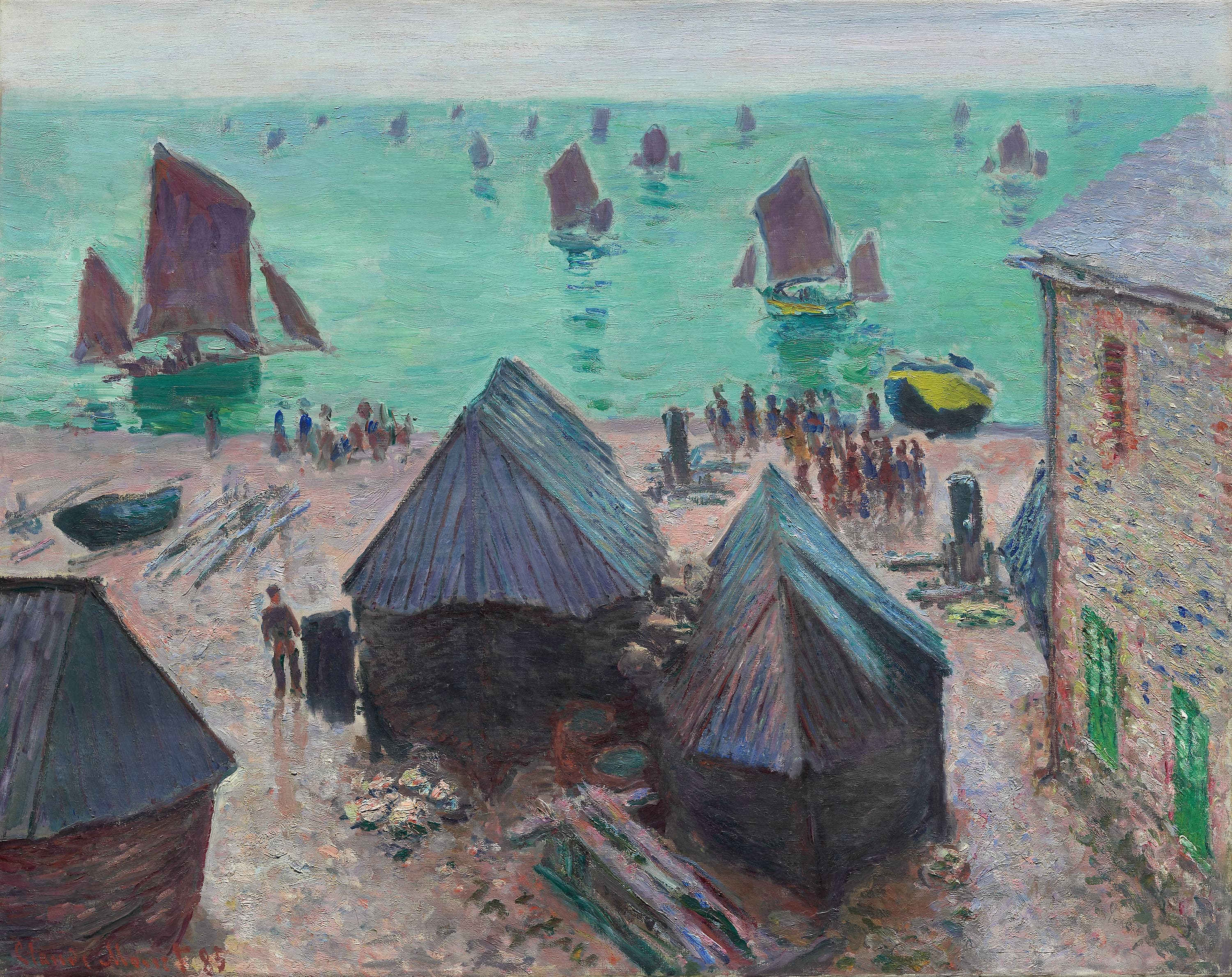
The Departure of the Boats, Étretat
Claude Monet · 1885
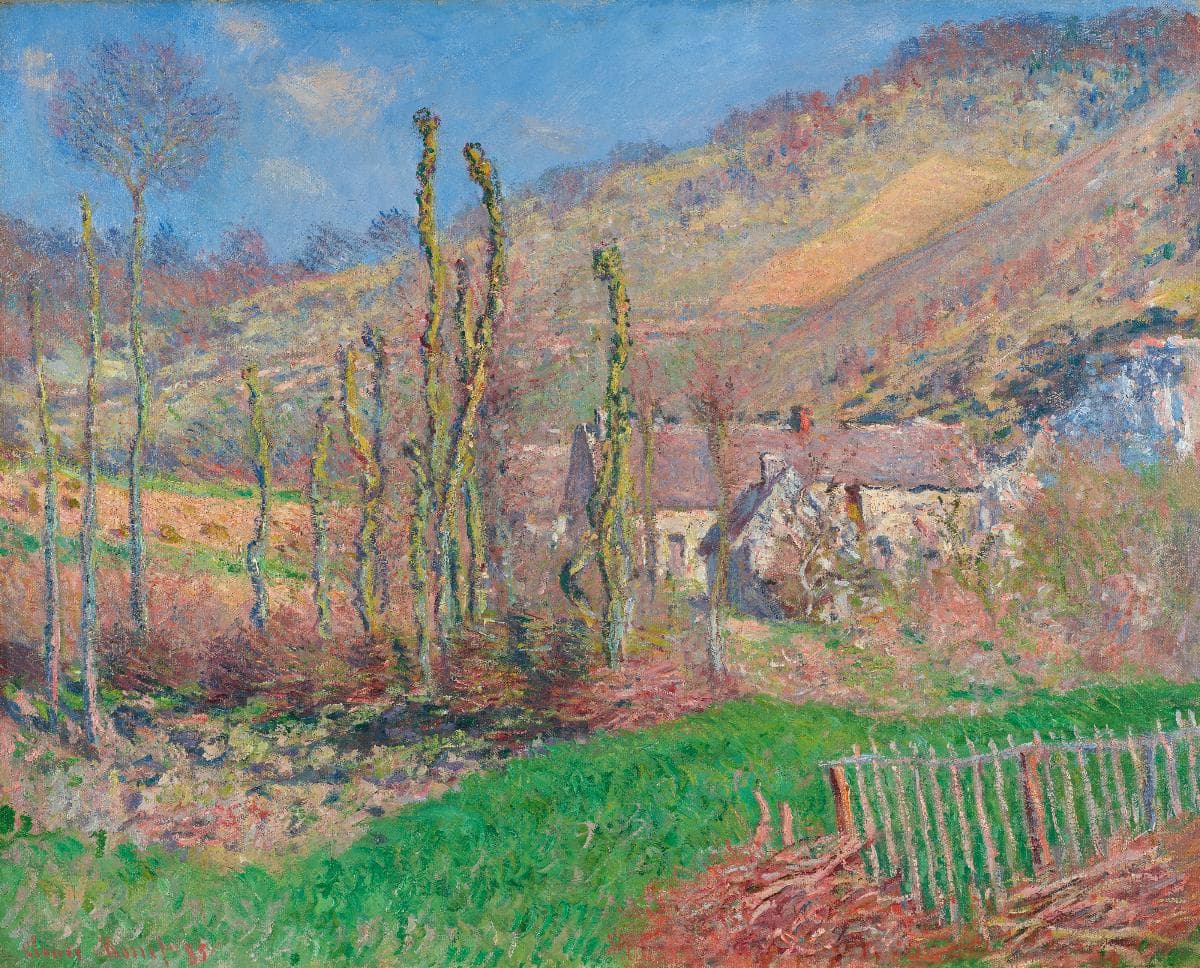
Winter Landscape at the Val de Falaise (Giverny)
Claude Monet · 1885
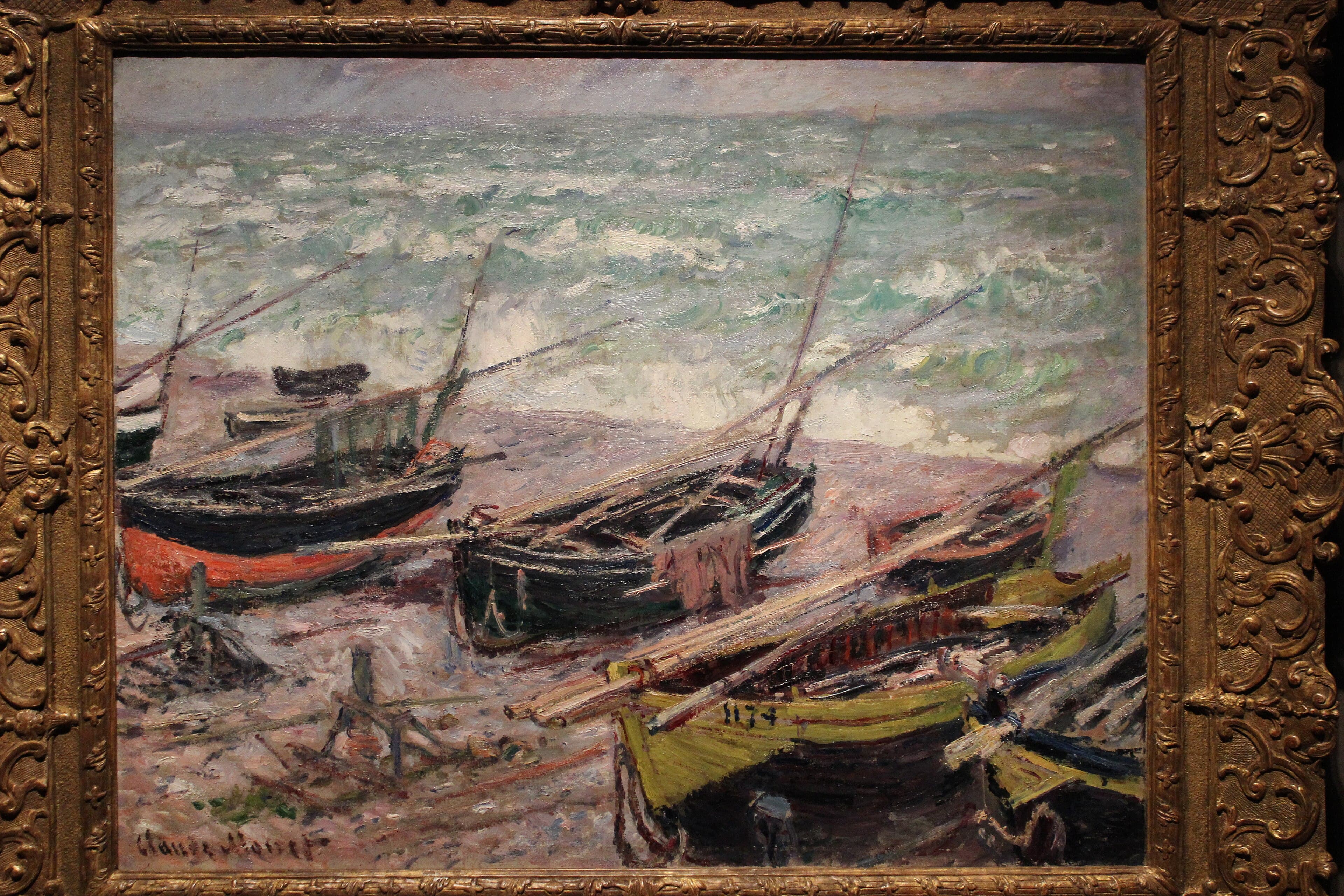
Fishing Boats at Étretat
Claude Monet · 1885
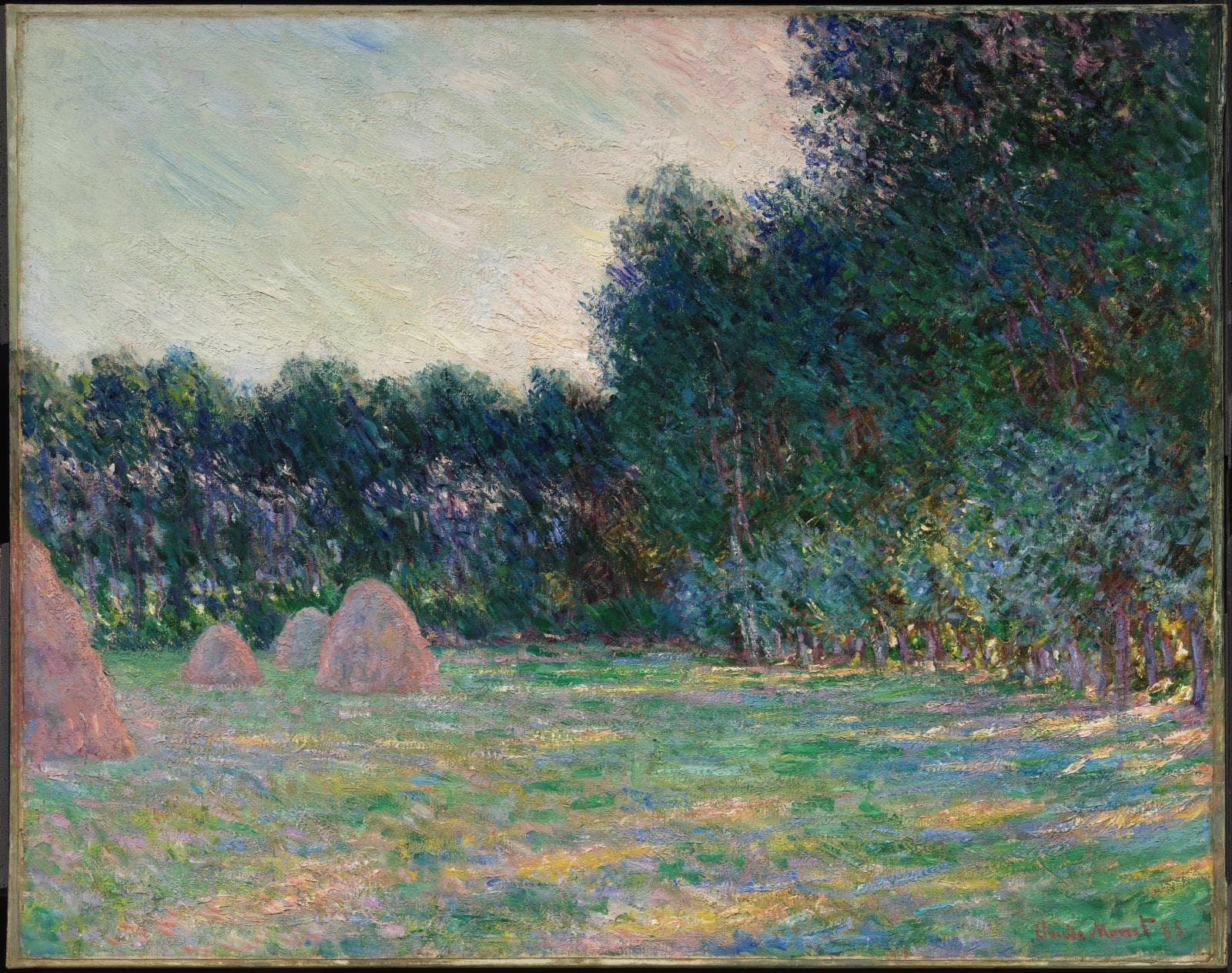
Meadow with Haystacks near Giverny
Claude Monet · 1885
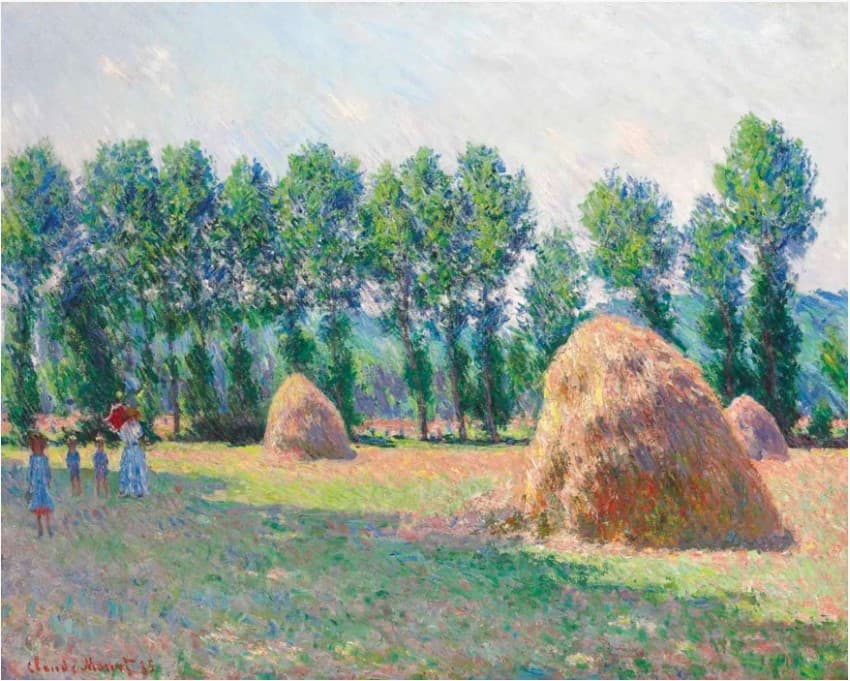
Haystacks at Giverny (1885)
Claude Monet · 1885
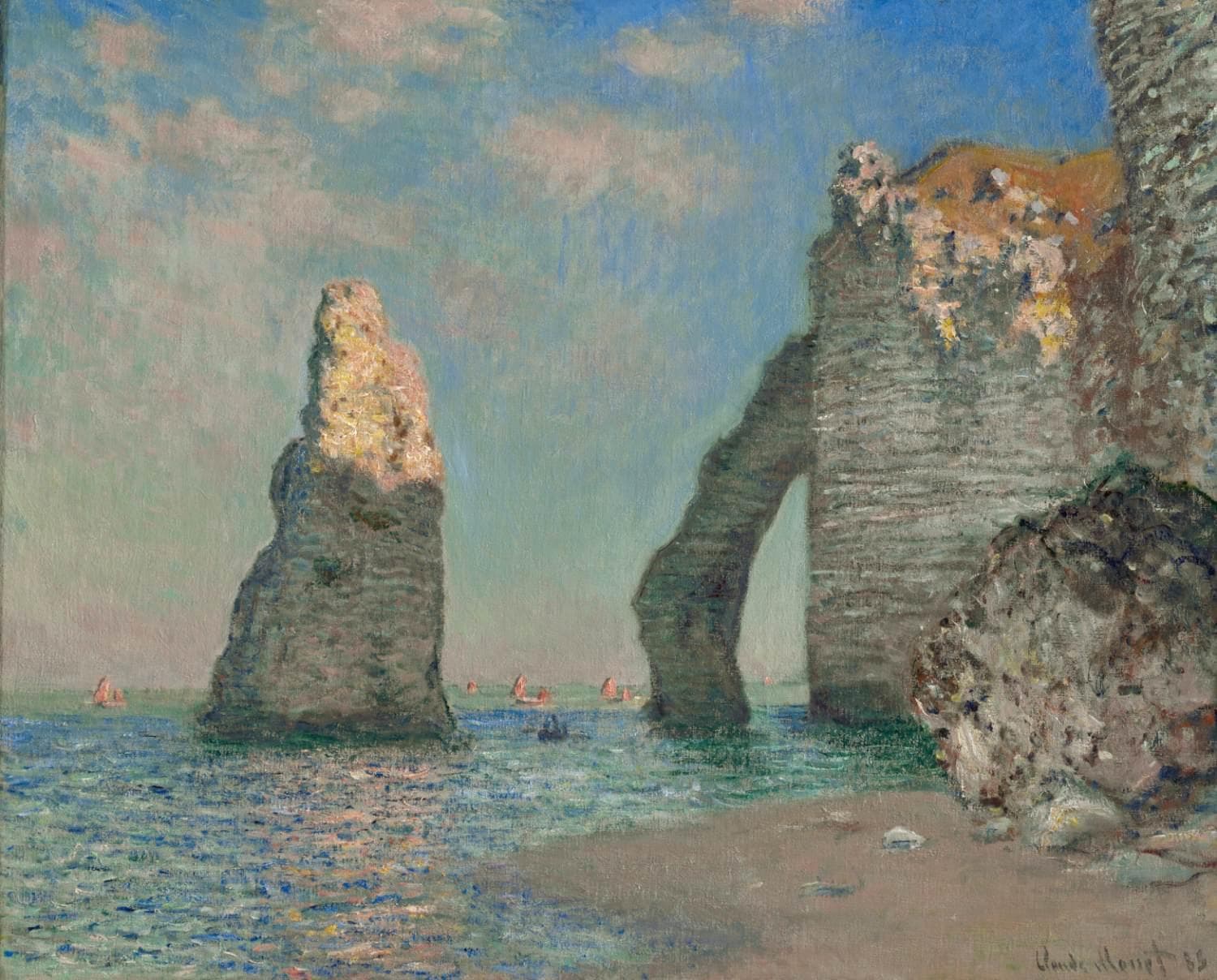
The Cliffs at Étretat
Claude Monet · 1885
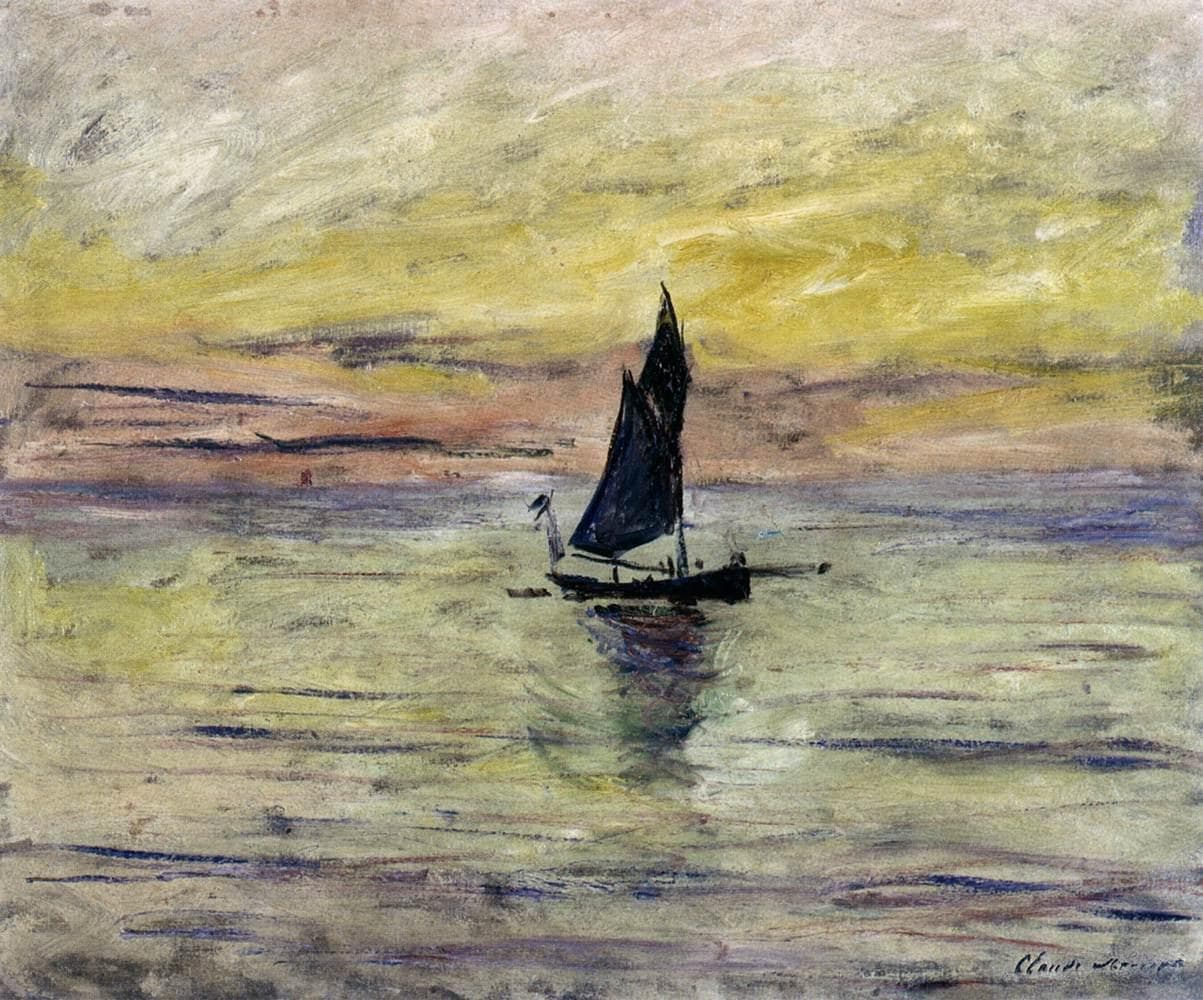
Sailboat, Evening Effect
Claude Monet · 1885
Kindred works
You may also study
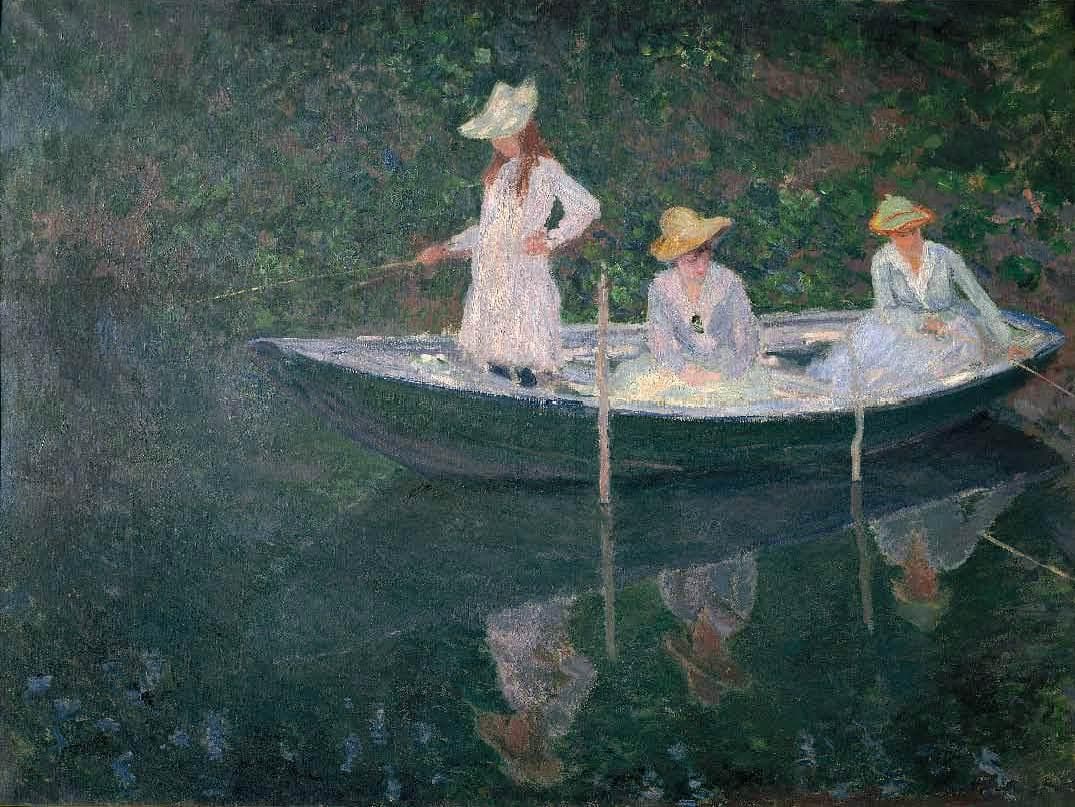
The Boat at Giverny
Claude Monet · c. 1887
Haystacks at Giverny (1885)
Claude Monet · 1885
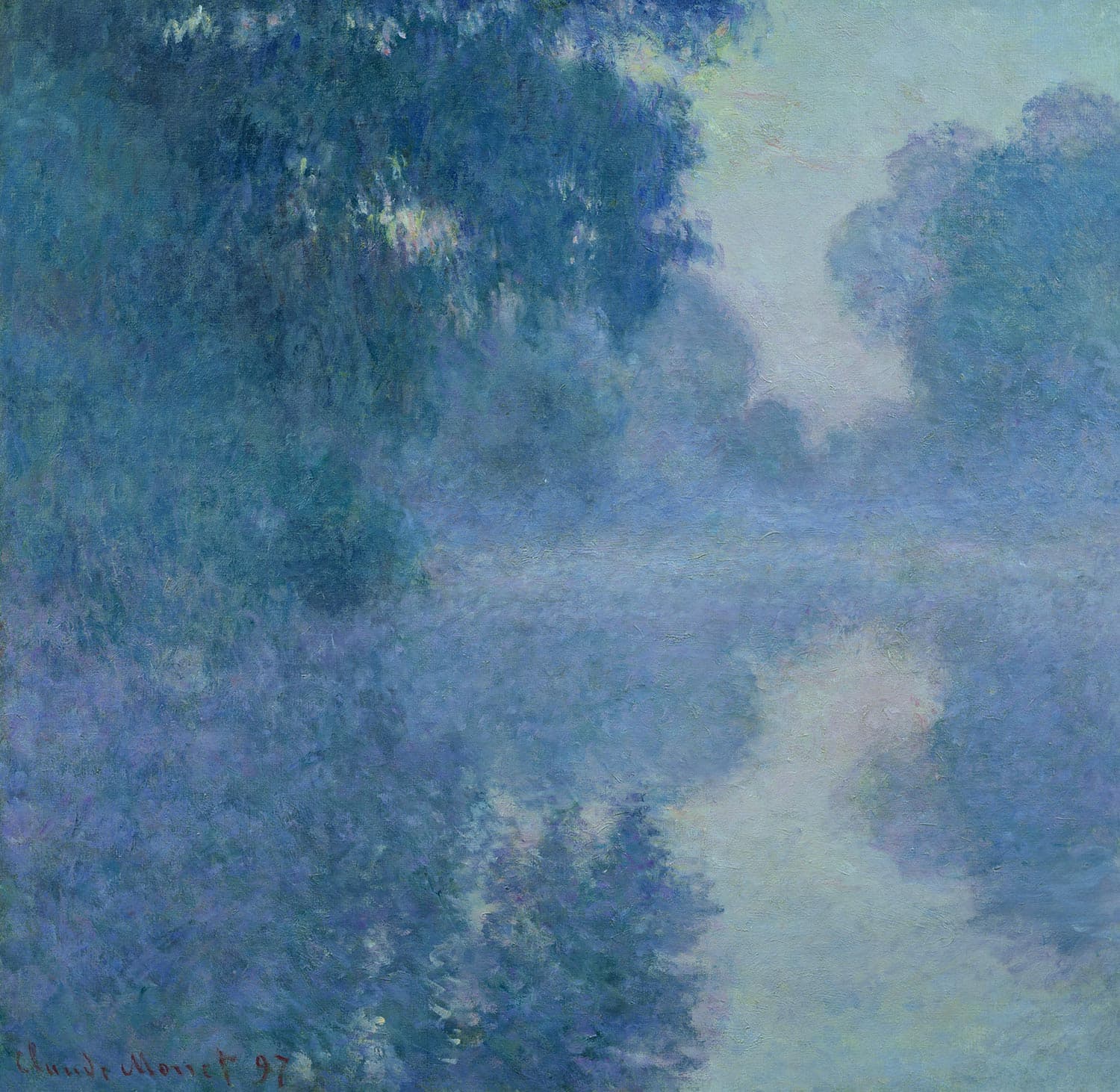
Arm of the Seine near Giverny, Rising Sun
Claude Monet · 1897
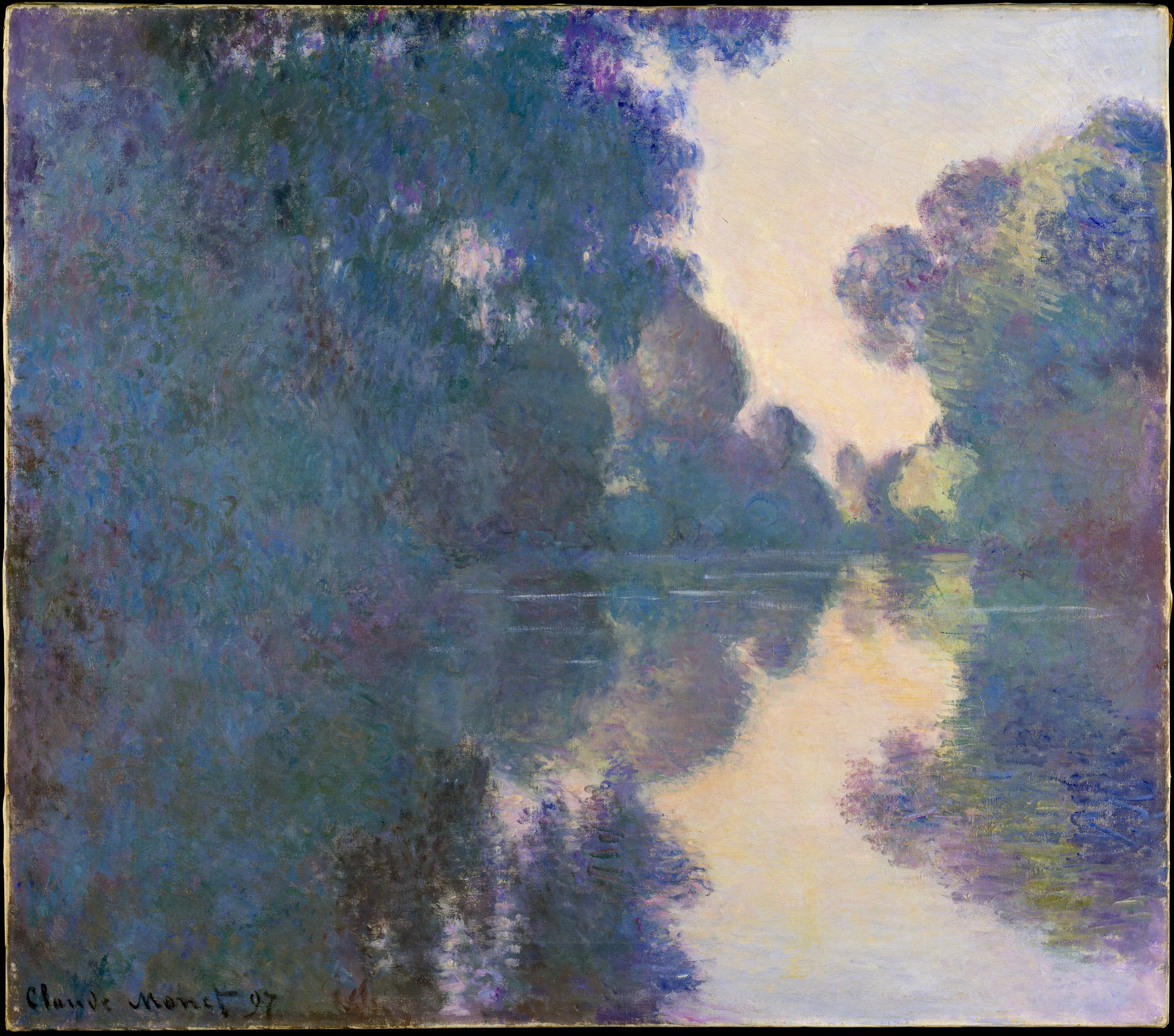
Morning on the Seine near Giverny
Claude Monet · 1897
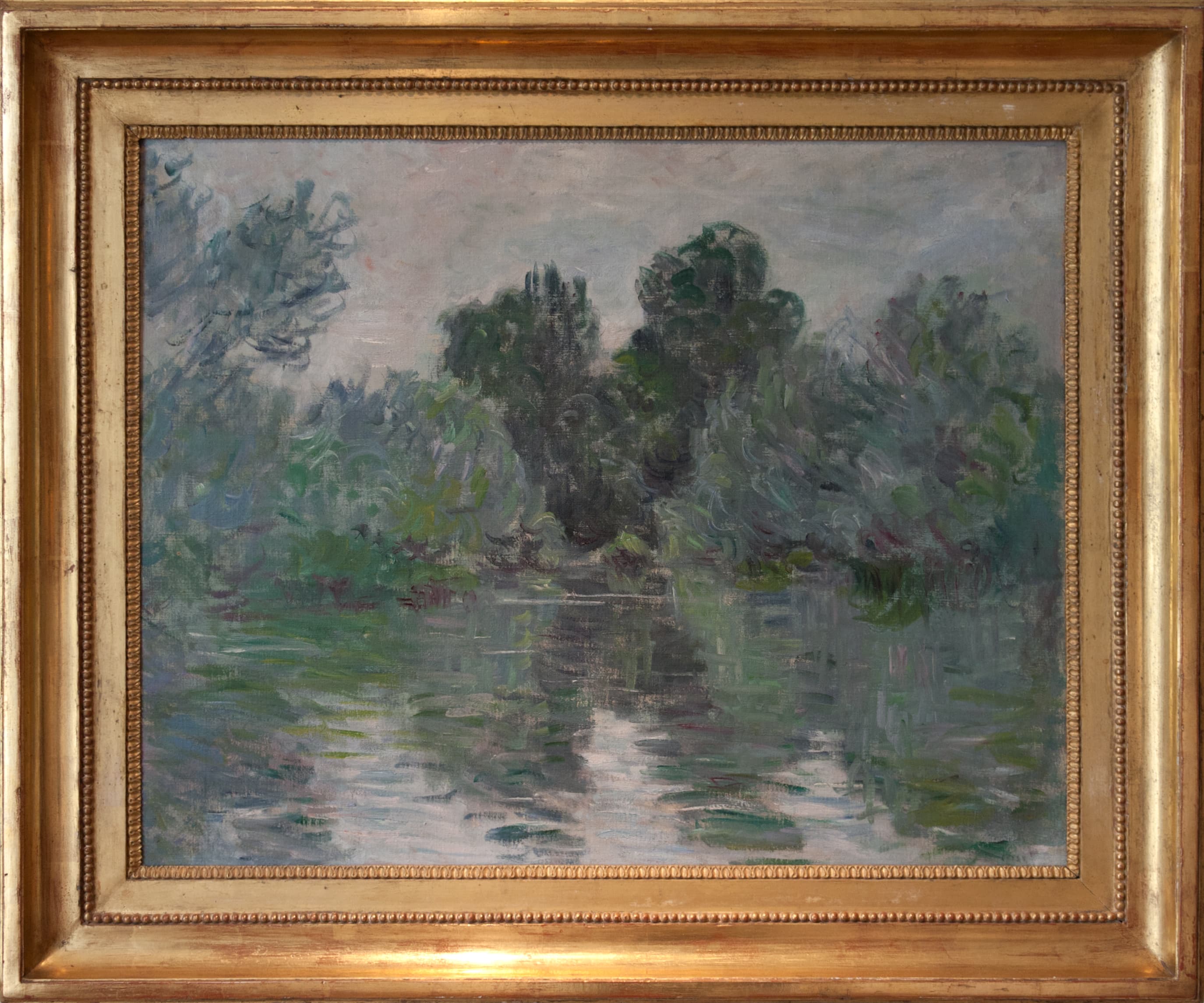
Un bras de Seine près de Vétheuil
Claude Monet · 1878
View of Vétheuil
Claude Monet · 1880

Beach in Pourville
Claude Monet · 1882
Poplars (Autumn)
Claude Monet · 1891