Image: Hill-Stead Museum, Farmington, Connecticut, via Google Arts & Culture · Public domain · via Wikimedia Commons
Grainstacks, White Frost Effect
Claude Monet, 1888–89
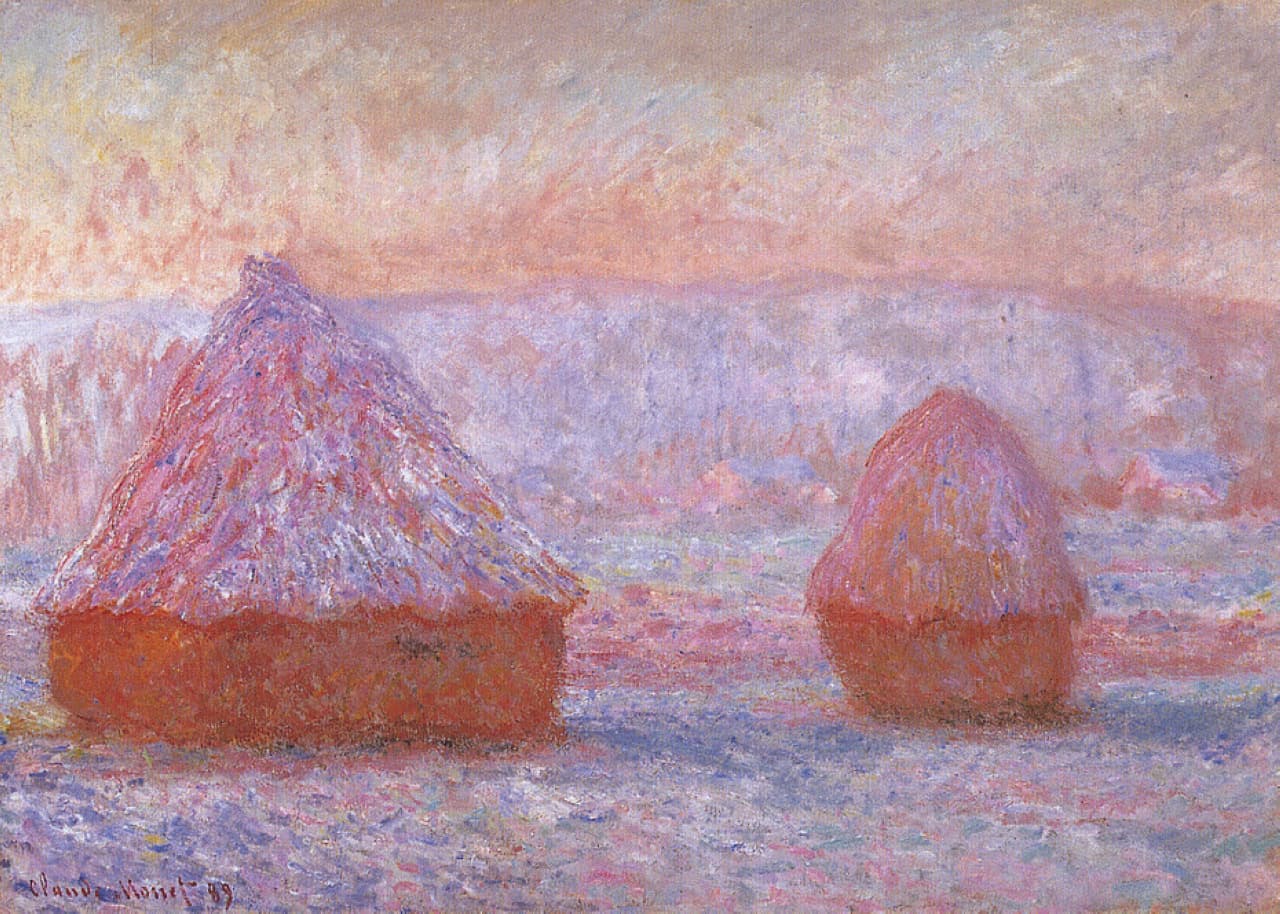
Grainstacks, White Frost Effect (1888–89) is Claude Monet's view of two grainstacks in a frosted field at Giverny, their sunlit sides glowing pink and orange. Alfred Atmore Pope bought it in 1889; it is at the Hill-Stead Museum, Connecticut.
- Artist
- Claude Monet
- Date
- 1888–89
- Medium
- Oil on canvas
- Dimensions
- 65 × 92 cm
- Collection
- Hill-Stead Museum, Farmington, Connecticut, United States
- Movement
- Impressionism
- Catalogue
- Wildenstein 1215
- Nature & Landscape
Grainstacks, White Frost Effect (Les Meules, effet de gelée blanche) is one of the three canvases of 1888–89 in which Claude Monet first painted the same two grainstacks under changing light, the prototype of his famous series. Here a hard frost whitens the field and the stacks' thatch; low winter sun warms their sides to orange and pink, and the hills across the valley glow rose under a pale sky. Signed and dated Claude Monet 89, it was bought in Paris in August 1889 by the American industrialist Alfred Atmore Pope, and it still hangs in his house, now the Hill-Stead Museum in Farmington, Connecticut.
What you are looking at
The canvas is about 65 by 92 cm. Two stacks stand side by side, the larger at left with its steep pointed roof, the smaller at right. The frost lies on their roofs as a crust of white and pale lilac, and their bases, in sun, are a warm salmon and orange, cooling to violet where they turn away from the light. They cast long blue shadows to the right across the frozen ground.
The field is a sparkling mosaic of white, pale blue, lilac and green, laid in short, dense touches that suggest rime on every blade of grass. Behind, the hills run across the picture in tones of pink, mauve and blue, and at their foot the white walls and roofs of houses catch the light. The sky is a soft, warm haze of cream, pink and blue. The signature and date are at lower left.
Where and when it was painted
In the autumn and winter of 1888–89, Monet returned to the grainstacks in the fields near his house at Giverny, but now in a new way. He dropped the poplars and figures of his mid-1880s meadow scenes, moved in close and painted two stacks against the low hills on the far side of the valley, under specific effects of light: sunset, morning, white frost. Three canvases (Wildenstein 1213–1215) share almost exactly the same viewpoint and composition. These pictures are the direct prototypes of the Haystacks series of 1890–91, the work that made Monet famous. For the setting, see our Giverny hub.
How it was painted
The challenge was to paint white that was not white. Monet built the frost from many tints, blue, lilac, pink and cream, laid in small, crisp touches, so that the field glitters. The stacks are modeled with warm and cool color rather than light and dark. The sunlit sides are among the hottest notes in the picture, set against the cold of everything around them, and the long blue shadows give a sense of very low winter sun, probably early morning.
Alfred Pope and Hill-Stead
Pope, a Cleveland iron manufacturer, bought this canvas and Monet's View of Cap d'Antibes from the dealers Boussod, Valadon et Cie in Paris in August 1889; Hill-Stead's archives hold the receipt. They were his first Impressionist purchases. He went on to buy nine Monets, including the 1890 Grainstacks, in Bright Sunlight, which also remains at Hill-Stead. His daughter, the architect Theodate Pope Riddle, designed Hill-Stead as the family home, and on her death in 1946 she left it as a museum with its collection kept in place.
How this version differs
The 1888–89 trio offers three moments: the Evening Sun in Saitama, blazing orange; Morning Effect, a softer pink; and this frost picture, the coldest and most sparkling. In the 1890–91 series Monet would return to frost and snow many times, as in the Scottish National Gallery's Haystacks, Snow Effect.
Frost as a subject
Frost and snow had attracted Monet since the 1860s, when he painted The Magpie at Étretat. A white frost gave him a natural reflector, a surface that took on the color of whatever light fell on it. In this canvas the field turns blue in shadow and pink in sun, and the frost on the stacks' roofs picks up the warm light of the sky. It is a lesson in how a white subject can contain the whole spectrum.
Where to see it
The painting is at the Hill-Stead Museum in Farmington, Connecticut, shown in the house's original rooms. Check opening times before visiting, and see where to see Monet's paintings.
Questions & answers
Where is Monet's Grainstacks, White Frost Effect?
At the Hill-Stead Museum in Farmington, Connecticut, the former home of Alfred Atmore Pope, who bought it in 1889. It hangs in the house's original rooms with the rest of the family collection.
When was it painted?
In the winter of 1888–89 in a field near Monet's house at Giverny. It is signed and dated 'Claude Monet 89' and was sold to Pope by August 1889.
What does the painting show?
Two grainstacks in a frosted field, their roofs crusted white, their sunlit sides glowing orange and pink and their long blue shadows stretching across the frozen ground, with rose-colored hills and houses behind.
Is it part of Monet's Haystacks series?
It is one of the prototypes. With two other canvases of 1888–89 painted from the same spot, at sunset and in the morning, it led directly to the series of about 25 Haystacks Monet painted in 1890–91.
More by the artist
Claude Monet
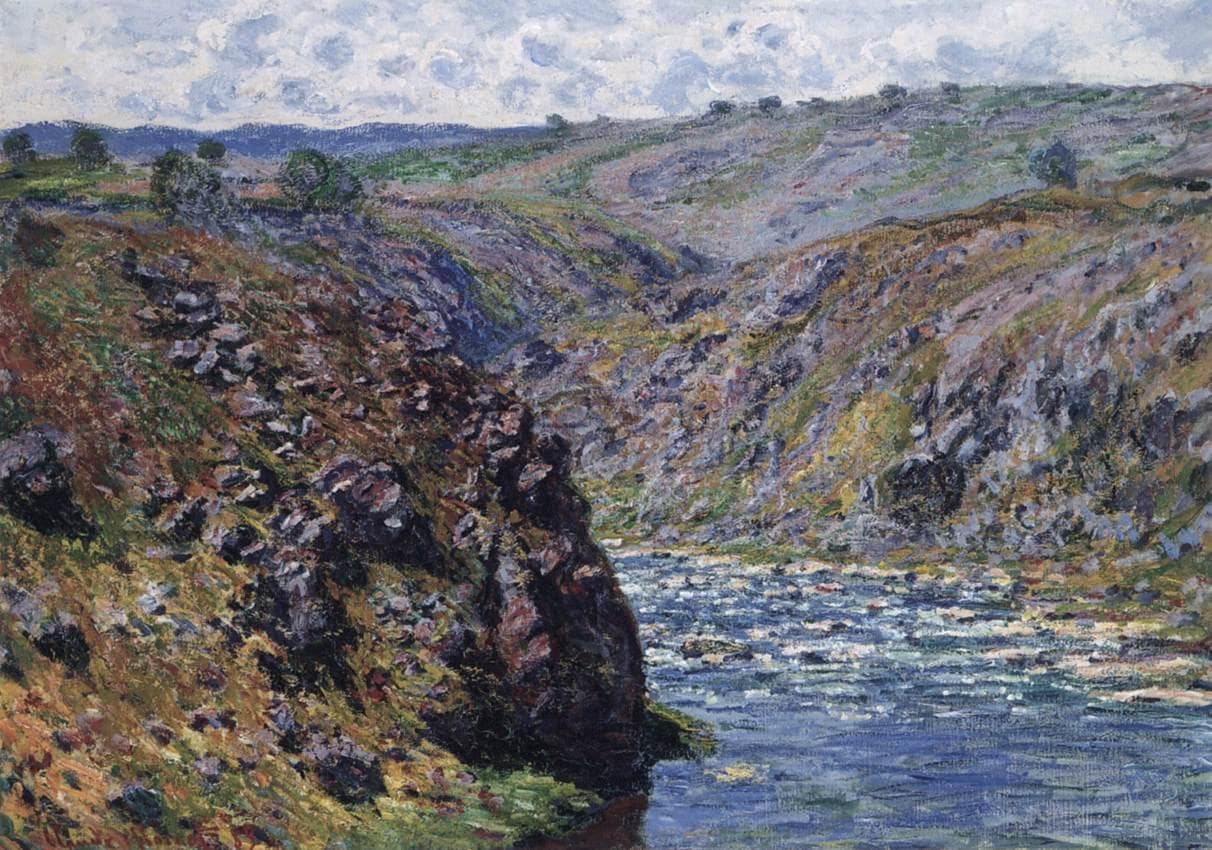
Valley of the Creuse (Sunlight Effect)
Claude Monet · 1889
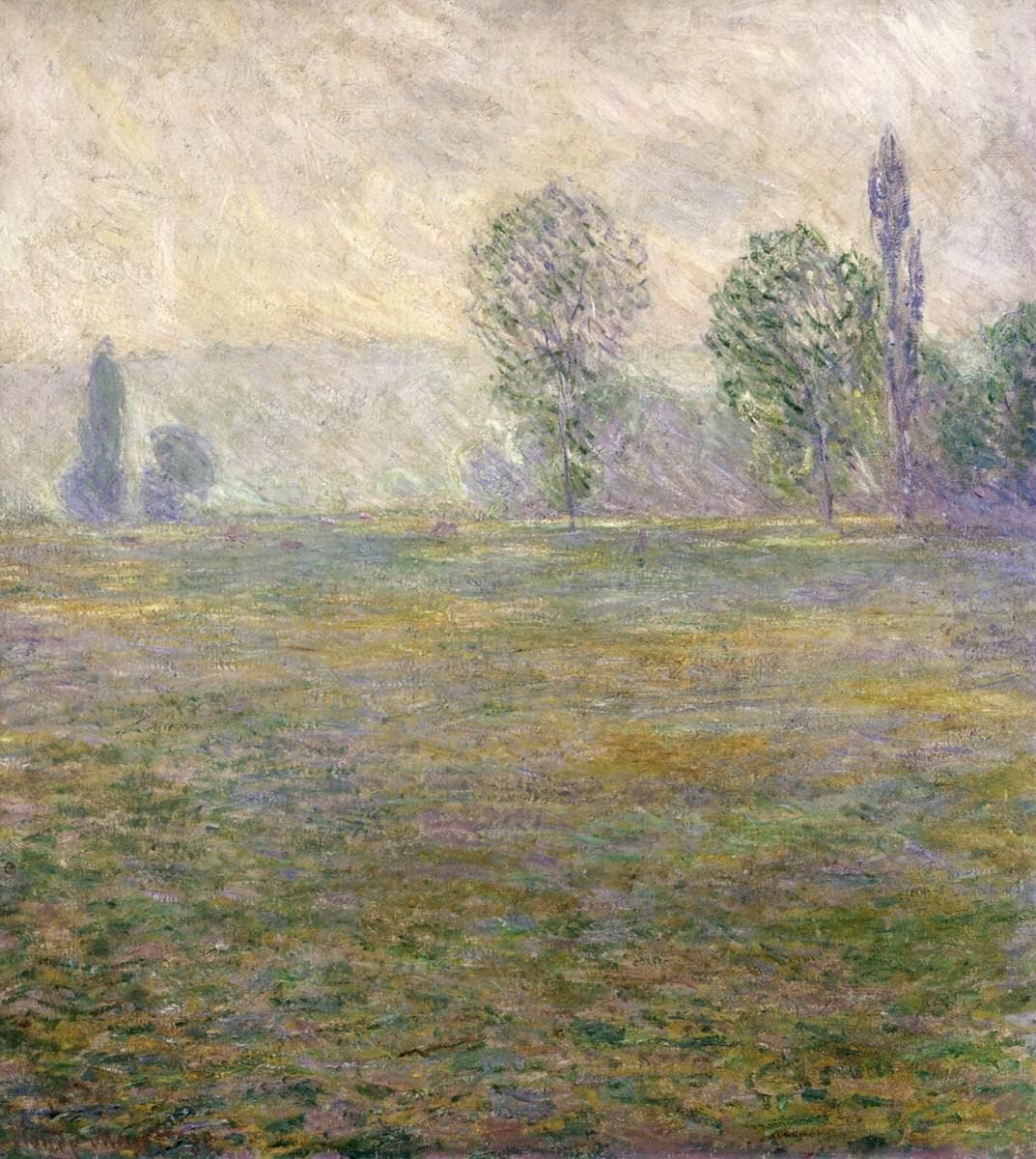
Meadow at Giverny
Claude Monet · 1888
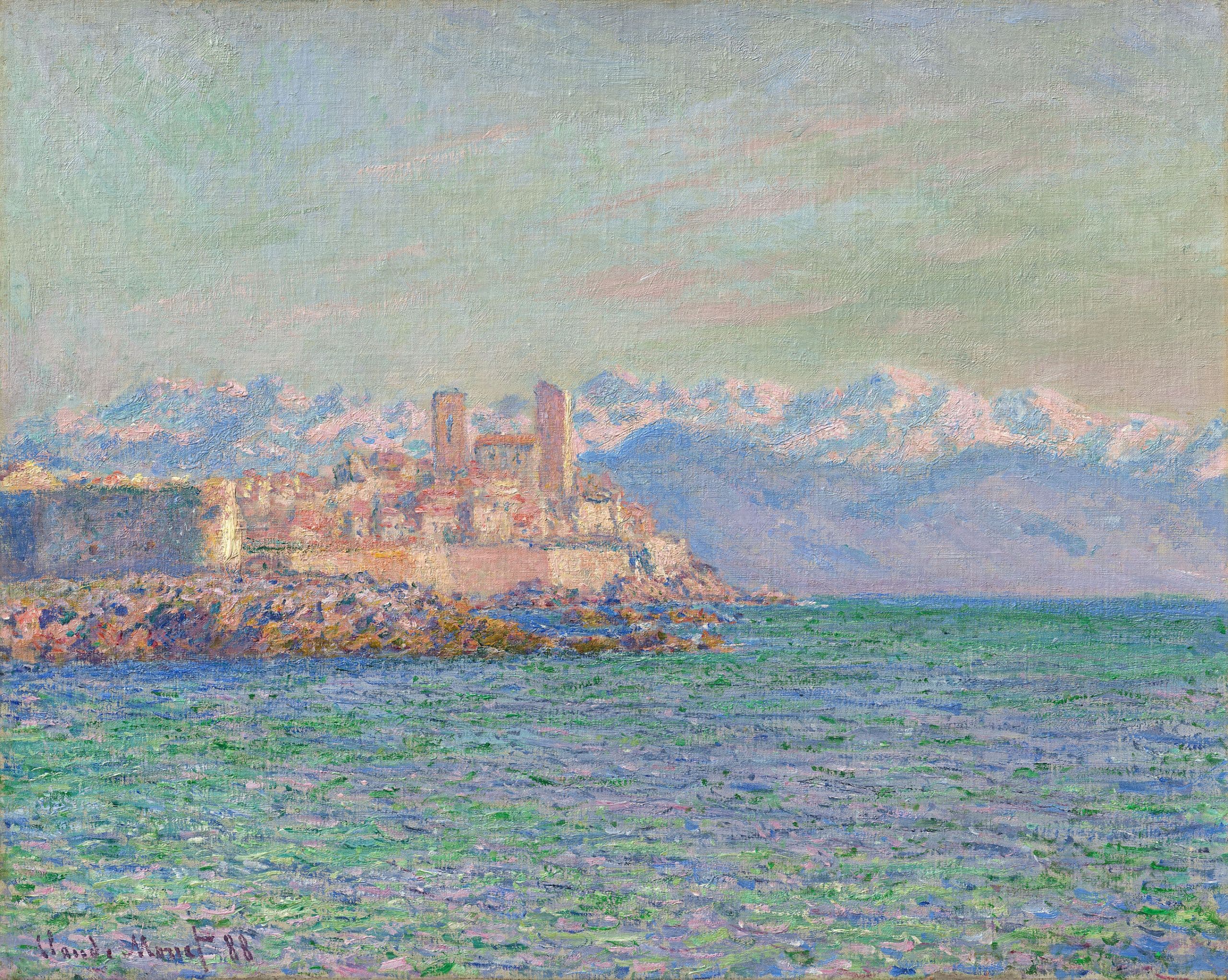
The Fort of Antibes
Claude Monet · 1888
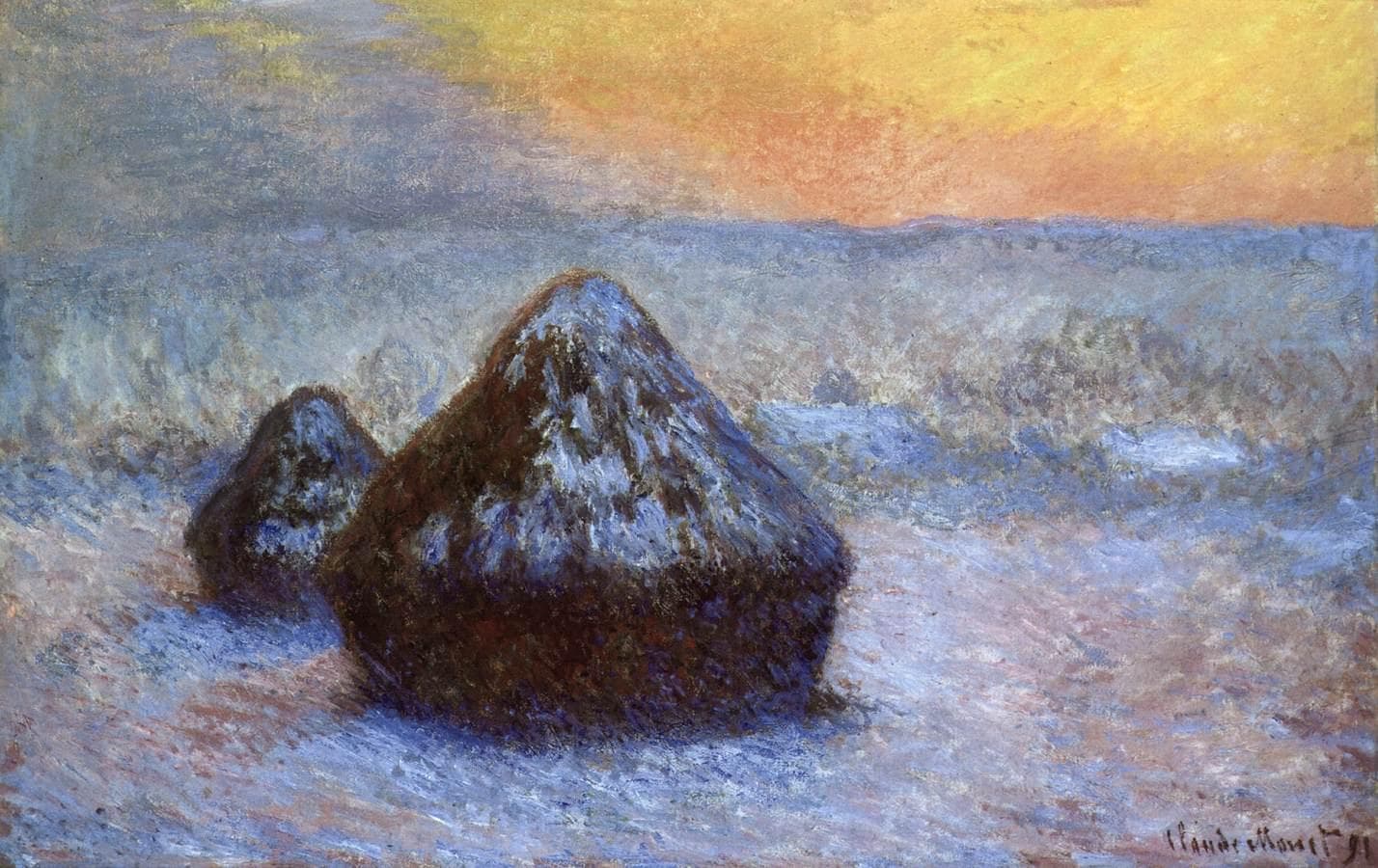
Stacks of Wheat, Sunset, Snow Effect
Claude Monet · 1890–91

Boating on the River Epte
Claude Monet · 1890
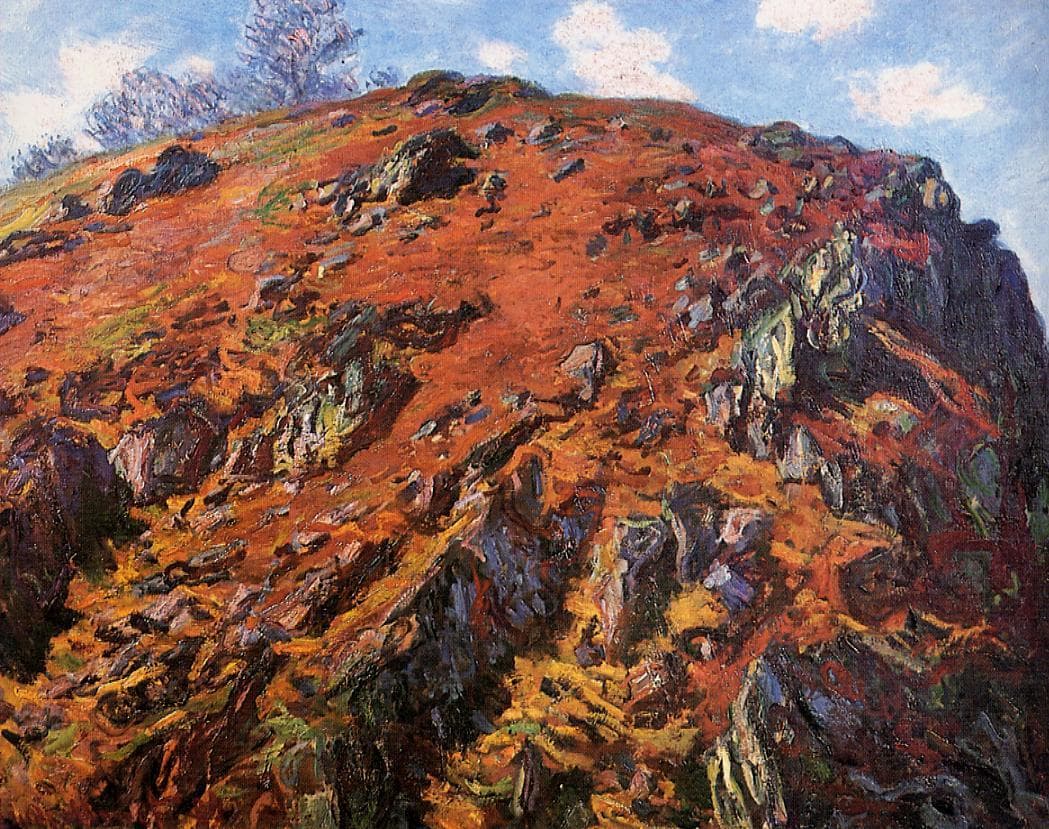
Study of Rocks, Creuse ('Le Bloc')
Claude Monet · 1889
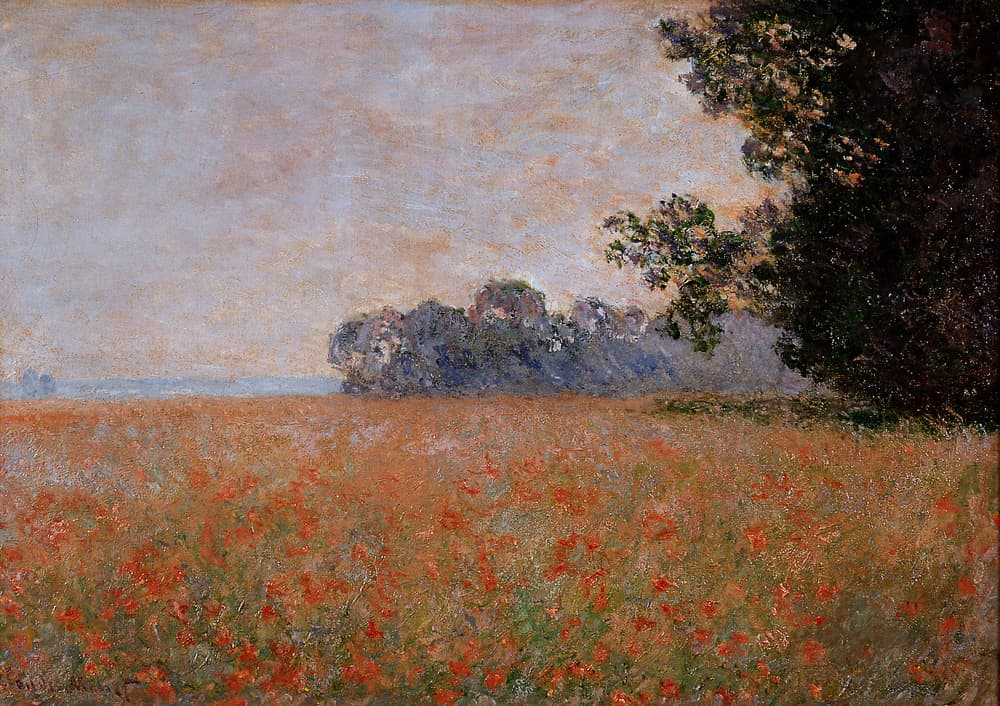
Oat Field with Poppies
Claude Monet · c. 1890
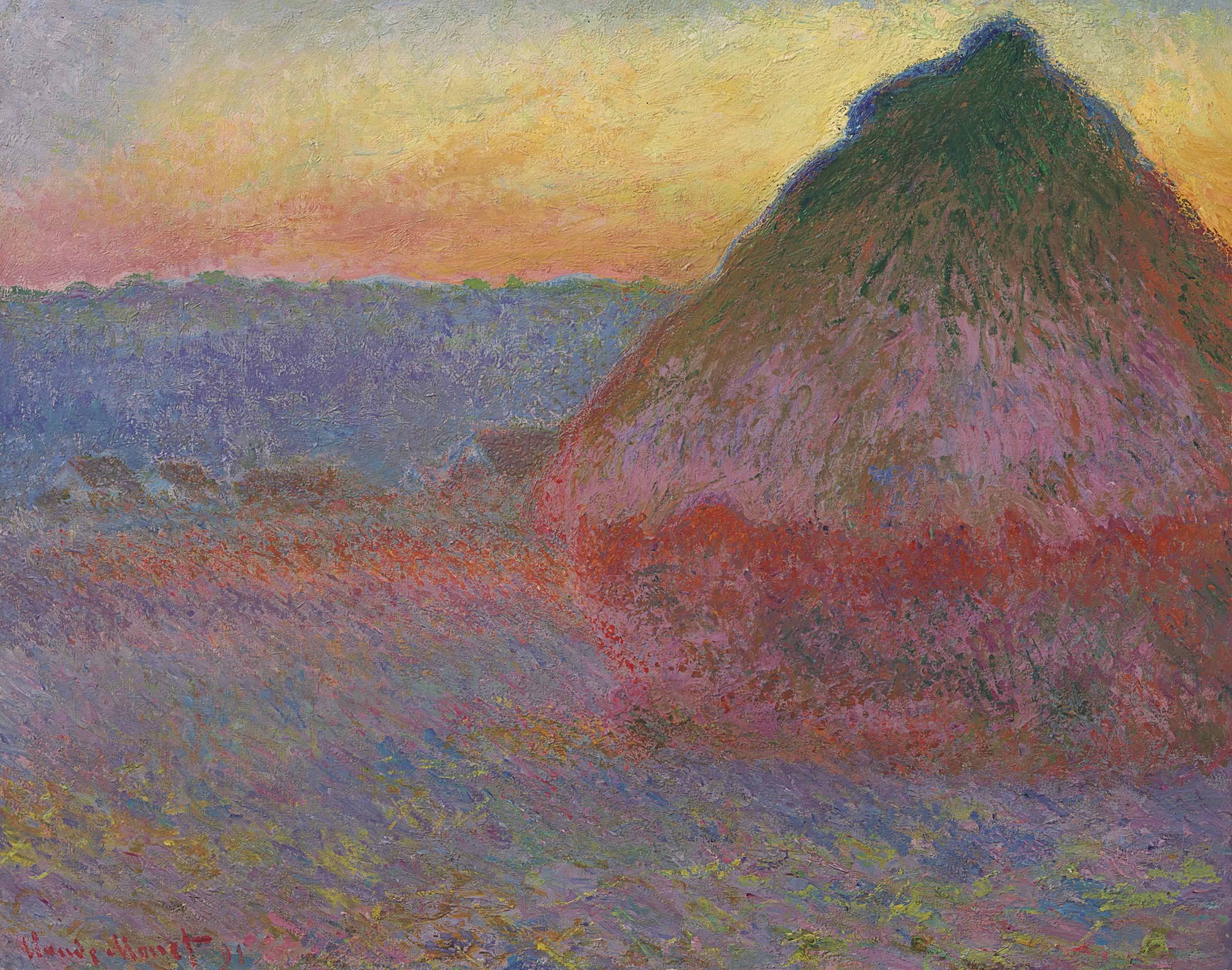
Grainstack in the Sunlight
Claude Monet · 1891
Also painted in 1889
The same year
Kindred works
You may also study
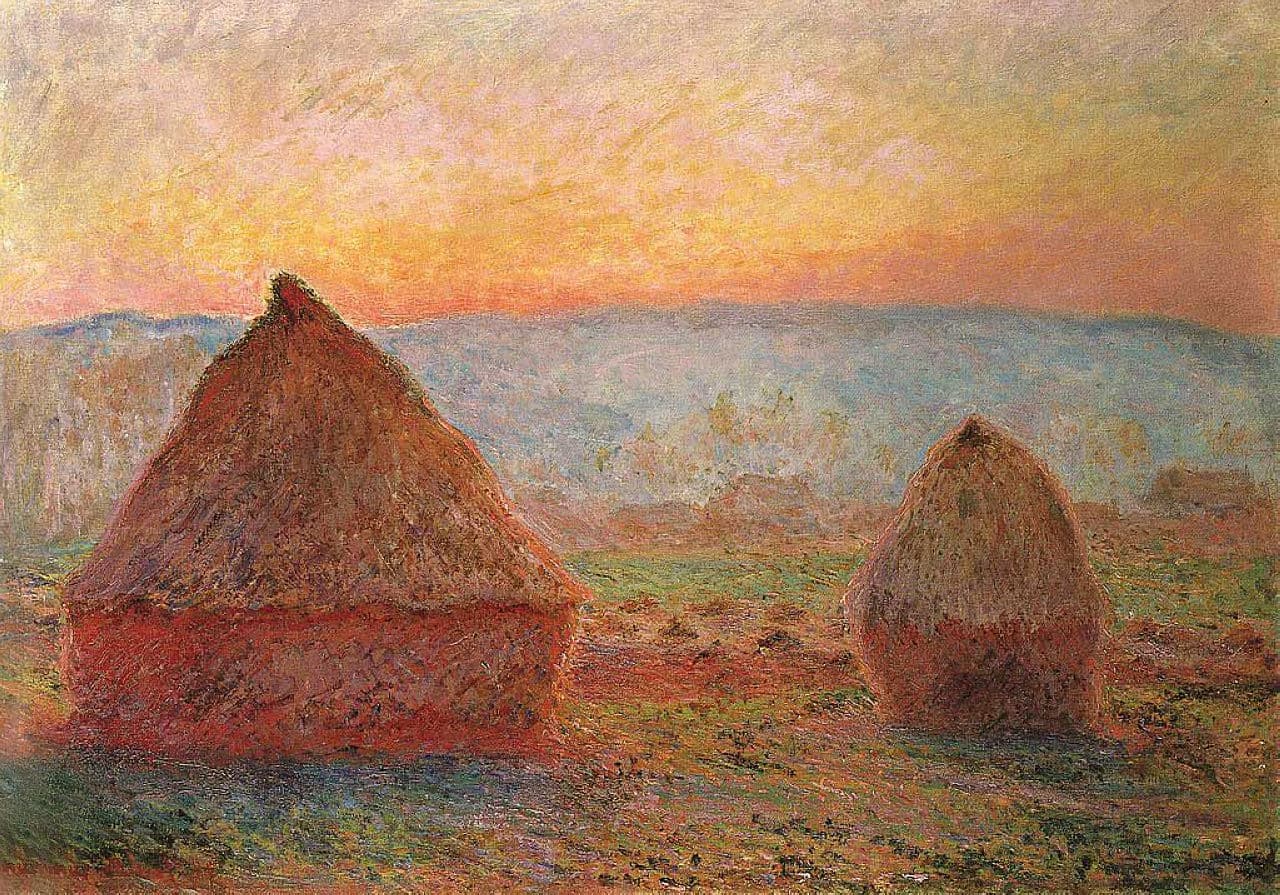
Grainstacks at Giverny, the Evening Sun
Claude Monet · 1888–89
Grainstacks at Giverny, Morning Effect
Claude Monet · 1889
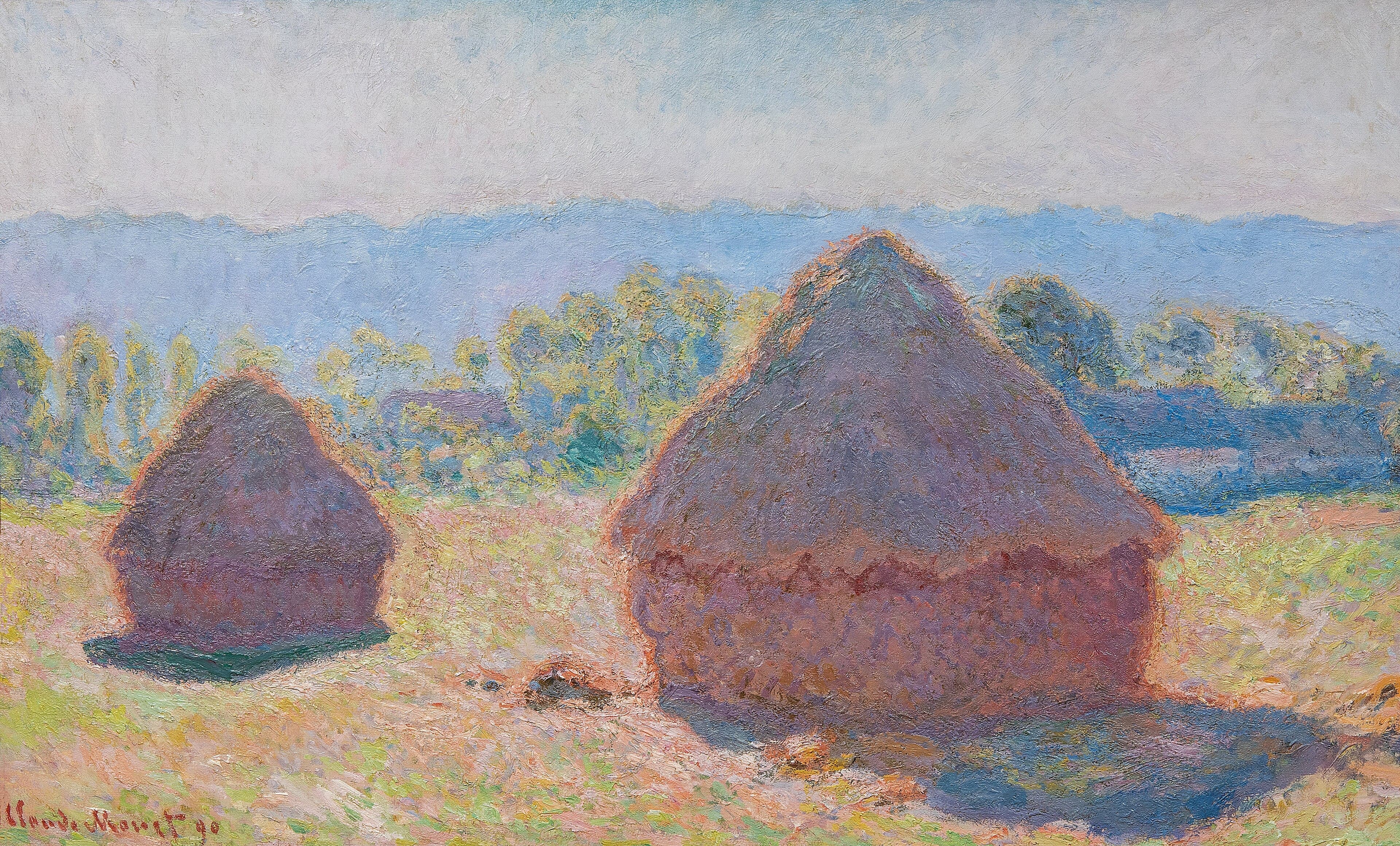
Grainstacks, in Bright Sunlight
Claude Monet · 1890
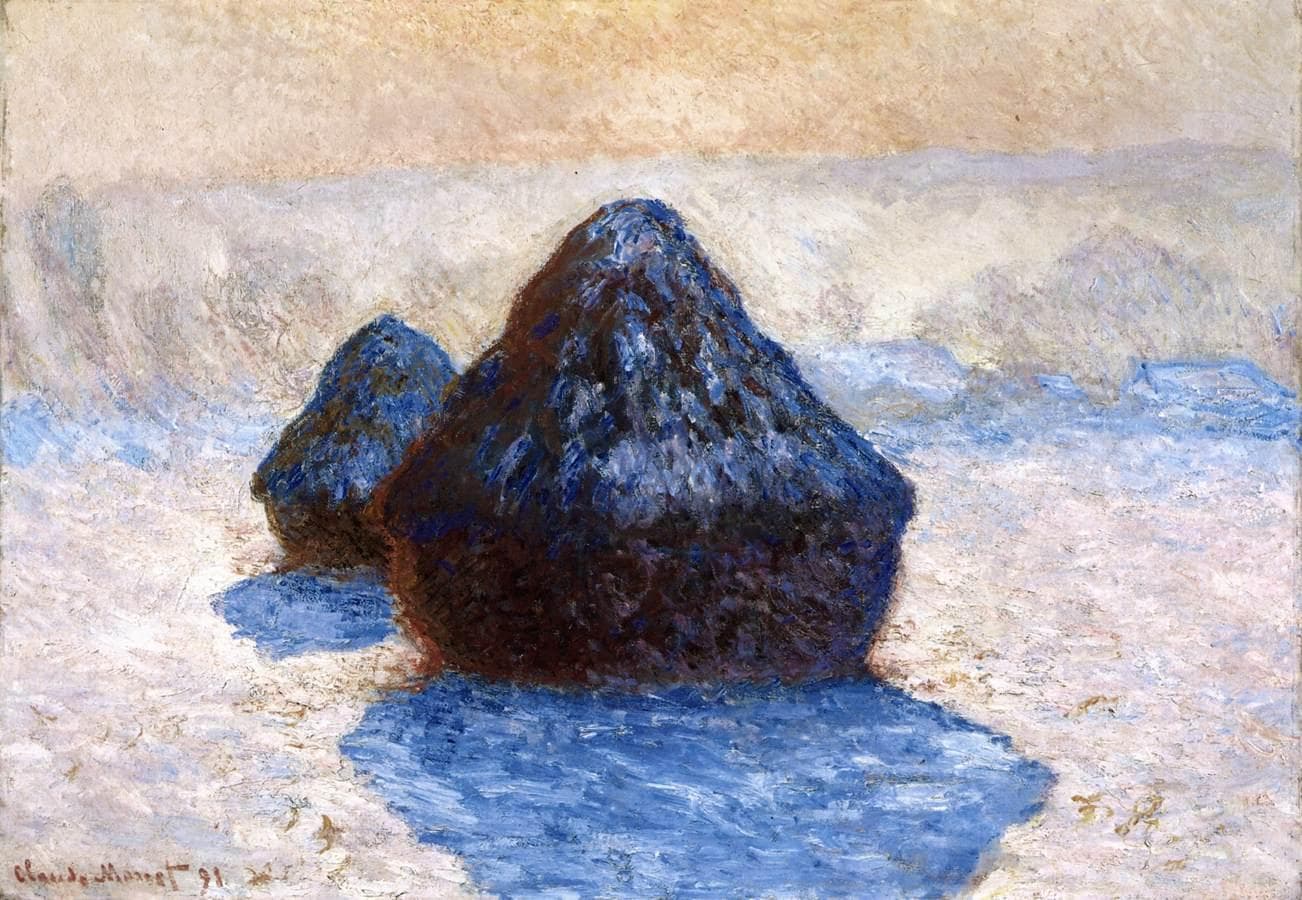
Haystacks, Snow Effect
Claude Monet · 1891
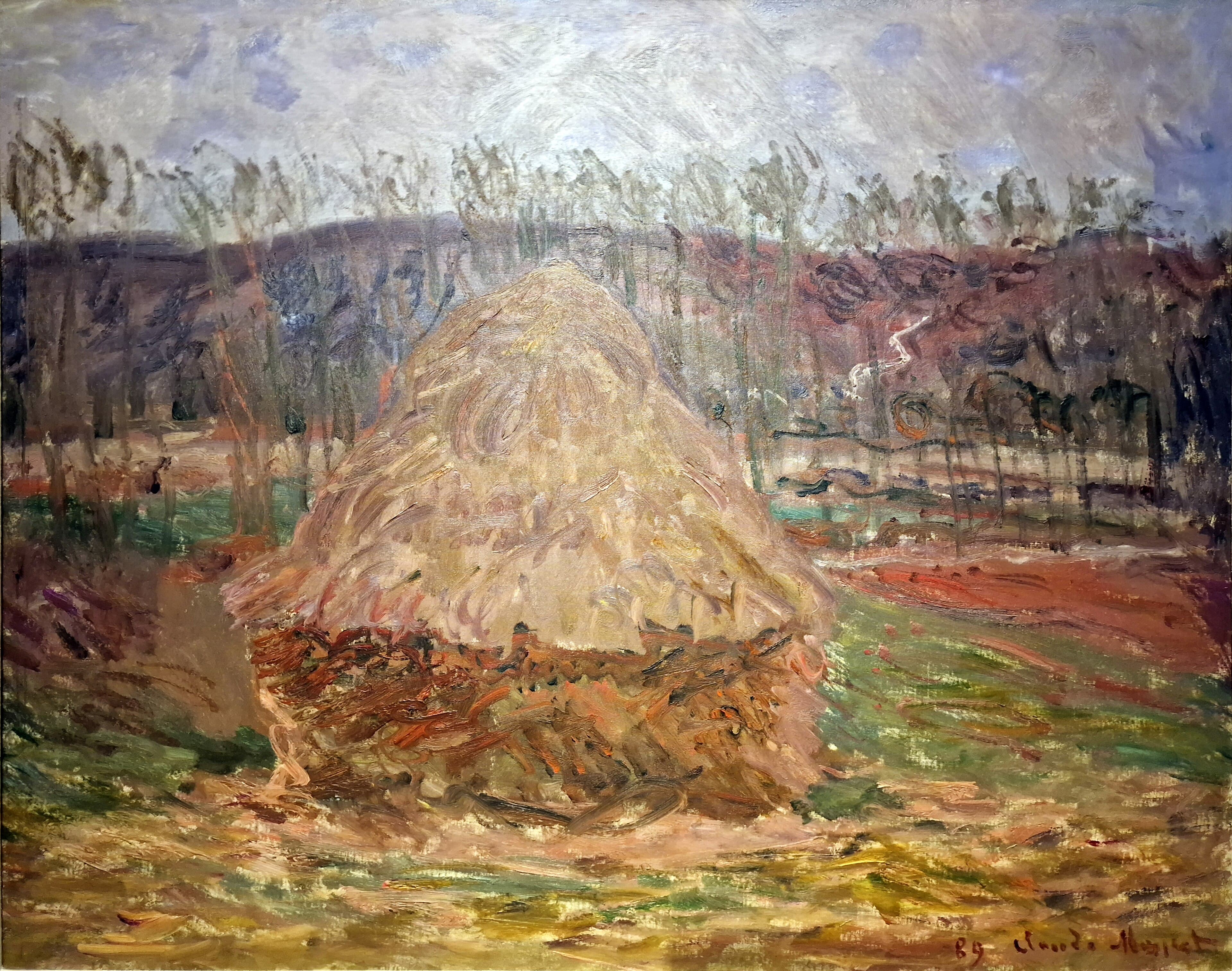
Grainstack at Giverny
Claude Monet · 1889
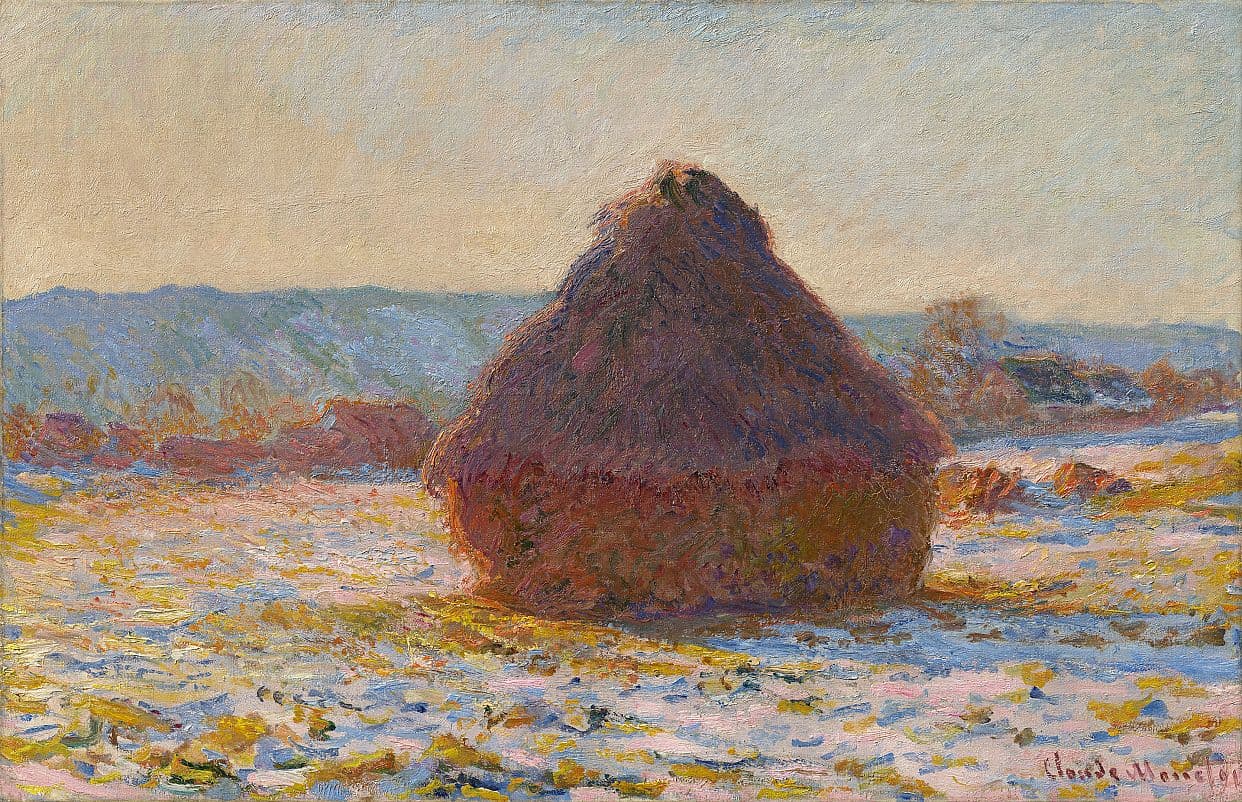
Grainstack in the Sunlight, Snow Effect
Claude Monet · 1891
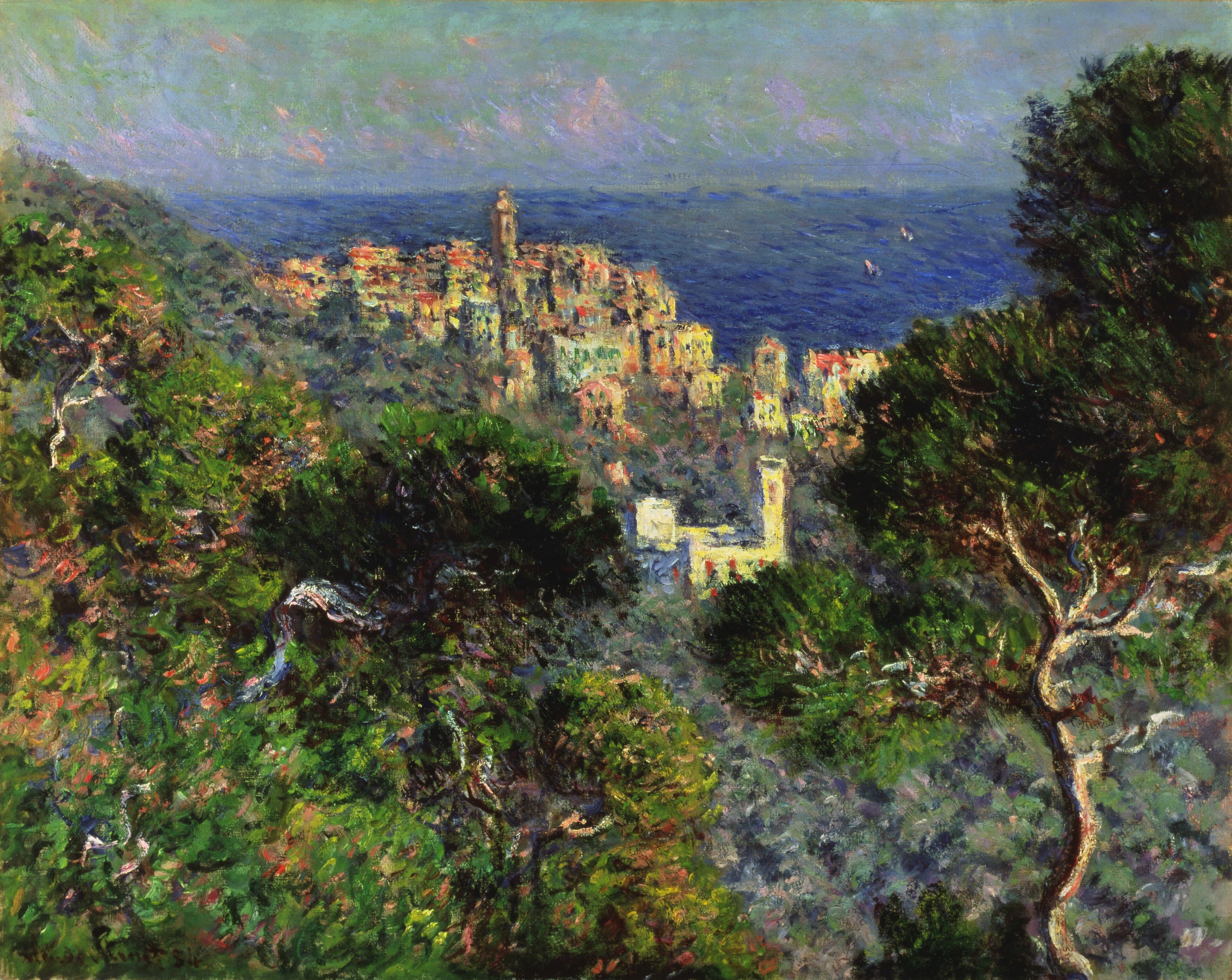
View of Bordighera
Claude Monet · 1884
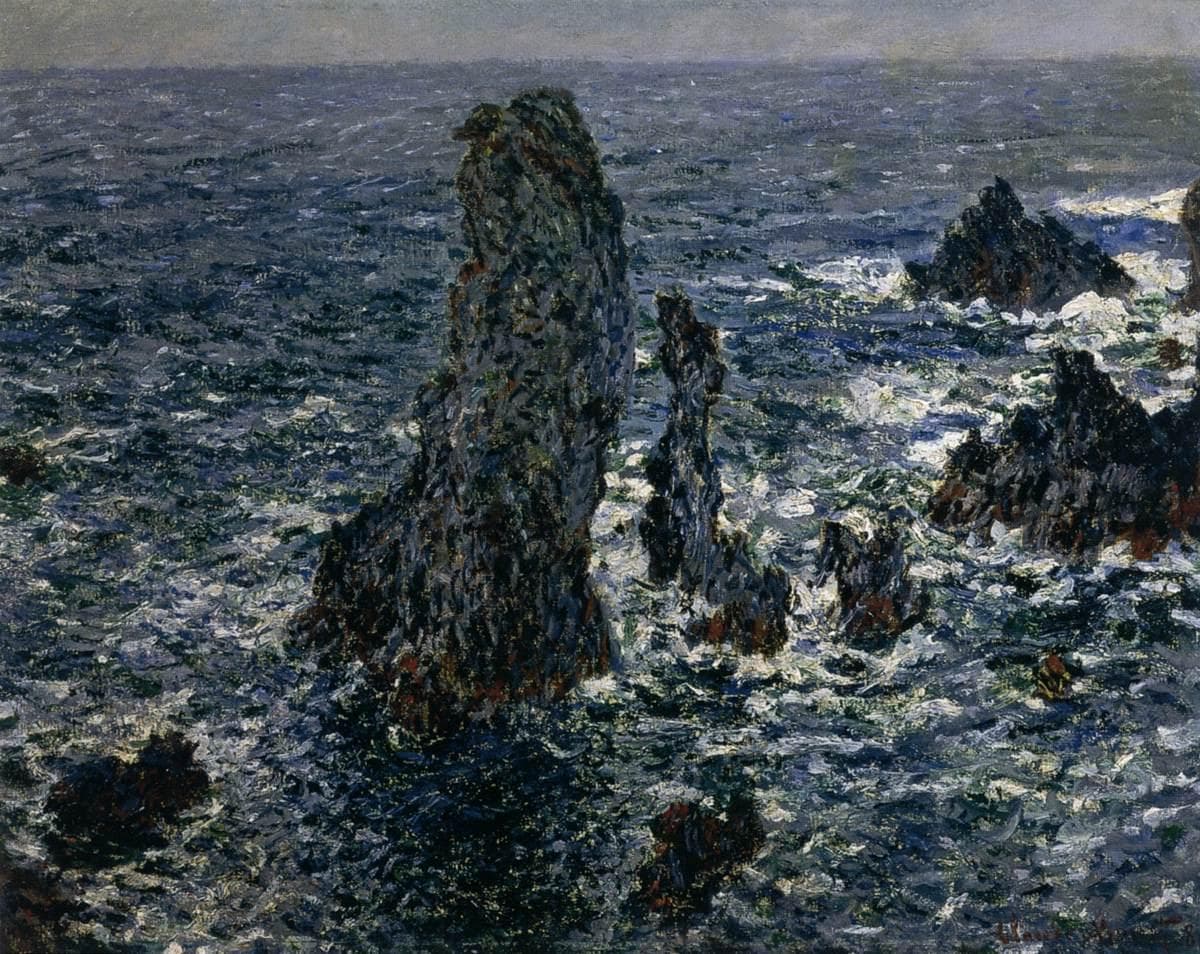
The Pyramides at Port-Coton, Rough Sea
Claude Monet · 1886