Image: Hammer Museum, Los Angeles (Armand Hammer Collection) · Public domain · via Wikimedia Commons
View of Bordighera
Claude Monet, 1884
View of Bordighera is an 1884 painting by Claude Monet of the old hill town of Bordighera on the Italian Riviera, seen across pines from the Collina dei Mostaccini with the deep blue Mediterranean behind. It is in the Hammer Museum, Los Angeles.
- Artist
- Claude Monet
- Date
- 1884
- Medium
- Oil on canvas
- Dimensions
- 66 × 81.8 cm
- Collection
- Hammer Museum, Los Angeles, United States
- Movement
- Impressionism
- Catalogue
- Wildenstein 853
- Nature & Landscape
- Water & Sea
Claude Monet's View of Bordighera (Vue de Bordighera) was painted in 1884 during his three-month stay on the Italian Riviera. It shows the old town of Bordighera from a wooded slope to the west, with the sea rising behind it like a wall of blue. The canvas, 66 by 81.8 centimeters (Wildenstein 853), is in the Armand Hammer Collection at the Hammer Museum in Los Angeles.
What you are looking at
The painting is built like a stage set. Two masses of dark pine frame the view: a dense, rounded clump at left and, at right, a tree whose pale trunk and limbs twist across the green like white veins. Through the gap between them the eye drops to a tight cluster of houses on a ridge, painted in sugared pinks, creams and yellows and dominated by the square campanile of the church of Santa Maria Maddalena. Lower down, a white building with its own tower catches the full sun and is the brightest thing on the canvas.
Behind the town, the Mediterranean is laid in as a single band of ultramarine, so dark and saturated it almost reads as a second hillside. Two tiny white sails float on it at right. The sky above is pale and streaky, washed with lilac, pink and green, as if the heat were bleaching it. The foreground vegetation, by contrast, is a riot of greens shot through with red, orange and blue touches that suggest flowers, new growth and reflected light.
The small detail to look for is the twisting white branch at the right edge. Monet paints it with thick, broken strokes of cream and ocher, and it acts as a frame within the frame, leading the eye from the foreground down toward the town.
Where and when
Monet first saw Bordighera with Renoir in December 1883 and came back alone in January 1884, planning a short visit that stretched until April. He found the light both thrilling and exhausting, writing to friends about the impossible blues and pinks he was trying to match. Much of his work there was done from the hills behind the town. This view was taken from the Collina dei Mostaccini, a slope west of Bordighera that looks over the old quarter toward the sea.
The Bordighera views and how this one differs
Monet painted the old town from this hillside more than once. A closely related canvas, Bordighera in the Art Institute of Chicago (Wildenstein 854), shows the same town and sea through a screen of pines, but there the twisted trunks of the trees dominate the foreground. In the Hammer picture the trees part to make room for the view, and the town and the dark band of sea take center stage. The same campanile also appears in the background of Villas at Bordighera in the Hasso Plattner Collection, and Monet's palm-filled garden views, such as Palm Trees at Bordighera in the Met, belong to the same campaign.
What sets this version apart is its contrast of near and far. The foreground is cool and dense, the town warm and luminous, the sea almost black-blue. It is one of the most strongly colored of all the Bordighera pictures, and a clear sign of how far the southern light pushed Monet's palette.
How it was painted
The surface is worked in short, energetic strokes. In the pines they are thick, curling dabs of dark green and blue; in the town they become small squarish patches of pink and cream, each a wall or roof; in the sea they are horizontal, smoother and more even. Monet uses almost no black: the darkest passages are deep greens and blues. The signature and date, "Claude Monet 84", are written in the lower left corner.
Where to see it
The painting is part of the Armand Hammer Collection at the Hammer Museum, University of California, Los Angeles, the gift of the Armand Hammer Foundation. In 2018 it traveled to London for the National Gallery exhibition Monet and Architecture. For Monet's southern work as a whole, see Monet on the Mediterranean; for other museums with his paintings, Where to See Monet's Paintings; and for the artist, Claude Monet.
Questions & answers
Where is Monet's View of Bordighera?
View of Bordighera (1884) is in the Hammer Museum at UCLA in Los Angeles, as part of the Armand Hammer Collection, gift of the Armand Hammer Foundation. It was lent to the National Gallery in London for the 2018 exhibition Monet and Architecture.
When and where was View of Bordighera painted?
Monet painted it in early 1884 at Bordighera on the Italian Riviera, close to the French border. He worked from the Collina dei Mostaccini, a hill west of the town that looks over the old quarter and its church tower toward the Mediterranean.
What does View of Bordighera show?
It shows the old hill town of Bordighera, with the bell tower of Santa Maria Maddalena, framed by dark pines and set against a band of deep blue sea. Two small sailboats float on the water, and a twisting pale branch frames the view at right.
Did Monet paint other views of Bordighera?
Yes. Monet painted more than forty canvases there in 1884. A closely related view of the town from the same hillside is in the Art Institute of Chicago, and others show villa gardens, palms and olive groves, including Villas at Bordighera and Palm Trees at Bordighera.
More by the artist
Claude Monet
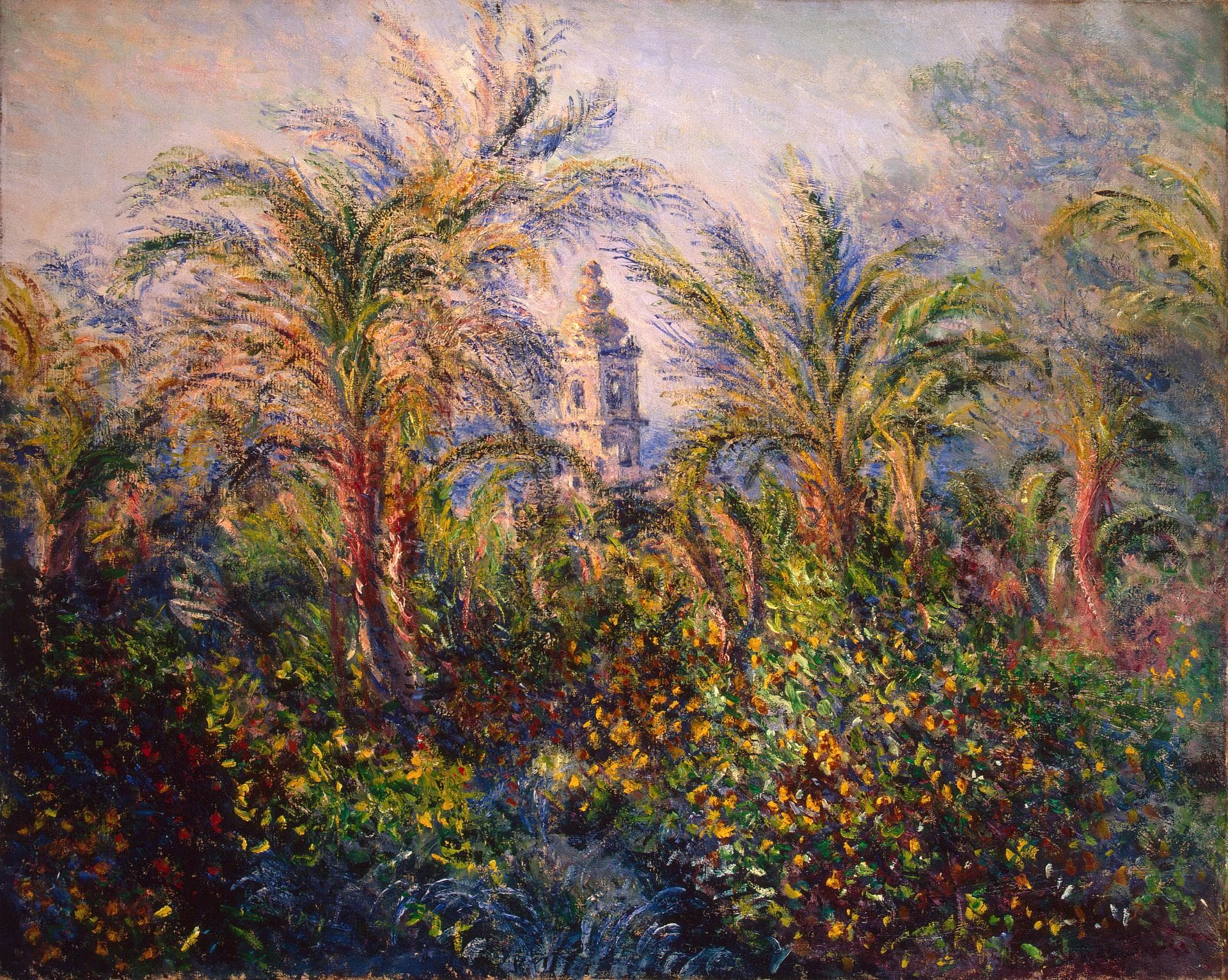
Garden at Bordighera, Impression of Morning
Claude Monet · 1884
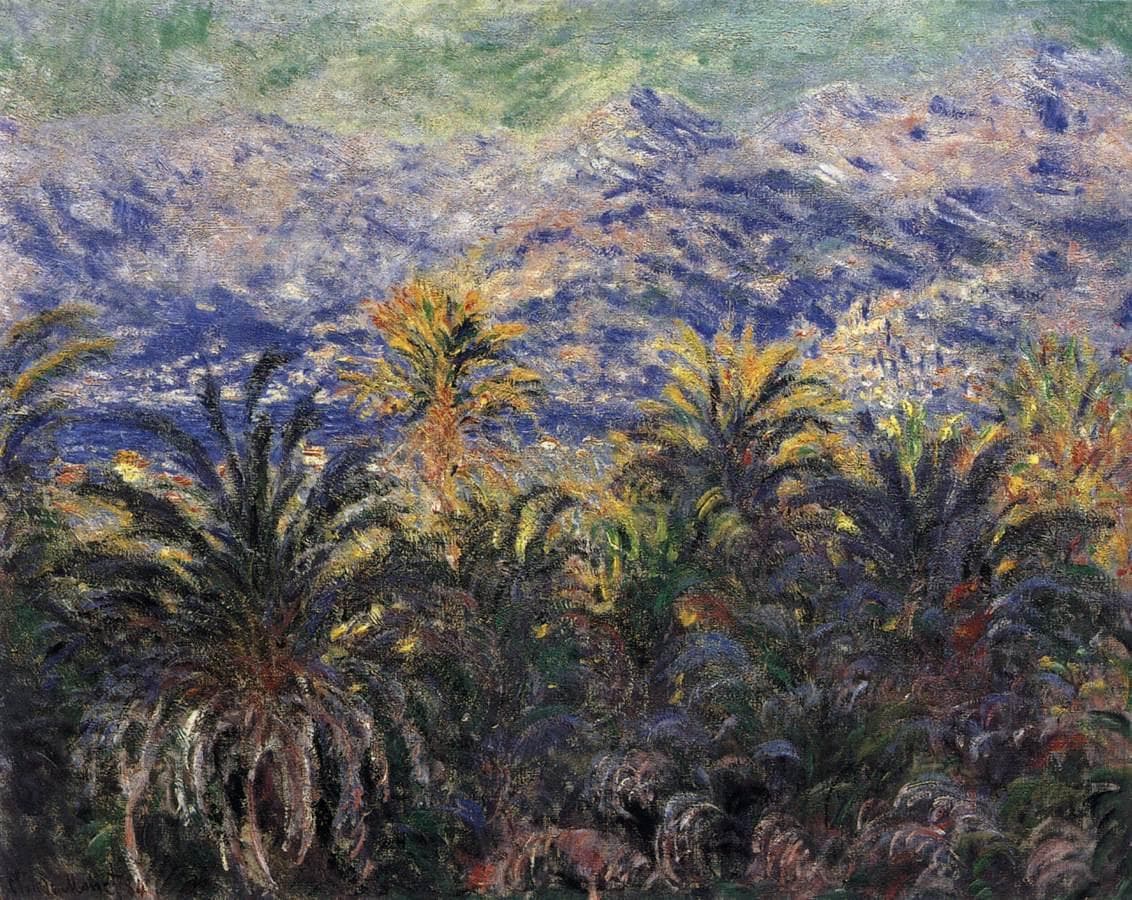
Palm Trees at Bordighera
Claude Monet · 1884
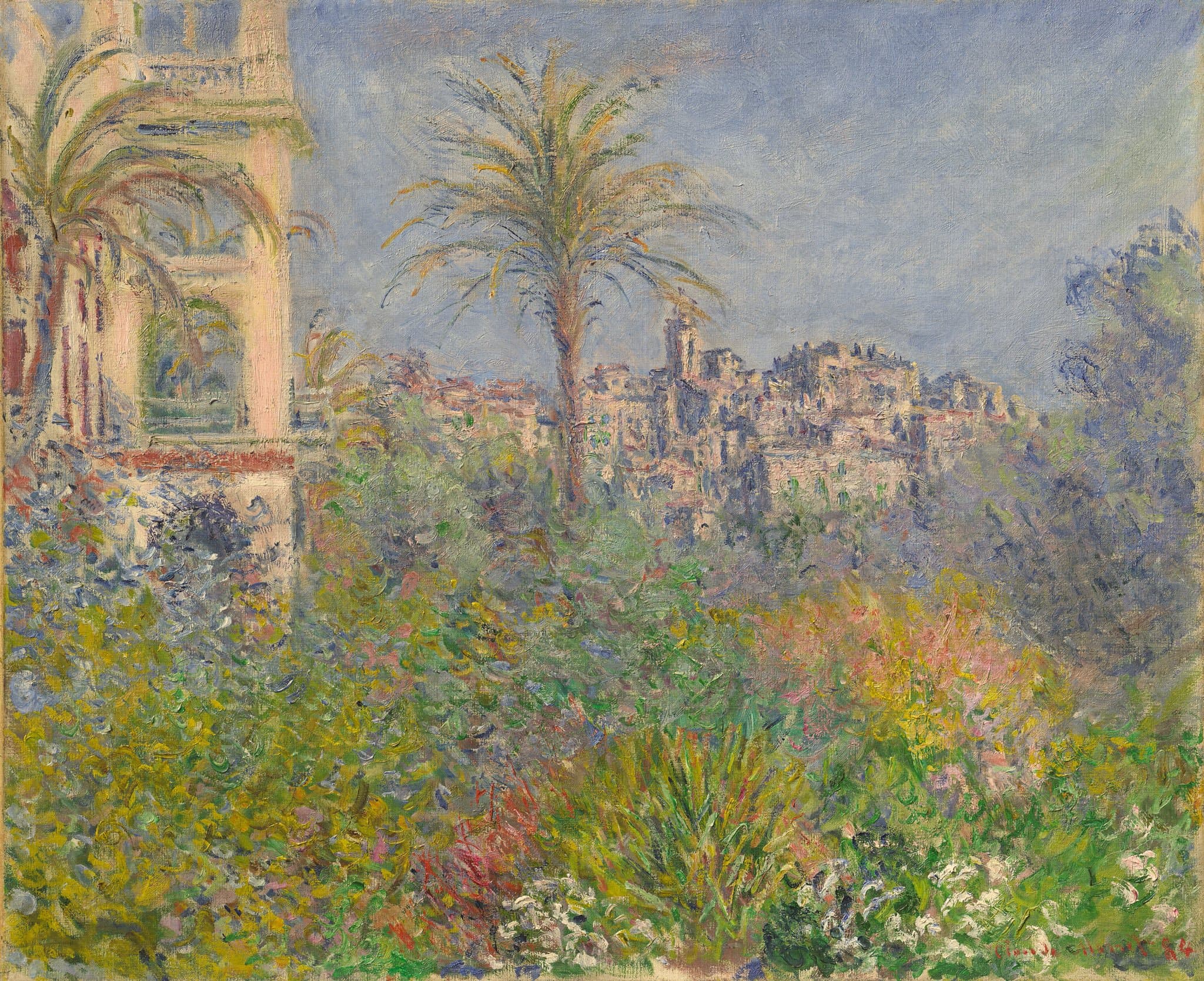
Villas at Bordighera
Claude Monet · 1884
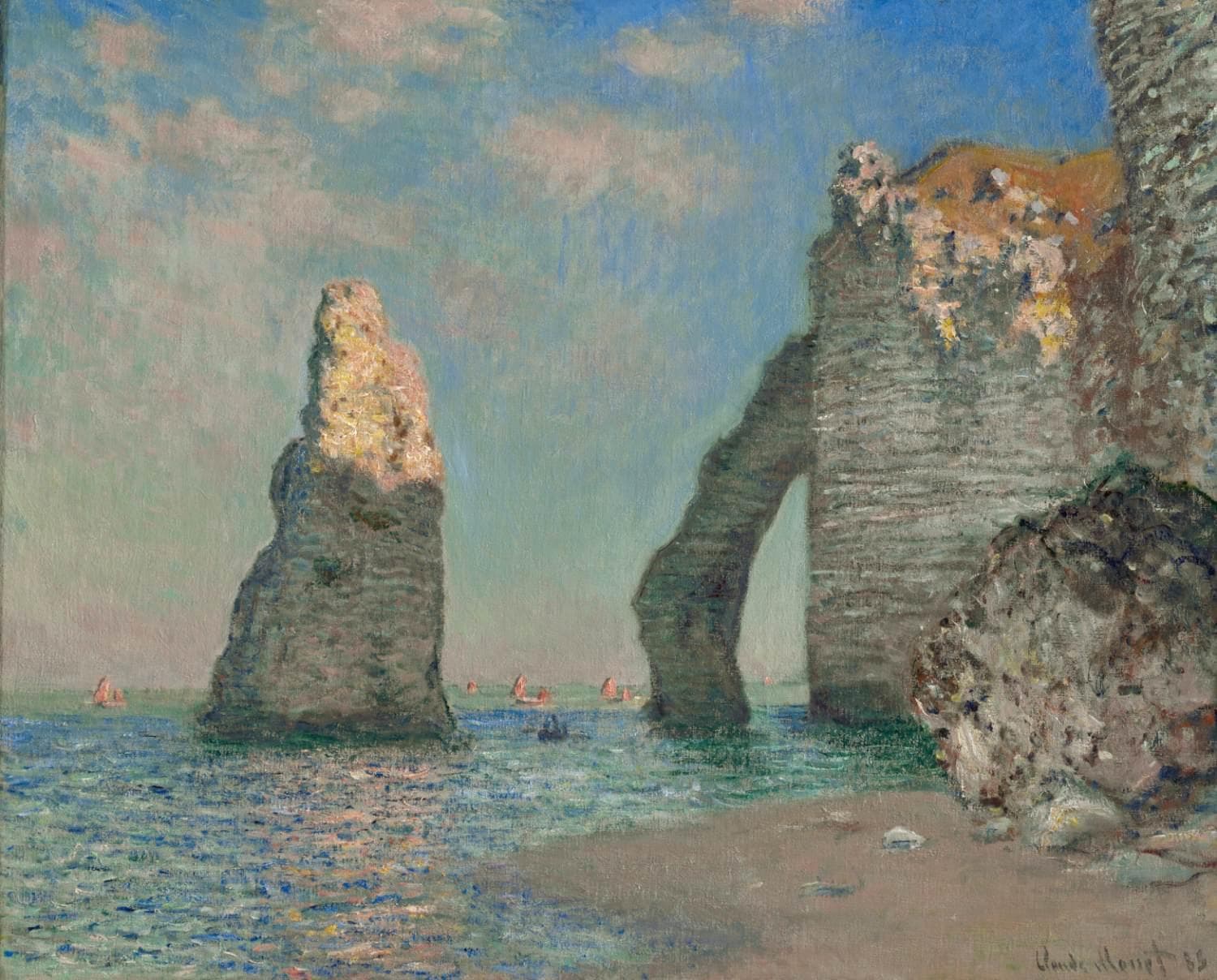
The Cliffs at Étretat
Claude Monet · 1885
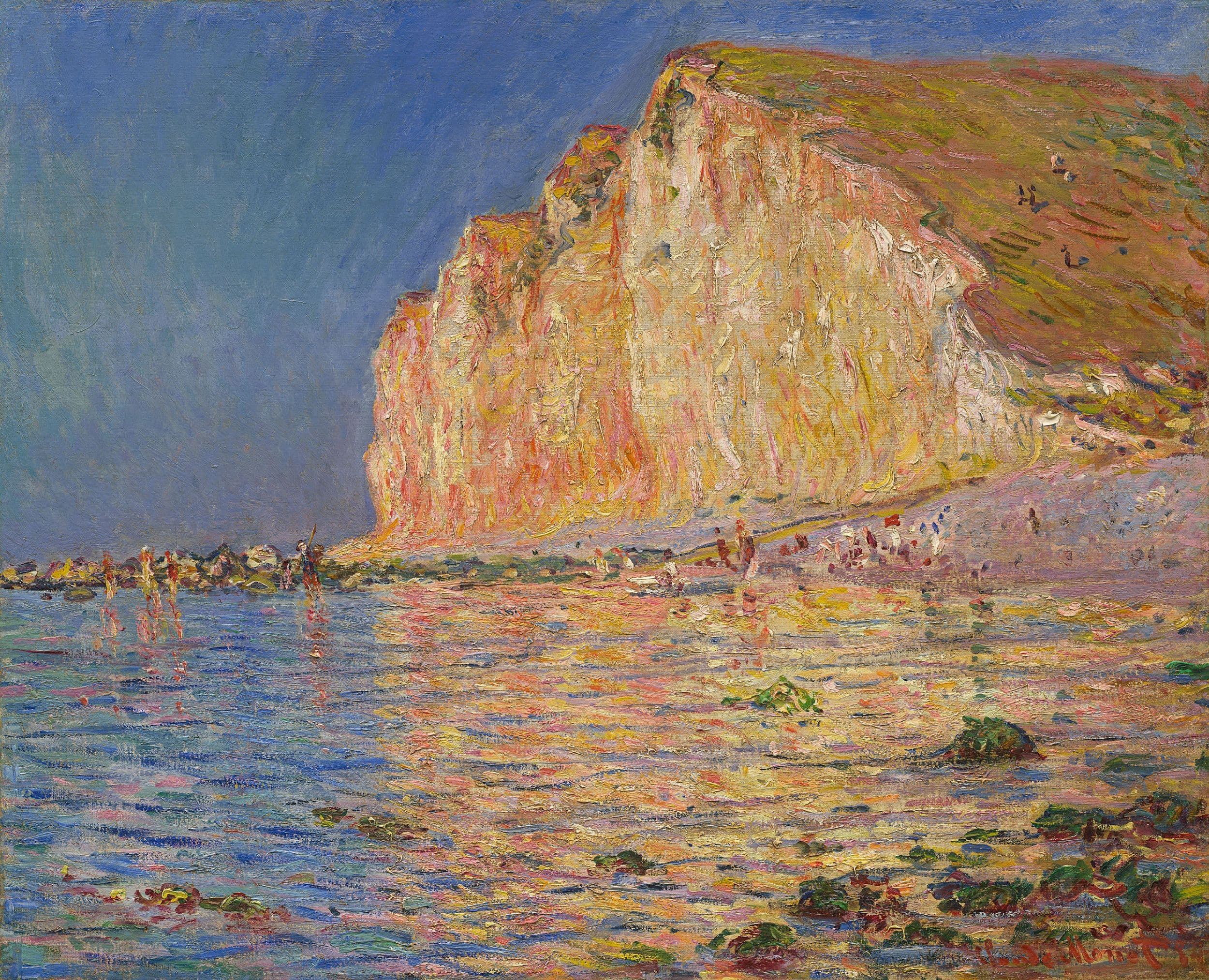
Low Tide at Les Petites-Dalles
Claude Monet · 1884
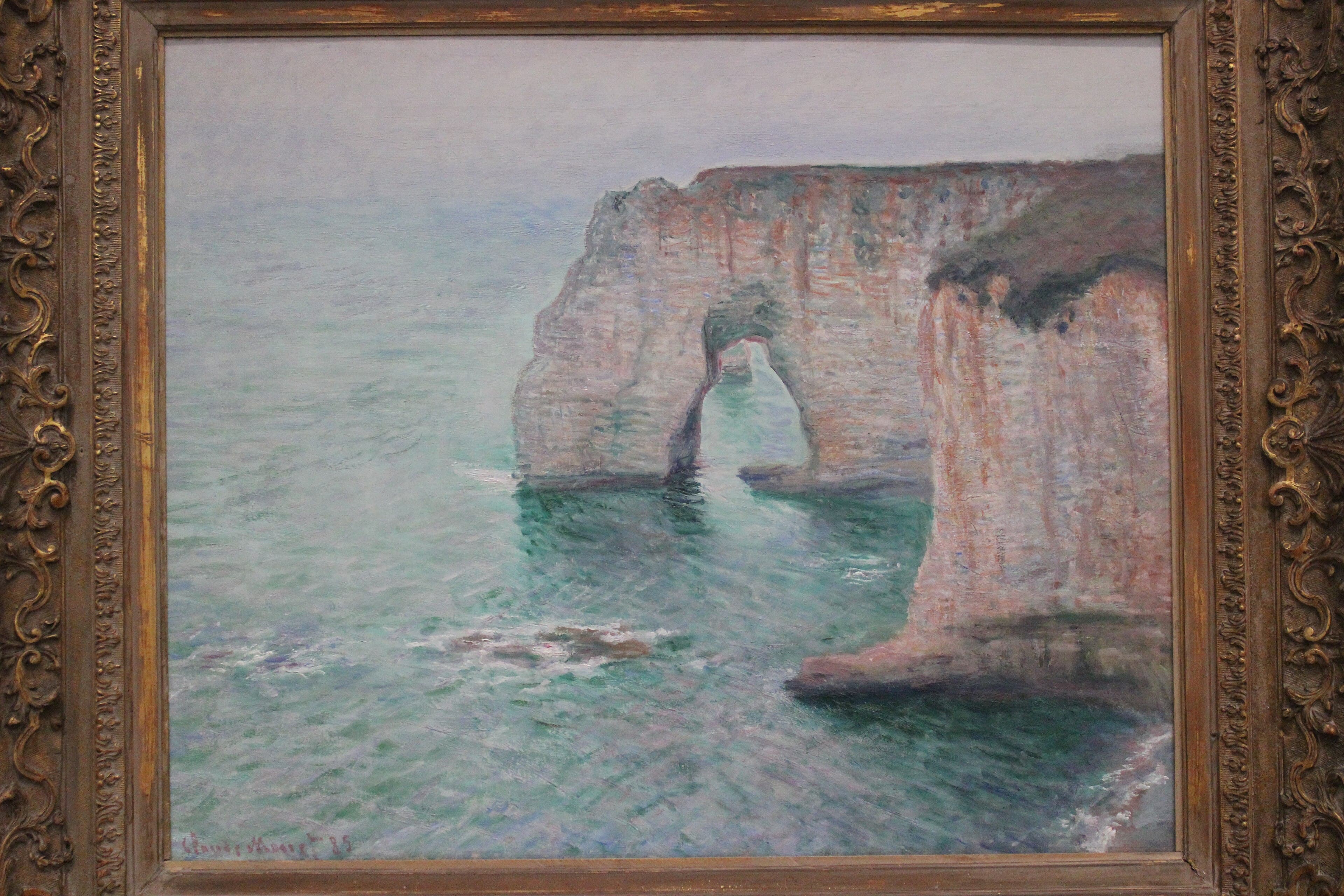
Manne-Porte, Étretat
Claude Monet · 1885
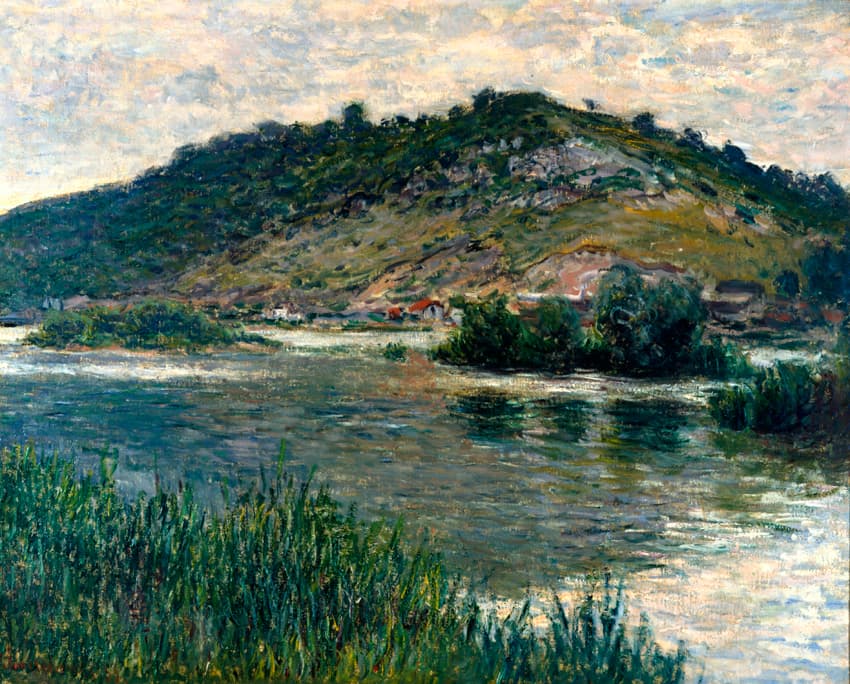
Landscape in Port-Villez
Claude Monet · 1883
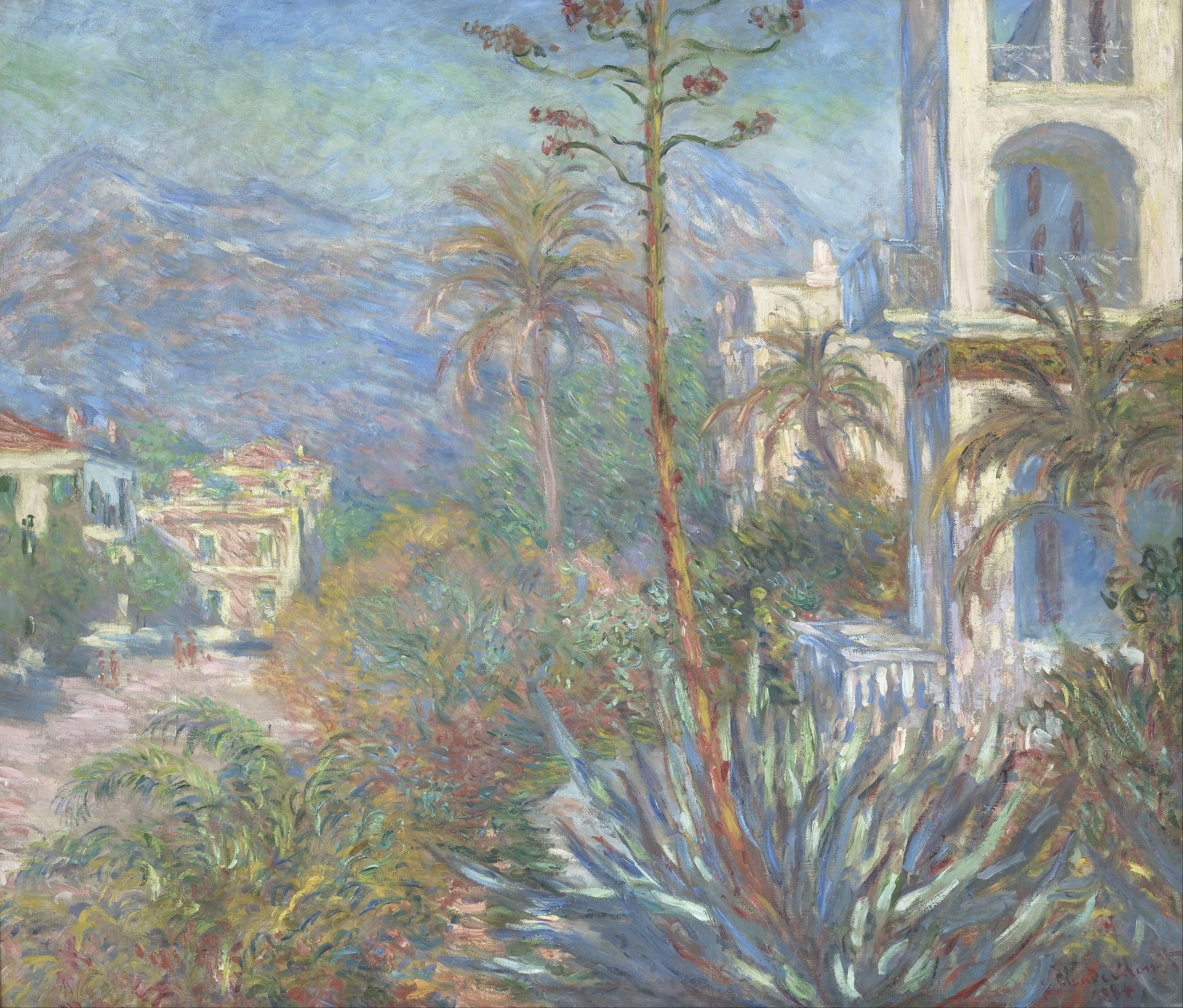
Villas at Bordighera
Claude Monet · 1884
Also painted in 1884
The same year
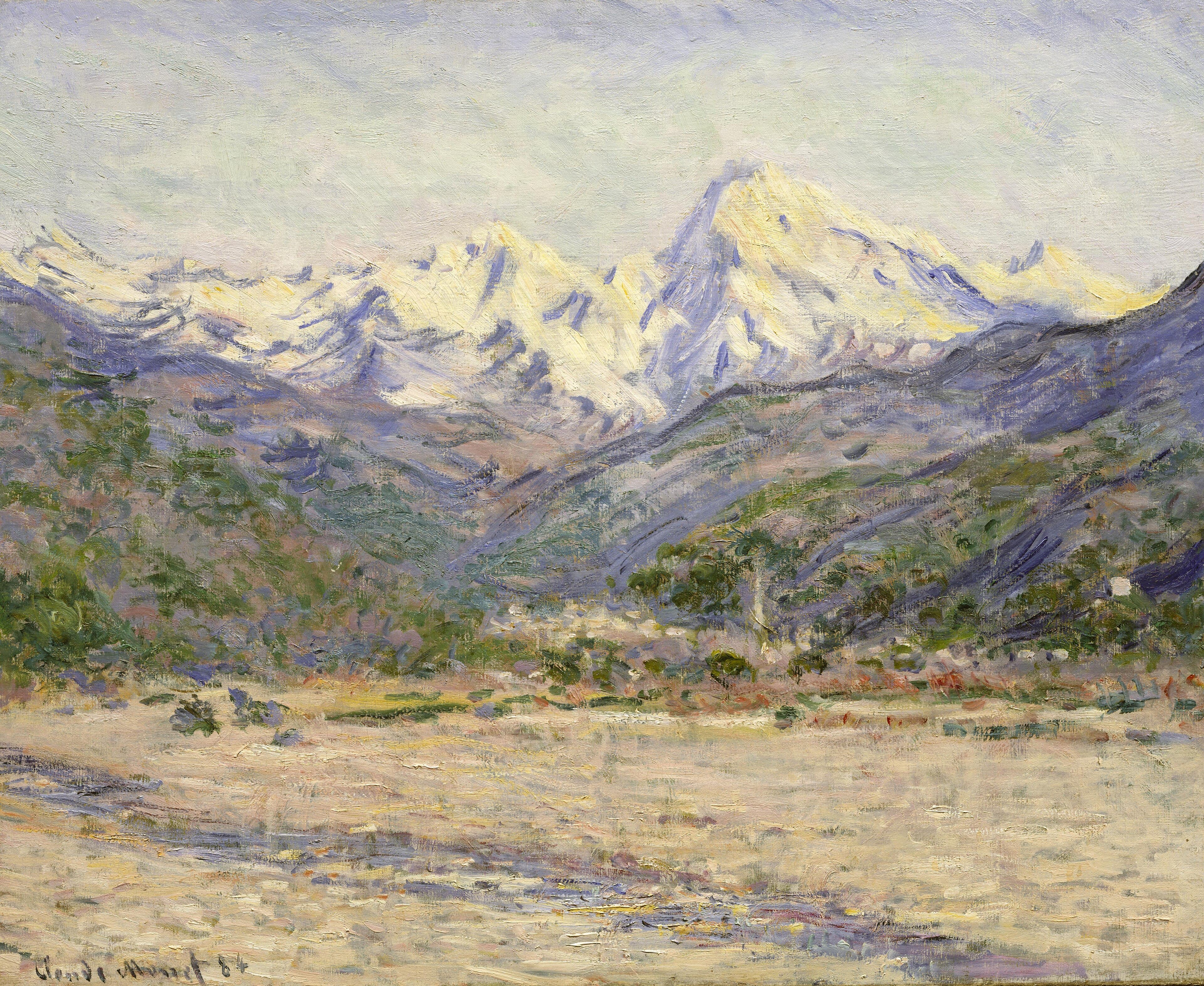
The Valley of the Nervia
Claude Monet · 1884
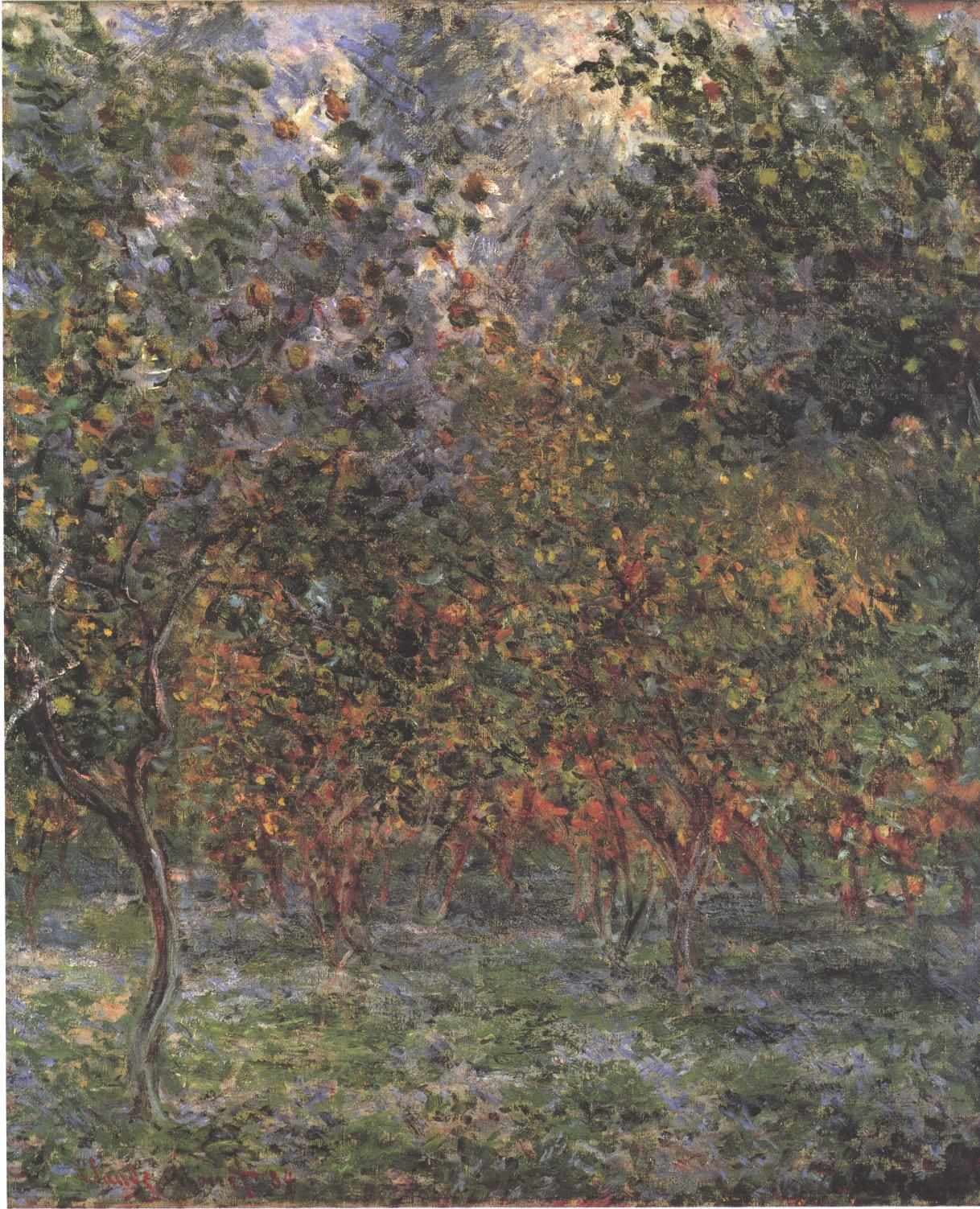
Under the Lemon Trees
Claude Monet · 1884
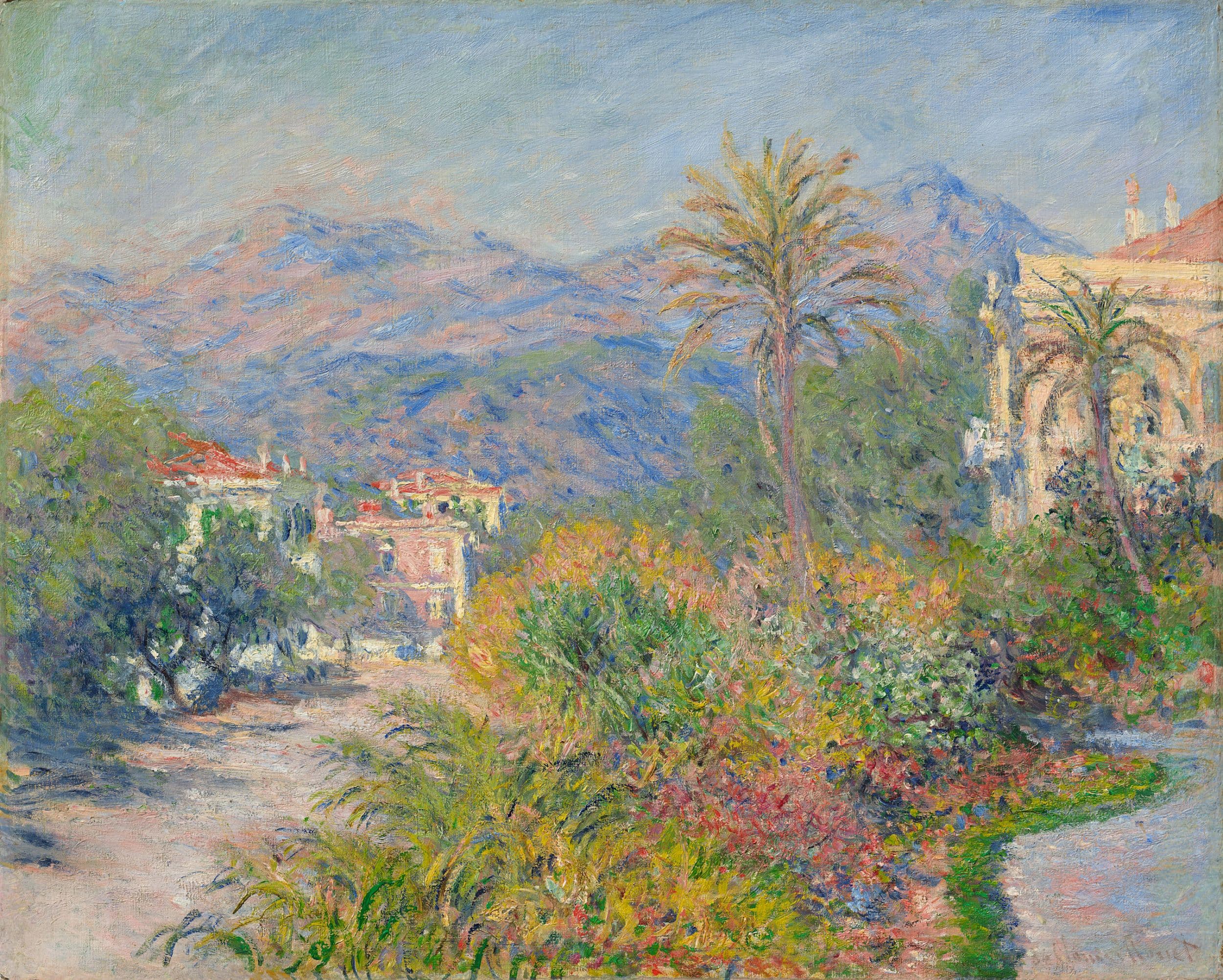
Strada Romana in Bordighera
Claude Monet · 1884
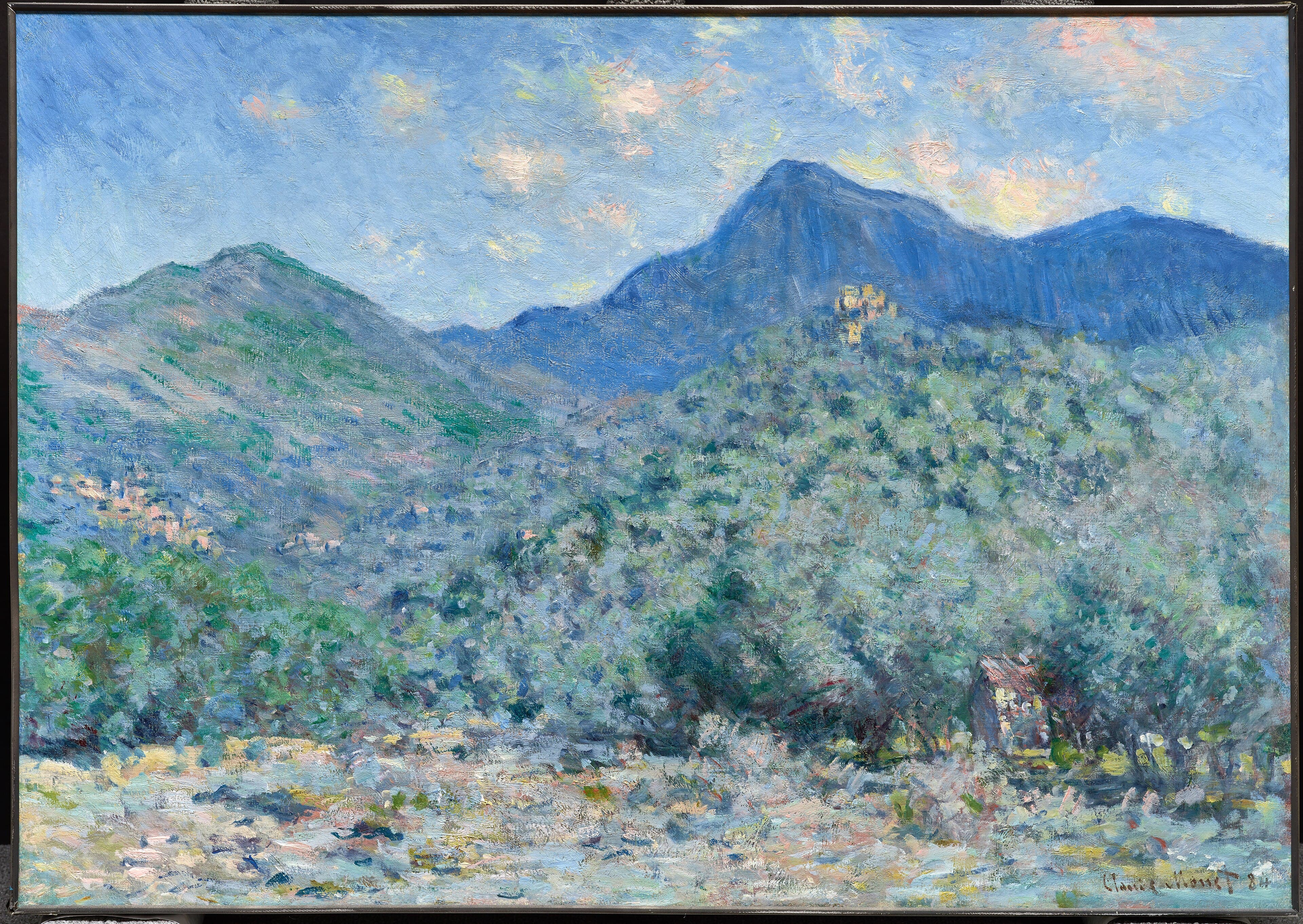
Valle Buona, near Bordighera
Claude Monet · 1884
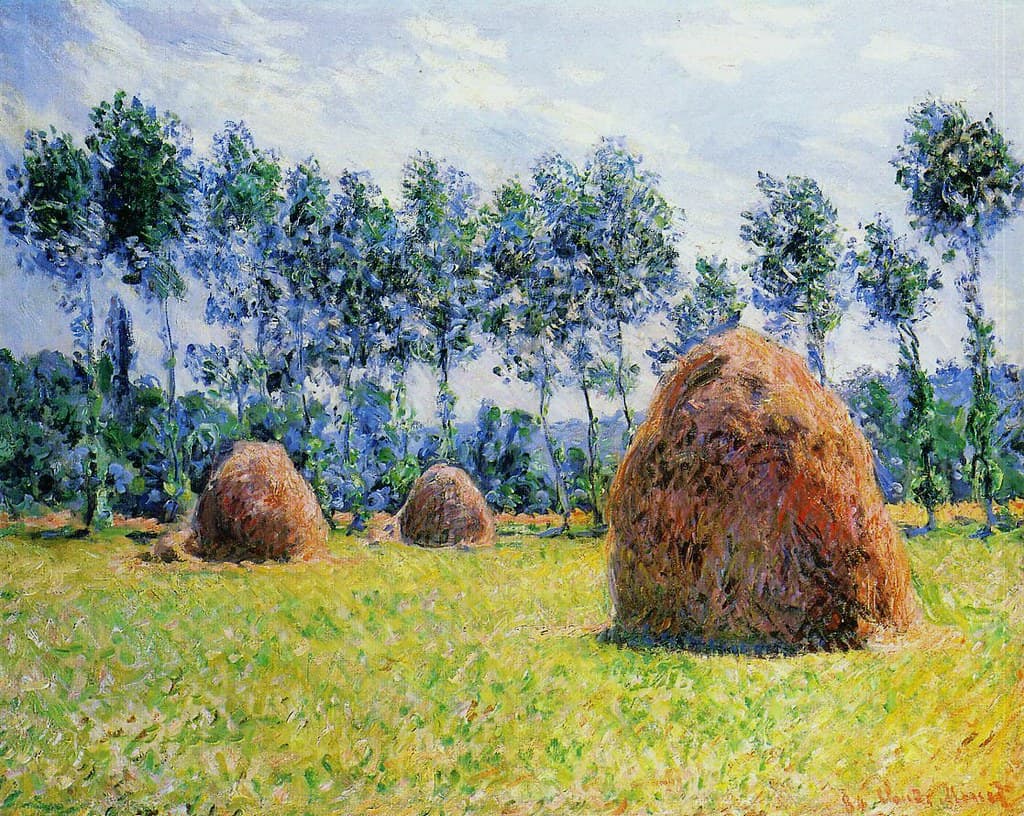
Haystacks at Giverny (1884)
Claude Monet · 1884
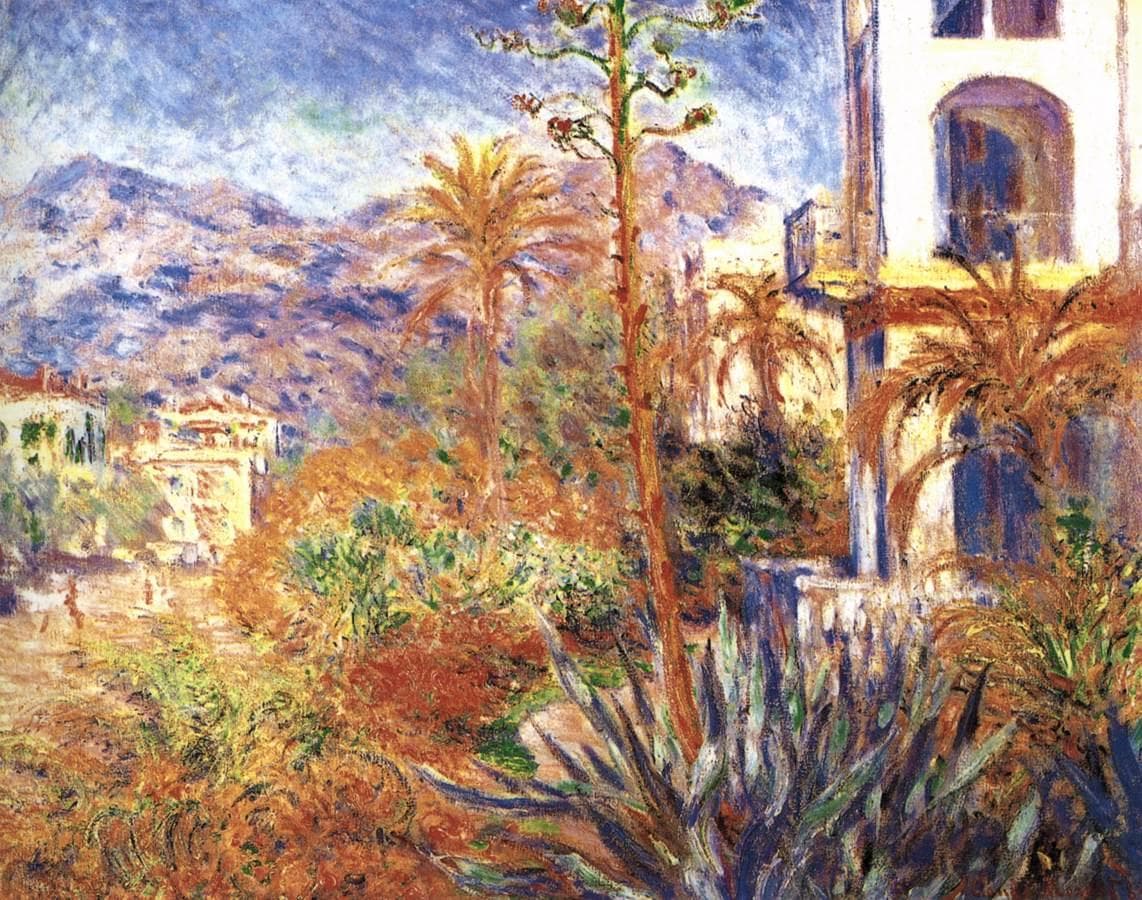
Villas in Bordighera
Claude Monet · 1884
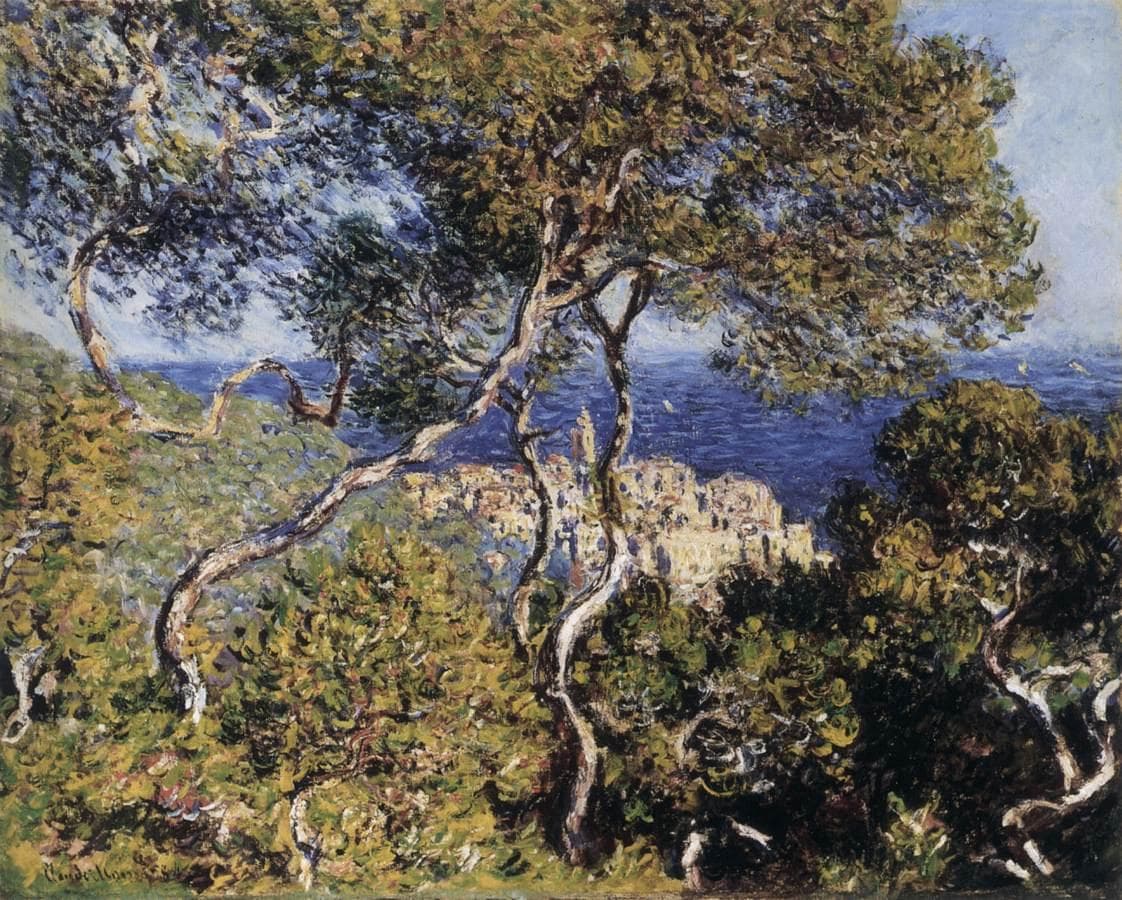
Bordighera
Claude Monet · 1884
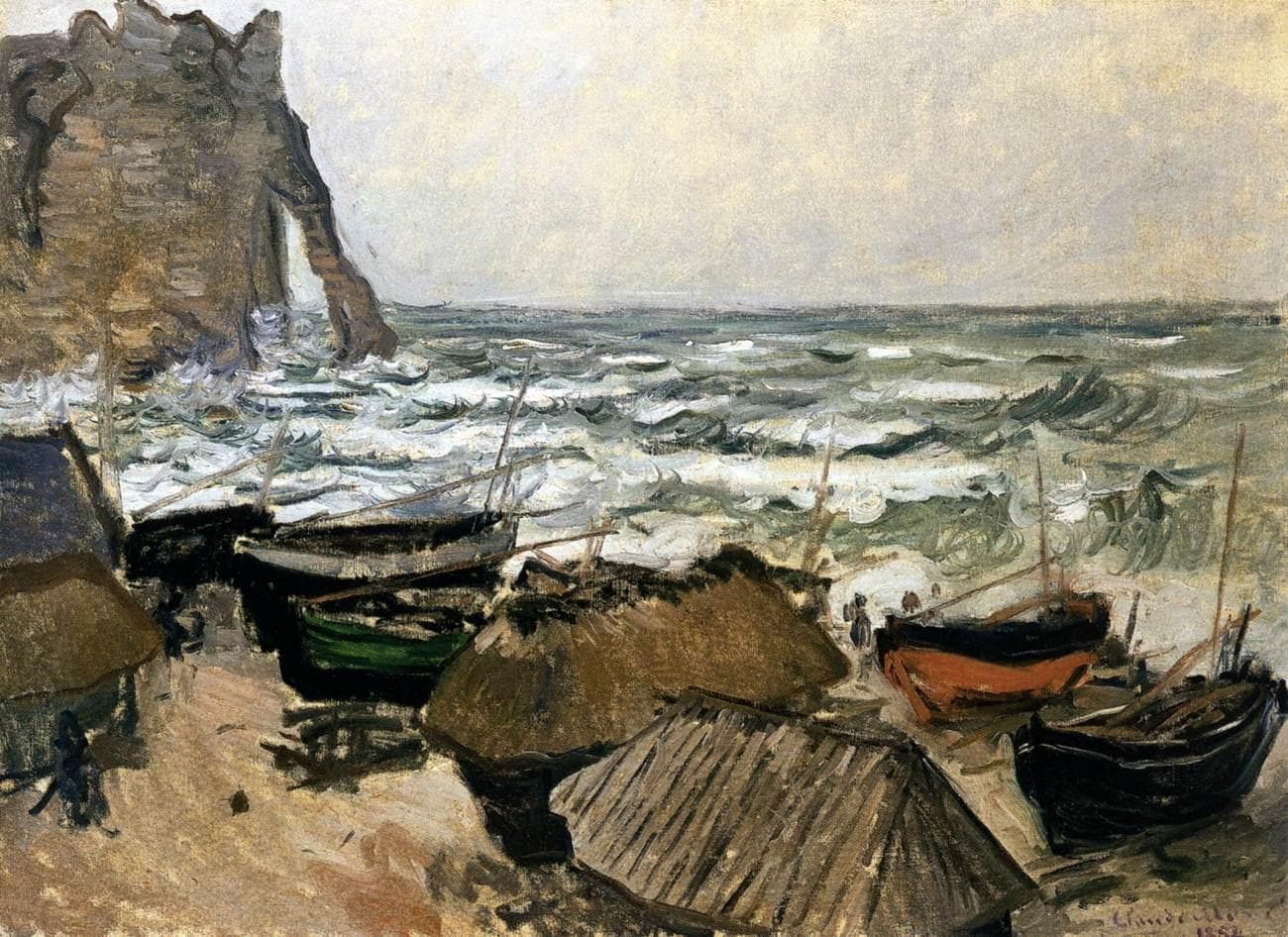
Fishing Boats and the Porte d'Aval
Claude Monet · 1884
Kindred works
You may also study
Bordighera
Claude Monet · 1884
Strada Romana in Bordighera
Claude Monet · 1884
Under the Lemon Trees
Claude Monet · 1884
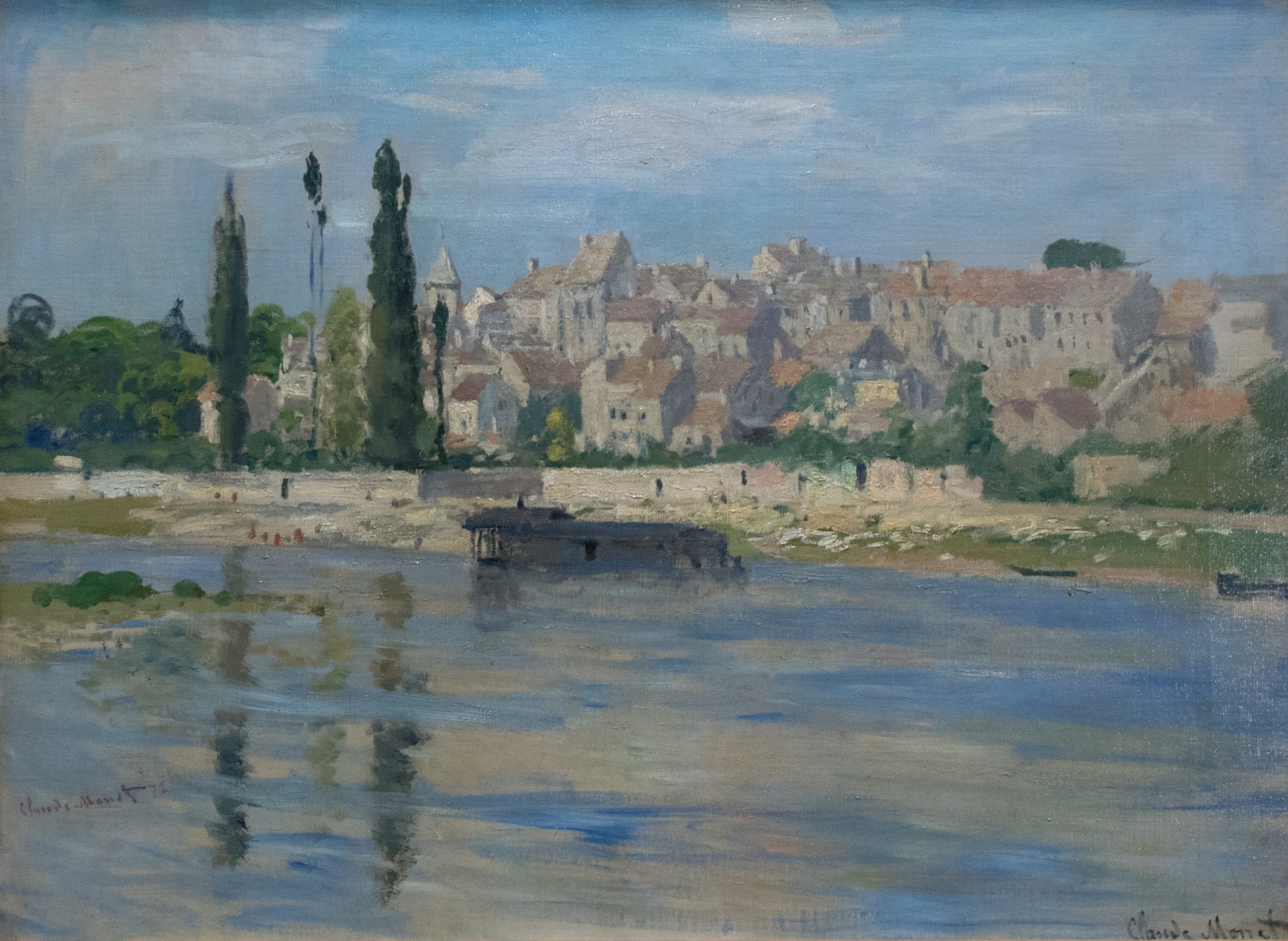
Carrières-Saint-Denis
Claude Monet · 1872
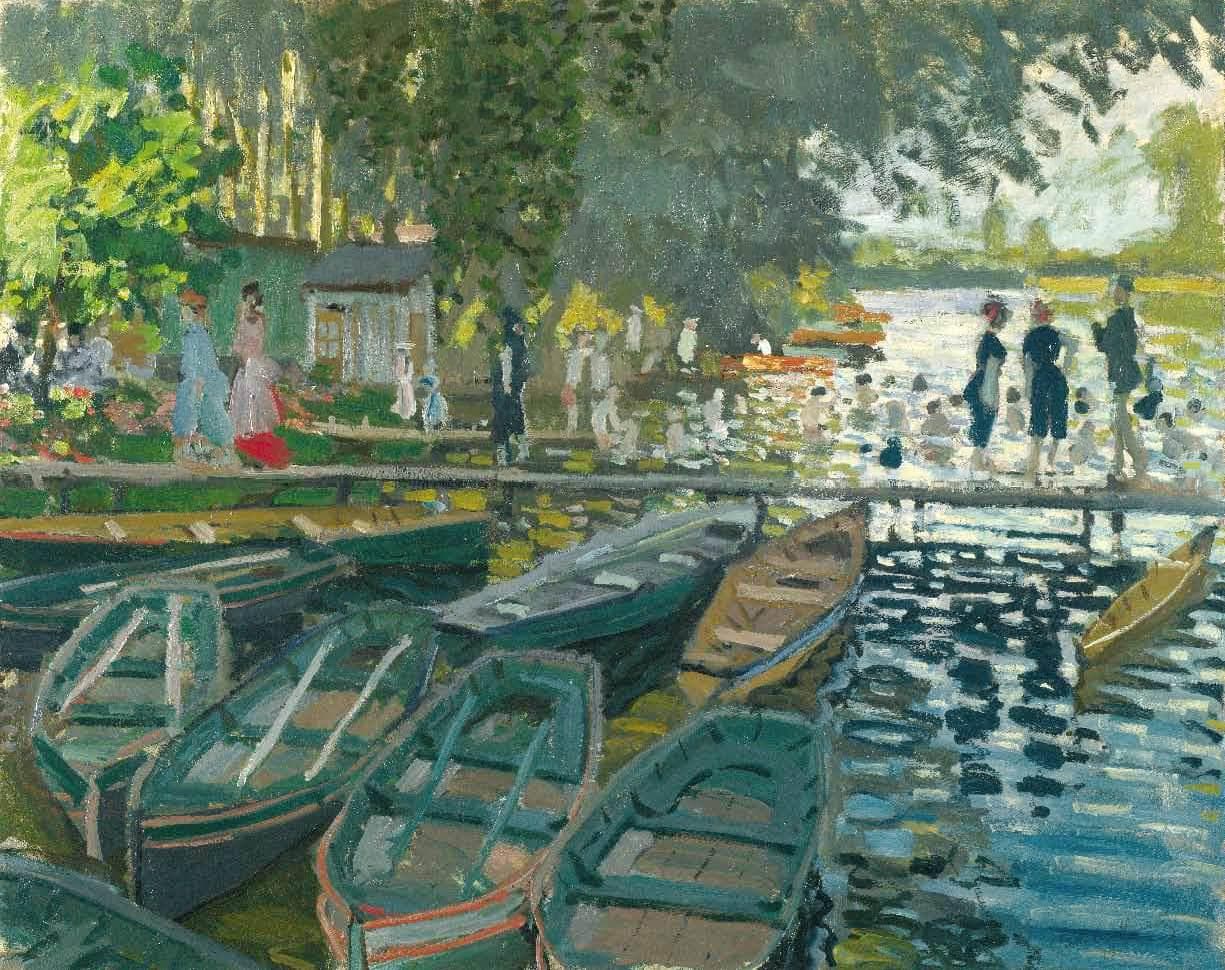
Bathers at La Grenouillère
Claude Monet · 1869
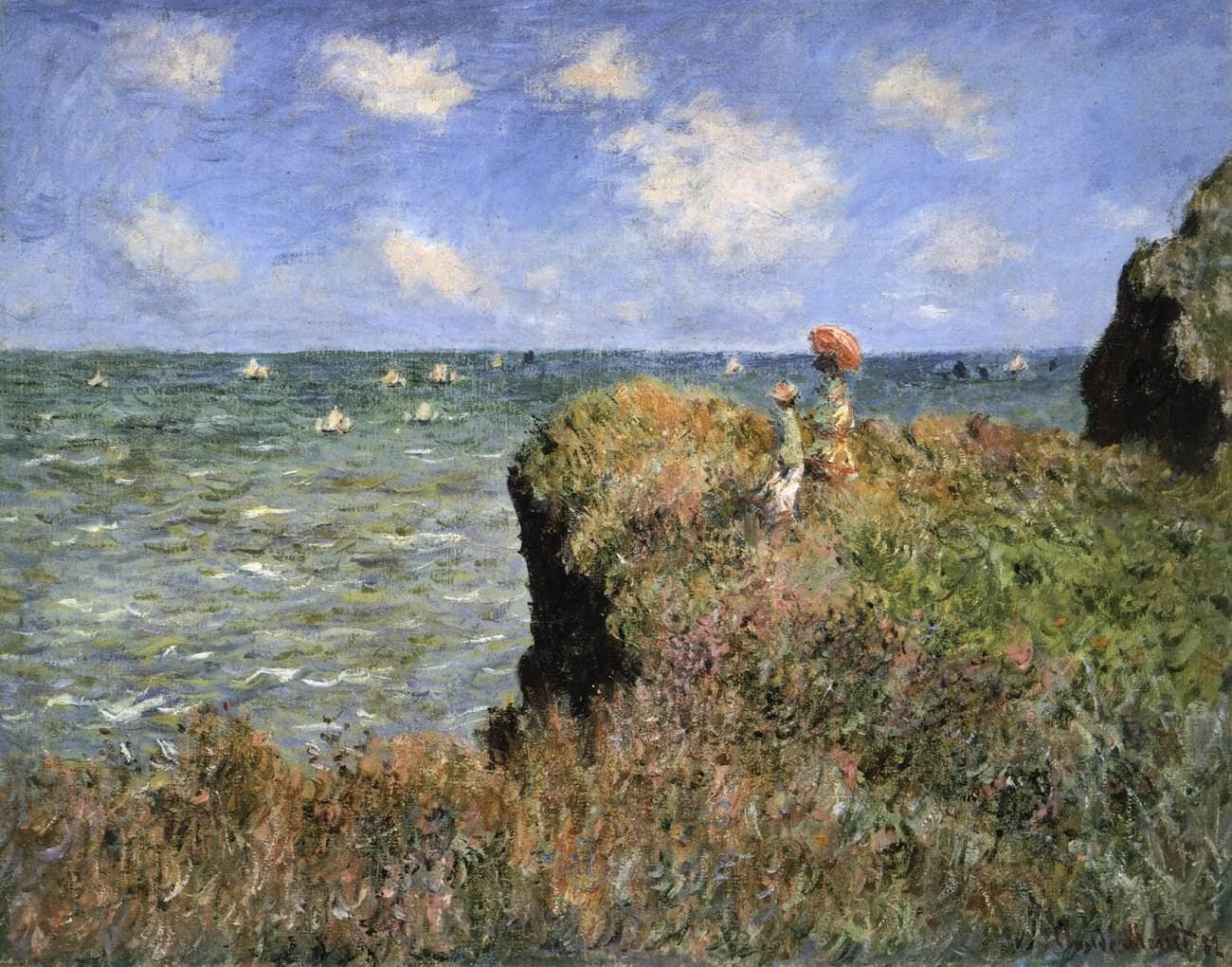
Cliff Walk at Pourville
Claude Monet · 1882
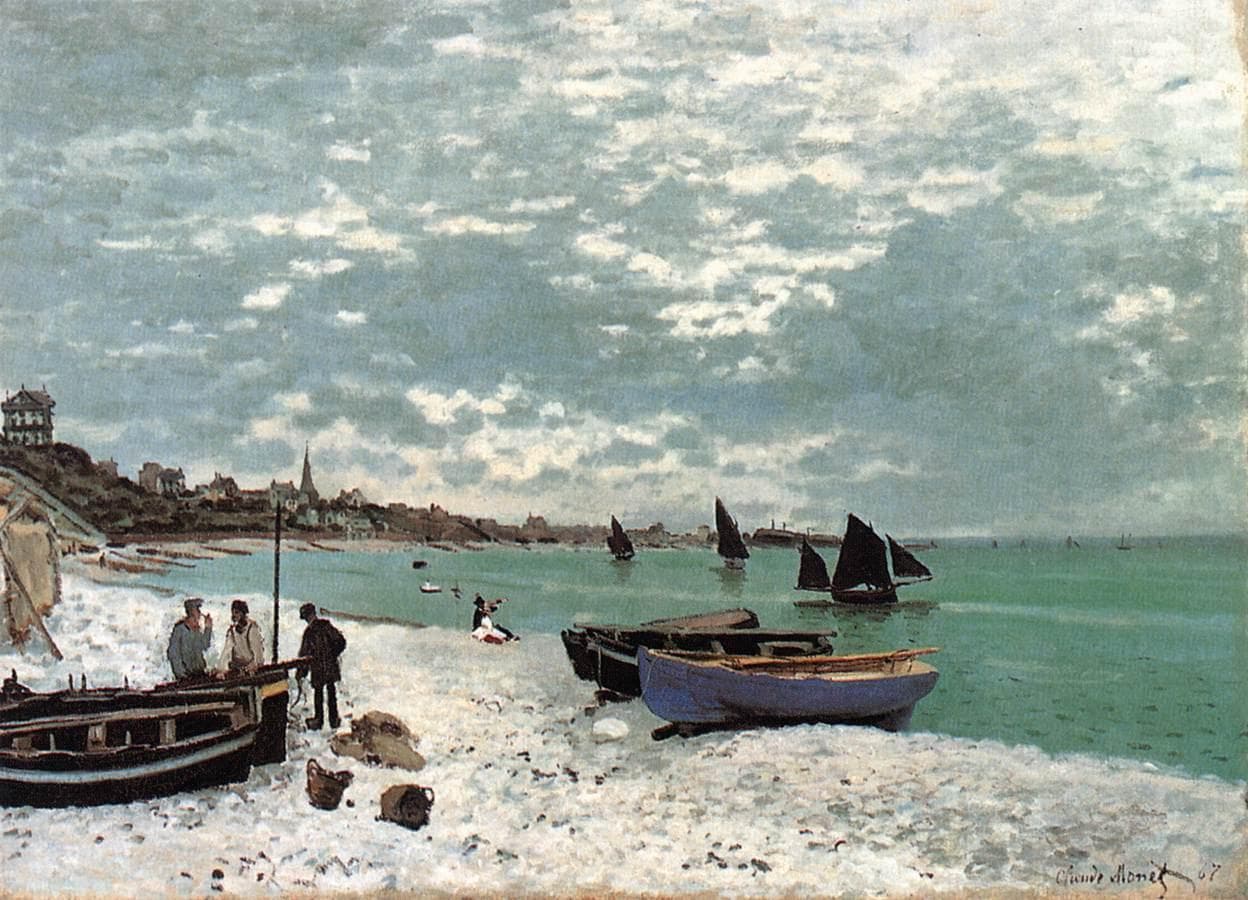
The Beach at Sainte-Adresse
Claude Monet · 1867
Morning on the Seine
Claude Monet · 1898