Image: Claude Monet; Museum Barberini (Hasso Plattner Collection) (source: Own work) · CC BY-SA 4.0 · via Wikimedia Commons
The Rio della Salute
Claude Monet, 1908
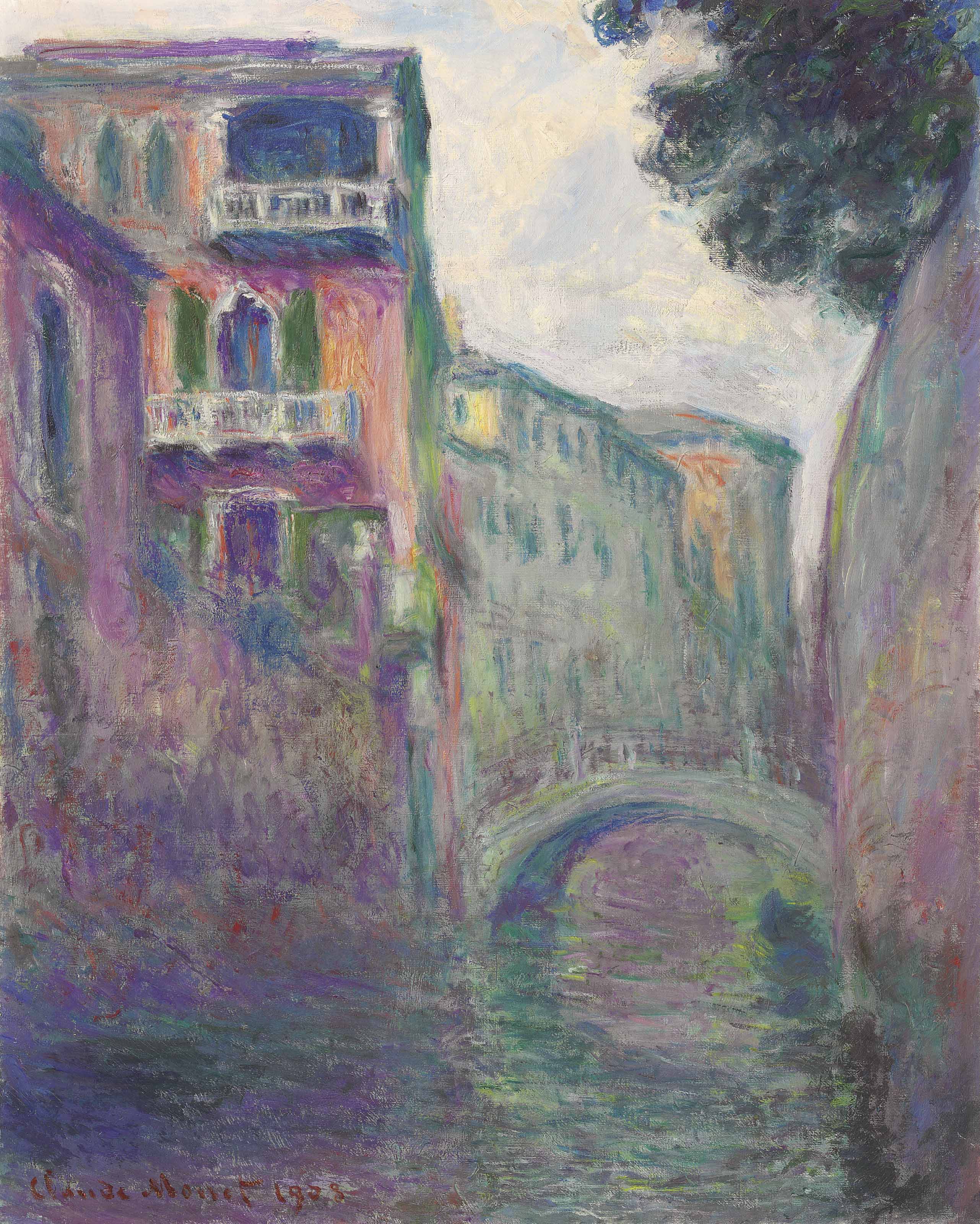
The Rio della Salute is a 1908 Claude Monet painting of a narrow Venetian canal near Santa Maria della Salute, its palaces glowing orange and pink in afternoon sun under a blue sky. It is in the Hasso Plattner Collection at the Museum Barberini, Potsdam.
- Artist
- Claude Monet
- Date
- 1908
- Medium
- Oil on canvas
- Dimensions
- 81 × 65 cm
- Collection
- Museum Barberini (Hasso Plattner Collection), Potsdam, Germany
- Movement
- Impressionism
- Catalogue
- Wildenstein 1762
- Water & Sea
- The City
- Architecture & Ruins
What you are looking at
We are low on the water, looking down a narrow side canal. On the left a tall palace rises in sunlight, its walls warm orange, coral and rose, with two white stone balconies stacked one above the other and a deep blue shadow under the loggia at the top. A pinkish house wall closes the far left edge. Ahead, the canal turns under a low, pale stone bridge, and a gondola, a dark shape, slides beneath it. Beyond the bridge the buildings recede in cooler yellows, greens and blues. On the right a sheer wall in yellow and pink climbs the whole height of the canvas, topped by the dark green crown of a tree that spills over into a clear blue sky.
The water in the foreground is a mirror of all this, broken into reflections of orange, violet and green. Everything is bathed in the glistening, warm light of a Venetian afternoon, and the color is among the strongest of all Monet's Venice pictures.
The signature and date, Claude Monet 1908, are at lower left.
Venice, autumn 1908
Claude Monet spent ten weeks in Venice in the autumn and early winter of 1908. The Rio della Salute is a small canal named after the Baroque church of Santa Maria della Salute nearby. Monet had a gondolier row him to the same spot on the water again and again, always at the same time of day, a routine he kept throughout the Venice campaign. He painted this motif three times. Like his London views, the Venice pictures treat the city as a landscape of water, what Monet called paysages d'eau, and in his letters he praised the city's unique light.
Venice was Monet's last journey abroad. He finished the canvases at Giverny and showed twenty-nine of them at Bernheim-Jeune in Paris in 1912. See Monet in Venice.
How it was painted
The Barberini notes that the buildings sit under a diffuse haze while certain details, the window frames and balconies, are drawn more sharply. Monet lays the sunlit walls in broad, vertical strokes of orange and pink over a cooler underlayer, and picks out the balustrades in quick white dashes. The bridge is a single curved band. In the water he uses short, horizontal touches to break up the reflections, and the far end of the canal, at right, almost dissolves; the apse of the church of San Gregorio can just be made out there.
How this version differs
Of the three Rio della Salute canvases, this is the sunniest and most saturated, with a strong blue sky and walls glowing orange. The privately owned Rio della Salute (W 1761) uses the same composition in cooler violet and green under a white, overcast sky. The Pola Museum's Rio della Salute is taller and narrower and bathes everything in a red-orange glow. For other narrow-canal and palace views from the same trip, see Palazzo da Mula and Palazzo Contarini.
Looking closely
The gondola under the bridge is little more than a dark curving stroke, but it gives the picture scale and a sense of movement. Above, the tree spilling over the wall at the top right is painted in thick dabs of dark green and blue, the darkest mass in the picture, set against the strongest blue of the sky.
Ownership and where to see it
Catalogued as Wildenstein 1762, the painting was first offered by the Paris dealers Bernheim-Jeune and Durand-Ruel in 1912. It then passed through a Paris sale in 1954, dealers and collectors in London and New York, and several auctions before being in the Nahmad Collection in 2012. Hasso Plattner, the co-founder of SAP, bought it in 2013 (inventory MB-Mon-30). It is shown at the Museum Barberini in Potsdam, which displays one of the largest groups of Monets outside France. See our guide to where to see Monet's paintings.
Questions & answers
Where is Monet's The Rio della Salute?
This version is in the Hasso Plattner Collection at the Museum Barberini in Potsdam, Germany, inventory MB-Mon-30. The museum displays Plattner's large group of Impressionist paintings, with more than thirty Monets, in a rebuilt Baroque palace on the Alter Markt.
When and where was it painted?
In Venice in autumn 1908, during Monet's only stay in the city. He painted from a gondola on the Rio della Salute, a small canal near Santa Maria della Salute, returning to the same spot at the same hour. It is signed and dated 1908.
What does the painting show?
A narrow canal with a sunlit palace in orange and pink on the left, a low stone bridge with a gondola passing under it, a tall yellow wall and tree on the right, and a blue sky, all reflected in the water. The light is warm afternoon sun.
How many Rio della Salute paintings did Monet make?
Three. This sunny version is in the Museum Barberini; a cooler, overcast one is in a private collection; and a taller canvas with a red-orange glow is in the Pola Museum of Art in Hakone, Japan.
More by the artist
Claude Monet
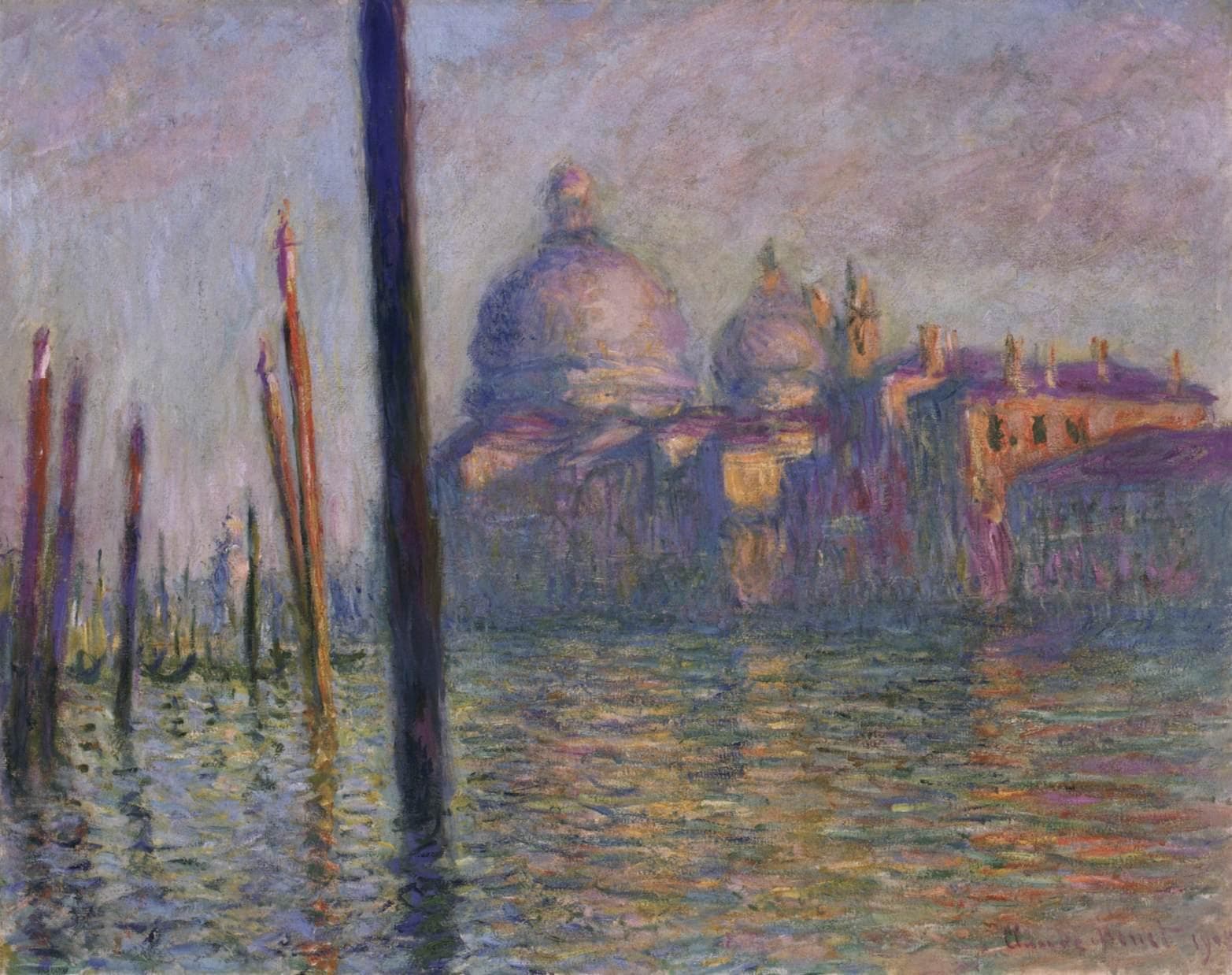
The Grand Canal in Venice
Claude Monet · 1908

Sunset in Venice
Claude Monet · 1908–12
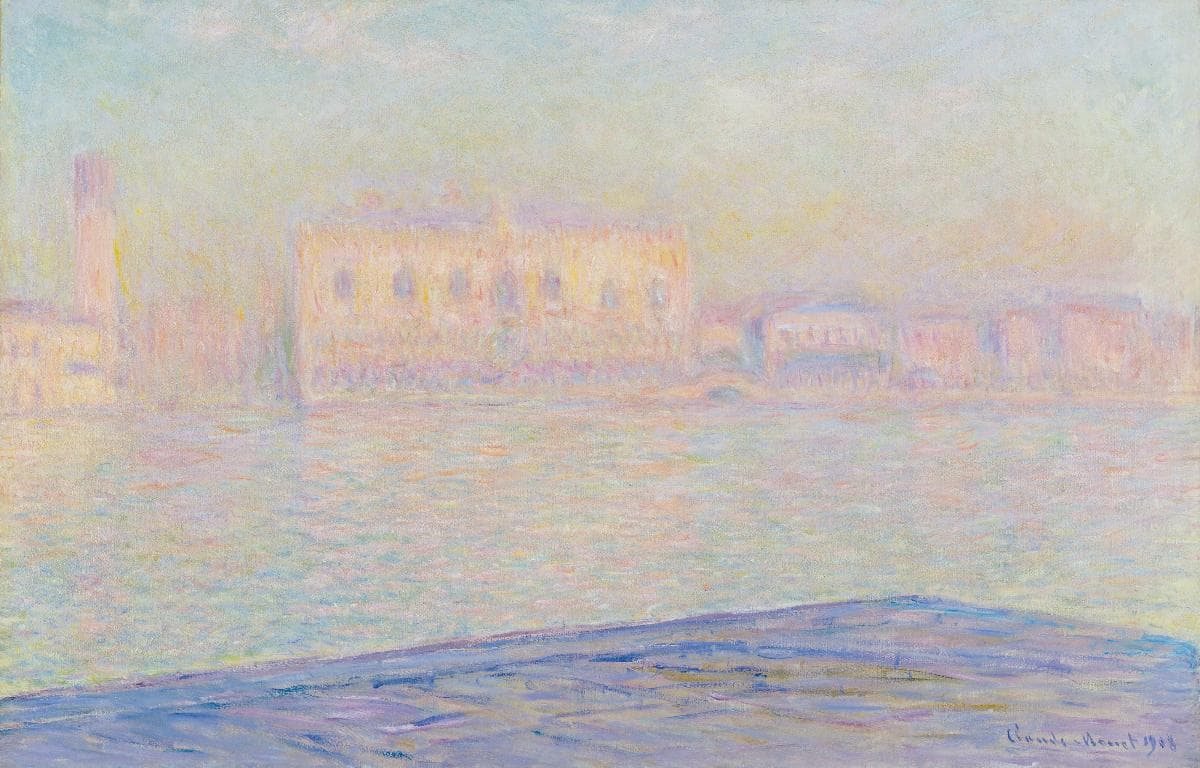
The Doge's Palace Seen from San Giorgio Maggiore (Zürich)
Claude Monet · 1908
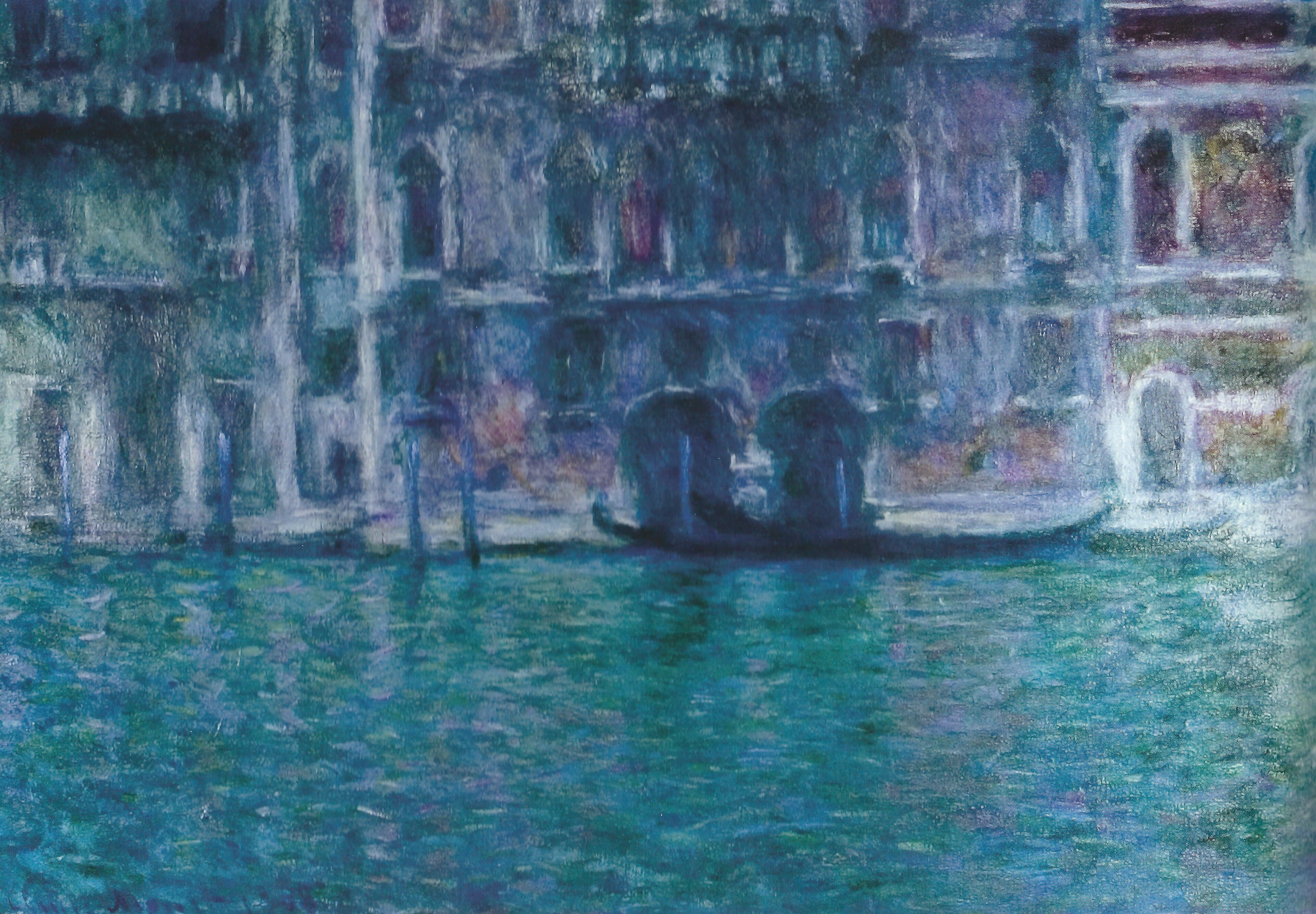
Palazzo Da Mula Morosini
Claude Monet · 1908
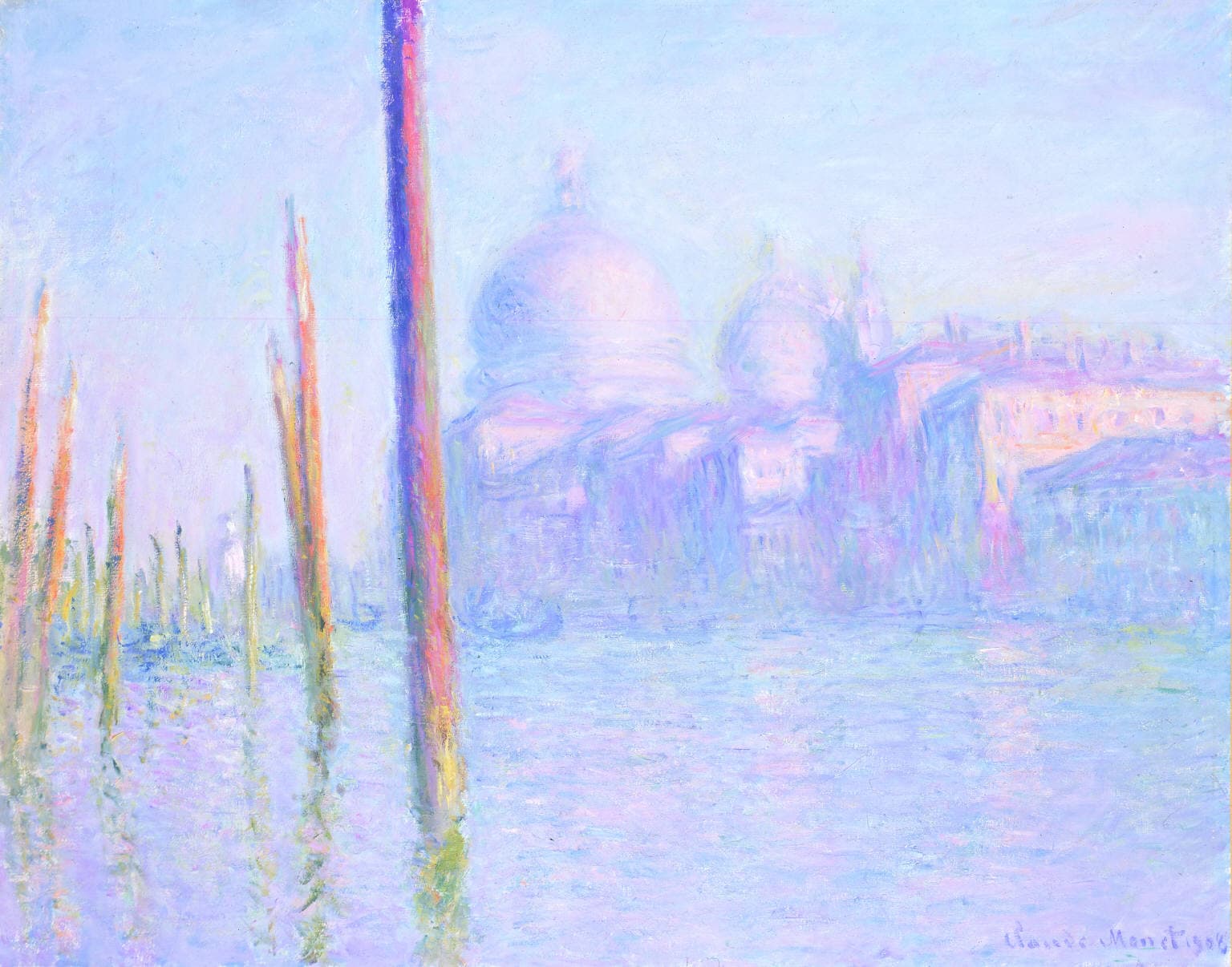
The Grand Canal, Venice
Claude Monet · 1908
The Rio della Salute
Claude Monet · 1908
Le Grand Canal et Santa Maria della Salute
Claude Monet · 1908
Gondola in Venice
Claude Monet · 1908
Also painted in 1908
The same year
The Palazzo Ducale (Le Palais Ducal), 1908
Claude Monet · 1908
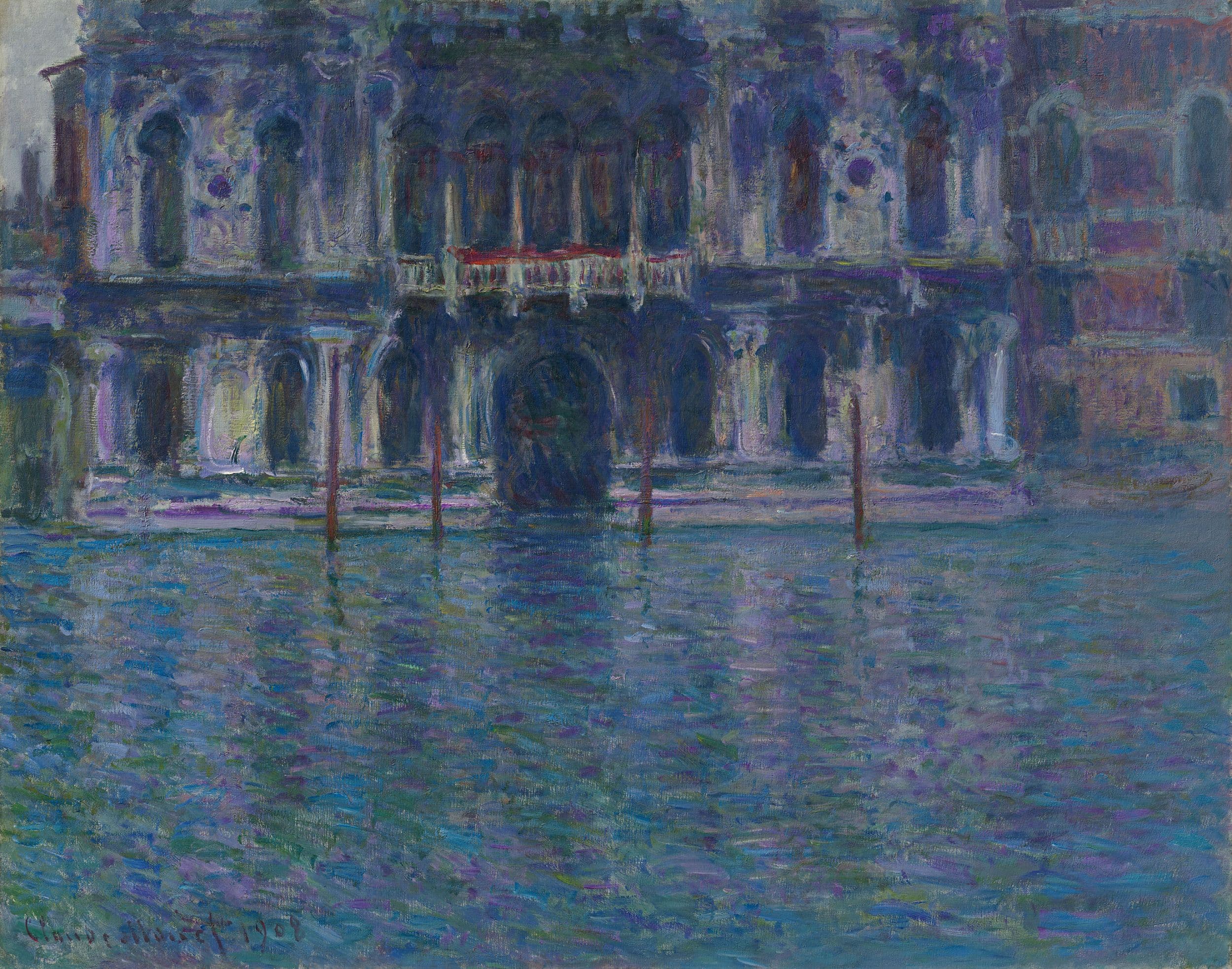
Le Palais Contarini (Potsdam)
Claude Monet · 1908
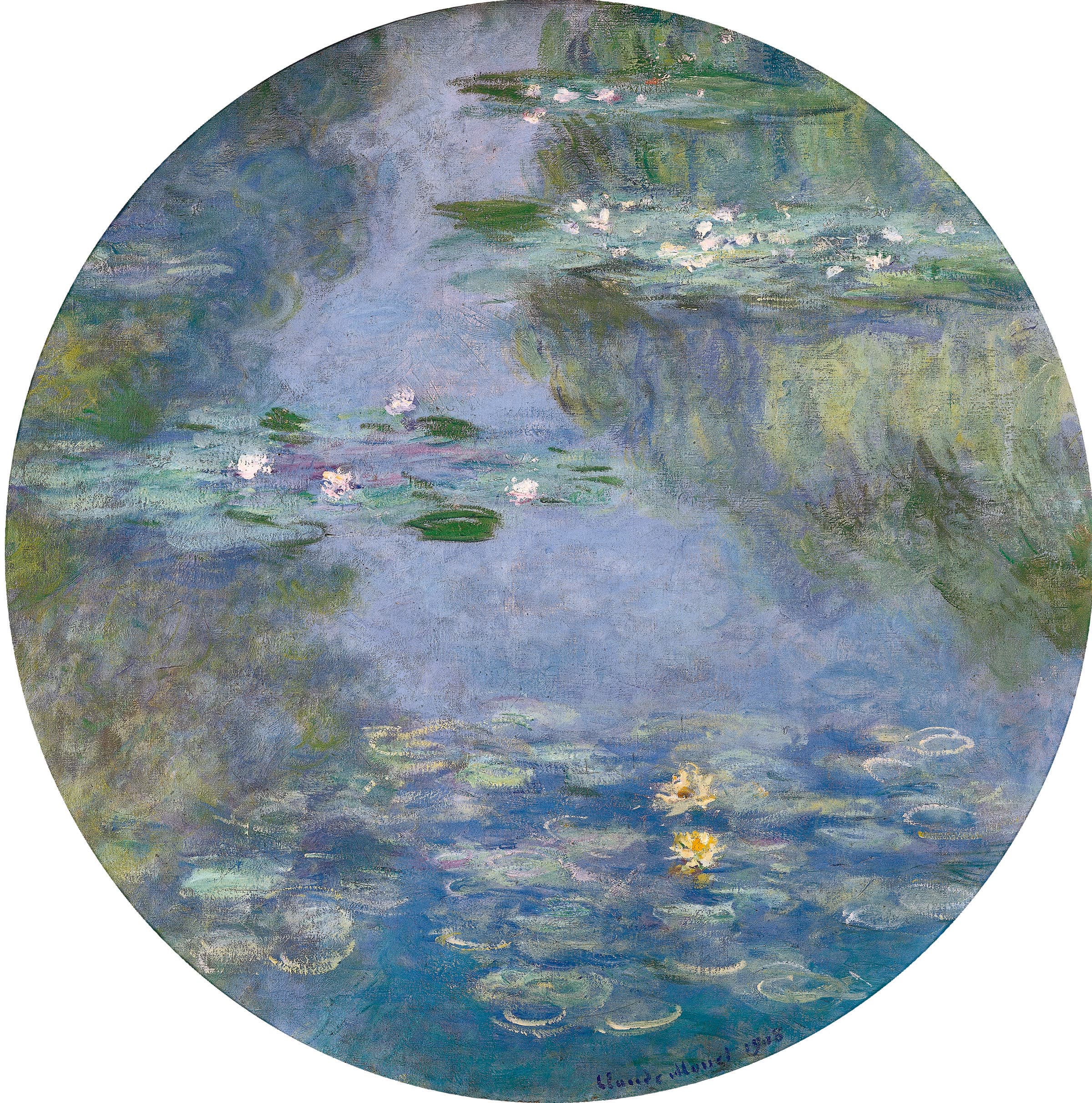
Nymphéas (1908 tondo, Vernon)
Claude Monet · 1908
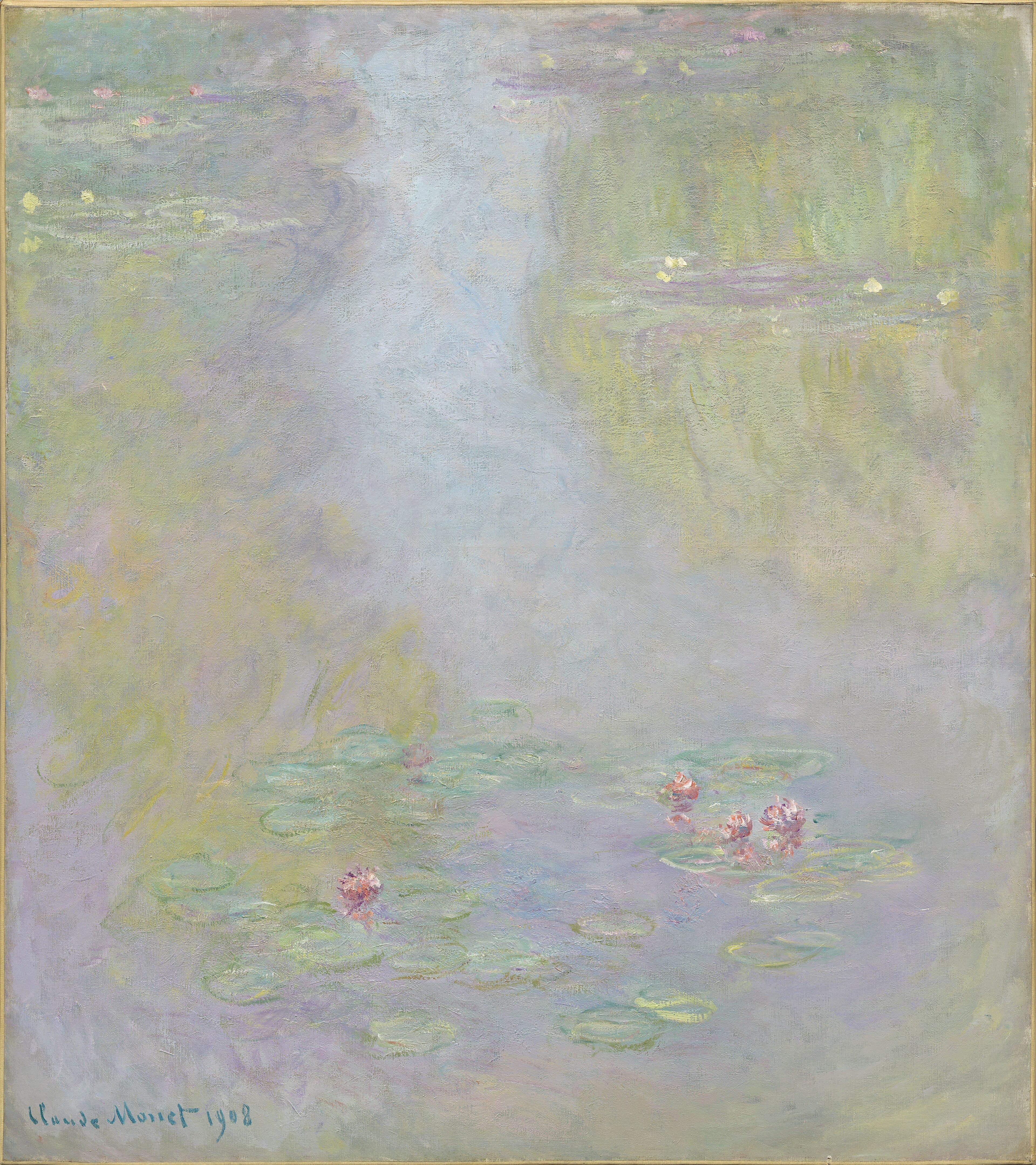
Water Lilies (1908, Tokyo Fuji Art Museum)
Claude Monet · 1908
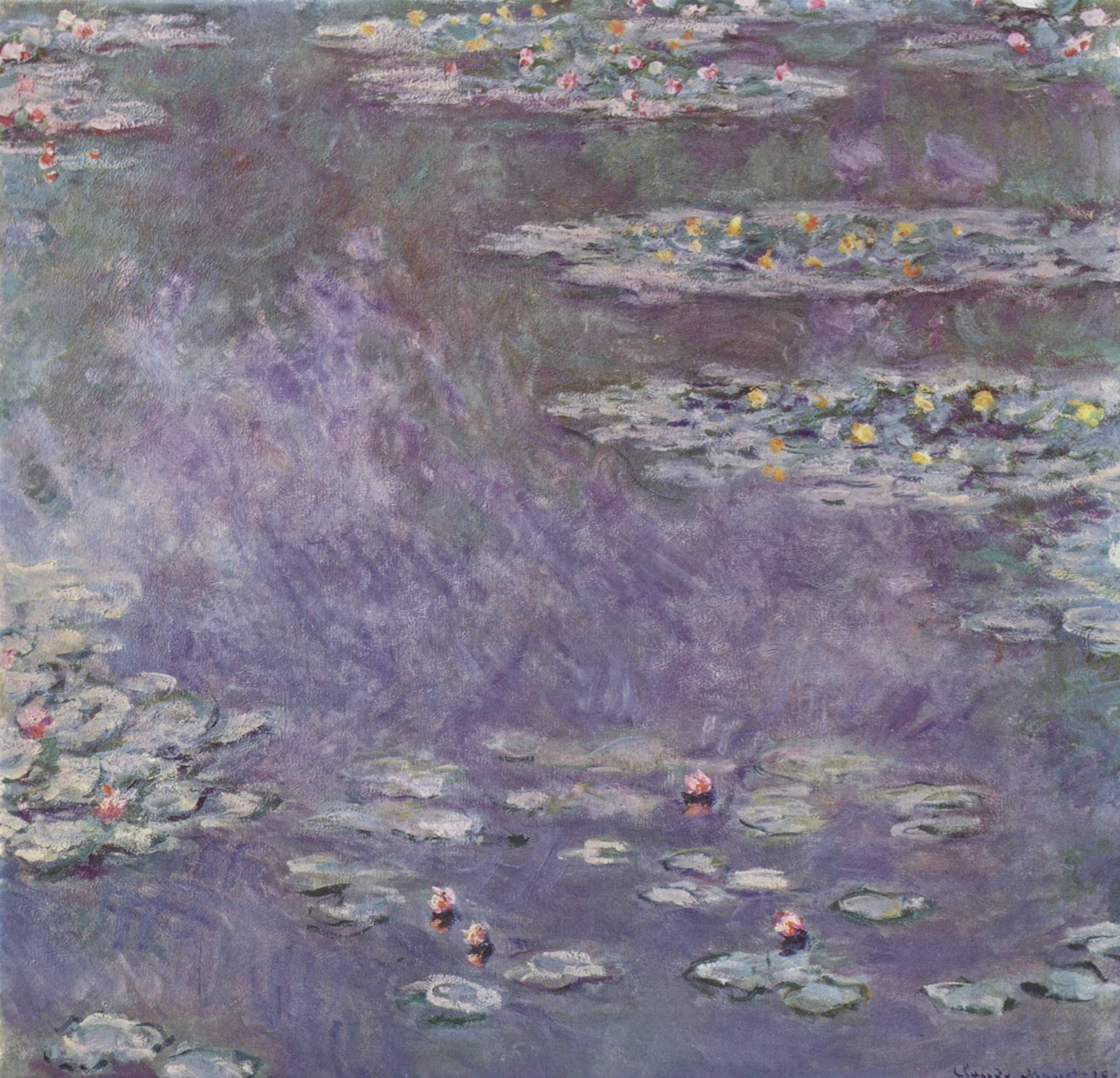
Nymphéas (Oyamazaki Villa Museum)
Claude Monet · 1908
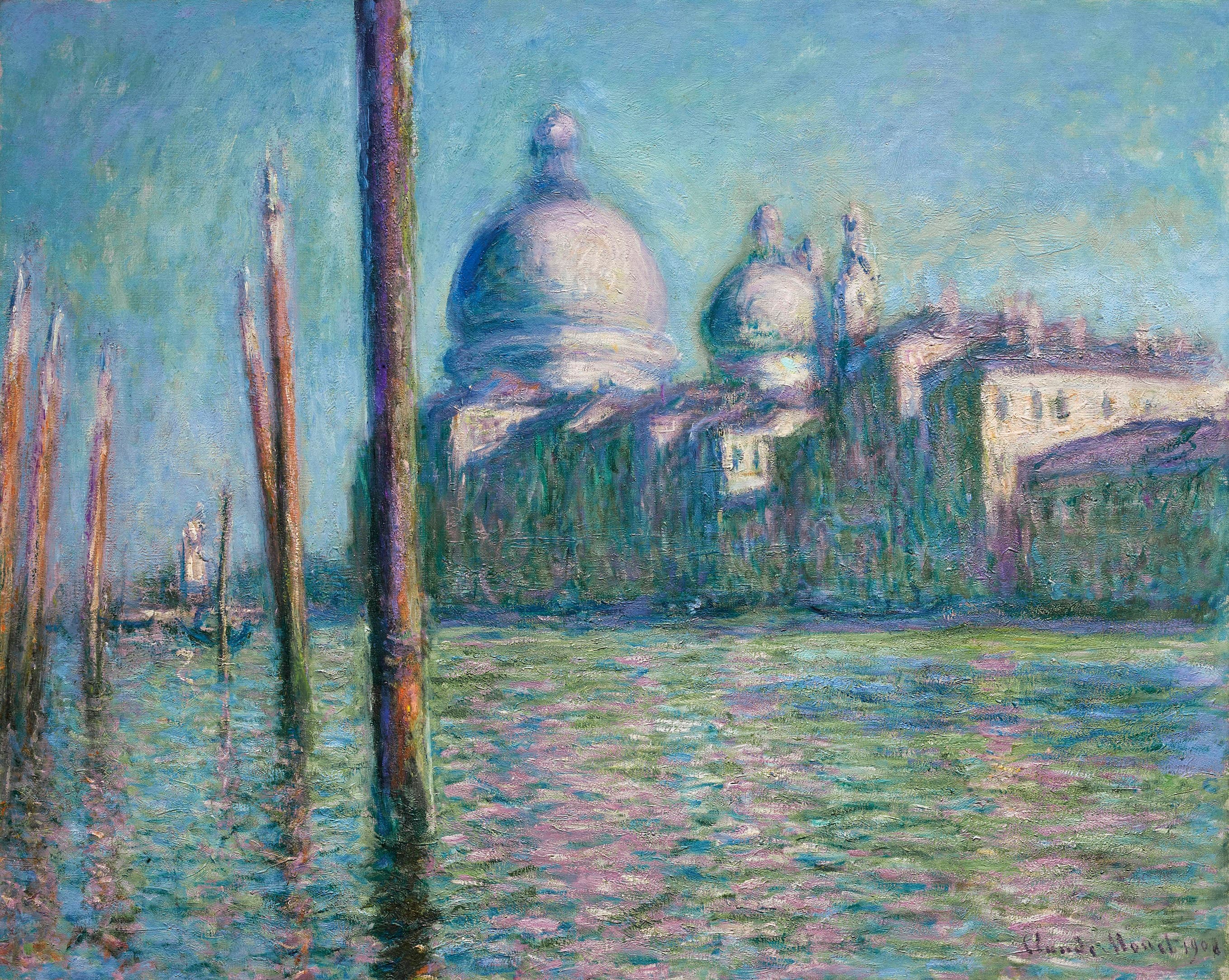
The Grand Canal, Venice
Claude Monet · 1908
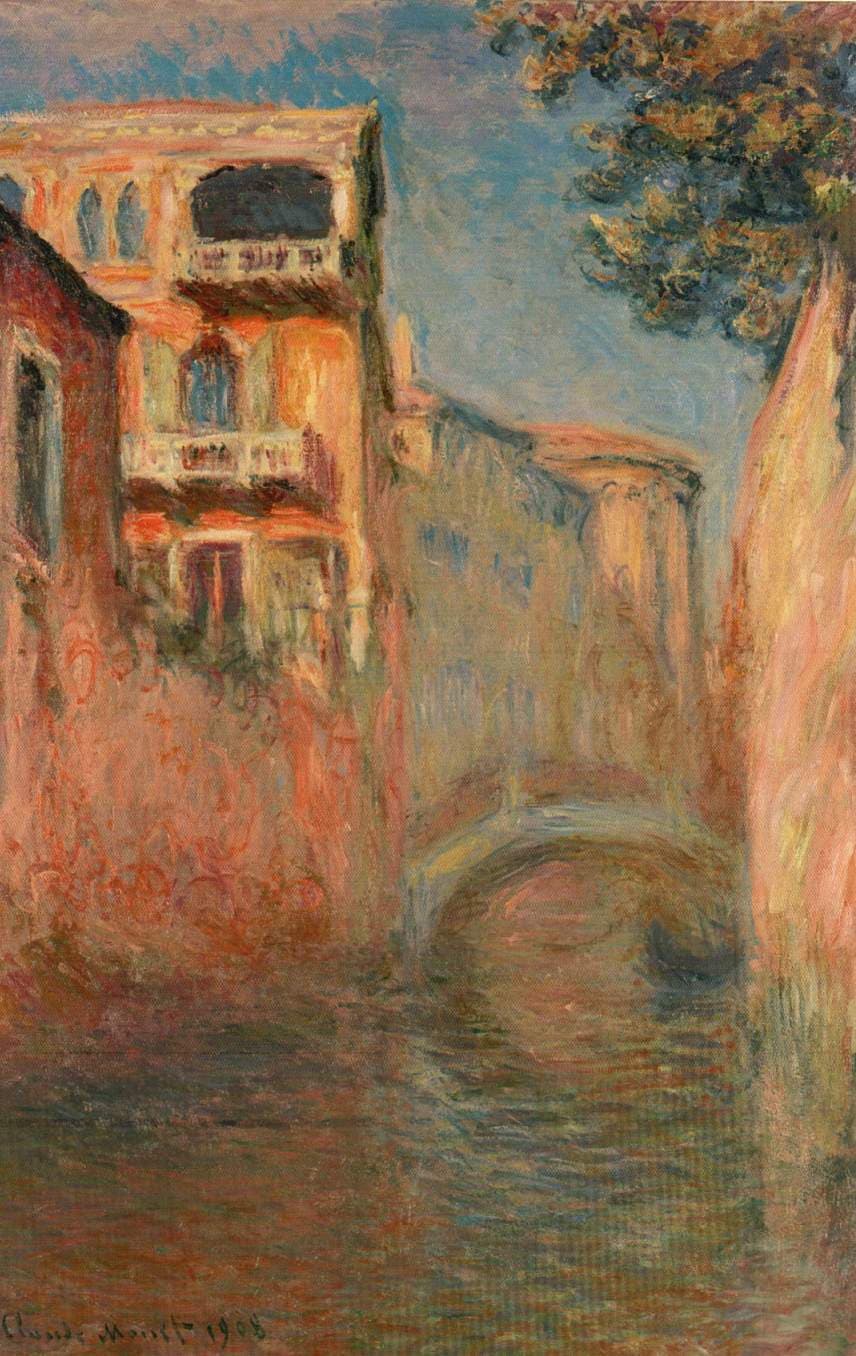
The Rio della Salute
Claude Monet · 1908
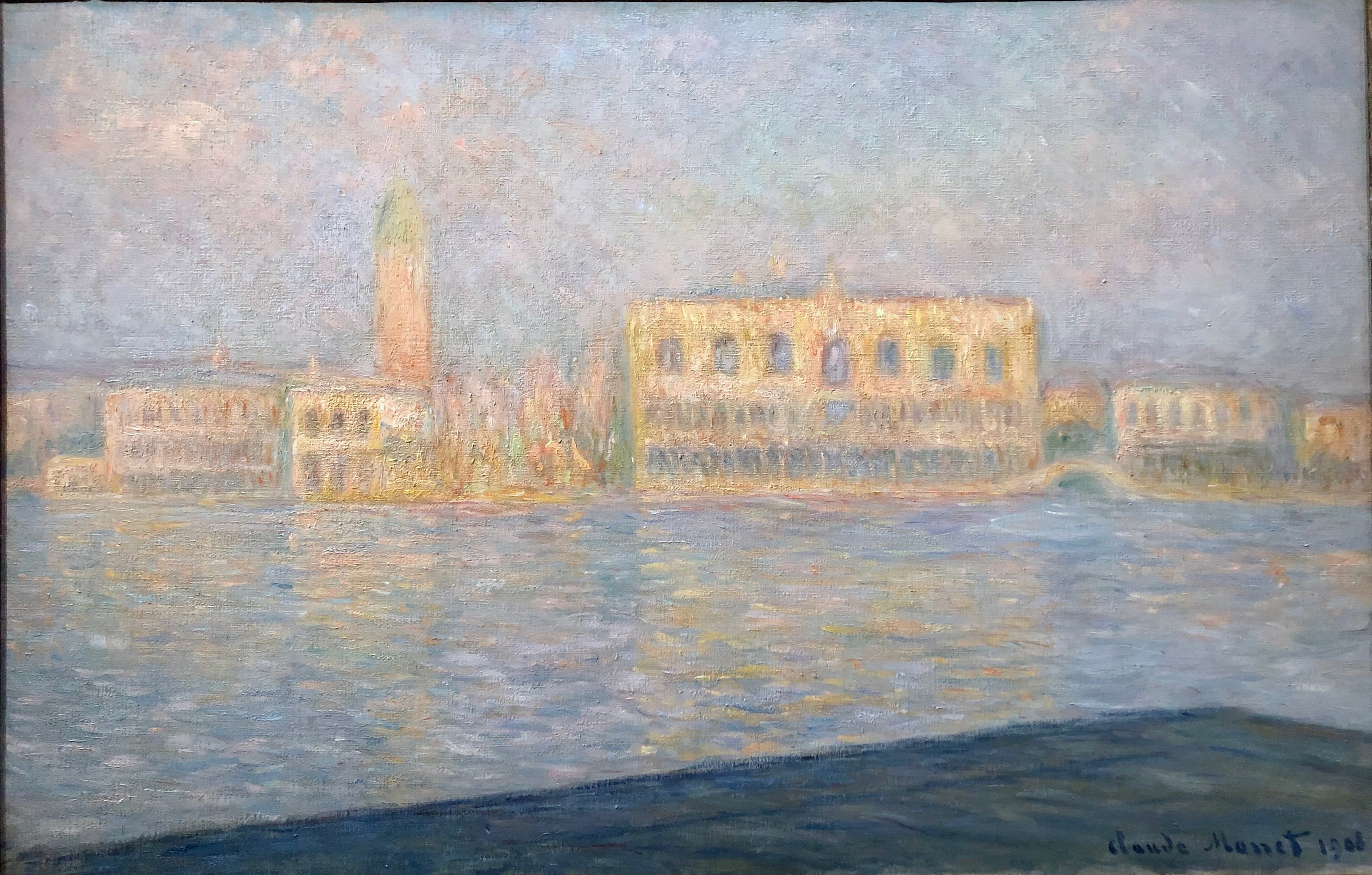
The Palazzo Ducale, Seen from San Giorgio Maggiore (Guggenheim)
Claude Monet · 1908
Kindred works
You may also study
The Rio della Salute
Claude Monet · 1908
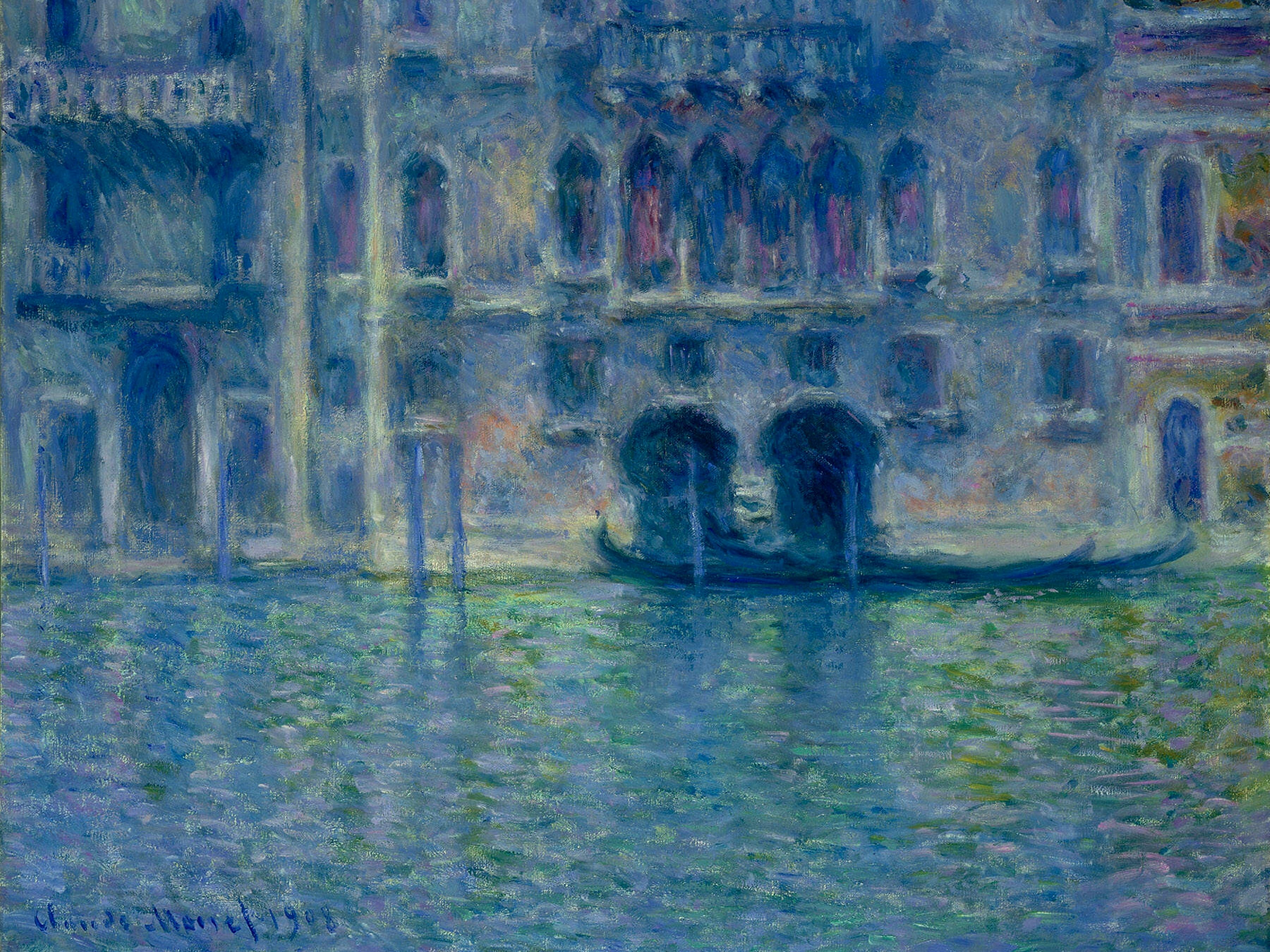
Palazzo da Mula, Venice
Claude Monet · 1908
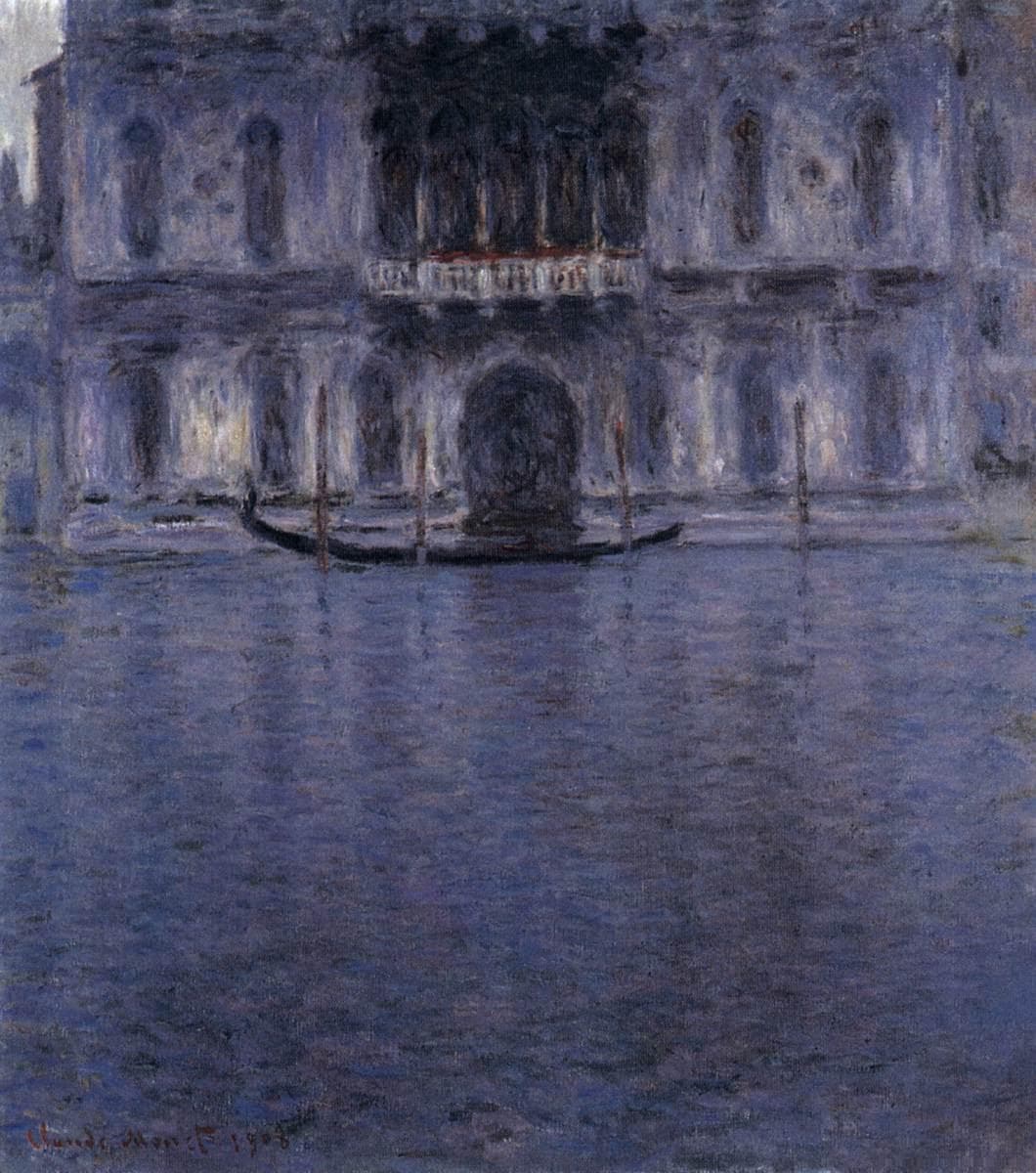
Palazzo Contarini
Claude Monet · 1908
The Palazzo Ducale (Le Palais Ducal), 1908
Claude Monet · 1908
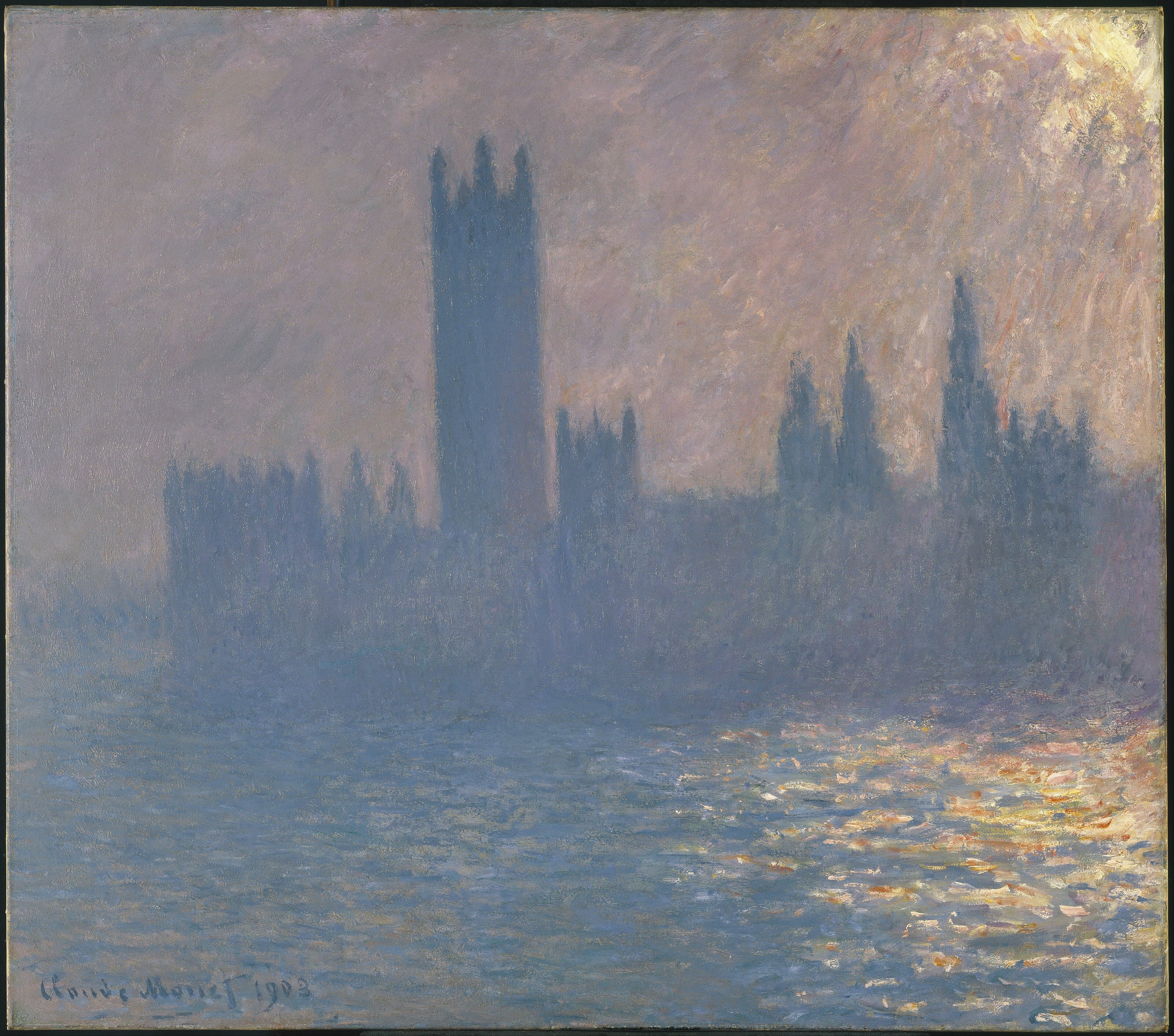
Houses of Parliament, Sunlight Effect
Claude Monet · 1903
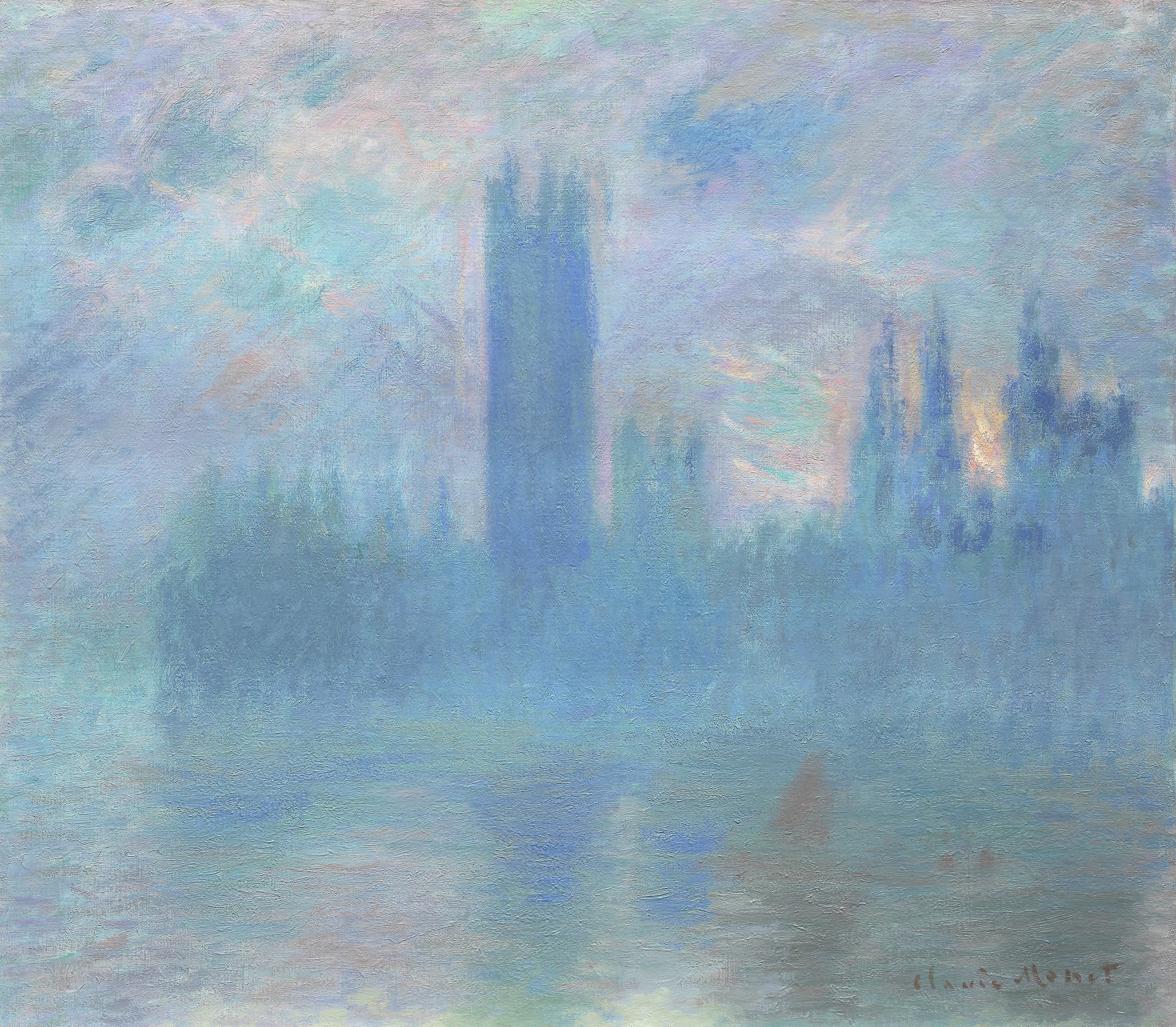
Houses of Parliament, London
Claude Monet · 1900–01
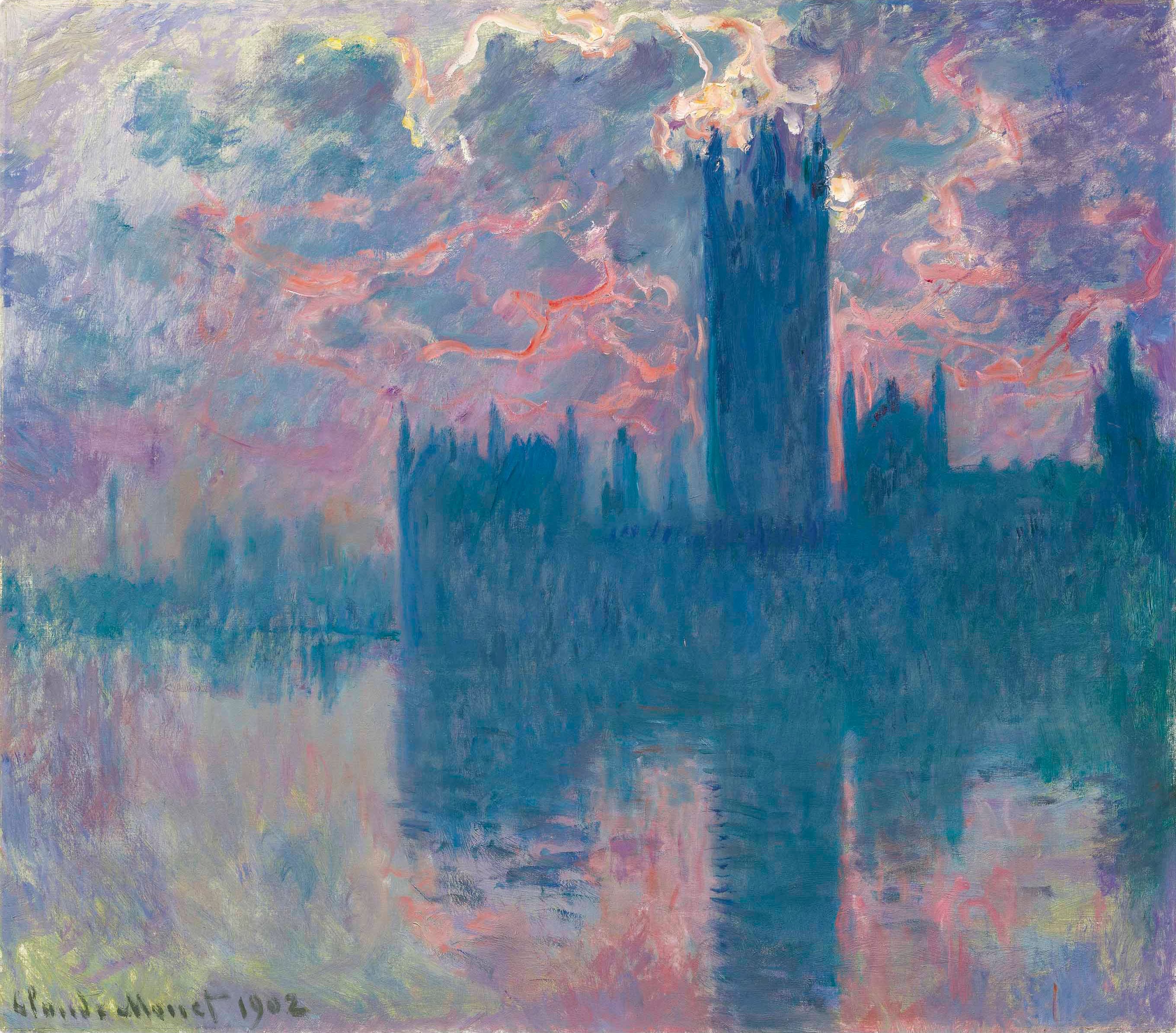
Le Parlement, soleil couchant
Claude Monet · 1902–03
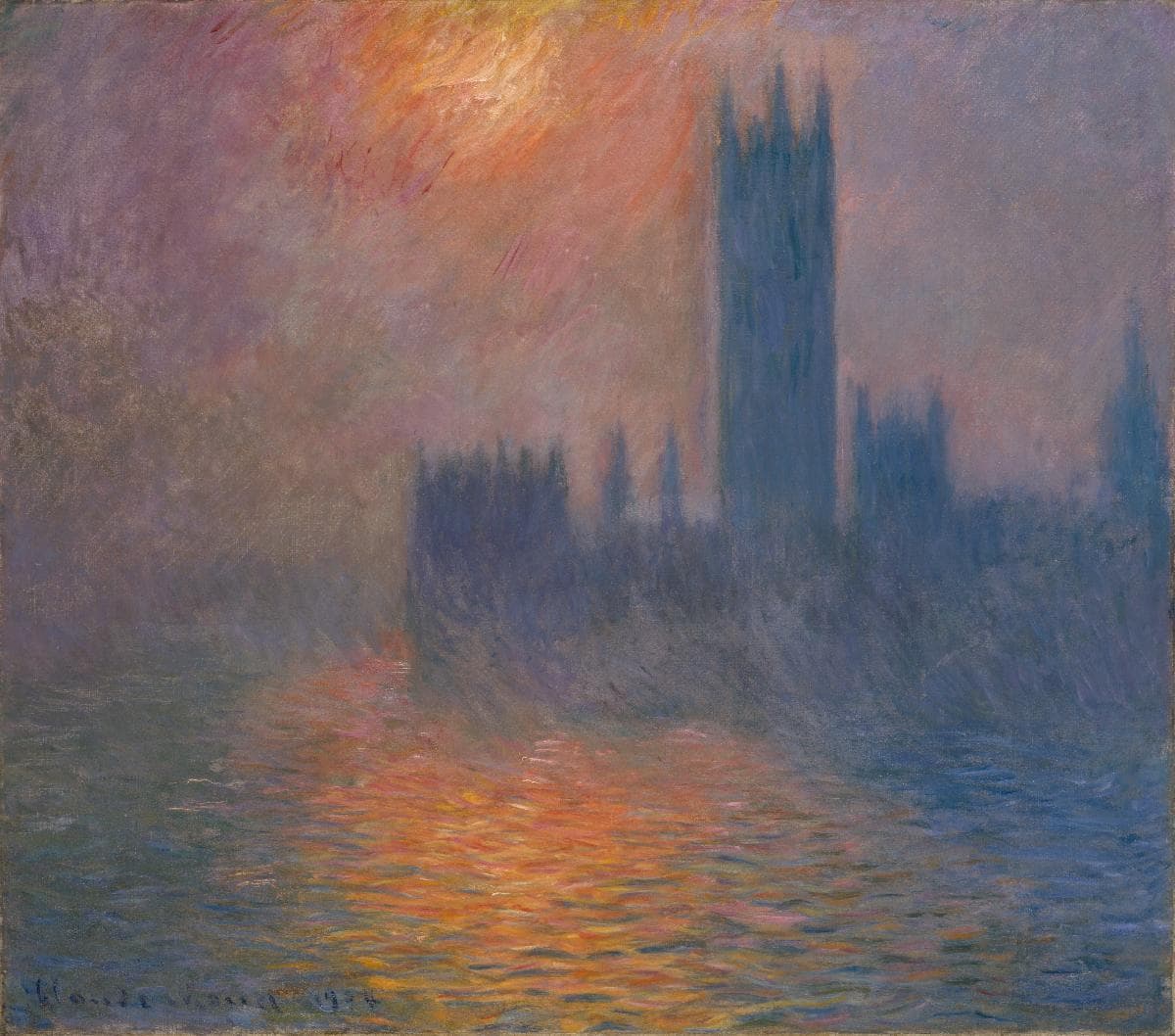
Houses of Parliament, Sunset
Claude Monet · 1904