Image: Denver Art Museum, via Google Arts & Culture · Public domain · via Wikimedia Commons
Le Bassin des Nymphéas (Denver)
Claude Monet, 1904
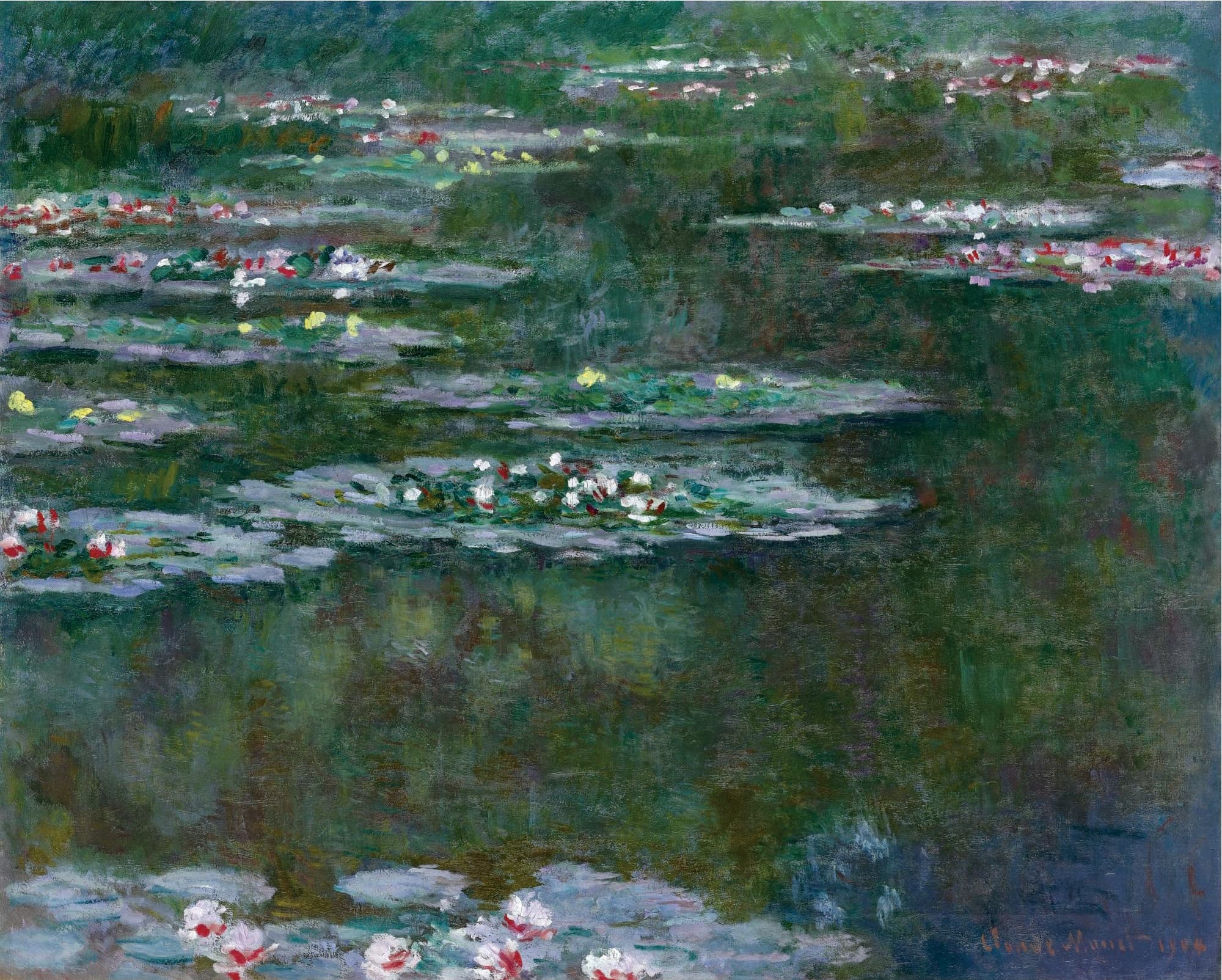
Le Bassin des Nymphéas (The Water Lily Pond) is a 1904 painting by Claude Monet of his Giverny pond, bands of flowering lily pads receding toward a grassy bank, with silvery reflections below. It is in the Denver Art Museum.
- Artist
- Claude Monet
- Date
- 1904
- Medium
- Oil on canvas
- Dimensions
- 87.9 × 91.4 cm
- Collection
- Denver Art Museum, Denver, United States
- Movement
- Impressionism
- Catalogue
- Wildenstein 1666
- Nature & Landscape
- Water & Sea
Le Bassin des Nymphéas (Waterlilies, or The Water Lily Pond) is a 1904 canvas by Claude Monet of the lily pond in his garden at Giverny. Almost square, 87.9 by 91.4 centimeters, and signed and dated Claude Monet 1904 at the lower right, it has been in the Denver Art Museum since 1935 (1935.14), bought with funds from the Helen Dill bequest. It is the museum's most celebrated Impressionist painting.
What you're looking at
The view looks across the pond toward the far bank. Along the top runs a strip of grassy bank and shrubs in yellow-green and olive, and at the top center a pale gray-green mass of foliage, probably a willow catching the light. This narrow band of land is all that anchors the picture; everything below it is water.
The pond is organized in horizontal bands. Lily pads gather in long floating islands, painted in yellow-green, olive and gold, and dotted with flowers: pink and coral at the right and in the upper rows, white and cream in the middle, a few touches of red. The bands get narrower and closer together as they recede, so the eye travels up the canvas into depth. Between them, the water holds the reflections of the bank: long vertical strokes of green and blue-green falling from the top, and lower down, pale silvery areas where the sky is mirrored.
At the bottom of the canvas the pads thin out, and the water becomes a broad passage of reflected light and shadow in green, lilac and gray, with a small blue-violet shape at the lower center, perhaps a reflected patch of sky or a flower below the surface. The signature is set in red against this water.
The pond in 1904
Monet had dug the pond in 1893 and enlarged it in 1901–02, widening the open surface. From 1903 he concentrated on paintings of that surface, which he called paysages d'eau. In May 1909 Durand-Ruel exhibited forty-eight of these canvases, dated 1903 to 1908, in Paris under the title Les Nymphéas, séries de paysages d'eau (Water Lilies, a series of water landscapes). Many of the 1904 canvases keep, like this one, a strip of bank at the top; over the next years Monet would lower his gaze until the bank disappeared altogether.
How this version differs
The 1904 water landscapes share a structure, but not a mood. Le Havre's Water Lilies of the same year has black, shadowed water and glowing pads, a high-contrast picture. Denver's is lighter and more even, its water silvery and its colors grassier. Dayton's 1903 Waterlilies is paler still, a field of pink and blue sky. Compared with the Chicago Water Lilies of 1906, where no bank appears, the Denver canvas is still a landscape with a far shore, a step between the 1899 bridge pictures and the pure water surfaces to come.
How it was painted
Monet varied the stroke with each element: short horizontal dabs for the pads, single thicker touches for the flowers, long vertical drags for the reflections, and loose, blended strokes for the open water at the bottom. The palette is mainly greens and yellows, with pinks and lilacs in the reflections and flowers.
Ownership and where to see it
The painting stayed with the artist before passing through the Durand-Ruel galleries in Paris and New York. It was owned by Katherine Wolcott Toll of Denver, and the museum acquired it in 1935. It has been shown widely, including in Denver's exhibitions Nature as Muse (2013–14) and Claude Monet: The Truth of Nature (2019–20). It is on view in the museum's European art galleries. For the series see Monet's Water Lilies, for the garden Giverny, and for other public collections of Monet, Where to See Monet's Paintings.
Questions & answers
Where is Monet's Le Bassin des Nymphéas?
It is in the Denver Art Museum in Colorado (1935.14), acquired in 1935 with funds from the Helen Dill bequest. It is normally on view in the museum's European art galleries.
When was it painted?
In 1904, at Monet's water garden in Giverny, Normandy. It is signed and dated Claude Monet 1904 at lower right and belongs to his 1903–08 series of water landscapes.
What does it show?
Monet's lily pond seen toward the far bank: a strip of grass and shrubs at the top, then receding bands of lily pads with pink, white and red flowers, and silvery reflections of sky and trees below.
How does it differ from Monet's other 1904 water lilies?
It is lighter and more evenly lit than the dark, high-contrast Le Havre canvas of the same year, and it still keeps a strip of bank at the top, which disappears in later canvases like Chicago's 1906 Water Lilies.
More by the artist
Claude Monet
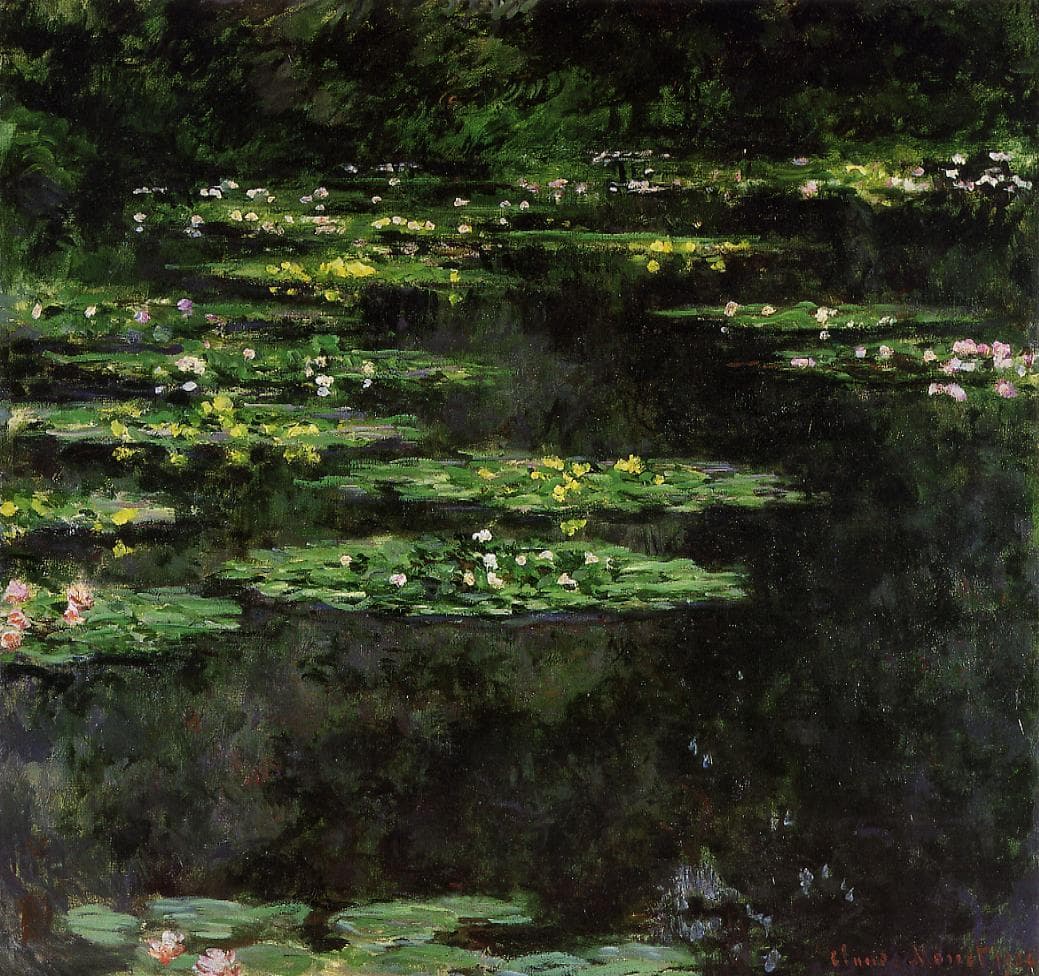
Water Lilies (1904, MuMa Le Havre)
Claude Monet · 1904
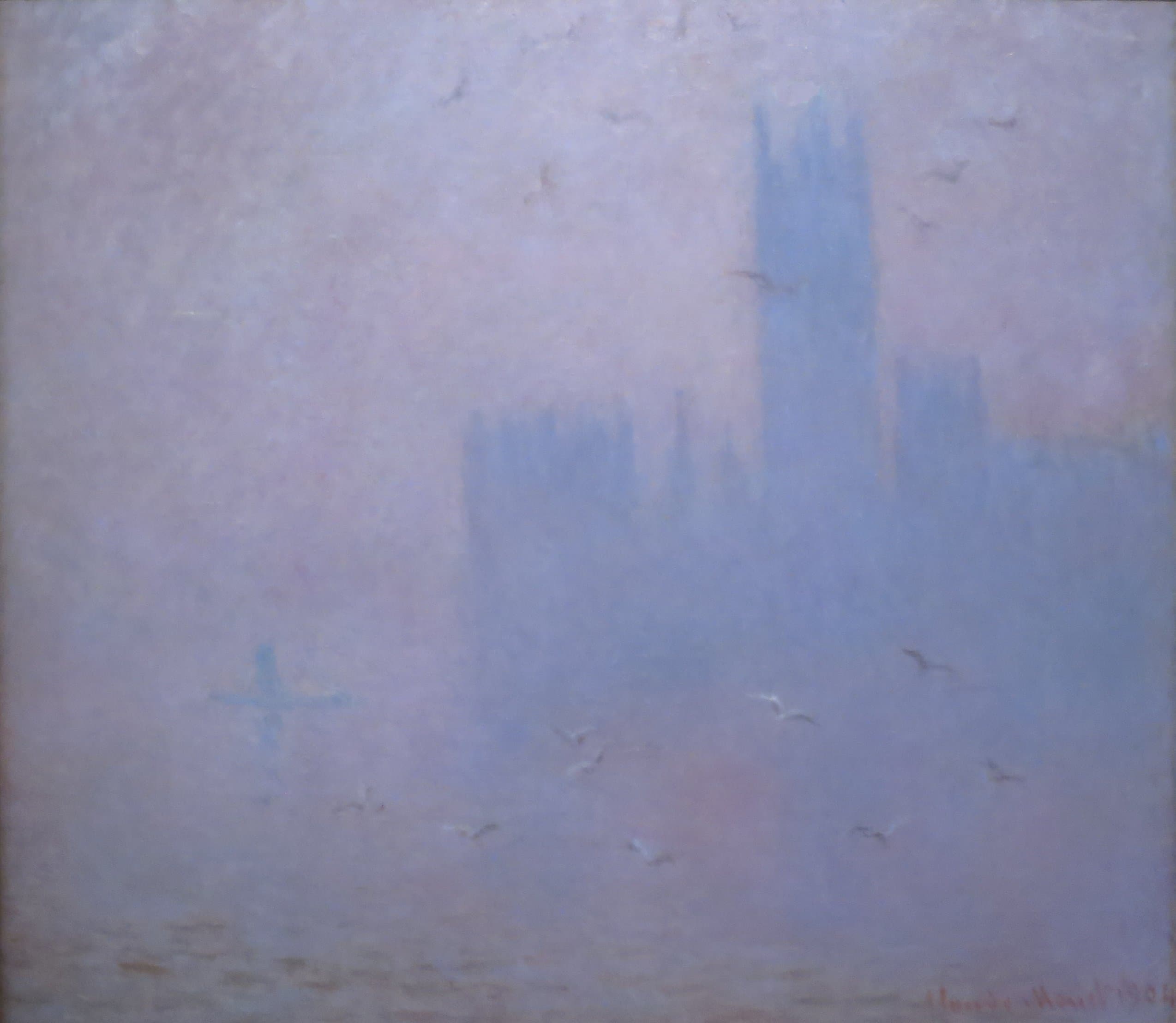
Seagulls, the River Thames and the Houses of Parliament
Claude Monet · 1904
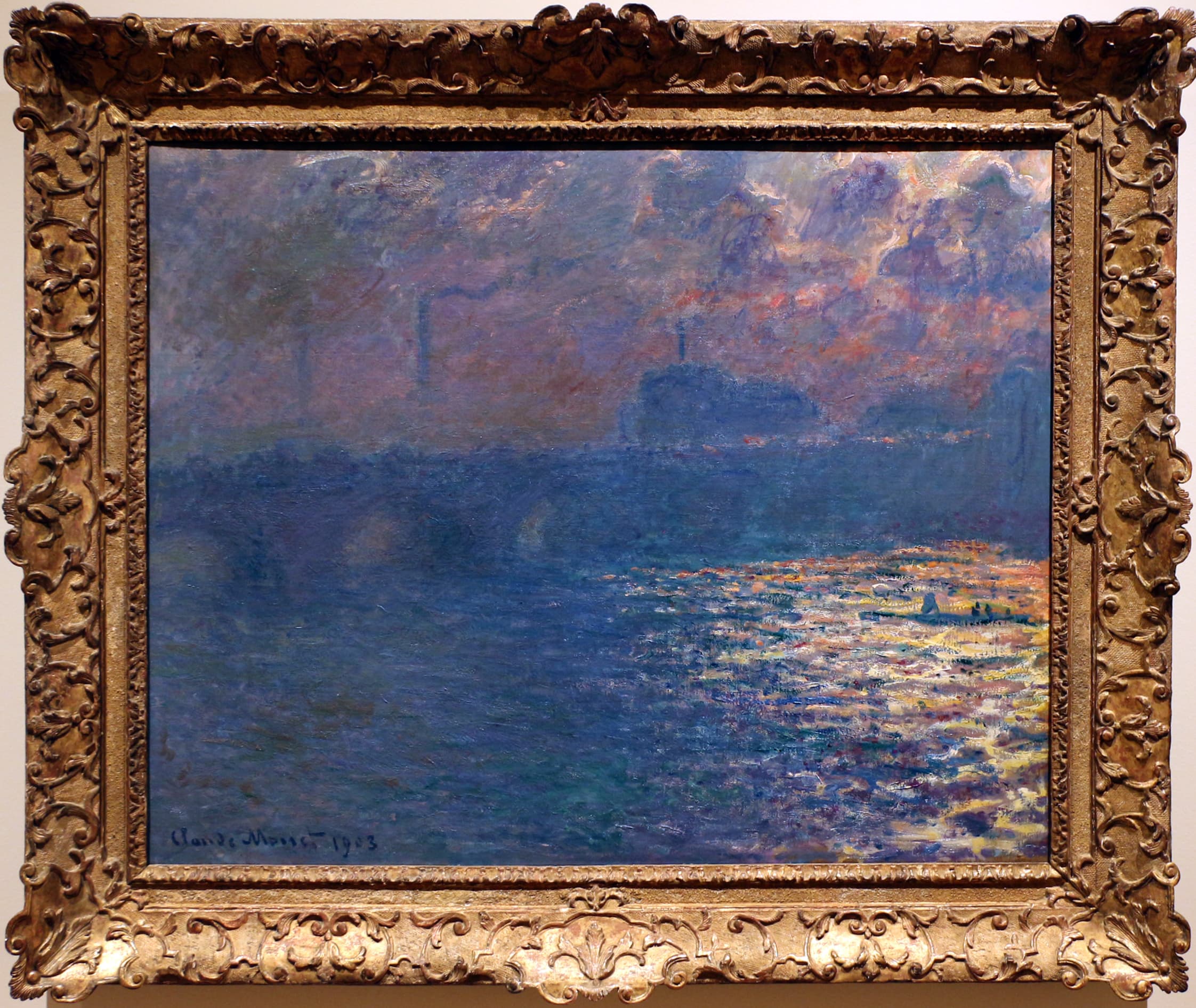
Waterloo Bridge, Sunlight Effect
Claude Monet · c. 1900 (dated 1903)
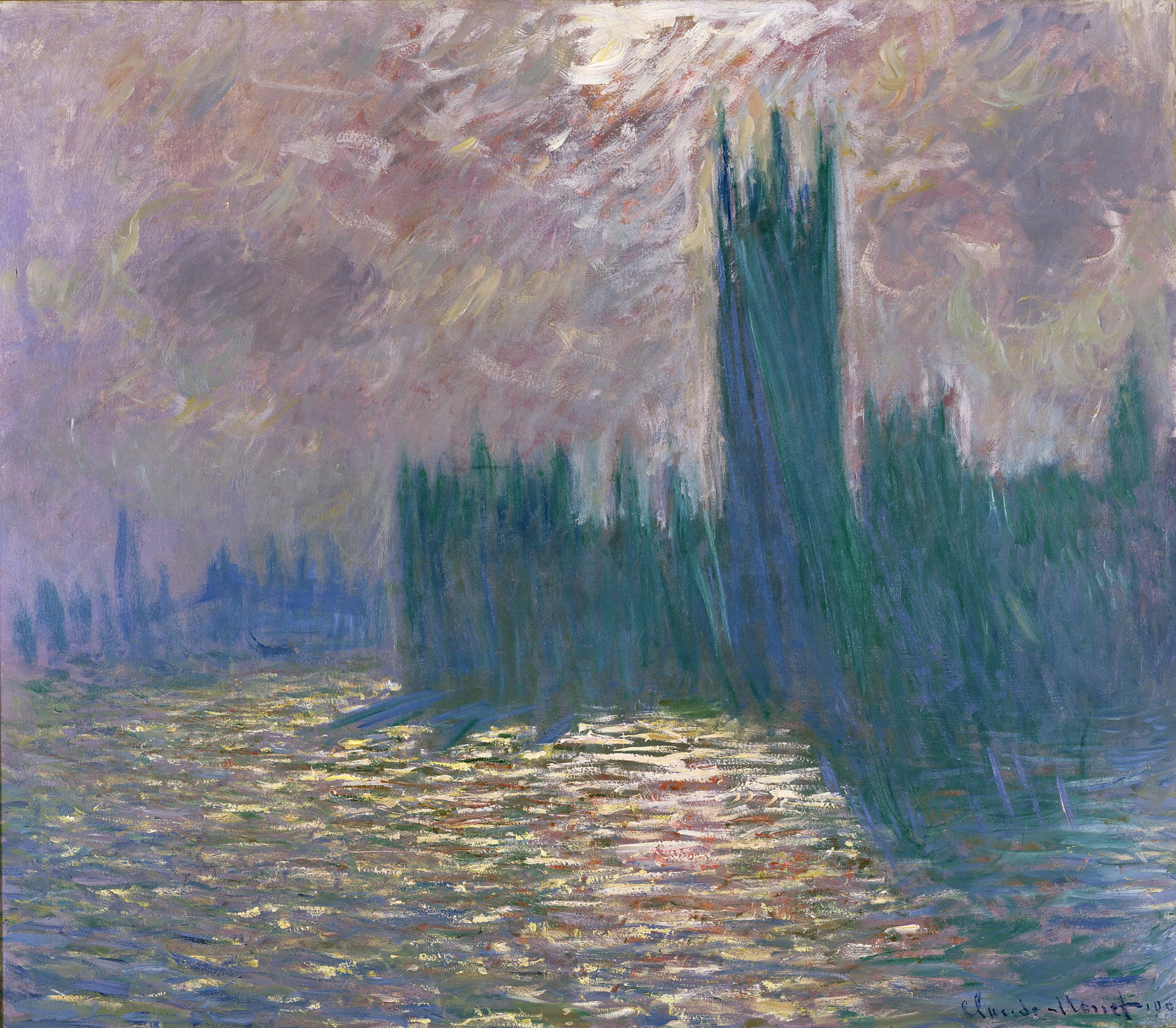
London, Parliament, Reflections on the Thames
Claude Monet · 1905
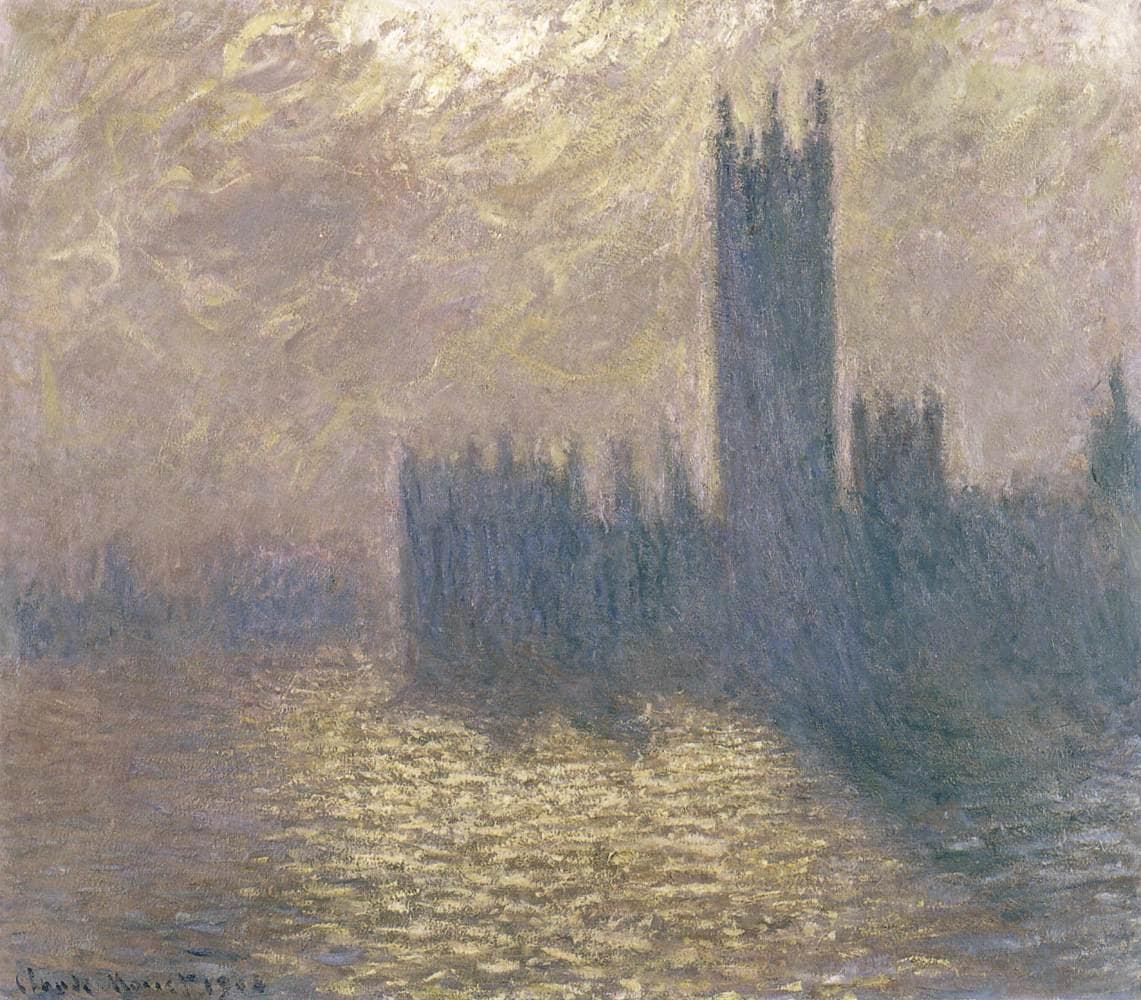
The Houses of Parliament, London
Claude Monet · 1904
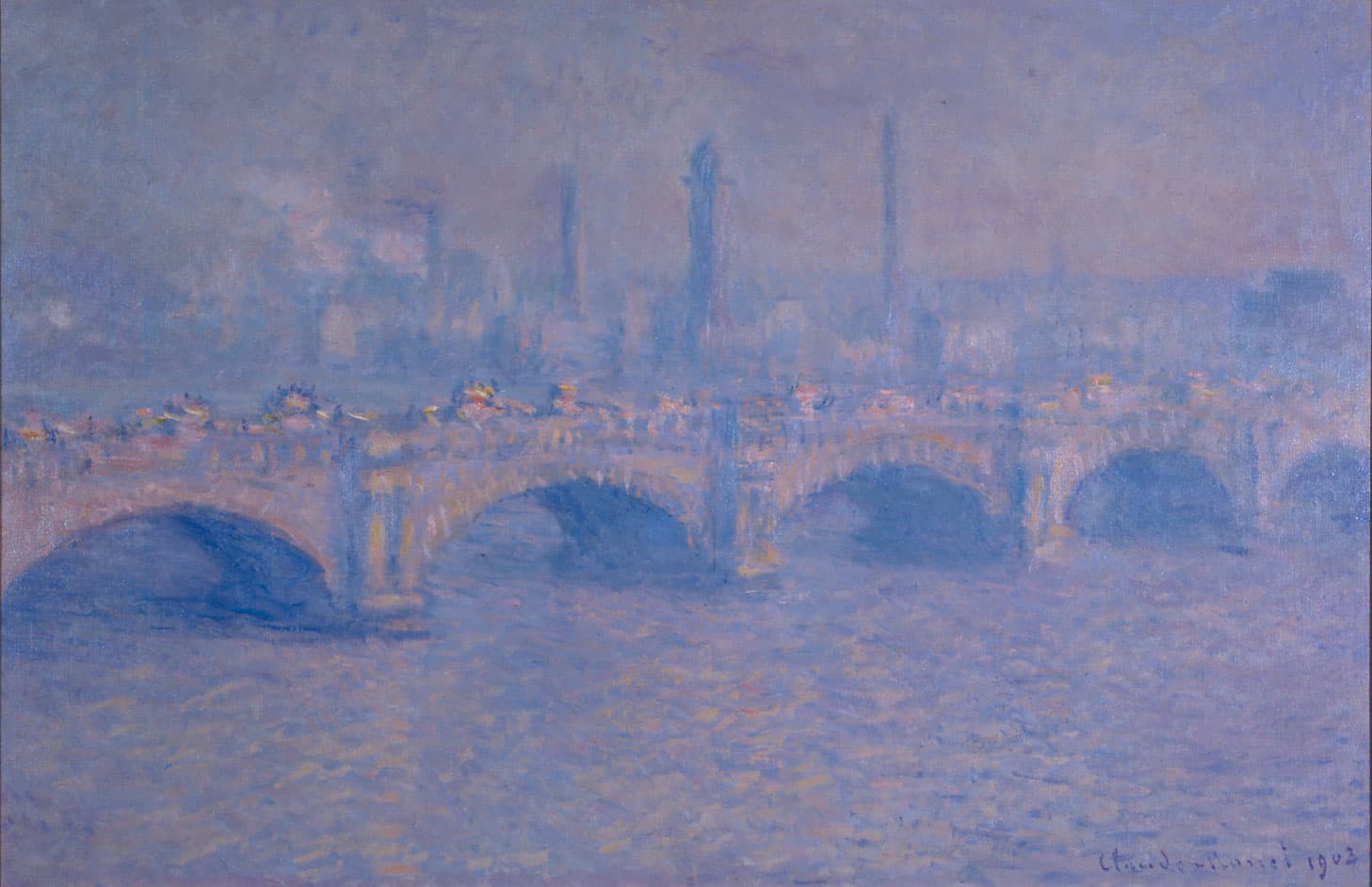
Waterloo Bridge, Sunlight Effect
Claude Monet · 1903
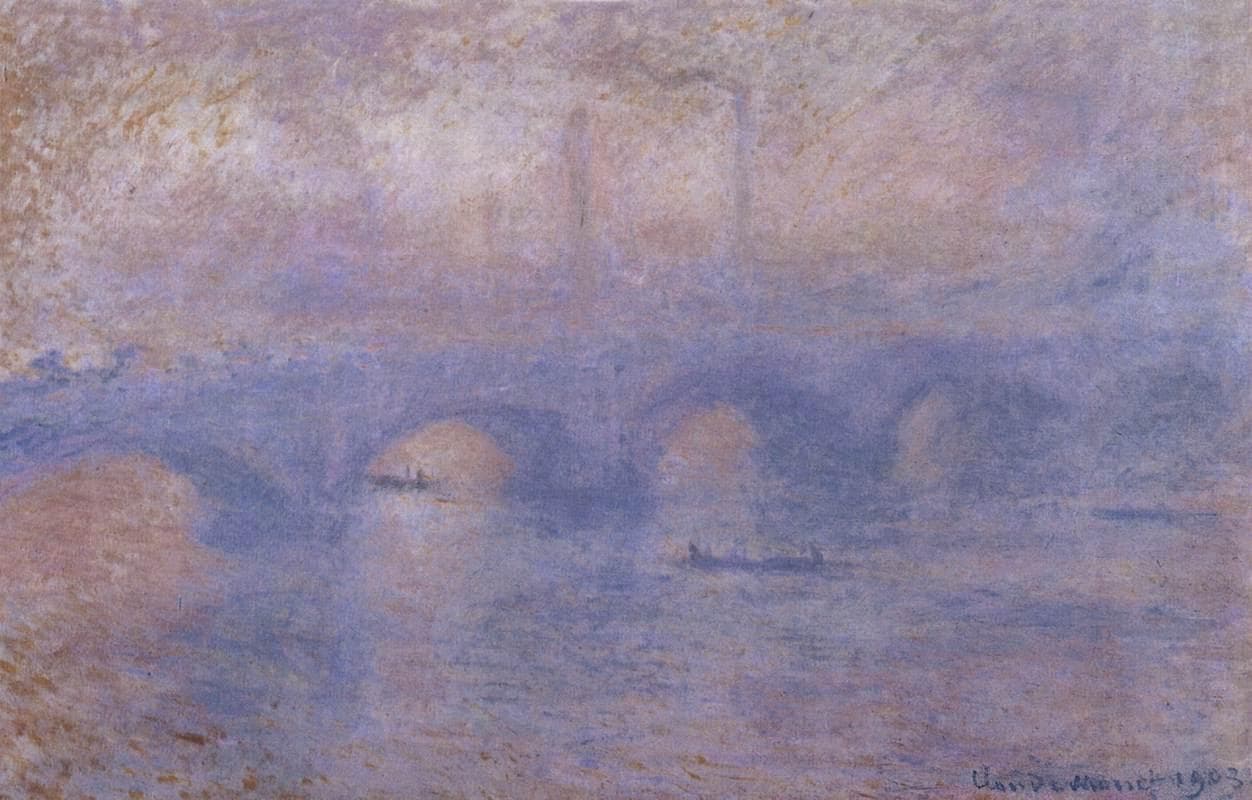
Waterloo Bridge, Effect of Fog
Claude Monet · 1903
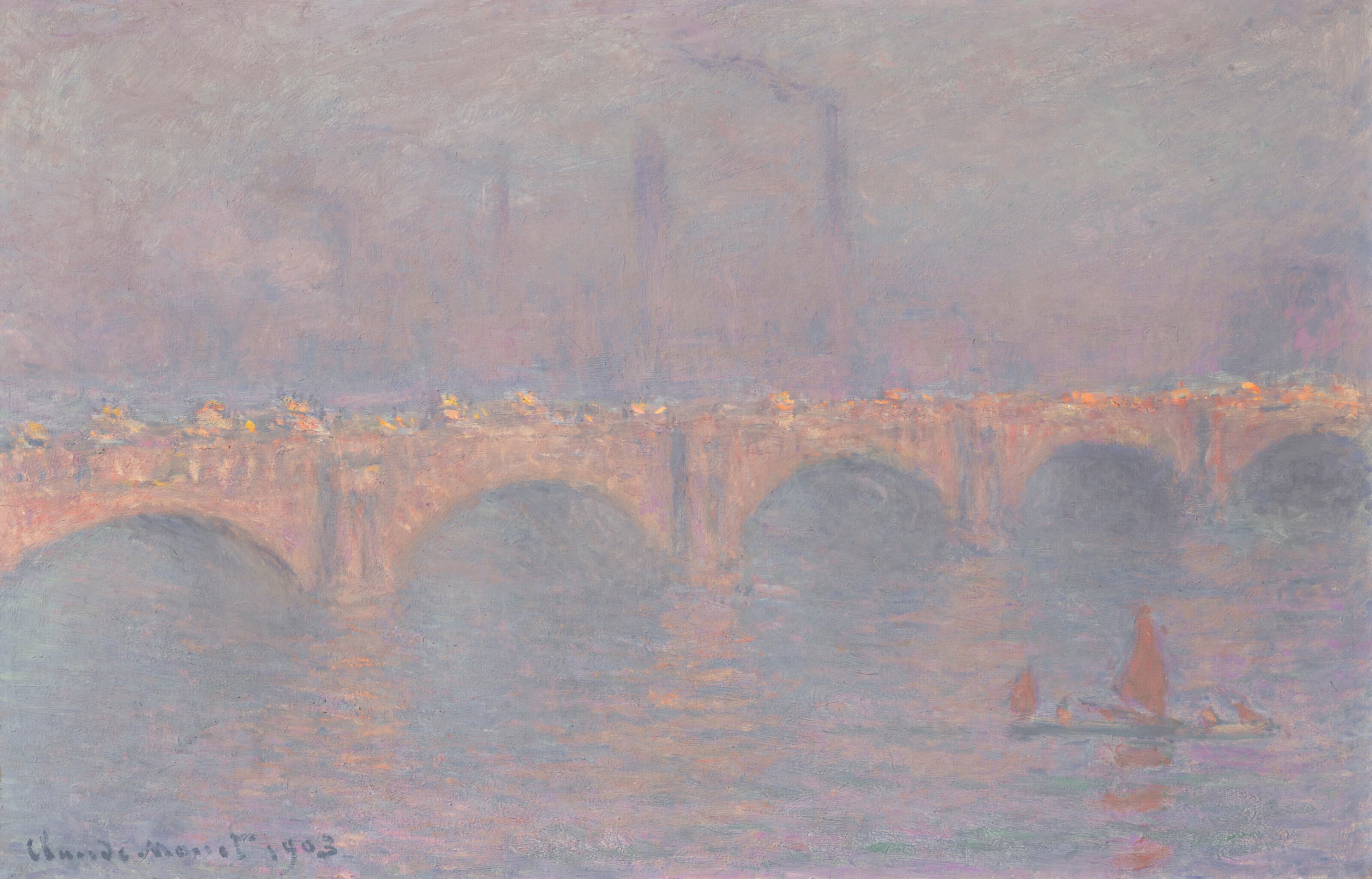
Waterloo Bridge, Hazy Sun
Claude Monet · 1903
Also painted in 1904
The same year
Water Lilies (1904)
Claude Monet · 1904
Waterloo Bridge, effet de brume
Claude Monet · 1904
Houses of Parliament, Sunset
Claude Monet · 1904
Houses of Parliament, Effect of Fog
Claude Monet · 1904
Le Parlement, coucher de soleil
Claude Monet · 1904
Waterloo Bridge, London, at Dusk
Claude Monet · 1904
Waterloo Bridge, London, at Sunset
Claude Monet · 1904
The Houses of Parliament in London
Claude Monet · 1904
Kindred works
You may also study
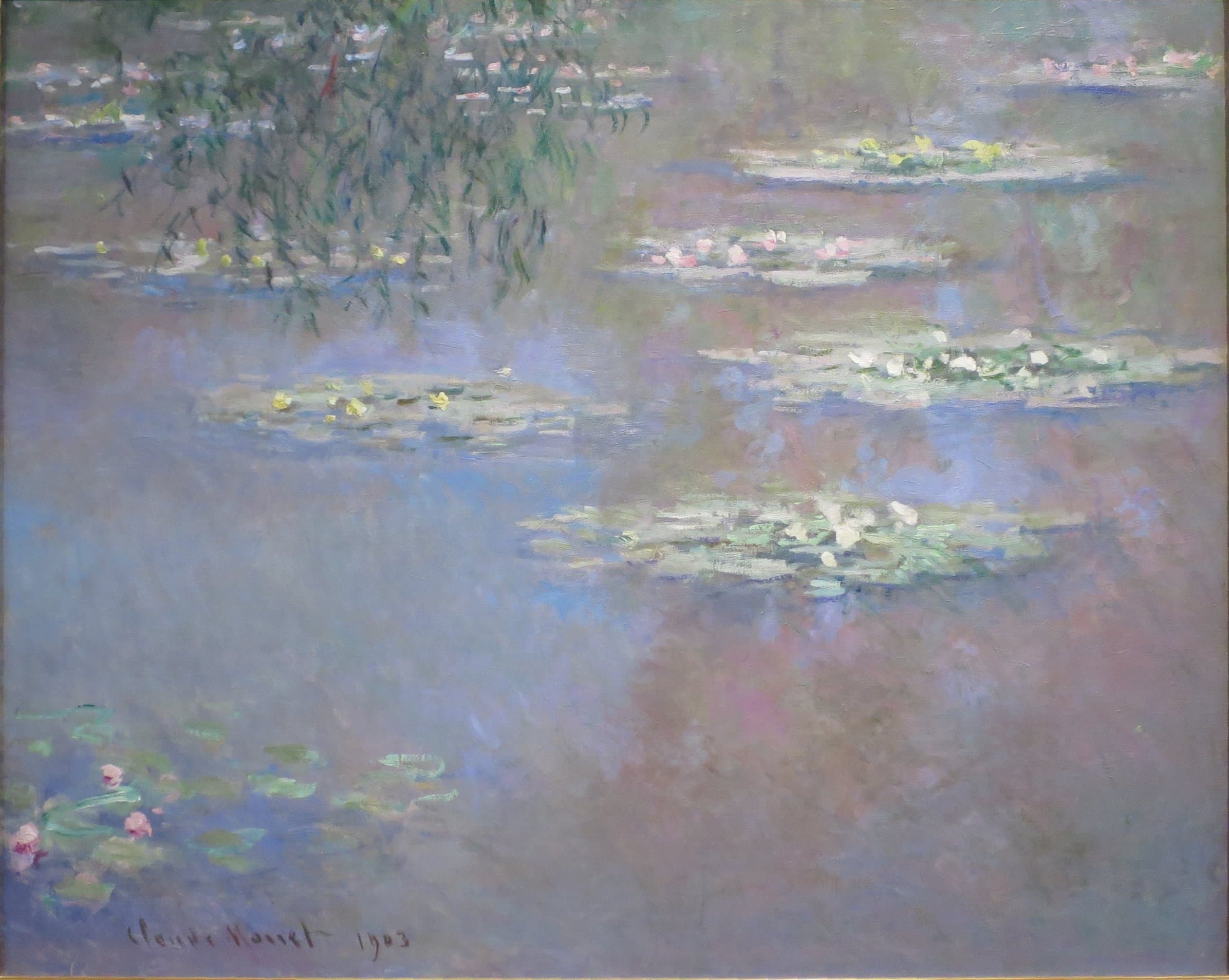
Waterlilies (1903, Dayton Art Institute)
Claude Monet · 1903
Water Lilies (1904)
Claude Monet · 1904
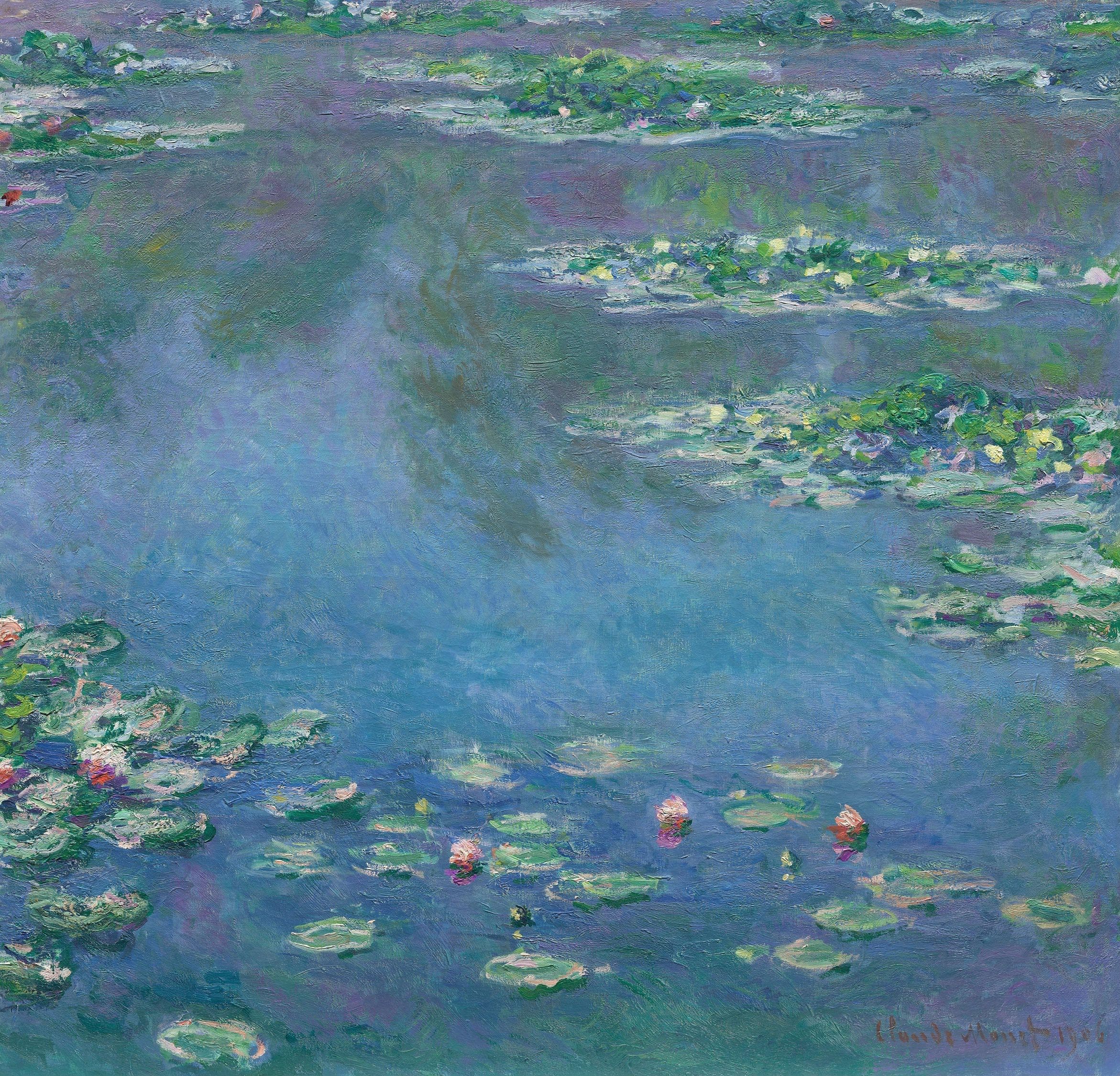
Water Lilies (1906, Art Institute of Chicago)
Claude Monet · 1906
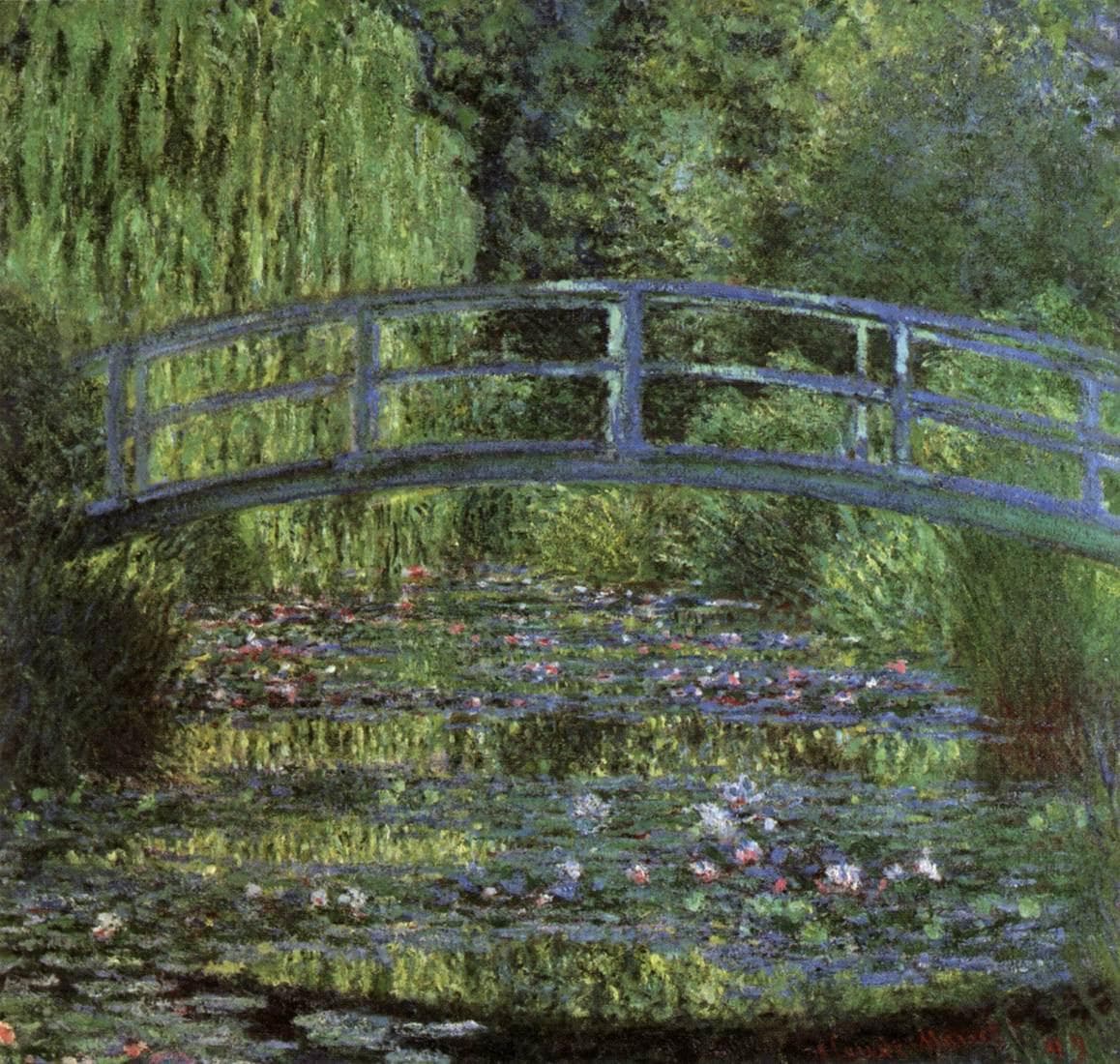
Water Lily Pond, Green Harmony
Claude Monet · 1899
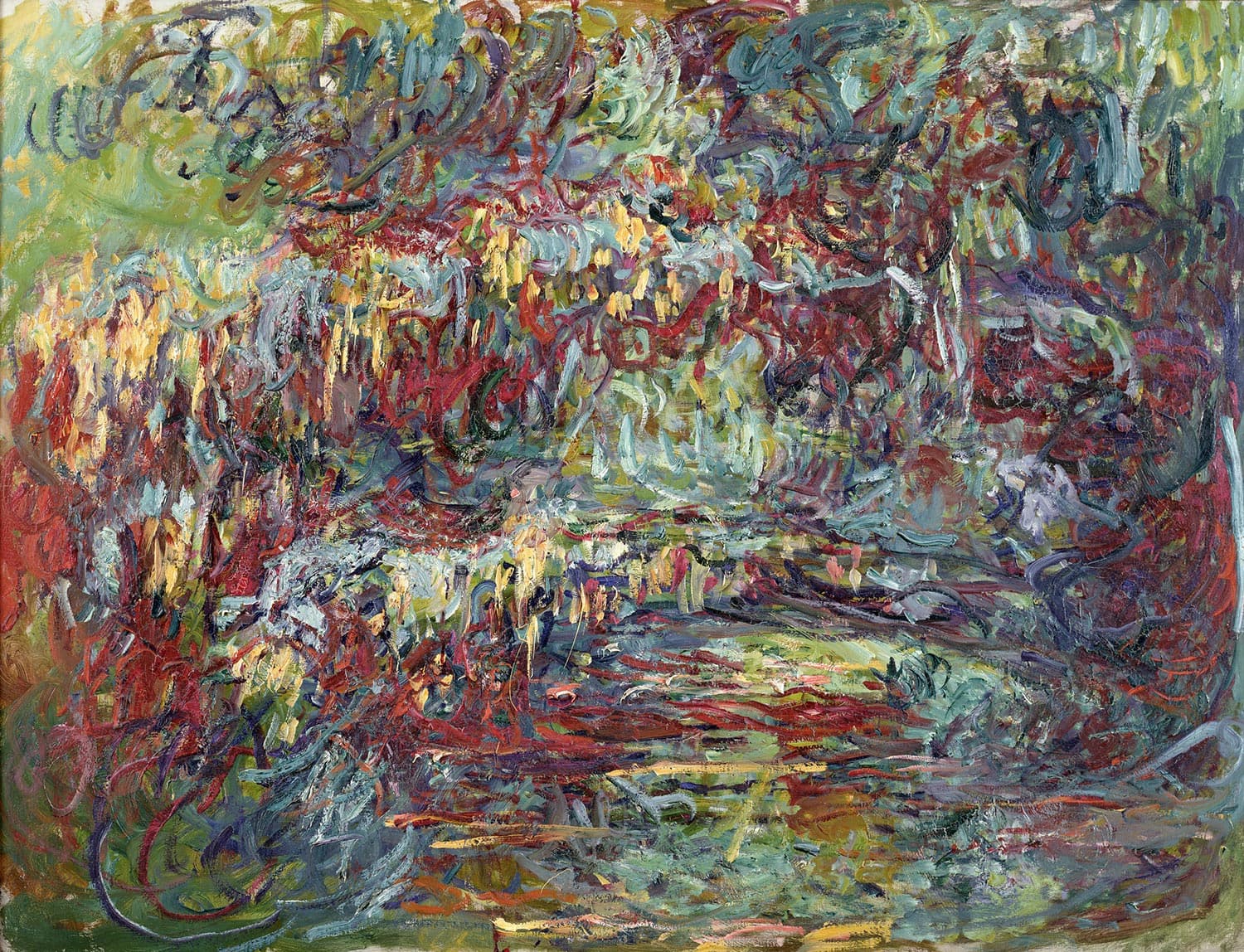
Le Pont japonais
Claude Monet · 1918–24

The Water Lilies: The Clouds
Claude Monet · c. 1914–26
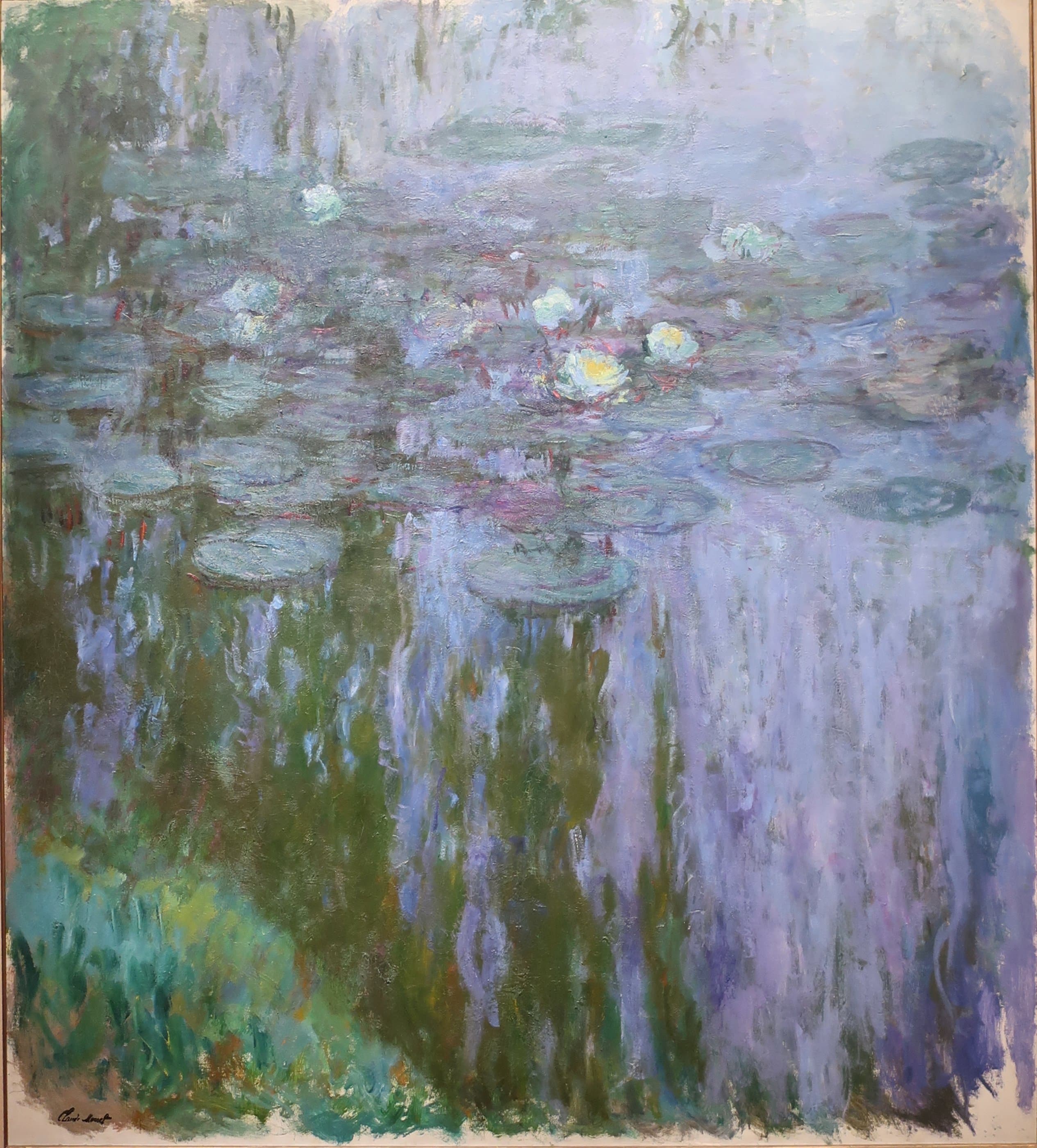
Nymphéas (Musée Marmottan Monet, 1916–19, inv. 5119)
Claude Monet · 1916–19
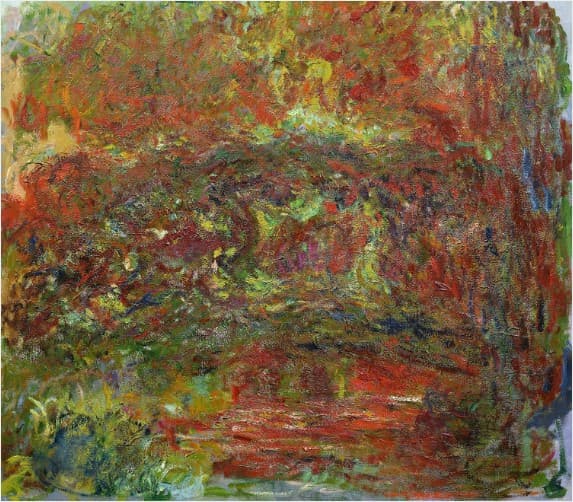
Le pont japonais
Claude Monet · 1918–24