Image: Brooklyn Museum, via Google Arts & Culture · Public domain · via Wikimedia Commons
The Doge's Palace (Le Palais ducal)
Claude Monet, 1908
The Doge's Palace (Le Palais ducal) is a 1908 painting by Claude Monet of the Doge's Palace in Venice seen close up from the water, its sunlit facade in cream and violet over glittering gold reflections. It is in the Brooklyn Museum, New York.
- Artist
- Claude Monet
- Date
- 1908
- Medium
- Oil on canvas
- Dimensions
- 81.3 × 99.1 cm
- Collection
- Brooklyn Museum, New York, United States
- Movement
- Impressionism
- Catalogue
- Wildenstein 1743
- The City
- Architecture & Ruins
- Water & Sea
- Power & History
The Doge's Palace (Le Palais ducal) is Claude Monet's close, sunlit view of the Palazzo Ducale in Venice, painted from the water during his visit in 1908. At 81.3 by 99.1 centimeters it is one of the largest of his Venice canvases, and it has been in the Brooklyn Museum since 1920 (gift of A. Augustus Healy, 20.634). It was the centerpiece of the museum's Monet and Venice exhibition in 2025–26.
What you're looking at
The palace spans almost the full width of the canvas, seen nearly head-on from a boat on the basin of San Marco. Its famous form is all there in shorthand: the two arcaded storeys at the bottom, the loggia's pointed arches painted as a row of violet shadows, and above them the great wall of patterned pink-and-white stone, here rendered as luminous cream, pierced by a row of large arched windows in violet-blue. The crenellated roofline is a band of small white touches against the sky.
At the far left stands one of the granite columns of the Piazzetta, a pale vertical with a darker capital, cutting into the facade. At the right, across the narrow canal behind the palace, the long white bulk of the prison building recedes in blue shadow. The sky is a deep lavender-blue, unusually clear for Monet's Venice.
The water is where the picture comes alive. Directly below the palace, the reflection is a broad band of gold, yellow and cream, broken into horizontal dashes; on either side the canal turns to deep blue, violet and green. The strokes are thick and choppy, suggesting a light breeze on the lagoon. The signature and date, Claude Monet 1908, are at the lower right.
Venice, autumn 1908
Monet arrived in Venice with his wife Alice in early October 1908, as guests of Mary Young Hunter at the Palazzo Barbaro, and later moved to the Hotel Britannia on the Riva degli Schiavoni, a short walk from the palace. They left in early December. The Brooklyn Museum's label notes that Monet painted this canvas from a gondola on the water. He returned to the Doge's Palace more than any other building except San Giorgio, painting it both close up, as here, and from across the basin.
How this version differs
Two other canvases show the palace at this close range, including Le Palais Ducal in the Hasso Plattner Collection at the Museum Barberini, a golden, hazier picture. A third view of this kind set a record for a Monet Venice painting when it sold at Sotheby's London in 2019. Brooklyn's is the clearest and most sharply lit of the group: blue sky, crisp violet shadows in the arcades, and a strong central shaft of reflected sunlight. The distant views, such as The Palazzo Ducale Seen from San Giorgio Maggiore at the Met and the Guggenheim canvas, shrink the same building to a pink band on the horizon.
How it was painted
Monet constructed the facade in thick, broken strokes of cream, pale yellow and lilac, letting the paint itself suggest the diamond pattern of the stonework rather than drawing it. The arcade is a rhythm of blue-violet daubs; the column at left is one long stroke. The water is the most impasted area, with yellow and cream laid over blue in short horizontal touches. As with all the Venice pictures, he reworked the canvas at Giverny before it left his studio, and twenty-nine Venice paintings were exhibited at Bernheim-Jeune in Paris in 1912.
Where to see it
The painting is in the Brooklyn Museum's European art galleries. In the autumn of 2025 Brooklyn organized Monet and Venice (October 11, 2025–February 1, 2026), with this canvas at its center, before the show traveled to the Fine Arts Museums of San Francisco in 2026. For the full Venice group see Monet in Venice, and for other museums with Monet, Where to See Monet's Paintings.
Questions & answers
Where is Monet's The Doge's Palace?
It is in the Brooklyn Museum in New York, a gift of A. Augustus Healy in 1920 (accession 20.634). It was the centerpiece of the museum's Monet and Venice exhibition, October 2025 to February 2026.
When and where was it painted?
In the autumn of 1908, during Monet's only stay in Venice. According to the Brooklyn Museum, he painted it from a gondola on the basin of San Marco. He finished it at Giverny; it is signed and dated 1908.
What does the painting show?
The Doge's Palace seen close up from the water: its arcades, cream facade and pointed windows lit by sun, a column of the Piazzetta at left, the prison building at right, and a broad gold reflection on the lagoon.
How many paintings of the Doge's Palace did Monet make?
Several: a few close views like this one and Le Palais Ducal at the Museum Barberini, and about six distant views from San Giorgio Maggiore, including canvases at the Met, the Guggenheim and the Kunsthaus Zürich.
More by the artist
Claude Monet
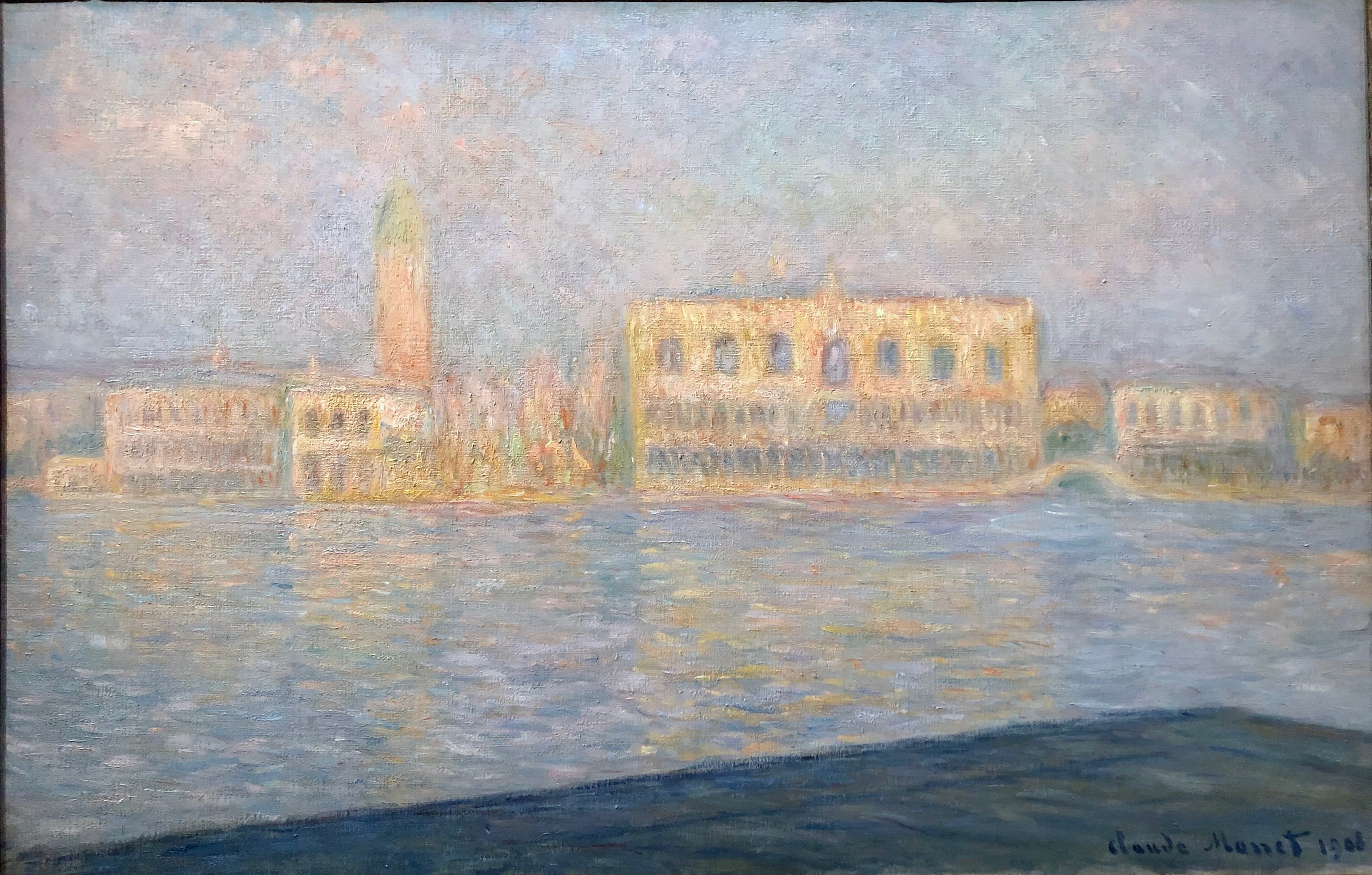
The Palazzo Ducale, Seen from San Giorgio Maggiore (Guggenheim)
Claude Monet · 1908
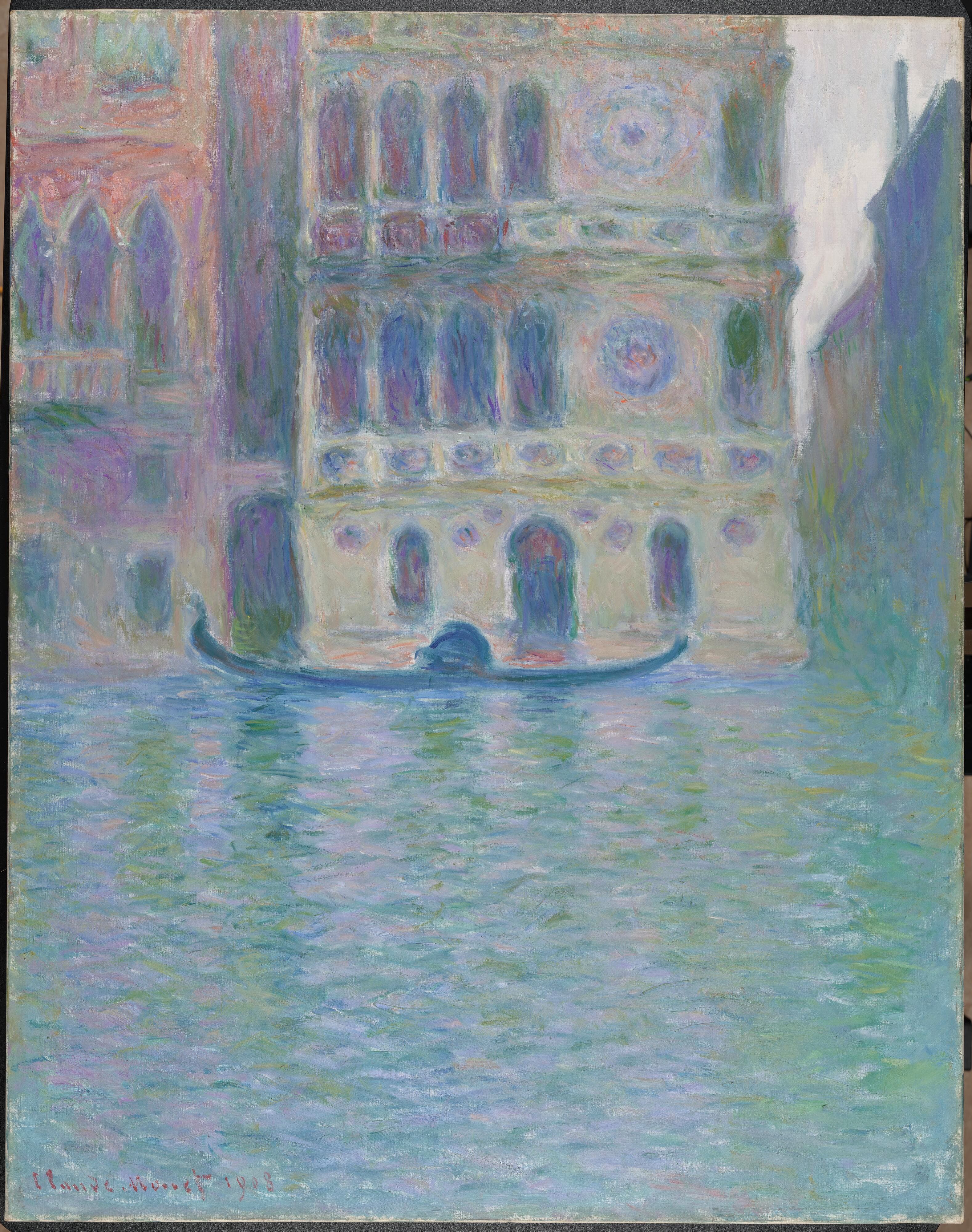
The Palazzo Dario
Claude Monet · 1908
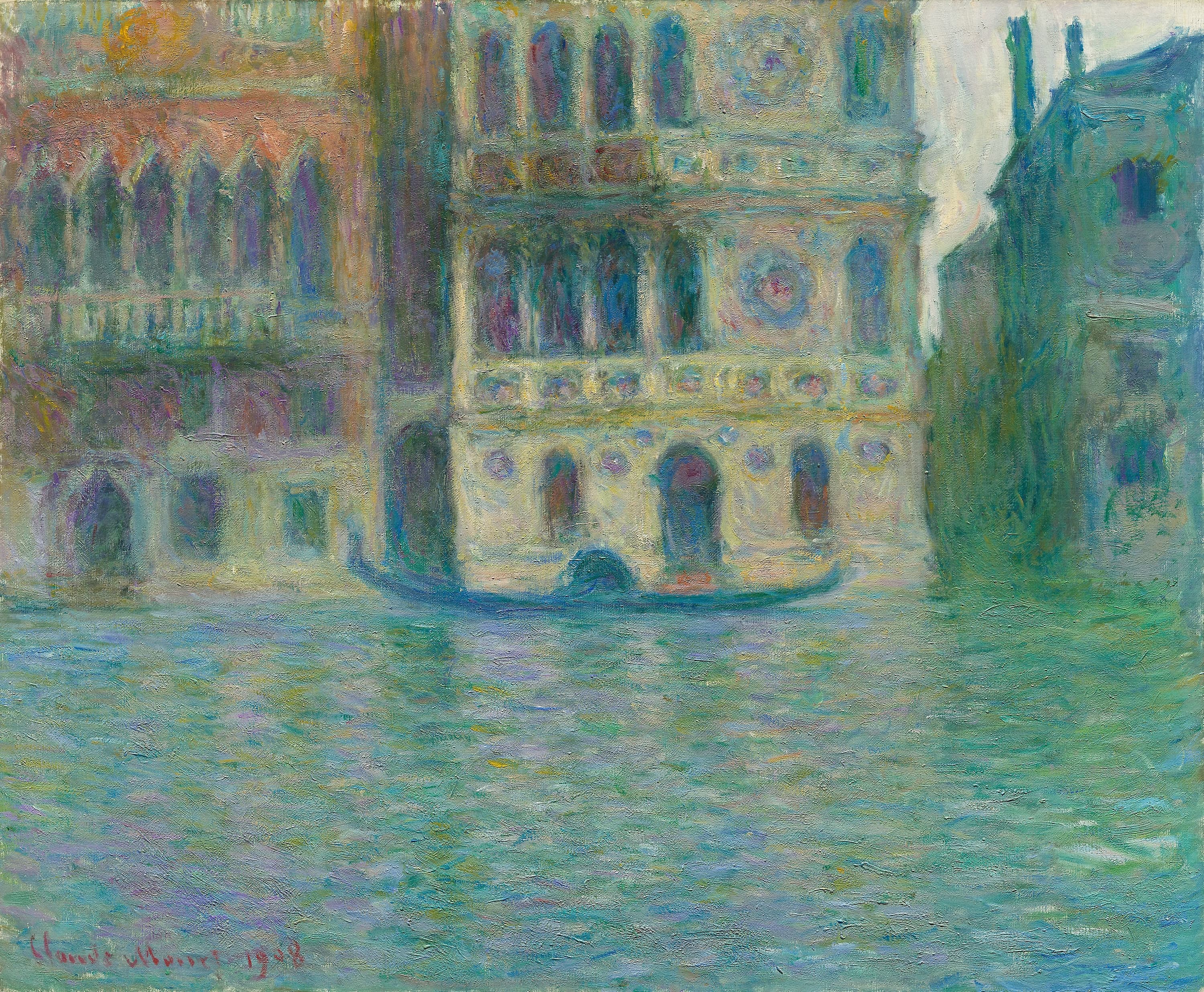
Venice, Palazzo Dario
Claude Monet · 1908
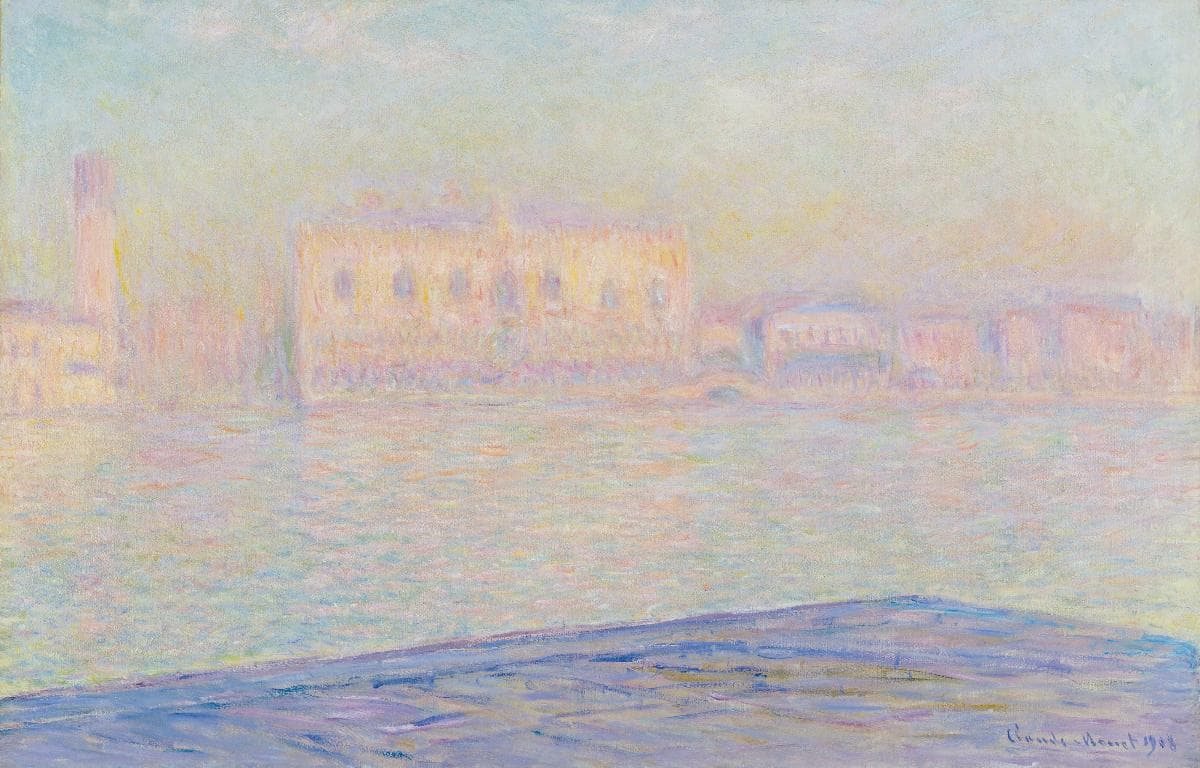
The Doge's Palace Seen from San Giorgio Maggiore (Zürich)
Claude Monet · 1908
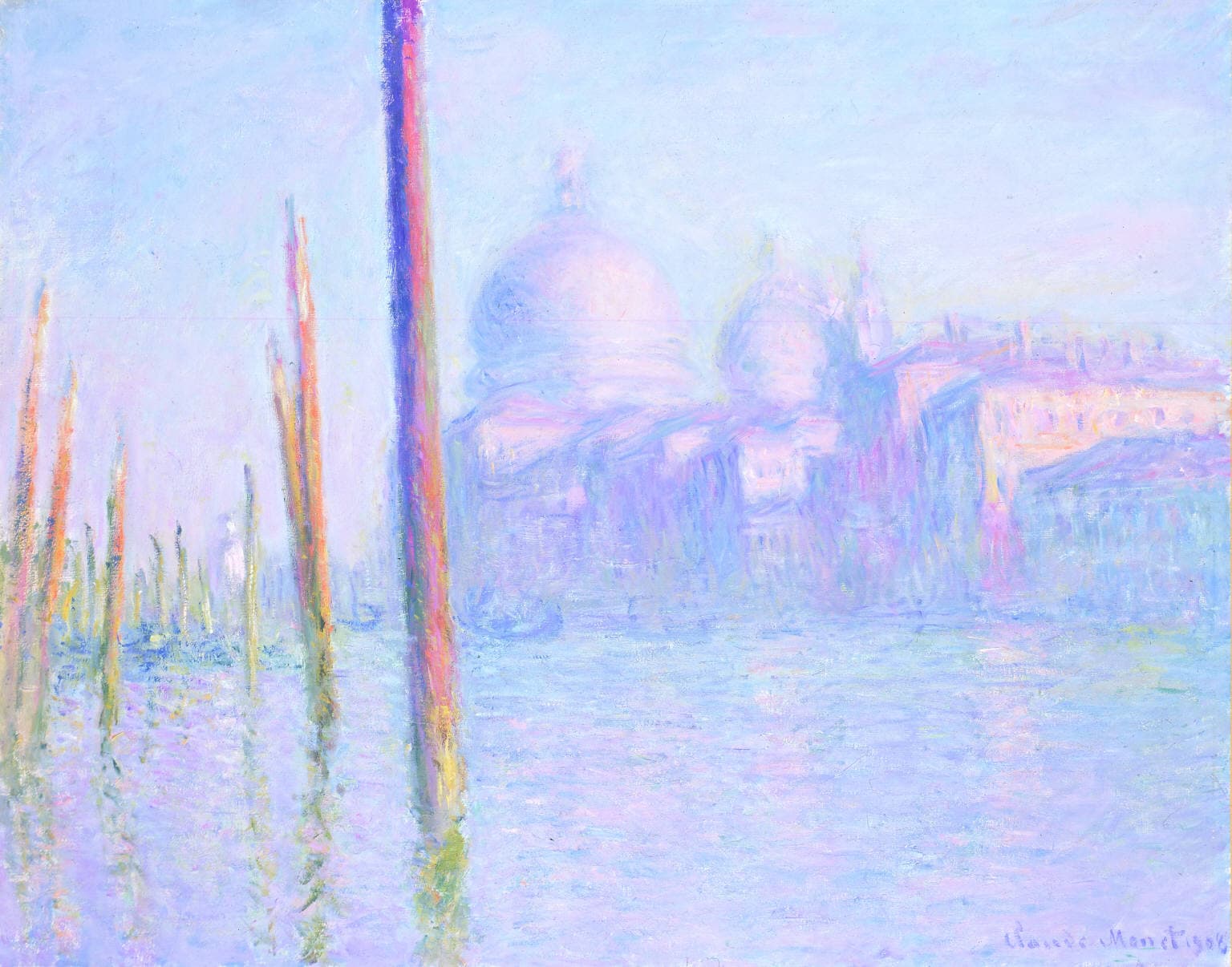
The Grand Canal, Venice
Claude Monet · 1908
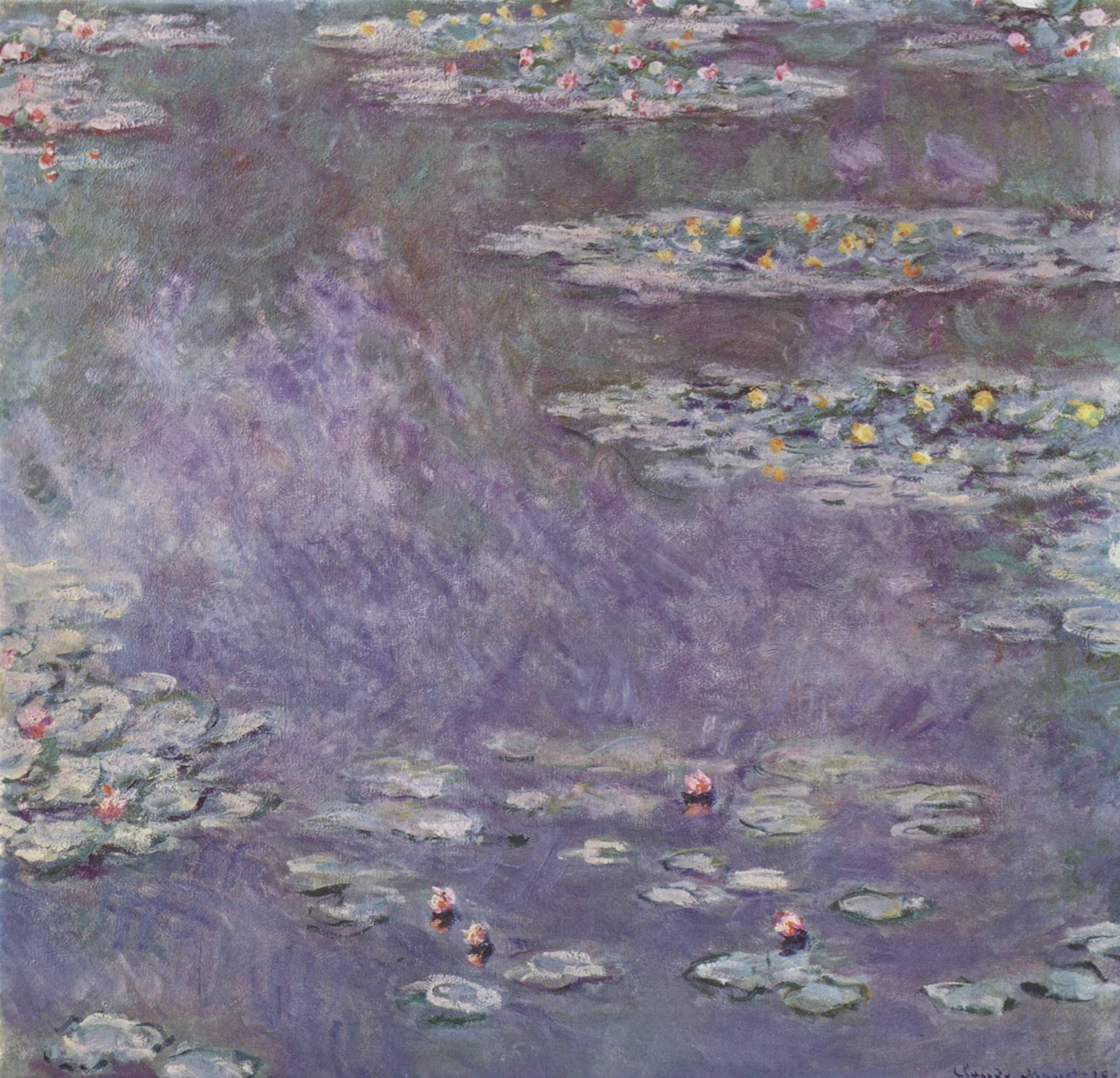
Nymphéas (Oyamazaki Villa Museum)
Claude Monet · 1908
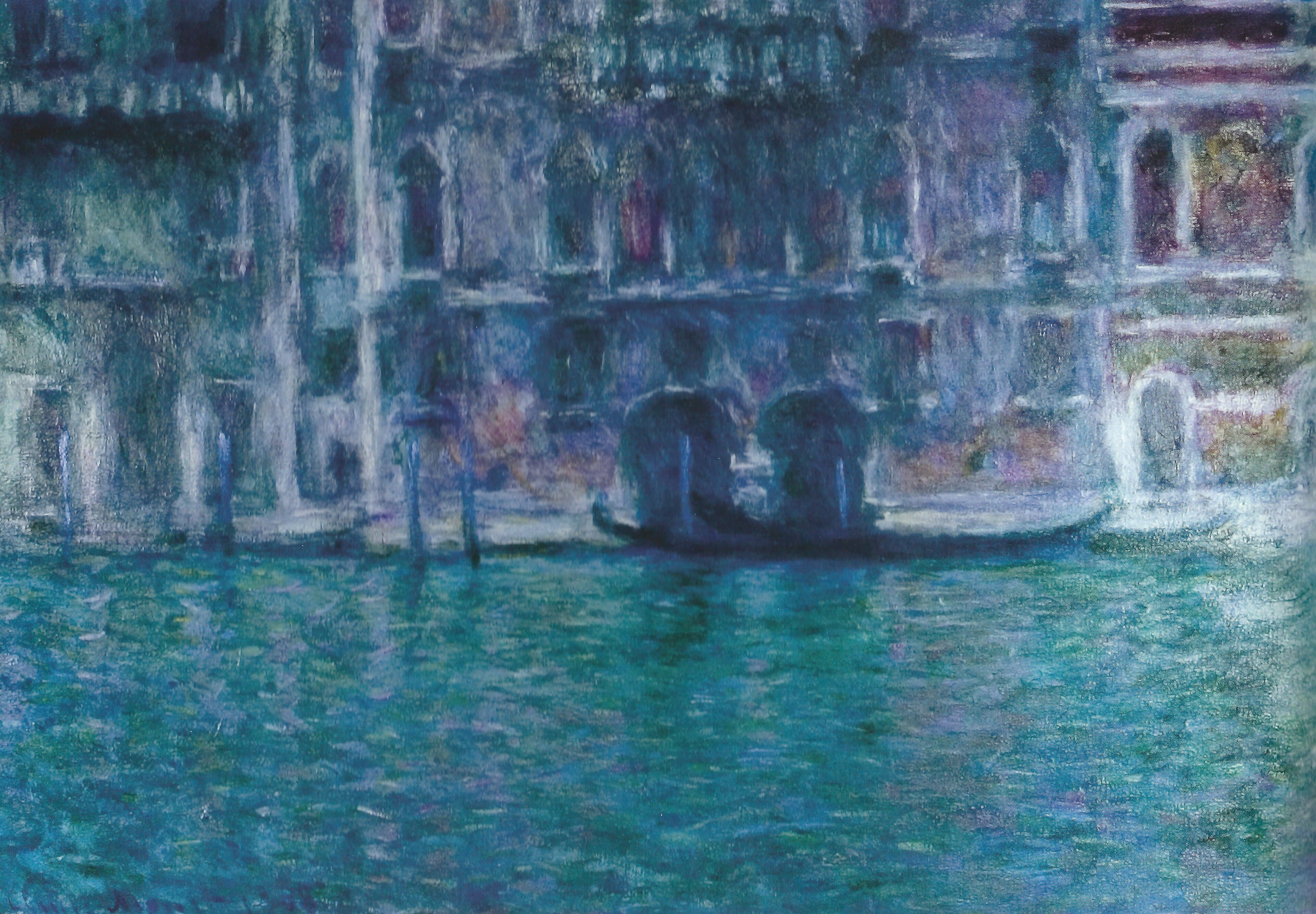
Palazzo Da Mula Morosini
Claude Monet · 1908
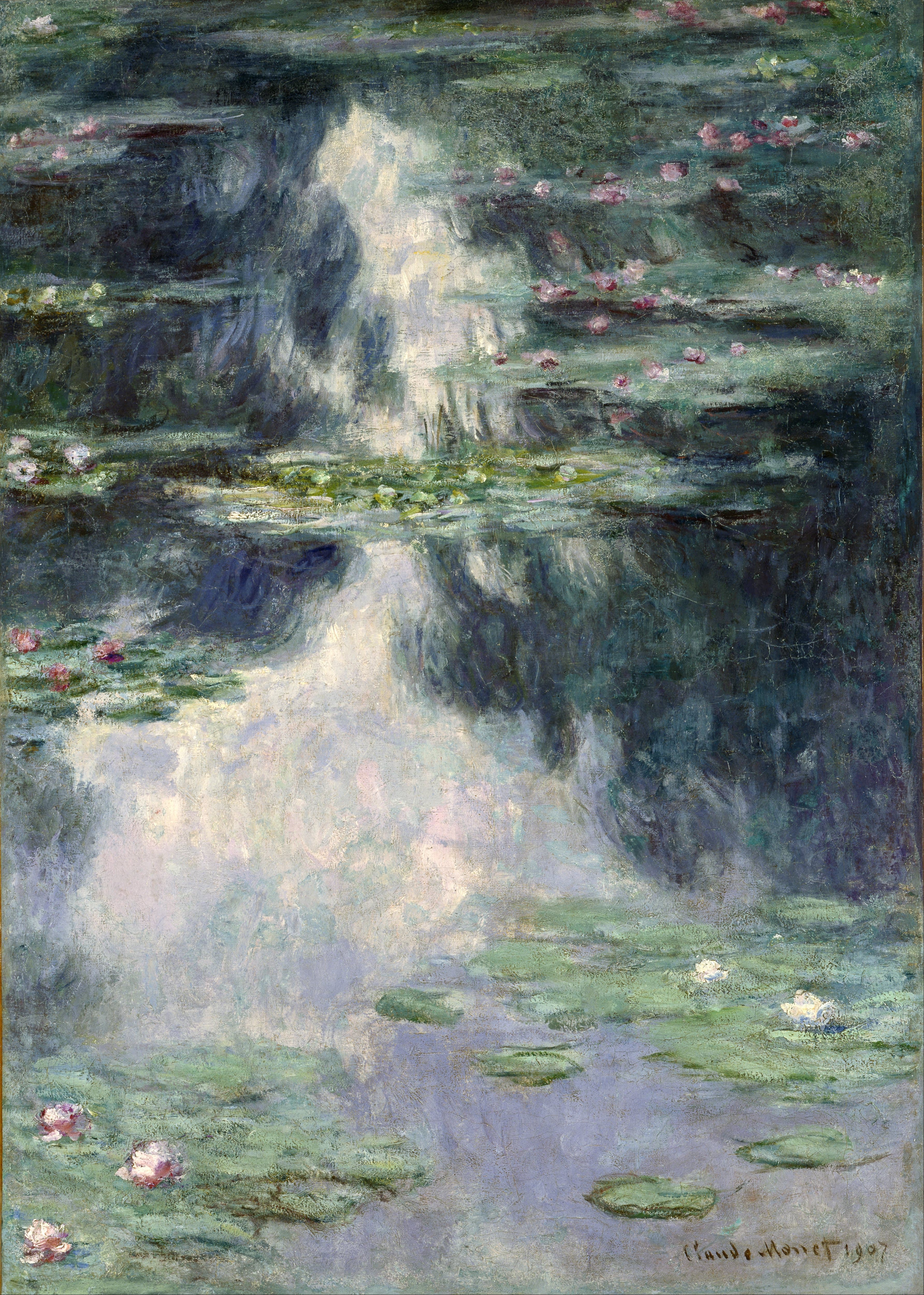
Pond with Water Lilies (Israel Museum)
Claude Monet · 1907
Also painted in 1908
The same year

Sunset in Venice
Claude Monet · 1908–12
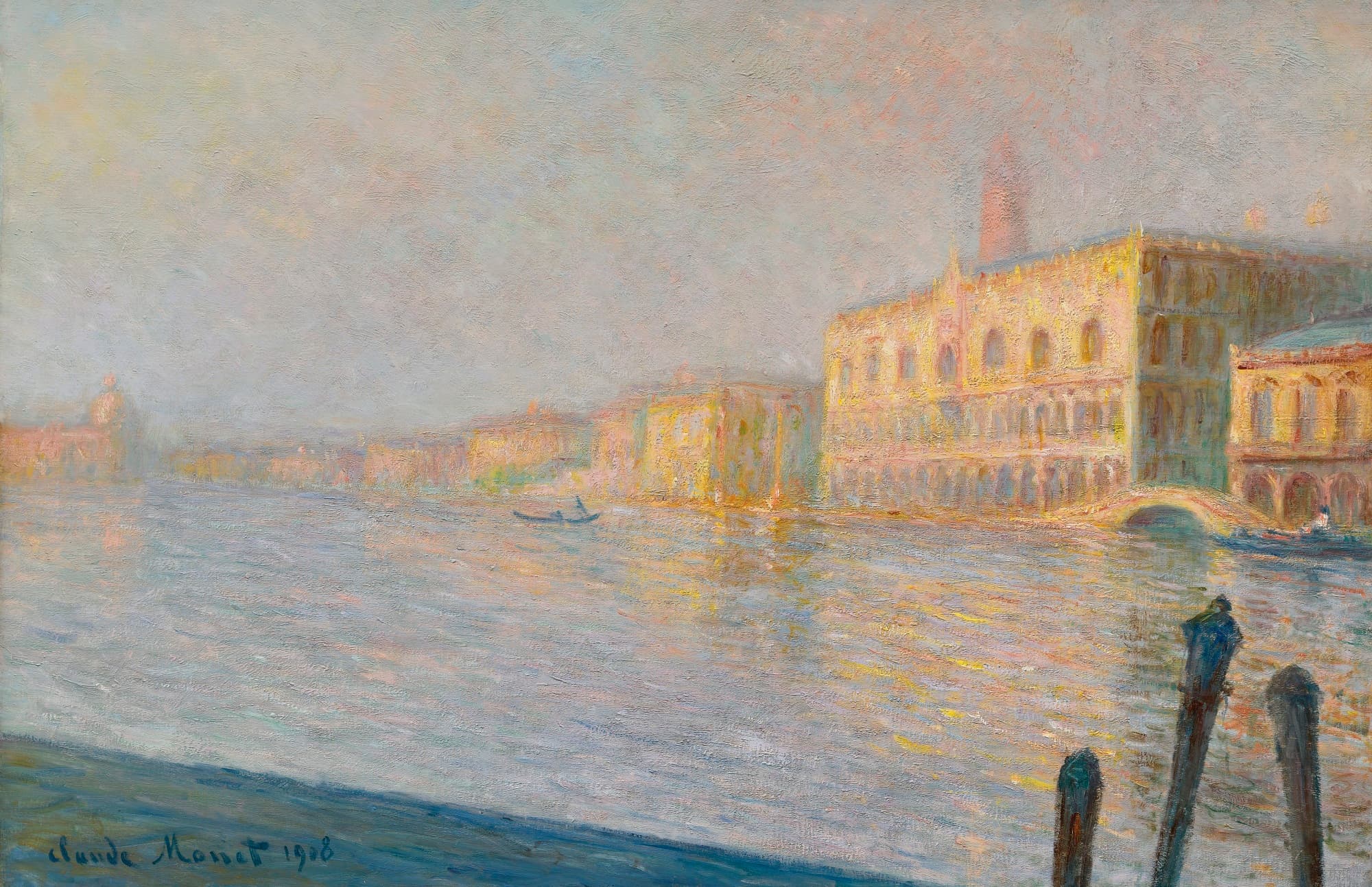
The Palazzo Ducale (Le Palais Ducal), 1908
Claude Monet · 1908
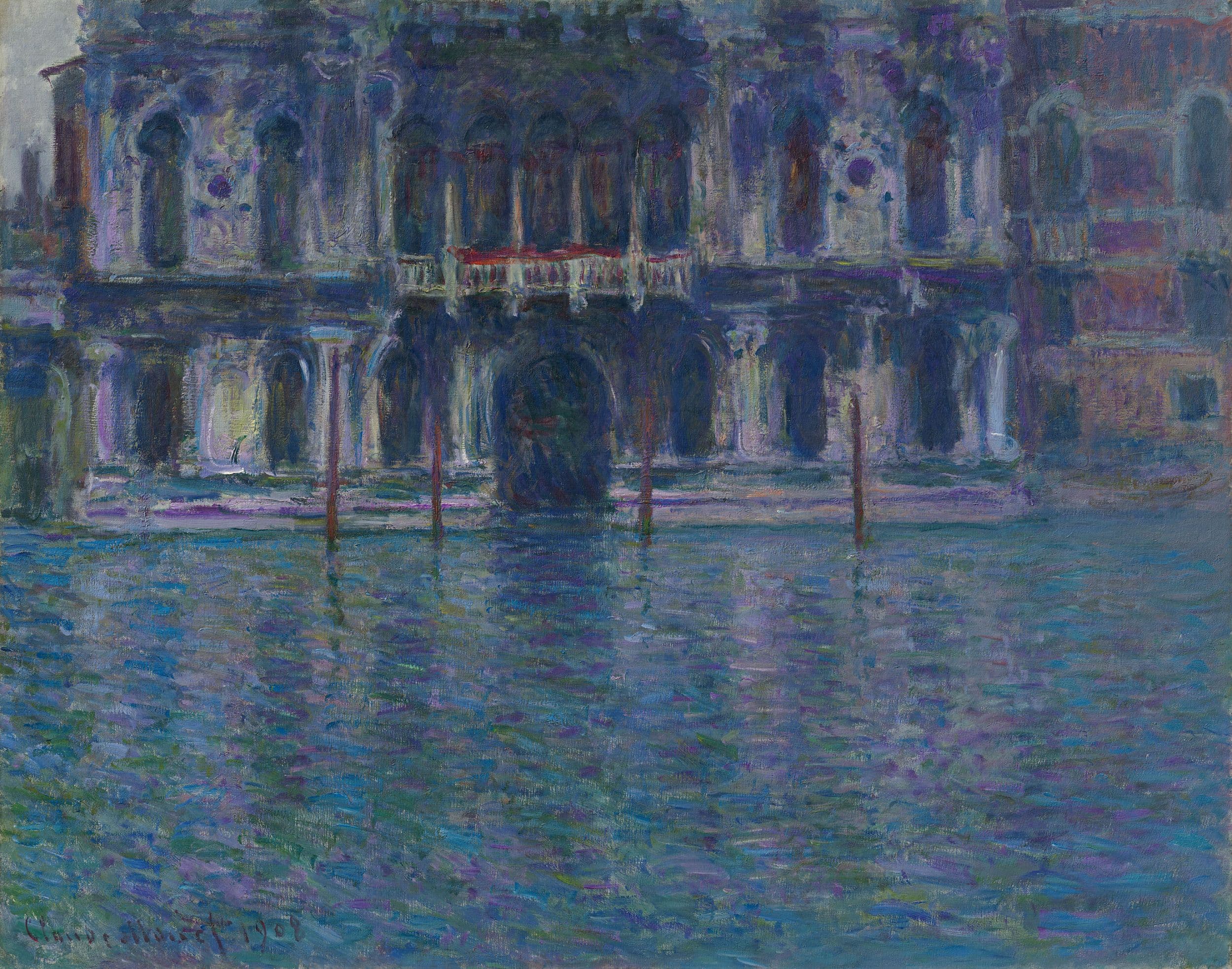
Le Palais Contarini (Potsdam)
Claude Monet · 1908
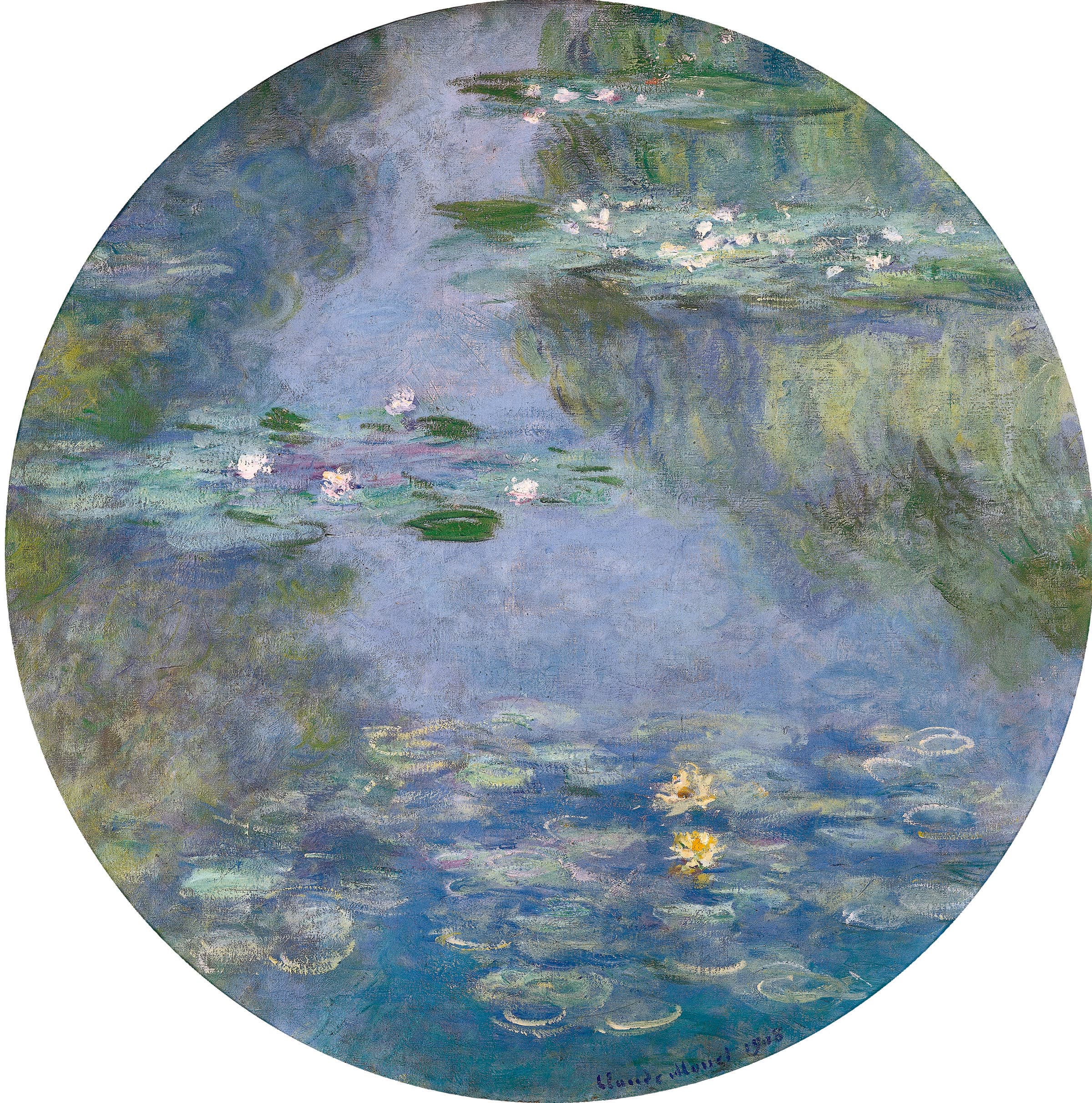
Nymphéas (1908 tondo, Vernon)
Claude Monet · 1908
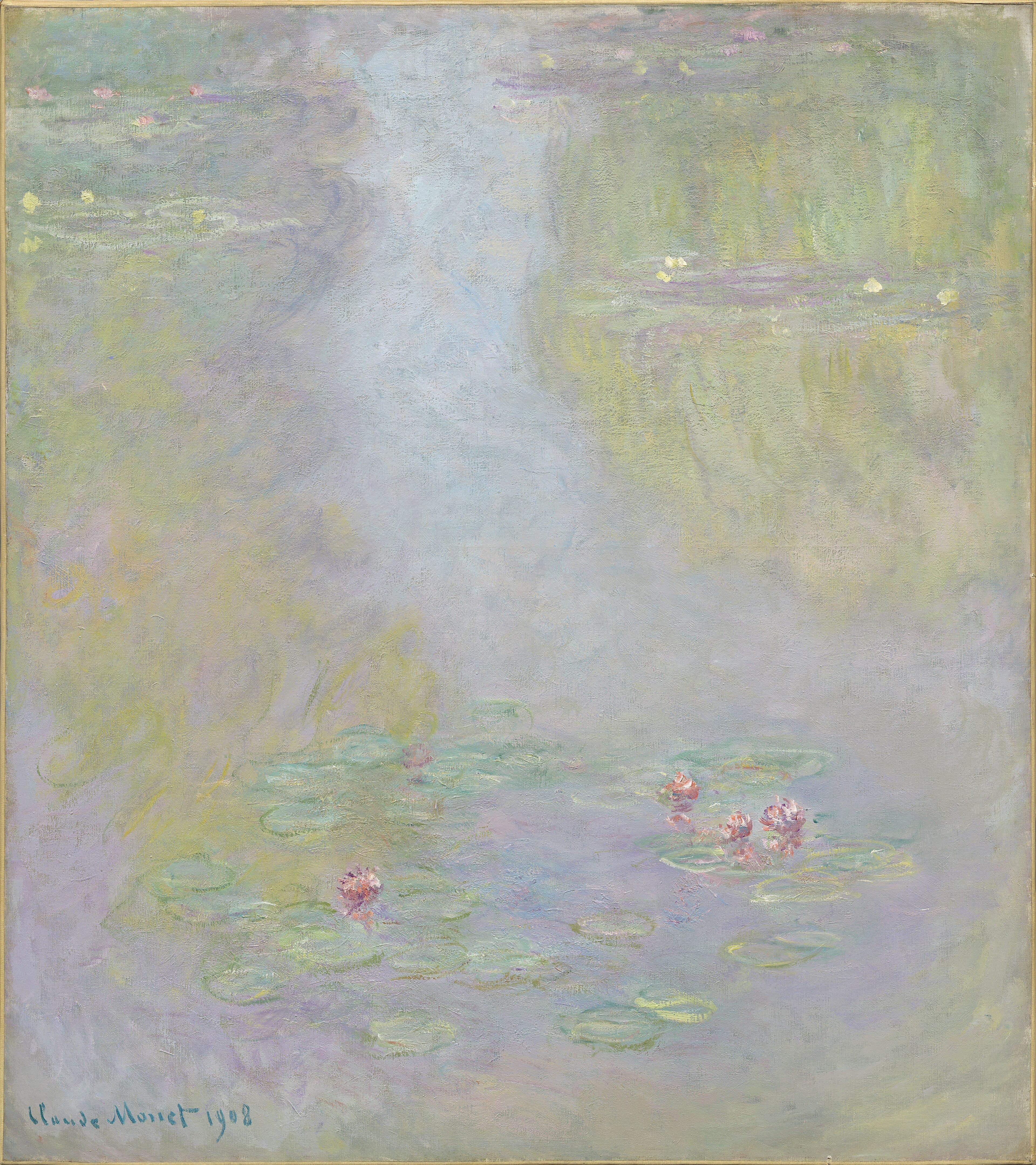
Water Lilies (1908, Tokyo Fuji Art Museum)
Claude Monet · 1908
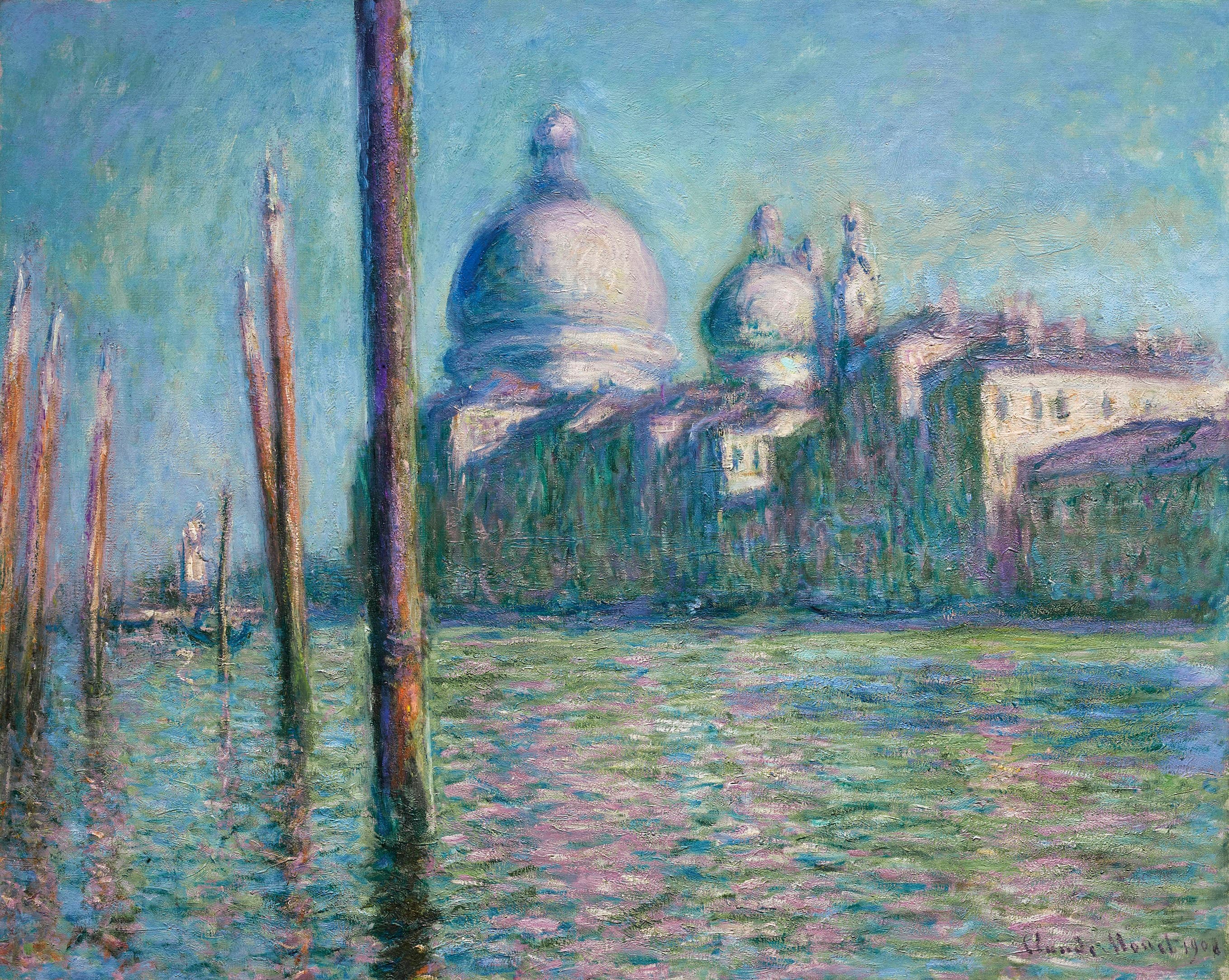
The Grand Canal, Venice
Claude Monet · 1908
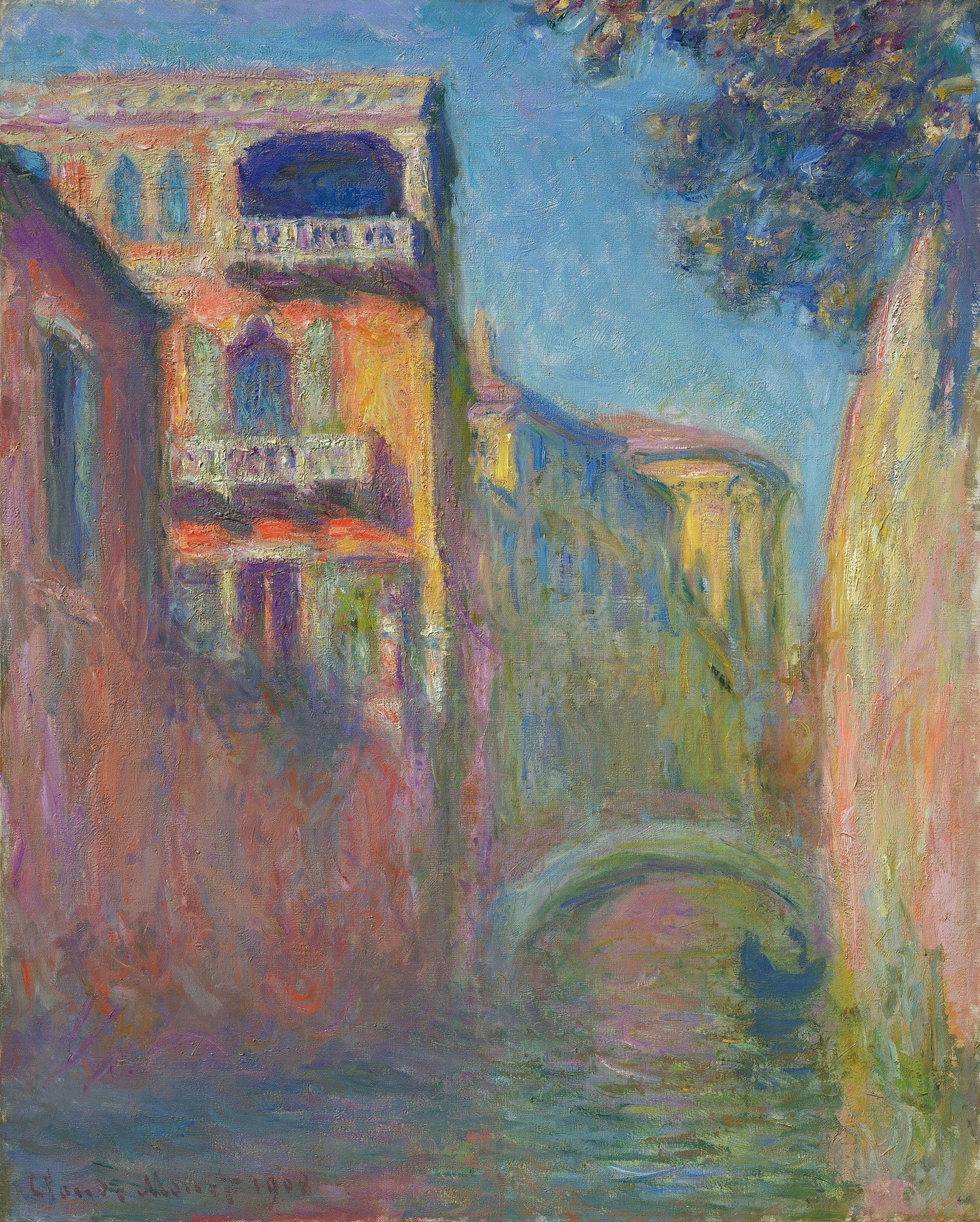
The Rio della Salute
Claude Monet · 1908
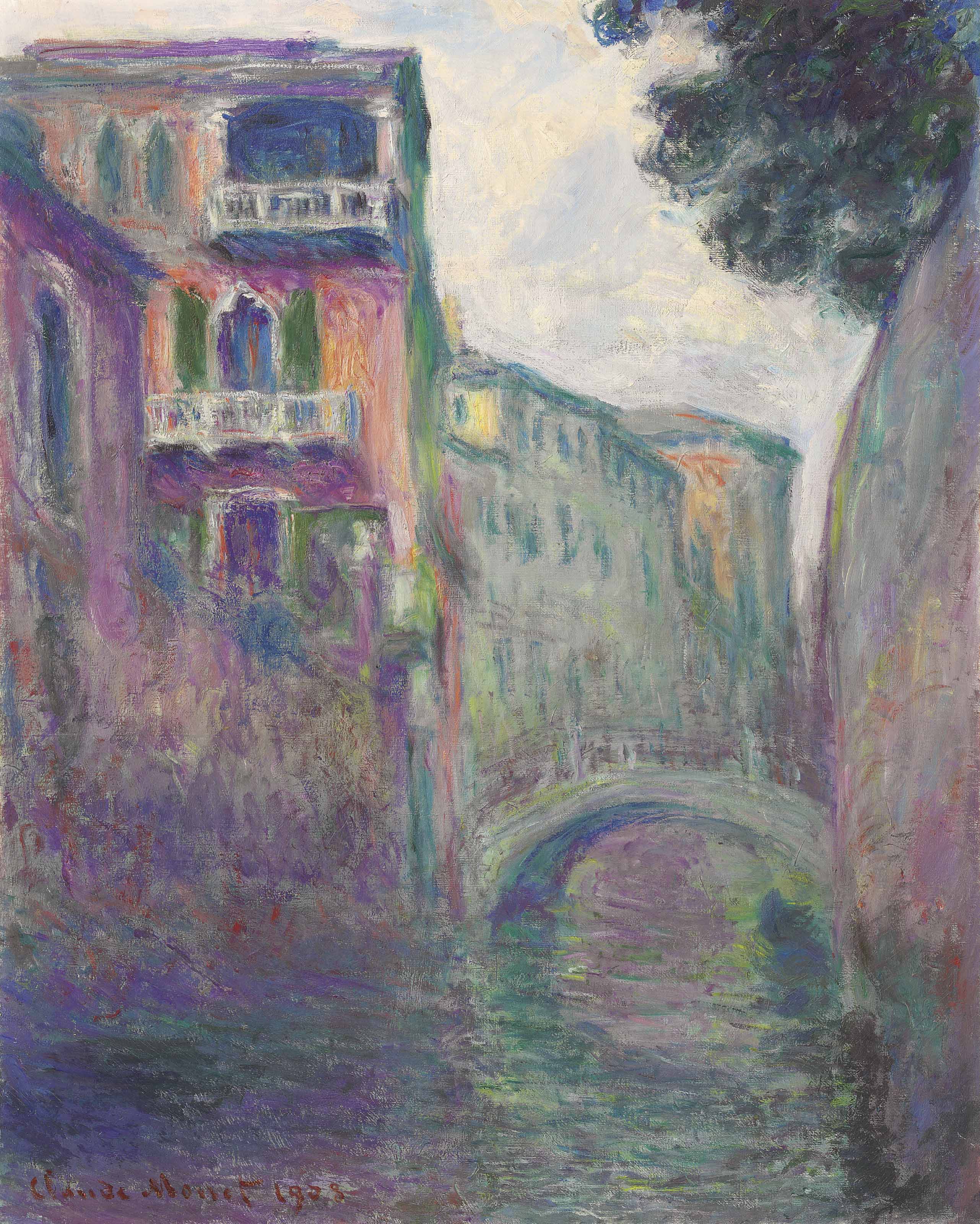
The Rio della Salute
Claude Monet · 1908
Kindred works
You may also study
The Palazzo Ducale (Le Palais Ducal), 1908
Claude Monet · 1908
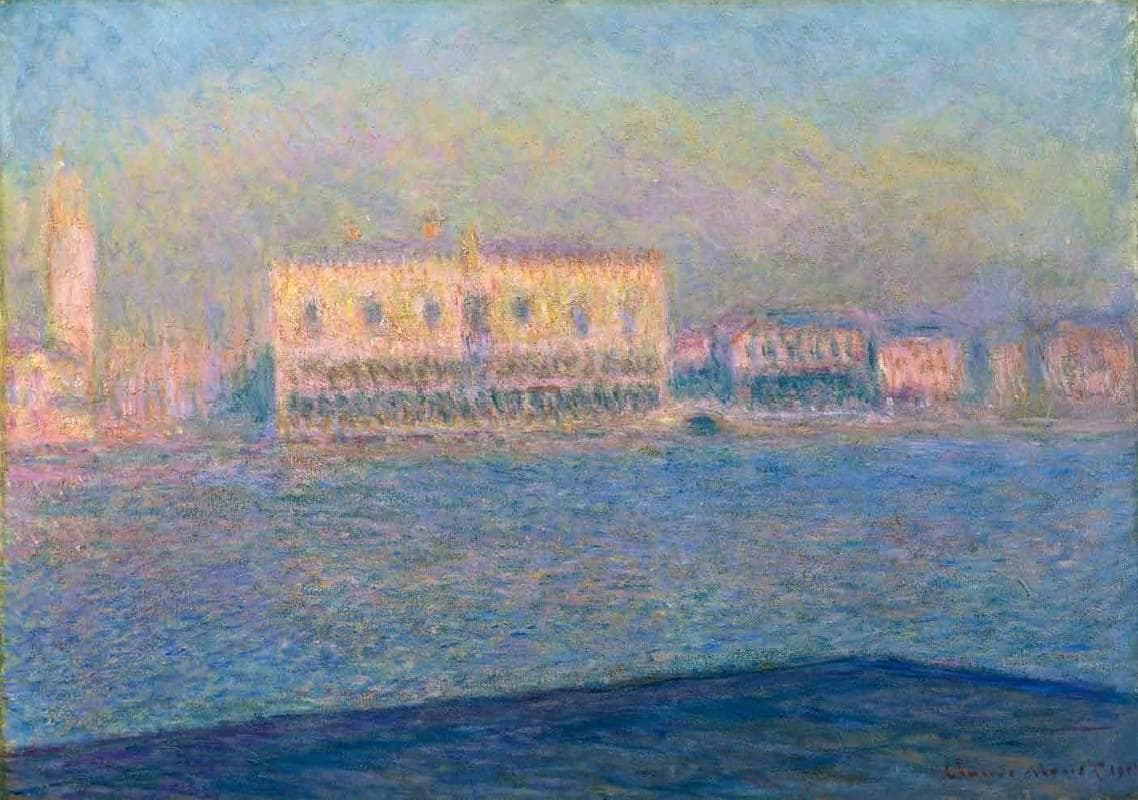
The Palazzo Ducale Seen from San Giorgio Maggiore
Claude Monet · 1908
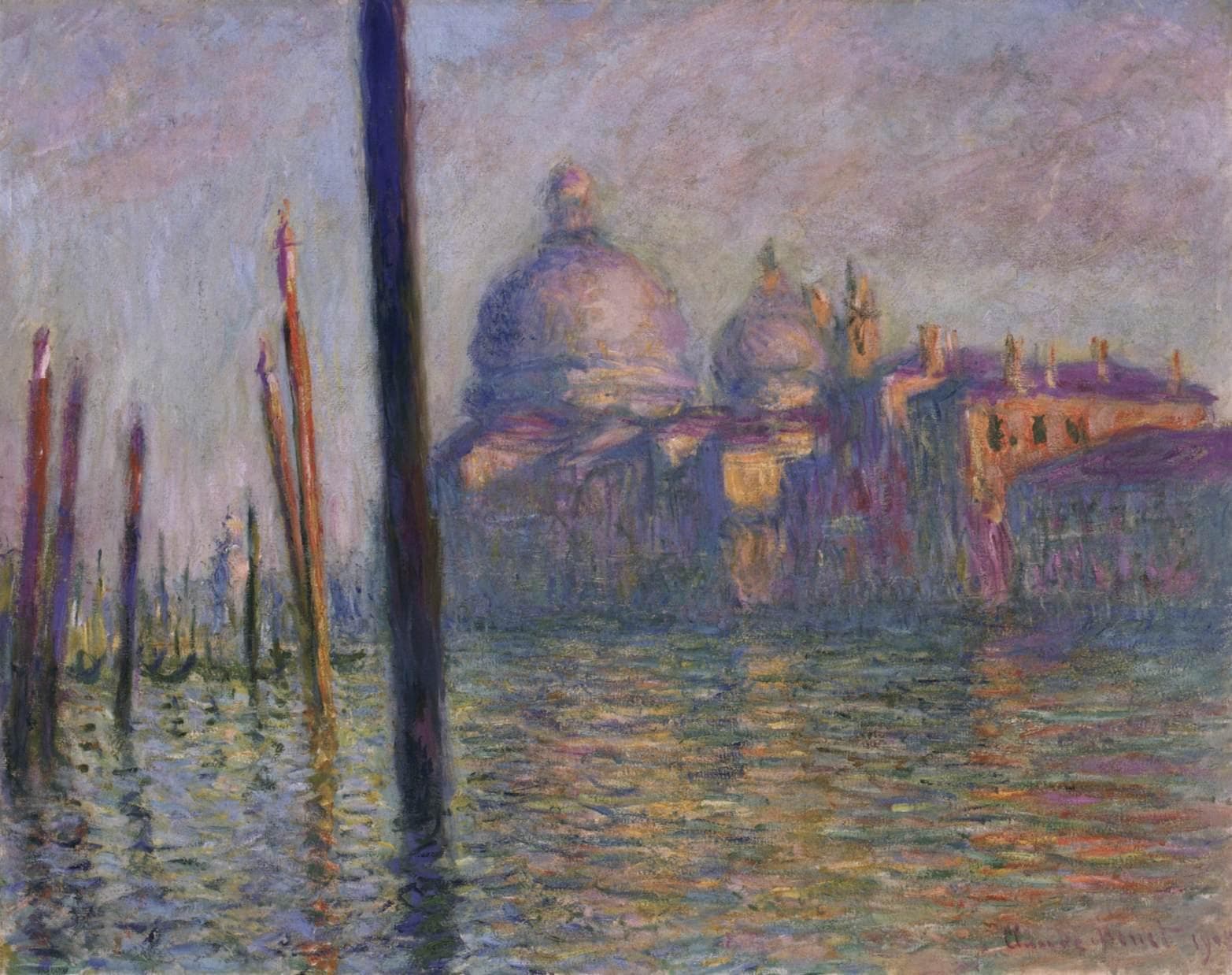
The Grand Canal in Venice
Claude Monet · 1908
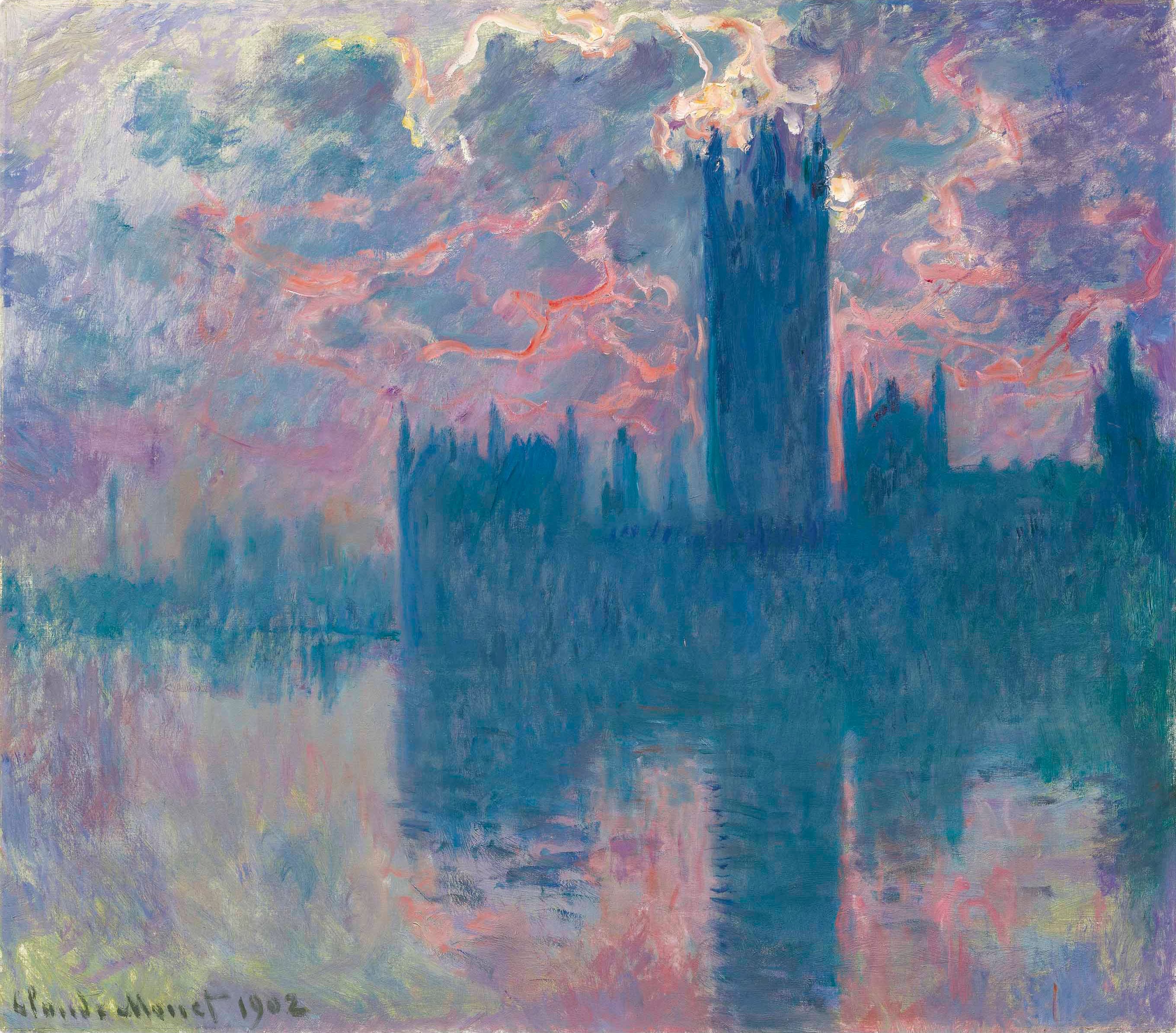
Le Parlement, soleil couchant
Claude Monet · 1902–03
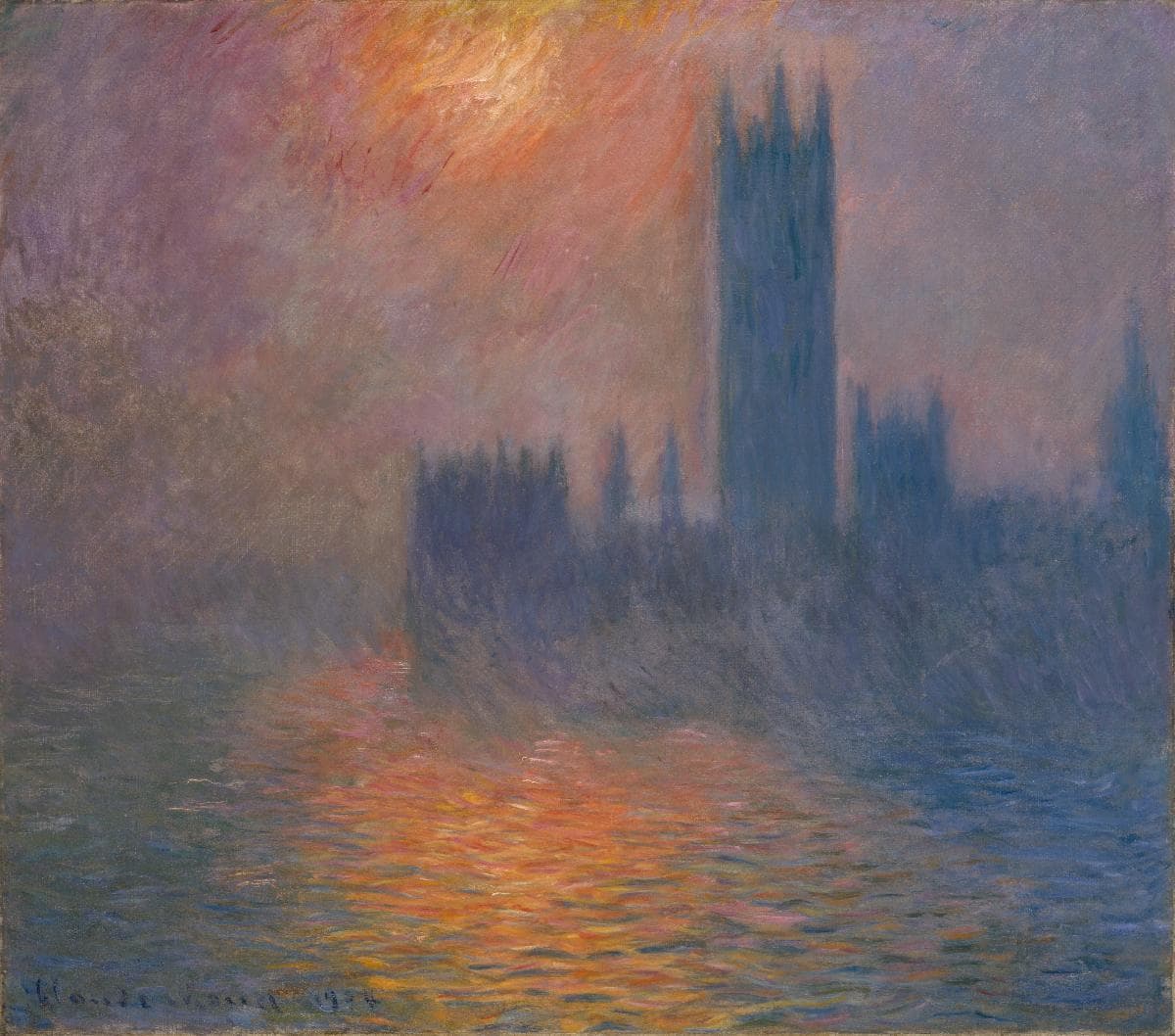
Houses of Parliament, Sunset
Claude Monet · 1904
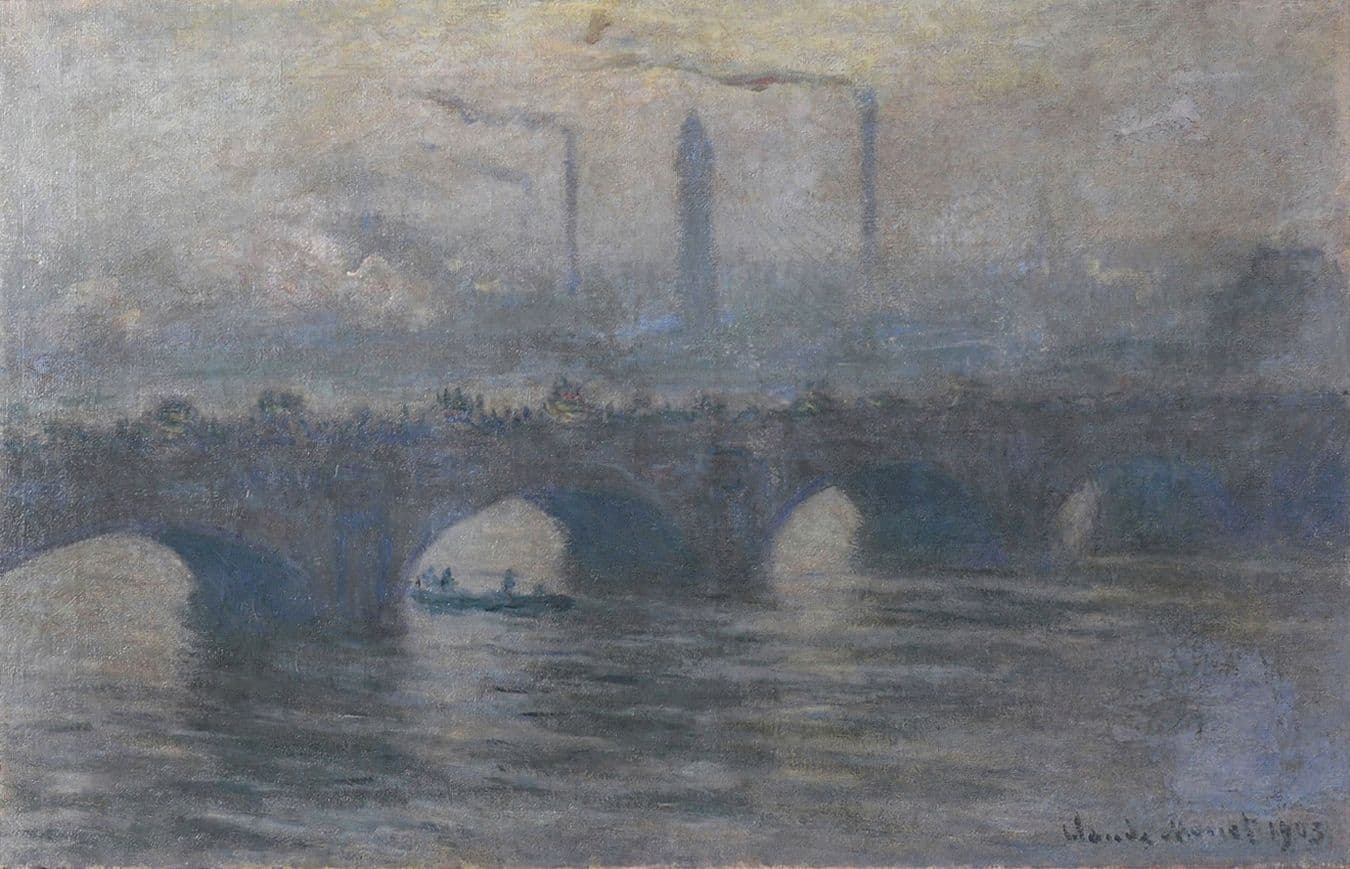
Waterloo Bridge, Gray Weather (Gurlitt Bequest)
Claude Monet · 1903
Houses of Parliament, Effect of Fog
Claude Monet · 1904
Houses of Parliament, Sunset
Claude Monet · 1903