Image: Claude Monet; Fine Arts Museums of San Francisco (Legion of Honor) (source: 1. Fine arts museums of San Francisco, Legion of honour 2. The AMICA Library) · Public domain · via Wikimedia Commons
The Grand Canal, Venice
Claude Monet, 1908
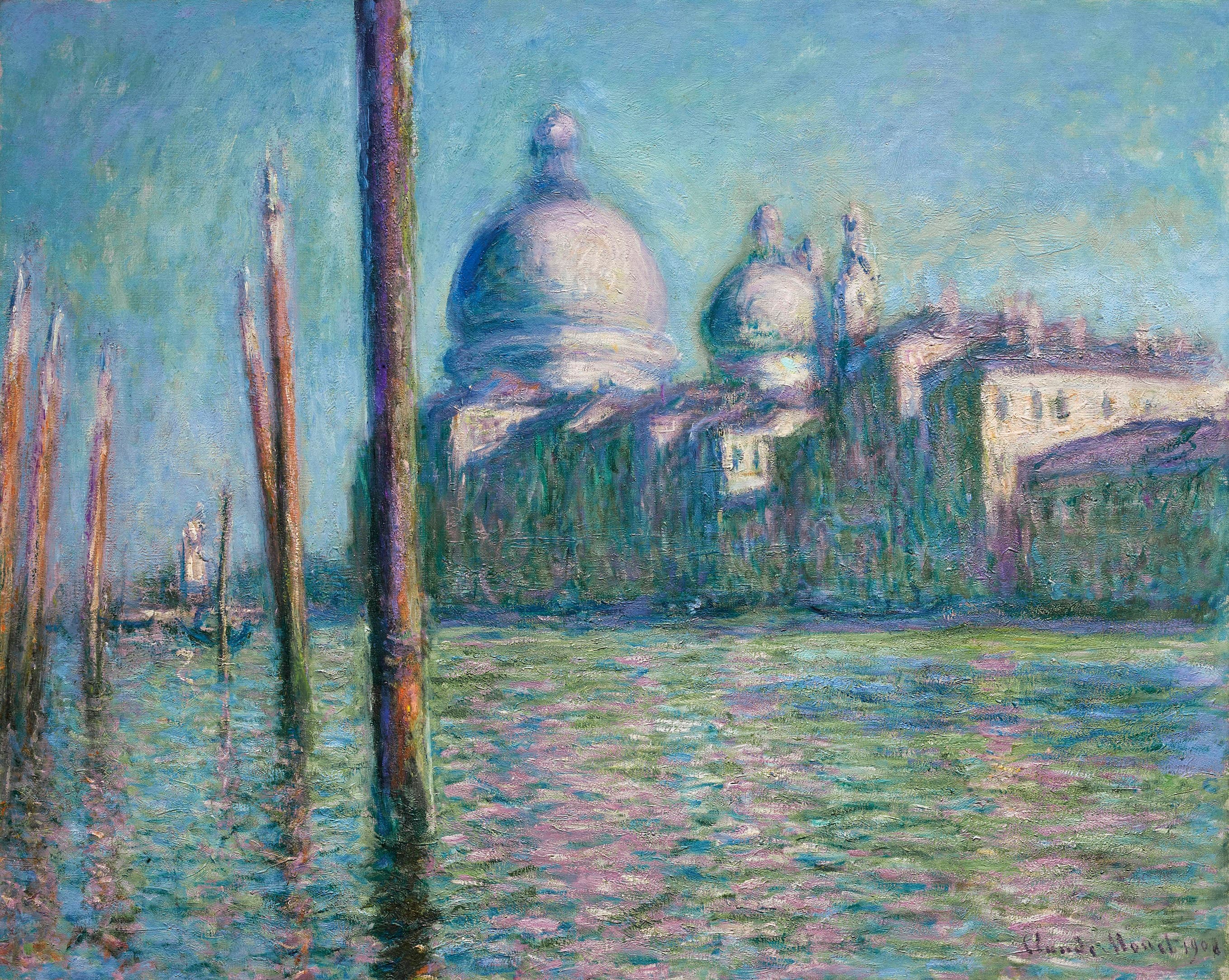
The Grand Canal, Venice is a 1908 Claude Monet painting of Santa Maria della Salute seen across the Grand Canal behind tall mooring poles, all in pale lilac, pink and blue haze. It is in the Fine Arts Museums of San Francisco, at the Legion of Honor.
- Artist
- Claude Monet
- Date
- 1908
- Medium
- Oil on canvas
- Dimensions
- 73.7 × 92.4 cm
- Collection
- Fine Arts Museums of San Francisco (Legion of Honor), San Francisco, United States
- Movement
- Impressionism
- Catalogue
- Wildenstein 1736
- Water & Sea
- The City
- Architecture & Ruins
What you are looking at
The domes of Santa Maria della Salute float across the water at the right, pale pink and lilac, so softened by haze that they seem made of the same substance as the sky. Beside them the lower buildings of the Dogana and the palaces along the canal are a jumble of rose, lavender and cream blocks. In the foreground, sticking up out of the water at the left, are the striped wooden mooring poles, the pali, that line the Grand Canal. The tallest one runs from the bottom of the canvas right off the top, a vertical band of violet, red and orange that divides the picture like a seam.
The water fills the lower half, painted in short horizontal strokes of pale blue, lilac and pink that mirror the sky and the church. Between the poles, at the far left, a hint of the lagoon opens out toward the distance. There is almost no shadow anywhere. The whole picture is high in key, close to white, the colors of a bright, misty morning in which sun and vapor are one.
The signature and date, Claude Monet 1908, are at lower right.
Venice, autumn 1908
Claude Monet went to Venice for the first time in October 1908, aged sixty-eight, with his wife, Alice. They stayed first at the Palazzo Barbaro on the Grand Canal and then at the Grand Hotel Britannia, and remained until December. He had not wanted to go, thinking Venice too beautiful to paint, but once there he set up a strict routine, working on several motifs a day at fixed hours. This view, looking toward the Salute from near the Palazzo Barbaro, became a small series of its own.
He brought the canvases home unfinished and worked on them at Giverny. After Alice's death in 1911 it was hard for him to return to them, but twenty-nine Venice pictures were finally shown at the Bernheim-Jeune gallery in Paris in 1912. See Monet in Venice.
How it was painted
Monet works in small, separate touches over a light ground, keeping the paint fairly thin except in the poles, where he lays on thick, bright stripes of pure color. The buildings are described with very little drawing: the domes are a pair of rounded pink shapes with a lantern on top, the palaces a staircase of pale rectangles. The contrast between the sharp, colored verticals in front and the blurred architecture behind creates depth without perspective lines.
How this version differs
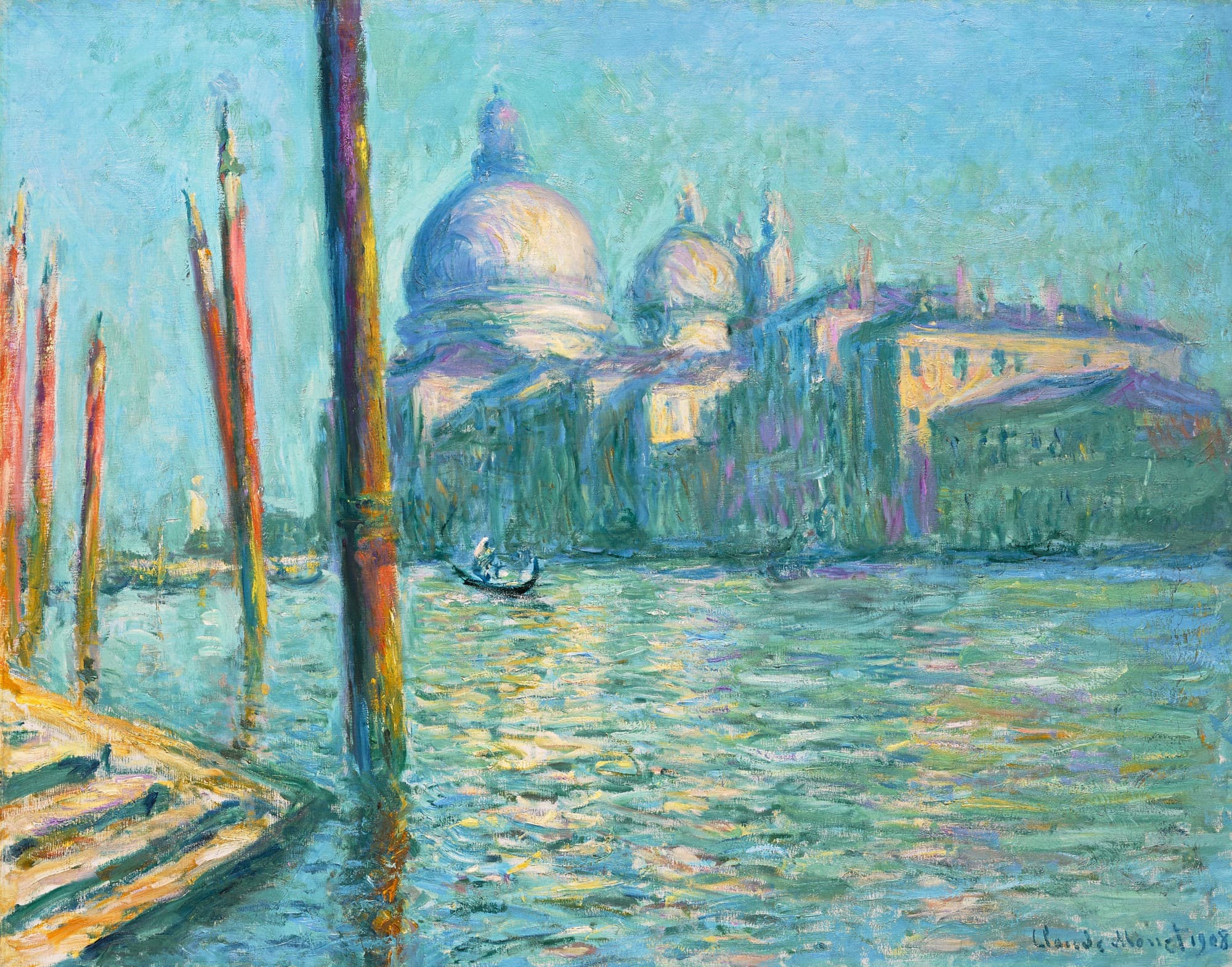
Monet painted the Salute view across the canal about six times. The Museum of Fine Arts, Boston's The Grand Canal in Venice is darker and bluer, with heavier shadows. The privately owned The Grand Canal, Venice in the Nahmad Collection is greener, with stronger modeling of the domes. The San Francisco canvas is the palest and most vaporous of the group, a picture of light rather than of buildings. For another treatment of the Salute, compare Le Grand Canal et Santa Maria della Salute.
Looking closely
The tallest mooring pole is the most heavily painted passage, built from stripes of violet, red, orange and yellow laid side by side, and its reflection continues the stripes down into the water. Beside it, the shorter poles at the far left are greener and fainter. A small white shape in the distance between them is probably a sail or a distant building on the lagoon.
Ownership and where to see it
Catalogued as Wildenstein 1736, the painting was given to the Fine Arts Museums of San Francisco in 1960 by Osgood Hooker (accession 1960.29) and belongs to the collection of the Legion of Honor. It featured in the exhibition Monet and Venice, shown at the Brooklyn Museum in 2025–26 and at the de Young in San Francisco in 2026. Check the museums' websites for its current location. See our guide to where to see Monet's paintings.
Questions & answers
Where is Monet's The Grand Canal, Venice in San Francisco?
It belongs to the Fine Arts Museums of San Francisco, accession 1960.29, a gift of Osgood Hooker in 1960, and is part of the Legion of Honor collection. It was shown in the Monet and Venice exhibition at the Brooklyn Museum and the de Young in 2025–26.
When and where was it painted?
In Venice in the autumn of 1908, during Monet's only visit to the city, from October to December. He painted the view toward Santa Maria della Salute from near the Palazzo Barbaro, where he first stayed, and finished the canvas at Giverny. It is signed and dated 1908.
What does the painting show?
The domes of Santa Maria della Salute and the buildings at the mouth of the Grand Canal, seen across the water behind tall striped mooring poles, all bathed in pale pink, lilac and blue haze. The tallest pole runs the full height of the canvas.
How many Grand Canal paintings did Monet make?
About six views of the Salute across the Grand Canal with mooring poles in the foreground. Others are in the Museum of Fine Arts, Boston, and private collections. This one is the palest and most atmospheric of the group.
More by the artist
Claude Monet
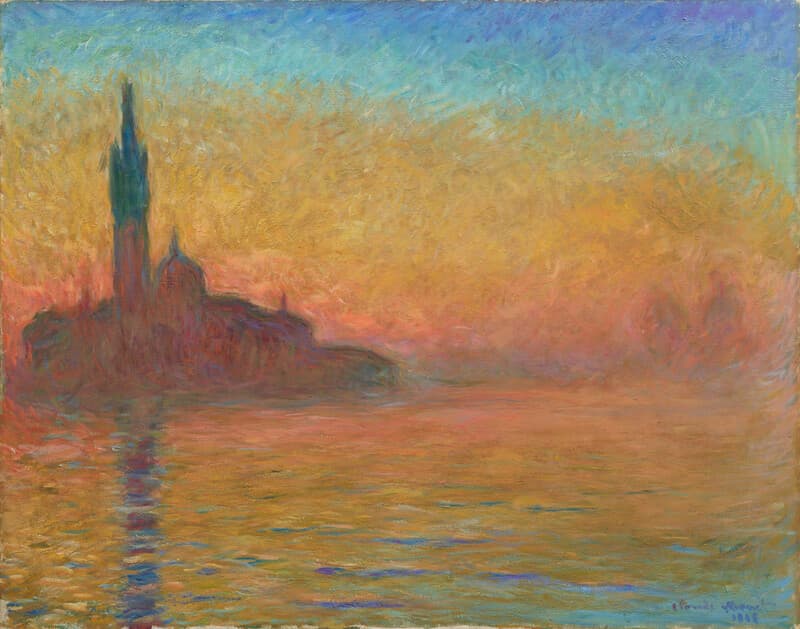
Twilight, Venice
Claude Monet · 1908
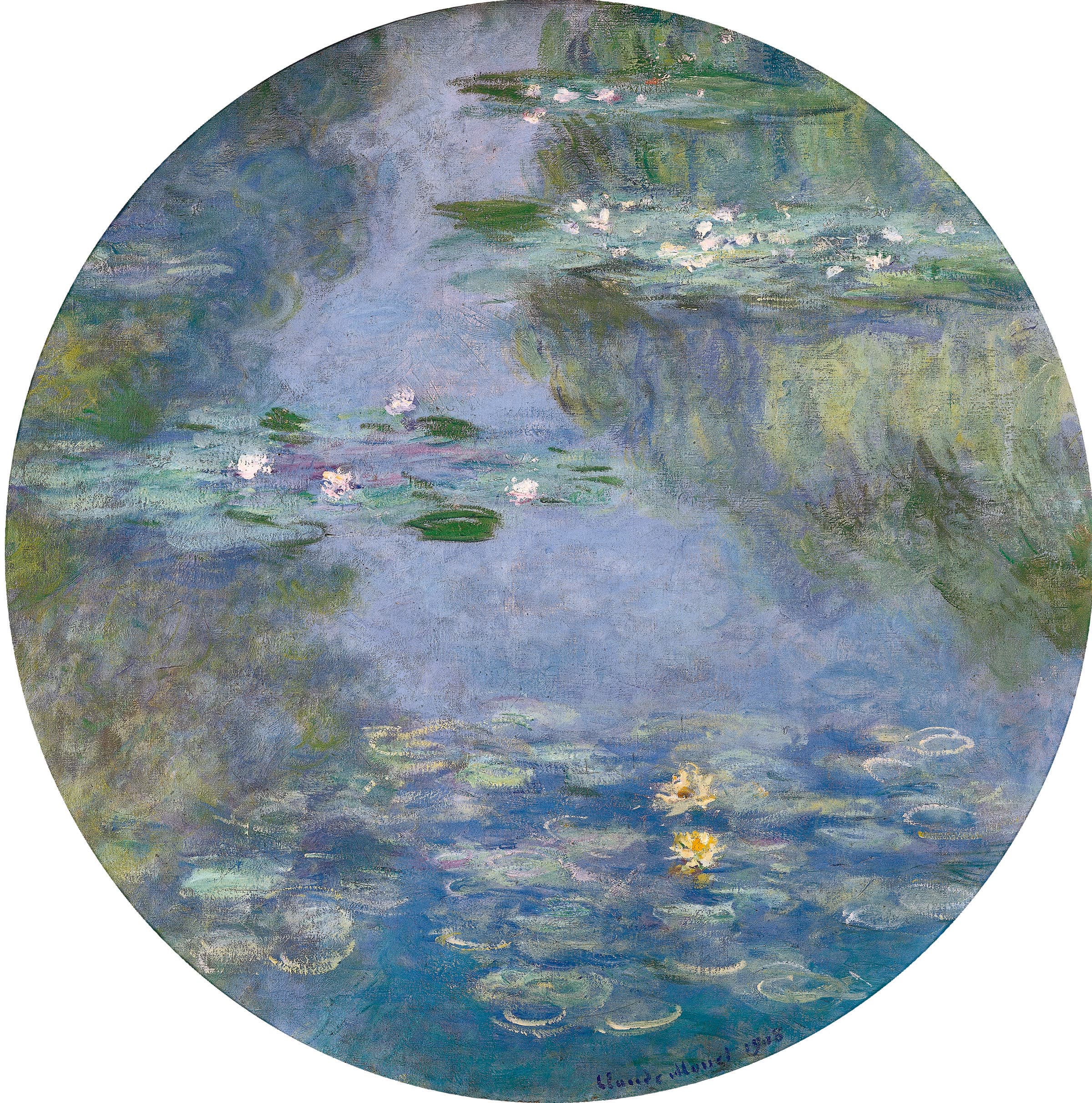
Nymphéas (1908 tondo, Vernon)
Claude Monet · 1908
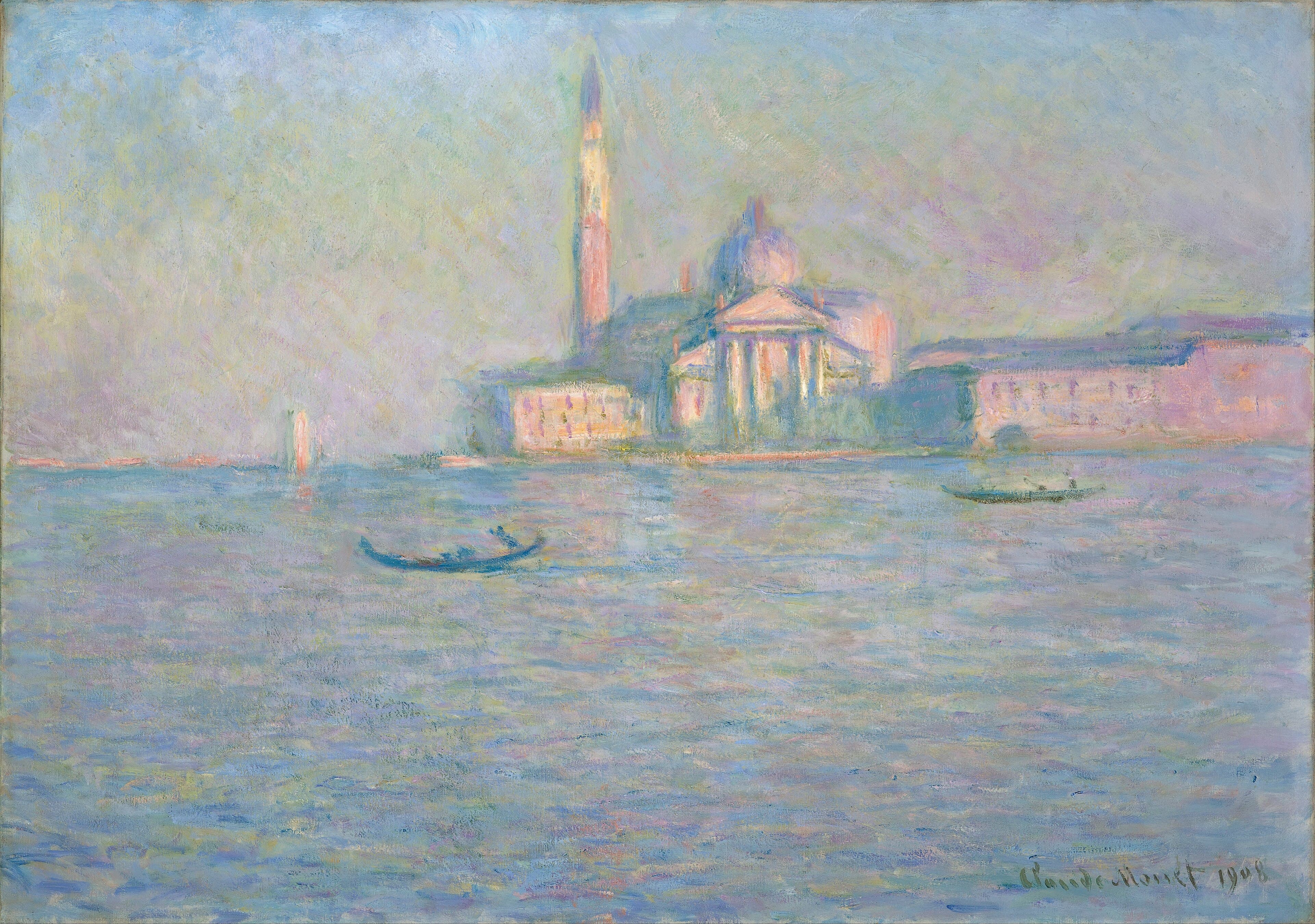
The Church of San Giorgio Maggiore, Venice
Claude Monet · 1908
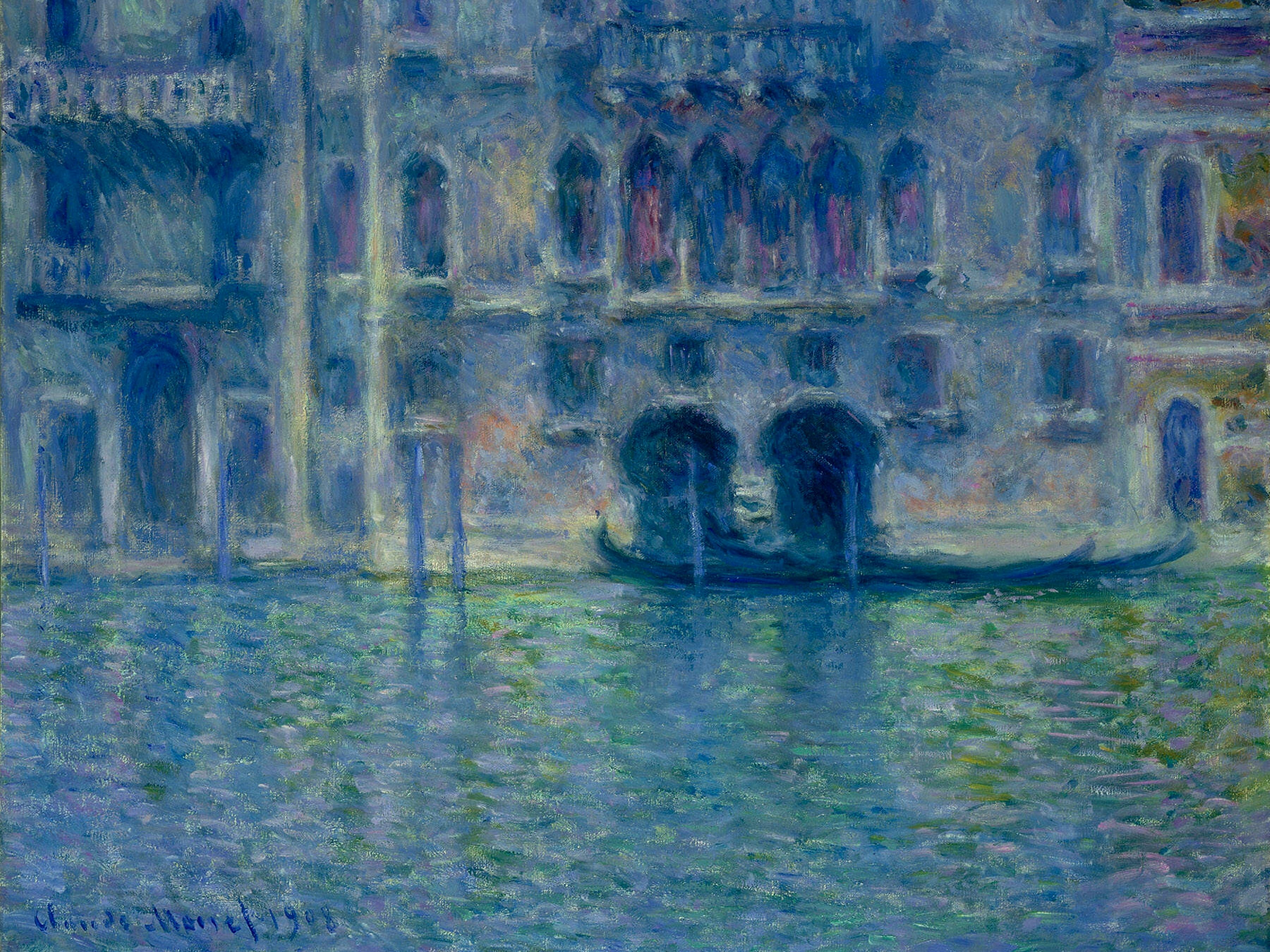
Palazzo da Mula, Venice
Claude Monet · 1908
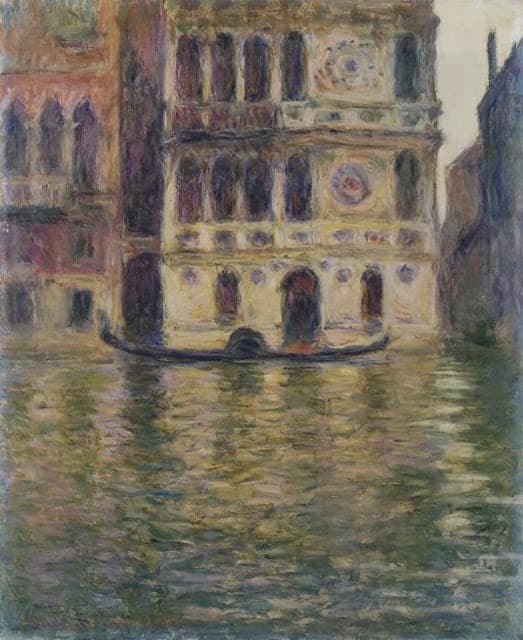
Palazzo Dario
Claude Monet · 1908
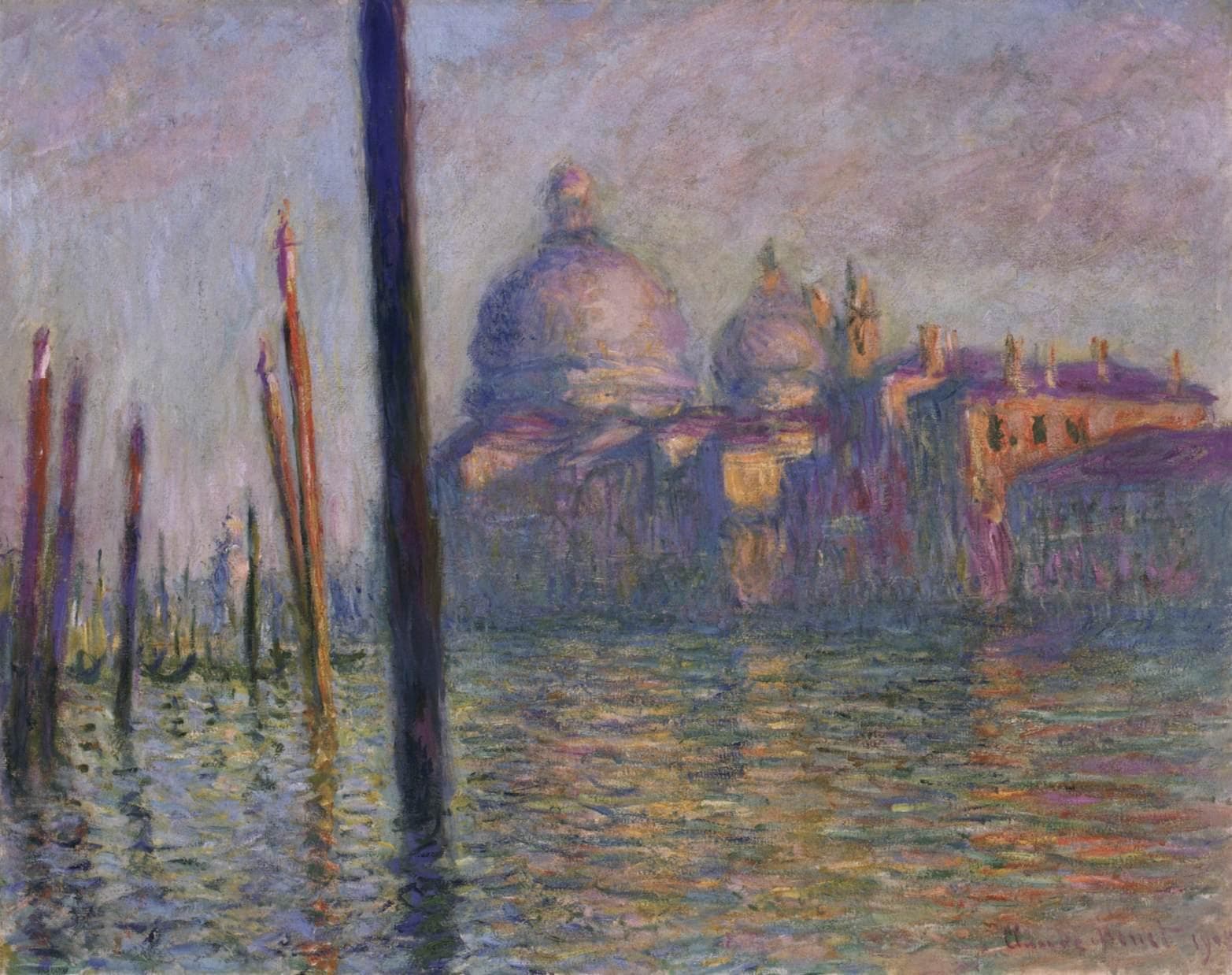
The Grand Canal in Venice
Claude Monet · 1908
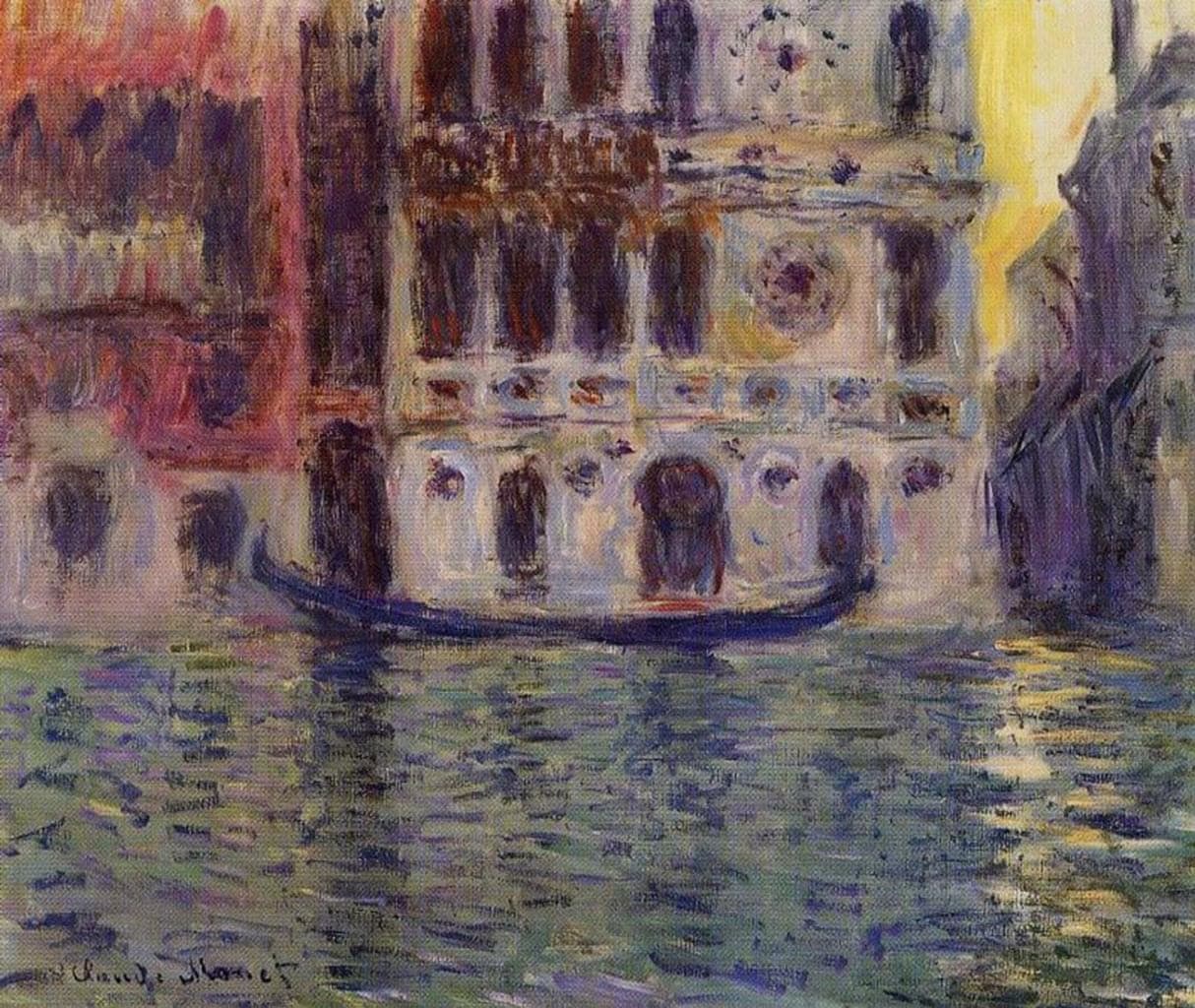
Le Palais Dario
Claude Monet · 1908
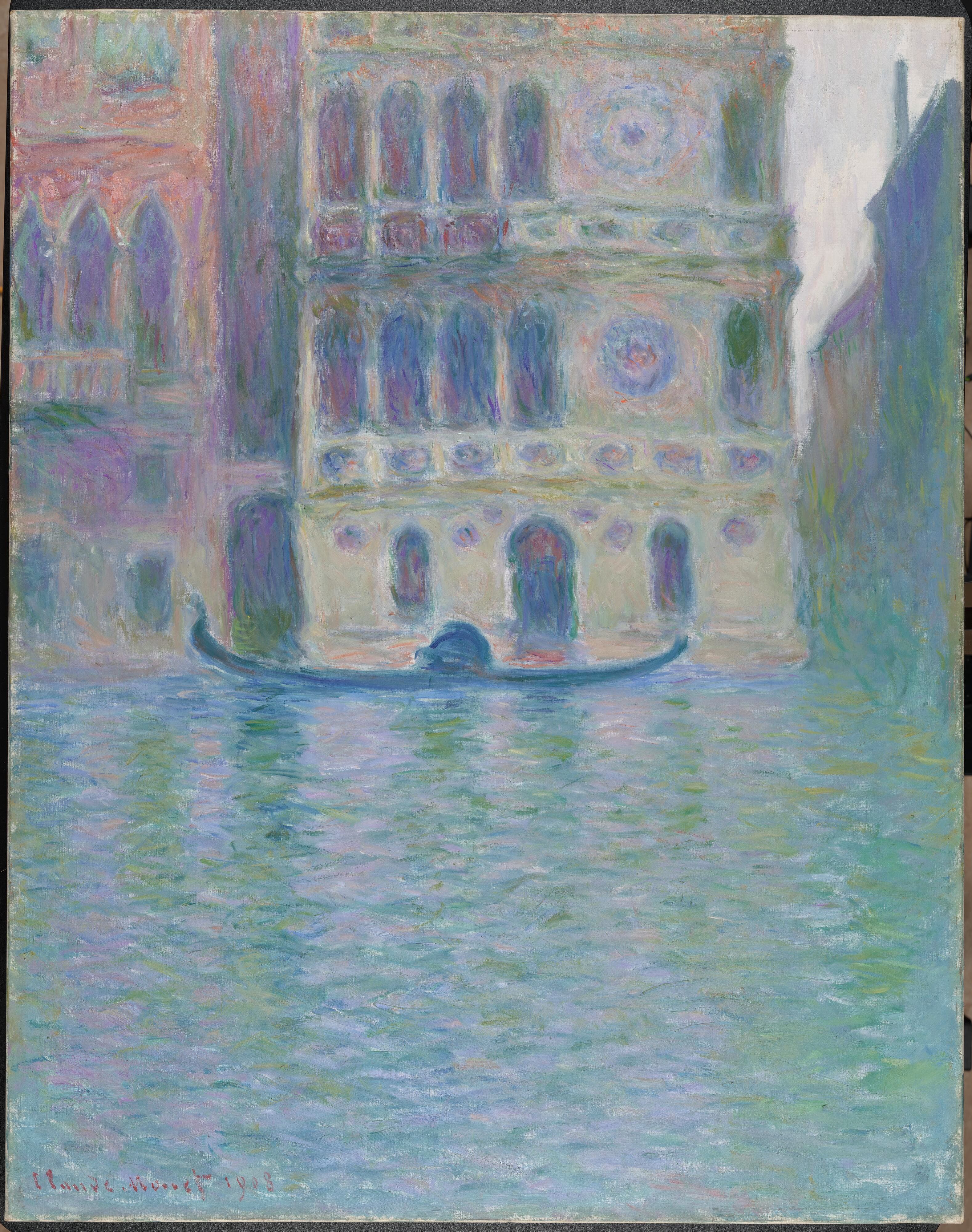
The Palazzo Dario
Claude Monet · 1908
Also painted in 1908
The same year

Sunset in Venice
Claude Monet · 1908–12
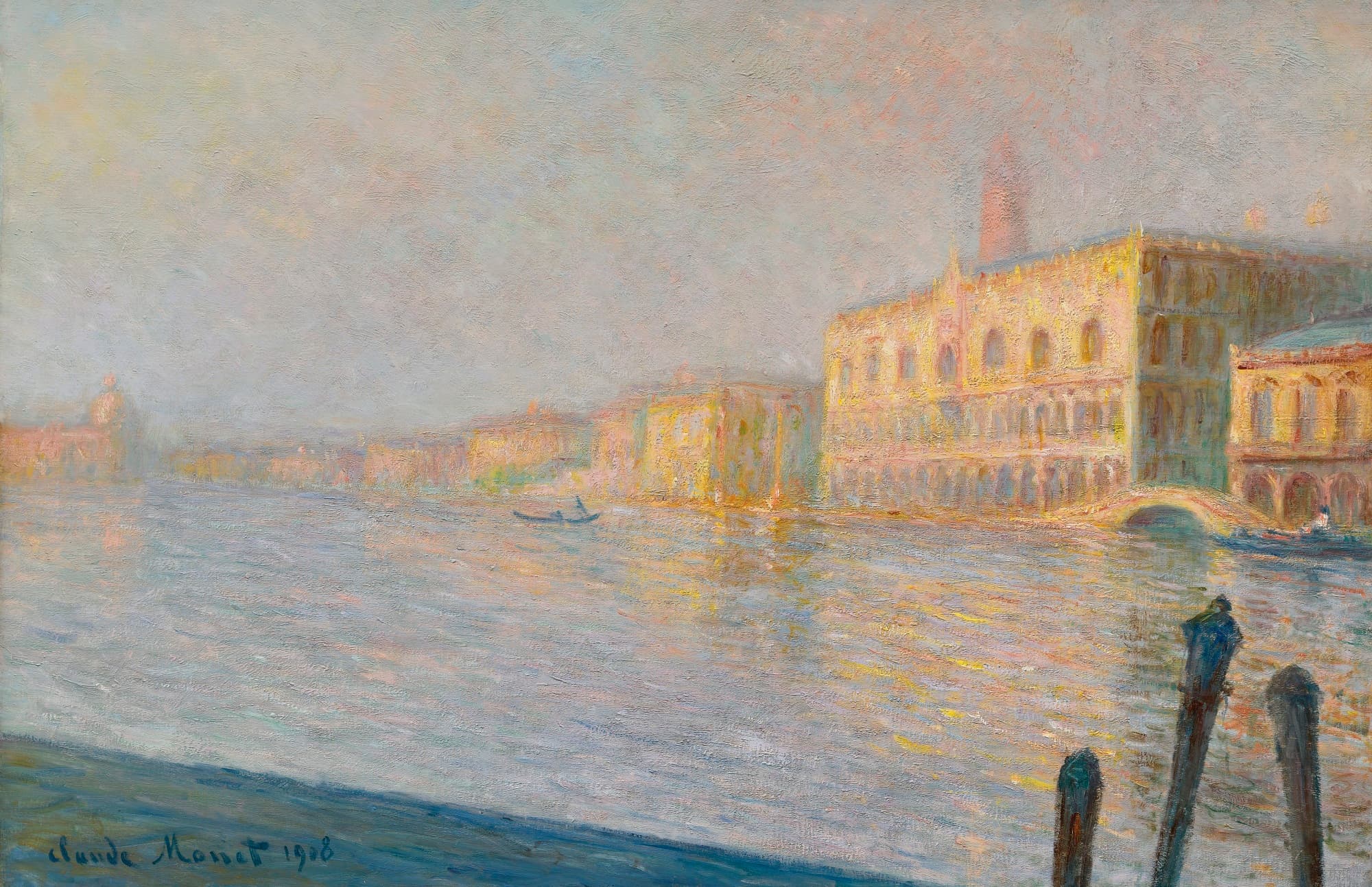
The Palazzo Ducale (Le Palais Ducal), 1908
Claude Monet · 1908
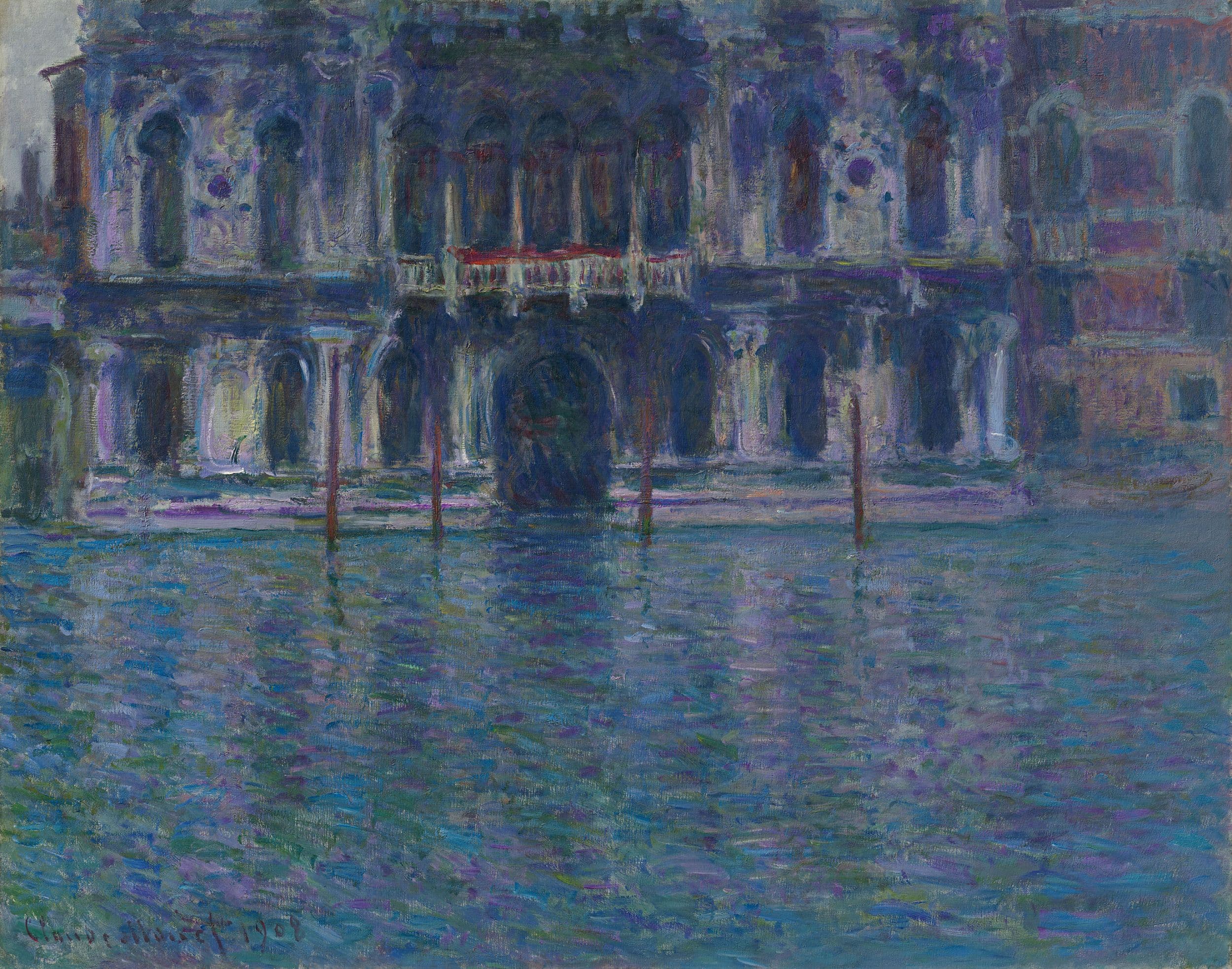
Le Palais Contarini (Potsdam)
Claude Monet · 1908
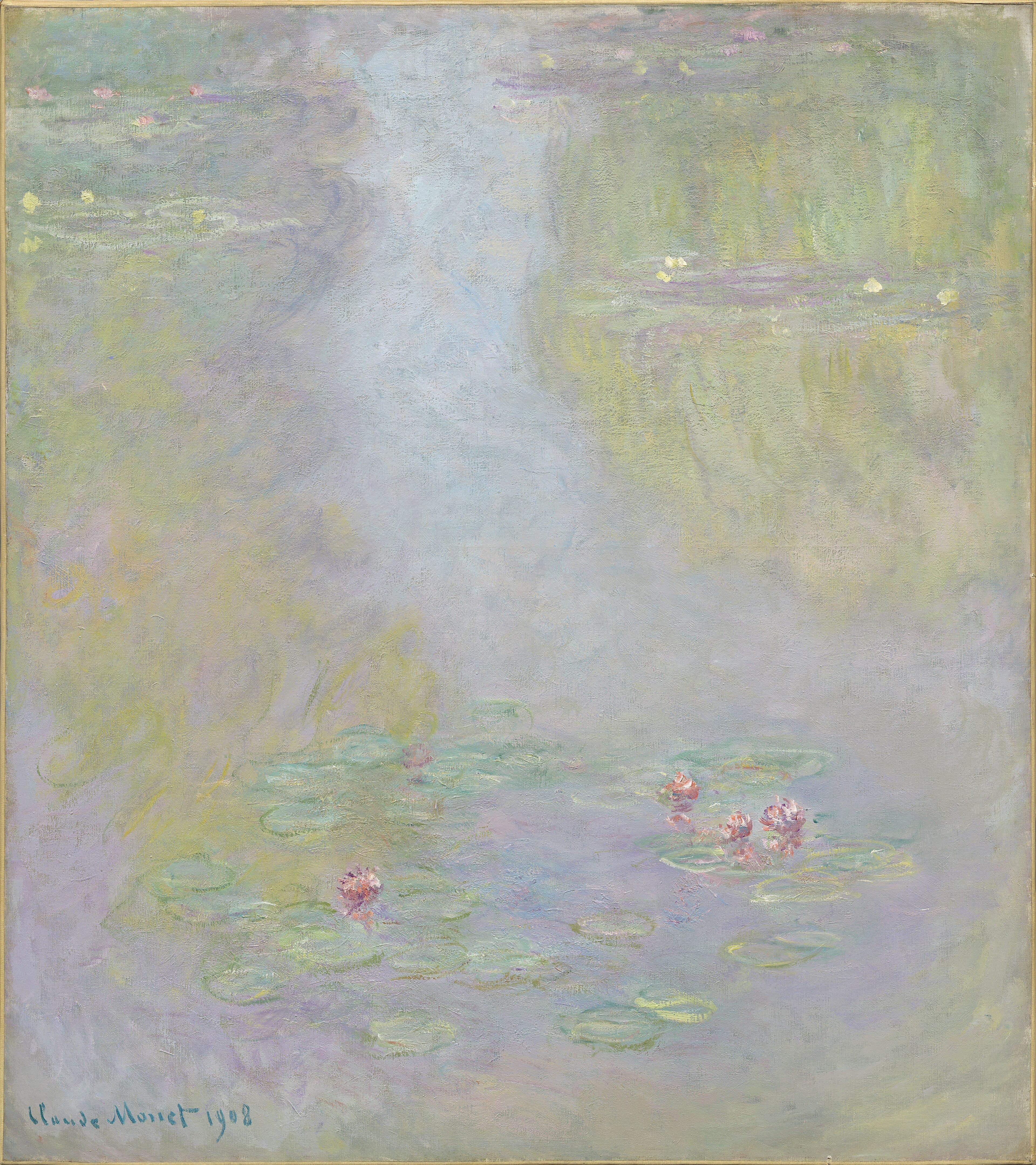
Water Lilies (1908, Tokyo Fuji Art Museum)
Claude Monet · 1908
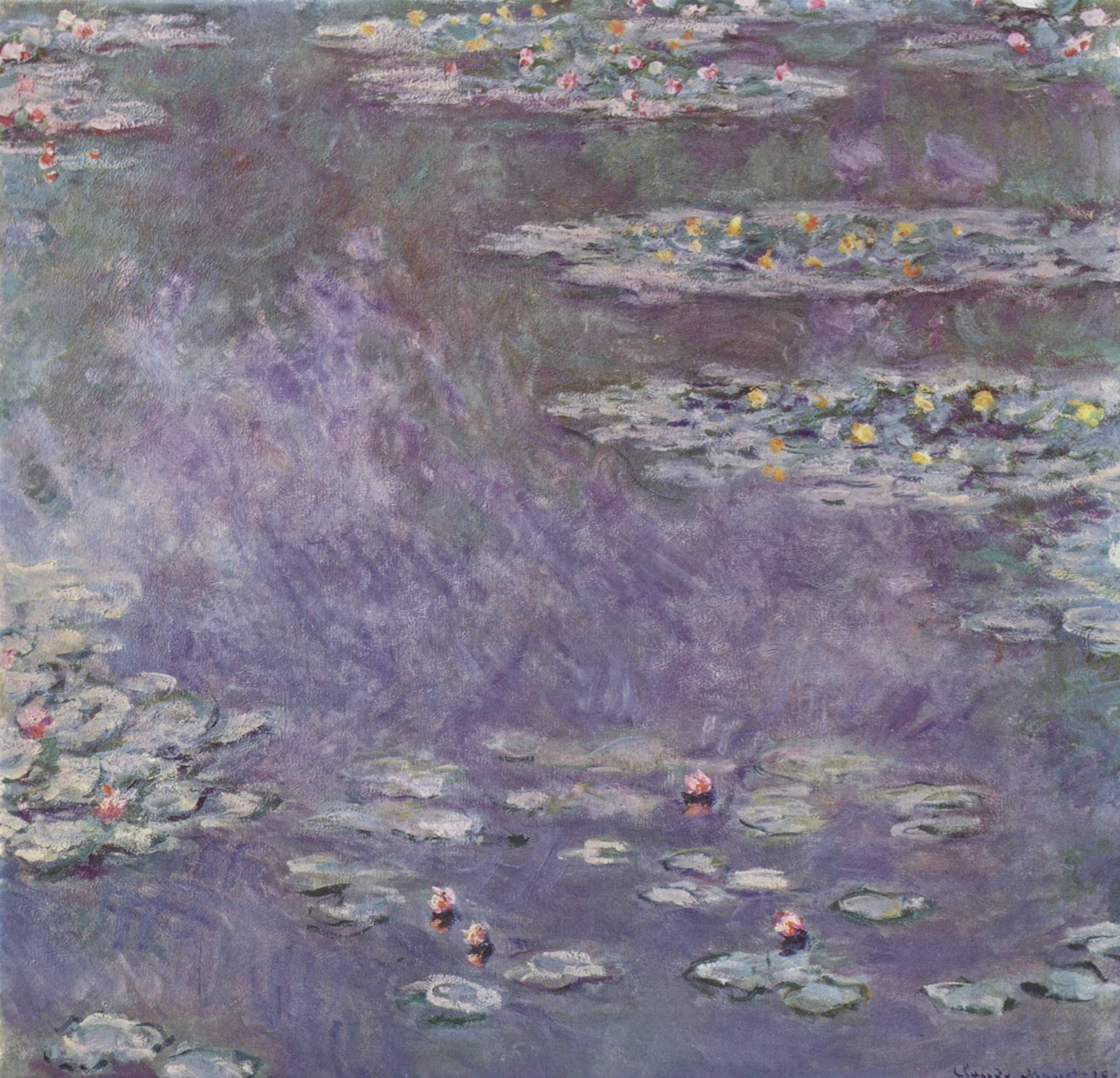
Nymphéas (Oyamazaki Villa Museum)
Claude Monet · 1908
The Grand Canal, Venice
Claude Monet · 1908
The Rio della Salute
Claude Monet · 1908
The Rio della Salute
Claude Monet · 1908
Kindred works
You may also study
The Grand Canal, Venice
Claude Monet · 1908
Le Grand Canal et Santa Maria della Salute
Claude Monet · 1908
Sunset in Venice
Claude Monet · 1908–12
Houses of Parliament, Sunset
Claude Monet · 1904
Le Parlement, soleil couchant
Claude Monet · 1902–03
Houses of Parliament, Symphony in Blue
Claude Monet · 1903
Le Parlement de Londres, effet de brouillard
Claude Monet · 1903
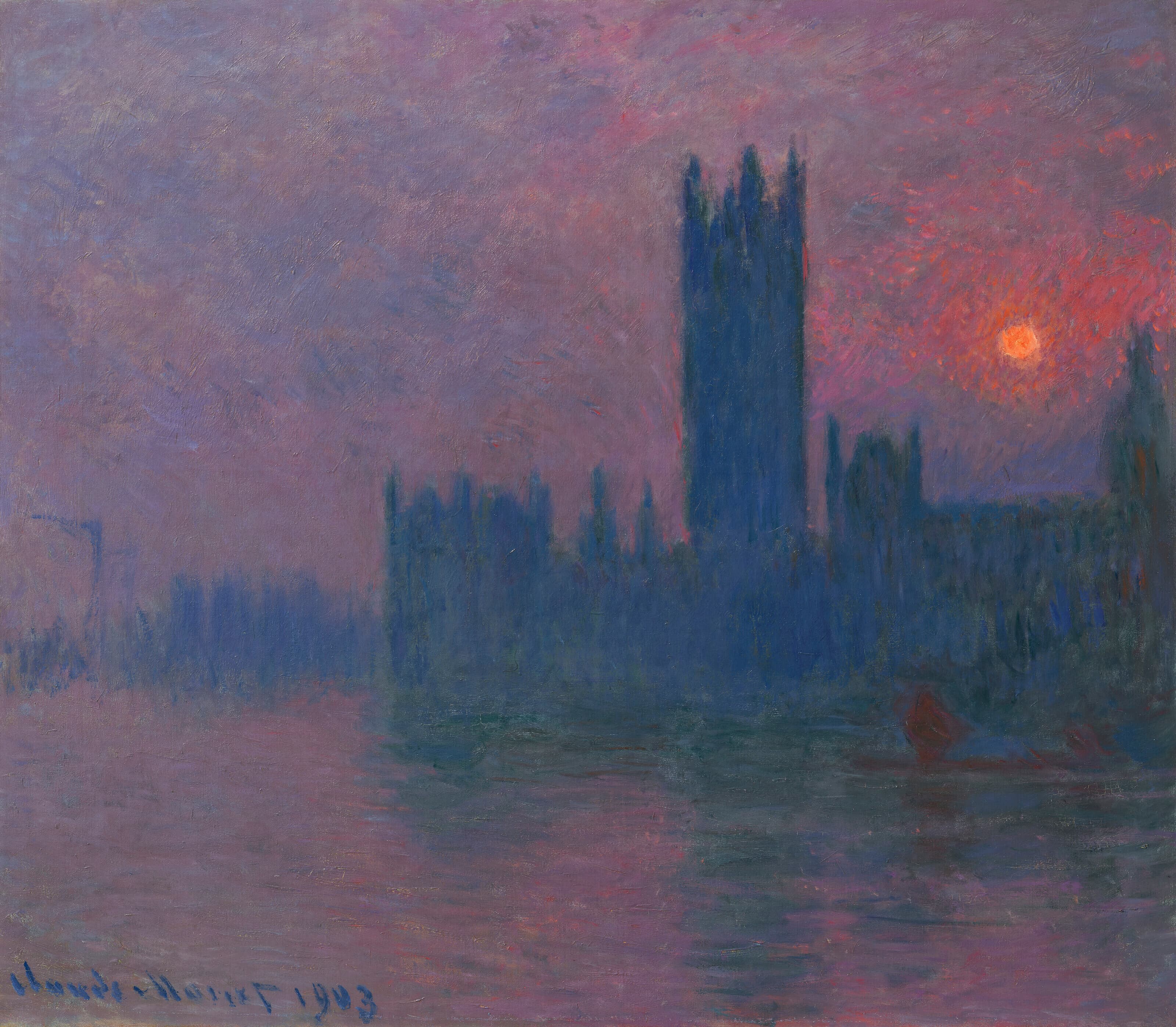
Houses of Parliament, Sunset
Claude Monet · 1903