Image: Tokyo Fuji Art Museum, via Google Arts & Culture · Public domain · via Wikimedia Commons
Water Lilies (1908, Tokyo Fuji Art Museum)
Claude Monet, 1908
Water Lilies is a 1908 painting by Claude Monet of his Giverny pond in an upright format, almost all pale lilac, rose and green reflection, with a few pink lilies at the bottom. It is in the Tokyo Fuji Art Museum, Japan.
- Artist
- Claude Monet
- Date
- 1908
- Medium
- Oil on canvas
- Dimensions
- 101 × 90 cm
- Collection
- Tokyo Fuji Art Museum, Hachiōji, Tokyo, Japan
- Movement
- Impressionism
- Catalogue
- Wildenstein 1731
- Nature & Landscape
- Water & Sea
Water Lilies (Nymphéas) is a 1908 canvas by Claude Monet of the surface of his lily pond at Giverny, in the Tokyo Fuji Art Museum in Hachiōji, western Tokyo. It is an upright picture, 101 by 90 centimeters, signed and dated Claude Monet 1908 at the lower left, and it belongs to the last year of his 1903–08 water landscapes. It is among the palest and most dissolved of them.
What you're looking at
Most of the canvas is reflection. Down the center runs a broad, soft band of pale lilac and blue-white, the reflected sky, widening toward the top. To either side, the water is a haze of yellow-green, sage and pale pink, the blurred reflections of trees and shrubs on the bank, painted with long, soft vertical strokes that barely separate one color from another.
The lilies are few and placed at the edges of attention. Near the top, two faint bands of pads carry small yellow and white flowers, almost lost in the haze. In the lower third, a wider island of pale green pads drifts across the canvas, and on it sit four or five pink-red flowers, the only strong color in the picture. A few rings of pads scatter at the bottom edge. Everything else is atmosphere.
The overall key is very high: lilac, cream, pale green and pink, with no real dark anywhere. It looks like the pond on a bright, hazy morning, when the surface turns into a sheet of reflected light.
The pond in 1908
Monet dug his lily pond at Giverny in 1893, feeding it from an arm of the Epte, and enlarged it in 1901–02. From 1903 to 1908 he painted its surface over and over, in a campaign he called the paysages d'eau (water landscapes), and in May 1909 Durand-Ruel showed forty-eight of these canvases in Paris as Les Nymphéas, séries de paysages d'eau. By 1908 Monet had pushed the reflection to the center of the work. The lily pads become a scattering of accents on a field that is really a picture of sky and trees seen upside down. 1908 was also the year of his autumn trip to Venice, where he painted the lagoon in a similar pale, unified light.
How this version differs
Among the 1908 canvases, the Vernon tondo, Nymphéas, is brighter and bluer, and the Oyamazaki Nymphéas has a strong diagonal of violet. The Tokyo Fuji picture is the most vaporous: its tall format and central pale band recall the 1907 verticals in Houston and Jerusalem, such as Water Lilies (Nymphéas), but here the contrast between light column and dark water has gone, and the whole surface is light.
How it was painted
The reflections are painted in long, dry, vertical strokes, laid over one another so that colors mix optically. The pads are flattened ellipses in pale green with slightly darker edges, and the flowers are single thick touches of pink and red with a lighter highlight. The surface is evenly worked and finished, with the signature in blue at lower left.
Where to see it
The Tokyo Fuji Art Museum, founded in 1983 by the Buddhist leader Daisaku Ikeda, holds a broad collection of Western and Japanese art and shows its Impressionist works in rotating displays. The painting is reproduced on the museum's online collection. For the series see Monet's Water Lilies; for the garden, Giverny; for Monet in other collections, Where to See Monet's Paintings.
Questions & answers
Where is this 1908 Monet Water Lilies?
It is in the Tokyo Fuji Art Museum in Hachiōji, in western Tokyo, which shows its Western collection in rotating displays. Check the museum's website to see whether it is on view.
When was it painted?
In 1908, the last year of Monet's 1903–08 campaign of water landscapes at Giverny. It is signed and dated Claude Monet 1908 at the lower left.
What does it show?
The surface of Monet's lily pond in a tall format, almost entirely pale reflection of sky and trees in lilac, green and pink, with faint pads at the top and a band of pads with pink-red flowers near the bottom.
How does it differ from other 1908 water lilies?
It is the palest and most hazy. The round Vernon canvas of 1908 is bluer and brighter, and the Oyamazaki Nymphéas has a strong violet diagonal.
More by the artist
Claude Monet
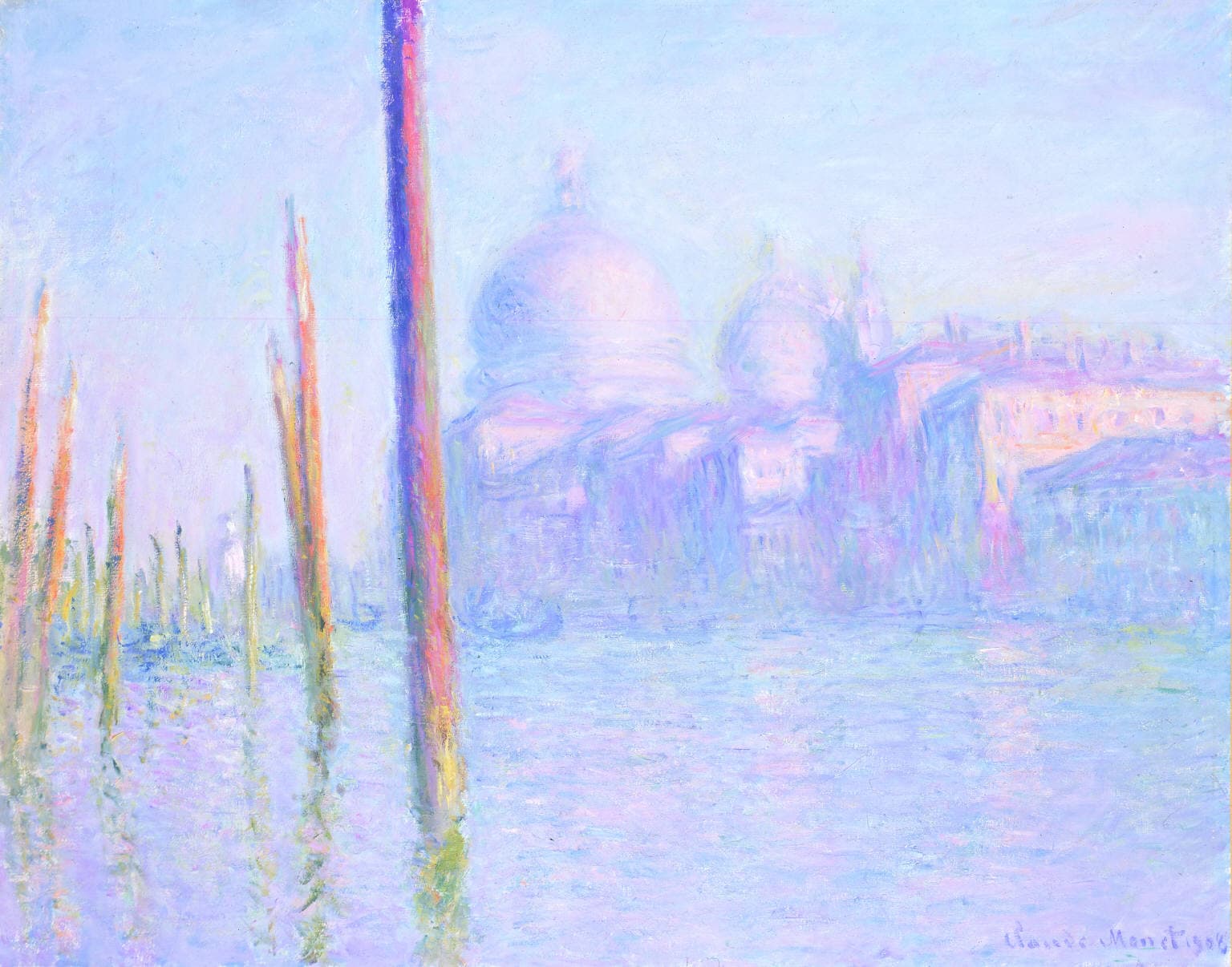
The Grand Canal, Venice
Claude Monet · 1908
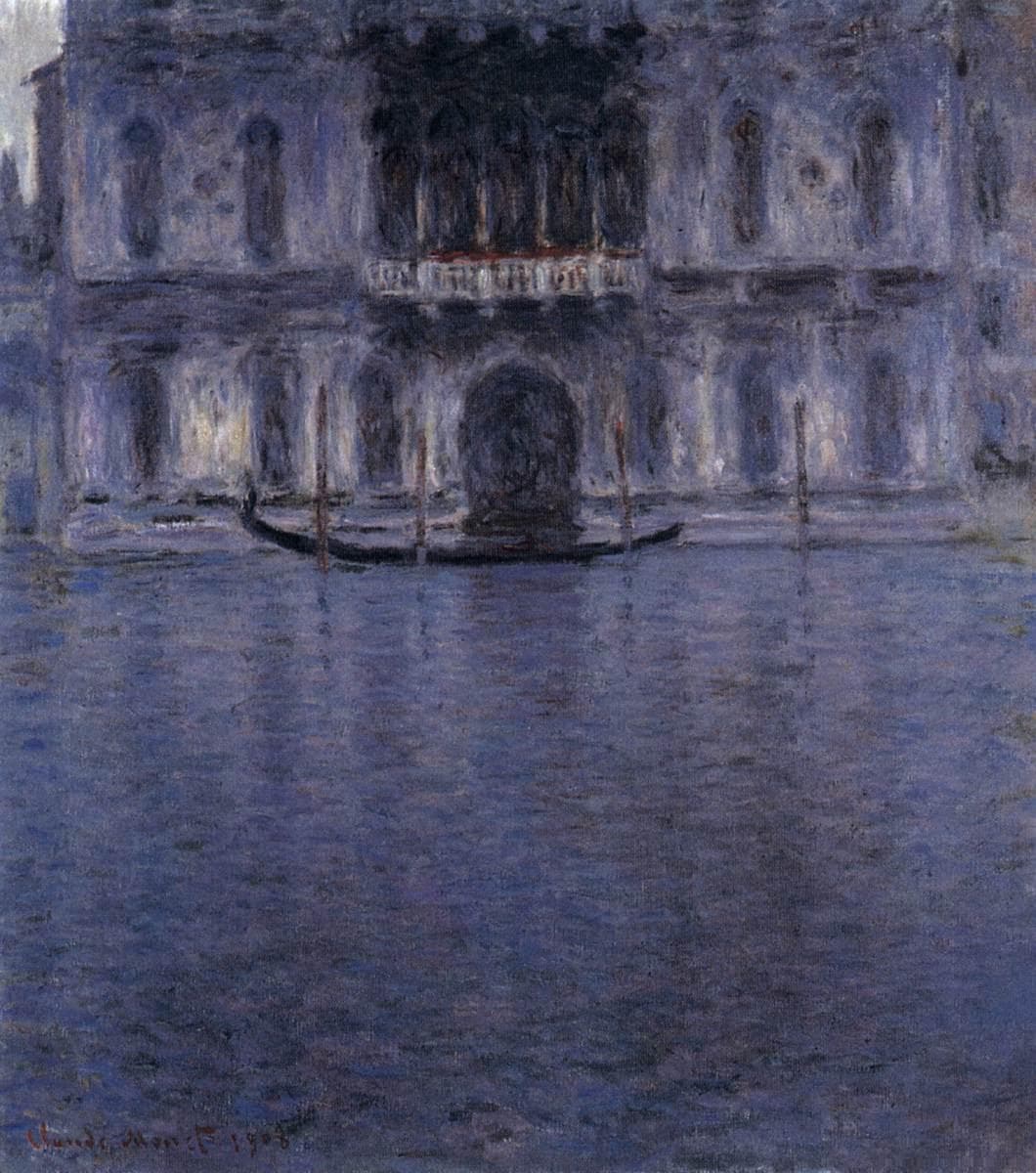
Palazzo Contarini
Claude Monet · 1908
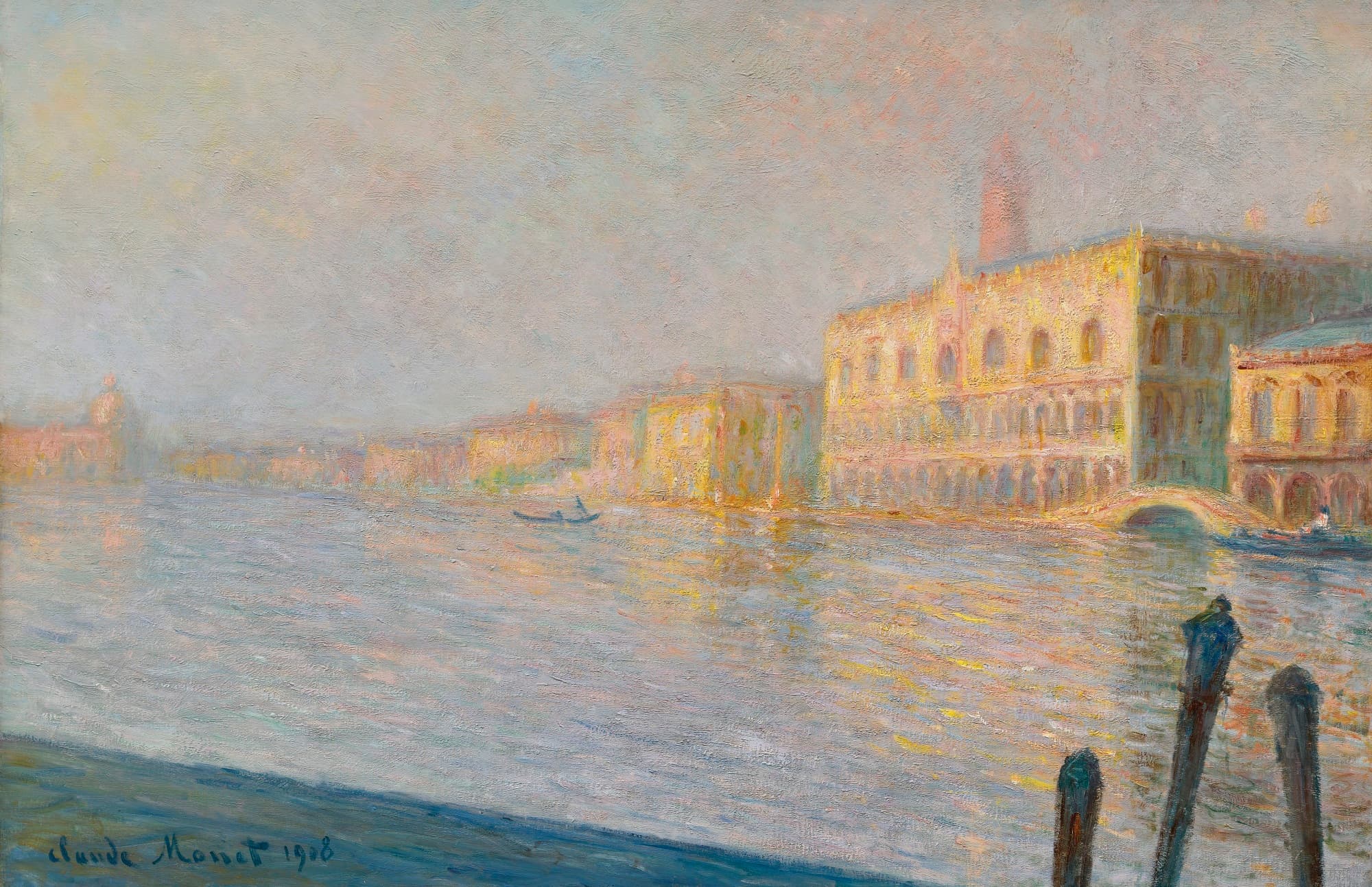
The Palazzo Ducale (Le Palais Ducal), 1908
Claude Monet · 1908
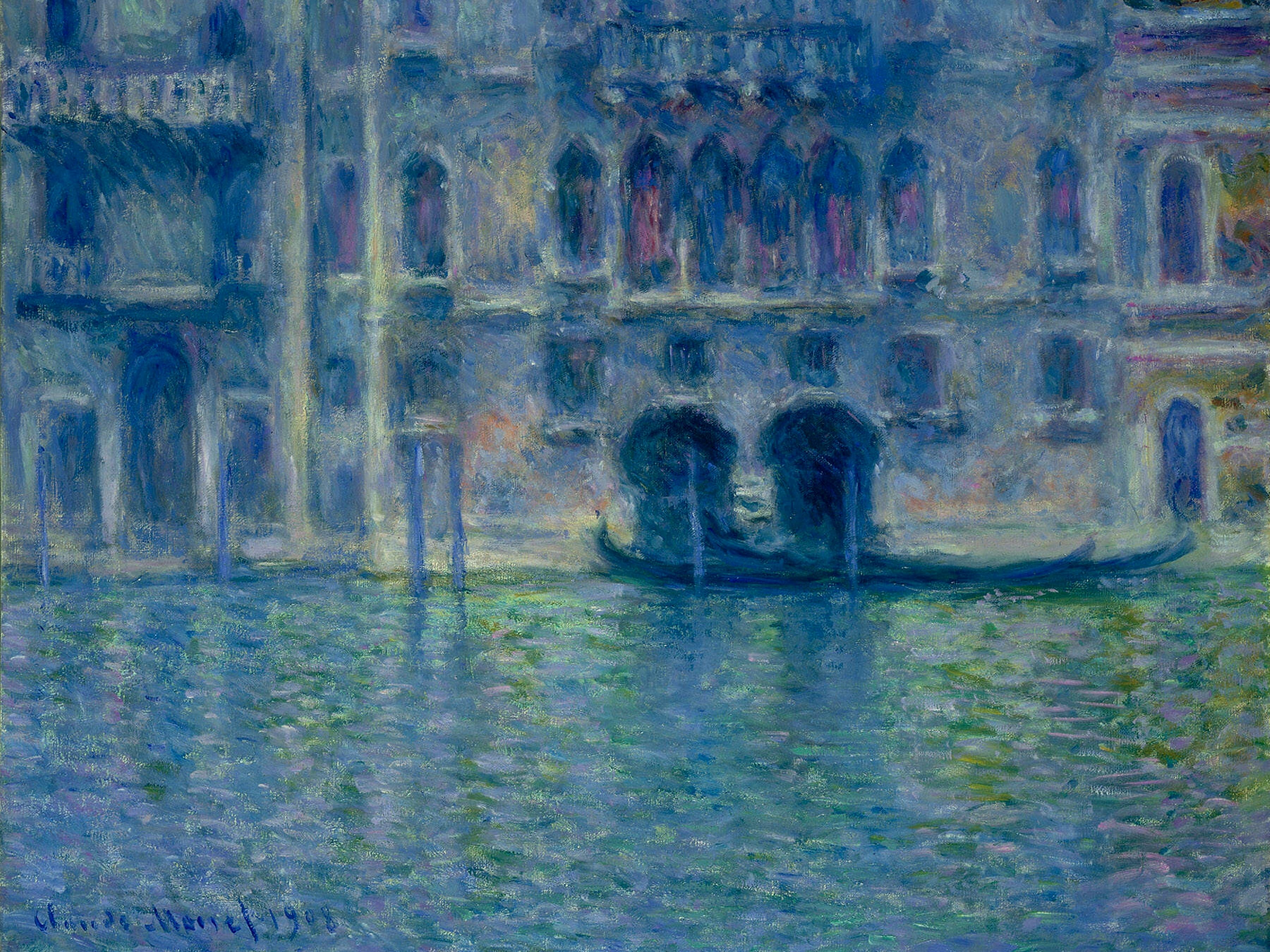
Palazzo da Mula, Venice
Claude Monet · 1908
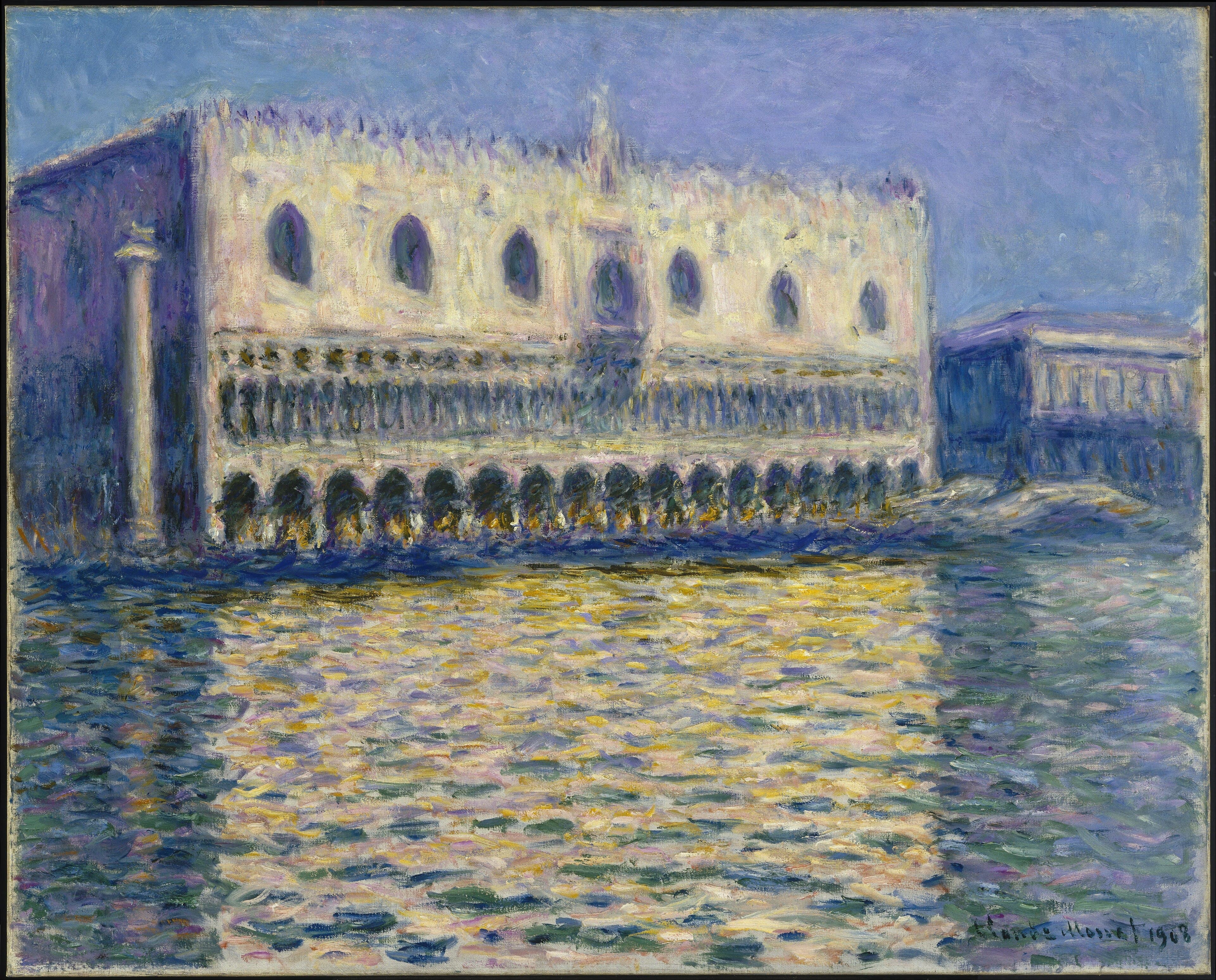
The Doge's Palace (Le Palais ducal)
Claude Monet · 1908
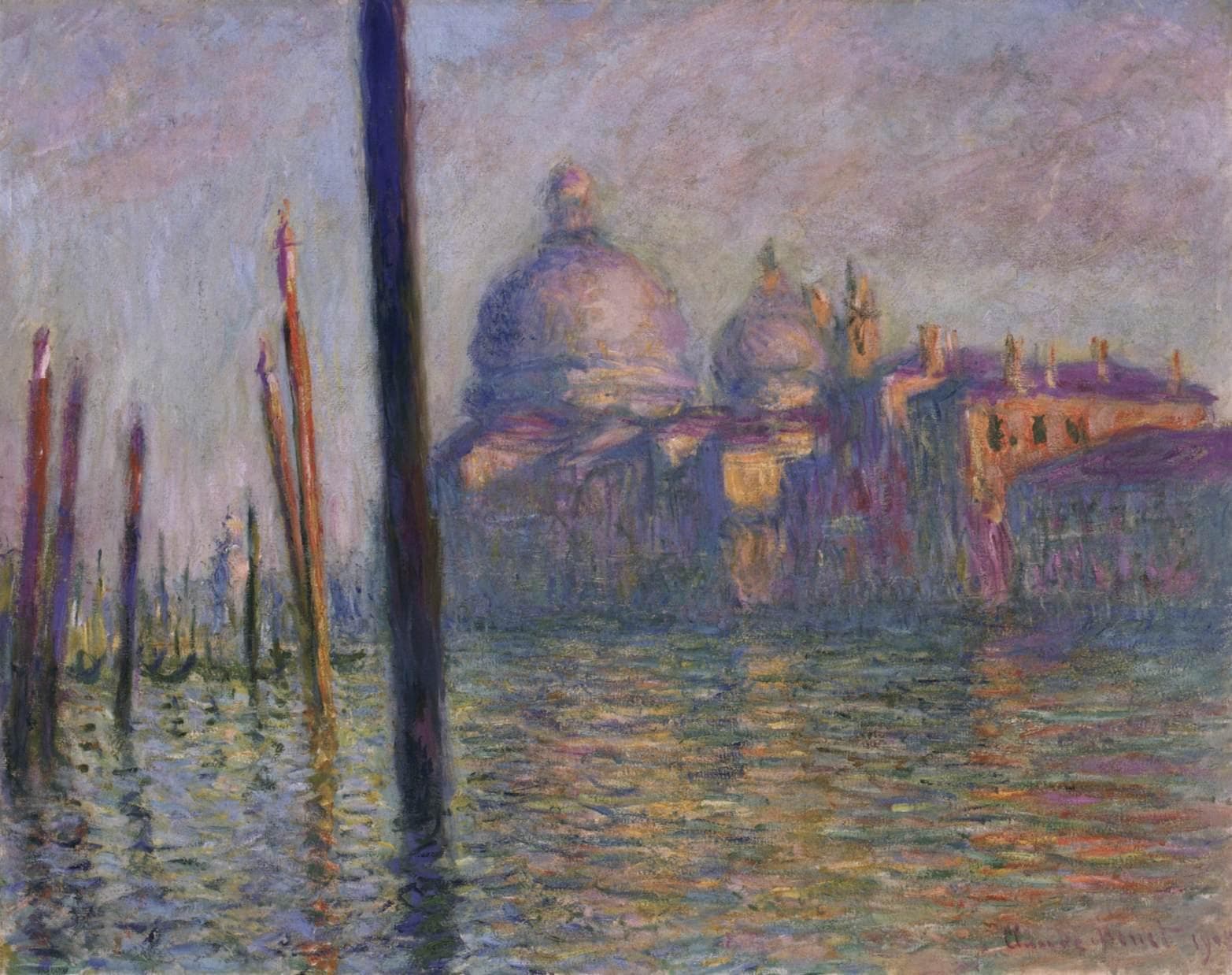
The Grand Canal in Venice
Claude Monet · 1908
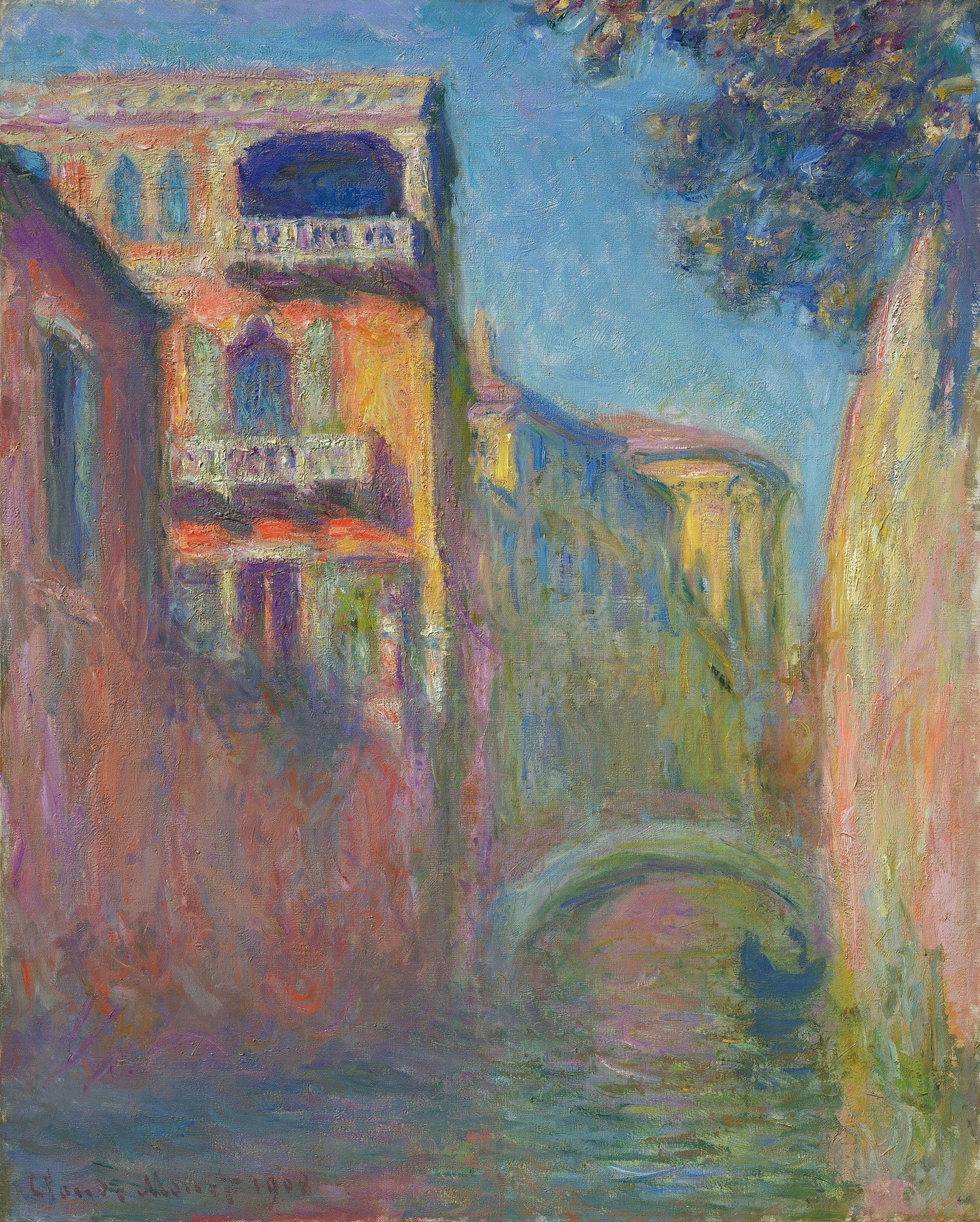
The Rio della Salute
Claude Monet · 1908
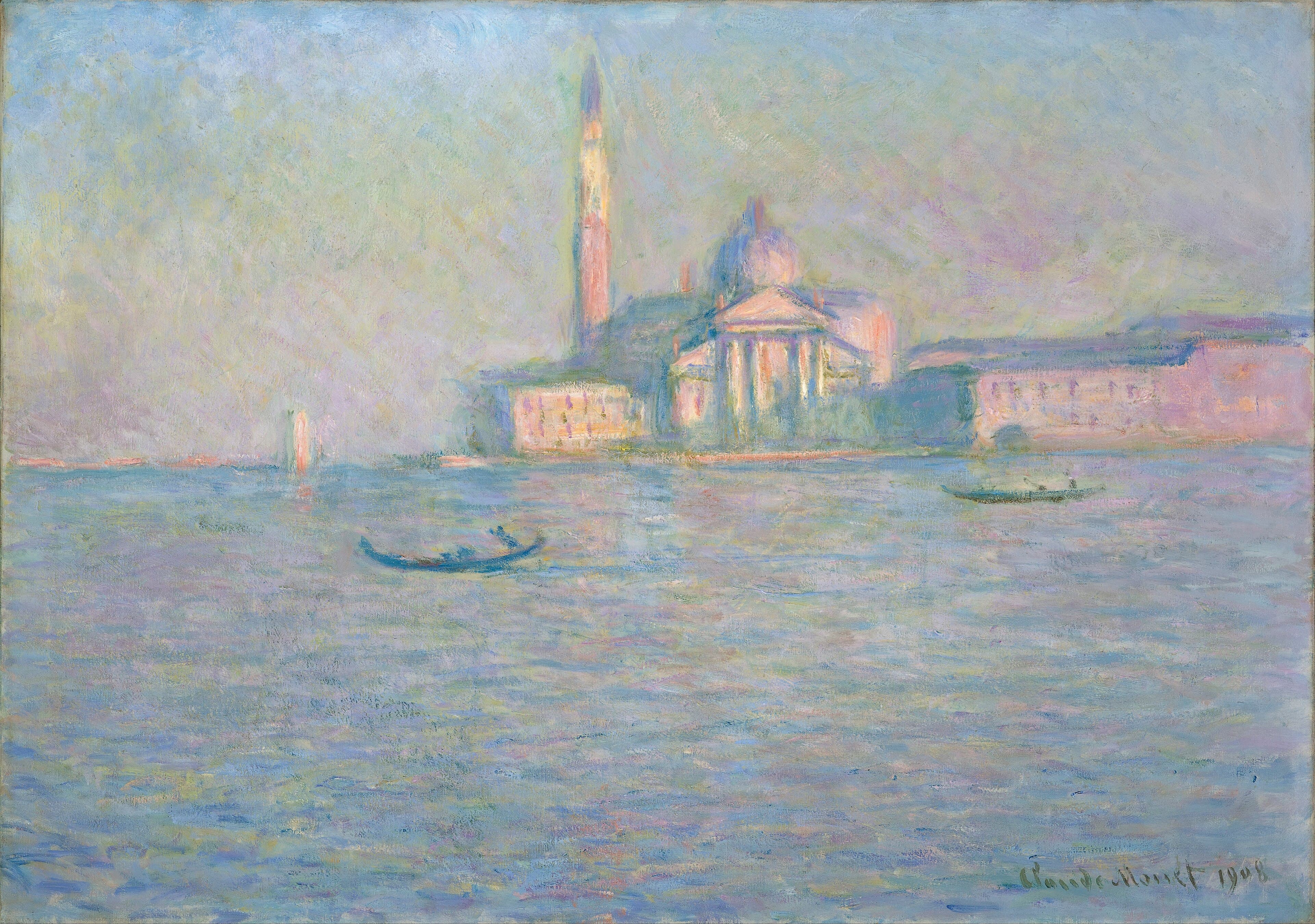
The Church of San Giorgio Maggiore, Venice
Claude Monet · 1908
Also painted in 1908
The same year

Sunset in Venice
Claude Monet · 1908–12
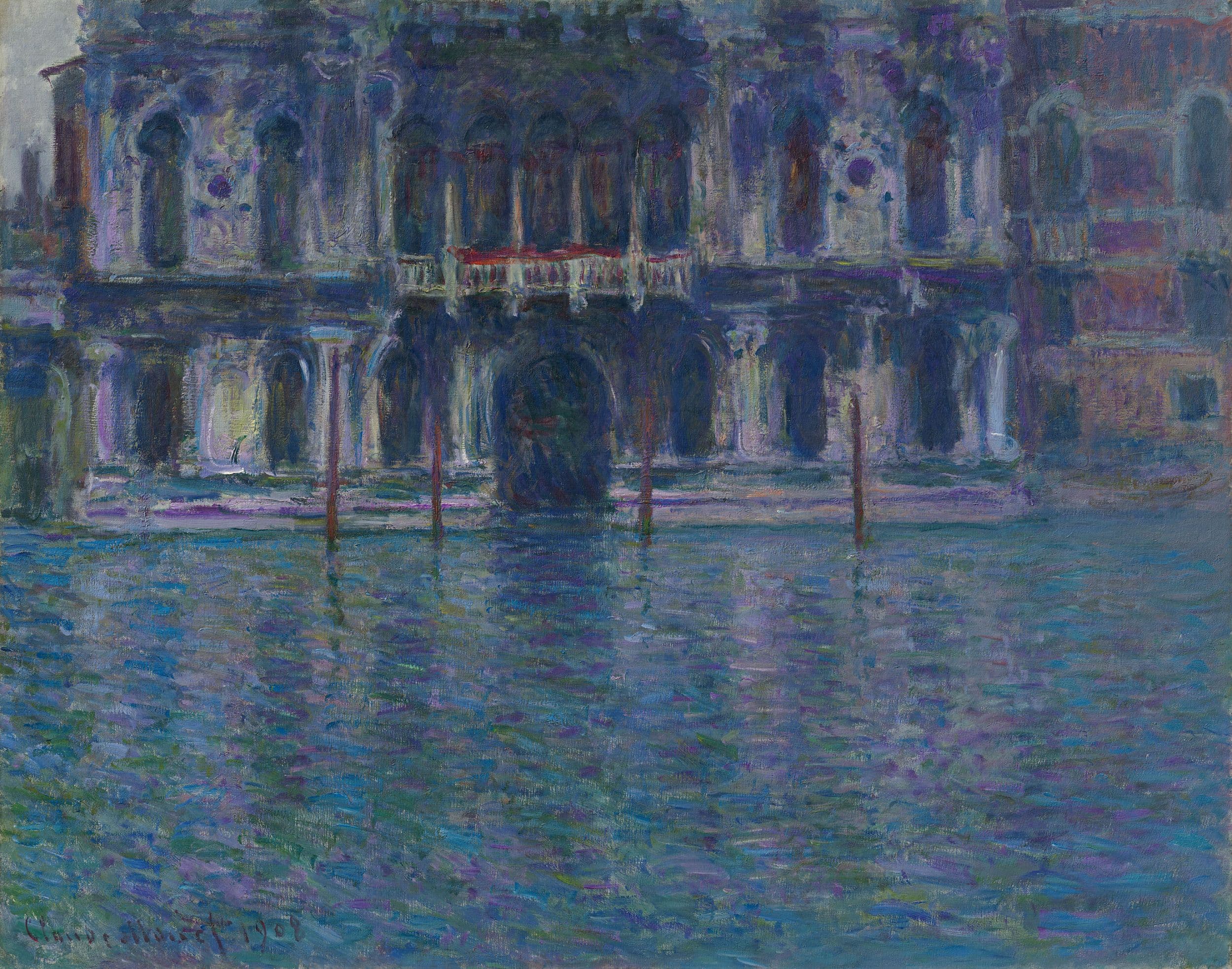
Le Palais Contarini (Potsdam)
Claude Monet · 1908
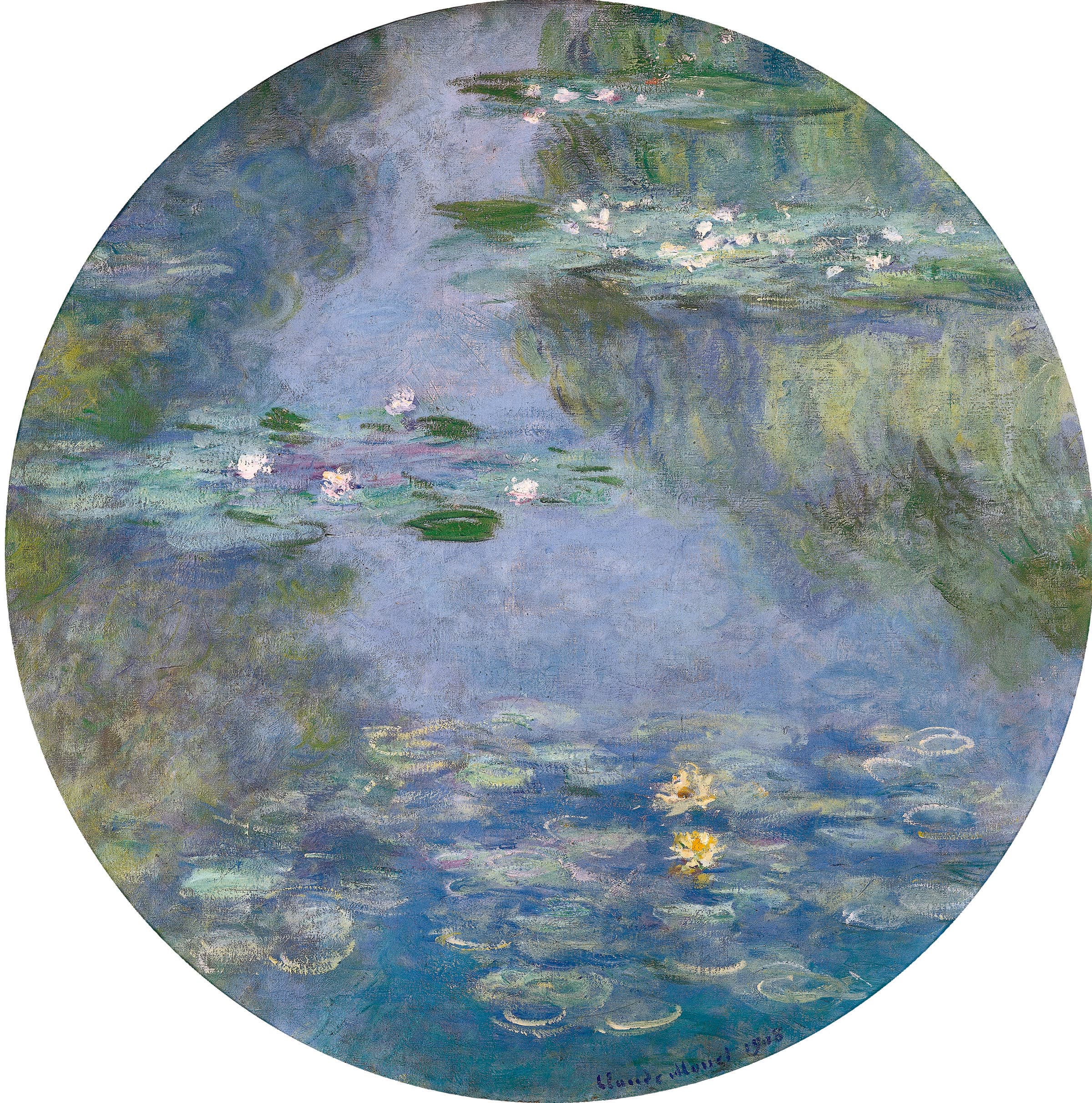
Nymphéas (1908 tondo, Vernon)
Claude Monet · 1908
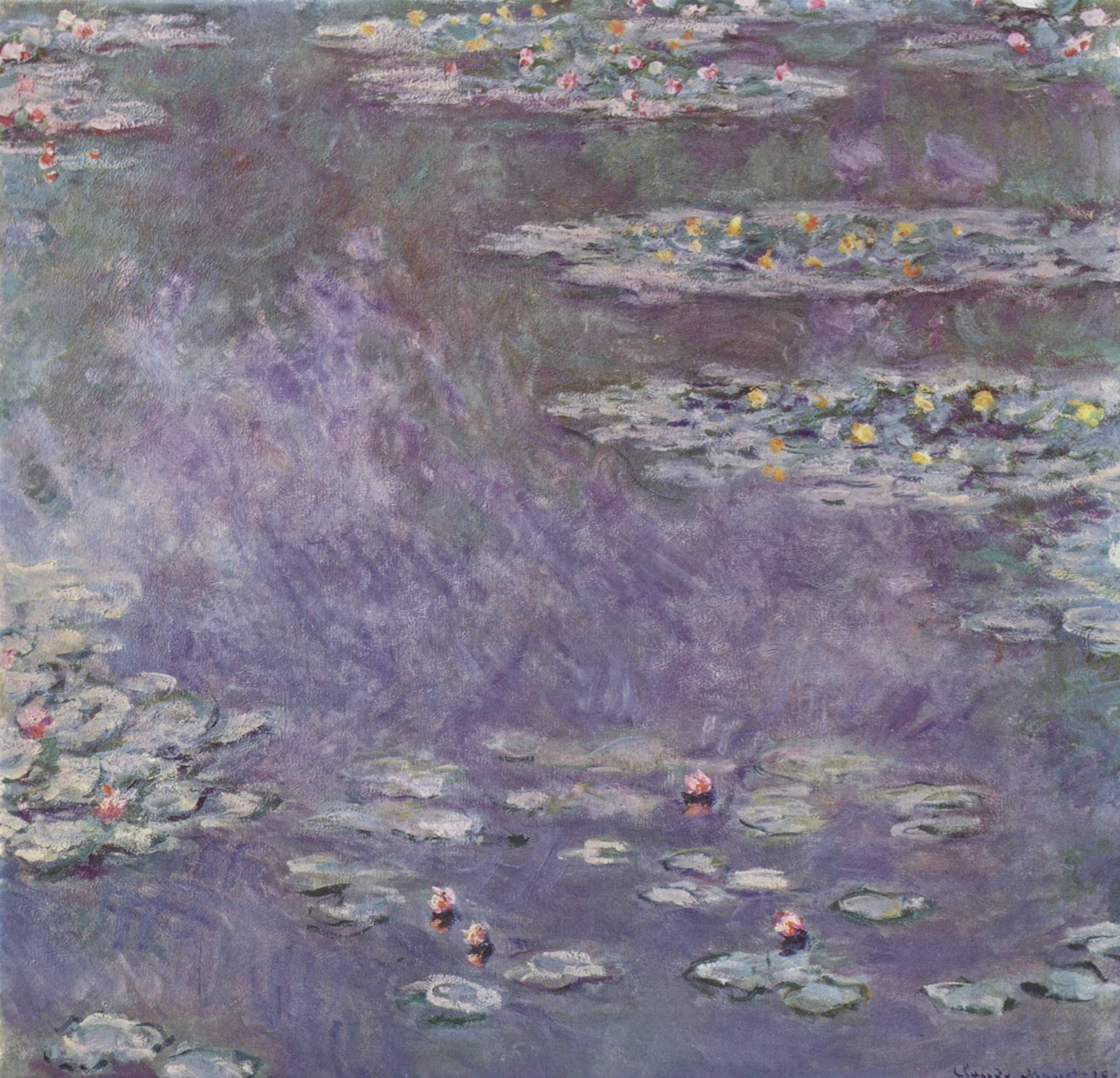
Nymphéas (Oyamazaki Villa Museum)
Claude Monet · 1908
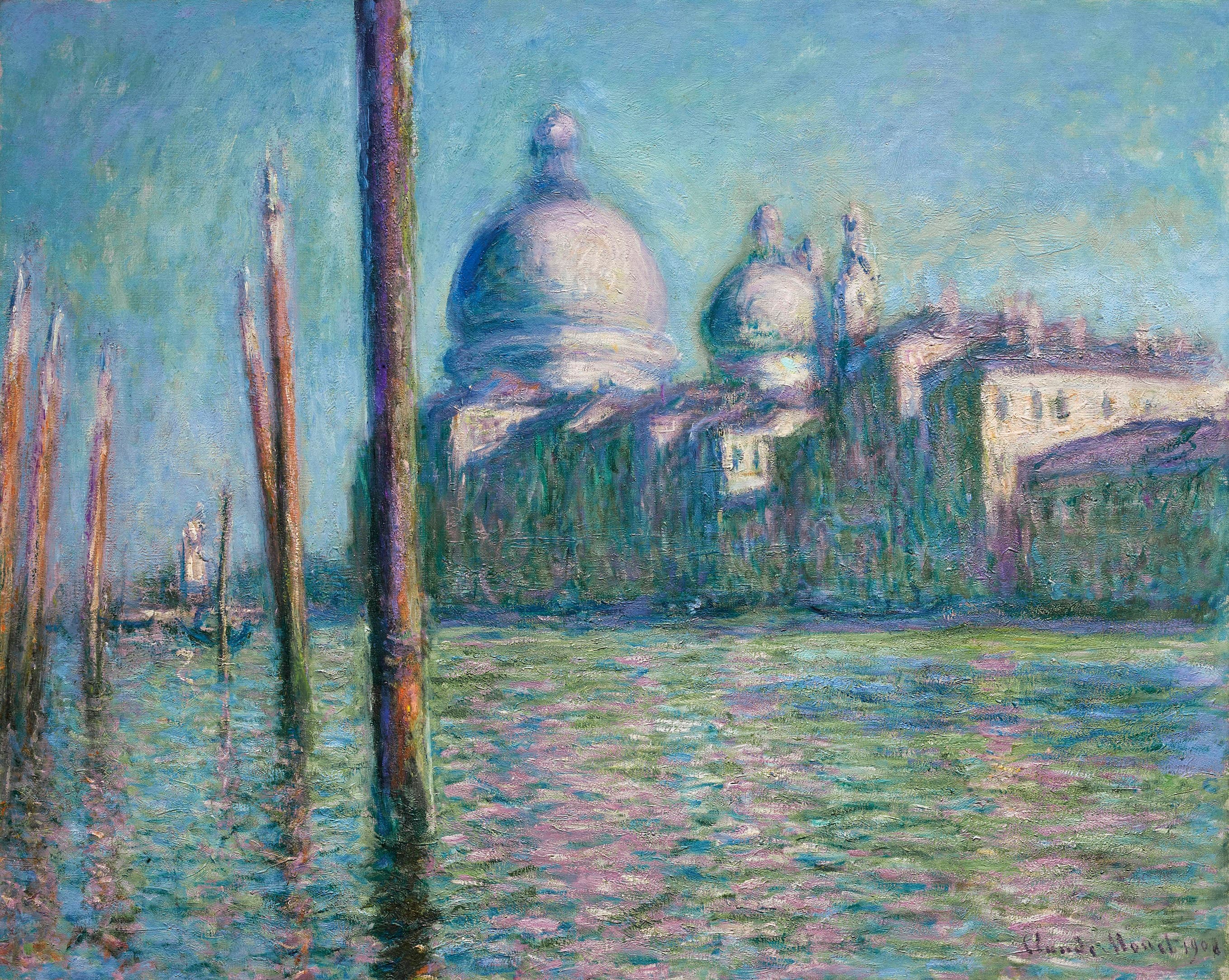
The Grand Canal, Venice
Claude Monet · 1908
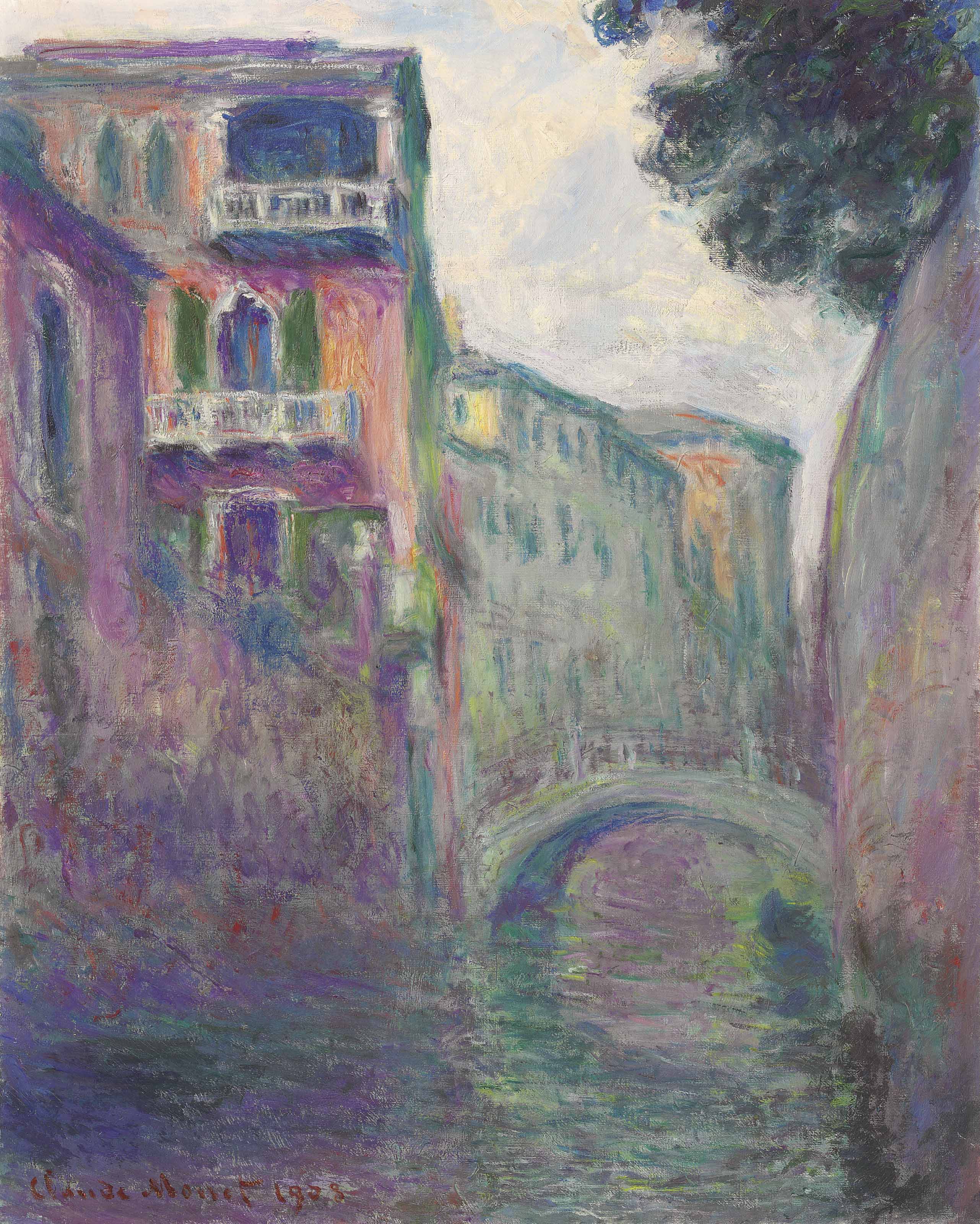
The Rio della Salute
Claude Monet · 1908
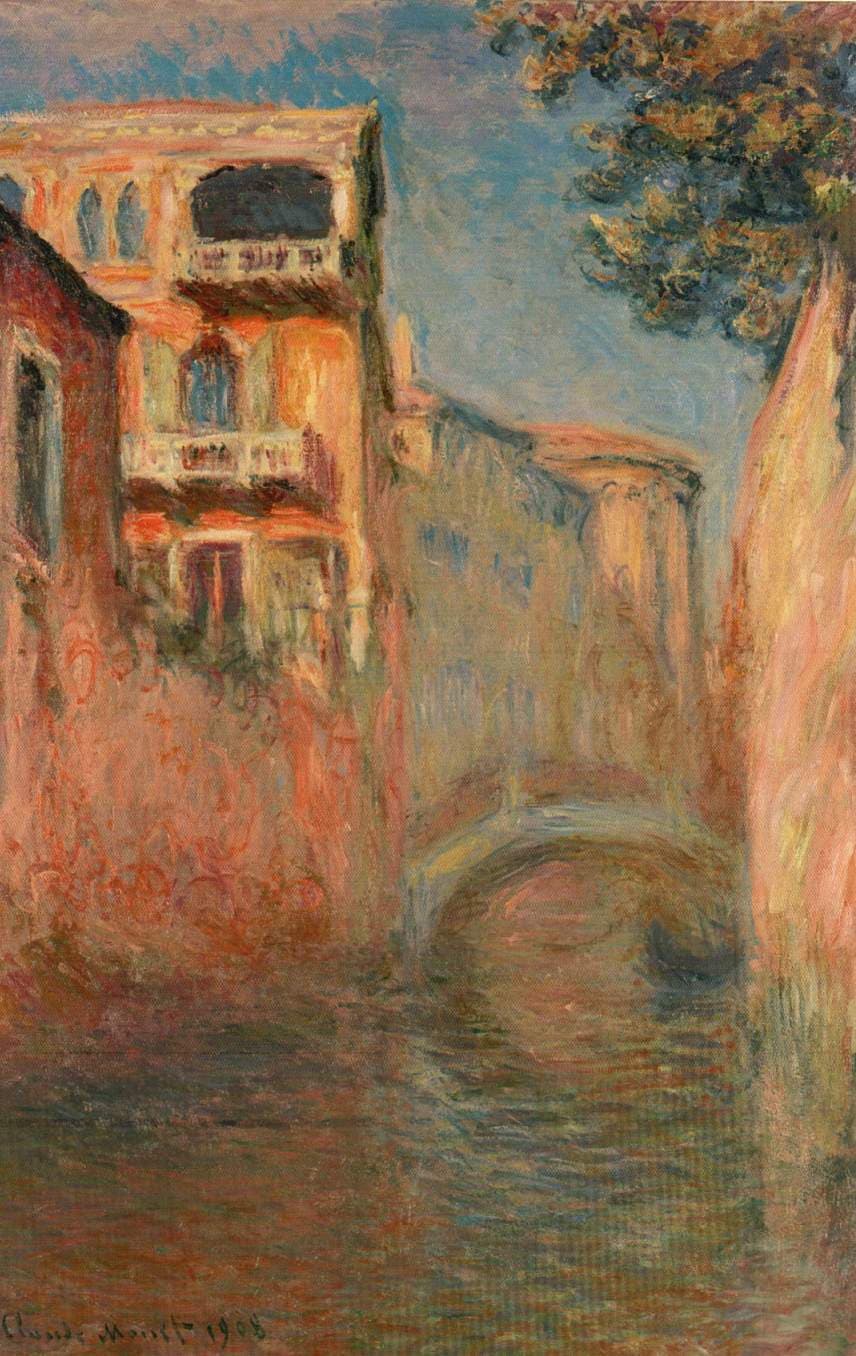
The Rio della Salute
Claude Monet · 1908
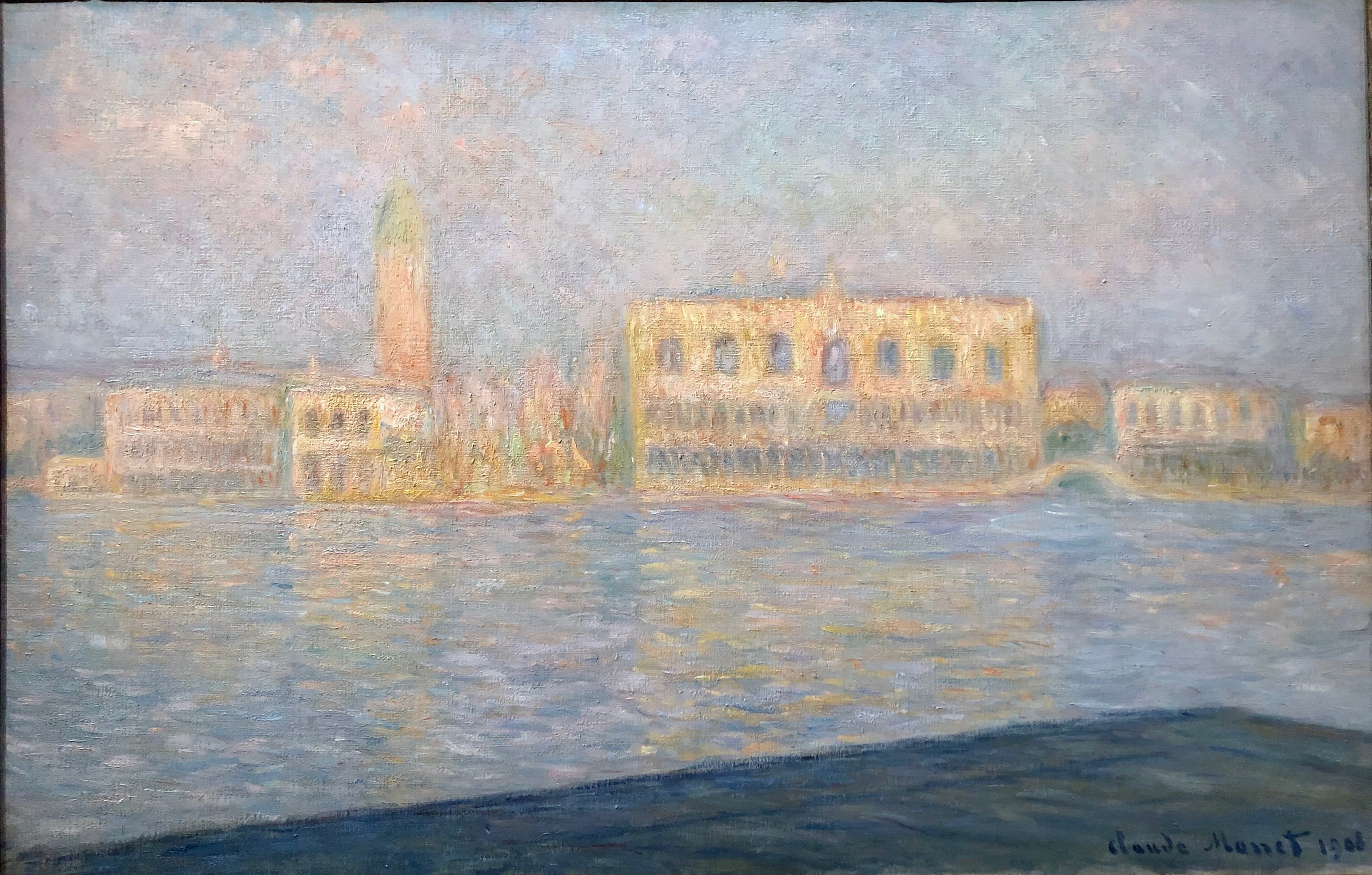
The Palazzo Ducale, Seen from San Giorgio Maggiore (Guggenheim)
Claude Monet · 1908
Kindred works
You may also study
Nymphéas (1908 tondo, Vernon)
Claude Monet · 1908
Nymphéas (Oyamazaki Villa Museum)
Claude Monet · 1908
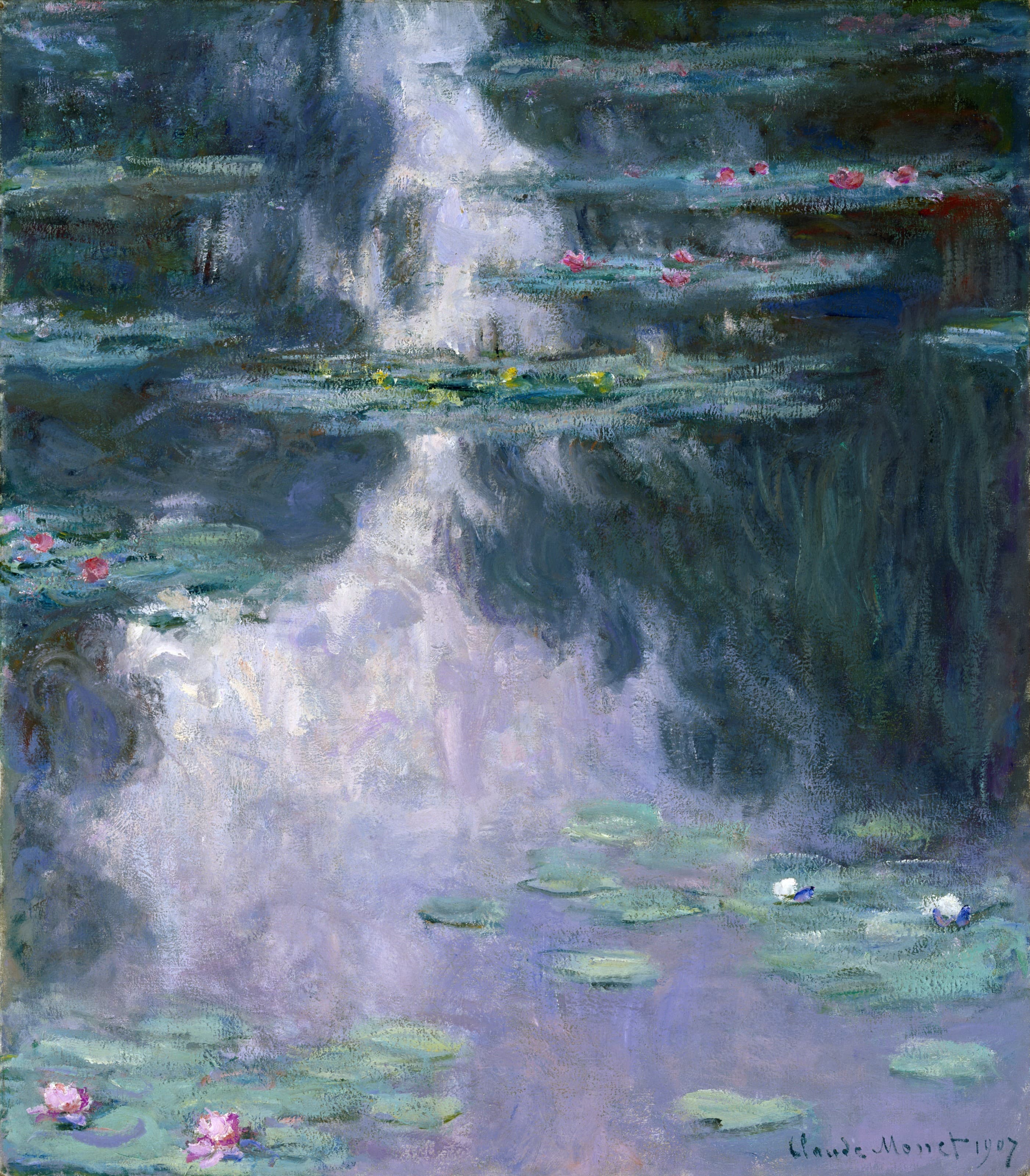
Water Lilies (Nymphéas), 1907 (Houston)
Claude Monet · 1907
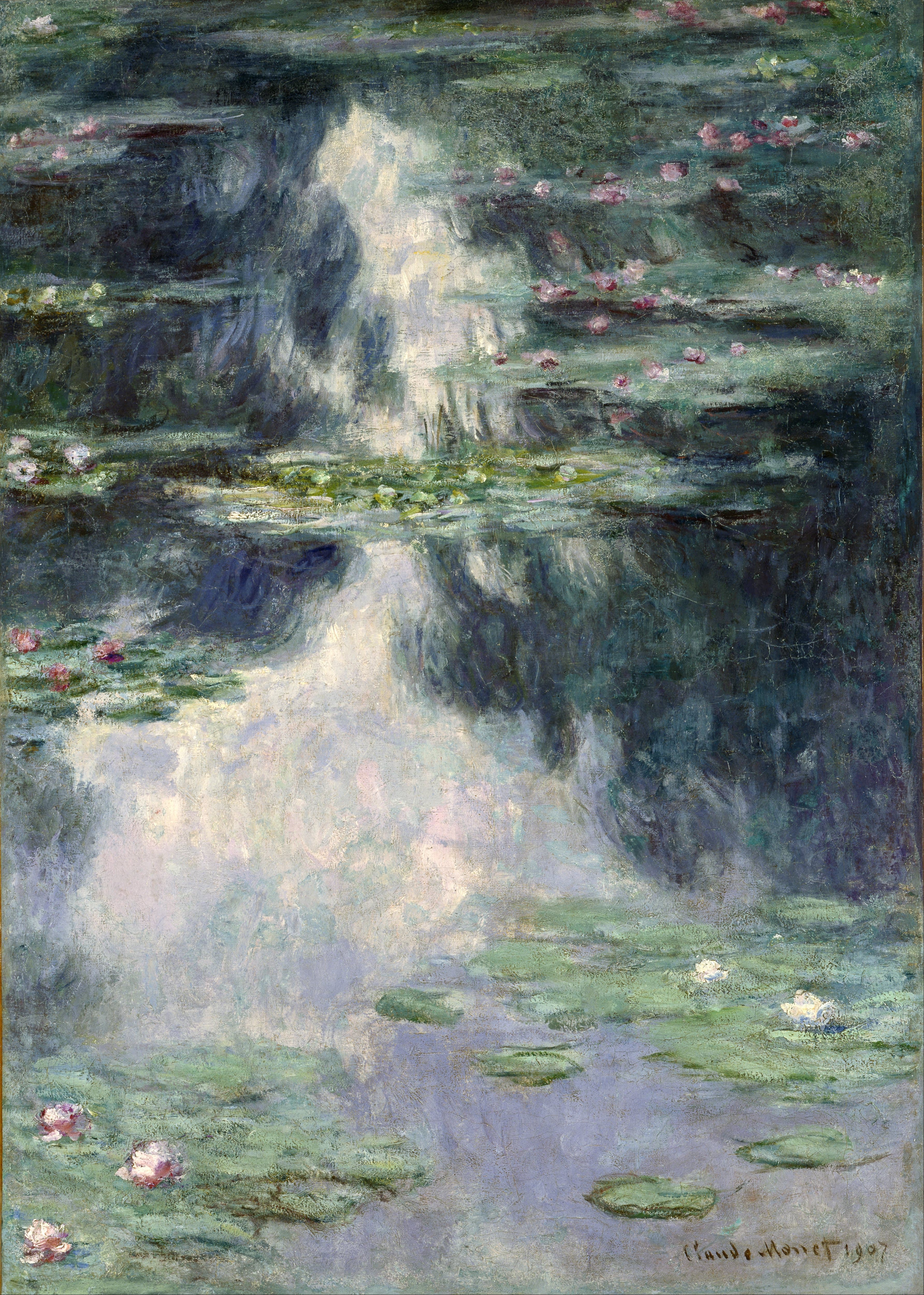
Pond with Water Lilies (Israel Museum)
Claude Monet · 1907
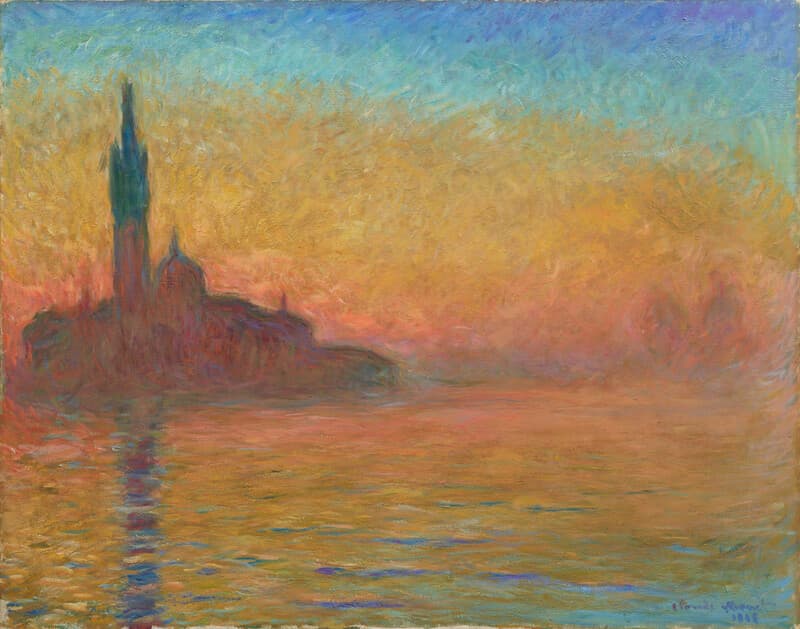
Twilight, Venice
Claude Monet · 1908
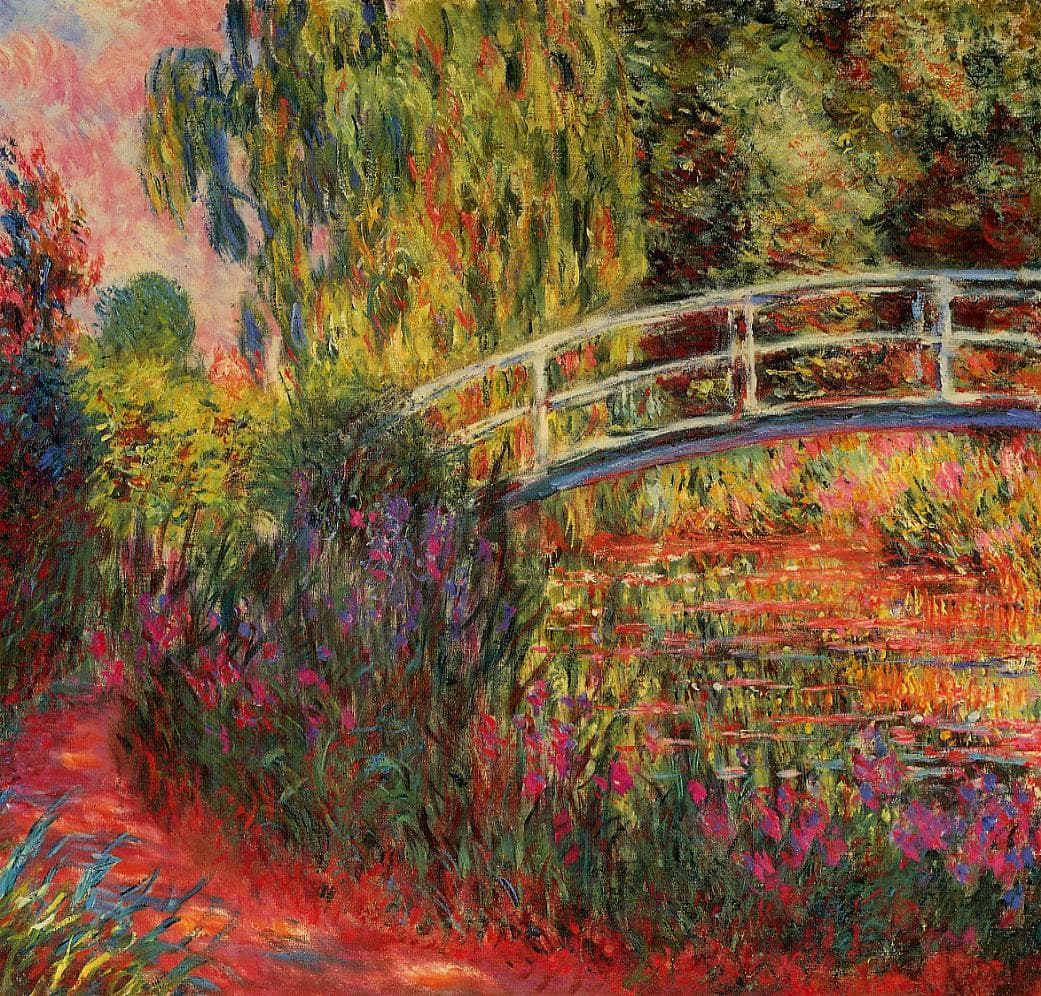
The Japanese Bridge or The Lily Pond
Claude Monet · 1900
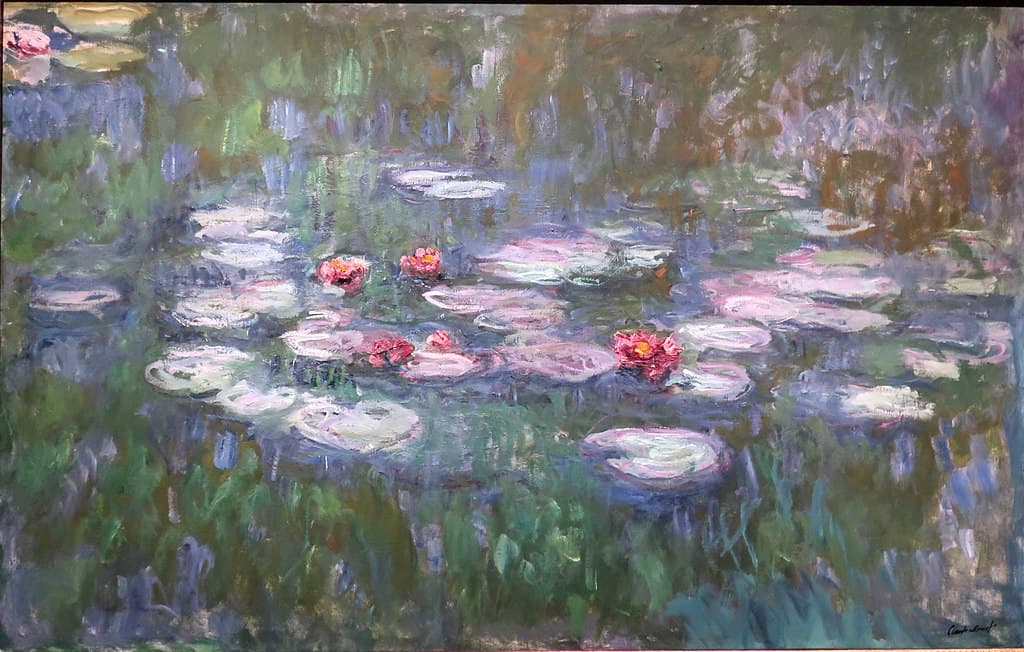
Nymphéas (Water Lilies)
Claude Monet · c. 1914–1919
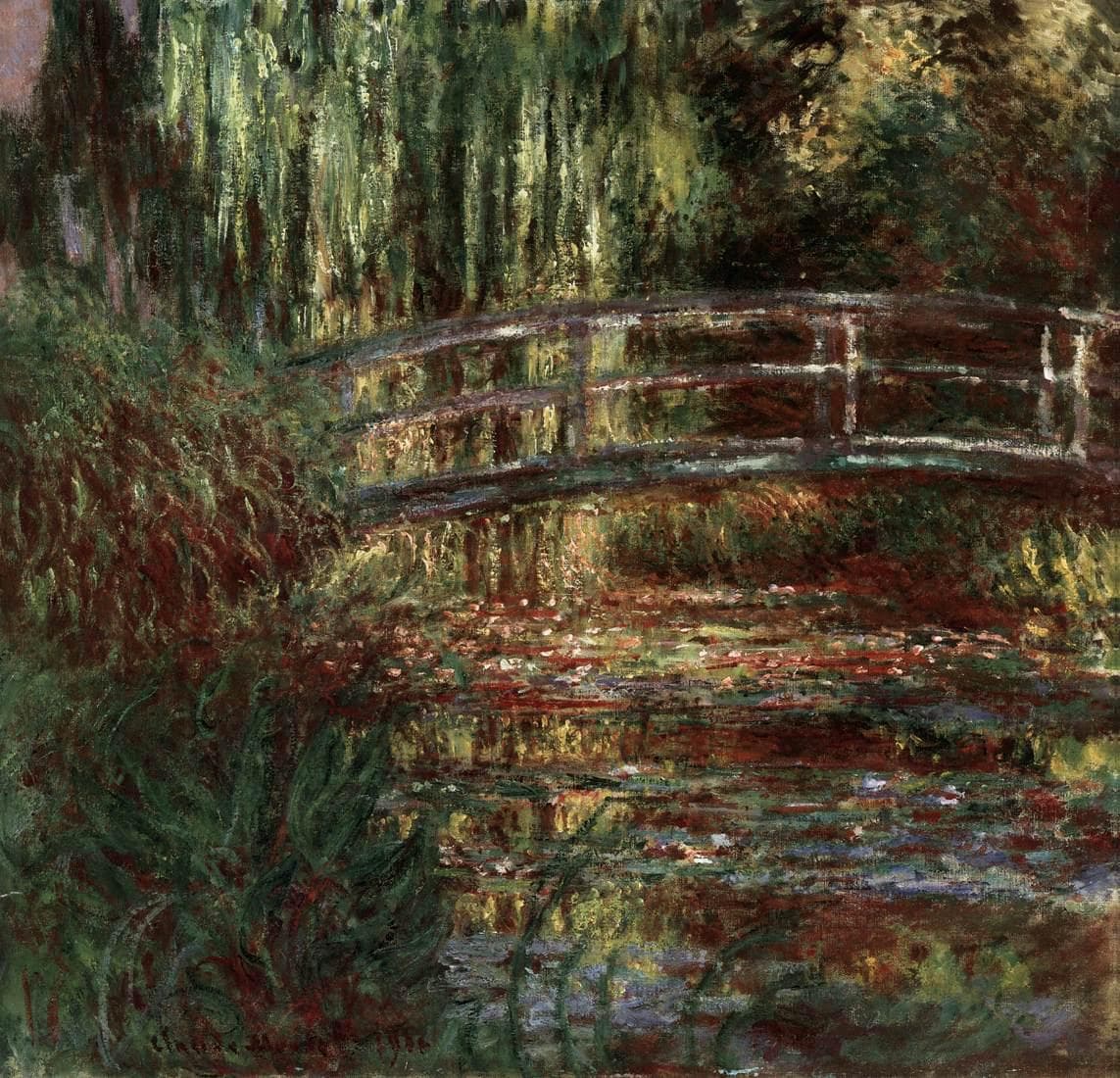
The Water Lily Pond
Claude Monet · 1900