Image: Claude Monet; Pola Museum of Art (source: Pola Museum of Art) · Public domain · via Wikimedia Commons
The Rio della Salute
Claude Monet, 1908
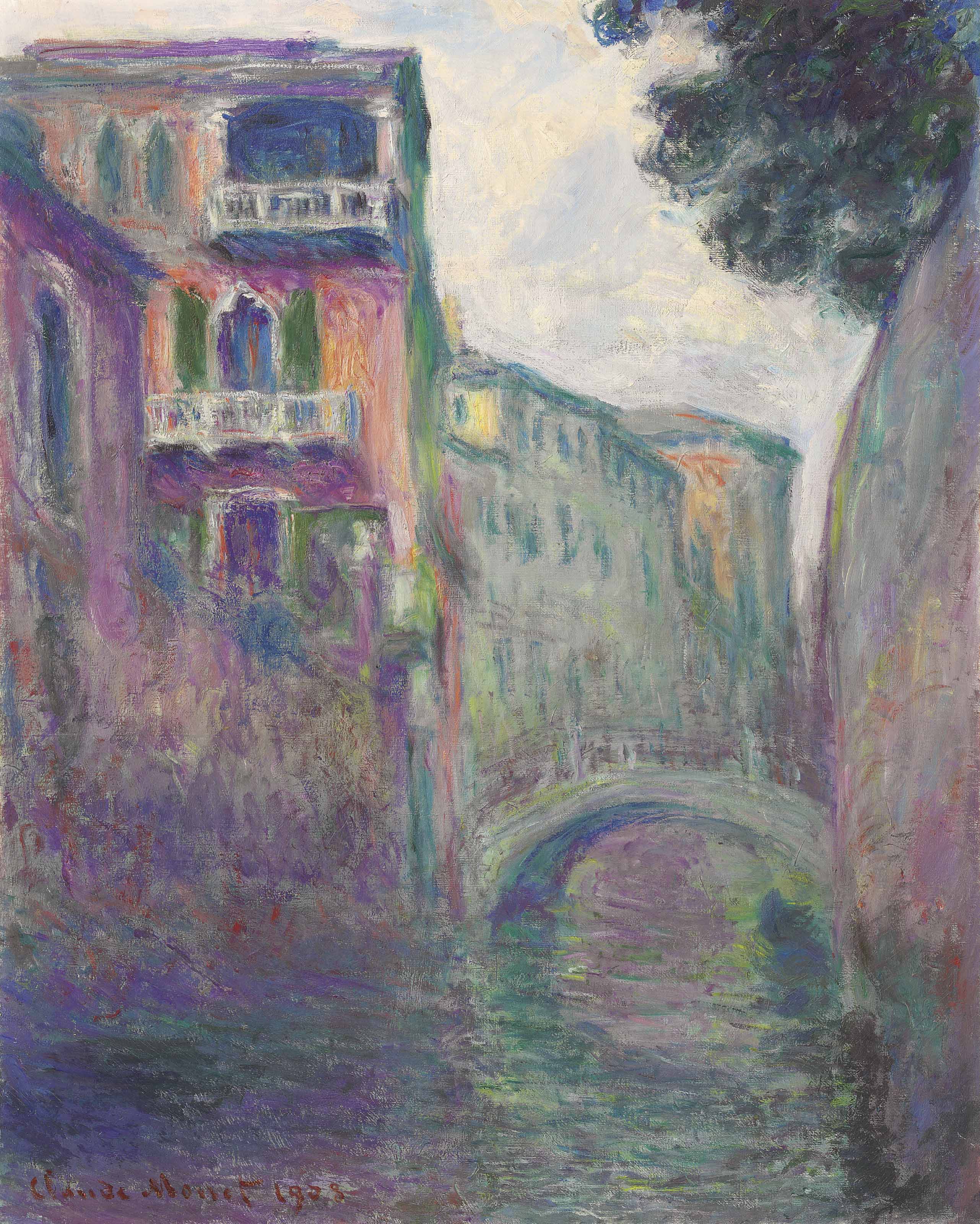
The Rio della Salute in the Pola Museum of Art is a 1908 Claude Monet painting of a narrow Venetian canal near the Salute, its palace, bridge and water steeped in a warm red-orange glow. The tallest of Monet's three versions, it is in Hakone, Japan.
- Artist
- Claude Monet
- Date
- 1908
- Medium
- Oil on canvas
- Dimensions
- 100.2 × 65.2 cm
- Collection
- Pola Museum of Art, Hakone, Japan
- Movement
- Impressionism
- Catalogue
- Wildenstein 1763
- Water & Sea
- The City
- Architecture & Ruins
What you are looking at
A narrow Venetian canal runs away from us between high walls. On the left a palace rises in tiers, its façade burning in orange, coral and rose, with two white stone balconies and a dark loggia at the top. Beside it, at the left edge, a deeper red house wall is shadowed in crimson. The canal bends under a low bridge in the middle distance, where a dark gondola is just visible, and beyond it the buildings fade into pale apricot and yellow. On the right a tall wall glows pink and gold, and above it a tree spreads its foliage in rust, olive and blue-green against a sky of smoky blue.
The lower half of the canvas is water, and it holds the same warm color as the buildings. Monet paints it in horizontal strokes of red, orange and brown, with a few cool green and violet touches, so the canal reads like molten copper. The light is late and low; the whole scene seems lit from within.
The signature and date, Claude Monet 1908, are at lower left.
Venice, 1908
Claude Monet spent the autumn of 1908 in Venice with his wife, Alice, his only visit to the city. On the Rio della Salute, a small canal near the church of Santa Maria della Salute, he painted from a gondola moored at the same spot, returning on different days for different effects. He made three canvases of the motif. They were finished at Giverny and shown at the Bernheim-Jeune gallery in Paris in 1912, among twenty-nine Venice pictures. See Monet in Venice.
How it was painted
The canvas is taller and narrower than the other two versions, about 100 by 65 centimeters against their 81 by 65. Monet uses the extra height to give more space to the water at the bottom, which makes the canal feel deeper and the walls more towering. The handling is loose and fluid, the palace walls laid in long vertical strokes, the reflections in short horizontal ones. The palette is pushed to one end of the spectrum: reds, oranges and pinks dominate, and cool color is used sparingly.
Note that reproductions of this canvas vary, and some exaggerate the red; the painting is best judged in person.
How this version differs
The Museum Barberini's The Rio della Salute shows the same view in bright afternoon sun, with orange walls but a clear blue sky and green water. The privately owned Rio della Salute (W 1761) is cool and overcast, in violet and green. The Pola canvas is the warmest of the three and the most unified in color, with sky, walls and water all drawn into one sunset key. It is comparable in mood to the Cardiff Sunset in Venice.
Looking closely
The balustrades of the two balconies are drawn with quick, broken white dashes, the brightest marks on the palace. On the right, the tall wall is laid in long vertical strokes of pink and gold, while the tree above it is painted in rough, curling dabs of rust and olive that catch the same warm light.
Ownership and where to see it
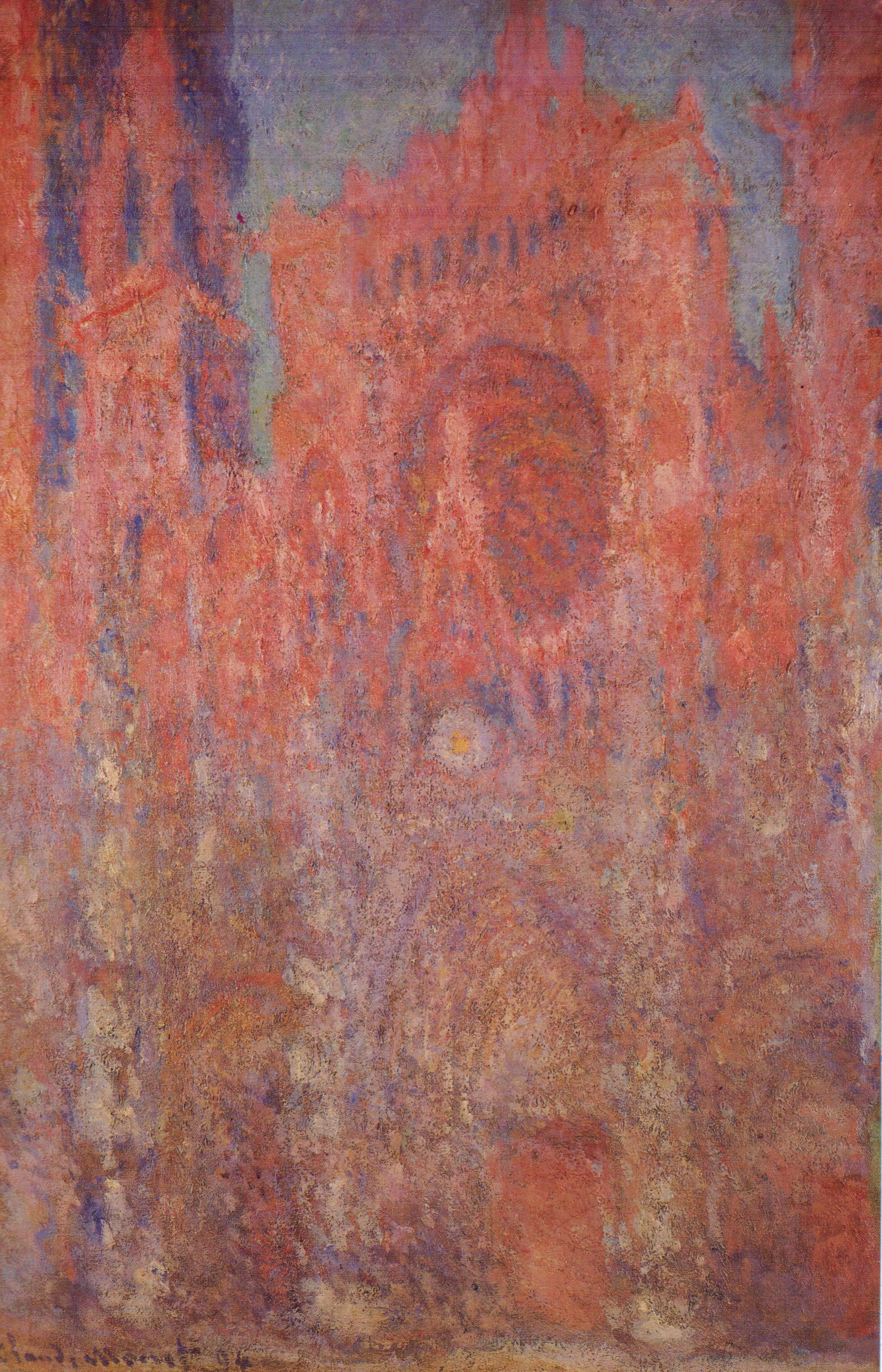
Catalogued as Wildenstein 1763, the painting is in the Pola Museum of Art (inventory 006-0390), in the forest at Hakone southwest of Tokyo. The museum, opened in 2002, holds the collection of Tsuneshi Suzuki of the Pola cosmetics group, including several Monets, among them a canvas from the Rouen Cathedral series, Rouen Cathedral, Portal. See our guide to where to see Monet's paintings.
Questions & answers
Where is the Rio della Salute in Japan?
It is in the Pola Museum of Art at Hakone, inventory 006-0390. The museum also owns a canvas from Monet's Rouen Cathedral series, so it is a good place in Japan to compare his series pictures of the 1890s and 1900s.
When was it painted?
In Venice in the autumn of 1908, during Monet's ten-week stay with his wife, Alice. He painted the canal from a gondola and finished the canvas at Giverny. It is signed and dated 1908 and was among the Venice pictures shown in Paris in 1912.
What does the painting show?
A narrow canal near Santa Maria della Salute, with a tiered palace and white balconies on the left, a low bridge with a gondola, a tall wall and tree on the right, and the water below, all in a warm red-orange light.
How is it different from the other Rio della Salute paintings?
It is the tallest of the three and the warmest in color, steeped in red and orange from sky to water. The Museum Barberini's version is sunny with a blue sky, and a privately owned version is cool and overcast.
More by the artist
Claude Monet
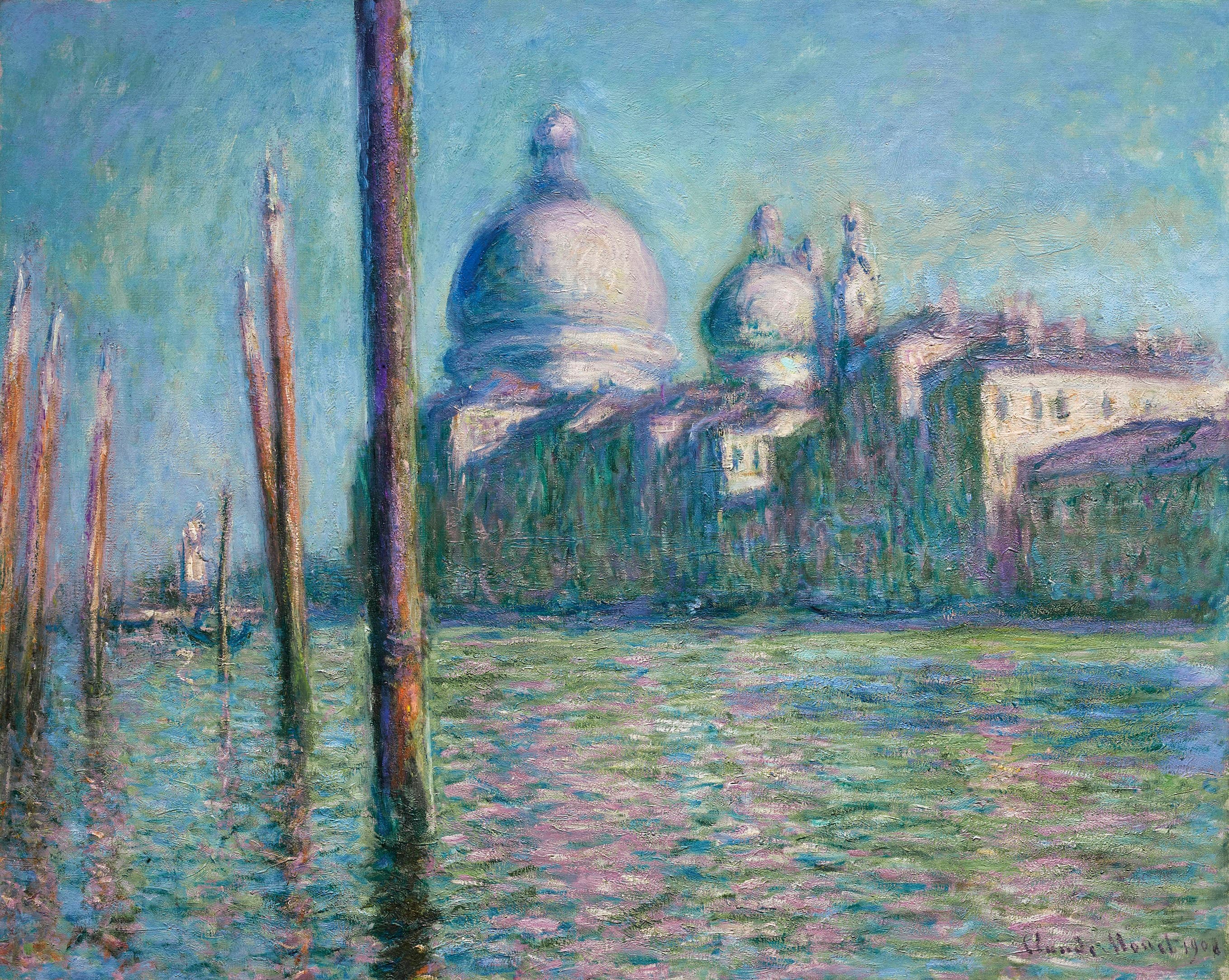
The Grand Canal, Venice
Claude Monet · 1908
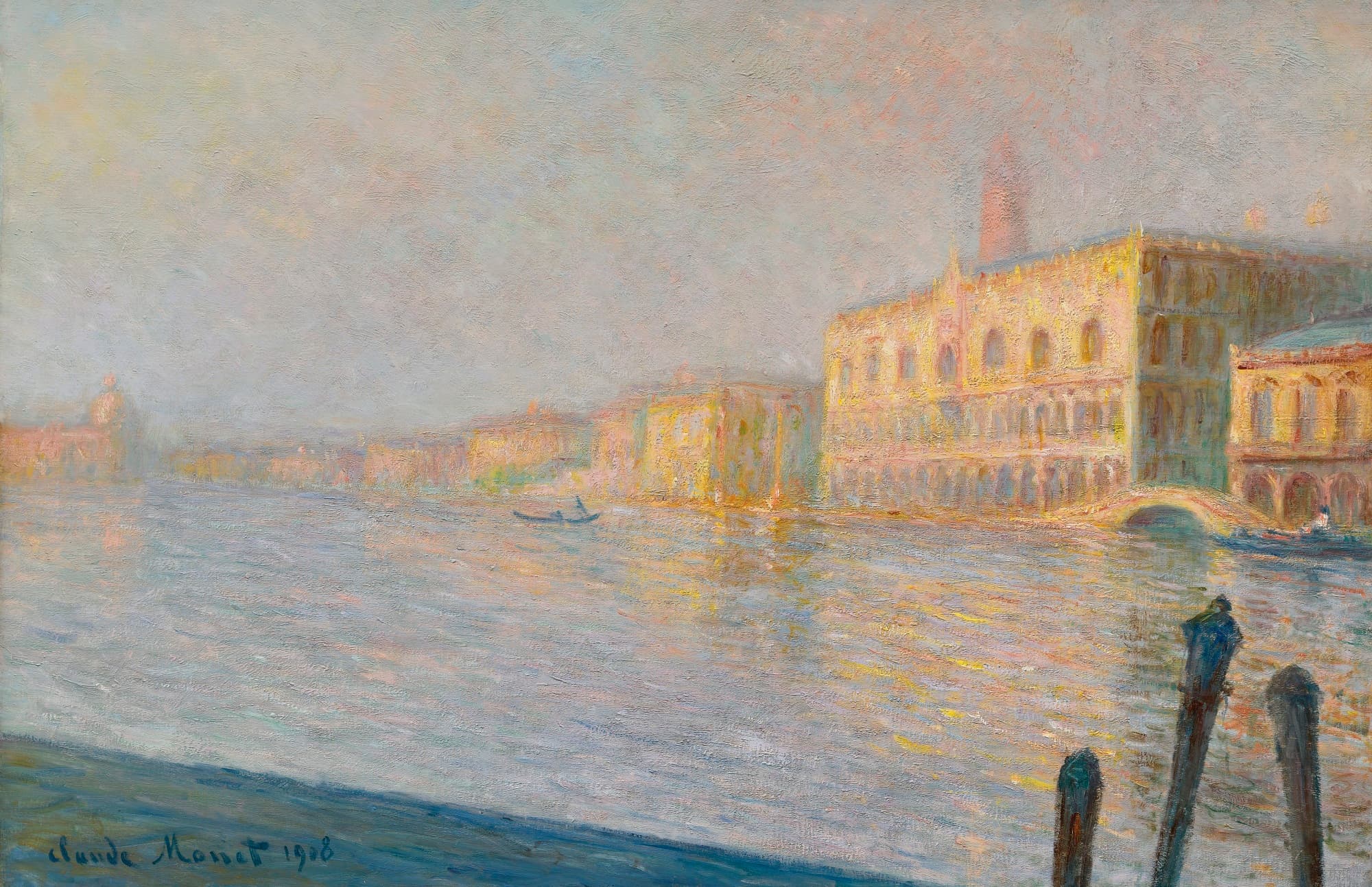
The Palazzo Ducale (Le Palais Ducal), 1908
Claude Monet · 1908
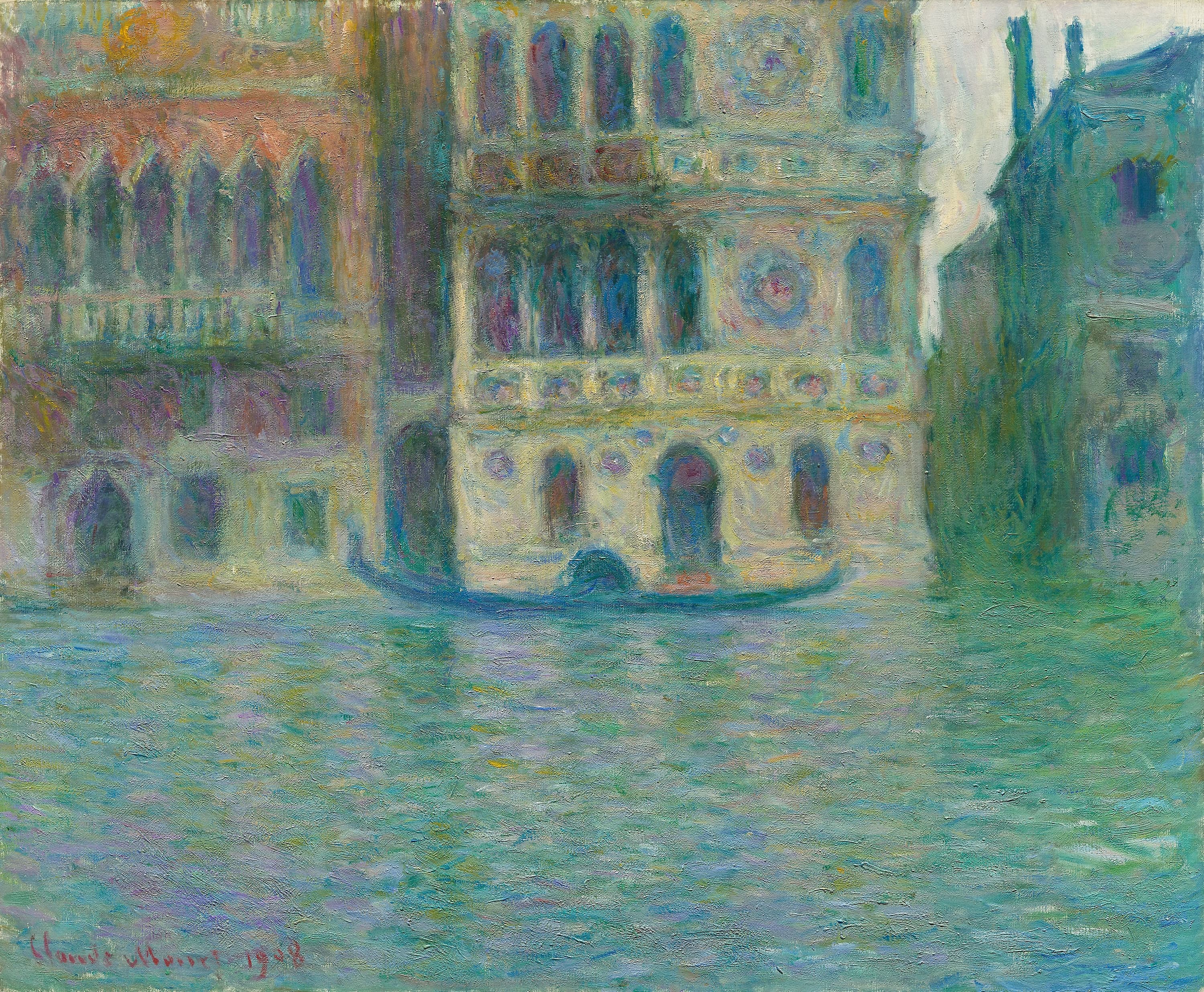
Venice, Palazzo Dario
Claude Monet · 1908
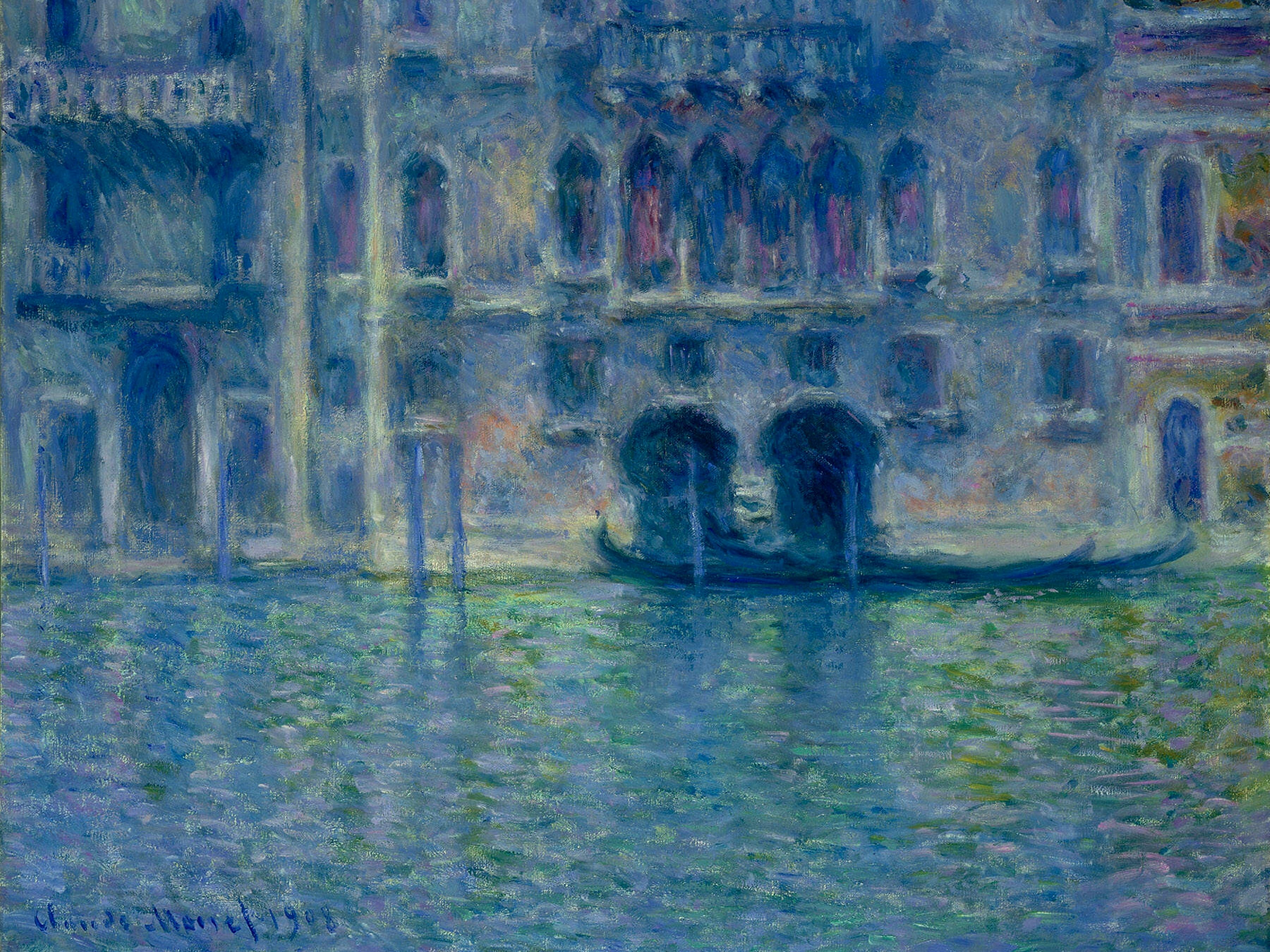
Palazzo da Mula, Venice
Claude Monet · 1908
Still Life with Eggs
Claude Monet · 1907
Water Lilies (1908, Tokyo Fuji Art Museum)
Claude Monet · 1908
Le Grand Canal et Santa Maria della Salute
Claude Monet · 1908
Nymphéas (1908 tondo, Vernon)
Claude Monet · 1908
Also painted in 1908
The same year

Sunset in Venice
Claude Monet · 1908–12
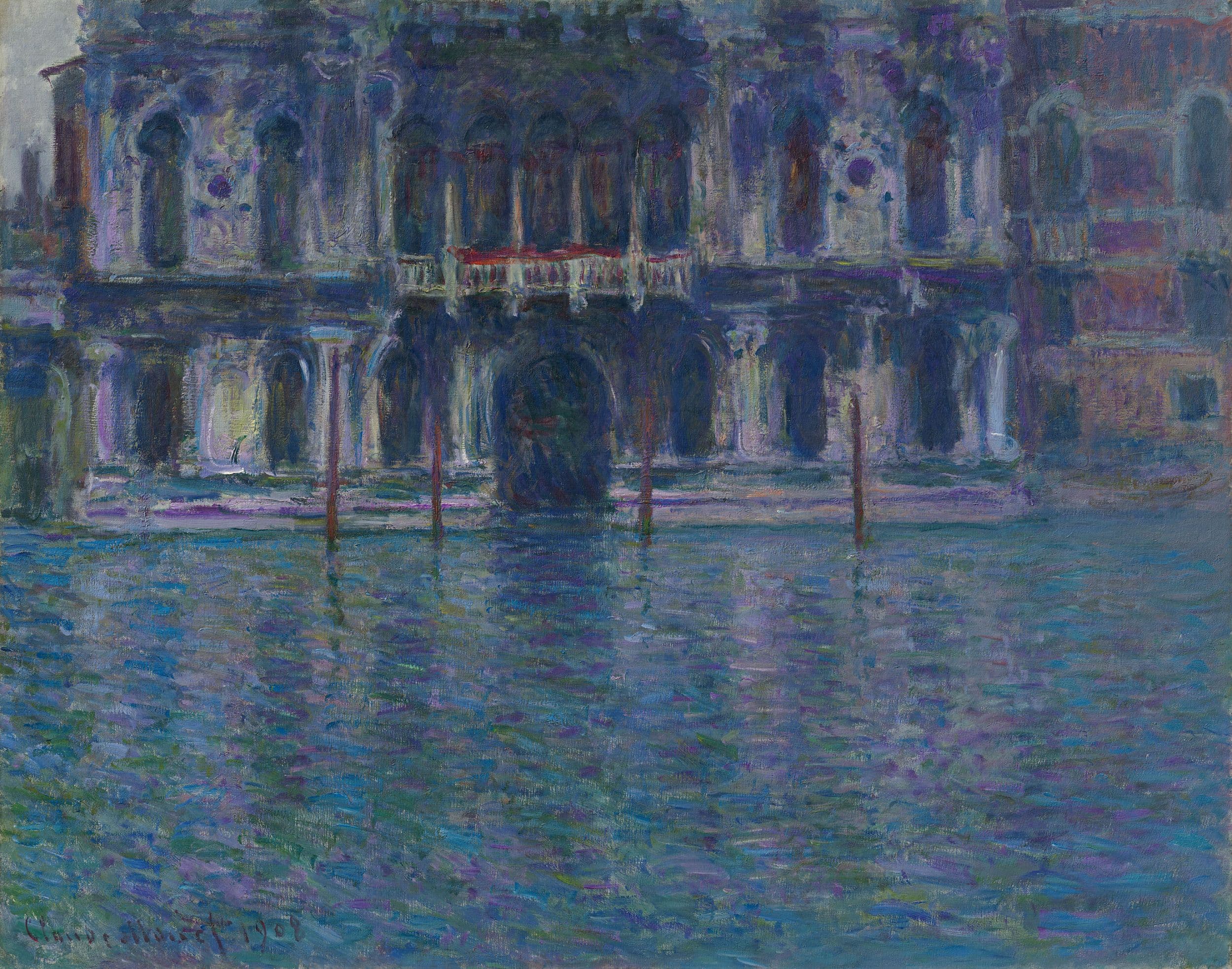
Le Palais Contarini (Potsdam)
Claude Monet · 1908
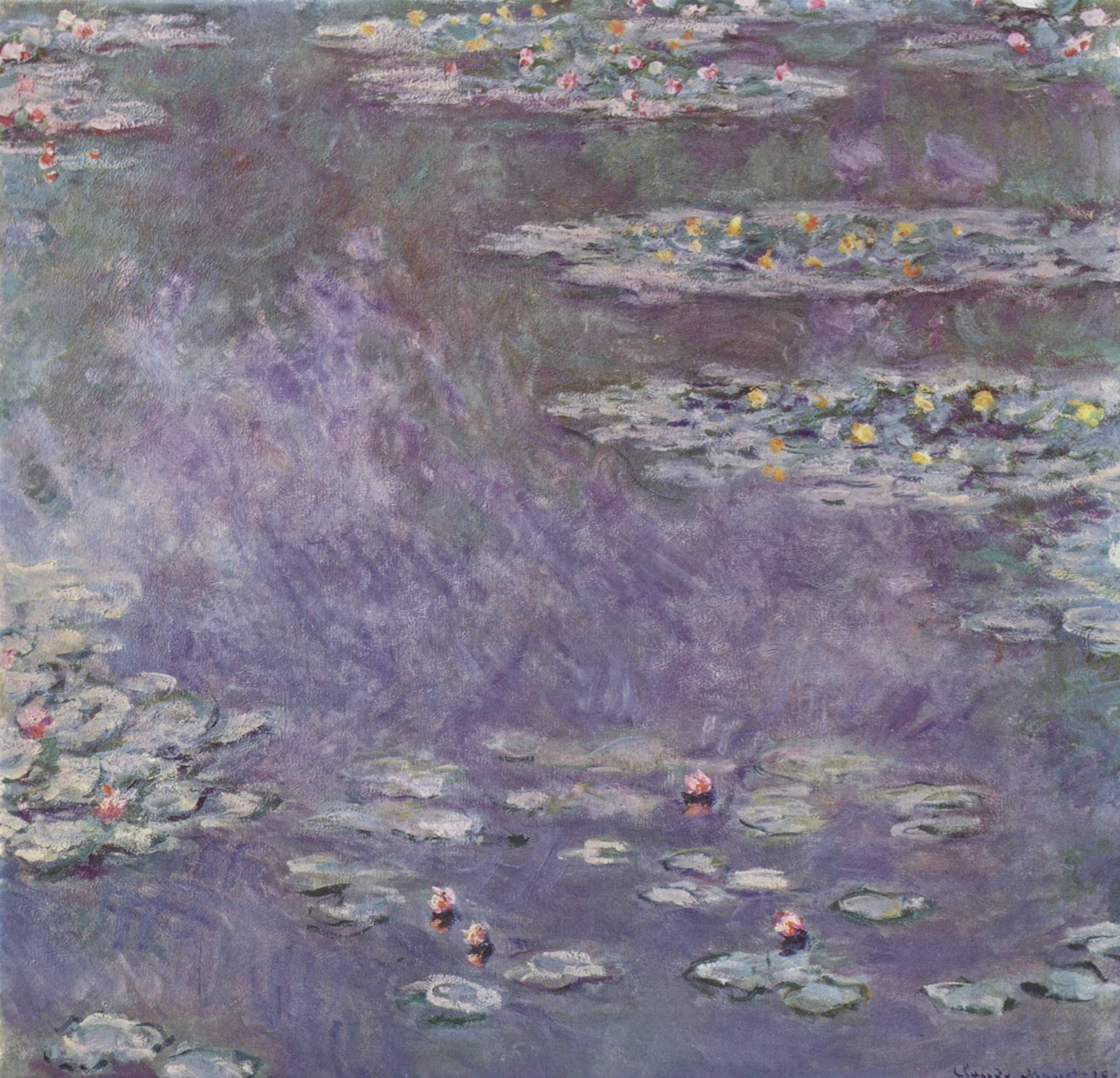
Nymphéas (Oyamazaki Villa Museum)
Claude Monet · 1908
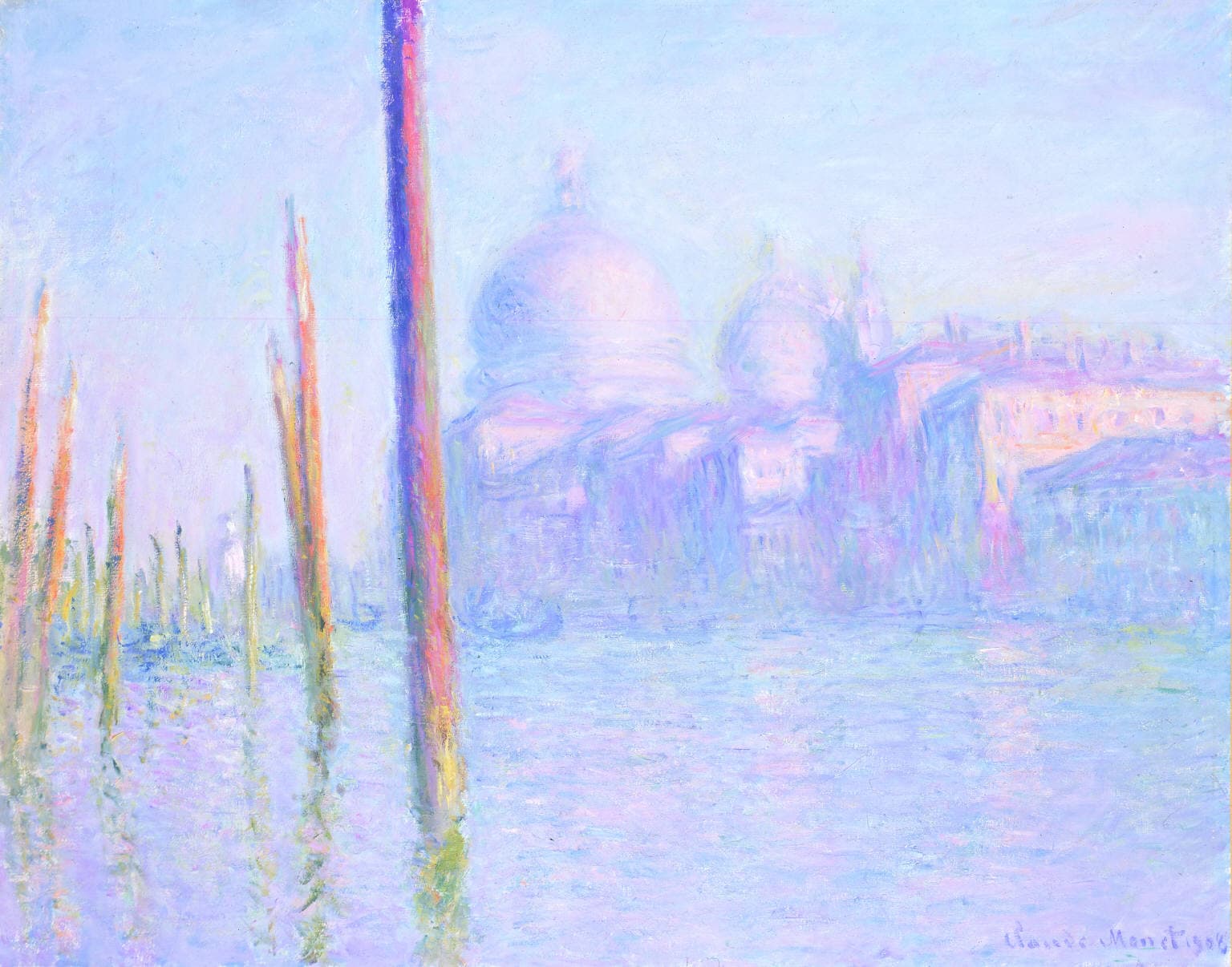
The Grand Canal, Venice
Claude Monet · 1908
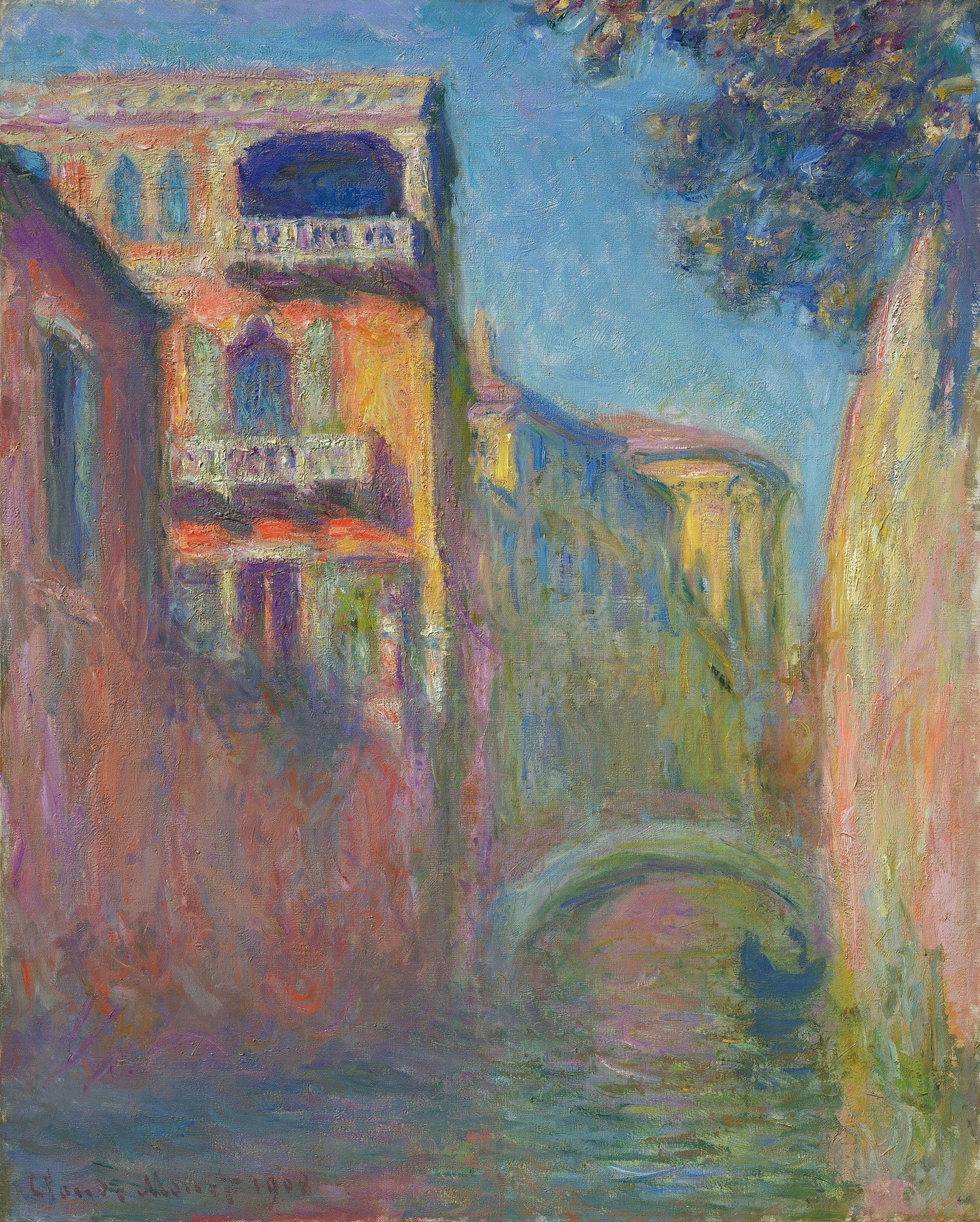
The Rio della Salute
Claude Monet · 1908
The Rio della Salute
Claude Monet · 1908
The Palazzo Ducale, Seen from San Giorgio Maggiore (Guggenheim)
Claude Monet · 1908
Le Palais Dario
Claude Monet · 1908
Kindred works
You may also study
The Rio della Salute
Claude Monet · 1908
The Rio della Salute
Claude Monet · 1908
Sunset in Venice
Claude Monet · 1908–12
Rouen Cathedral, Portal
Claude Monet · 1892–94
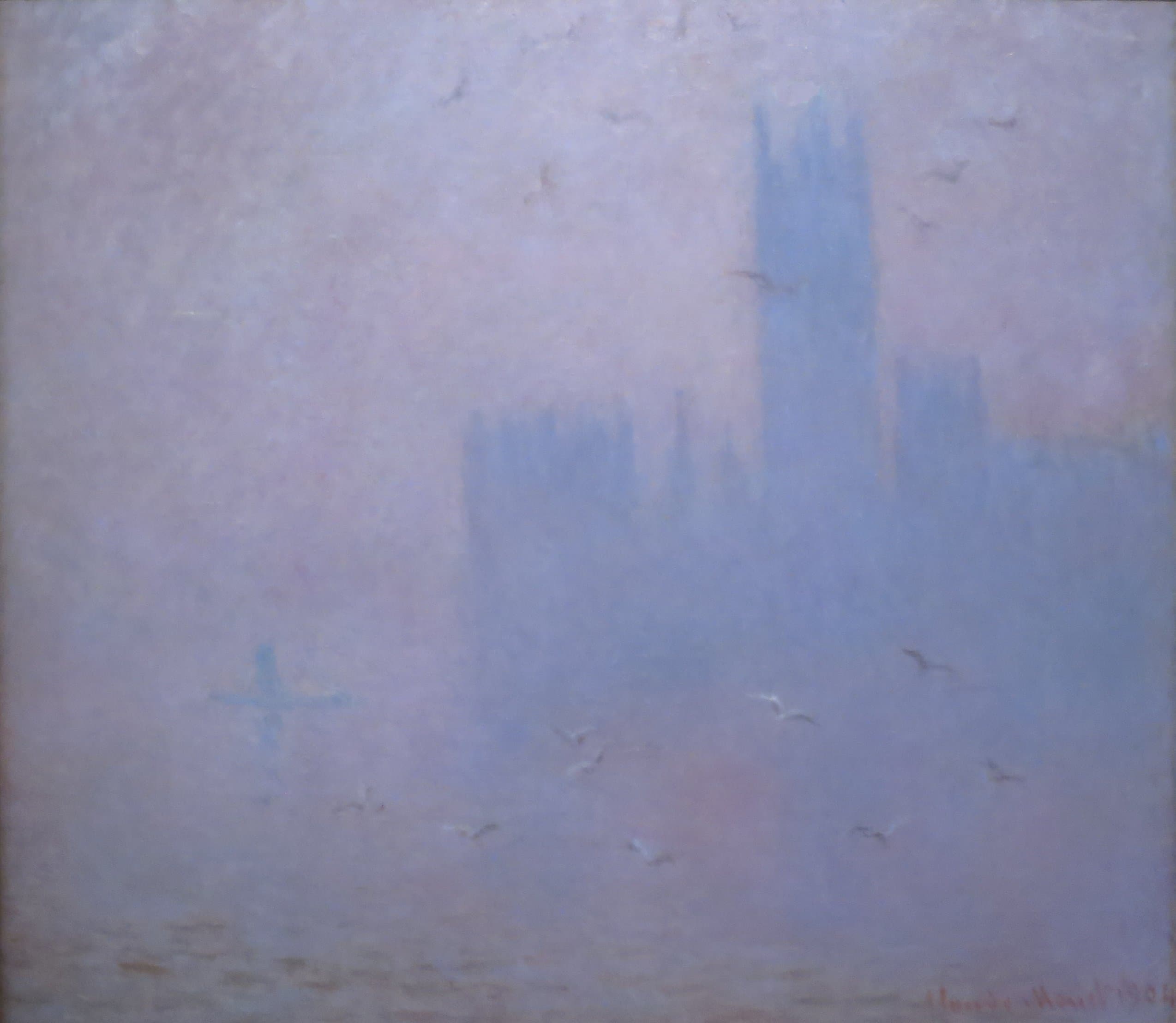
Seagulls, the River Thames and the Houses of Parliament
Claude Monet · 1904
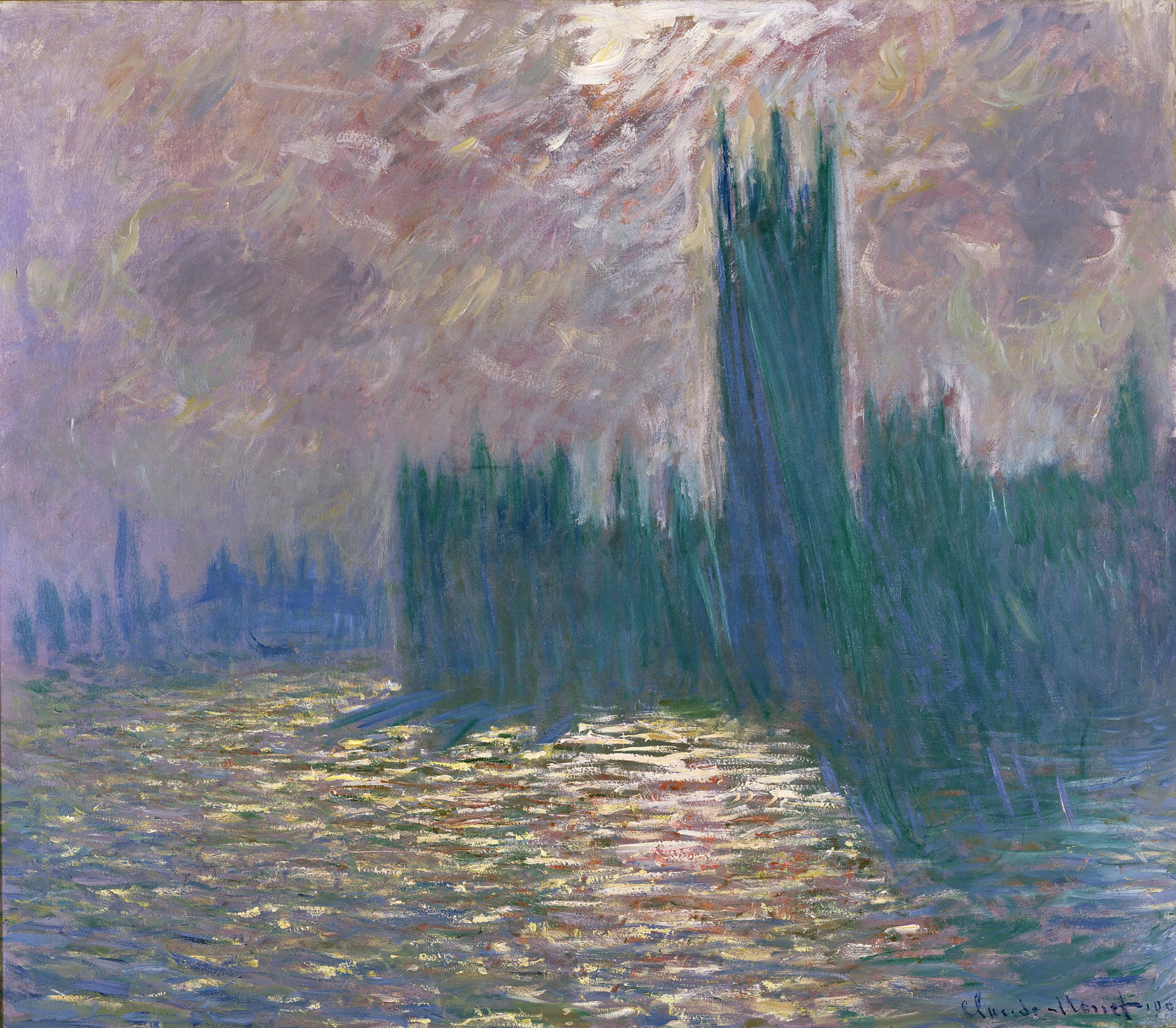
London, Parliament, Reflections on the Thames
Claude Monet · 1905
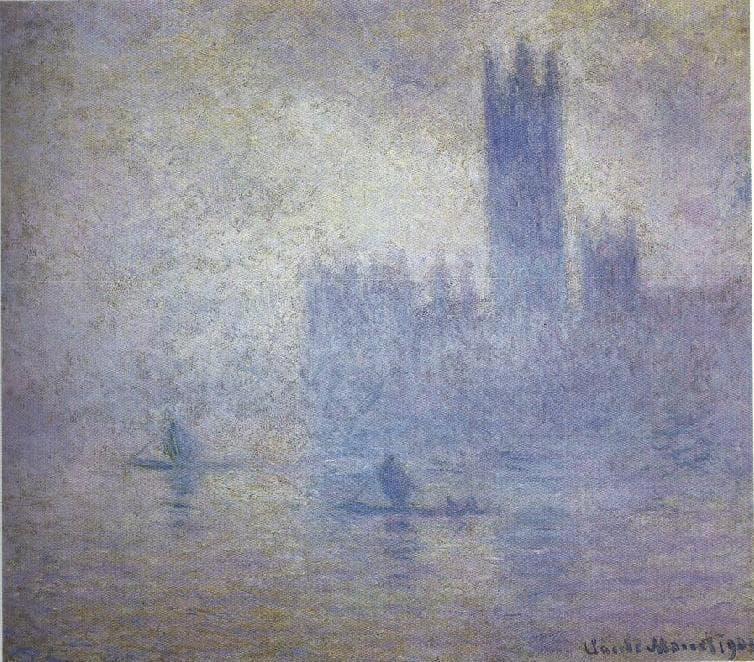
Houses of Parliament, Effect of Fog
Claude Monet · 1904
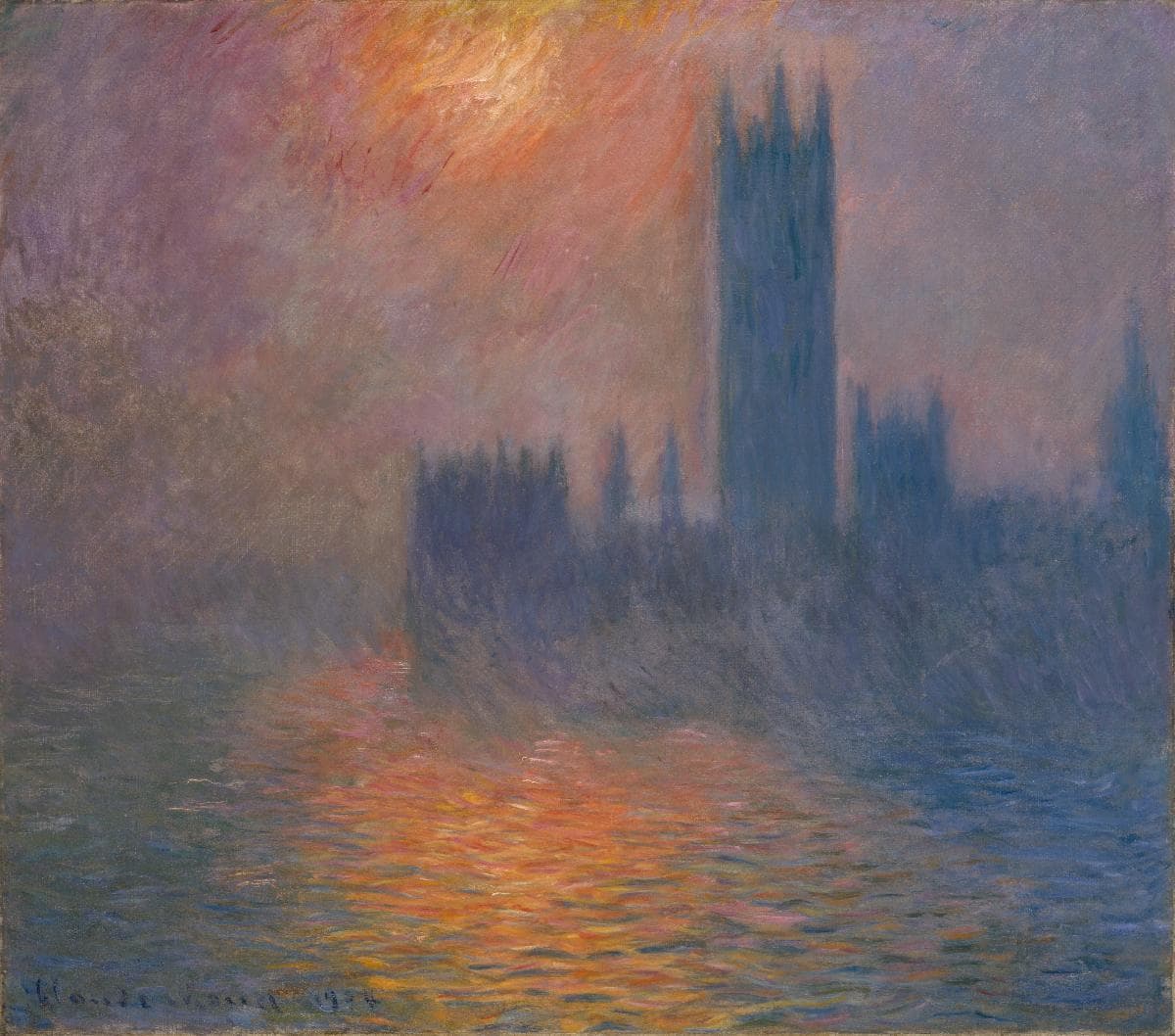
Houses of Parliament, Sunset
Claude Monet · 1904