Image: Claude Monet (source: Vintage frills [1]) · Public domain · via Wikimedia Commons
The Grand Canal, Venice
Claude Monet, 1908
The Grand Canal, Venice (Le Grand Canal) is a 1908 Claude Monet painting of Santa Maria della Salute behind mooring poles across the Grand Canal, in greens, violets and pinks. Long on loan to London's National Gallery, it sold at Sotheby's in 2015 for £23.7 million.
- Artist
- Claude Monet
- Date
- 1908
- Medium
- Oil on canvas
- Dimensions
- 73 × 92 cm
- Collection
- Private collection (Nahmad Collection)
- Movement
- Impressionism
- Catalogue
- Wildenstein 1739
- Water & Sea
- The City
- Architecture & Ruins
What you are looking at
Across the Grand Canal, the great domes of Santa Maria della Salute swell up on the right, their curves modeled in lilac, white and blue, with the smaller dome and the twin bell towers stepping down beside them. Below and to the right, the buildings along the water are blocks of cream and violet over a dark green base where the walls meet the canal. In the foreground at left stand the mooring poles, the pali of Venetian palaces, one thick post running straight from bottom to top of the canvas and a scatter of thinner ones receding toward the open lagoon. A gondola is faintly visible among them.
The water takes up the lower third, a shimmering pavement of short strokes in jade, turquoise, violet and pink. The sky is a pale, greenish blue. Compared with Monet's palest Venice canvases, this one has more weight: the domes are solid, the shadows on the buildings are strong green and violet, and the poles are dark and earthy rather than candy-striped.
The signature and date, Claude Monet 1908, are at lower right.
Venice, 1908
Claude Monet spent ten weeks in Venice in the autumn of 1908, his only visit, with his wife, Alice. Their first lodging was the Palazzo Barbaro on the Grand Canal, and from near its water steps Monet looked across to the Salute. He painted this view several times at a fixed hour, changing canvases as the light changed, and took the pictures home to Giverny to finish. Twenty-nine Venice canvases were exhibited at the Bernheim-Jeune gallery in Paris in 1912, the year after Alice's death. See Monet in Venice.
How it was painted
The canvas is a standard landscape size, about 73 by 92 centimeters. Monet builds the water from horizontal dashes of broken color laid side by side, so the eye mixes them into a single shimmering surface. The architecture is more firmly drawn than in many of the Venice pictures, with clear contours around the domes and the pale lantern on top. The poles are painted last, in long, loaded strokes of brown, violet and green, and they sit firmly in front of everything else.
How this version differs
Monet's half-dozen views of the Salute across the canal range from almost white to deep blue. The San Francisco The Grand Canal, Venice is the most vaporous, a pastel haze of pink and lilac. The Museum of Fine Arts, Boston's The Grand Canal in Venice is bluer and more somber. This canvas sits between them, the most strongly colored and modeled, with green water and solid domes, so it reads as a clearer, brighter day. It also gives more room to the thin poles at the left, which open a view out to the lagoon.
Looking closely
The water is the richest passage of the canvas: horizontal dashes of jade, turquoise, violet and pink, laid side by side and repeated across the width of the picture. The reflection of the tall pole is a dark, wavering line that breaks up as it descends. Near the left edge, a gondola and a distant white figure on the lagoon are barely indicated.
Ownership and where to see it
Catalogued as Wildenstein 1739, the painting was first sold in 1912 to the dealers Bernheim-Jeune and Durand-Ruel. From 2006 to 2014 it hung on loan at the National Gallery in London. Sotheby's sold it in London on February 3, 2015, for about £23.7 million, then one of the highest prices for a Monet at auction, and it has since been associated with the Nahmad Collection. It is not on regular public view. See our guide to where to see Monet's paintings.
Questions & answers
Where is this Grand Canal painting by Monet?
It is in private hands, associated with the Nahmad Collection. From 2006 to 2014 it was on loan to the National Gallery in London, and in February 2015 Sotheby's sold it in London for about £23.7 million (around $35.8 million). It is catalogued as Wildenstein 1739.
When and where was it painted?
In Venice in autumn 1908, during Monet's ten-week stay with his wife, Alice. He painted the view of Santa Maria della Salute from near the Palazzo Barbaro on the Grand Canal, then finished the canvas at Giverny. It is signed and dated 1908.
What does the painting show?
Santa Maria della Salute and the buildings along the Grand Canal, seen across shimmering green and violet water, with dark wooden mooring poles in the foreground at left and a pale greenish sky. The domes are solidly modeled in lilac and white.
How many versions of the Grand Canal did Monet paint?
About six views of the Salute across the canal with mooring poles. Others are in the Fine Arts Museums of San Francisco and the Museum of Fine Arts, Boston. This version is the most strongly colored, with green water and firm modeling.
More by the artist
Claude Monet
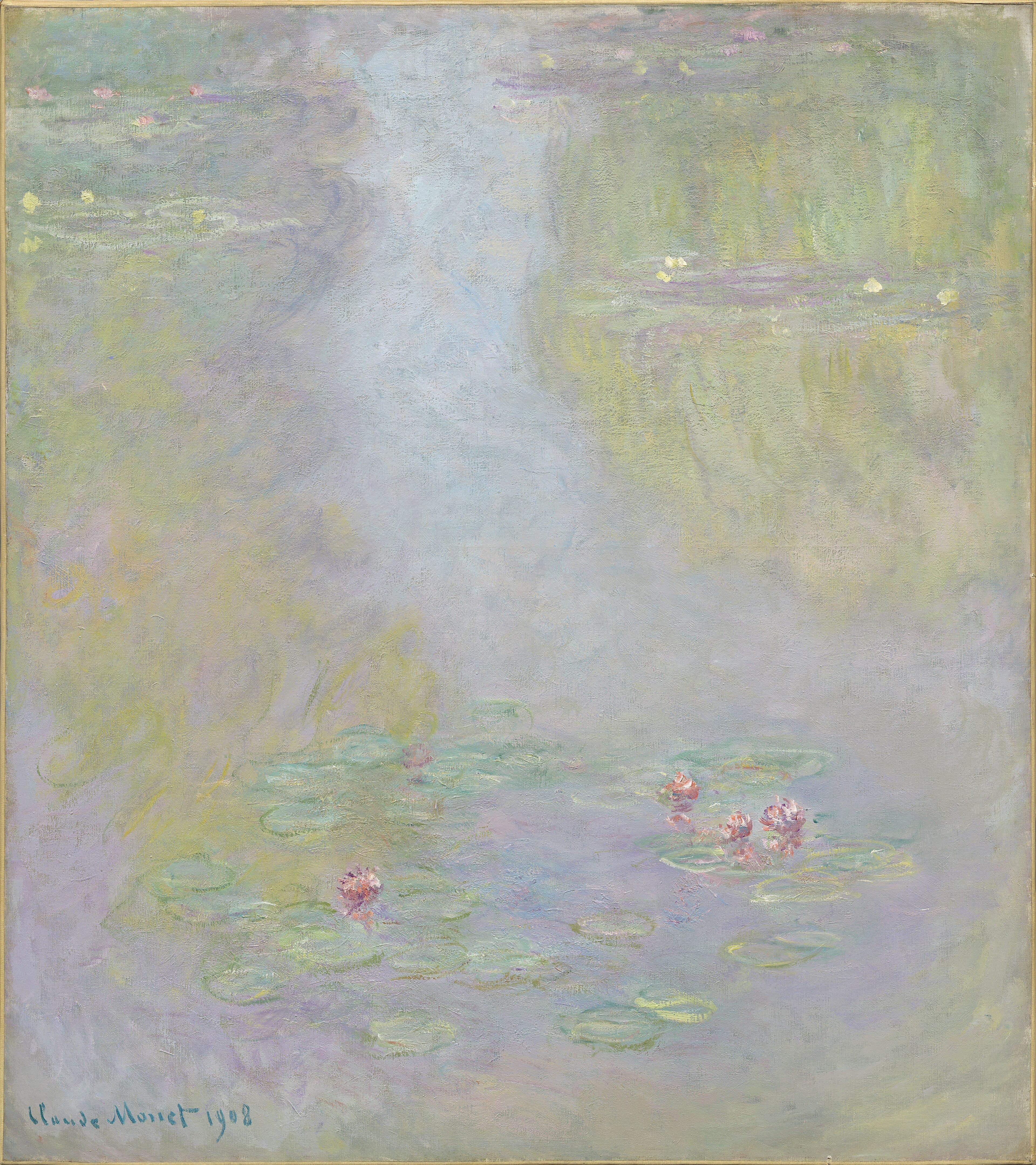
Water Lilies (1908, Tokyo Fuji Art Museum)
Claude Monet · 1908
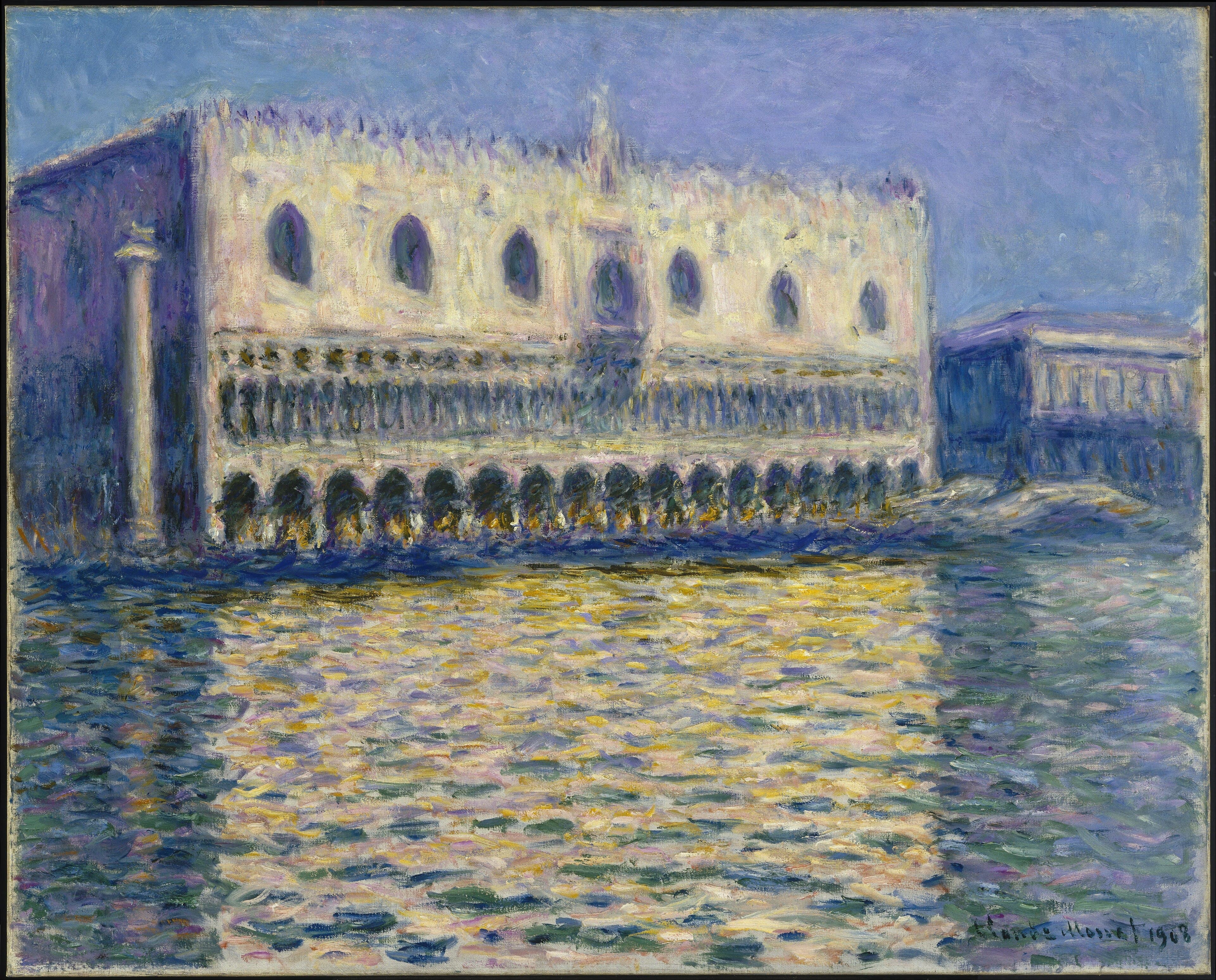
The Doge's Palace (Le Palais ducal)
Claude Monet · 1908
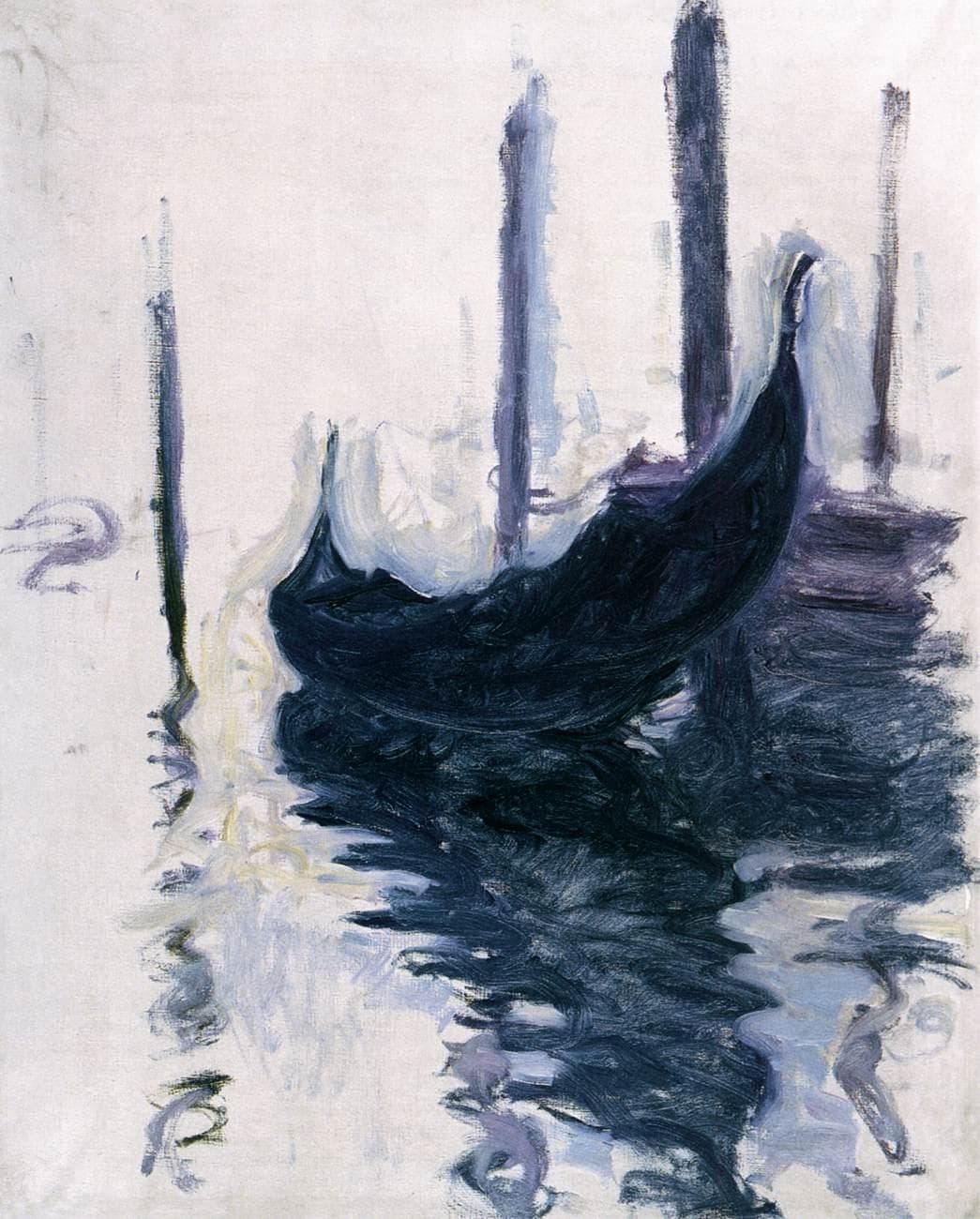
Gondola in Venice
Claude Monet · 1908
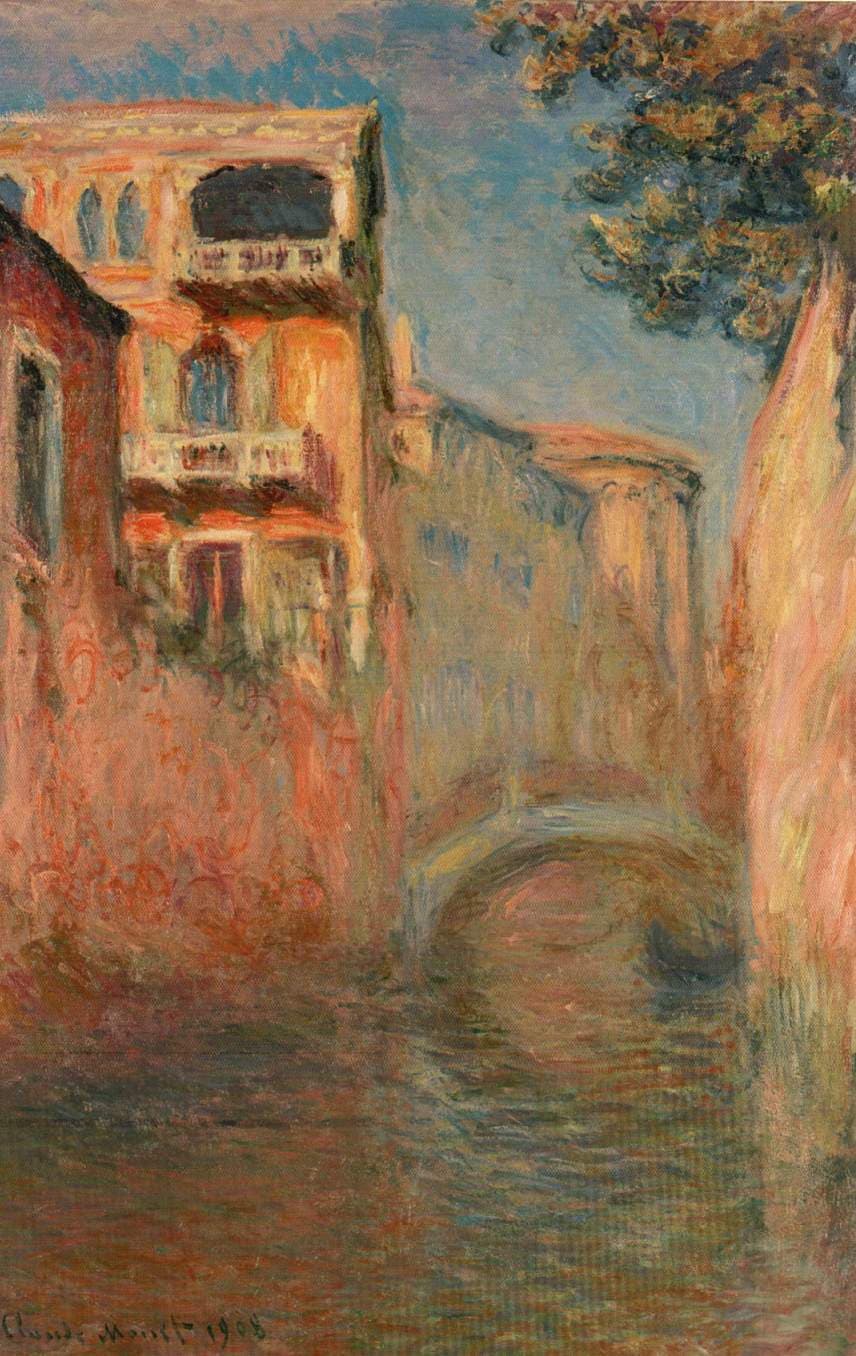
The Rio della Salute
Claude Monet · 1908
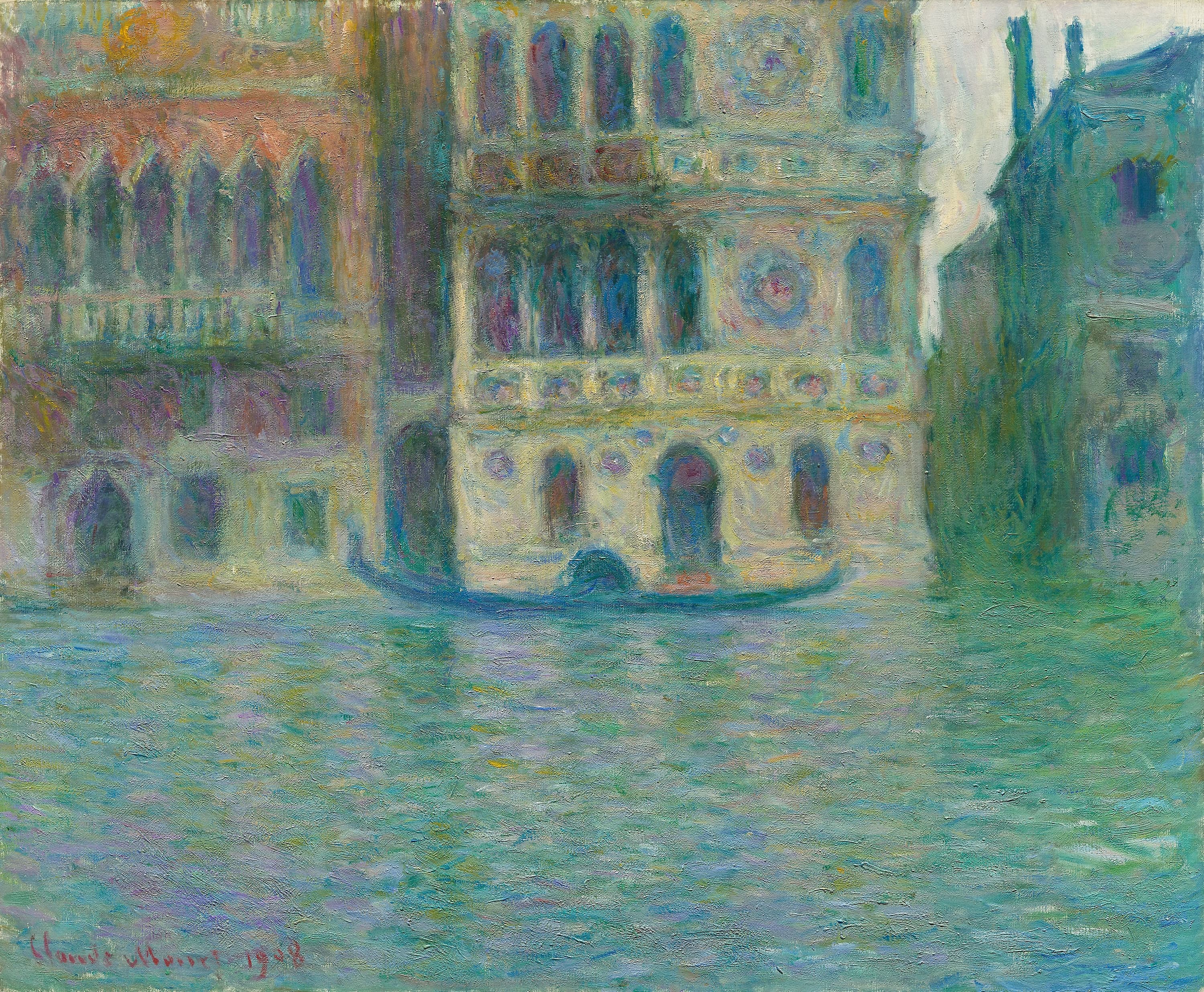
Venice, Palazzo Dario
Claude Monet · 1908
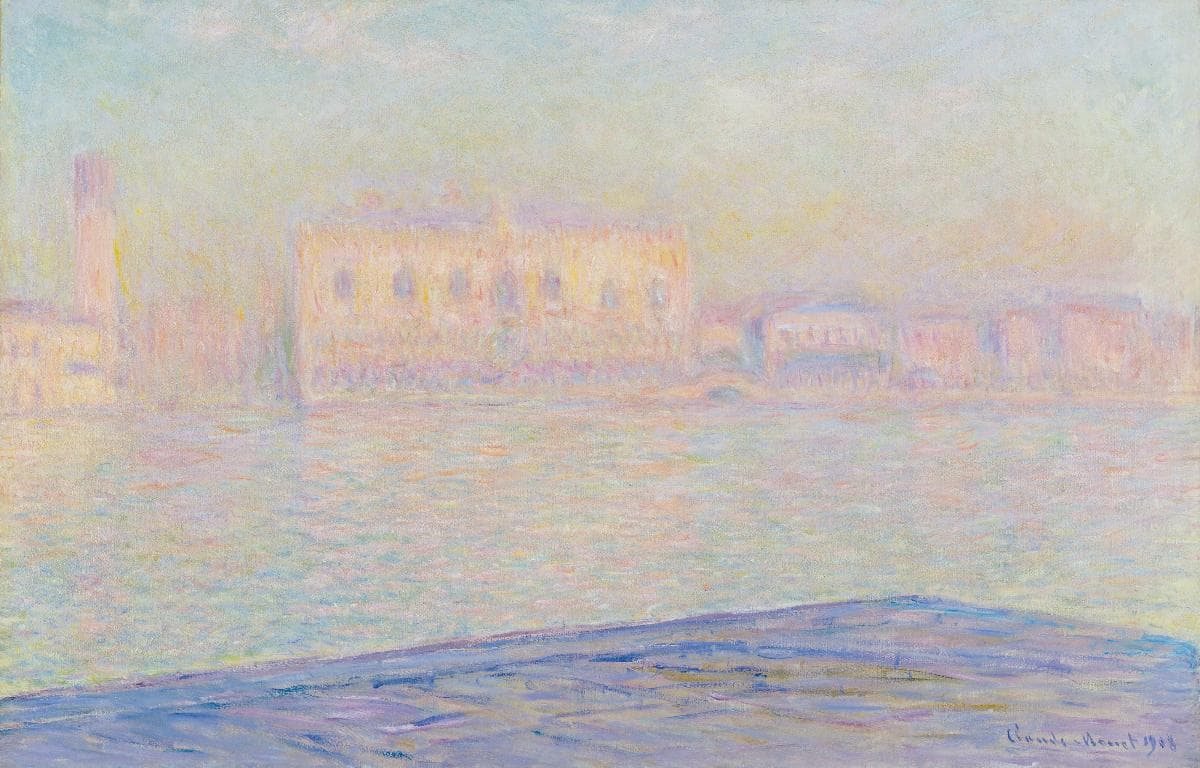
The Doge's Palace Seen from San Giorgio Maggiore (Zürich)
Claude Monet · 1908

Water Lilies (1907, Pola Museum of Art)
Claude Monet · 1907
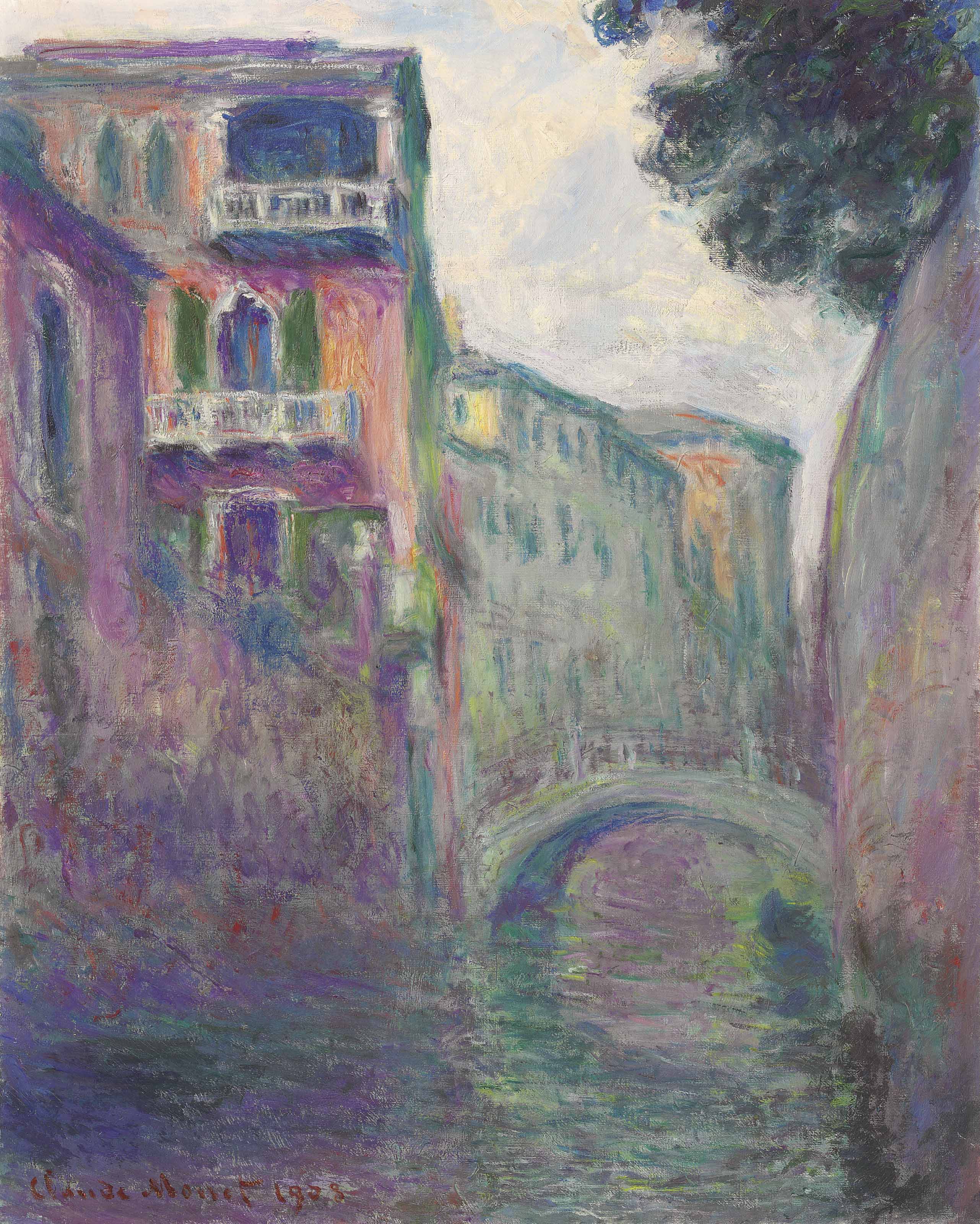
The Rio della Salute
Claude Monet · 1908
Also painted in 1908
The same year

Sunset in Venice
Claude Monet · 1908–12
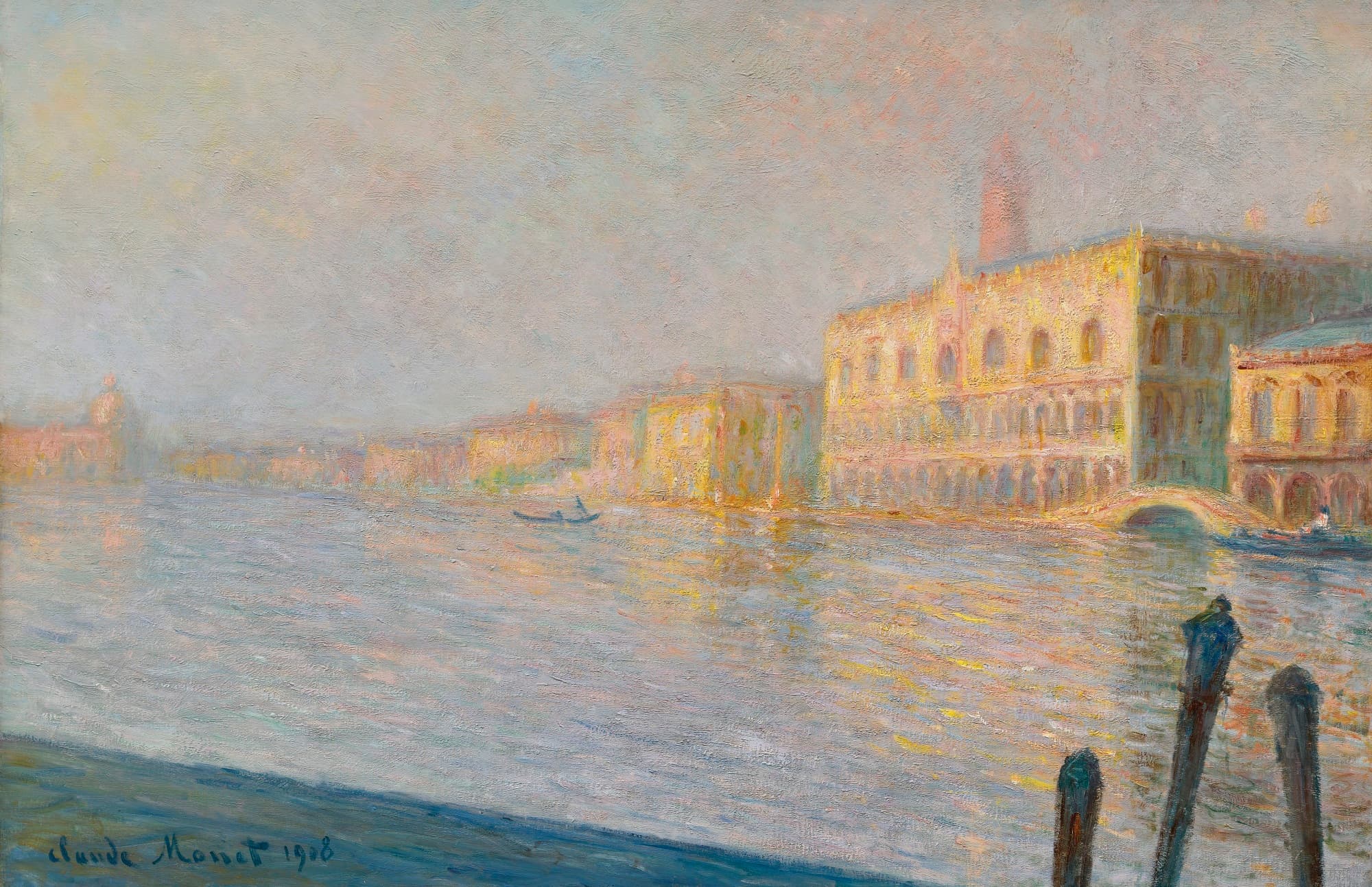
The Palazzo Ducale (Le Palais Ducal), 1908
Claude Monet · 1908
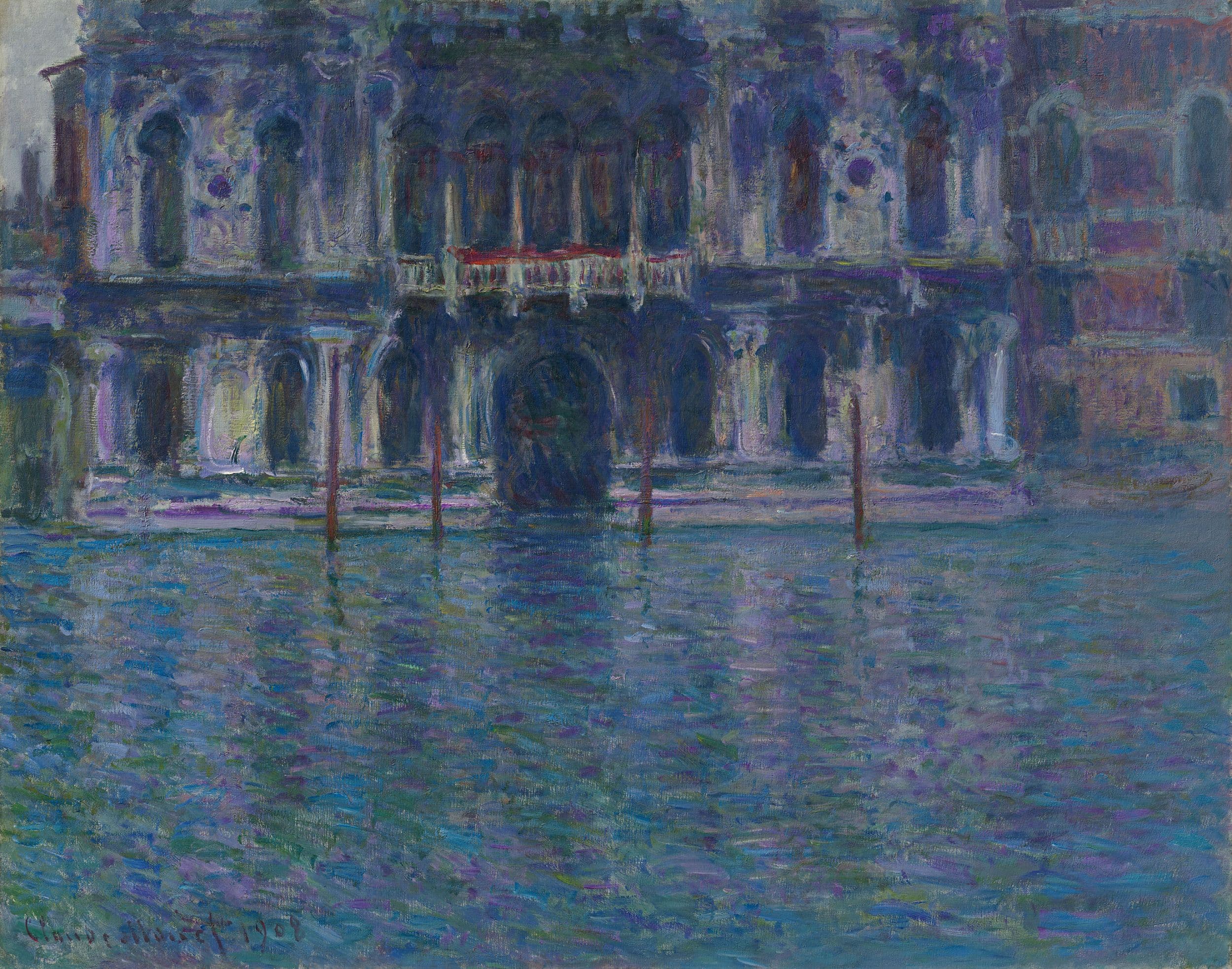
Le Palais Contarini (Potsdam)
Claude Monet · 1908
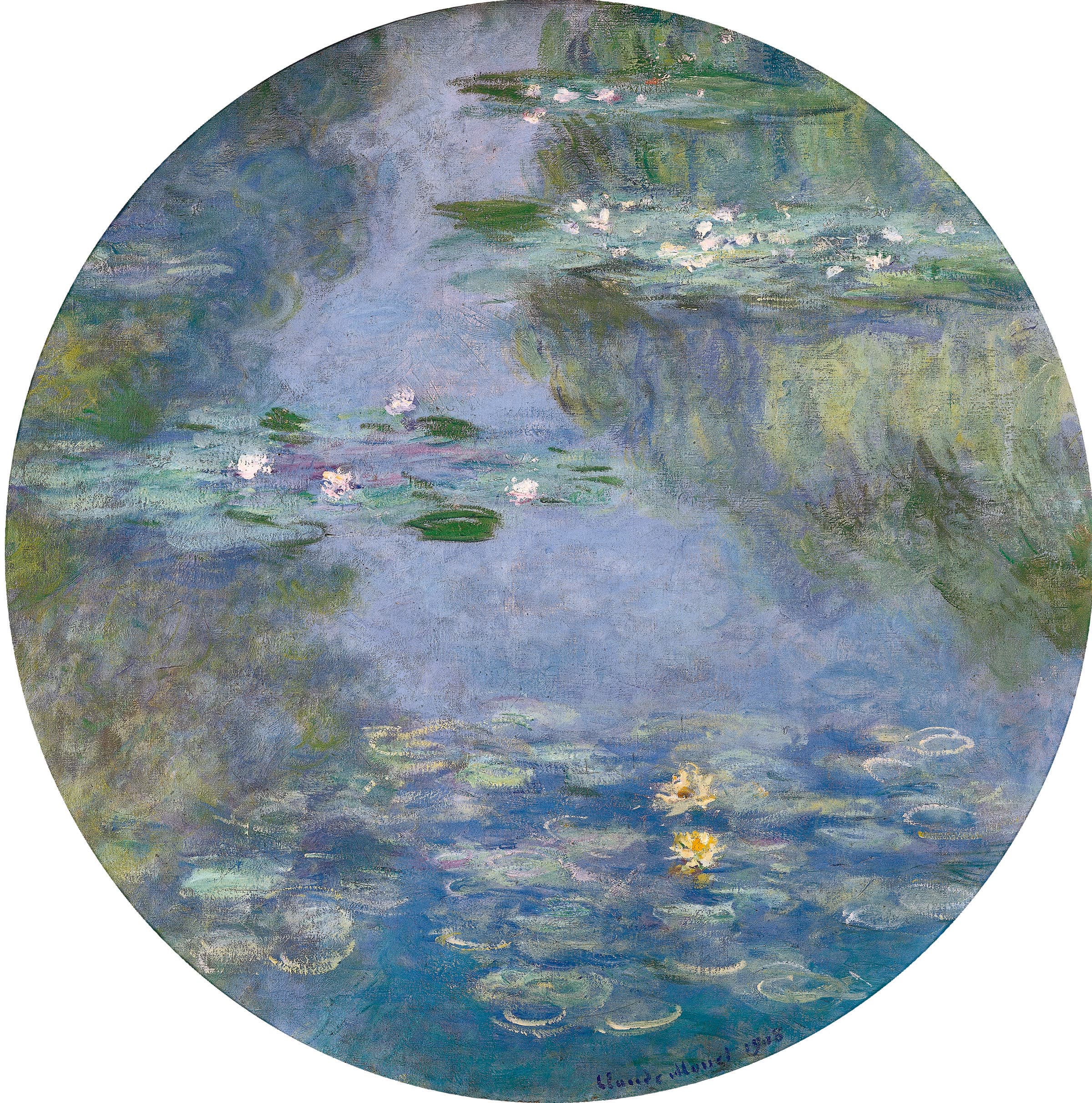
Nymphéas (1908 tondo, Vernon)
Claude Monet · 1908
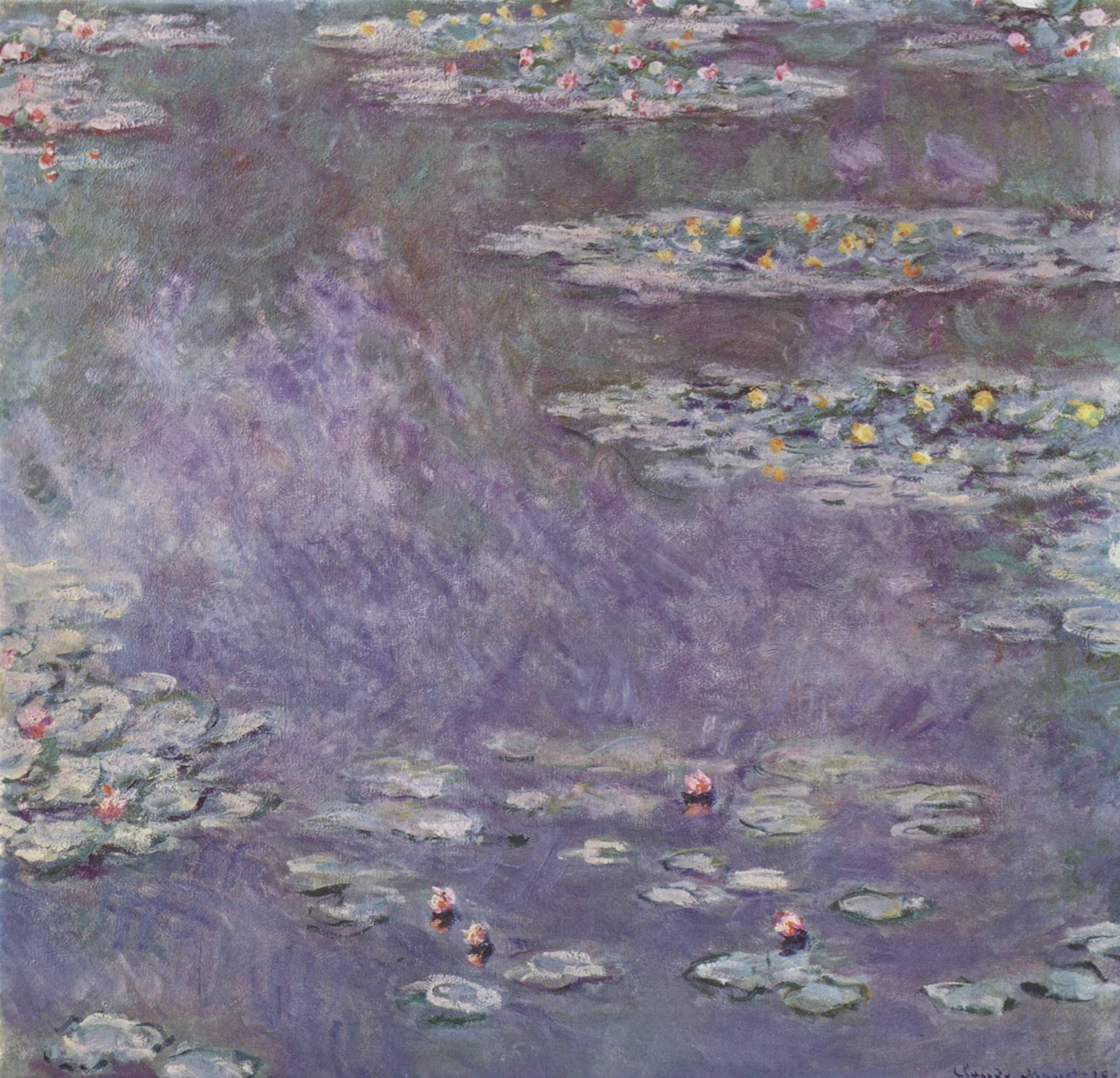
Nymphéas (Oyamazaki Villa Museum)
Claude Monet · 1908
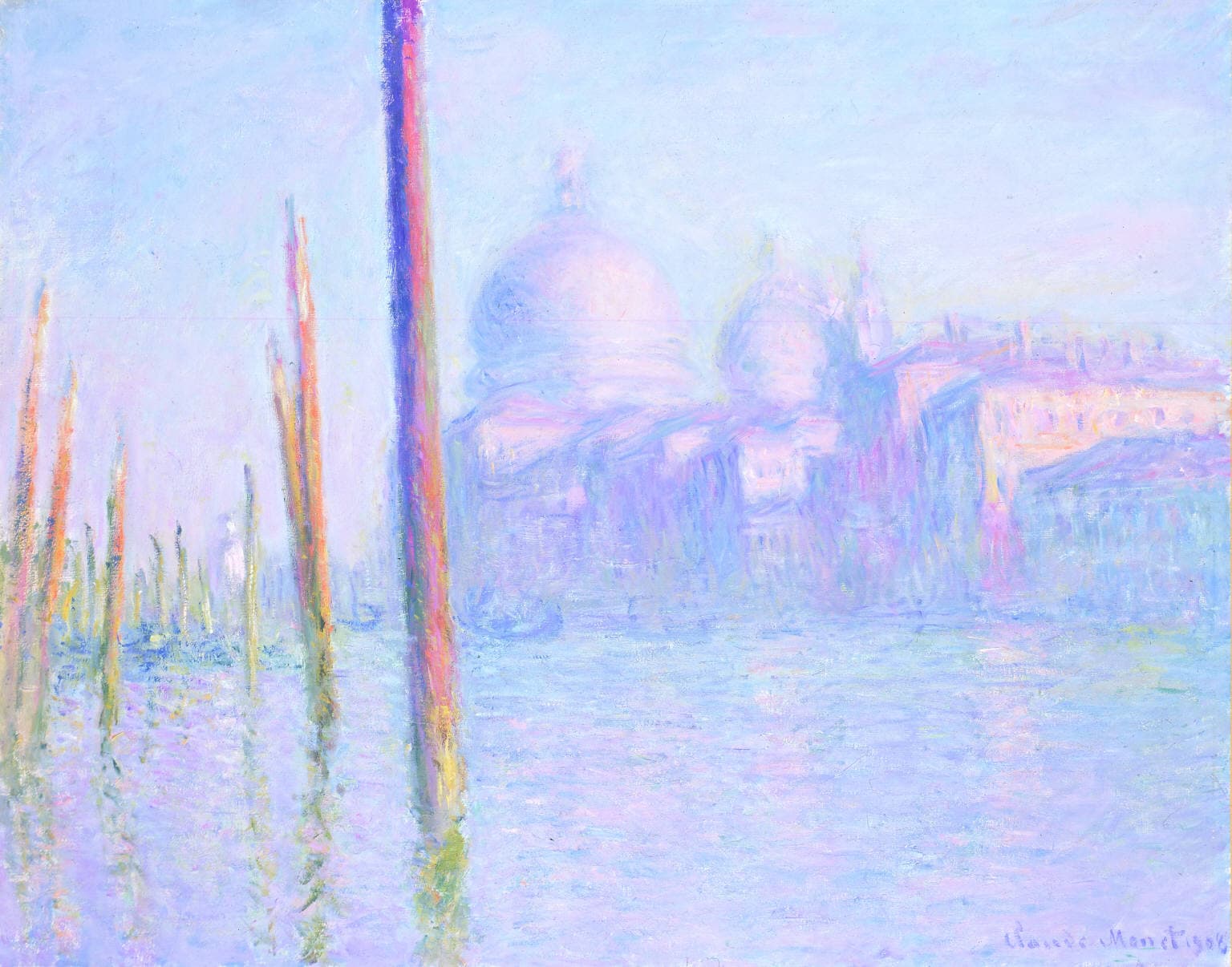
The Grand Canal, Venice
Claude Monet · 1908
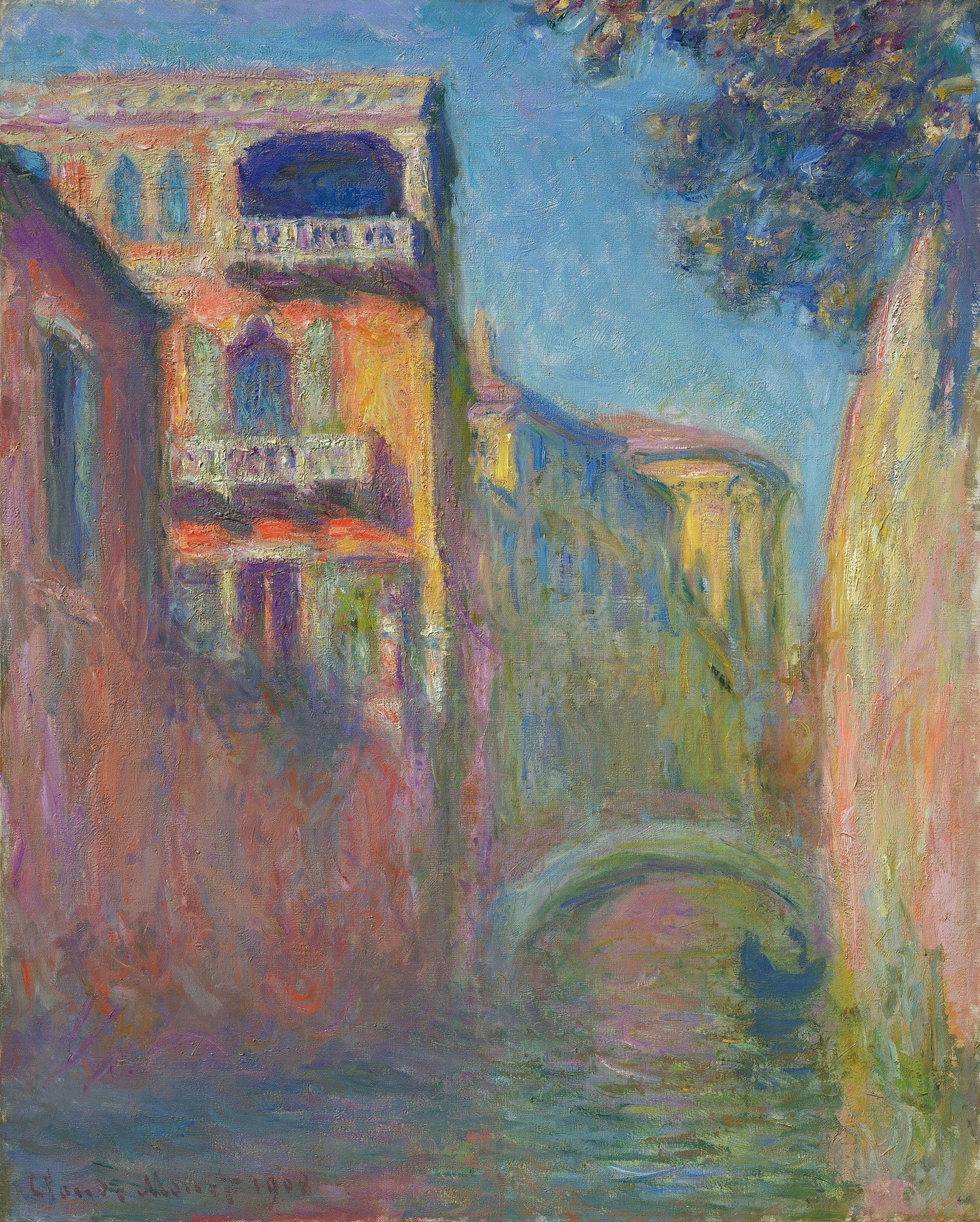
The Rio della Salute
Claude Monet · 1908
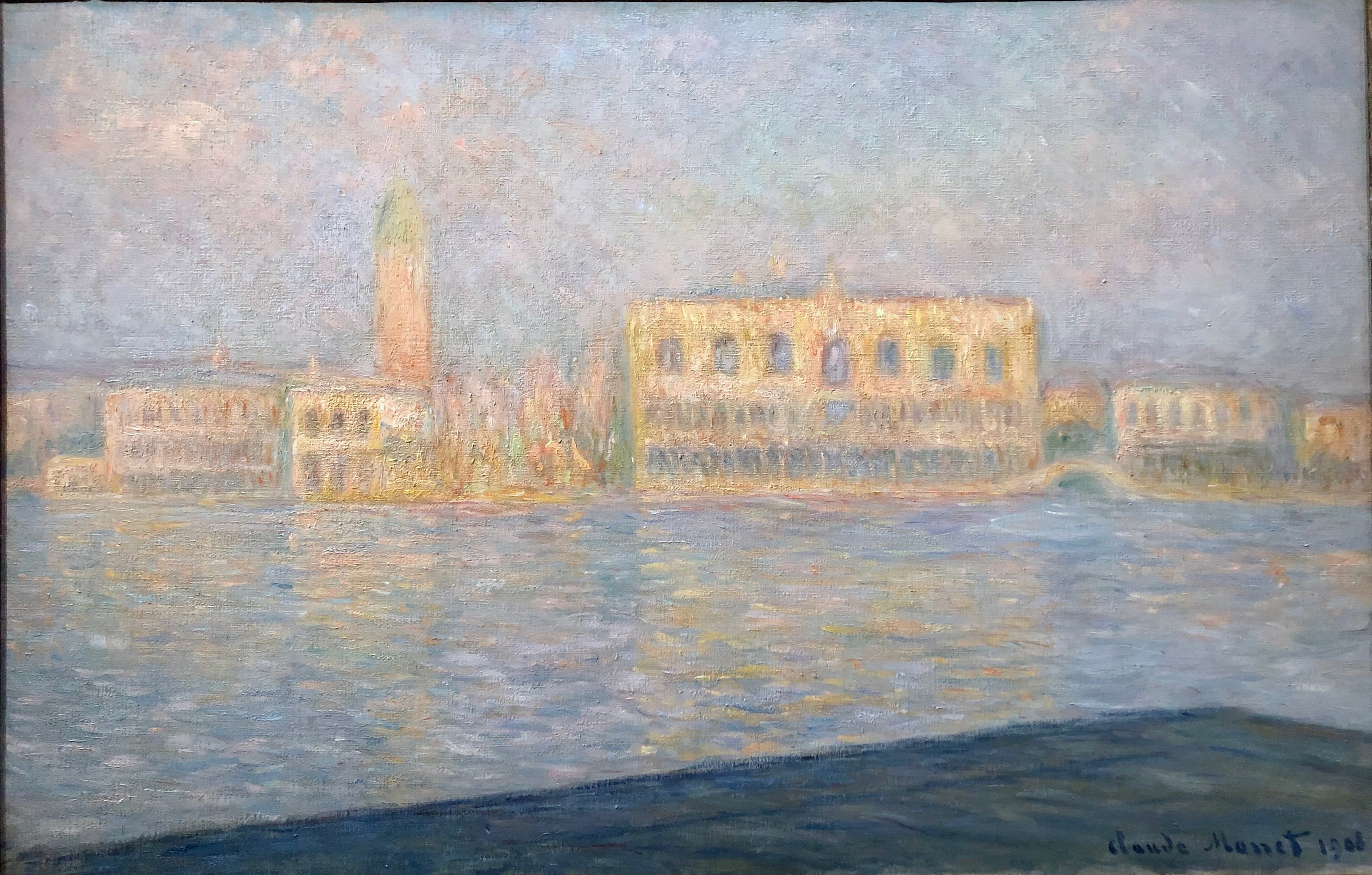
The Palazzo Ducale, Seen from San Giorgio Maggiore (Guggenheim)
Claude Monet · 1908
Kindred works
You may also study
The Grand Canal, Venice
Claude Monet · 1908
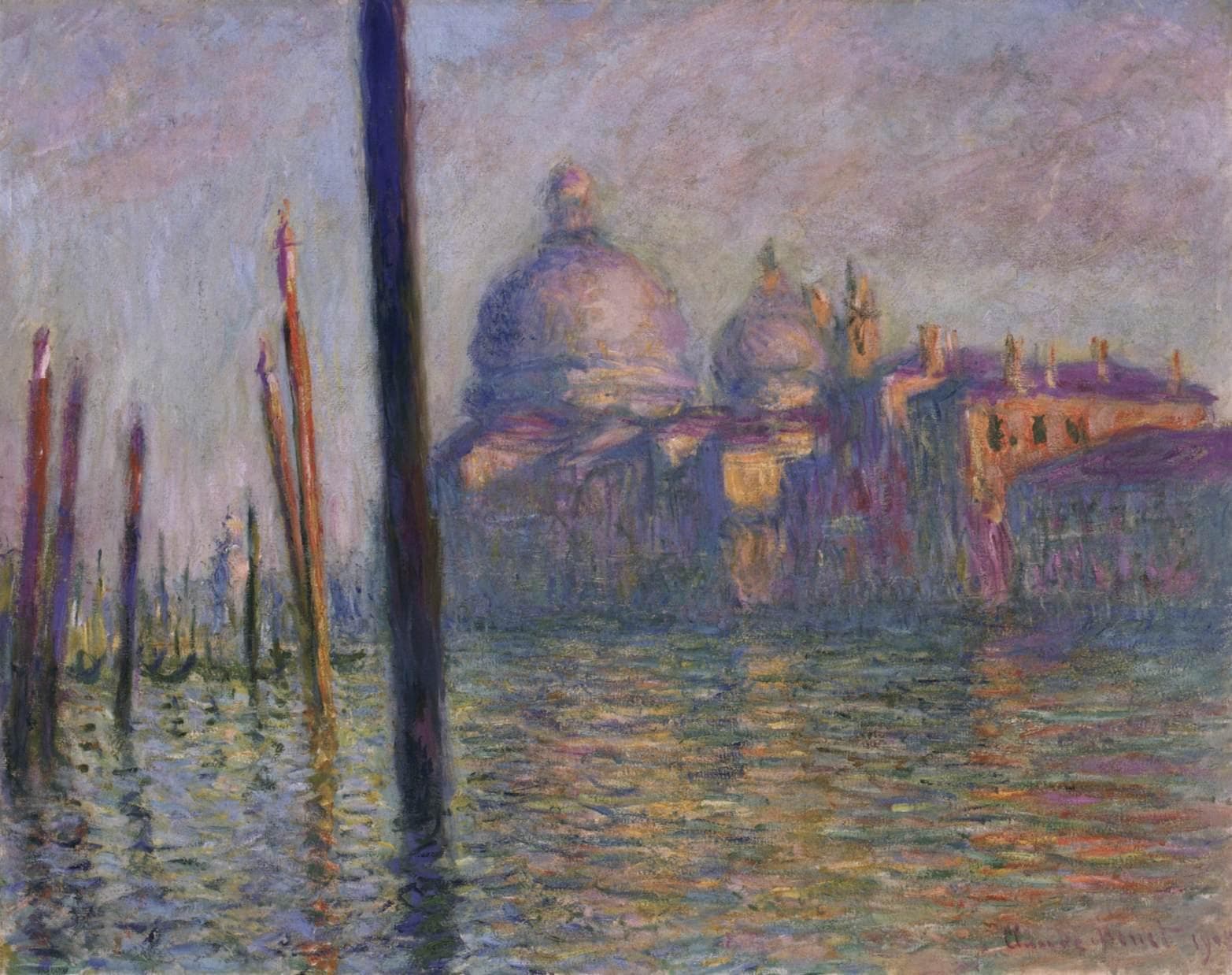
The Grand Canal in Venice
Claude Monet · 1908
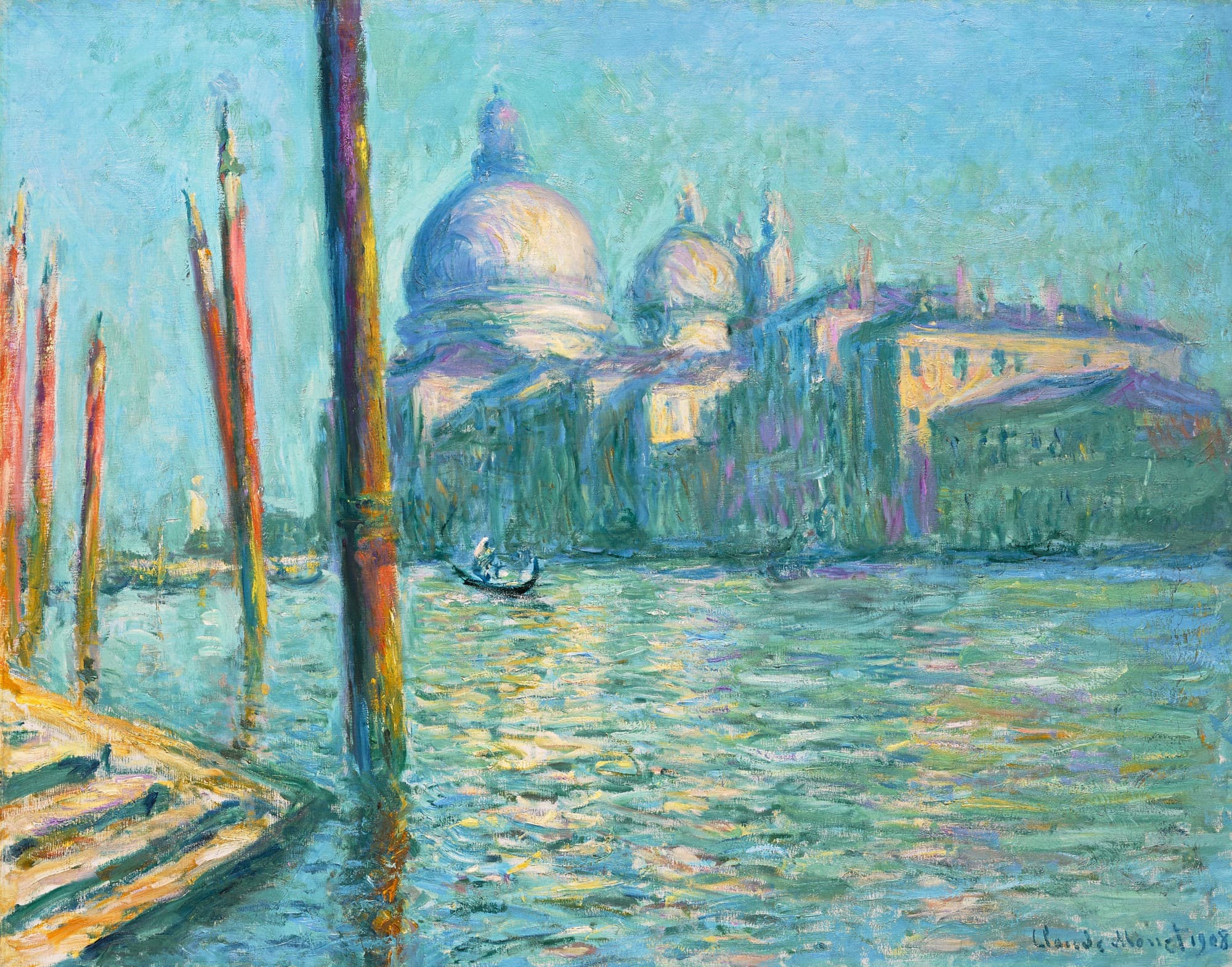
Le Grand Canal et Santa Maria della Salute
Claude Monet · 1908
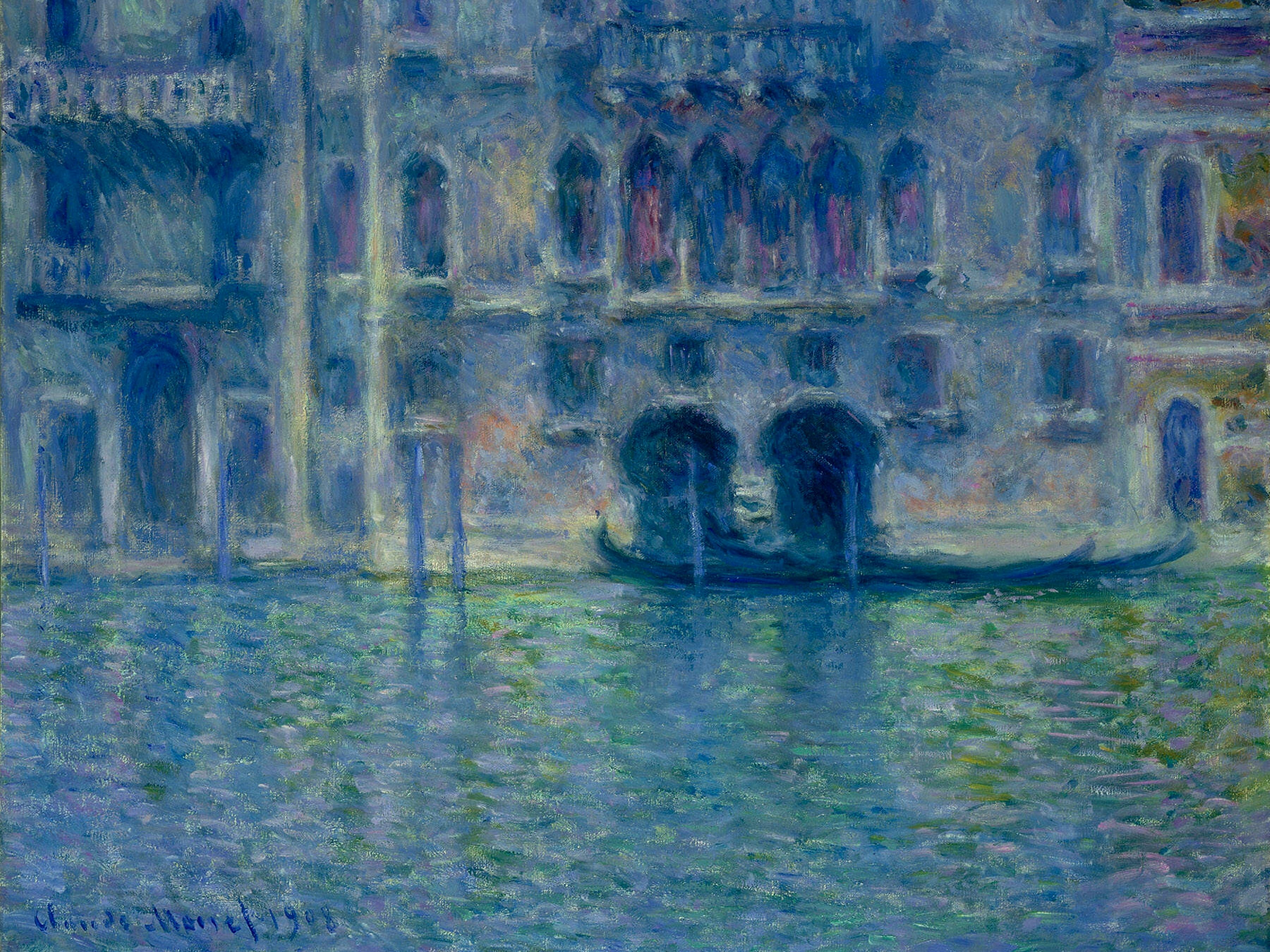
Palazzo da Mula, Venice
Claude Monet · 1908
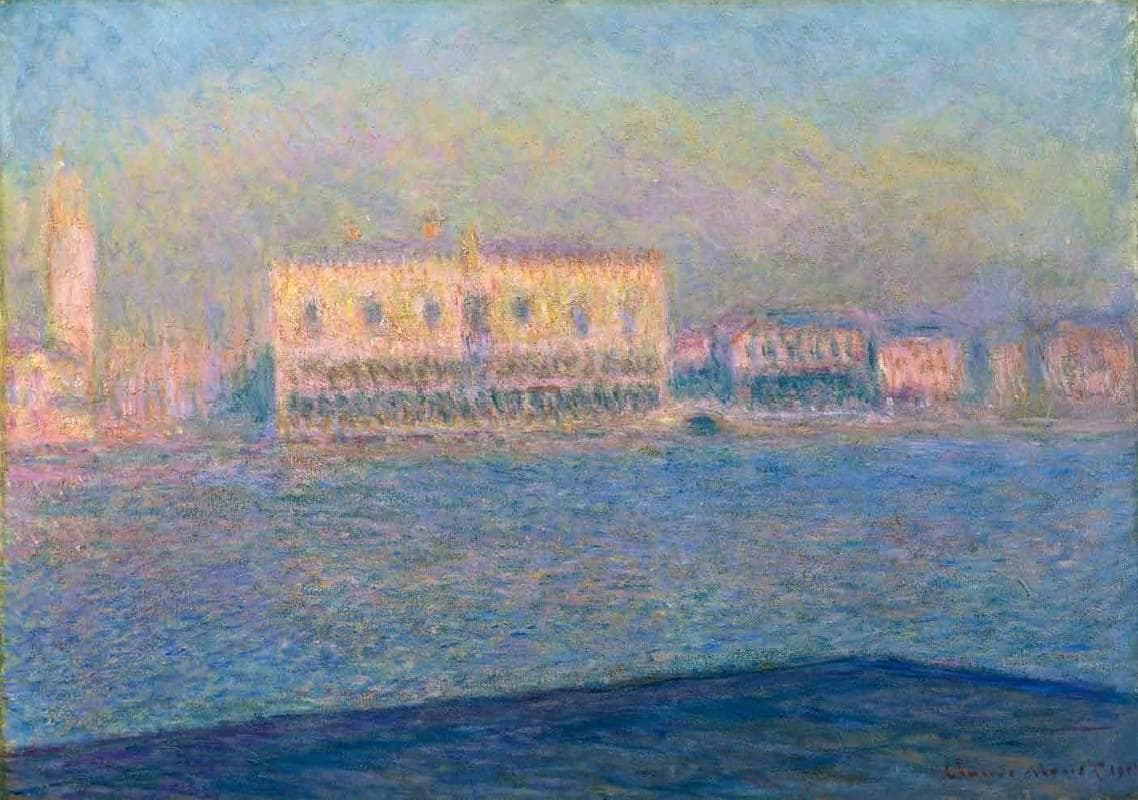
The Palazzo Ducale Seen from San Giorgio Maggiore
Claude Monet · 1908
Houses of Parliament, Symphony in Rose
Claude Monet · 1900
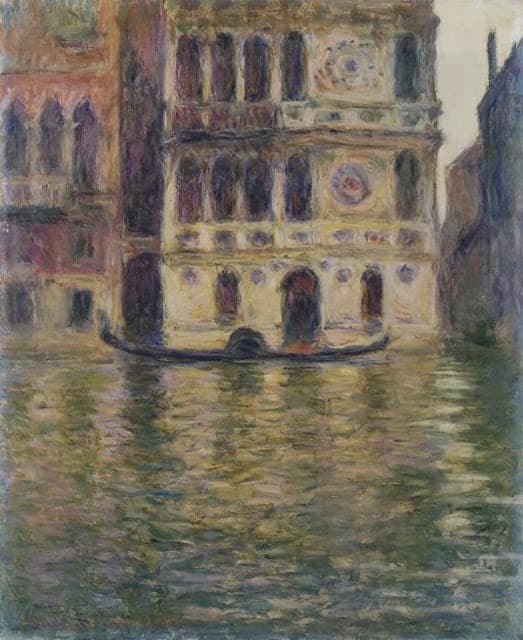
Palazzo Dario
Claude Monet · 1908
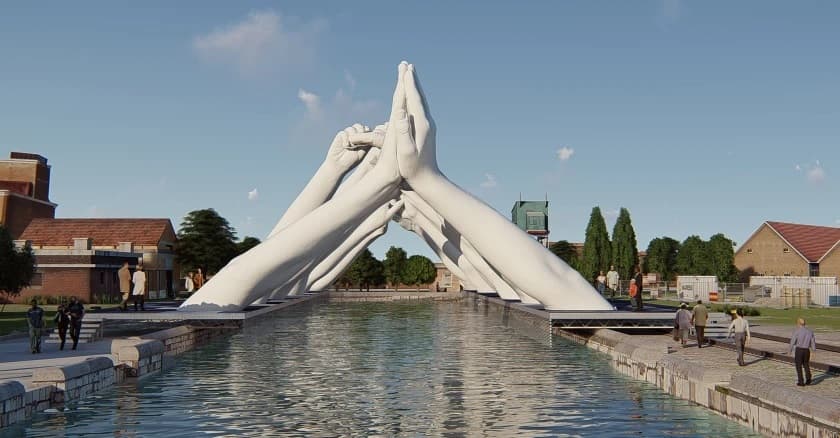
Building Bridges
Lorenzo Quinn · 2019