Image: Musée Blanche Hoschedé-Monet, Vernon; photo MPKopf / Wikimedia Commons · CC BY-SA 4.0 · via Wikimedia Commons
Nymphéas (1908 tondo, Vernon)
Claude Monet, 1908
Nymphéas is a round painting of 1908 by Claude Monet of his Giverny lily pond in blues and greens, with yellow and white flowers. It is in the Musée Blanche Hoschedé-Monet in Vernon, the town next to Giverny, one of two Monets on view in the Eure.
- Artist
- Claude Monet
- Date
- 1908
- Medium
- Oil on canvas (circular)
- Collection
- Musée Blanche Hoschedé-Monet (Musée de Vernon), Vernon, France
- Movement
- Impressionism
- Catalogue
- Wildenstein 1724
- Nature & Landscape
- Water & Sea
Nymphéas is a circular canvas, or tondo, of 1908 by Claude Monet showing the surface of his lily pond at Giverny. It is in the museum of Vernon, the town just across the Seine from Giverny, formerly the Musée Alphonse-Georges-Poulain and now named the Musée Blanche Hoschedé-Monet (25.4.1). It is one of only two Monets on view in the Eure, the département that contains Giverny, and the museum records it as a gift from the artist in 1925.
What you're looking at
The round format changes the way the pond reads. There are no corners and no edges parallel to a horizon, so the water seems to have no direction at all, as if seen through a porthole. The circle is filled with water in clear blues and blue-greens. At the top center, a pale band of lilac and white falls down the circle, the reflection of sky between trees. To the right, long vertical strokes of green and yellow-green are the reflections of foliage on the bank.
Lily pads float across the circle in bands. Near the top, an island with white and pink flowers; to the left of center, a band of pads with white and violet blossoms and a few dark green leaves; and in the lower half, a wide field of pads in blue-green and pale green, painted as small ellipses and rings, with two bright yellow flowers just right of center. The signature and date, Claude Monet 1908, run along the lower edge, following the curve.
The pond and the round canvases
Monet dug his lily pond in 1893 and enlarged it in 1901–02. From 1903 to 1908 he painted its surface in the campaign he called the paysages d'eau, and in 1909 Durand-Ruel exhibited forty-eight of them in Paris. In 1907 and 1908 he tried several unusual formats: tall upright canvases, such as the Israel Museum's Pond with Water Lilies, and a handful of circular ones like this. A round picture of water with no horizon was the logical extreme of his approach: no up, no down, only surface and reflection.
How this version differs
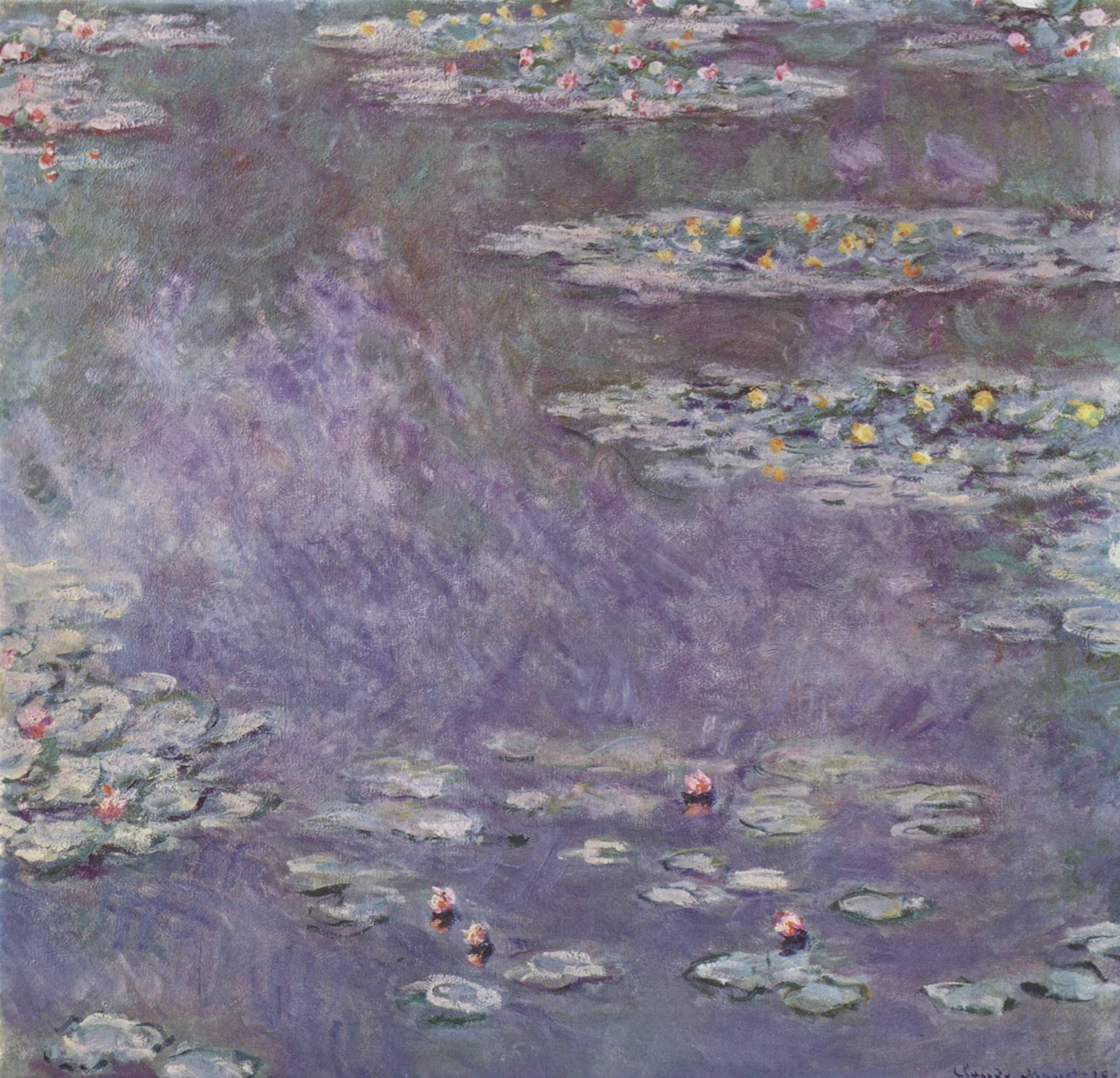
Most 1908 lily paintings are rectangular and paler, like the Tokyo Fuji Art Museum's Water Lilies with its lilac haze, or the Oyamazaki Nymphéas with its violet reflections. The Vernon tondo is brighter and more saturated, its blues stronger, its yellows sharper. The vertical reflections on the right recall the 1907 verticals, while the circular frame turns the whole composition into a slowly rotating pattern.
How it was painted
The water is painted with short, mostly horizontal strokes of blue and green, with the vertical reflections laid in as longer strokes. The lily pads are drawn as rings and ellipses with a darker outline, and the flowers are single touches of thick white, yellow and pink. The paint is fresh and fairly thin, with the canvas texture visible in places.
Ownership and where to see it
According to the museum, Monet gave the painting to Vernon in 1925, the year before his death. The museum was renamed in 2024 for Blanche Hoschedé-Monet (1865–1947), Monet's stepdaughter and daughter-in-law, a painter who kept house for him at Giverny in his last years. Vernon also holds work by her and by the American painters who gathered at Giverny. For the series see Monet's Water Lilies; for the garden, Giverny; for other places to see Monet, Where to See Monet's Paintings.
Questions & answers
Where is Monet's round Nymphéas of 1908?
It is in the museum of Vernon in Normandy, now named the Musée Blanche Hoschedé-Monet (formerly Musée Alphonse-Georges-Poulain), just across the Seine from Giverny. The museum records it as a gift from Monet in 1925.
When was it painted?
In 1908, at Monet's lily pond in Giverny. It is signed and dated along the lower edge and belongs to the last year of his 1903–08 water landscapes.
Why is the painting round?
In 1907–08 Monet experimented with formats, including tall canvases and a few circular ones. A round canvas of water with no horizon removes any sense of up or down, leaving only surface and reflection.
What does it show?
The pond's surface in clear blues and greens, with a pale fall of reflected sky at the top, green tree reflections at the right and bands of lily pads with white, pink and two yellow flowers.
More by the artist
Claude Monet

Sunset in Venice
Claude Monet · 1908–12
Palazzo da Mula, Venice
Claude Monet · 1908
Nymphéas (Oyamazaki Villa Museum)
Claude Monet · 1908
San Giorgio Maggiore
Claude Monet · 1908
The Doge's Palace Seen from San Giorgio Maggiore (Zürich)
Claude Monet · 1908
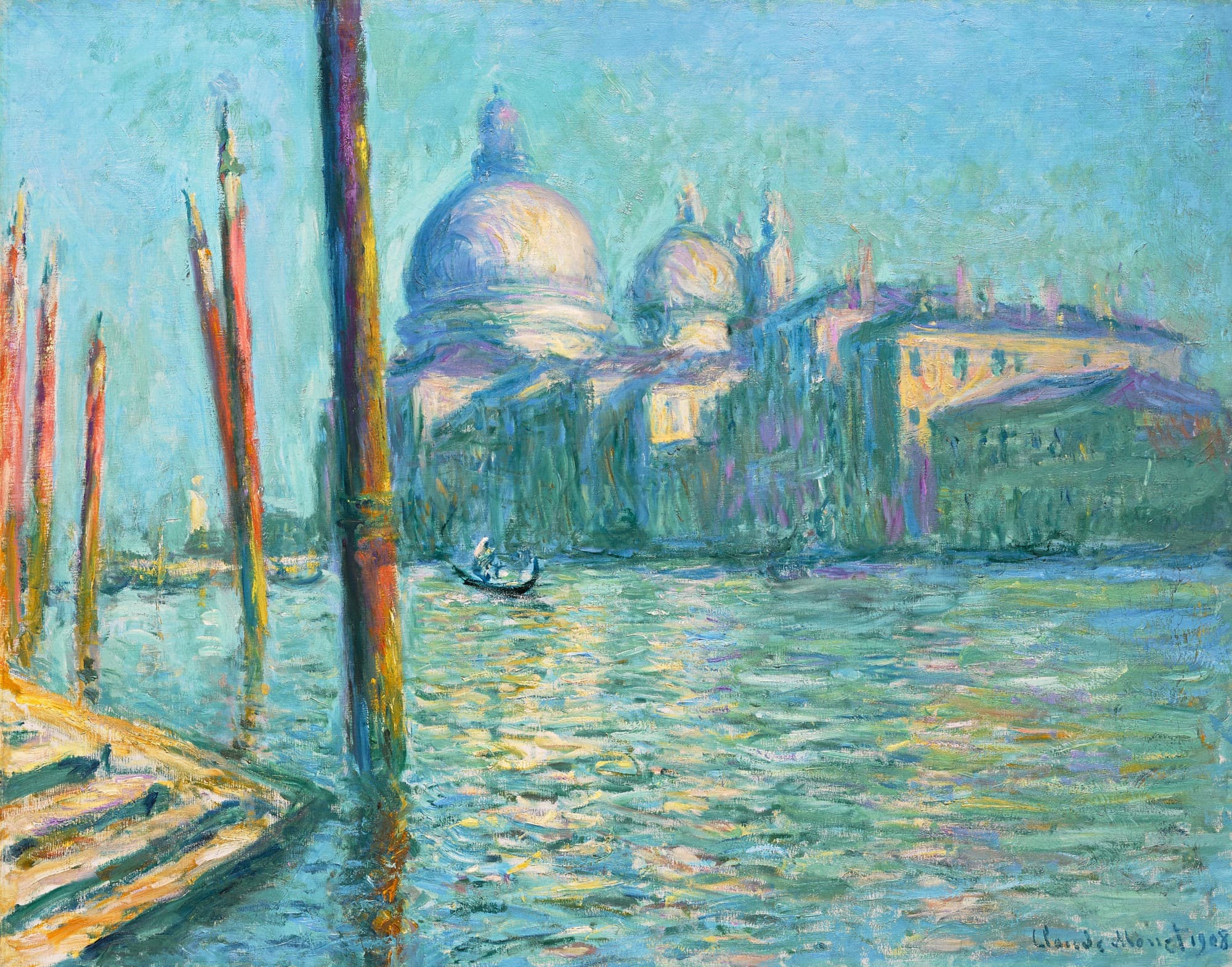
Le Grand Canal et Santa Maria della Salute
Claude Monet · 1908
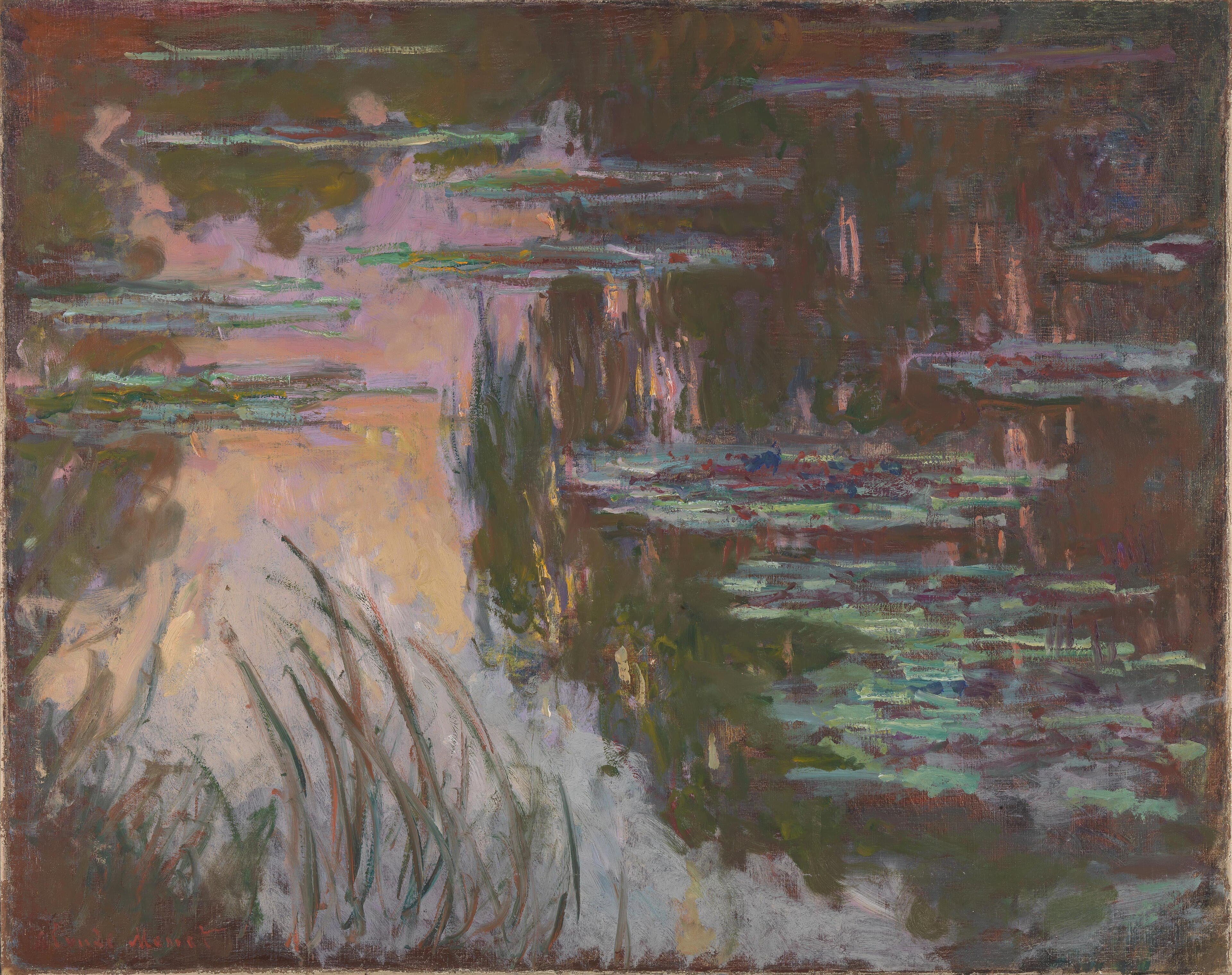
Water-Lilies, Setting Sun (National Gallery, London)
Claude Monet · c. 1907
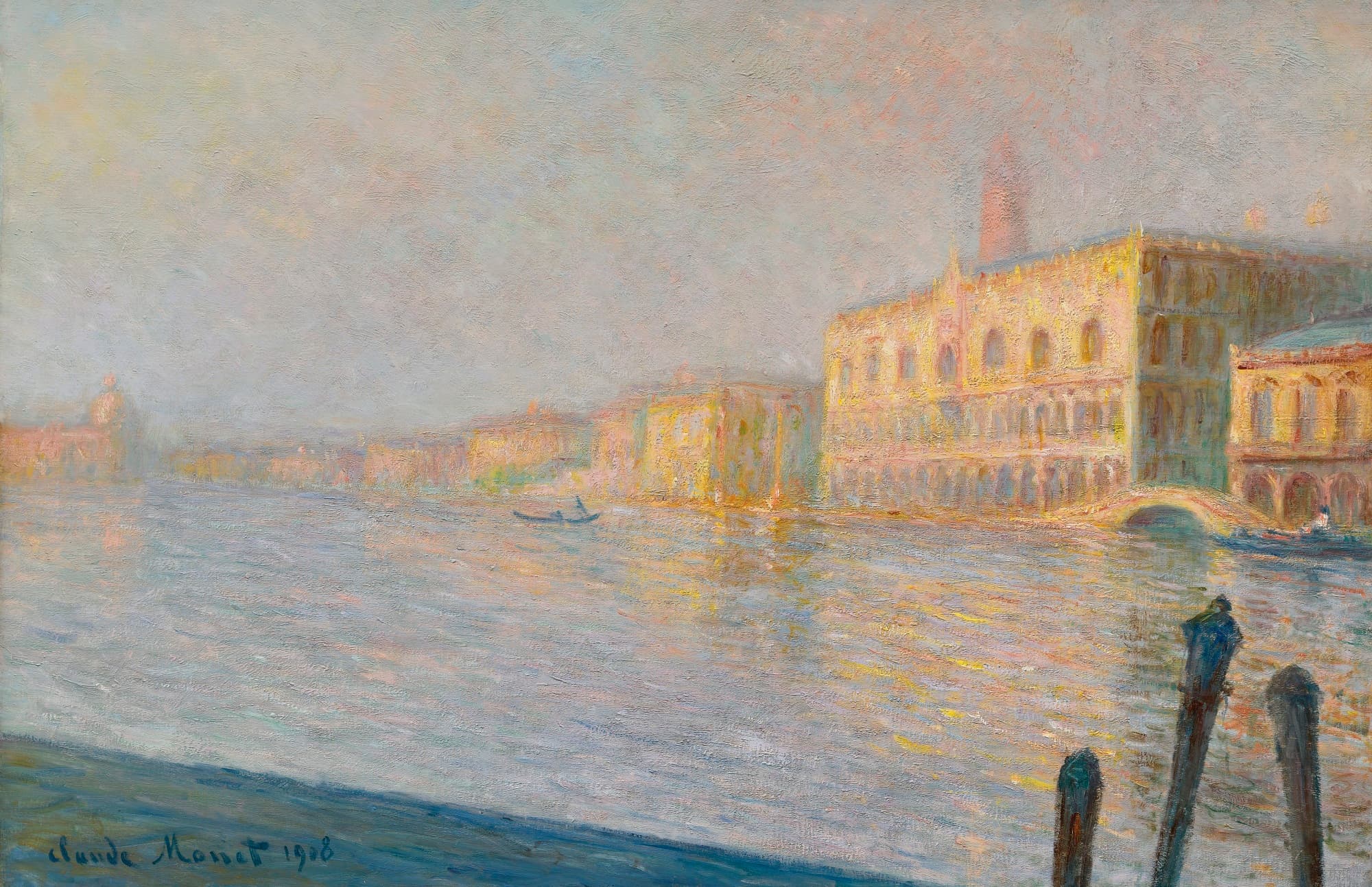
The Palazzo Ducale (Le Palais Ducal), 1908
Claude Monet · 1908
Also painted in 1908
The same year
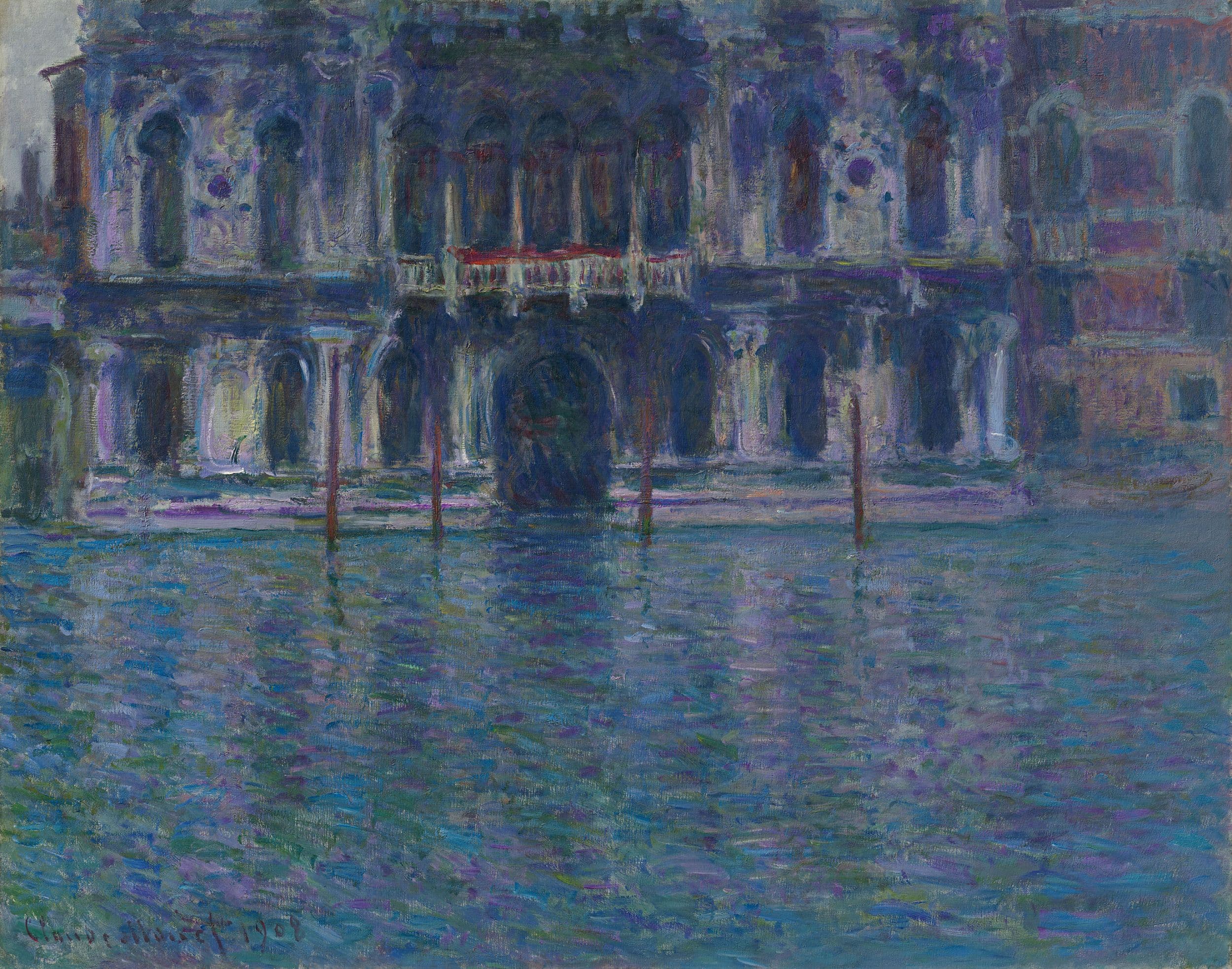
Le Palais Contarini (Potsdam)
Claude Monet · 1908
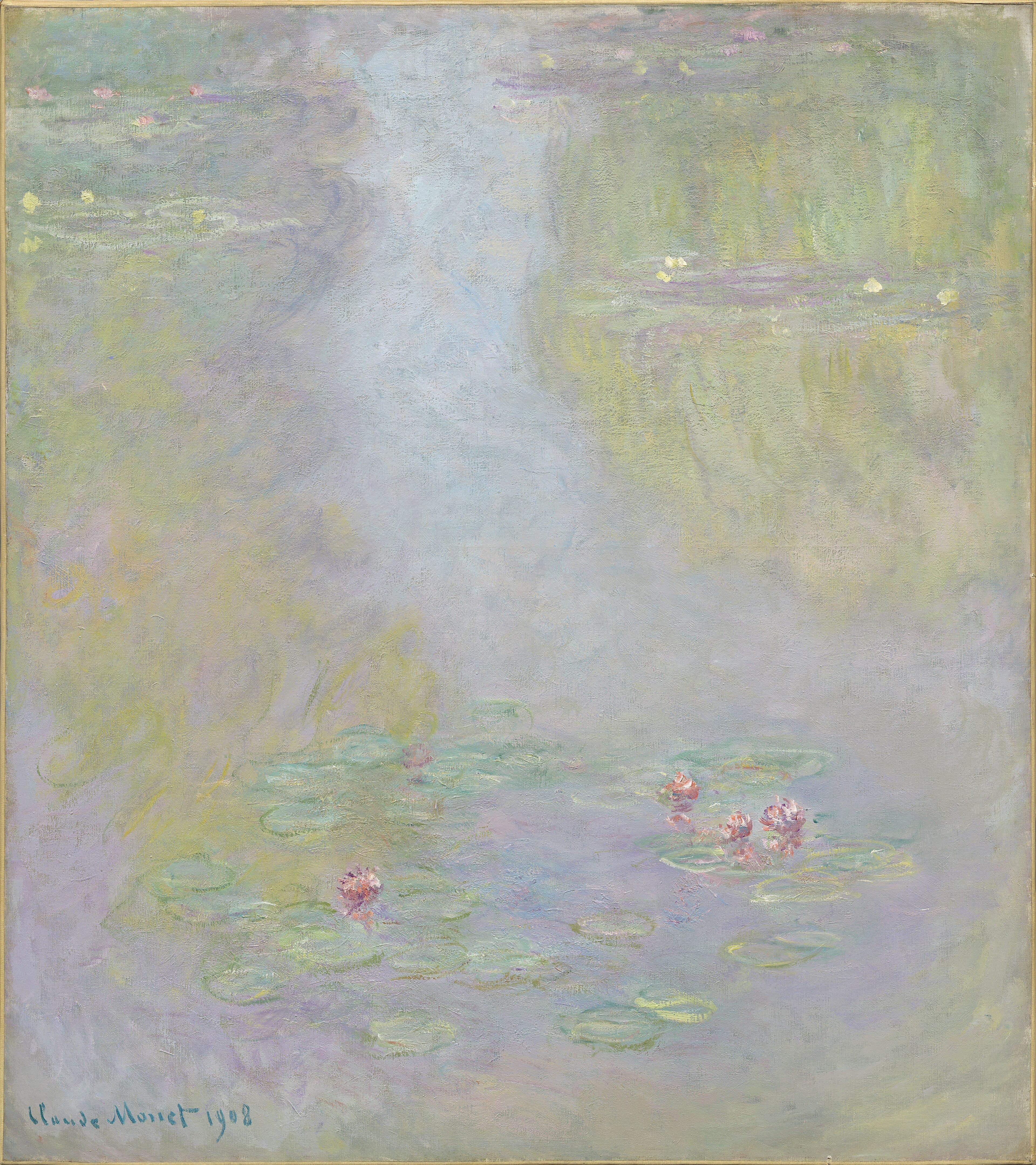
Water Lilies (1908, Tokyo Fuji Art Museum)
Claude Monet · 1908
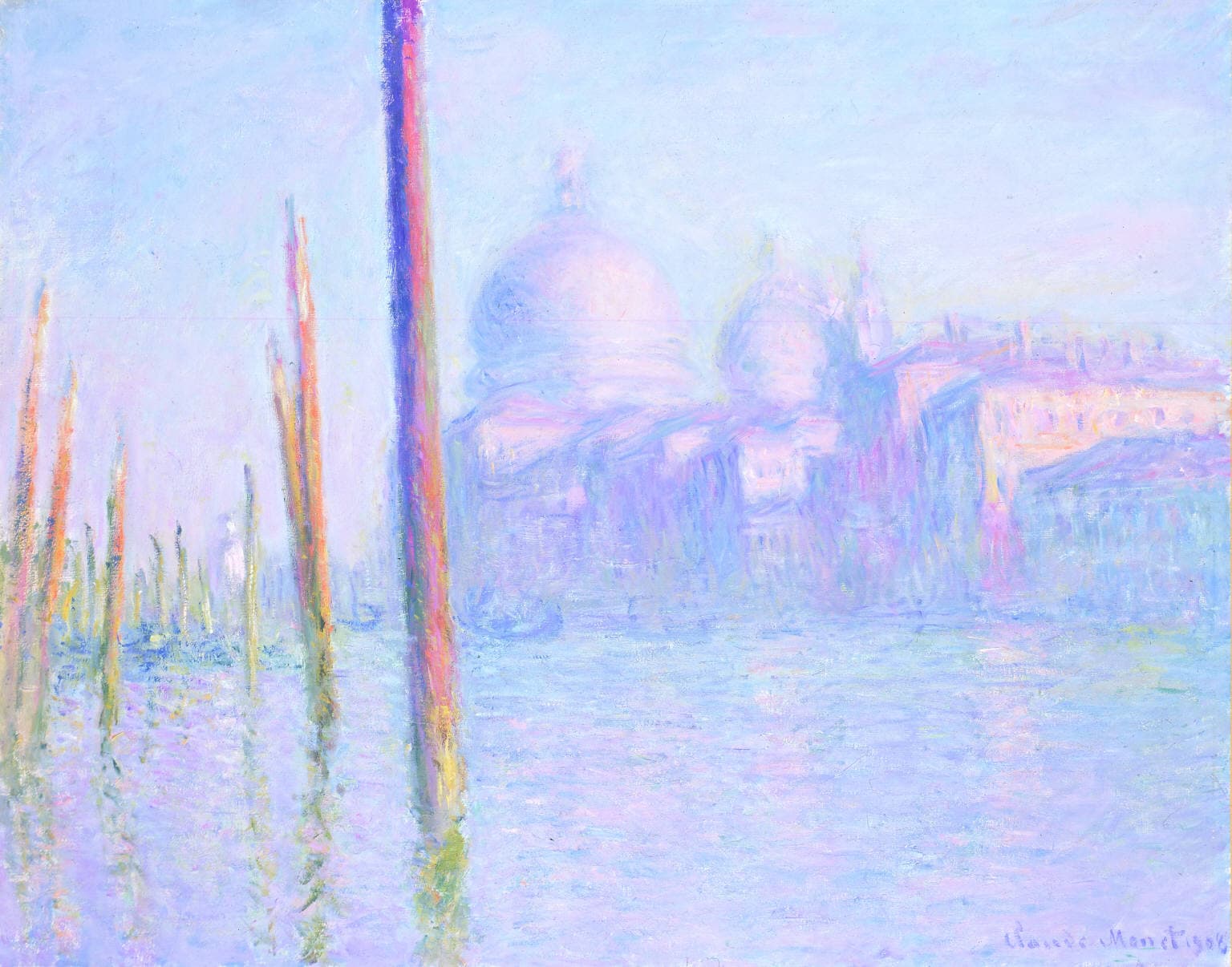
The Grand Canal, Venice
Claude Monet · 1908
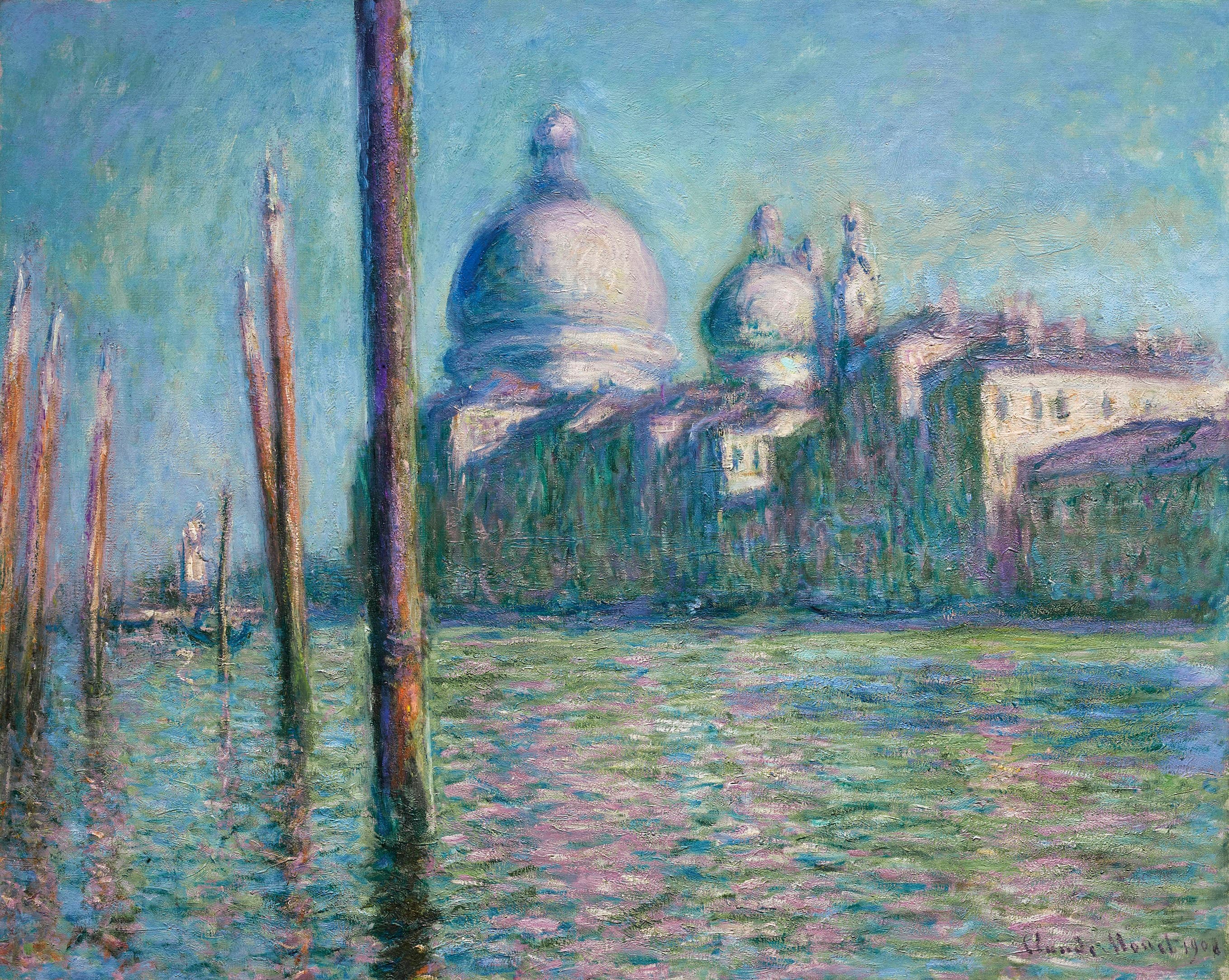
The Grand Canal, Venice
Claude Monet · 1908
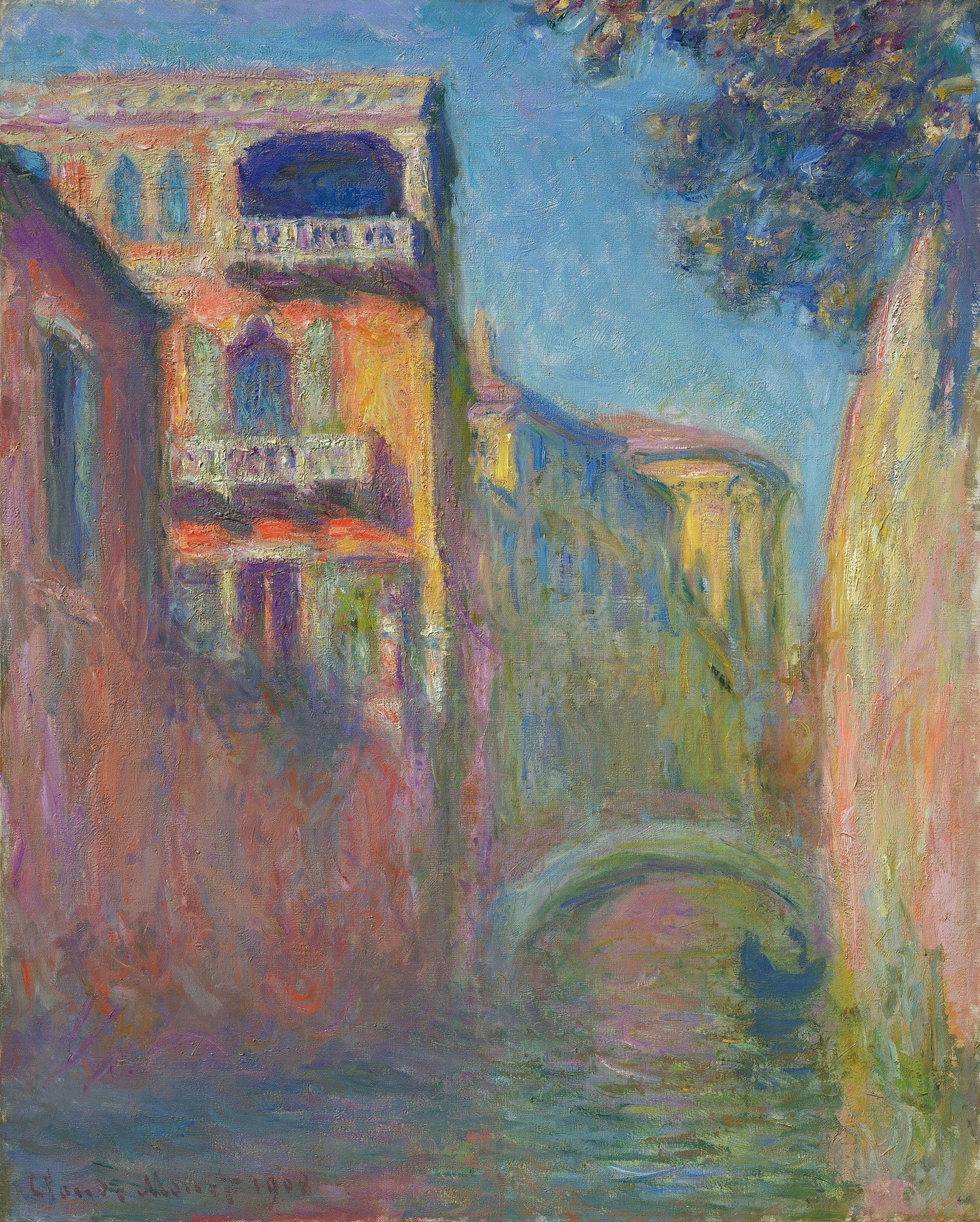
The Rio della Salute
Claude Monet · 1908
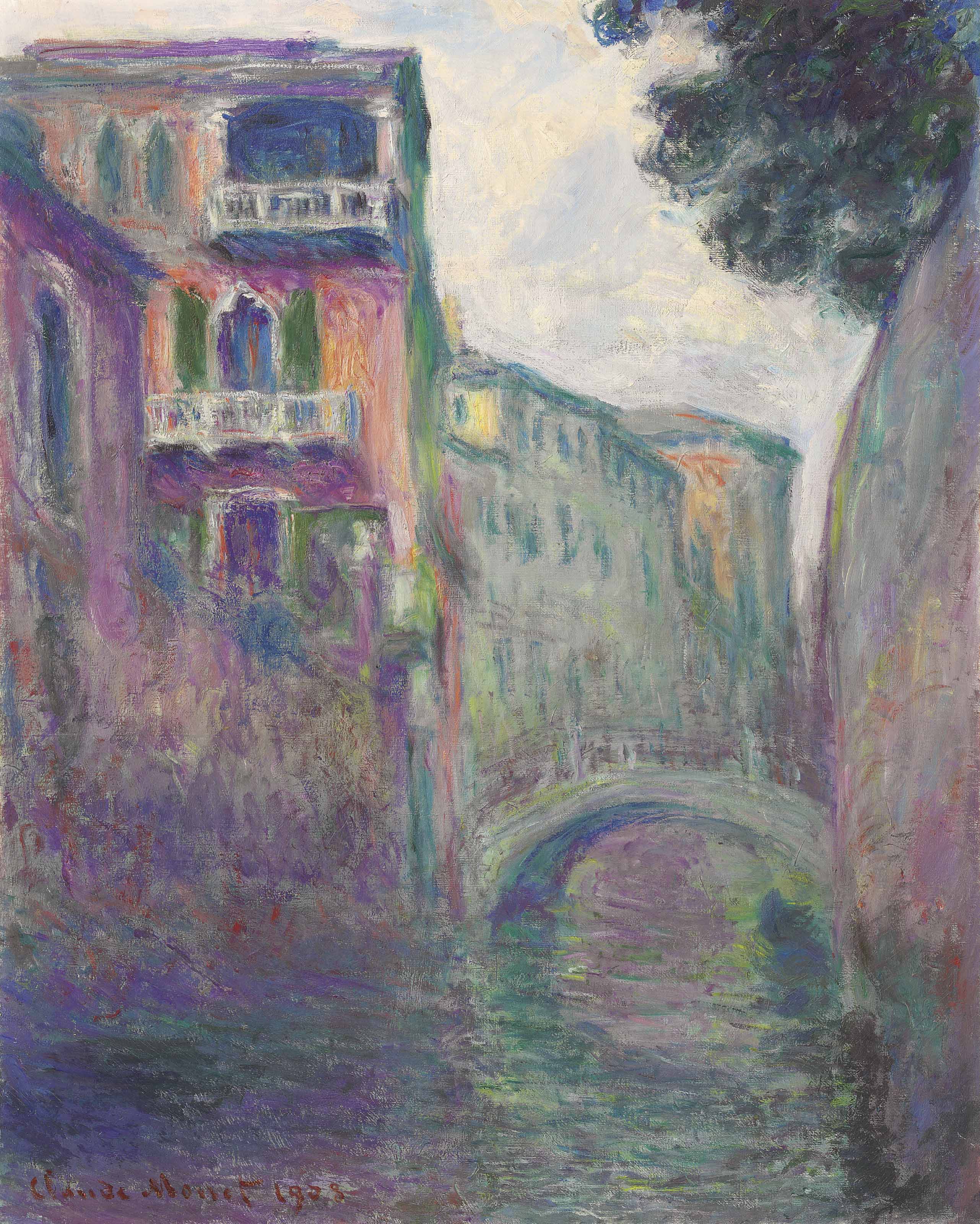
The Rio della Salute
Claude Monet · 1908
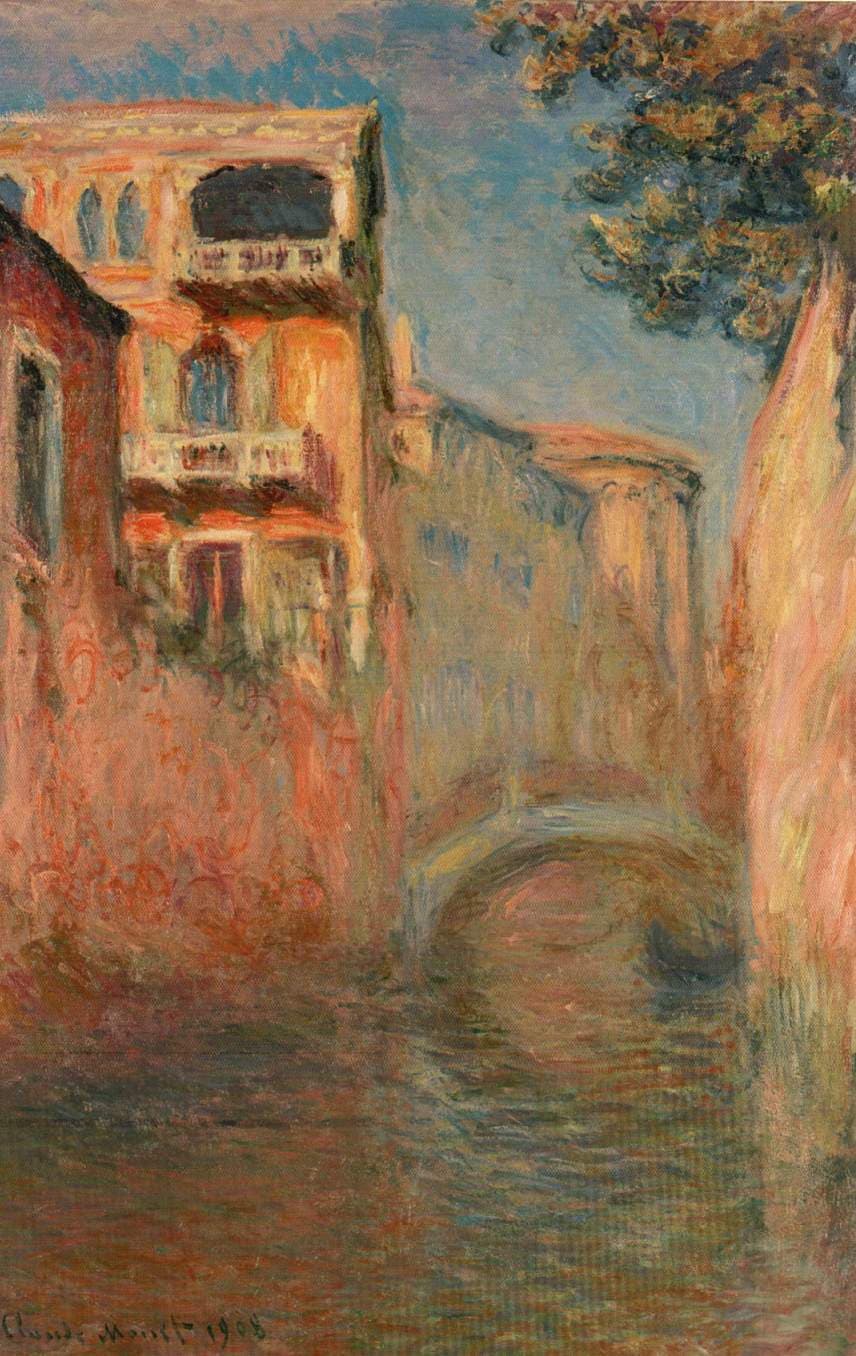
The Rio della Salute
Claude Monet · 1908
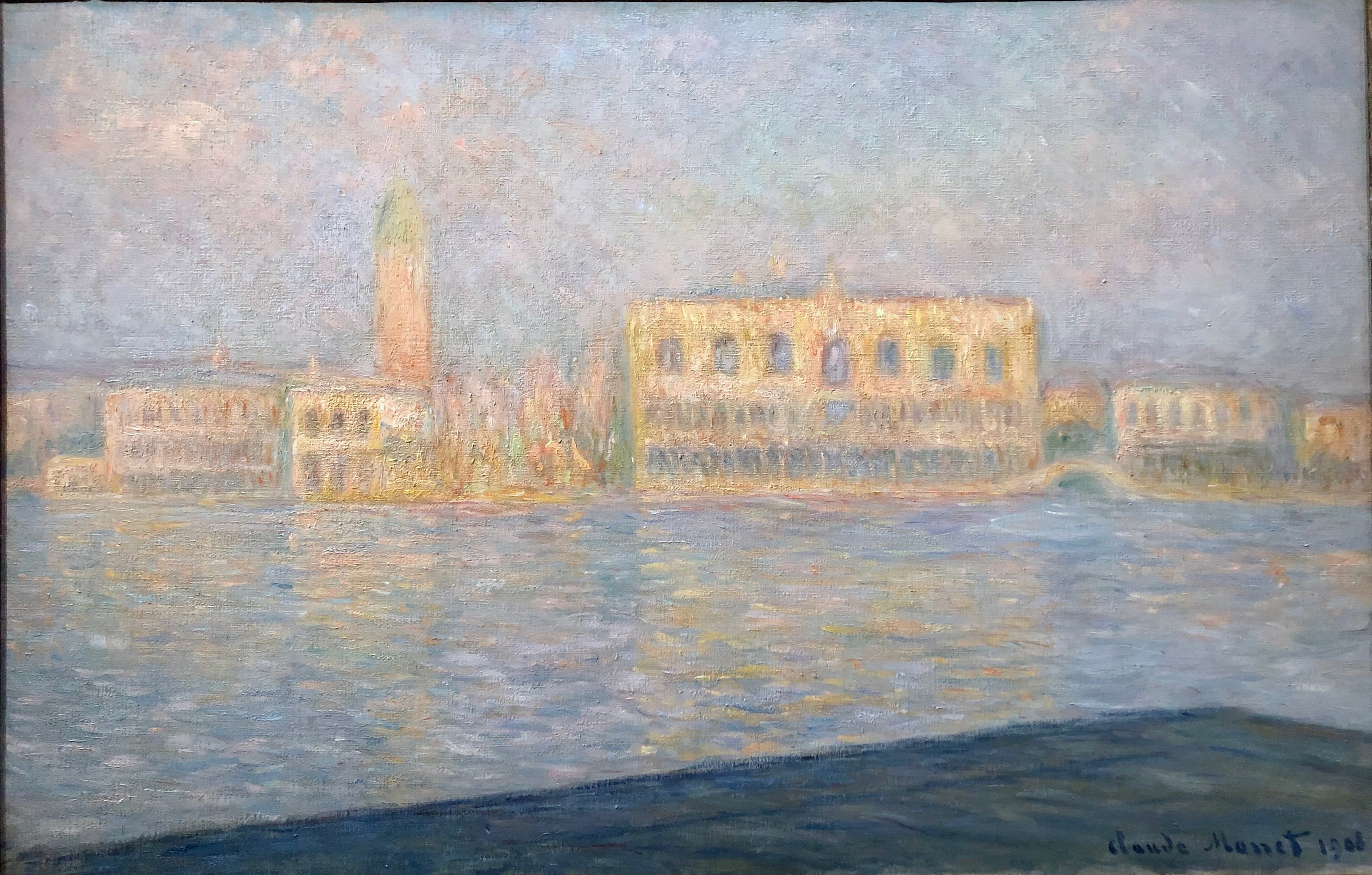
The Palazzo Ducale, Seen from San Giorgio Maggiore (Guggenheim)
Claude Monet · 1908
Kindred works
You may also study
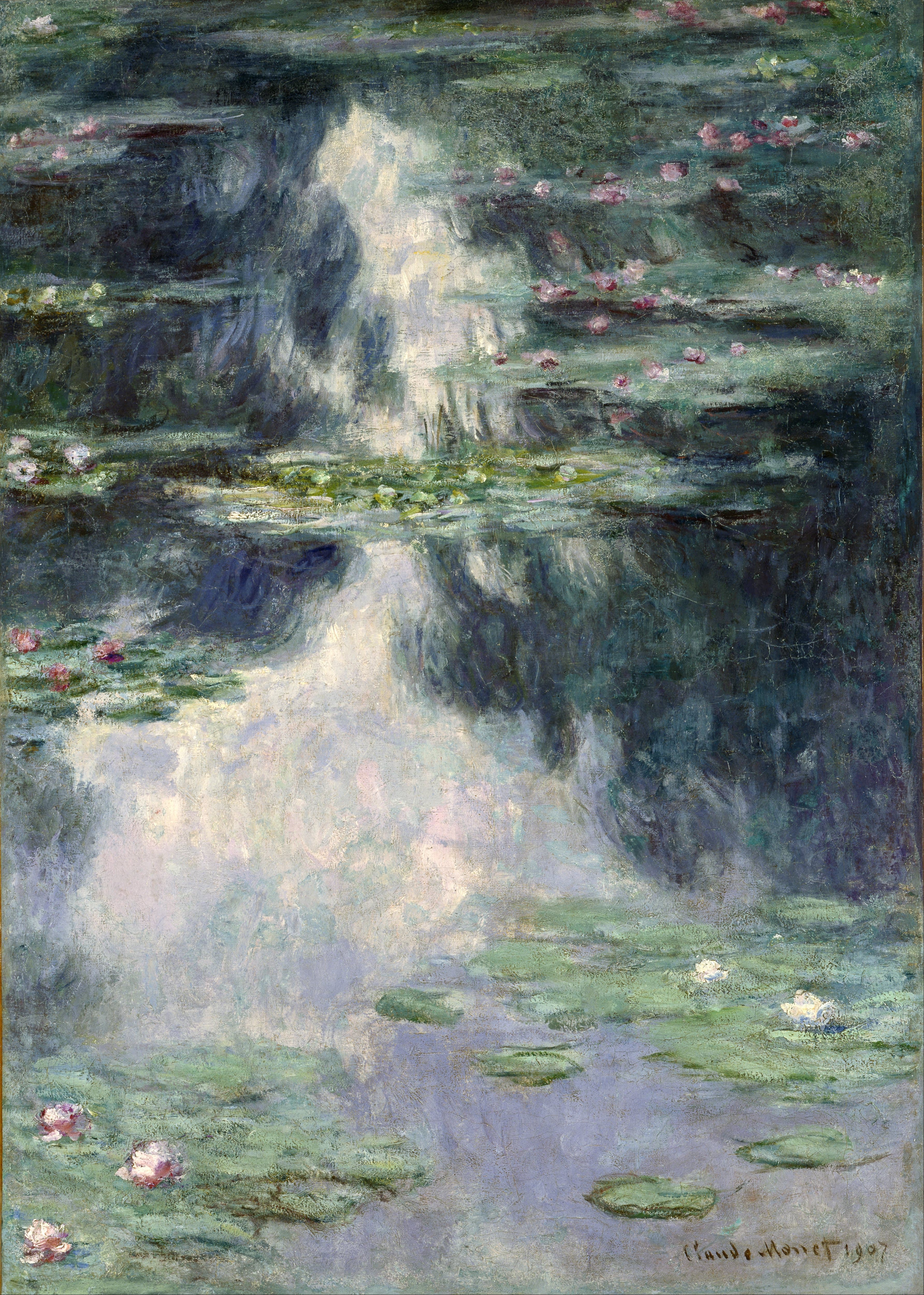
Pond with Water Lilies (Israel Museum)
Claude Monet · 1907
Water Lilies (1908, Tokyo Fuji Art Museum)
Claude Monet · 1908
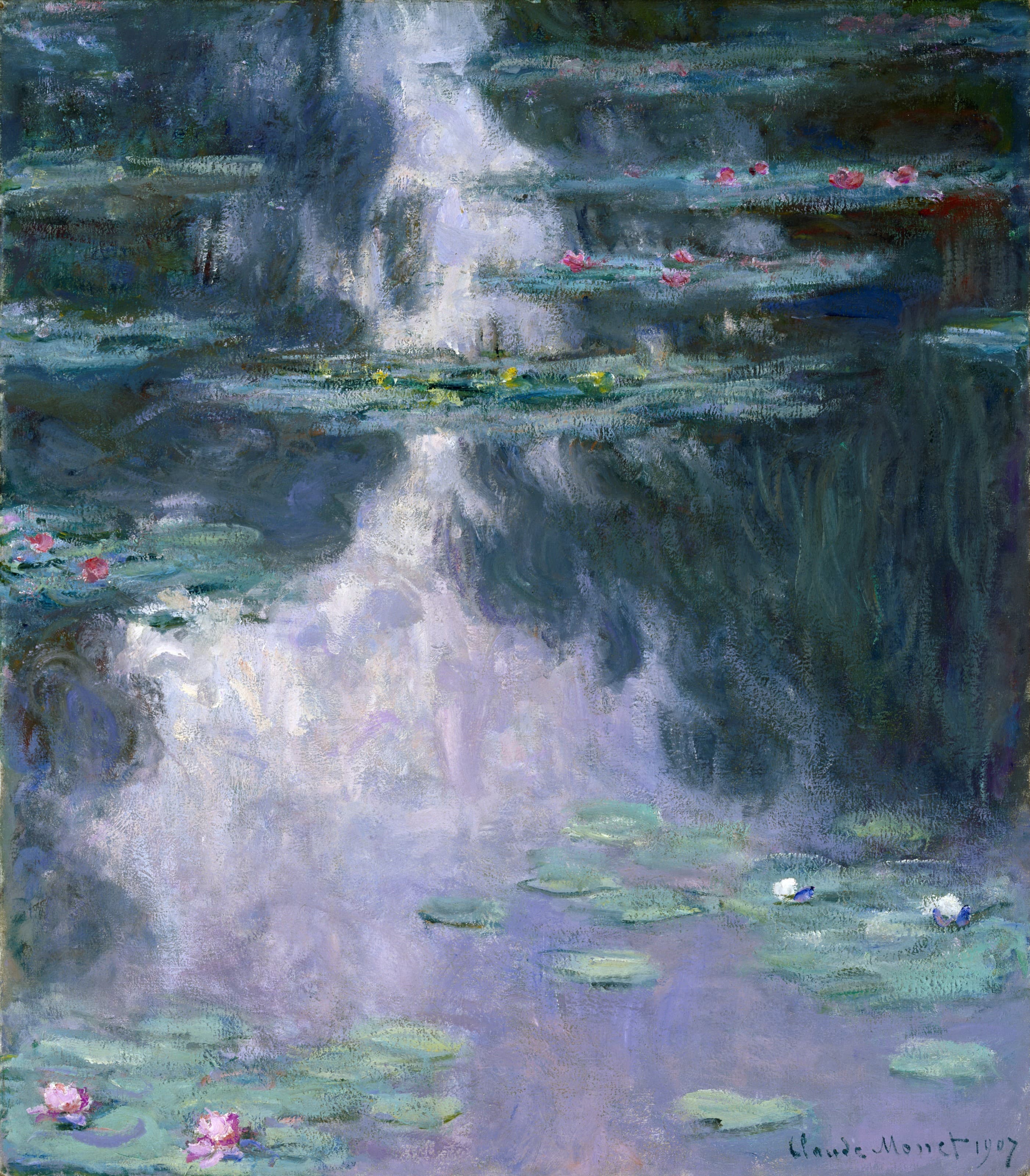
Water Lilies (Nymphéas), 1907 (Houston)
Claude Monet · 1907
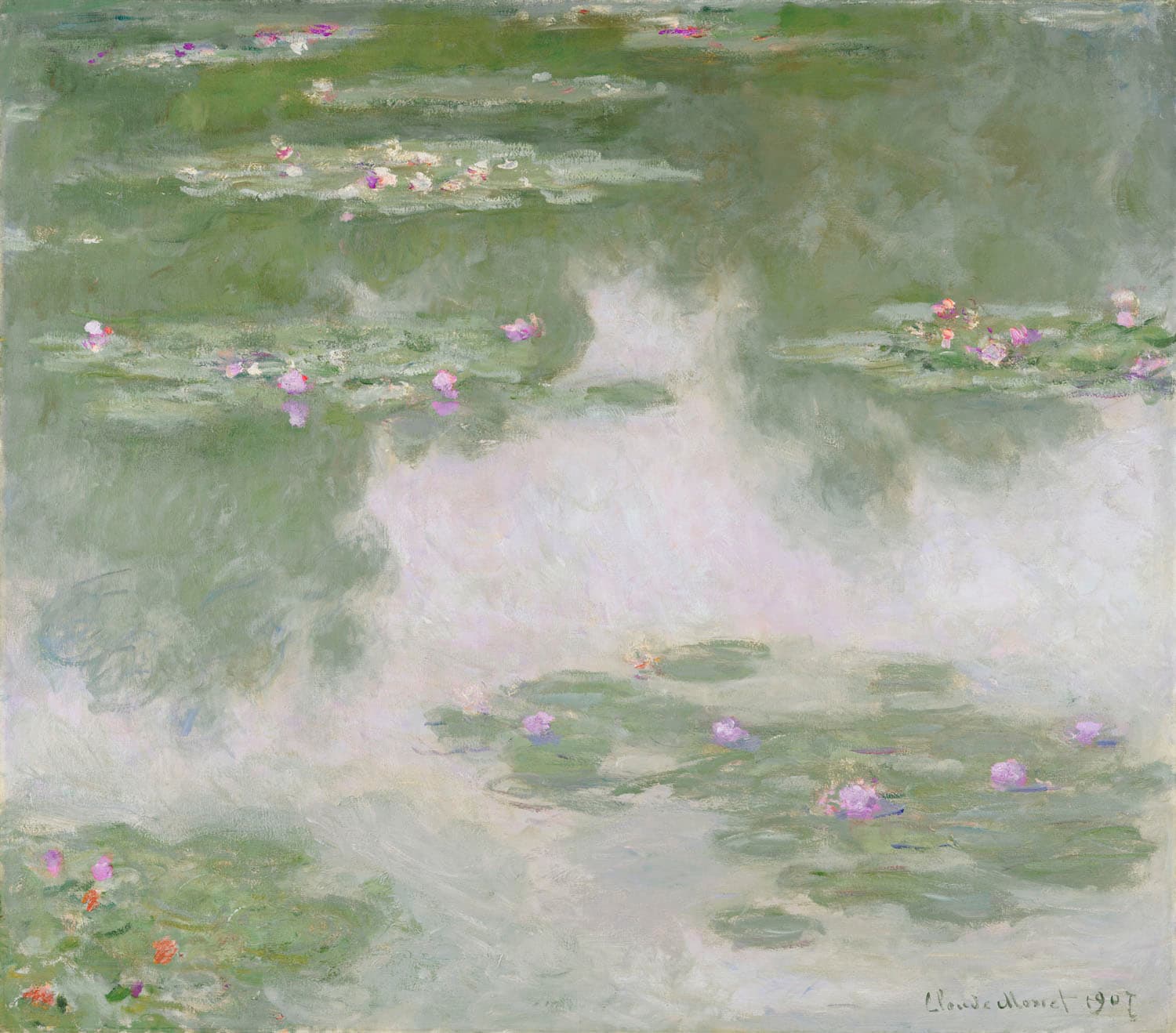
Nymphéas (Water Lilies), 1907 (Wadsworth Atheneum)
Claude Monet · 1907
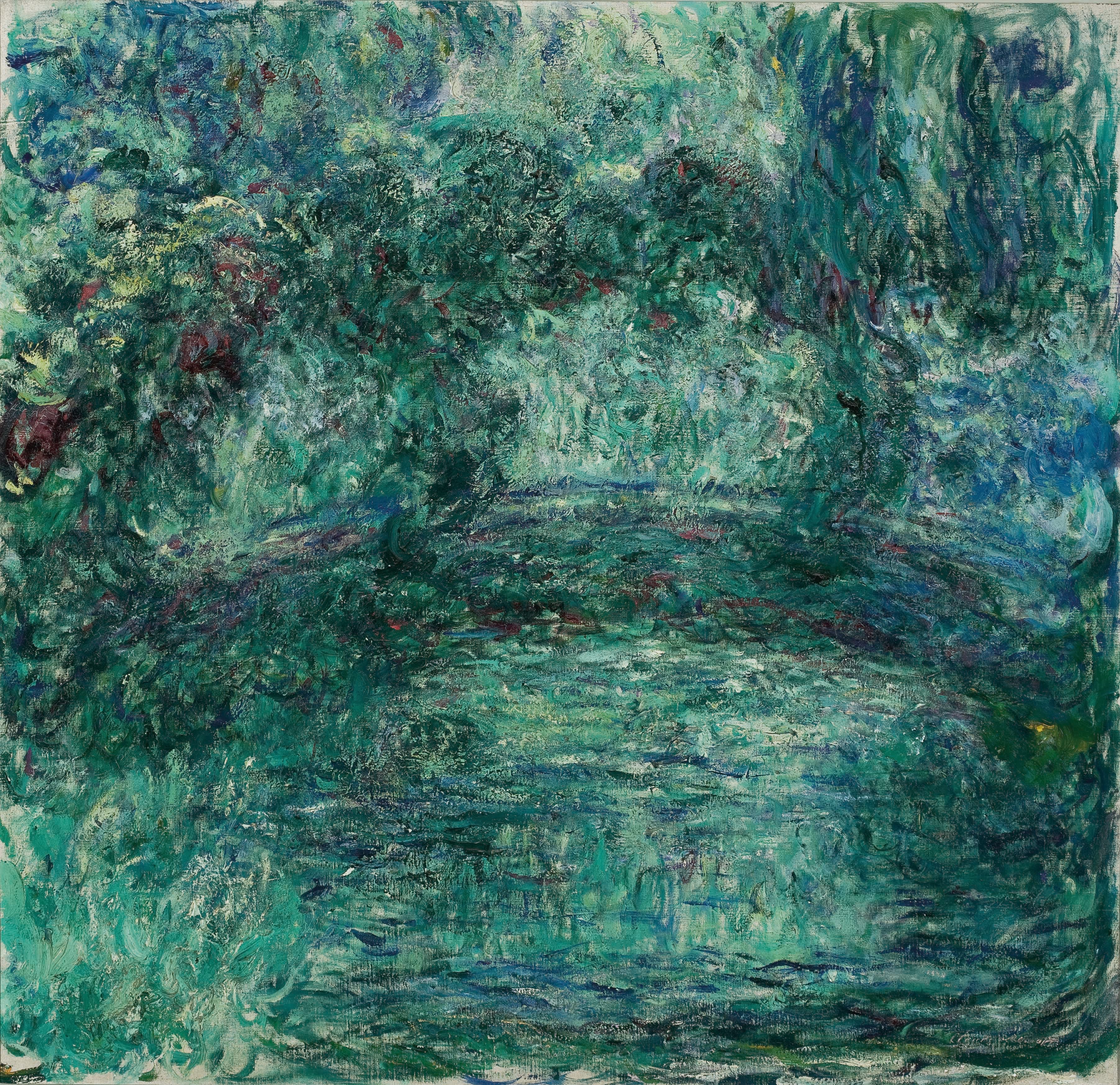
The Japanese Bridge over the Water-Lily Pond in Giverny
Claude Monet · 1920–24
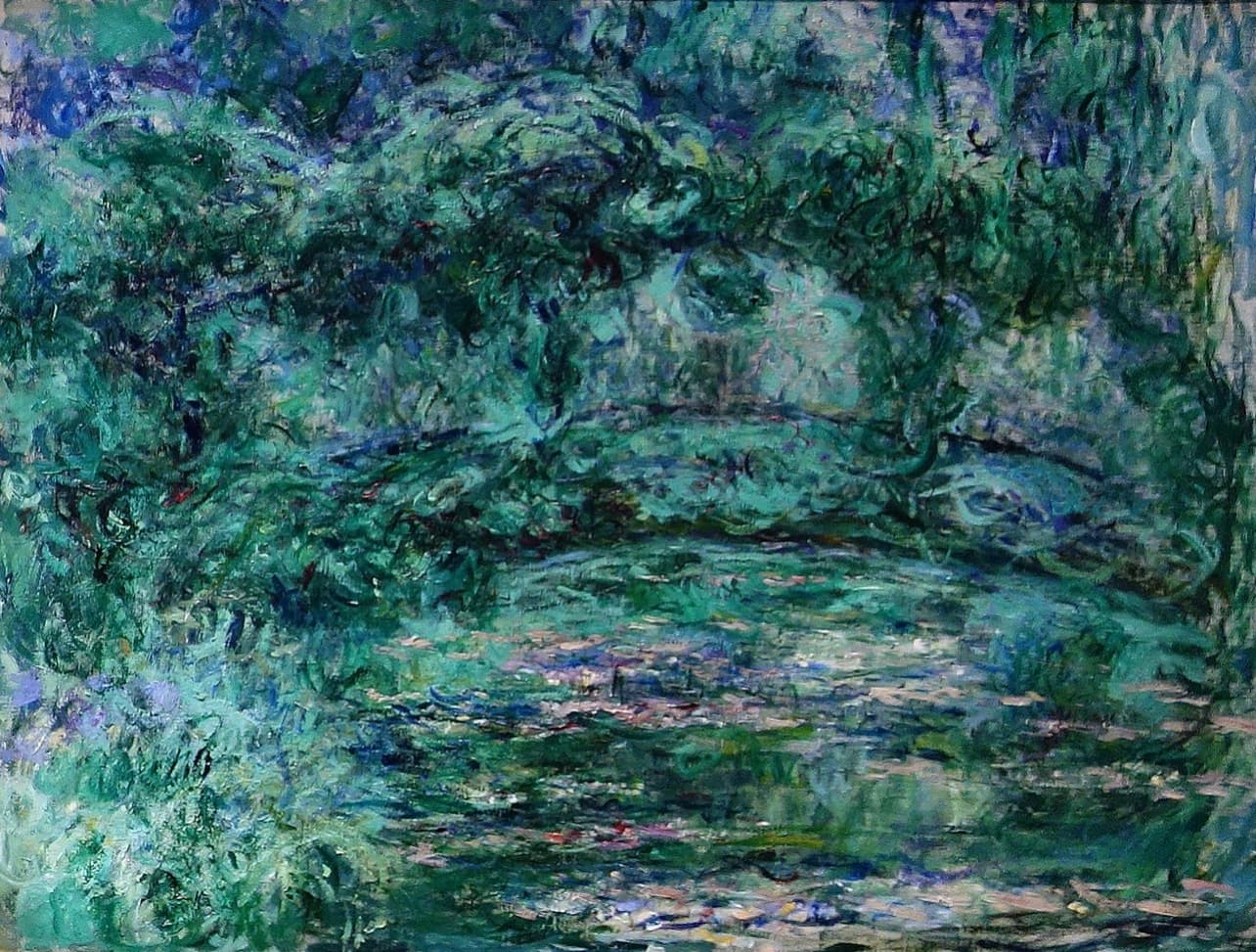
The Japanese Bridge
Claude Monet · c. 1919–24
The Japanese Bridge
Claude Monet · 1918
The Japanese Bridge or The Lily Pond
Claude Monet · 1900