Image: Ishibashi Foundation, Artizon Museum, Tokyo · Public domain · via Wikimedia Commons
Twilight, Venice
Claude Monet, 1908
Twilight, Venice is a 1908 painting by Claude Monet of the church of San Giorgio Maggiore silhouetted against a blazing orange and gold sunset over the lagoon. It belongs to the Ishibashi Foundation and hangs in the Artizon Museum, Tokyo.
- Artist
- Claude Monet
- Date
- 1908
- Medium
- Oil on canvas
- Dimensions
- 73 × 92.5 cm
- Collection
- Artizon Museum (Ishibashi Foundation), Tokyo, Japan
- Movement
- Impressionism
- Catalogue
- Wildenstein 1769
- Water & Sea
- Architecture & Ruins
- The City
Twilight, Venice is Claude Monet's view of the island church of San Giorgio Maggiore at sunset, painted on his single visit to Venice in 1908. It is held by the Ishibashi Foundation and shown at the Artizon Museum in Tokyo, the museum formerly known as the Bridgestone Museum of Art. Of all Monet's Venetian pictures it is the most extravagantly colored.
What you're looking at
The church and its campanile stand to the left of center as a single dark shape, almost without detail. The bell tower rises against the sky like a dark spike, the dome and the long low monastery buildings run off to the right, and the whole island sits on a strip of shadow at the water line. Monet makes no attempt to describe Palladio's white facade. Seen against the light, it has become a silhouette in plum and rust.
Everything else is sky and water. At the top a band of turquoise and blue-green fades into yellow, then into a deep orange that burns behind the church and spreads right across the canvas. Low on the right, almost lost in the glare, are faint pinkish forms that may be the domes of the Salute or the buildings of the Giudecca dissolving in haze. The lagoon repeats the sky in horizontal strokes of orange, coral and violet, broken by streaks of blue. Directly under the campanile, a column of dark broken touches runs down the water: the tower's reflection, the one vertical in the lower half.
The signature and date, Claude Monet 1908, sit at the lower right. Close up, the sky is built of short, criss-crossing strokes laid wet over wet, so that orange and blue mix at their edges without turning muddy.
Venice in the autumn of 1908
Monet went to Venice only once. He arrived with his wife Alice at the beginning of October 1908, invited by the American-born hostess Mary Young Hunter, and stayed first at the Palazzo Barbaro on the Grand Canal, then at the Hotel Britannia on the Riva degli Schiavoni, leaving in early December. He had long resisted the city, which he thought had been painted too often, but once there he worked steadily. He painted from gondolas, from the water steps of palaces and from the quay, and he chose a small number of motifs: the Doge's Palace, San Giorgio Maggiore, the Grand Canal, a handful of palazzi. San Giorgio, across the basin from his hotel, was the motif he could watch change through the whole day. Here it is seen at the end of it, with the sun going down behind the island to the west.
He brought the canvases back to Giverny unfinished and worked on them for more than three years. Alice died in May 1911, and the Venice pictures were the last work they had shared. Twenty-nine of them were shown at the Galerie Bernheim-Jeune in Paris in 1912.
A near twin in Cardiff
The composition exists in a second, very similar version, Sunset in Venice in National Museum Cardiff, which the Welsh collector Gwendoline Davies bought in 1912. The two share the placing of the church, the reflected tower and the orange sky. The Tokyo picture is the brighter and more broken of the two: its blues at the top are stronger, its oranges hotter, and the water carries more cool violet. Compare too the daytime views of the same island, such as The Church of San Giorgio Maggiore in Indianapolis and San Giorgio Maggiore in Cardiff, where the church is pale and solid. Set side by side, they show what a series meant for Monet: one building, and the light doing all the work.
How it was painted
The method is the late series method. Monet worked on several canvases at once, each for a particular hour, and returned to them at the same time each day. Back in his studio he unified the surfaces, adding the dense, woven layers of color that make the sky here look almost textile. The silhouette is not black at all but a mixture of deep red, violet and blue, which keeps it from punching a hole in the picture. The reflected campanile is painted with the same broken touch as the water around it, so it reads as light on moving water rather than as a solid shadow.
Where to see it
The painting belongs to the Ishibashi Foundation, founded by Shojiro Ishibashi of the Bridgestone tire company, and is shown at the Artizon Museum in central Tokyo. It has been included in recent collection displays such as Chasing the Horizon (2022). For the whole group, see Monet in Venice; for other places to see Monet worldwide, see Where to See Monet's Paintings.
Questions & answers
Where is Monet's Twilight, Venice?
It belongs to the Ishibashi Foundation and is shown at the Artizon Museum in Tokyo, the museum formerly called the Bridgestone Museum of Art. A near-identical version, Sunset in Venice, is in National Museum Cardiff in Wales.
When and where was Twilight, Venice painted?
Monet began it in Venice in the autumn of 1908, during his only visit to the city, looking across the lagoon to the island of San Giorgio Maggiore at sunset. Like the other Venice pictures, it was completed in his studio at Giverny before the 1912 exhibition.
What does Twilight, Venice show?
The church and bell tower of San Giorgio Maggiore seen against the setting sun, reduced to a dark silhouette. The sky shades from turquoise to gold and orange, and the lagoon below reflects it, with the tower's reflection running down the water.
How is it different from Sunset in Venice in Cardiff?
The composition is almost the same. The Tokyo canvas has stronger blues at the top, hotter oranges and more broken, criss-crossing brushwork; the Cardiff picture is slightly calmer and more evenly orange.
More by the artist
Claude Monet
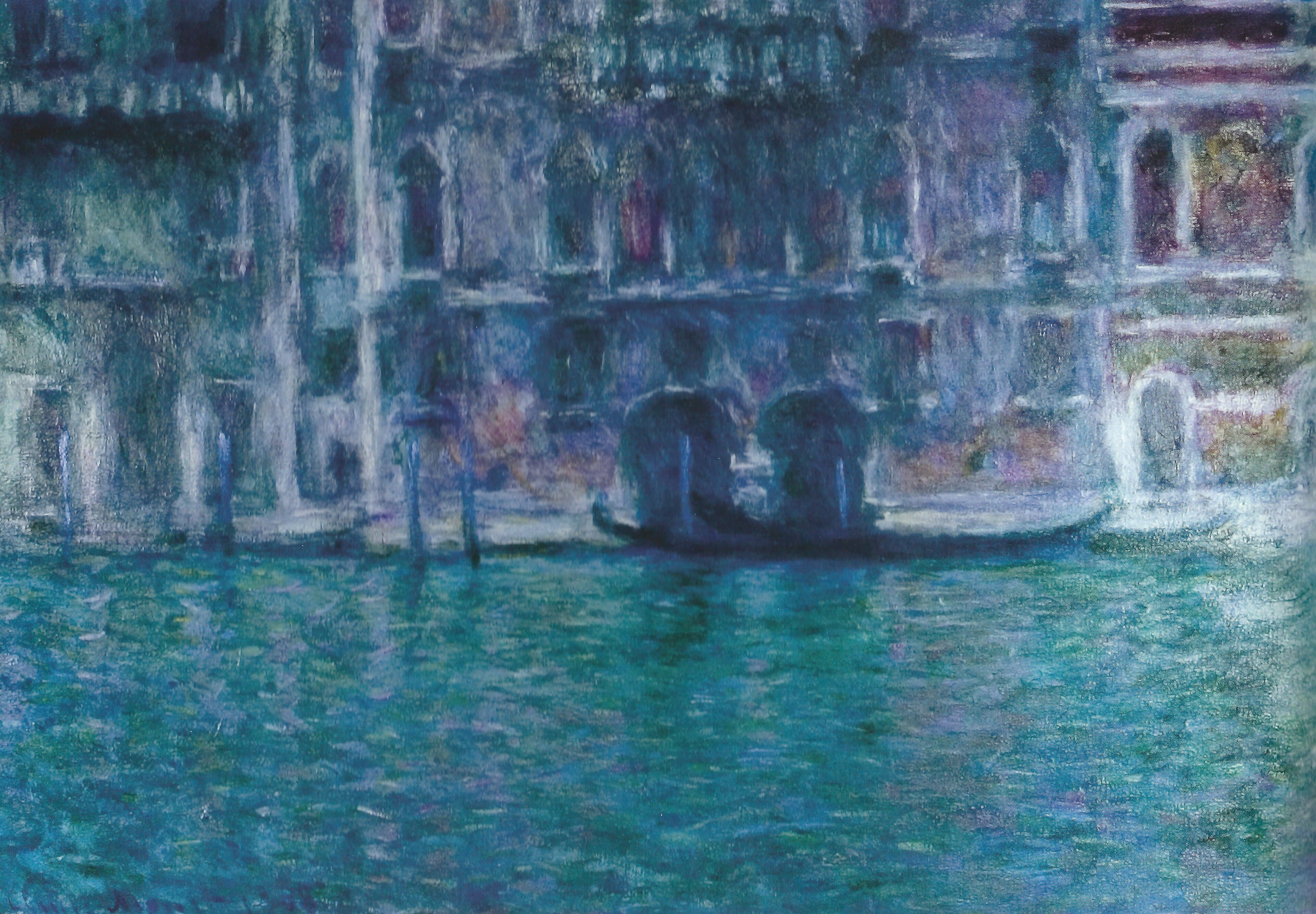
Palazzo Da Mula Morosini
Claude Monet · 1908
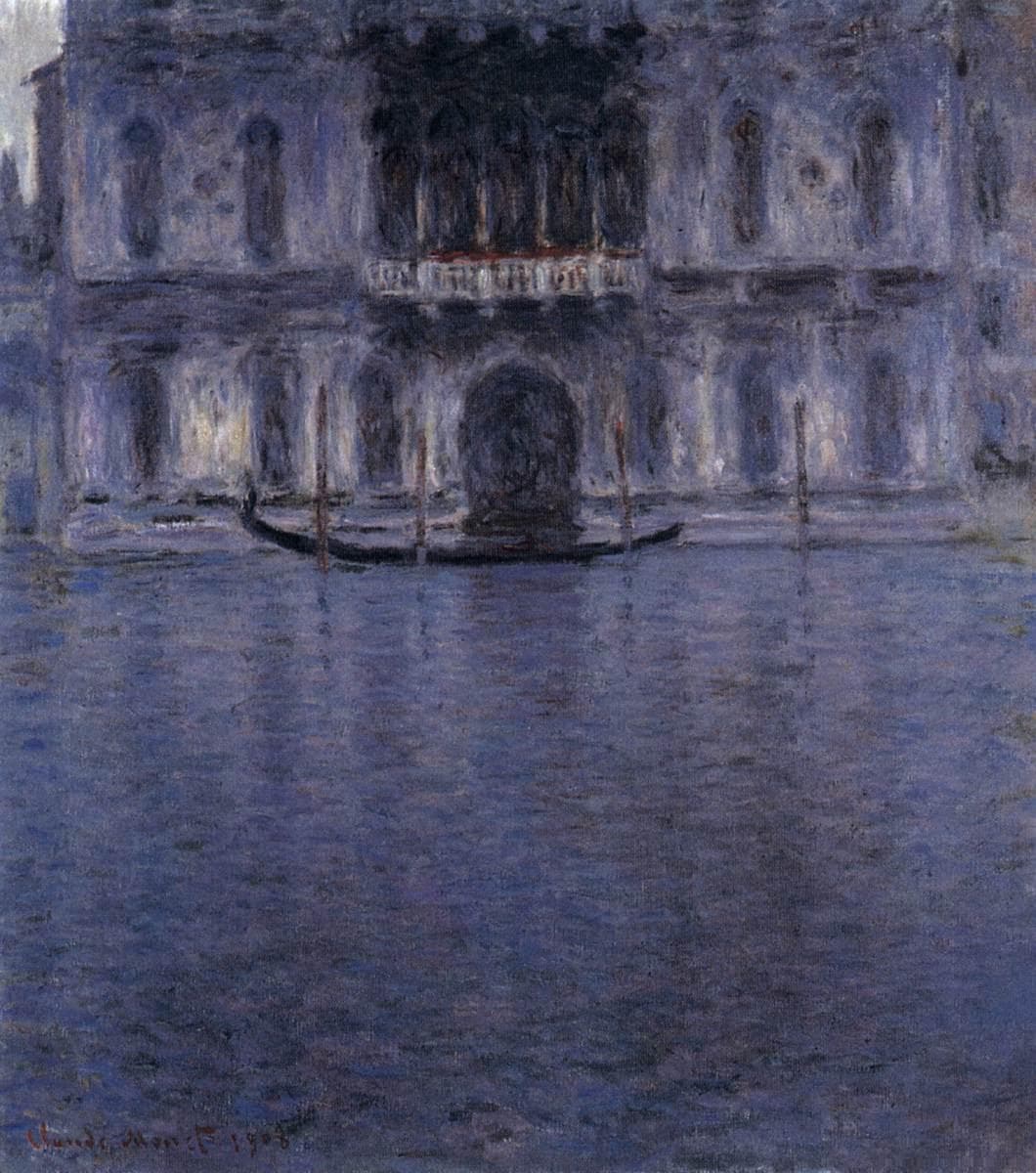
Palazzo Contarini
Claude Monet · 1908
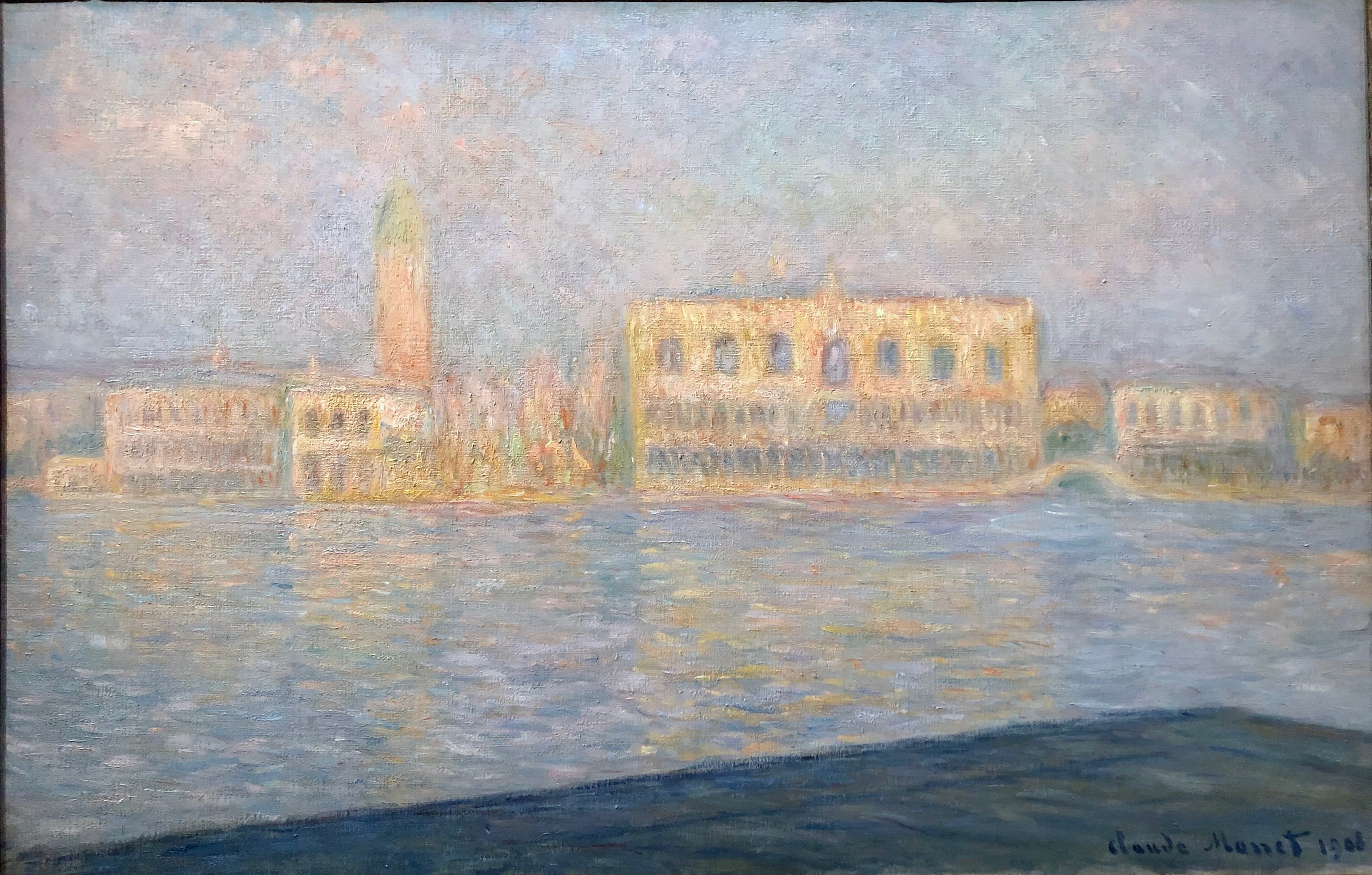
The Palazzo Ducale, Seen from San Giorgio Maggiore (Guggenheim)
Claude Monet · 1908
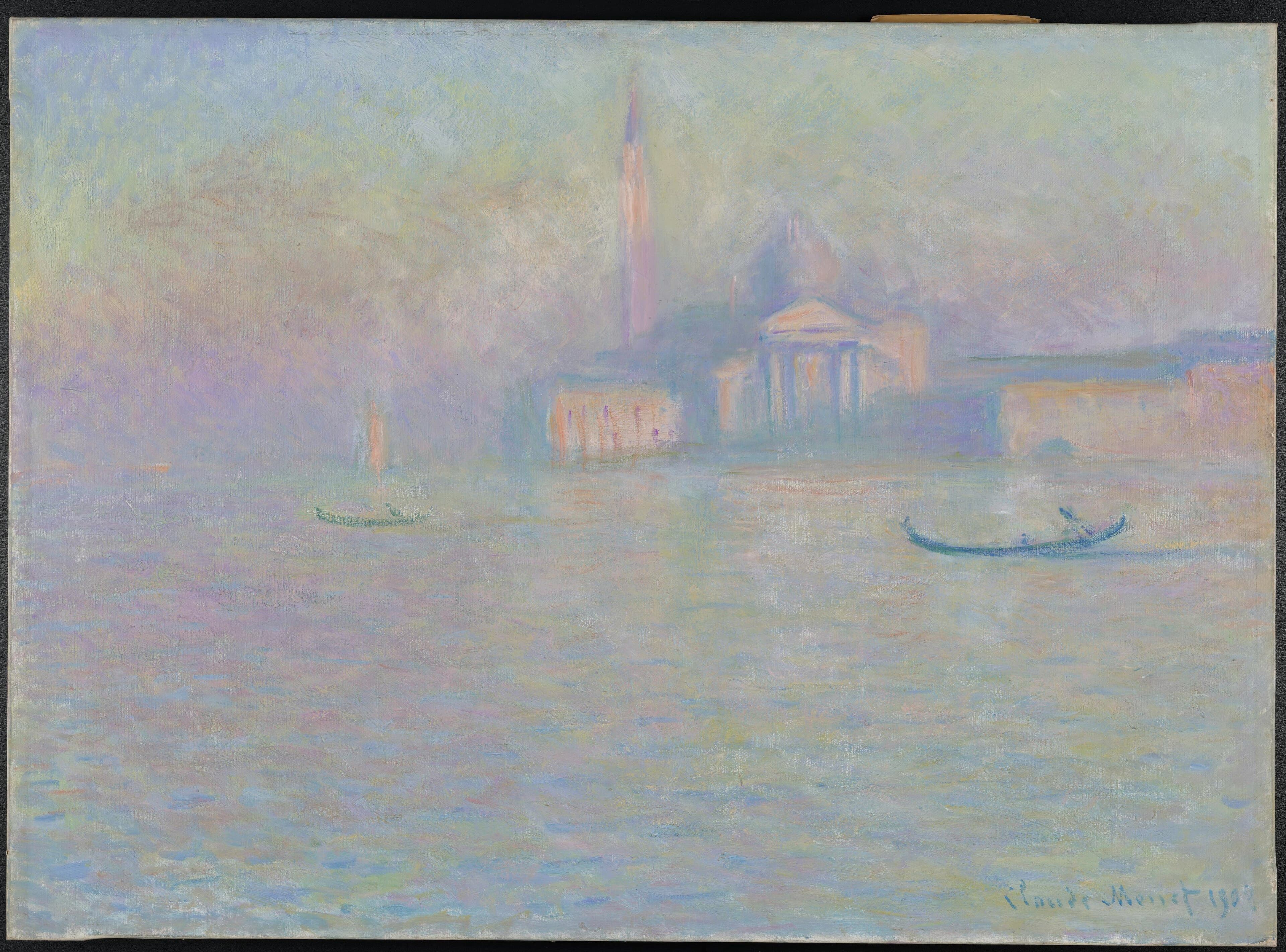
San Giorgio Maggiore
Claude Monet · 1908
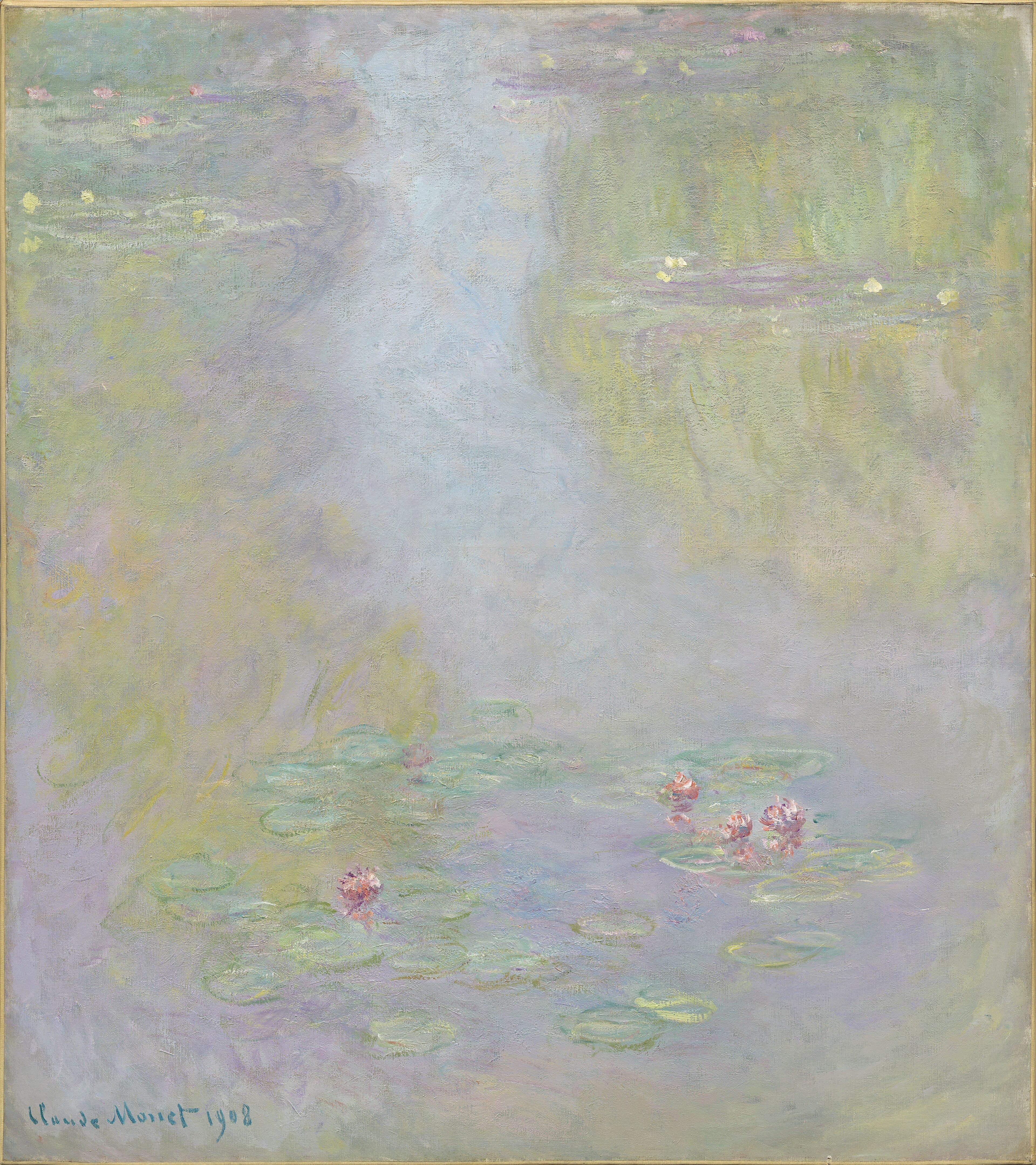
Water Lilies (1908, Tokyo Fuji Art Museum)
Claude Monet · 1908
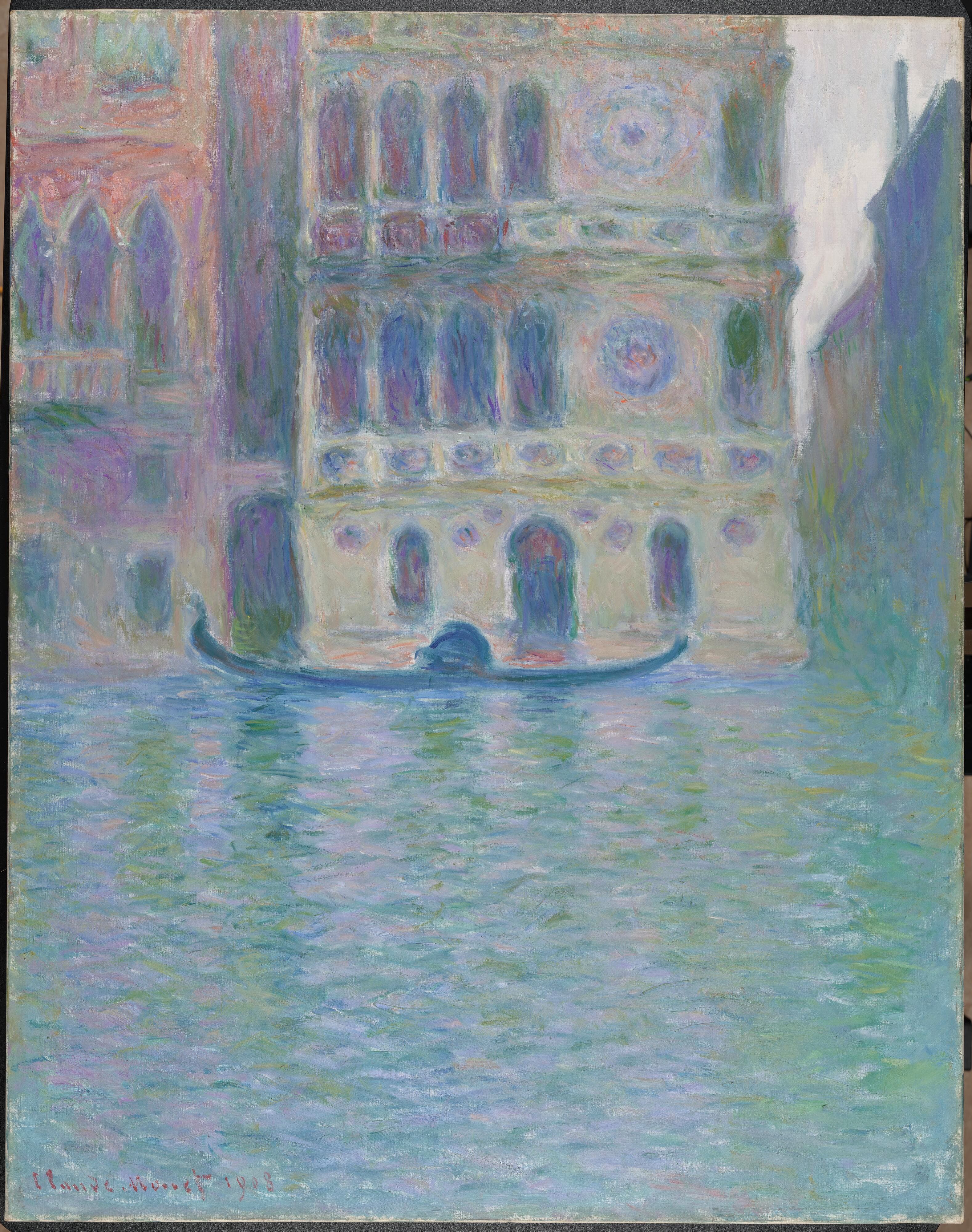
The Palazzo Dario
Claude Monet · 1908
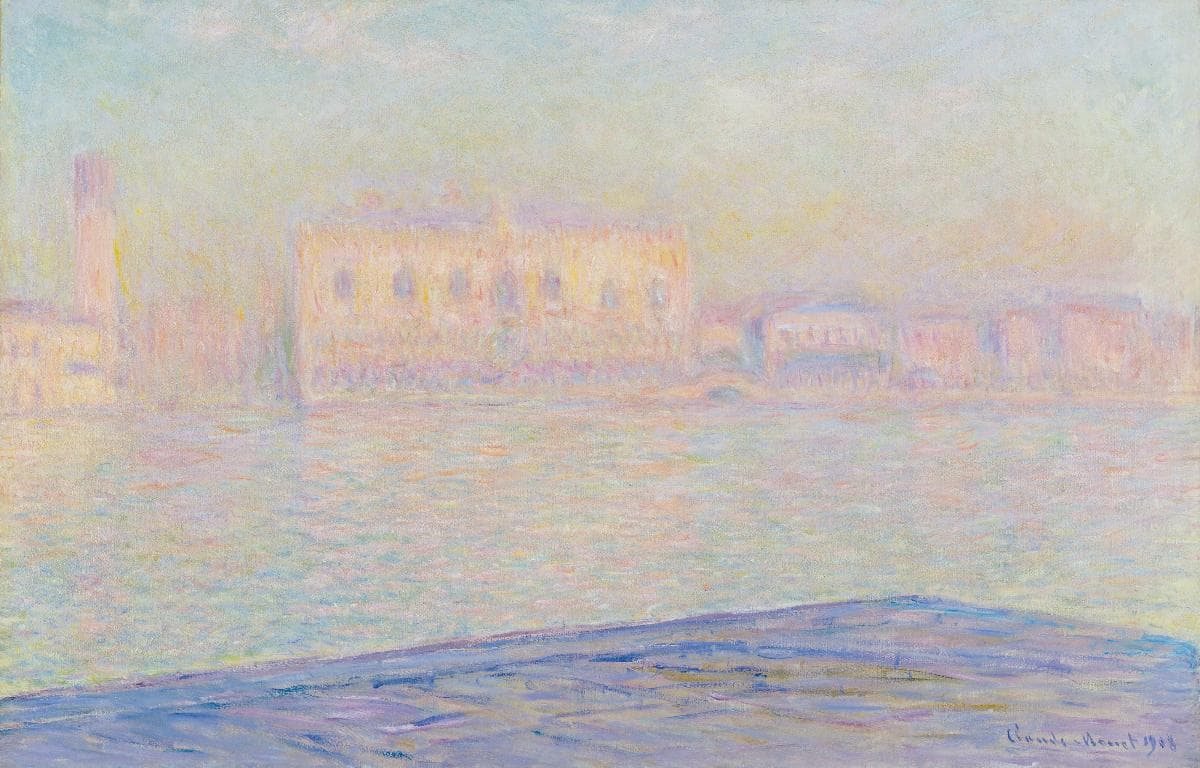
The Doge's Palace Seen from San Giorgio Maggiore (Zürich)
Claude Monet · 1908
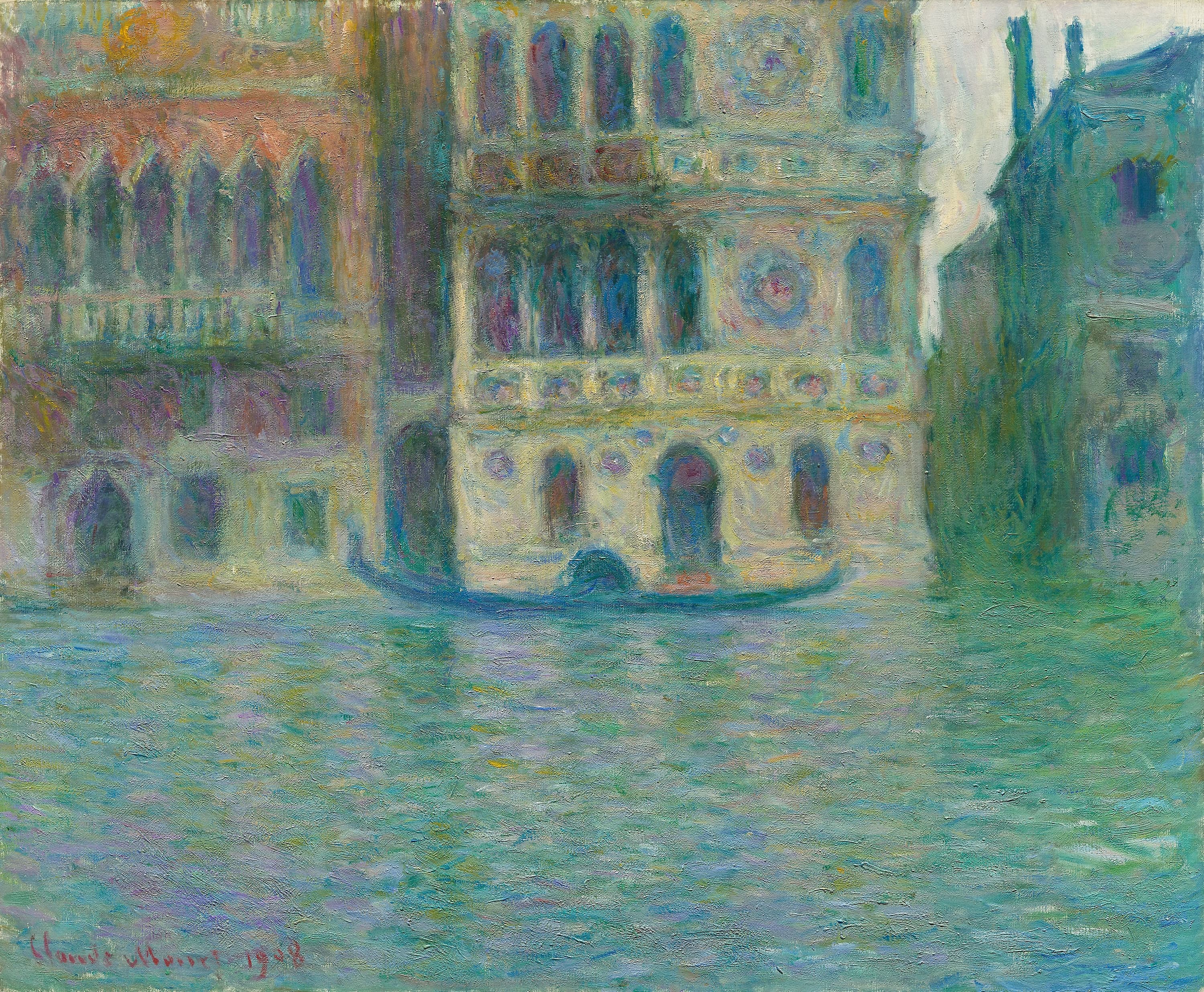
Venice, Palazzo Dario
Claude Monet · 1908
Also painted in 1908
The same year

Sunset in Venice
Claude Monet · 1908–12
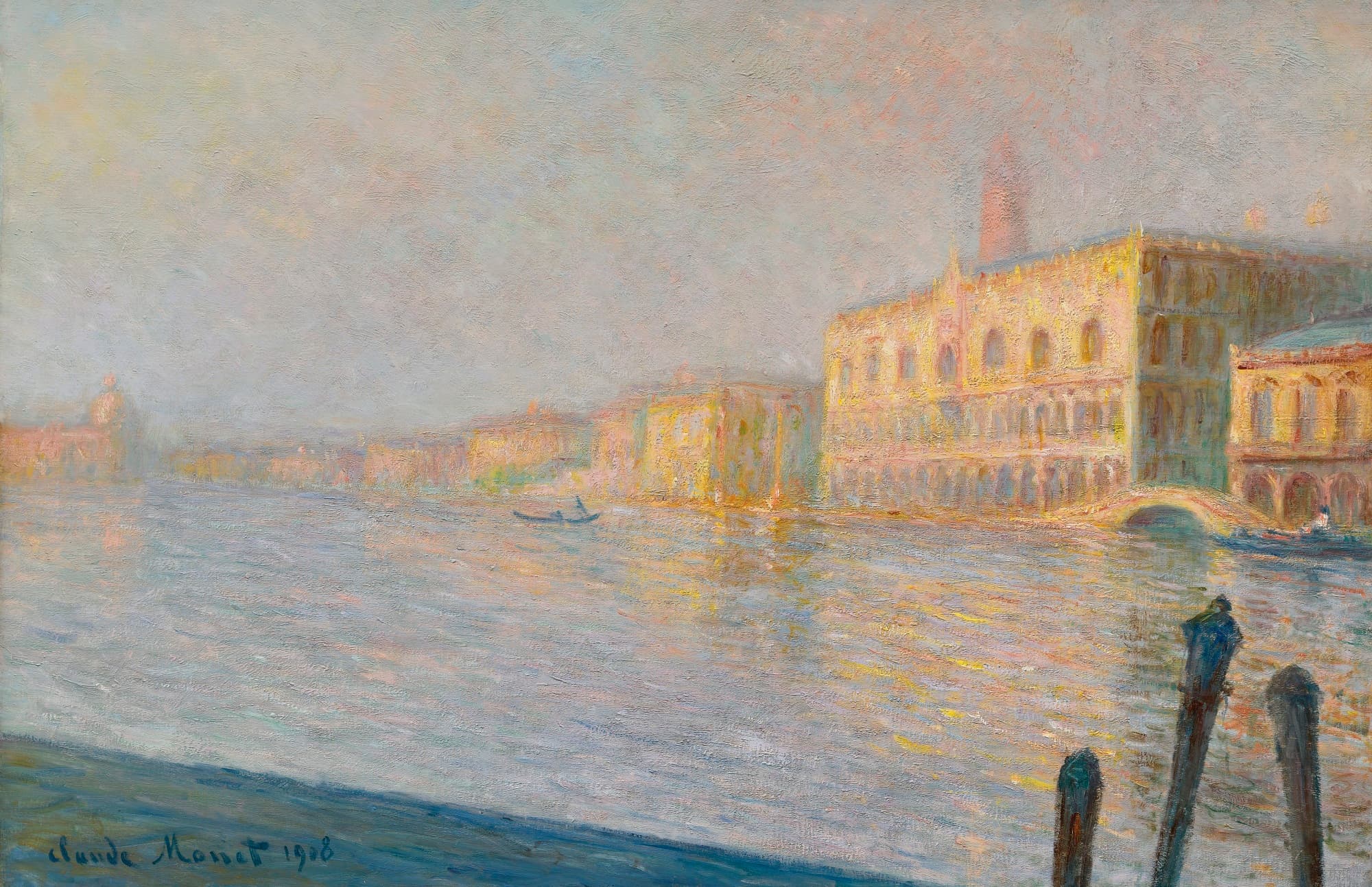
The Palazzo Ducale (Le Palais Ducal), 1908
Claude Monet · 1908
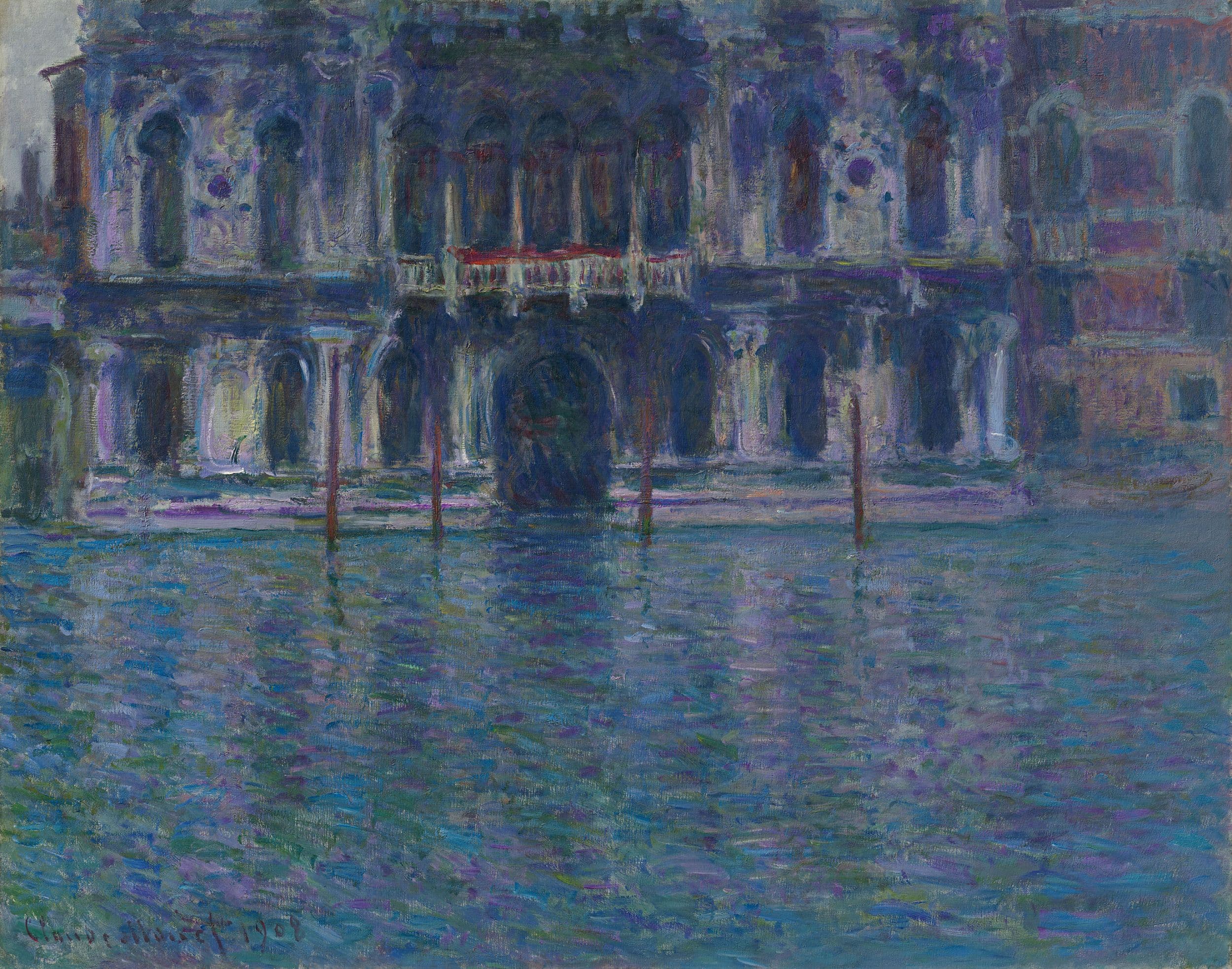
Le Palais Contarini (Potsdam)
Claude Monet · 1908
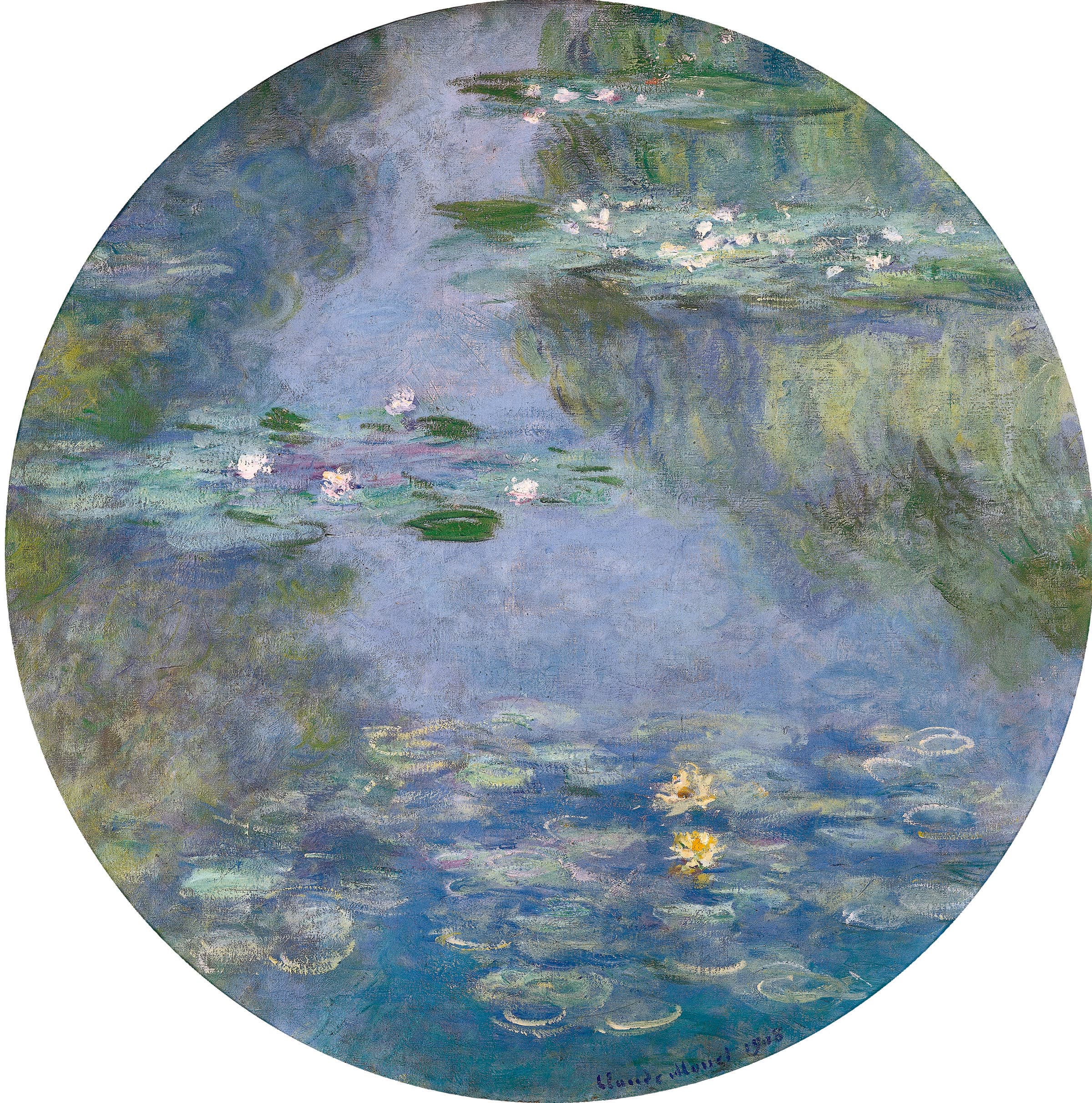
Nymphéas (1908 tondo, Vernon)
Claude Monet · 1908
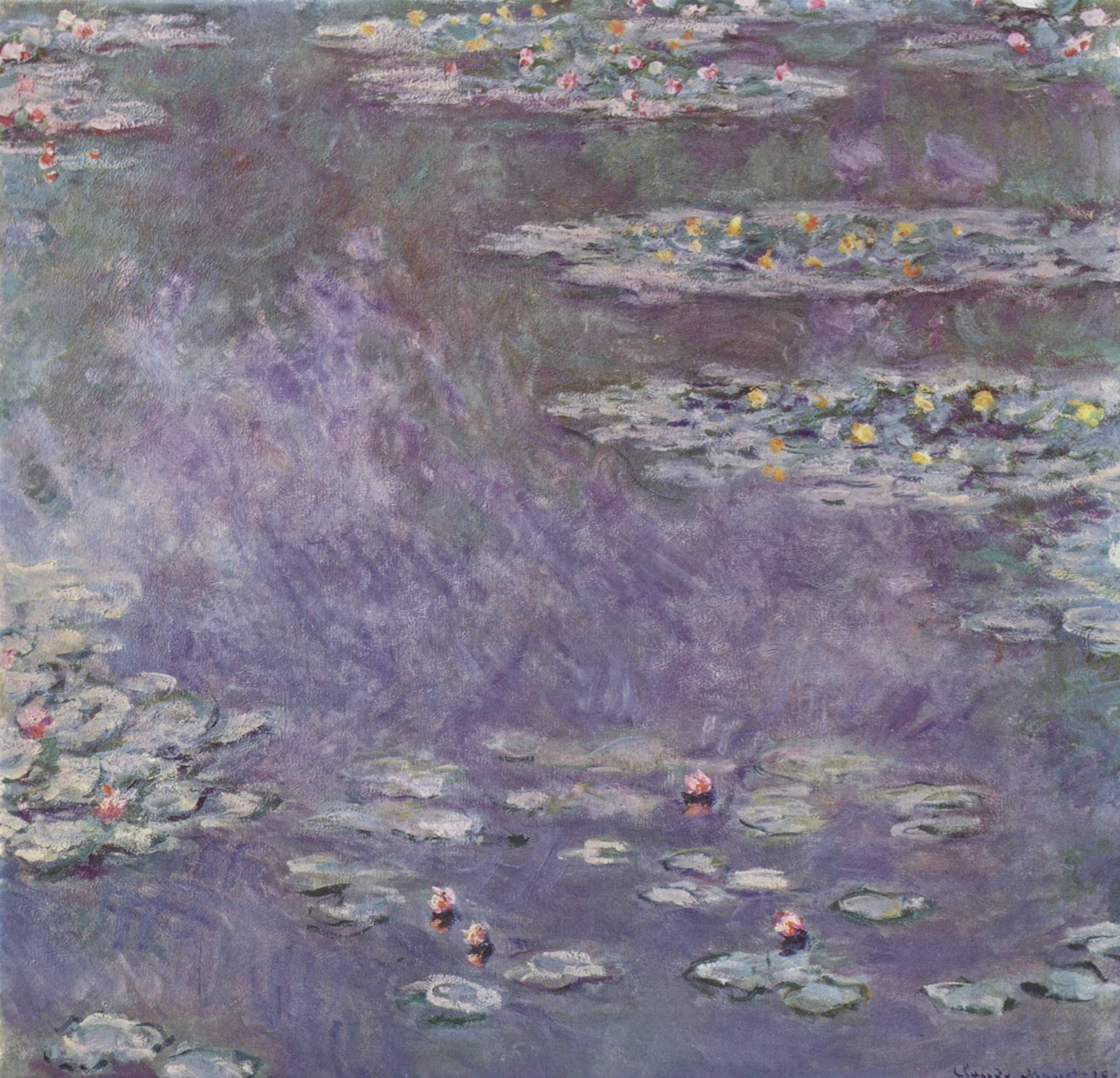
Nymphéas (Oyamazaki Villa Museum)
Claude Monet · 1908
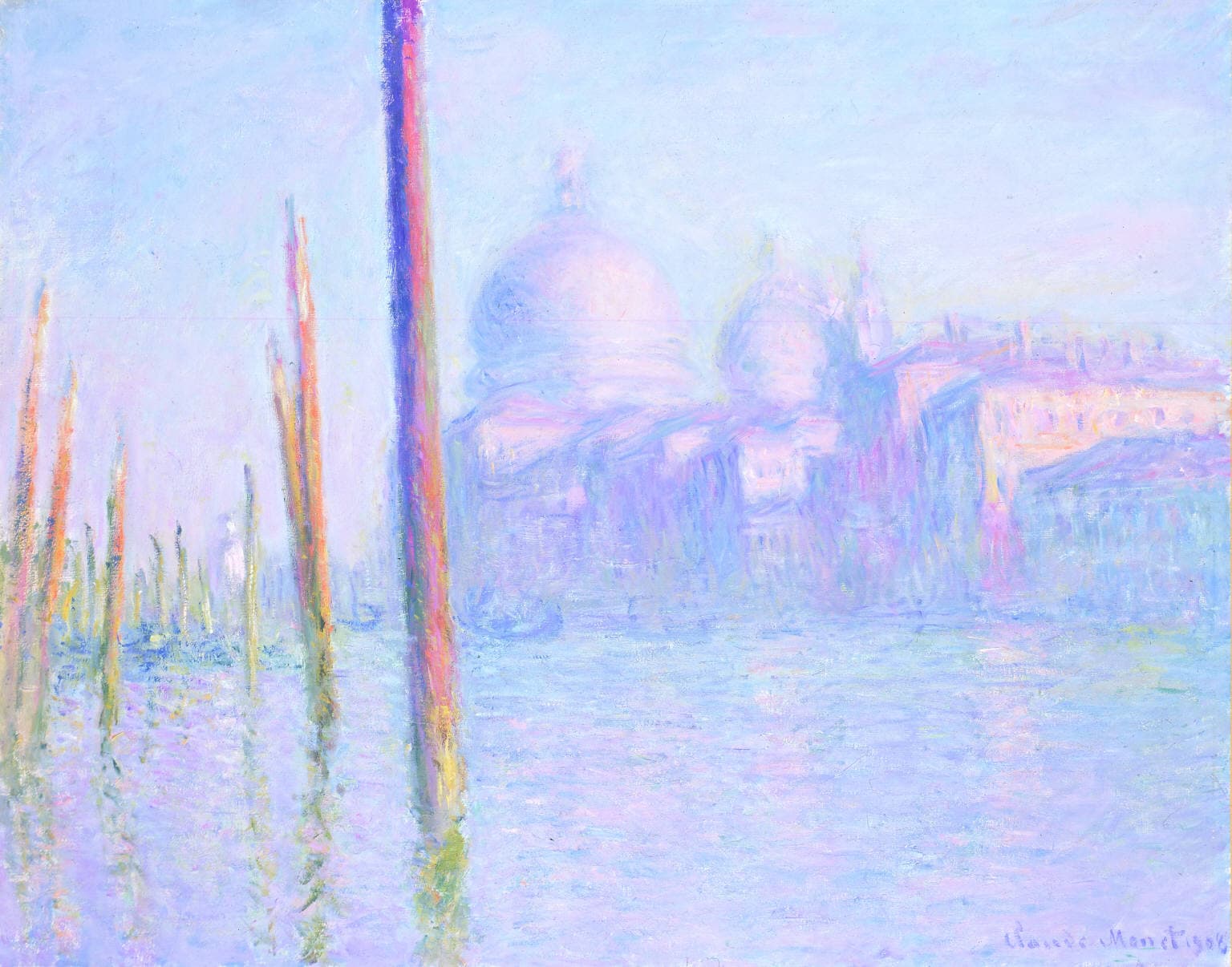
The Grand Canal, Venice
Claude Monet · 1908
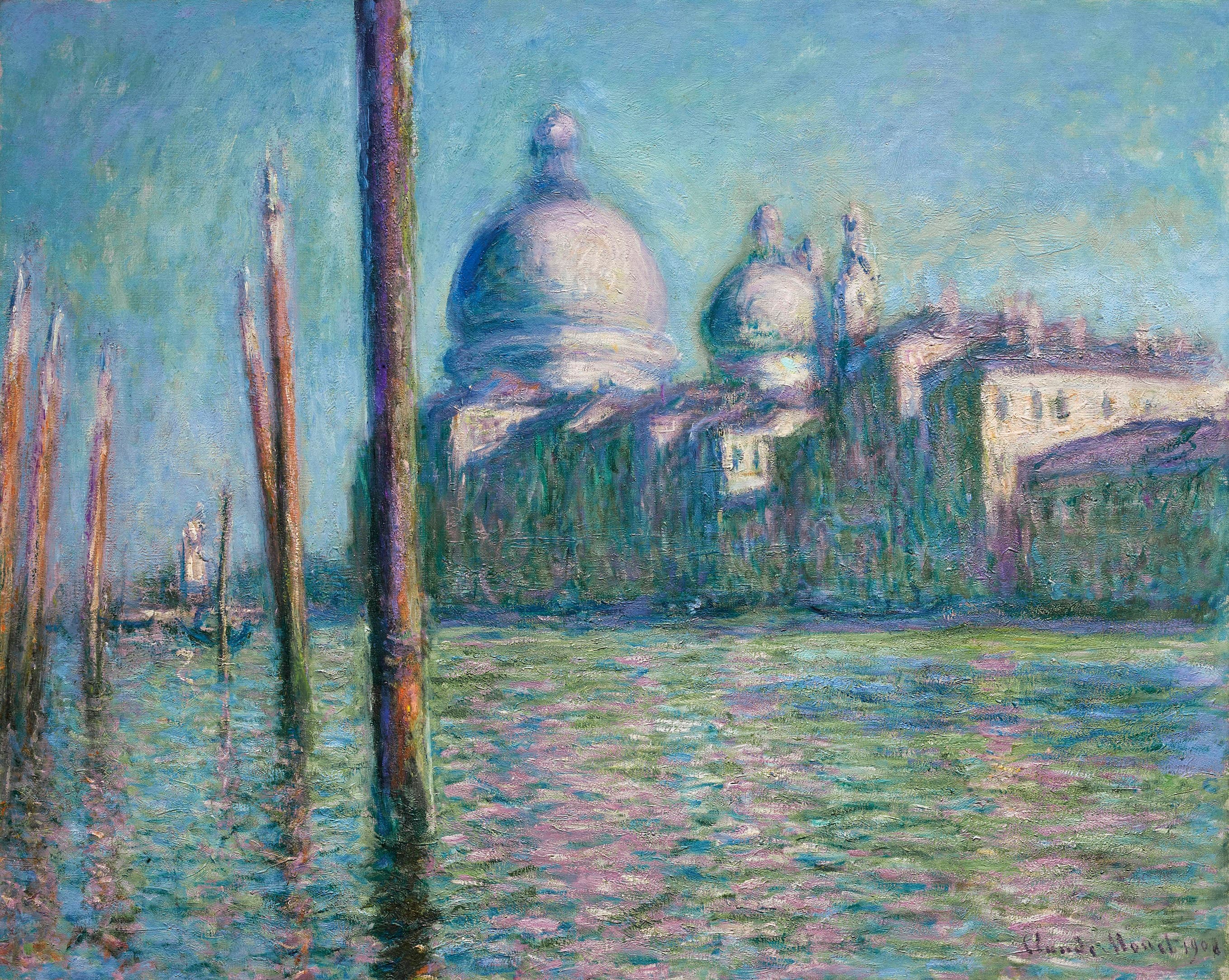
The Grand Canal, Venice
Claude Monet · 1908
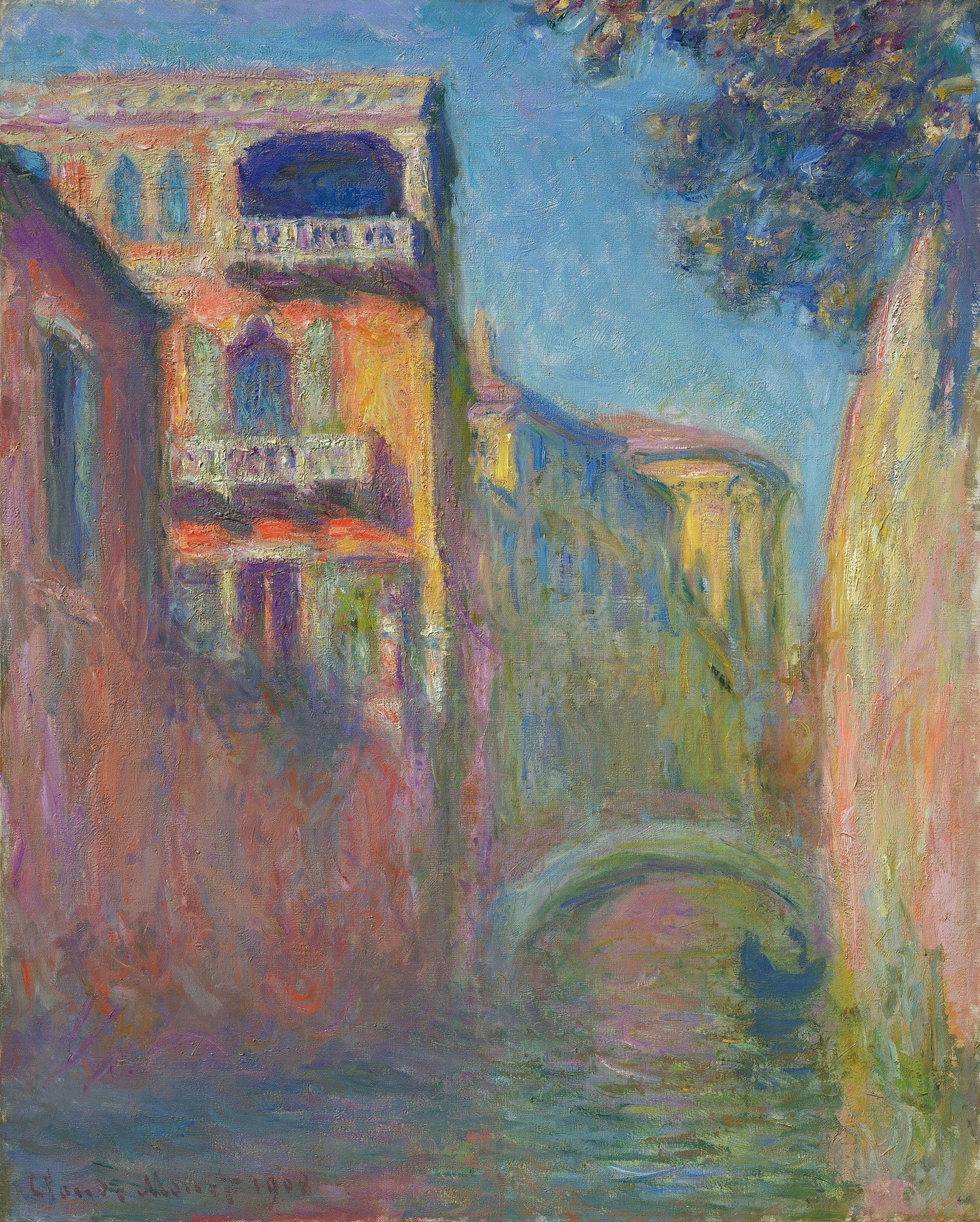
The Rio della Salute
Claude Monet · 1908
Kindred works
You may also study
Sunset in Venice
Claude Monet · 1908–12
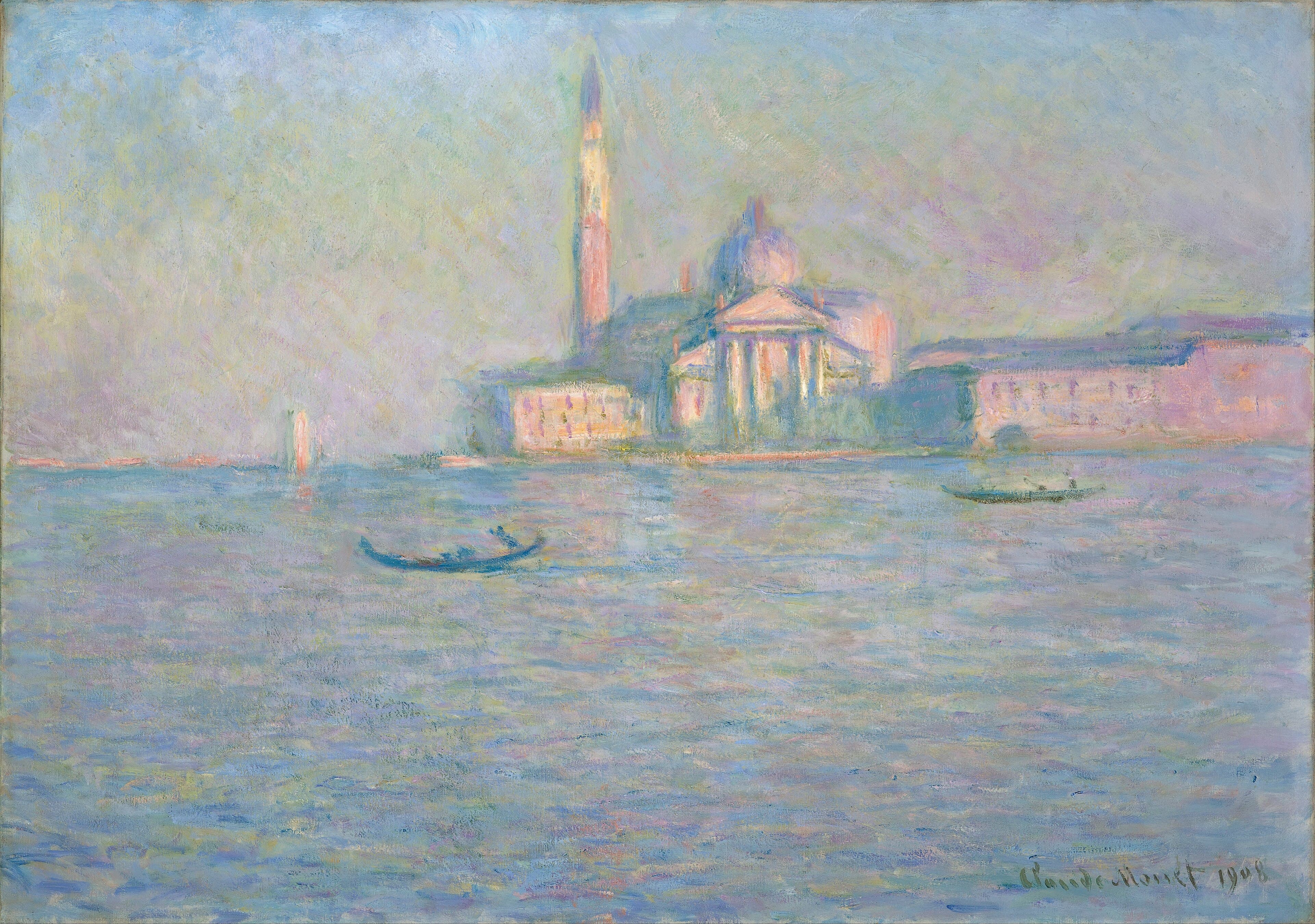
The Church of San Giorgio Maggiore, Venice
Claude Monet · 1908
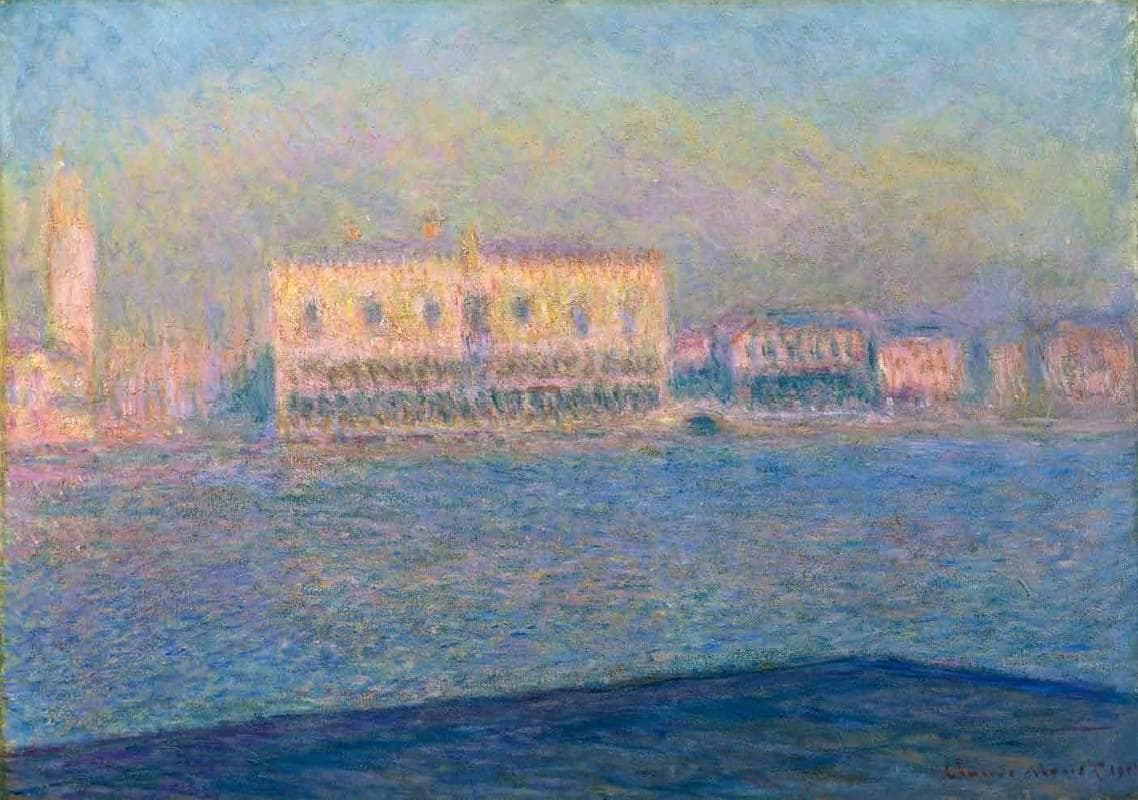
The Palazzo Ducale Seen from San Giorgio Maggiore
Claude Monet · 1908
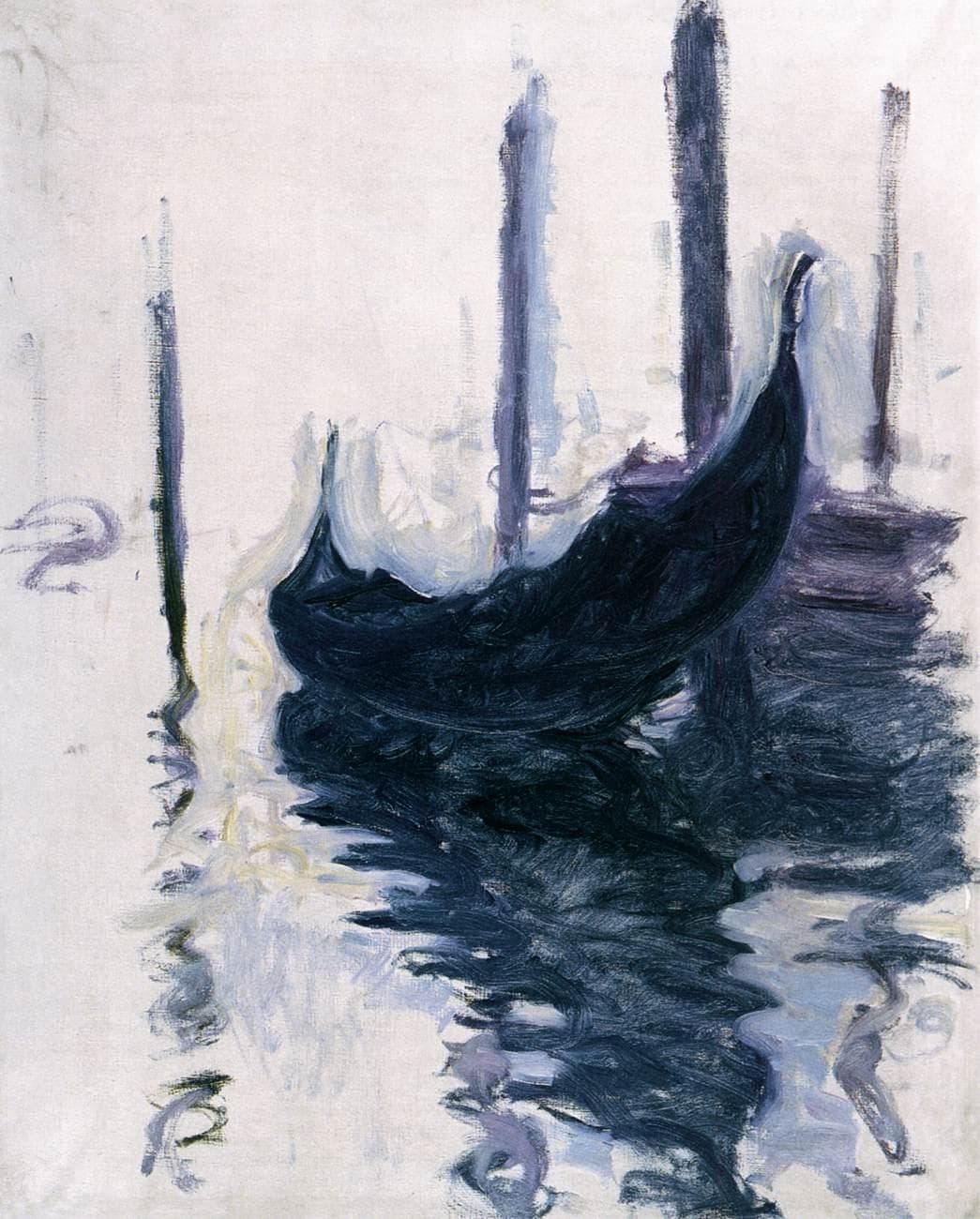
Gondola in Venice
Claude Monet · 1908
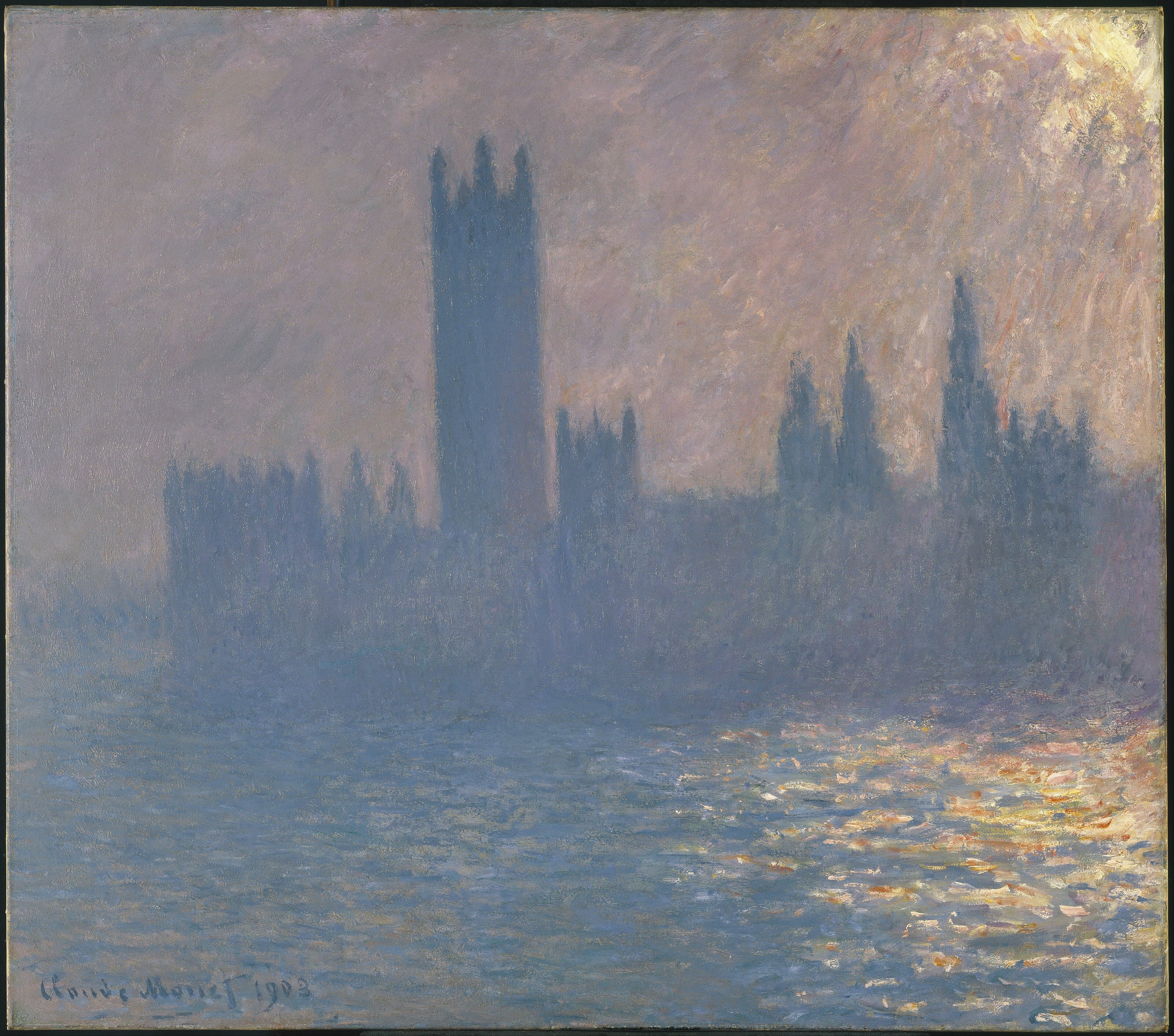
Houses of Parliament, Sunlight Effect
Claude Monet · 1903
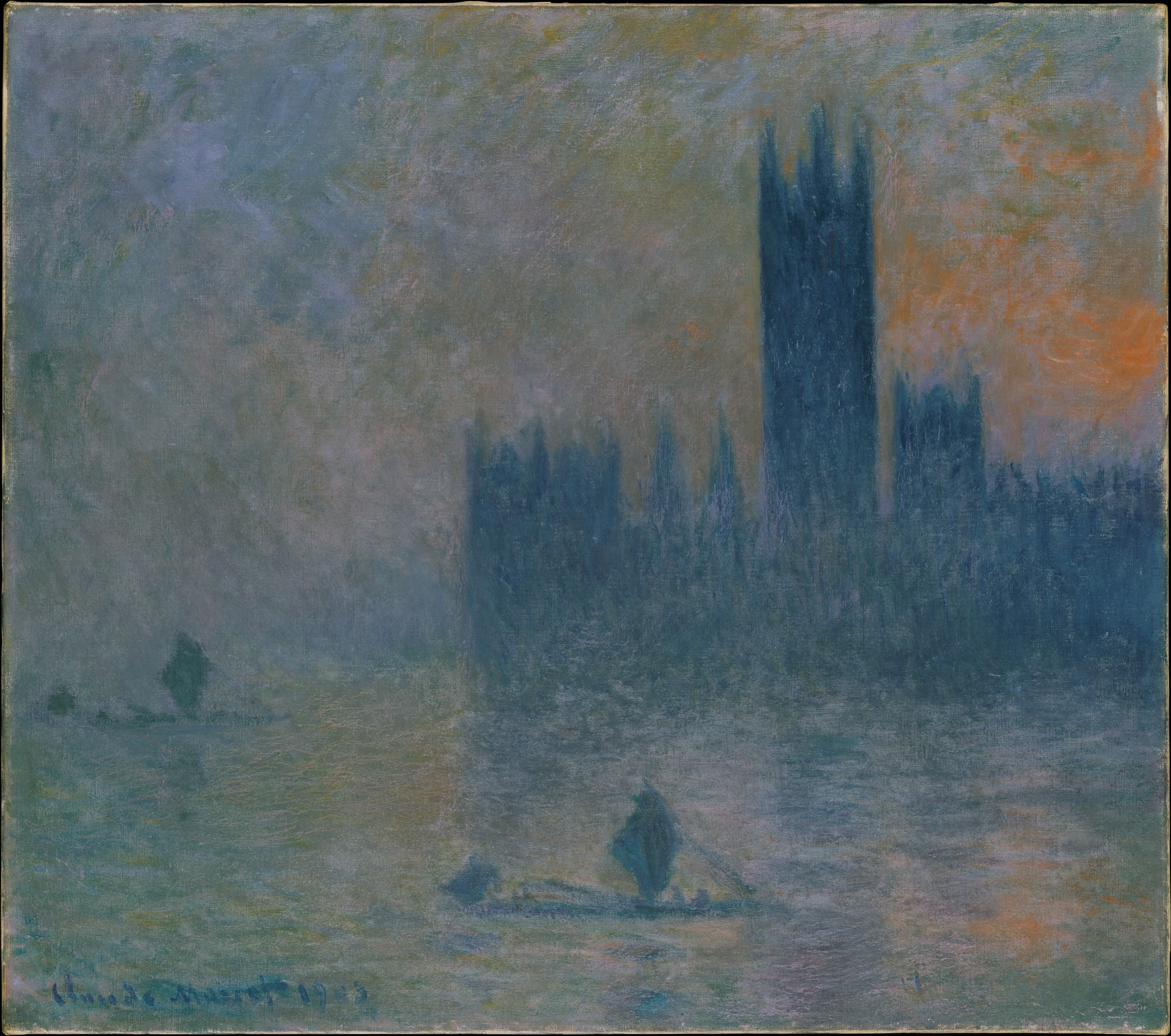
The Houses of Parliament (Effect of Fog)
Claude Monet · 1903–04
The Houses of Parliament in London
Claude Monet · 1904
The Palazzo Ducale (Le Palais Ducal), 1908
Claude Monet · 1908