Image: Claude Monet; National Gallery of Art (source: Unknown sourceUnknown source) · Public domain · via Wikimedia Commons
Palazzo da Mula, Venice
Claude Monet, 1908
Palazzo da Mula, Venice is a 1908 Claude Monet painting of a Gothic palace on the Grand Canal, its façade and moored gondola seen straight on in blue, violet and green above shimmering water. It is in the National Gallery of Art, Washington, Chester Dale Collection.
- Artist
- Claude Monet
- Date
- 1908
- Medium
- Oil on canvas
- Dimensions
- 61.4 × 80.5 cm
- Collection
- National Gallery of Art, Washington, D.C., United States
- Movement
- Impressionism
- Catalogue
- Wildenstein 1764
- Water & Sea
- The City
- Architecture & Ruins
What you are looking at
The palace façade runs straight across the top of the canvas, parallel to the picture plane, with no sky and no roofline: Monet crops it so that we see only its lower stories. Pointed Gothic windows march across the upper floor in a row, their recesses glowing violet, rose and deep blue. Below, two round-arched water gates open into darkness, and in front of them a black gondola lies moored, its prow curling up at the right. Thin wooden mooring poles stand in the water at the left and in front of the gates.
The lower half of the picture is the Grand Canal, painted as a dense field of short, flickering strokes in green, turquoise, blue, violet and pale yellow. It is the true subject. The reflections of the façade, the poles and the gondola break up and dissolve in it, and the whole surface seems to move.
The palette is cool and twilit, almost entirely blues and violets, with warm notes only in the windows and a few gold touches on the stone. The signature and date, Claude Monet 1908, are at lower left.
Venice, 1908
Claude Monet spent ten weeks in Venice in the autumn of 1908 with his wife, Alice, his only trip to the city. Along with the famous views of San Giorgio Maggiore and the Salute, he painted a group of palace façades on the Grand Canal, the Palazzo Dario, the Palazzo Contarini and the Palazzo da Mula, seen from the water or the opposite bank. The Palazzo da Mula stands on the Dorsoduro side of the Grand Canal. Monet painted it more than once; a second canvas is the Palazzo Da Mula Morosini.
He finished the Venice paintings at Giverny, and twenty-nine were exhibited at the Bernheim-Jeune gallery in Paris in 1912. See Monet in Venice.
How it was painted
The composition is radical in its simplicity: two horizontal bands, building and water, with nothing else. Monet treats the façade almost as a flat, decorative frieze, like a strip of woven textile, and gives the water the bulk of the picture. The brushwork in the canal is a dense weave of small strokes in many colors, the kind of broken color he would push further in the water lilies at Giverny. The façade is painted more thinly, in soft blues and lilacs, so that the stone seems to dissolve into the Venetian air.
How this version differs
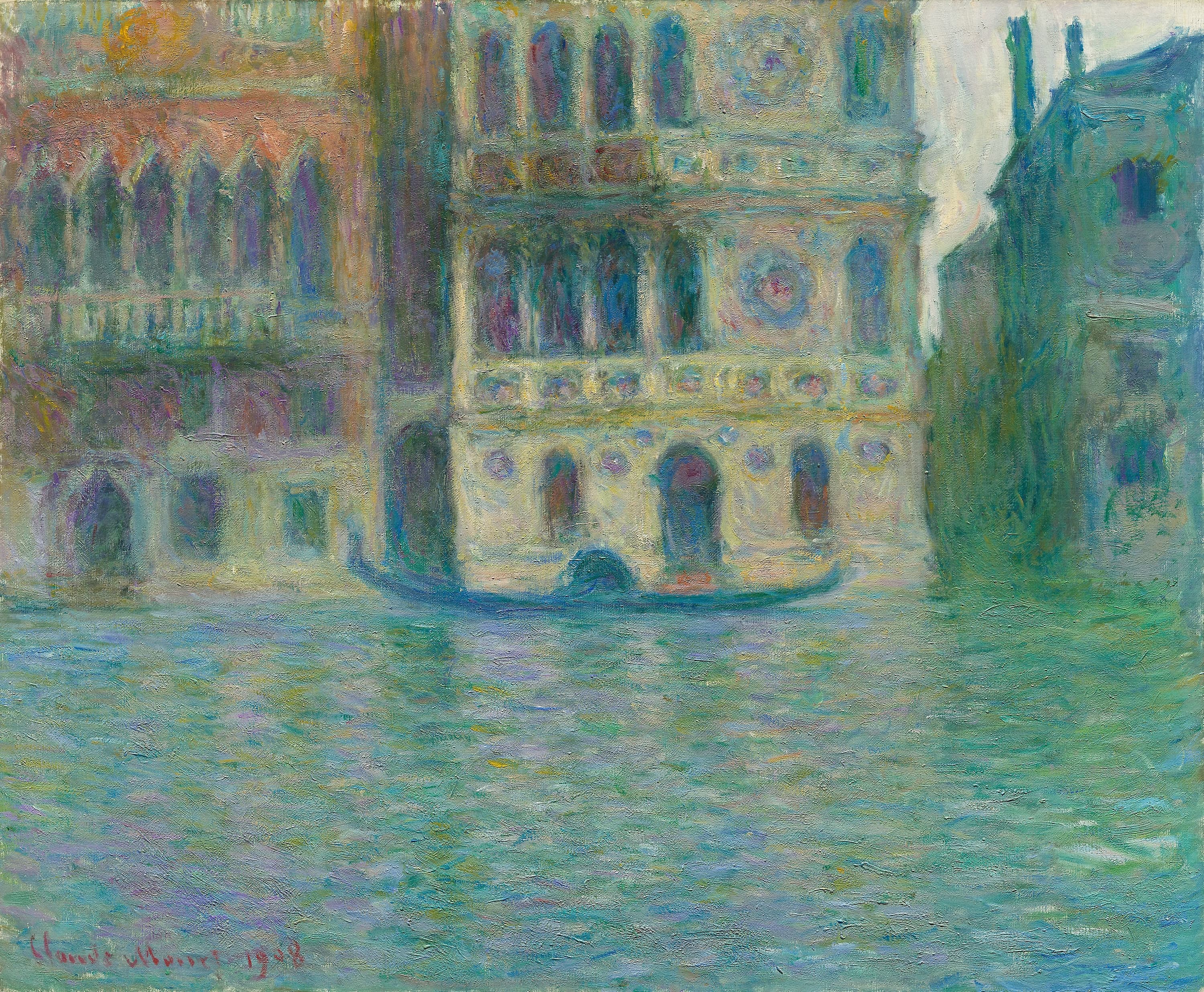
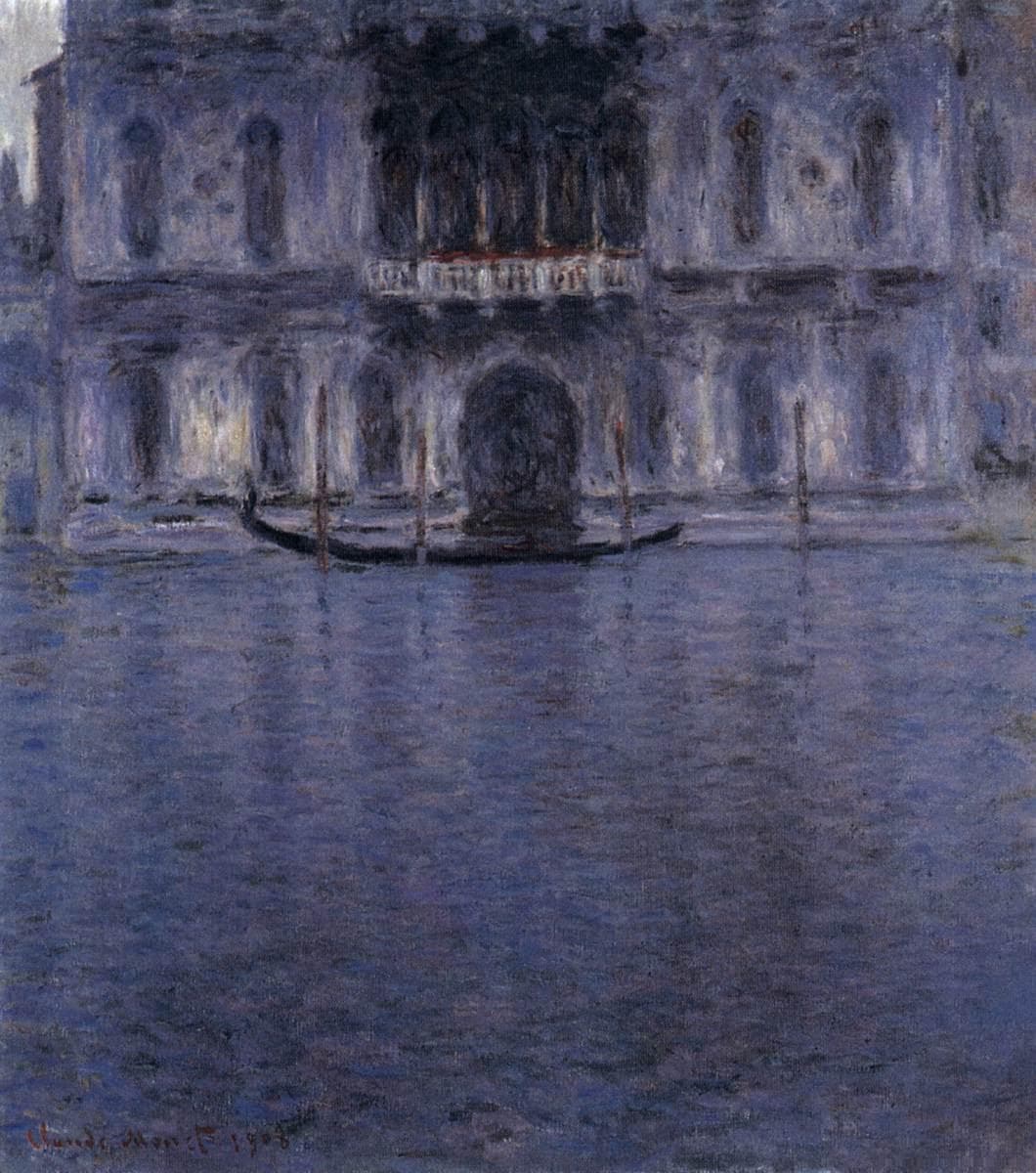
The palace pictures share this frontal, cropped format. The Art Institute of Chicago's Venice, Palazzo Dario centers on a narrow, marble-inlaid façade with more of the building visible, and Palazzo Contarini treats another Gothic front in the same frontal way. The Palazzo da Mula canvas is the coolest and most nocturnal of the group, a study in blue and violet, and it gives the most space to the water. Its moored gondola, a single dark shape, is a rare human note in Monet's Venice.
Looking closely
The windows on the upper floor are the warmest notes in the picture, each one a pointed arch filled with violet, rose or deep blue. Below them, the water gates are near-black hollows, and the gondola in front of them is painted with a few long, dark strokes. In the water, Monet uses yellow and pale green flecks to suggest light glancing off the surface.
Ownership and where to see it
Catalogued as Wildenstein 1764, the painting is in the National Gallery of Art in Washington, D.C. (accession 1963.10.182), part of the Chester Dale Collection bequeathed to the gallery by the New York collector Chester Dale. It hangs in the West Building with the gallery's other late Monets. See our guide to where to see Monet's paintings.
Questions & answers
Where is Monet's Palazzo da Mula, Venice?
It is in the National Gallery of Art in Washington, D.C., accession 1963.10.182, part of the Chester Dale Collection. It is usually displayed in the West Building's French galleries, along with the gallery's two Rouen Cathedral canvases and other Monets.
When and where was it painted?
In Venice in the autumn of 1908, during Monet's ten-week stay with his wife, Alice. He painted the Palazzo da Mula, a Gothic palace on the Grand Canal, from the water, and completed the canvas at Giverny. It is signed and dated 1908.
What does the painting show?
The lower stories of a Gothic palace on the Grand Canal, with pointed windows, two arched water gates, a moored black gondola and mooring poles, above a wide band of shimmering water in blue, green and violet. There is no sky.
How many Venice paintings did Monet make?
Around thirty-seven canvases from his 1908 visit, including the Grand Canal, San Giorgio Maggiore, the Doge's Palace, several palace façades and the Rio della Salute. Twenty-nine were shown at the Bernheim-Jeune gallery in Paris in 1912.
More by the artist
Claude Monet
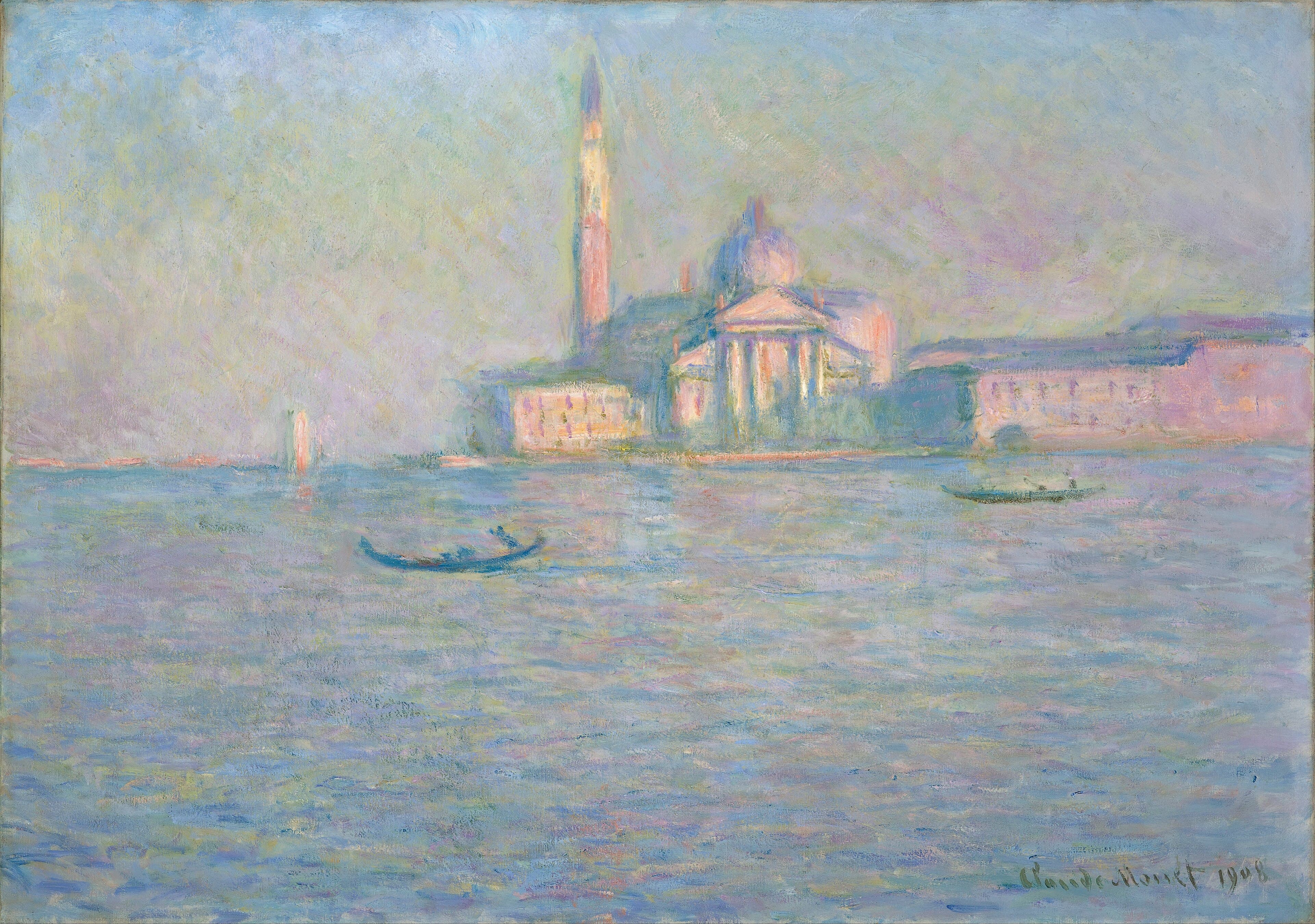
The Church of San Giorgio Maggiore, Venice
Claude Monet · 1908
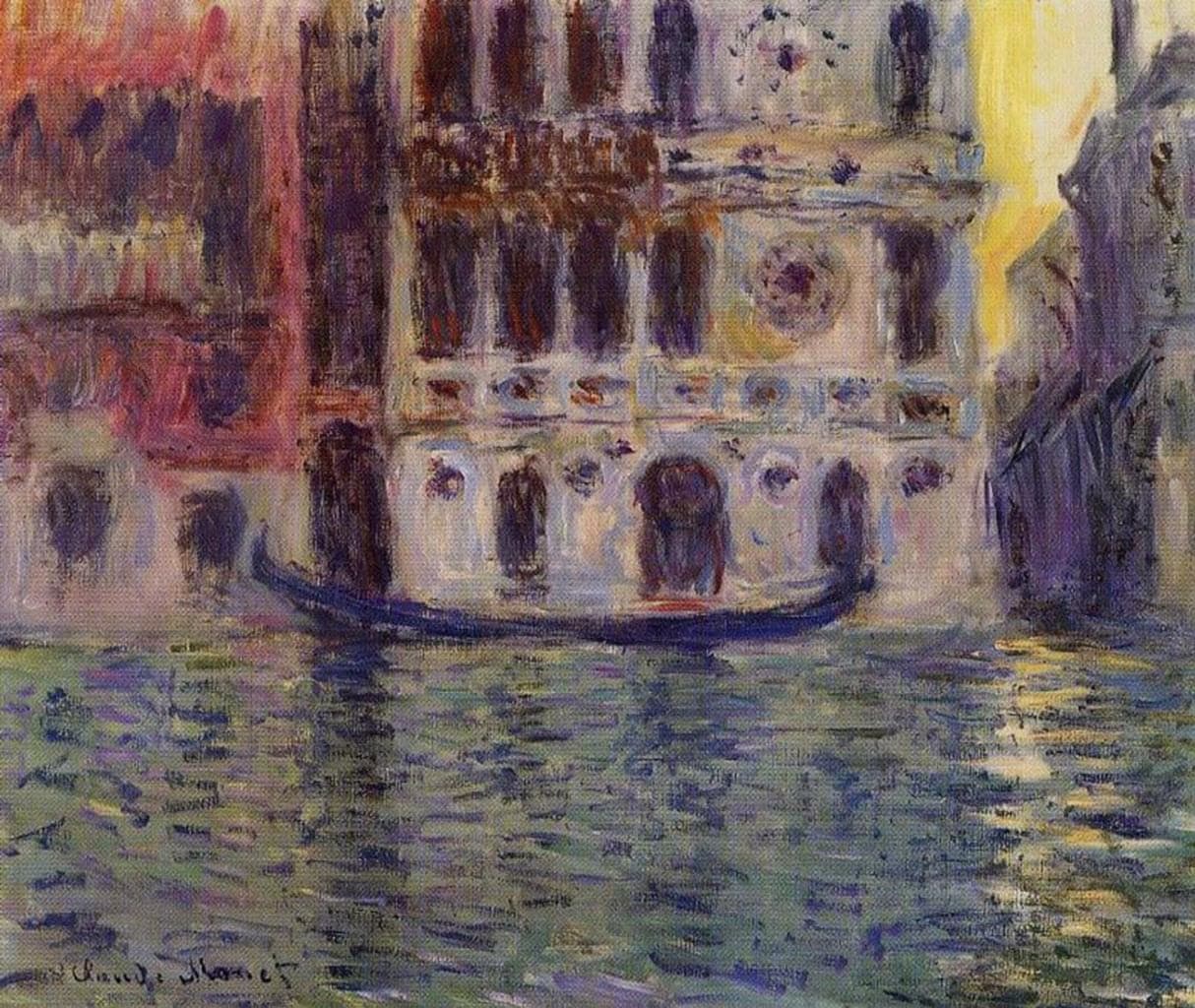
Le Palais Dario
Claude Monet · 1908
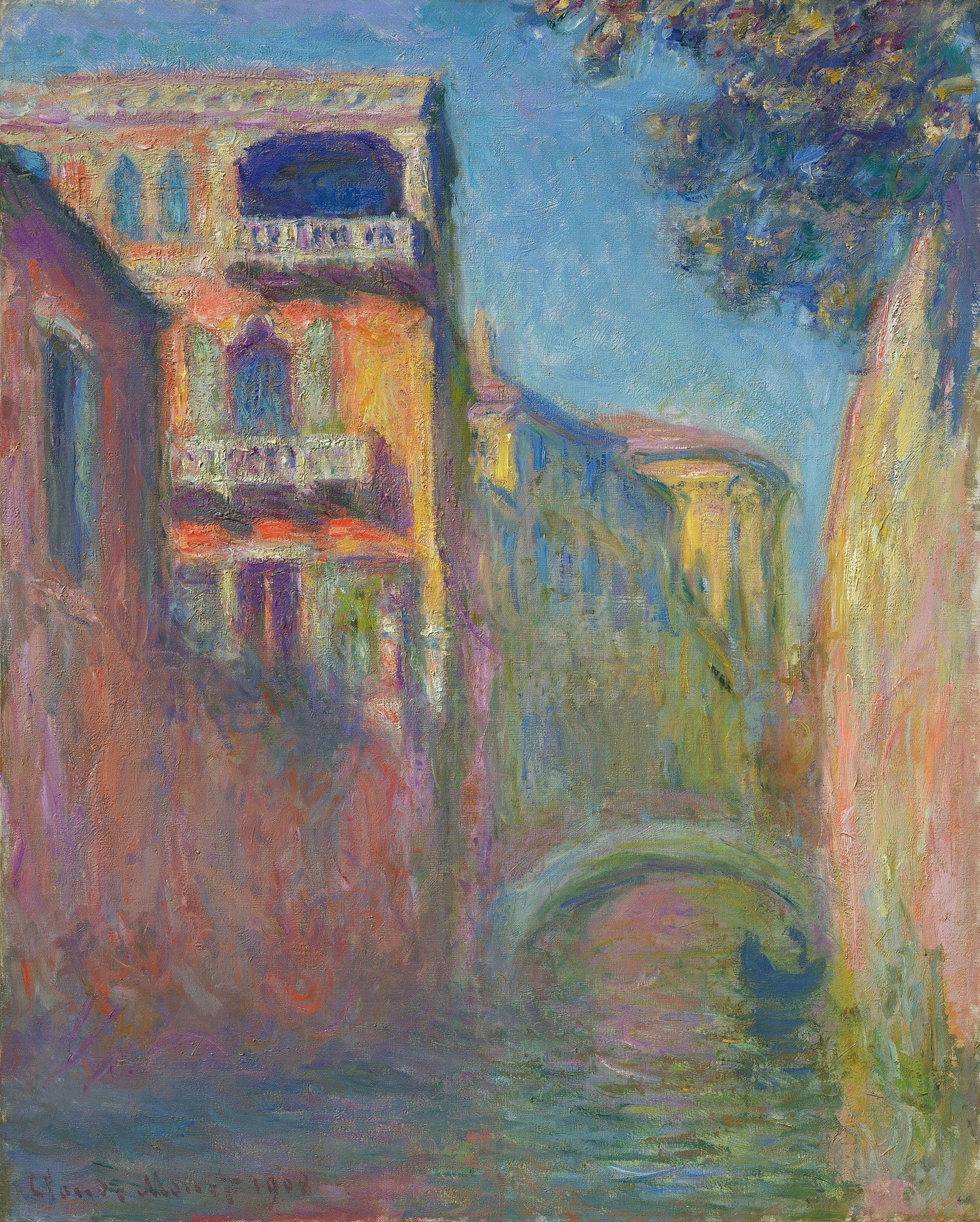
The Rio della Salute
Claude Monet · 1908
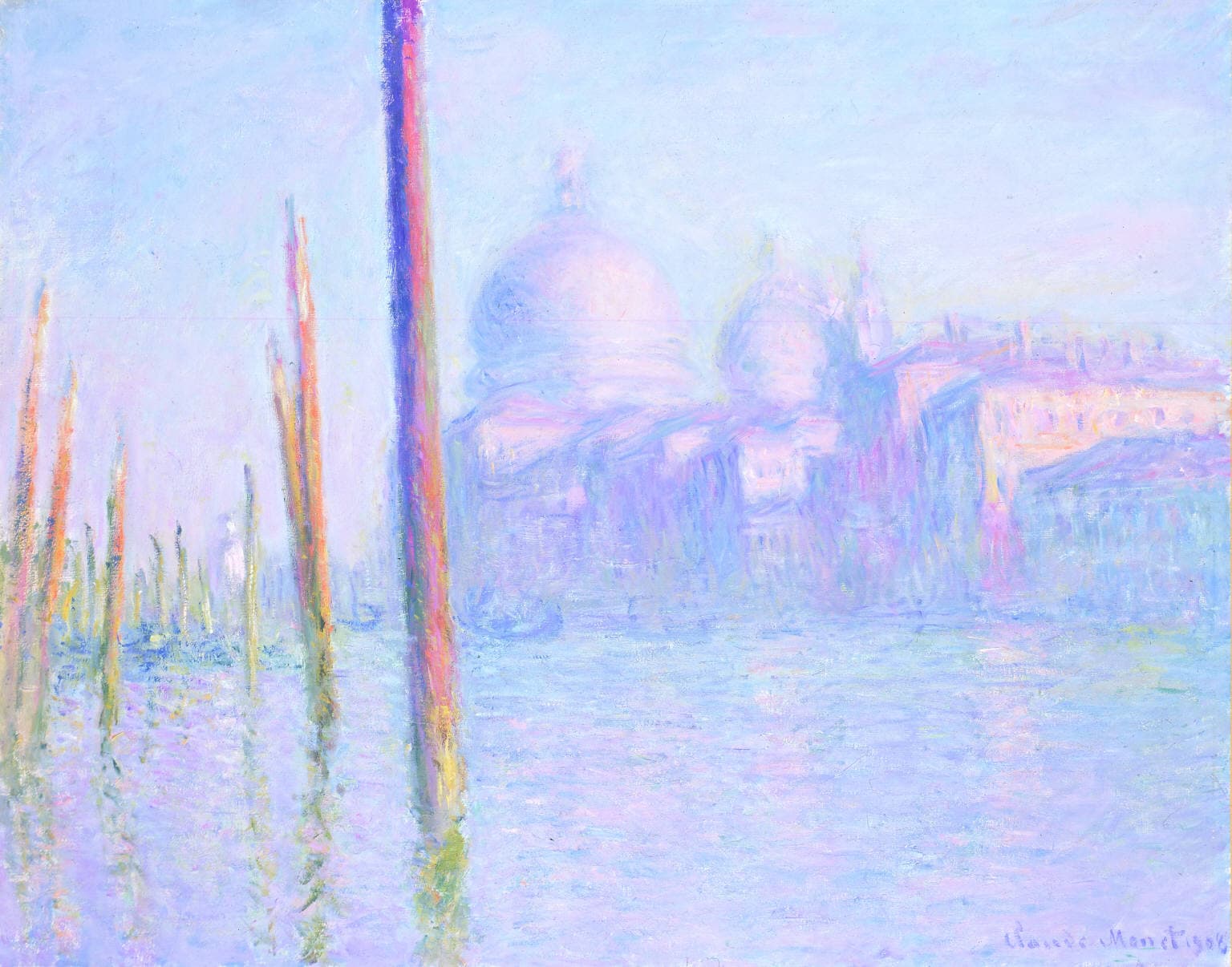
The Grand Canal, Venice
Claude Monet · 1908
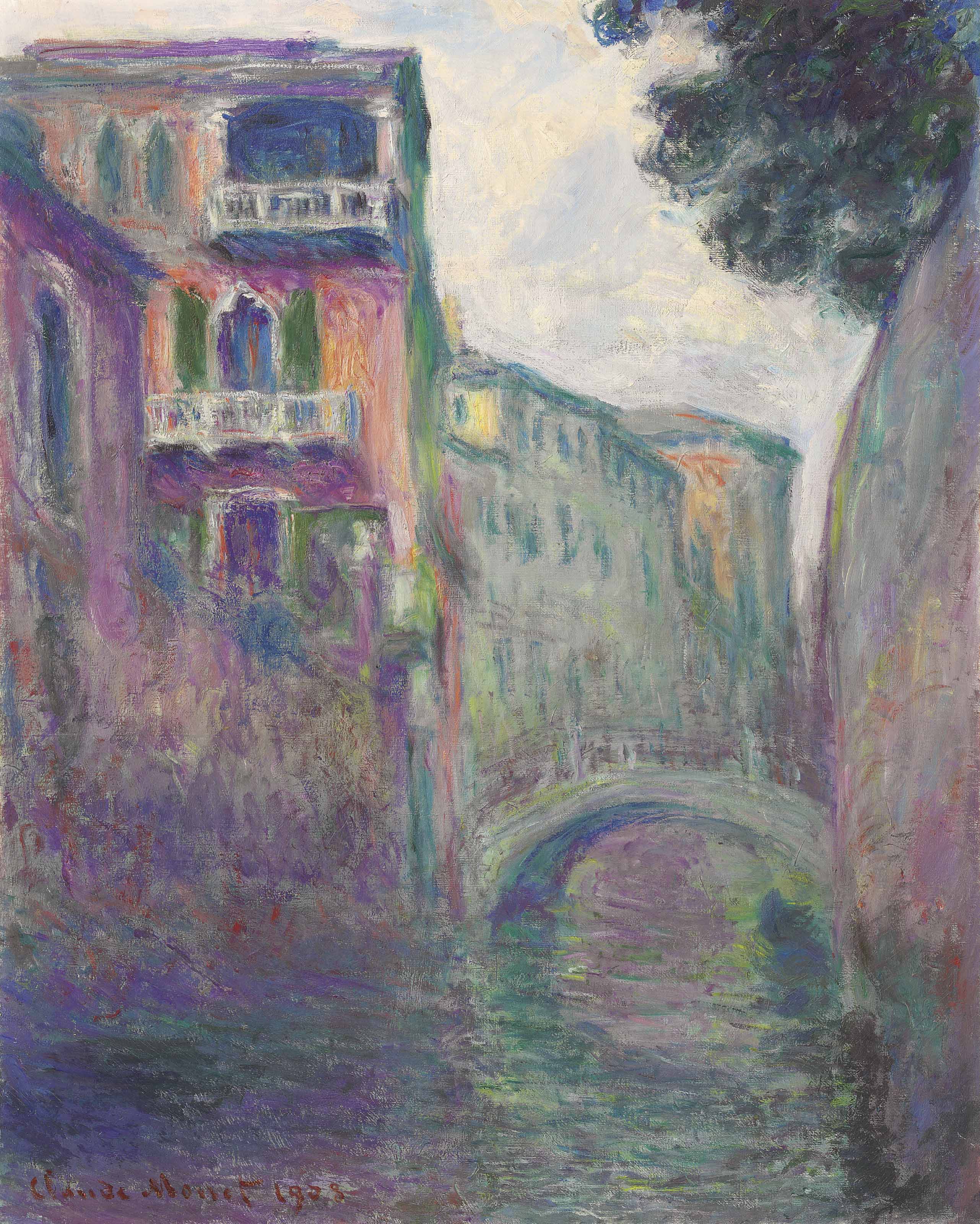
The Rio della Salute
Claude Monet · 1908
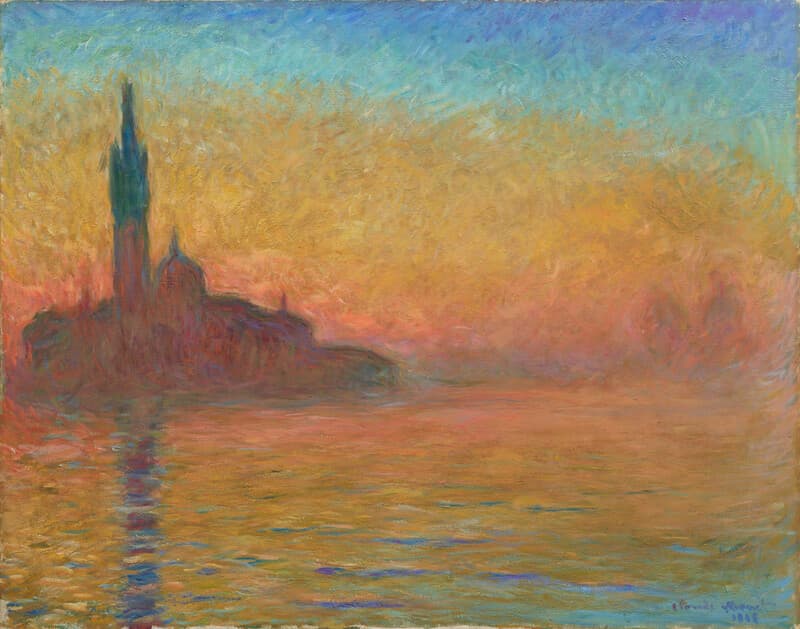
Twilight, Venice
Claude Monet · 1908
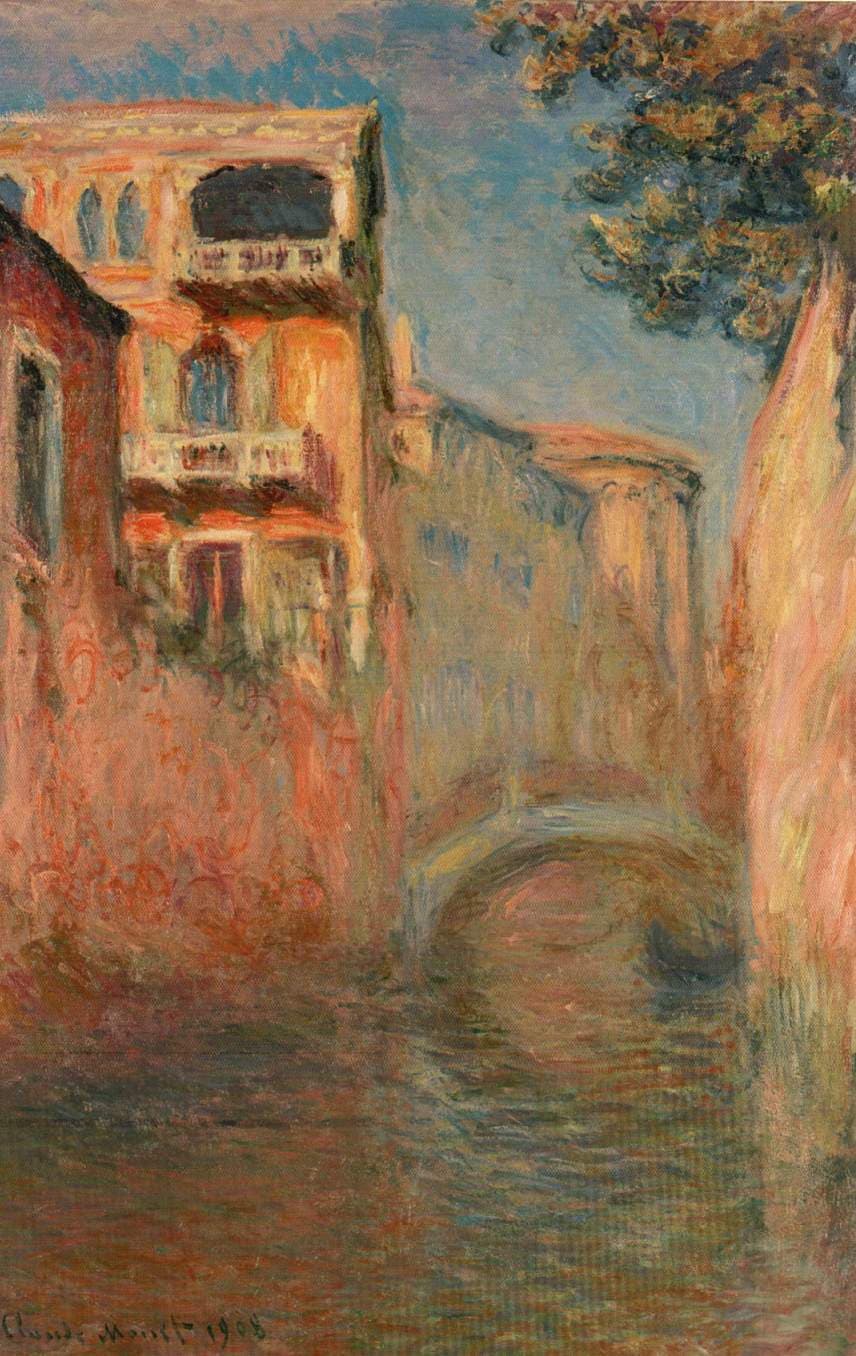
The Rio della Salute
Claude Monet · 1908
Still Life with Eggs
Claude Monet · 1907
Also painted in 1908
The same year

Sunset in Venice
Claude Monet · 1908–12
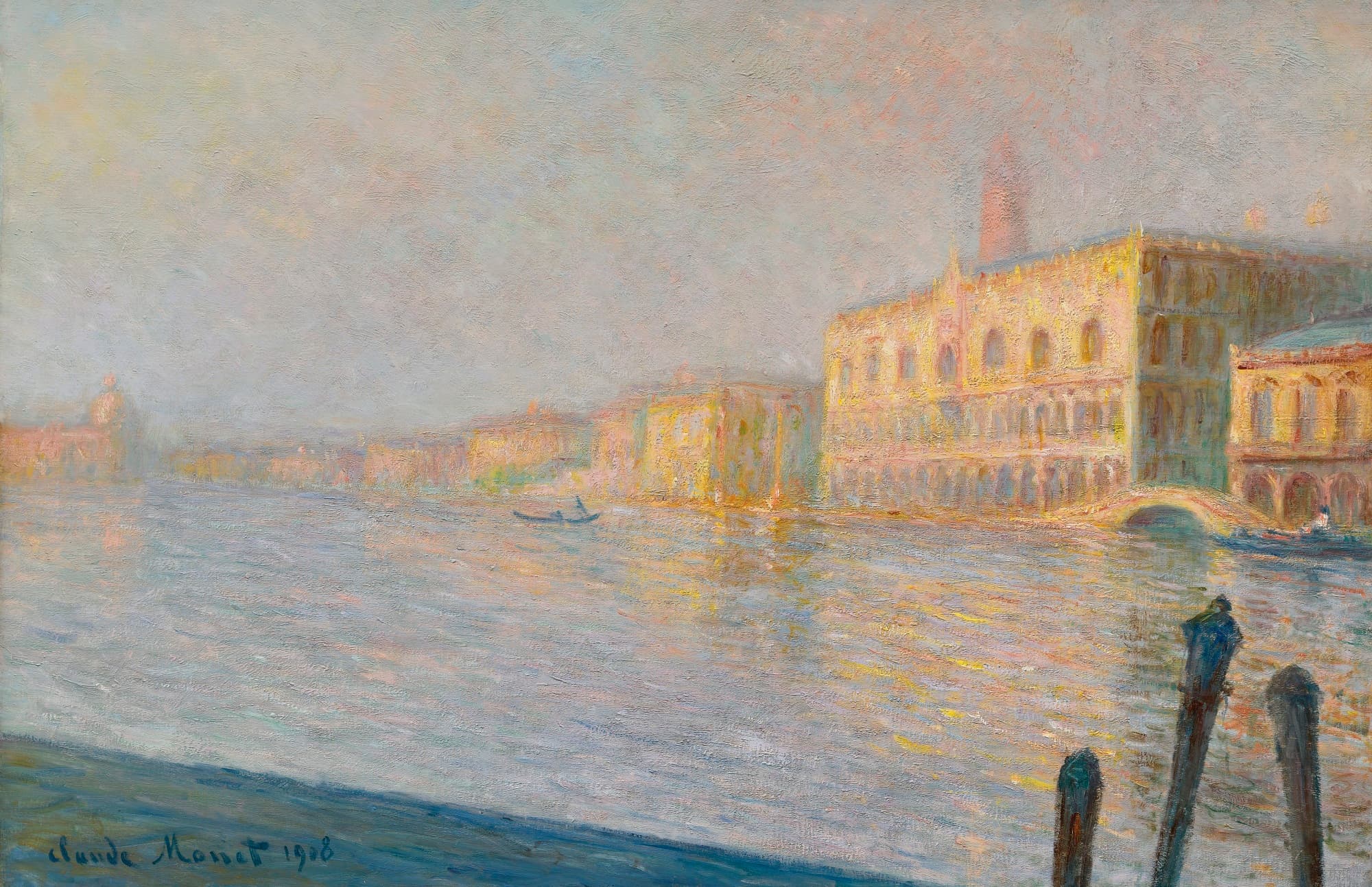
The Palazzo Ducale (Le Palais Ducal), 1908
Claude Monet · 1908
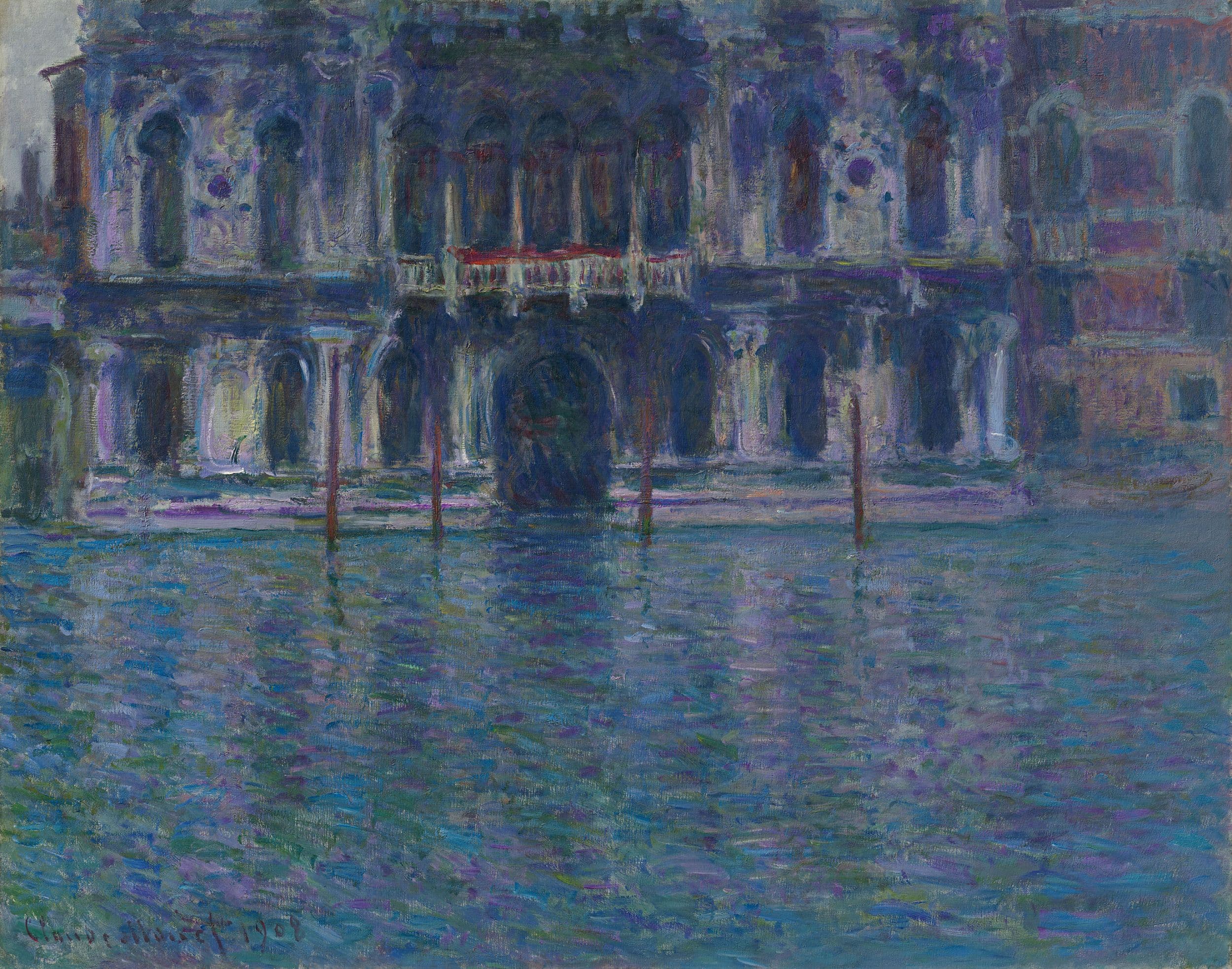
Le Palais Contarini (Potsdam)
Claude Monet · 1908
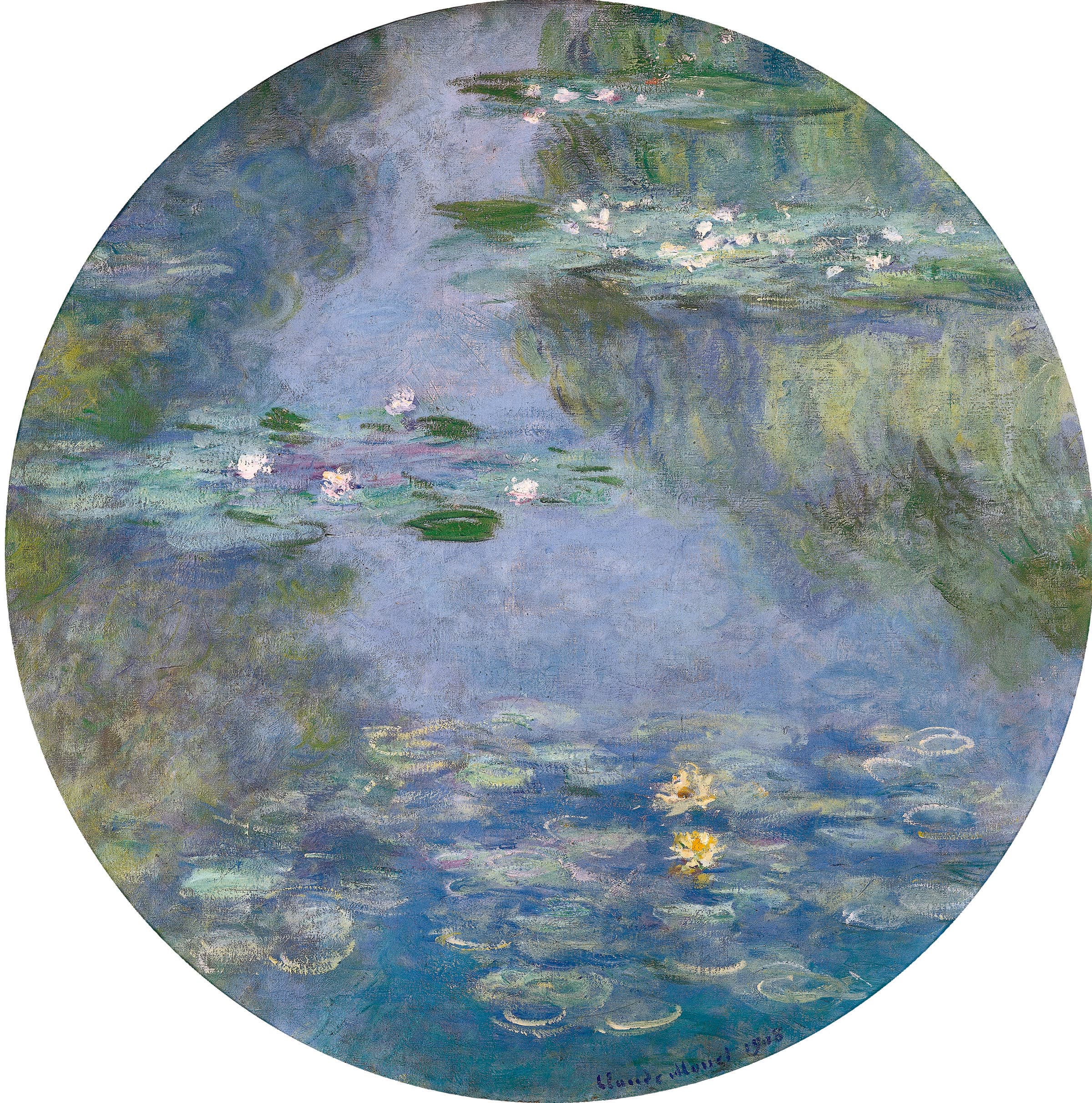
Nymphéas (1908 tondo, Vernon)
Claude Monet · 1908
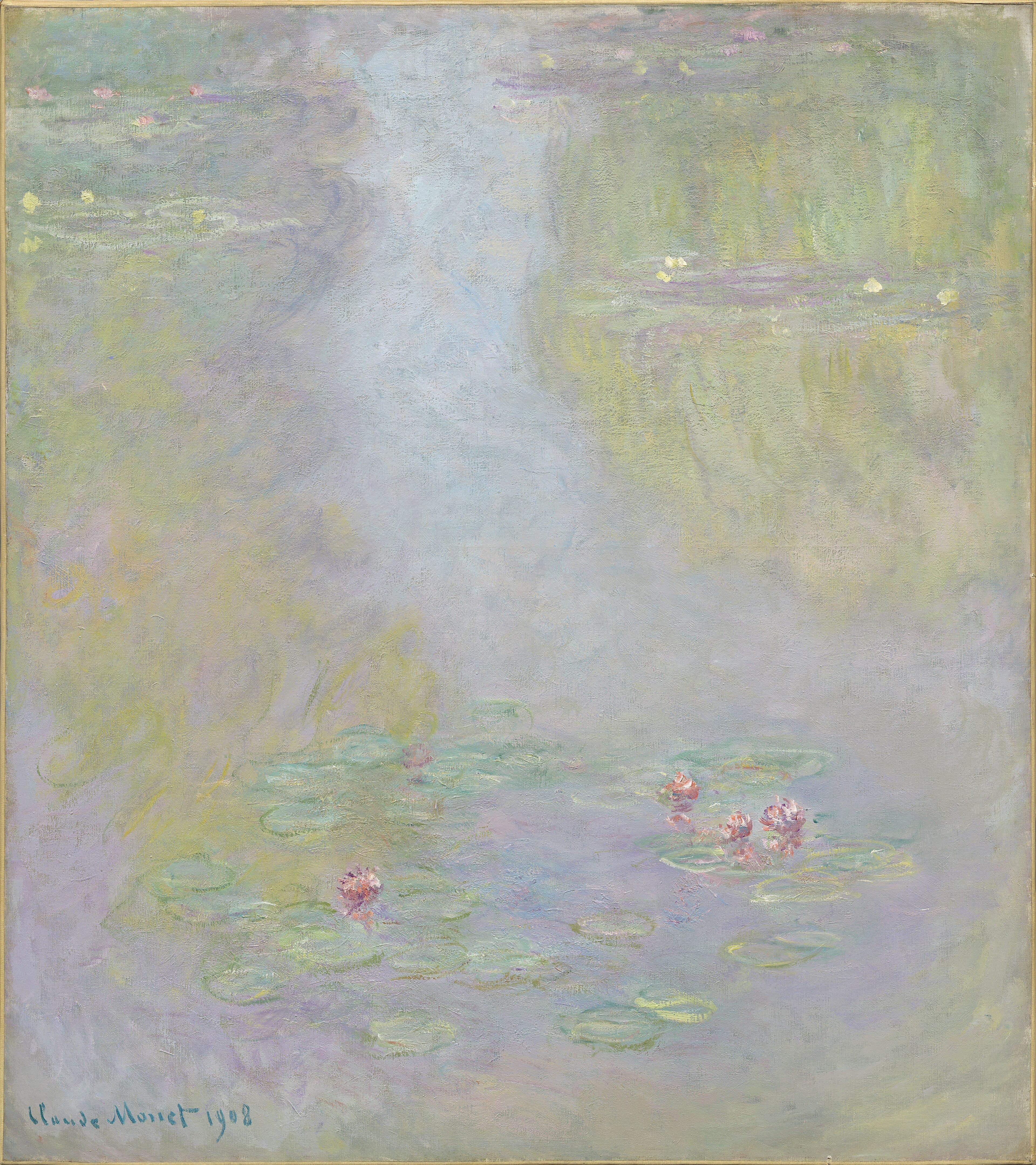
Water Lilies (1908, Tokyo Fuji Art Museum)
Claude Monet · 1908
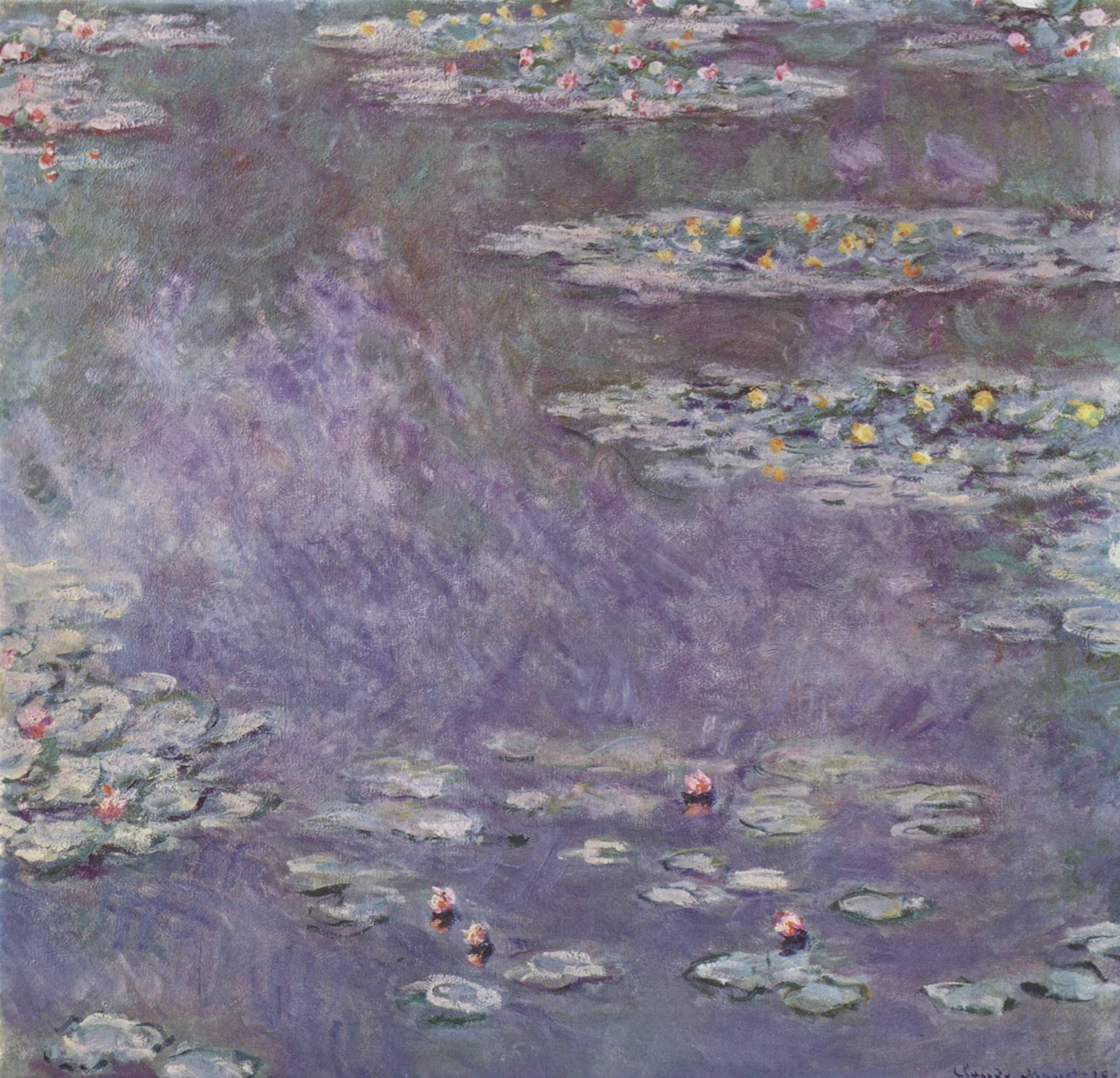
Nymphéas (Oyamazaki Villa Museum)
Claude Monet · 1908
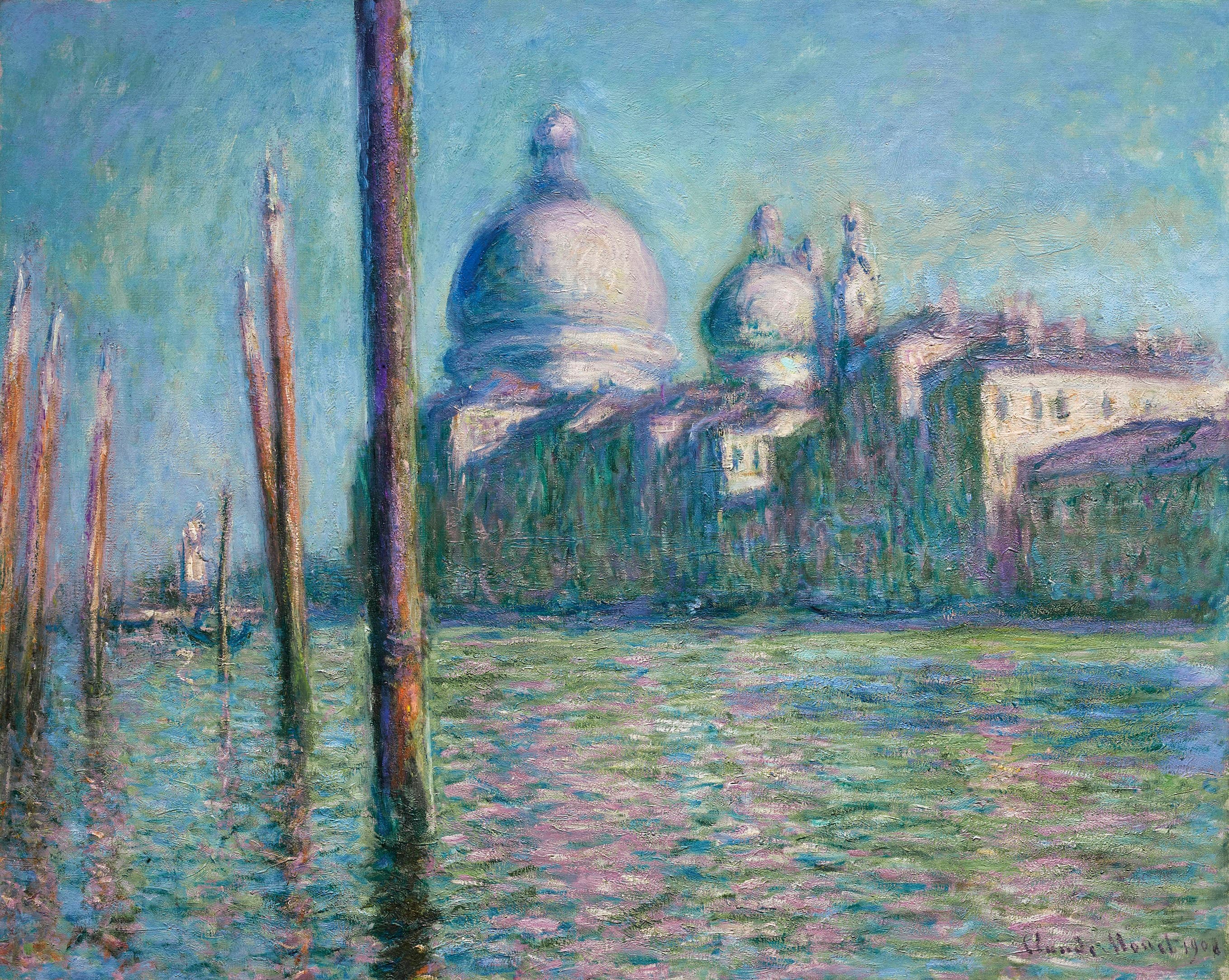
The Grand Canal, Venice
Claude Monet · 1908
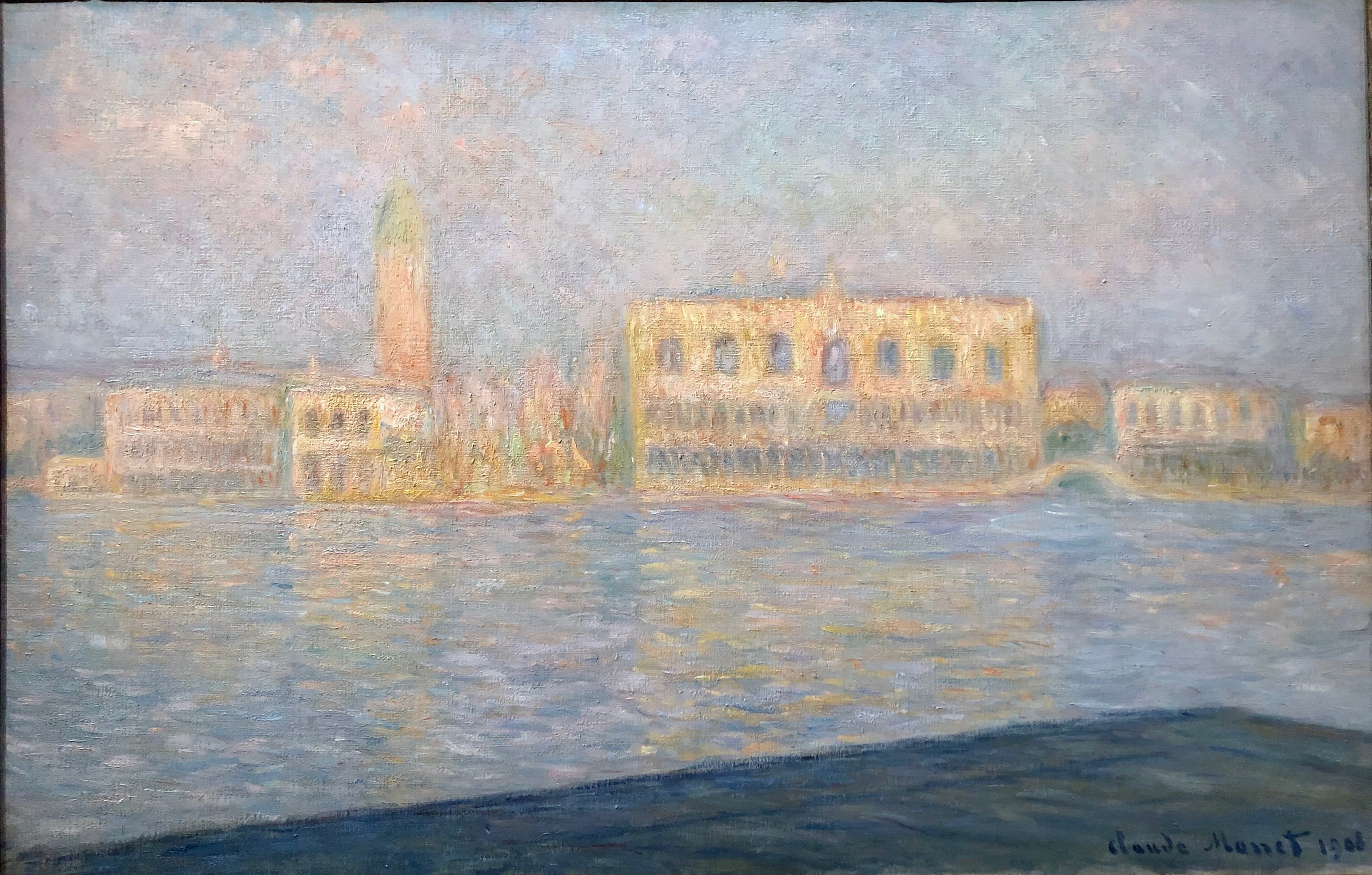
The Palazzo Ducale, Seen from San Giorgio Maggiore (Guggenheim)
Claude Monet · 1908
Kindred works
You may also study
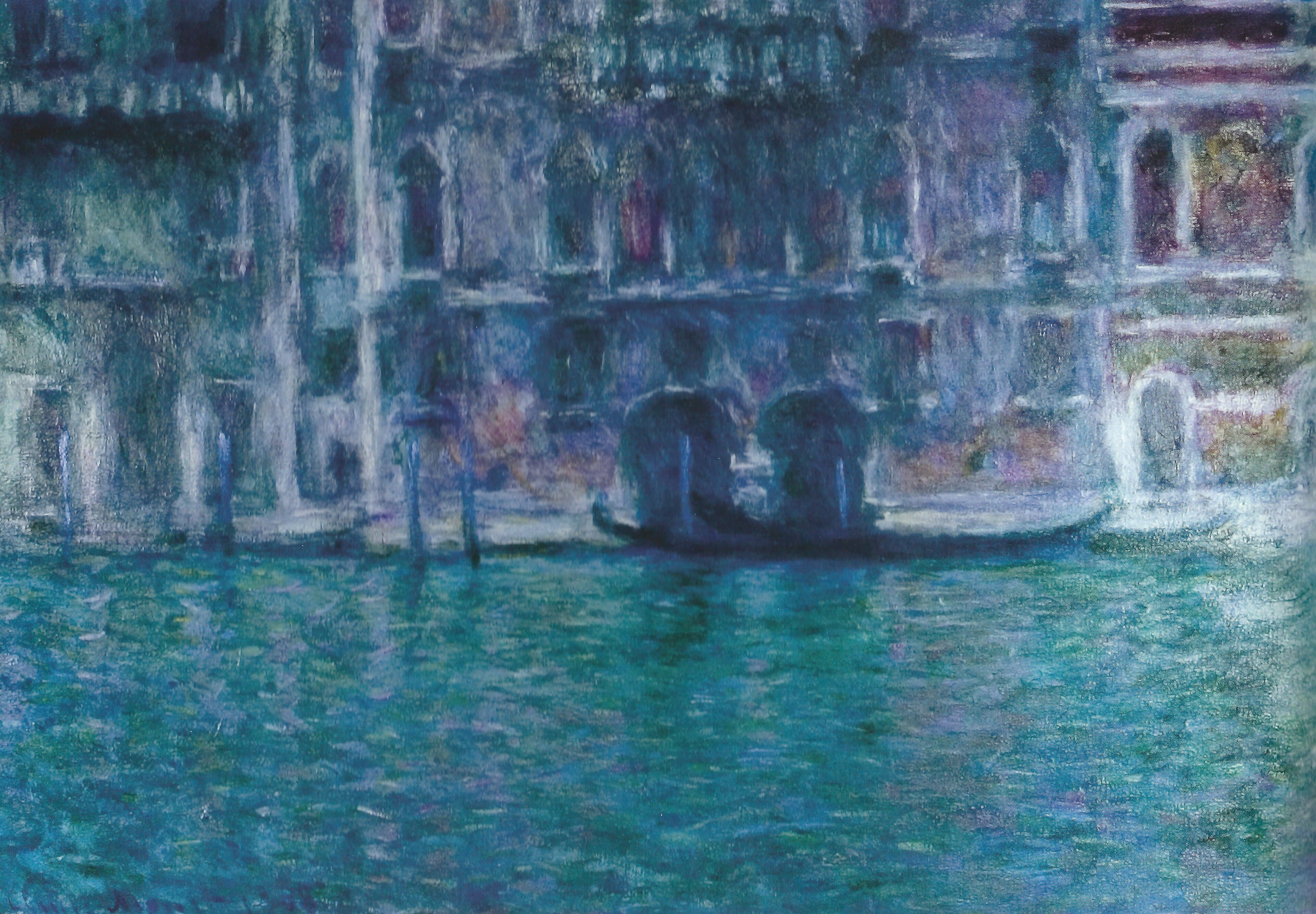
Palazzo Da Mula Morosini
Claude Monet · 1908
Venice, Palazzo Dario
Claude Monet · 1908
Palazzo Contarini
Claude Monet · 1908
The Houses of Parliament, Seagulls
Claude Monet · 1903
The Houses of Parliament, London
Claude Monet · 1904
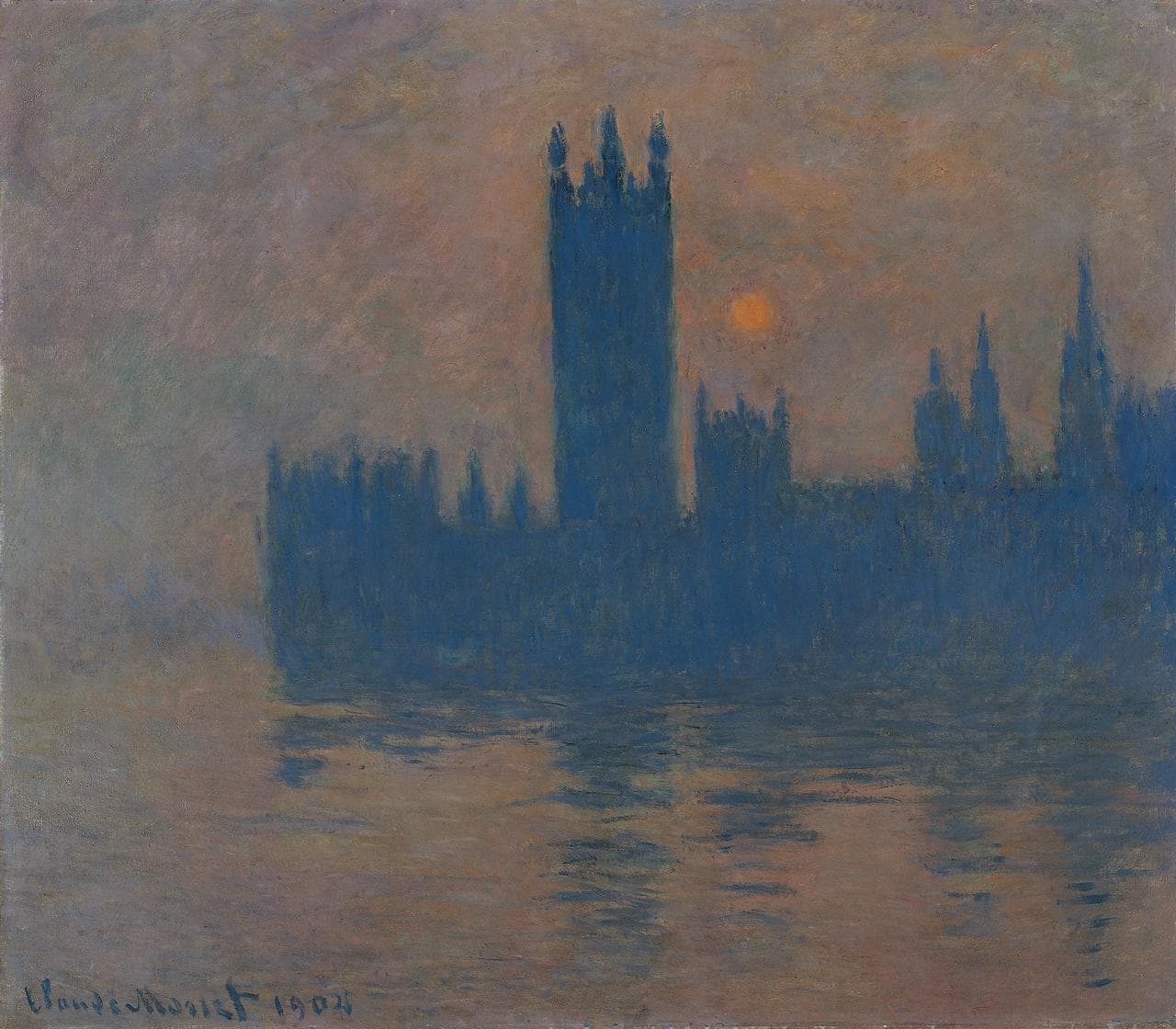
Le Parlement, coucher de soleil
Claude Monet · 1904
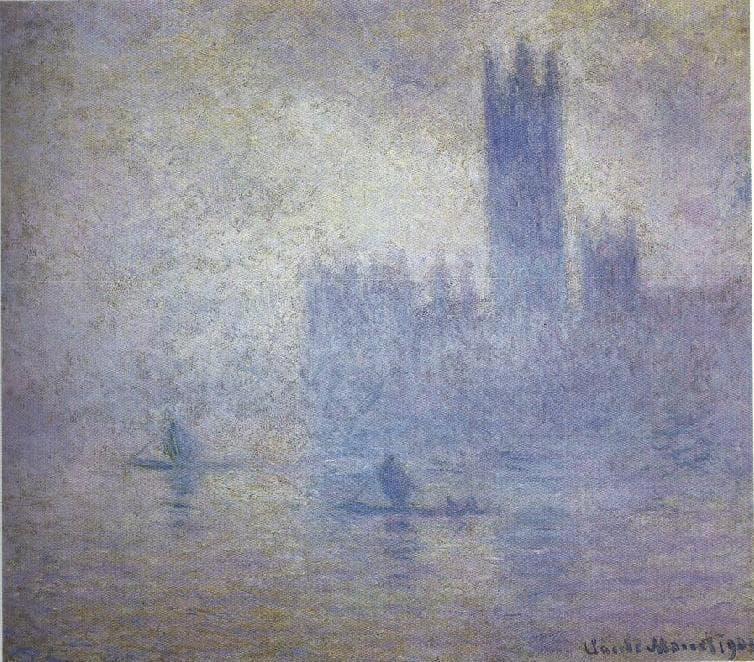
Houses of Parliament, Effect of Fog
Claude Monet · 1904
Houses of Parliament, Symphony in Rose
Claude Monet · 1900