Image: Private collection · Public domain · via Wikimedia Commons
Three Poplars, Autumn Effect
Claude Monet, 1891
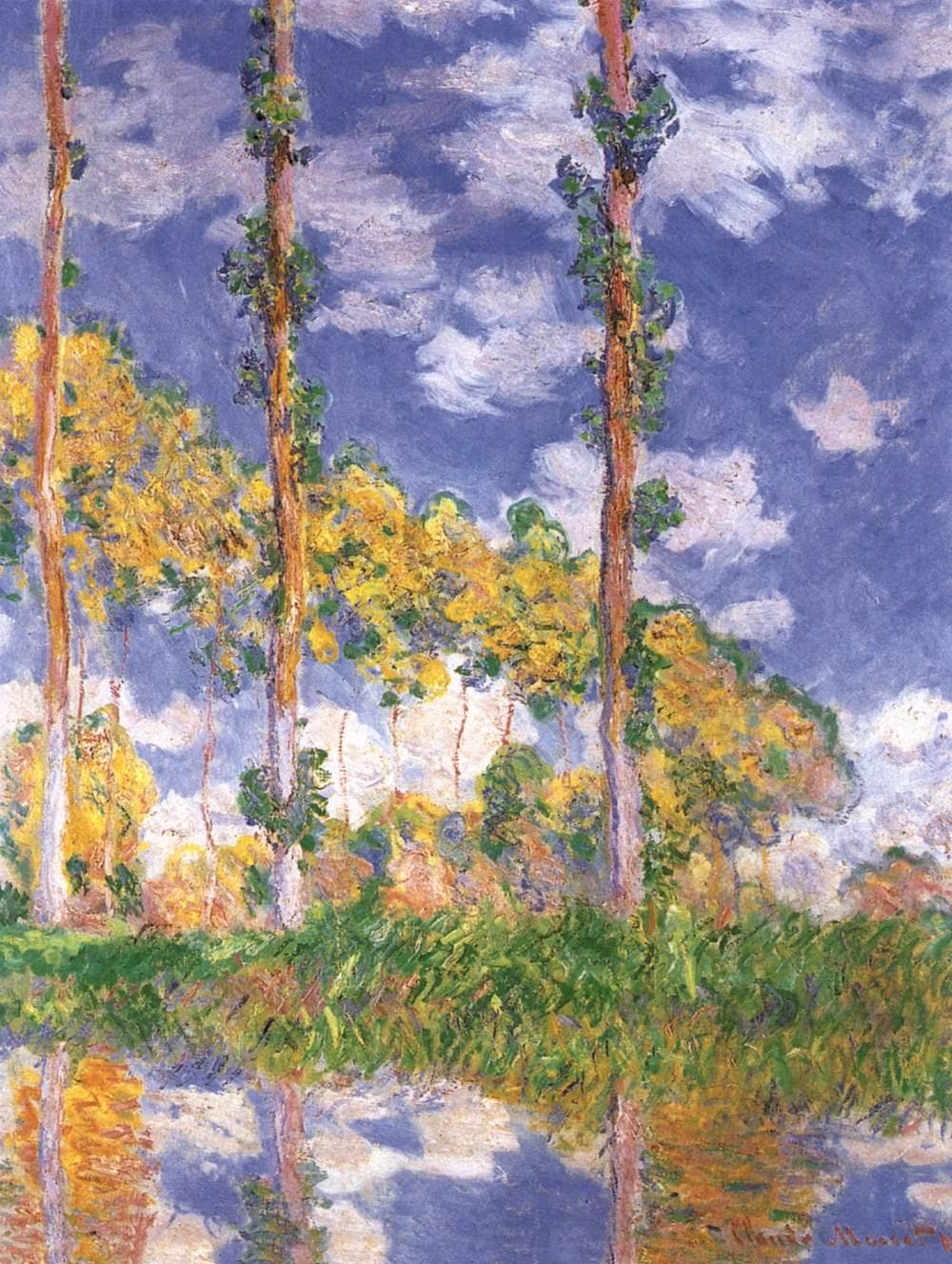
Three Poplars, Autumn Effect (Trois Peupliers, effet d'automne) is an 1891 Claude Monet painting from his Poplars series: three orange-trunked poplars and a row of yellowing trees reflected in the Epte under a blue sky. It is in a private collection.
- Artist
- Claude Monet
- Date
- 1891
- Medium
- Oil on canvas
- Collection
- Private collection
- Movement
- Impressionism
- Catalogue
- Wildenstein 1306
- Nature & Landscape
- Water & Sea
Trois Peupliers, effet d'automne (Three Poplars, Autumn Effect) is a painting from Claude Monet's series of poplars on the river Epte near Giverny, made in 1891 and catalogued by Wildenstein as no. 1306. It is signed and dated Claude Monet 91 at the lower left. The canvas is in a private collection, and its dimensions and current owner are not published in the sources we could check.
What you're looking at
The composition is one of the most recognizable in the series. Three tall poplars stand in the foreground, their trunks running from the riverbank to the top edge of the canvas and beyond. Two are at the left, close together; the third stands right of center. Their trunks are painted in hot orange, coral and rust, lit by the sun, and only small tufts of leaves cling to them, in blue, green and yellow.
Behind, a row of shorter, younger poplars follows the bank in a gentle curve from left to right, their crowns a mass of yellow-green, lime and pale gold, with blue shadows underneath. Their thin trunks show as pale verticals. The bank is a broad strip of yellow-green and orange grass. The sky is a deep, slightly hazy blue with lilac clouds, filling more than half the canvas.
At the bottom, the Epte reflects everything: the orange trunks as long wavering columns, the yellow crowns as blurred patches, the blue sky as violet and lilac water. The colors are brighter and sunnier than the title suggests. The trees are only just turning, and the effect is of a clear early-autumn afternoon.
The Poplars series
In 1891 Monet painted a line of poplars on the Epte near the village of Limetz from his flat-bottomed boat. When the commune auctioned the trees for timber, he paid the buyer to let them stand until he had finished. The resulting canvases fall into groups, and one of the clearest is the "three trees" group, with three trunks in front of a curving row, to which this canvas, the Tokyo Three Poplars, Summer and Philadelphia's Poplars, Three Pink Trees, Autumn belong.
How it was painted
Monet paints the trunks in long, thick vertical strokes, the foliage in short, separate dabs, and the water in horizontal touches broken by the reflected verticals. The palette is built on complementaries: orange trunks against blue sky, yellow leaves against violet water. The tall format matches the trees.
How this version differs
Within the three-trees group, this canvas shows the moment between summer and full autumn. Tokyo's version is green and summery; Philadelphia's is pink and coral under a pale sky; Poplars (Autumn) is gold and orange against a cream-white sky. Here, the sky is still a strong blue and the foliage is yellow-green rather than red. Compare also the wind-blown Wind Effect, Series of The Poplars at the Orsay, with the same three-trunk structure in a cooler key. See the whole series in the Poplars series and the countryside in Monet's Giverny.
Where to see it
The painting is privately owned and not on public view. Versions of the same composition can be seen at the National Museum of Western Art in Tokyo and the Philadelphia Museum of Art. For public collections of Monet's work, see where to see Monet's paintings.
Questions & answers
Where is Monet's Three Poplars, Autumn Effect?
It is in a private collection and not on public view. Closely related canvases of three poplars are in the National Museum of Western Art, Tokyo, and the Philadelphia Museum of Art.
When and where was it painted?
In 1891, on the banks of the Epte near Limetz, a few kilometers from Monet's home at Giverny. It is signed and dated 'Claude Monet 91' at lower left (Wildenstein 1306).
What does it show?
It shows three tall poplars with sunlit orange trunks in front of a row of yellowing trees, under a deep blue sky, all reflected in the river Epte.
How does it differ from the other three-poplar paintings?
It sits between the green summer version in Tokyo and the pink autumn version in Philadelphia: the sky is still deep blue, and the leaves are only beginning to turn yellow and gold.
More by the artist
Claude Monet
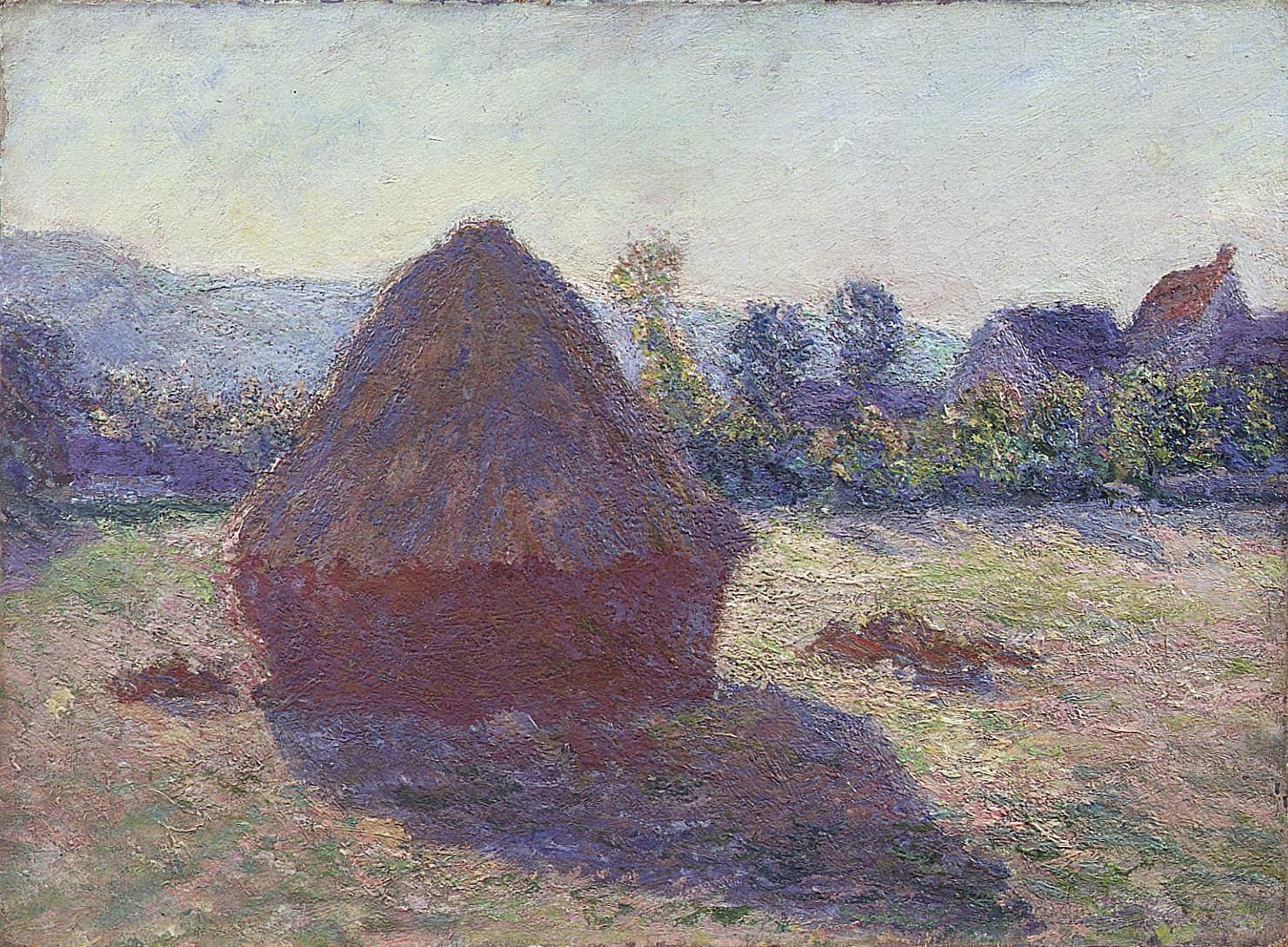
Haystack in the Evening Sun
Claude Monet · 1891
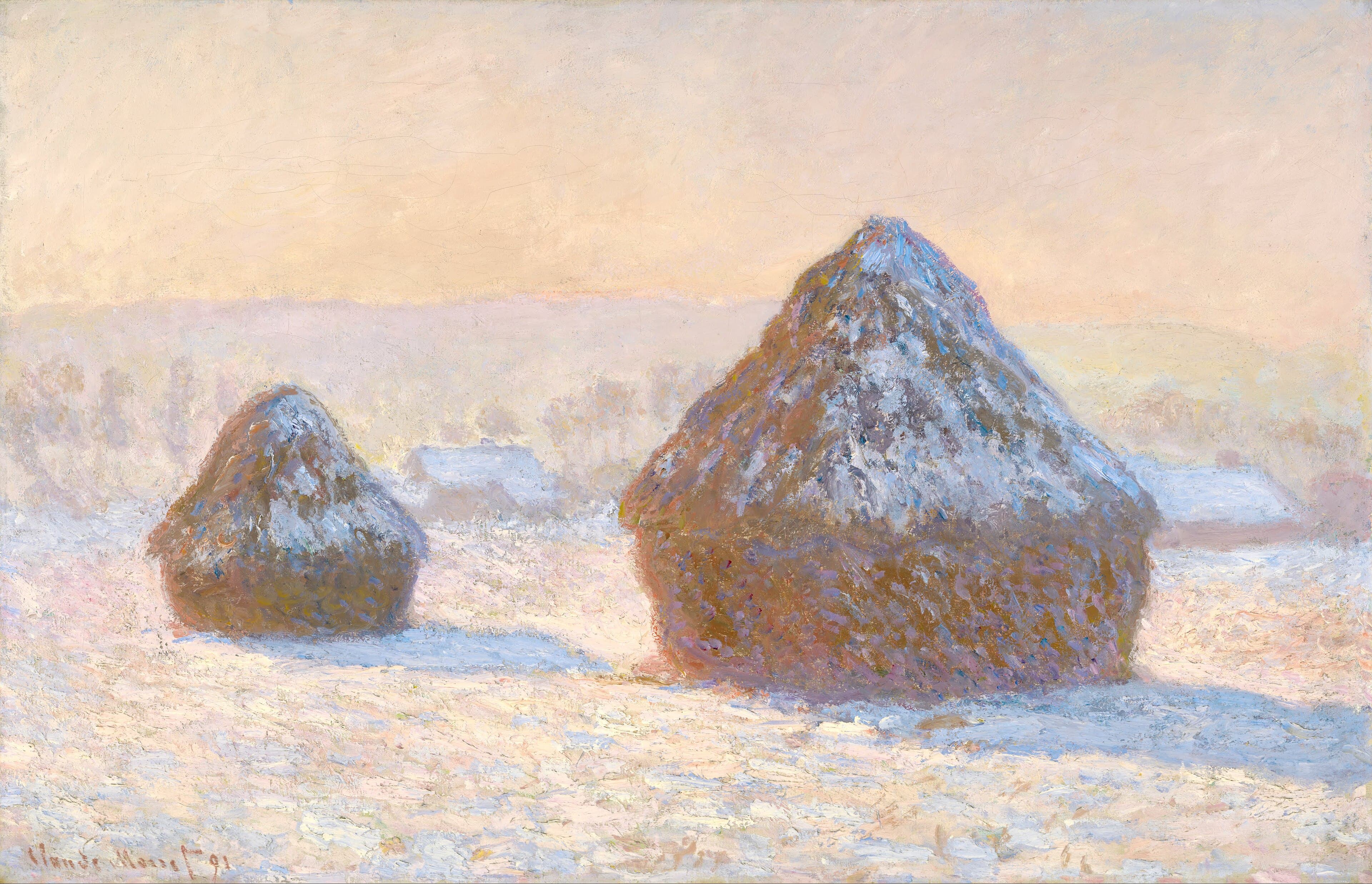
Wheatstacks, Snow Effect, Morning
Claude Monet · 1891
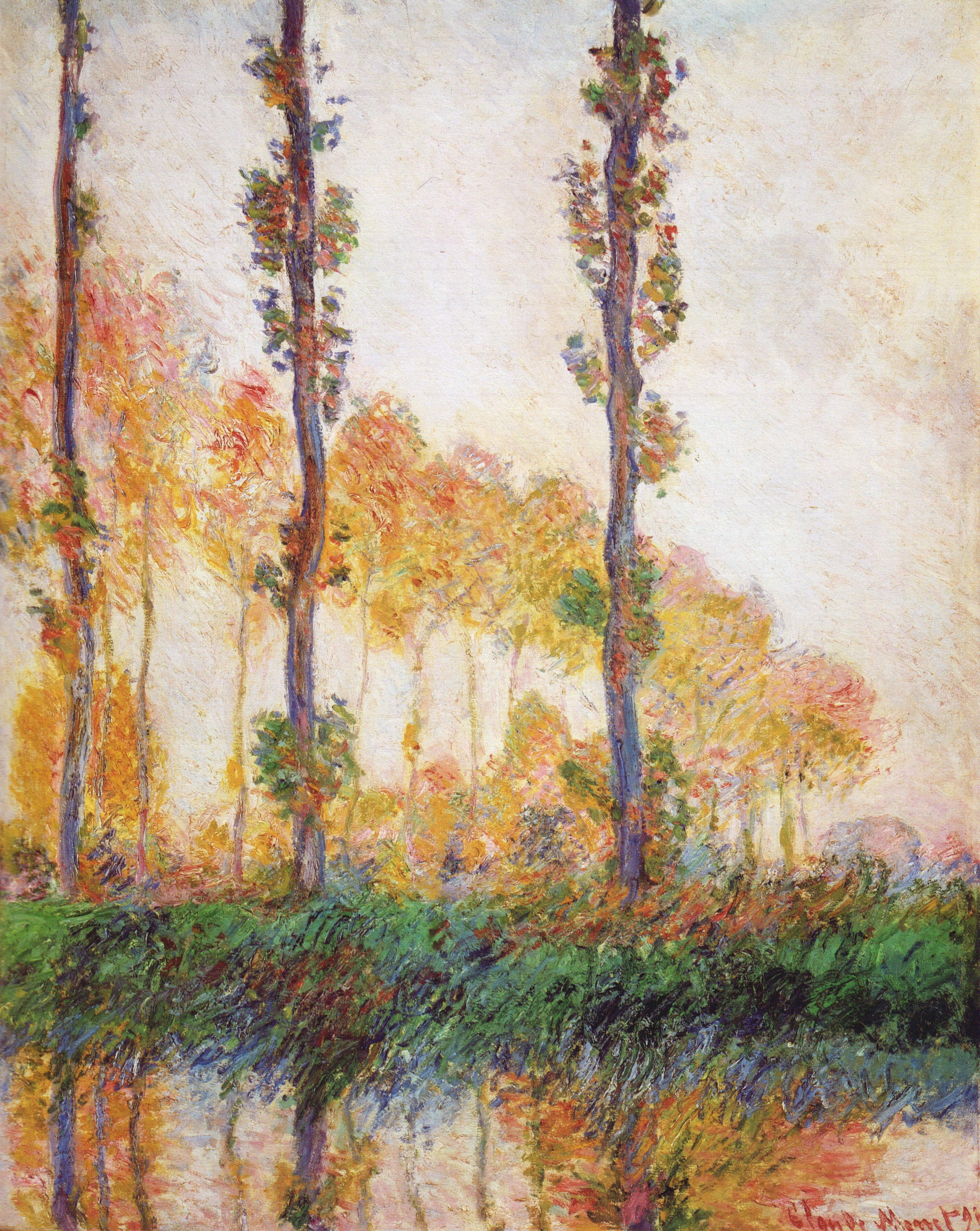
Poplars (Autumn)
Claude Monet · 1891
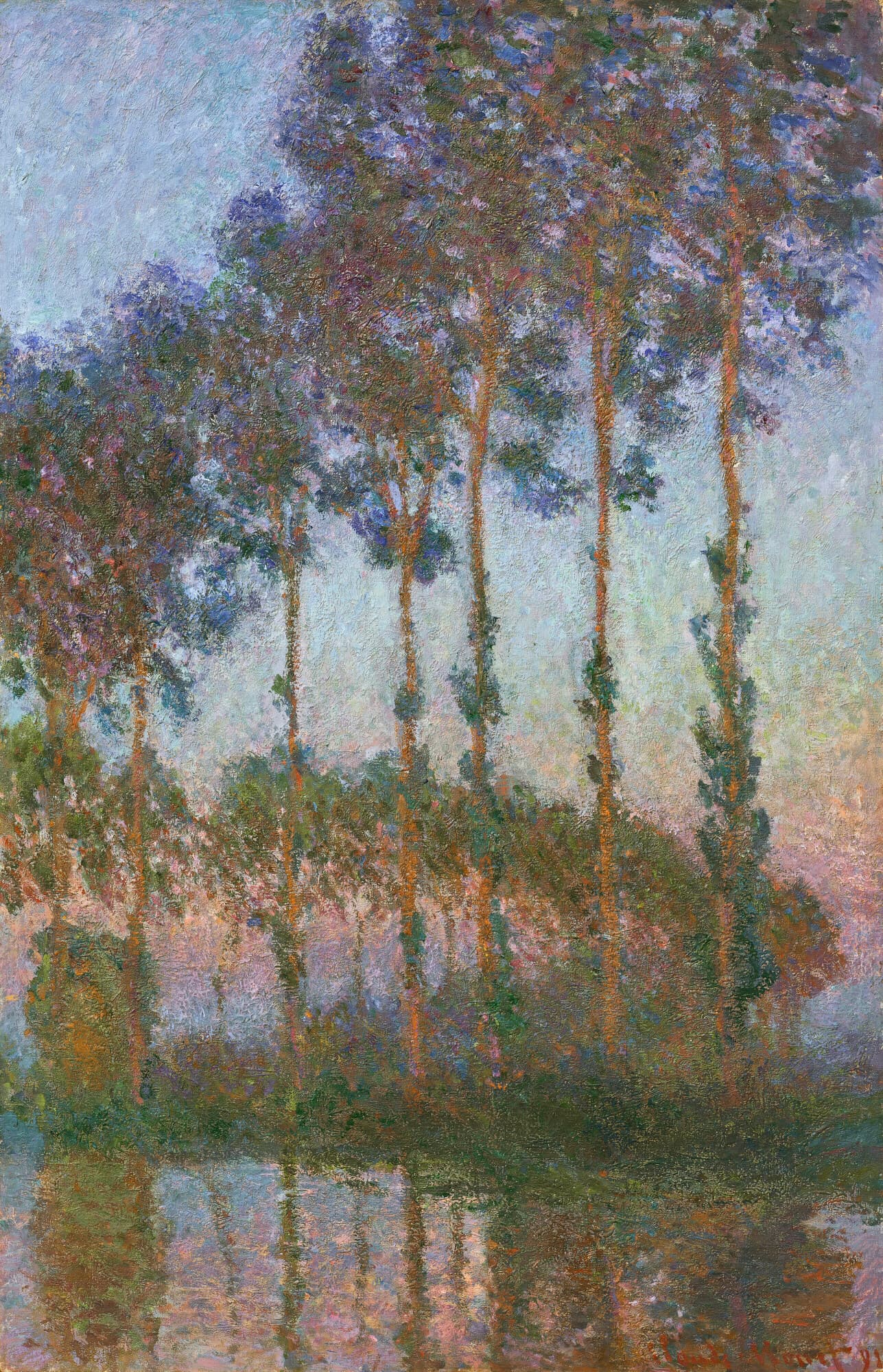
Peupliers au bord de l'Epte, crépuscule
Claude Monet · 1891
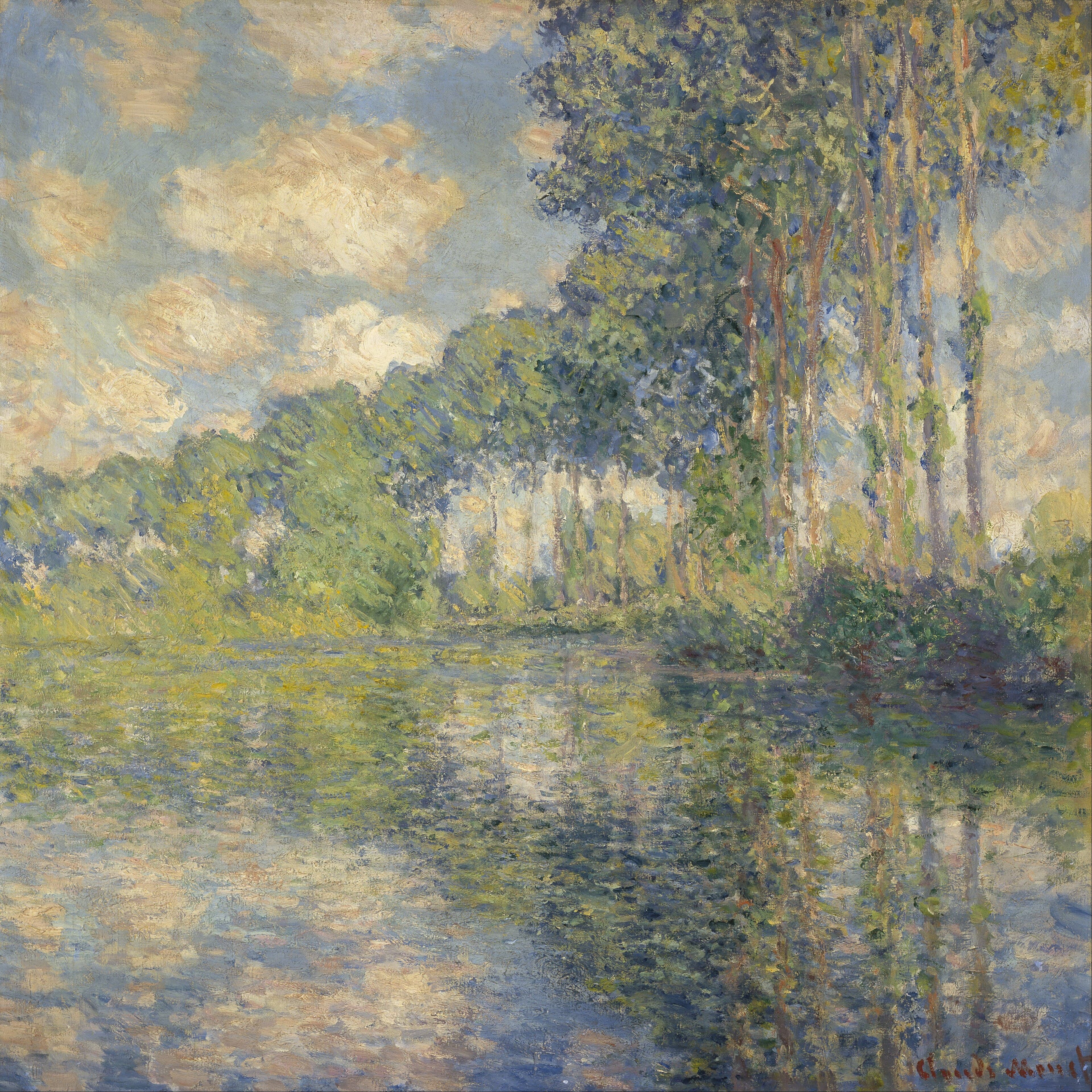
Poplars on the Epte (Edinburgh)
Claude Monet · 1891
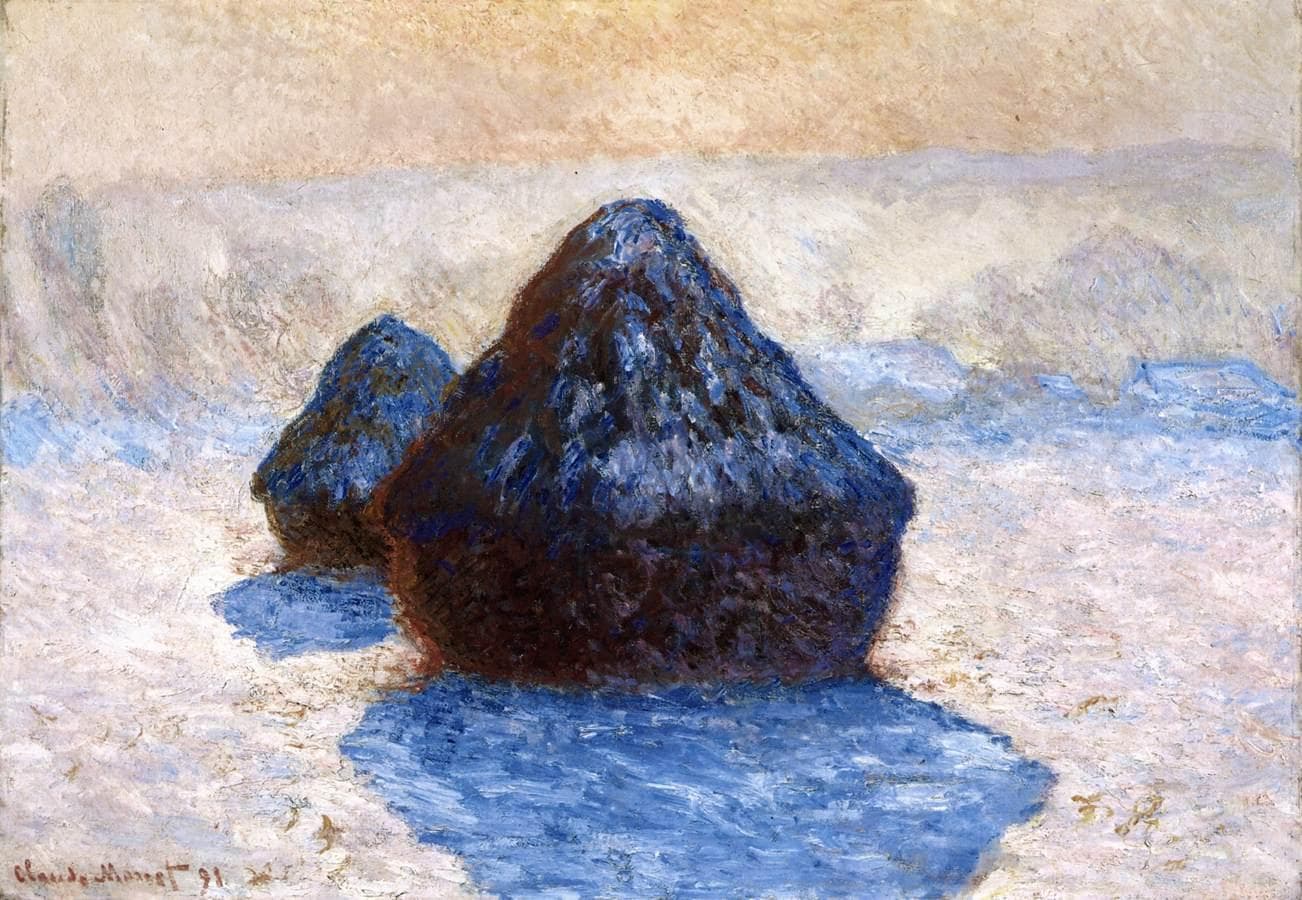
Haystacks, Snow Effect
Claude Monet · 1891
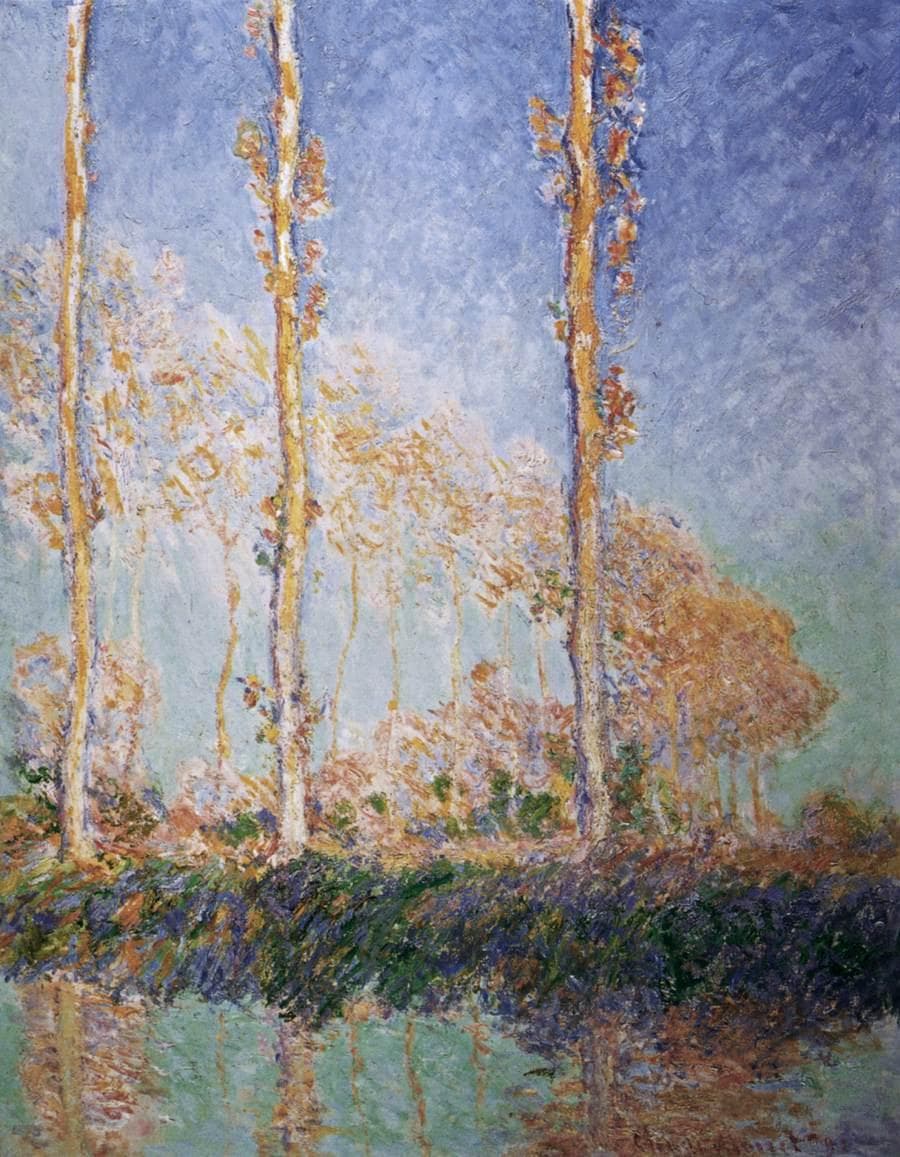
Poplars, Three Pink Trees, Autumn
Claude Monet · 1891
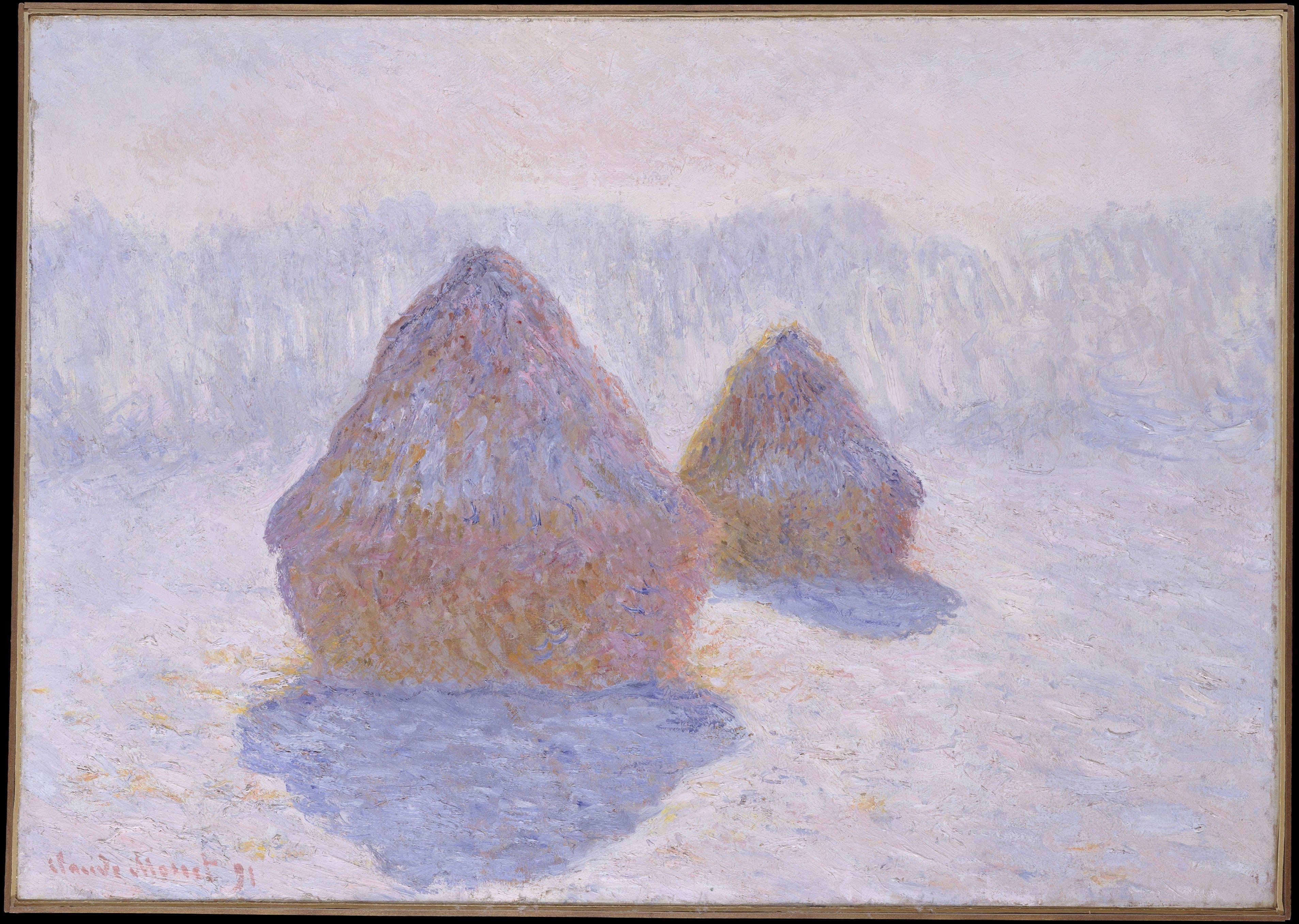
Haystacks (Effect of Snow and Sun)
Claude Monet · 1891
Also painted in 1891
The same year
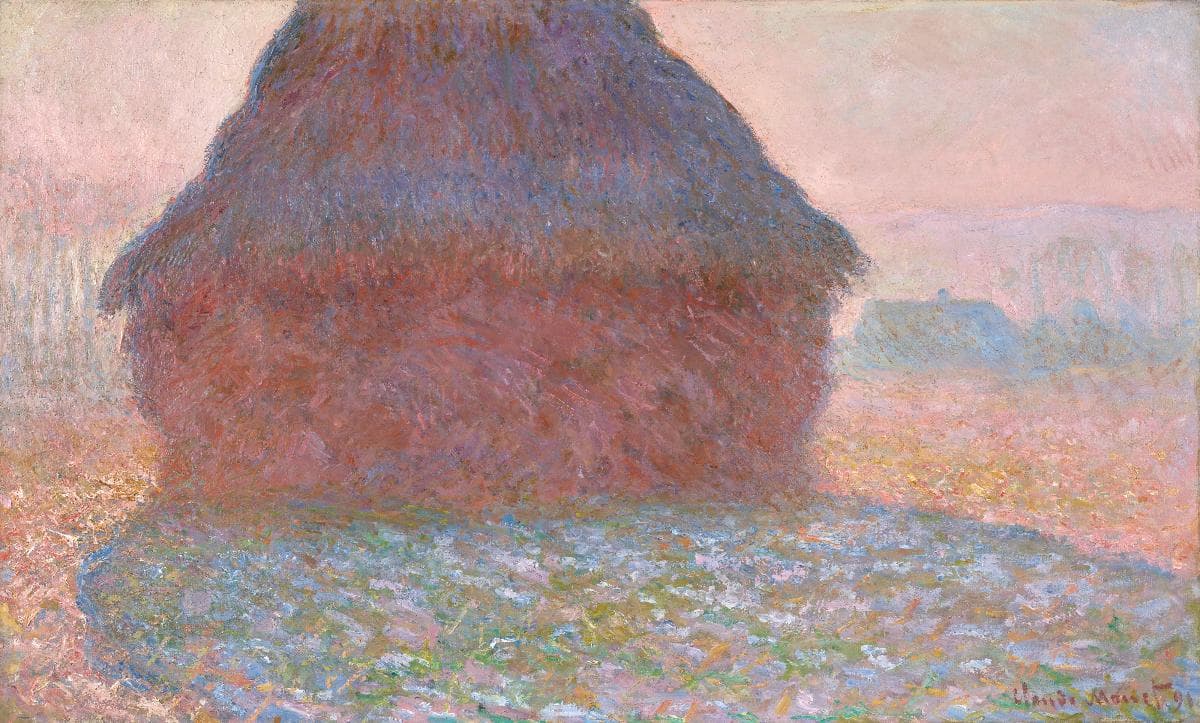
Grainstack in Sunlight
Claude Monet · 1891
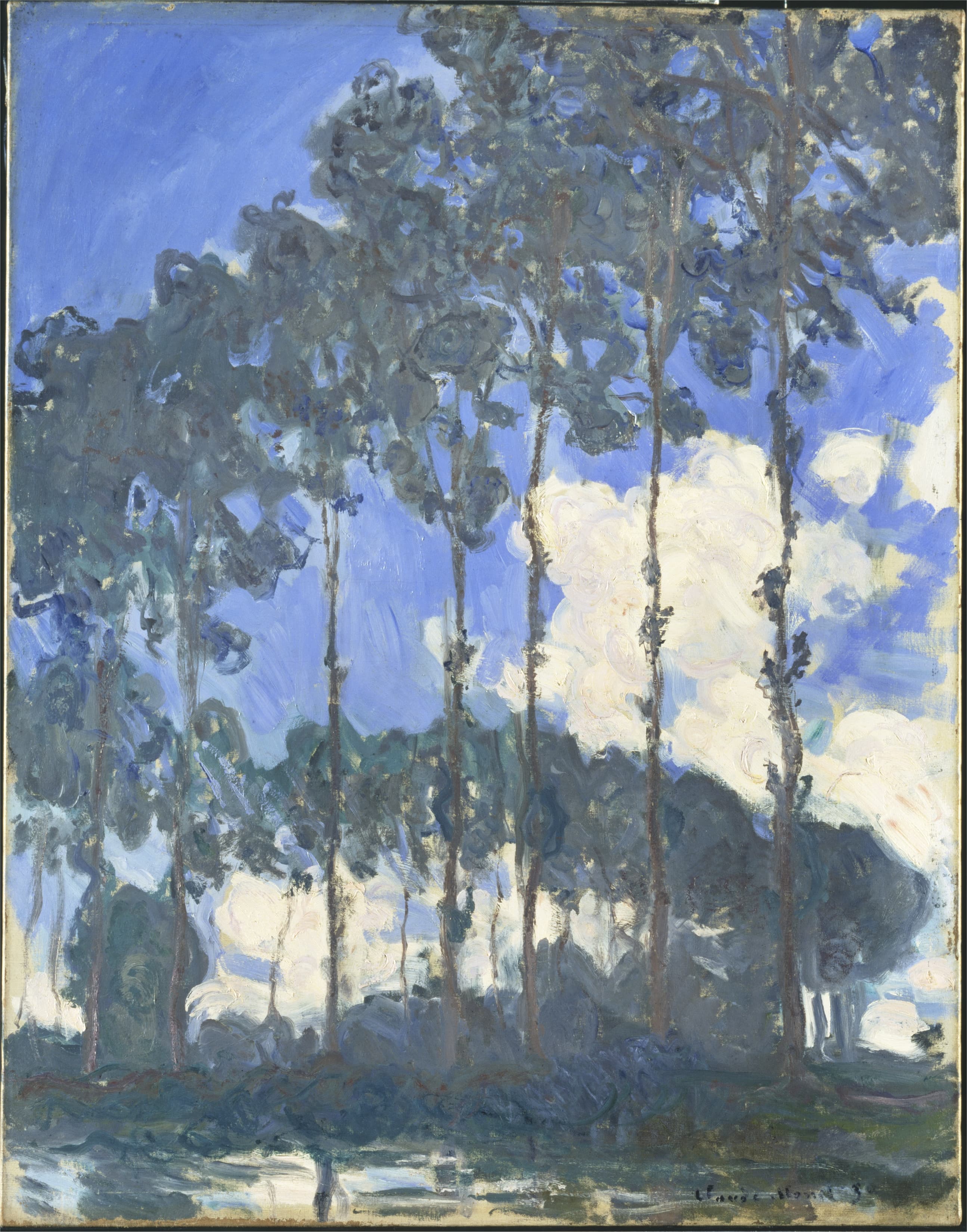
Poplars on the Epte (London)
Claude Monet · 1891
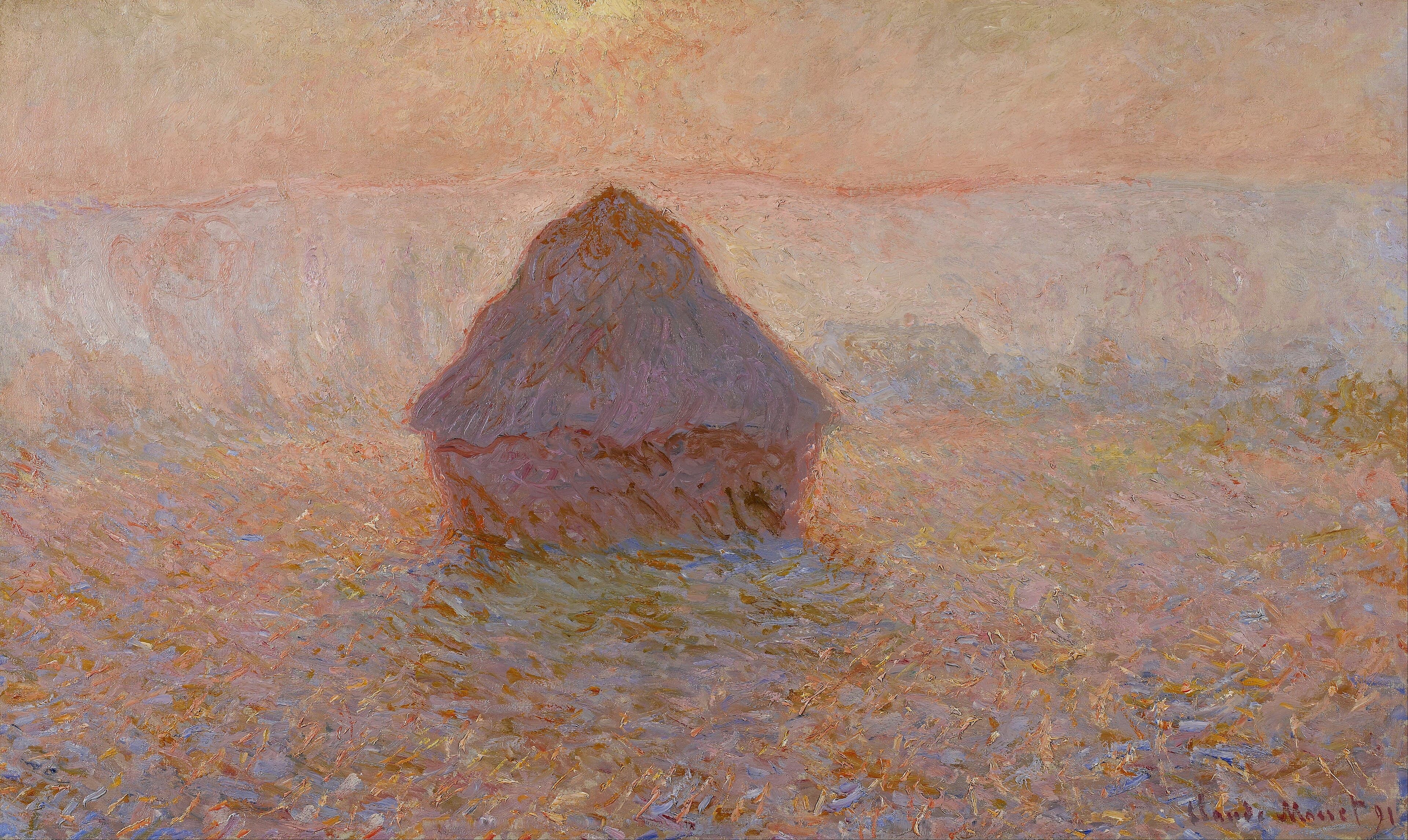
Grainstack, Sun in the Mist
Claude Monet · 1891
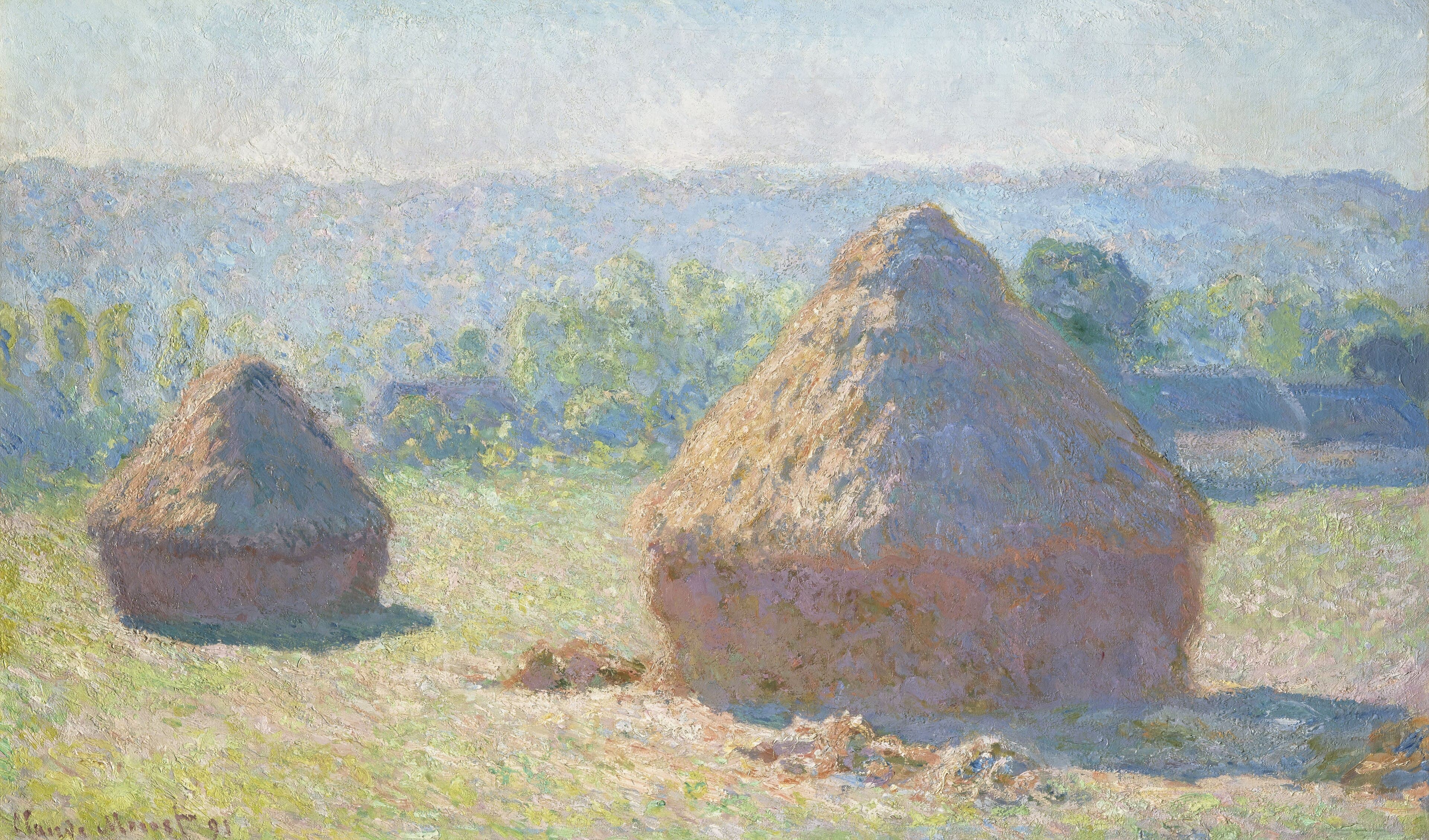
Haystacks, End of Summer
Claude Monet · 1891
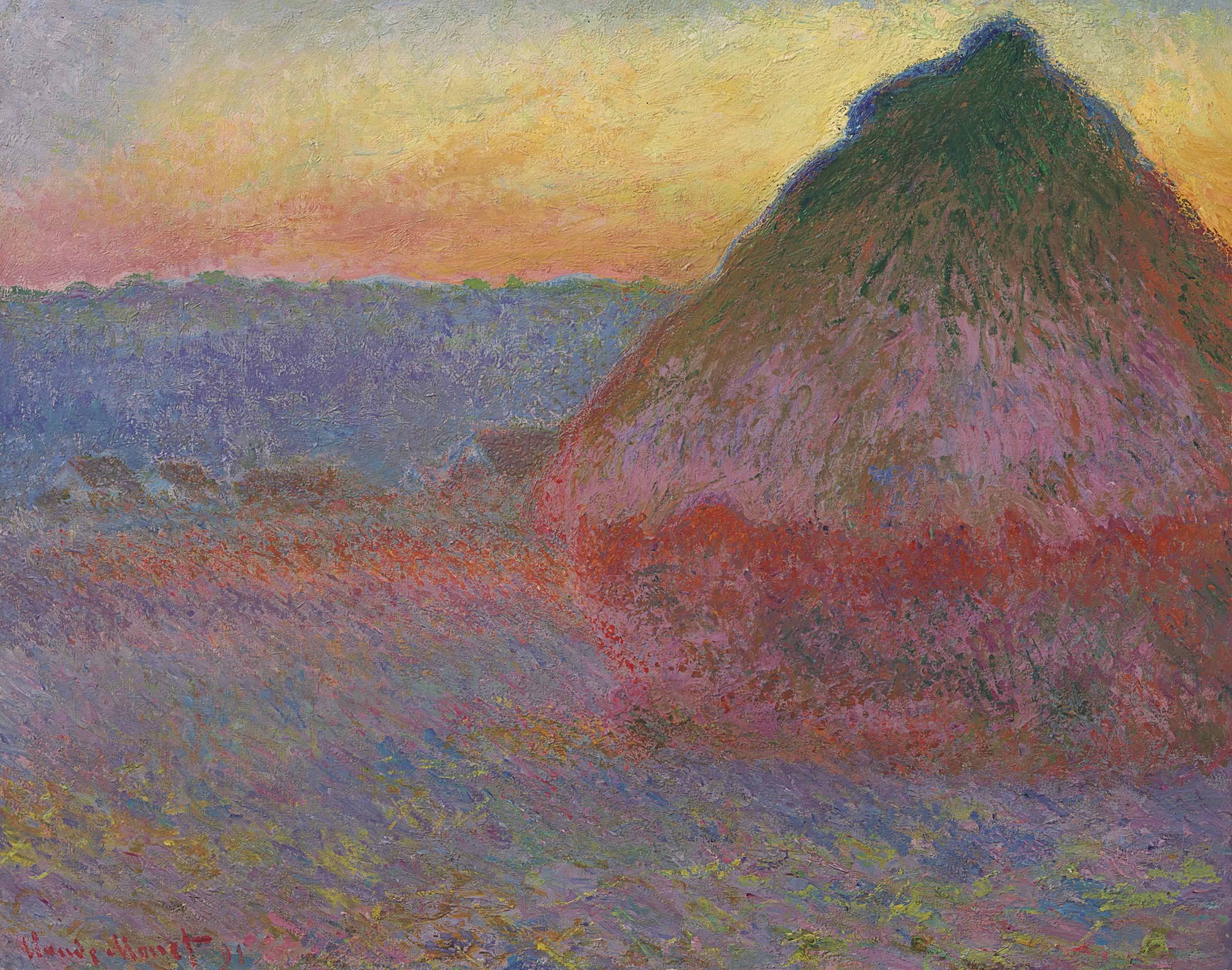
Grainstack in the Sunlight
Claude Monet · 1891
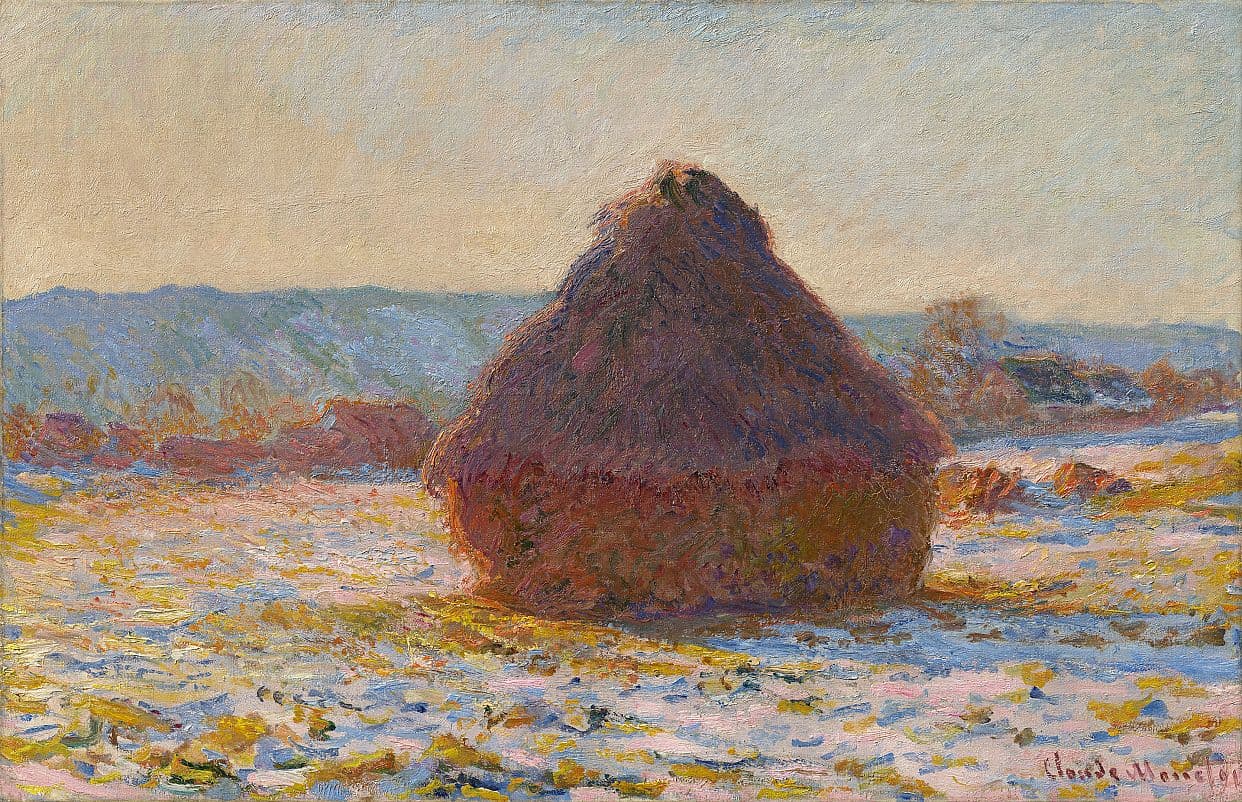
Grainstack in the Sunlight, Snow Effect
Claude Monet · 1891
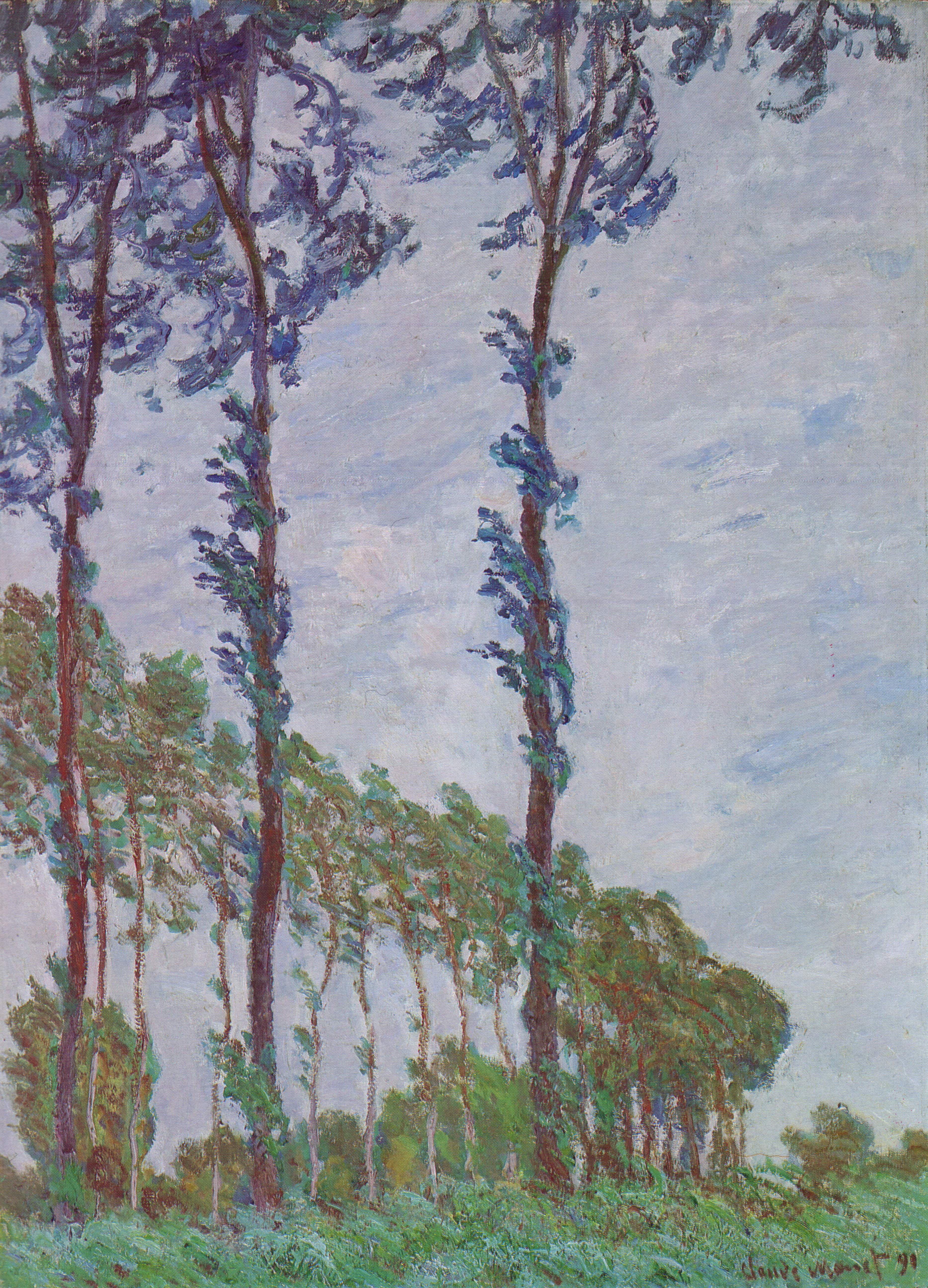
Wind Effect, Series of The Poplars
Claude Monet · 1891
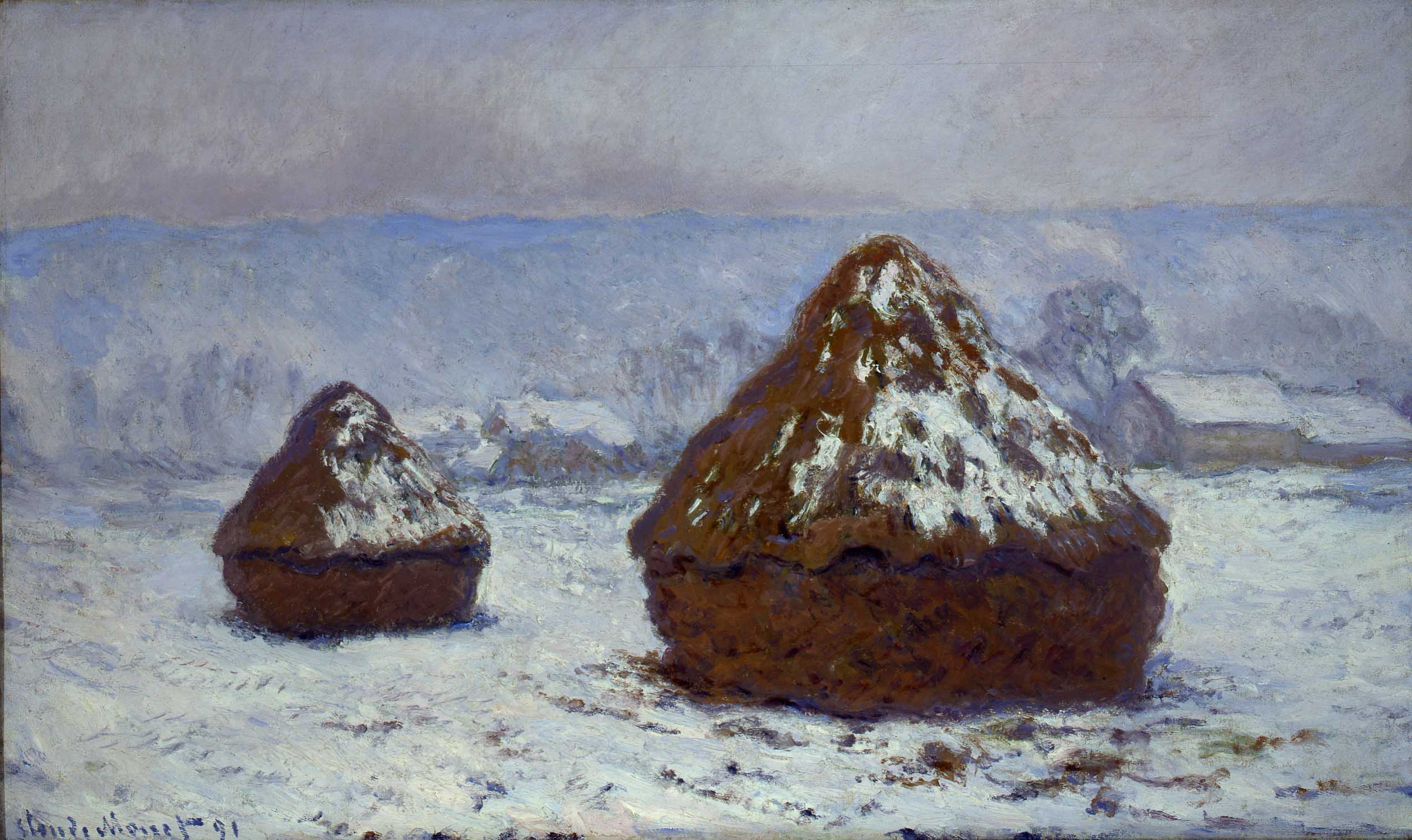
Grainstacks, Snow Effect
Claude Monet · 1891
Kindred works
You may also study
Three Poplars, Summer
Claude Monet · 1891
Wind Effect, Series of The Poplars
Claude Monet · 1891
Poplars on the Epte (London)
Claude Monet · 1891
Houses on the Achterzaan
Claude Monet · 1871

Boating on the River Epte
Claude Monet · 1890
Fécamp, by the Sea
Claude Monet · 1881
Winter Sun at Lavacourt
Claude Monet · 1879–80
The Japanese Footbridge
Claude Monet · 1899