Image: MuMa – Musée d'art moderne André Malraux; reproduction via Wikimedia Commons · Public domain · via Wikimedia Commons
Winter Sun at Lavacourt
Claude Monet, 1879–80
Winter Sun at Lavacourt (Soleil d'hiver à Lavacourt) is a Claude Monet painting of winter 1879–80: a small orange sun in a pink sky over the snowbound hamlet of Lavacourt on the Seine. It is in the MuMa, Le Havre.
- Artist
- Claude Monet
- Date
- 1879–80
- Medium
- Oil on canvas
- Dimensions
- 55 × 81 cm
- Collection
- MuMa – Musée d'art moderne André Malraux, Le Havre, France
- Movement
- Impressionism
- Catalogue
- Wildenstein 557
- Nature & Landscape
- Water & Sea
Soleil d'hiver à Lavacourt (Winter Sun at Lavacourt) is a winter landscape by Claude Monet showing the hamlet of Lavacourt, across the Seine from his home at Vétheuil, under snow, with a small orange sun hanging low in a pink sky. It belongs to the hard winter of 1879–80, which Monet recorded in some two dozen canvases, and is catalogued by Wildenstein as no. 557. It is in the MuMa, the Musée d'art moderne André Malraux in Le Havre, the city where Monet grew up.
What you're looking at
The composition is very simple and very flat. A high horizon line runs straight across the canvas a little above the middle. On it sit the low roofs of Lavacourt and a few bare trees, all in soft gray-blue, half lost in the haze. Just above them, left of center, the sun is a small disk of orange-red, the one strong spot of color in the picture.
The sky above is a wash of pink, rose and pale gray, laid in with loose diagonal strokes. Below the horizon, a broad expanse of snow and ice, the frozen or snow-covered river and its bank, fills the lower half, painted in long, regular horizontal strokes of lilac, gray-blue, white and pale pink, spaced so that the bare canvas shows between them. In the middle a rounded clump of bare, frosted bushes stands up out of the snow, and at the right a larger frosted tree and shrubs rise toward the sky, their twigs touched with white. The signature is at lower right.
Where and when it was painted
In September 1878 the Monet family moved to Vétheuil, on a bend of the Seine about 50 kilometers downstream from Paris. From the house Monet could see across the river to Lavacourt, behind which the winter sun set. In December 1879 an exceptional cold spell froze the Seine; when the thaw came in January 1880 the ice broke up and swept downstream, carrying away bridges near Paris. Monet painted the snow, the frozen river and the breakup of the ice day after day from December to March, often from a studio boat moored at the bottom of his garden. Camille had died in September 1879, and these austere winter pictures were made in the months that followed. See Monet at Vétheuil.
How it was painted
The museum's commentary draws attention to the long, parallel strokes of the lower half, which reinforce the horizontal and leave the canvas visible, and to the color harmony built on the complementary contrast of orange and blue, a lesson in optical color that colorists had followed since Delacroix. The small orange sun is enough to warm the whole cold scheme of lilac and blue around it.
How it compares
The same view of Lavacourt at sunset appears in a larger, more finished canvas, Sunset on the Seine at Lavacourt, in Winter in the Petit Palais, and in Sunset on the Seine in Winter in the Pola Museum. Those show open water and drifting ice reflecting the sun; the Le Havre picture shows the landscape locked in snow and frost, earlier in the freeze. For the breakup that followed, see Floating Ice on the Seine and Lavacourt in Winter.
Where to see it
The painting is in the MuMa in Le Havre (inventory A 485), on the seafront near the harbor mouth that Monet painted in Impression, Sunrise. The museum has one of the largest collections of Impressionist painting in France outside Paris, including several works by Monet. For other collections, see where to see Monet's paintings.
Questions & answers
Where is Monet's Winter Sun at Lavacourt?
It is in the MuMa – Musée d'art moderne André Malraux in Le Havre, Normandy (inventory A 485), a museum with one of France's largest Impressionist collections outside Paris.
When was it painted?
During the severe winter of 1879–80, when the Seine froze at Vétheuil. The museum dates it 1879–1880; Wikidata gives 1879.
What is Lavacourt?
Lavacourt is a hamlet on the opposite bank of the Seine from Vétheuil, where Monet lived from 1878 to 1881. From his house he watched the winter sun set behind it.
What does Winter Sun at Lavacourt show?
It shows the low roofs of Lavacourt on a high horizon under a pink sky with a small orange sun, above a wide expanse of snow and ice with frosted bushes and trees.
More by the artist
Claude Monet
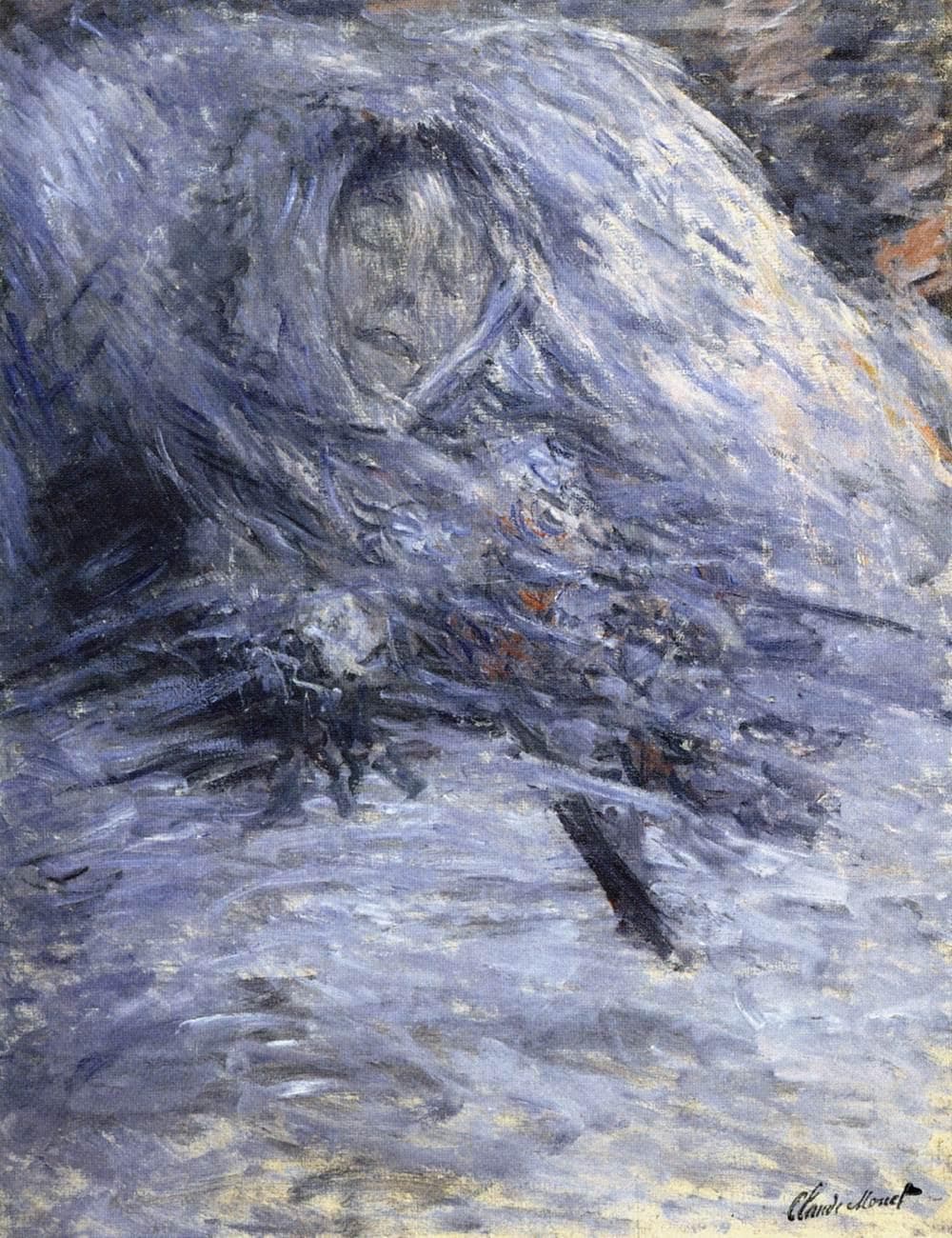
Camille Monet on Her Deathbed
Claude Monet · 1879
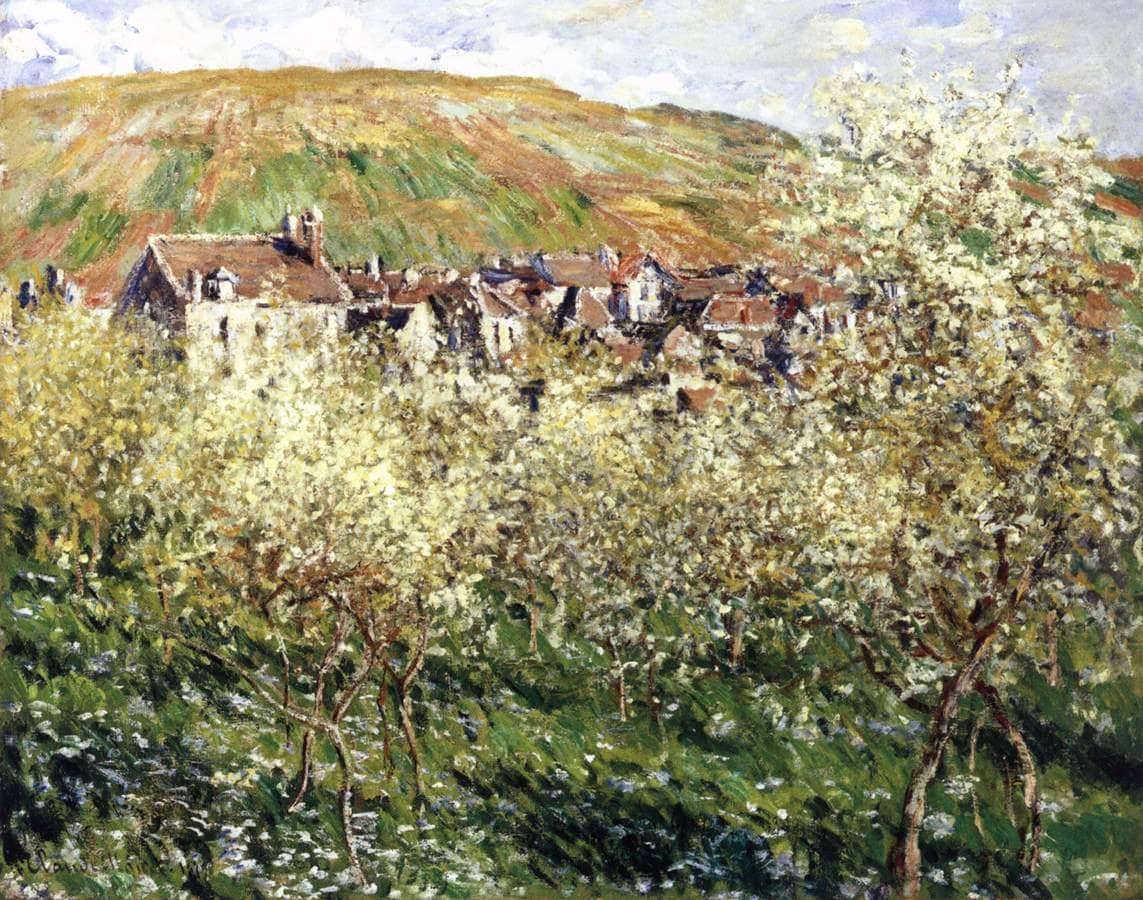
Plum Trees in Bloom
Claude Monet · 1879
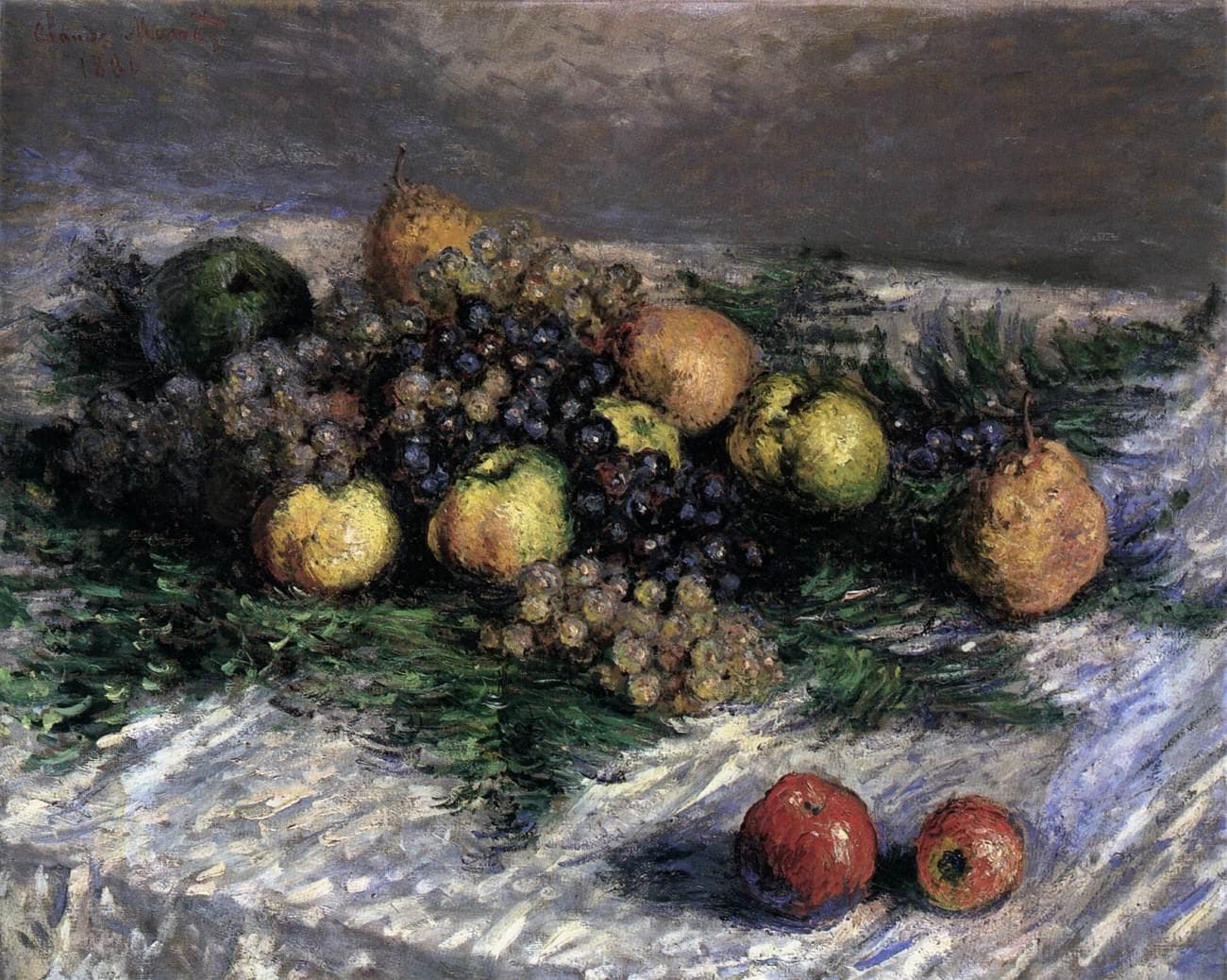
Still-Life with Pears and Grapes
Claude Monet · 1880
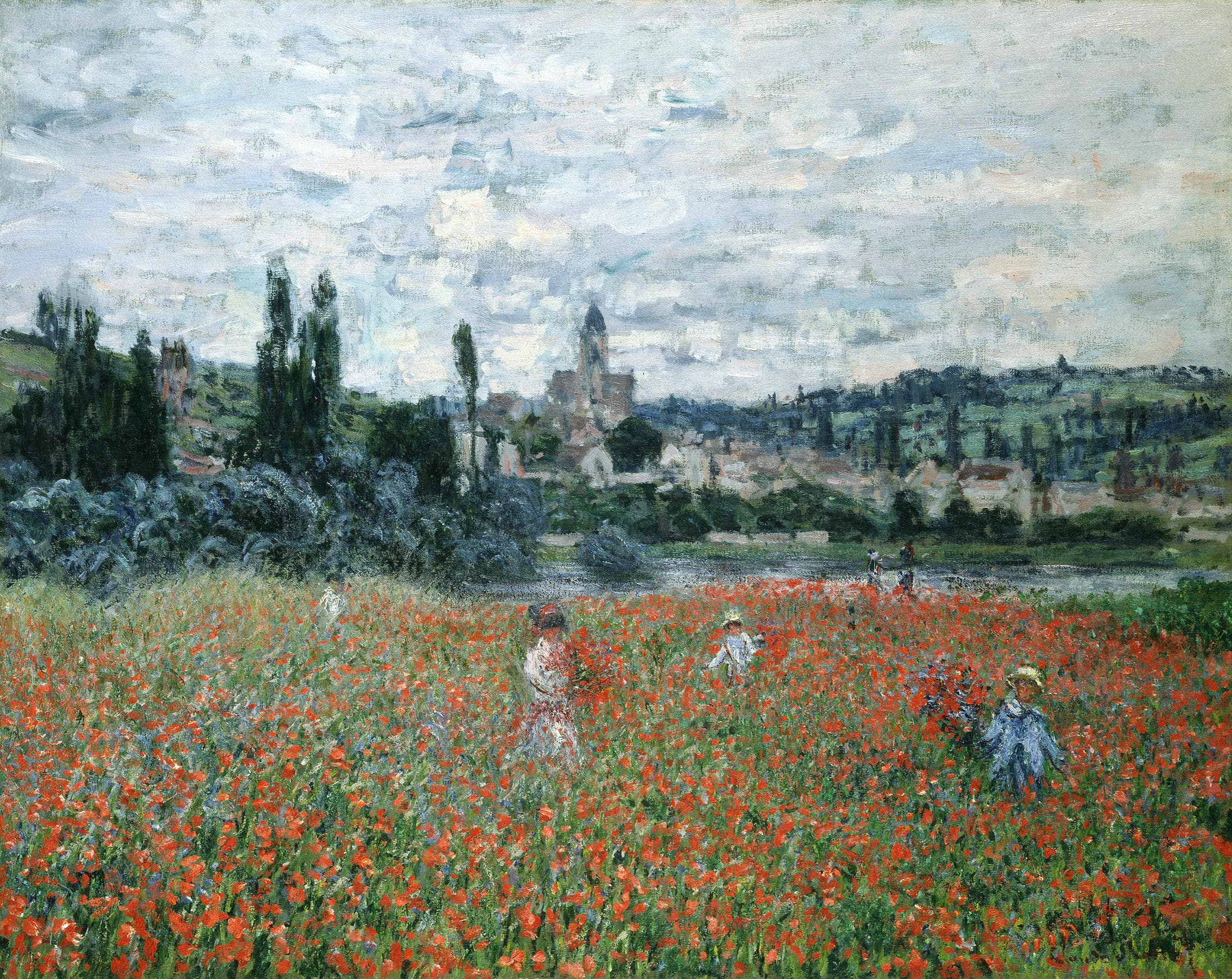
Poppy Field near Vétheuil
Claude Monet · c. 1879
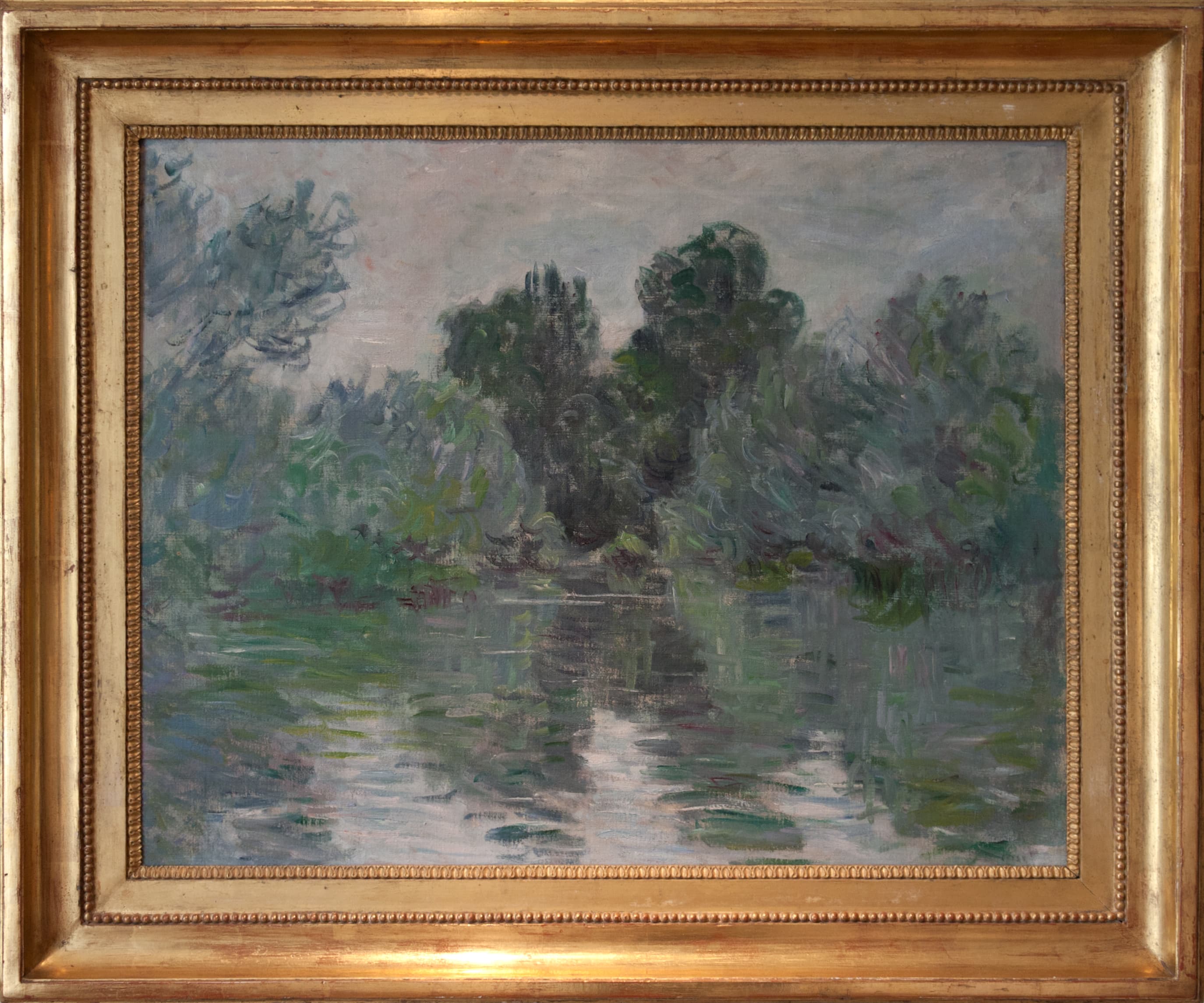
Un bras de Seine près de Vétheuil
Claude Monet · 1878
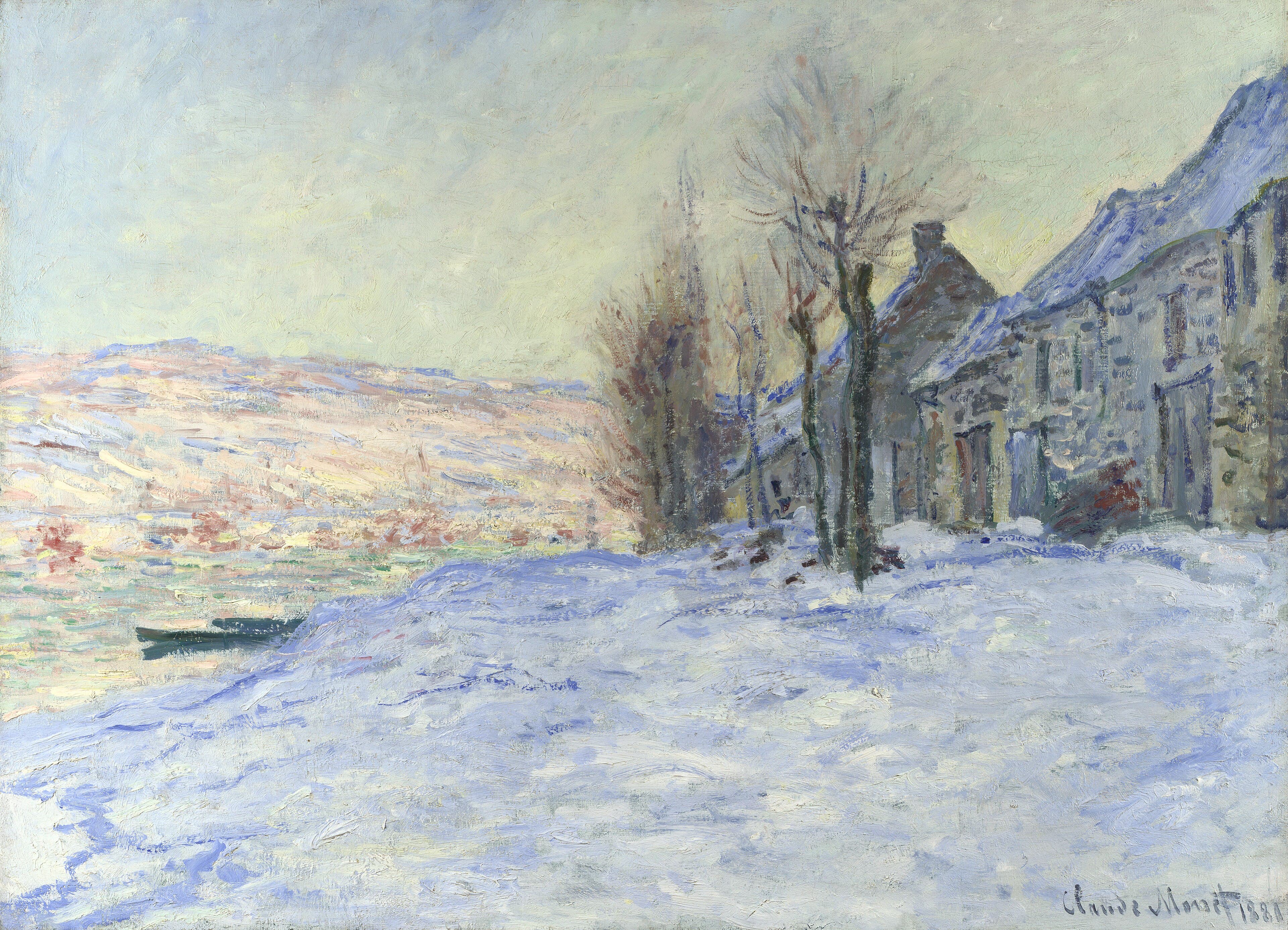
Lavacourt under Snow
Claude Monet · c. 1878–81
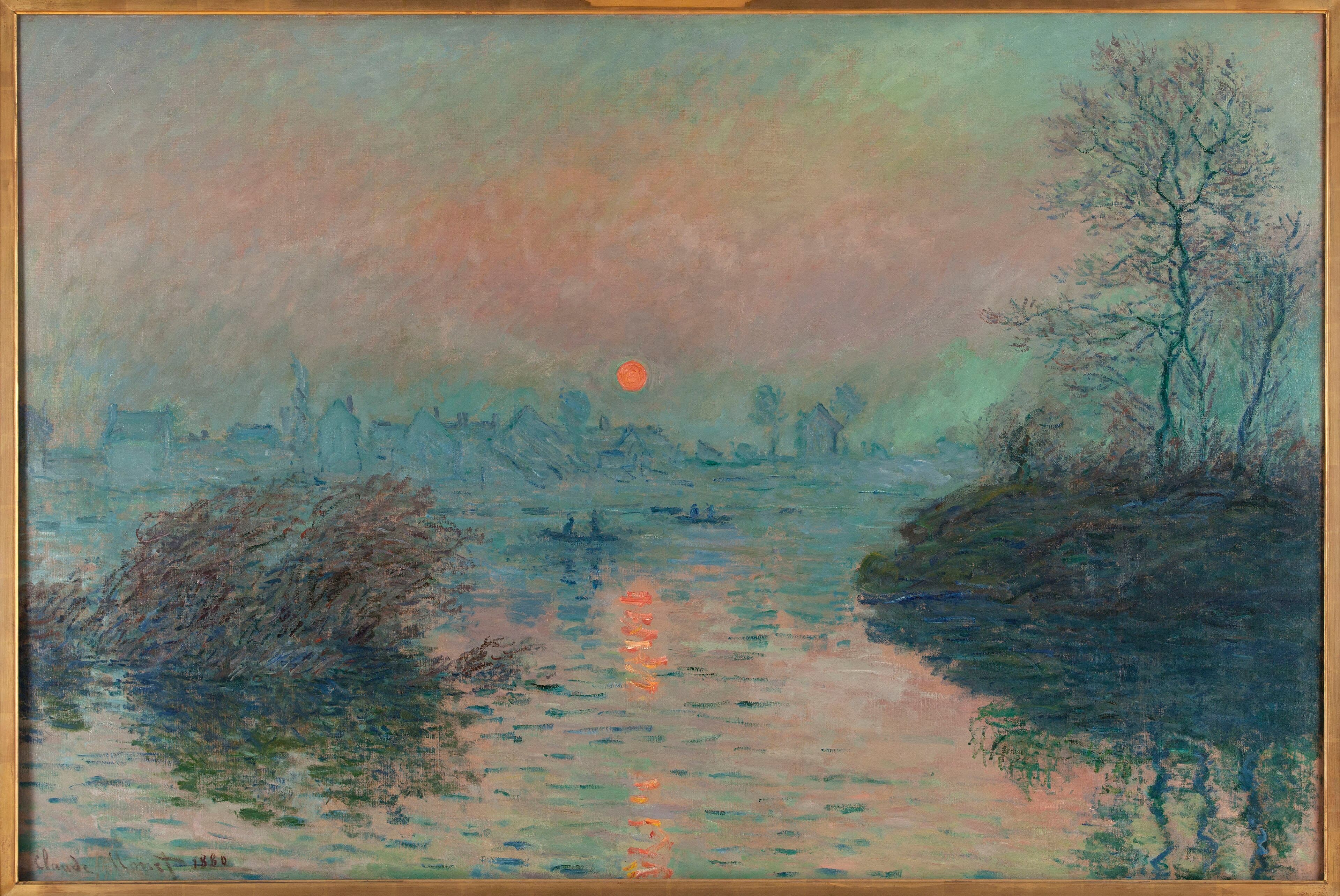
Sunset on the Seine at Lavacourt, Winter Effect
Claude Monet · 1880
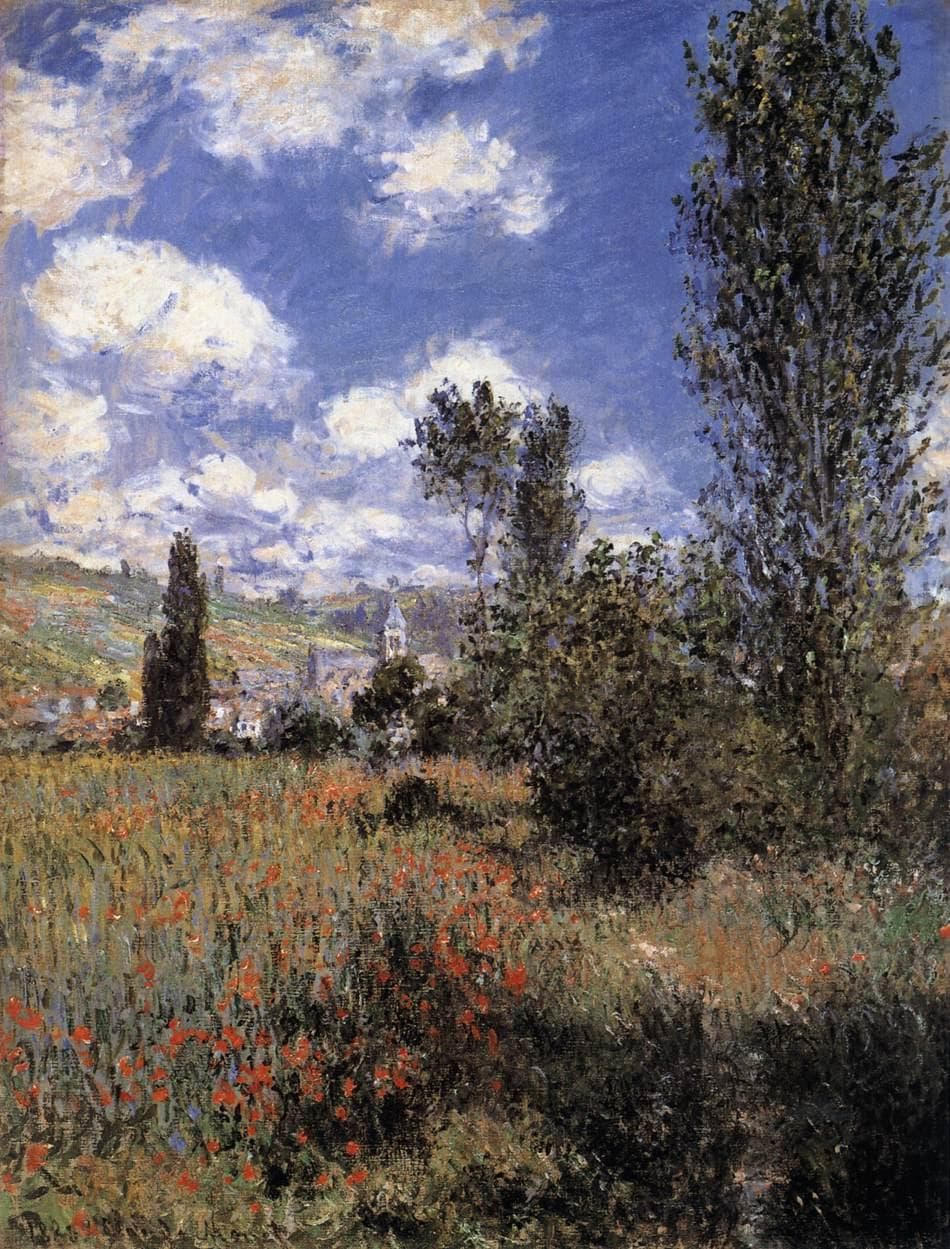
View of Vétheuil
Claude Monet · 1880
Also painted in 1879
The same year
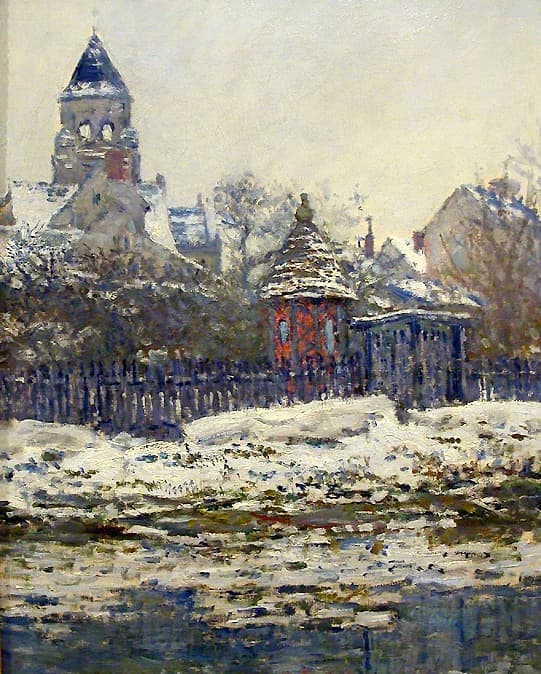
Vétheuil Church
Claude Monet · 1879
Vétheuil in the Fog
Claude Monet · 1879
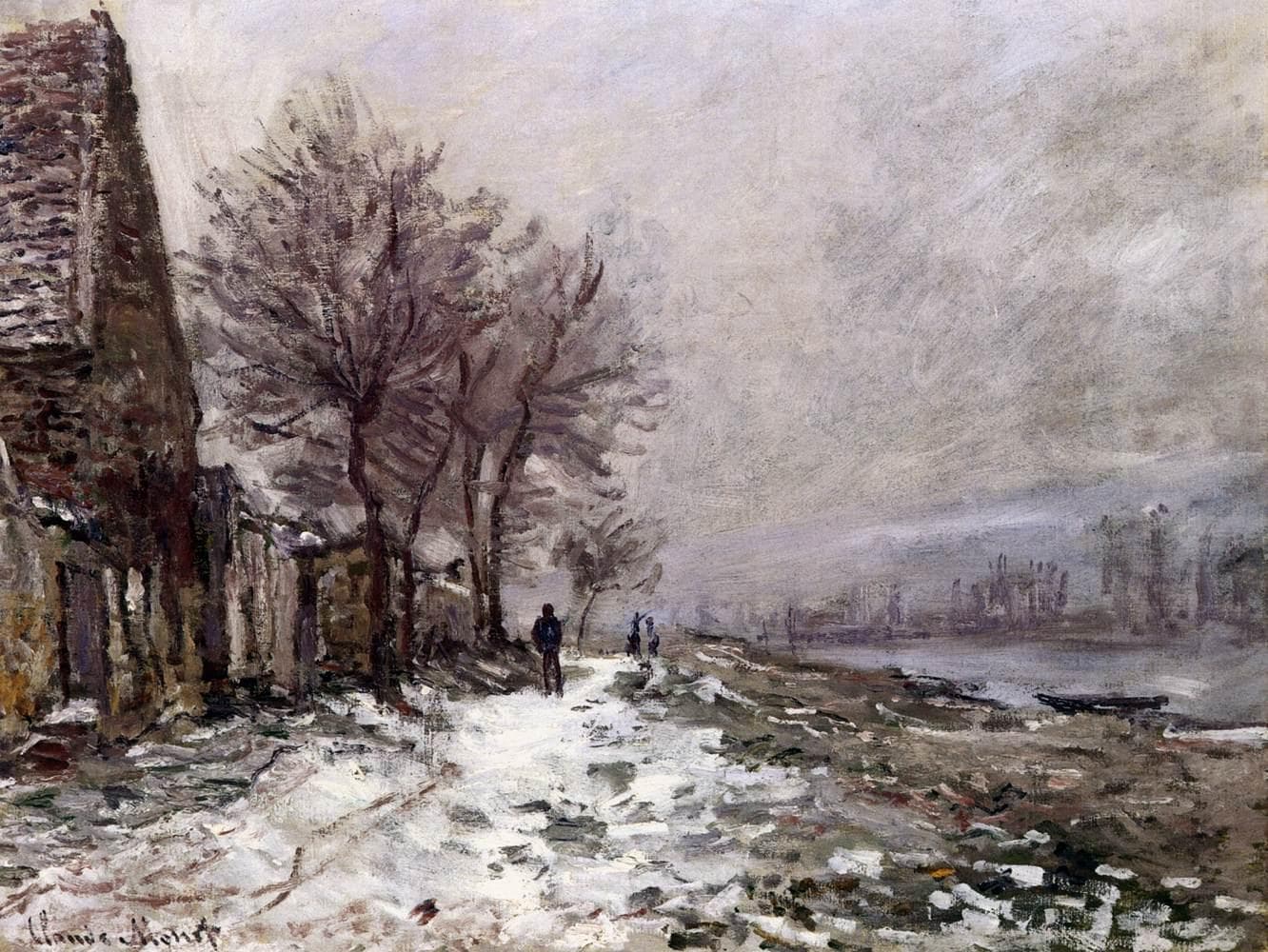
Lavacourt in Winter
Claude Monet · 1879
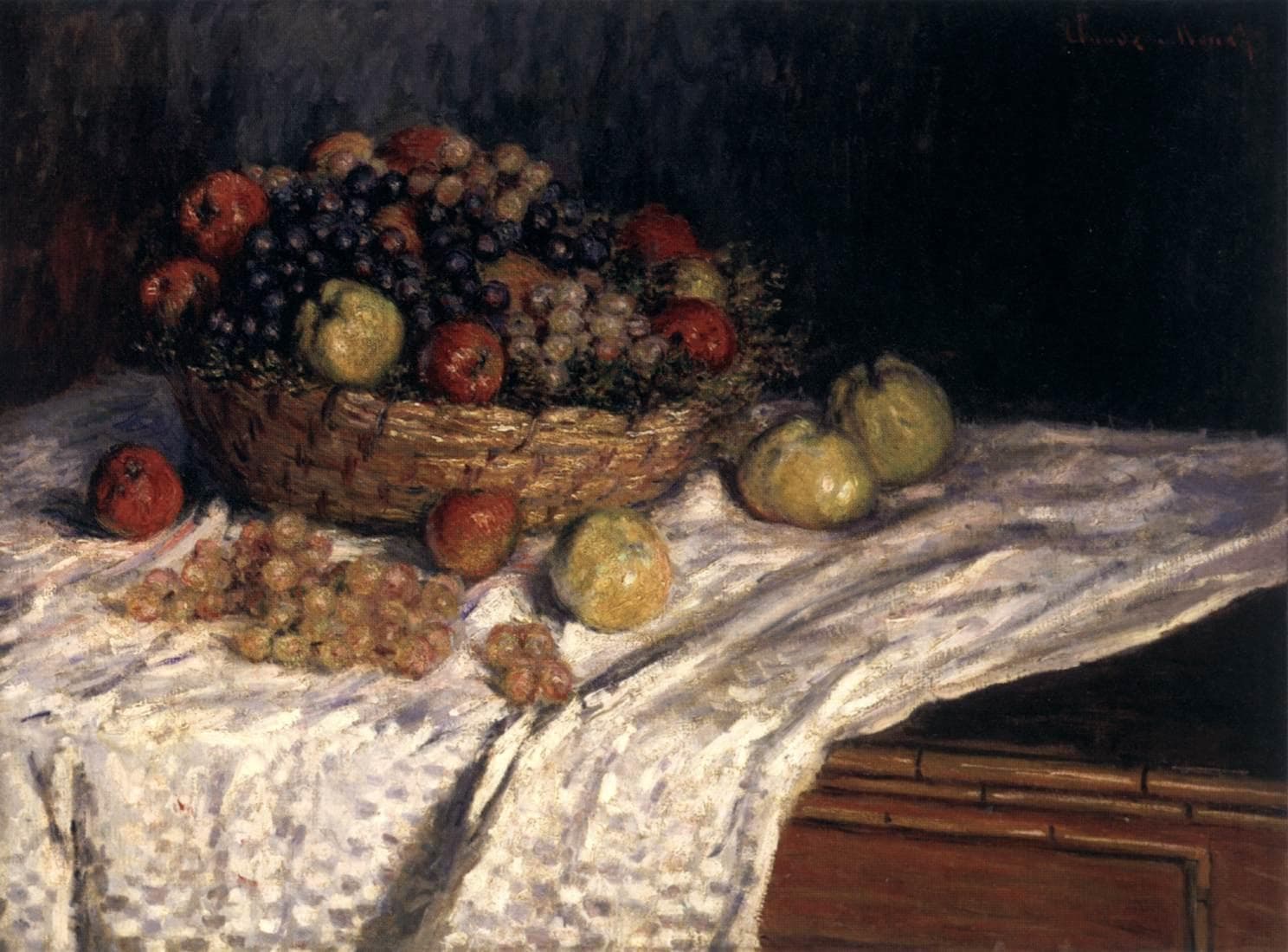
Still-Life with Apples and Grapes
Claude Monet · 1879–80
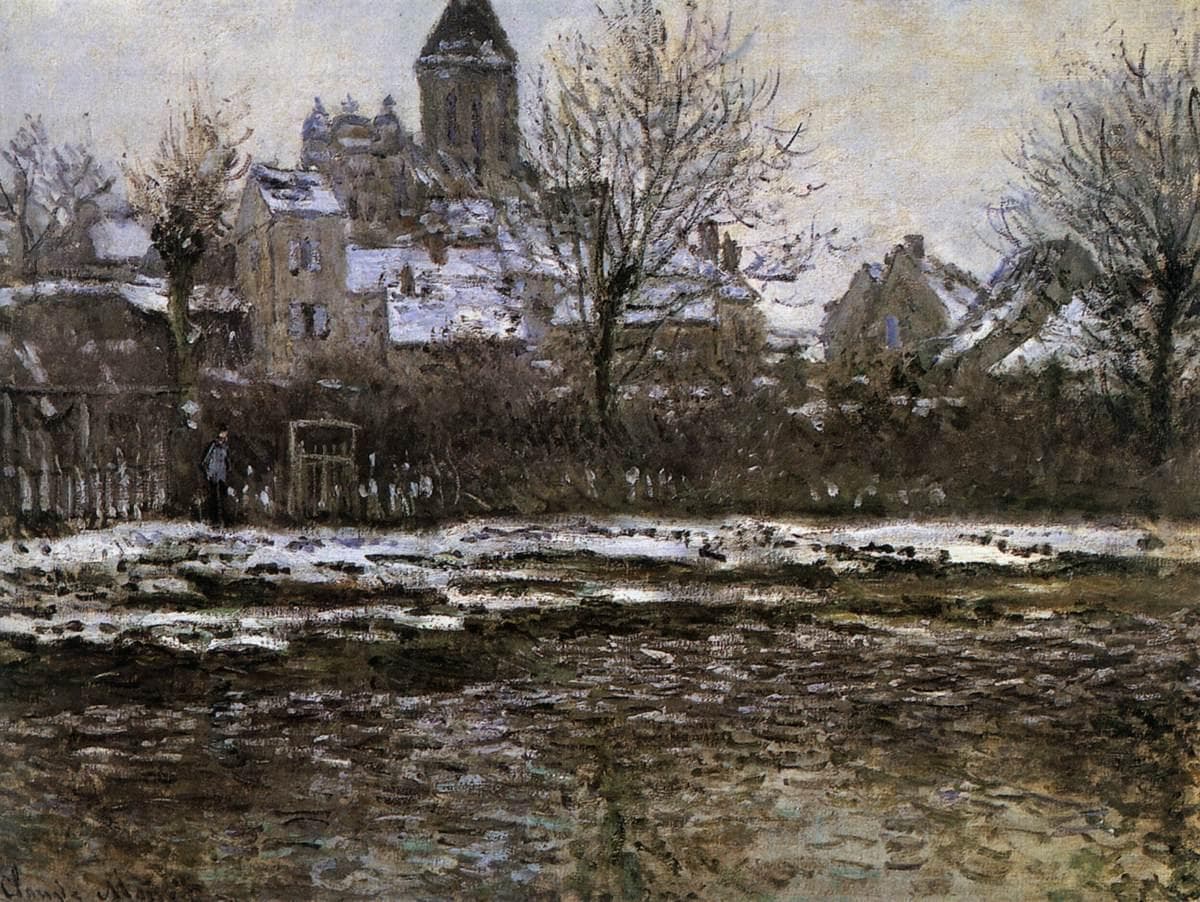
The Church in Vétheuil in Winter
Claude Monet · 1878–79
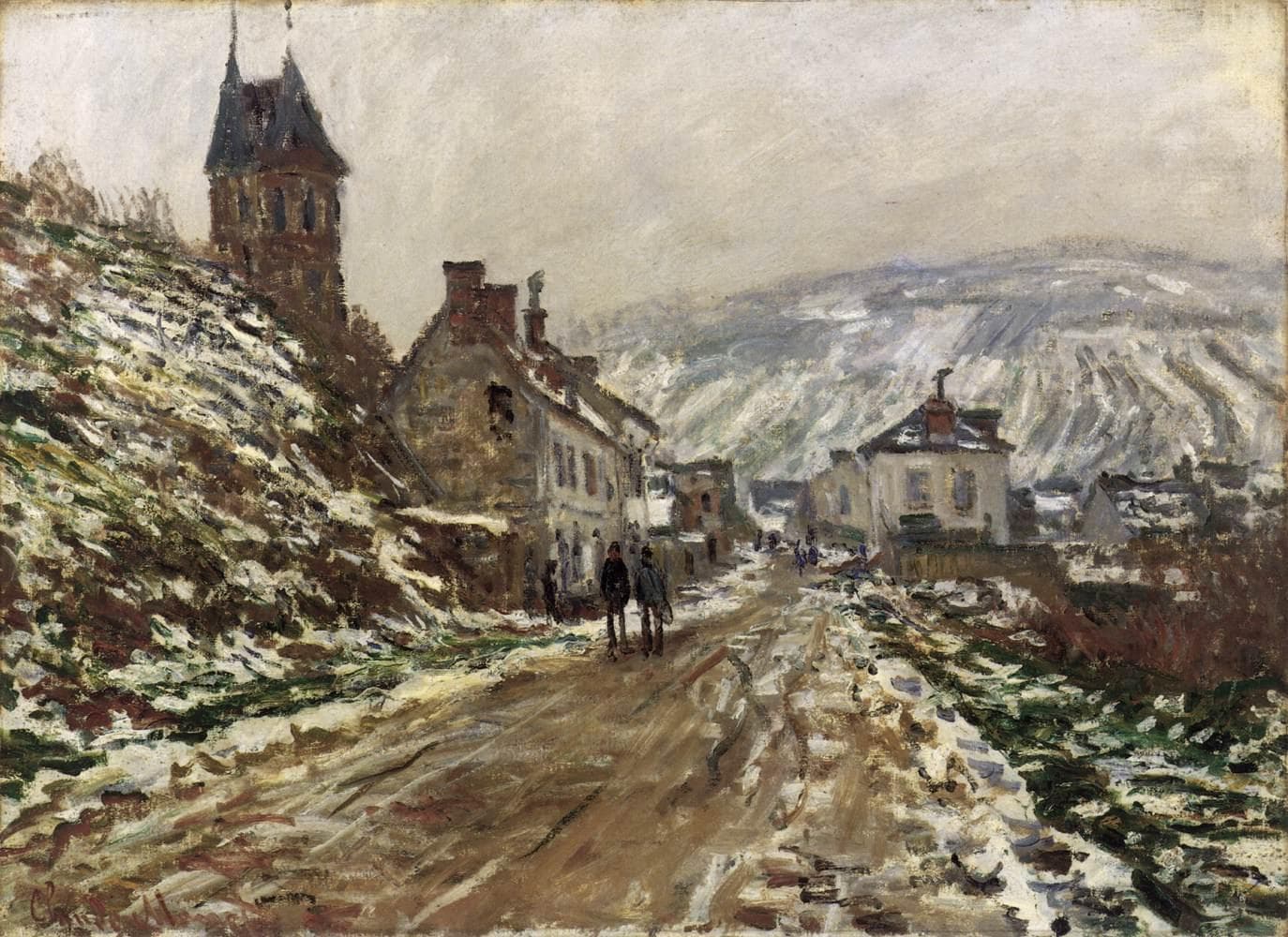
Road into Vétheuil in Winter
Claude Monet · 1879
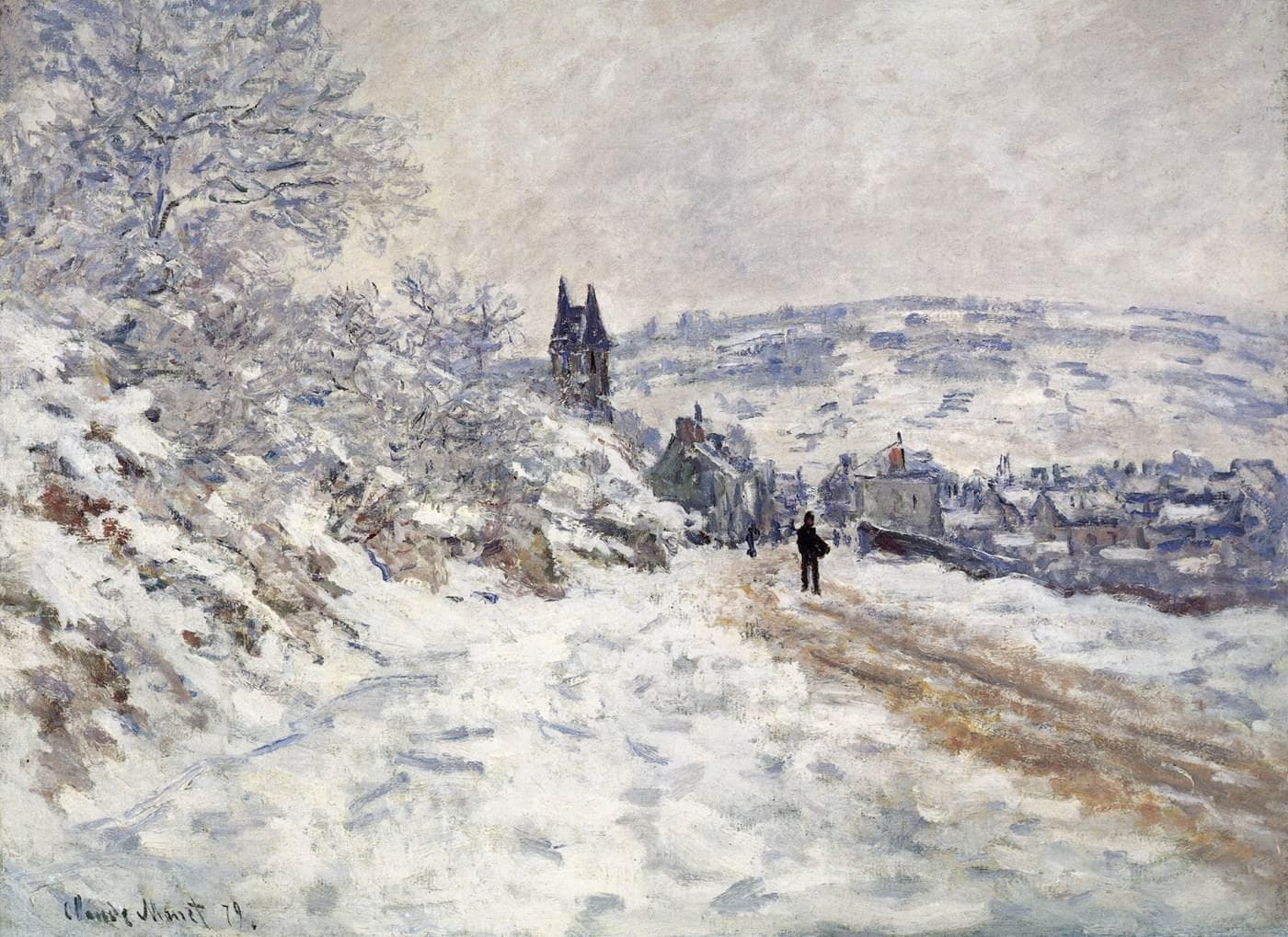
Road to Vétheuil, Snow Effect
Claude Monet · 1879
Kindred works
You may also study
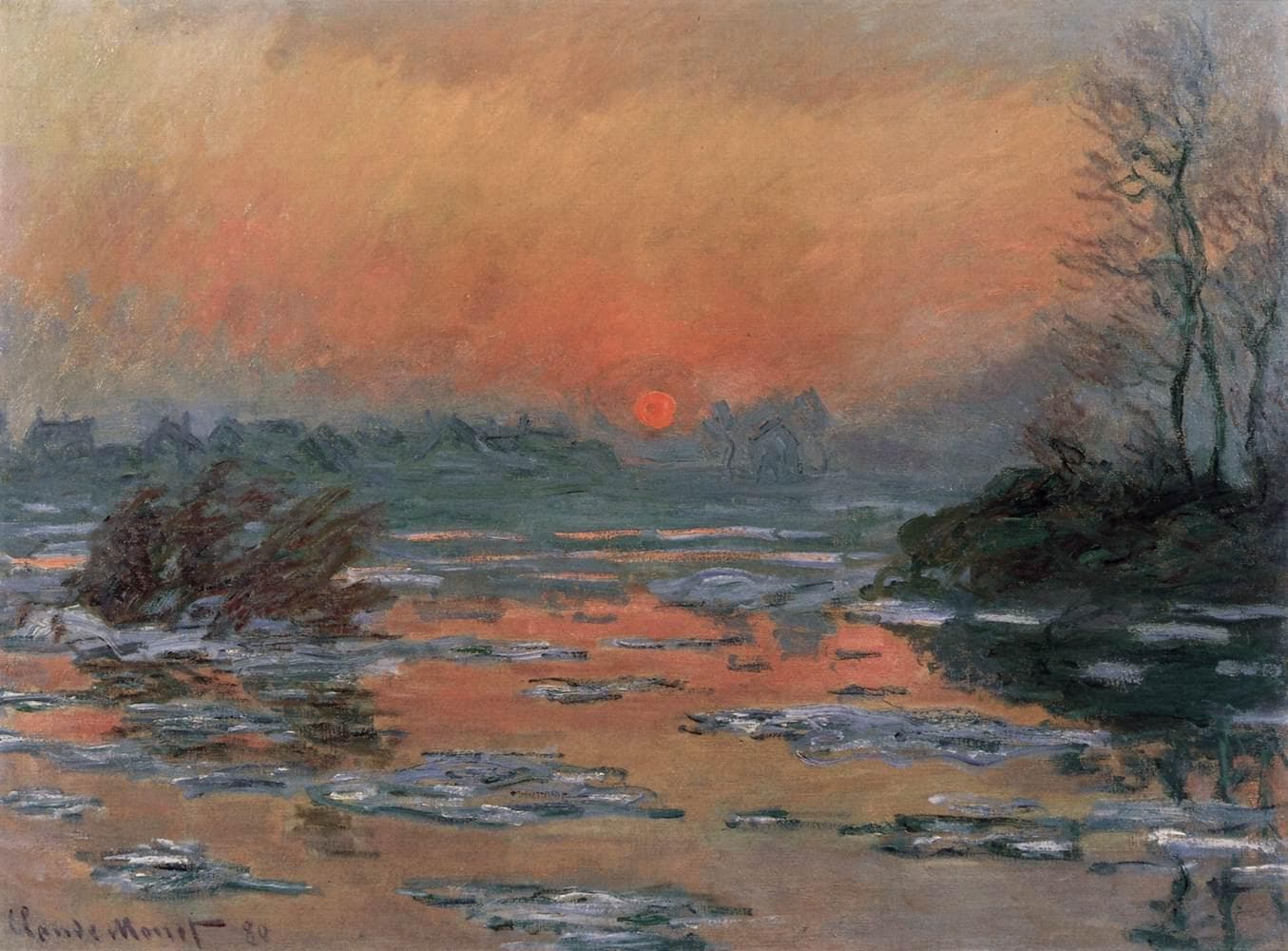
Sunset on the Seine in Winter
Claude Monet · 1880
Lavacourt in Winter
Claude Monet · 1879
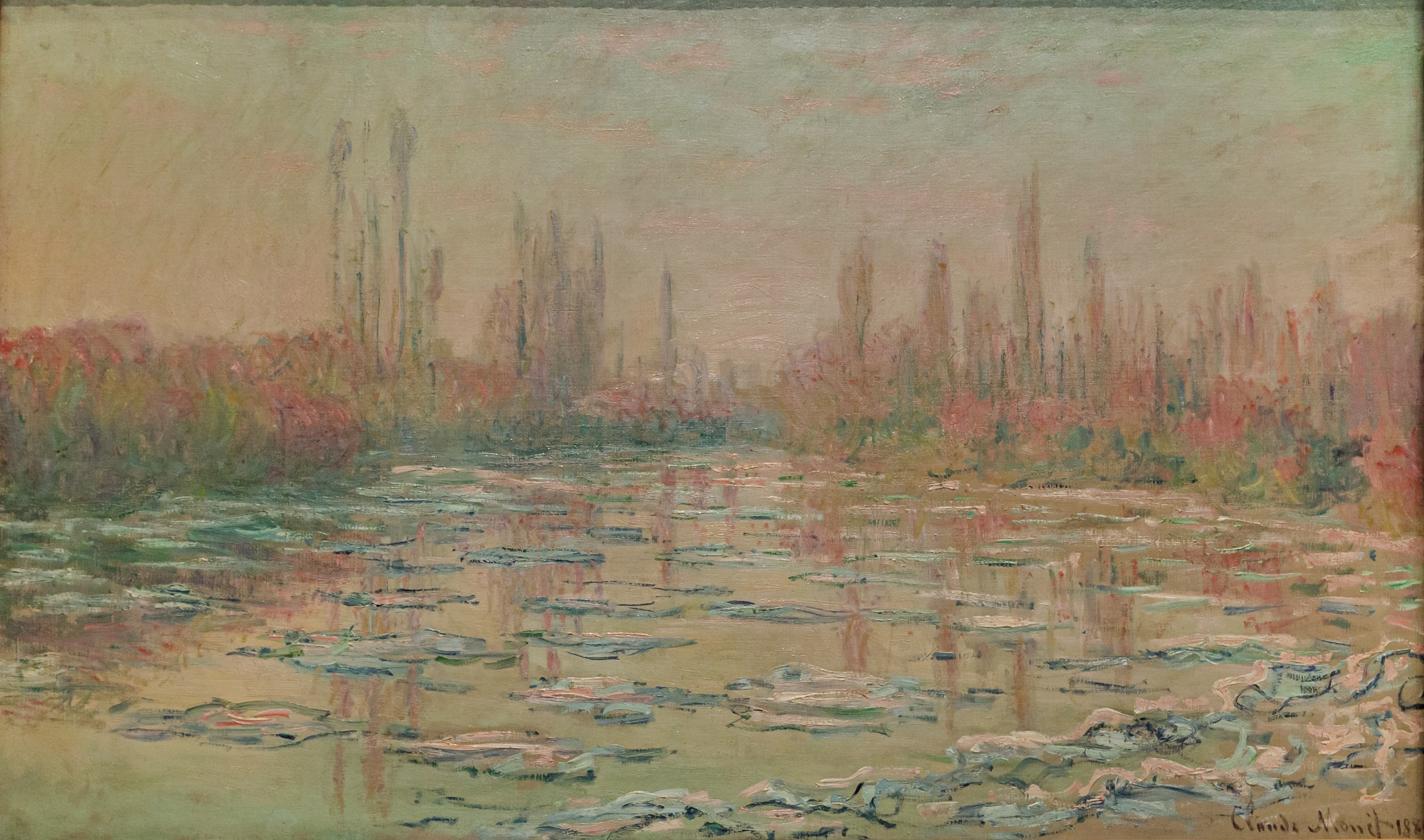
Floating Ice on the Seine (Les Glaçons)
Claude Monet · 1880
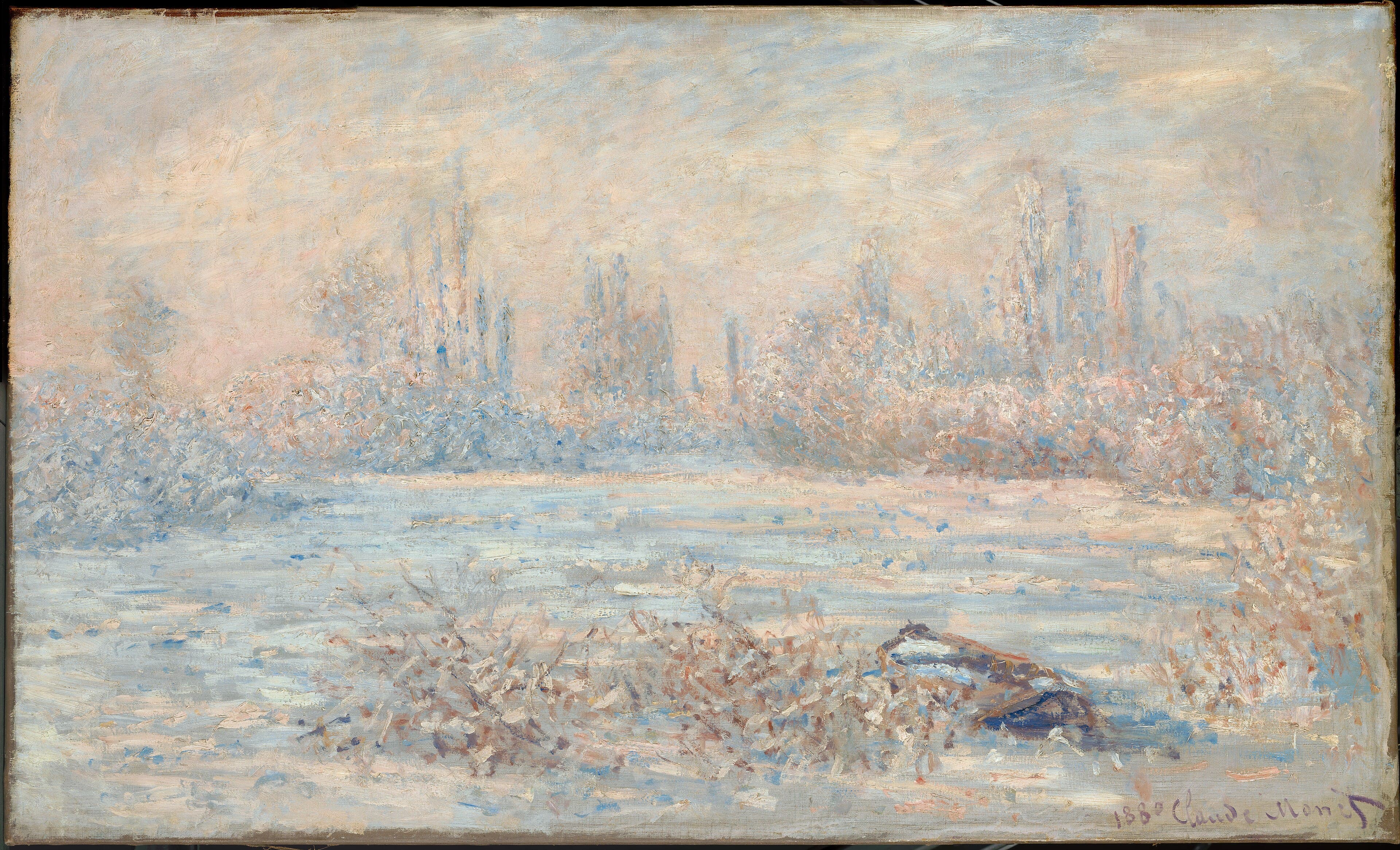
Frost (Le Givre)
Claude Monet · 1880
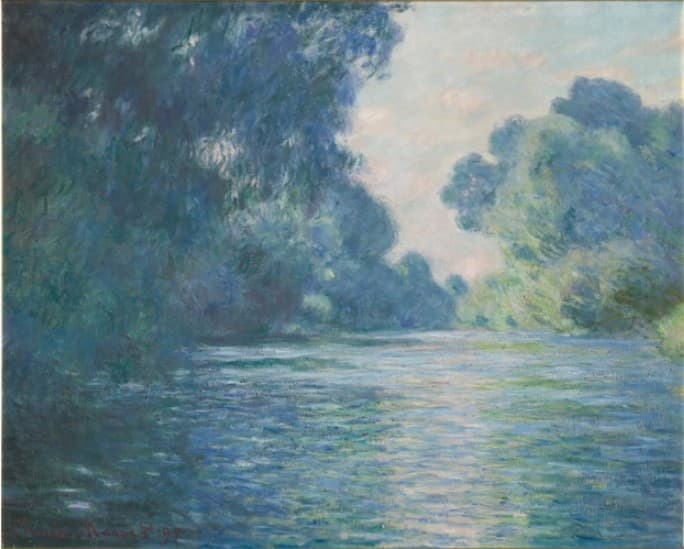
Arm of the Seine near Giverny
Claude Monet · 1897
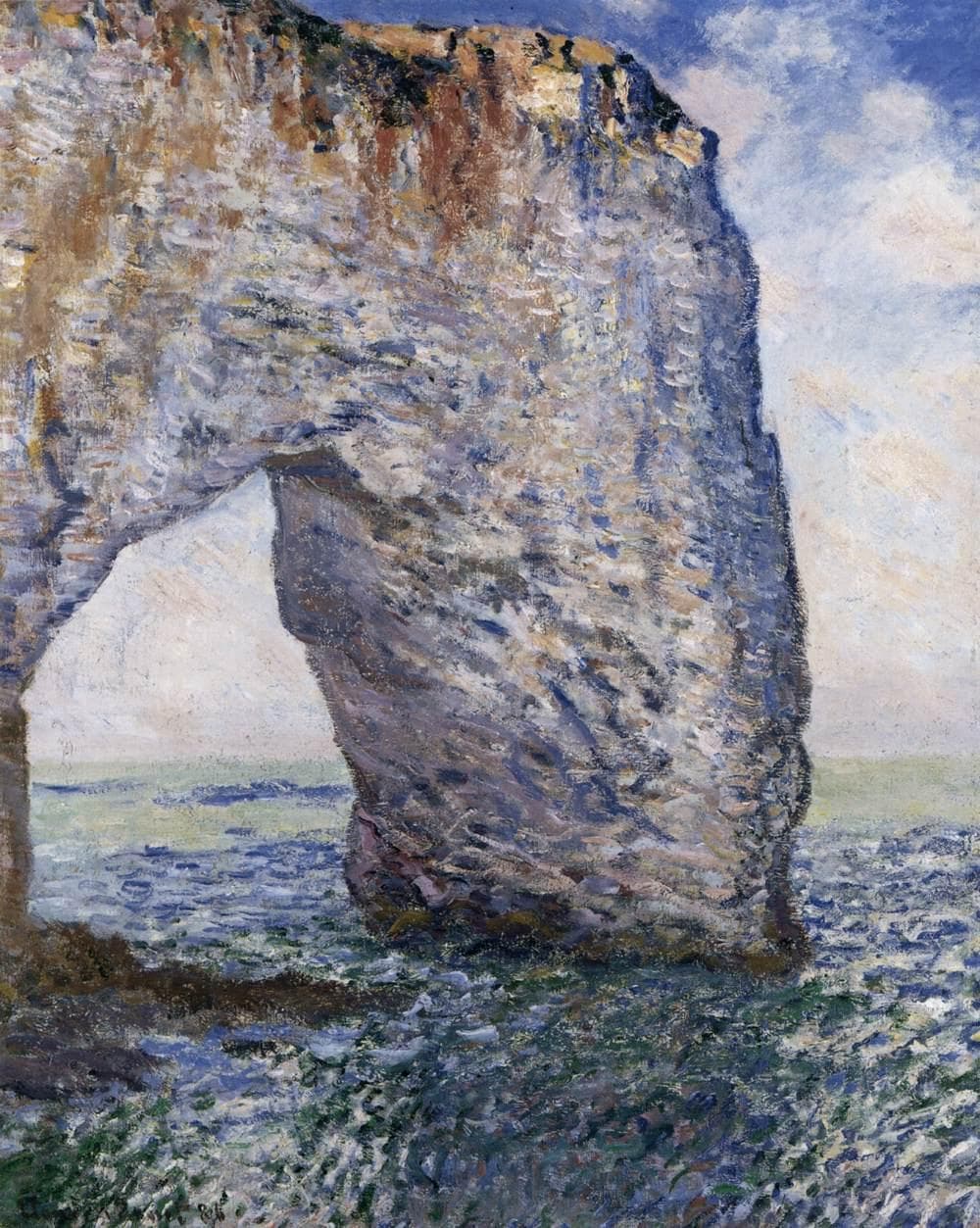
The Manneporte near Étretat
Claude Monet · 1886
Path in the Wheat Fields at Pourville
Claude Monet · 1882
Riverside Path at Argenteuil
Claude Monet · c. 1872