Symbolism
Starry Night (Munch)
Edvard Munch, 1893
Starry Night (Stjernenatt) is an 1893 painting by Edvard Munch of the shoreline at Åsgårdstrand, Norway, under a blue summer night sky. It is in the J. Paul Getty Museum in Los Angeles.
- Artist
- Edvard Munch
- Date
- 1893
- Medium
- Oil on canvas
- Dimensions
- 135.6 × 140 cm
- Collection
- J. Paul Getty Museum, Los Angeles, United States
- Movement
- Symbolism
What you are looking at
It is a summer night on the Oslofjord, at the small resort of Åsgårdstrand, where Munch spent his summers from the late 1880s. The view looks down over a curving shore toward still water and a low line of land on the horizon. On the right, a dark, rounded mass of trees fills a third of the canvas, and below it a long white picket fence runs diagonally into the picture. Above, a blue-green sky is scattered with a few stars, and one bright star or planet hangs just above the horizon, its reflection a thin vertical streak in the water below.
The painting is oil on canvas, 135.6 by 140 centimeters, almost square, and belongs to the J. Paul Getty Museum in Los Angeles.
Looking closely
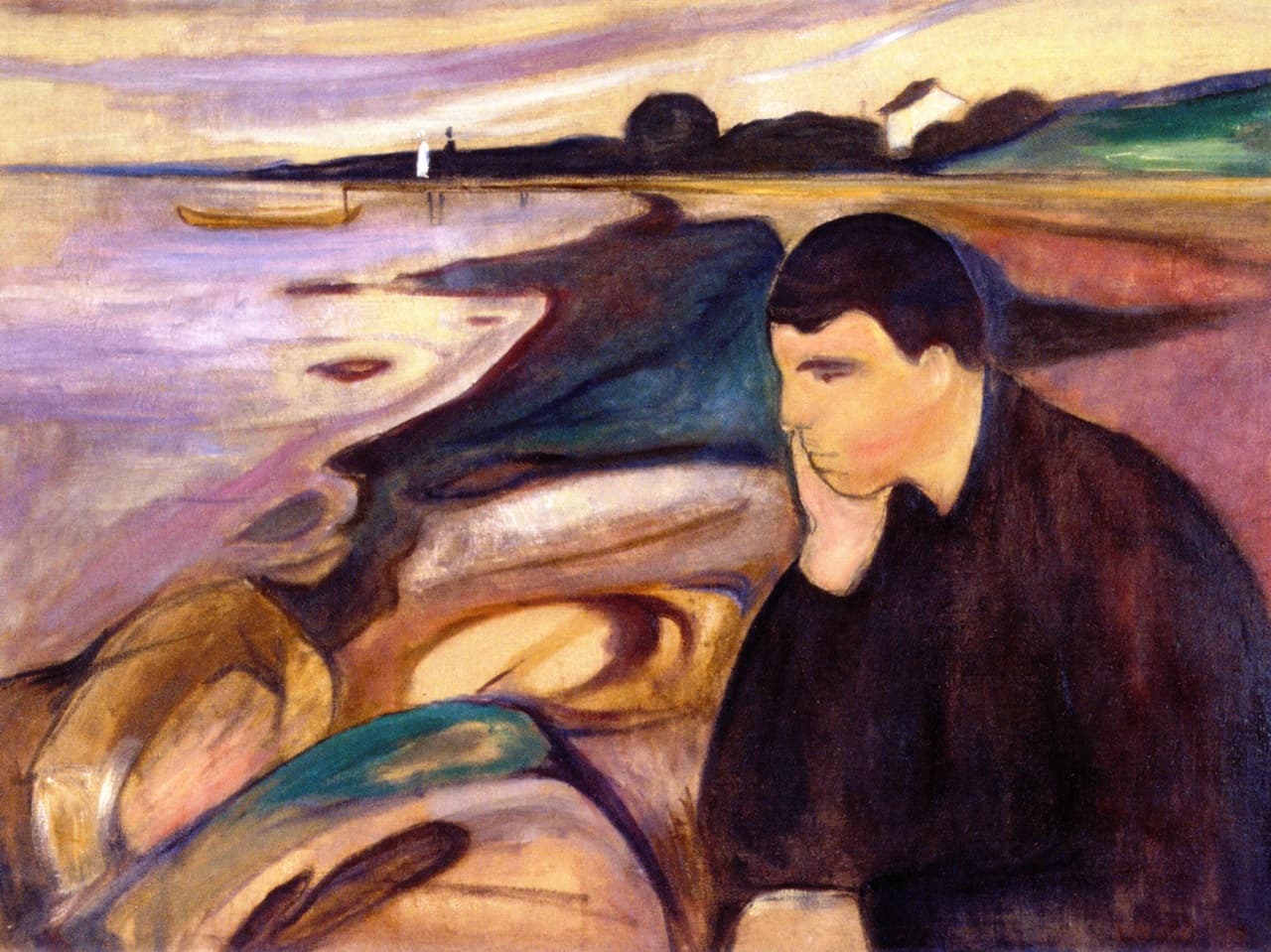
Munch paints thinly, often leaving the weave of the canvas visible, and he scrubs the sky in broad, uneven strokes of blue so it seems to breathe. The shore is a single sinuous dark curve, the line that runs through many of his Åsgårdstrand pictures, including Melancholy. Two thin vertical lights, one in the trees and one on the water, echo each other across the canvas.
Now look at the white fence at lower right. A faint bluish shape sits on it, a shadow with no obvious source. It is often read as the merged shadow of two figures standing out of sight, a hint of the lovers who appear elsewhere in Munch's work of these years. The reading is suggestive rather than certain, but it turns an empty landscape into a scene of memory and longing.
Meaning and context
In 1893 Munch was living in Berlin among writers and artists who prized mood and inner experience over description, and he was building the cycle of paintings on love, anxiety and death later known as The Frieze of Life. The Scream dates from the same year. Starry Night belongs to that world: a real place, closely observed, charged with private feeling. Accounts of the painting connect the view to the place where Munch first fell in love, which would explain the emotional weight of an apparently quiet night.
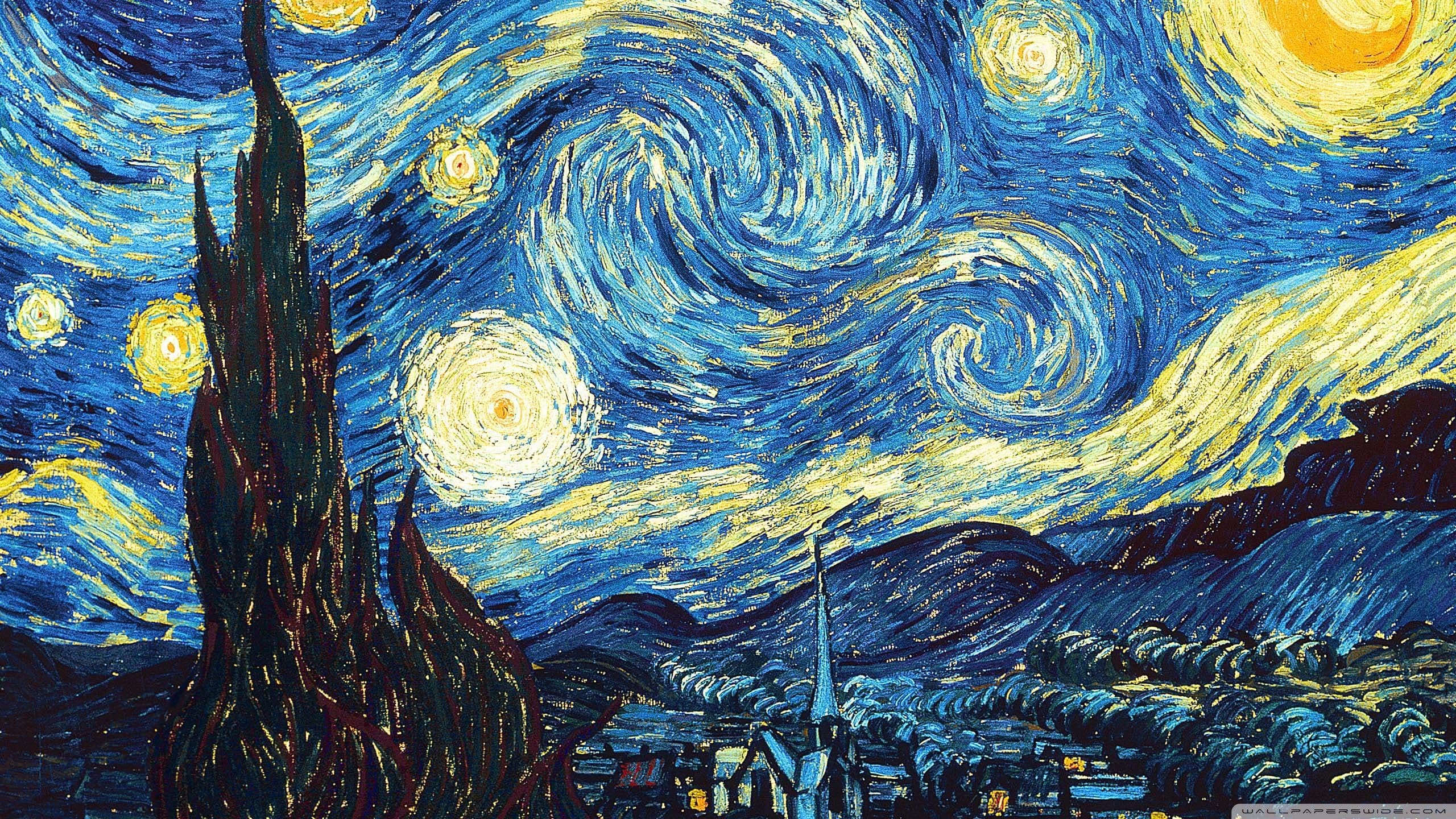
Munch returned to the theme of the starry night several times later in his career. The title also invites comparison with Vincent van Gogh's The Starry Night of 1889, though the two works are very different: Van Gogh's sky churns, Munch's hangs still.
Where to see it
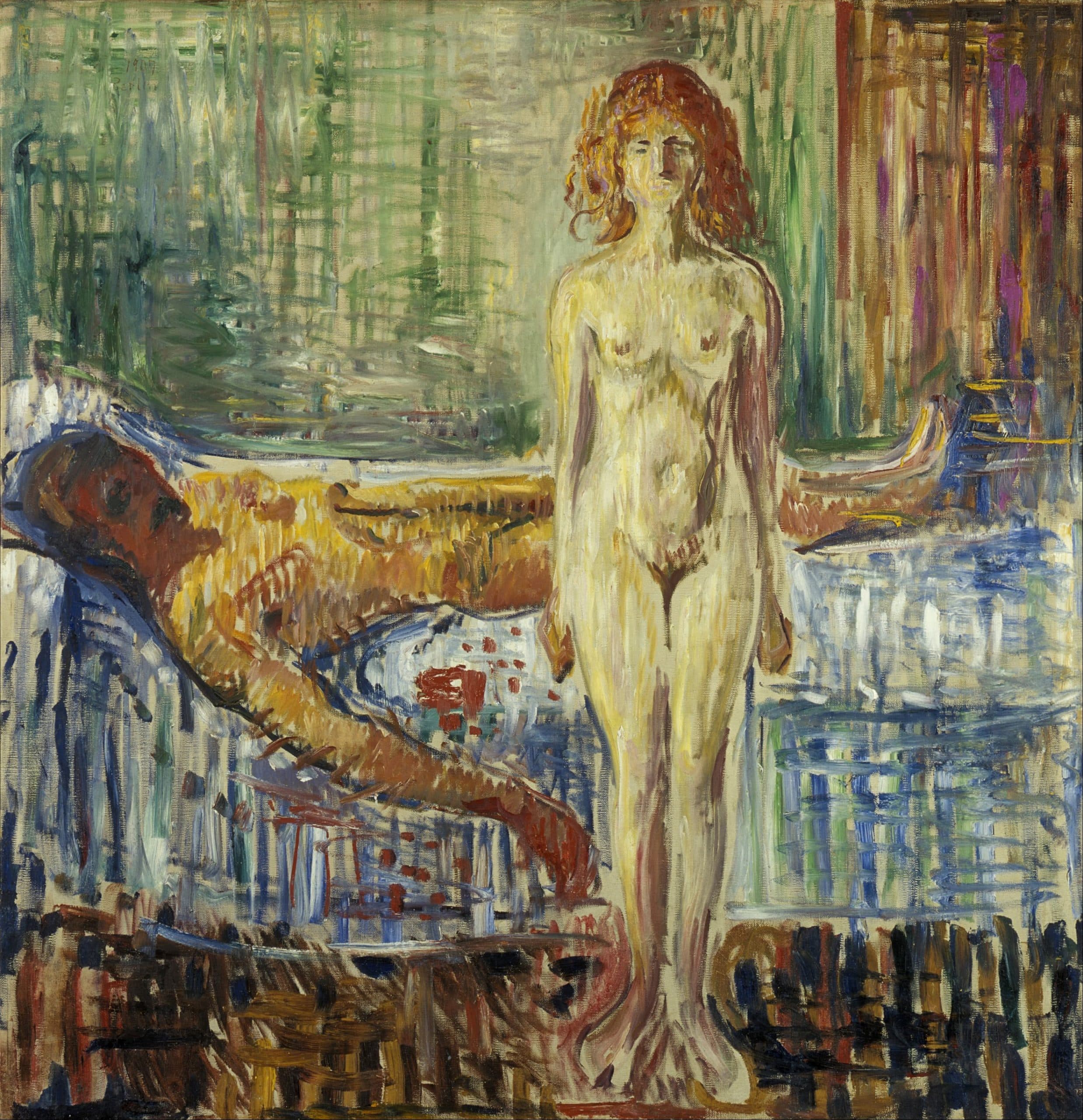
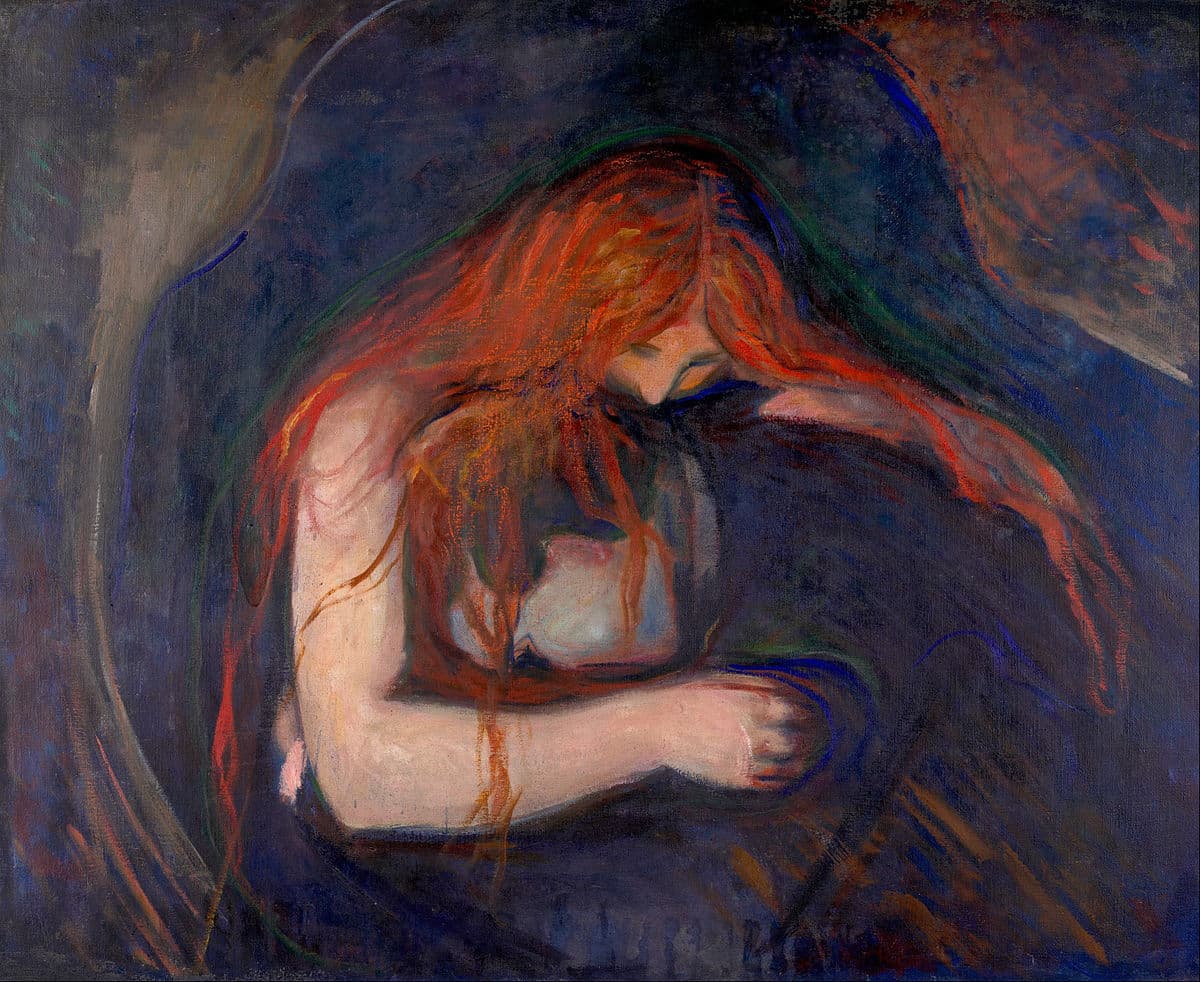
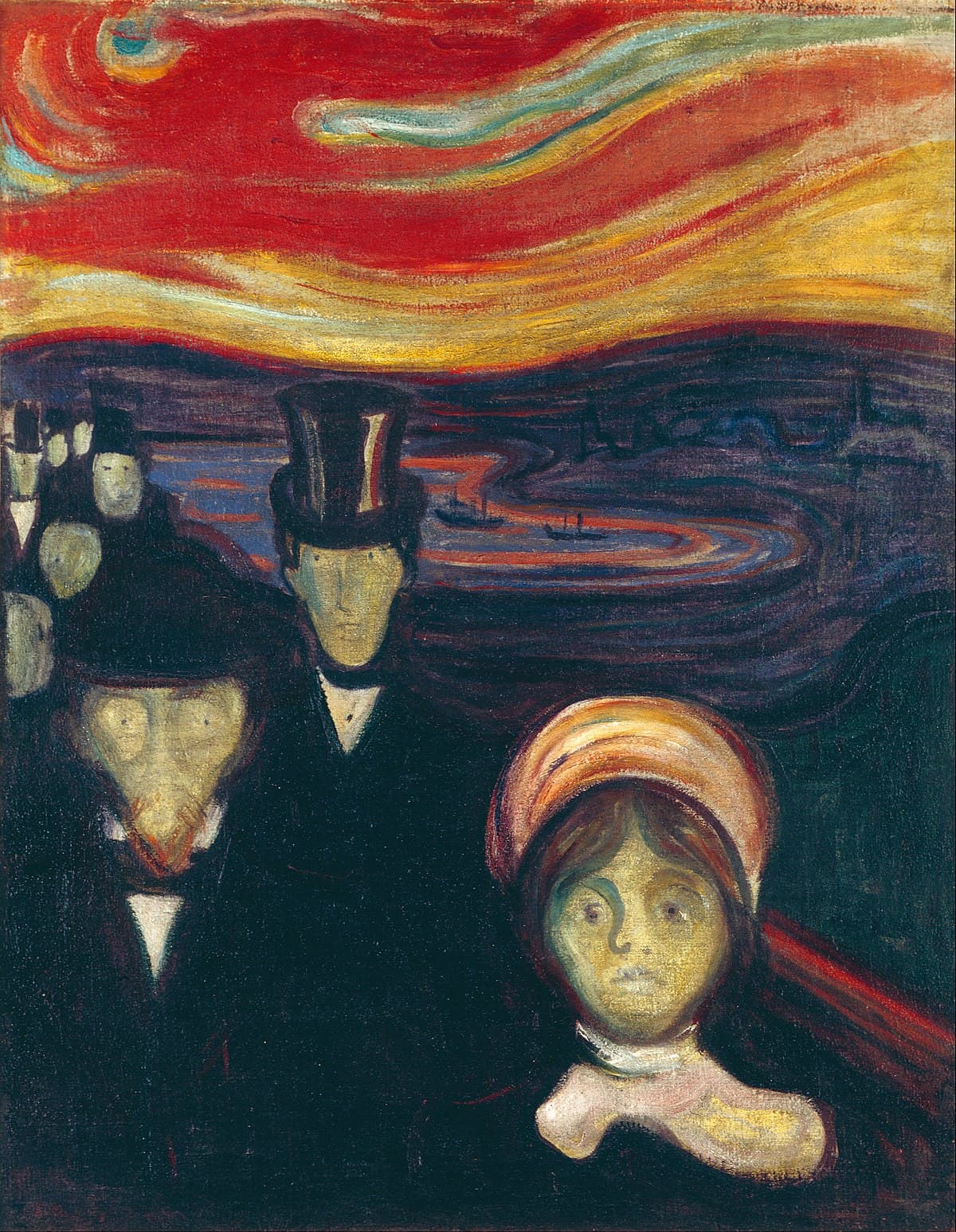
Starry Night is in the J. Paul Getty Museum at the Getty Center in Los Angeles, one of the most important Munch paintings in an American museum. For more by the artist see Anxiety, Vampire and Edvard Munch.
Questions & answers
Where is Munch's Starry Night?
Edvard Munch's Starry Night of 1893 is in the J. Paul Getty Museum at the Getty Center in Los Angeles. It is an oil on canvas measuring 135.6 by 140 centimeters and shows the shoreline at Åsgårdstrand, Norway, at night.
What does Munch's Starry Night mean?
It is a landscape charged with memory and longing rather than a simple view. The quiet shore at Åsgårdstrand, where Munch summered and first fell in love, is shown at night, and a faint shadow on the fence is often read as two merged figures, linking it to his paintings about love.
Is Munch's Starry Night related to Van Gogh's?
They share a title and a night sky, but there is no direct link. Van Gogh painted The Starry Night in 1889 at Saint-Rémy, with swirling, energetic brushwork. Munch's 1893 picture is still and thinly painted, closer in mood to Symbolism and his own Frieze of Life.
More by the artist
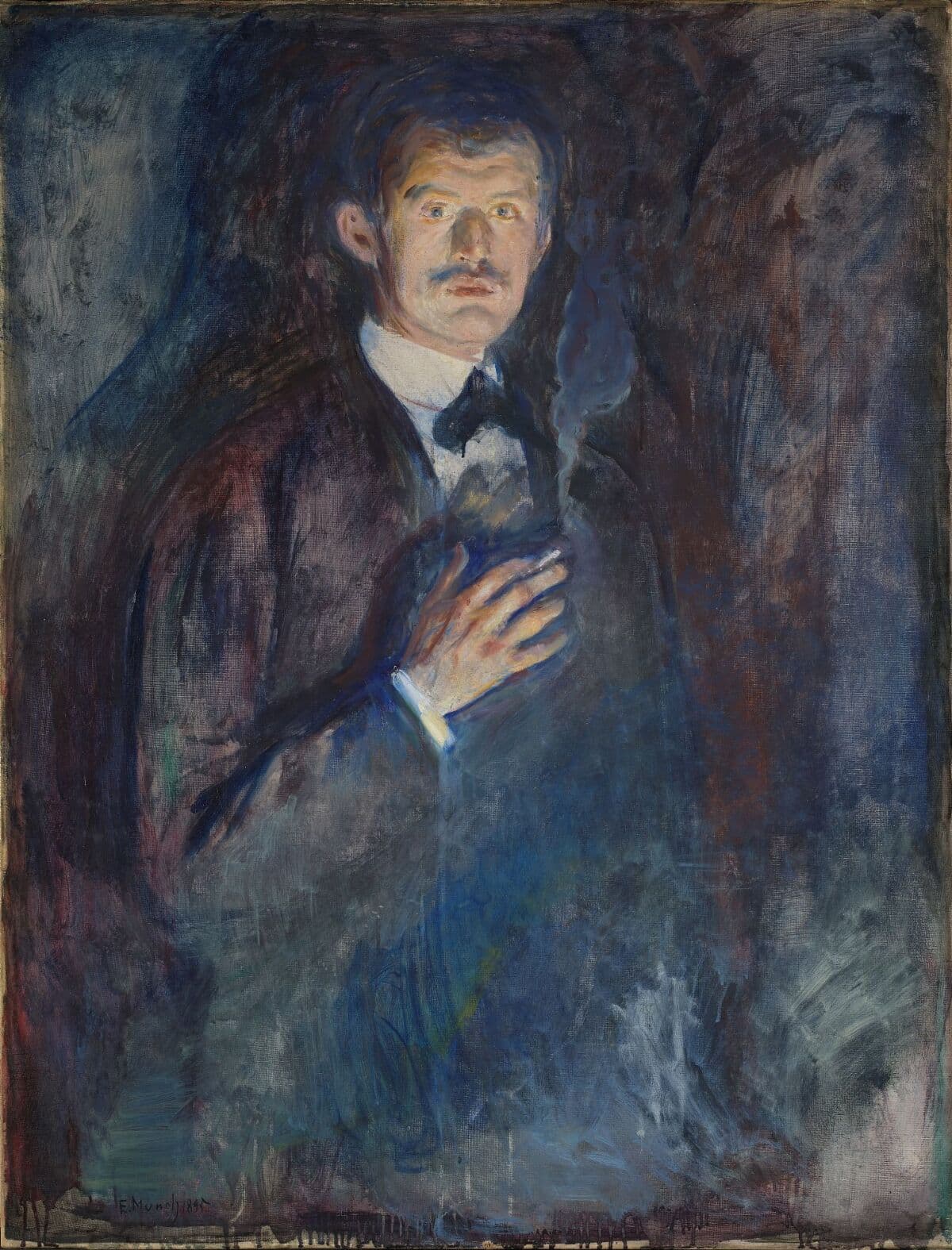
Edvard Munch

Kindred works
You may also study
The Starry Night (van Gogh)
Vincent van Gogh · 1889

Bridge over a Pond of Water Lilies
Claude Monet · 1899

Nymphs Dancing to Pan's Flute
Joseph Tomanek

Ophelia
John Everett Millais · 1851–52

Woman with a Parasol – Madame Monet and Her Son
Claude Monet · 1875

The Great Wave off Kanagawa
Katsushika Hokusai · c. 1830–32
Lucifer
Franz von Stuck · 1890
The Birth of Venus
Sandro Botticelli · c. 1484–1486