Image: Claude Monet; National Museum of Serbia (source: http://www.artslife.com/2013/09/16/monet-au-coeur-de-la-vie/) · Public domain · via Wikimedia Commons
Rouen Cathedral
Claude Monet, 1892–94
Rouen Cathedral is a Claude Monet painting from his Rouen Cathedral series, begun in 1892, showing the Gothic west front in rose and pink light against a pale turquoise sky. It is in the National Museum of Serbia in Belgrade, one of the few canvases of the series in Eastern Europe.
- Artist
- Claude Monet
- Date
- 1892–94
- Medium
- Oil on canvas
- Collection
- National Museum of Serbia, Belgrade, Serbia
- Movement
- Impressionism
- Catalogue
- Wildenstein 1329
- Architecture & Ruins
- Religion & Saints
What you are looking at
The west front of Rouen Cathedral rises to the top of the canvas, cropped tight at both sides, its gables and pinnacles cut out against a sky of pale turquoise green. Almost every surface of the stone is pink: rose, salmon and coral in the upper façade, cooling to lilac and blue-gray in the lower half, where the three portals sink into soft shadow. In the center the great rose window is a dim oval of violet and ocher, and below it a small white disk, the clock dial, catches the light like a coin.
The effect is of warm, low light washing over the upper stonework while the base of the building stays in cool shade. The turquoise of the sky is the complementary of the pink, and the two together give the picture its flushed, almost glowing tone. That is why the canvas is sometimes called the Pink Cathedral. At the bottom right, warm patches of red-orange mark the recesses of the side portal.
The signature, Claude Monet, is at lower right.
Rouen, 1892 and 1893
Claude Monet painted the cathedral during two long stays in Rouen, in the late winter and spring of 1892 and 1893. He rented rooms in buildings on the square facing the west front and worked on a whole rack of canvases at once, turning from one to the next as the sun moved across the stone. He finished them in his studio at Giverny in 1894.
The series, about thirty canvases in all, is the most radical of Monet's 1890s projects: the same Gothic façade, nearly the same framing, painted again and again until the building becomes a screen for colored light. Twenty of the canvases were shown at Durand-Ruel's gallery in Paris in May 1895. For an overview of the group, see the Rouen Cathedral series.
How it was painted
The surface is dense and granular, built in layer after layer of short, dry touches. Monet drags pale pink over darker underpaint so that the lower colors break through in flecks of blue and violet, which gives the stone its crumbling, porous look. The sky is handled differently, in flatter, smoother strokes of green-blue that make the jagged silhouette of the gables stand out.
The drawing is reduced to a few vertical accents: the buttresses, the pinnacles, the outlines of the arches. Monet was not interested in the sculpture of the portals, only in how light sat on their projections and fell into their hollows.
How this version differs
The closest relatives are the pink and gray canvases painted late in the day. The Cardiff Rouen Cathedral, Symphony in Grey and Pink has the same turquoise sky and rose stone but is cooler and grayer overall. The Pushkin Museum's Rouen Cathedral, Evening pushes toward deeper orange and violet. The Belgrade canvas is the most evenly pink of the group, with less contrast between upper and lower façade than the Marmottan's Portal, Sunlight, End of the Day, where the top of the building blazes gold.
A cathedral in Belgrade
French painting reached Belgrade's museum largely through gifts and purchases in the twentieth century, and the Monet is among the most popular works in its European galleries. For visitors in southeastern Europe it is one of the few places to see a canvas from the series without traveling to Paris, Moscow or Cardiff. The National Museum reopened in 2018 after a long renovation, so the painting is once again on regular display.
Ownership and where to see it
Catalogued as Wildenstein 1329, the painting is in the National Museum of Serbia in Belgrade, which holds one of the most important collections of French painting in the Balkans. It is a highlight of the museum's display of European art. Published details of its dimensions and provenance are scarce. For other canvases from the series, see our guide to where to see Monet's paintings.
Questions & answers
Where is Monet's Rouen Cathedral in Belgrade?
It is in the National Museum of Serbia in Belgrade, which displays it with its collection of French painting. It is catalogued as Wildenstein 1329. It is one of very few canvases from the Rouen Cathedral series in Eastern Europe; others are in Moscow's Pushkin Museum.
When was it painted?
Monet worked on the Rouen Cathedral series in Rouen in 1892 and 1893 and finished the canvases in his studio at Giverny in 1894. Wikidata and most catalogues place this canvas in the 1892 campaign. The series was exhibited at Durand-Ruel's gallery in Paris in 1895.
Why is it called the Pink Cathedral?
Because almost all of the stone is painted in rose, salmon and coral against a pale turquoise sky. The pink is the color of warm, low sunlight on the façade. Monet did not use that name; it is a popular title for this canvas.
How many Rouen Cathedral paintings are there?
Monet painted about thirty canvases of the cathedral, most of them of the west front seen from rooms on the square opposite. Each records a different time of day or weather. They are now in museums including the Musée d'Orsay, the Met, the National Gallery of Art and the Marmottan.
More by the artist
Claude Monet
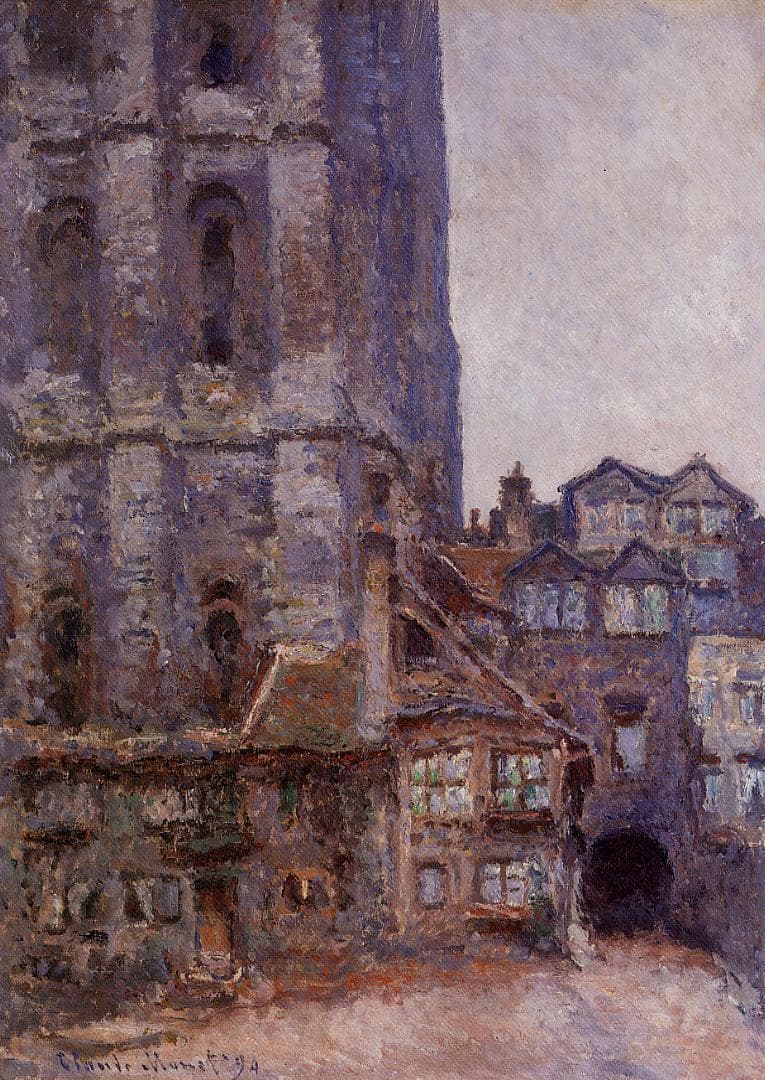
La Cour d'Albane, temps gris
Claude Monet · 1892–94
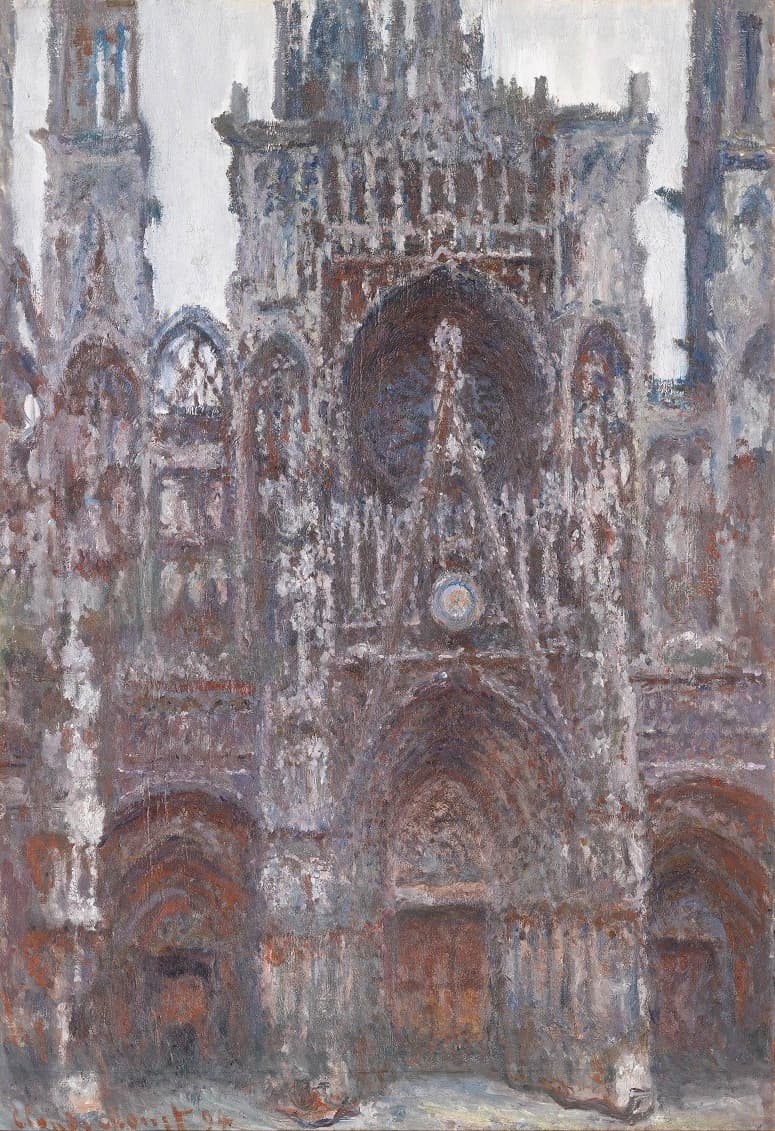
Rouen Cathedral, the Portal, Front View (Harmony in Brown)
Claude Monet · 1892–94
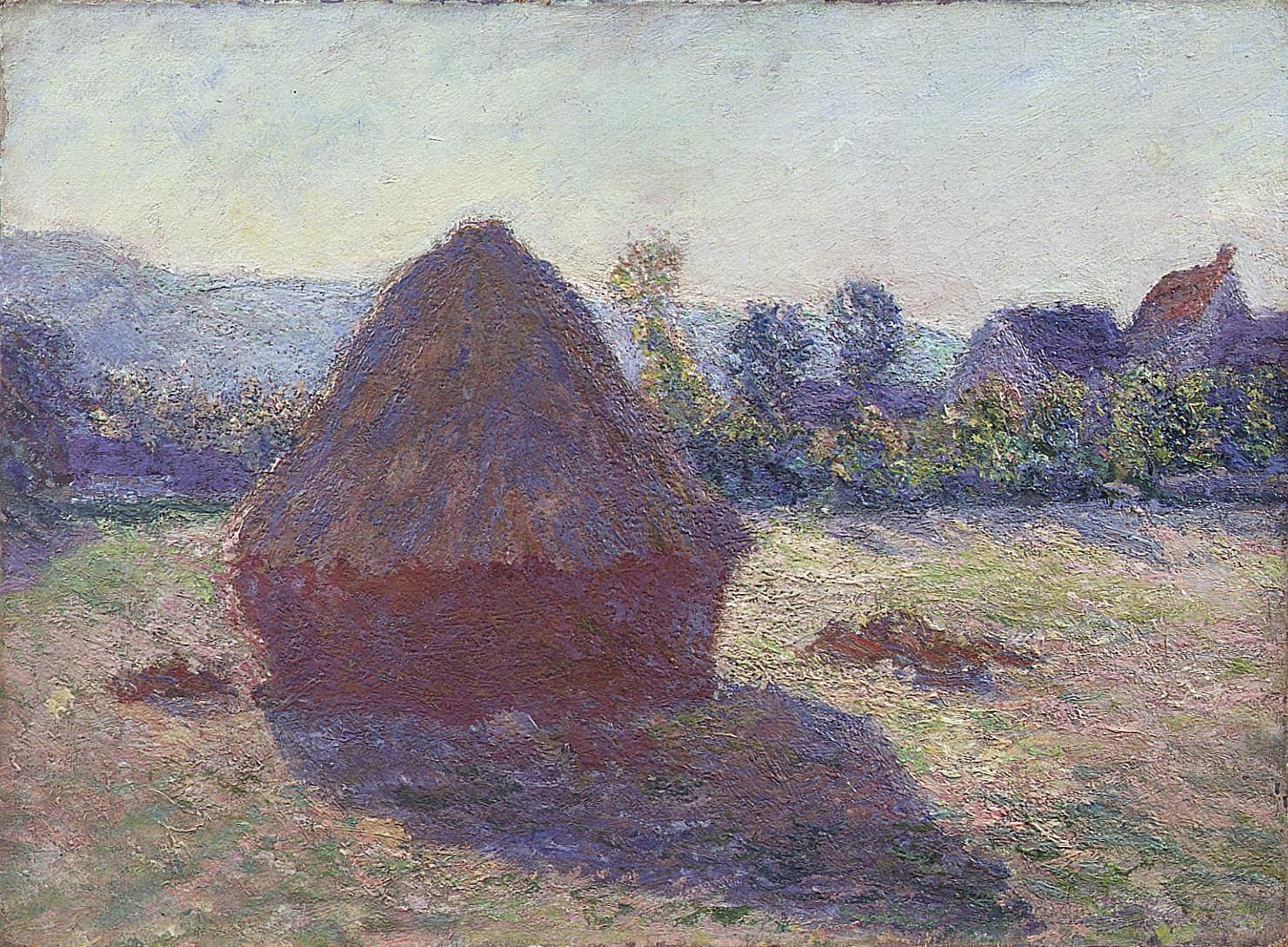
Haystack in the Evening Sun
Claude Monet · 1891
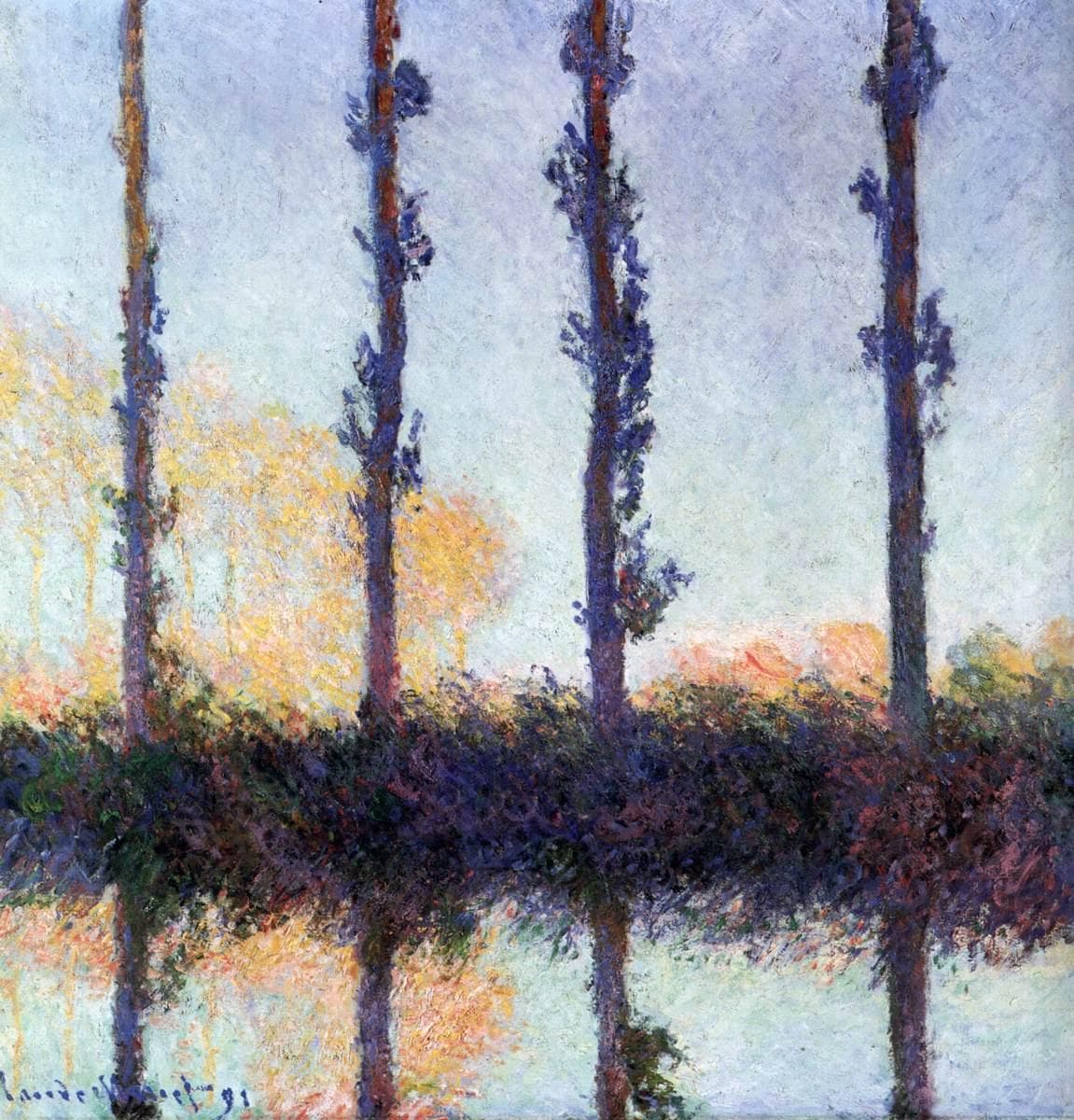
The Four Trees
Claude Monet · 1891
Haystacks (Effect of Snow and Sun)
Claude Monet · 1891
Grainstack in Sunlight
Claude Monet · 1891
Poplars, Pink Effect
Claude Monet · 1891
Peupliers au bord de l'Epte, crépuscule
Claude Monet · 1891
Also painted in 1892
The same year
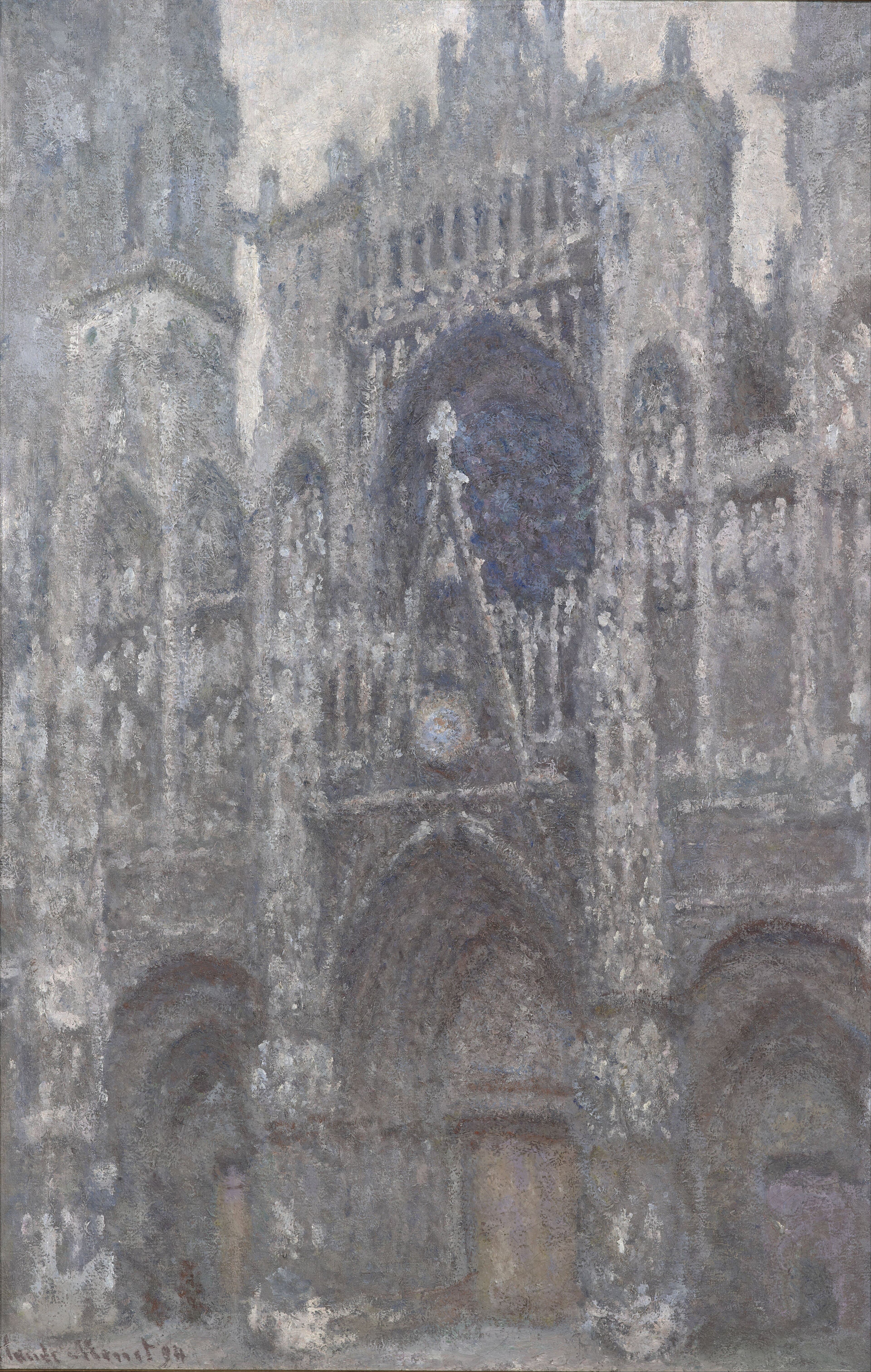
Rouen Cathedral, the Portal, Grey Weather
Claude Monet · 1892–94
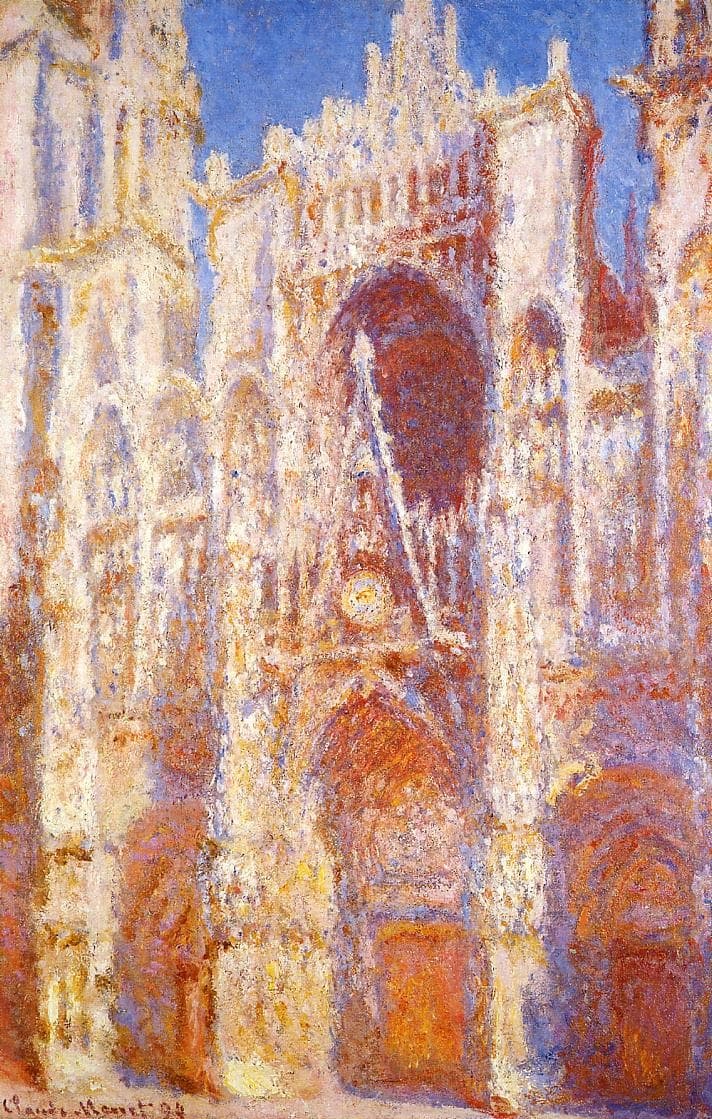
Rouen Cathedral, Portal, Sunlight (W 1322)
Claude Monet · 1892–94
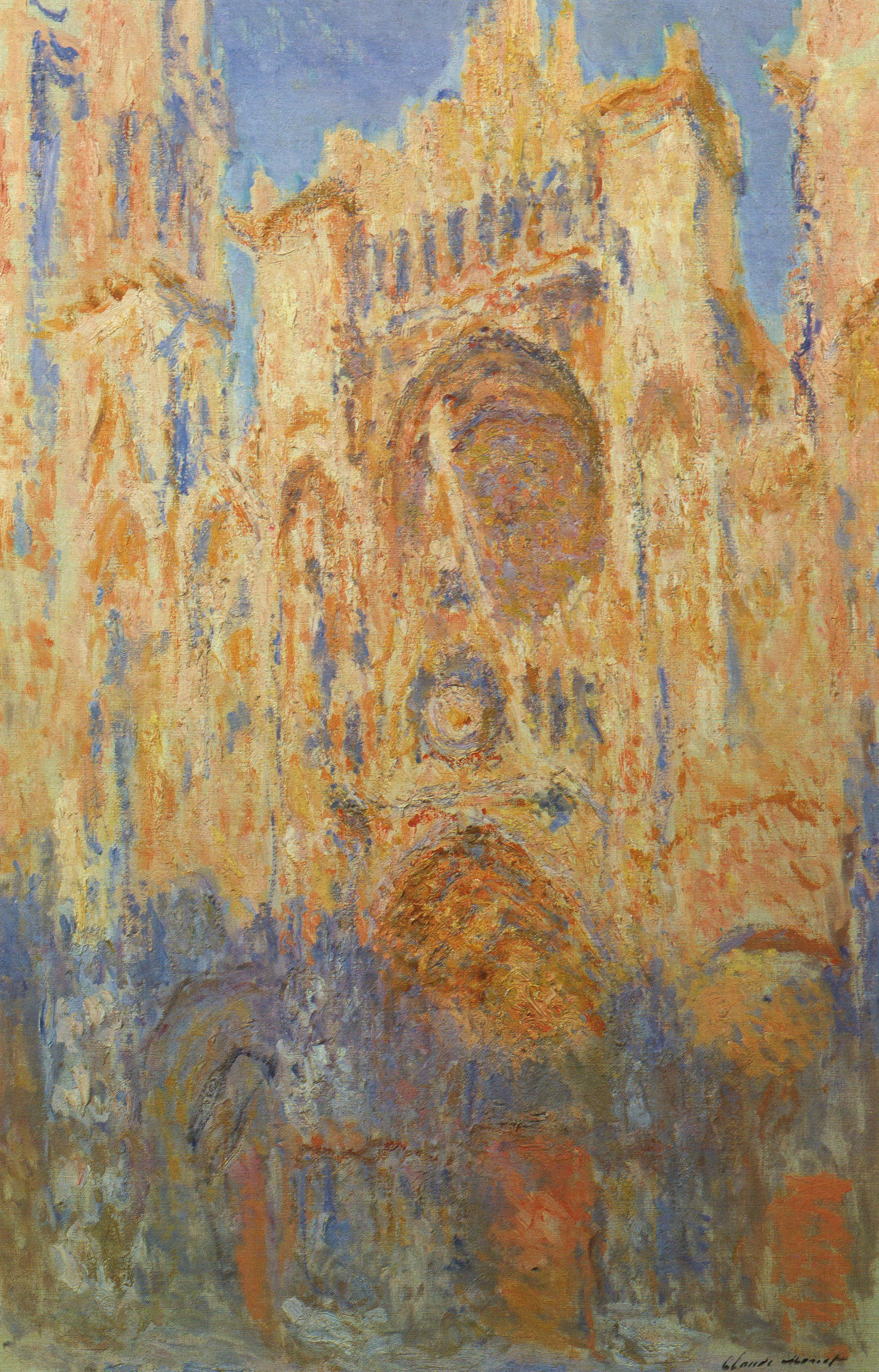
Rouen Cathedral, Sunlight Effect, End of the Day
Claude Monet · 1892
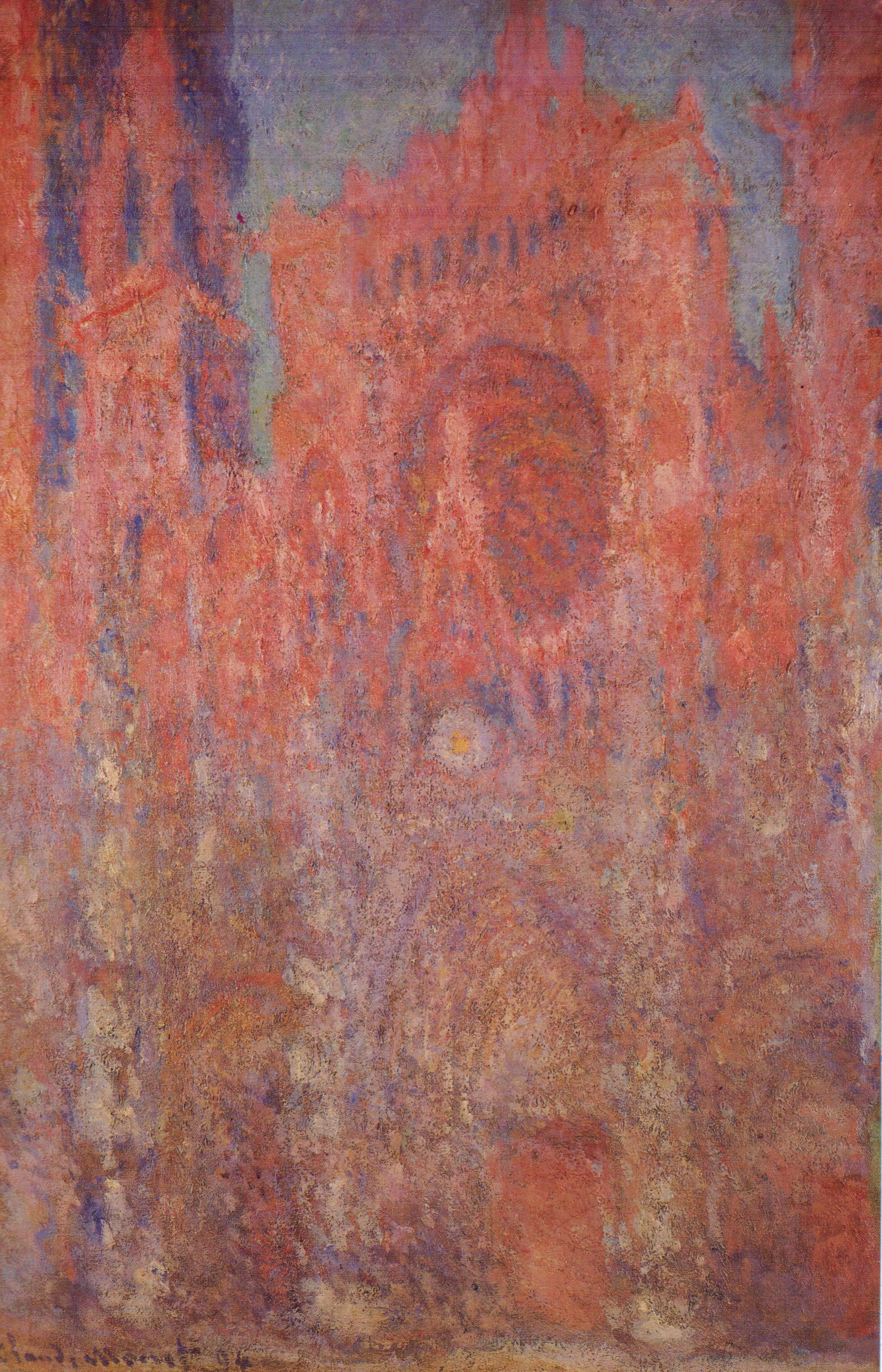
Rouen Cathedral, Portal
Claude Monet · 1892–94
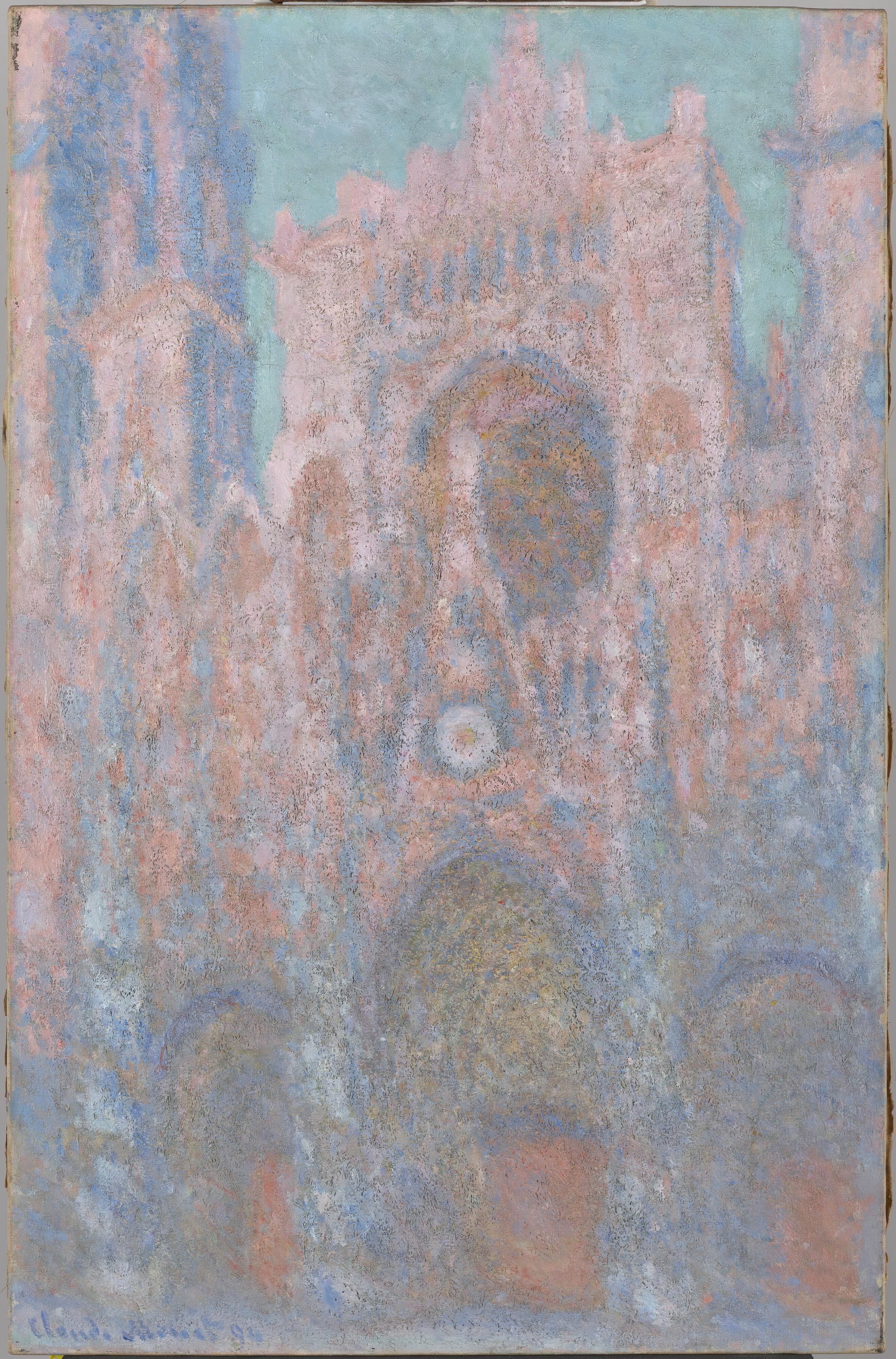
Rouen Cathedral: Setting Sun (Symphony in Pink and Grey)
Claude Monet · 1892–94
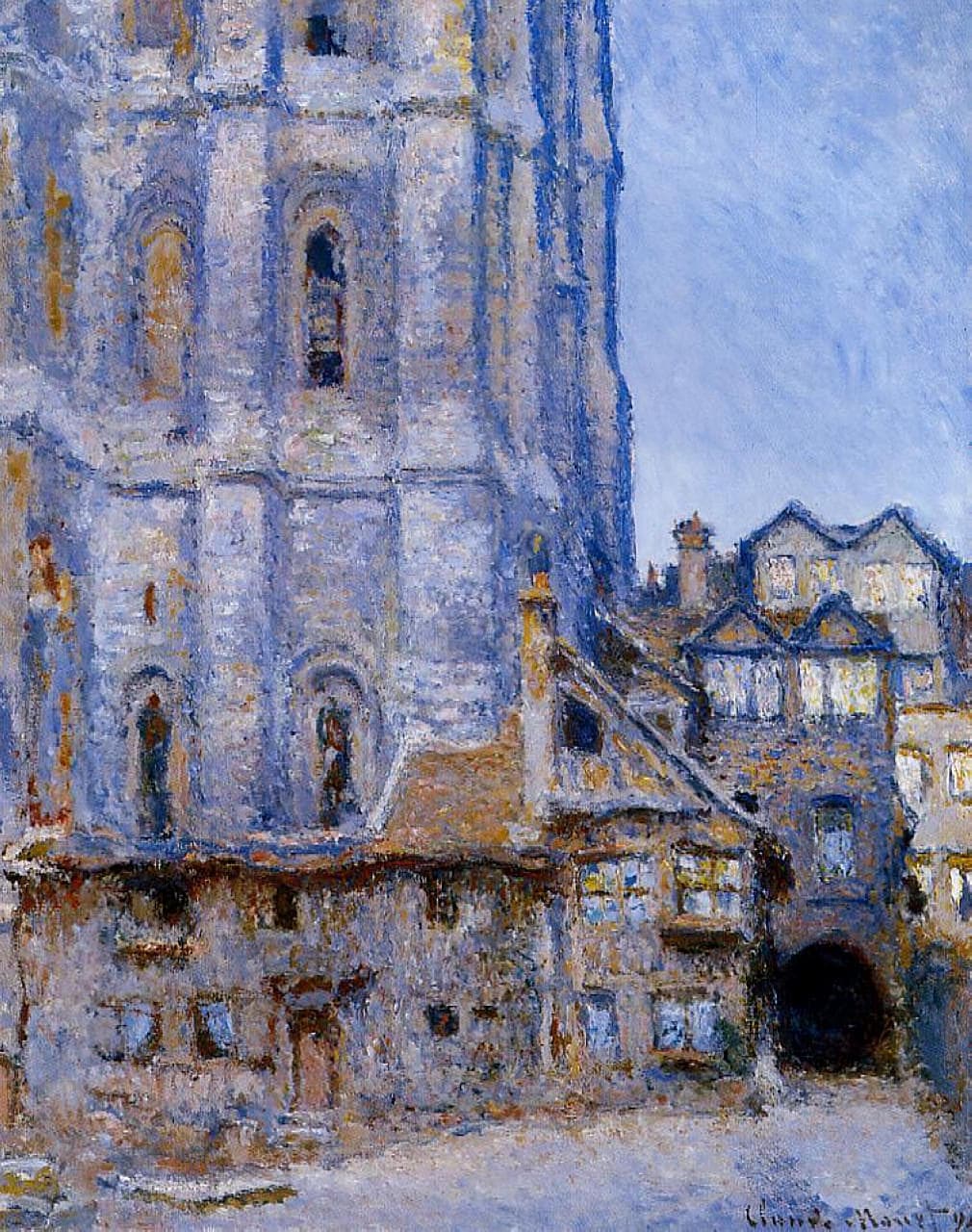
La Cour d'Albane, Rouen
Claude Monet · 1892–94
Kindred works
You may also study
Rouen Cathedral: Setting Sun (Symphony in Pink and Grey)
Claude Monet · 1892–94
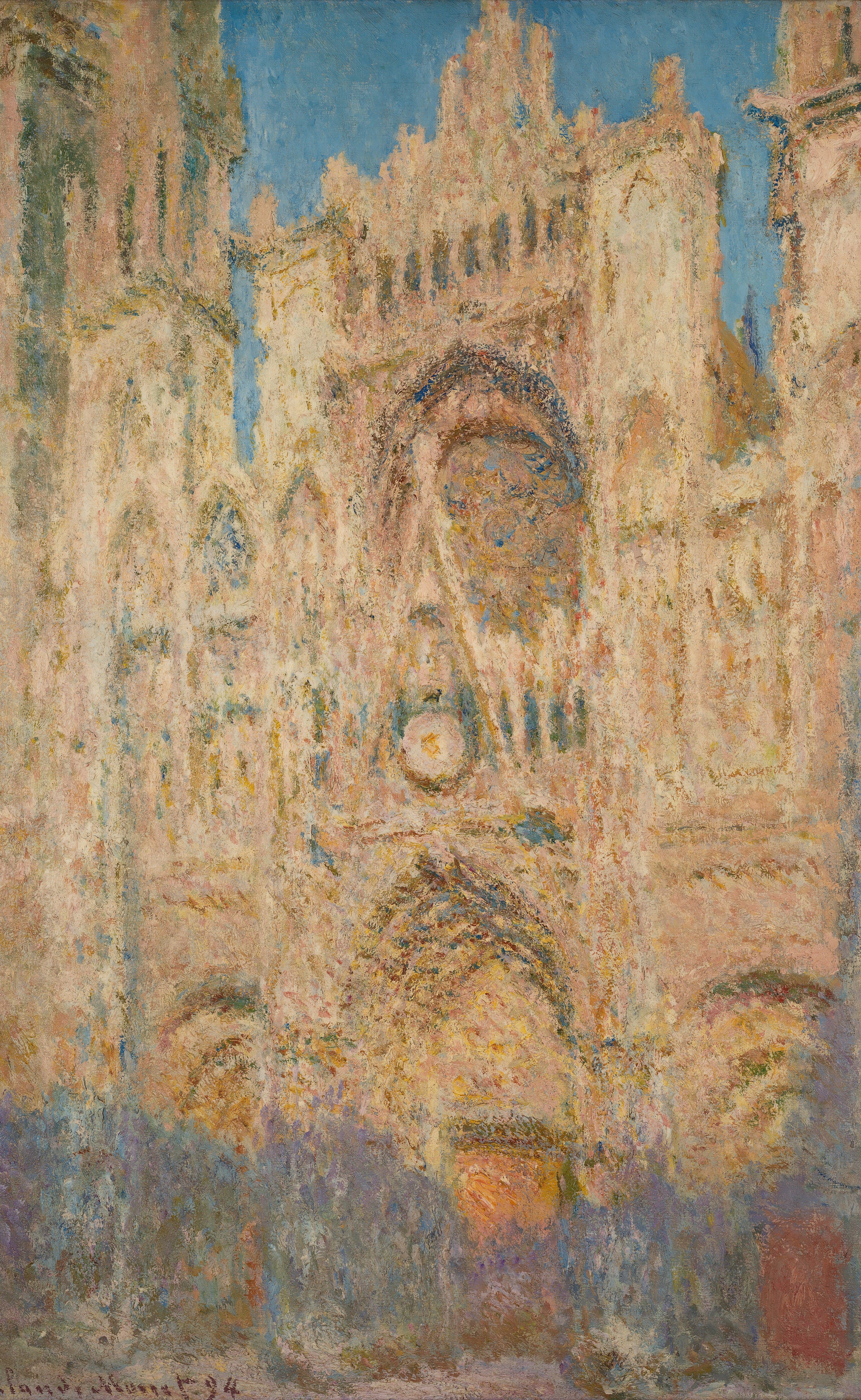
Rouen Cathedral, Evening
Claude Monet · 1894
Rouen Cathedral, Sunlight Effect, End of the Day
Claude Monet · 1892
Rouen Cathedral, Portal
Claude Monet · 1892–94
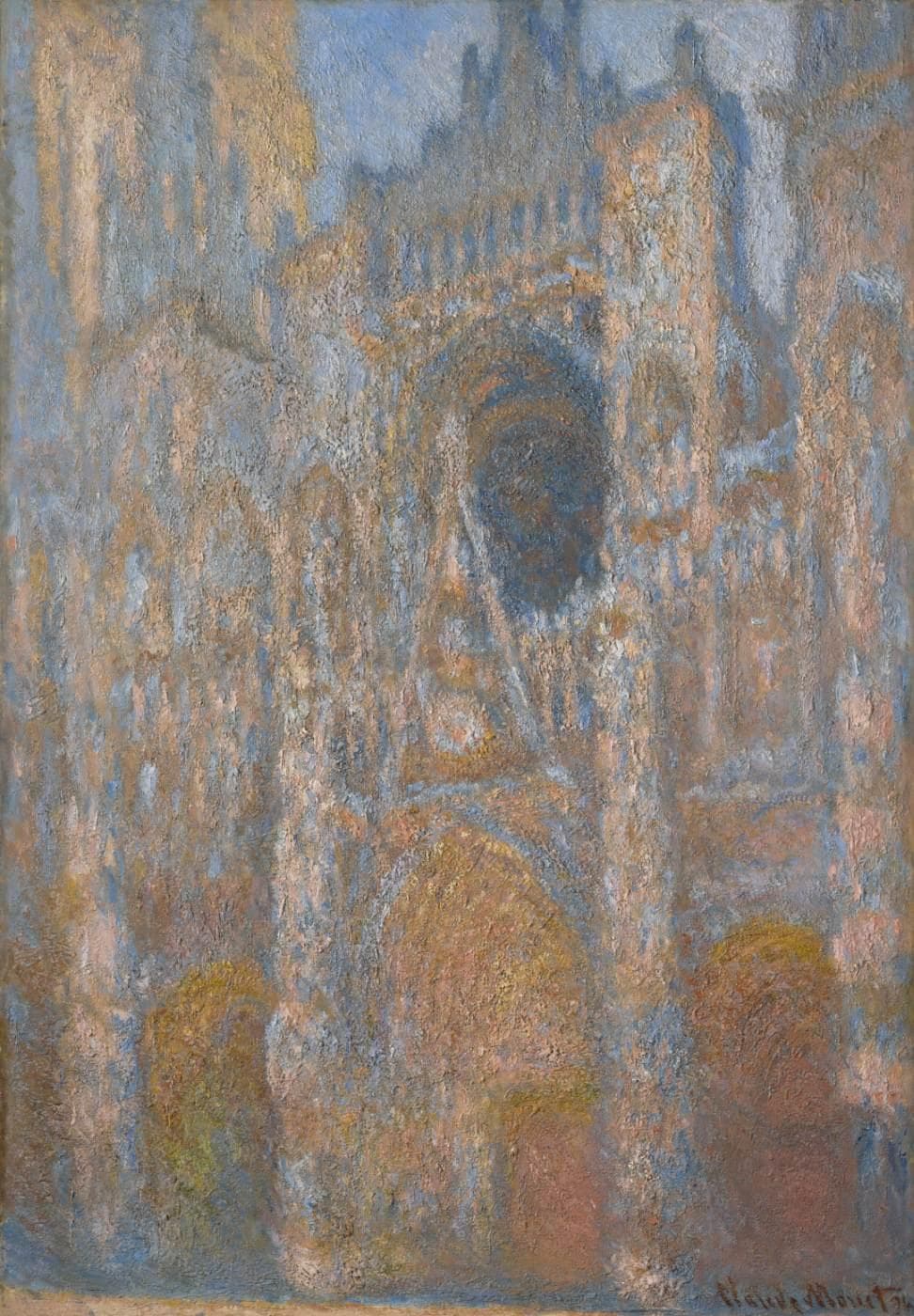
Rouen Cathedral in Sunlight
Claude Monet · c. 1892–94
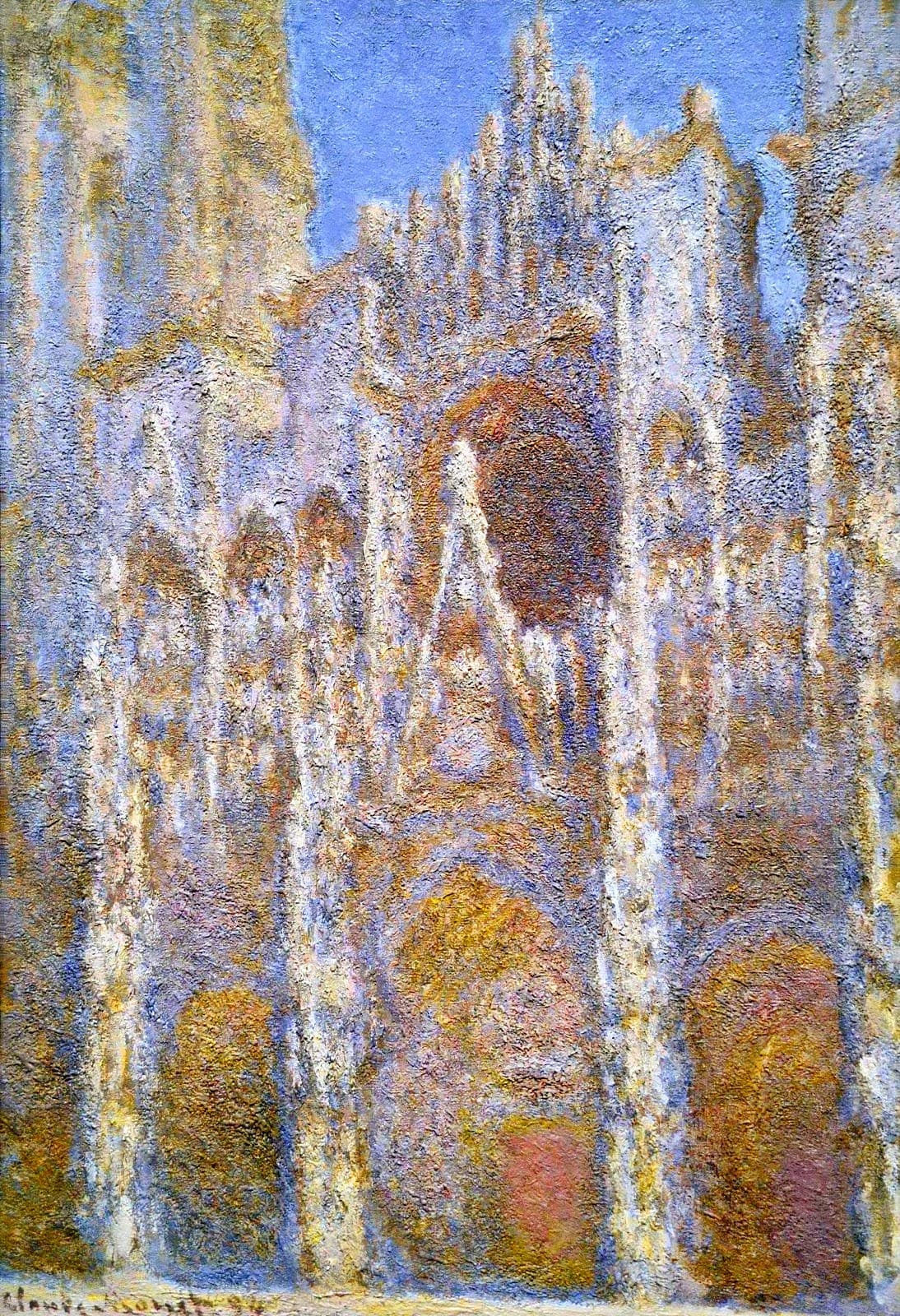
Rouen Cathedral, Façade
Claude Monet · 1893–94
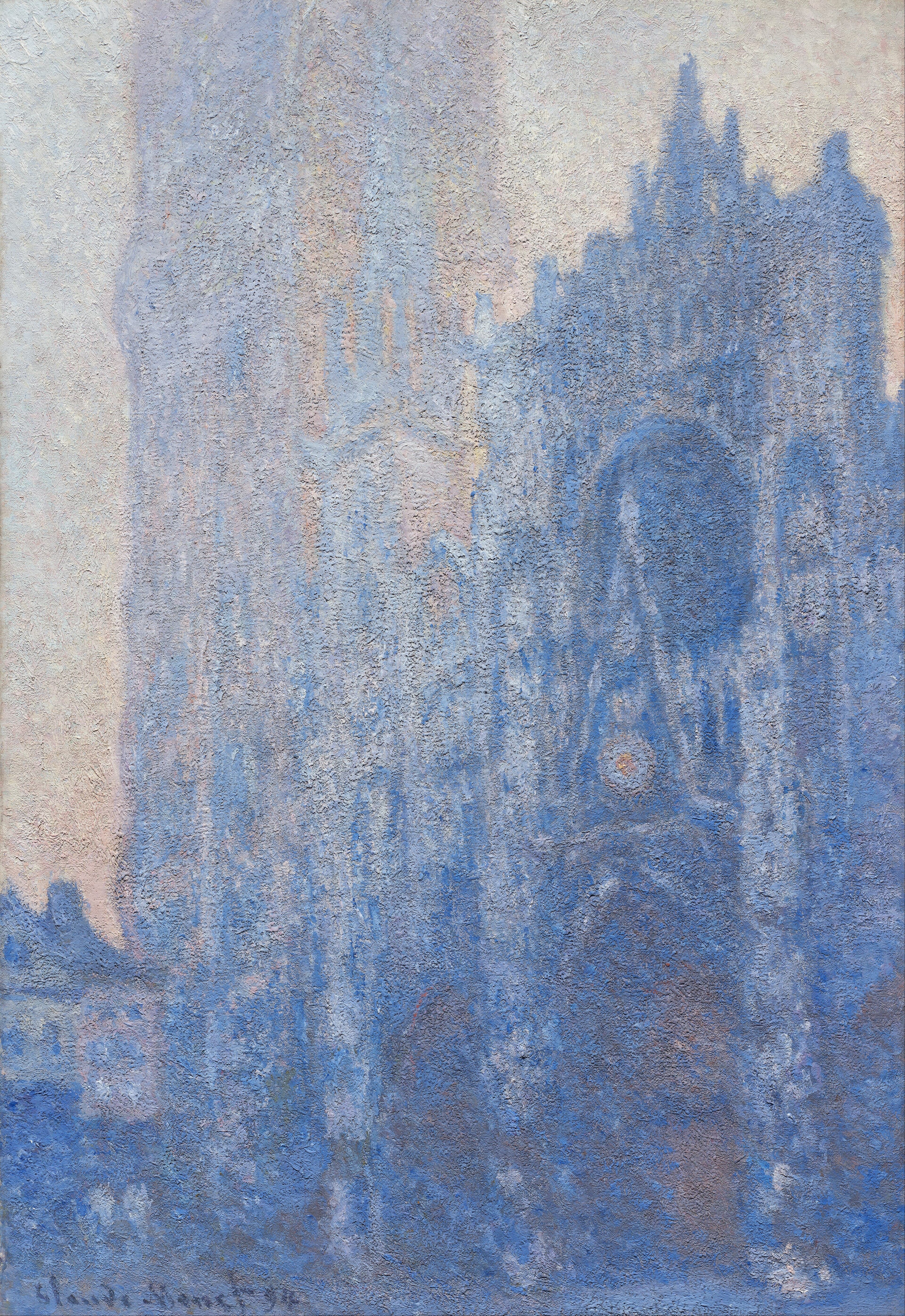
Rouen Cathedral Façade and Tour d'Albane (Morning Effect)
Claude Monet · 1893–94
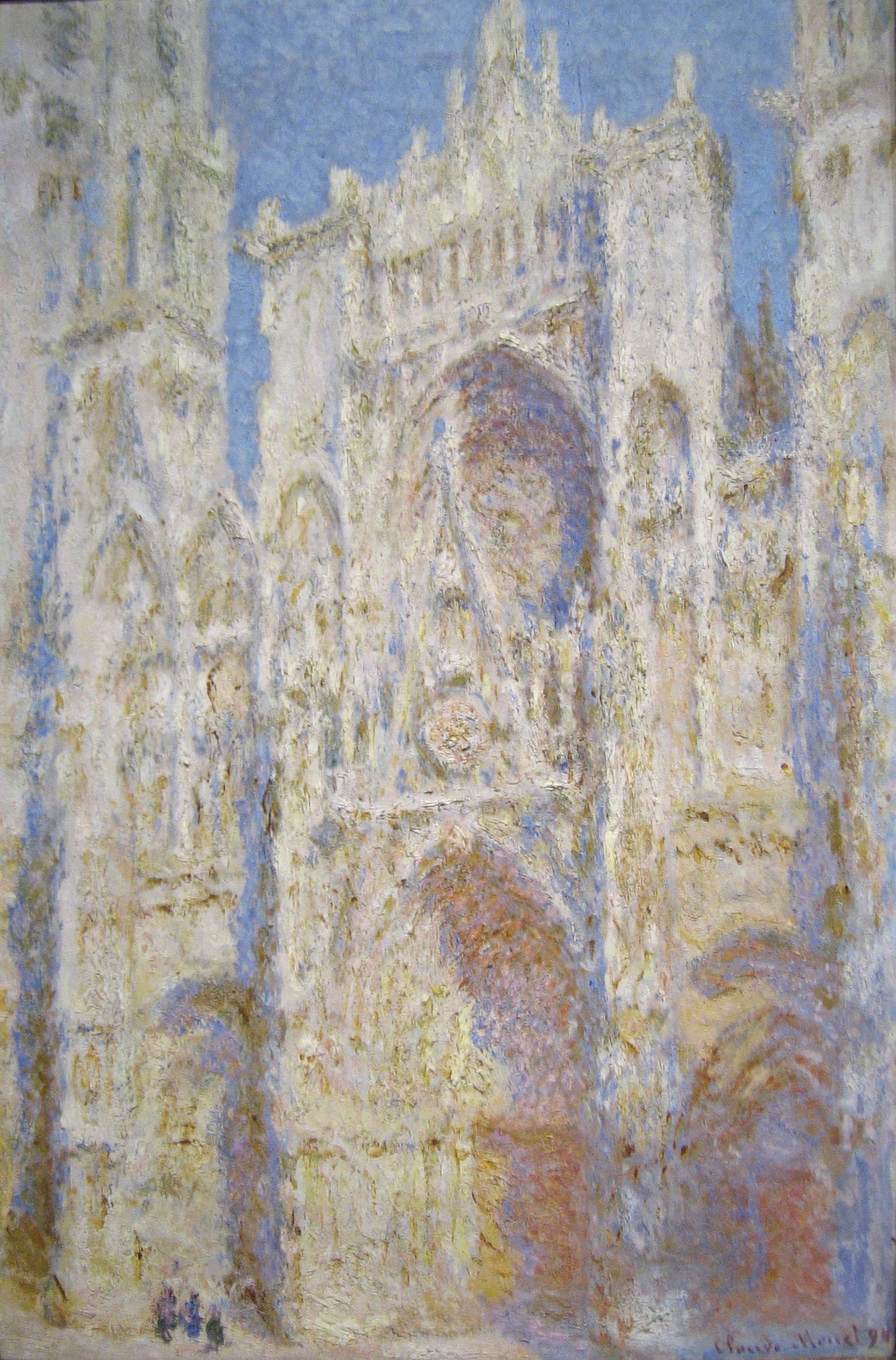
Rouen Cathedral, West Façade, Sunlight
Claude Monet · 1892–94