Image: Musée d'Art et d'Histoire, Geneva / Garengo Foundation · CC BY-SA 4.0 · via Wikimedia Commons
Corner of the Water-Lily Pond
Claude Monet, 1918
Corner of the Water-Lily Pond (Coin du bassin aux nymphéas) is a vertical 1918 canvas by Claude Monet: a shadowy corner of his Giverny pond under willows and roses, with lilies in the foreground. It is at the Musée d'Art et d'Histoire, Geneva.
- Artist
- Claude Monet
- Date
- 1918
- Medium
- Oil on canvas
- Dimensions
- 119.5 × 88.5 cm
- Collection
- Musée d'Art et d'Histoire (on deposit from the Garengo Foundation), Geneva, Switzerland
- Movement
- Impressionism
- Catalogue
- Wildenstein 1879
- Nature & Landscape
- Water & Sea
Corner of the Water-Lily Pond (Coin du bassin aux nymphéas) is a canvas Claude Monet painted at Giverny in 1918. Unusually for his late pond pictures, it is upright, 119.5 × 88.5 cm, and it looks at the bank rather than only at the water. It belongs to the Garengo Foundation and is on deposit at the Musée d'Art et d'Histoire in Geneva (inv. 1990-0046). It is number 1879 in the Wildenstein catalogue raisonné.
What you're looking at
This is a picture of a place you could walk to. In the lower third, a small bay of the pond lies in shadow, its surface carpeted with lily pads painted in short horizontal strokes of olive, cream and pink, with a few pink-red flowers among them. Above it, a strip of bank runs across the canvas, a band of reddish earth and pale yellow-green grass with a clump of blue-grey reeds or irises rising on the right.
The upper two-thirds are all vegetation. A weeping willow hangs down through the center, its fronds painted in dark blue, green and cool white streaks. To the left, a tangle of yellow-green foliage and red dots suggests climbing roses; to the right, more roses in red and pink against dark leaves. The light is dappled and low, coming through foliage rather than from open sky.
The effect is intimate and enclosed. Where most of Monet's late canvases float free of any ground, this one has a clear foreground, middle ground and background, and it remembers that the water garden was a garden, with paths, plantings and corners.
Where and when it was painted
Monet created the water garden at Giverny from 1893, diverting a stream to feed the pond and planting willows, bamboo, irises and climbing roses around it. In 1918, the last year of the First World War, he was still at work on the great water-lily decorations, but he also painted a number of smaller, upright views of the pond's edges, including the rose-covered banks and the paths around the water. This canvas belongs to that group.
How it was painted
The handling is thick and broken, with many short, overlapping strokes that build up a matted surface. Monet uses warm earth reds and yellow-greens against cool blues and violets, so the foliage seems to vibrate. In the lower right a date and signature appear in the paint. Compared with the broad sweeps of the large panels, the touch here is small and dense, closer to his work of the 1880s.
How this version differs
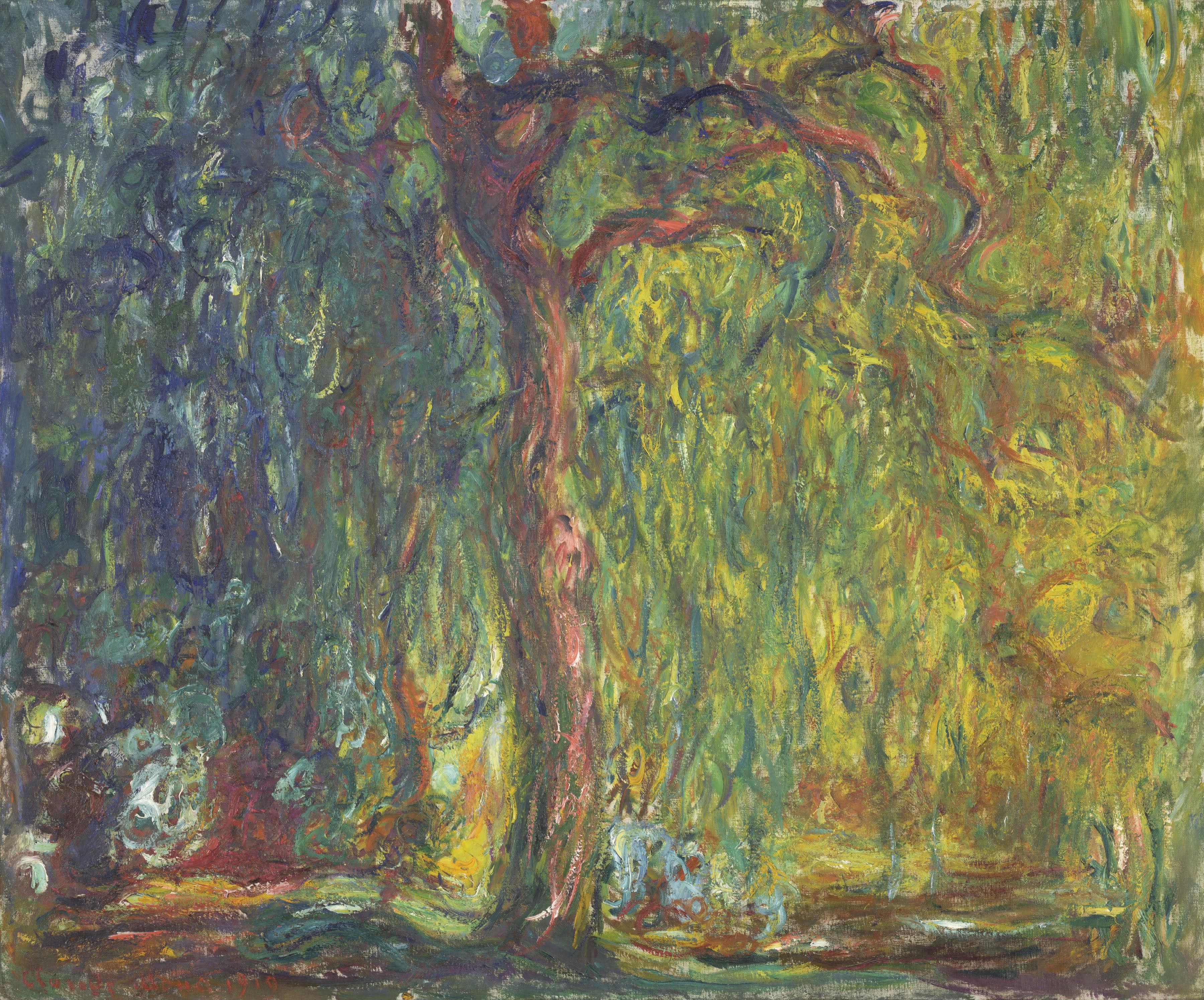
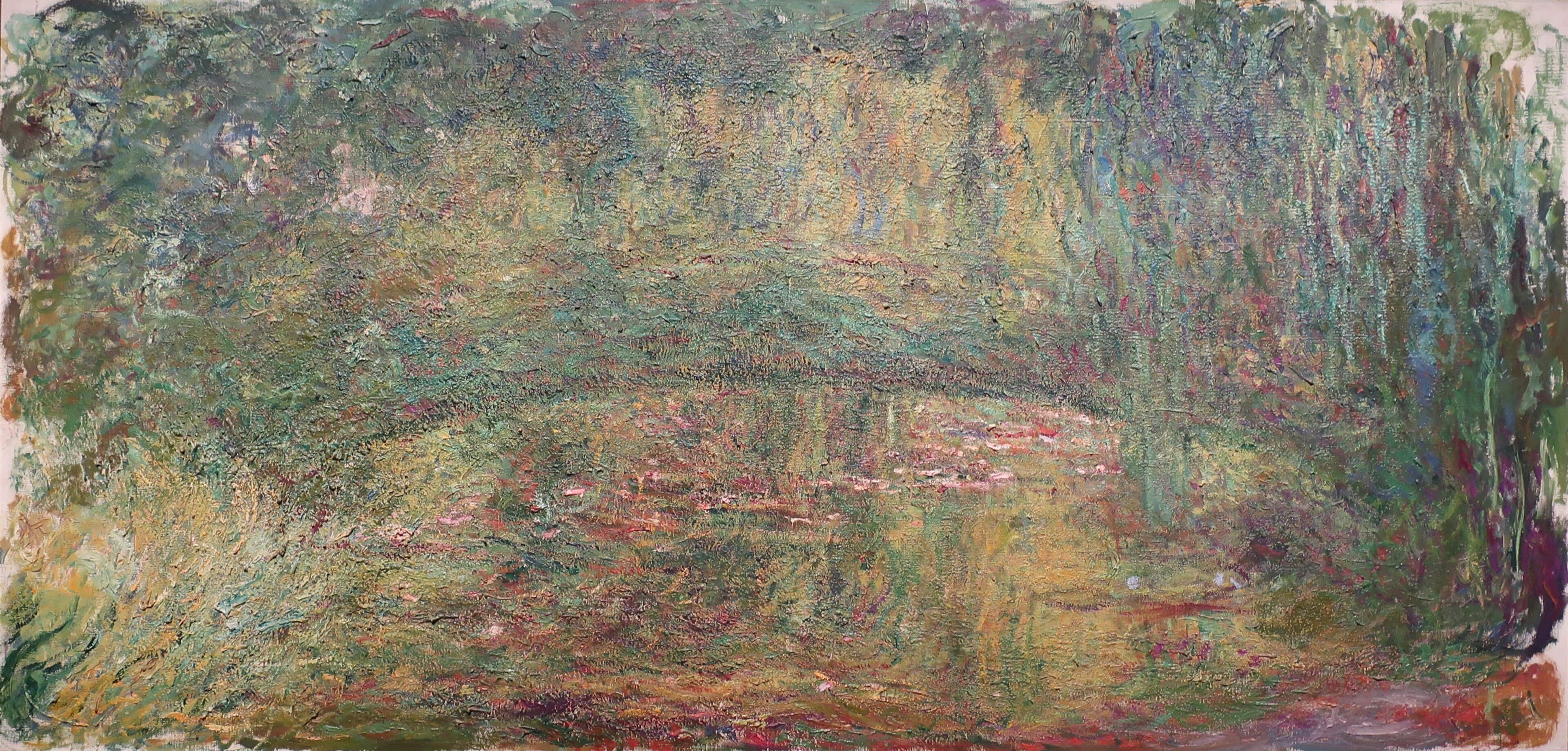
Most of the Water Lilies series eliminates the bank. This canvas does the opposite, and in that it is closer to the Japanese-bridge and garden-path pictures of the same period. Compare the Marmottan's Bassin aux nymphéas of 1918–19, which looks across the pond at a similar bank but dissolves it in red, or the Honolulu Water Lilies, which shows only the water. The Columbus Weeping Willow of the same year isolates the tree that hangs here at center.
A detail to look for
The bank across the middle of the picture is painted in a strip of terracotta and rust, the color of the path of compacted earth that ran around the pond. It is the warmest color on the canvas and a reminder that Monet's garden was something to walk through. Visitors to Giverny still follow a path around the water, under the willows and past the roses, and many of the viewpoints in Monet's late canvases can be found along it. This corner, with its overhanging willow and roses on either side, is one of the more recognizable: a quiet spot away from the Japanese bridge, which most visitors photograph first.
Where to see it
The Musée d'Art et d'Histoire is Geneva's largest museum, with collections from antiquity to the twentieth century; this painting is a long-term deposit from the Garengo Foundation. For other locations of Claude Monet's work, see where to see Monet's paintings; for the garden, see Giverny.
Questions & answers
Where is Monet's Corner of the Water-Lily Pond?
It is at the Musée d'Art et d'Histoire in Geneva, Switzerland, where it is on deposit from the Garengo Foundation (inventory 1990-0046).
When was it painted?
Monet painted it at Giverny in 1918, during the last year of the First World War, while he was also working on the water-lily decorations for the Orangerie. It is Wildenstein number 1879.
What does the painting show?
It shows a shaded corner of the lily pond at Giverny: lily pads and pink flowers in the foreground, a strip of bank with reeds, and above it a weeping willow and climbing roses. It is one of few late pond pictures with a clear bank and depth.
Why is this painting vertical?
Monet used upright formats for views of the pond's edges, where trees, roses and paths rise above the water. Most of his late water-lily canvases are square or horizontal and show only the water surface.
More by the artist
Claude Monet
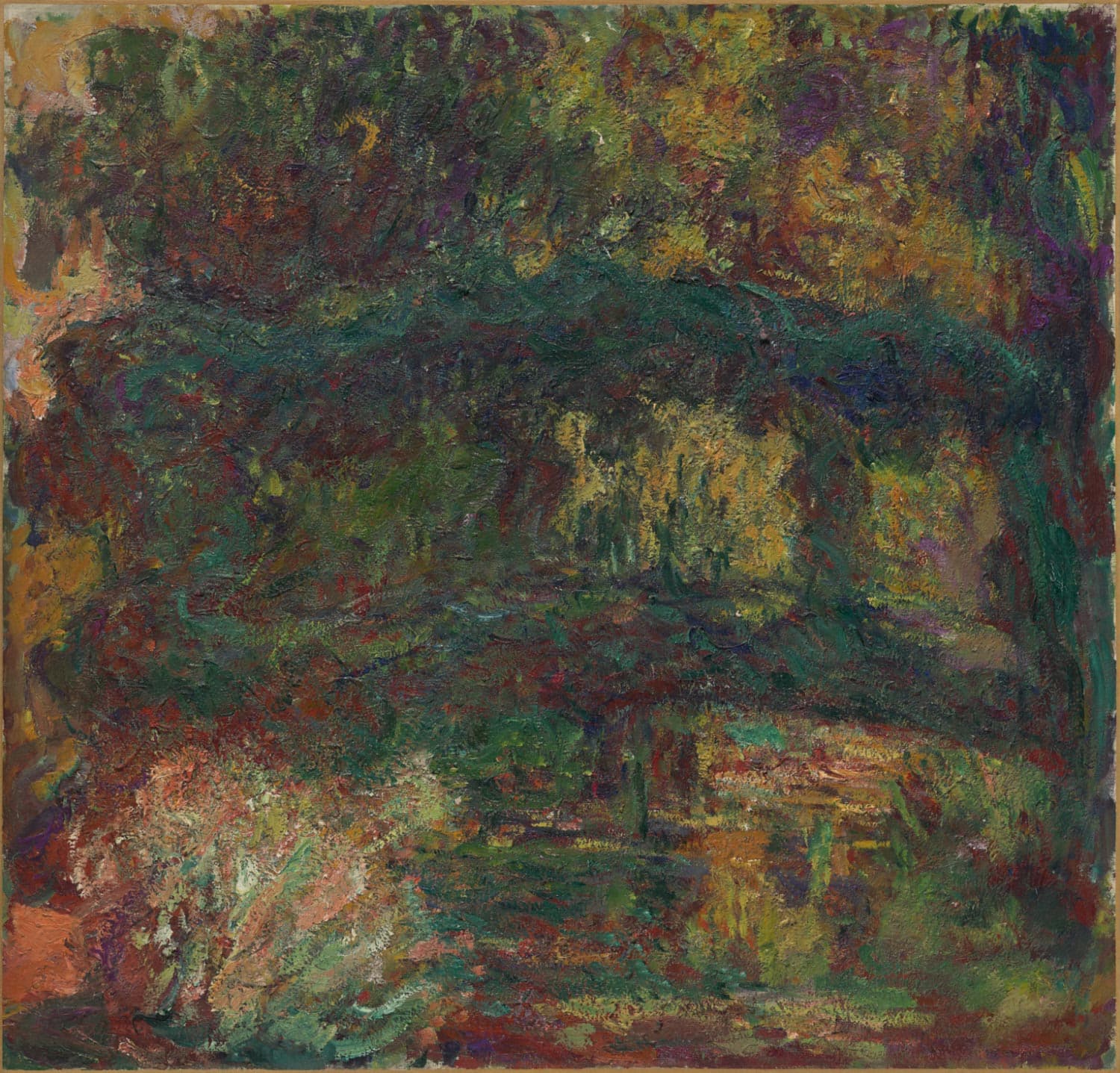
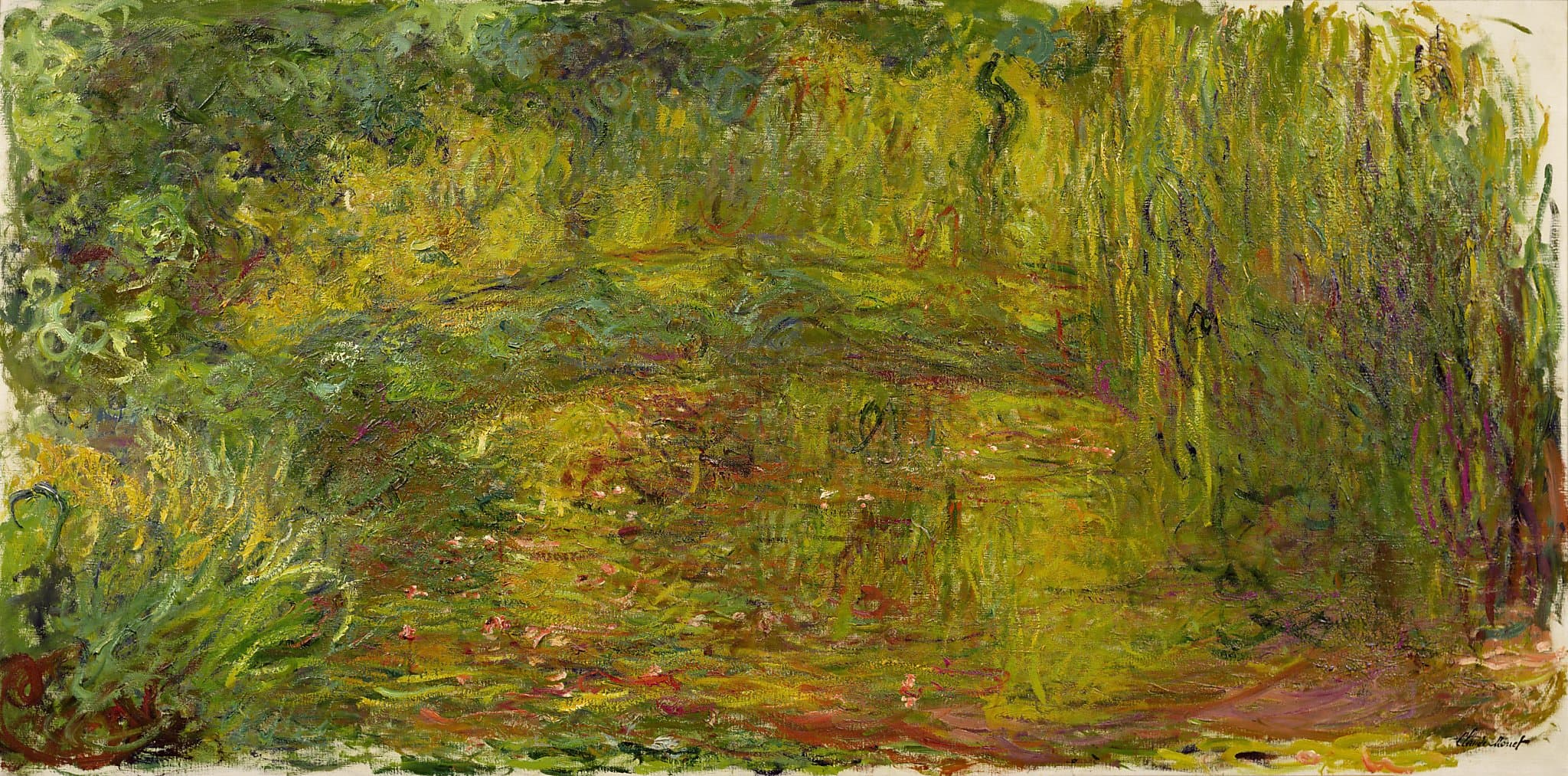
Nymphéas, Japanese Bridge
Claude Monet · 1918–26
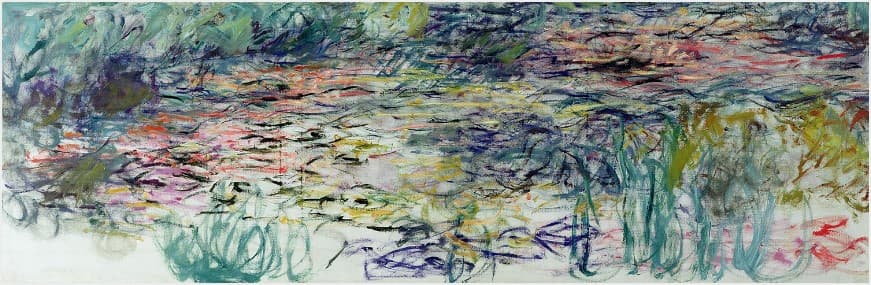
Nymphéas (Musée Marmottan Monet, 1917–19)
Claude Monet · 1917–19
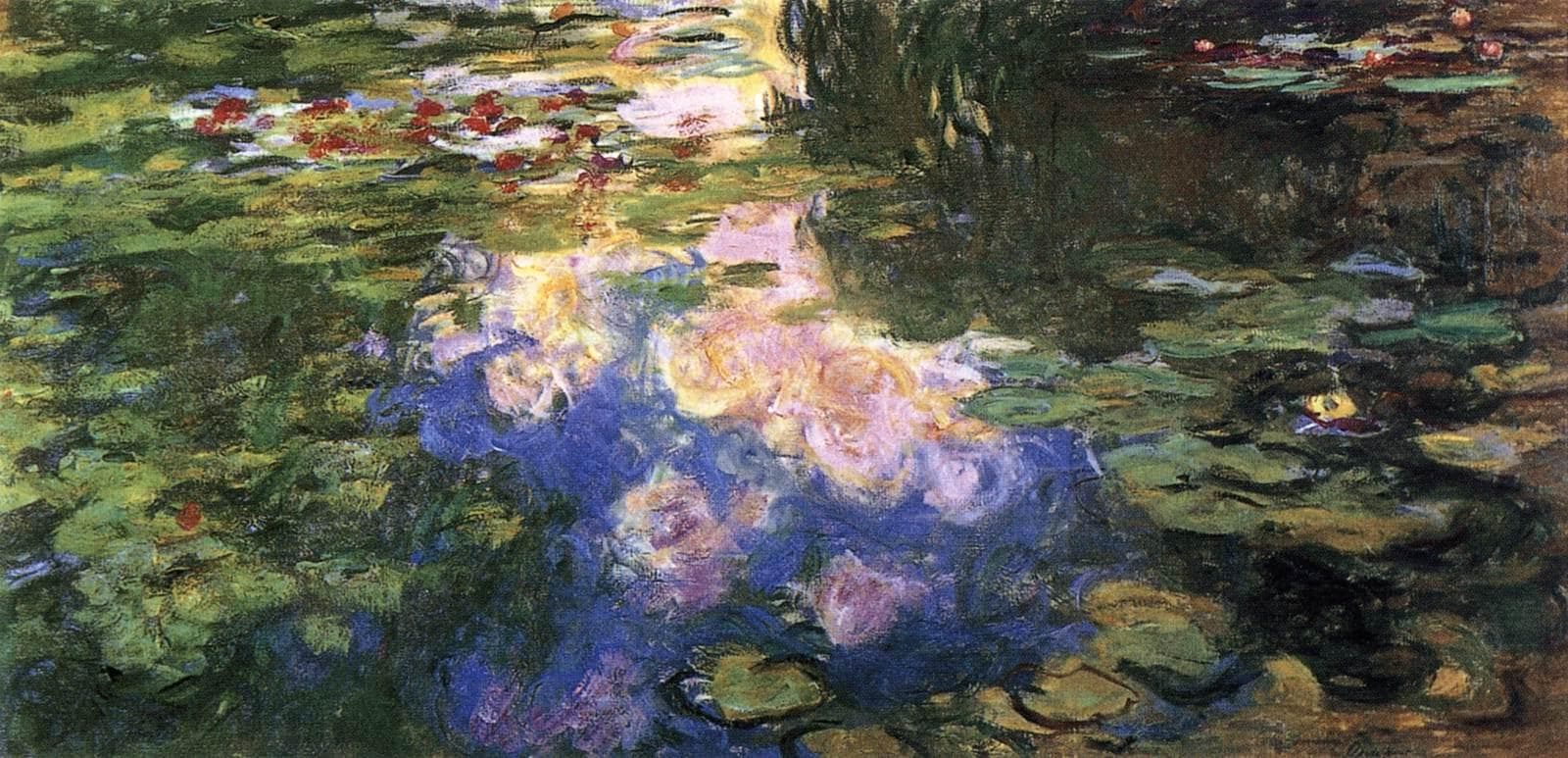
Water-Lily Pond (Le Bassin aux nymphéas), 1917–19
Claude Monet · 1917–19
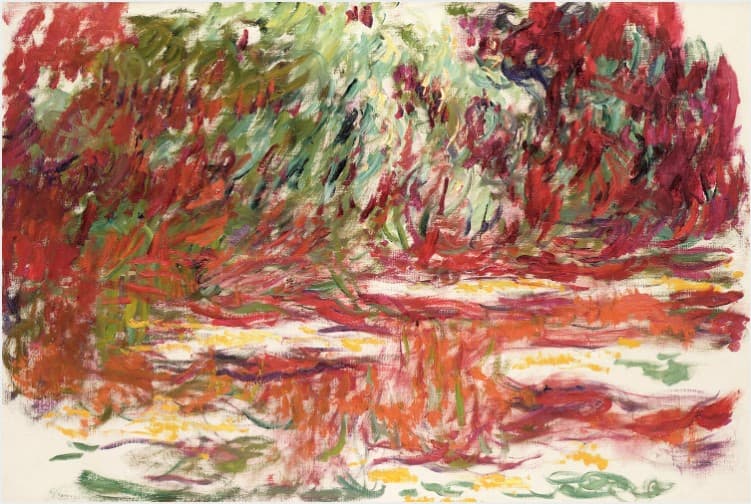
Water-Lily Pond (Bassin aux nymphéas, 1918–19)
Claude Monet · 1918–19
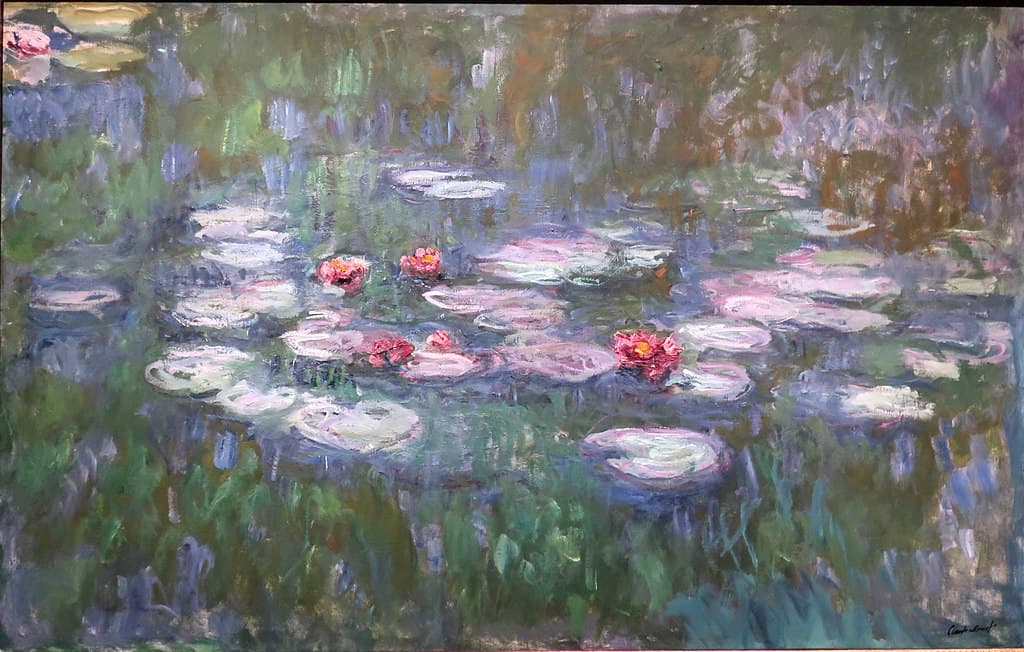
Nymphéas (Water Lilies)
Claude Monet · c. 1914–1919
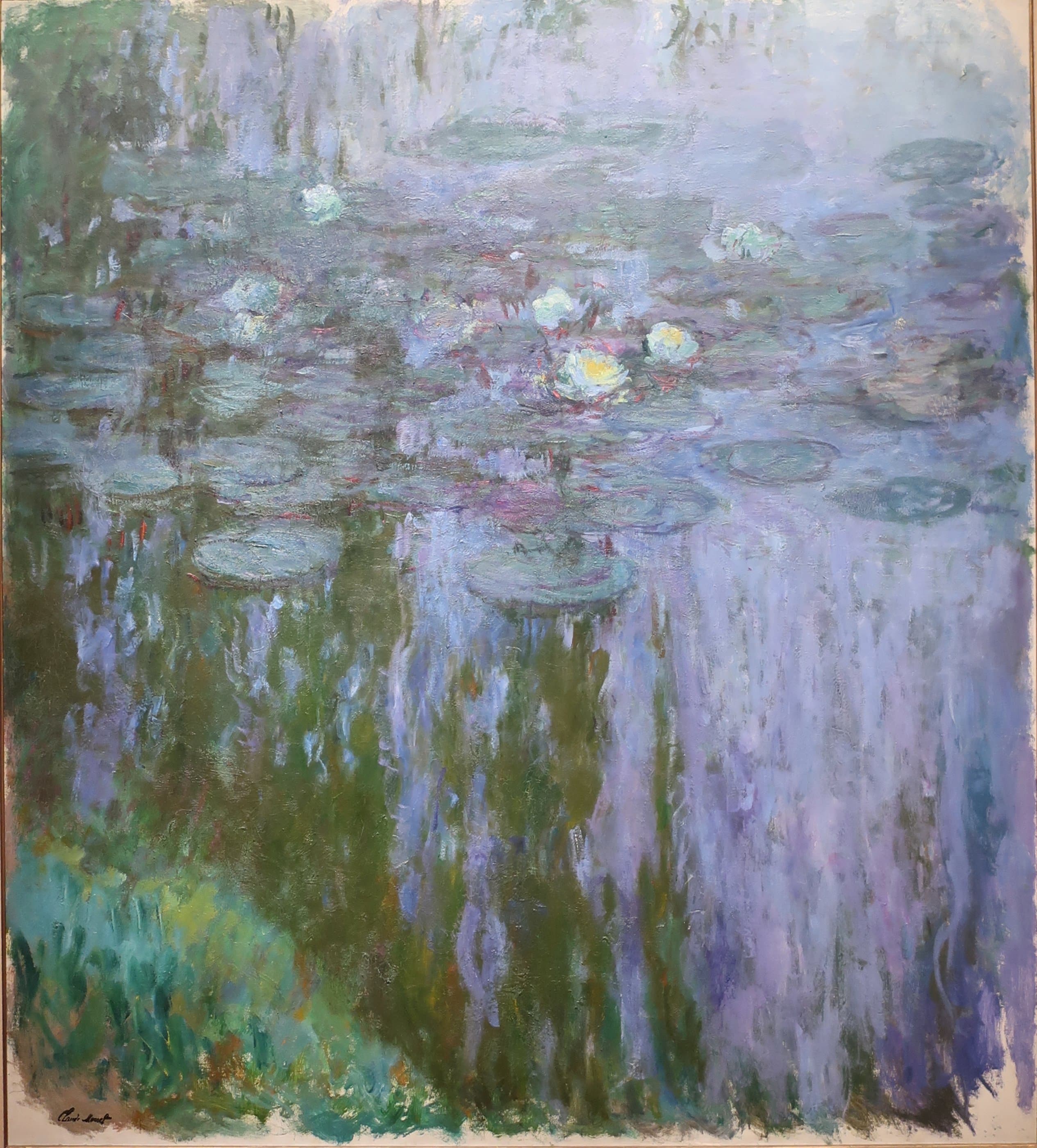
Nymphéas (Musée Marmottan Monet, 1916–19, inv. 5119)
Claude Monet · 1916–19
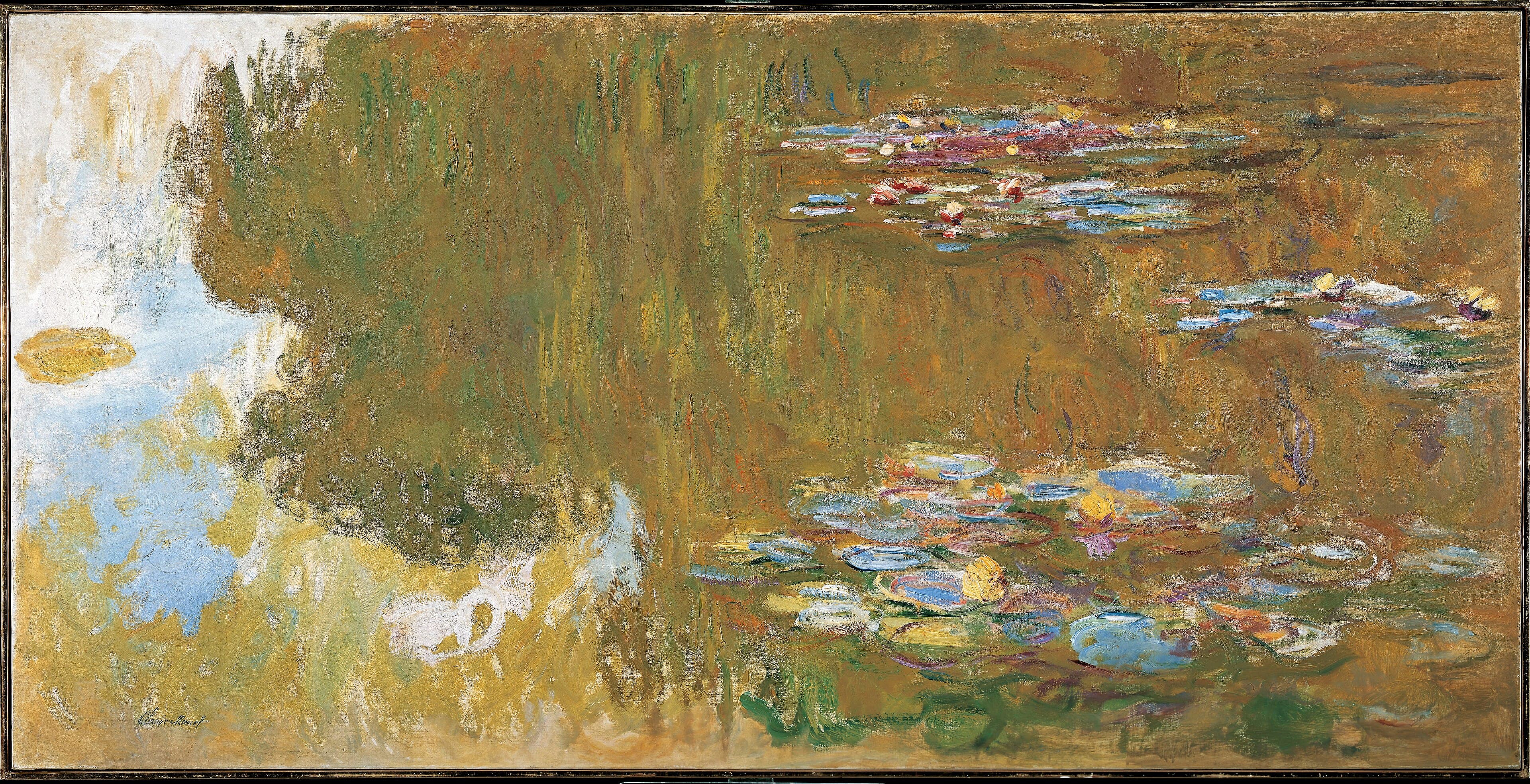
The Water Lily Pond (Albertina)
Claude Monet · 1917–19
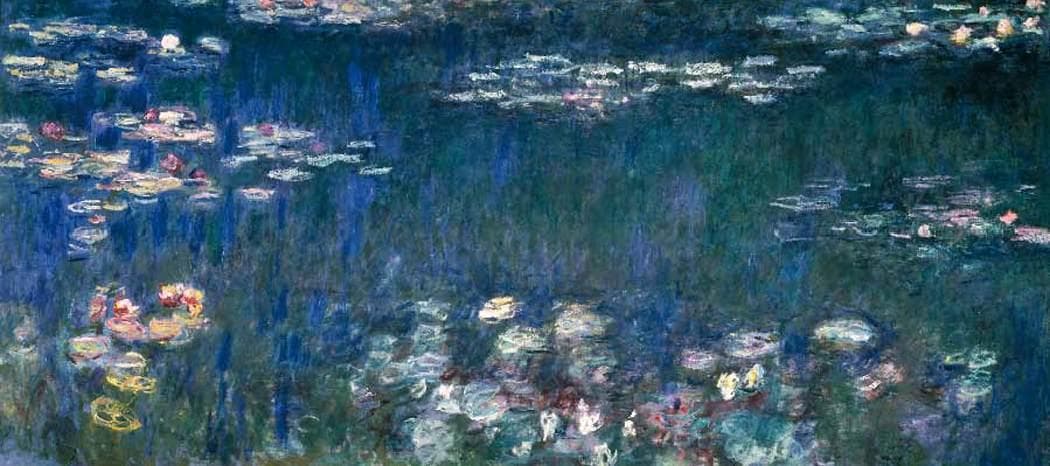
Water Lilies: Green Reflections
Claude Monet · 1914–26
Also painted in 1918
The same year
Kindred works
You may also study
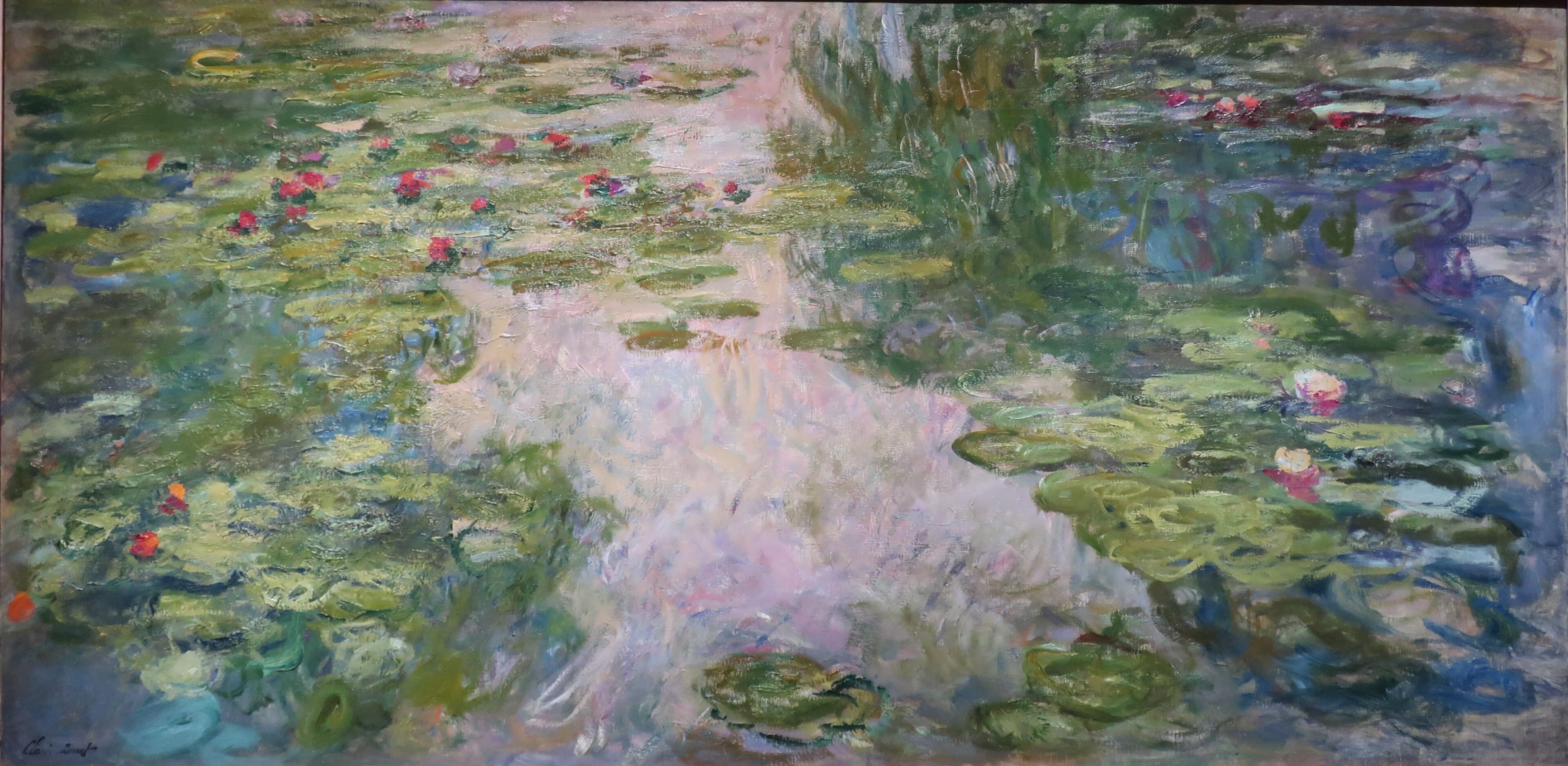
Water Lilies (Honolulu Museum of Art)
Claude Monet · 1917–19
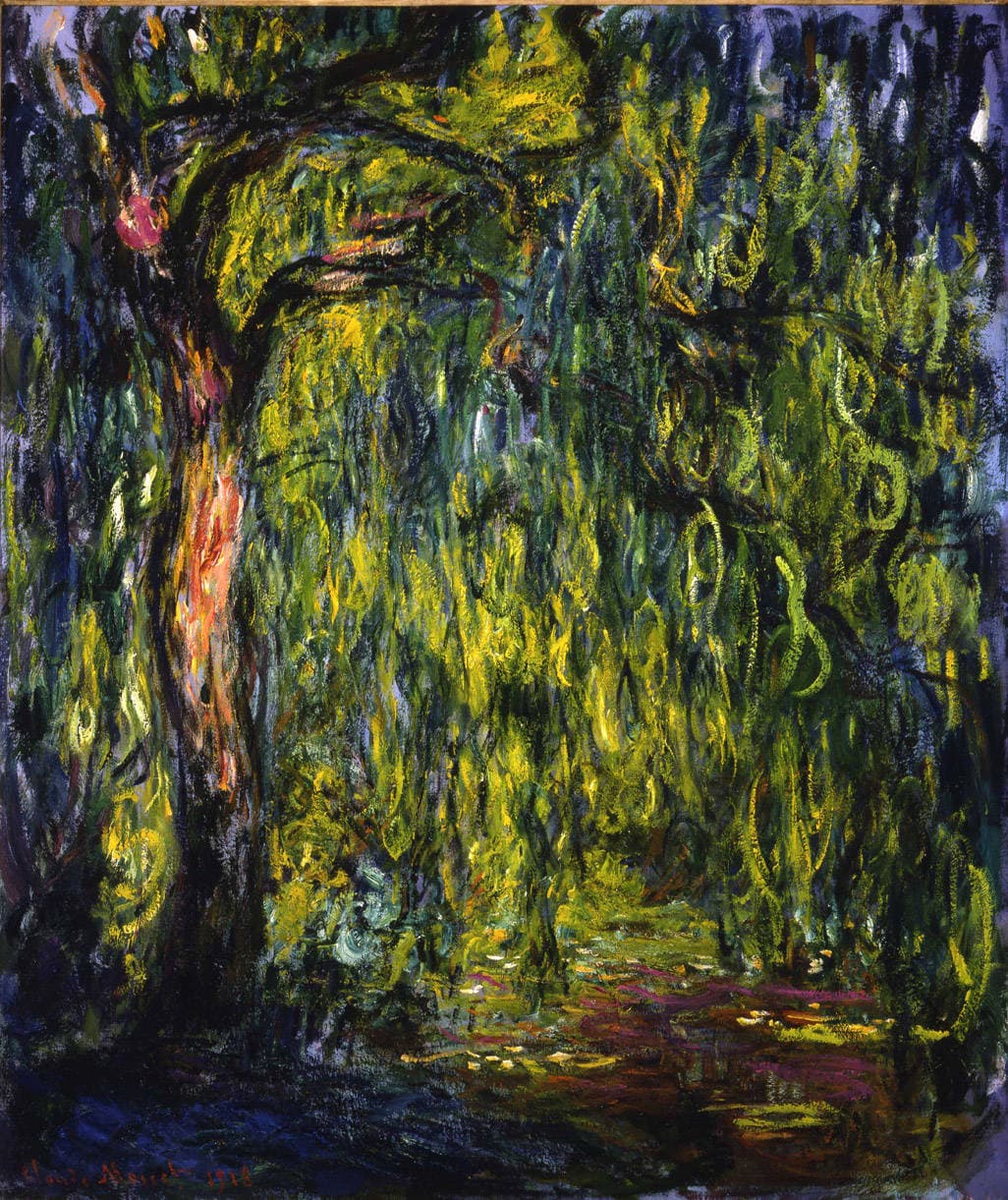
Weeping Willow (Columbus)
Claude Monet · 1918
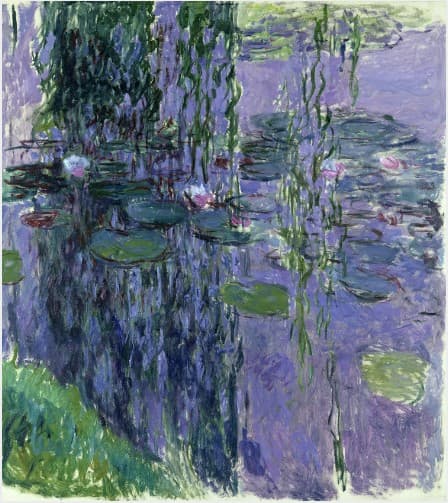
Nymphéas (Musée Marmottan Monet, 1916–19)
Claude Monet · 1916–19
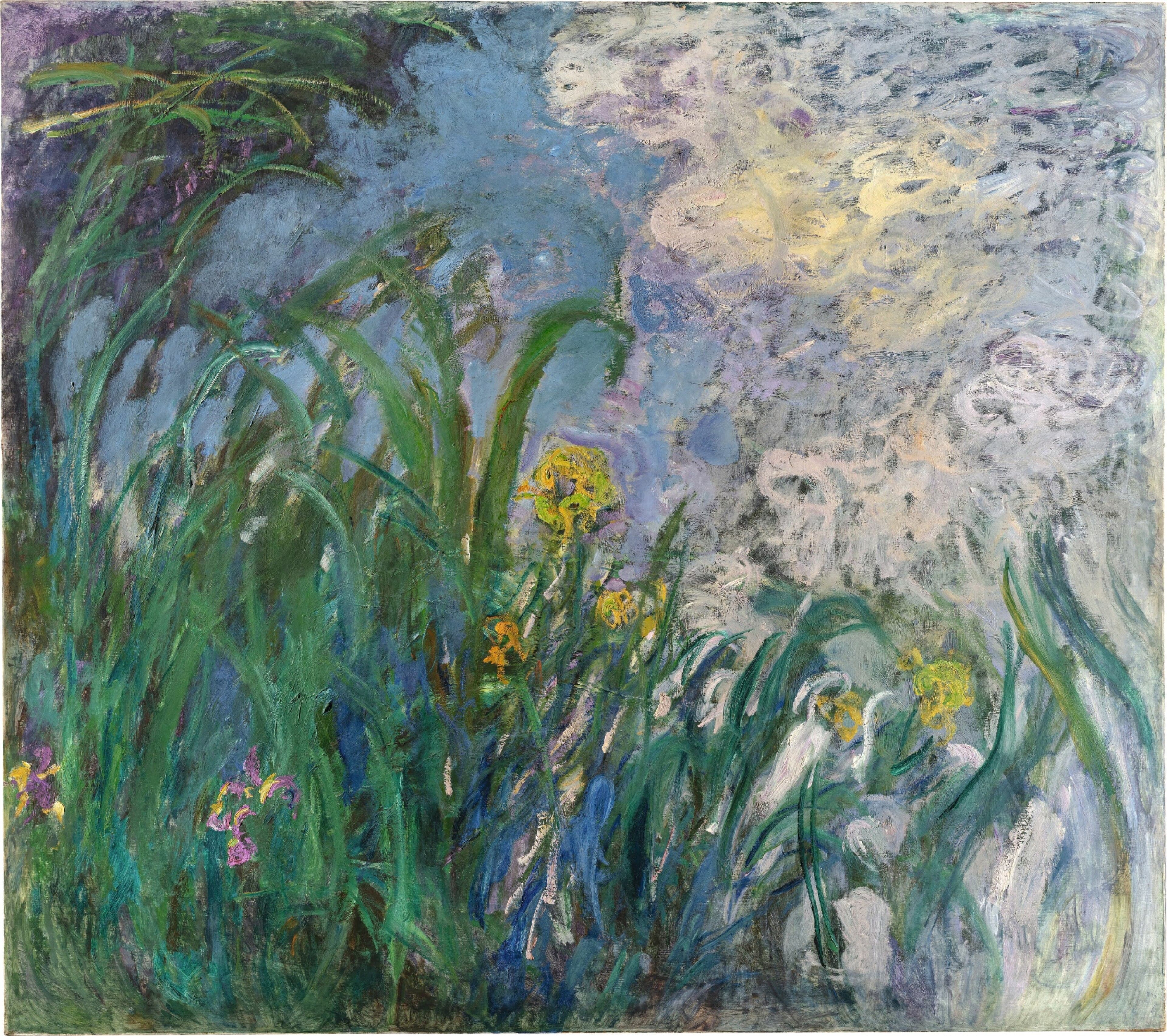
Iris
Claude Monet · c. 1924–25
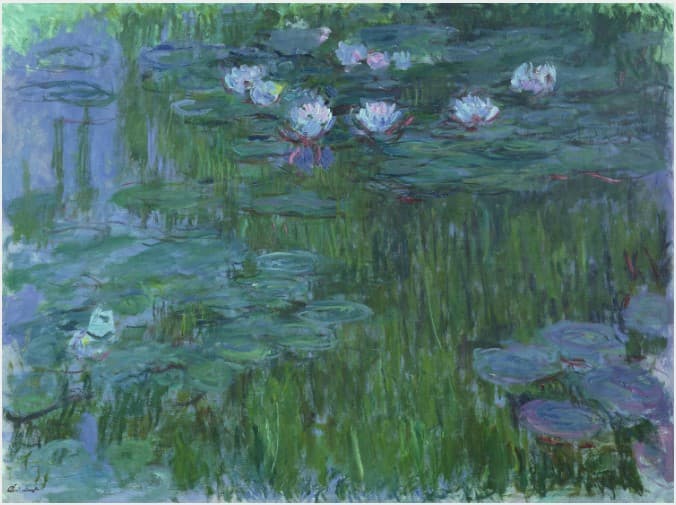
Nymphéas (Musée Marmottan Monet, 1914–17)
Claude Monet · 1914–17
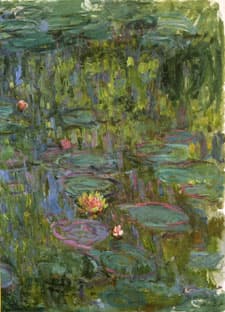
Water Lilies (Nymphéas), 1915 (Gunma)
Claude Monet · 1915
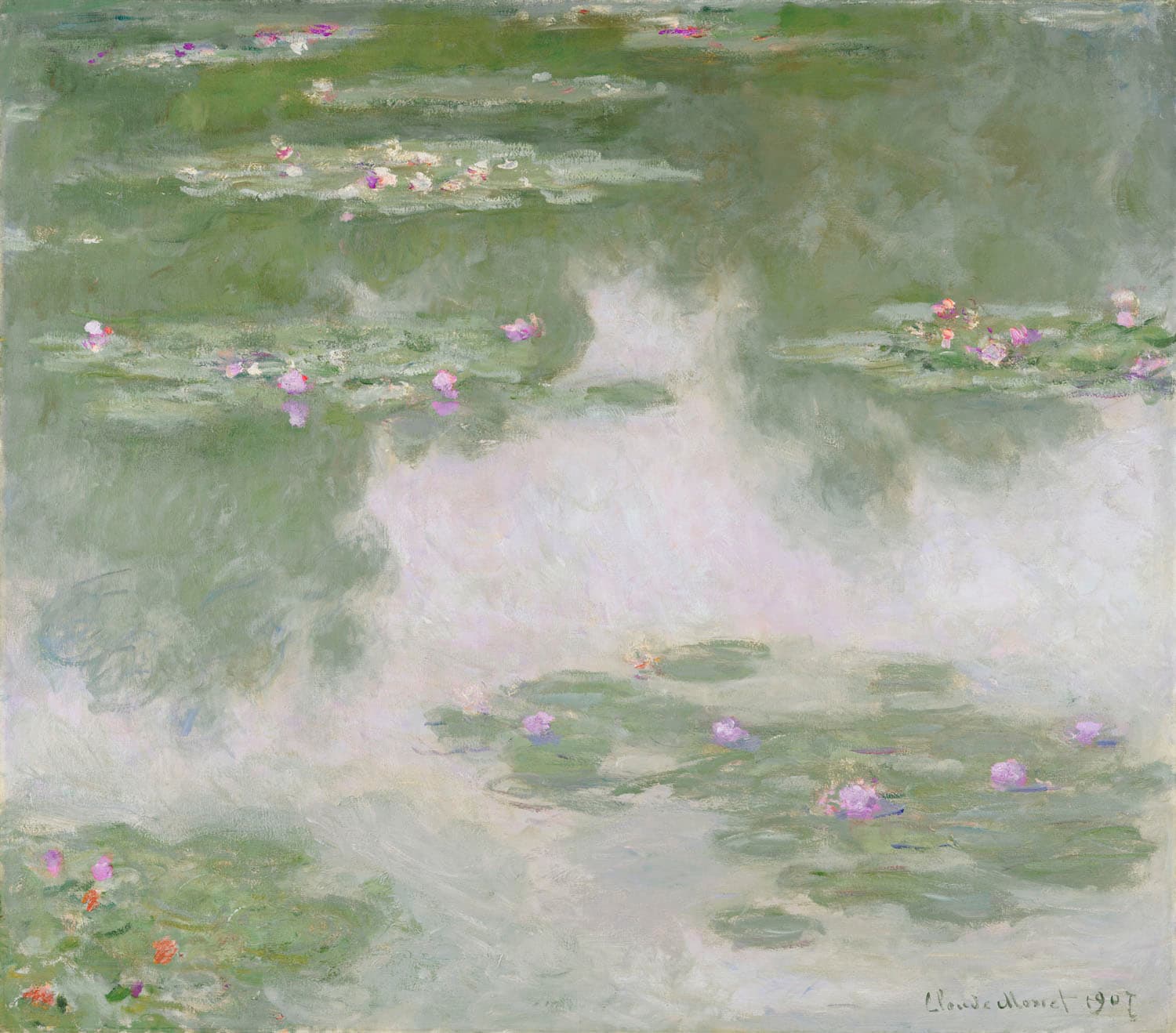
Nymphéas (Water Lilies), 1907 (Wadsworth Atheneum)
Claude Monet · 1907
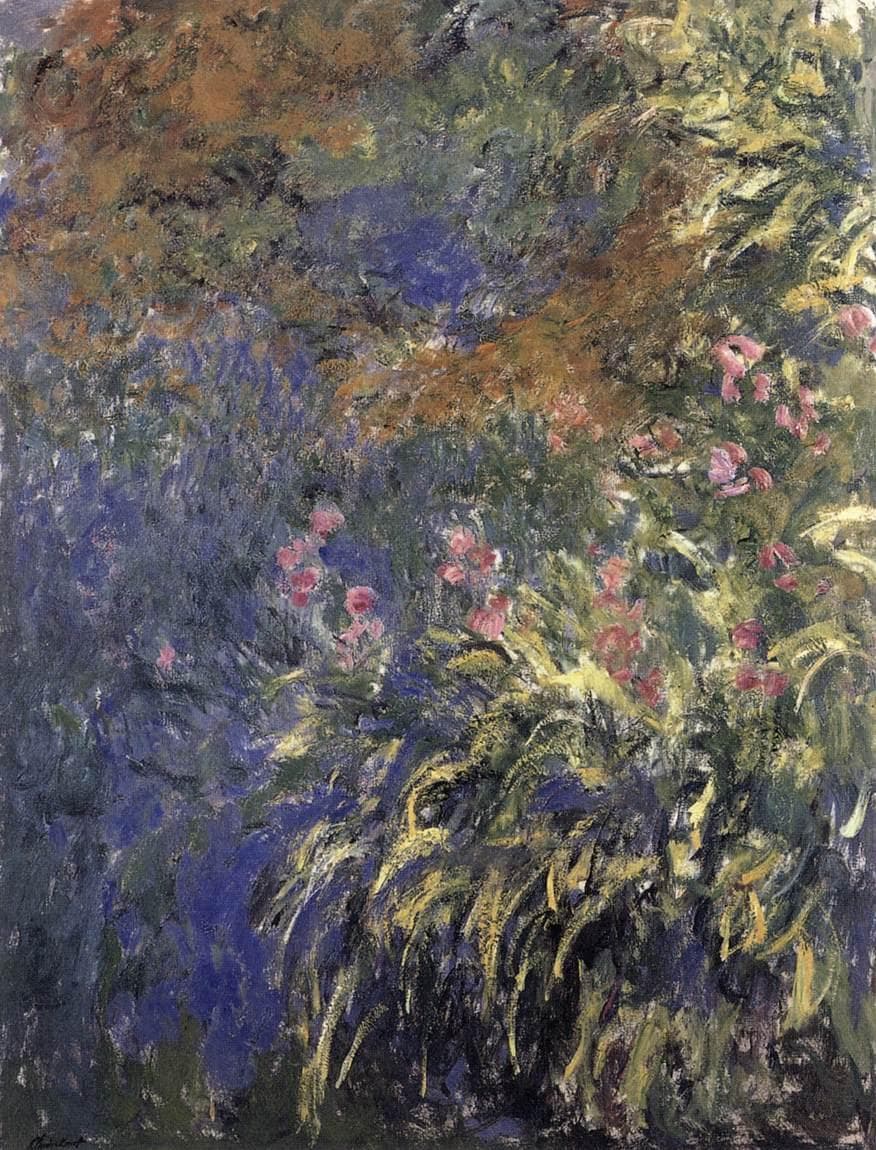
Irises by the Pond
Claude Monet · c. 1914–17