Image: Wadsworth Atheneum Museum of Art, Hartford · CC BY-SA 4.0 · via Wikimedia Commons
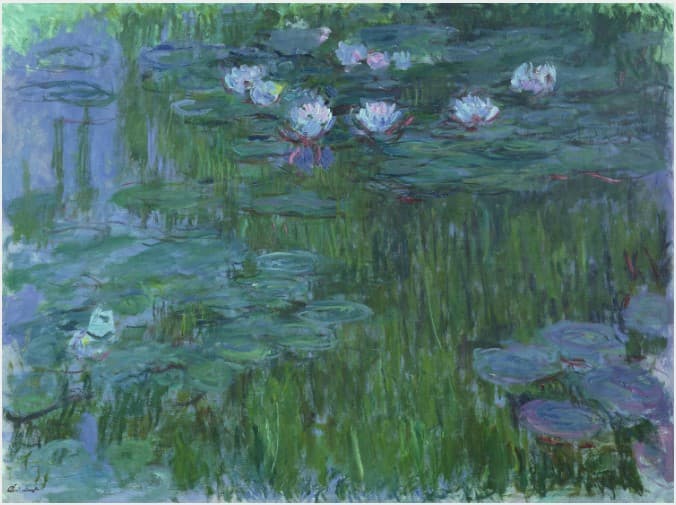
Nymphéas (Water Lilies), 1907 (Wadsworth Atheneum)
Claude Monet, 1907
Nymphéas (Water Lilies) is a 1907 painting by Claude Monet of his lily pond in silvery green and white, with violet and pink flowers on pads around a bright reflected cloud. It is in the Wadsworth Atheneum, Hartford.
- Artist
- Claude Monet
- Date
- 1907
- Medium
- Oil on canvas
- Dimensions
- 81 × 92 cm
- Collection
- Wadsworth Atheneum Museum of Art, Hartford, Connecticut, United States
- Movement
- Impressionism
- Catalogue
- Wildenstein 1696
- Nature & Landscape
- Water & Sea
Nymphéas (Water Lilies) is a 1907 canvas by Claude Monet of the surface of his lily pond at Giverny, in the Wadsworth Atheneum Museum of Art in Hartford, Connecticut. It measures 81 by 92 centimeters, is signed and dated Claude Monet 1907 at the lower right, and came to the museum in 1957 with the bequest of Anne Parrish Titzell (1957.622). Its palette of silver, sage green and violet makes it one of the most delicate of the 1907 lily paintings.
What you're looking at
The canvas shows only water. Across it, in a loose zigzag, float islands of lily pads: a band at the top with pink and red flowers, a long island just above the middle with white and violet blooms, another at the right carrying violet and pink flowers, and a large island at the lower right with lilac blossoms like small cups of color. At the lower left corner, a cluster of pads holds red and orange flowers.
The open water between them is pale. At the center and lower left, broad, soft areas of white and cream are the reflection of bright clouds; elsewhere the water is silvery gray-green, with darker green streaks where trees on the bank are mirrored. There is almost no blue. The overall effect is cool and luminous, like the light on the pond on a hazy summer day.
The flowers are what set this canvas apart. Monet painted them mostly in violet and mauve, not the usual pink and white, so they seem to belong to the same cool color world as the reflections.
The pond in 1907
Monet dug his lily pond at Giverny in 1893, feeding it from an arm of the Epte, and enlarged it in 1901–02. From 1903 to 1908 he painted its surface over and over, in a campaign he called the paysages d'eau (water landscapes), and in May 1909 Durand-Ruel showed forty-eight of these canvases in Paris as Les Nymphéas, séries de paysages d'eau. Monet worked on many canvases at once, putting them aside and resuming them as the light and season allowed, and he destroyed many he thought unsuccessful.
How this version differs
Among the 1907 canvases, this one is close in mood to the Pola Museum's Water Lilies, also nearly square and evenly lit. But the Wadsworth picture is whiter at the center, greener in its shadows and more violet in its flowers. It lacks the vertical column of light of the tall 1907 pictures in Houston, Water Lilies (Nymphéas), and Jerusalem, Pond with Water Lilies. And it is a world away from the warm, dark London Water-Lilies, Setting Sun of about the same date.
How it was painted
The white reflections are laid in thickly with broad strokes, softened at the edges where they merge with the gray-green water. The pads are painted in flat ellipses of pale green with darker undersides, their edges sometimes outlined in violet. The flowers are small, loaded touches. The paint is smooth and evenly worked across the whole surface.
Ownership and where to see it
Anne Parrish (1888–1957), an American novelist and collector who married Josiah Titzell in 1938, bequeathed the painting to the Wadsworth Atheneum along with other works, including Renoir's Monet Painting in His Garden at Argenteuil. In 2011 the Wadsworth built an exhibition around it, Monet's Water Lilies: An Artist's Obsession. For the full series see Monet's Water Lilies; for the garden, Giverny; for other public Monet collections, Where to See Monet's Paintings.
Questions & answers
Where is Monet's 1907 Nymphéas in Hartford?
It is in the Wadsworth Atheneum Museum of Art in Hartford, Connecticut (1957.622), bequeathed in 1957 by the novelist and collector Anne Parrish Titzell.
When was it painted?
In 1907, at Monet's lily pond in Giverny. It is signed and dated Claude Monet 1907 at the lower right and belongs to his 1903–08 water landscapes.
What does it show?
The pond's surface with islands of lily pads carrying violet, white, pink and red flowers, floating on silvery gray-green water with broad white reflections of clouds.
How is it different from other 1907 water lilies?
It is unusually pale and cool, with almost no blue, a bright white center and violet rather than pink flowers. Tall 1907 canvases in Houston and Jerusalem are more dramatic.
More by the artist
Claude Monet
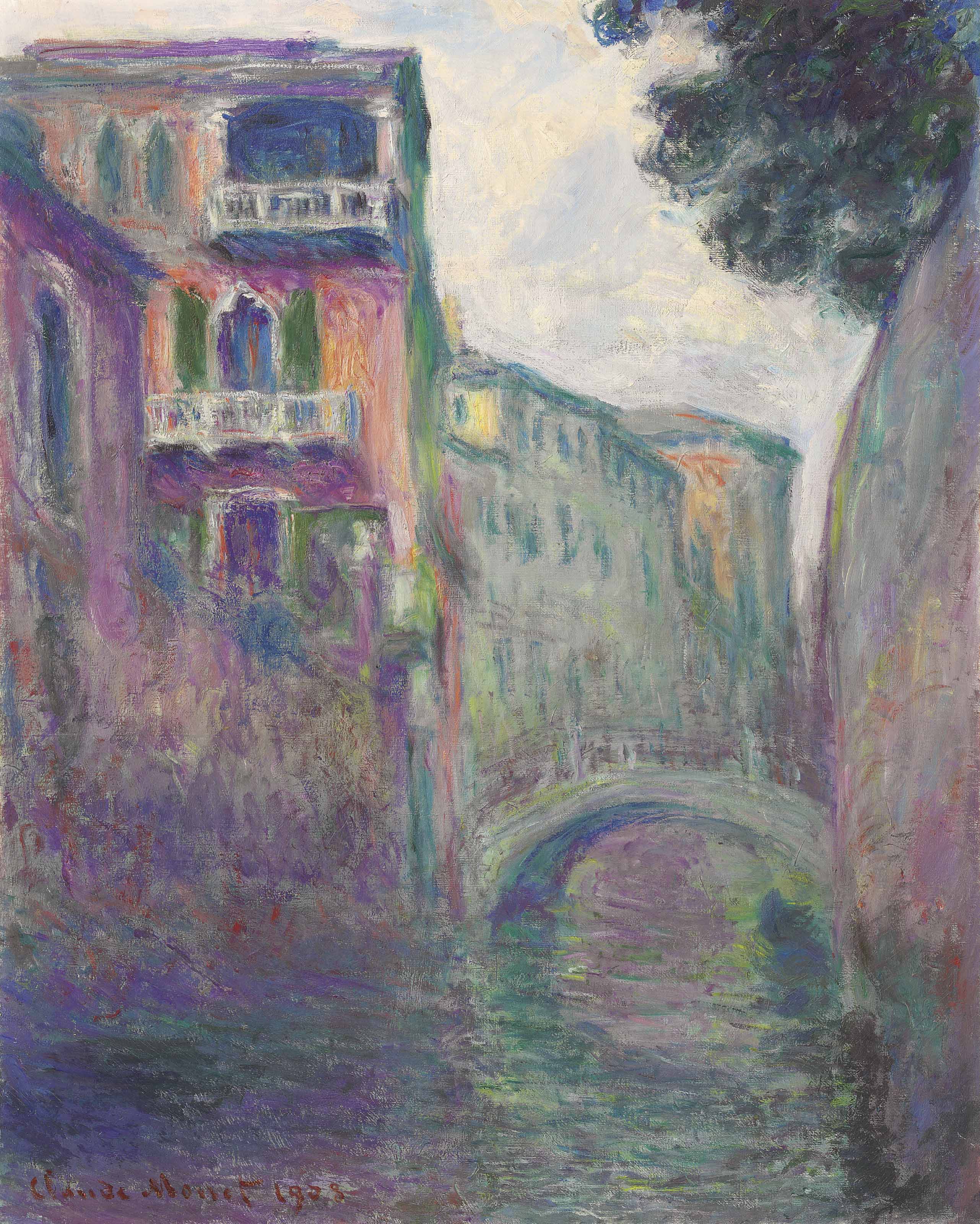
The Rio della Salute
Claude Monet · 1908
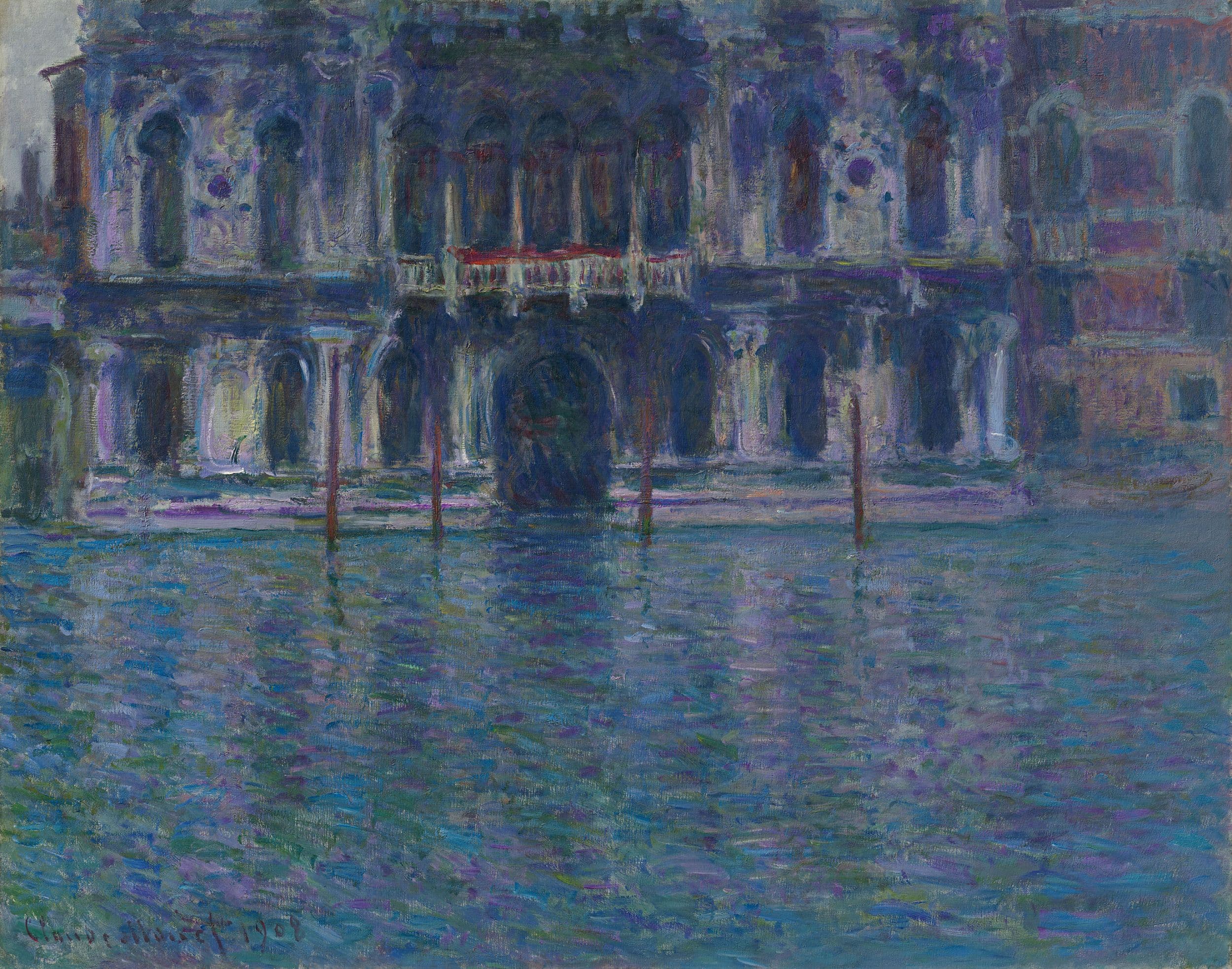
Le Palais Contarini (Potsdam)
Claude Monet · 1908
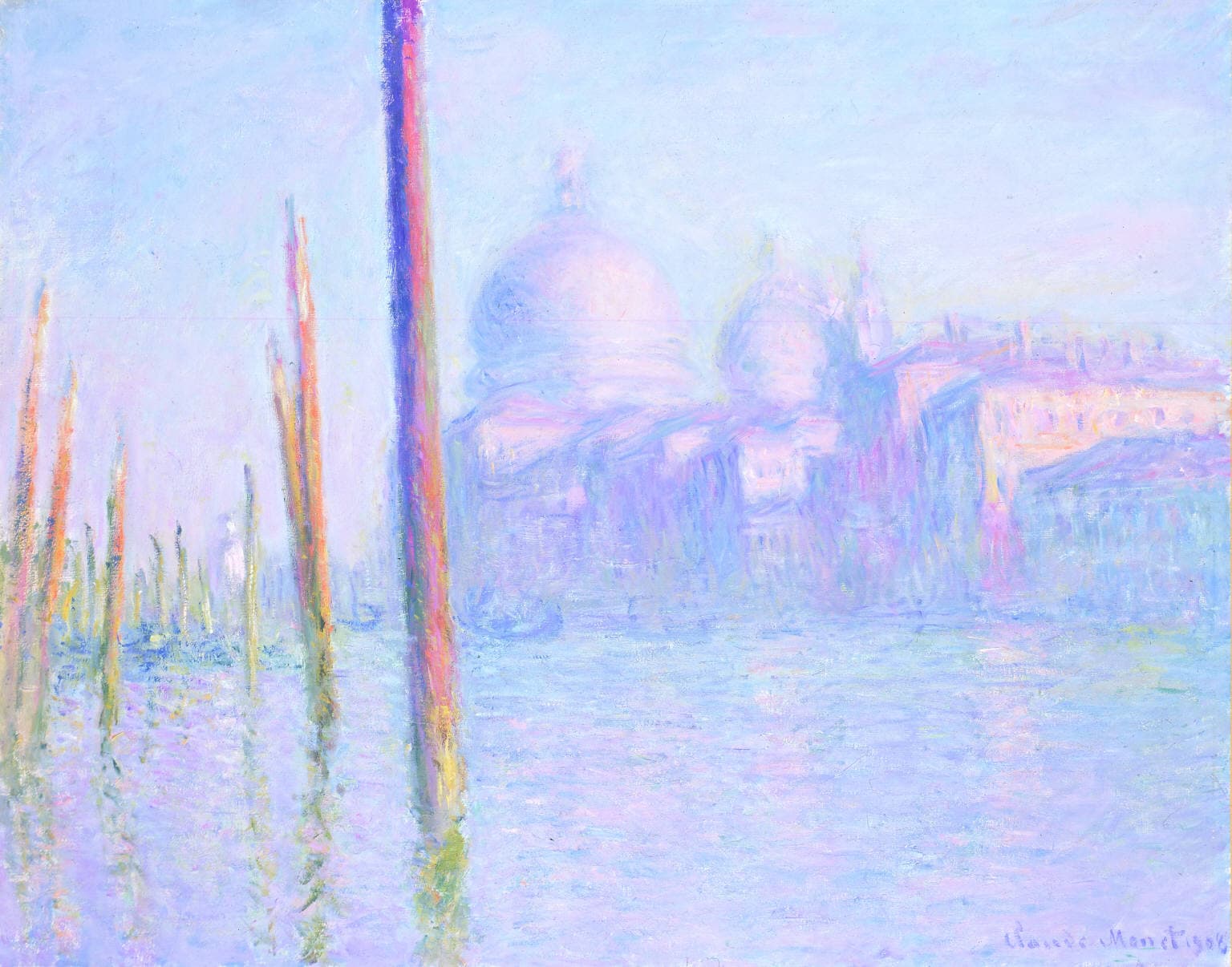
The Grand Canal, Venice
Claude Monet · 1908
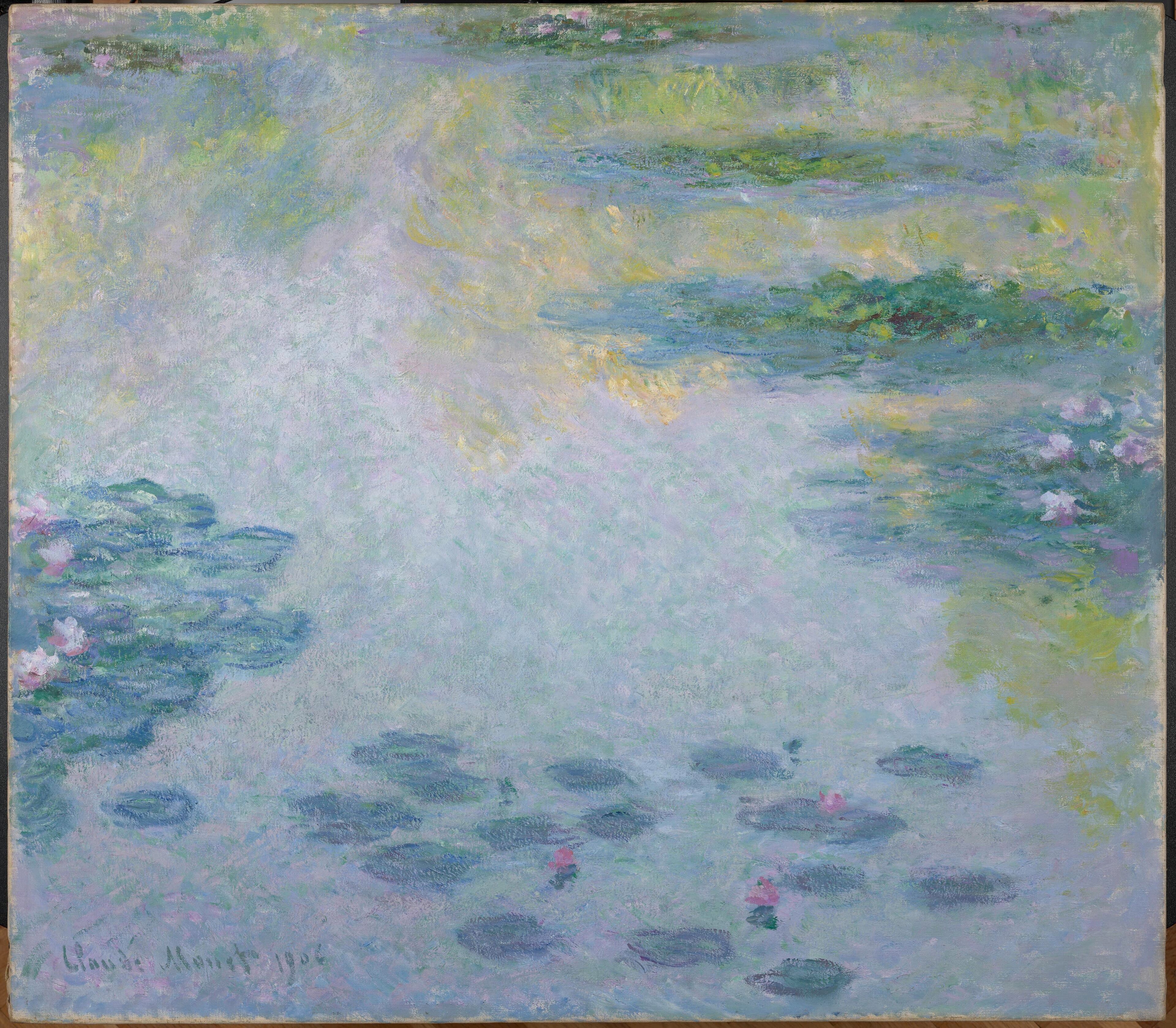
Waterlilies (1906, National Museum Cardiff)
Claude Monet · 1906
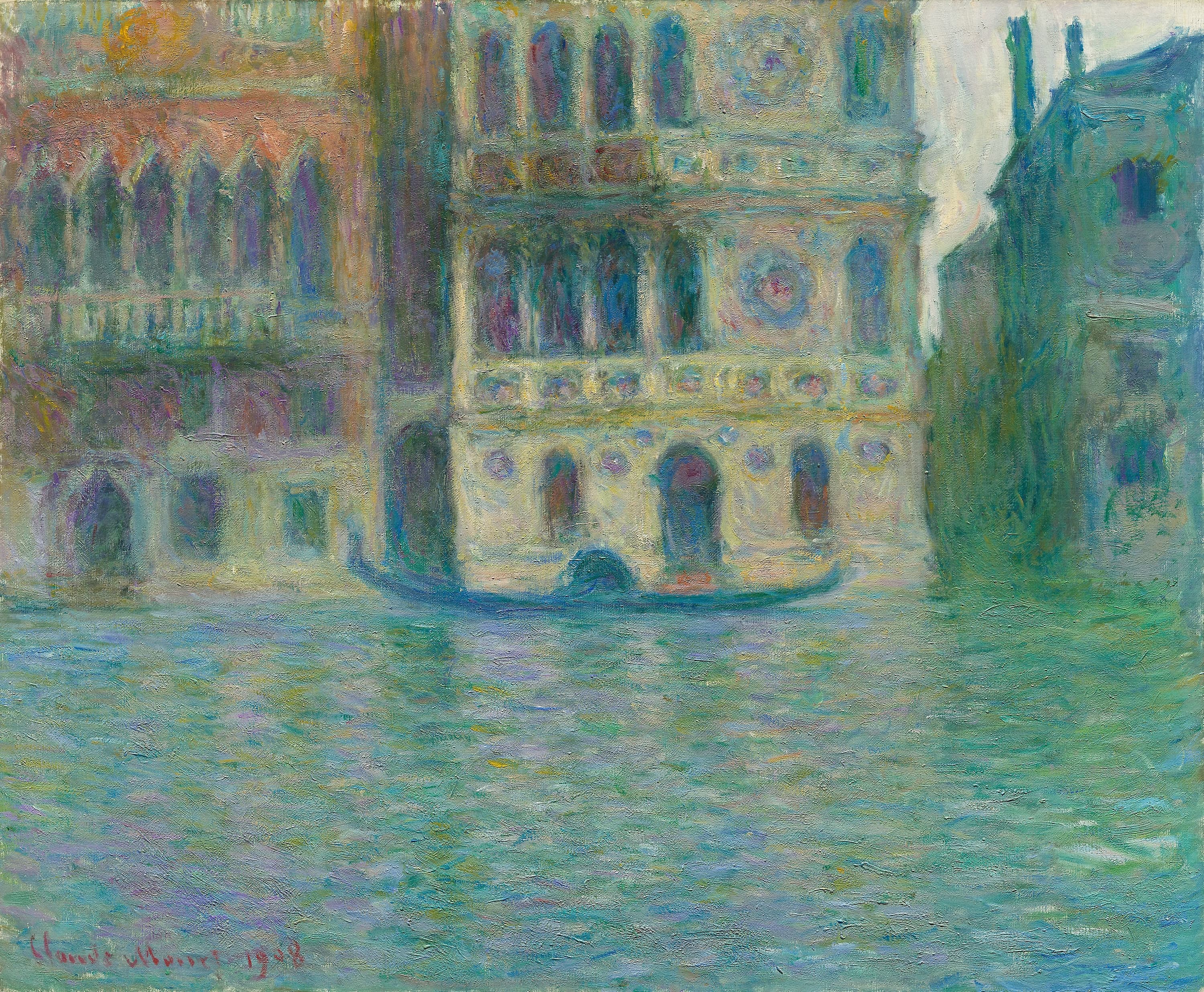
Venice, Palazzo Dario
Claude Monet · 1908
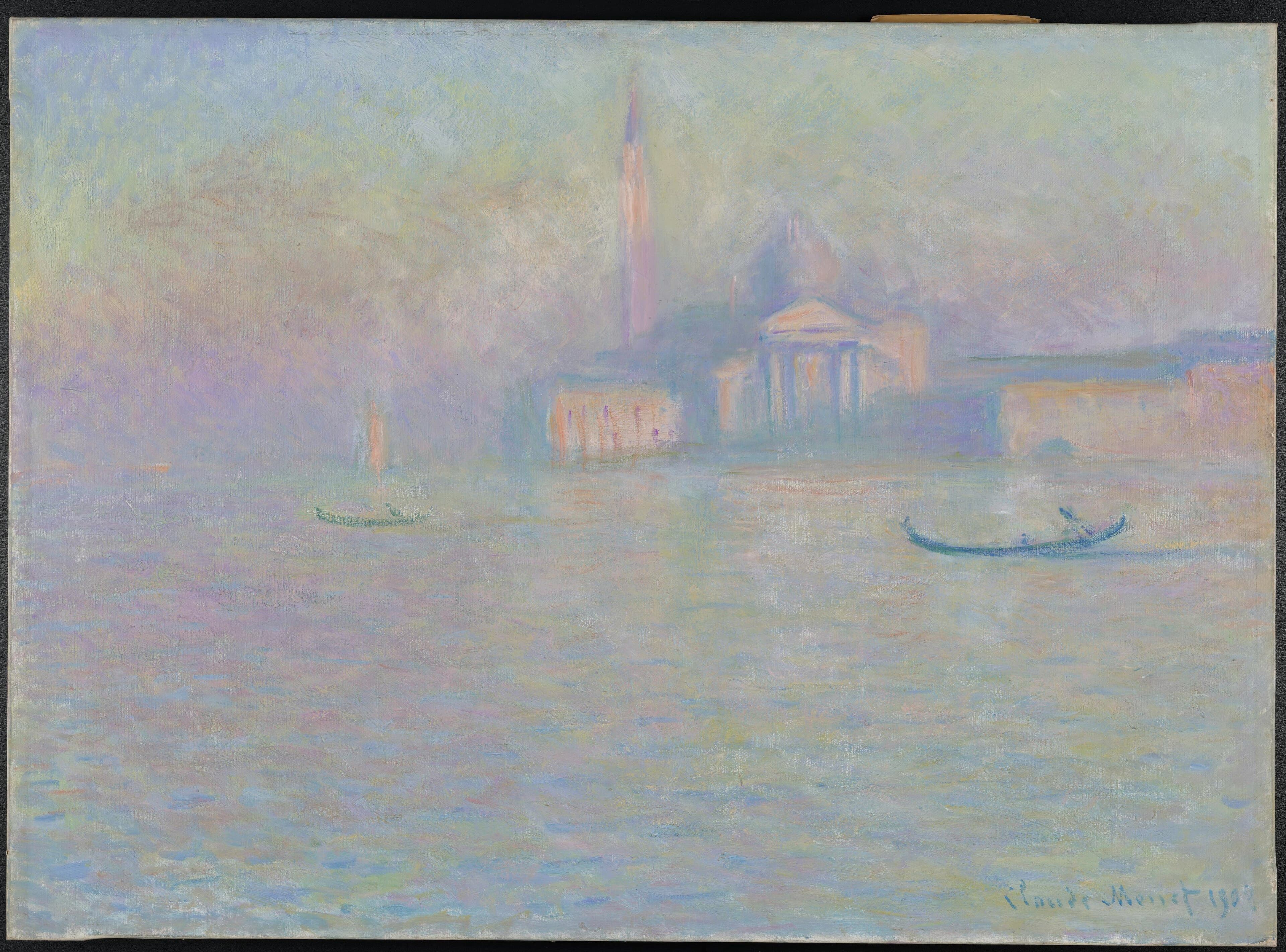
San Giorgio Maggiore
Claude Monet · 1908

Sunset in Venice
Claude Monet · 1908–12
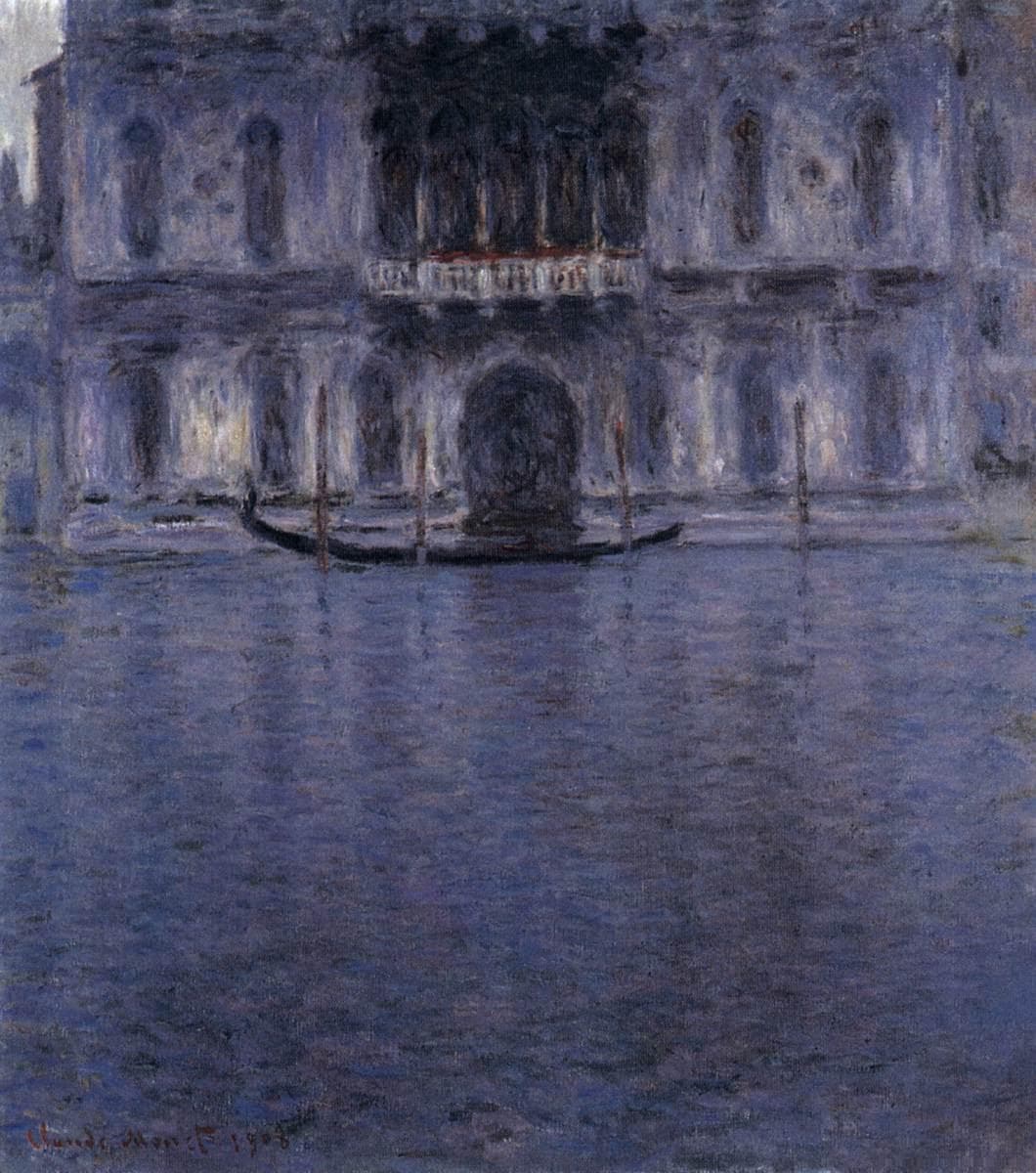
Palazzo Contarini
Claude Monet · 1908
Also painted in 1907
The same year

Kindred works
You may also study
Water Lilies (1907, Pola Museum of Art)
Claude Monet · 1907
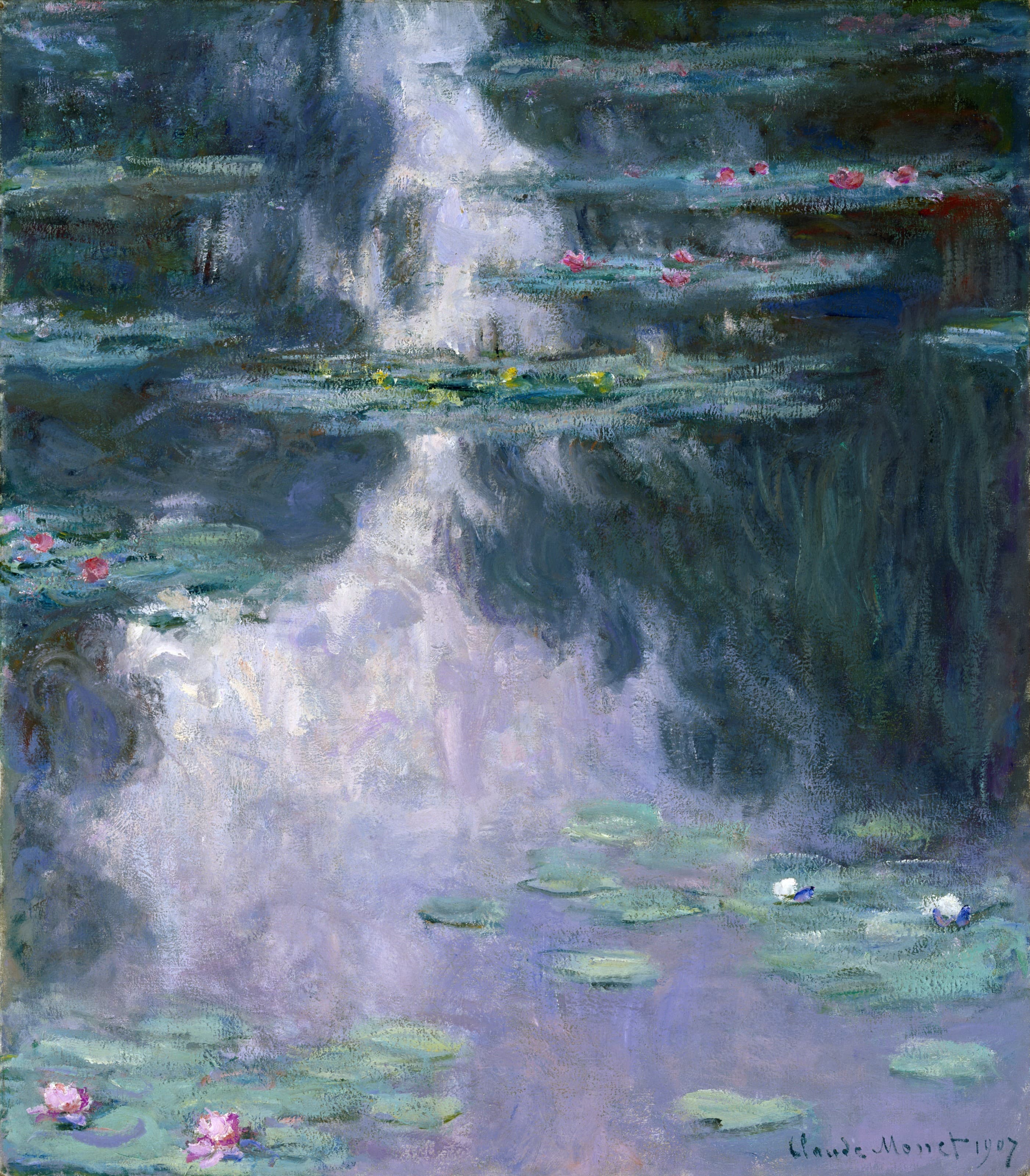
Water Lilies (Nymphéas), 1907 (Houston)
Claude Monet · 1907
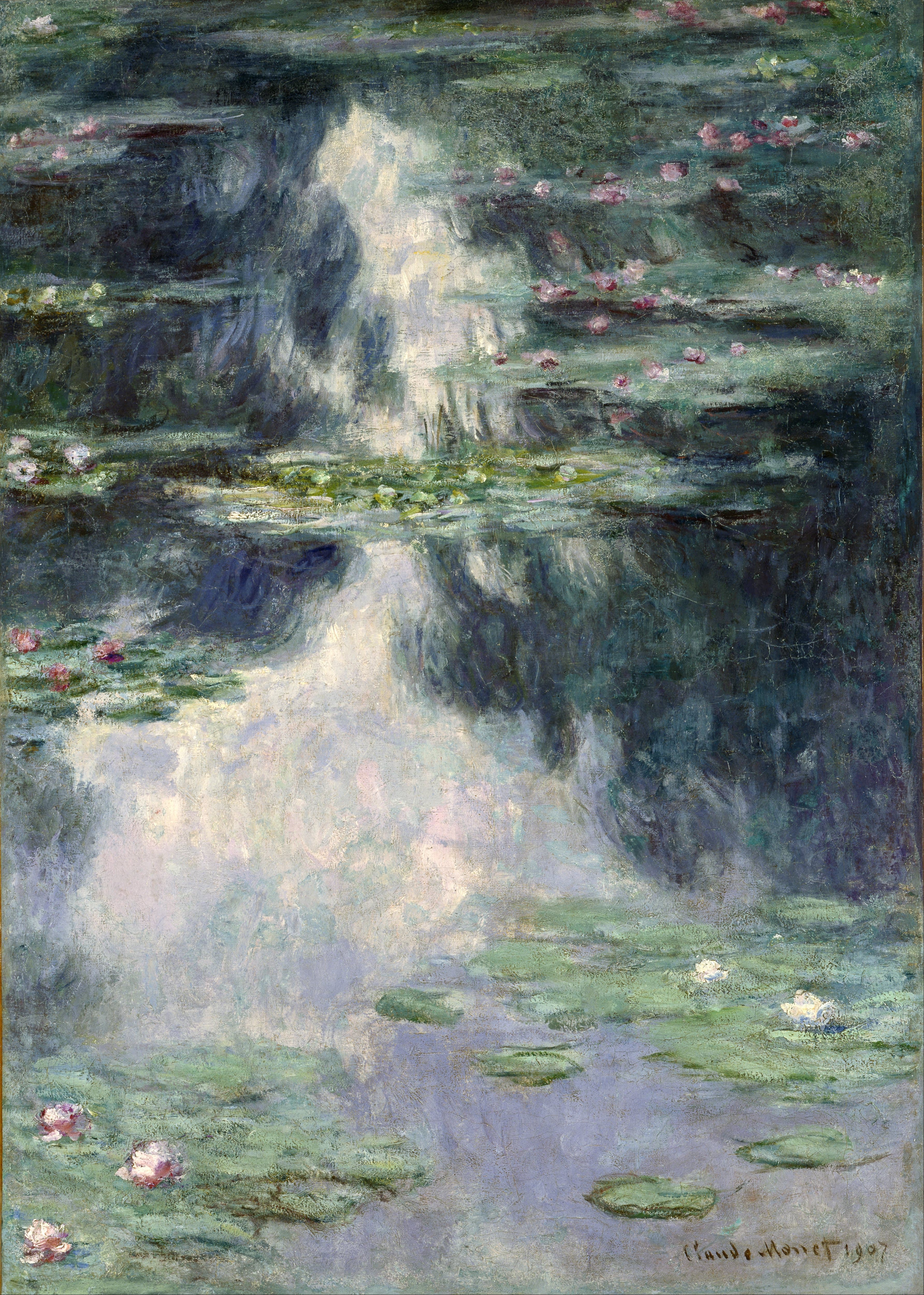
Pond with Water Lilies (Israel Museum)
Claude Monet · 1907
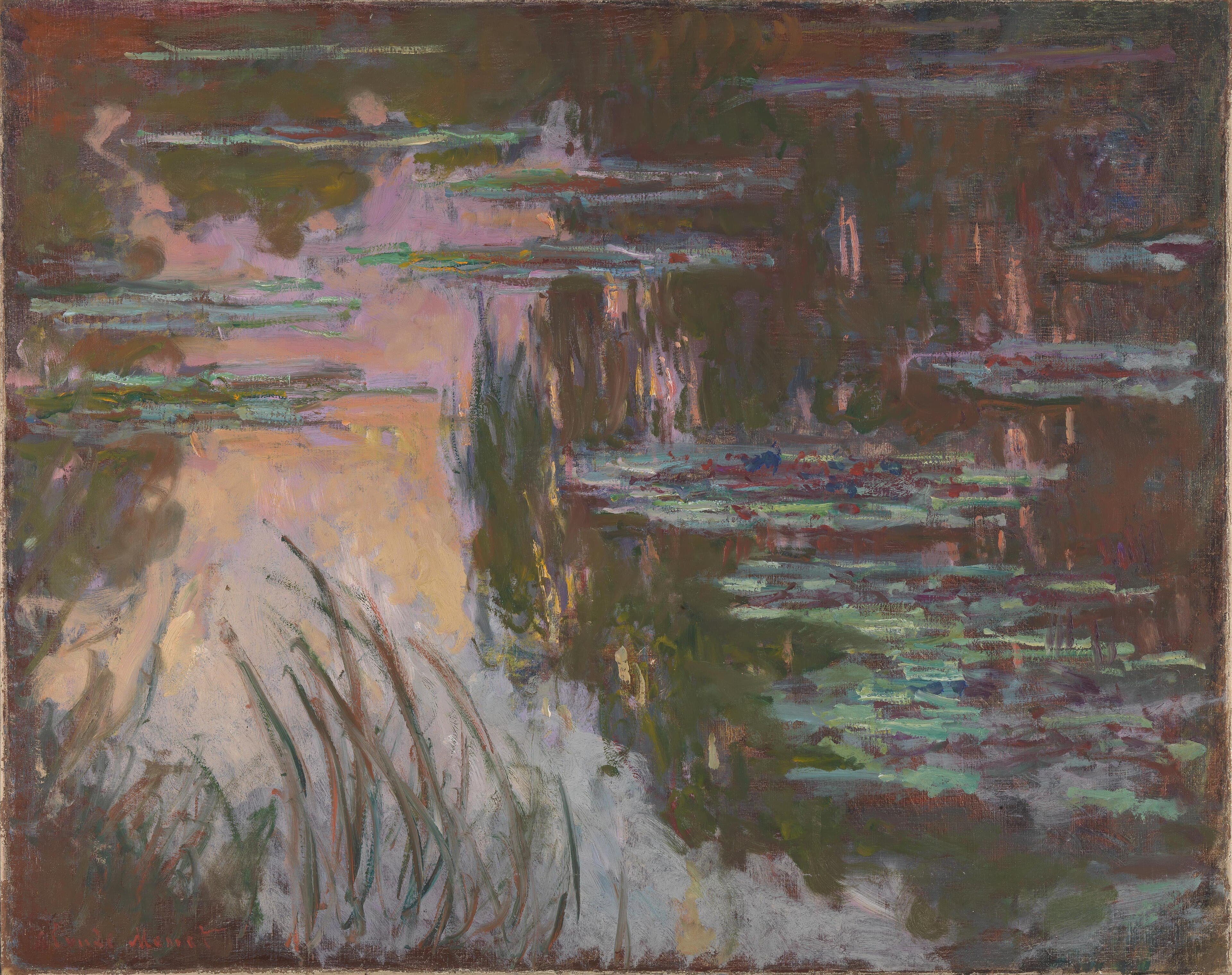
Water-Lilies, Setting Sun (National Gallery, London)
Claude Monet · c. 1907
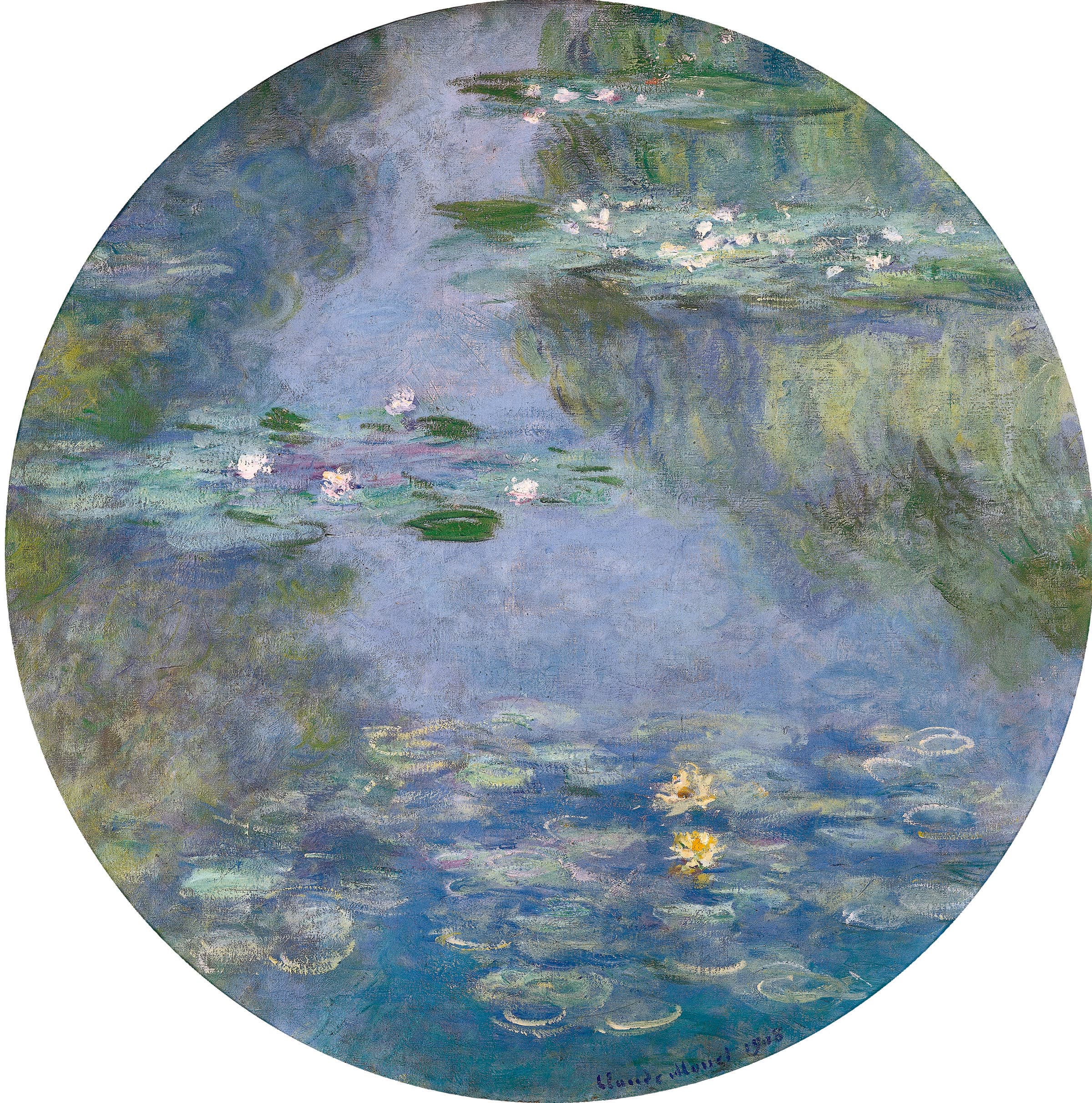
Nymphéas (1908 tondo, Vernon)
Claude Monet · 1908

Nymphéas [Waterlilies] (National Gallery of Australia)
Claude Monet · c. 1914–17
Nymphéas (Musée Marmottan Monet, 1914–17)
Claude Monet · 1914–17
Weeping Willow (Columbus)
Claude Monet · 1918