Image: Nelson-Atkins Museum of Art (former); photo by Daderot · CC0 · via Wikimedia Commons
Mill at Limetz
Claude Monet, 1888
Mill at Limetz (Le Moulin de Limetz) is an 1888 painting by Claude Monet of a mill on the river Epte near Giverny, glimpsed through overhanging summer foliage. Long shared with the Nelson-Atkins Museum, it sold at Christie's New York in 2024 for about $21.7 million.
- Artist
- Claude Monet
- Date
- 1888
- Medium
- Oil on canvas
- Dimensions
- 93.3 × 73.7 cm
- Collection
- Private collection (formerly Nelson-Atkins Museum of Art)
- Movement
- Impressionism
- Catalogue
- Wildenstein 1210
- Nature & Landscape
- Water & Sea
Claude Monet's Mill at Limetz (Le Moulin de Limetz) was painted in 1888 on the river Epte at Limetz, a village about a mile from his house at Giverny. A grain mill and its little bridge sit far back in the light at the end of a tunnel of overhanging trees, their reflections floating on the still water. The upright canvas, about 93 by 74 centimeters (Wildenstein 1210), was partly owned by the Nelson-Atkins Museum of Art in Kansas City from 1986 until 2024, when it was sold at auction.
What you are looking at
Most of the picture is foliage. A great curtain of summer leaves hangs down from the top and fills the whole left side, painted in hundreds of small strokes of green, yellow-green, blue and touches of red. The mass is darkest at the lower left, where it meets the water's edge, and lightest at the top, where sun filters through.
On the right, the river opens into a pale, luminous channel. It is painted in creams, pinks, lilacs and pale blues, almost white in places, so that the water seems to glow from within. At the far end, where the channel narrows, you can make out the mill: a pinkish building half hidden in trees at the upper right and, below it, a low bridge with a dark arch, where a patch of green weed or reflected bank sits in the opening. A few vertical posts or figures in red show on the bank above.
The detail that makes the picture is the reflection. The overhanging leaves are mirrored in the water as a soft violet shadow that runs diagonally down the canvas, and the boundary between real foliage and reflected foliage is nearly impossible to find. Monet leaves the viewer, like someone in a boat, unsure where the bank ends and the river begins.
Where and when
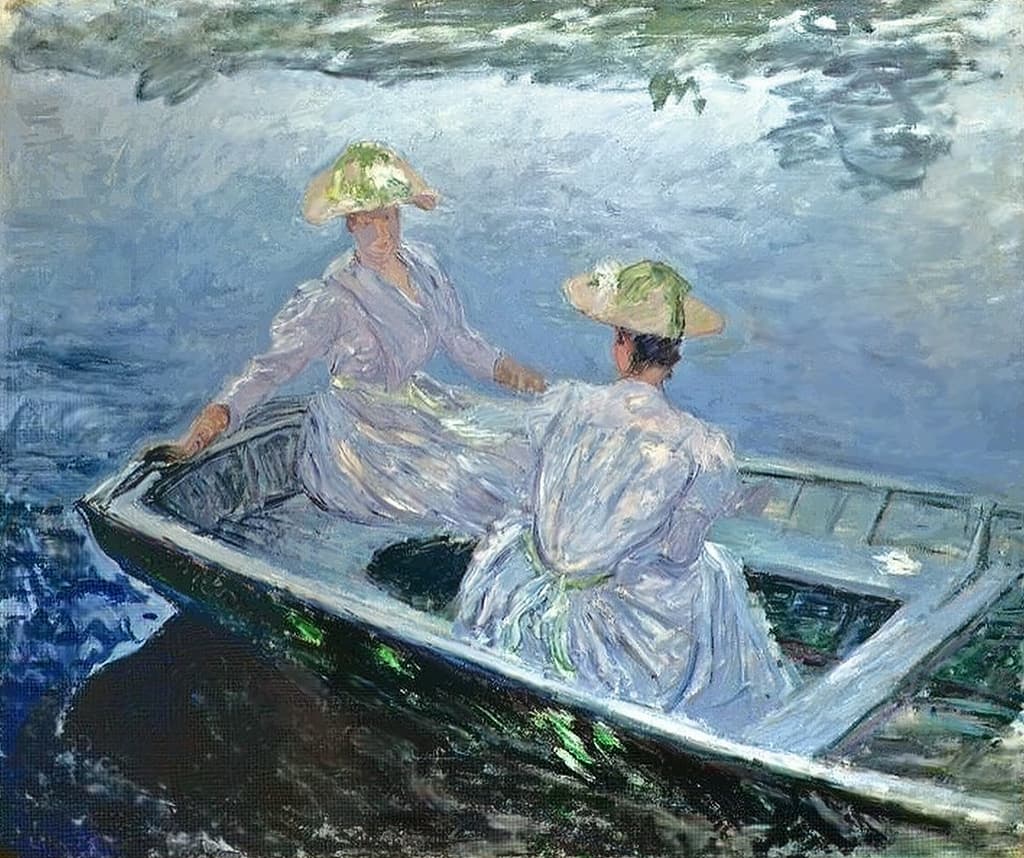
Monet had moved to Giverny in 1883, and by 1888 the Epte, the small river that runs past the village to join the Seine, had become one of his favorite subjects. He kept boats on it and painted from them: the same years produced the canoe pictures with Suzanne and Blanche Hoschedé and, in 1891, the Poplars on the Epte's banks. The mill at Limetz-Villez stood a short way downstream from his house, close to where the Epte meets the Seine.
How this version differs
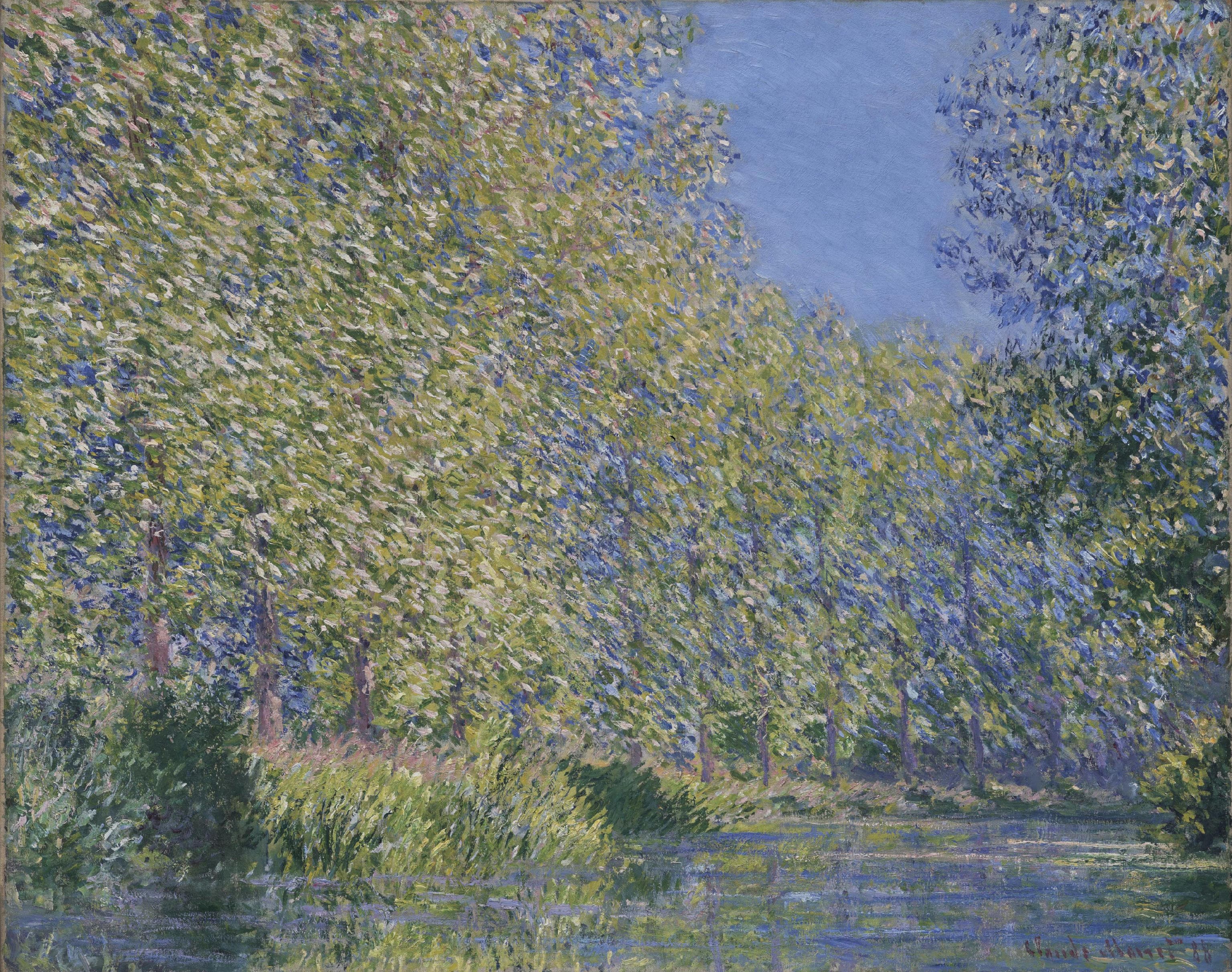
Mill at Limetz is closest in spirit to Bend in the Epte River near Giverny, painted the same year and now in Philadelphia, which also looks along the river under trees. But where the Philadelphia picture is open and spring-like, this one is enclosed and summery, the leaves heavy and full. Its tall format, unusual among his river views, stresses the height of the canopy and the depth of the channel. The dense, broken touch also links it to the boating pictures of the same moment, like The Blue Boat and Boating on the River Epte.
How it was painted
The surface is a thick mesh of small, separate strokes, most of them short dabs or commas laid side by side rather than blended. In the foliage they are heavily loaded and stand up from the canvas; in the water they are smoother and paler. Monet uses complementary contrasts throughout: red against green in the leaves, violet shadow against yellow light on the water. The signature is at lower left.
For Monet's first years at Giverny and the river landscapes around the village, see Giverny: Monet's House and Garden.
Ownership and sale
The painting came to the Nelson-Atkins Museum of Art in 1986 as a partial bequest of Ethel B. Atha (accession D38-1986), with members of her family retaining a share. After the death of her daughter, Ethelyn Atha Chase, in 2023, the family chose to sell their one-third interest, and the painting was offered at Christie's in New York. On May 16, 2024, it sold for $21,685,000 to an anonymous buyer, and it is now in a private collection. For Monets on public view, see Where to See Monet's Paintings and Claude Monet.
Questions & answers
Where is Monet's Mill at Limetz now?
Mill at Limetz is in a private collection. It was jointly owned by the Nelson-Atkins Museum of Art in Kansas City and the Atha family from 1986, and was sold at Christie's New York on May 16, 2024, for $21,685,000 to an anonymous buyer.
Where and when did Monet paint Mill at Limetz?
Monet painted it in 1888 on the river Epte at Limetz (now Limetz-Villez), a village about a mile from his home at Giverny, where the Epte flows toward the Seine. He often painted the Epte from a boat in these years.
What does Mill at Limetz show?
It shows a channel of the Epte under a curtain of overhanging summer foliage, with the mill and a small arched bridge glimpsed far off at the end of the bright water. The leaves and their violet reflections fill most of the tall canvas.
Why did the Nelson-Atkins sell Mill at Limetz?
The museum held the painting through a partial bequest of Ethel B. Atha, with her family keeping a share. After her daughter Ethelyn Atha Chase died in 2023, the family decided to sell their interest, and the painting was auctioned at Christie's in 2024.
More by the artist
Claude Monet
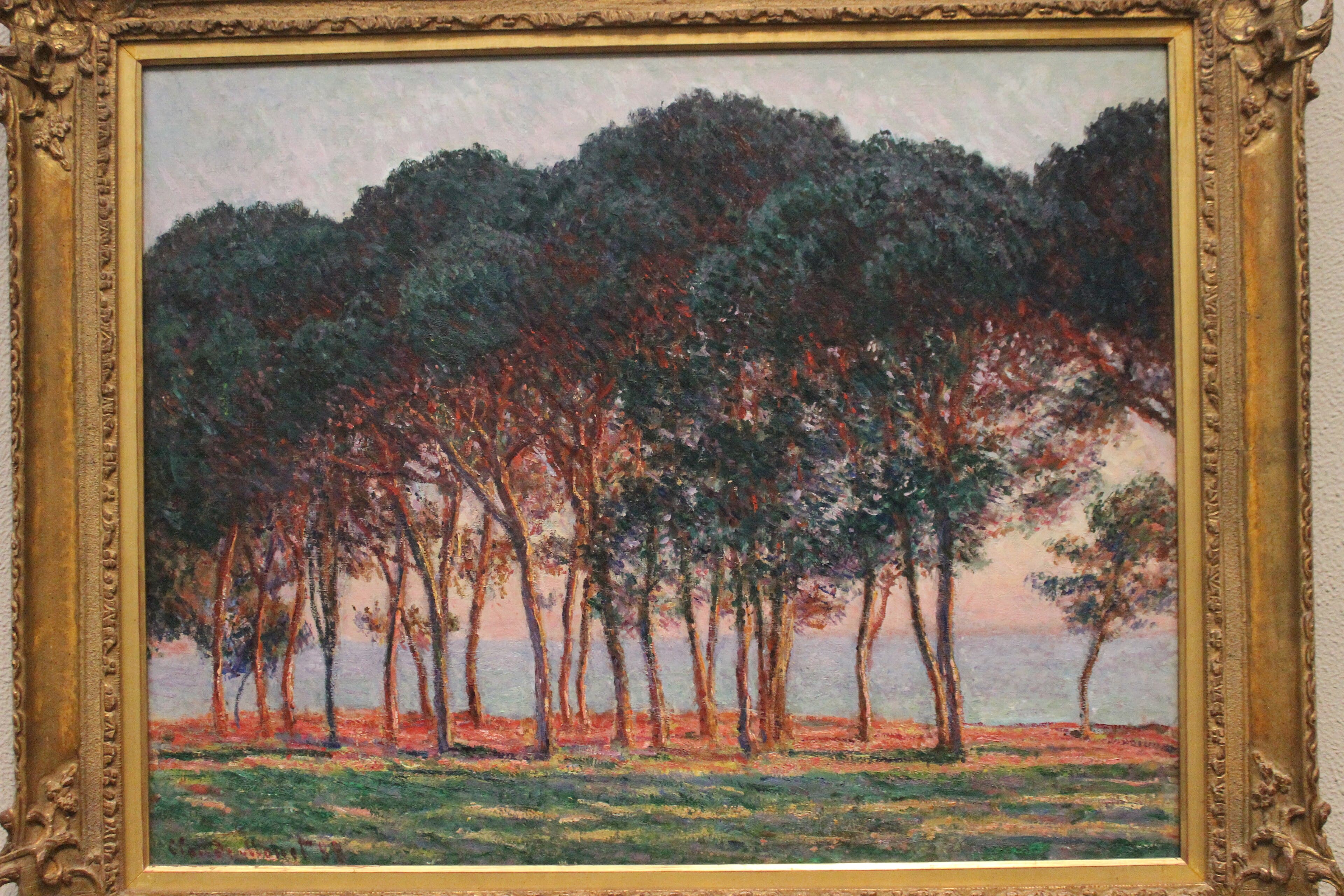
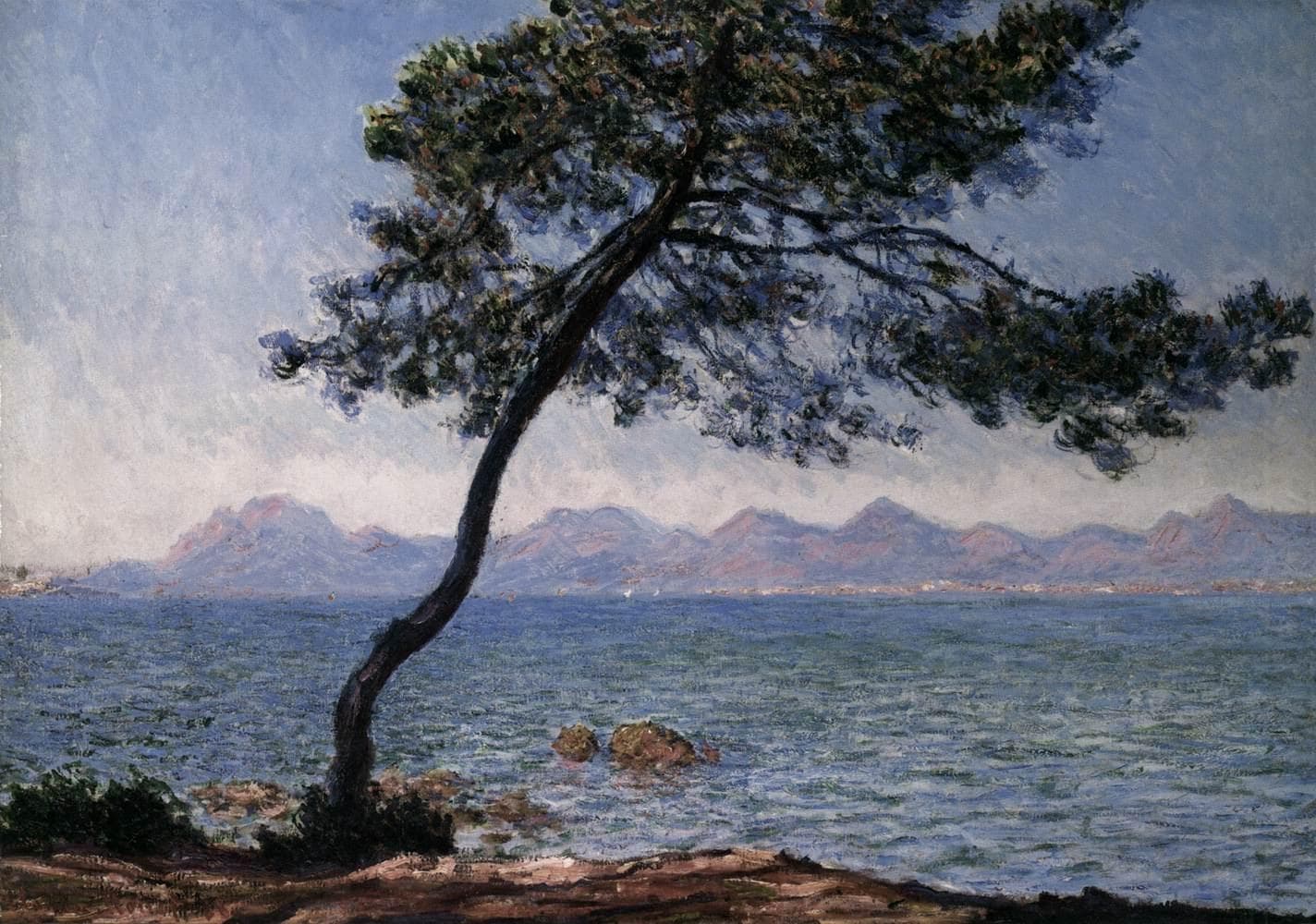
Under the Pines, Evening
Claude Monet · 1888
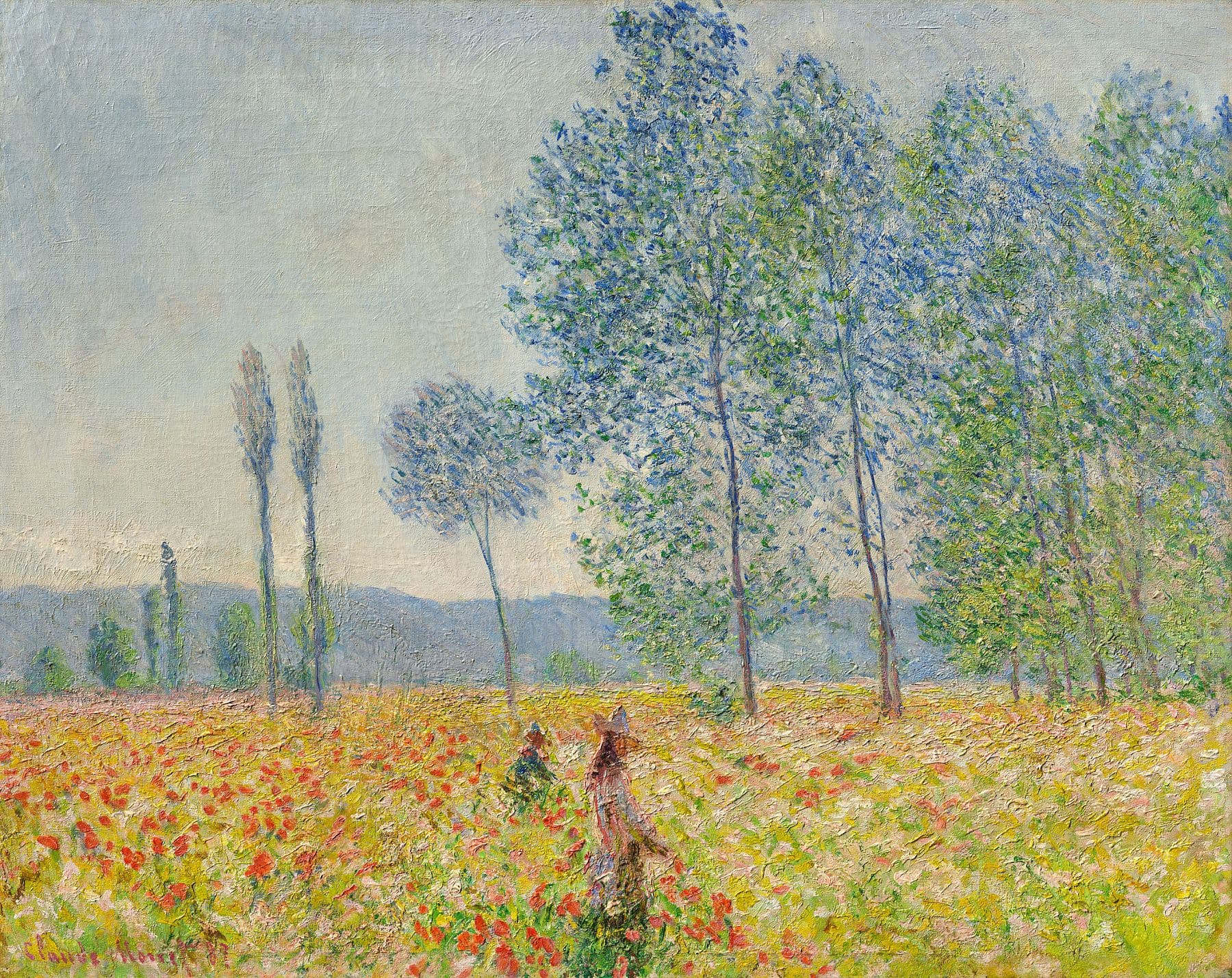
Under the Poplars
Claude Monet · 1887
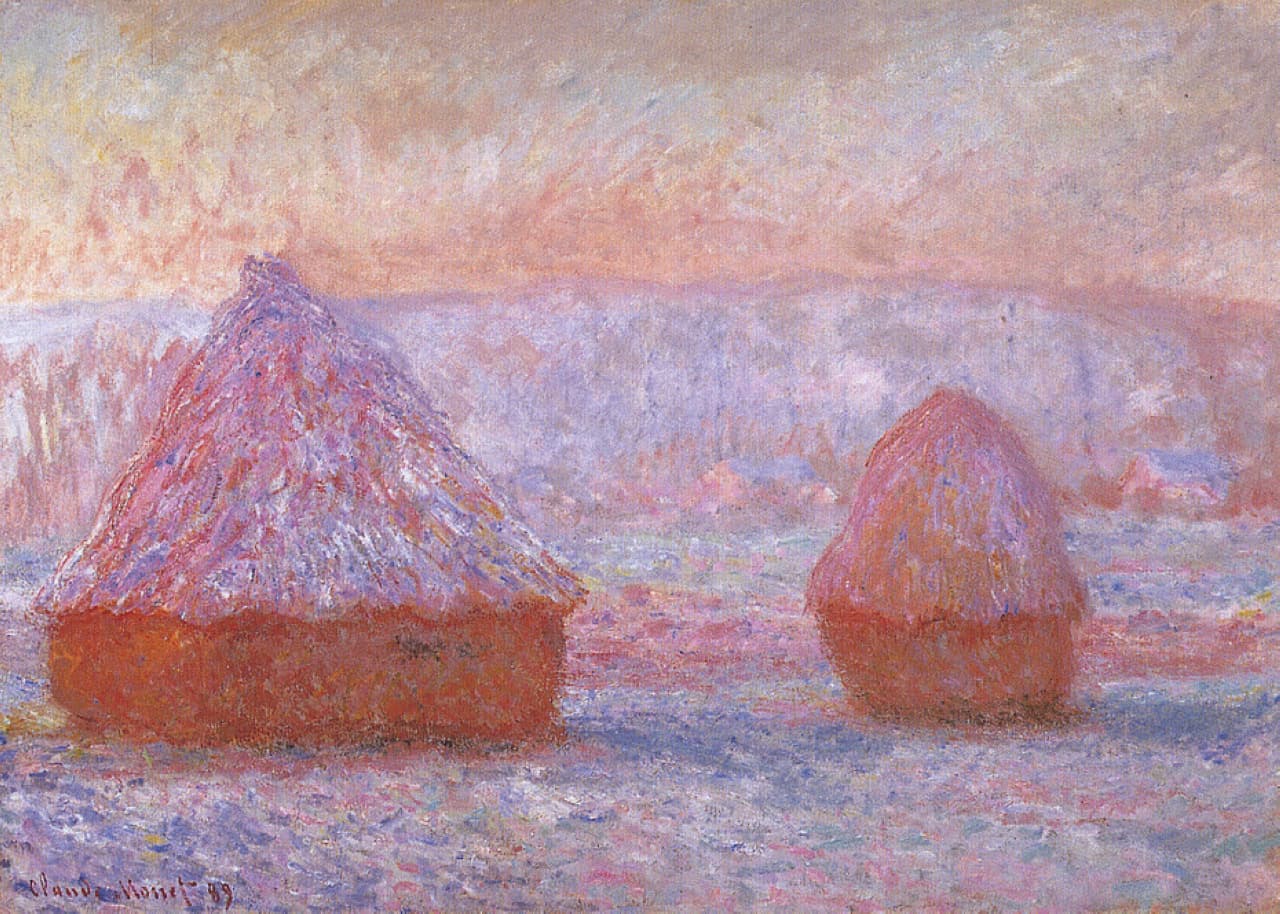
Grainstacks at Giverny, Morning Effect
Claude Monet · 1889
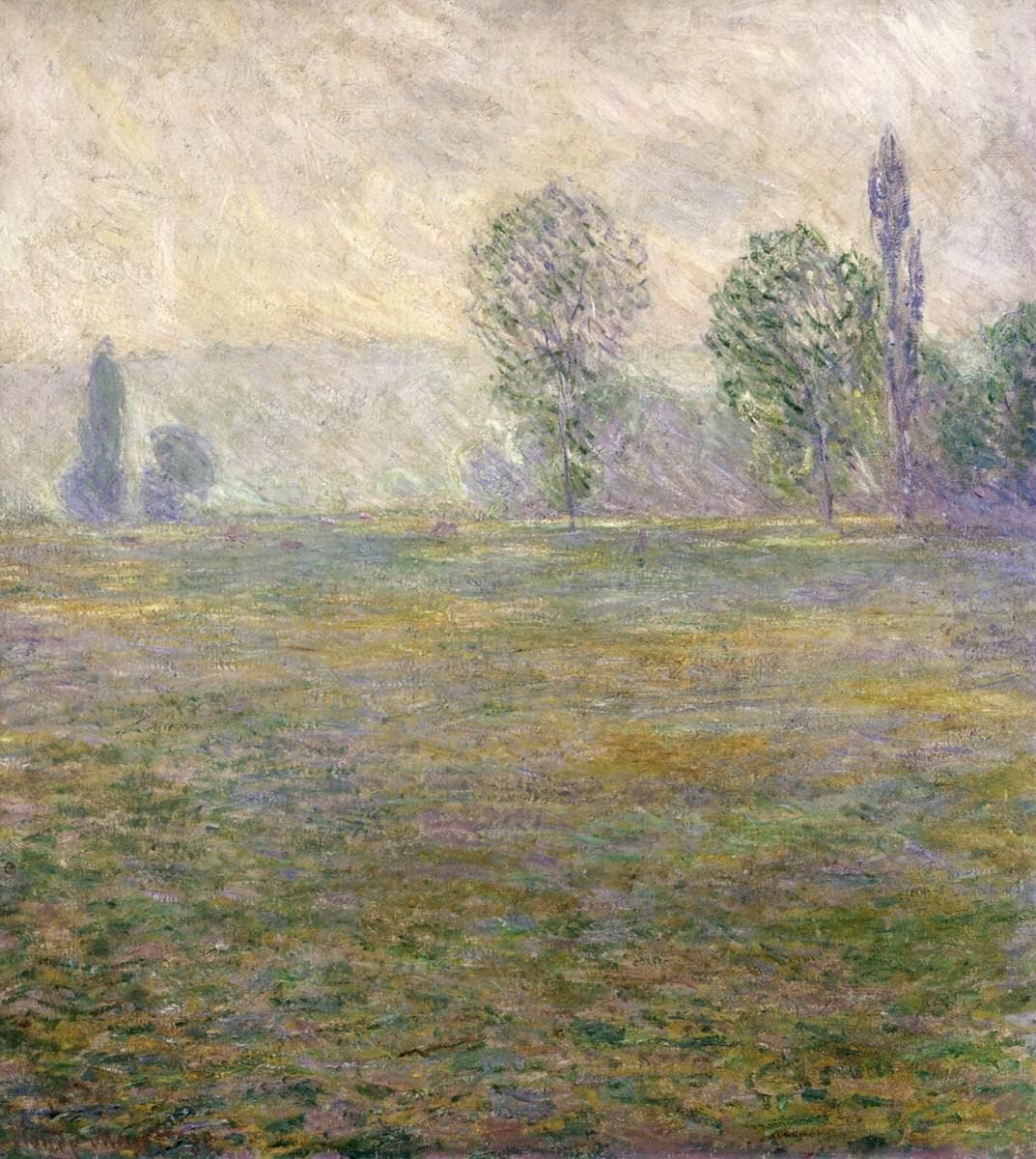
Meadow at Giverny
Claude Monet · 1888
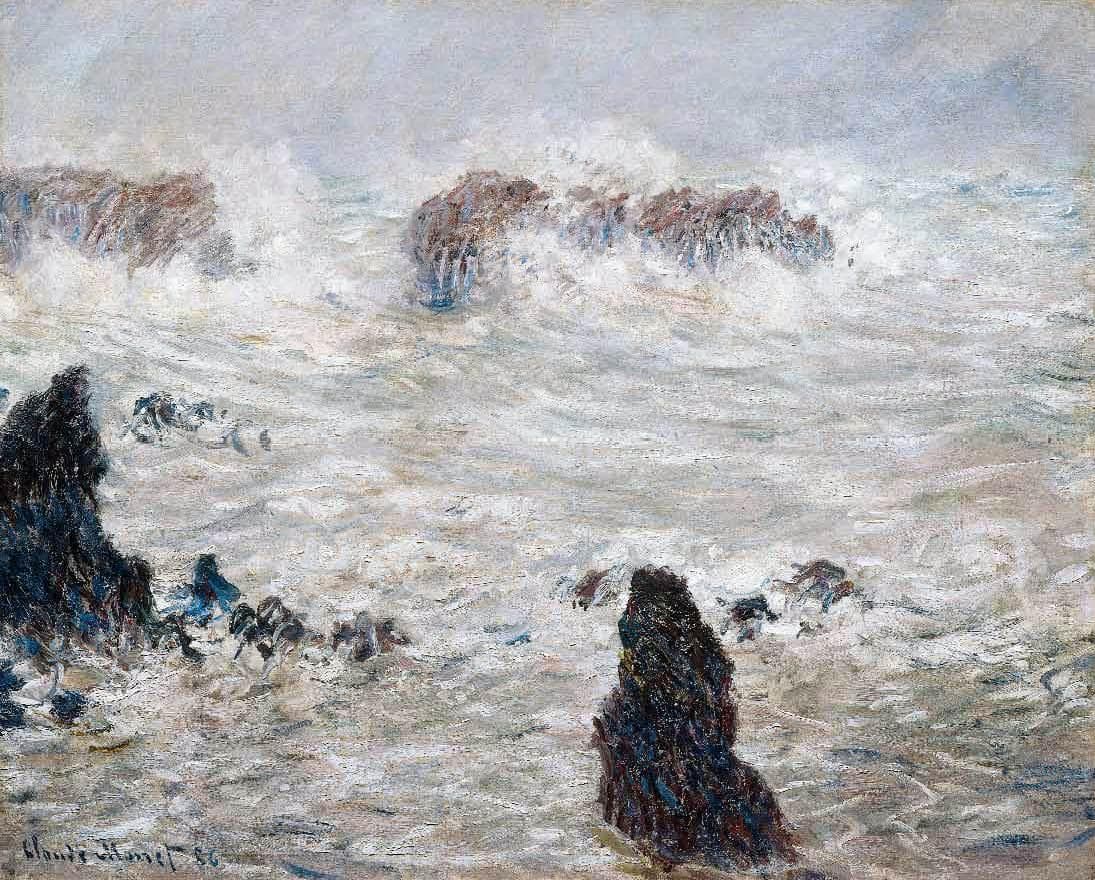
Storm off Belle-Île
Claude Monet · 1886
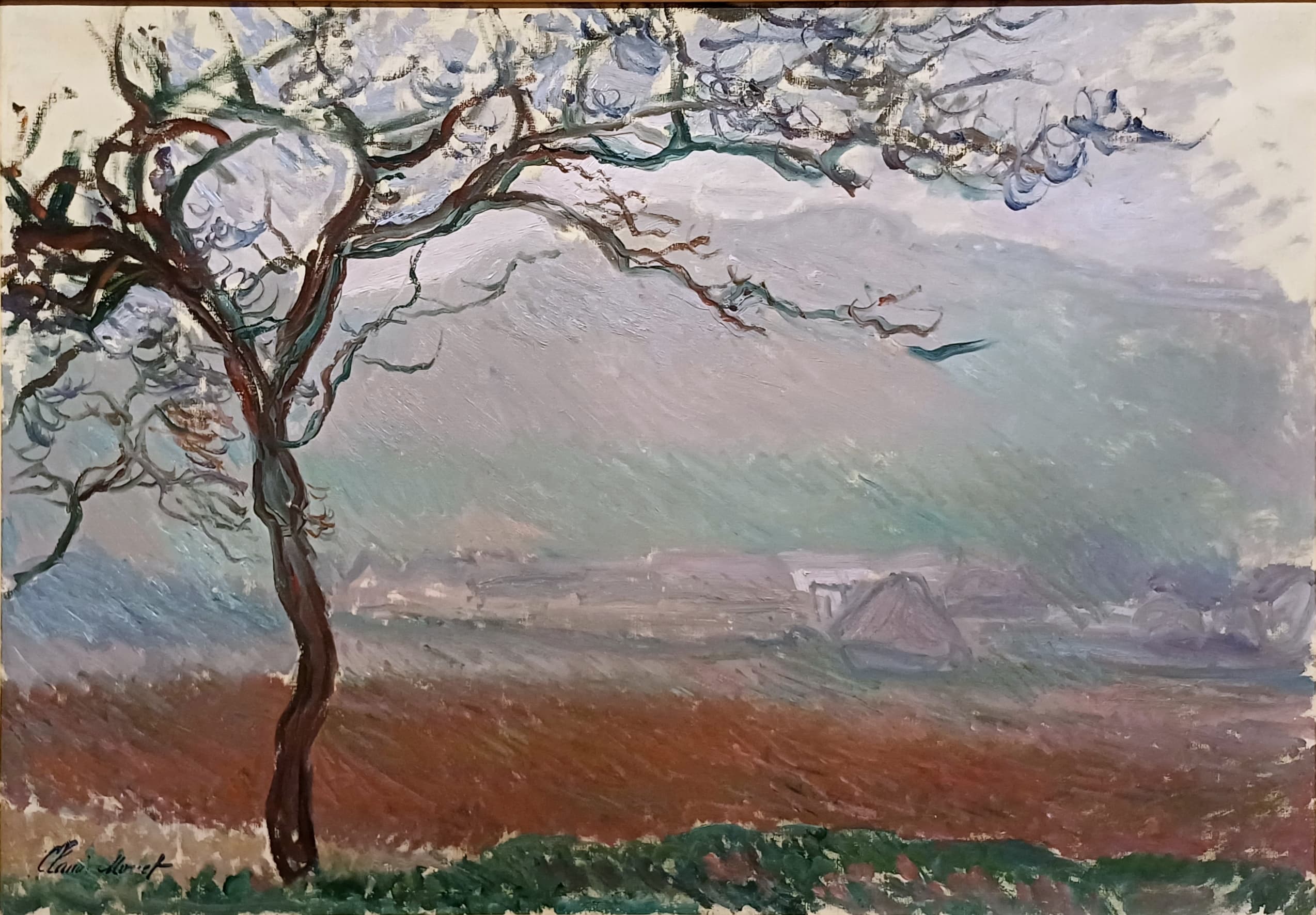
Giverny Landscape
Claude Monet · 1887
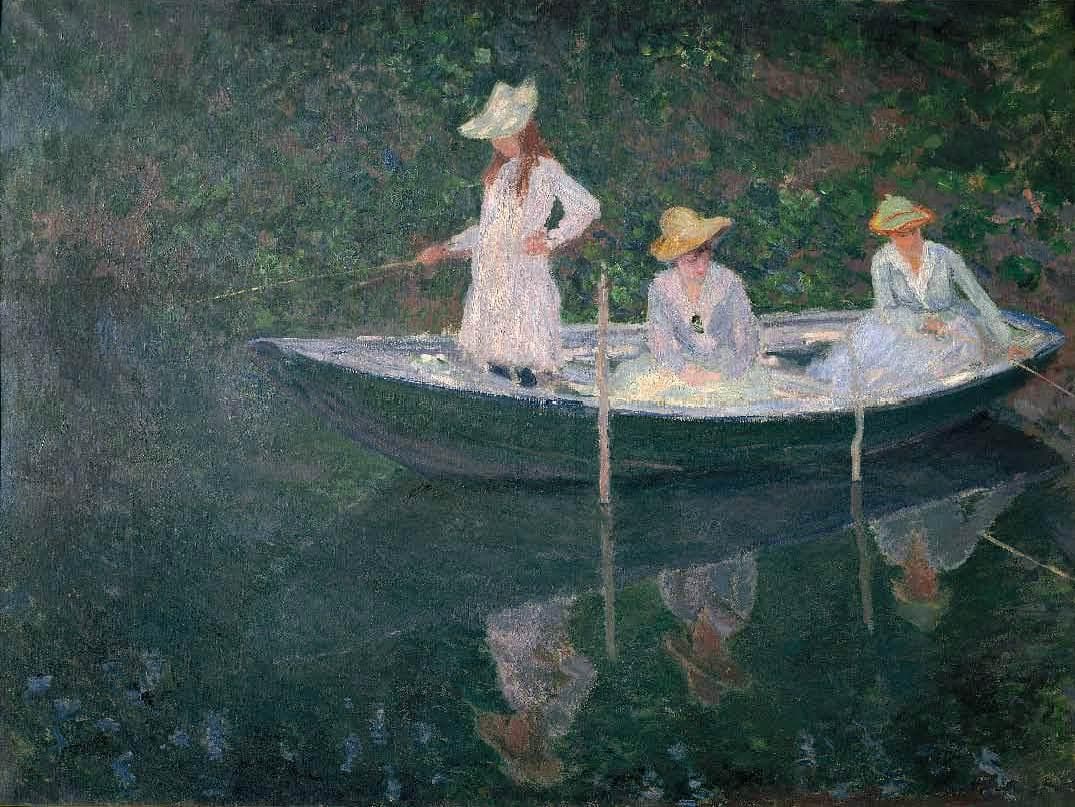
The Boat at Giverny
Claude Monet · c. 1887
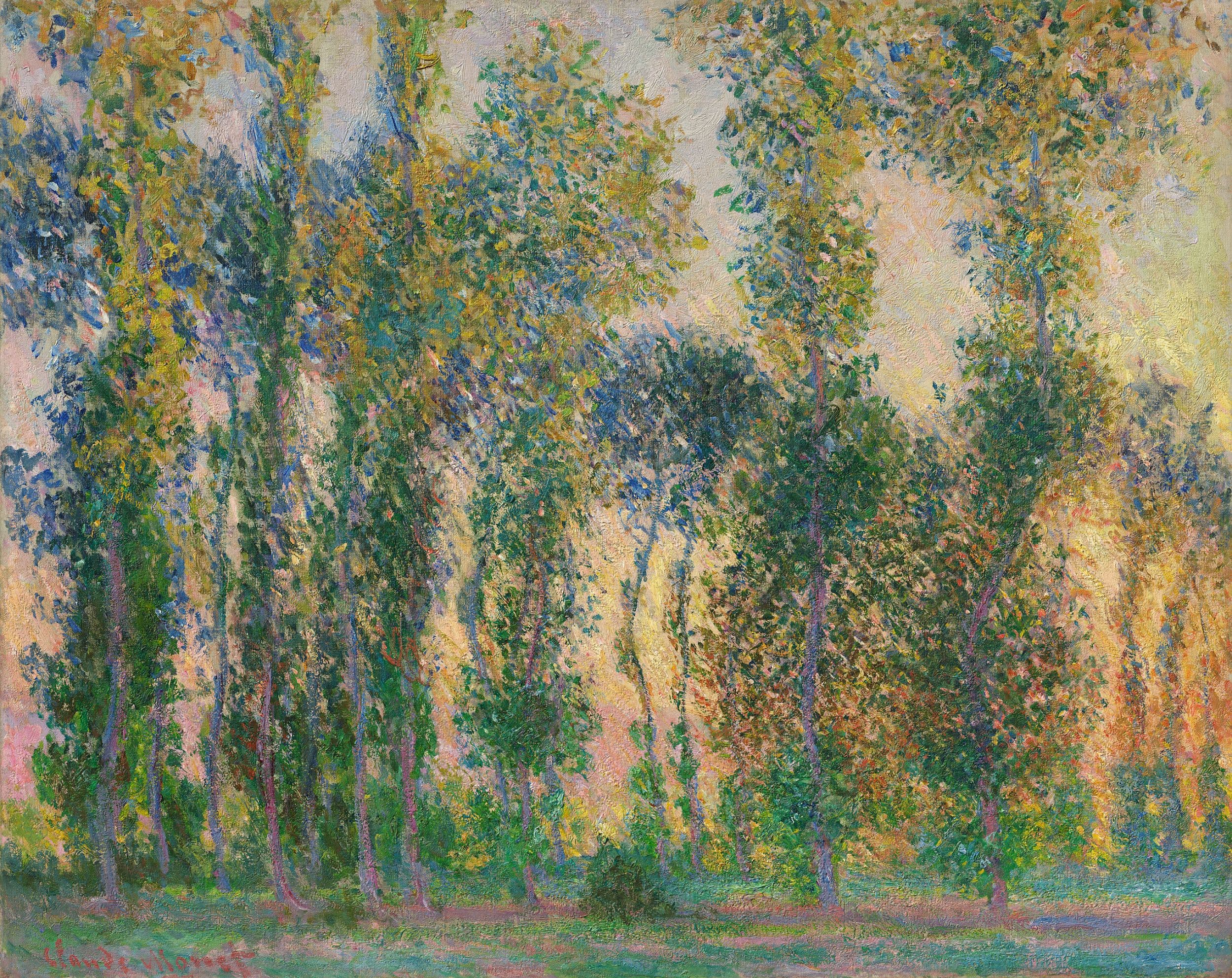
Poplars at Giverny
Claude Monet · 1887
Also painted in 1888
The same year
Kindred works
You may also study
Bend in the Epte River near Giverny
Claude Monet · 1888
The Blue Boat
Claude Monet · 1887

Boating on the River Epte
Claude Monet · 1890
Heavy Sea at Étretat
Claude Monet · c. 1868–69
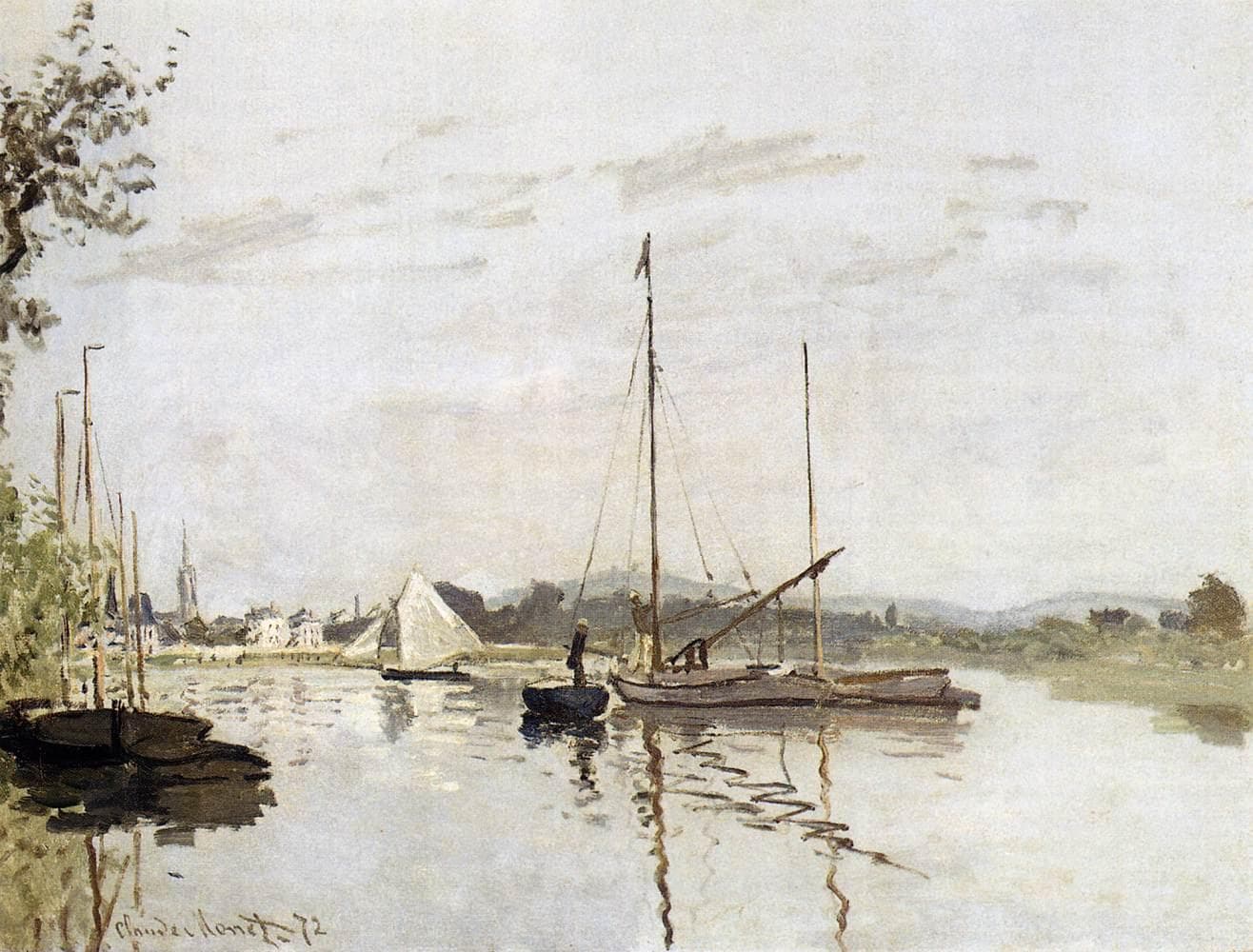
Argenteuil
Claude Monet · c. 1872
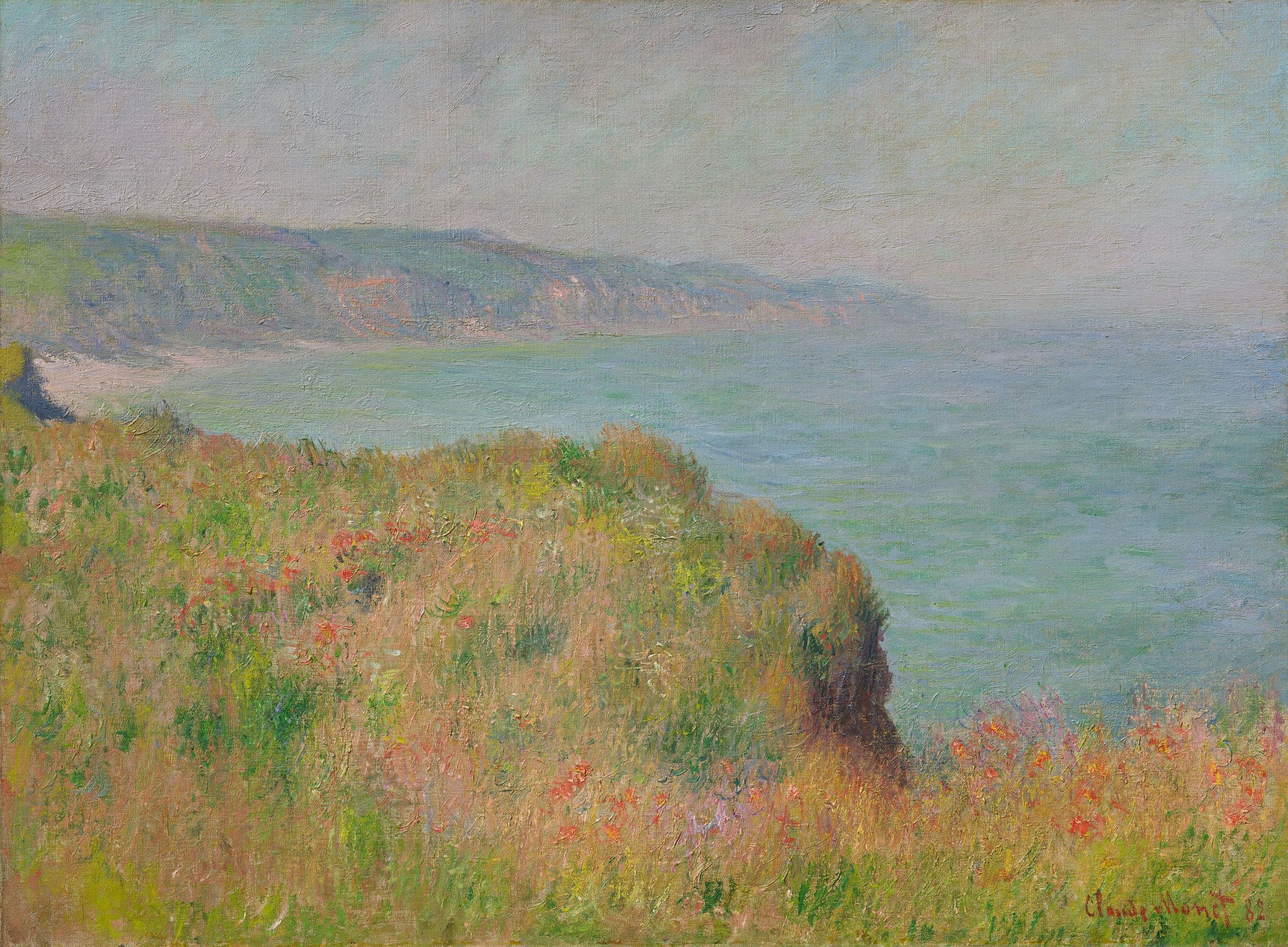
Edge of the Cliff at Pourville
Claude Monet · 1882
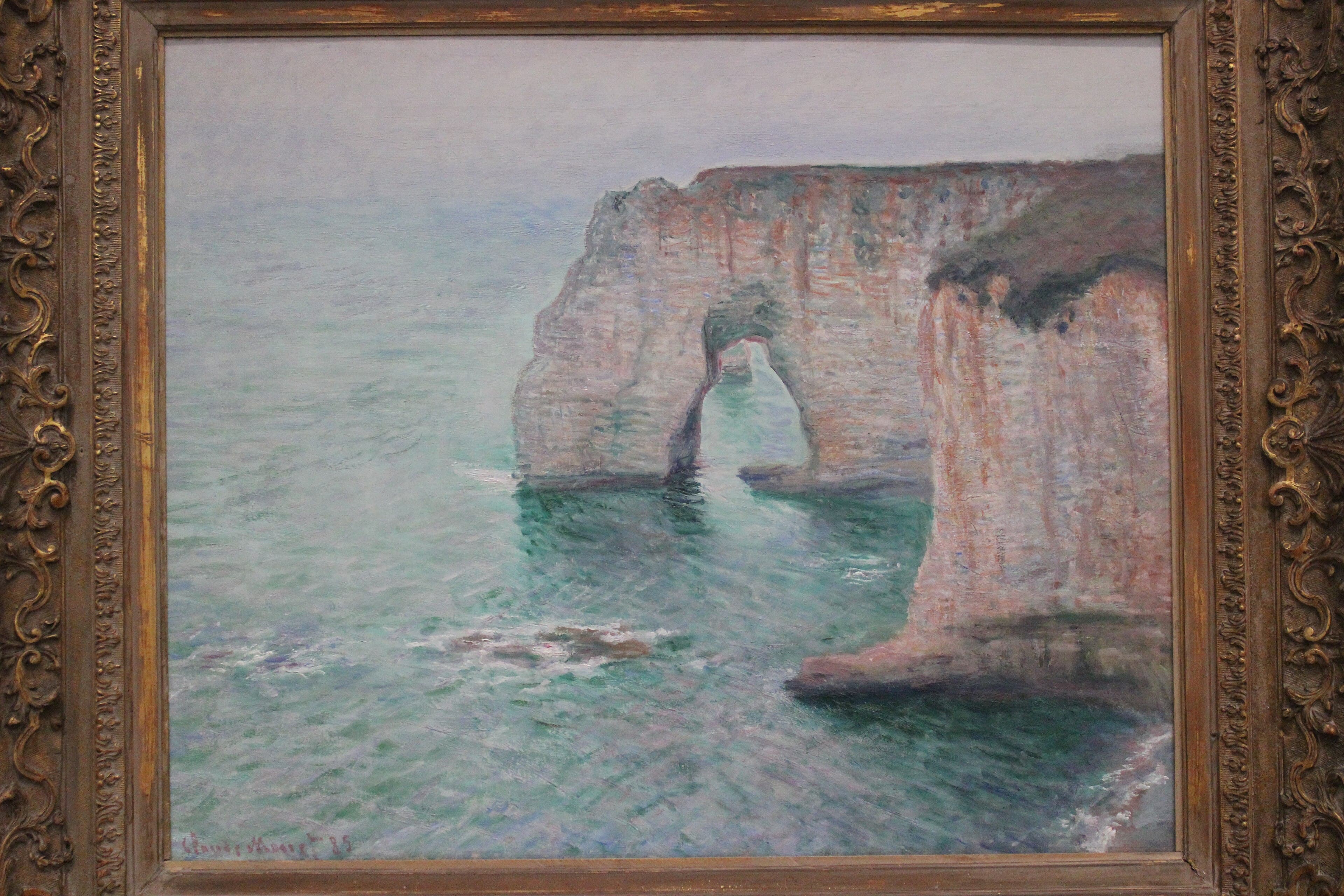
Manne-Porte, Étretat
Claude Monet · 1885
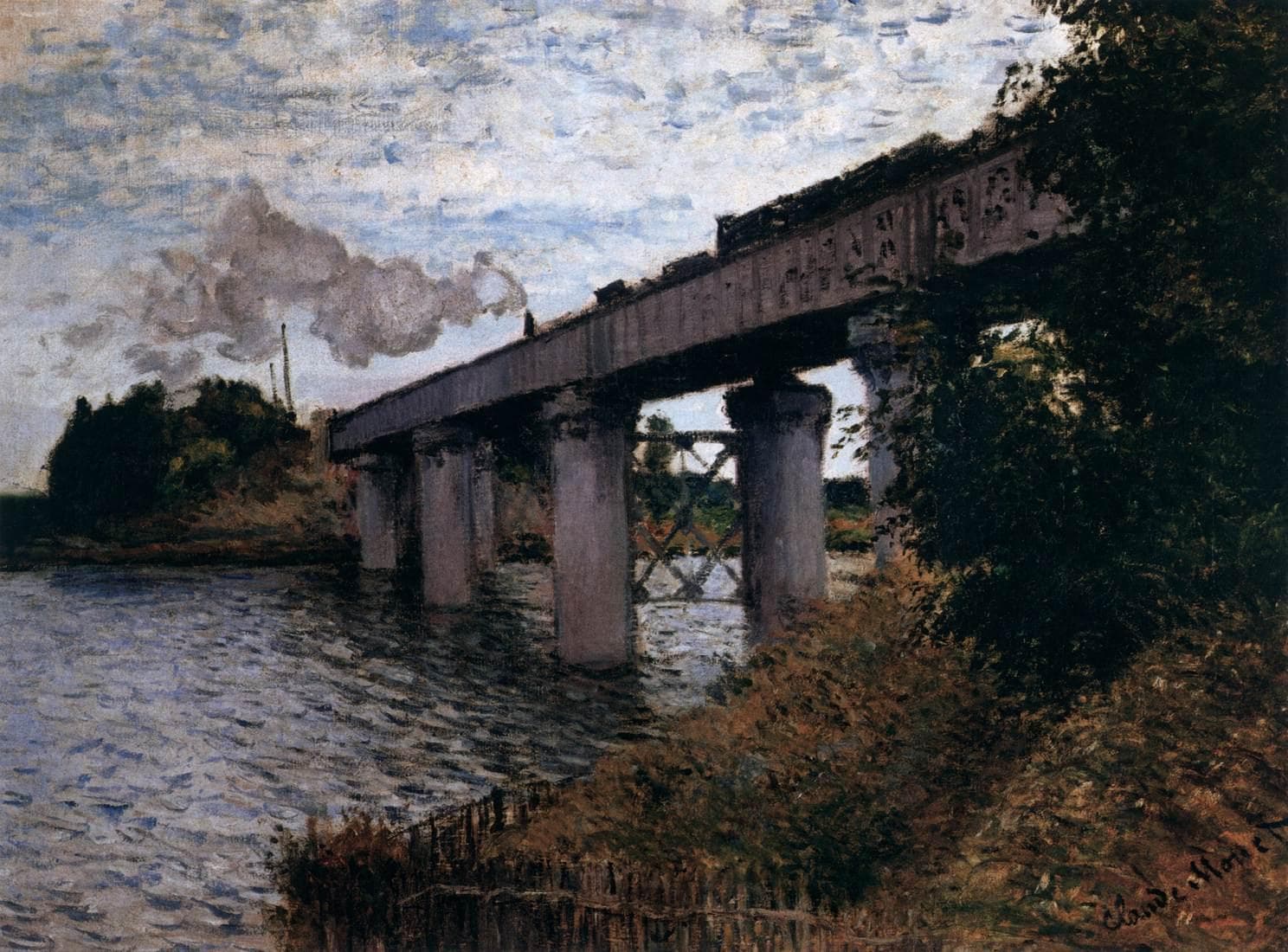
The Railway Bridge at Argenteuil
Claude Monet · c. 1873–74