Image: Philadelphia Museum of Art · Public domain · via Wikimedia Commons
Bend in the Epte River near Giverny
Claude Monet, 1888
Bend in the Epte River near Giverny is an 1888 painting by Claude Monet of a line of poplars in fresh spring leaf curving along the river Epte near his home, mirrored in still water. It is in the Philadelphia Museum of Art.
- Artist
- Claude Monet
- Date
- 1888
- Medium
- Oil on canvas
- Dimensions
- 73.7 × 92.9 cm
- Collection
- Philadelphia Museum of Art, Philadelphia, United States
- Movement
- Impressionism
- Catalogue
- Wildenstein 1209
- Nature & Landscape
- Water & Sea
Claude Monet's Bend in the Epte River near Giverny (Un tournant de l'Epte) was painted in 1888 on the small river that runs past Giverny into the Seine. A row of poplars follows a curve of the bank, their leaves a shimmer of yellow-green and blue against a soft sky. The canvas, 73.7 by 92.9 centimeters (Wildenstein 1209), is signed and dated at lower right. It came to the Philadelphia Museum of Art in 1924 with the William L. Elkins Collection.
What you are looking at
The trees fill almost the whole picture. On the left, a dense wall of foliage rises from the bank to the top edge, and from there a row of tall, straight-trunked poplars marches back and to the right, following the bend of the river, getting smaller as they go. Their trunks are thin dark verticals at the base of the screen of leaves. At the upper right, a gap opens to a patch of plain, flat lavender-blue sky, and a lighter, airier tree leans in from the right edge.
The leaves are the subject. Monet paints them as thousands of short, slanted strokes of lemon yellow, pale green, cream and cobalt blue, laid side by side and rarely mixed. From a distance they read as sunlit spring foliage trembling in a breeze; close up they are almost a pattern of flicks and commas, all leaning the same way.
Along the bottom of the canvas runs the Epte itself, a narrow strip of still water. On the near bank, a bright clump of reeds and grasses in green and pink catches the light. In the water, the trees reappear as soft vertical reflections in blue, green and lilac, broken by horizontal strokes that suggest the slow current.
Where and when
Monet had settled at Giverny in 1883, and the Epte, which skirts the village before joining the Seine, became one of his favorite subjects in the late 1880s. He painted it from the bank and from boats, and the poplar-lined meadows along it would become, in 1891, the setting for his Poplars series. This canvas, painted three years earlier, already shows the motif that would make that series: a row of tall trees following the water.
The Philadelphia museum notes that poplars in full spring leaf inspired the painting, and the color bears it out: this is the pale, acid green of April and May, not the heavy green of summer.
How this version differs
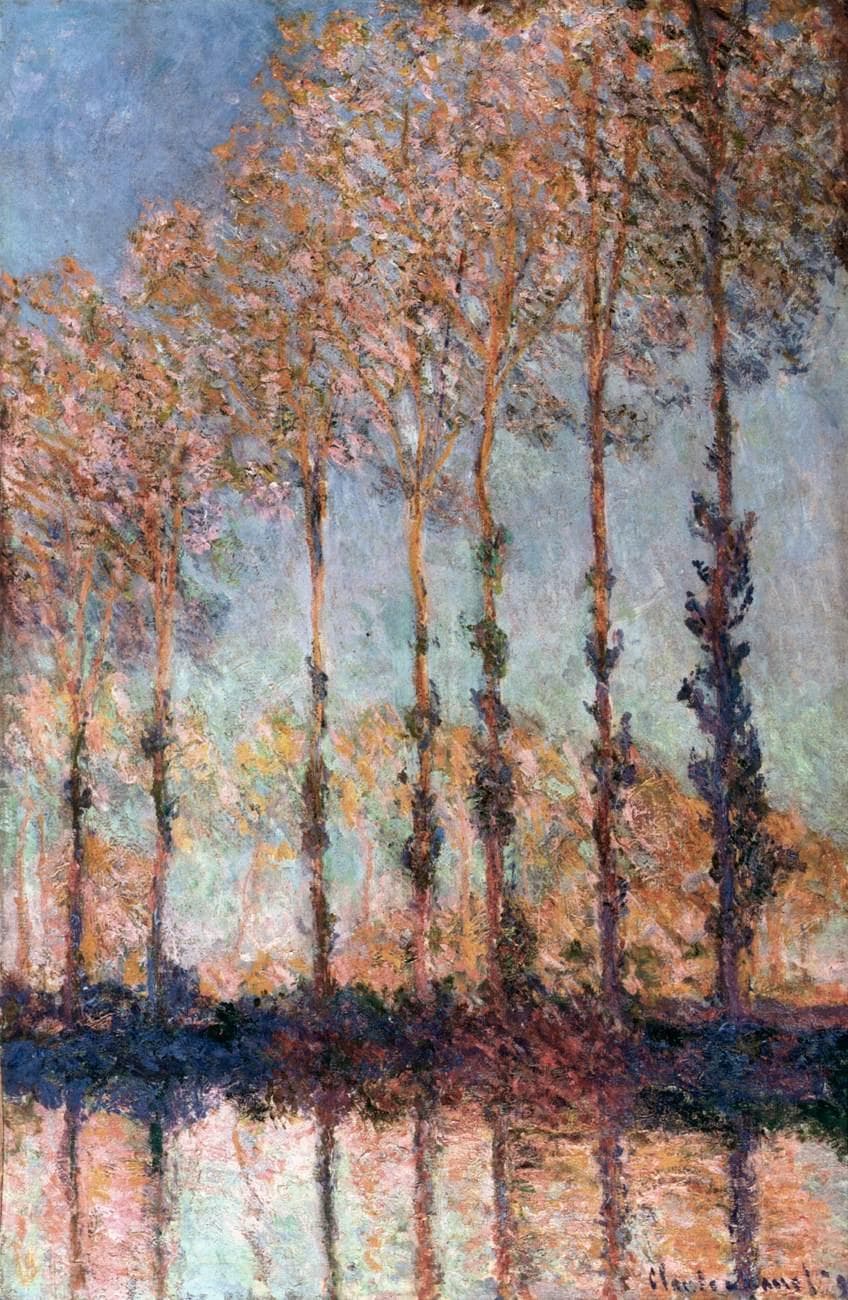
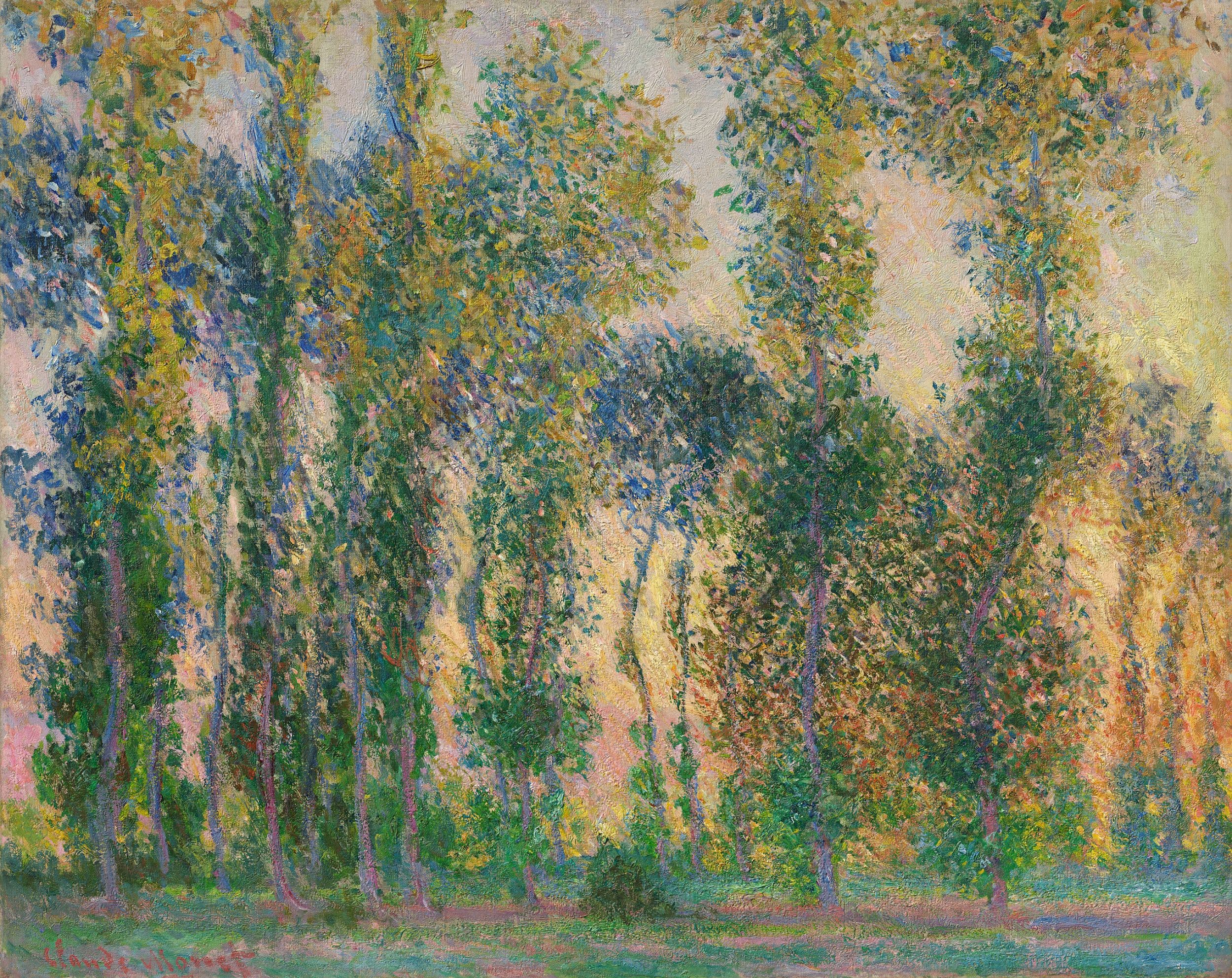
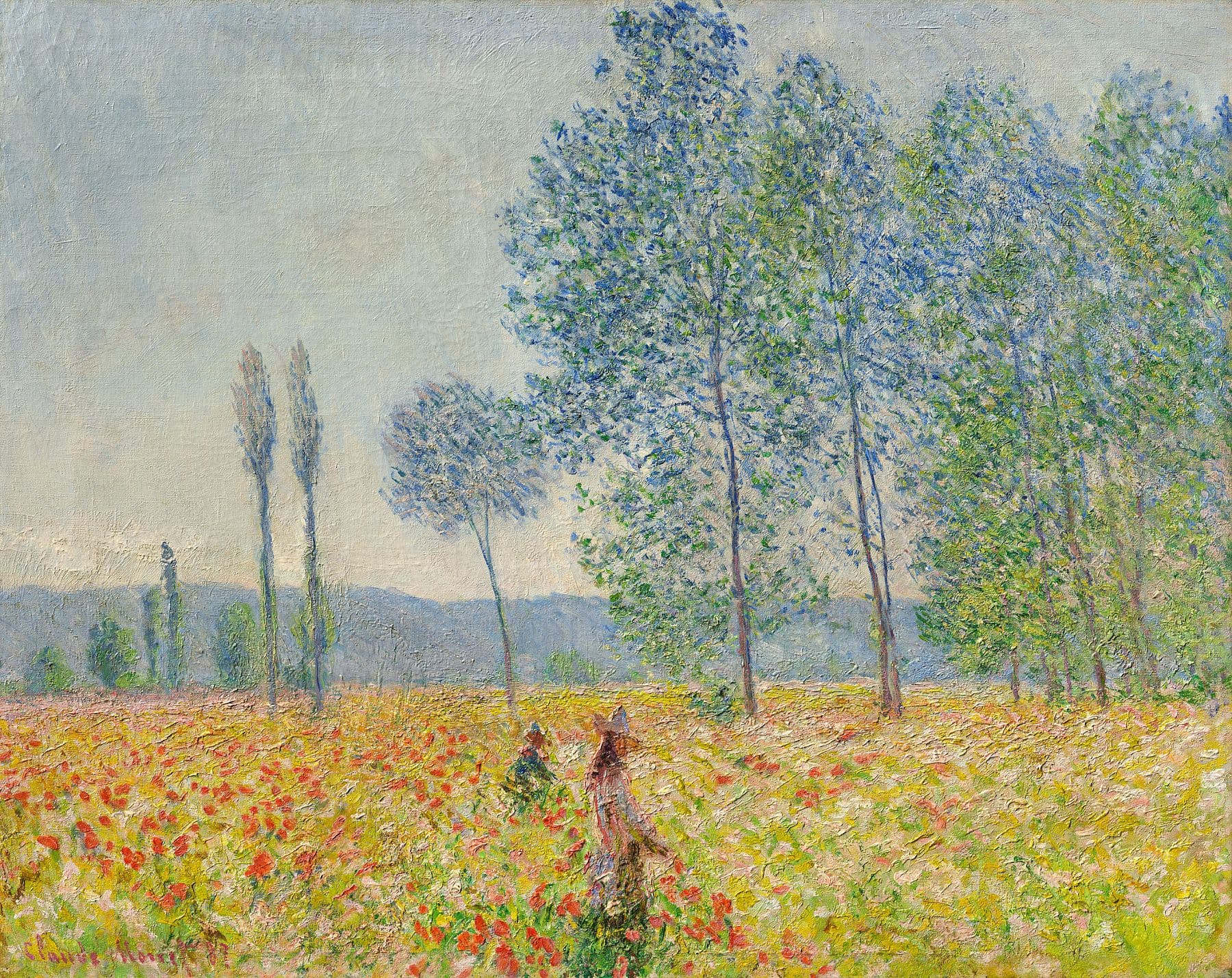
Compared with the 1891 Poplars, such as Philadelphia's own Poplars on the Banks of the River Epte, the composition here is looser and less geometric. The trees are not cut off by the top edge into a grid of verticals; they mass together into a single shimmering screen, and the river is reduced to a thin band. It is closest to Mill at Limetz, painted the same year a short way downstream, which also shows foliage overhanging the Epte, though in a tall format and a deeper summer green. The spring poplar pictures of the previous year, Poplars at Giverny and Under the Poplars, are its nearest relatives.
How it was painted
The whole surface is covered in a regular, directional touch, short diagonal strokes for the leaves, longer verticals for the trunks and reflections, flat sweeps for the sky. Monet sets complementary colors next to each other, yellow beside violet-blue, so that they vibrate. The sky is the one area painted smoothly, and its plainness makes the busy foliage look even more alive. The far end of the bend dissolves into cooler blues.
For Monet's early years at Giverny, before the water garden, see Giverny: Monet's House and Garden.
Ownership and where to see it
The Philadelphia collector William L. Elkins owned the painting from 1891, only three years after it was painted. It came to the Philadelphia Museum of Art in 1924 with the William L. Elkins Collection and is usually shown in the museum's galleries of European art from 1850 to 1900. The museum also holds Manne-Porte, Étretat and Morning at Antibes. See Where to See Monet's Paintings and Claude Monet.
Questions & answers
Where is Monet's Bend in the Epte River near Giverny?
It is in the Philadelphia Museum of Art, which received it in 1924 with the William L. Elkins Collection (accession E1924-3-16). It is usually shown in the museum's galleries of European art from 1850 to 1900, though not always on view.
When and where was Bend in the Epte River painted?
Monet painted it in 1888 on the river Epte, which runs past his home village of Giverny before joining the Seine. The fresh green of the leaves suggests spring. The canvas is signed and dated 1888 at lower right.
What does Bend in the Epte River near Giverny show?
It shows a row of tall poplars in new leaf following a curve of the Epte, their foliage painted as a shimmer of yellow, green and blue strokes, with a patch of lavender sky and the trees reflected in a narrow strip of still water.
Is this painting part of Monet's Poplars series?
Not formally. The Poplars series dates from 1891. But this 1888 canvas shows the same kind of motif on the same river, a line of poplars along the Epte, and it anticipates the series by three years.
More by the artist
Claude Monet
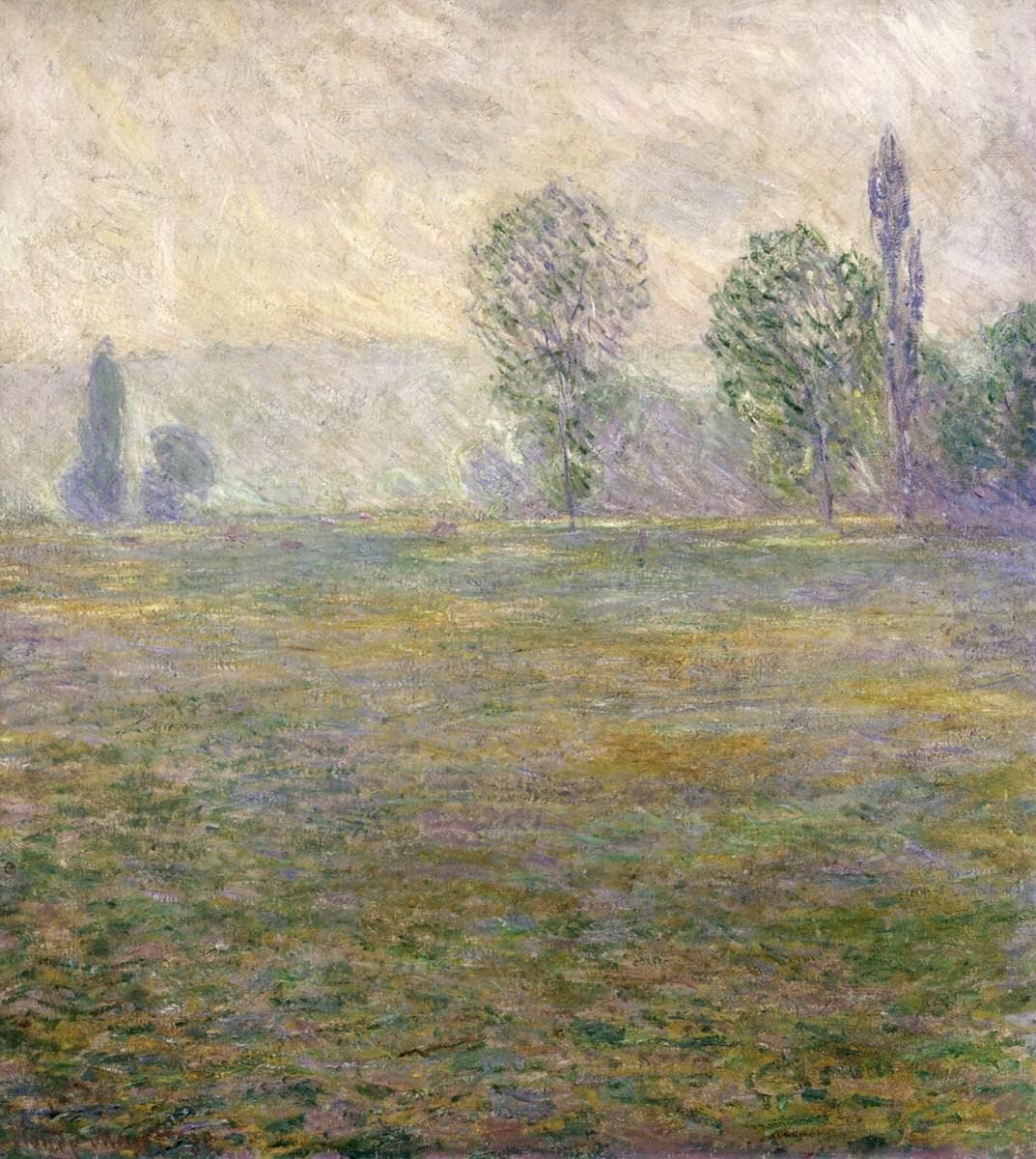
Meadow at Giverny
Claude Monet · 1888
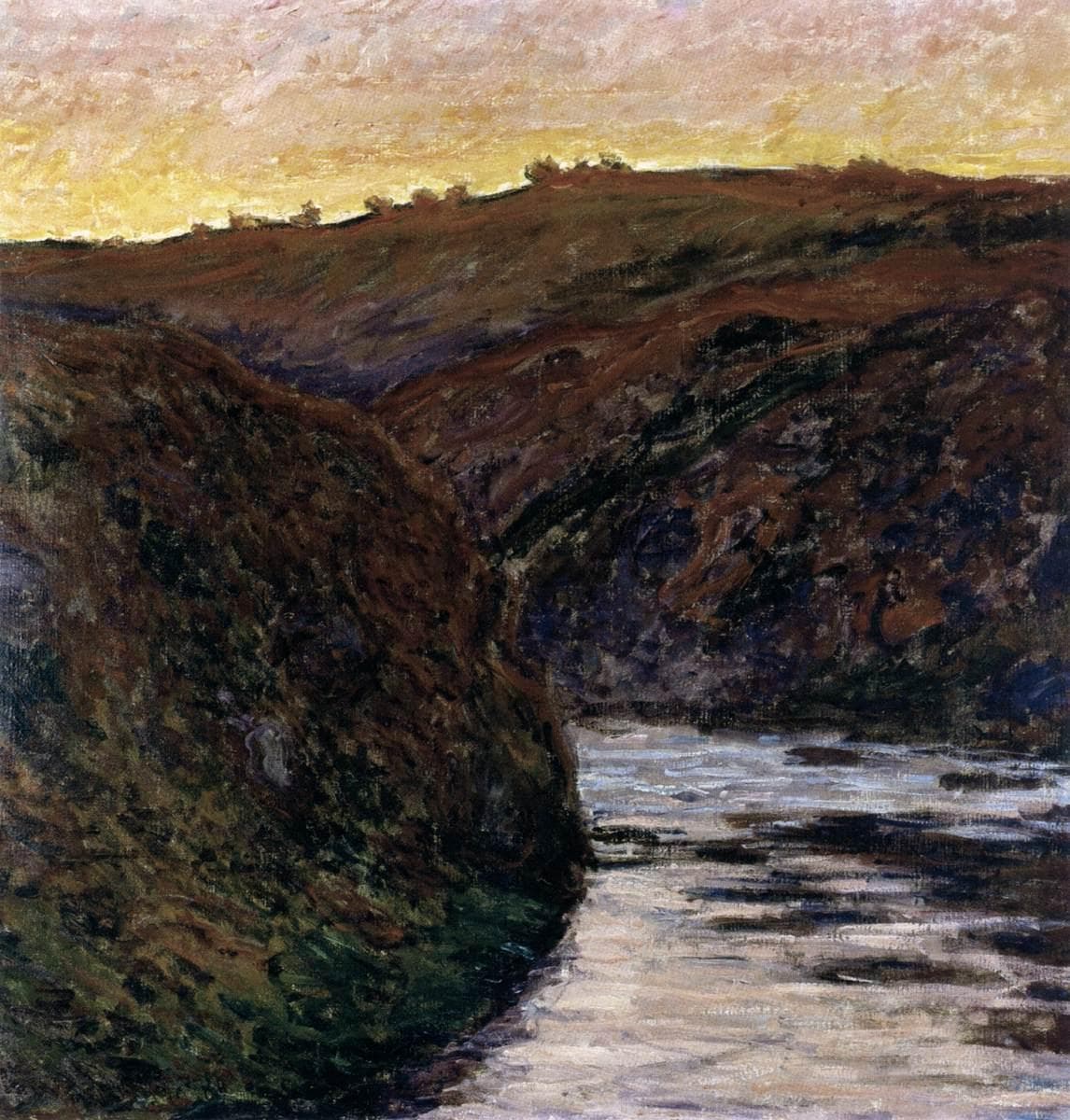
The Creuse, Sunset
Claude Monet · 1889
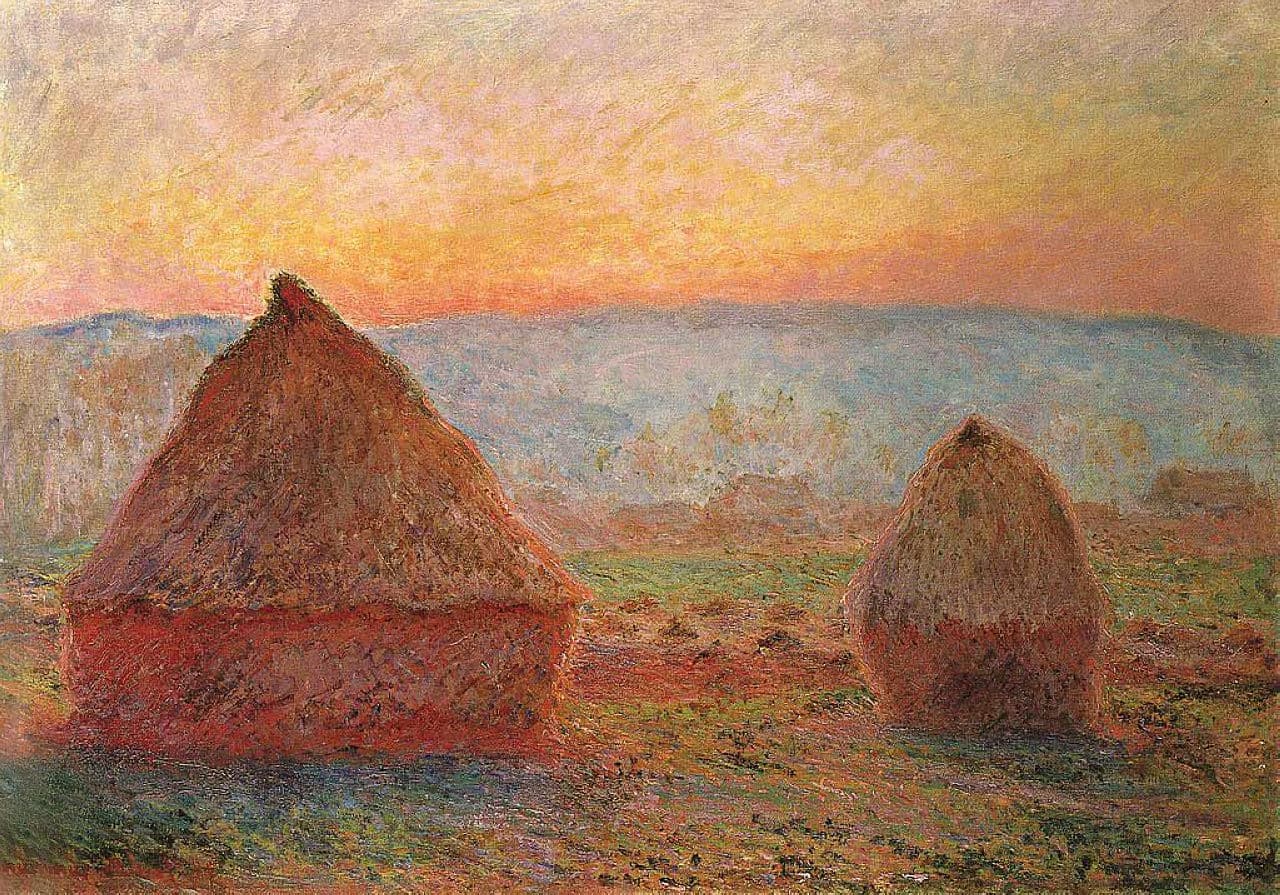
Grainstacks at Giverny, the Evening Sun
Claude Monet · 1888–89
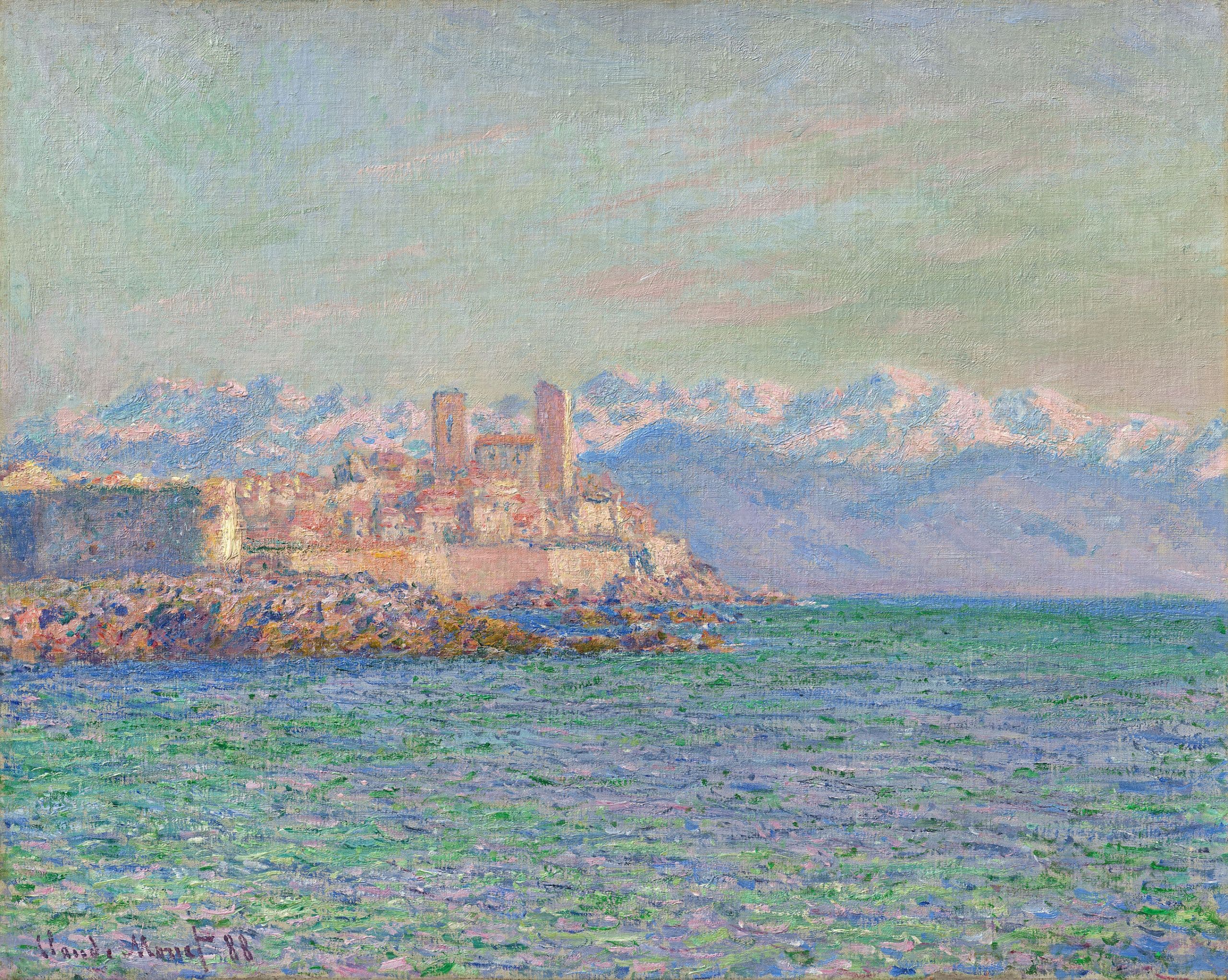
The Fort of Antibes
Claude Monet · 1888
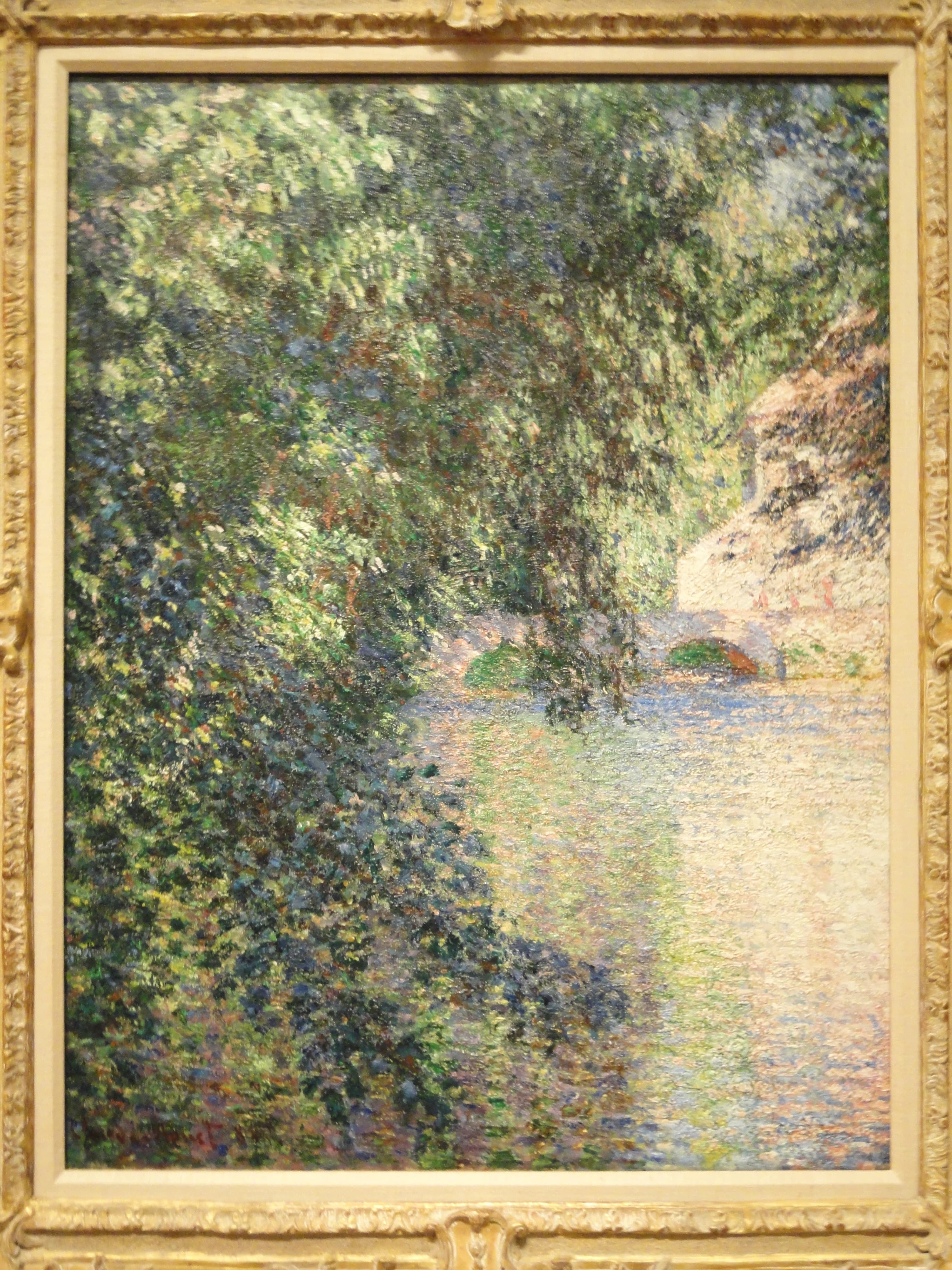
Mill at Limetz
Claude Monet · 1888
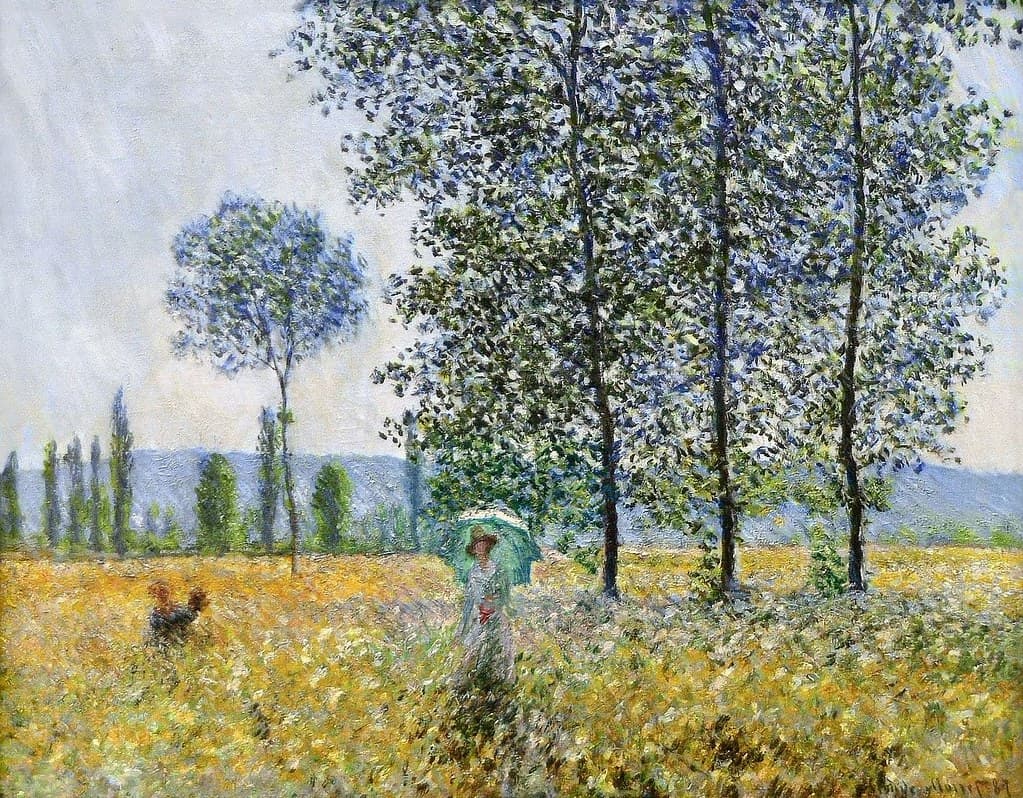
Poplars in the Sun
Claude Monet · 1887
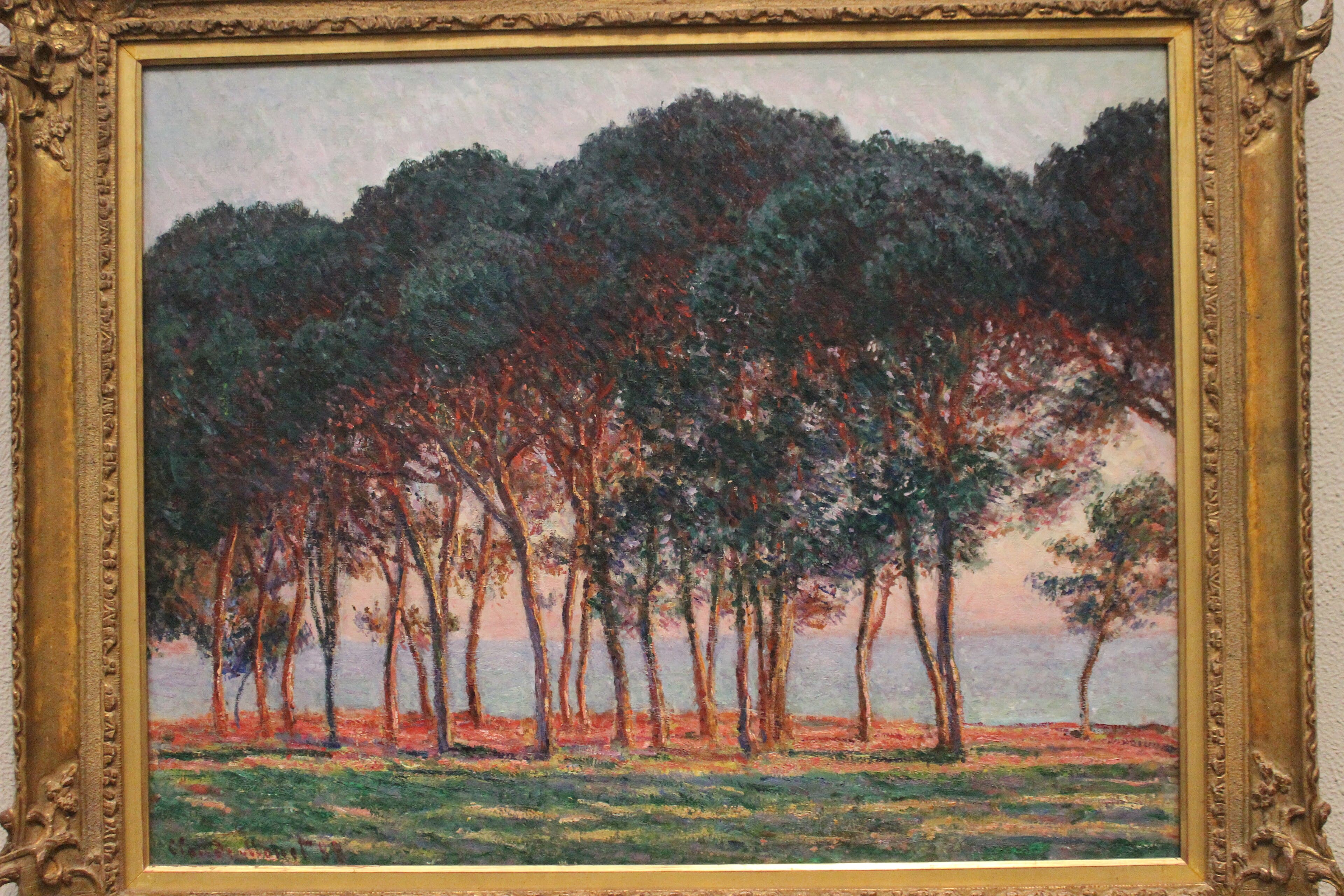
Under the Pines, Evening
Claude Monet · 1888
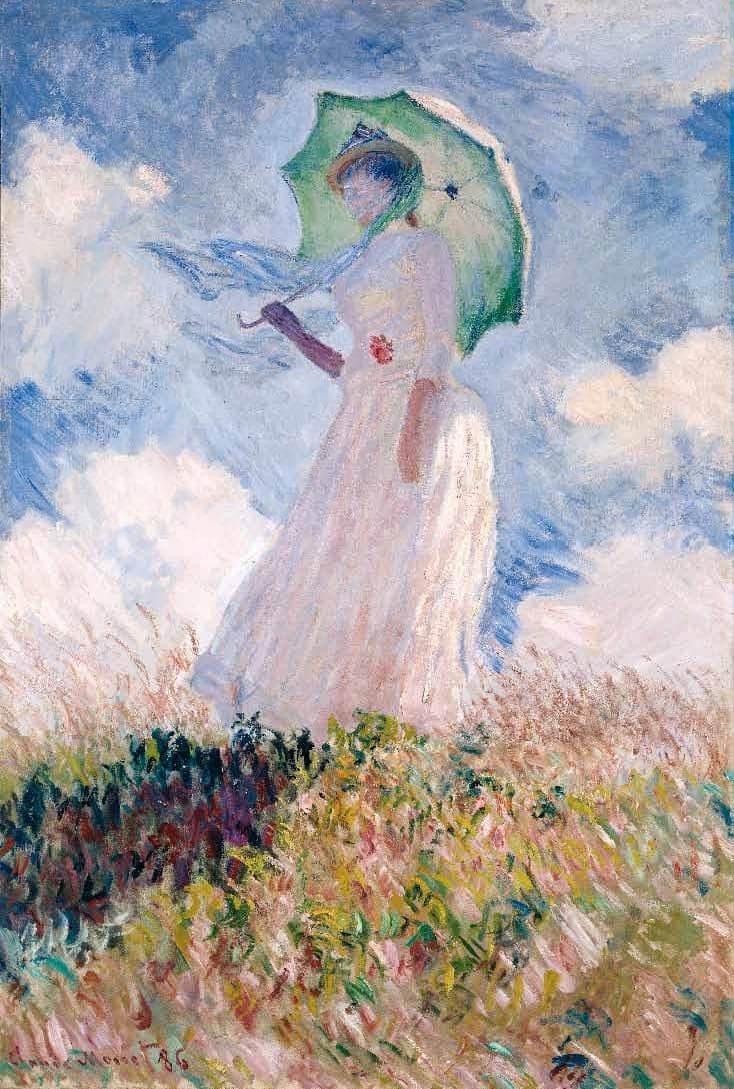
Woman with a Parasol, Facing Left
Claude Monet · 1886
Also painted in 1888
The same year
Kindred works
You may also study
Poplars on the Banks of the River Epte
Claude Monet · 1891
Poplars at Giverny
Claude Monet · 1887
Under the Poplars
Claude Monet · 1887

Boating on the River Epte
Claude Monet · 1890
Water Lilies and Japanese Bridge
Claude Monet · 1899
Morning on the Seine, Good Weather
Claude Monet · 1897
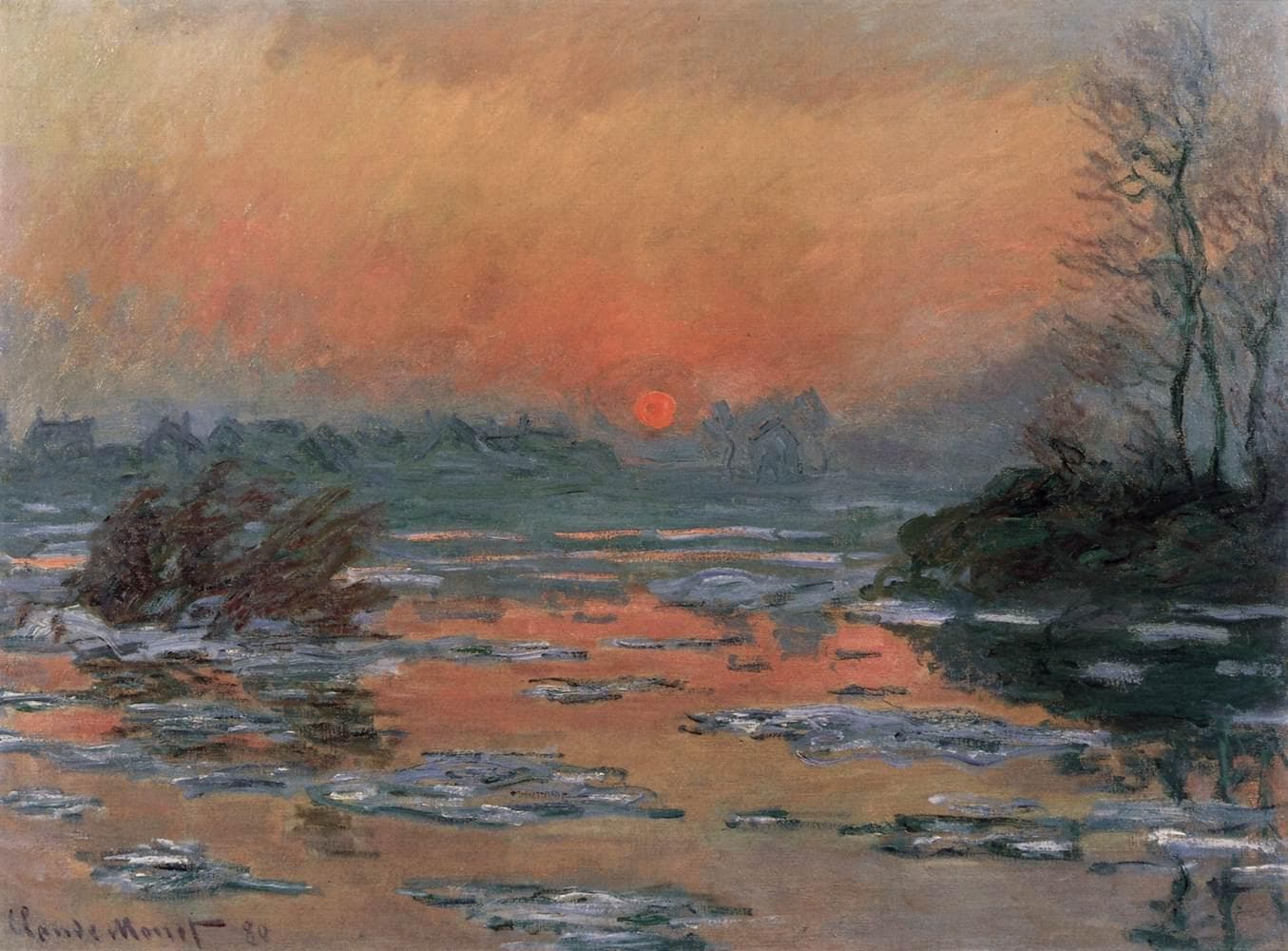
Sunset on the Seine in Winter
Claude Monet · 1880
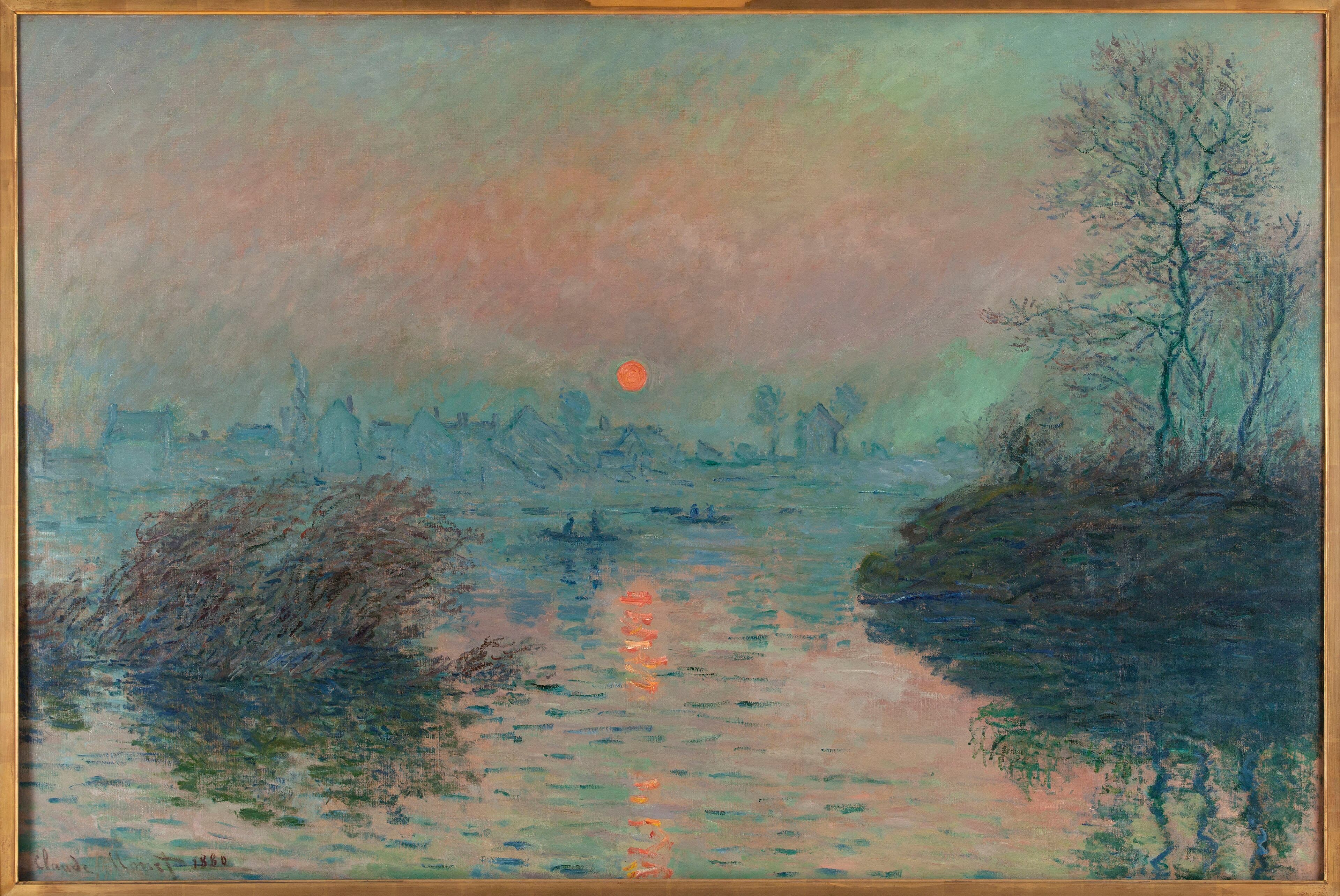
Sunset on the Seine at Lavacourt, Winter Effect
Claude Monet · 1880