Image: Museum Barberini, Potsdam (Hasso Plattner Collection) · CC BY-SA 4.0 · via Wikimedia Commons
Poplars at Giverny
Claude Monet, 1887
Poplars at Giverny is a Claude Monet painting of 1887–88 in which a screen of poplars stands against a glowing apricot sky, sunlight pouring through from the right. Formerly at MoMA, it is now in the Hasso Plattner Collection at the Museum Barberini, Potsdam.
- Artist
- Claude Monet
- Date
- 1887
- Medium
- Oil on canvas
- Dimensions
- 74 × 92.5 cm
- Collection
- Museum Barberini (Hasso Plattner Collection), Potsdam, Germany
- Movement
- Impressionism
- Catalogue
- Wildenstein 1155
- Nature & Landscape
Poplars at Giverny (Peupliers à Giverny) is a painting by Claude Monet of a stand of poplars near his home at Giverny, backlit by low sun. The Museum Barberini, which shows it as part of the Hasso Plattner Collection in Potsdam, dates it to 1887; the Museum of Modern Art in New York, which owned it from 1951 to 2015, dated it 1888 and called it Poplars at Giverny, Sunrise. It measures 74 by 92.5 centimeters and is signed at the lower left.
What you're looking at
There is no horizon, no ground to speak of and no distance. The canvas is filled from edge to edge by a screen of trees: a dozen or more poplars and smaller trees, their thin trunks rising from a strip of meadow along the bottom, their foliage reaching the top of the picture. The trunks are drawn in violet and rose. The leaves are short, flickering strokes of green, olive, yellow and blue, thicker in some trees and thin in others, so that the sky shows through.
The sky behind them is the real subject. It glows apricot, peach, pink and pale yellow, brightest at the right, where the sun seems to be just behind the trees, turning the foliage there gold and orange. On the left the light is cooler, pinkish lilac, and the trees are bluer. Through the gaps between the trunks, long vertical patches of yellow and orange light shine, like light seen through a fence. The meadow at the bottom is a band of green and blue-violet, with pink touches where the light falls on it. The signature, in red, sits at the lower left.
The Barberini notes the absence of a central focal point and of a horizon, and the abrupt cropping at the edges, which gives the picture a decorative flatness, as though the trees continued beyond the frame.
Giverny, 1887–88
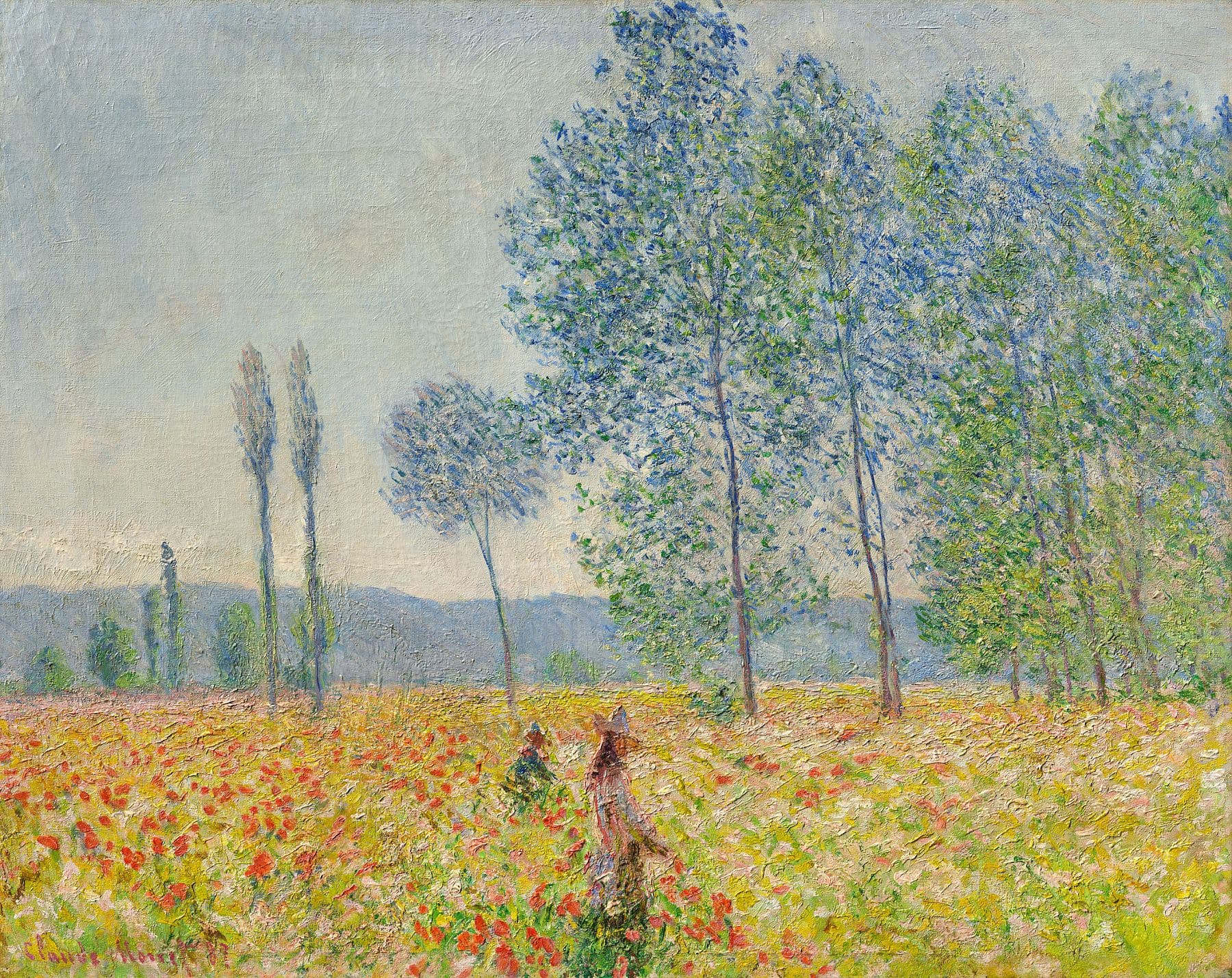
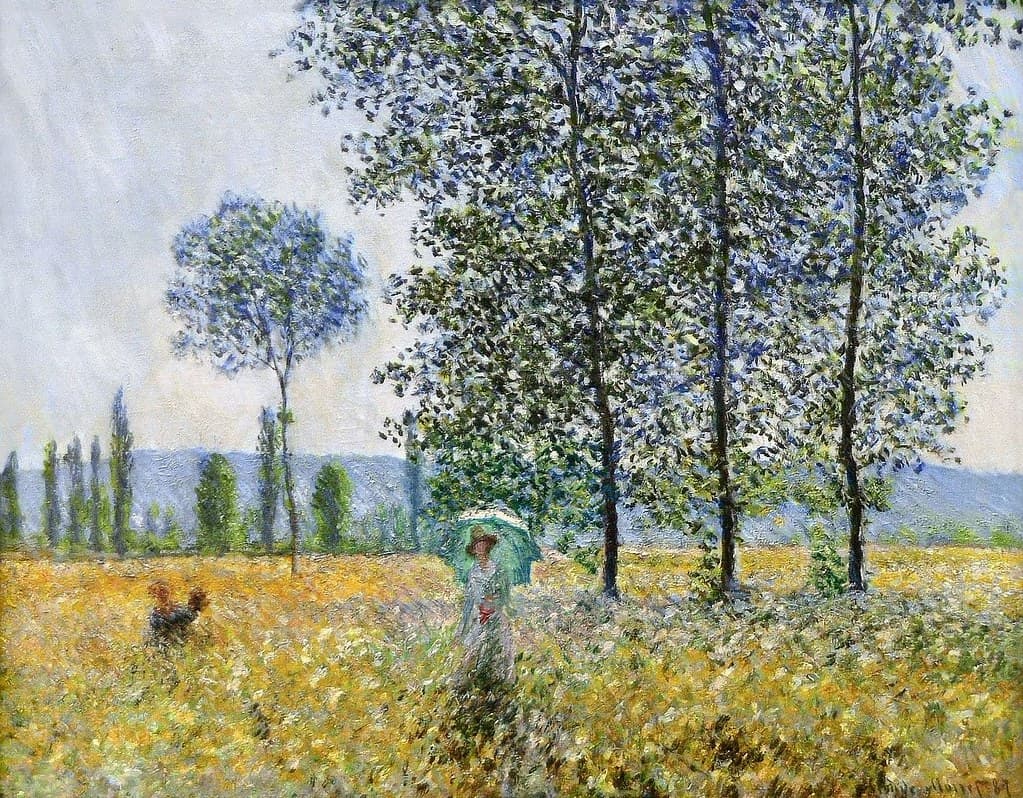
In his first years at Giverny, Monet painted the meadows, grainstacks and rows of poplars on the plain around the village. He made two other poplar pictures in 1887 with figures, Under the Poplars, also in the Hasso Plattner Collection, and Poplars in the Sun in Stuttgart. Here there are no figures: only trees and light. The backlit effect, sun behind the trees, looks forward to the Haystacks of 1890–91, many of which are lit from behind at the end of the day.
How it was painted
The canvas is densely worked, with short, separate strokes of contrasting color laid over a warm ground. Monet uses complementaries, violet trunks against yellow light, blue leaves against orange sky, so that the whole surface shimmers. The verticals of the trunks and the dabs of leaves make a regular rhythm across the canvas, close to a pattern.
Before the Poplars series
Four years later, Monet would make a single line of poplars on the Epte the subject of more than twenty canvases, the Poplars series of 1891, such as Poplars on the Epte at Tate and Wind Effect, Row of Poplars at the Orsay. The cropped, all-over composition of Poplars at Giverny is an early step in that direction.
Provenance and where to see it
Monet sold the painting to Boussod, Valadon in 1892. It passed through Baron Denys Cochin and Durand-Ruel to Martin A. Ryerson of Chicago, who bequeathed it to the Art Institute of Chicago in 1933. The Art Institute deaccessioned it in the 1940s; after passing through New York dealers and the collection of William B. and Evelyn Jaffe, it was given to the Museum of Modern Art in 1951. MoMA sold it at Sotheby's, London, on 3 February 2015, explaining that it predated the starting point of its painting collection. It is now shown at the Museum Barberini in Potsdam with the Hasso Plattner Collection of Monet and the Impressionists. See also Monet's Giverny.
Questions & answers
Where is Monet's Poplars at Giverny?
It is in the Hasso Plattner Collection at the Museum Barberini in Potsdam, Germany (MB-Mon-24). It belonged to the Museum of Modern Art, New York, from 1951 until MoMA sold it at Sotheby's, London, in February 2015.
When was it painted?
The Museum Barberini dates it to 1887; MoMA dated it 1888 and titled it Poplars at Giverny, Sunrise. Monet painted it on the plain near Giverny, where he had settled in 1883.
What does it show?
It shows a screen of poplars and smaller trees backlit by a glowing apricot and pink sky, with sunlight shining through the gaps between their violet trunks. There is no horizon and no figure.
Why did MoMA sell it?
MoMA said the painting was an example of an Impressionist style that precedes the starting point of its painting collection. The sale at Sotheby's in 2015, for about £10.8 million, benefited the museum's acquisitions fund.
More by the artist
Claude Monet
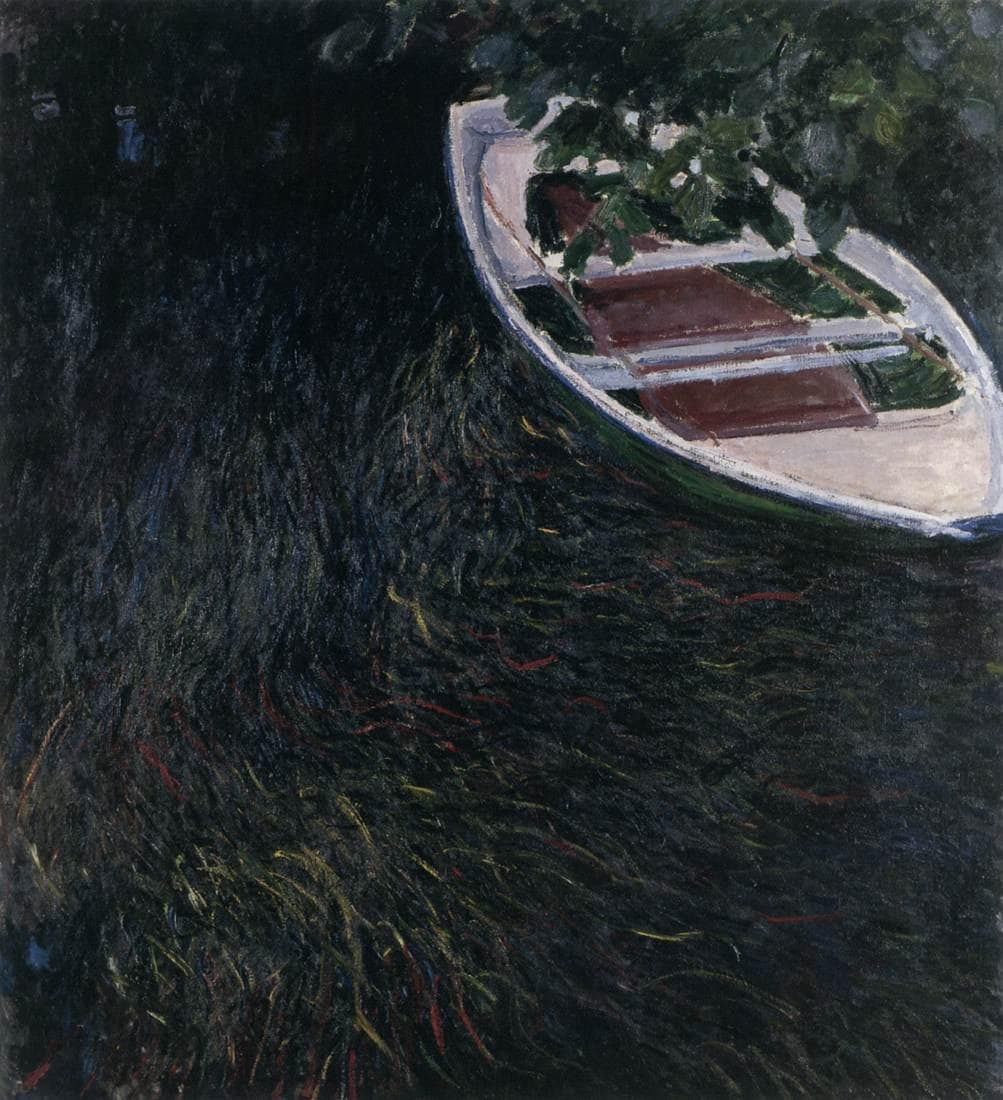
The Barque
Claude Monet · 1887
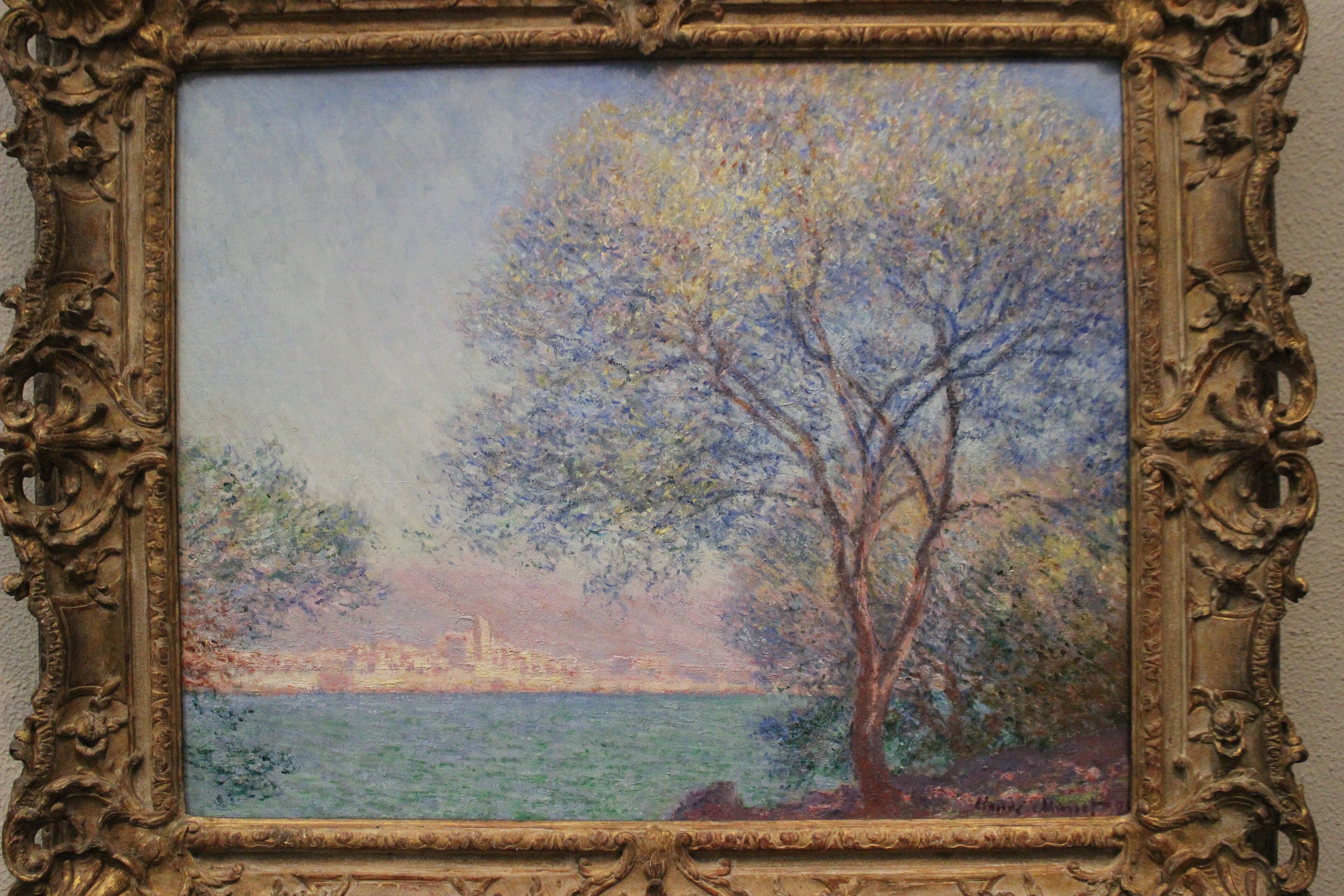
Morning at Antibes
Claude Monet · 1888
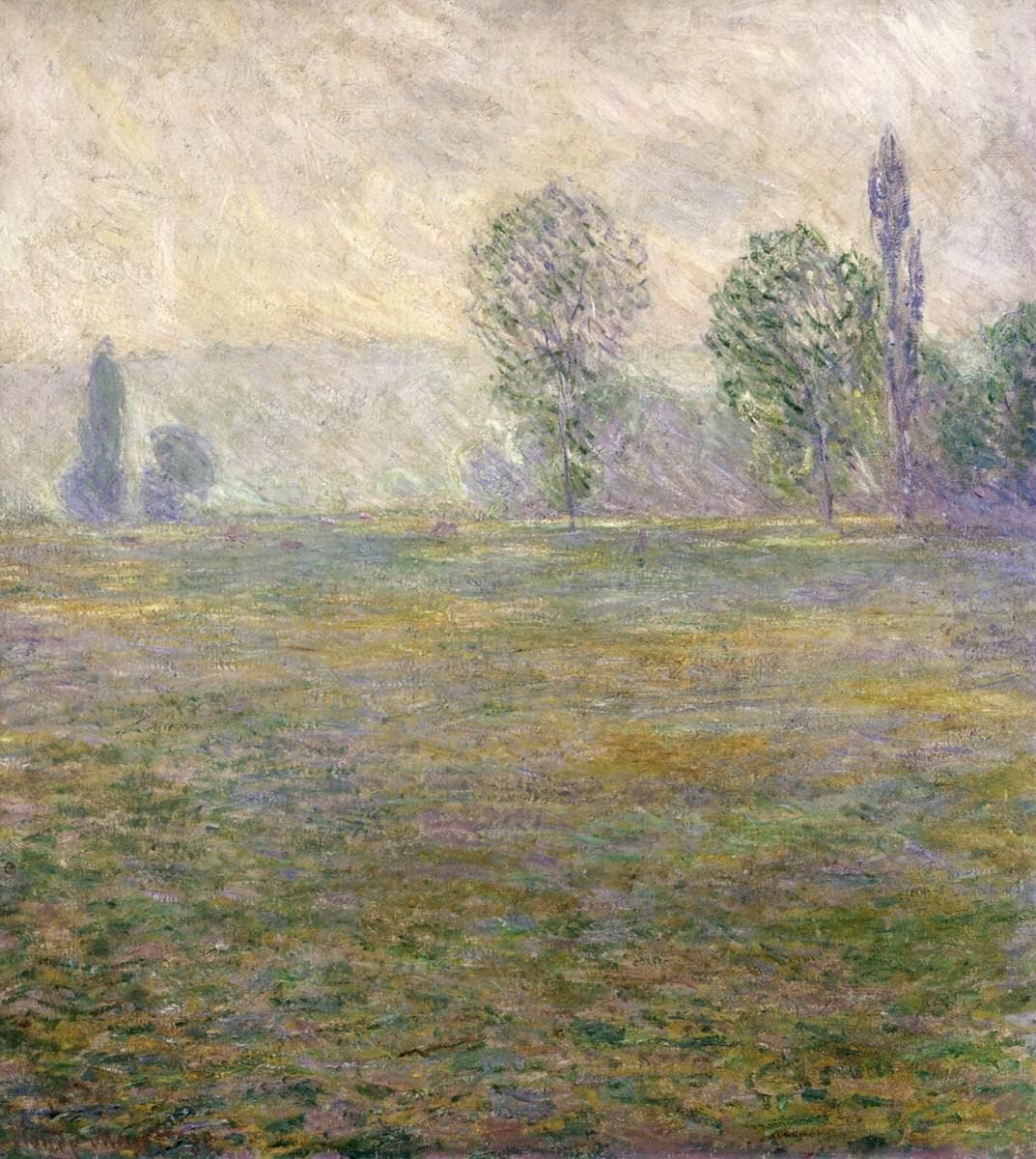
Meadow at Giverny
Claude Monet · 1888
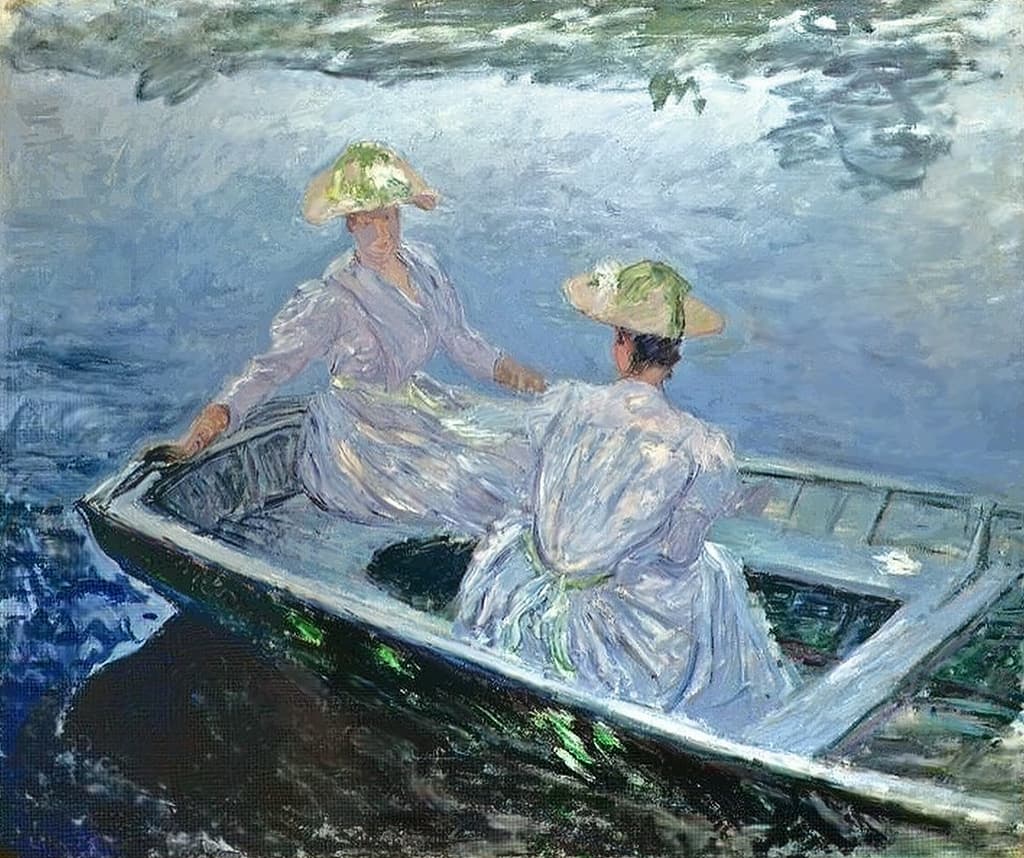
The Blue Boat
Claude Monet · 1887
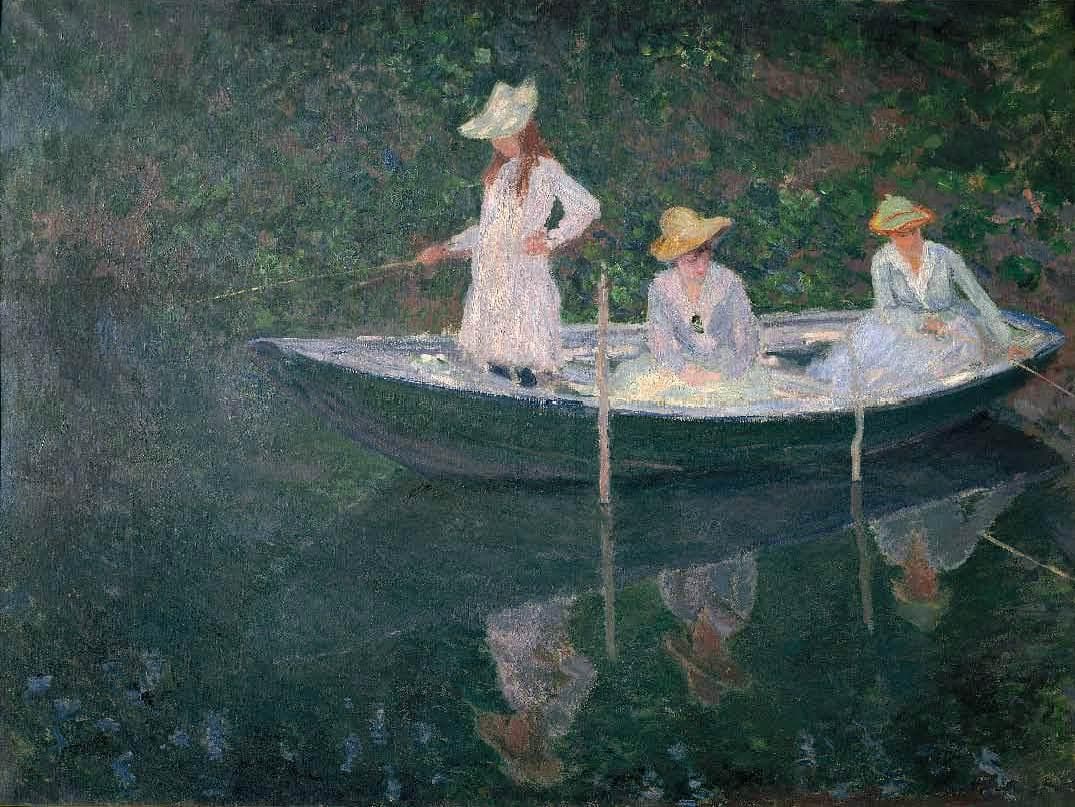
The Boat at Giverny
Claude Monet · c. 1887
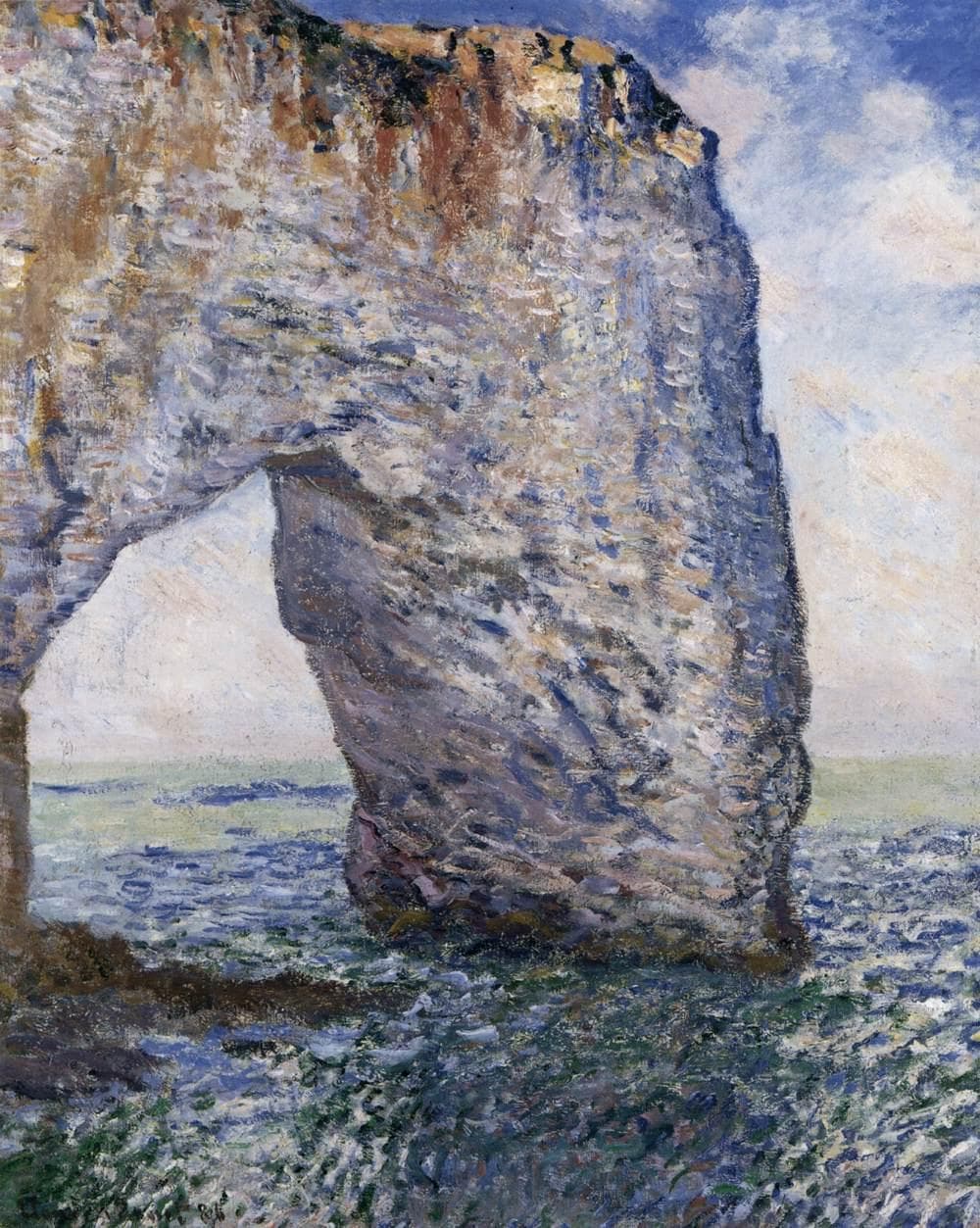
The Manneporte near Étretat
Claude Monet · 1886
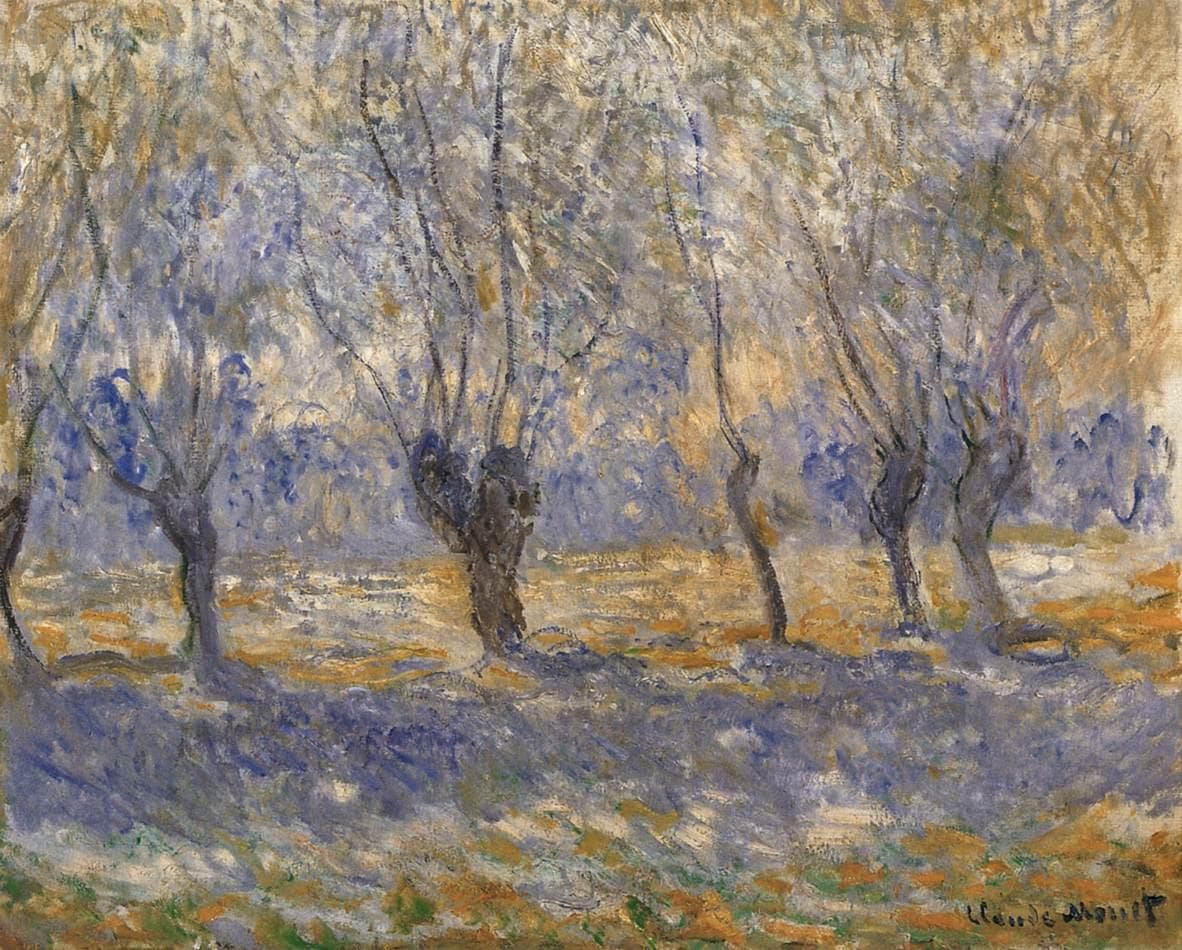
Willows at Giverny
Claude Monet · 1886
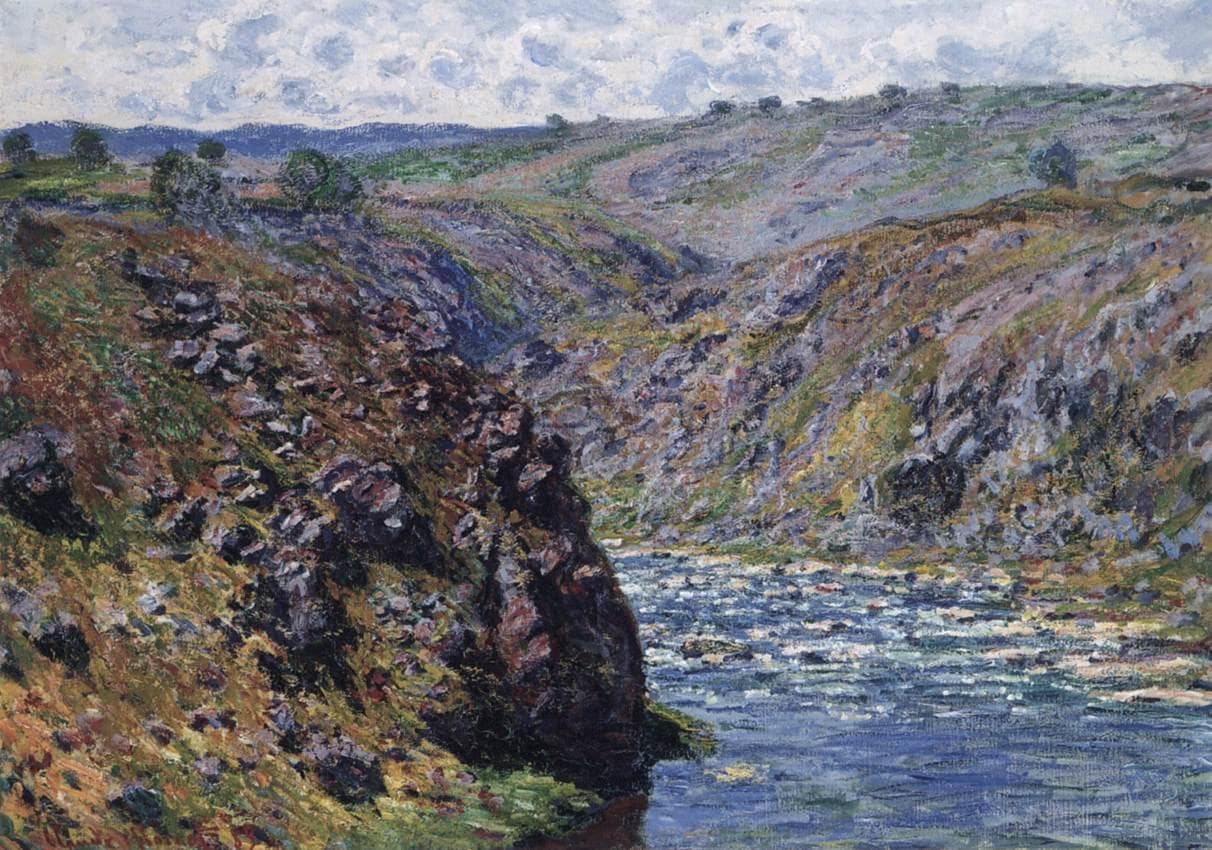
Valley of the Creuse (Sunlight Effect)
Claude Monet · 1889
Also painted in 1887
The same year
Kindred works
You may also study
Under the Poplars
Claude Monet · 1887
Poplars in the Sun
Claude Monet · 1887
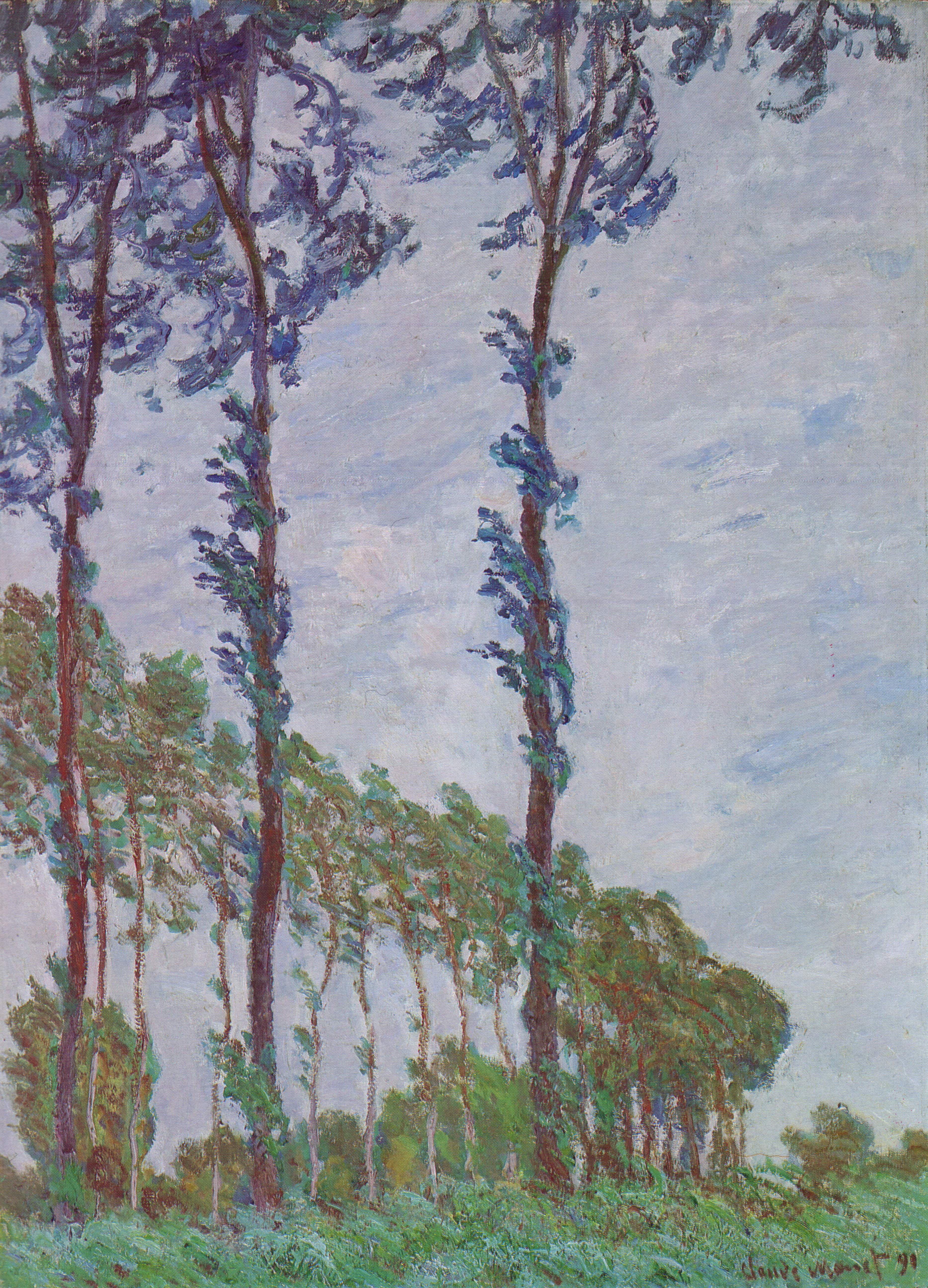
Wind Effect, Series of The Poplars
Claude Monet · 1891
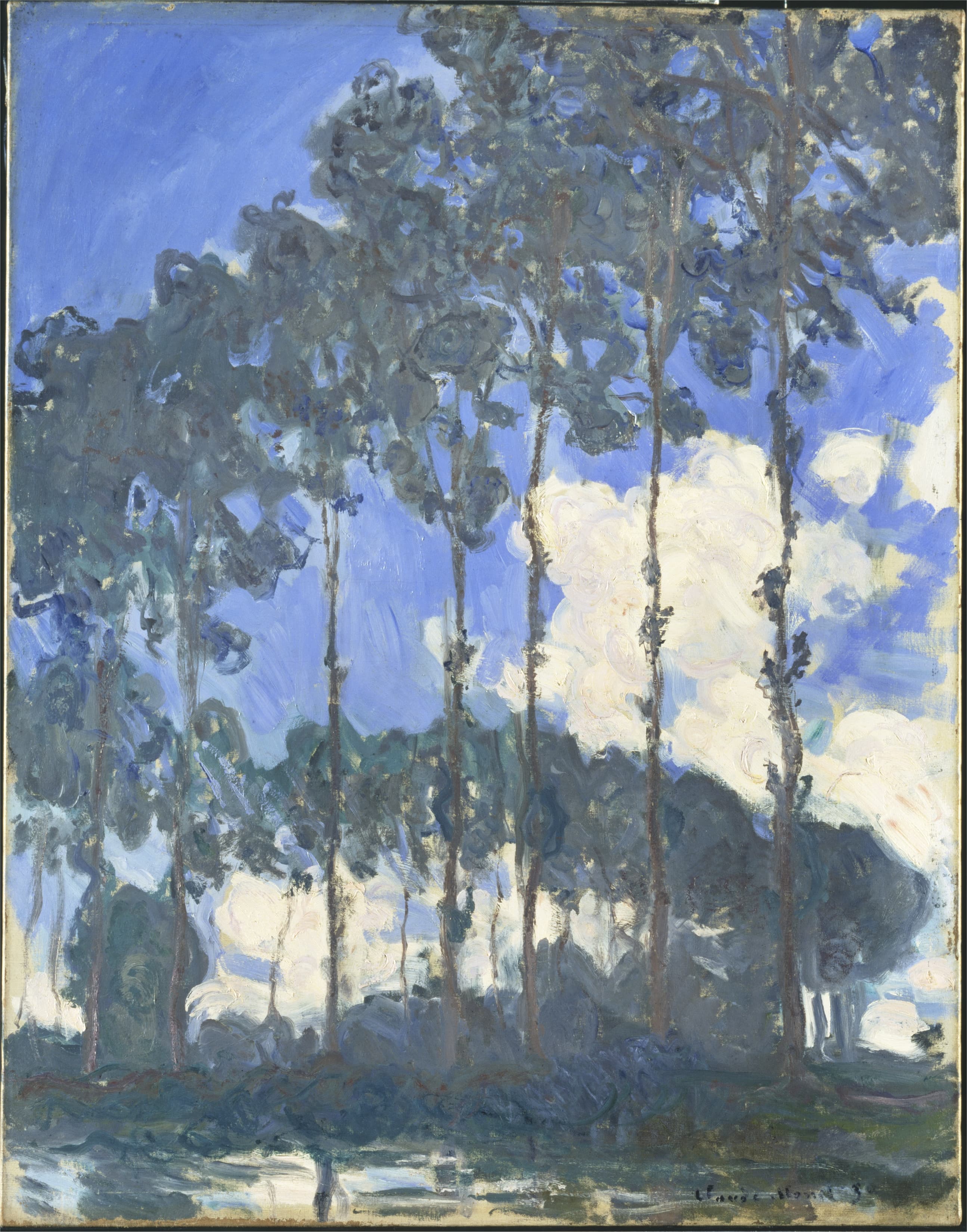
Poplars on the Epte (London)
Claude Monet · 1891
Vase of Flowers
Claude Monet · c. 1881–82
Winter Sun at Lavacourt
Claude Monet · 1879–80
Morning on the Seine, Good Weather
Claude Monet · 1897
View of Argenteuil in the Snow
Claude Monet · 1874–75