Image: Museum Barberini, Potsdam (Hasso Plattner Collection) · Public domain · via Wikimedia Commons
Low Tide at Les Petites-Dalles
Claude Monet, 1884
Low Tide at Les Petites-Dalles is an 1884 painting by Claude Monet of a sunlit chalk cliff glowing orange and rose above a shallow, reflecting sea near Fécamp in Normandy. It belongs to the Hasso Plattner Collection at the Museum Barberini, Potsdam.
- Artist
- Claude Monet
- Date
- 1884
- Medium
- Oil on canvas
- Dimensions
- 60 × 73 cm
- Collection
- Museum Barberini (Hasso Plattner Collection), Potsdam, Germany
- Movement
- Impressionism
- Catalogue
- Wildenstein 905
- Nature & Landscape
- Water & Sea
Claude Monet's Low Tide at Les Petites-Dalles (Marée basse aux Petites-Dalles) was painted in August 1884 at a small seaside village near Fécamp on the Normandy coast. A great chalk cliff, the Falaise d'Amont, blazes in the midday sun above a sheet of shallow water. The canvas, 60 by 73 centimeters, is signed and dated "Claude Monet 84" at lower right and is number 905 in Wildenstein's catalogue. It belongs to the Hasso Plattner Collection at the Museum Barberini in Potsdam.
What you are looking at
The cliff takes up the right two-thirds of the picture. Monet sets it at an angle, so that its face recedes in a series of vertical buttresses toward the left, each a slightly different shade of salmon, gold and pink. The top is a sloping cap of green and ocher grass, combed into lines that run with the slope. Against it the sky is a deep blue-violet, darkest in the upper left corner, and that contrast is what makes the chalk seem to burn.
Below, the tide is out. The beach is a pale strip at the foot of the cliff, and the shallow water in the foreground is a dazzling mosaic of reflections: the oranges and pinks of the cliff, the blue of the sky, flecks of white and lilac. Dark green clumps of weed and rocks break the surface, picked out in blunt, heavy strokes.
Now look closely along the waterline. What first read as specks are people: bathers wading at left, figures strolling and sitting on the shingle at the foot of the cliff, a small red flag. They are painted as single dabs of color, and the Barberini notes that they only appear on close inspection. The human presence at this little resort is real but minor; the cliff and the light are the subject.
Where and when
Les Petites-Dalles is a small resort on the Alabaster Coast, the Côte d'Albâtre, named for its pale limestone cliffs. Monet's younger brother Léon owned a summer house there, and the painter had already worked in the area in 1880 and 1881. In August 1884, a few months after returning from Bordighera, he made a short painting trip back and produced three views of the Falaise d'Amont. This is one of them; the others are Wildenstein 903 and 904, one of which is in the Kreeger Museum in Washington, D.C.
The timing matters. Monet had just spent months under the Mediterranean sun, and his palette came back to Normandy hotter than it left. The oranges and violets here are much hotter than anything in his earlier pictures of this coast, such as Fécamp, Seaside from 1881.
How it was painted
The Barberini draws attention to the paint itself. Monet applies unmixed color in thick impasto on the cliff, so that the ridges of paint echo the ridges of the stone and catch real light on the surface. In the water the strokes are short and horizontal, loaded with bright pinks, yellows and blues laid side by side. Edges are deliberately soft, as if seen through a heat haze. The effect is of a single moment of strong midday light, recorded fast.
How this version differs
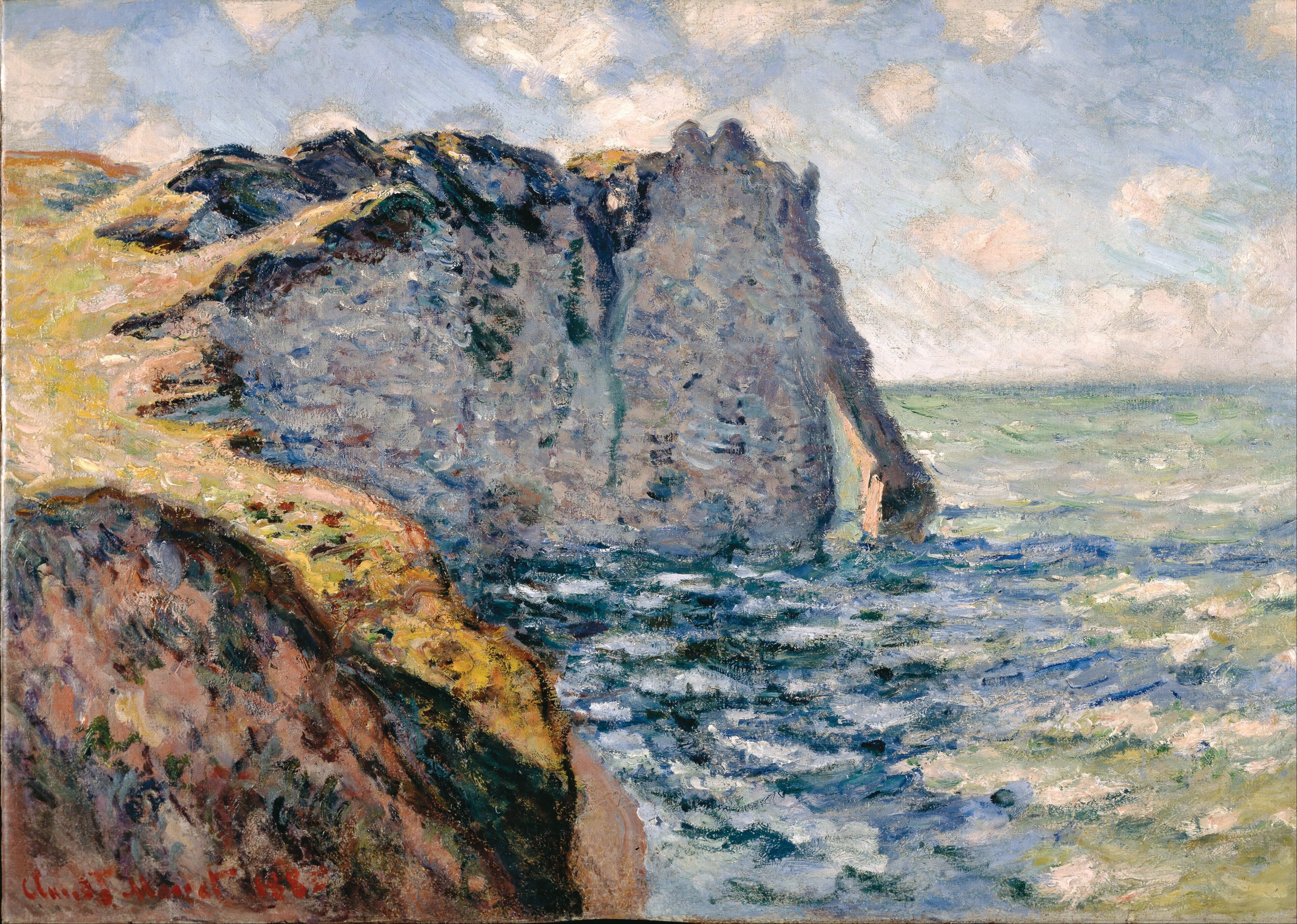
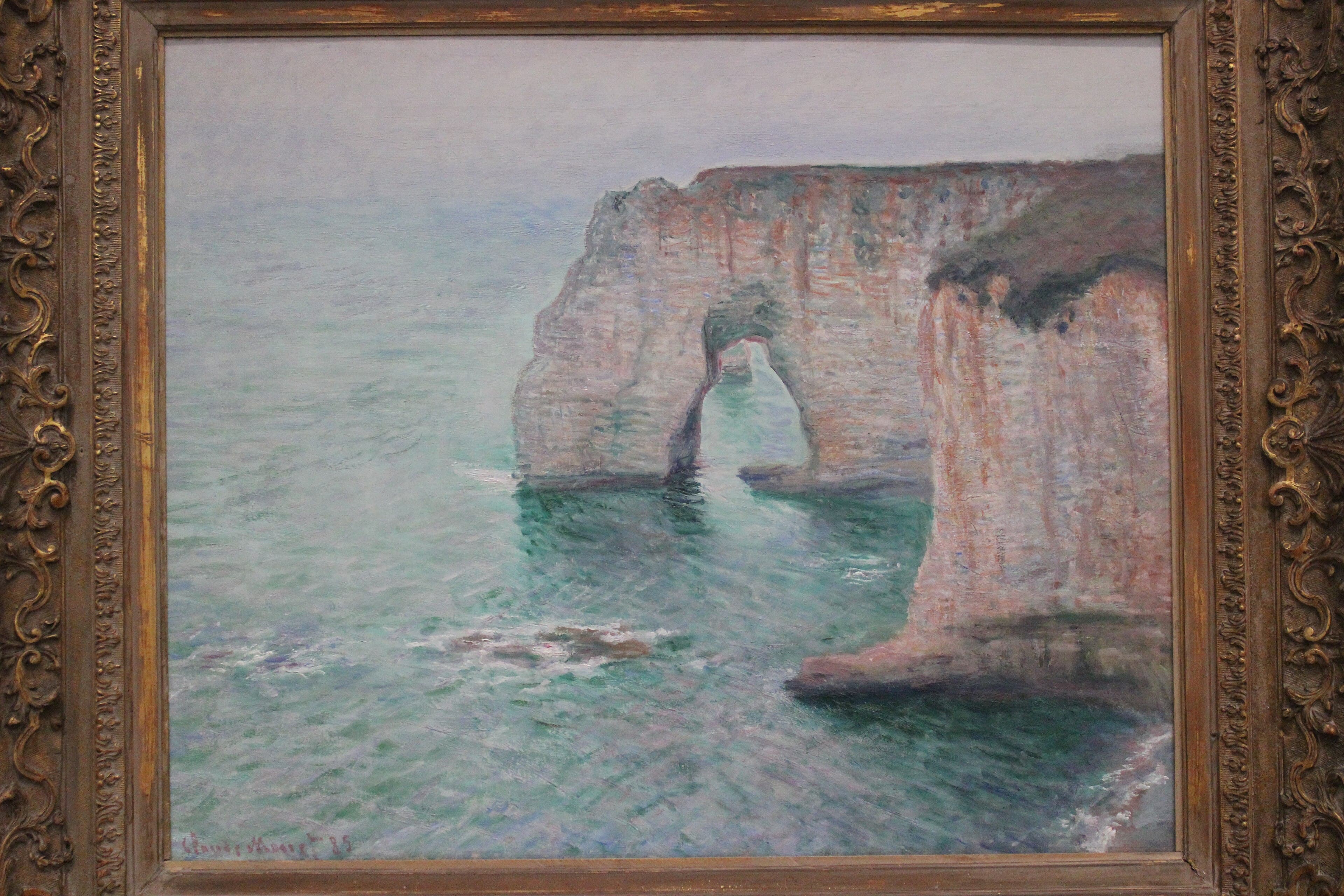
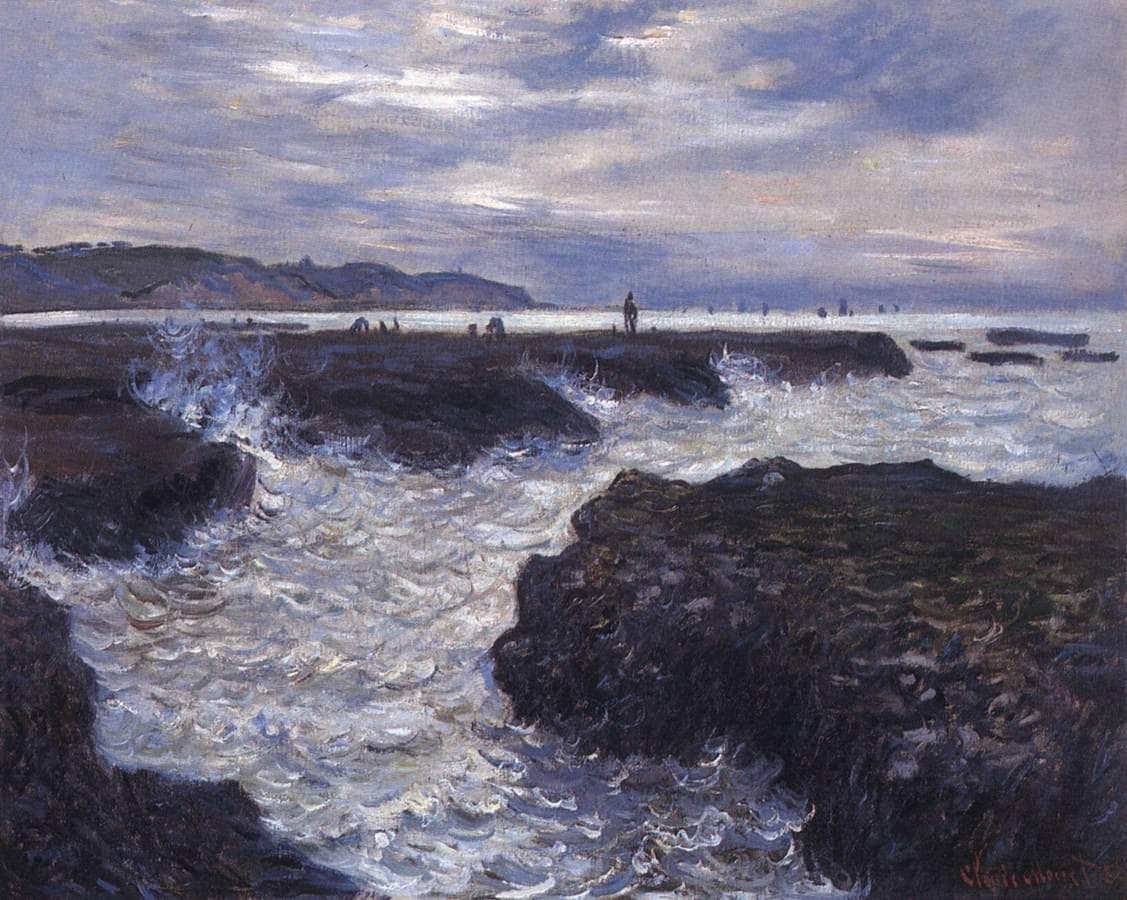
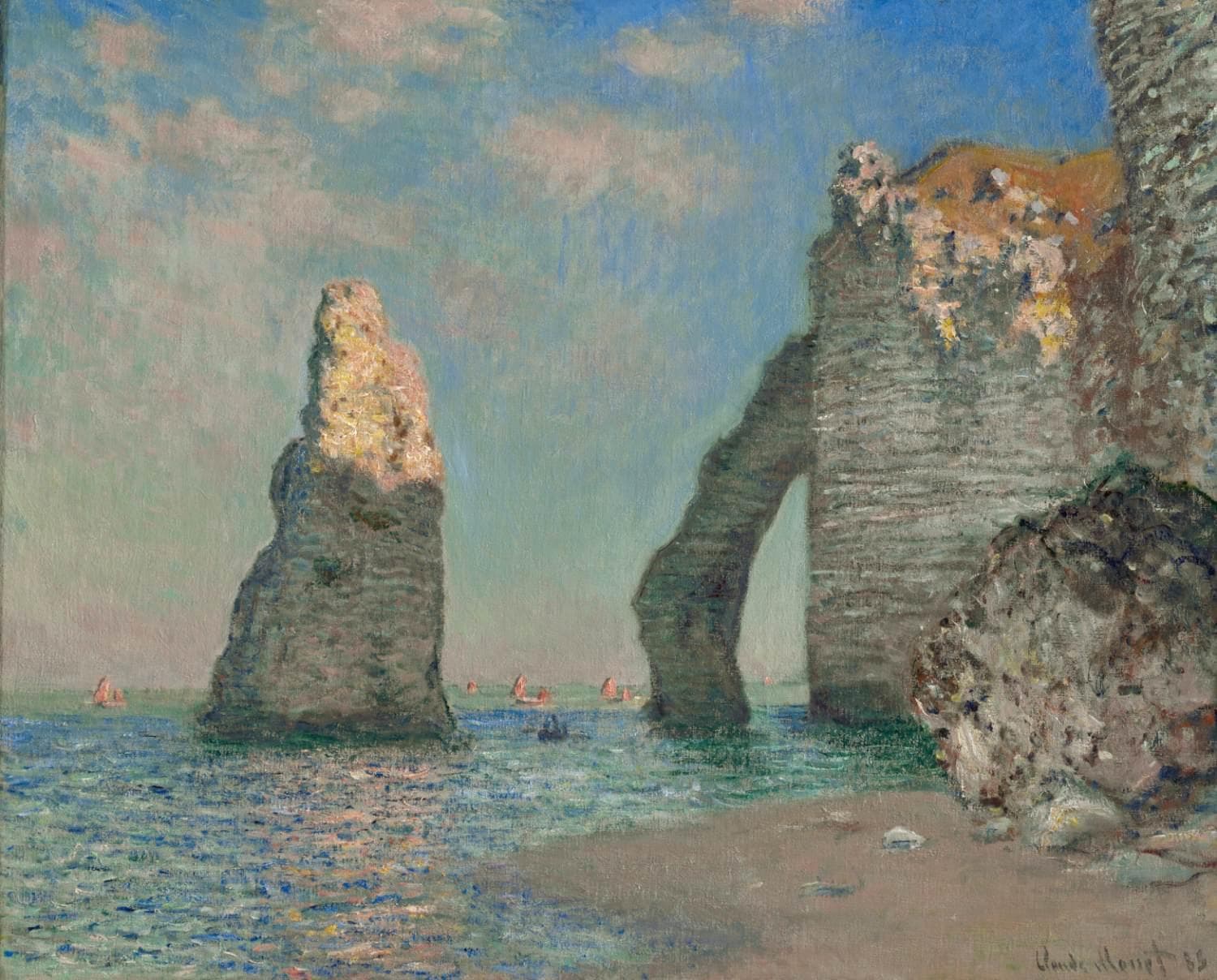
Of the three 1884 views of the cliff, this one is the most monumental. The low viewpoint and the angle of the cliff make it tower, and the strong orange against blue-violet gives it a drama close to the Étretat pictures Monet would paint the next year, such as The Cliff of Aval, Étretat and Manne-Porte, Étretat. It also looks back to the low-tide pictures of Pourville in 1882, like Rocks near Pourville at Ebb Tide. Our hub on Étretat and the Normandy Coast follows Monet along this shore.
Ownership and where to see it
Durand-Ruel bought the painting from Monet in November 1884. It passed through the American streetcar magnate Charles T. Yerkes and his companion Emilie Grigsby, back to Durand-Ruel, and later to the New York collectors Mamdouha and Elmer Bobst. It was sold at Sotheby's New York in May 2016 and acquired by Hasso Plattner. It is now shown at the Museum Barberini in Potsdam, whose Impressionist galleries hold one of the largest groups of Monets outside Paris. See also Where to See Monet's Paintings and Claude Monet.
Questions & answers
Where is Monet's Low Tide at Les Petites-Dalles?
It belongs to the Hasso Plattner Collection and is shown at the Museum Barberini in Potsdam, Germany. Hasso Plattner acquired it at Sotheby's New York in May 2016; it had earlier belonged to Charles T. Yerkes and to Mamdouha and Elmer Bobst.
When and where did Monet paint Low Tide at Les Petites-Dalles?
Monet painted it in August 1884 at Les Petites-Dalles, a small resort near Fécamp on Normandy's Alabaster Coast, where his brother Léon had a summer house. It is signed and dated 1884 at lower right.
What does Low Tide at Les Petites-Dalles show?
It shows the chalk cliff called the Falaise d'Amont glowing orange, pink and gold in the midday sun against a deep blue-violet sky, with shallow water at low tide reflecting the colors. Tiny bathers and strollers appear as dabs of paint along the shore.
How many versions of this view did Monet paint?
Monet painted three views of the Falaise d'Amont at Les Petites-Dalles in August 1884, catalogued by Wildenstein as numbers 903, 904 and 905. This is number 905; one of the other two is in the Kreeger Museum in Washington, D.C.
More by the artist
Claude Monet

Haystacks at Giverny (1884)
Claude Monet · 1884
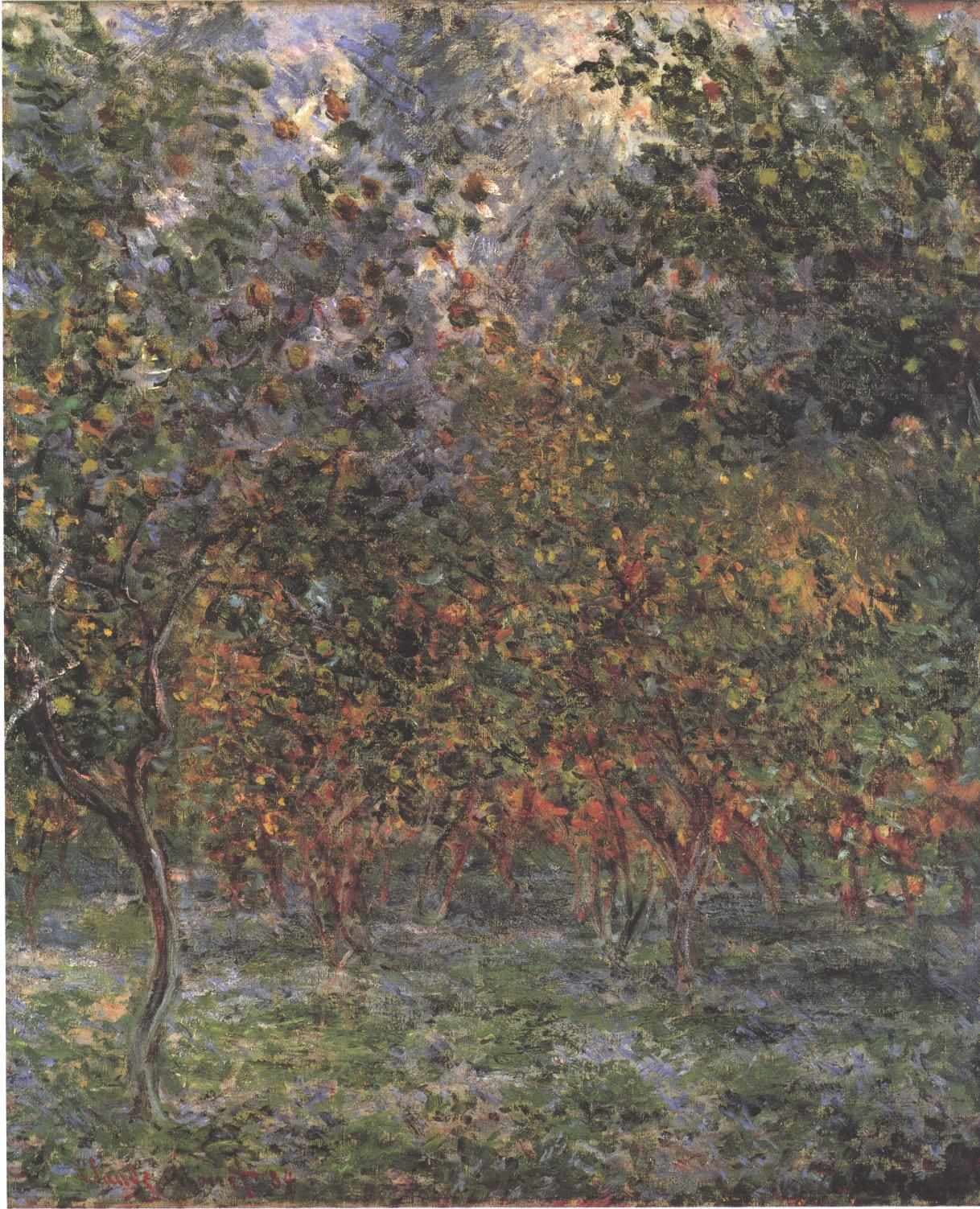
Under the Lemon Trees
Claude Monet · 1884
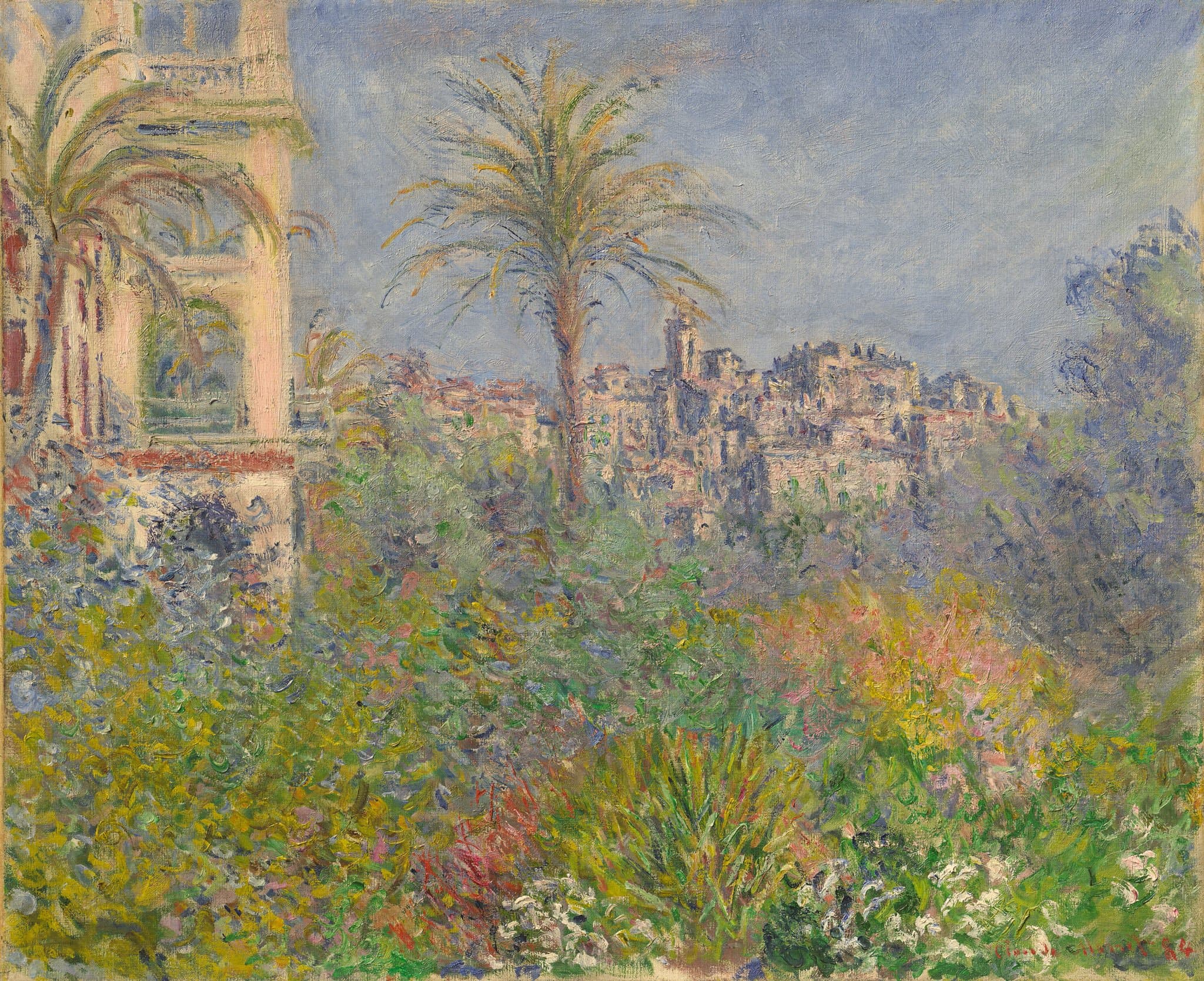
Villas at Bordighera
Claude Monet · 1884
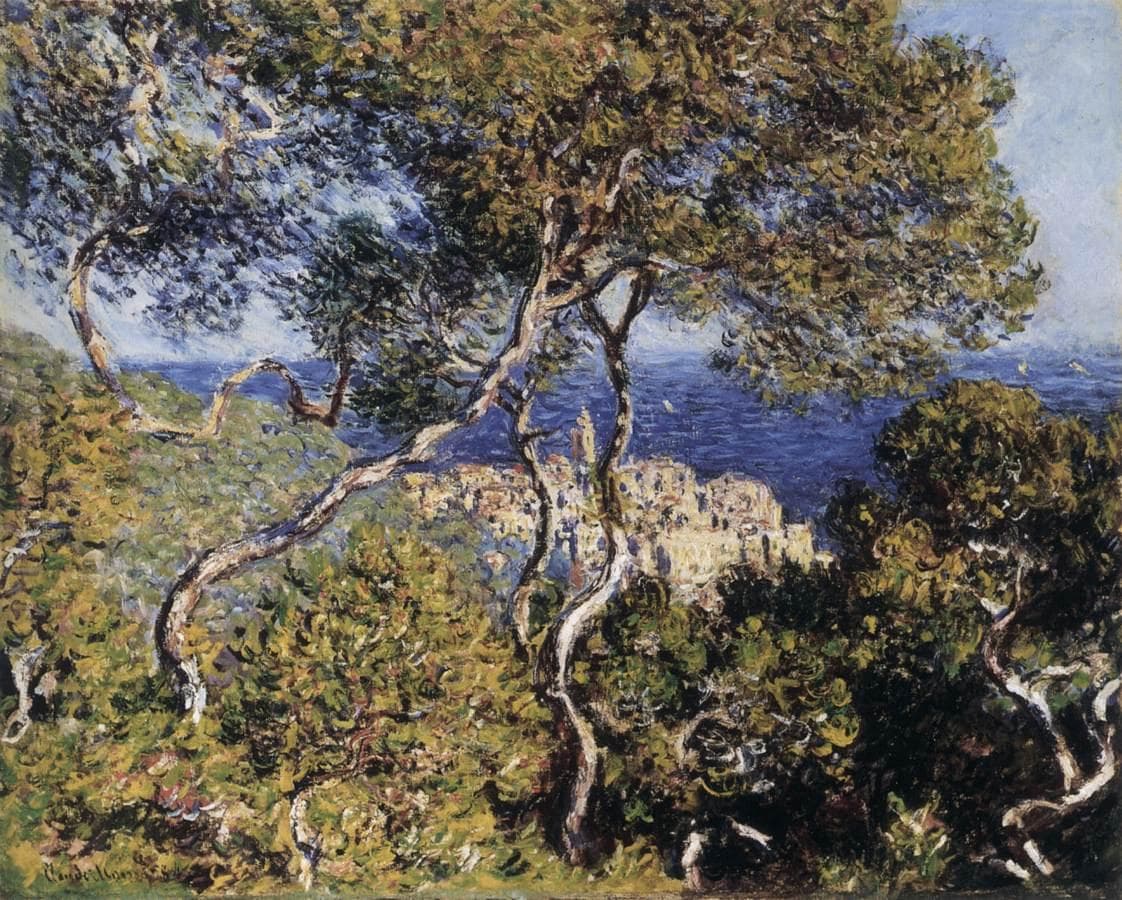
Bordighera
Claude Monet · 1884
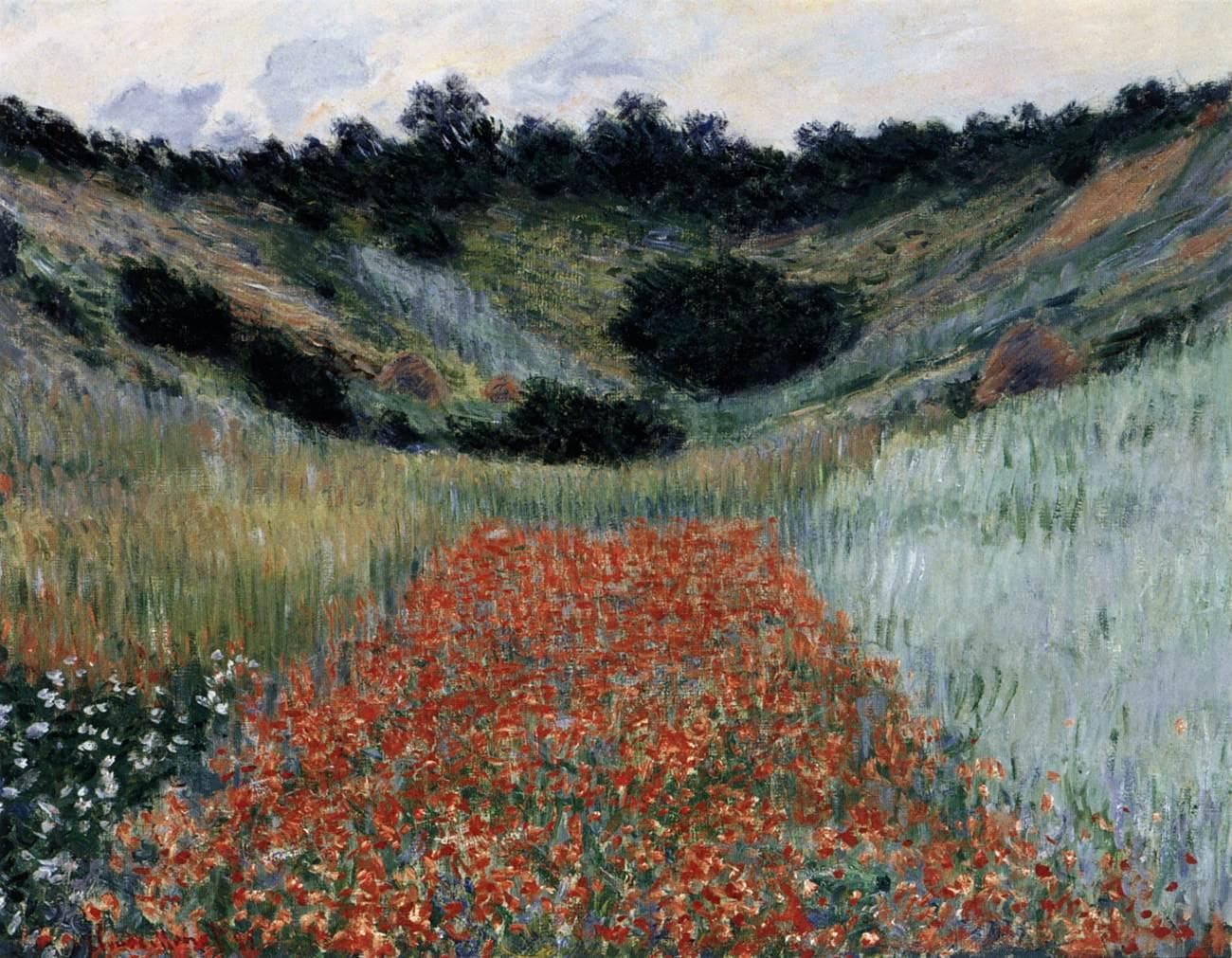
Poppy Field in a Hollow near Giverny
Claude Monet · 1885
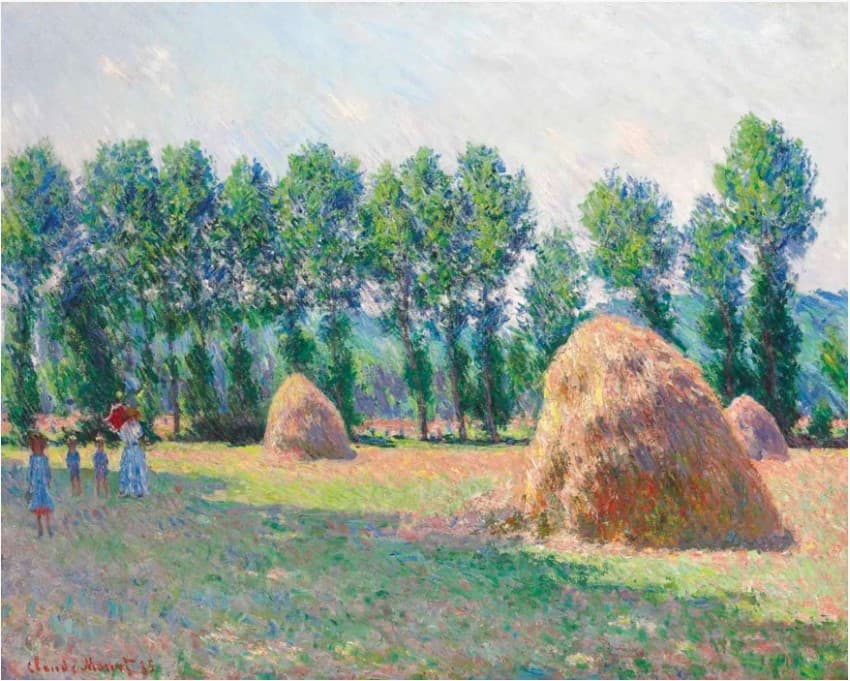
Haystacks at Giverny (1885)
Claude Monet · 1885
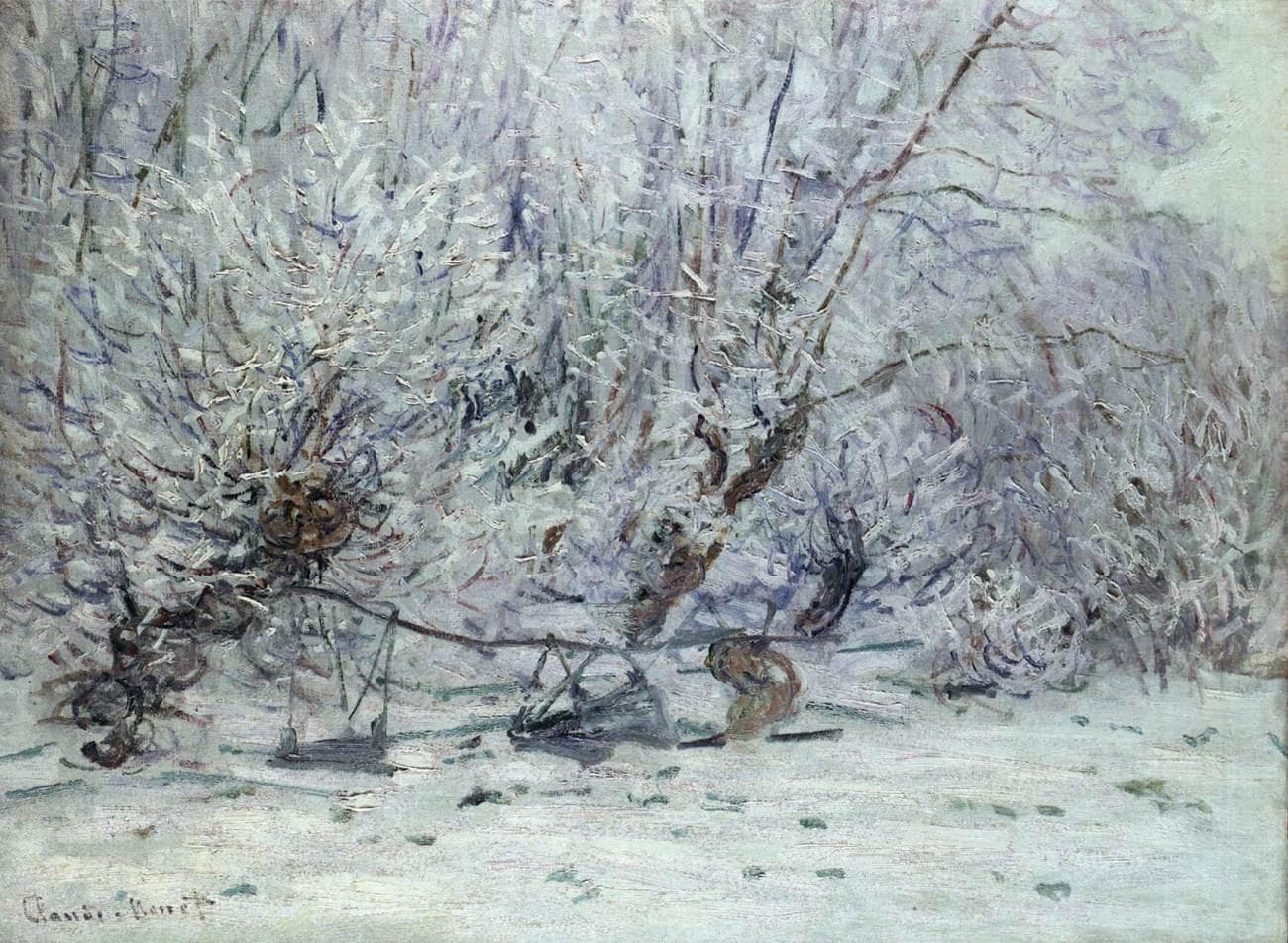
Frost
Claude Monet · 1885
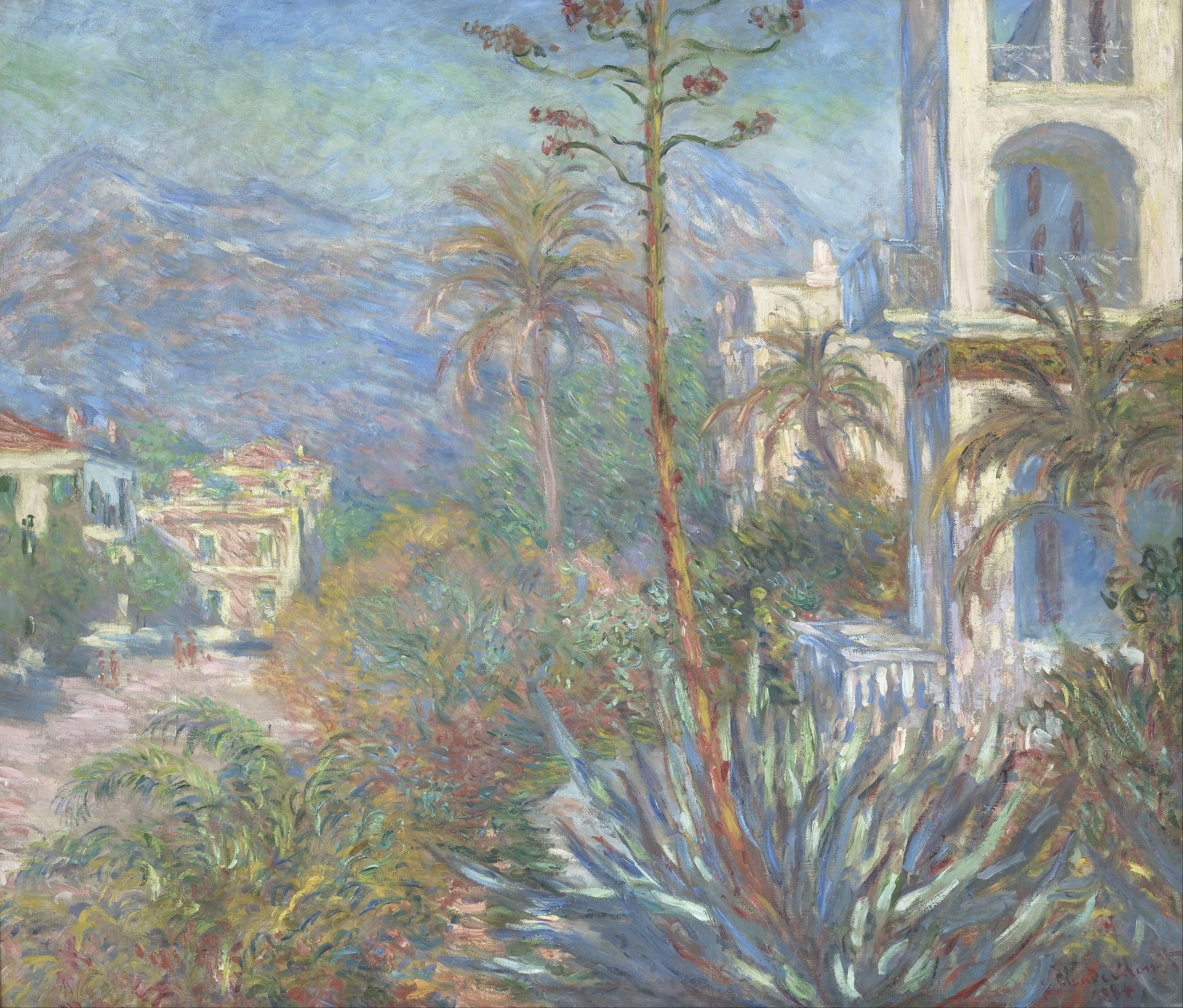
Villas at Bordighera
Claude Monet · 1884
Also painted in 1884
The same year
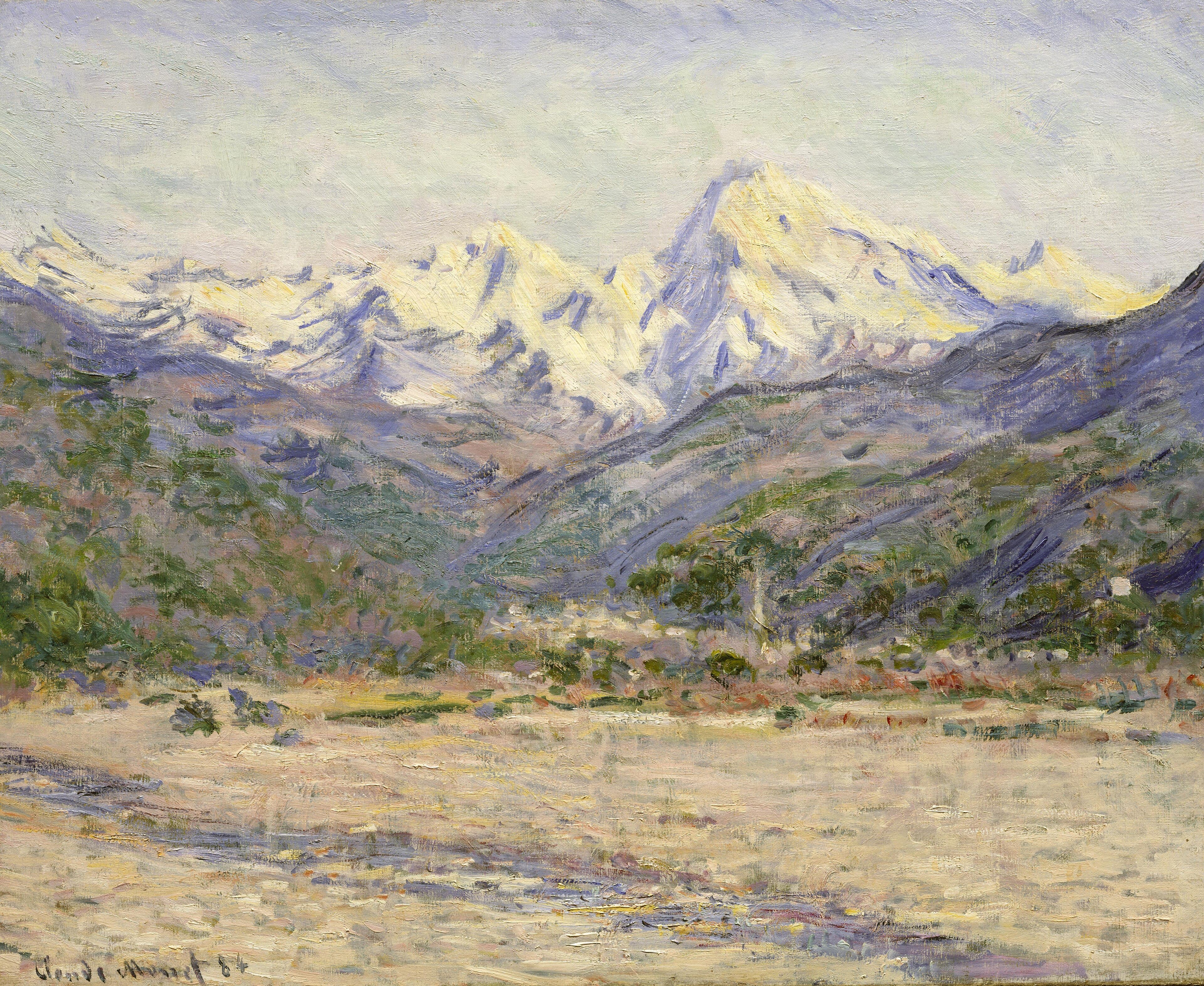
The Valley of the Nervia
Claude Monet · 1884
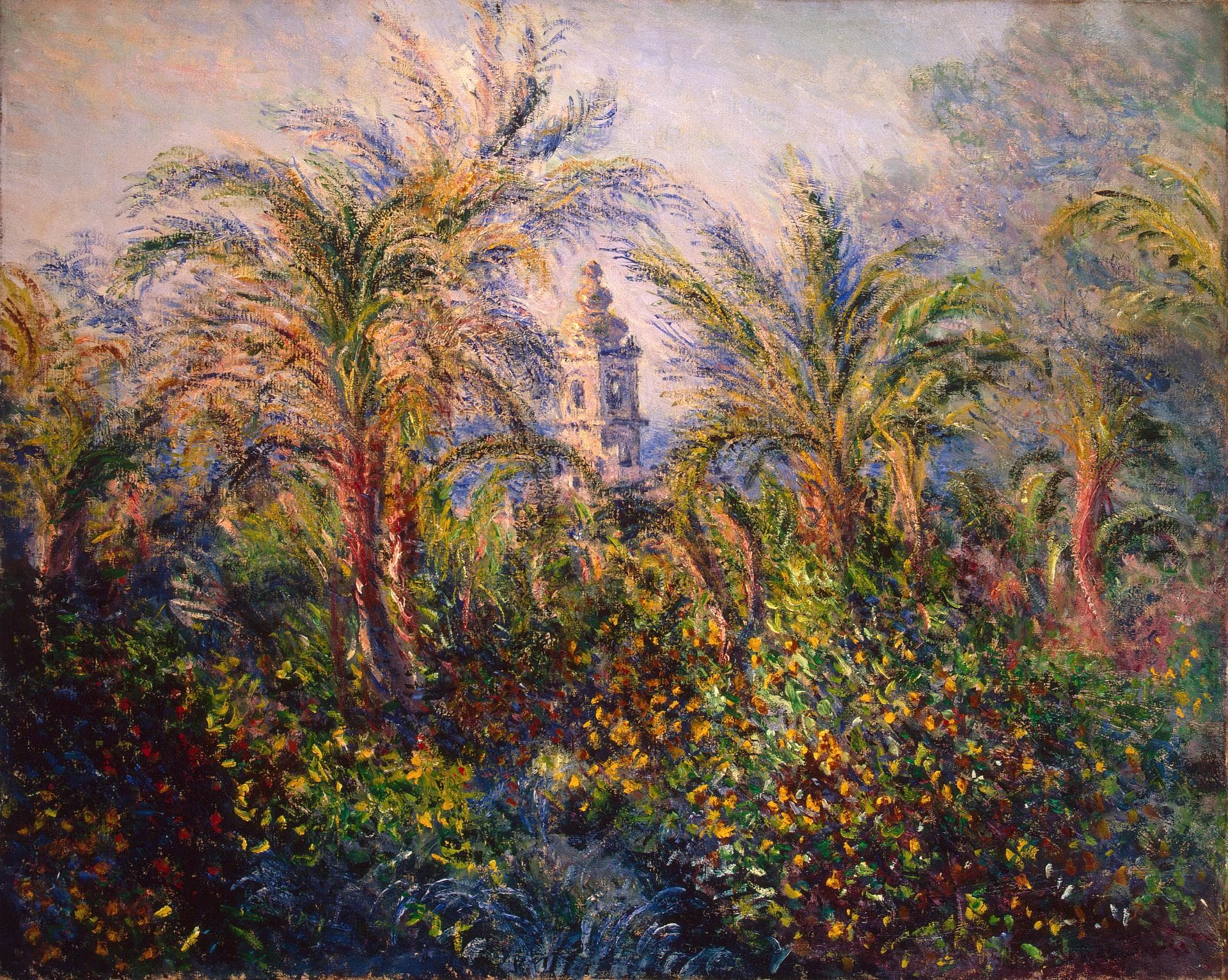
Garden at Bordighera, Impression of Morning
Claude Monet · 1884
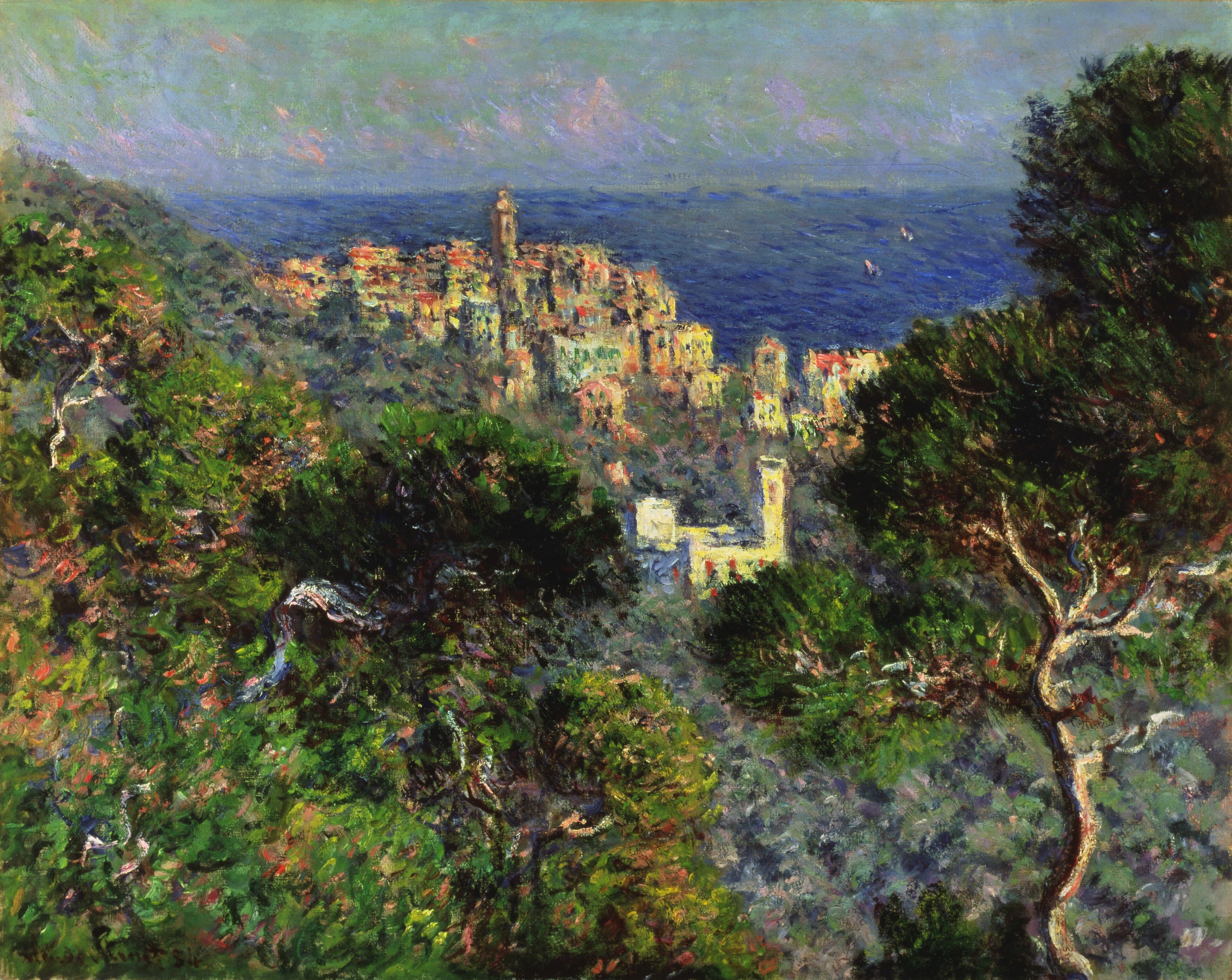
View of Bordighera
Claude Monet · 1884
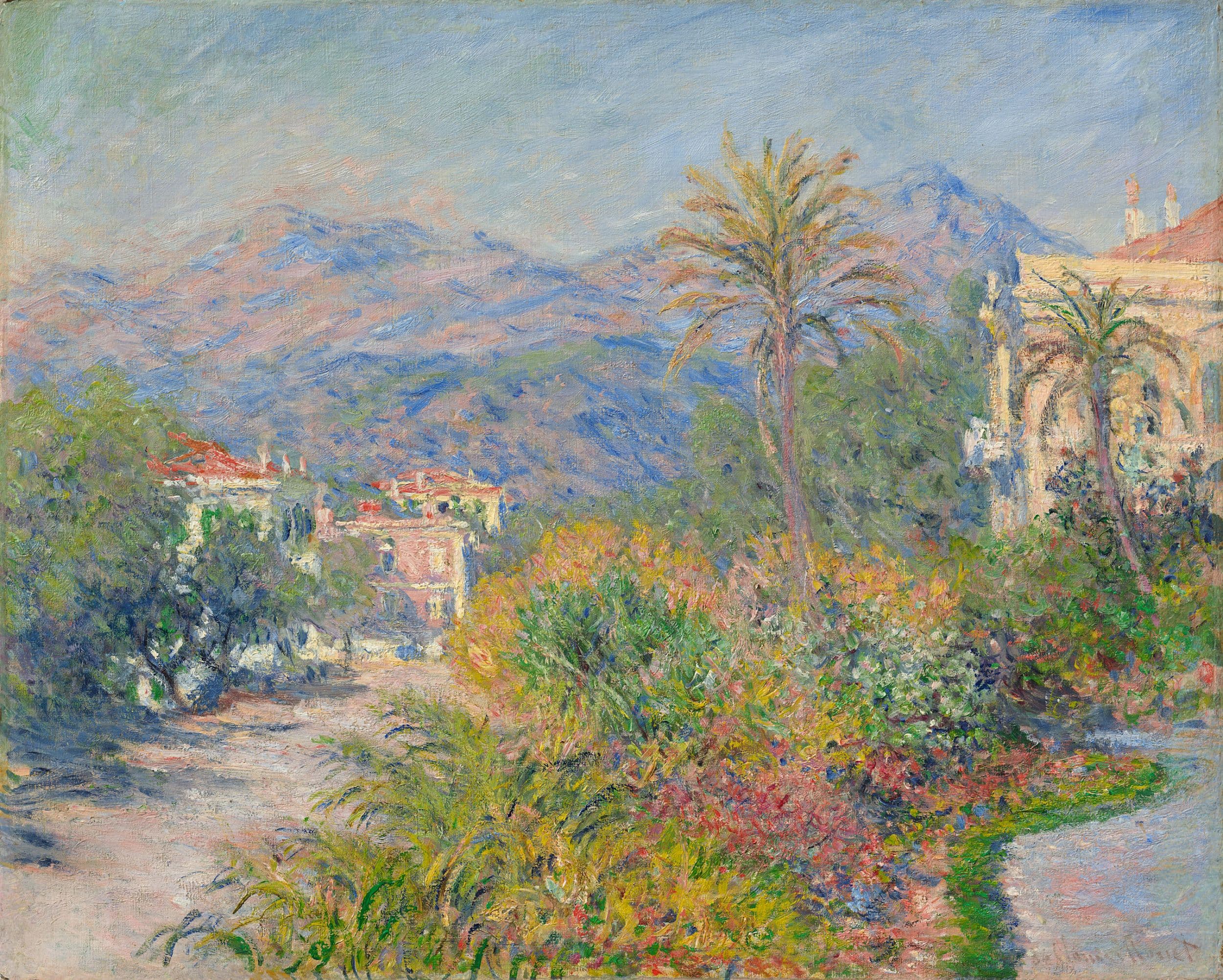
Strada Romana in Bordighera
Claude Monet · 1884
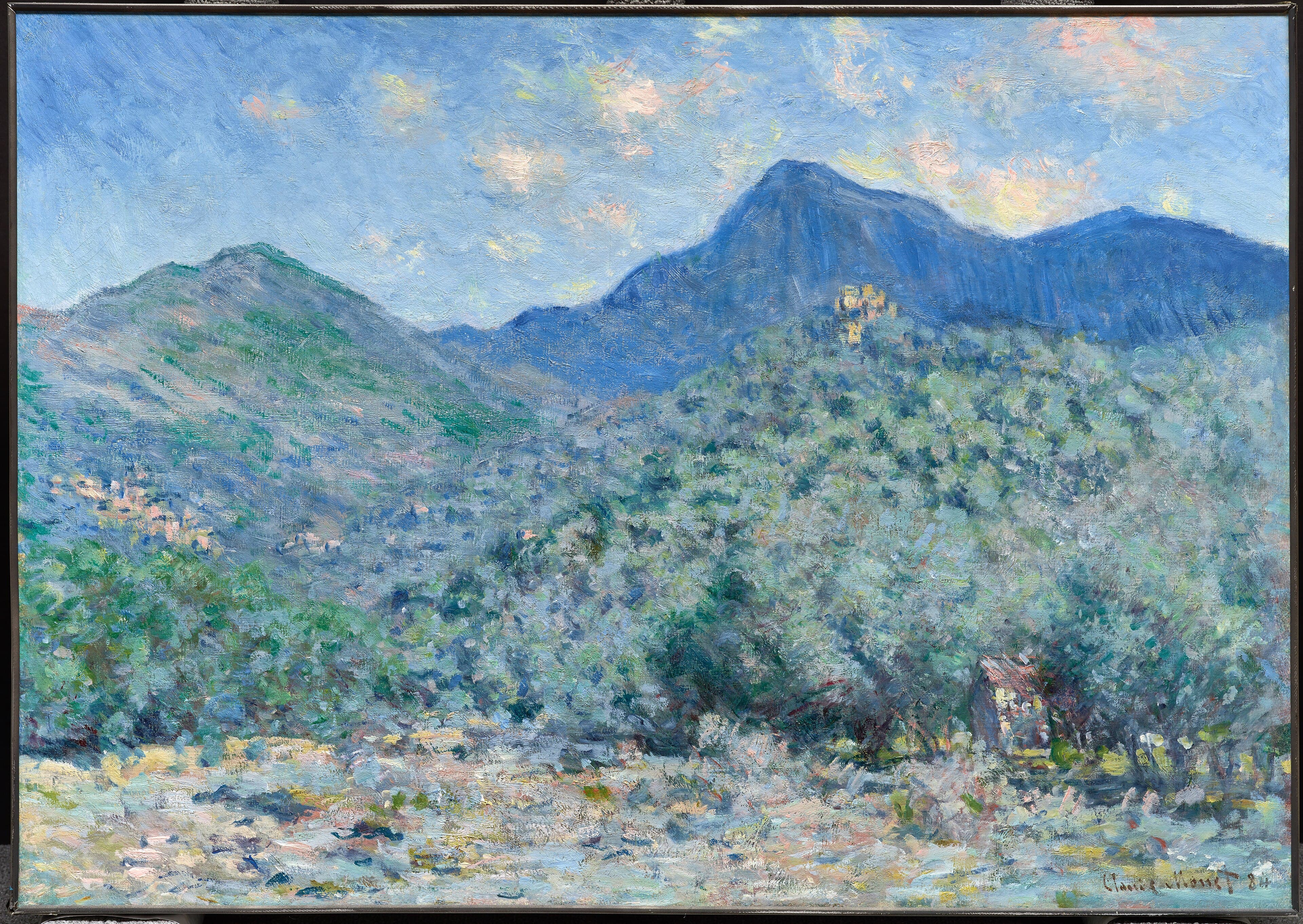
Valle Buona, near Bordighera
Claude Monet · 1884
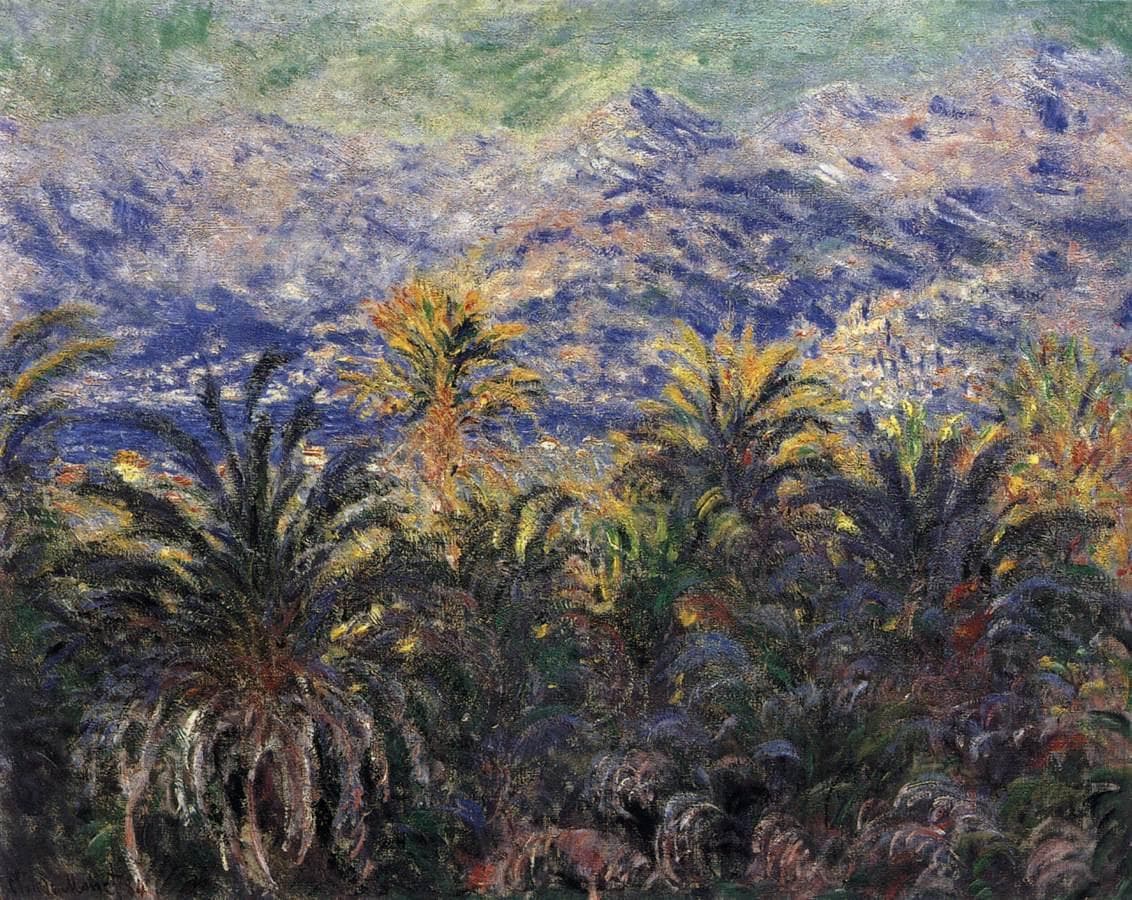
Palm Trees at Bordighera
Claude Monet · 1884
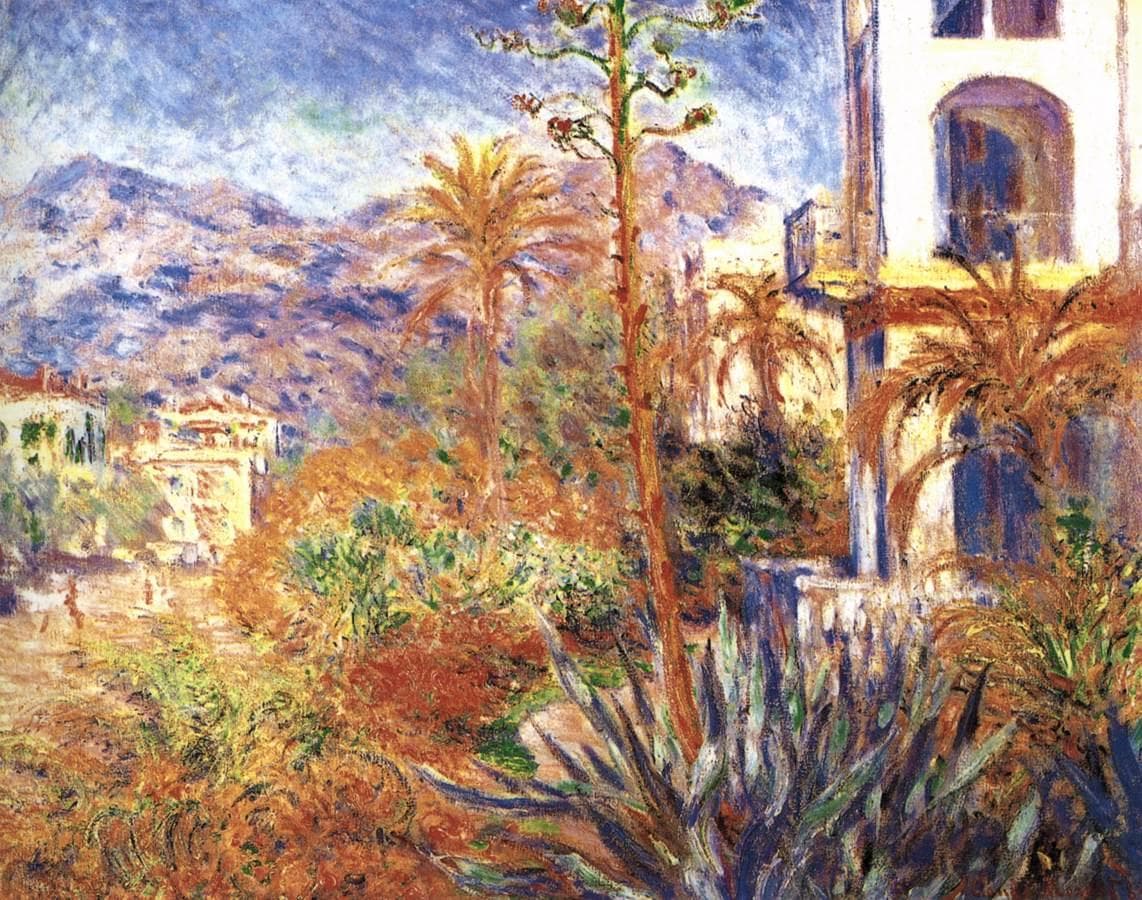
Villas in Bordighera
Claude Monet · 1884
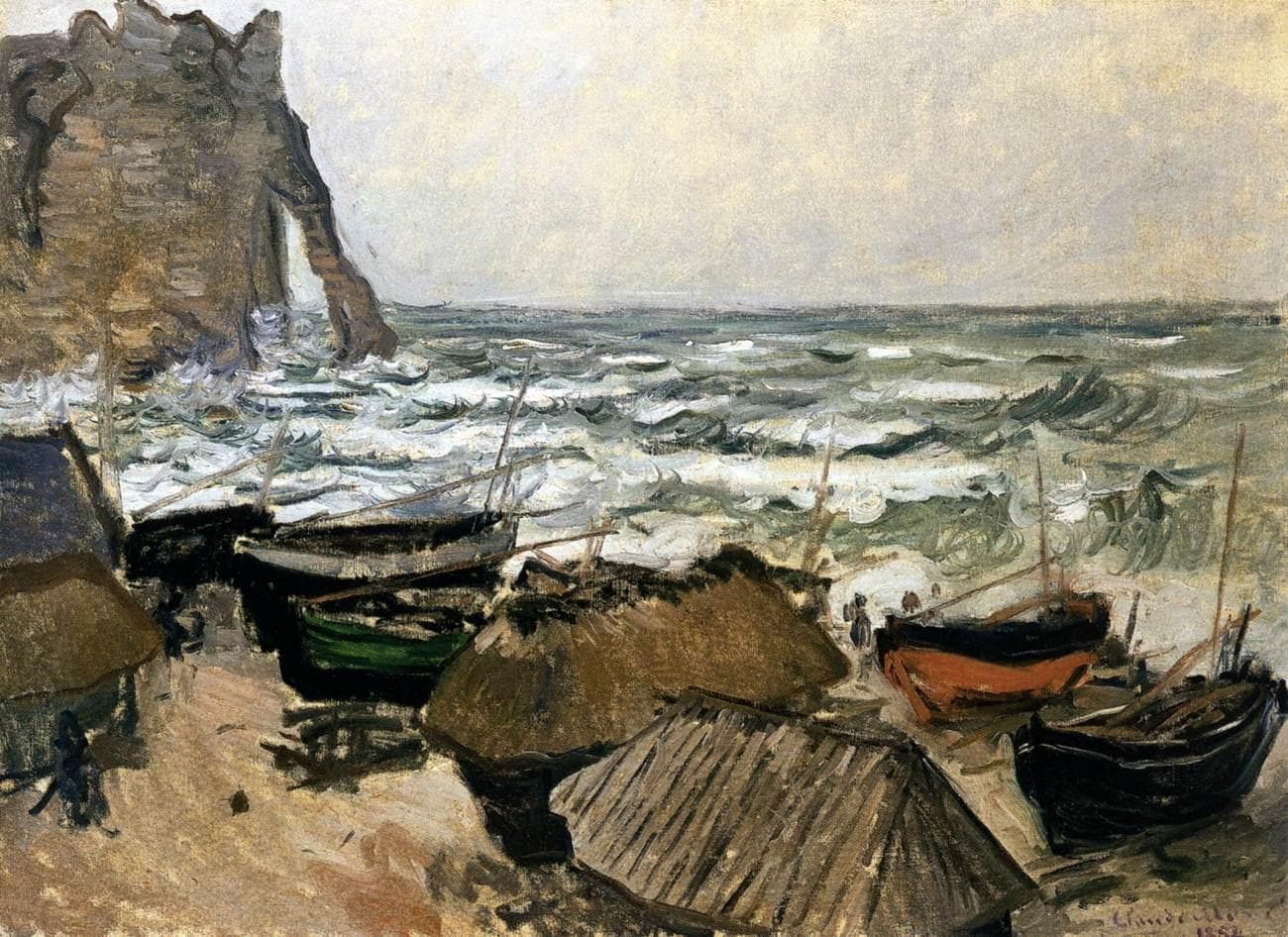
Fishing Boats and the Porte d'Aval
Claude Monet · 1884
Kindred works
You may also study
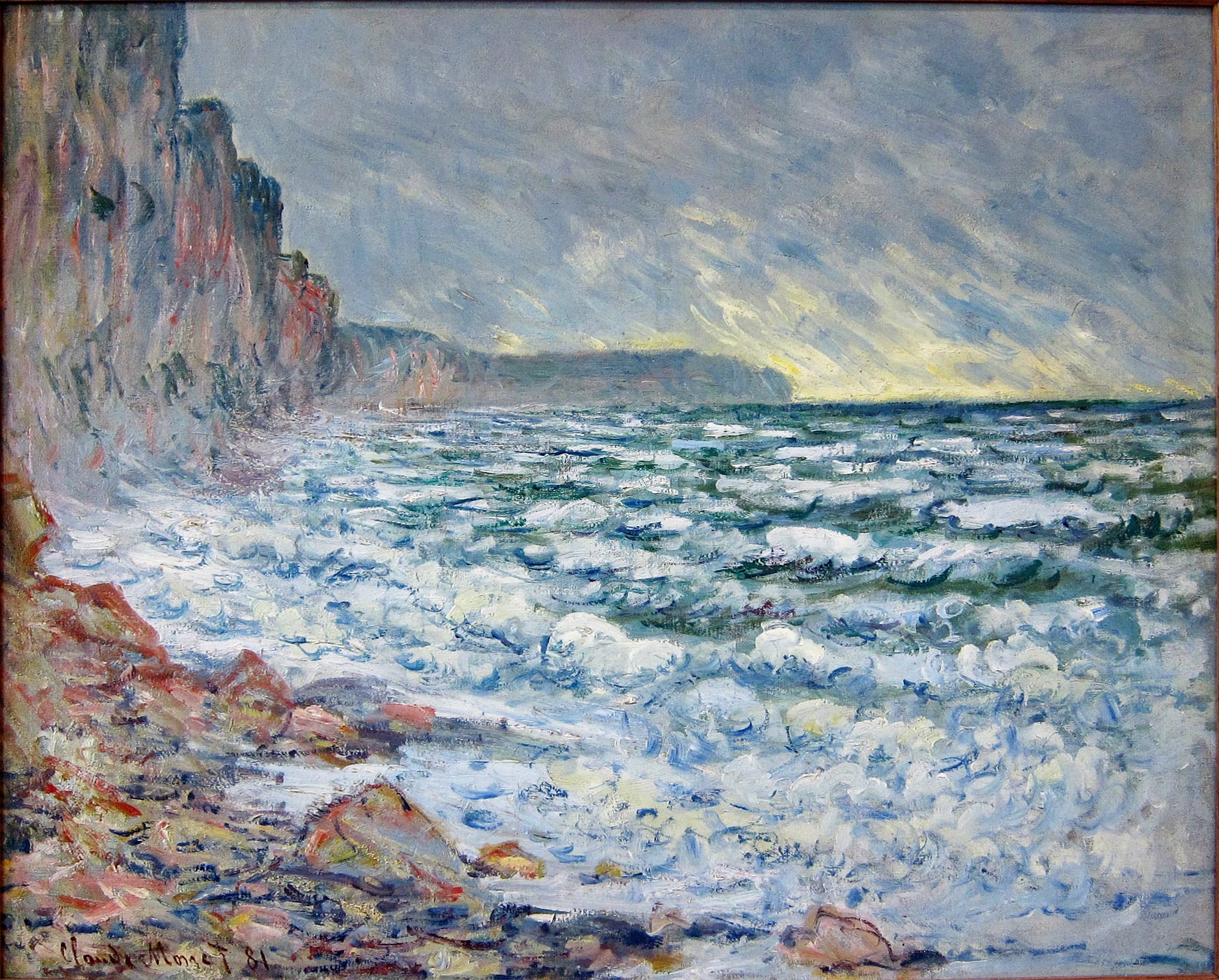
Fécamp, by the Sea
Claude Monet · 1881
The Cliff of Aval, Étretat
Claude Monet · 1885
Manne-Porte, Étretat
Claude Monet · 1885
The Rocks at Pourville, Low Tide
Claude Monet · 1882
The Cliffs at Étretat
Claude Monet · 1885
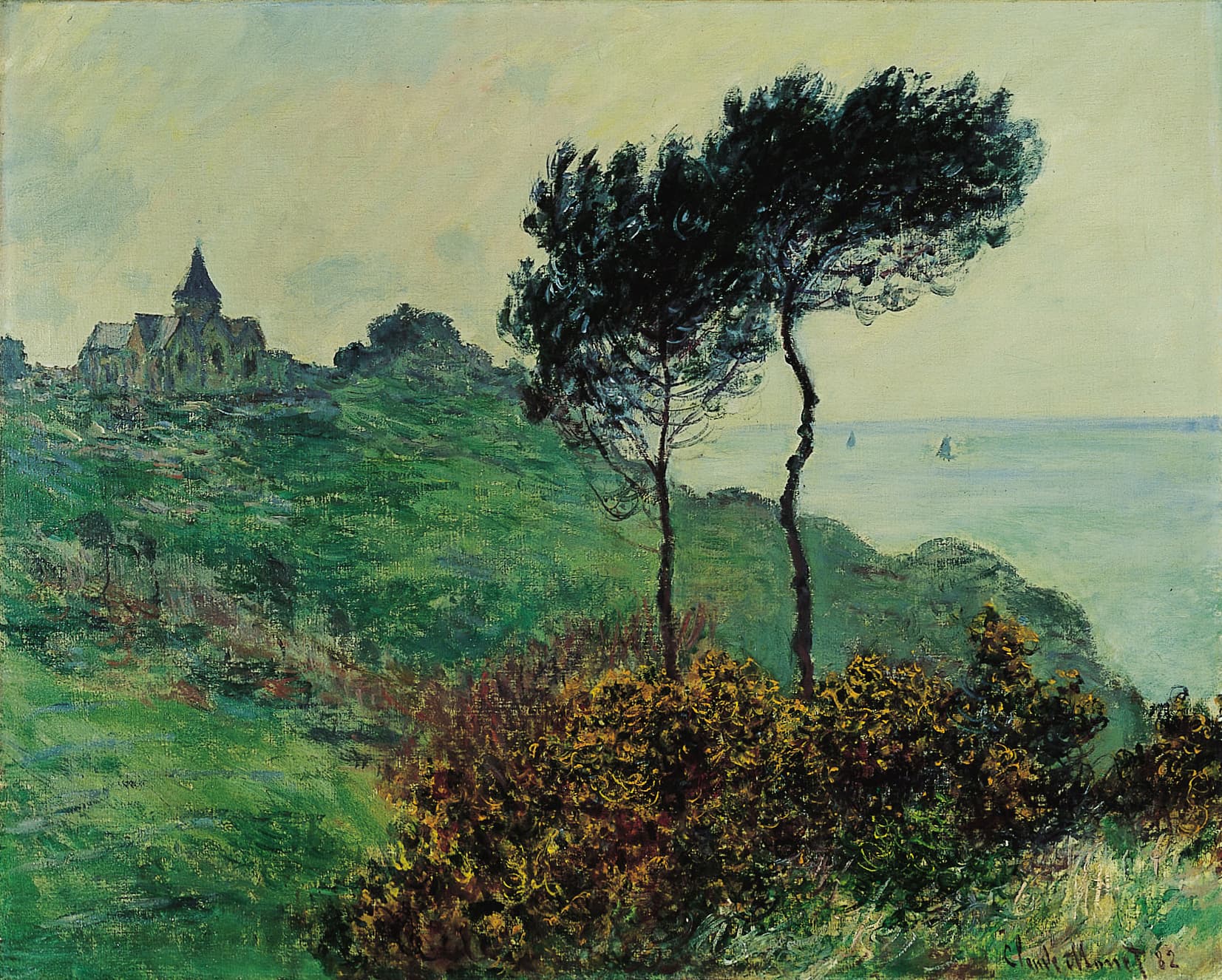
The Church at Varengeville, Grey Weather
Claude Monet · 1882
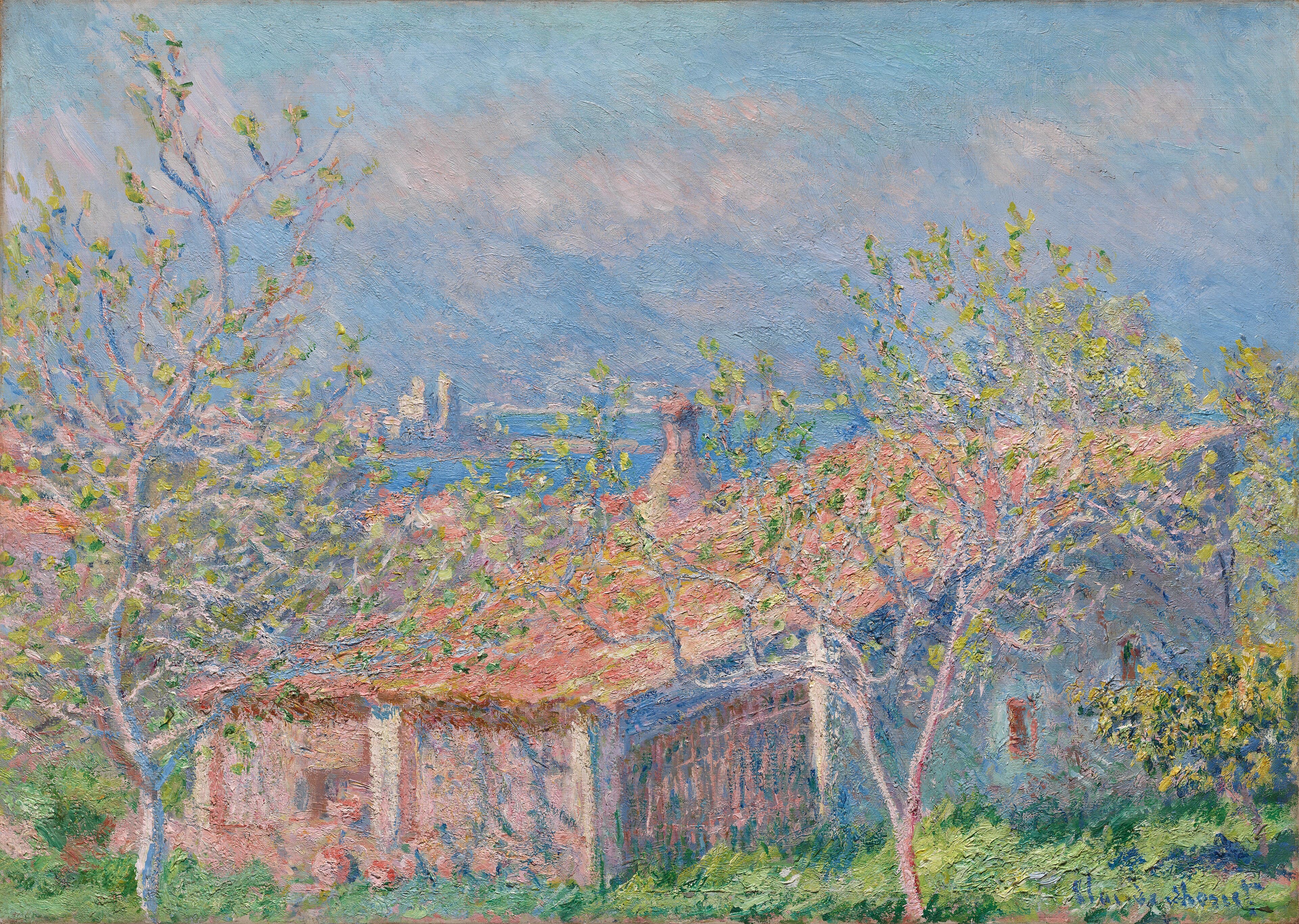
Gardener's House at Antibes
Claude Monet · 1888
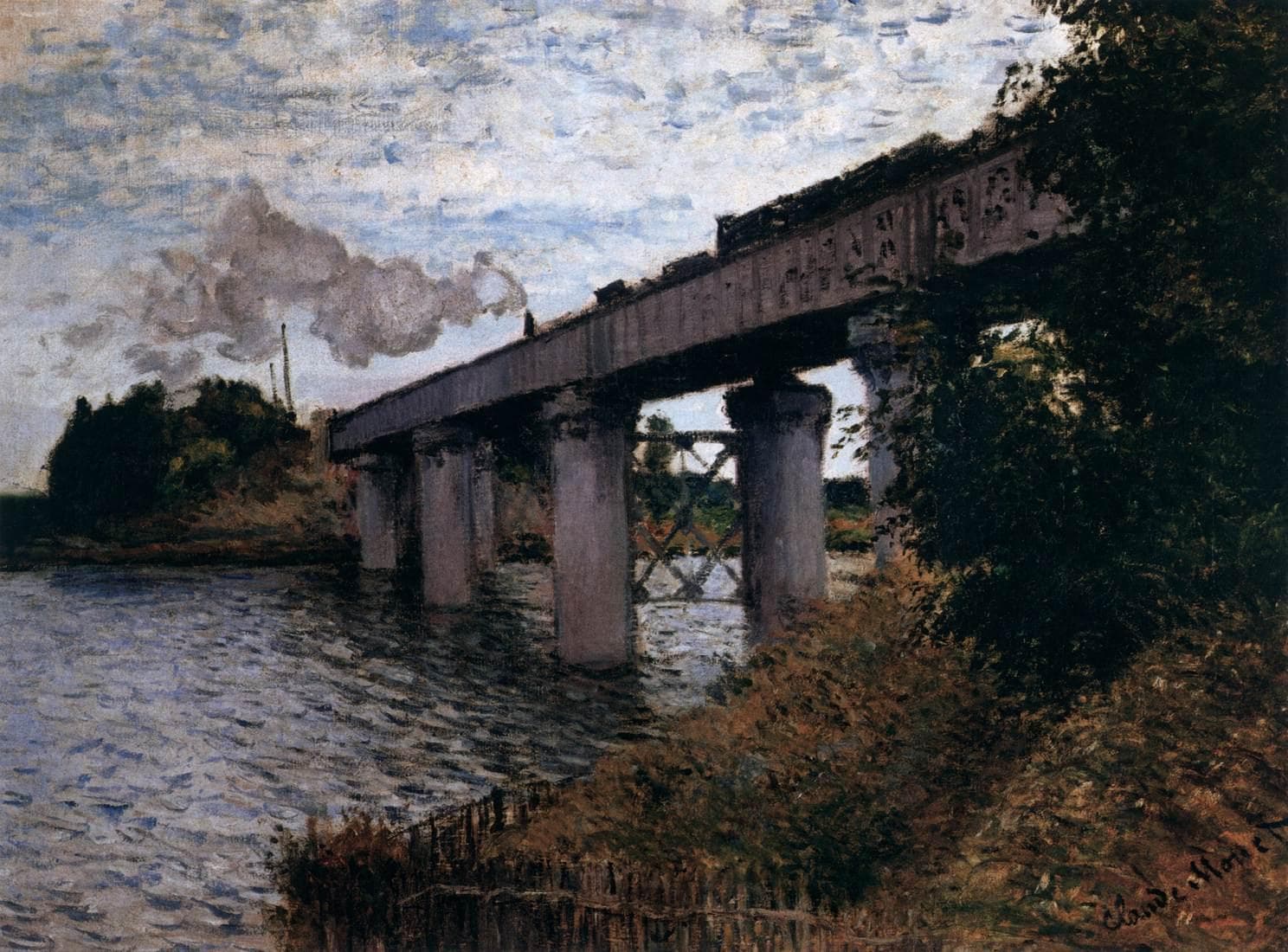
The Railway Bridge at Argenteuil
Claude Monet · c. 1873–74