Image: Ny Carlsberg Glyptotek, Copenhagen (reproduction from art book) · Public domain · via Wikimedia Commons
Under the Lemon Trees
Claude Monet, 1884
Under the Lemon Trees (Sous les citronniers) is an 1884 painting by Claude Monet of a shaded lemon grove at Bordighera on the Italian Riviera. The upright canvas is in the Ny Carlsberg Glyptotek, Copenhagen.
- Artist
- Claude Monet
- Date
- 1884
- Medium
- Oil on canvas
- Dimensions
- 73.5 × 60.5 cm
- Collection
- Ny Carlsberg Glyptotek, Copenhagen, Denmark
- Movement
- Impressionism
- Catalogue
- Wildenstein 873
- Nature & Landscape
Claude Monet's Under the Lemon Trees (Sous les citronniers) was painted in 1884 at Bordighera, the Italian resort just over the French border where he spent the first months of that year. The upright canvas, 73.5 by 60.5 centimeters (Wildenstein 873), is in the Ny Carlsberg Glyptotek in Copenhagen. It is one of the most inward-looking pictures of the Bordighera campaign: no sea, no mountains, no town, only the inside of a grove.
What you are looking at
Monet stands among the trees, not in front of them. The canvas is filled from edge to edge with foliage, and there is no horizon at all. A single trunk at the left twists up from the grass in a pale S-curve, the one clear line in the picture. Behind it, rows of small lemon trees recede into the shade, their trunks and lower branches painted in warm reds and rusts, their crowns a dense weave of dark green, olive and blue.
The fruit is easy to miss. Lemons appear as little round touches of yellow and orange scattered through the leaves, especially in the upper left, where they catch the sun. At the top of the canvas the canopy opens a little, and a patch of white and lilac sky breaks through. On the ground the grass is cool green streaked with lavender and blue, the colors Monet used for shade lit by a bright sky.
The overall effect is of filtered, broken light: no single source, just flecks of warmth sifting through a cool mass of leaves. It is a picture about being enclosed, a rare mood in a campaign usually remembered for its open views of sea and mountains.
Where and when
Monet first saw Bordighera in December 1883, on a short trip along the Riviera with Renoir. He returned alone in January 1884, meaning to stay a few weeks, and stayed until April. The light was a shock after the gray Normandy coast; he wrote of a "magical land" and complained that he could not find colors bright enough. He worked in villa gardens and olive and lemon groves above the town, and sent back dozens of canvases to Paris.
The lemon grove belongs to the more intimate side of that campaign. Where pictures like View of Bordighera and Villas at Bordighera look outward toward the old town and the sea, this one looks into the trees, close to the vegetation-filled studies of Palm Trees at Bordighera and the inland view of The Valley of the Nervia.
How it was painted
The paint is laid in short, separate strokes that rarely blend. In the canopy they are dabs and commas of green, blue-black and ocher; on the ground they become horizontal flicks of green and violet. Monet keeps the darkest values in the middle distance and lets the edges of the canvas lighten, which gives the grove its sense of depth without any perspective lines. The red of the young trunks against the green leaves is a complementary contrast, the same device he used with poppies in a meadow, and it makes the shade itself feel warm. The signature and date run along the lower left corner.
The vertical format is unusual for Monet's landscapes of the 1880s and suits the subject: it emphasizes the height of the canopy over the viewer's head and the narrow spaces between the trunks.
The Bordighera pictures and this version
Monet painted more than forty canvases at Bordighera, and several record the gardens and groves in close-up. Under the Lemon Trees differs from the brighter garden views in its subdued, almost autumnal palette and the absence of any architecture. It is a picture of shade in a place famous for sun. For the wider story of Monet's southern trips to Bordighera in 1884 and Antibes in 1888, see Monet on the Mediterranean.
Where to see it
The painting is in the Ny Carlsberg Glyptotek in Copenhagen, whose French collection, built on the patronage of the brewer Carl Jacobsen and his family, is among the strongest in Scandinavia. For other public collections holding Monet's work, see Where to See Monet's Paintings; for the painter himself, Claude Monet.
Questions & answers
Where is Monet's Under the Lemon Trees?
Under the Lemon Trees (1884) is in the Ny Carlsberg Glyptotek in Copenhagen, Denmark. The museum's collection of French nineteenth-century painting includes several works by Monet and other Impressionists.
When and where did Monet paint Under the Lemon Trees?
Monet painted it in early 1884 at Bordighera on the Italian Riviera, where he stayed from January to April. He worked in the gardens and citrus and olive groves above the town, and this picture is one of his most enclosed views from that trip.
What does Under the Lemon Trees show?
It shows the shaded interior of a lemon grove, with rows of small trees, a pale twisting trunk at the left and lemons picked out as yellow and orange touches among the leaves. There is no horizon; the canvas is filled with foliage and filtered light.
Is Under the Lemon Trees part of a series?
It is not part of a numbered series, but it belongs to the group of more than forty canvases Monet painted at Bordighera in 1884. Others from the same trip include Palm Trees at Bordighera, View of Bordighera and Villas at Bordighera.
More by the artist
Claude Monet
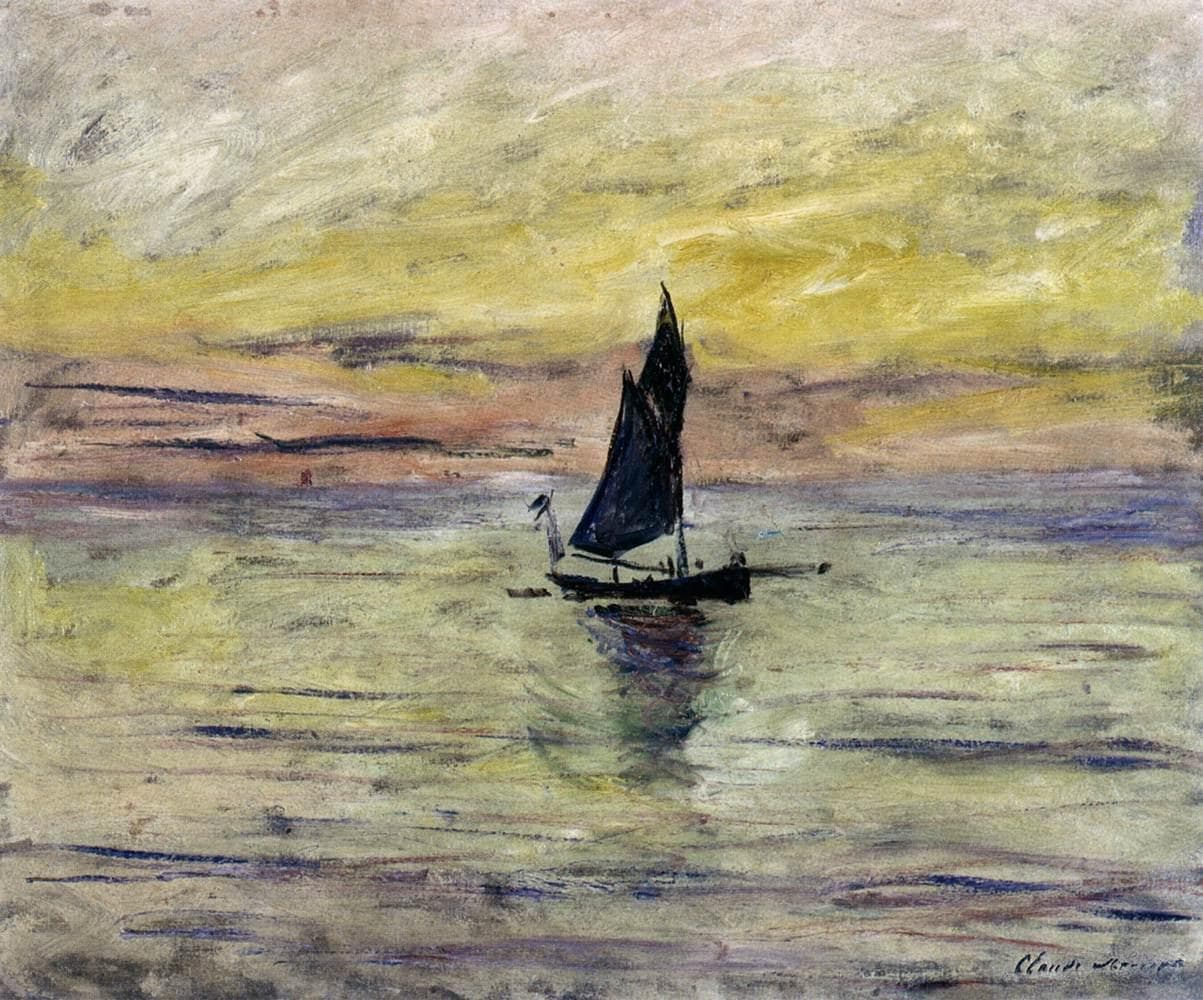
Sailboat, Evening Effect
Claude Monet · 1885
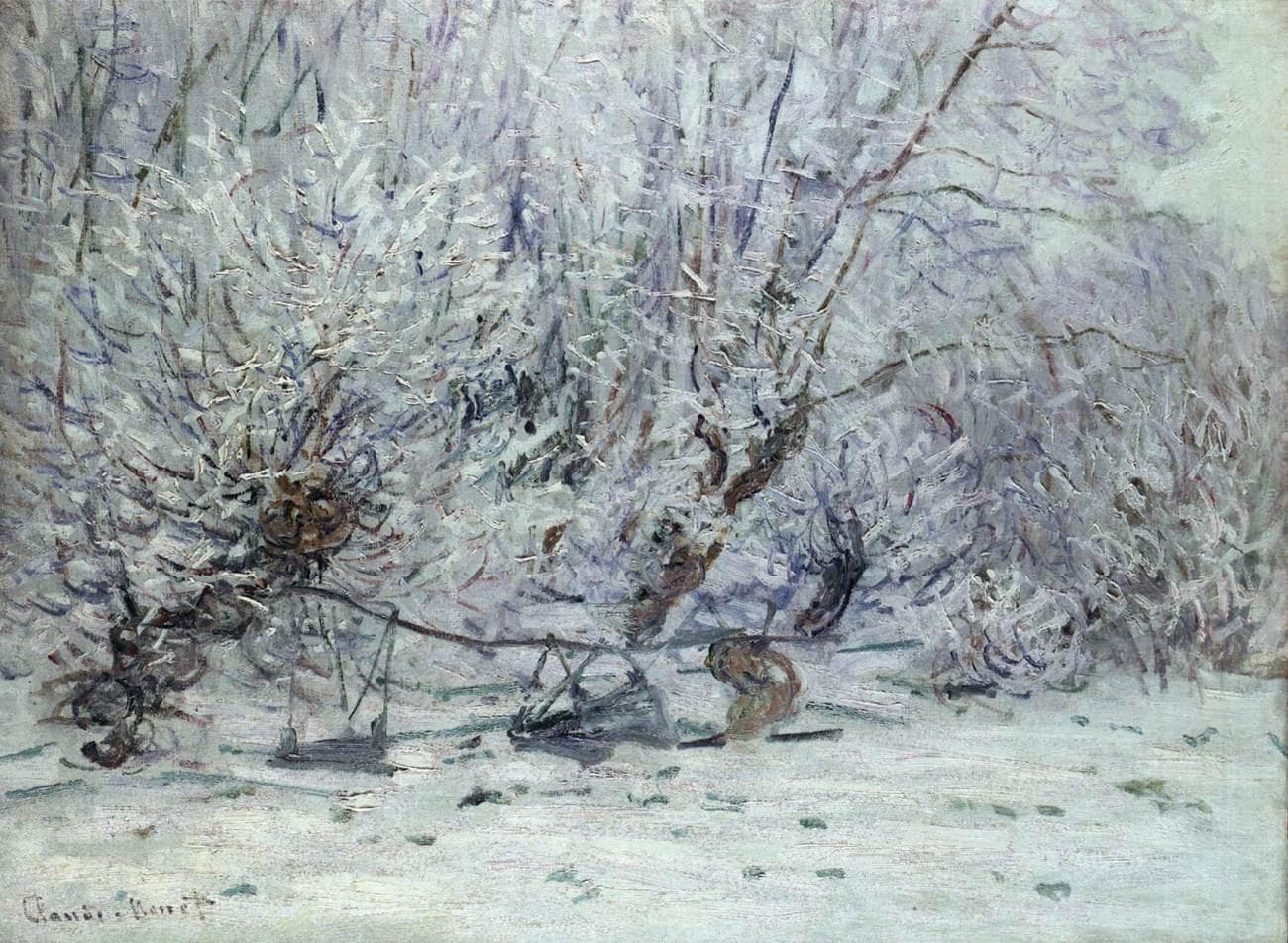
Frost
Claude Monet · 1885
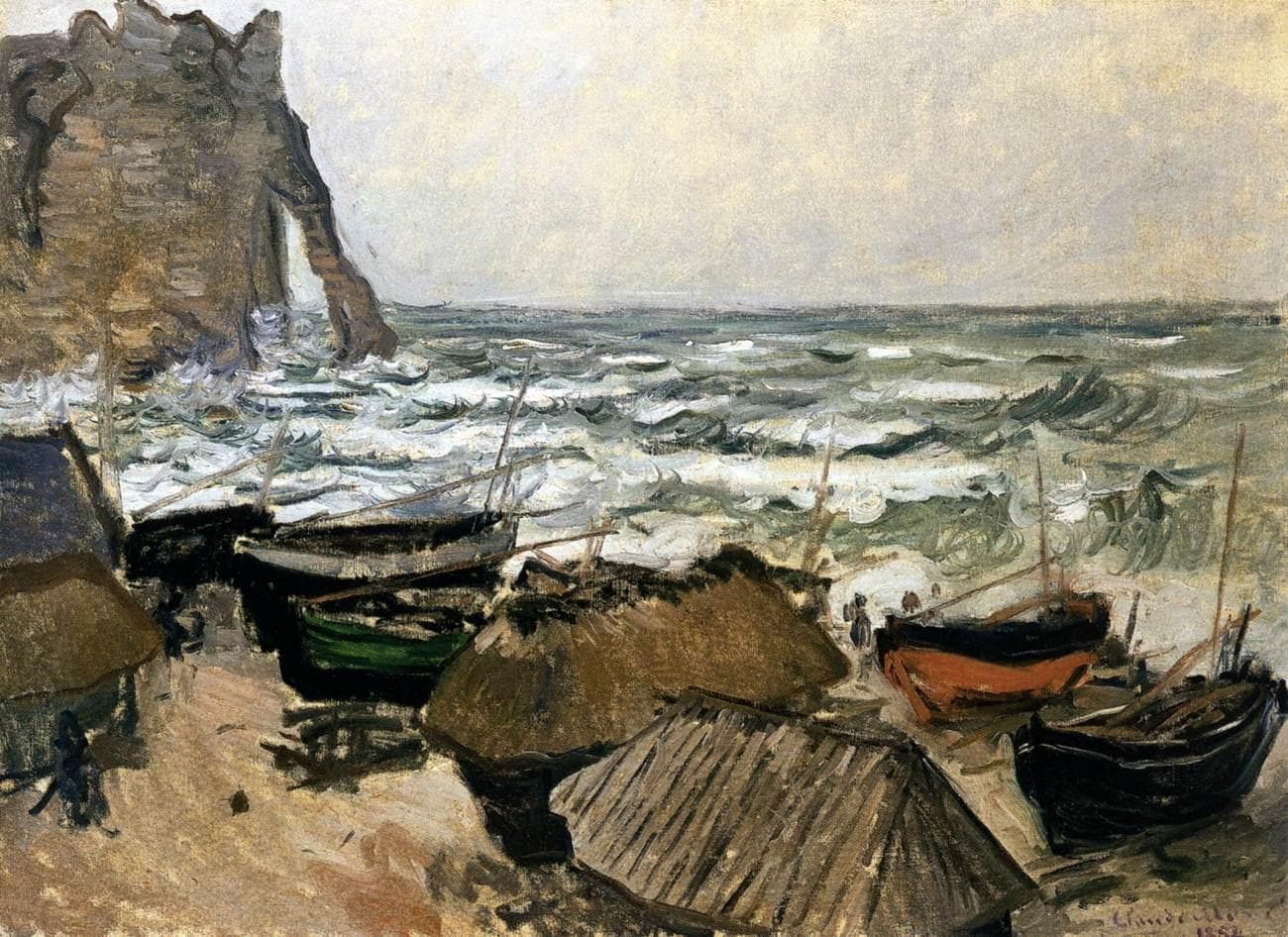
Fishing Boats and the Porte d'Aval
Claude Monet · 1884
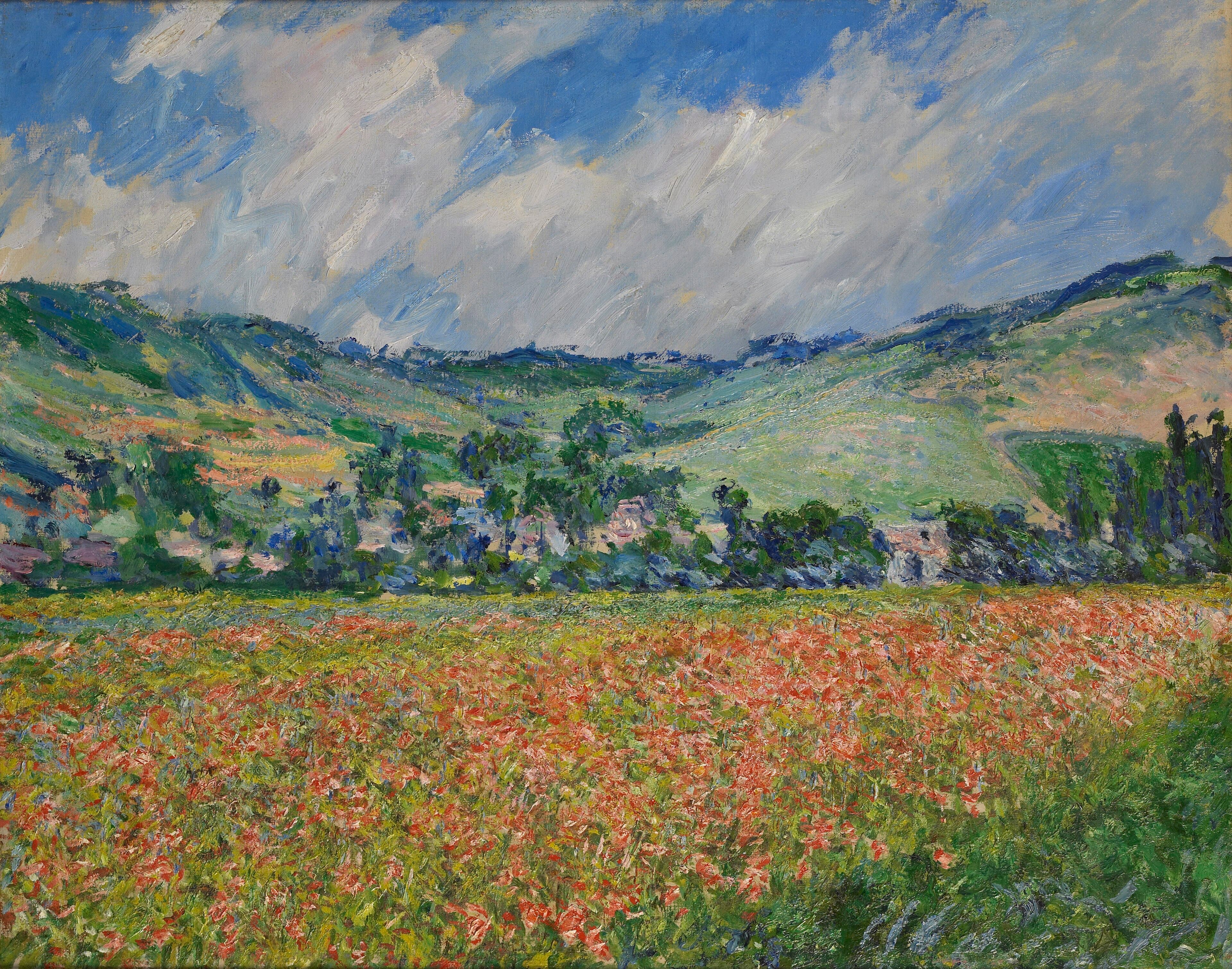
Poppy Field, Around Giverny
Claude Monet · 1885
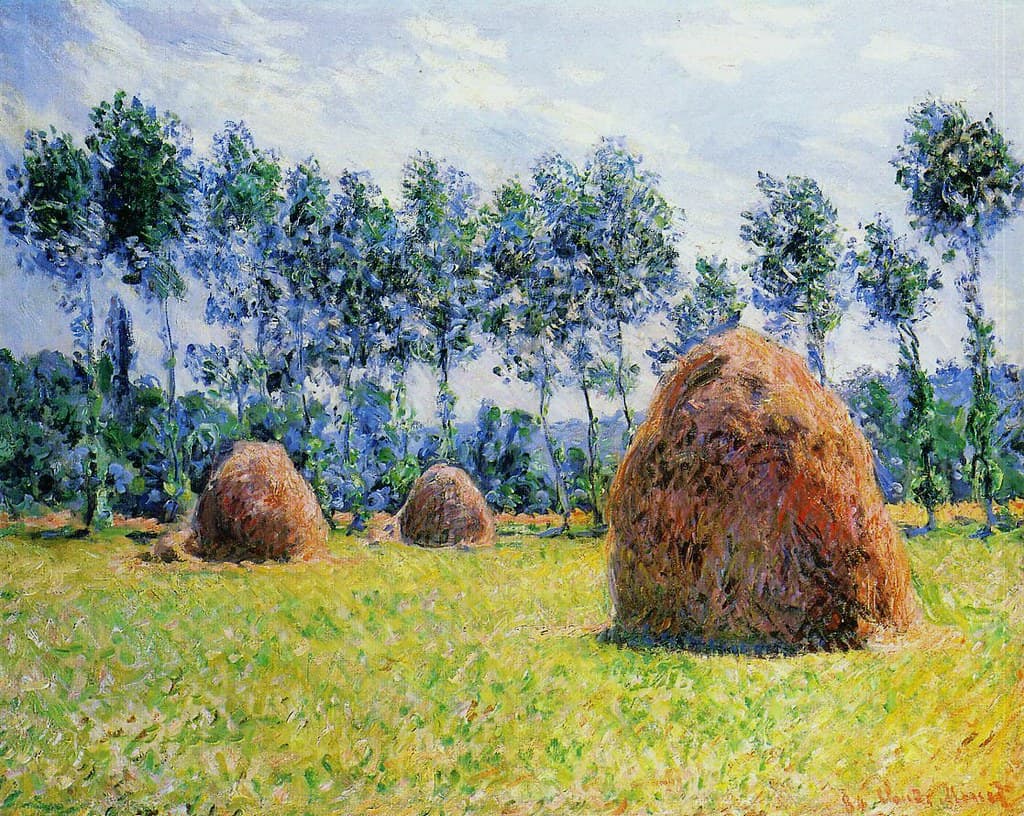
Haystacks at Giverny (1884)
Claude Monet · 1884
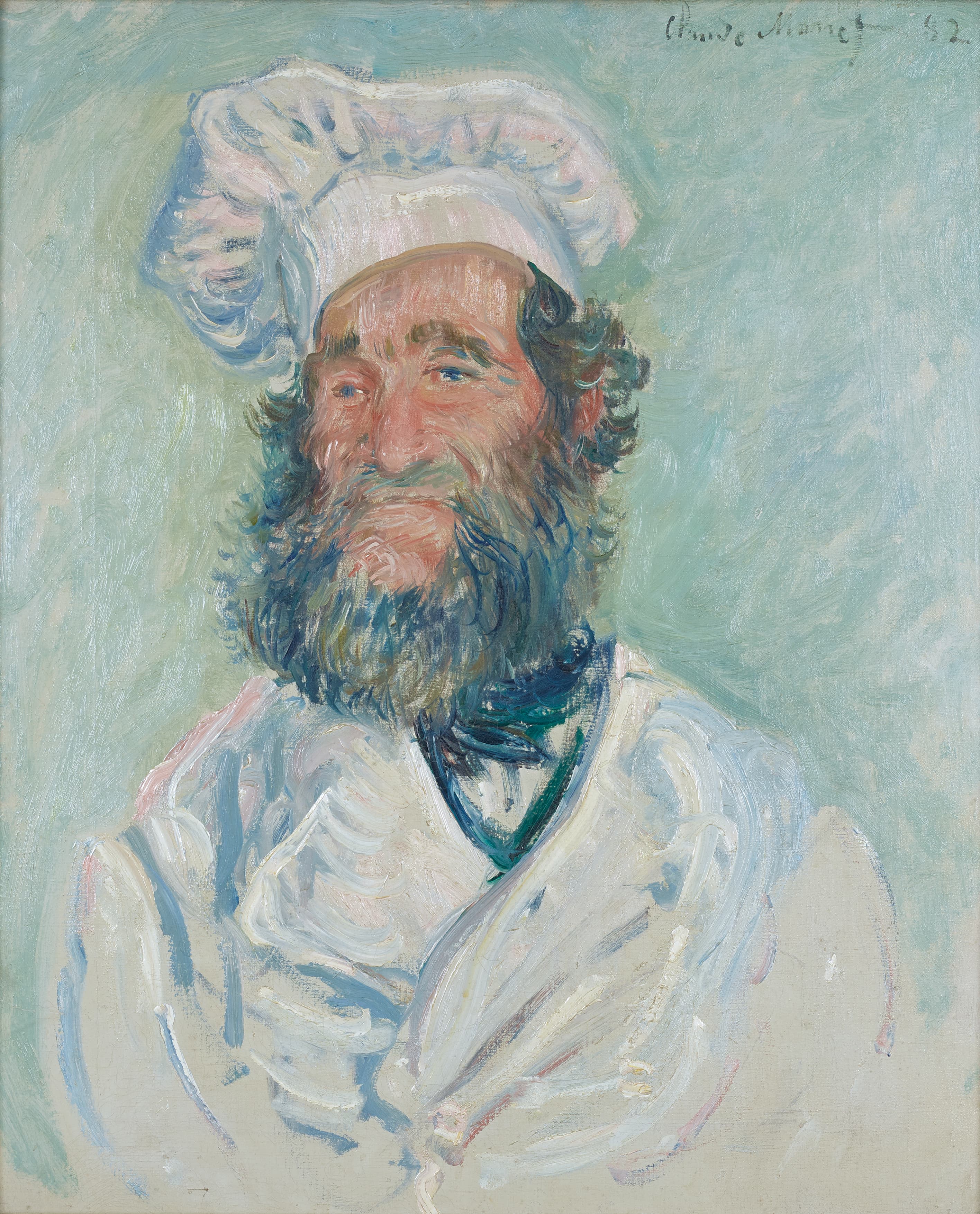
Portrait of Père Paul
Claude Monet · 1882
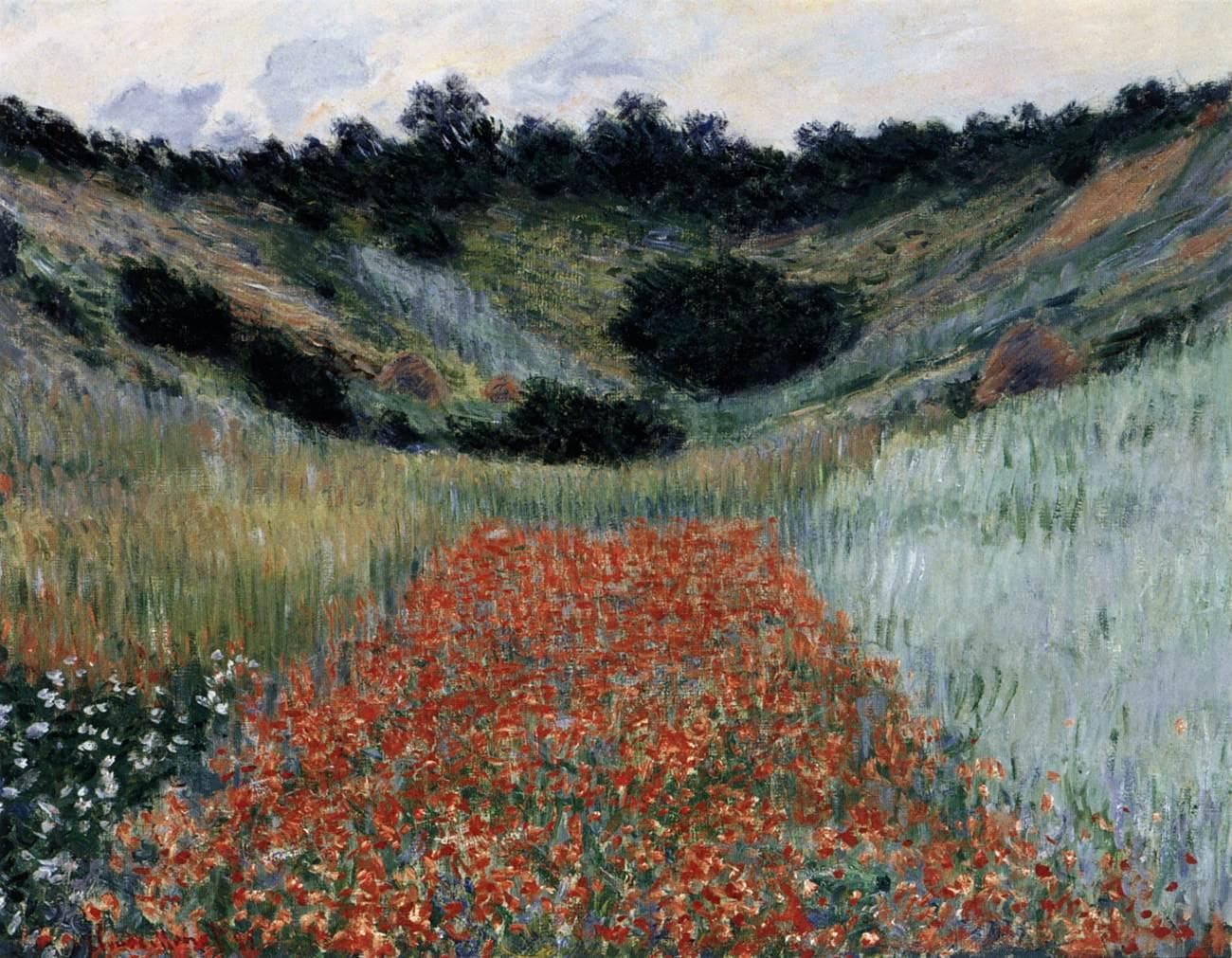
Poppy Field in a Hollow near Giverny
Claude Monet · 1885
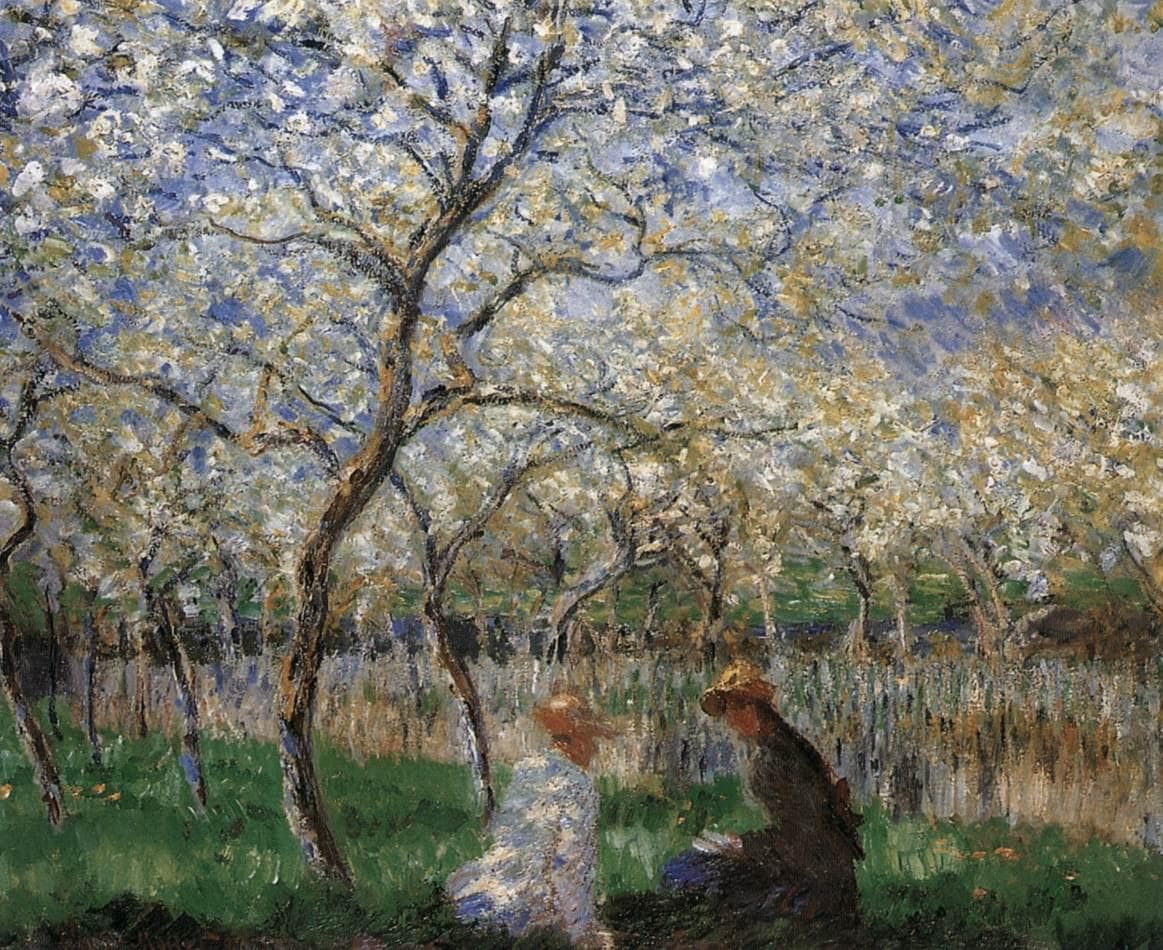
Spring
Claude Monet · 1886
Also painted in 1884
The same year
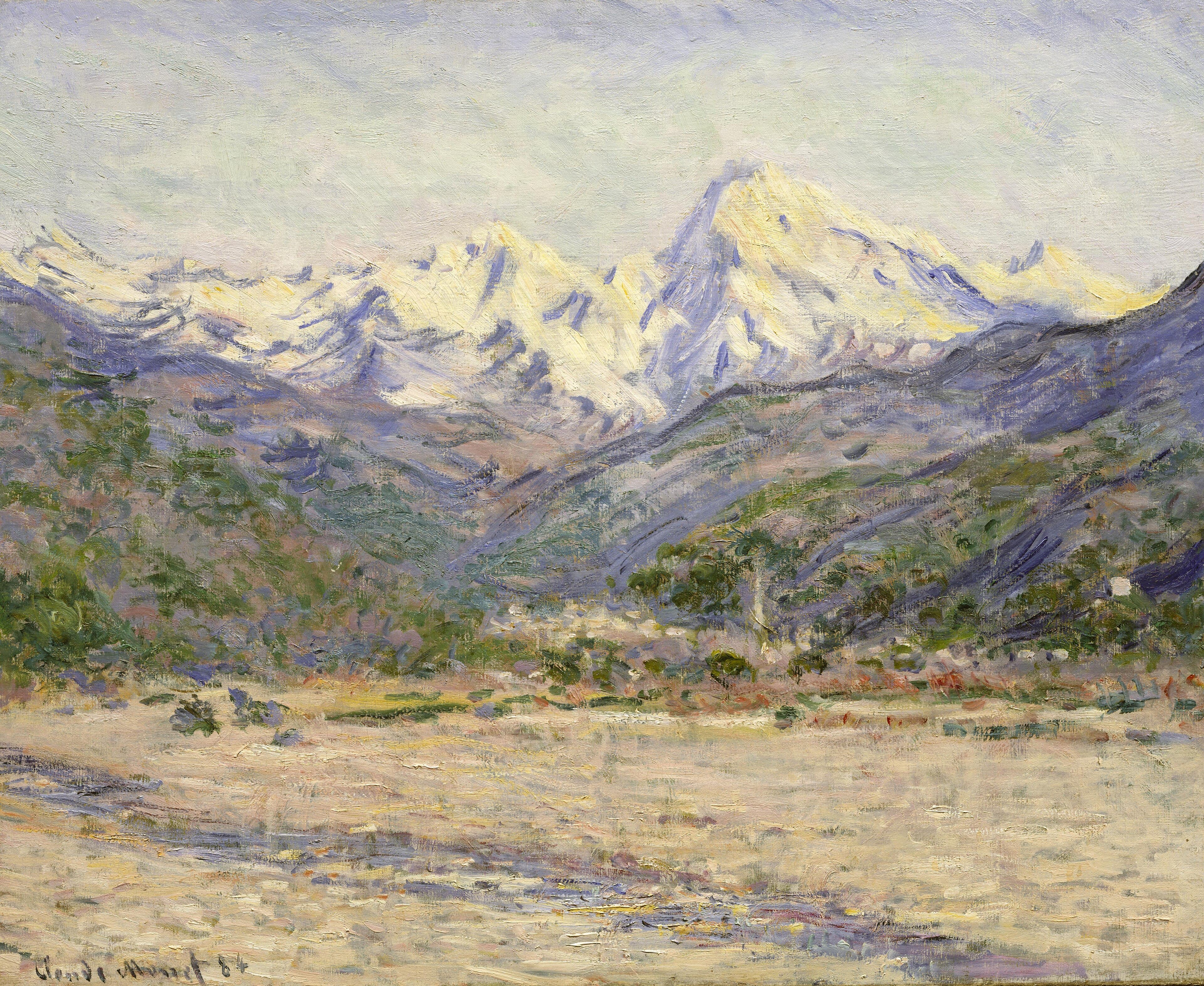
The Valley of the Nervia
Claude Monet · 1884
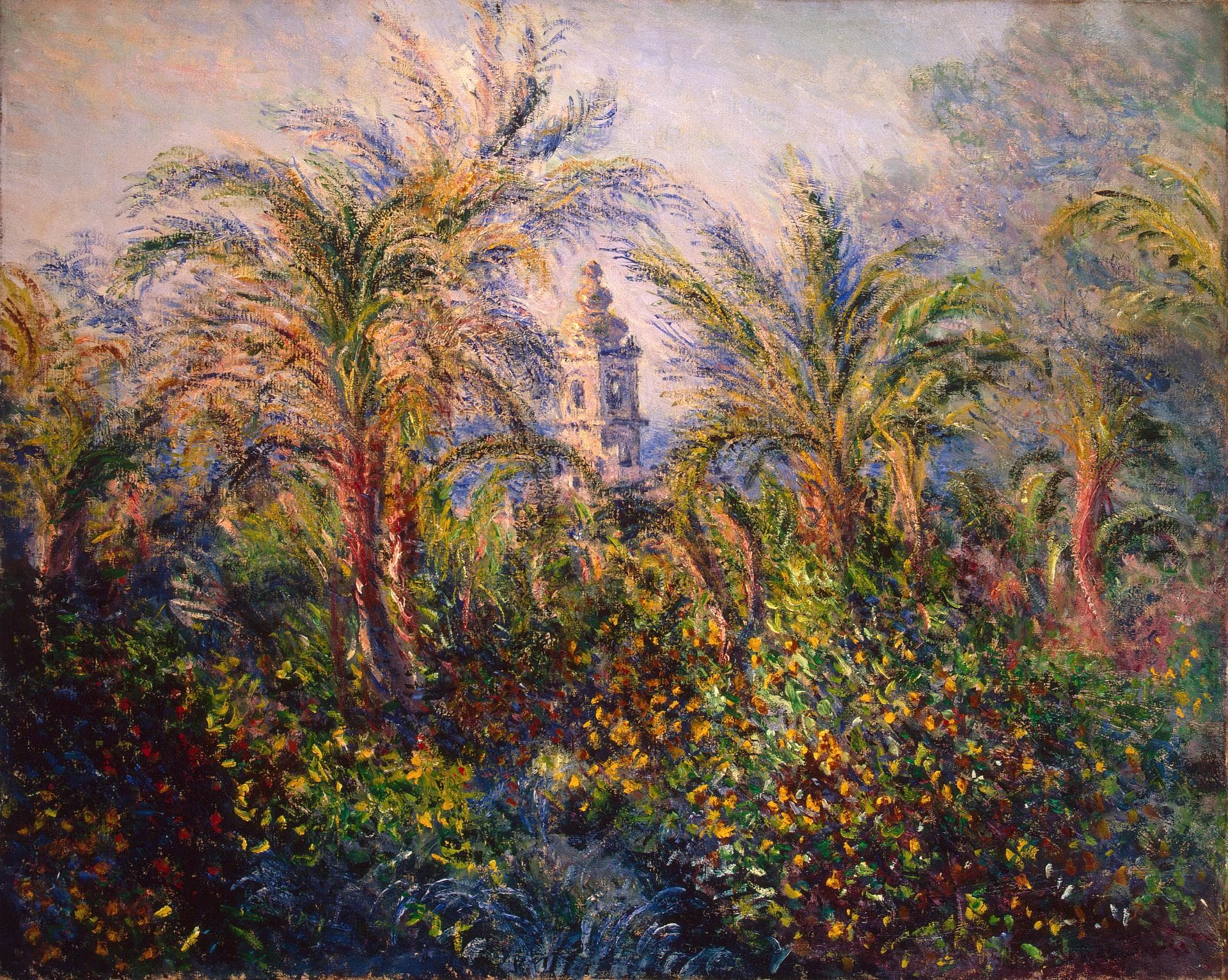
Garden at Bordighera, Impression of Morning
Claude Monet · 1884
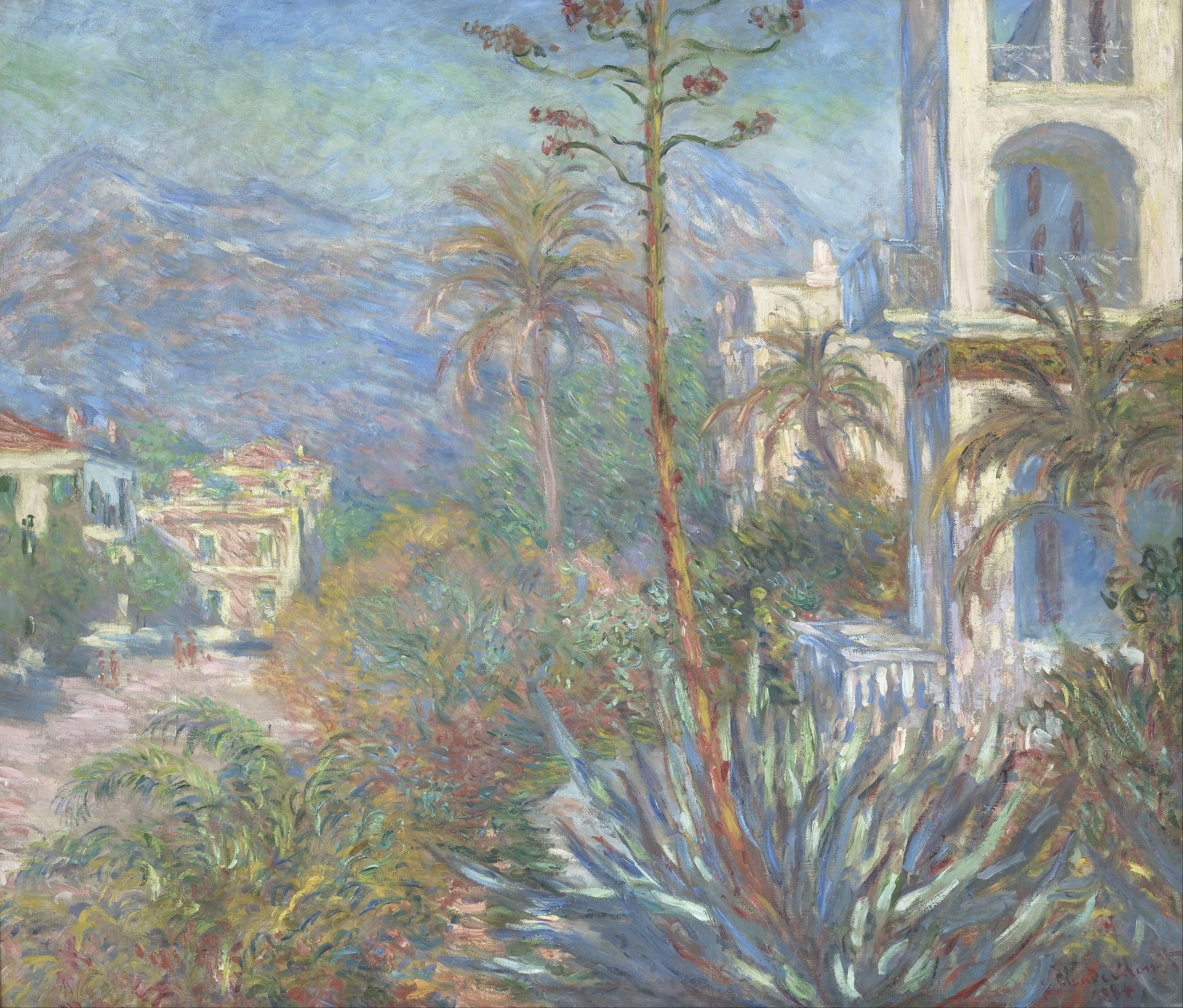
Villas at Bordighera
Claude Monet · 1884
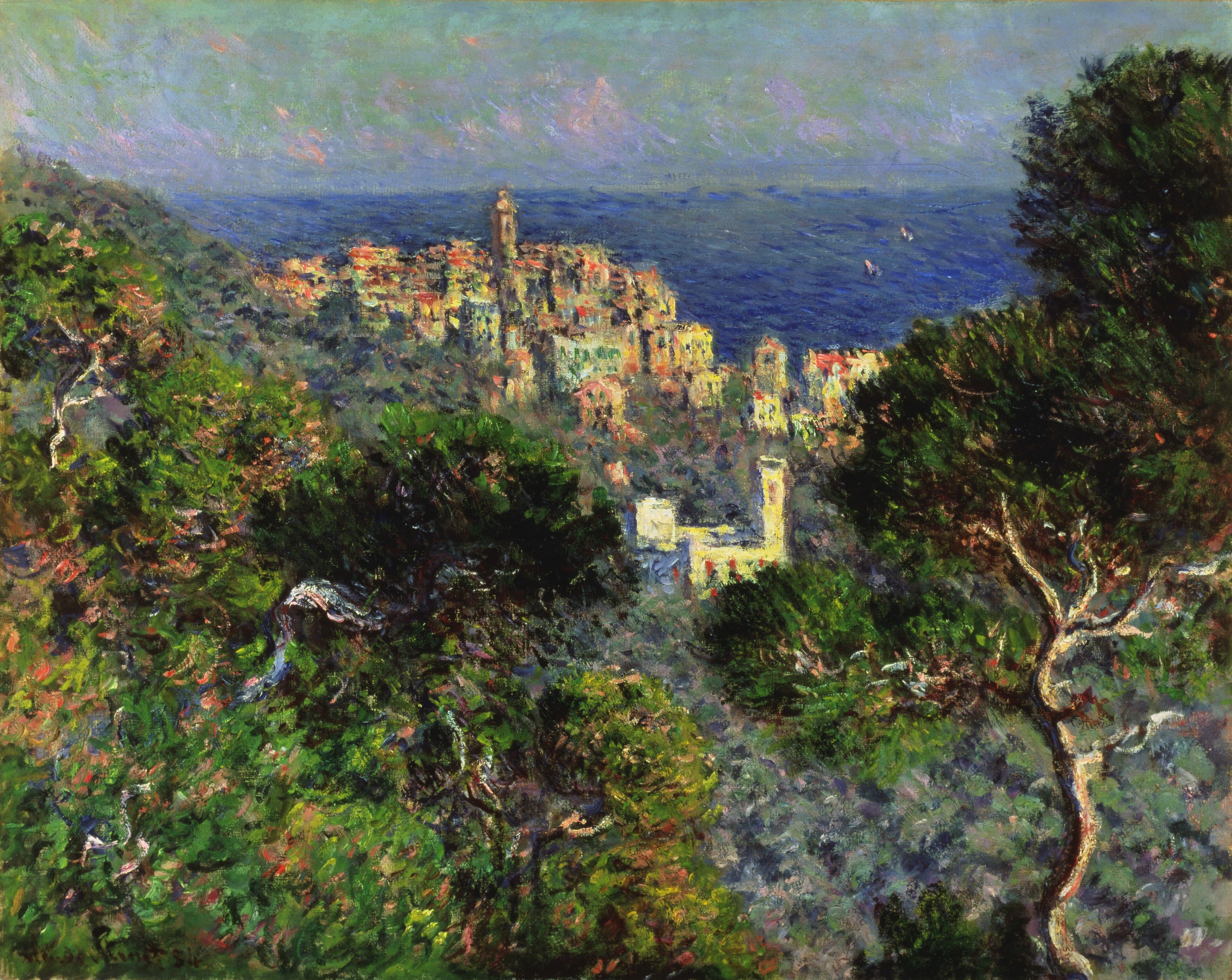
View of Bordighera
Claude Monet · 1884
Low Tide at Les Petites-Dalles
Claude Monet · 1884
Strada Romana in Bordighera
Claude Monet · 1884
Villas at Bordighera
Claude Monet · 1884
Valle Buona, near Bordighera
Claude Monet · 1884
Kindred works
You may also study
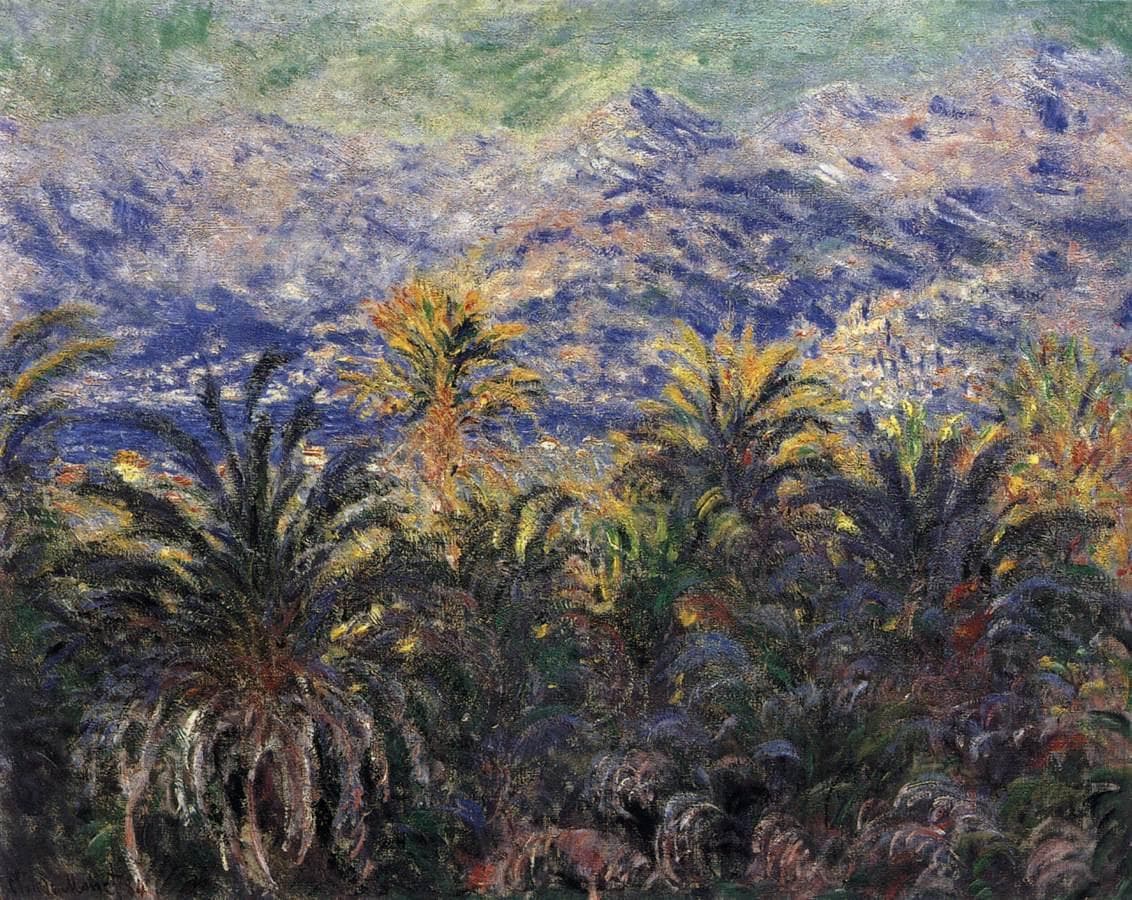
Palm Trees at Bordighera
Claude Monet · 1884
The Valley of the Nervia
Claude Monet · 1884
Garden at Bordighera, Impression of Morning
Claude Monet · 1884
View of Bordighera
Claude Monet · 1884
Villas at Bordighera
Claude Monet · 1884
Arm of the Seine near Giverny
Claude Monet · 1897
Summer (Meadow at Bezons)
Claude Monet · 1874
Man with a Parasol (Portrait of Victor Jacquemont)
Claude Monet · 1865–67