Image: Musée d'Orsay; reproduction via Wikimedia Commons · Public domain · via Wikimedia Commons
The Tuileries (Study)
Claude Monet, c. 1875–76
The Tuileries (Study) is a Claude Monet view over the Tuileries Garden in Paris under a golden sky, painted about 1875–76 from a window on the rue de Rivoli. It is in the Musée d'Orsay, from the Caillebotte bequest.
- Artist
- Claude Monet
- Date
- c. 1875–76
- Medium
- Oil on canvas
- Dimensions
- 50 × 75 cm
- Collection
- Musée d'Orsay, Paris, France
- Movement
- Impressionism
- Catalogue
- Wildenstein 403
- The City
- Nature & Landscape
Les Tuileries, étude (The Tuileries, Study) is a view by Claude Monet looking down over the Tuileries Garden in Paris toward the Left Bank, its trees and lawns caught in a warm, low light under a streaked golden sky. Signed Claude Monet 75 but dated about 1876 by the French national records, and catalogued by Wildenstein as no. 403, it was shown at the third Impressionist exhibition in 1877, belonged to Gustave Caillebotte, and is now in the Musée d'Orsay.
What you're looking at
The canvas is a high, wide panorama. In the foreground a rounded bush of rust, orange and olive leaves rises at lower left, its colors suggesting autumn. Beyond it, the garden opens out in pale green-gray lawns and gravel walks crossed by long blue-green shadows, with small clumps of orange-touched trees scattered across them and a band of pinkish sand or water glinting at the left. A dense line of dark green trees runs across the middle, closing the garden.
Above the trees, on the horizon, a domed building and a pair of slender spires stand out faintly against the sky, probably the towers of the city across the Seine. The sky takes up the upper third and is the boldest passage: long, sweeping diagonal strokes of yellow, ocher, olive and gold, as if the air were thick with low sun or haze. The signature and the figure 75 are at lower left.
Where and when it was painted
In 1876 Monet painted several views of the Tuileries Garden from above, working from the apartment of his collector and friend Victor Chocquet at 198 rue de Rivoli, which overlooked the garden. The finished, brighter version, The Tuileries in the Musée Marmottan Monet, shows the same garden in spring sunshine with the Louvre's pavilions. This Orsay canvas is called a study in the state's catalogue, and its rough, summary handling and dark, golden tonality support that. The inscription 75 and the 1876 dating of the Chocquet views do not quite agree, so it is best dated about 1875–76.
How it was painted
The paint is thick and loose, laid in with broad strokes that leave the shapes of trees and lawns unresolved. Monet keeps the palette to greens, ochers and rusts with blue-green shadows, unusual for him in these years, and lets the diagonal hatching of the sky carry the light. At 50 by 75 centimeters, it is a fairly large canvas for a study, and he thought enough of it to exhibit it in 1877.
How it compares
Where the Marmottan Tuileries is bright and clear, this version is warm, dim and atmospheric. It belongs to the small group of Monet's Paris views from these years, made from high windows and balconies: the earlier Boulevard des Capucines and, the following year, the Saint-Lazare station pictures of the Gare Saint-Lazare series. The high viewpoint over a garden also anticipates his later pictures of his own garden from the house at Giverny.
Victor Chocquet
Victor Chocquet, a customs official of modest means, was one of the first and most loyal collectors of the Impressionists, buying works by Renoir, Monet and especially Cézanne at a time when they sold for very little. His apartment on the rue de Rivoli, on an upper floor facing the Tuileries, offered Monet a ready-made high viewpoint over one of the most famous gardens in Paris. The Tuileries pictures are among the few Monet painted in the center of the city. See Claude Monet's life in paintings.
Ownership and where to see it
The canvas belonged to Gustave Caillebotte, the painter and patron who bought many of his friends' works. His bequest to the French state, accepted in 1894, brought it to the Musée du Luxembourg in 1896; it later passed to the Louvre and in 1986 to the Musée d'Orsay (inventory RF 2705). For other works by Monet there, see Monet at the Musée d'Orsay.
Questions & answers
Where is Monet's Tuileries study?
It is in the Musée d'Orsay in Paris (inventory RF 2705). It came to the French state with Gustave Caillebotte's bequest, accepted in 1894, and moved to the Musée d'Orsay in 1986.
Where did Monet paint the Tuileries from?
He painted his views of the Tuileries Garden in 1876 from the apartment of the collector Victor Chocquet at 198 rue de Rivoli, which looked down over the garden.
What does The Tuileries (Study) show?
It shows the Tuileries Garden from above, with an autumn-colored bush in front, lawns and walks crossed by blue-green shadows, a line of dark trees, faint domes and spires on the horizon and a streaked golden sky.
How is it different from the Marmottan Tuileries?
The Marmottan painting is a brighter, finished view in spring sunshine with the Louvre visible. The Orsay canvas is a looser study in darker greens and golds, with a dramatic, hatched sky.
More by the artist
Claude Monet
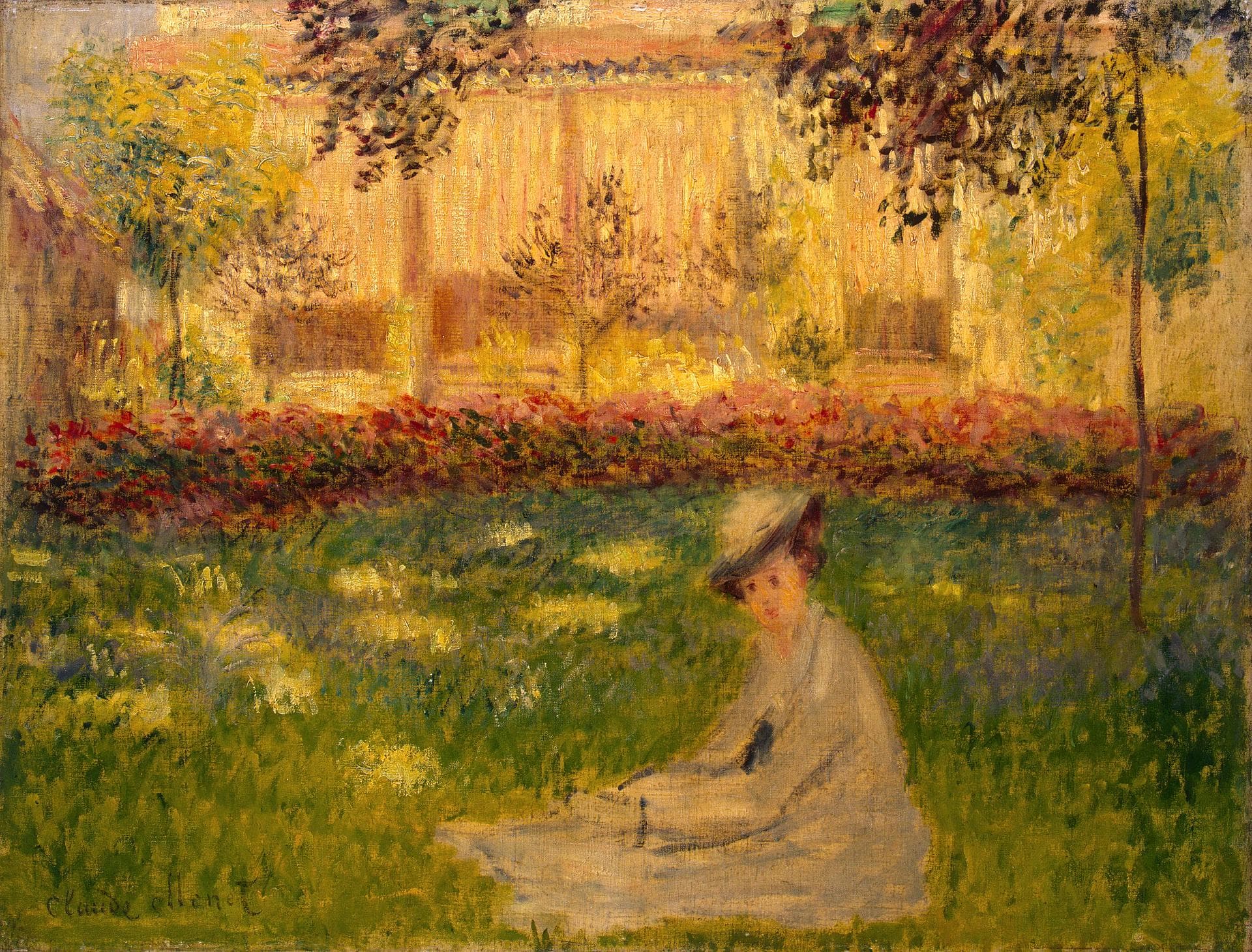
Woman in the Garden
Claude Monet · 1876
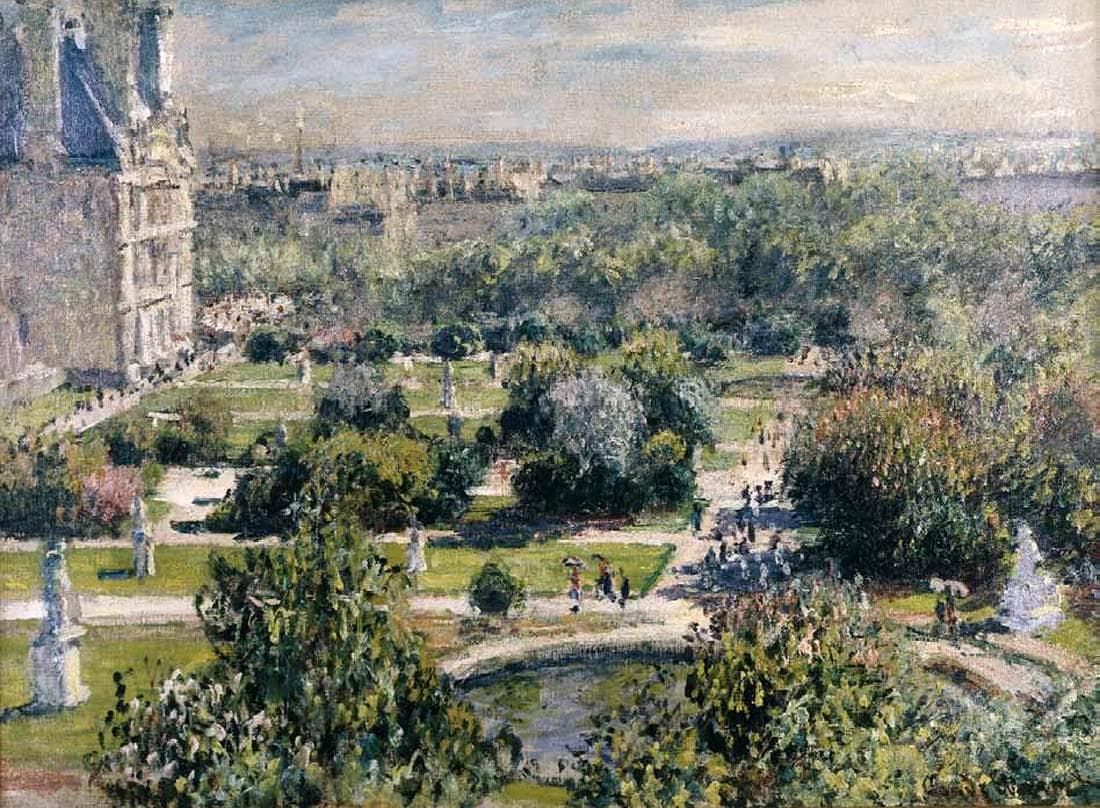
The Tuileries
Claude Monet · 1876
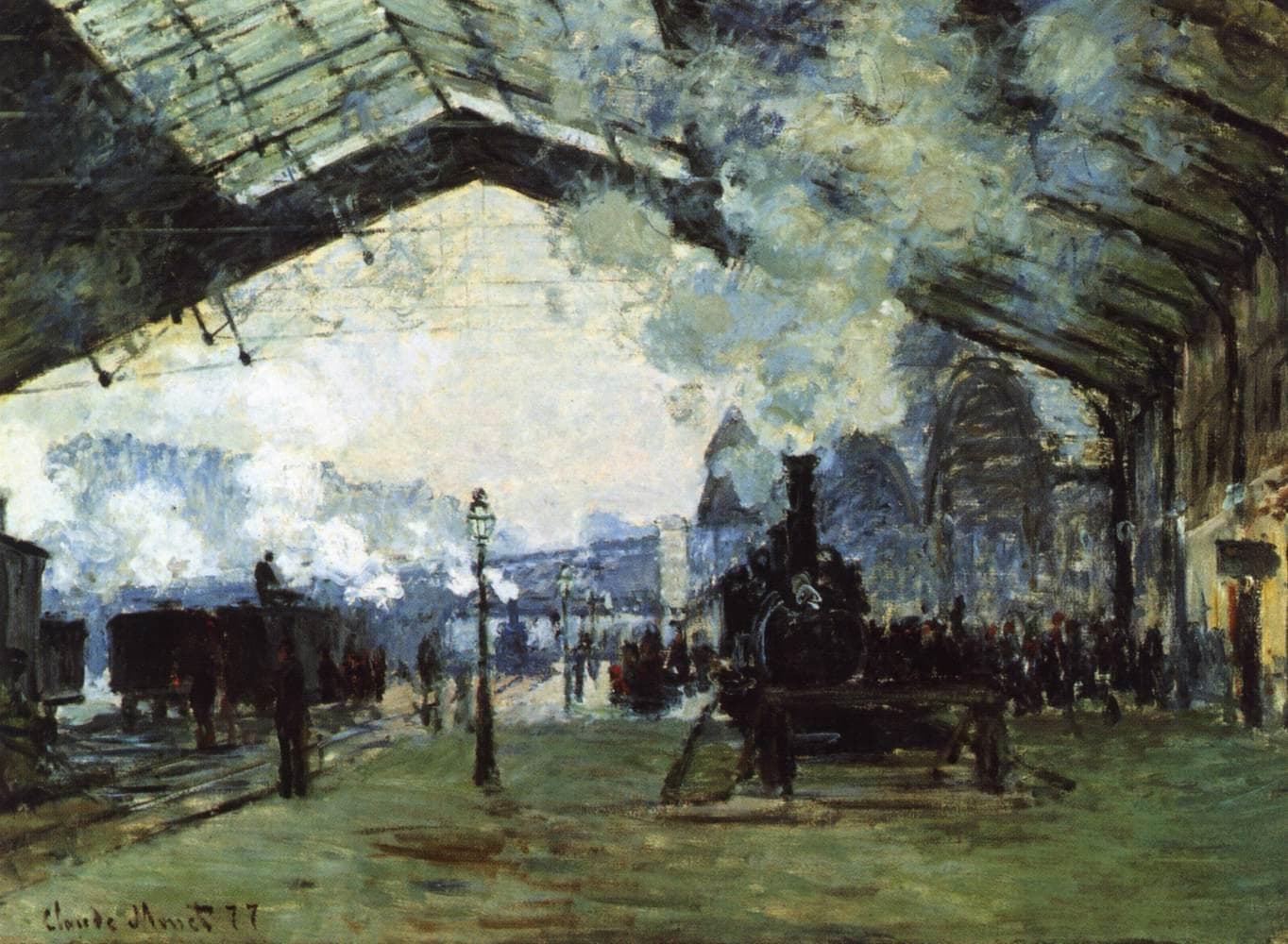
Gare Saint-Lazare: the Train from Normandy
Claude Monet · 1877
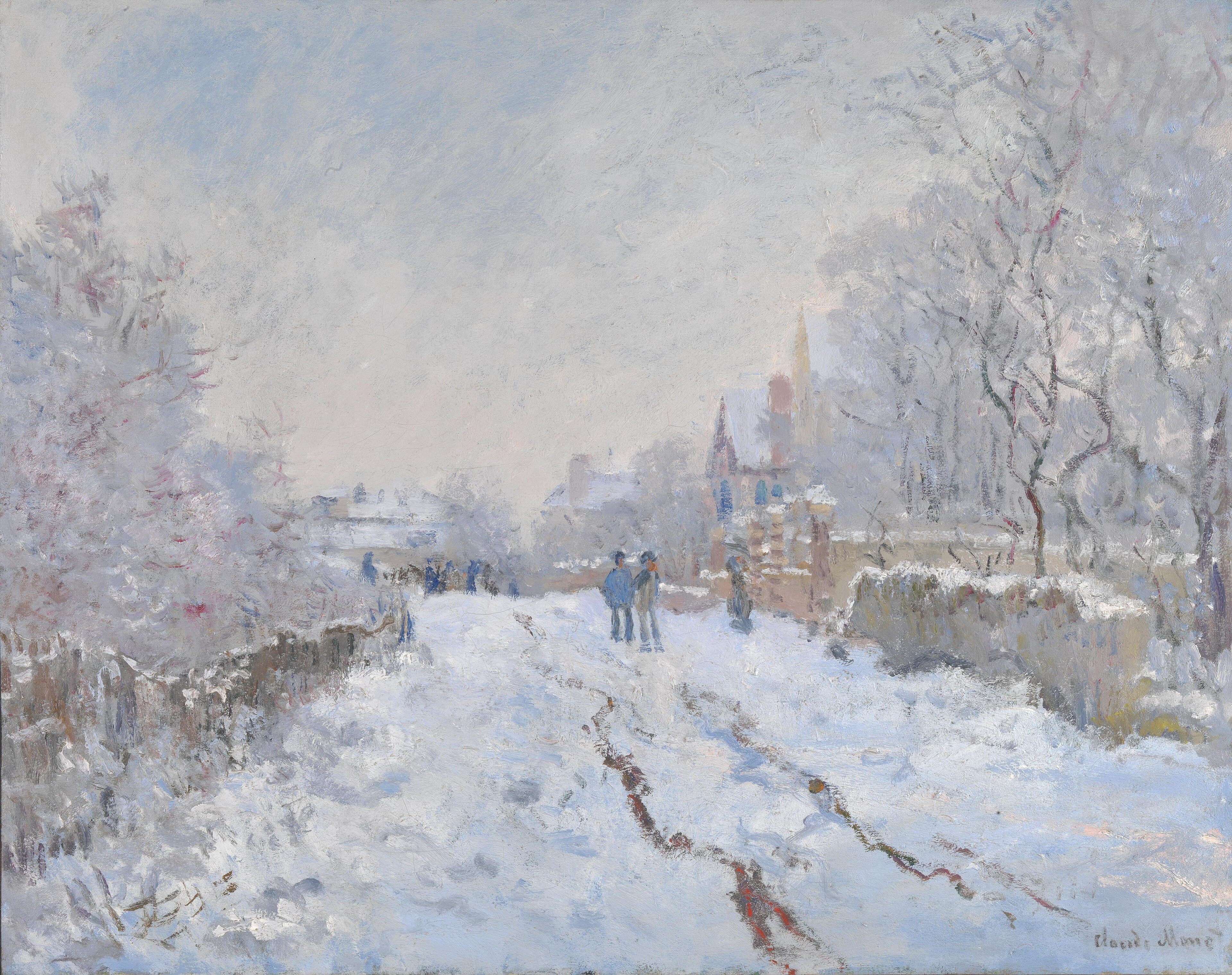
Snow Scene at Argenteuil
Claude Monet · 1875
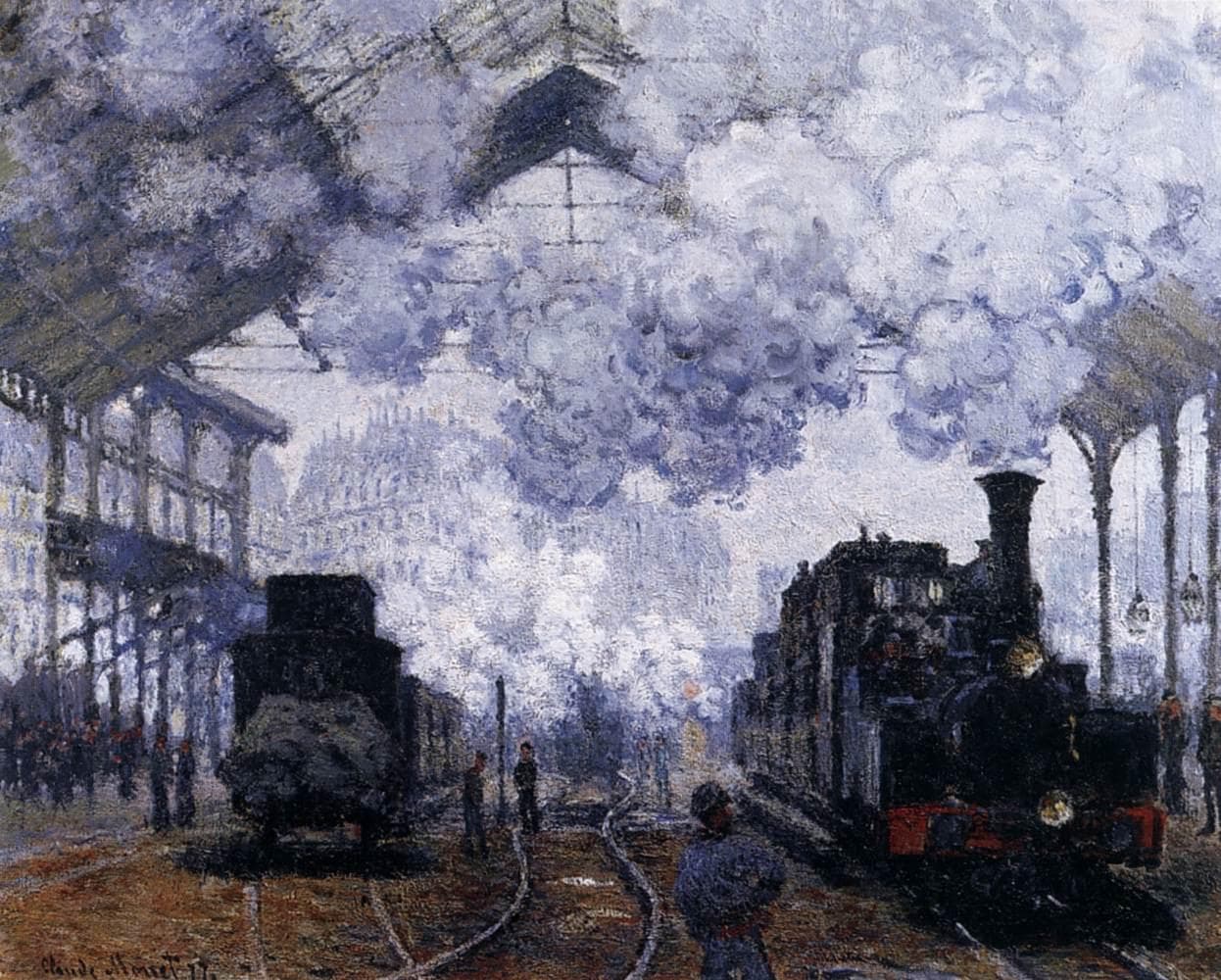
The Gare Saint-Lazare: Arrival of a Train
Claude Monet · 1877
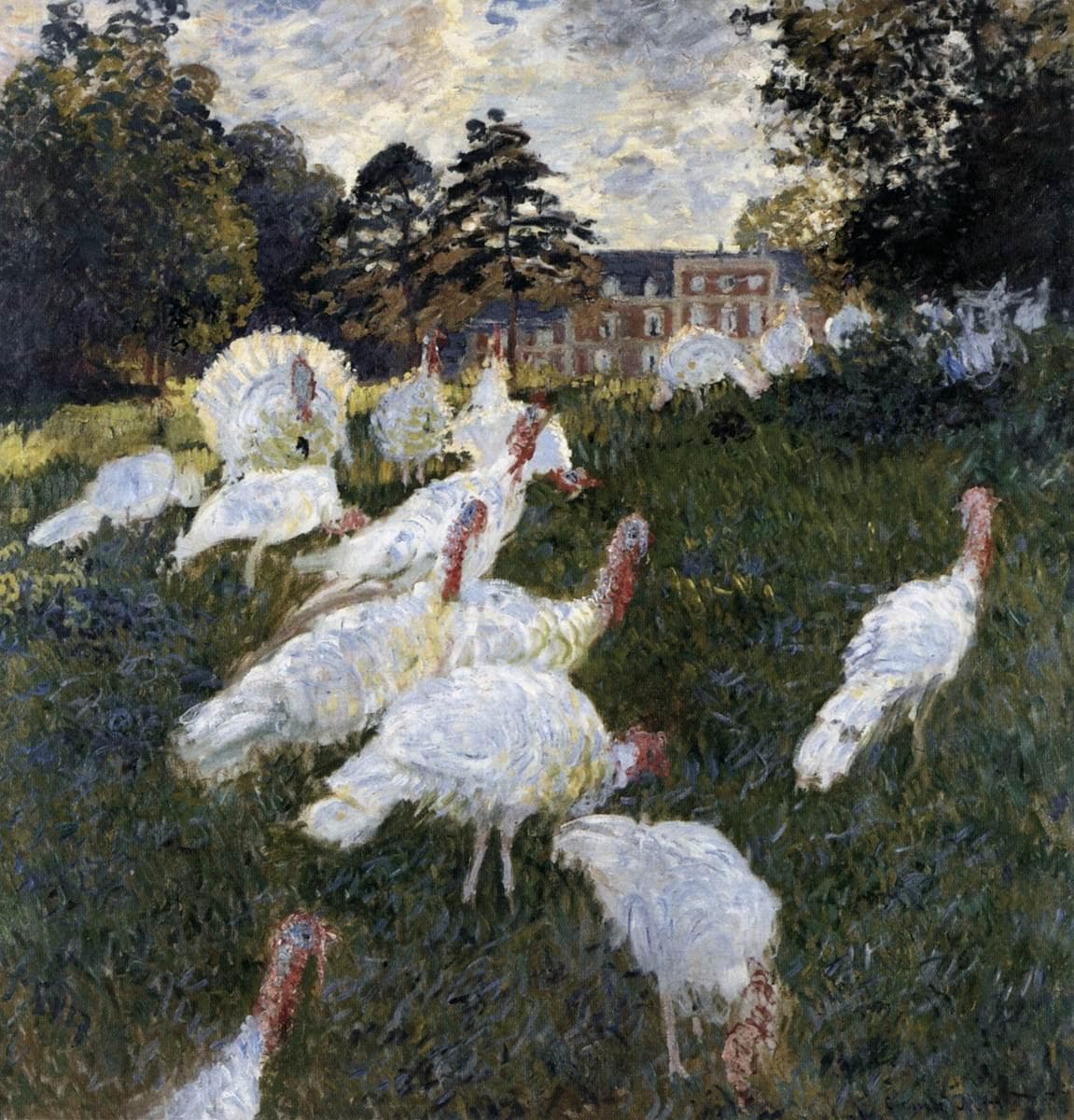
The Turkeys
Claude Monet · 1877
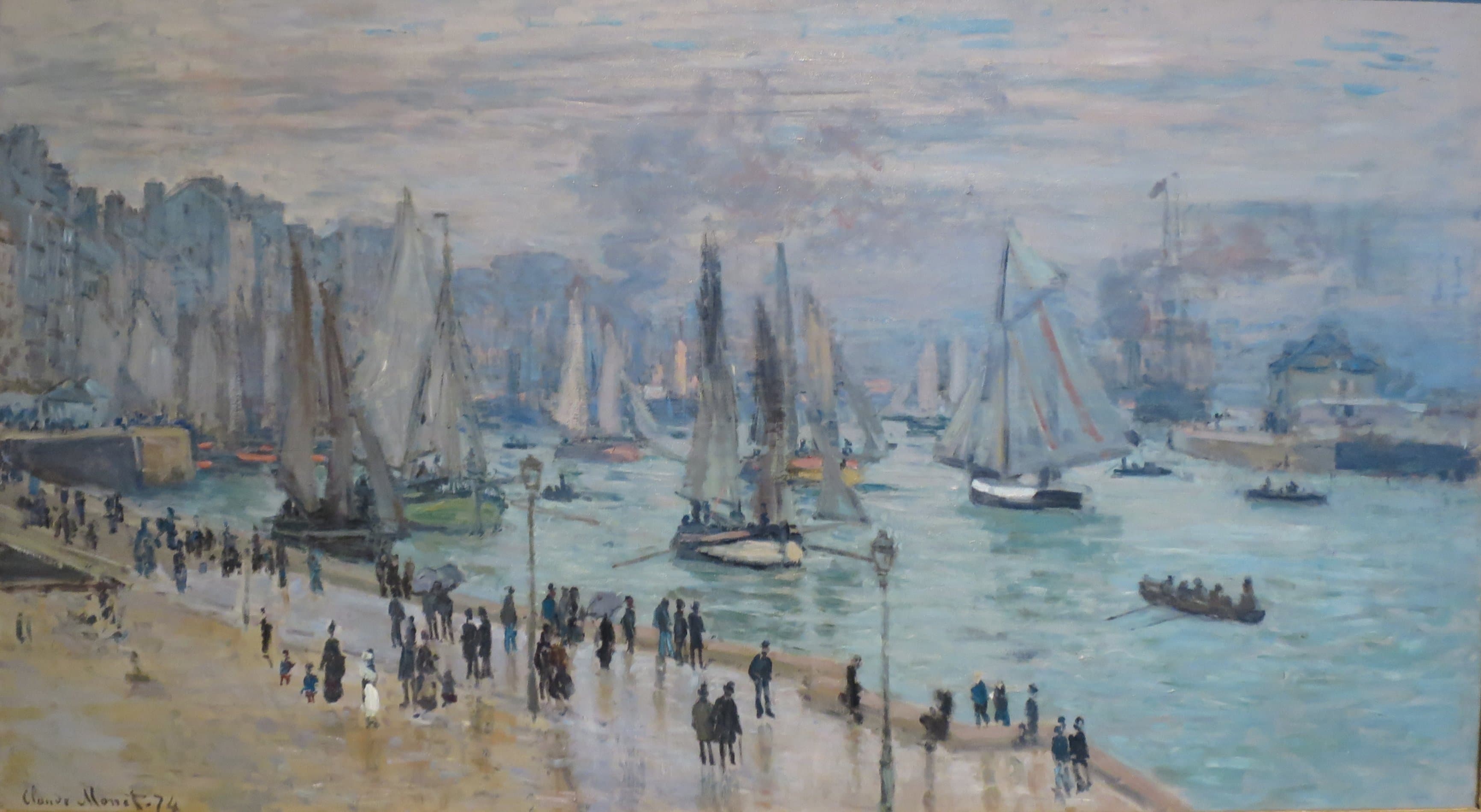
Fishing Boats Leaving the Harbor, Le Havre
Claude Monet · 1874
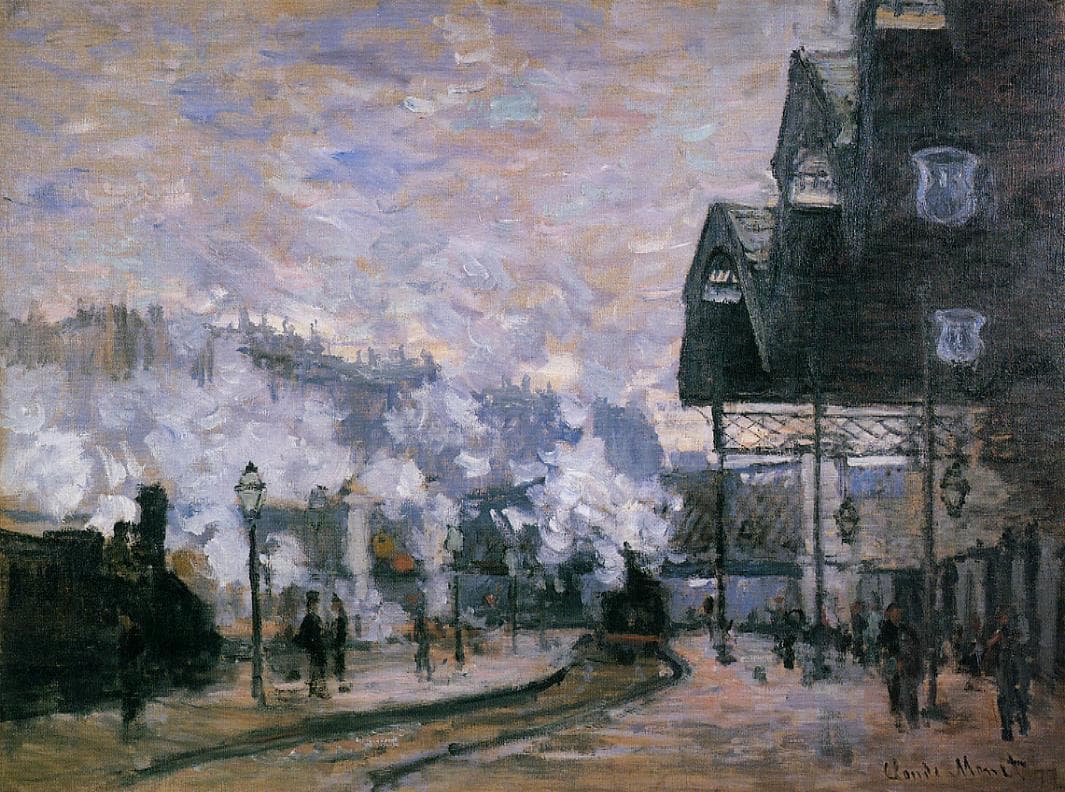
Saint-Lazare Station, the Western Region Goods Sheds
Claude Monet · 1877
Also painted in 1876
The same year
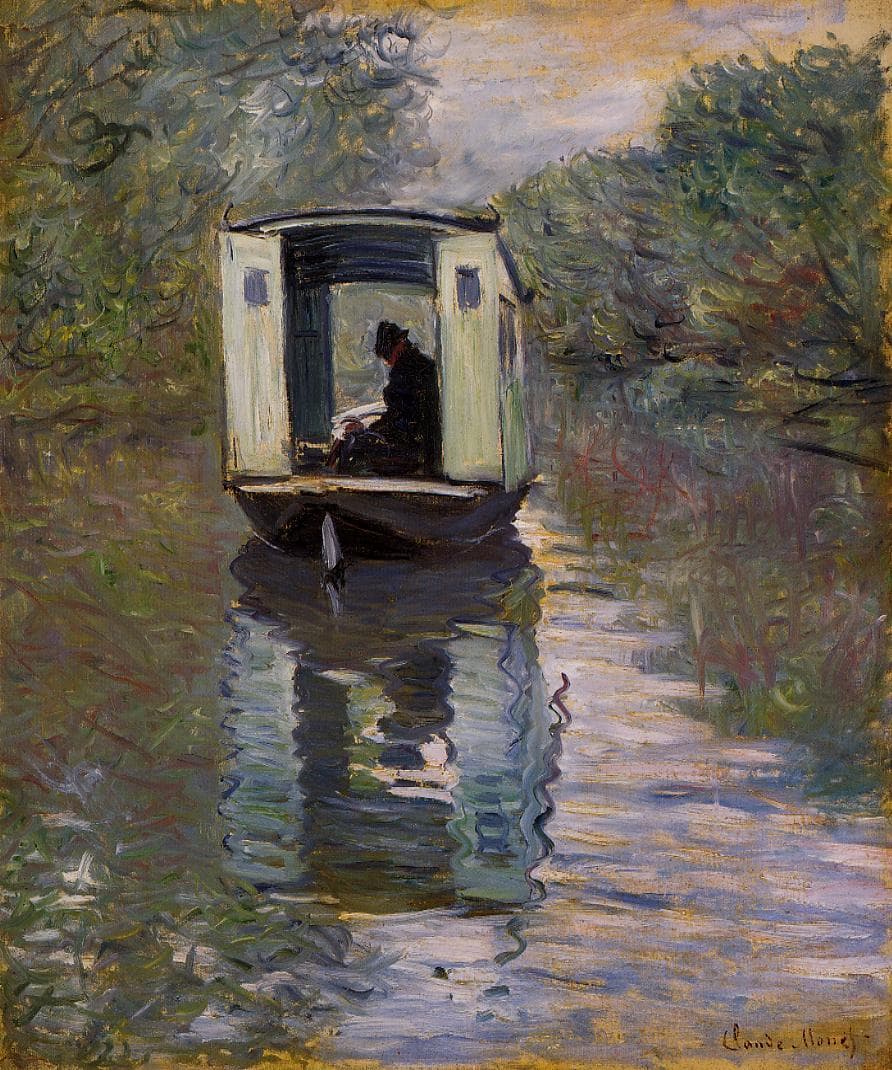
The Studio Boat (Le Bateau-atelier)
Claude Monet · 1876
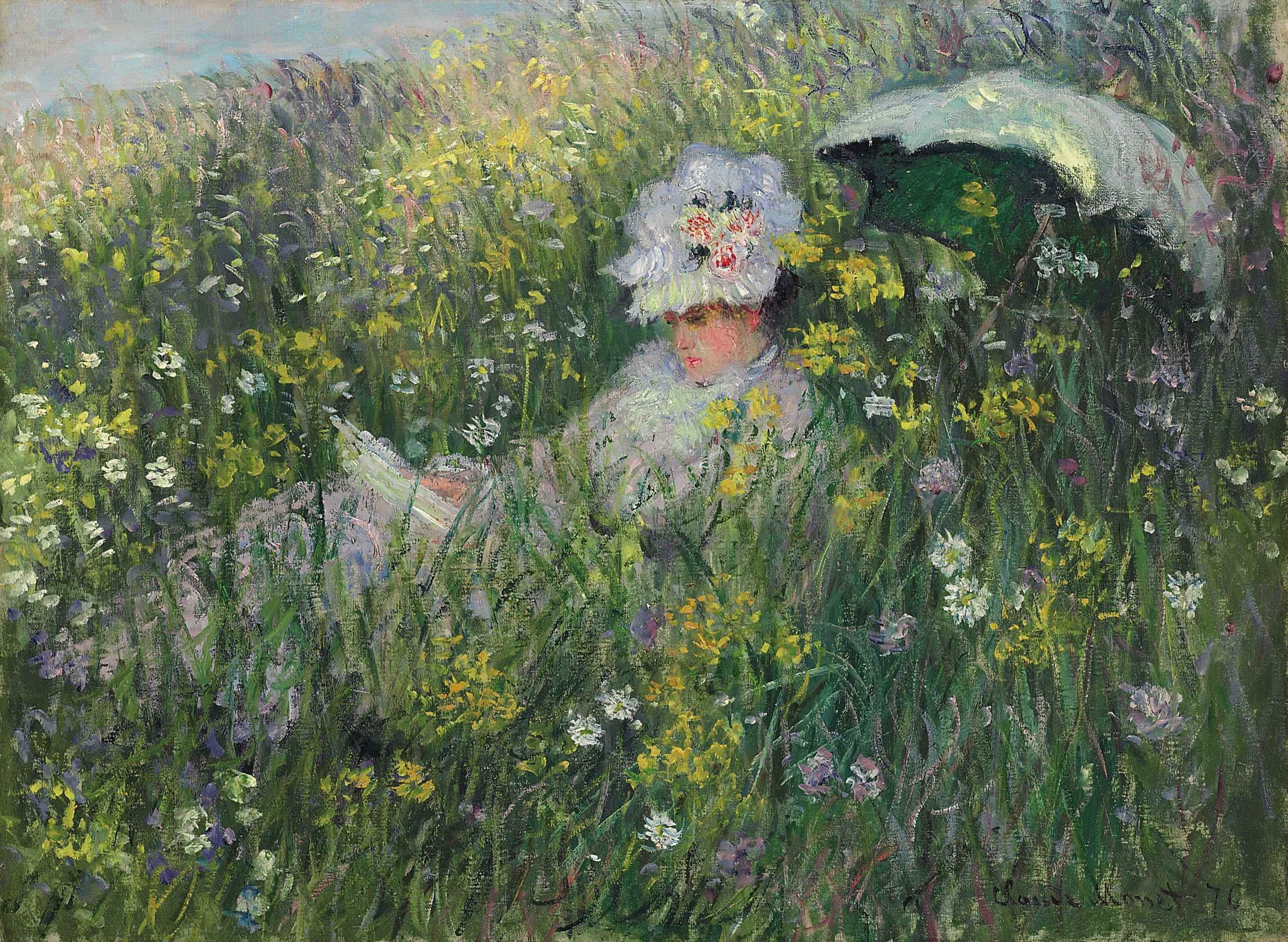
In the Meadow (Dans la prairie)
Claude Monet · 1876
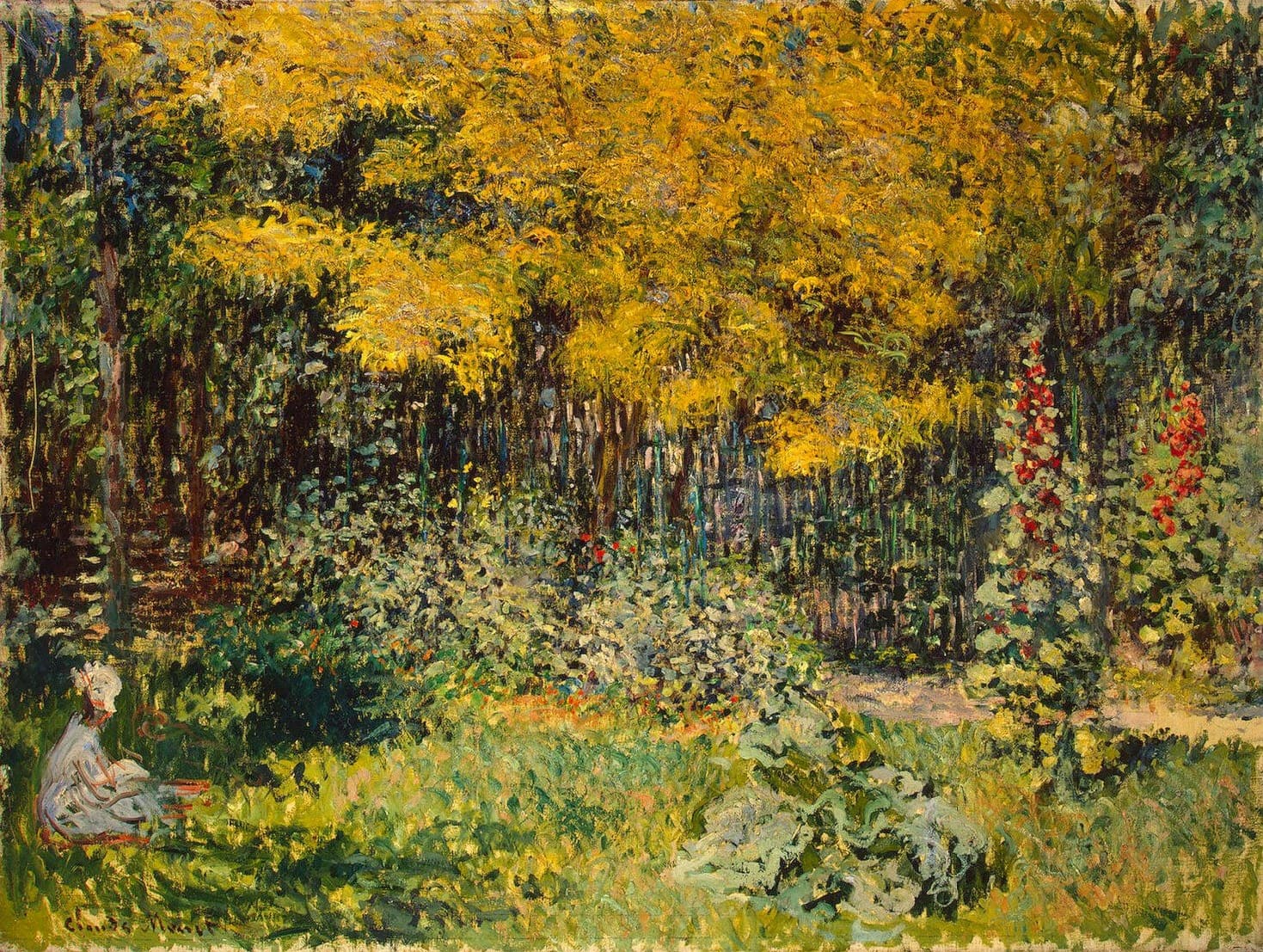
The Garden (Argenteuil, 1876)
Claude Monet · 1876
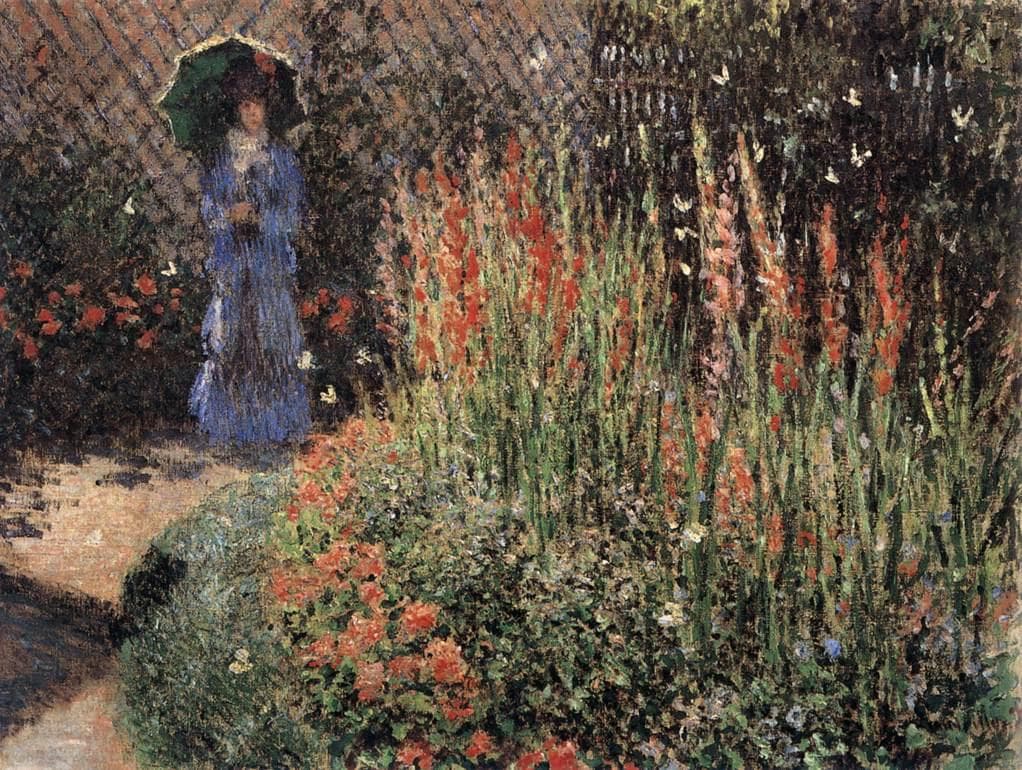
The Gladioli
Claude Monet · c. 1876
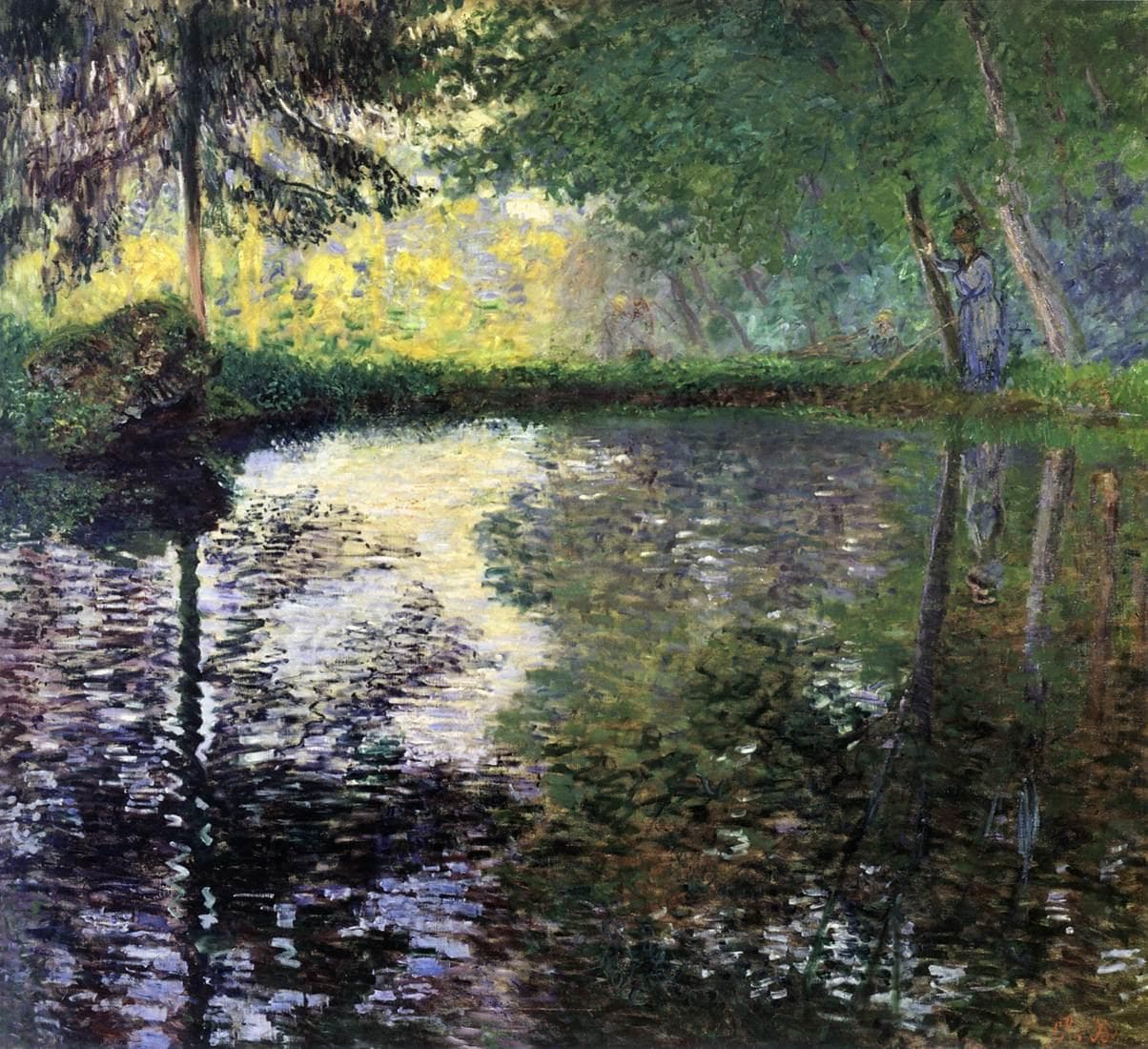
The Pond at Montgeron
Claude Monet · 1876–77
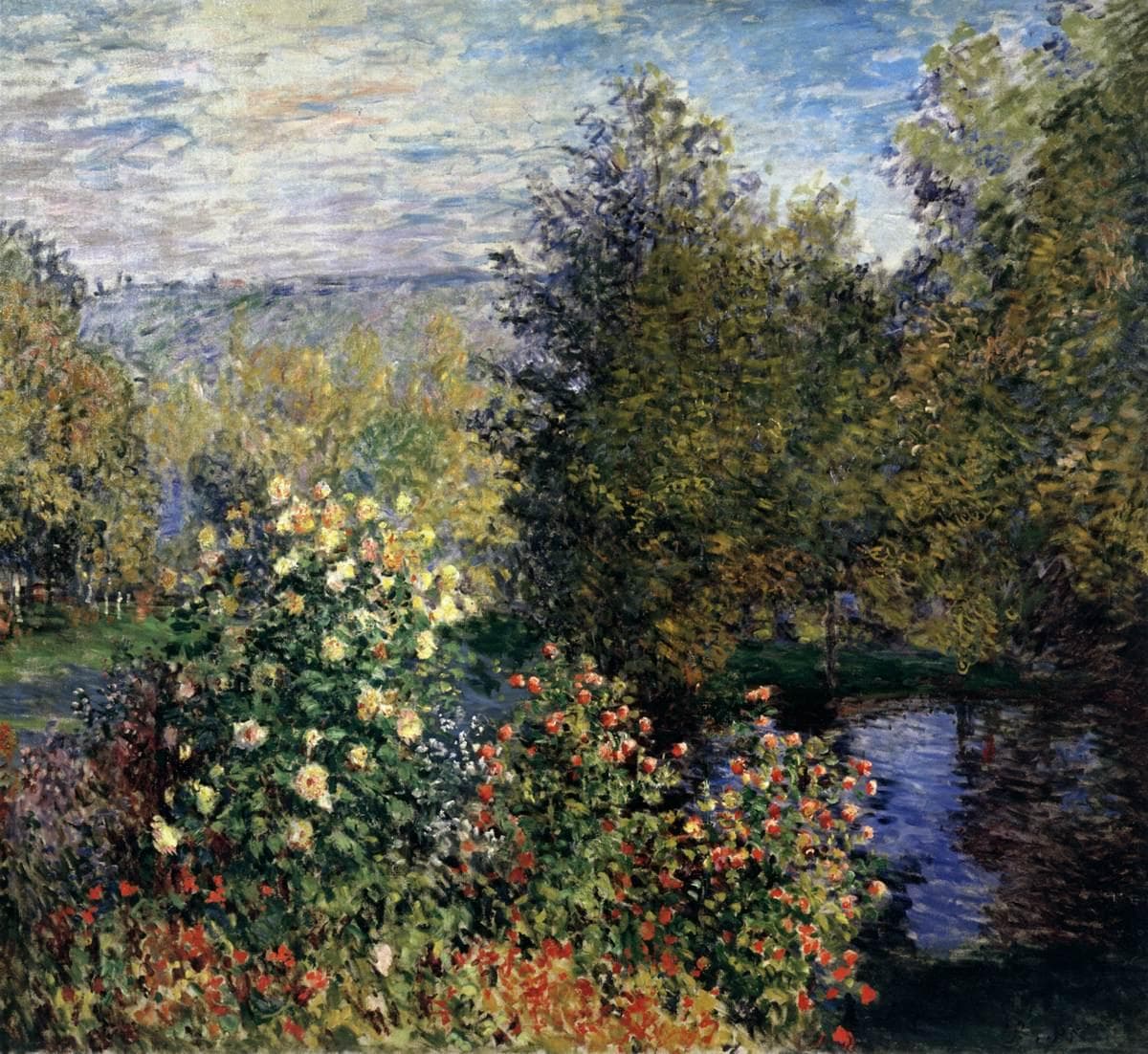
Corner of the Garden at Montgeron
Claude Monet · 1876–77
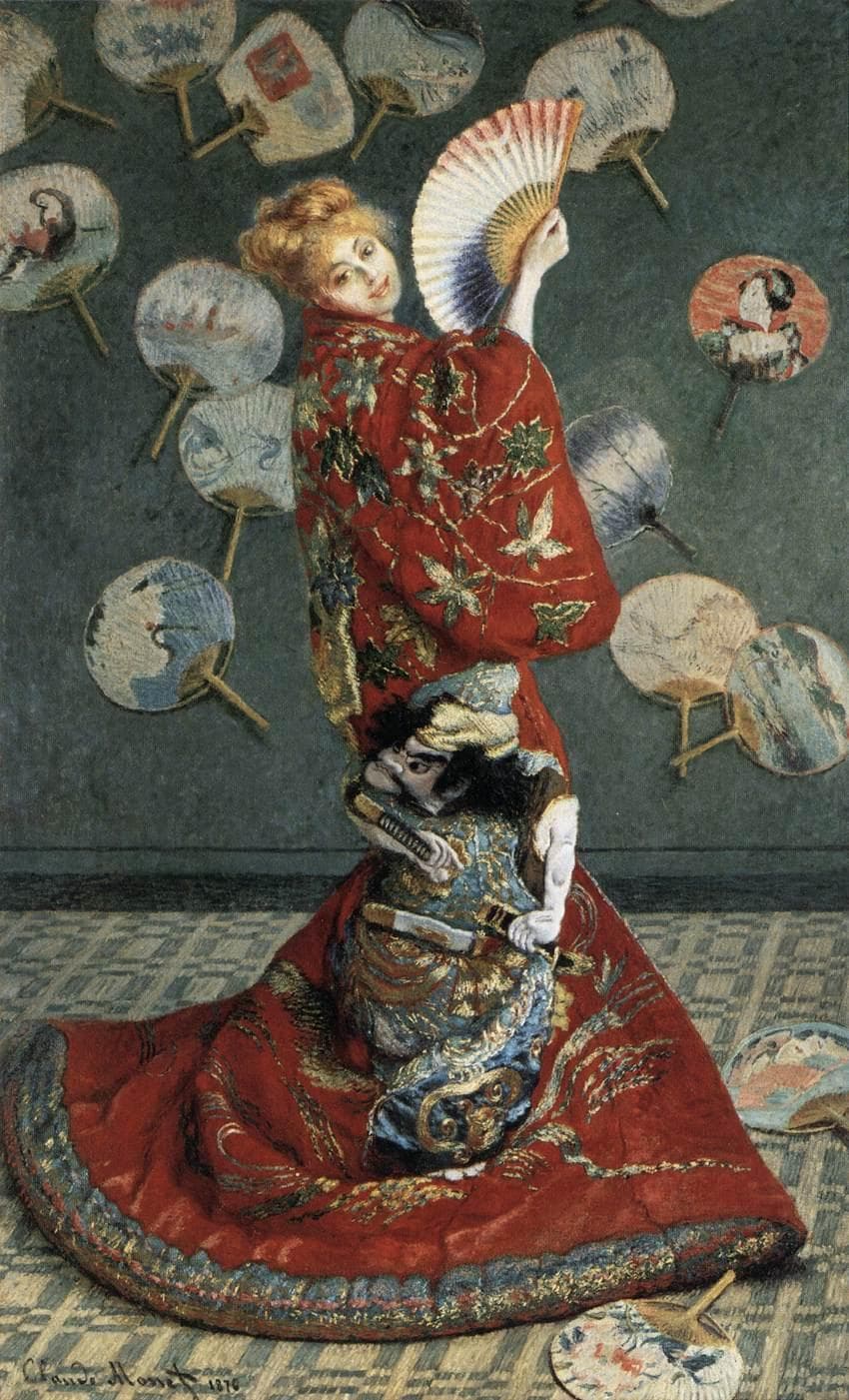
La Japonaise (Camille Monet in Japanese Costume)
Claude Monet · 1876
Kindred works
You may also study
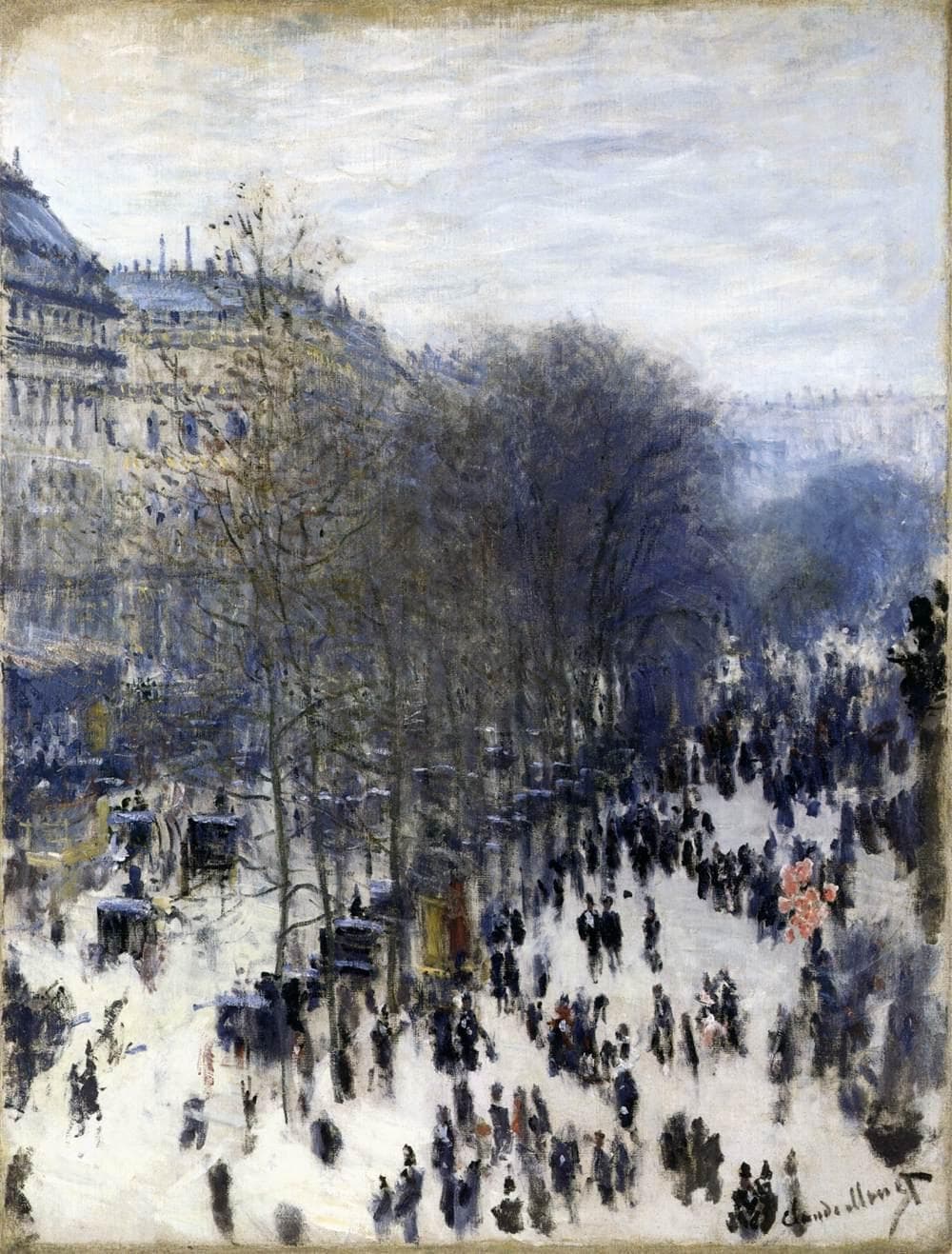
Boulevard des Capucines
Claude Monet · 1873–74
A Corner of the Apartment
Claude Monet · 1875
Walk near Argenteuil
Claude Monet · 1875
The Railway Bridge at Argenteuil
Claude Monet · c. 1873–74

The Seine at Asnières (Hermitage)
Claude Monet · 1873
The Parc Monceau
Claude Monet · 1878
The Seine at Rouen
Claude Monet · 1872
Train in the Snow (The Locomotive)
Claude Monet · 1875