Image: State Hermitage Museum; reproduction via Wikimedia Commons · Public domain · via Wikimedia Commons
The Garden (Argenteuil, 1876)
Claude Monet, 1876
The Garden is an 1876 painting by Claude Monet of his garden at Argenteuil: a sunlit lawn, red hollyhocks and a golden-leaved tree, with Camille seated small in a corner. It is in the State Hermitage Museum, Saint Petersburg.
- Artist
- Claude Monet
- Date
- 1876
- Medium
- Oil on canvas
- Dimensions
- 75.5 × 100.5 cm
- Collection
- State Hermitage Museum, Saint Petersburg, Russia
- Movement
- Impressionism
- Catalogue
- Wildenstein 411
- Nature & Landscape
- Women in Art
The Garden (Сад) is a painting by Claude Monet of the small garden of his house at Argenteuil in 1876, filled with sunlight and summer growth, with his wife Camille seated almost unnoticed in the lower left corner. Catalogued by Wildenstein as no. 411, it is in the State Hermitage Museum in Saint Petersburg (inventory ГЭ-10616). It is one of the least known of Monet's Argenteuil garden pictures, and one of the most enclosed.
What you're looking at
There is no sky. The whole canvas is garden, closed off at the back by a dark wooden paling fence and a wall of young trees. The upper half is dominated by a broad canopy of foliage struck by the sun, painted in thick, loose strokes of yellow, gold and ocher over darker green, so that it seems to blaze. Beneath it the shaded background is built from thin vertical strokes in cool blue-green and violet, with slivers of light between the trunks.
At the right, two tall stems of red hollyhocks (or mallows) rise as vertical accents, their flowers small scarlet dabs. A path runs off to the right behind them. In front, a sunlit lawn spreads across the lower third in warm yellow-green horizontal strokes, with a low clump of silvery blue-green leaves near the center, perhaps cabbages or ornamental plants. In the lower left corner, in the shade, Camille sits on the grass in a pale gray-white dress and a white hat, her head bent, possibly sewing or reading. The signature is at lower left.
Where and when it was painted
Monet lived at Argenteuil, on the Seine northwest of Paris, from late 1871 to early 1878; from 1874 the family rented a house near the station with its own garden, which he painted many times. 1876 was a year of financial difficulty but also of intense work out of doors, the year of Dans la prairie, with Camille reading in a meadow, and of the decorative commissions for Ernest Hoschedé at Montgeron. See Monet at Argenteuil.
How it was painted
The Russian description of the picture notes the contrast between the warm, horizontal strokes of the sunlit foreground and the thin, vertical, cool strokes of the shaded trees behind. Monet uses that contrast of direction and temperature to separate the planes without any linear perspective. The yellow canopy is laid on thickly in short, curving dabs that suggest moving leaves.
How it compares
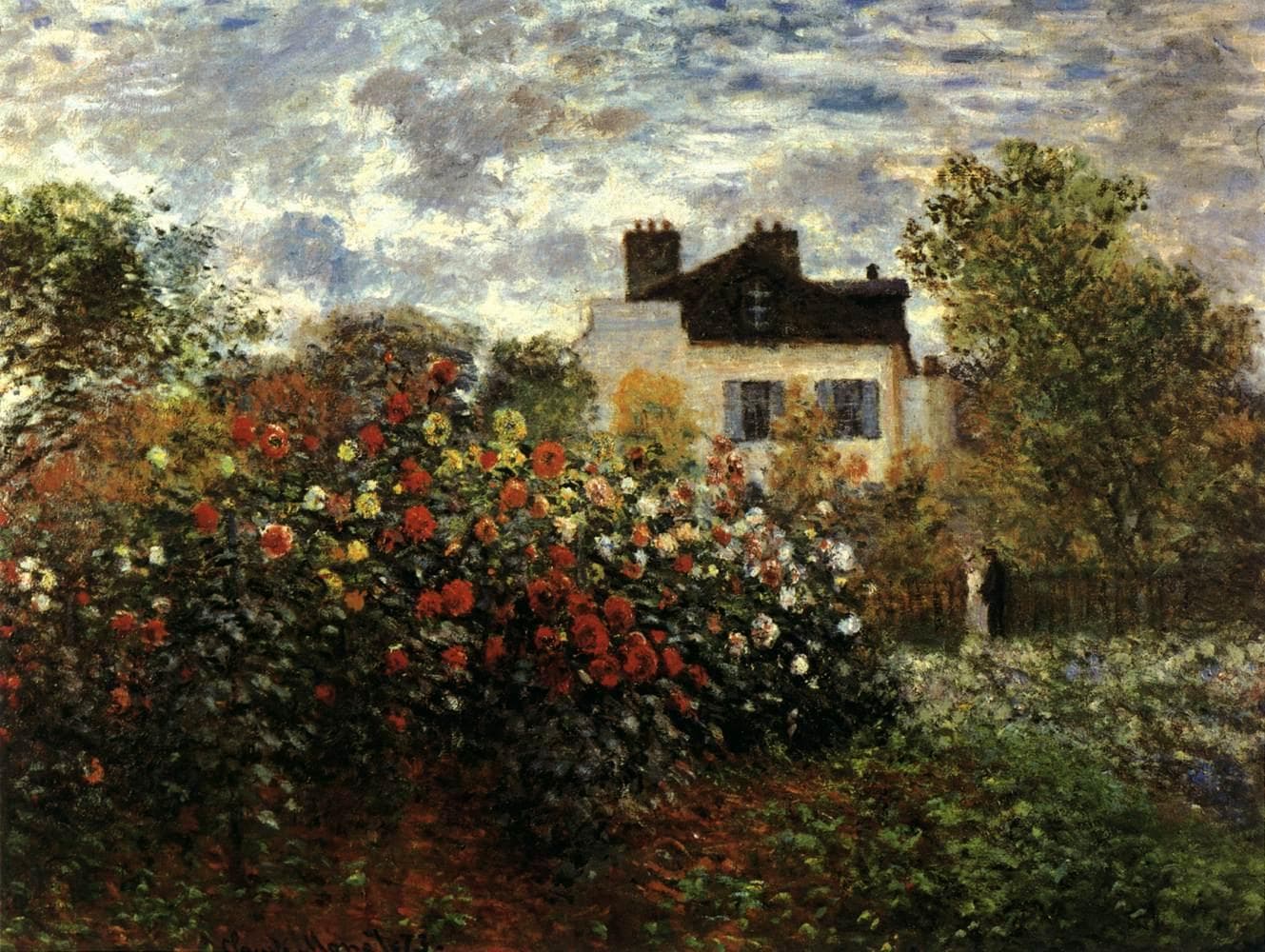
Monet's earlier Argenteuil garden pictures, such as The Artist's Garden in Argenteuil with its dahlias, or Camille Monet on a Garden Bench, open up to a sky and give the figures more presence. Here the garden is a closed room of foliage and Camille is reduced to a small pale shape, an approach closer to the decorative panels he was about to paint for Hoschedé, among them Corner of the Garden at Montgeron, also in the Hermitage. For a garden of his own on a grand scale, see Giverny.
A garden painter before Giverny
Monet is now so closely identified with Giverny that it is easy to forget how long he had been painting gardens before he moved there in 1883. At Sainte-Adresse in the 1860s, at Argenteuil in the 1870s and at Vétheuil around 1880, he planted flowers wherever he lived and painted them. This canvas, with its hollyhocks and sunlit lawn, shows the same pleasure in growing things that would later shape the water garden.
Where to see it
The painting is in the State Hermitage Museum in Saint Petersburg, which holds one of the major groups of Monet's paintings outside France, mostly from the collections of Sergei Shchukin and Ivan Morozov. How and when this particular canvas entered the museum is not stated in the sources consulted. For other places to see Monet, see where to see Monet's paintings.
Questions & answers
Where is Monet's The Garden (1876)?
It is in the State Hermitage Museum in Saint Petersburg, Russia (inventory ГЭ-10616). Check the museum's website for whether it is currently displayed.
Where did Monet paint The Garden?
In the garden of his rented house at Argenteuil, on the Seine northwest of Paris, where he lived from 1871 to 1878. It is dated 1876.
Who is the woman in the corner of The Garden?
She is Camille Monet, the artist's wife, sitting in the shade in the lower left corner in a pale dress and white hat.
What does The Garden show?
It shows an enclosed garden with no sky: a sunlit lawn, a canopy of golden foliage, red hollyhocks on the right, a dark fence and shaded trees behind, and Camille seated small at lower left.
More by the artist
Claude Monet
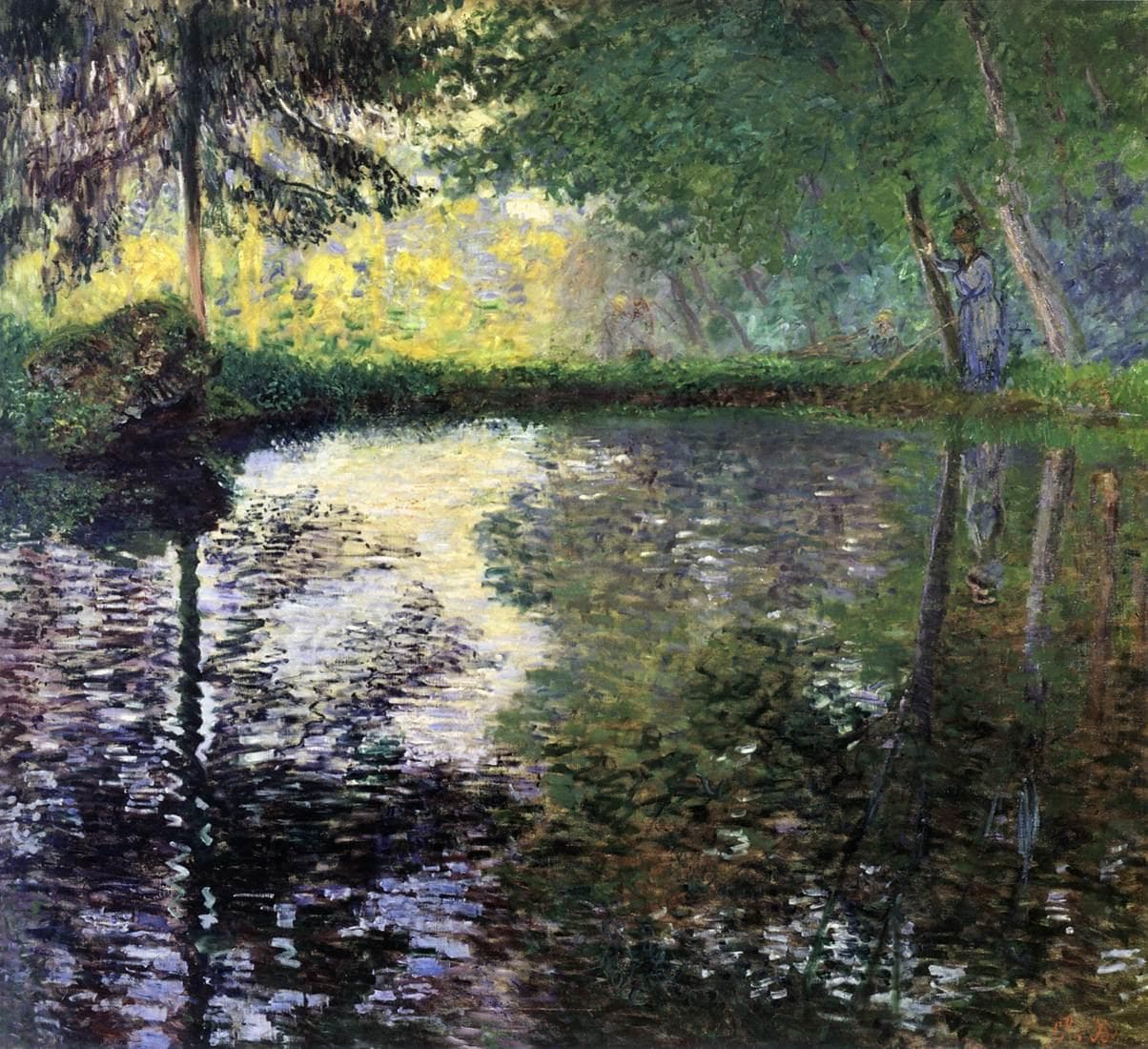
The Pond at Montgeron
Claude Monet · 1876–77
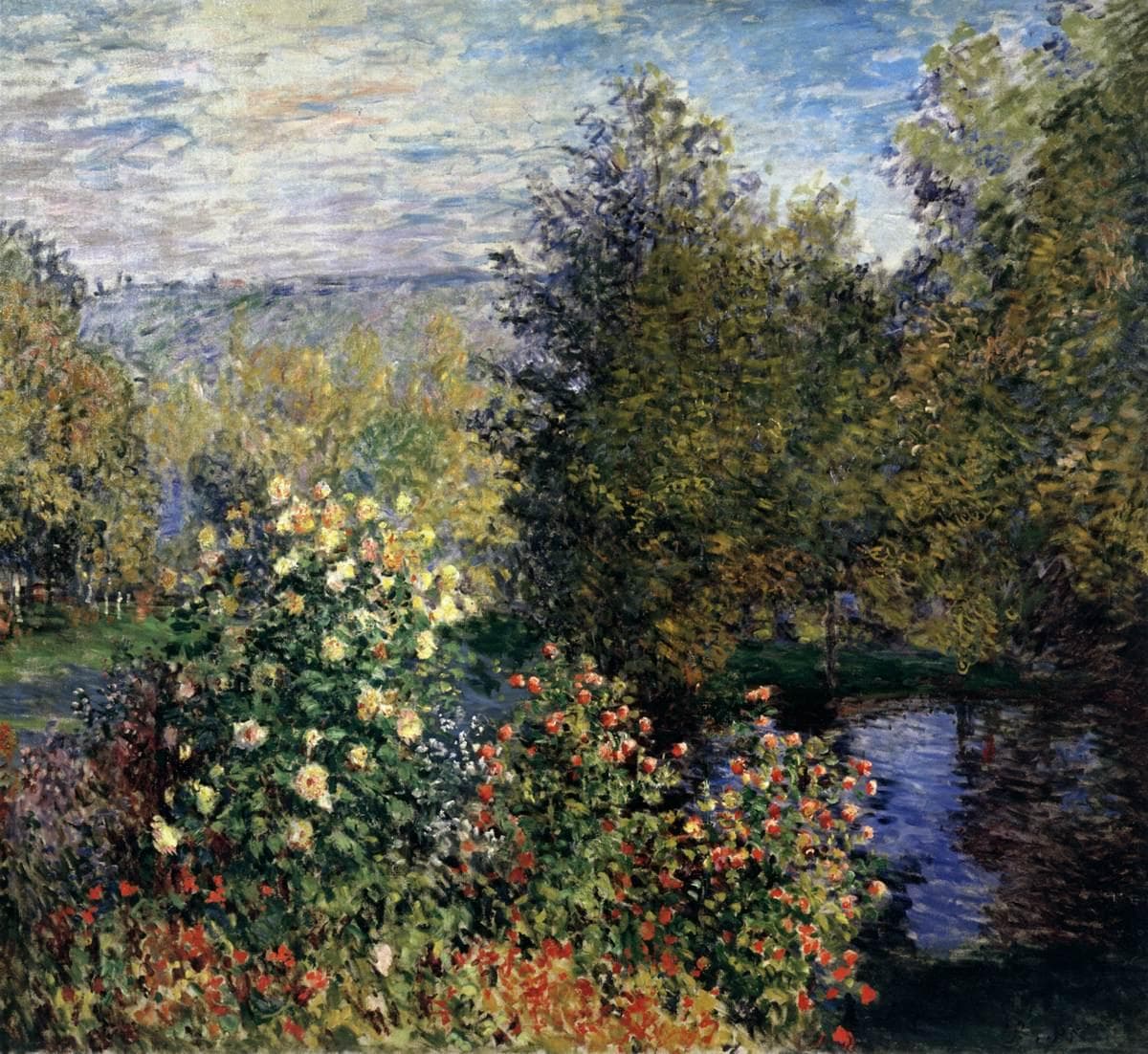
Corner of the Garden at Montgeron
Claude Monet · 1876–77
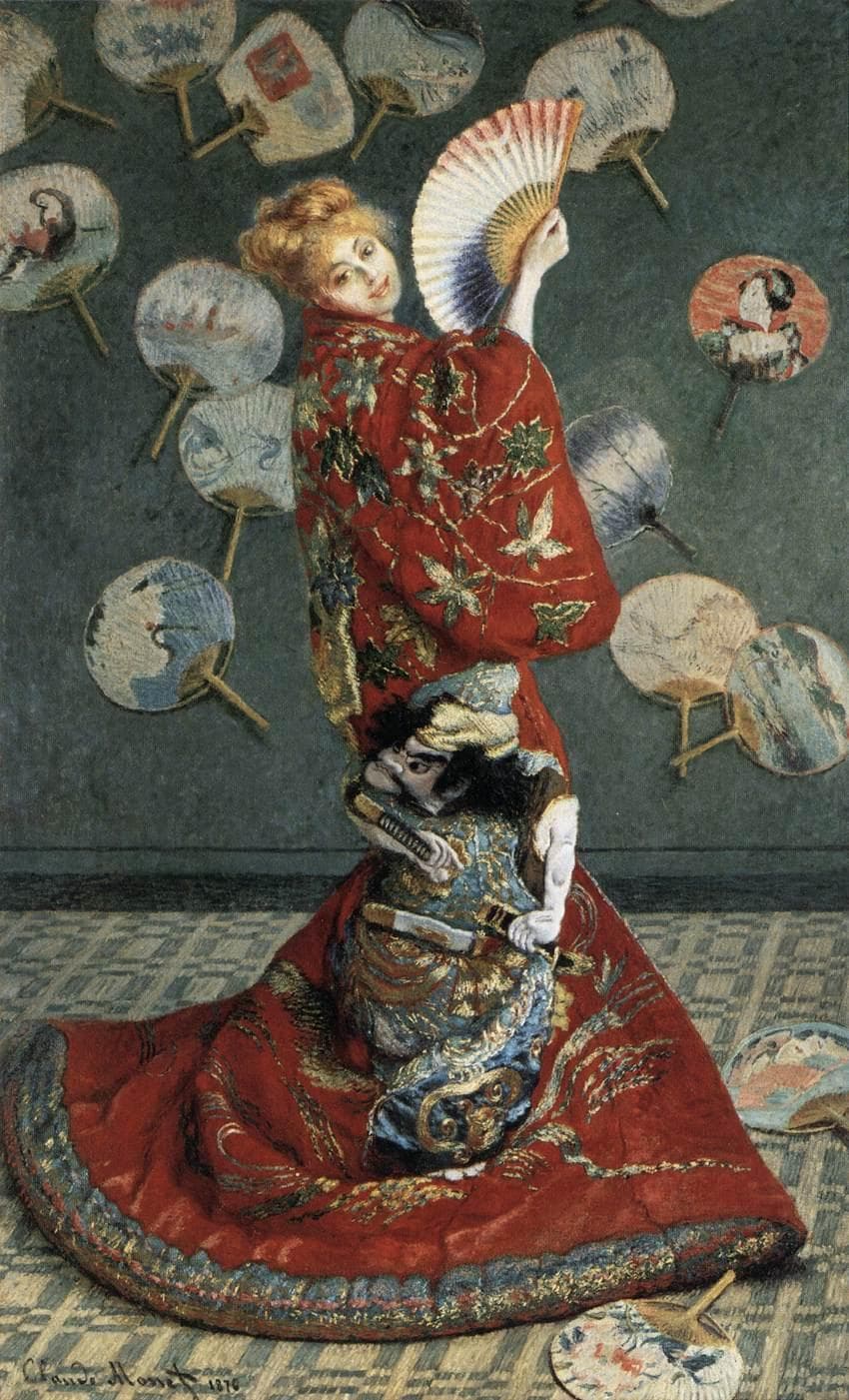
La Japonaise (Camille Monet in Japanese Costume)
Claude Monet · 1876
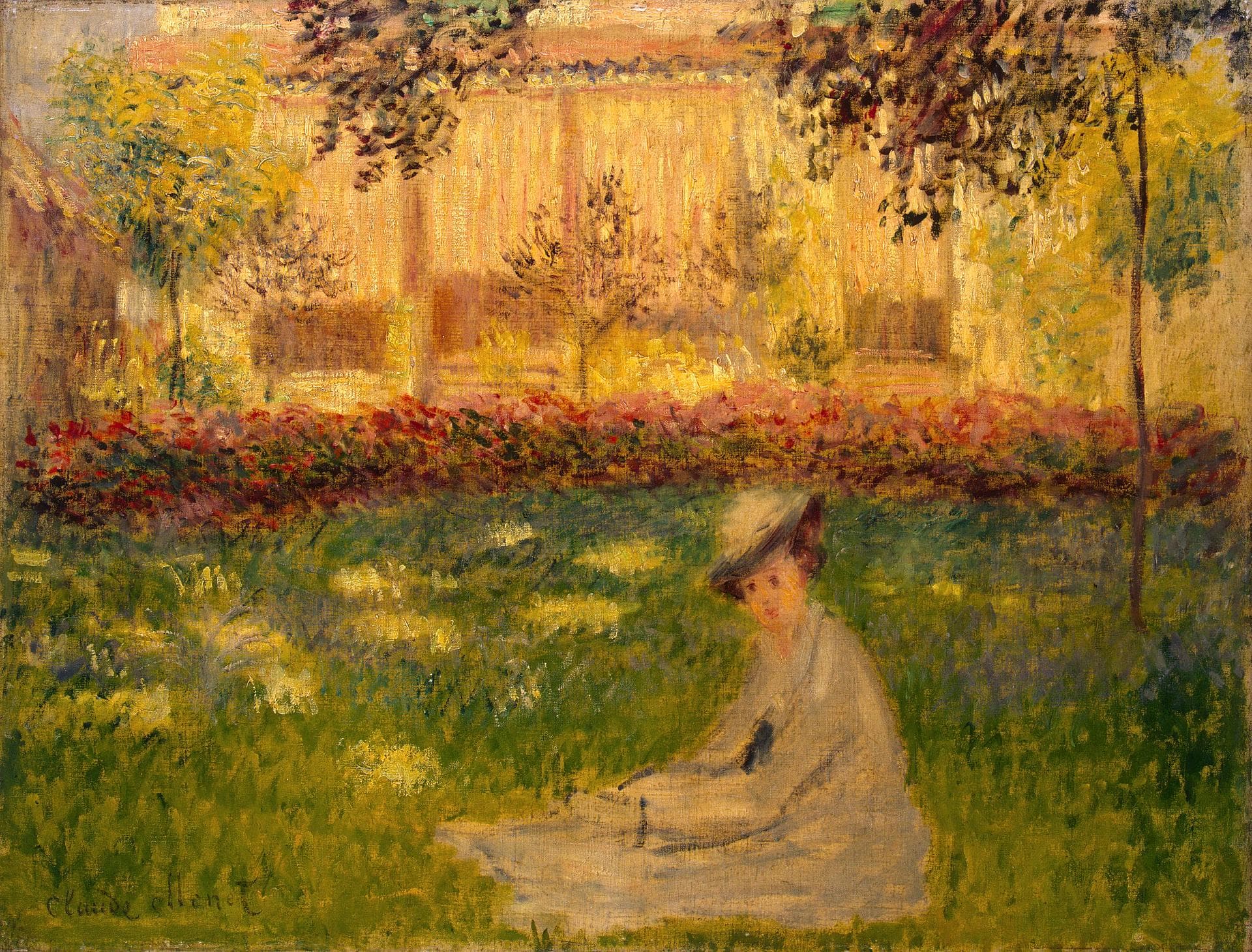
Woman in the Garden
Claude Monet · 1876
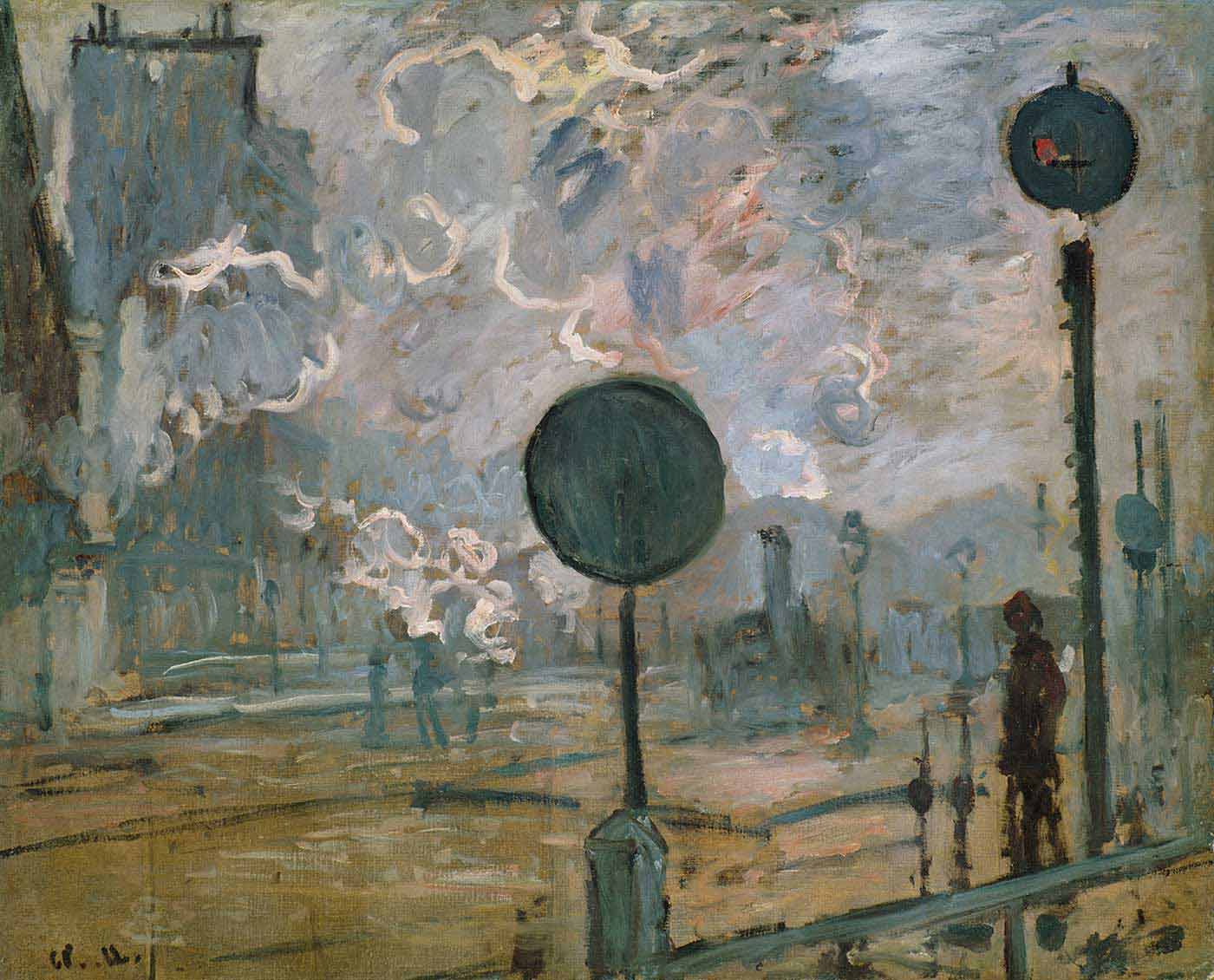
Exterior of Gare Saint-Lazare, The Signal
Claude Monet · 1877
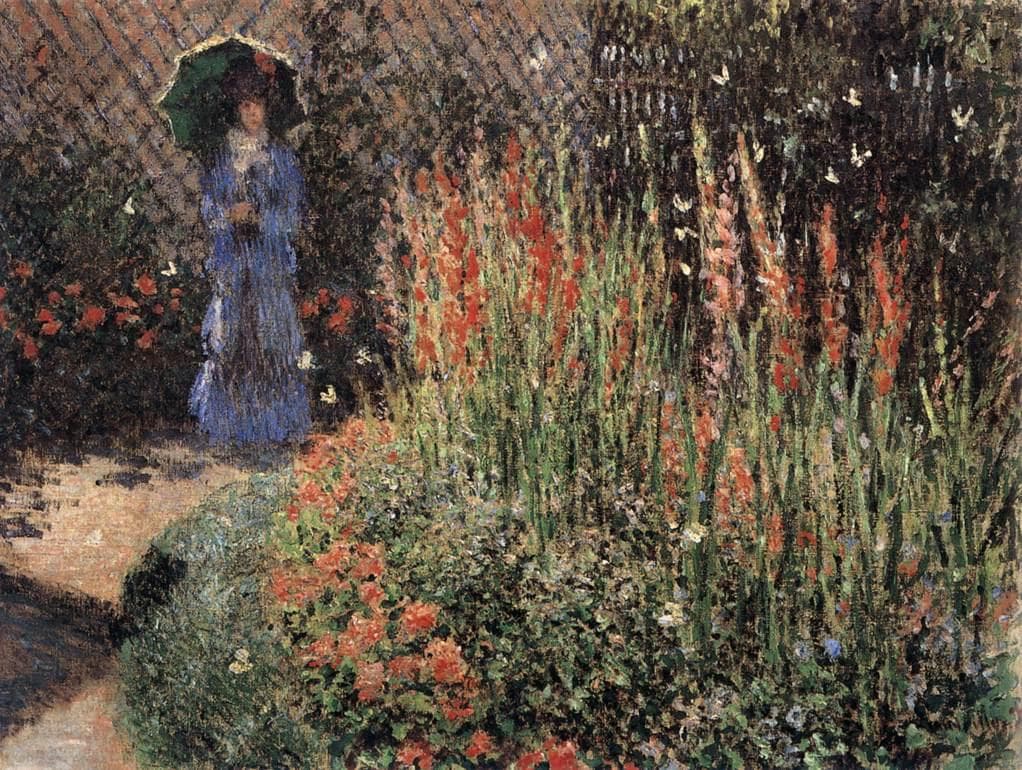
The Gladioli
Claude Monet · c. 1876
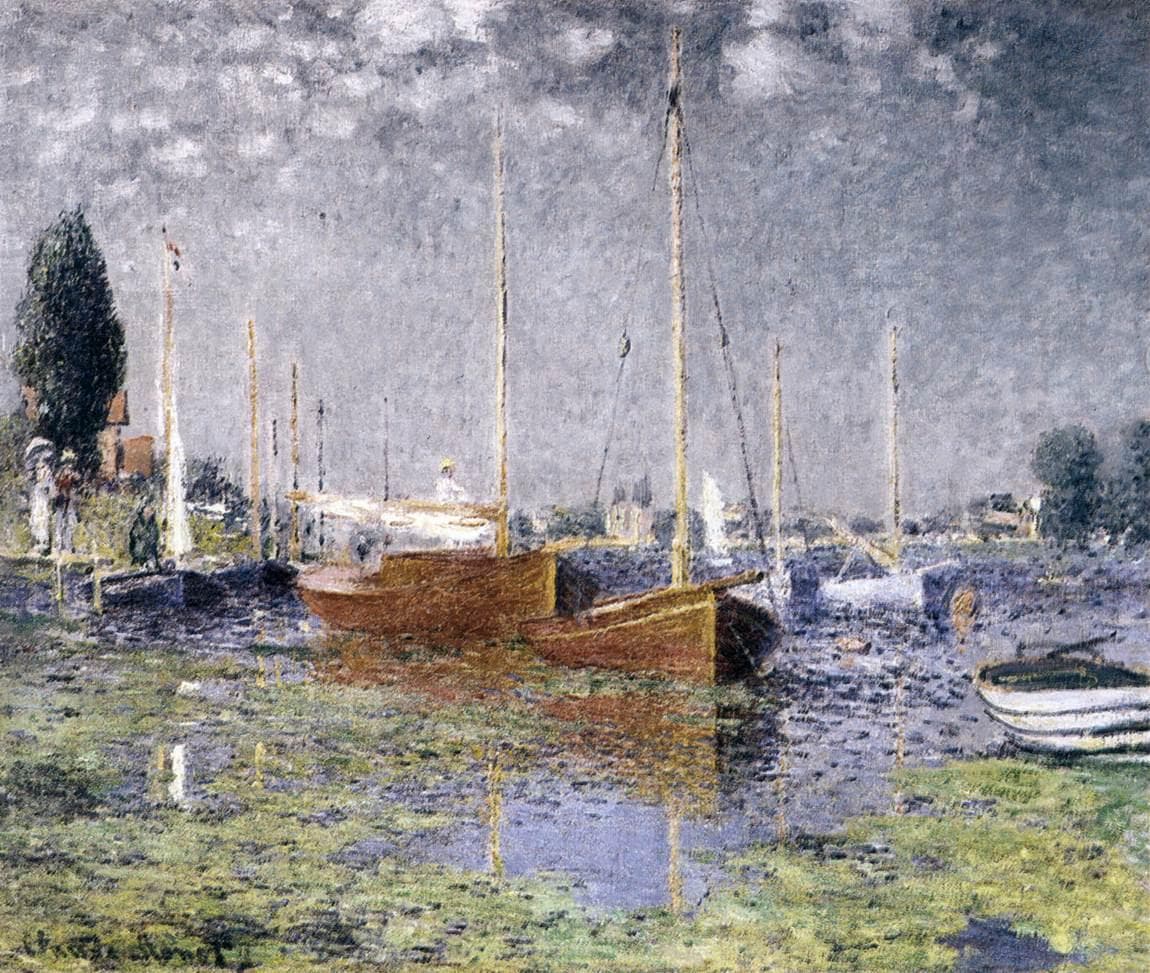
Red Boats at Argenteuil
Claude Monet · 1875
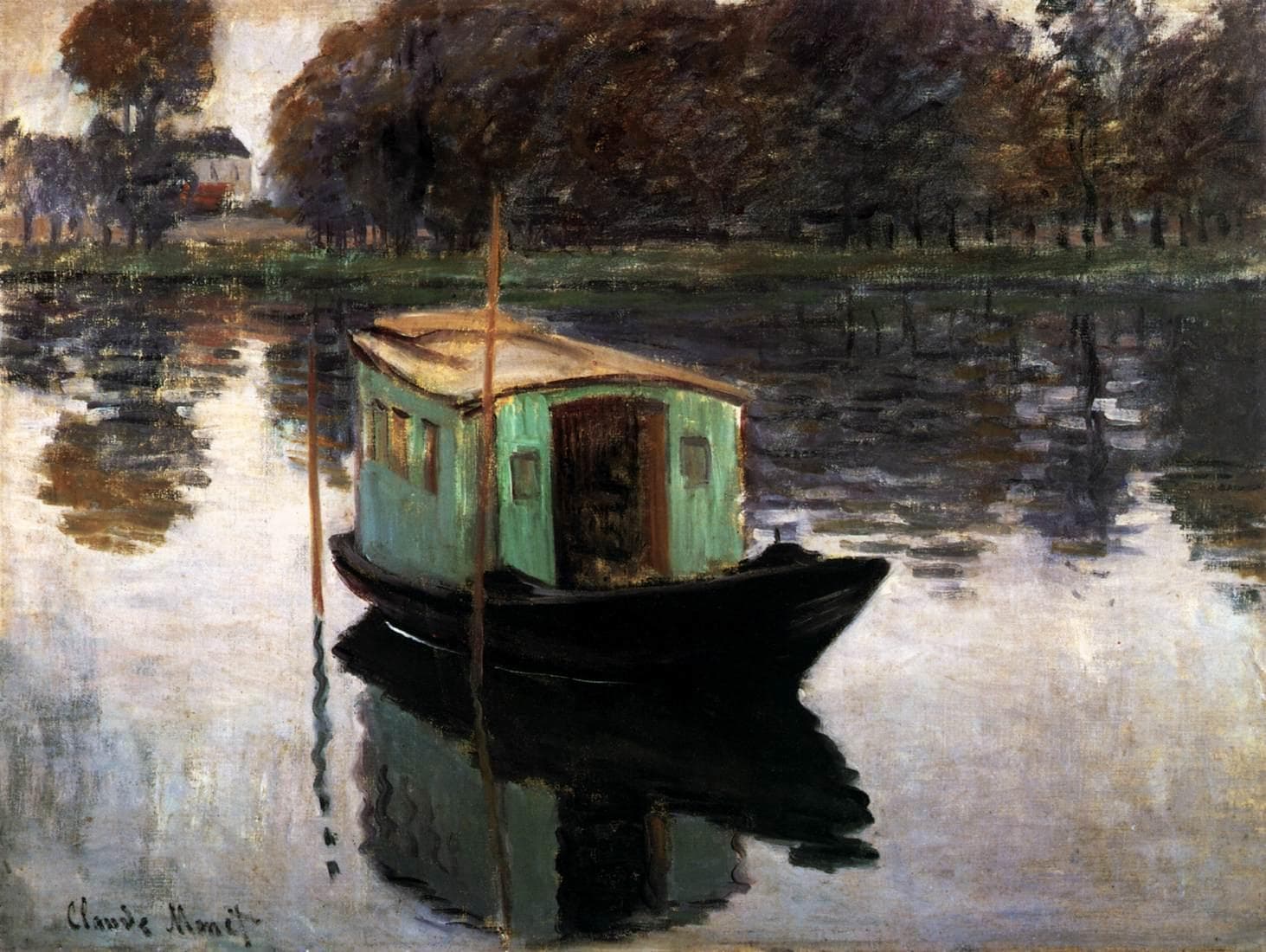
The Studio Boat
Claude Monet · 1874
Also painted in 1876
The same year
Kindred works
You may also study
The Artist's Garden in Argenteuil (A Corner of the Garden with Dahlias)
Claude Monet · 1873
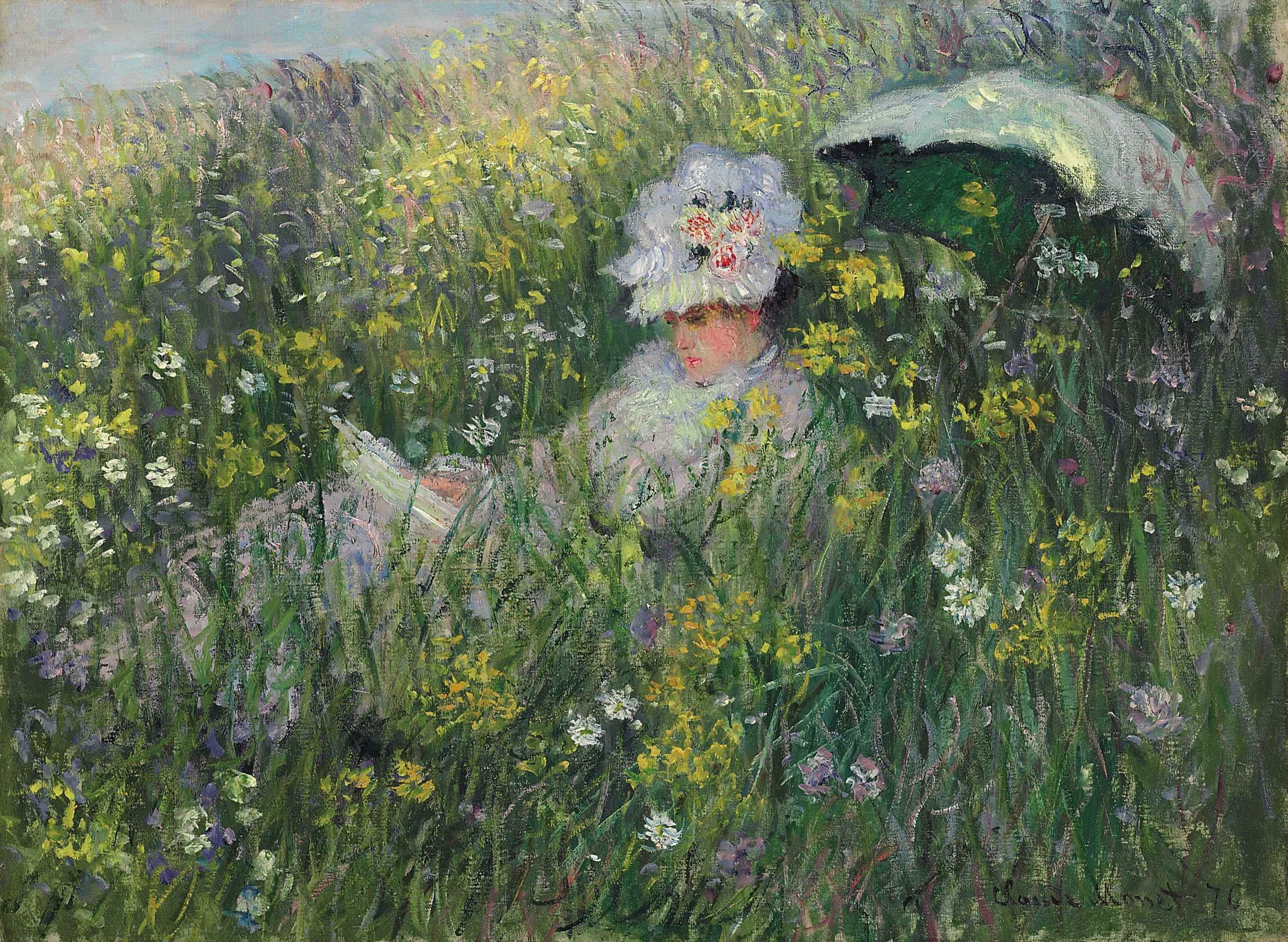
In the Meadow (Dans la prairie)
Claude Monet · 1876
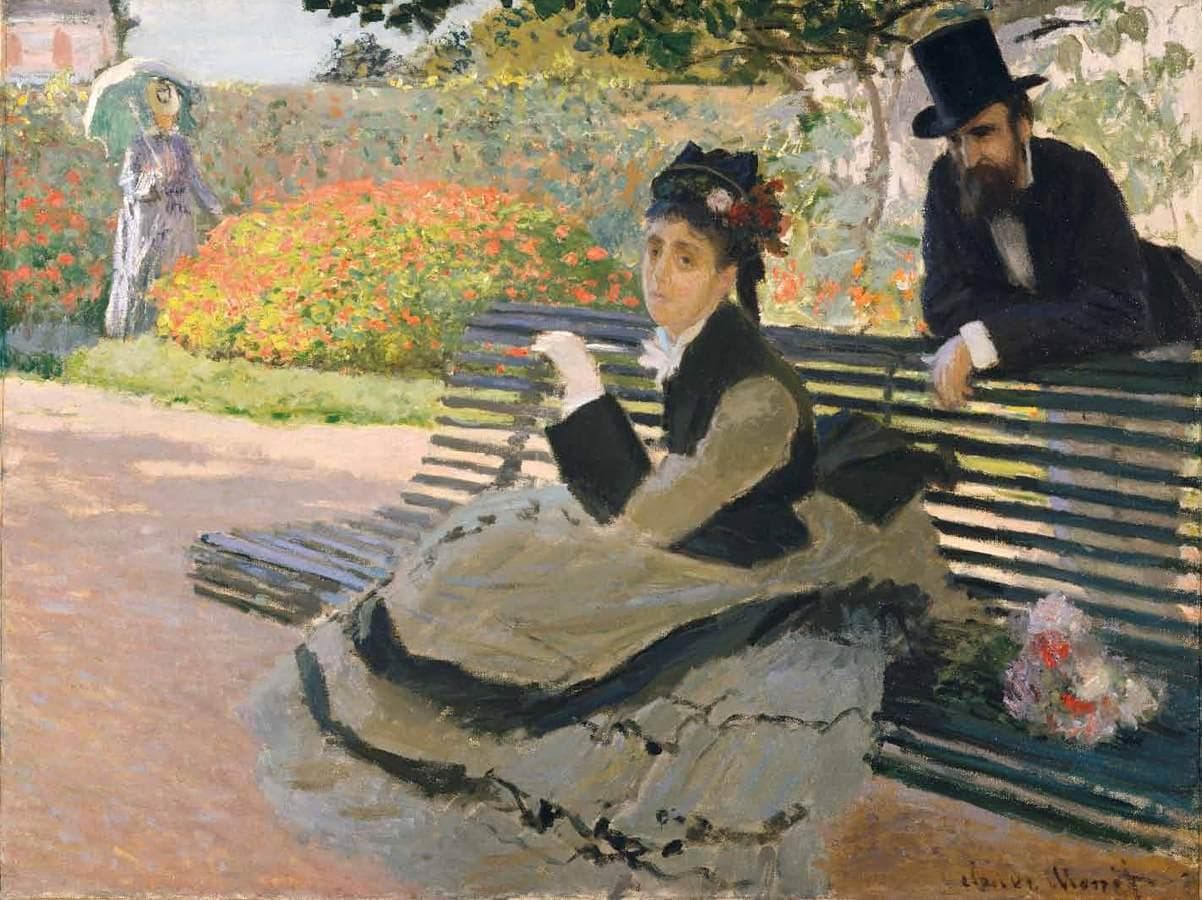
Camille Monet on a Garden Bench
Claude Monet · 1873
Cliff Walk at Pourville
Claude Monet · 1882
Picnic (detail)
Claude Monet · 1865–66
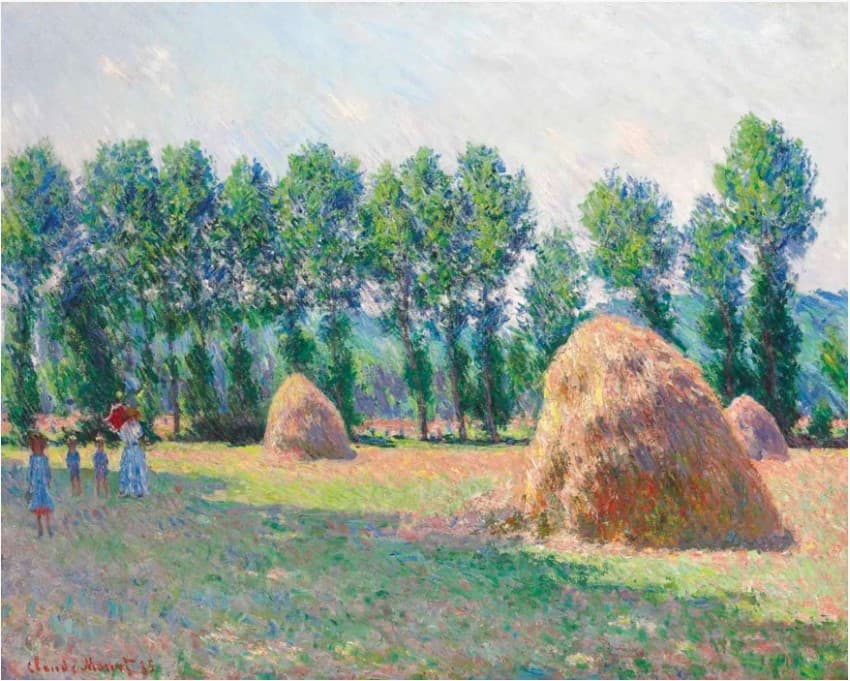
Haystacks at Giverny (1885)
Claude Monet · 1885
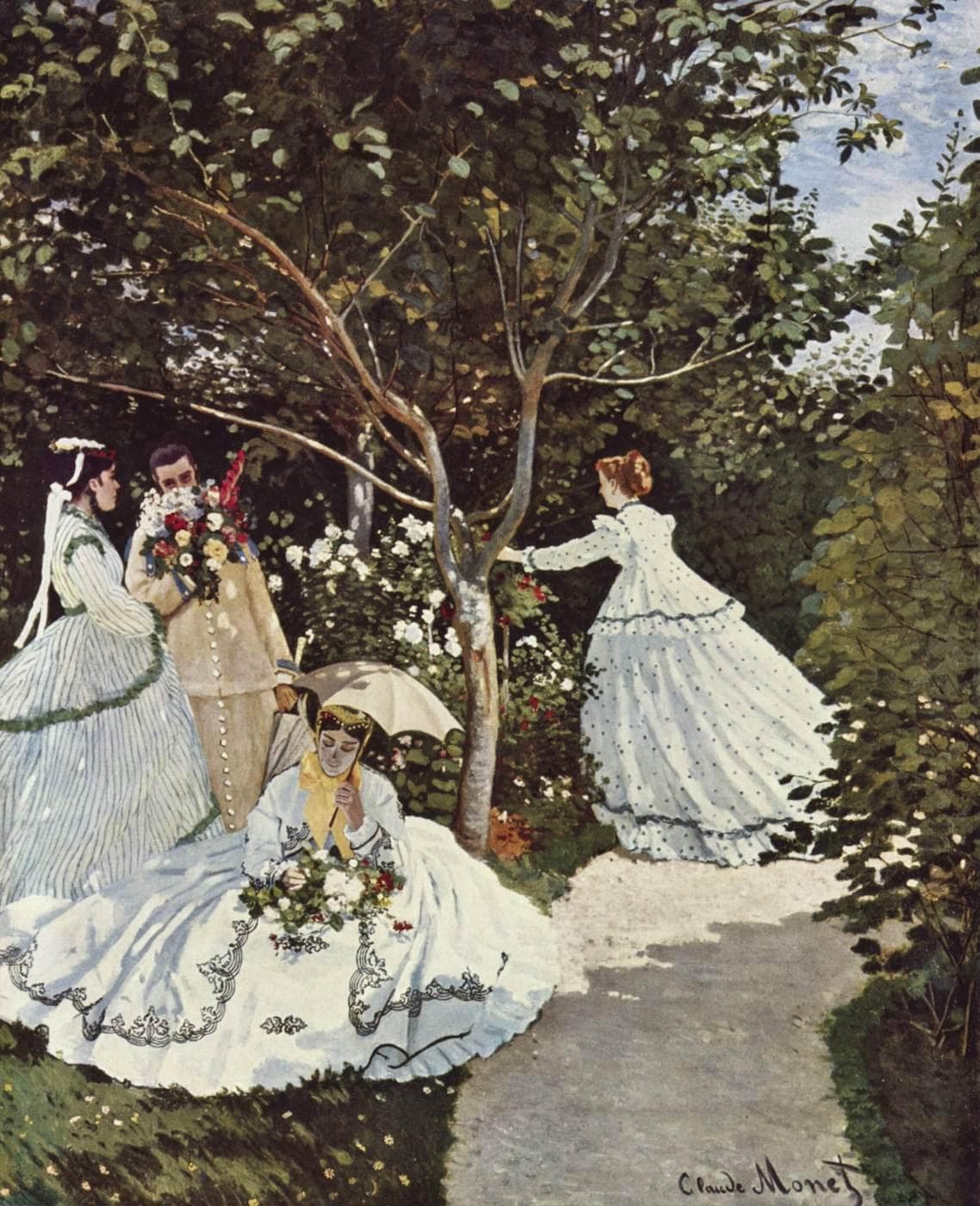
Women in the Garden
Claude Monet · 1866–67
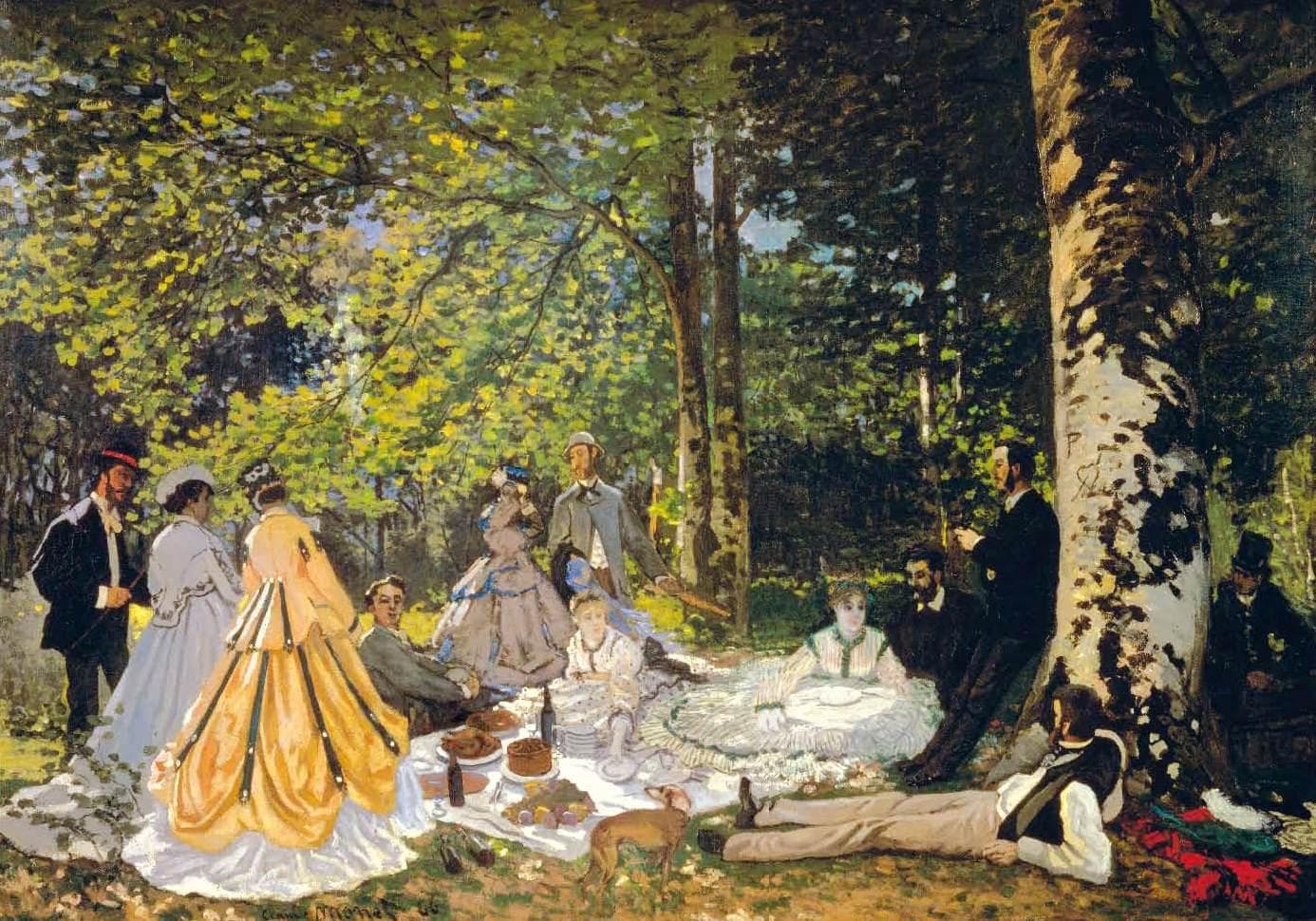
The Picnic
Claude Monet · 1865–66