Image: Claude Monet; Musée Marmottan Monet (source: Unknown sourceUnknown source) · Public domain · via Wikimedia Commons
Rouen Cathedral, Sunlight Effect, End of the Day
Claude Monet, 1892
Rouen Cathedral, Sunlight Effect, End of the Day is an 1892 Claude Monet from the Rouen Cathedral series: the upper façade blazing orange and gold in late sun while the portals sink into blue shadow. It is in the Musée Marmottan Monet, Paris, bequeathed by Monet's son Michel.
- Artist
- Claude Monet
- Date
- 1892
- Medium
- Oil on canvas
- Dimensions
- 100 × 65 cm
- Collection
- Musée Marmottan Monet, Paris, France
- Movement
- Impressionism
- Catalogue
- Wildenstein 1327
- Architecture & Ruins
- Religion & Saints
What you are looking at
It is late in the day, and the sun has dropped low enough that its light strikes only the upper part of Rouen Cathedral's west front. The gables, pinnacles and the great arch above the central portal blaze in orange, apricot, gold and salmon pink, painted in loose, flickering strokes. The sky behind them is a clear, cool blue. Below, the lower third of the façade is already in shadow: the three portals are blurred into a band of blue, violet and lilac, with a few hot touches of red-orange where light still catches a door or a step.
That split, fire above and cool shade below, is what the canvas is about. Monet paints the line between them not as a hard edge but as a gradual cooling, the oranges turning pink, then mauve, then blue as the eye moves down. The small clock dial at the center is a ring of pale yellow surrounded by orange, like a small sun of its own.
The signature, Claude Monet, is at lower right.
Rouen, 1892
Claude Monet began the Rouen Cathedral in February 1892, working from apartments facing the façade across the place de la Cathédrale. He came back in 1893 and finished the series in his studio at Giverny in 1894. The Marmottan dates this canvas to 1892, the first campaign.
The series was shown at Durand-Ruel's gallery in Paris in 1895. For the full group of some thirty canvases and how they relate, see the Rouen Cathedral series.
How it was painted
The Marmottan notes that this canvas has a smoother surface than most of the series. Where many of the cathedrals are encrusted, built up over many sessions into a rough, stony paste, this one is more fluid and open. The upper façade is painted in long, sinuous strokes that describe the outlines of arches and gables in orange and pink, with blue strokes laid alongside for shadow. The bottom of the picture is looser still, almost sketch-like, with patches of bare-looking thin paint.
That relative freshness makes it a valuable document: it shows what the cathedrals looked like closer to how Monet first set them down in Rouen, before the long reworking that gave most of the finished series its heavy texture.
How this version differs
Other canvases show the façade at the end of the day, but in different keys. The Pushkin Museum's Rouen Cathedral, Evening is darker and more somber. The Cardiff Symphony in Grey and Pink dissolves the sunset into soft pink. The Belgrade Rouen Cathedral is evenly rose. The Marmottan picture is the most fiery of them: the strongest oranges in the series, set against the boldest contrast between lit and unlit stone. Compare it with the cool, bleached midday of the National Gallery of Art's West Façade, Sunlight to see how far the same view could travel.
Looking closely
Notice how Monet handles the edge between light and shadow across the middle of the façade. Instead of a line, there is a band of pink and lilac strokes where the two meet, so the sunlight seems to drain away downward. In the sky, the blue is laid around the tips of the gables with short, curving strokes, sharpening the silhouette of the stonework at the moment it is brightest.
Ownership and where to see it
This is one of the canvases that never left the family. It stayed with Monet until his death in 1926 and passed to his son Michel, who bequeathed his father's studio collection to the Académie des Beaux-Arts for the Musée Marmottan in 1966 (inventory 5174). The bequest made the Marmottan the world's largest collection of Monet's work. The canvas is usually on view in the museum's Monet galleries in Paris's 16th arrondissement. See our guide to the Musée Marmottan Monet.
Questions & answers
Where is this Rouen Cathedral painting?
It is in the Musée Marmottan Monet in Paris, inventory 5174. It was part of the bequest of Michel Monet, the painter's son, in 1966, which gave the museum the largest collection of Monet's work anywhere. It is generally on view in the museum's Monet galleries.
When was it painted?
The Marmottan dates it to 1892, during Monet's first campaign in Rouen, when he painted the cathedral from apartments across the square. He returned in 1893 and completed the series in 1894; the cathedrals were exhibited at Durand-Ruel's gallery in Paris in 1895.
What does the painting show?
The west façade of Rouen Cathedral at the end of the day. The low sun lights the gables, the rose window and its arch in orange and gold against a blue sky, while the portals below are already in blue and violet shadow.
Why does it look different from the other cathedrals?
Its paint is smoother and more fluid than the heavily encrusted canvases Monet reworked in 1894, and its orange and gold are the most intense in the series. Because it stayed in Monet's studio, it may preserve more of his first Rouen campaign.
More by the artist
Claude Monet
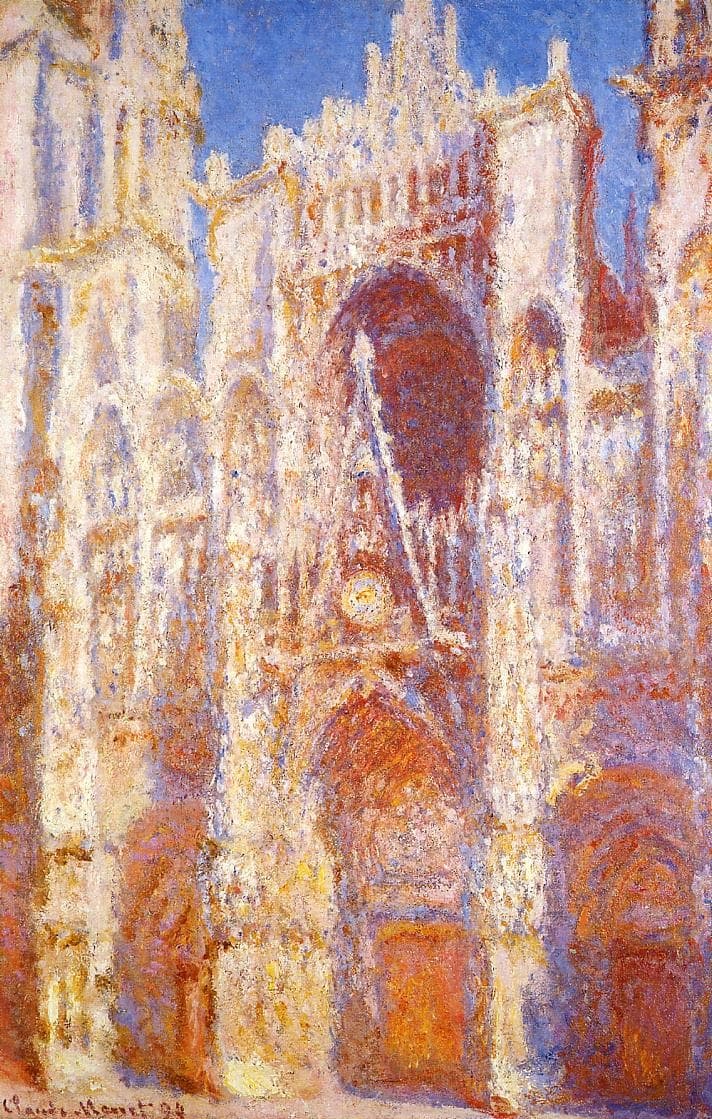
Rouen Cathedral, Portal, Sunlight (W 1322)
Claude Monet · 1892–94
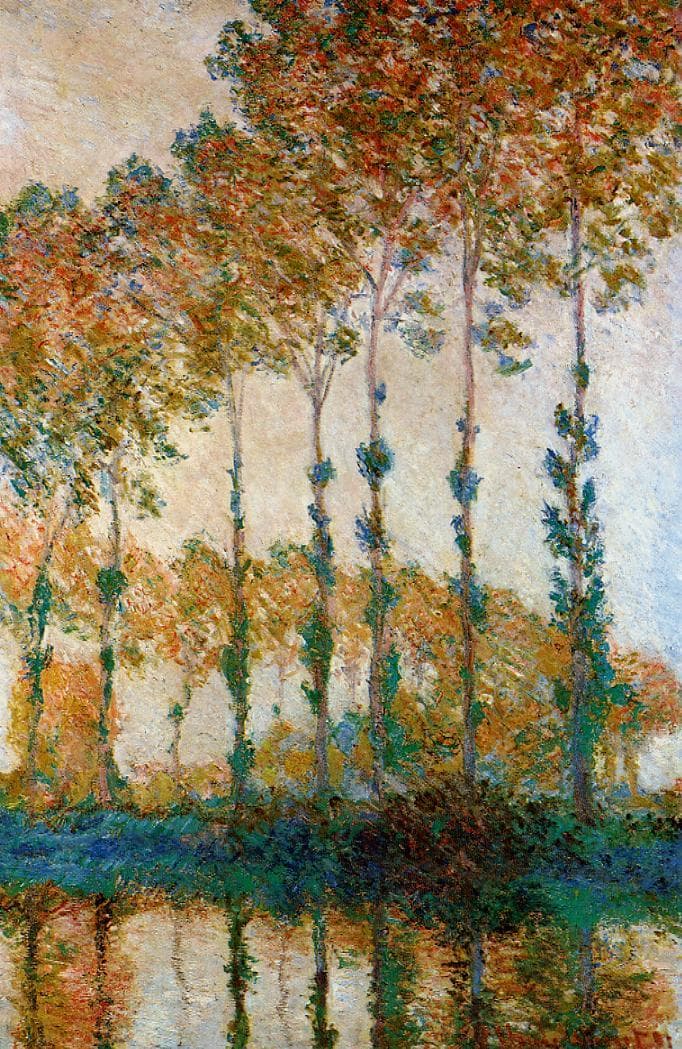
Poplars on the Banks of the Epte, Autumn
Claude Monet · 1891
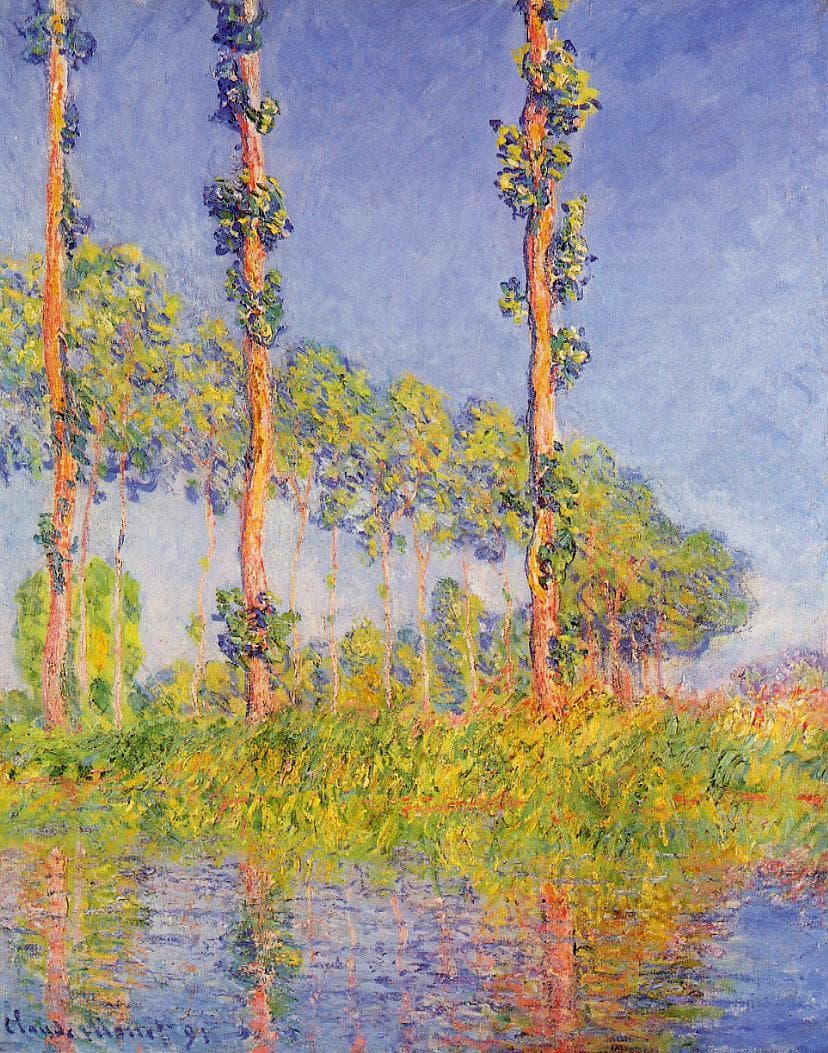
Three Poplars, Autumn Effect
Claude Monet · 1891
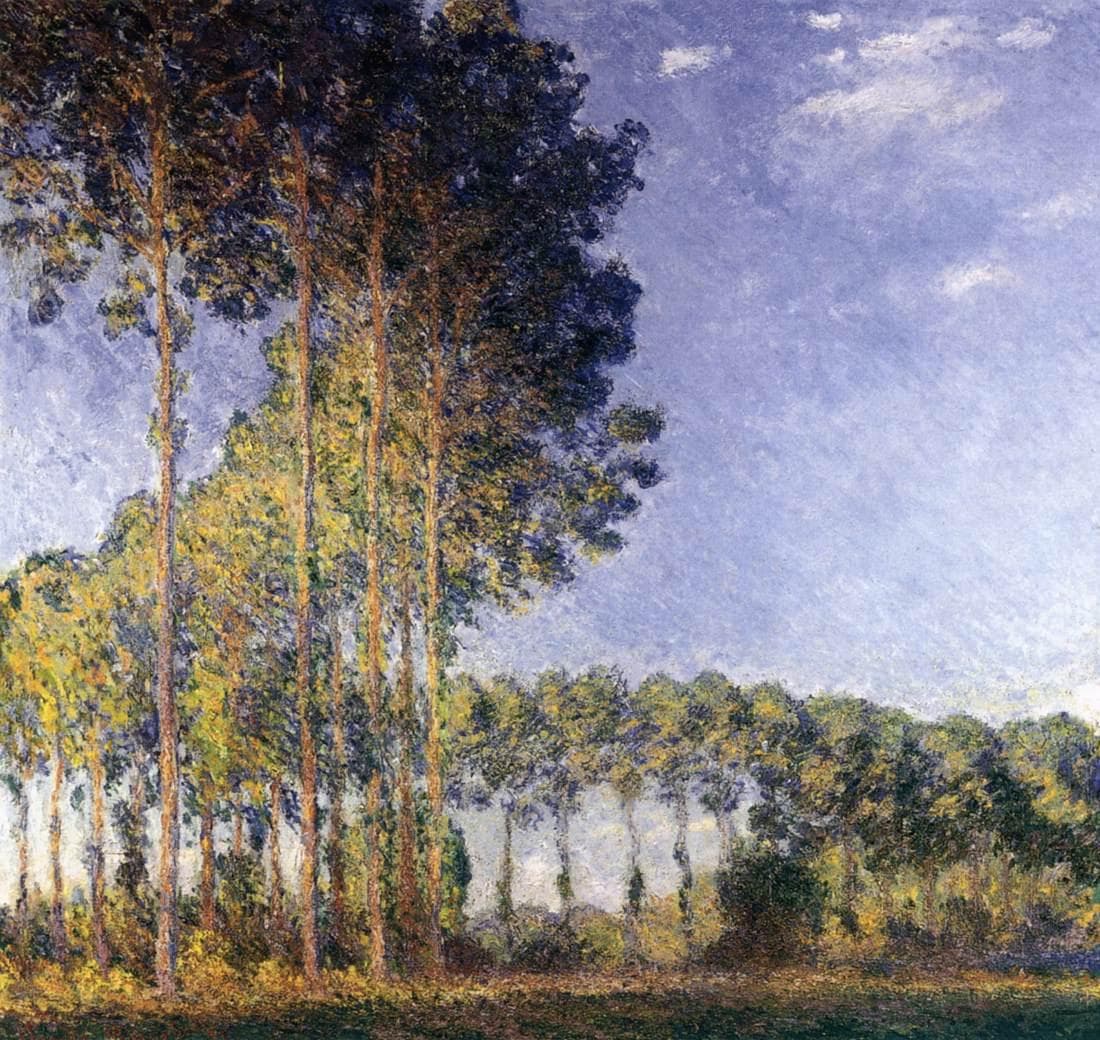
Poplars at the Banks of Epte
Claude Monet · 1891–92
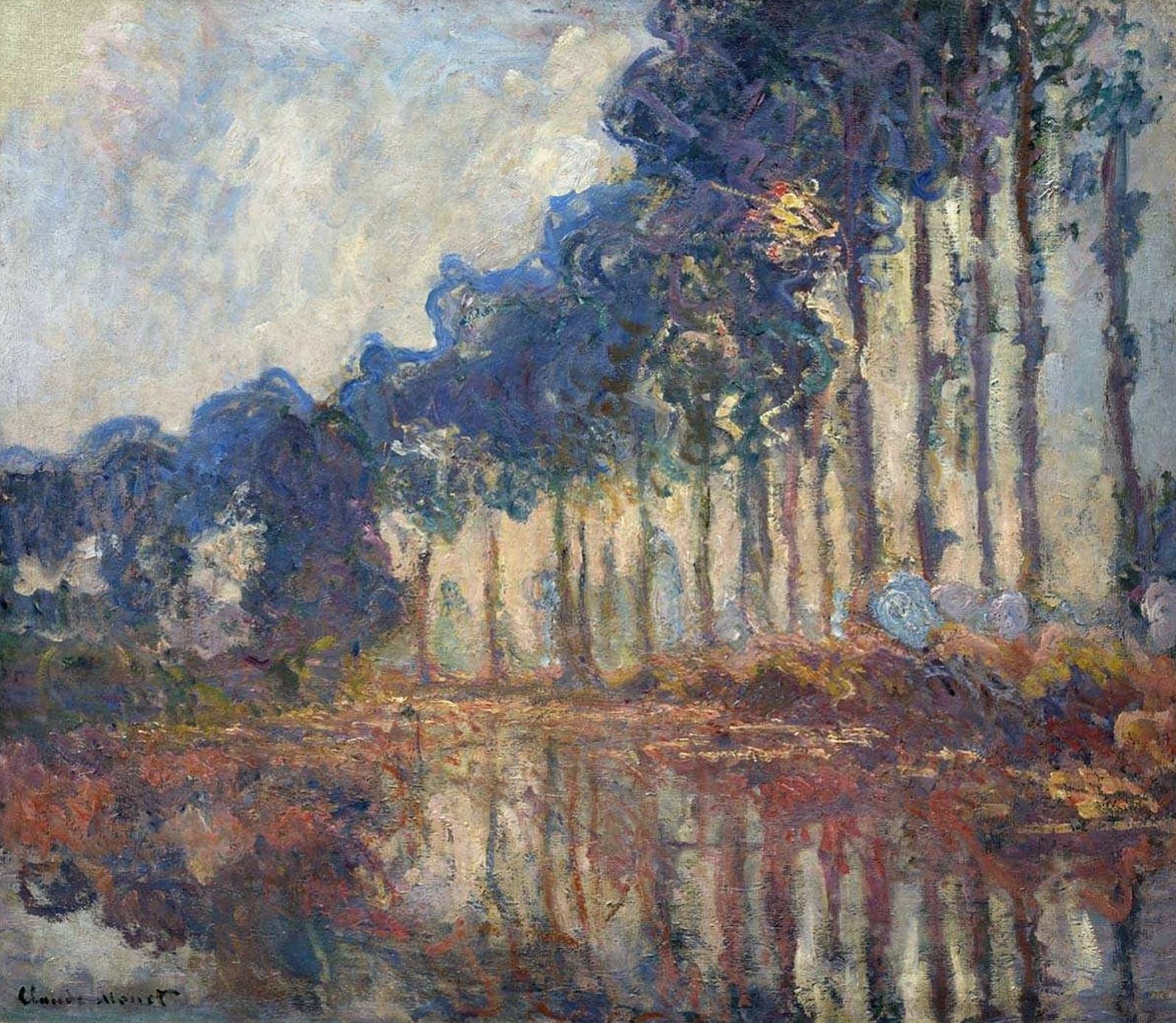
Les peupliers, automne
Claude Monet · 1891
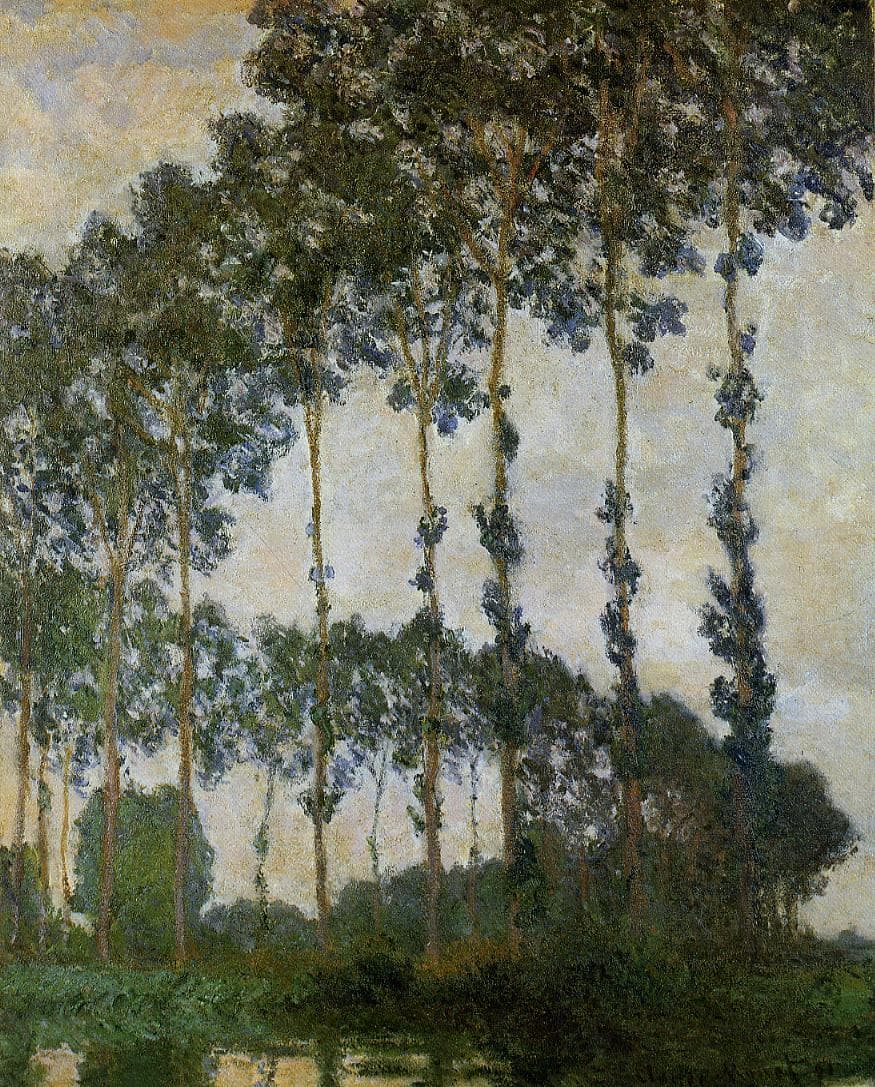
Poplars near Giverny, Overcast Weather
Claude Monet · 1891
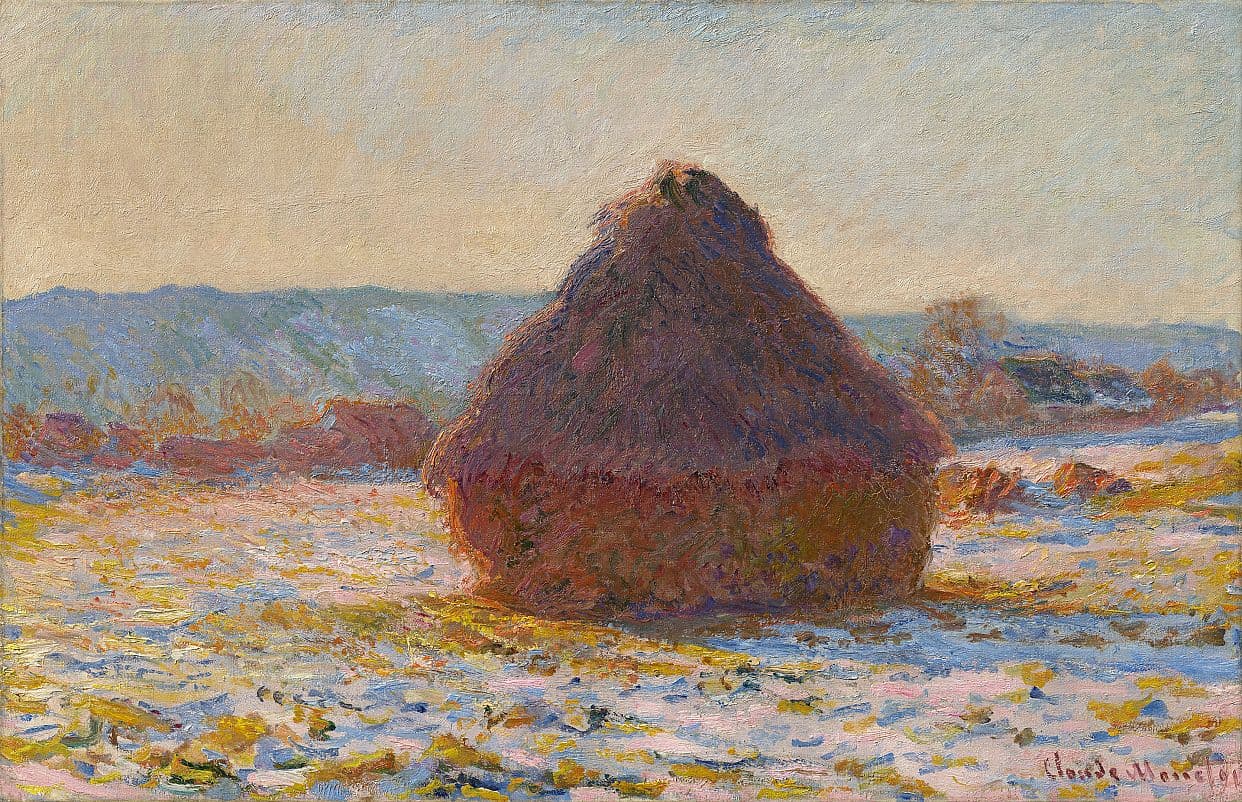
Grainstack in the Sunlight, Snow Effect
Claude Monet · 1891
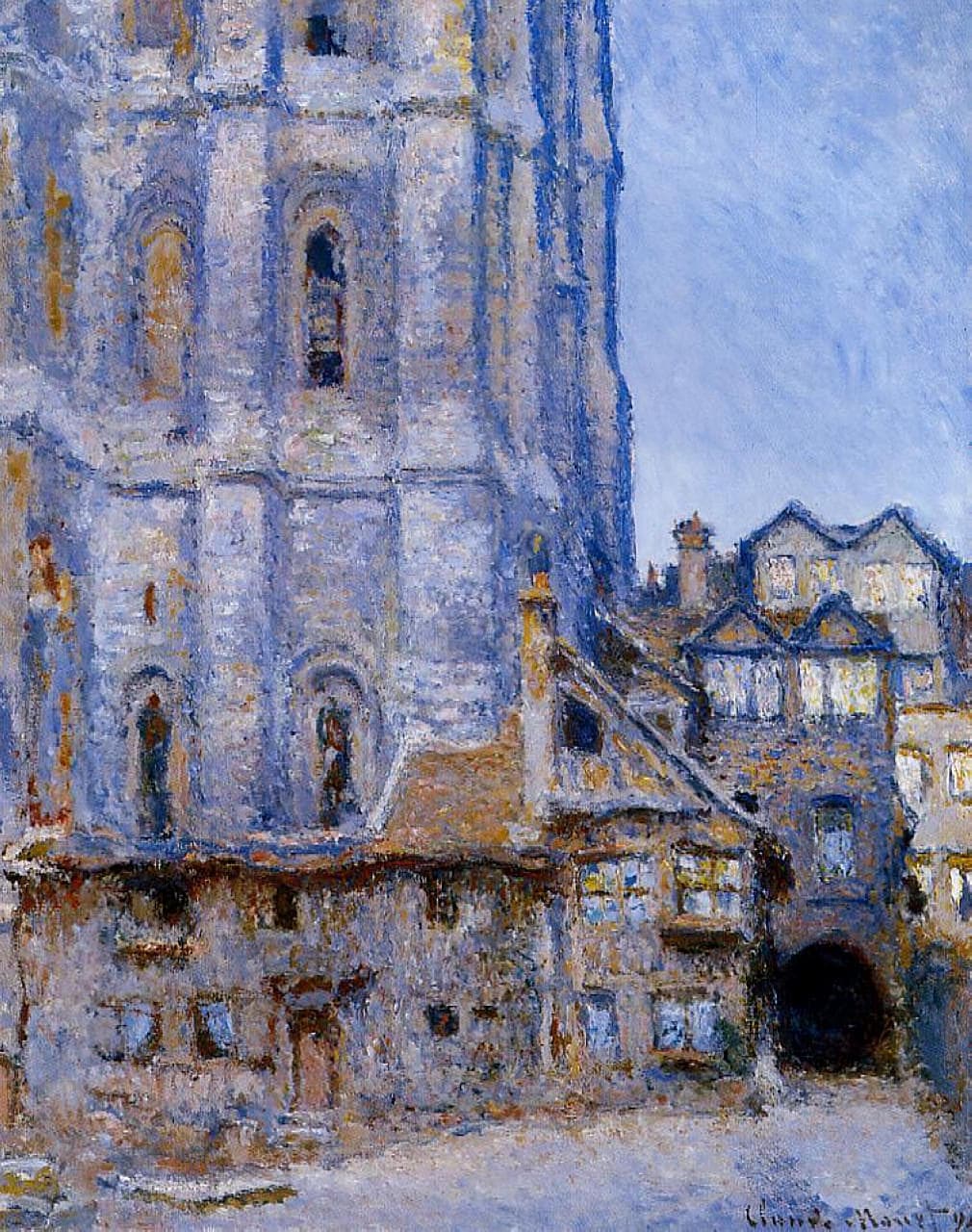
La Cour d'Albane, Rouen
Claude Monet · 1892–94
Also painted in 1892
The same year
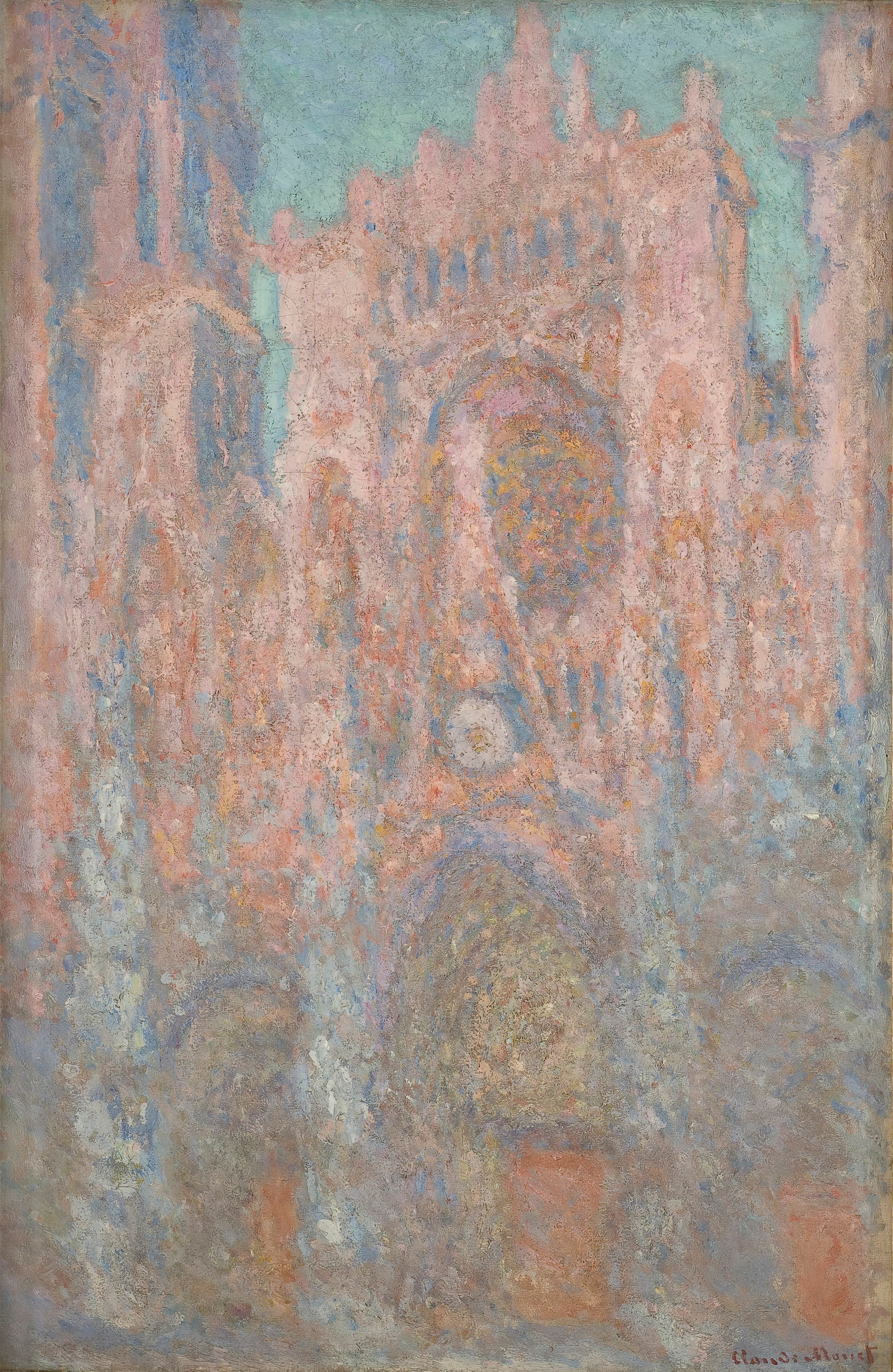
Rouen Cathedral
Claude Monet · 1892–94
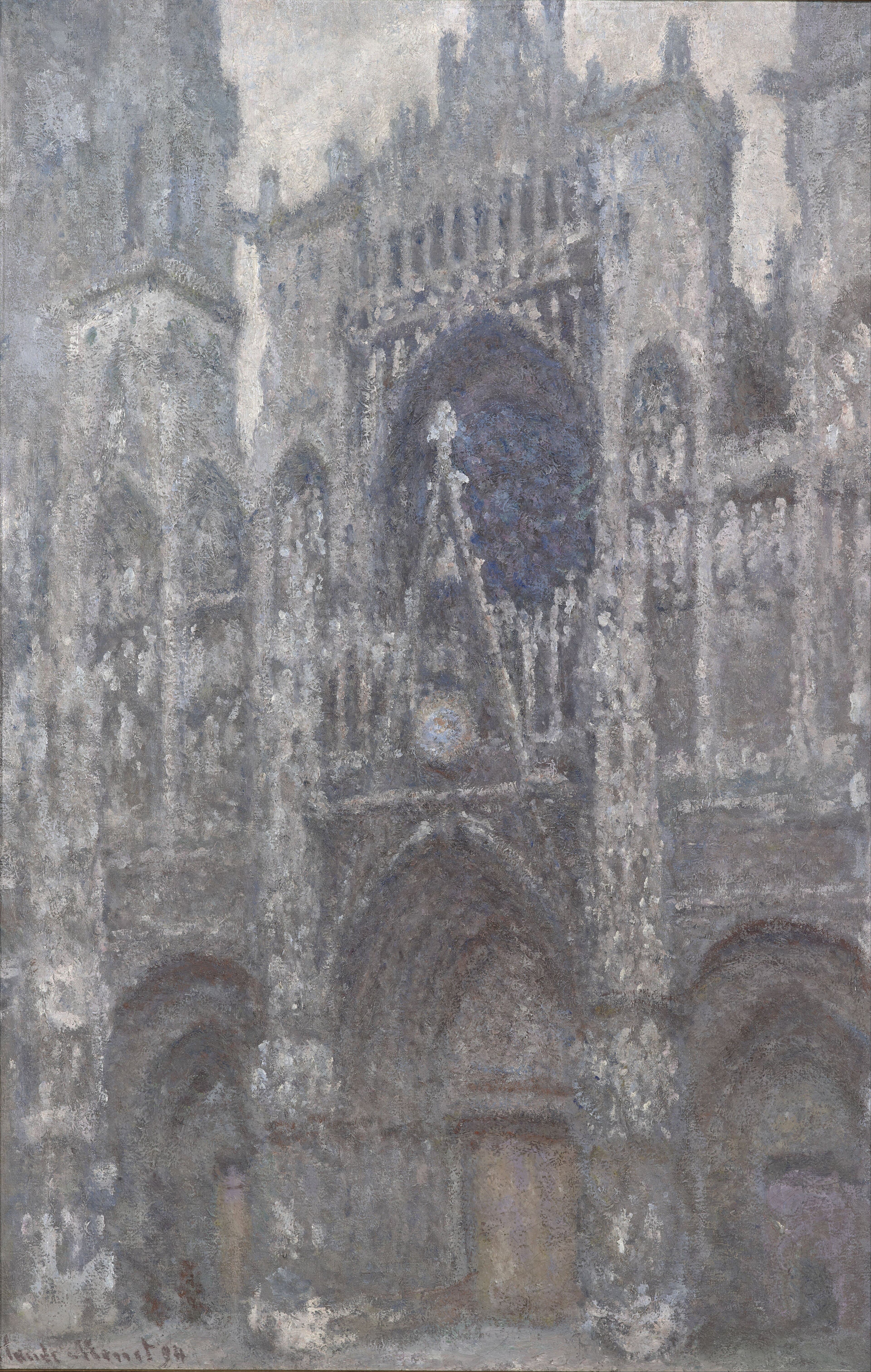
Rouen Cathedral, the Portal, Grey Weather
Claude Monet · 1892–94
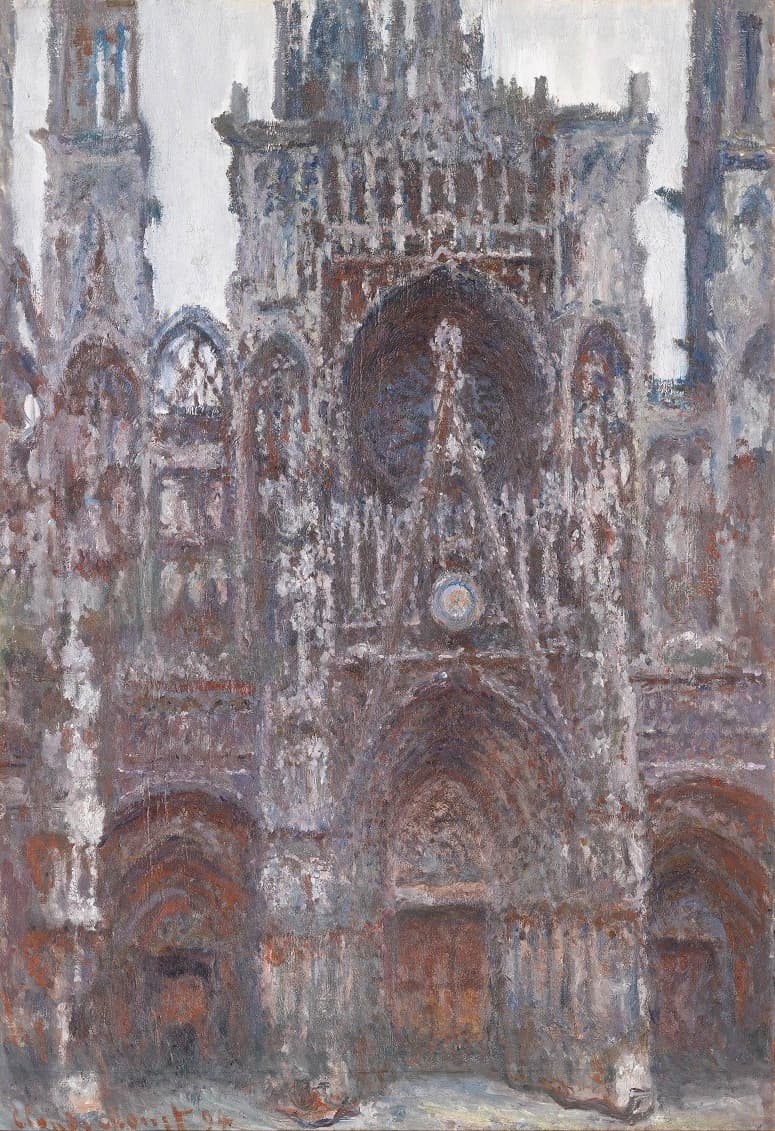
Rouen Cathedral, the Portal, Front View (Harmony in Brown)
Claude Monet · 1892–94
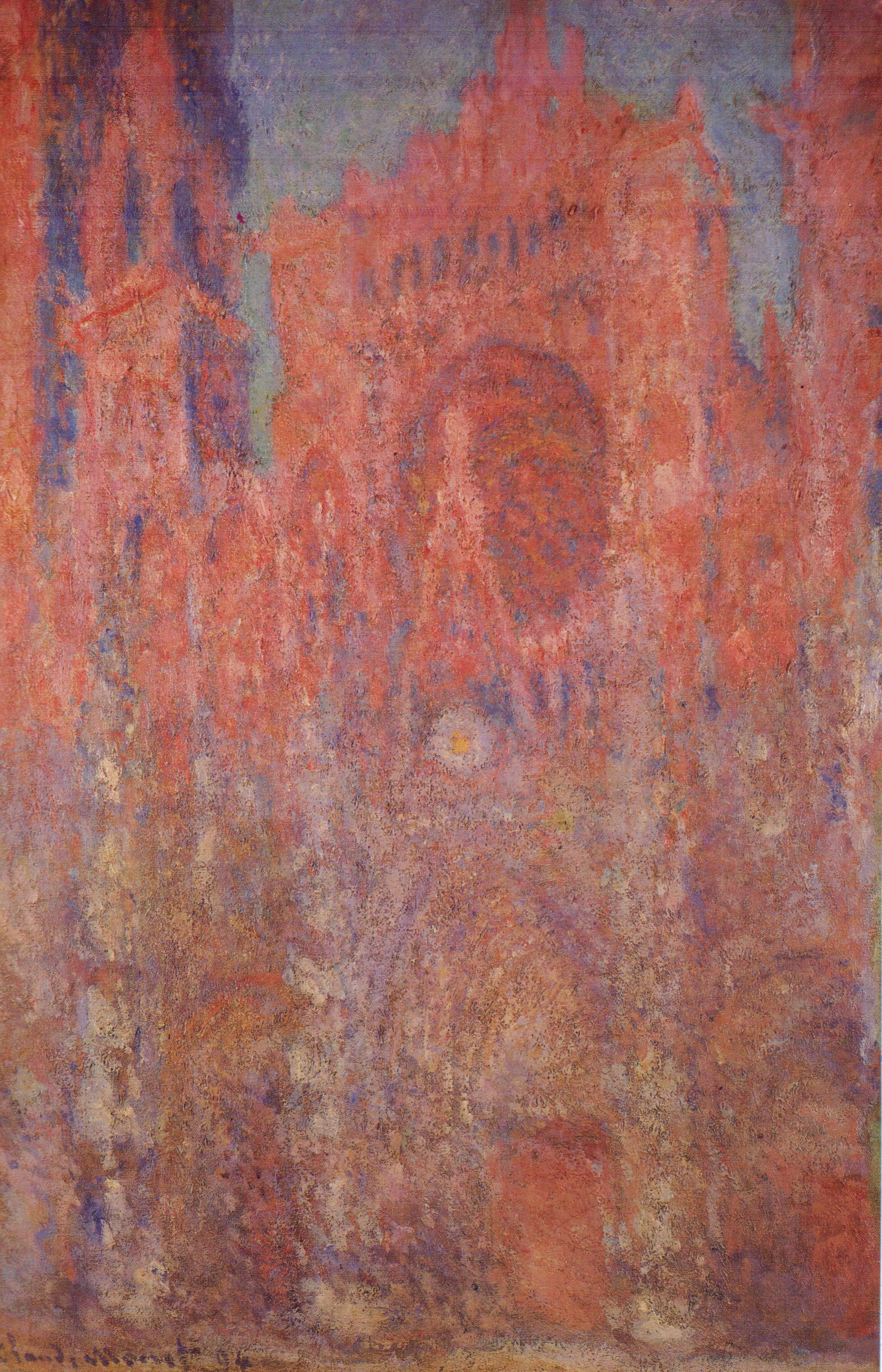
Rouen Cathedral, Portal
Claude Monet · 1892–94
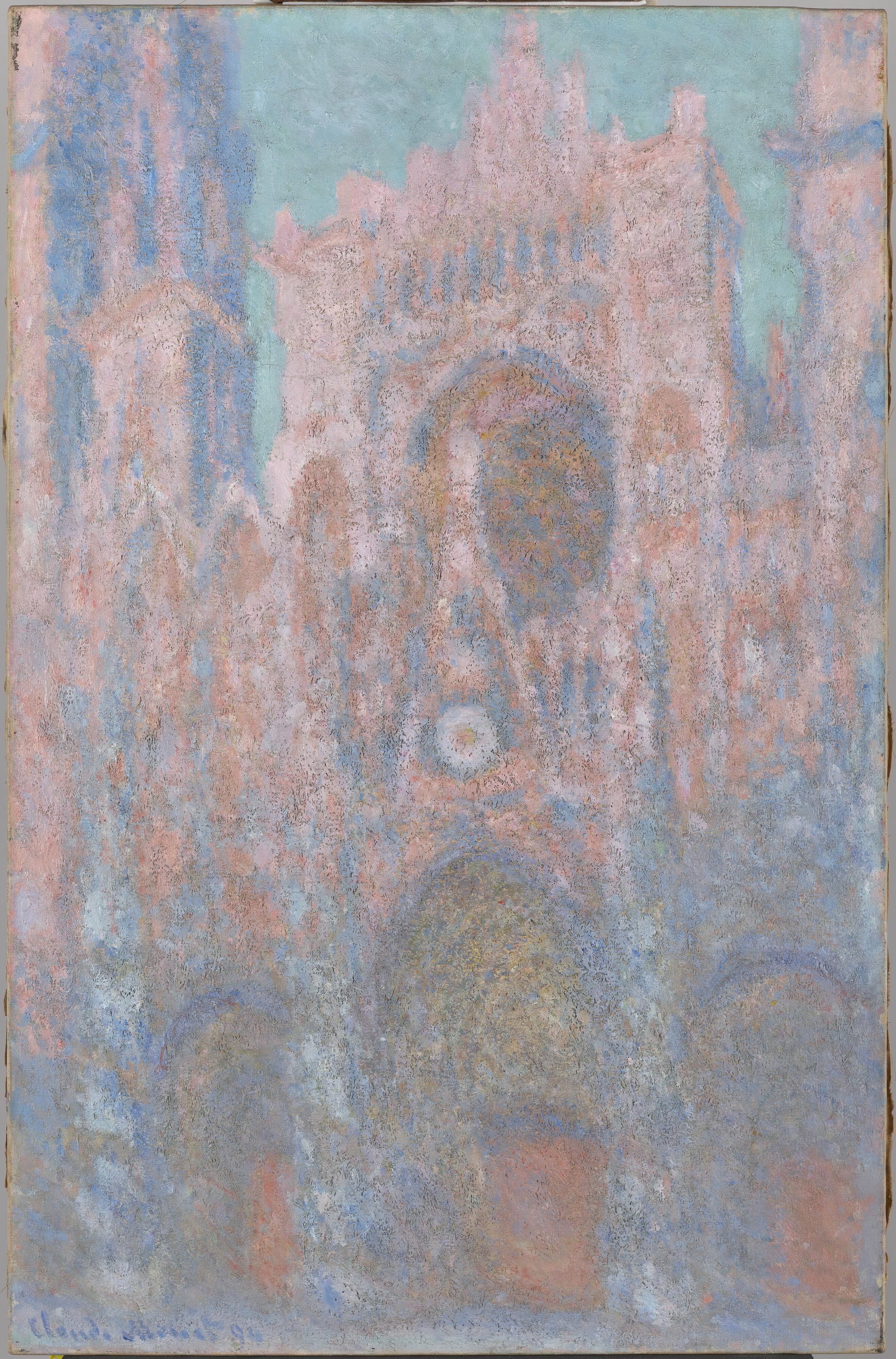
Rouen Cathedral: Setting Sun (Symphony in Pink and Grey)
Claude Monet · 1892–94
La Cour d'Albane, temps gris
Claude Monet · 1892–94
Kindred works
You may also study
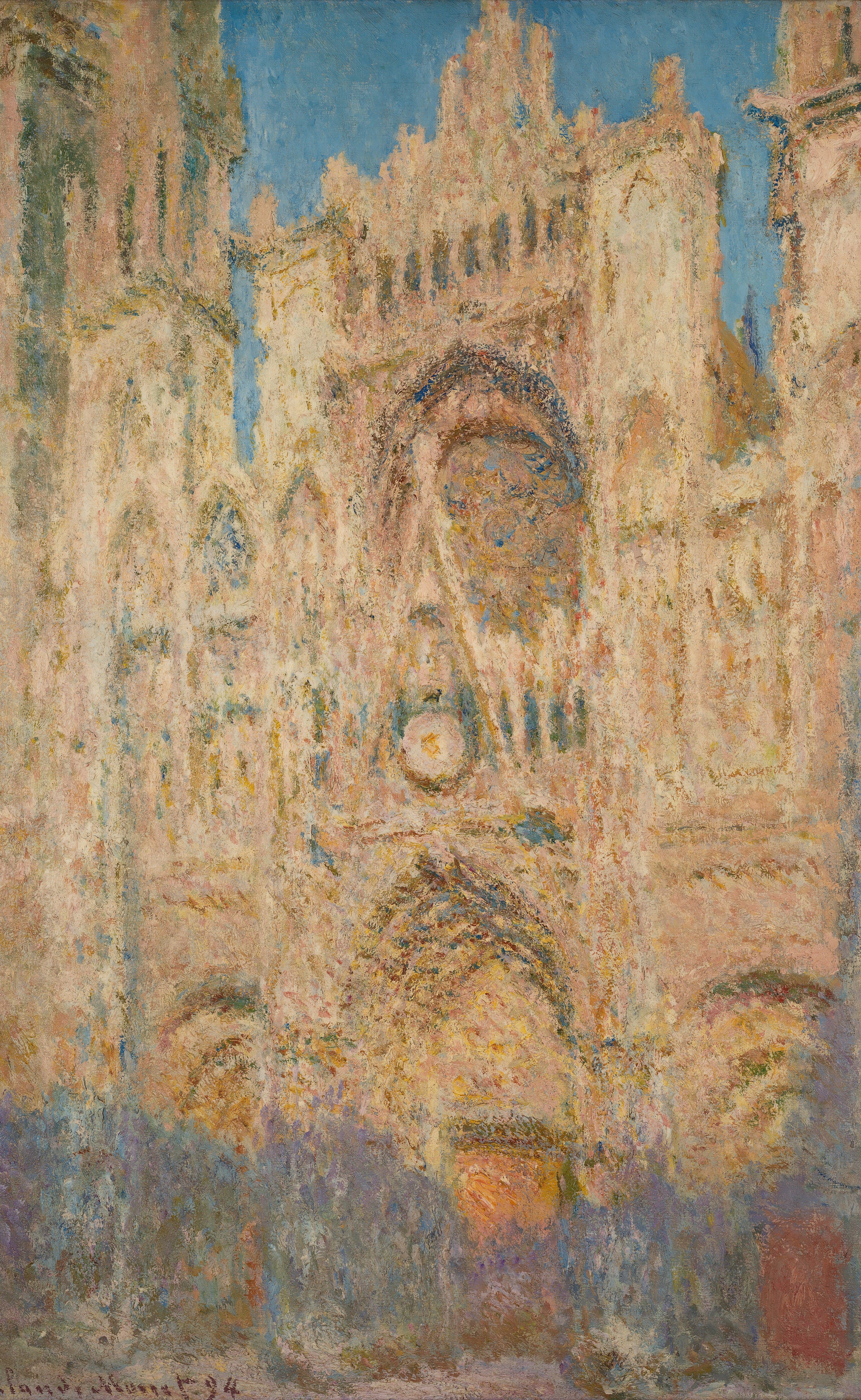
Rouen Cathedral, Evening
Claude Monet · 1894
Rouen Cathedral: Setting Sun (Symphony in Pink and Grey)
Claude Monet · 1892–94
Rouen Cathedral
Claude Monet · 1892–94
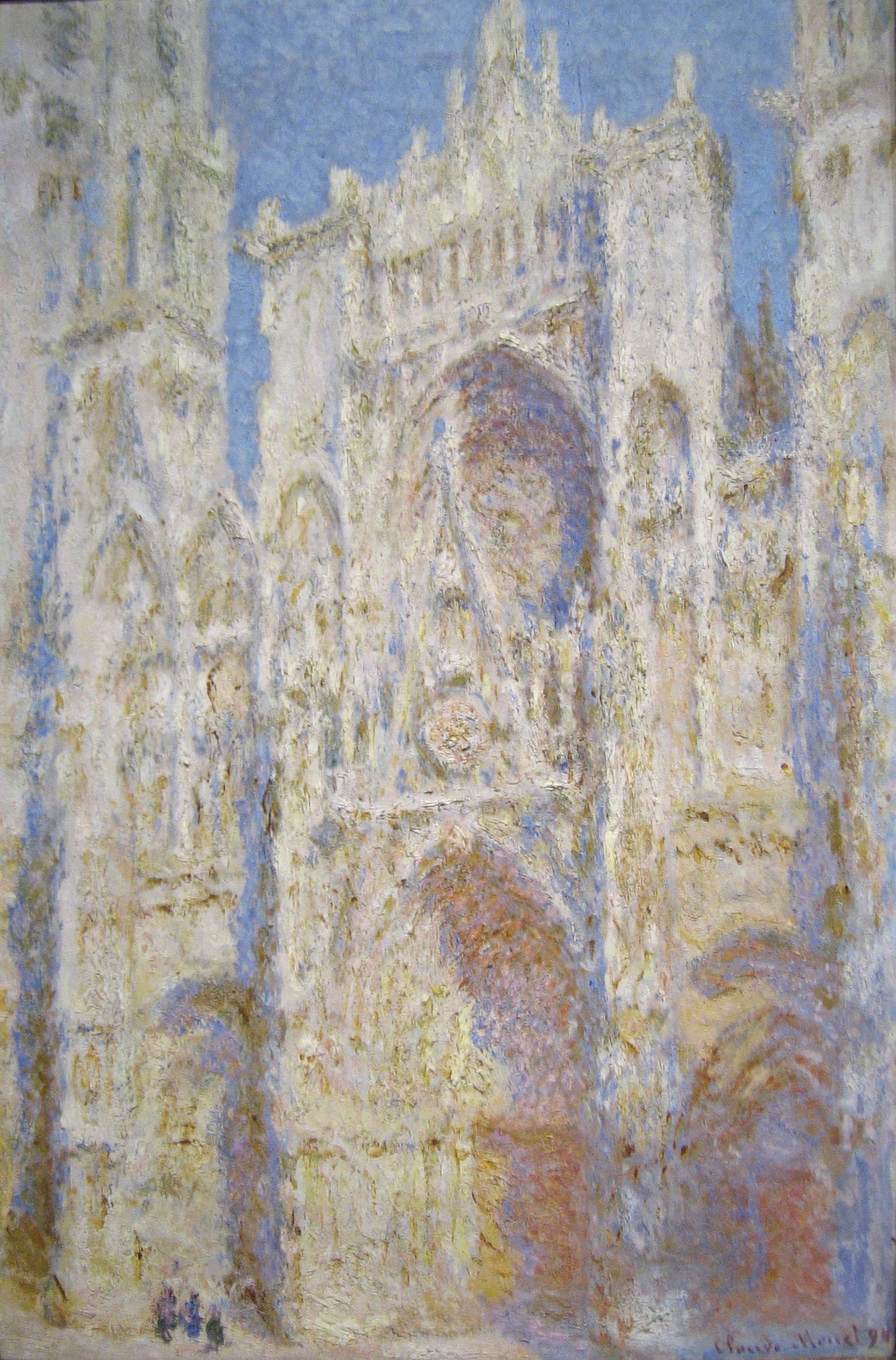
Rouen Cathedral, West Façade, Sunlight
Claude Monet · 1892–94
Rouen Cathedral, Portal
Claude Monet · 1892–94
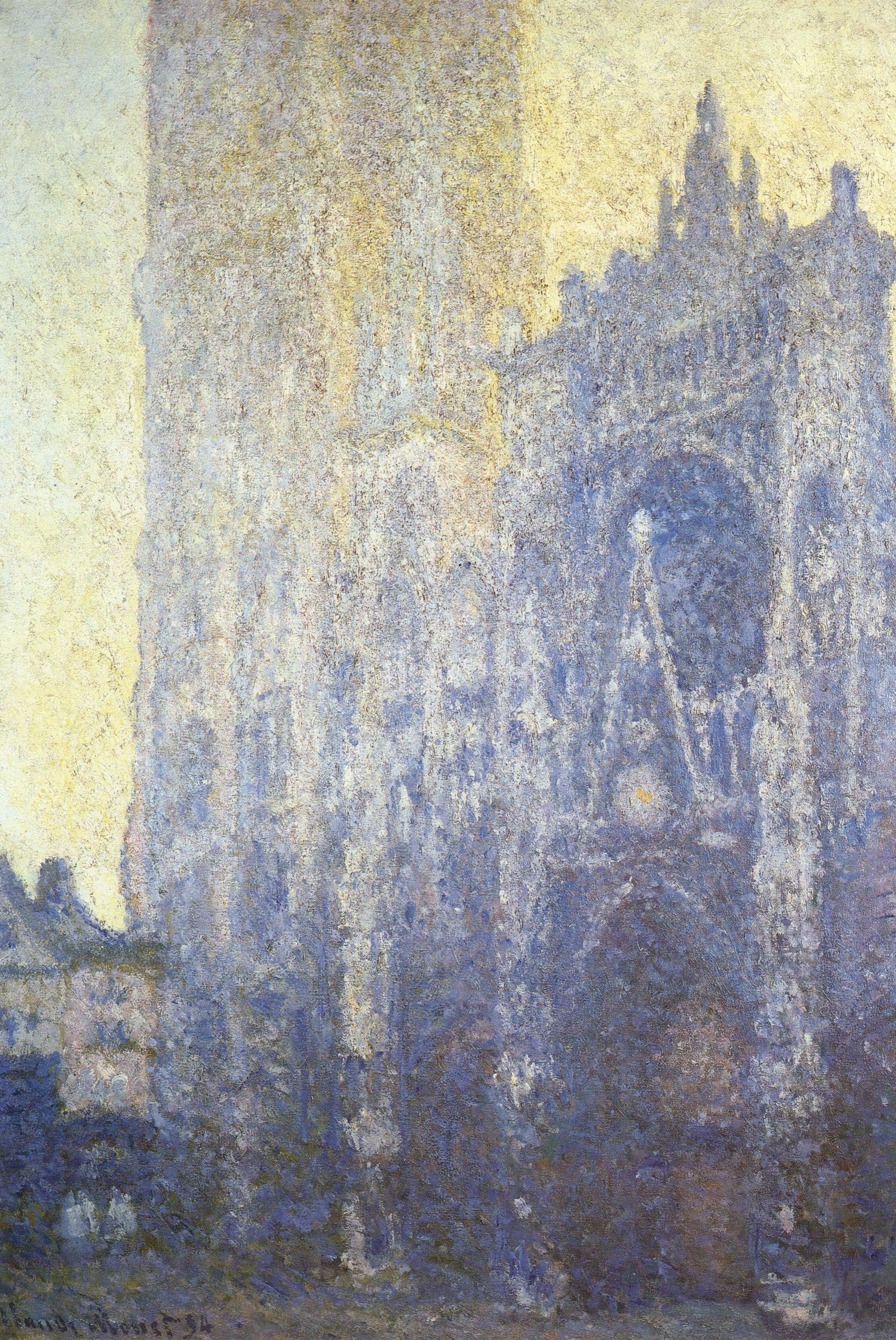
Rouen Cathedral, the Portal, Morning Effect
Claude Monet · 1893–94
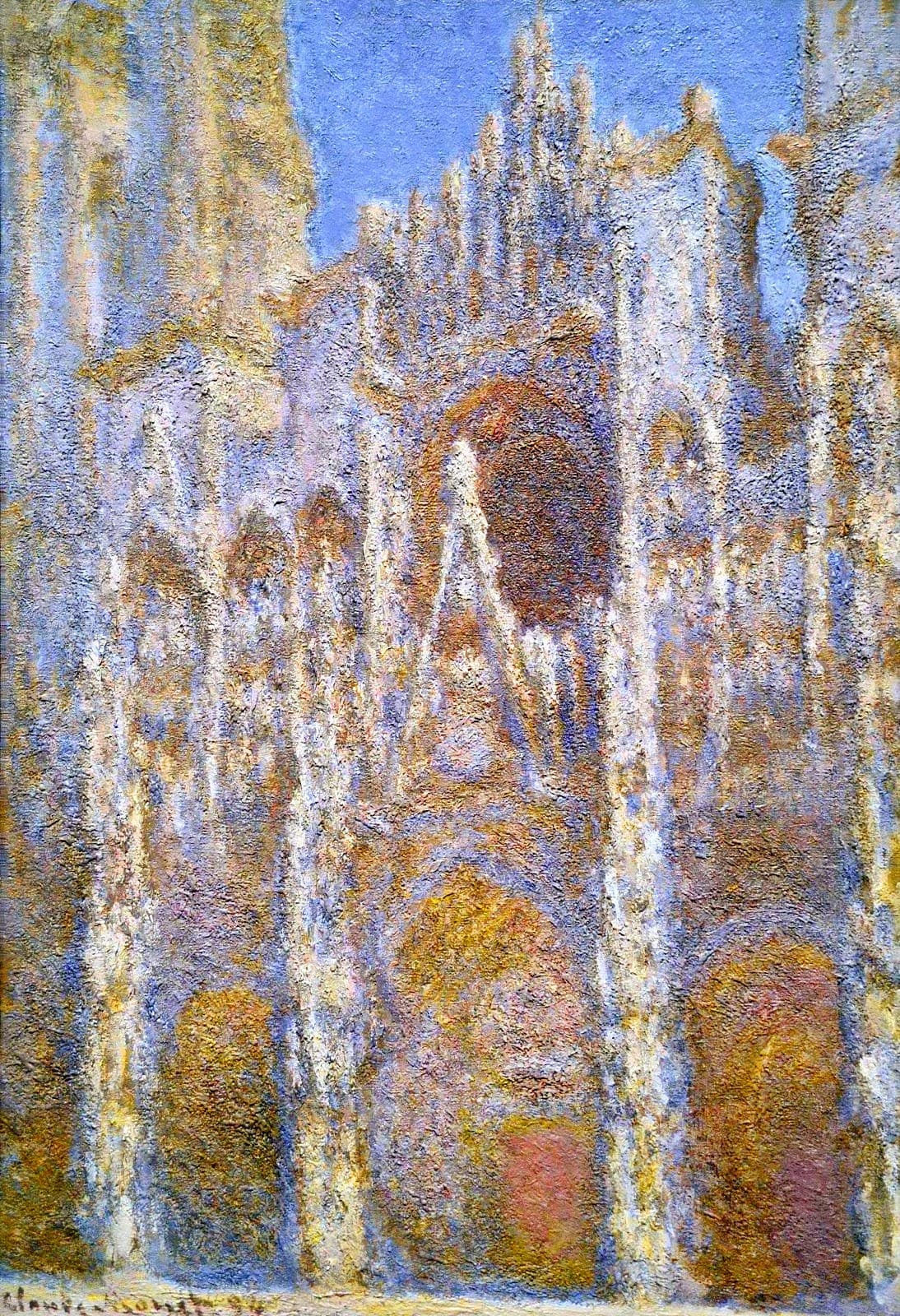
Rouen Cathedral, Façade
Claude Monet · 1893–94
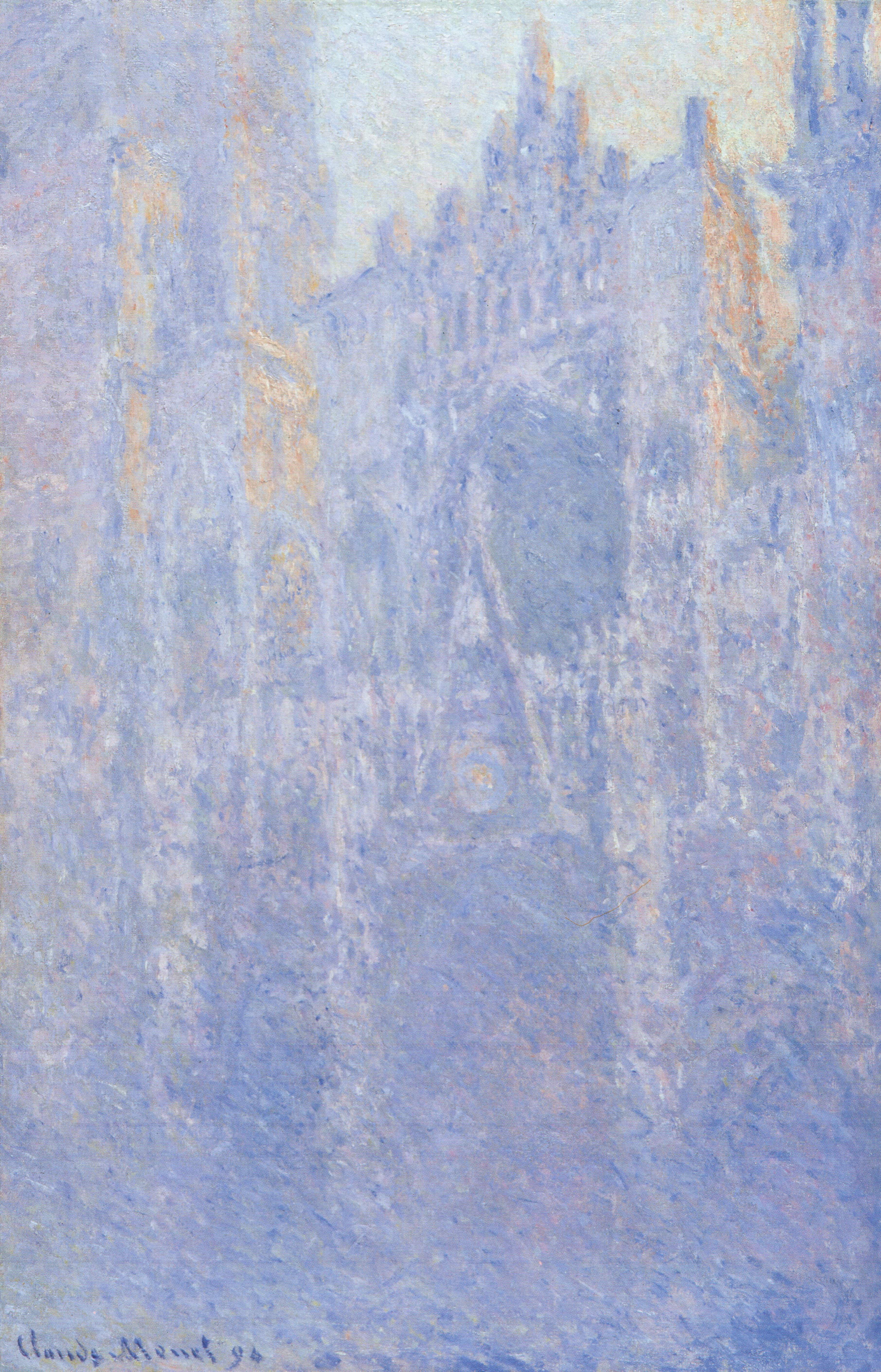
The Portal, Morning Fog
Claude Monet · 1893–94