Image: Private collection · Public domain · via Wikimedia Commons
Exterior of Saint-Lazare Station, Sun Effect
Claude Monet, 1877
Exterior of Saint-Lazare Station, Sun Effect (1877) is Claude Monet's sunniest view of the Paris railway yard: pale apartment blocks, a yellow signal hut and drifting steam under a bright sky. It is in a private collection.
- Artist
- Claude Monet
- Date
- 1877
- Medium
- Oil on canvas
- Dimensions
- 60 × 81 cm
- Collection
- Private collection
- Movement
- Impressionism
- Catalogue
- Wildenstein 443
- The City
Exterior of Saint-Lazare Station, Sun Effect (Extérieur de la gare Saint-Lazare, effet de soleil) is one of the twelve paintings Claude Monet made at the Gare Saint-Lazare in Paris in 1877, and the brightest of them. Standing in the open yard outside the station, he painted a sunlit scene of tall cream-colored apartment buildings, a little yellow signal cabin, telegraph poles and men at work, all half veiled by blue-white steam. It is in a private collection.
What you are looking at
The composition is open and deep. At left, a high wall or embankment, overhung with a tall building, runs diagonally into the picture; along its base, clouds of blue and white steam billow from locomotives that are barely visible. In the center distance, beyond the tracks, stands a block of Haussmann-era apartments in pale ocher and cream, its windows picked out in small dark dashes. A larger building at right, sunlit on its left face and in shade on its right, closes the view.
In the middle ground stands a small signal cabin painted in bright yellow with a gray roof, and above it a signal on a post. Two workers in dark clothes stand near the cabin, and a third figure walks across the yard at right, casting a short blue shadow. Tall wooden poles rise on the right, and at the far edge a flash of red and pink suggests a poster, a signal or flowers. The ground is a pale, sun-bleached mixture of cream, lilac and blue, with long shadows. The signature is at lower left.
Where and when it was painted
Monet was still living at Argenteuil in January 1877 when he took a small flat in the rue Moncey, a few minutes' walk from the Gare Saint-Lazare, the Paris terminus of the line that ran out to Argenteuil and on to Normandy. According to a story told by Renoir, he put on his best clothes and persuaded the director of the Chemins de fer de l'Ouest to let him paint on the platforms and tracks; trains were even held so that he could work. The result was a dozen canvases from different positions inside and outside the station, the first group in his career to explore one motif in depth; see our Gare Saint-Lazare series page.
How it was painted
The title's effet de soleil (sun effect) is the whole point. Monet raised his palette to high, chalky tones and used colored shadows, blue and violet, rather than dark ones, so that the scene seems flooded with light. The steam, which in the interior views is lit from above through glass, is here lit directly by the sun and painted in soft blue and white. The buildings are built with short, square strokes that catch light on their facades. Compared with the dense handling of the large interior canvases, the touch is quick and airy.
How this version differs
Most of the Saint-Lazare canvases are dominated by gray-blue smoke and the iron and glass of the shed. This is the one where the city takes over: apartment buildings, a yellow cabin and sunny pavement. Its companion pictures from the yard include Arrival of a Train, with the same buildings seen through denser steam, and The Signal in Hannover. For the great interior views, see La Gare Saint-Lazare in the Musée d'Orsay and The Gare St-Lazare in the National Gallery, London.
A modern Paris
The buildings in the background belonged to the new quarter around the Place de l'Europe, rebuilt in the 1860s and 1870s as the station expanded. Monet's friend Gustave Caillebotte painted the same neighborhood, from the iron Pont de l'Europe above the tracks, in the same years. Together their pictures record a part of Paris defined by railway, iron and new apartment blocks: the city of modern life that the Impressionists made their subject.
Where to see it
The painting is in a private collection and not on public view. Museum versions of the series are in Paris (Orsay and Marmottan), London, Chicago, Cambridge (Massachusetts), Hannover and Hakone; see where to see Monet's paintings.
Questions & answers
Where is Monet's Exterior of Saint-Lazare Station, Sun Effect?
It is in a private collection and not on public view. Other paintings from Monet's 1877 Gare Saint-Lazare series can be seen at the Musée d'Orsay, the National Gallery in London, the Art Institute of Chicago and other museums.
When was it painted?
In early 1877, when Monet painted twelve views in and around the Gare Saint-Lazare in Paris over about three months.
What does the painting show?
The open railway yard outside the Gare Saint-Lazare on a sunny day: pale apartment buildings, a yellow signal cabin, telegraph poles and railway workers, with blue-white steam billowing from locomotives along a wall at left.
What does 'effet de soleil' mean?
'Sun effect.' Monet used such titles to identify the light conditions of a painting. Here strong sunlight bleaches the scene into high, pale tones with blue and violet shadows, unlike the smoky, gray interior views of the series.
More by the artist
Claude Monet
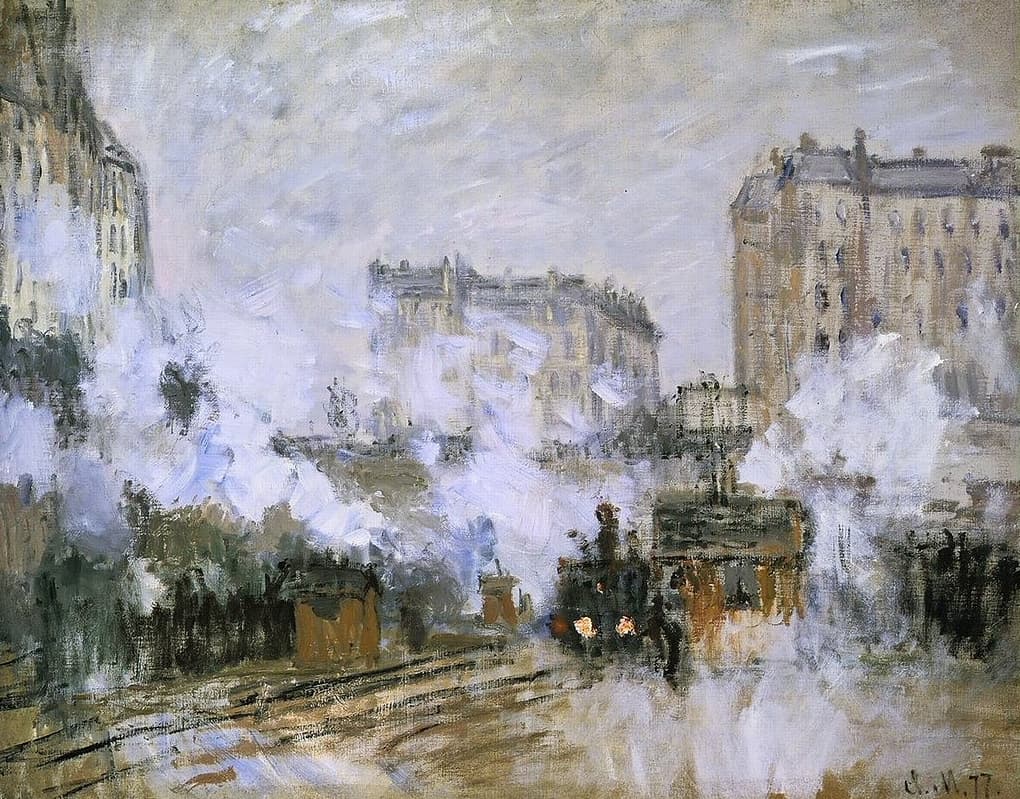
Exterior of Saint-Lazare Station, Arrival of a Train
Claude Monet · 1877
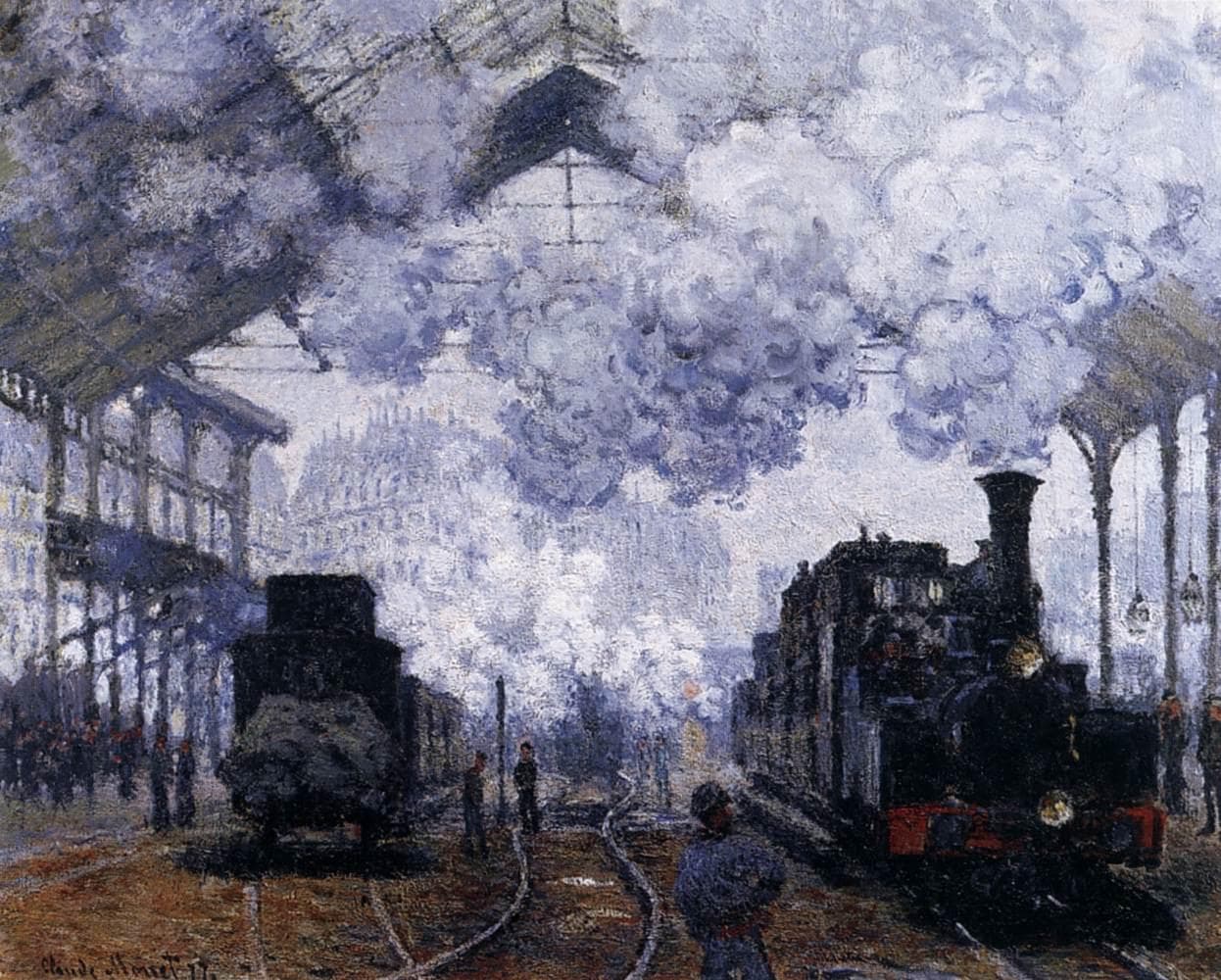
The Gare Saint-Lazare: Arrival of a Train
Claude Monet · 1877
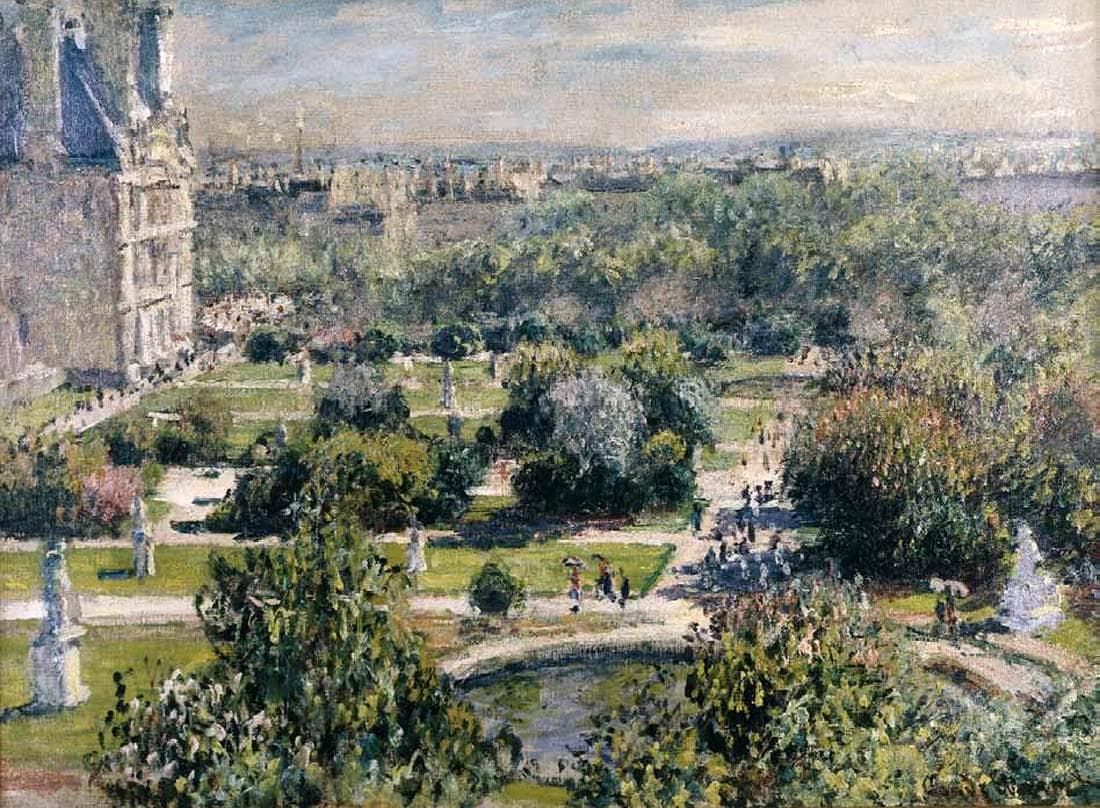
The Tuileries
Claude Monet · 1876
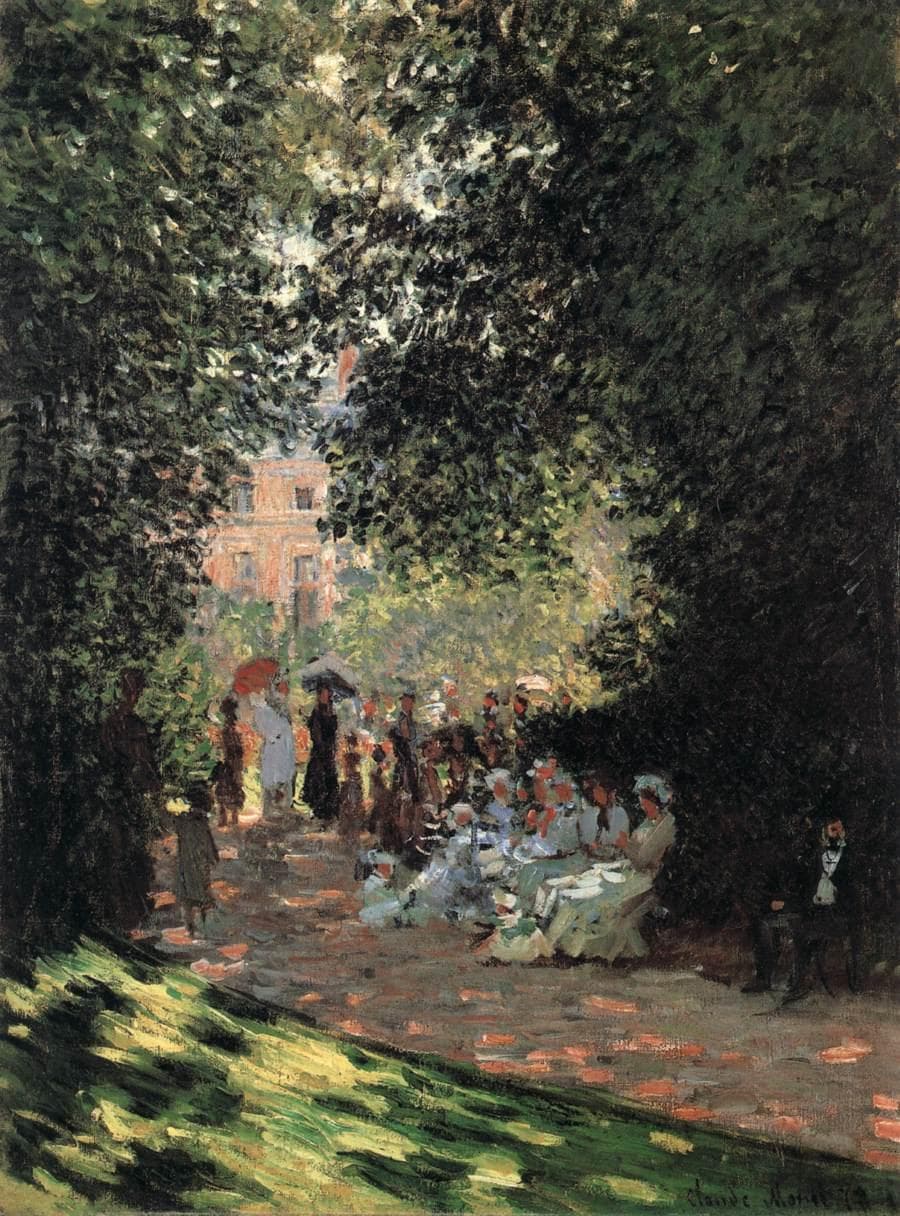
The Parc Monceau
Claude Monet · 1878
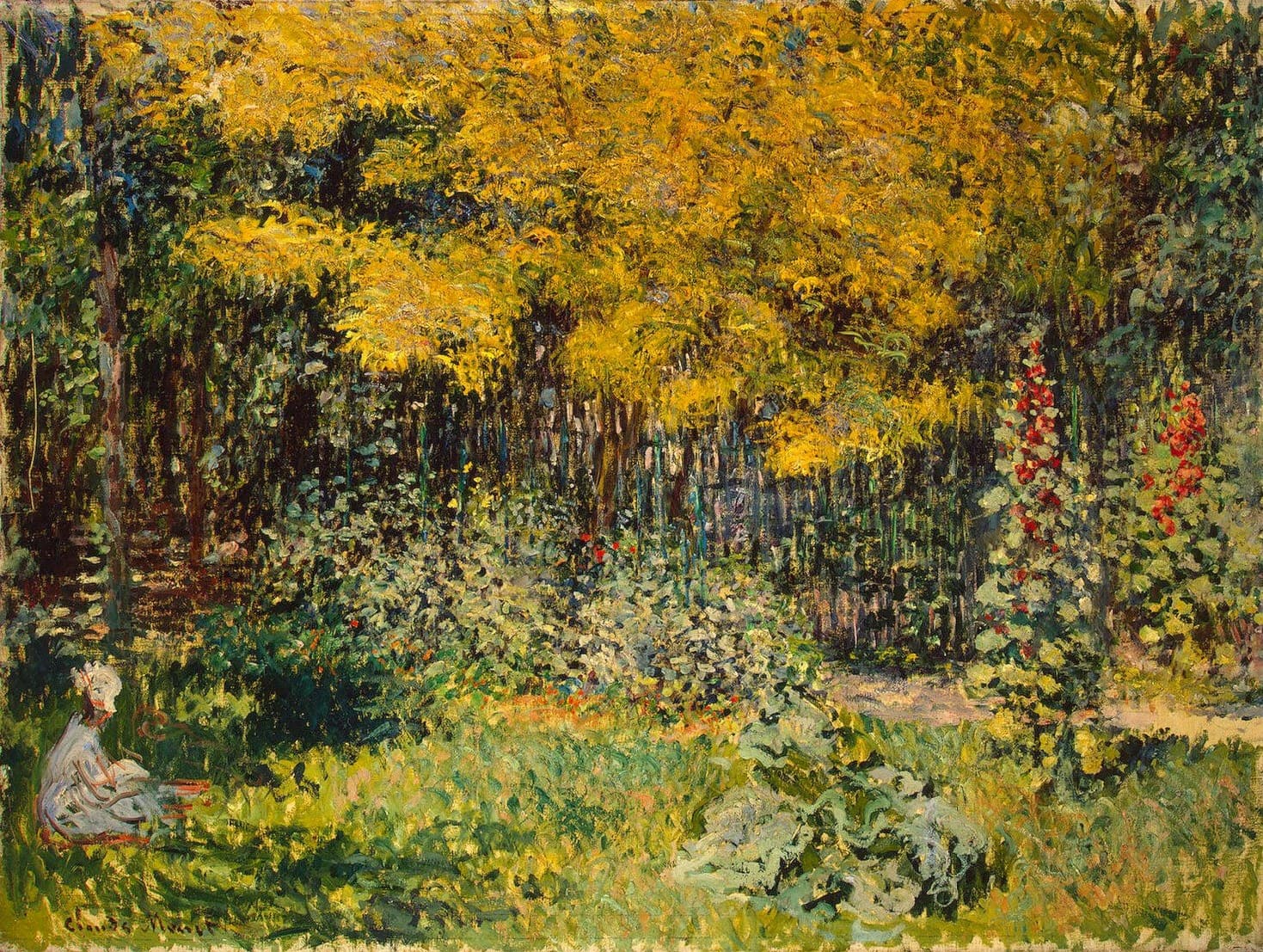
The Garden (Argenteuil, 1876)
Claude Monet · 1876
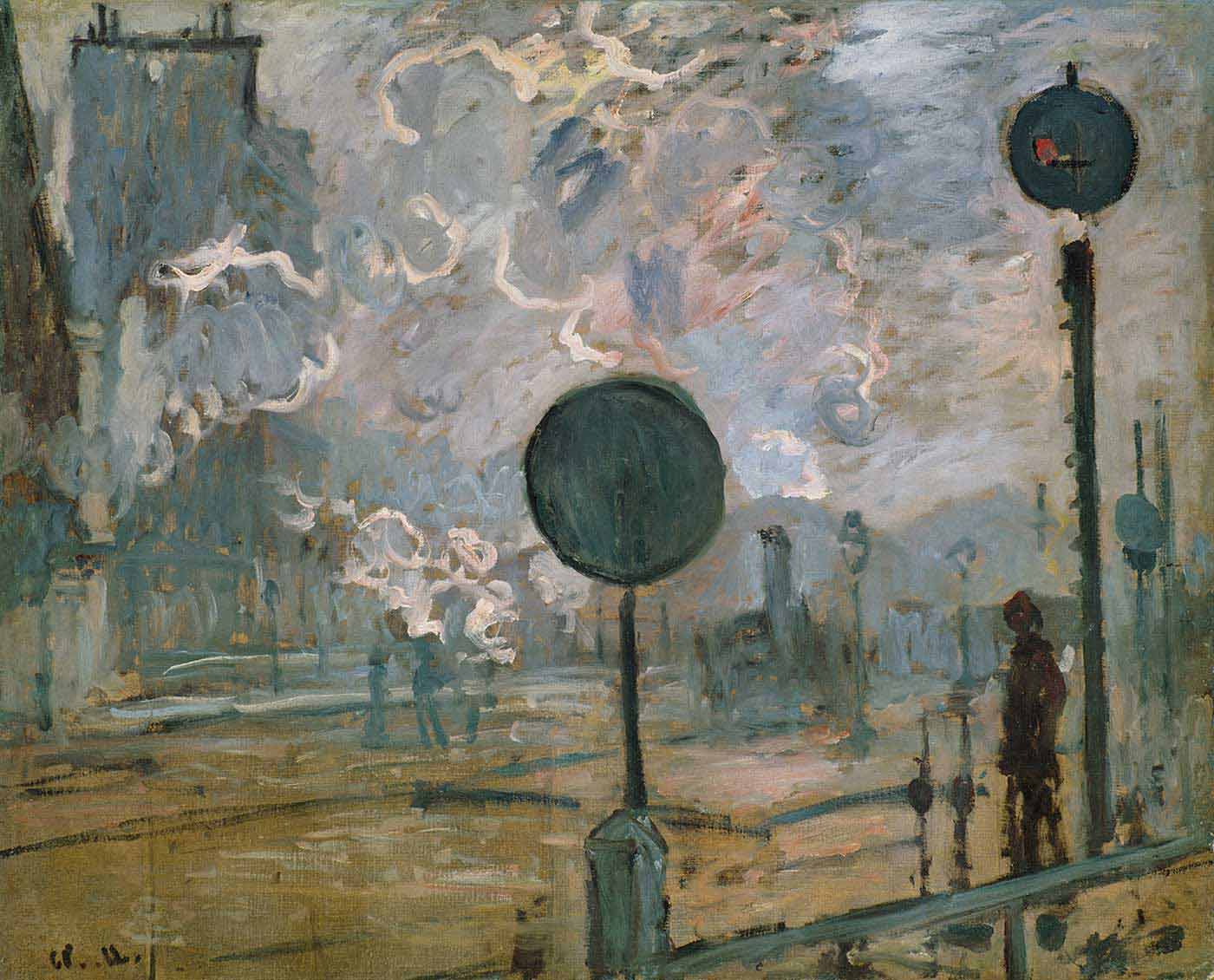
Exterior of Gare Saint-Lazare, The Signal
Claude Monet · 1877
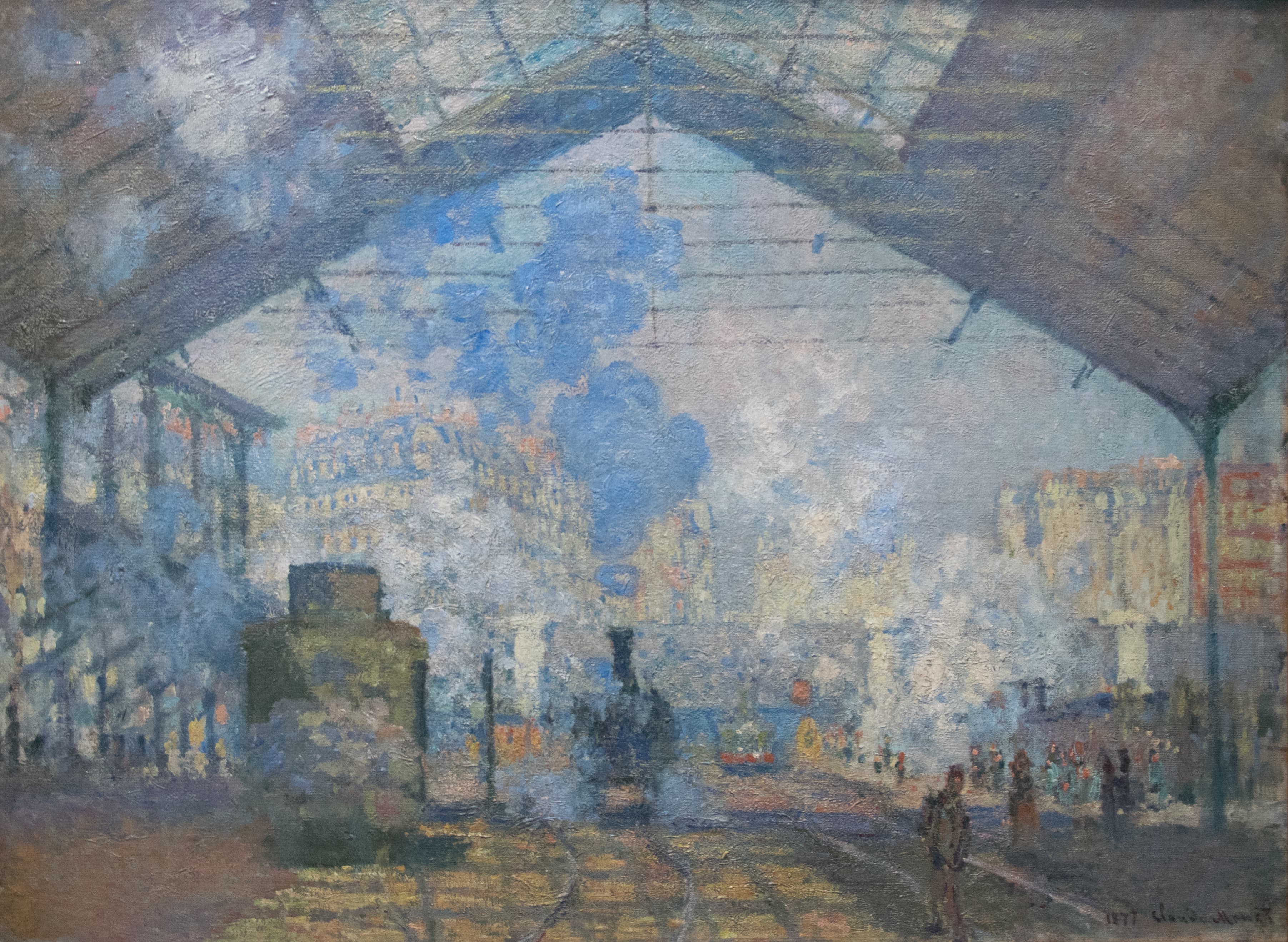
La Gare Saint-Lazare
Claude Monet · 1877
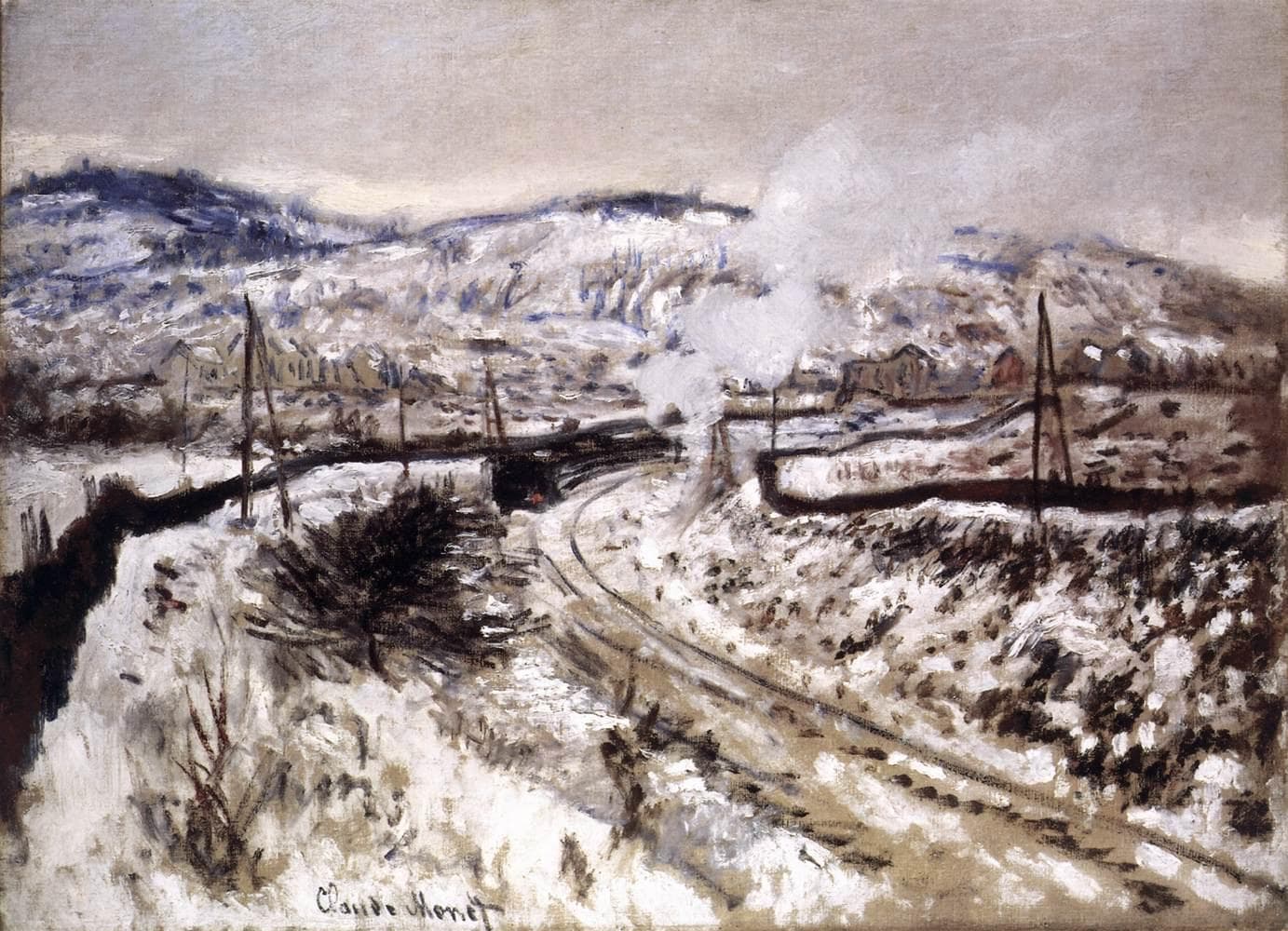
Train in the Snow at Argenteuil
Claude Monet · 1875
Also painted in 1877
The same year
Train Tracks at the Saint-Lazare Station
Claude Monet · 1877
Saint-Lazare Station, the Western Region Goods Sheds
Claude Monet · 1877
La Gare Saint-Lazare, Exterior View (Under the Pont de l'Europe)
Claude Monet · 1877
Gare Saint-Lazare: the Train from Normandy
Claude Monet · 1877
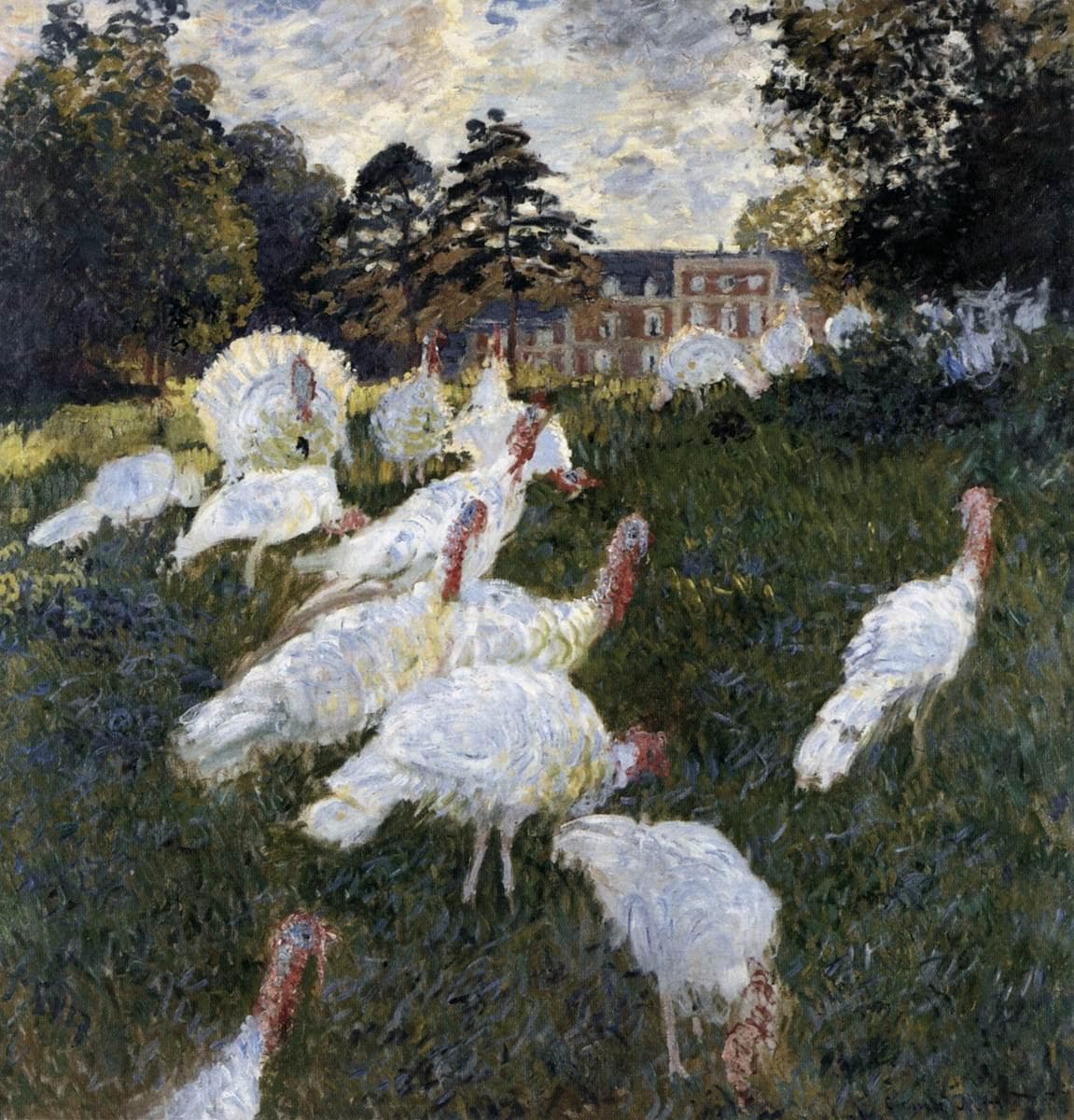
The Turkeys
Claude Monet · 1877
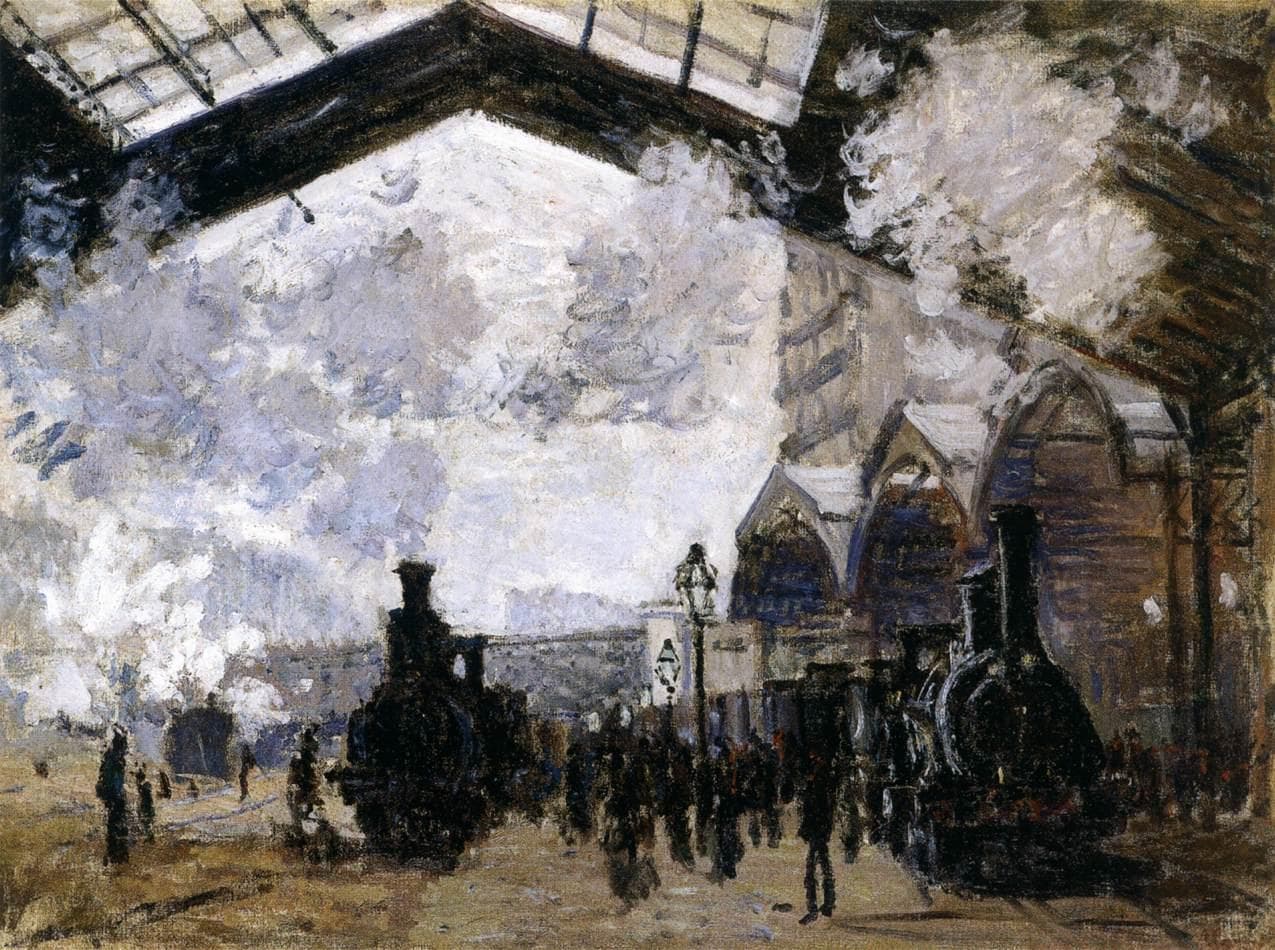
The Gare Saint-Lazare
Claude Monet · 1877
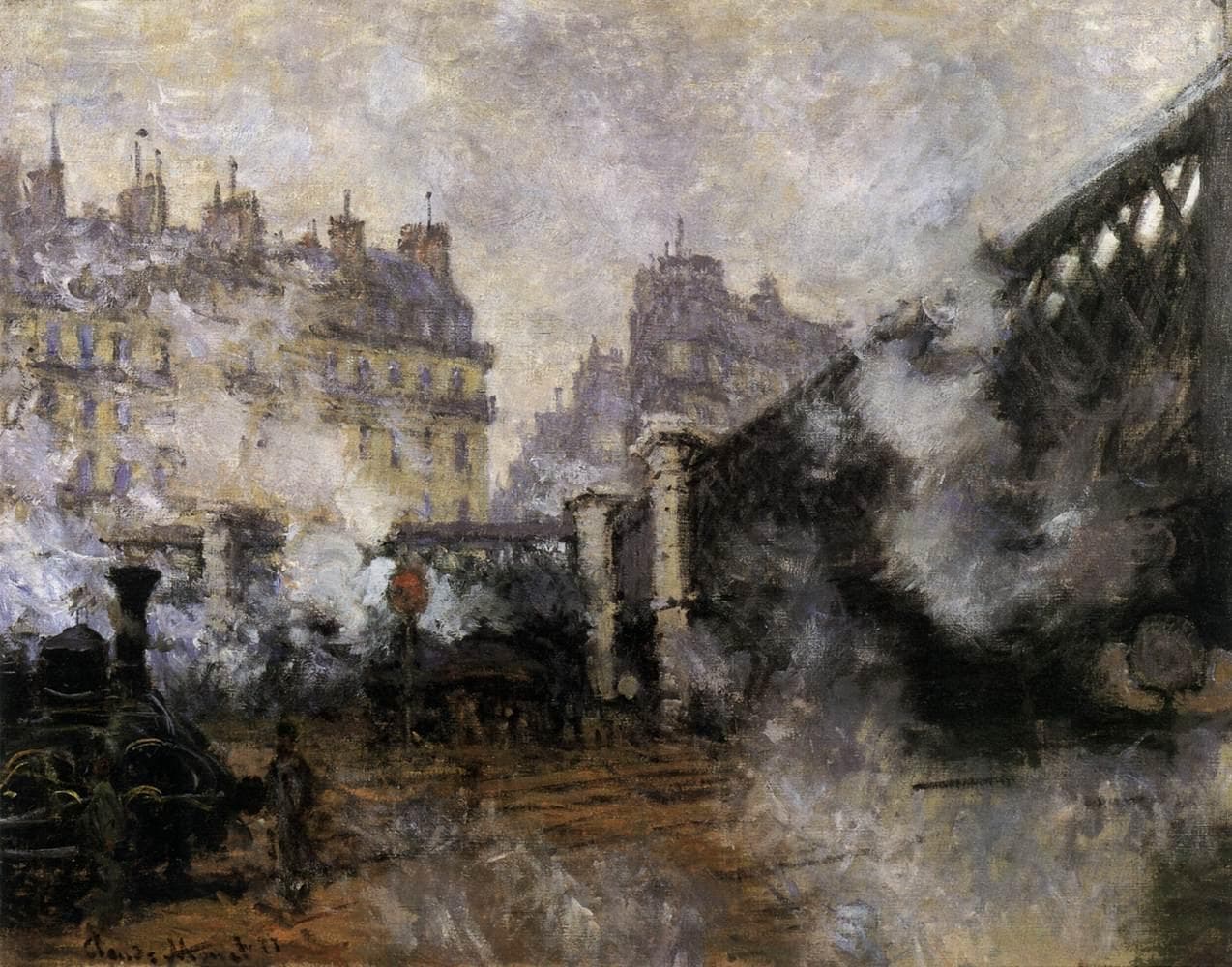
Pont de l'Europe, Gare Saint-Lazare
Claude Monet · 1877
Kindred works
You may also study
The Gare Saint-Lazare
Claude Monet · 1877
Pont de l'Europe, Gare Saint-Lazare
Claude Monet · 1877
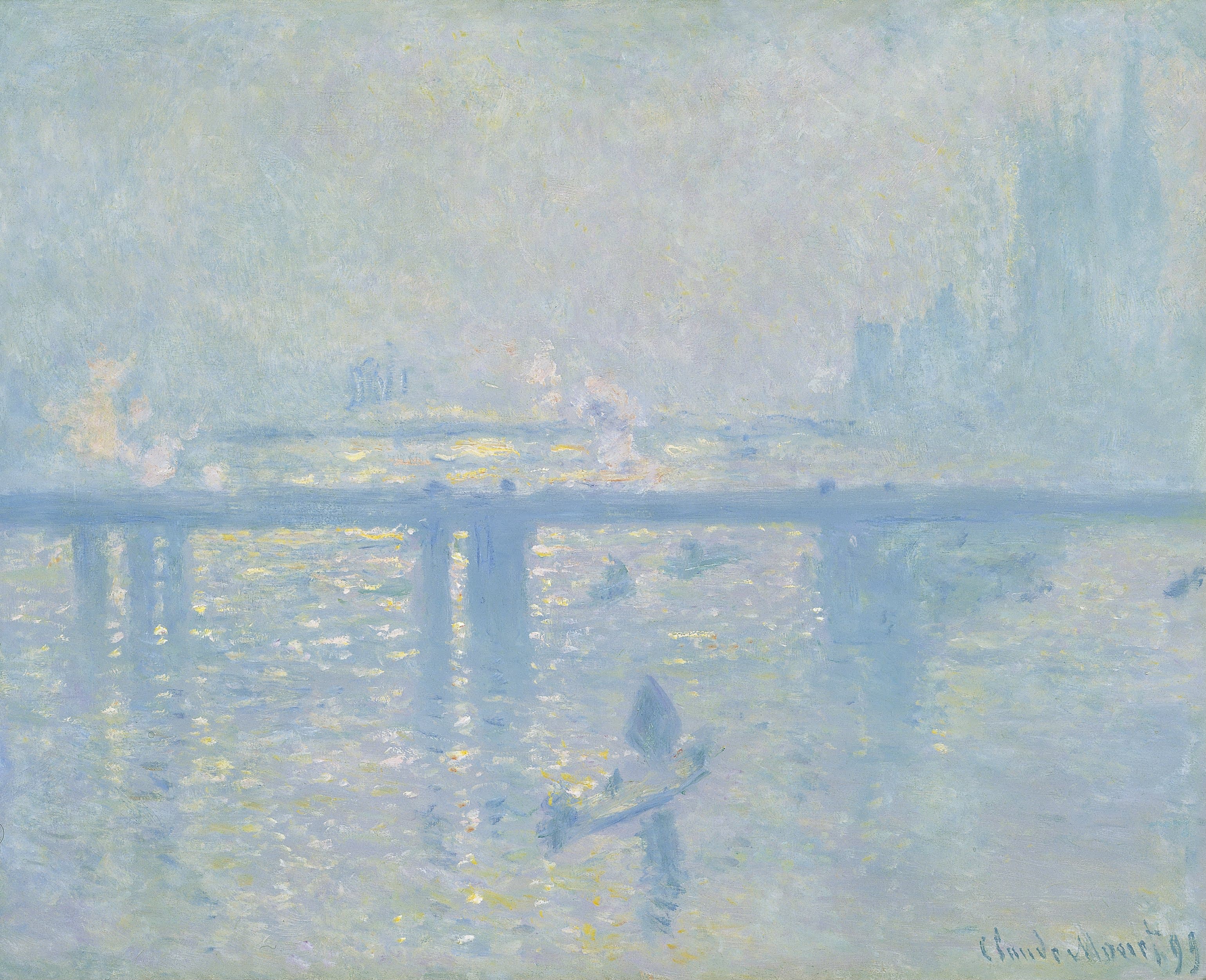
Charing Cross Bridge
Claude Monet · 1899
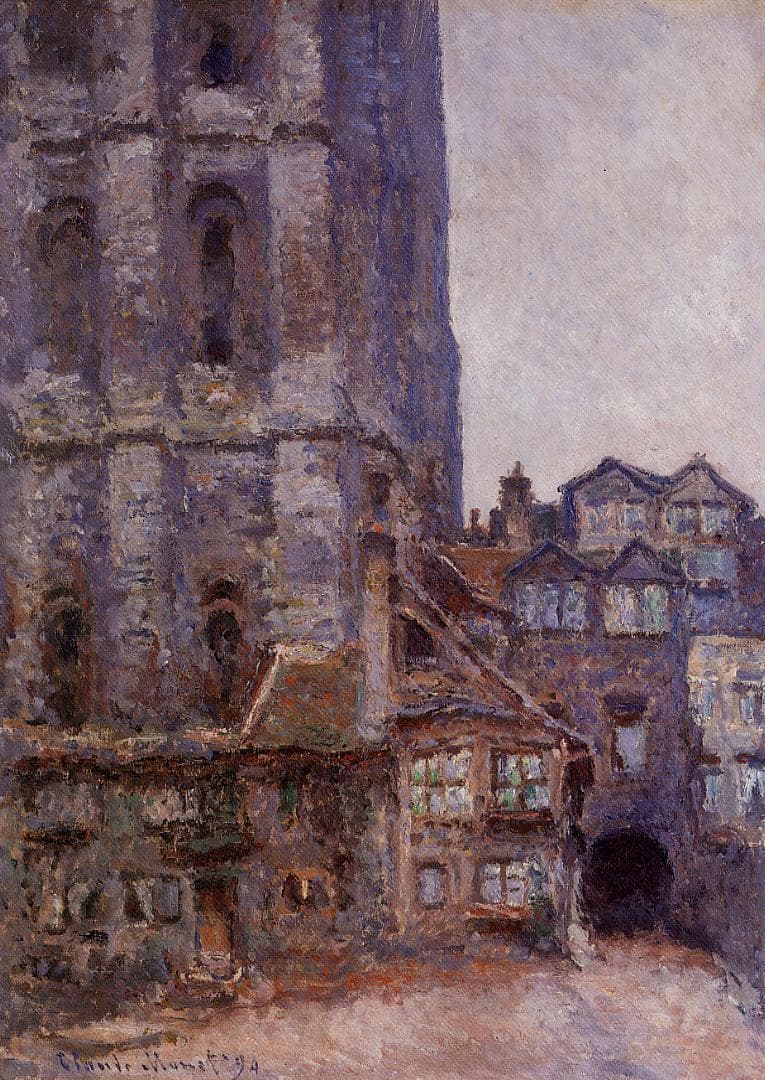
La Cour d'Albane, temps gris
Claude Monet · 1892–94
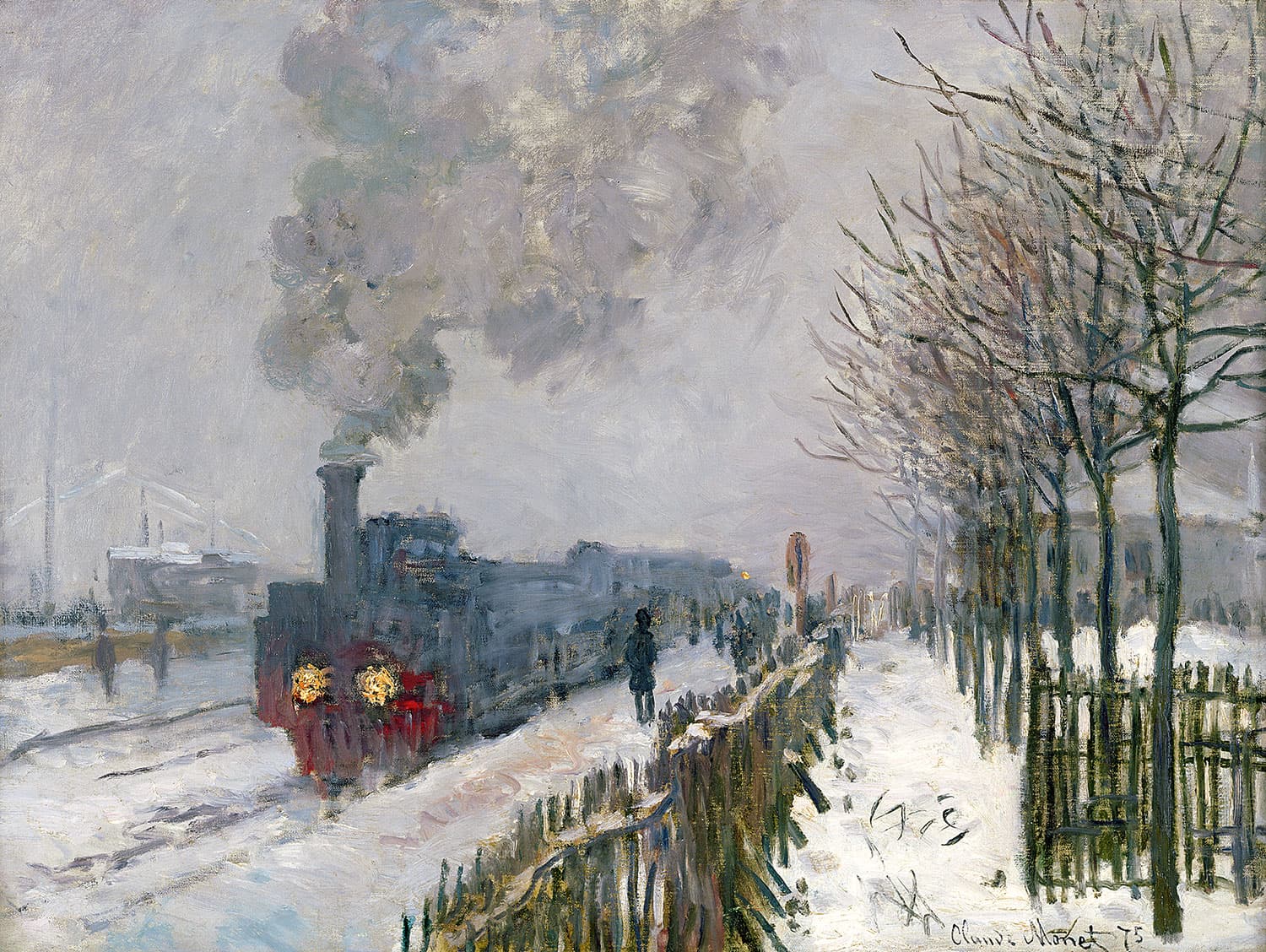
Train in the Snow (The Locomotive)
Claude Monet · 1875
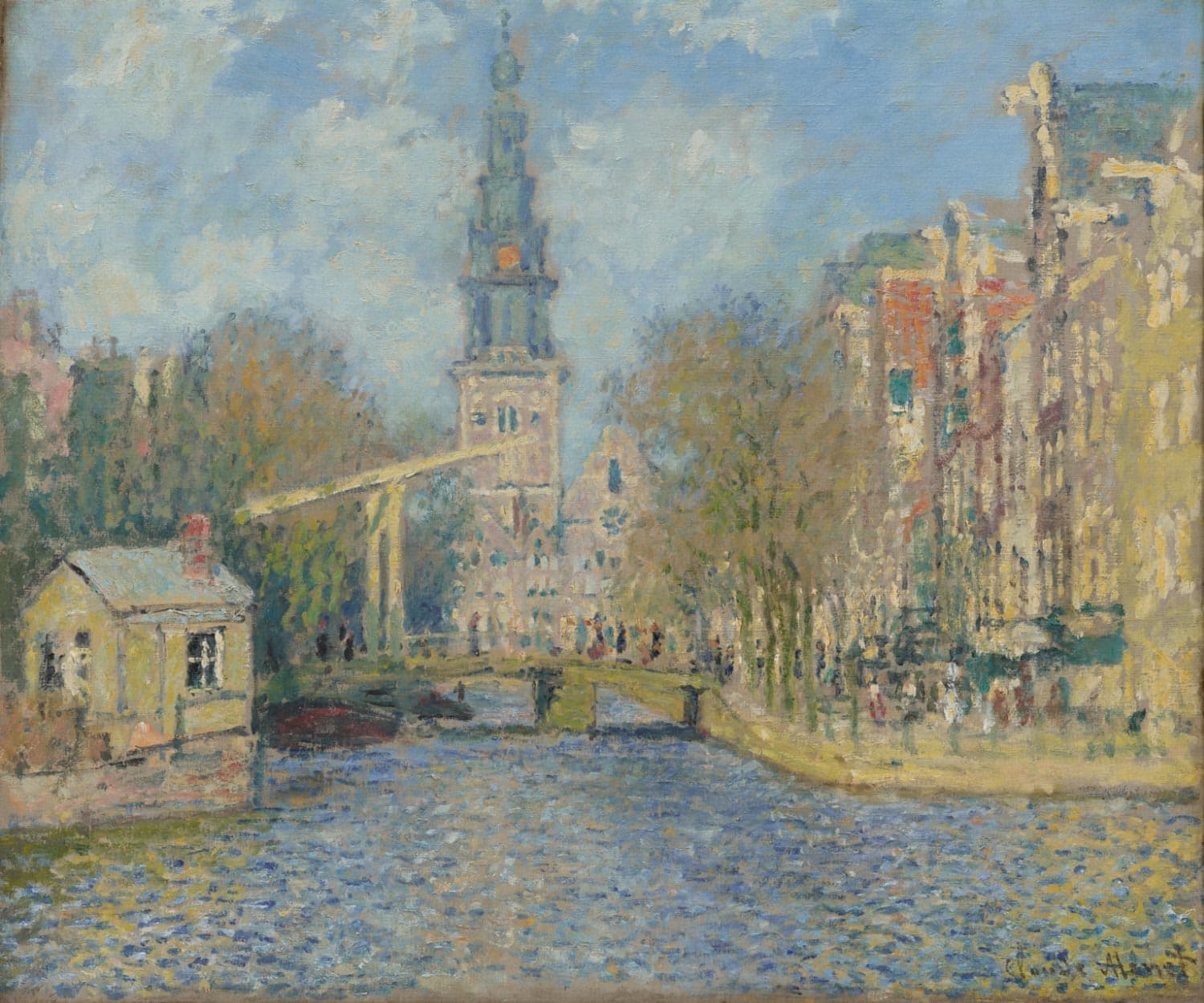
The Zuiderkerk, Amsterdam (Looking up the Groenburgwal)
Claude Monet · c. 1874
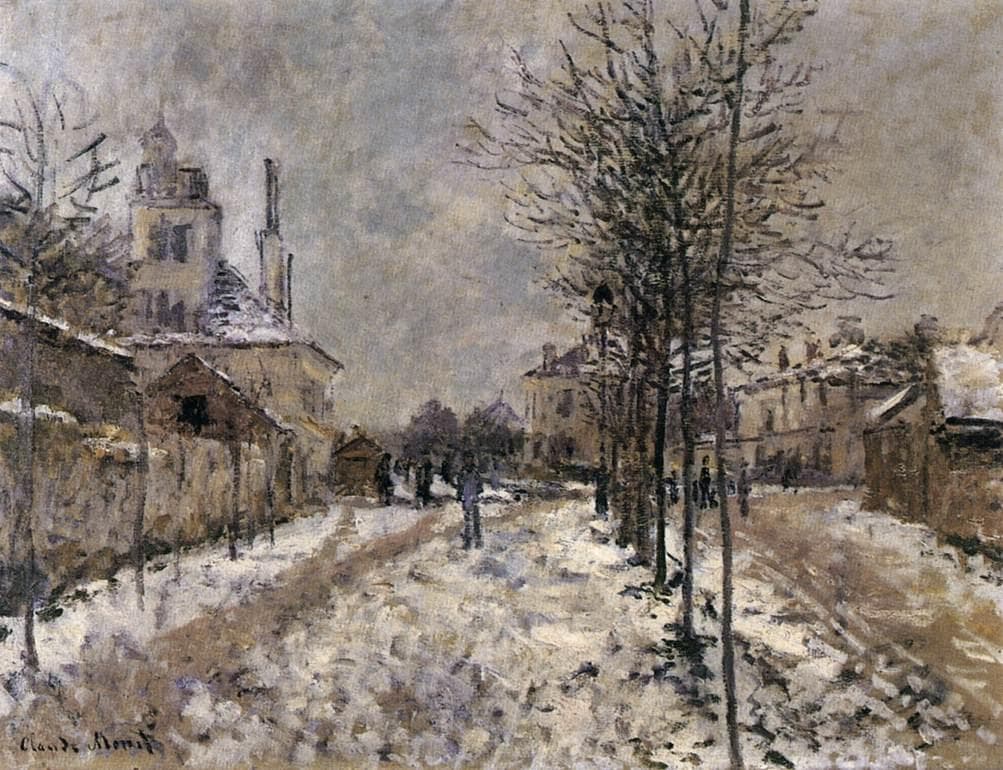
The Boulevard de Pontoise in Argenteuil under Snow
Claude Monet · 1875
Charing Cross Bridge
Claude Monet · c. 1899