Image: Pola Museum of Art, Hakone · Public domain · via Wikimedia Commons
Train Tracks at the Saint-Lazare Station
Claude Monet, 1877
Train Tracks at the Saint-Lazare Station (1877) is Claude Monet's view of the rails leaving the Paris terminus, with a round signal, steam clouds and the station's twin glass roofs beyond. It is in the Pola Museum of Art, Hakone, Japan.
- Artist
- Claude Monet
- Date
- 1877
- Medium
- Oil on canvas
- Dimensions
- 60.5 × 81.1 cm
- Collection
- Pola Museum of Art, Hakone, Kanagawa, Japan
- Movement
- Impressionism
- Catalogue
- Wildenstein 445
- The City
Train Tracks at the Saint-Lazare Station (Les Voies à la sortie de la gare Saint-Lazare) is one of the twelve canvases Claude Monet painted at the Paris railway terminus in early 1877. Instead of looking into the great glass shed, he stood out on the tracks and looked back toward the station: rails curve away from us, a tall signal post with a round disc rises in the center, steam billows on all sides, and the twin pitched roofs of the train sheds stand against a lilac sky. It belongs to the Pola Museum of Art in Hakone, Japan.
What you are looking at
The foreground is a wide field of brown and ocher ballast crossed by converging rails, painted with long, dragged strokes of gray, blue and rust. At left, a small building with a dark roof, a signalman's hut, stands beside the track, and in front of it a dark figure, a railway worker, walks toward us. Behind him a locomotive, black with a touch of red, is half hidden in its own smoke.
In the middle of the picture a thin post carries a round signal disc with a red center, the only crisp, man-made shape in the canvas. To the right and behind it rise two great triangles of blue-violet: the gables of the station's train sheds, seen from outside. Everything else is steam and smoke, painted in thick, curling white and lilac strokes, and in the upper right a patch of warm orange-brown smoke mingles with the sky. The initials and date, Cl. M. 77, are at lower right.
Where and when it was painted
Monet was still living at Argenteuil in January 1877 when he took a small flat in the rue Moncey, a few minutes' walk from the Gare Saint-Lazare, the Paris terminus of the line that ran out to Argenteuil and on to Normandy. According to a story told by Renoir, he put on his best clothes and persuaded the director of the Chemins de fer de l'Ouest to let him paint on the platforms and tracks; trains were even held so that he could work. Over about three months he painted twelve views of the station, a first attempt at the kind of Gare Saint-Lazare series that would define his later career. Seven were shown at the Third Impressionist Exhibition in April 1877.
How it was painted
The handling is fast and broad, typical of the smaller, sketchier pictures in the group. Monet blocked in the tracks with dry, scraped strokes and built the steam from heavy, rounded touches of white, letting it overlap the architecture. Unlike the large set-piece interiors, such as La Gare Saint-Lazare in the Musée d'Orsay, this canvas has no framing roof structure; it is open to the sky, and the signal post takes the role of the central vertical.
The palette is warmer than in many of the interiors, with rust, ocher and orange in the ground and smoke balancing the blue-violet of the sheds. The result is a picture about the working yard, the space trains pass through, rather than the passenger hall.
How this version differs
Within the twelve, Monet shifted position constantly: inside the shed, under the Pont de l'Europe, out on the tracks. This canvas is one of the views from the yard looking back toward the station, close in subject to The Signal in Hannover, where a large round signal disc dominates. Compare the full-scale interior views in Paris and Chicago, or the bridge view in the Musée Marmottan.
Modern subject, modern method
The Saint-Lazare canvases were among the first paintings anywhere to take a working railway station as their main subject, and they were noticed. Critics at the 1877 exhibition were divided; Émile Zola praised them, comparing the noise and movement of the trains to what you could almost hear in the paint. The series also marks a shift in Monet's practice: by returning to one place again and again to record different moments, he laid the foundation for the haystacks, poplars and cathedrals of the 1890s.
Where to see it
The Pola Museum of Art in Hakone, in the mountains west of Tokyo, opened in 2002 to show the collection of Tsuneshi Suzuki of the Pola cosmetics group, which is especially strong in French Impressionism. The museum owns several Monets; see also where to see Monet's paintings.
Questions & answers
Where is Monet's Train Tracks at the Saint-Lazare Station?
In the Pola Museum of Art in Hakone, Kanagawa Prefecture, Japan (inv. 016-0036). The museum opened in 2002 and is known for its collection of French Impressionist painting.
When was it painted?
In early 1877, when Monet painted twelve views of the Gare Saint-Lazare in Paris over roughly three months. It is initialed and dated 'Cl. M. 77' at lower right.
What does the painting show?
The tracks leading out of the Gare Saint-Lazare, seen from the yard: rails curving toward the viewer, a railway worker and locomotive at left, a round signal on a post and the twin gables of the station's train sheds in clouds of steam.
How many Gare Saint-Lazare paintings did Monet make?
Twelve, all in 1877. Seven were shown at the Third Impressionist Exhibition that April. They are now divided between museums in Paris, London, Chicago, Cambridge (Massachusetts), Hannover and Hakone, and private collections.
More by the artist
Claude Monet
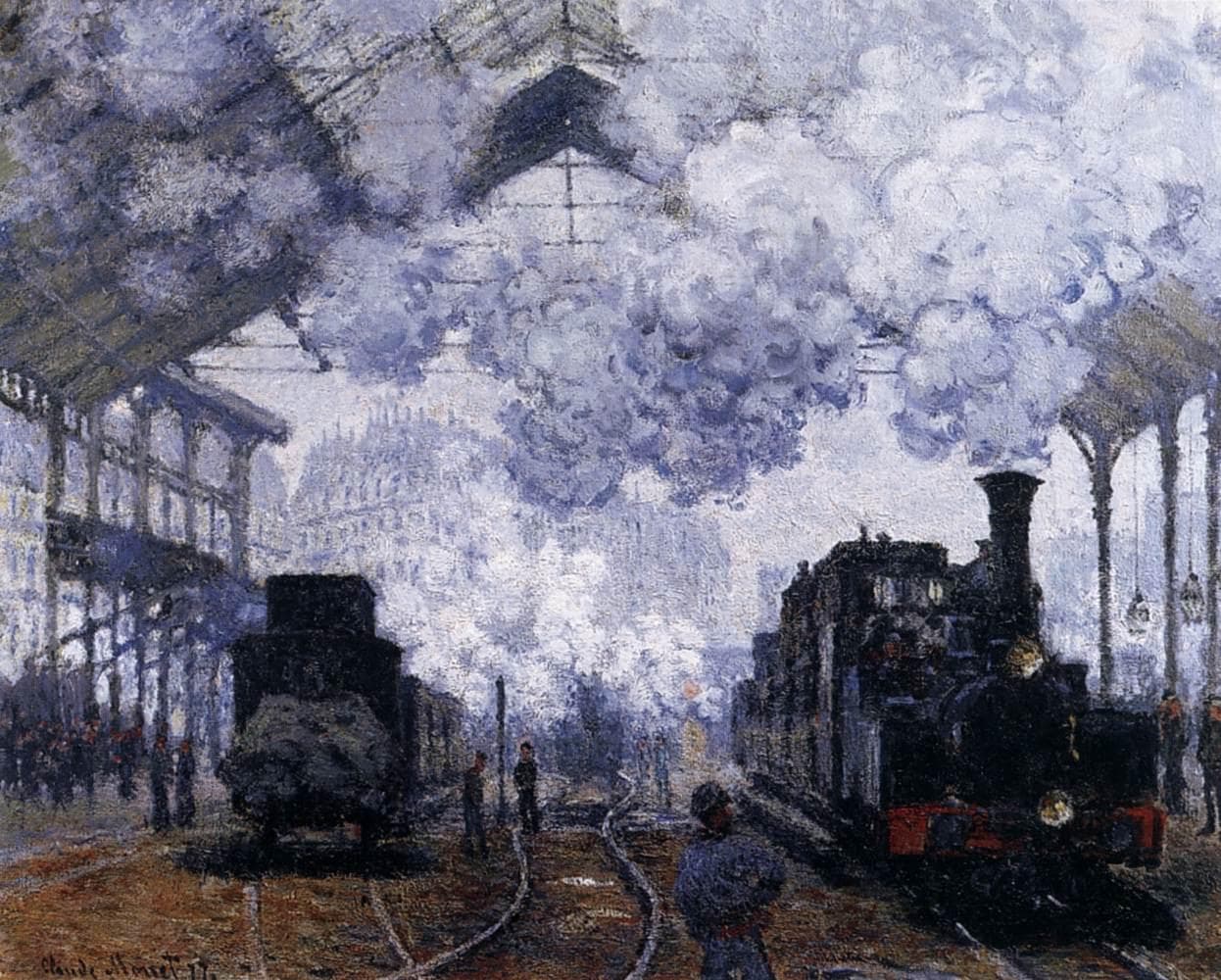
The Gare Saint-Lazare: Arrival of a Train
Claude Monet · 1877
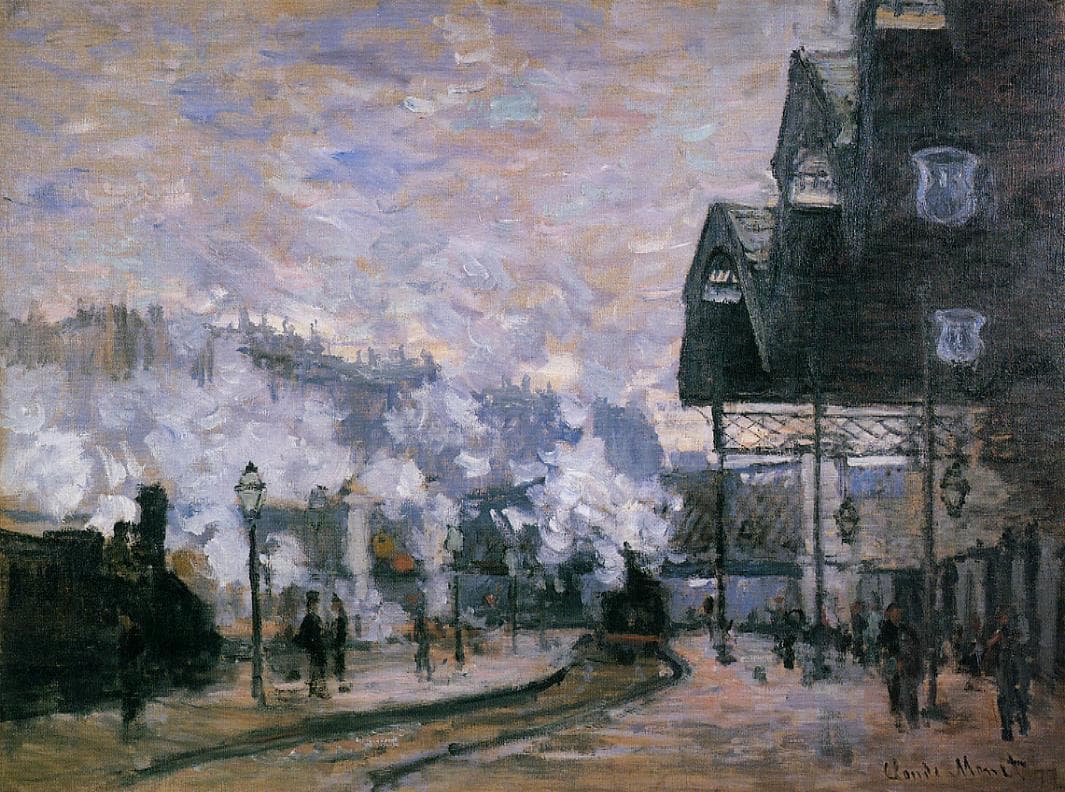
Saint-Lazare Station, the Western Region Goods Sheds
Claude Monet · 1877
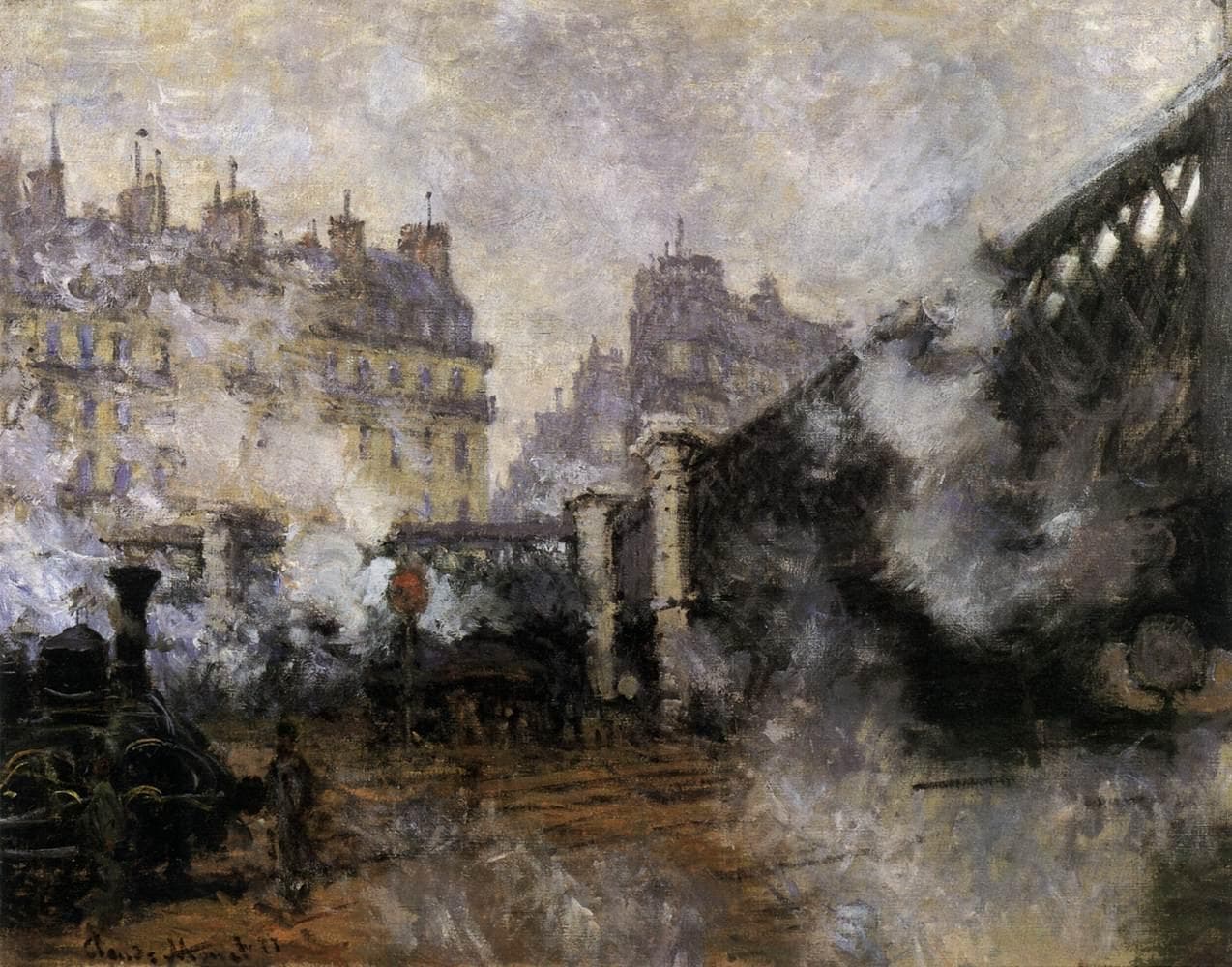
Pont de l'Europe, Gare Saint-Lazare
Claude Monet · 1877
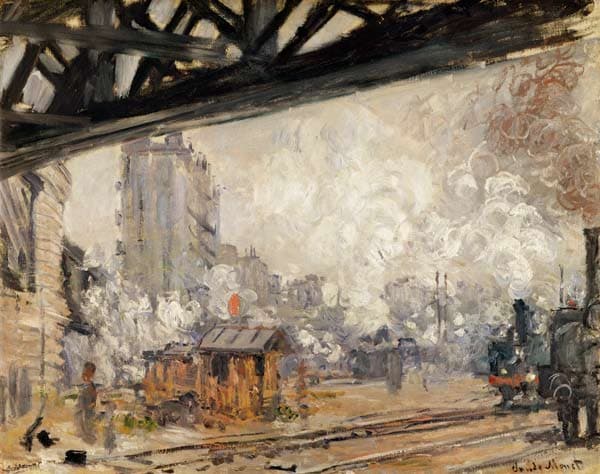
La Gare Saint-Lazare, Exterior View (Under the Pont de l'Europe)
Claude Monet · 1877
Snow Scene at Argenteuil
Claude Monet · 1875
The Studio Boat (Le Bateau-atelier)
Claude Monet · 1876
In the Meadow (Dans la prairie)
Claude Monet · 1876
Boulevard Saint-Denis, Argenteuil, in Winter
Claude Monet · 1875
Also painted in 1877
The same year
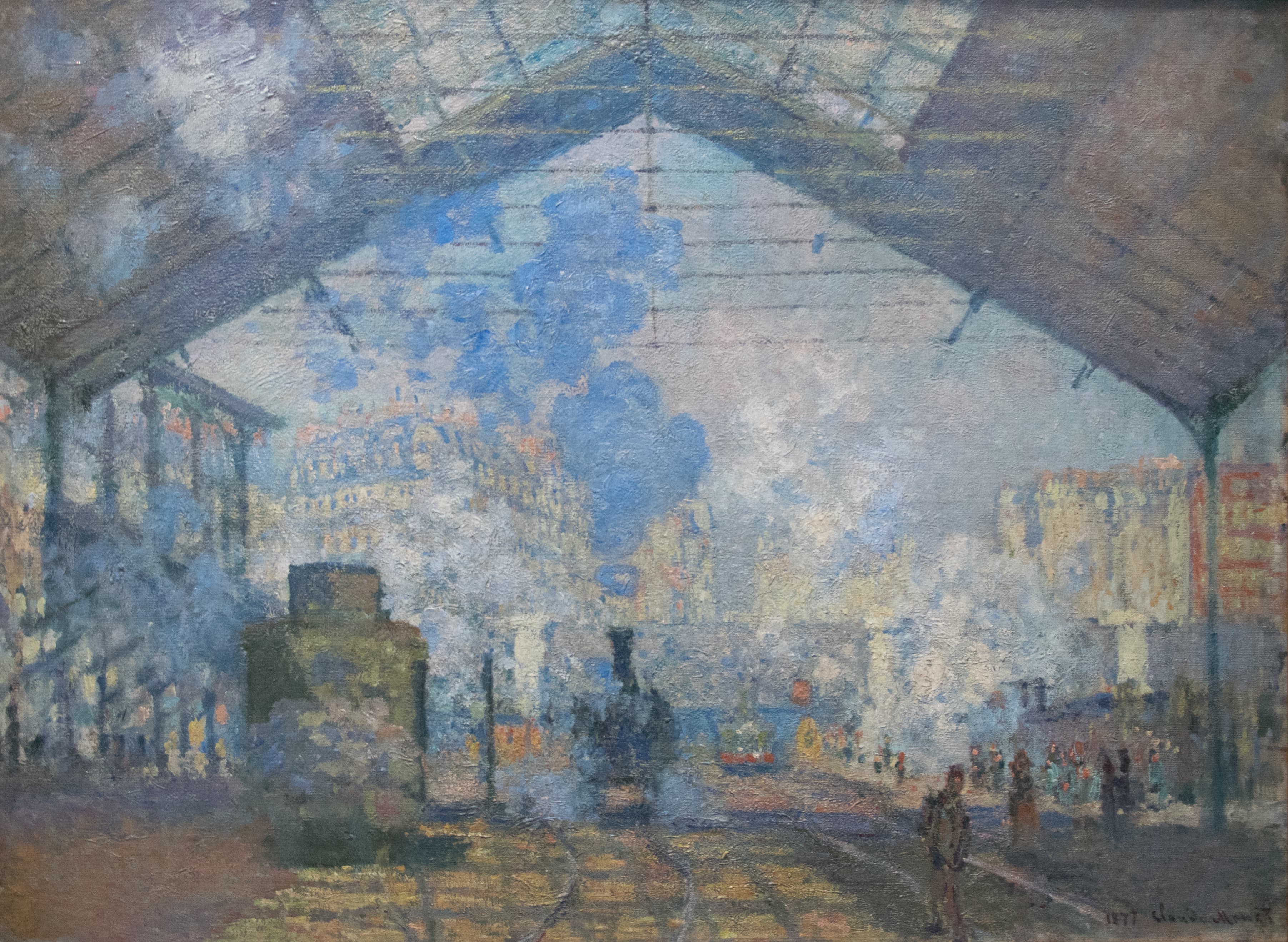
La Gare Saint-Lazare
Claude Monet · 1877
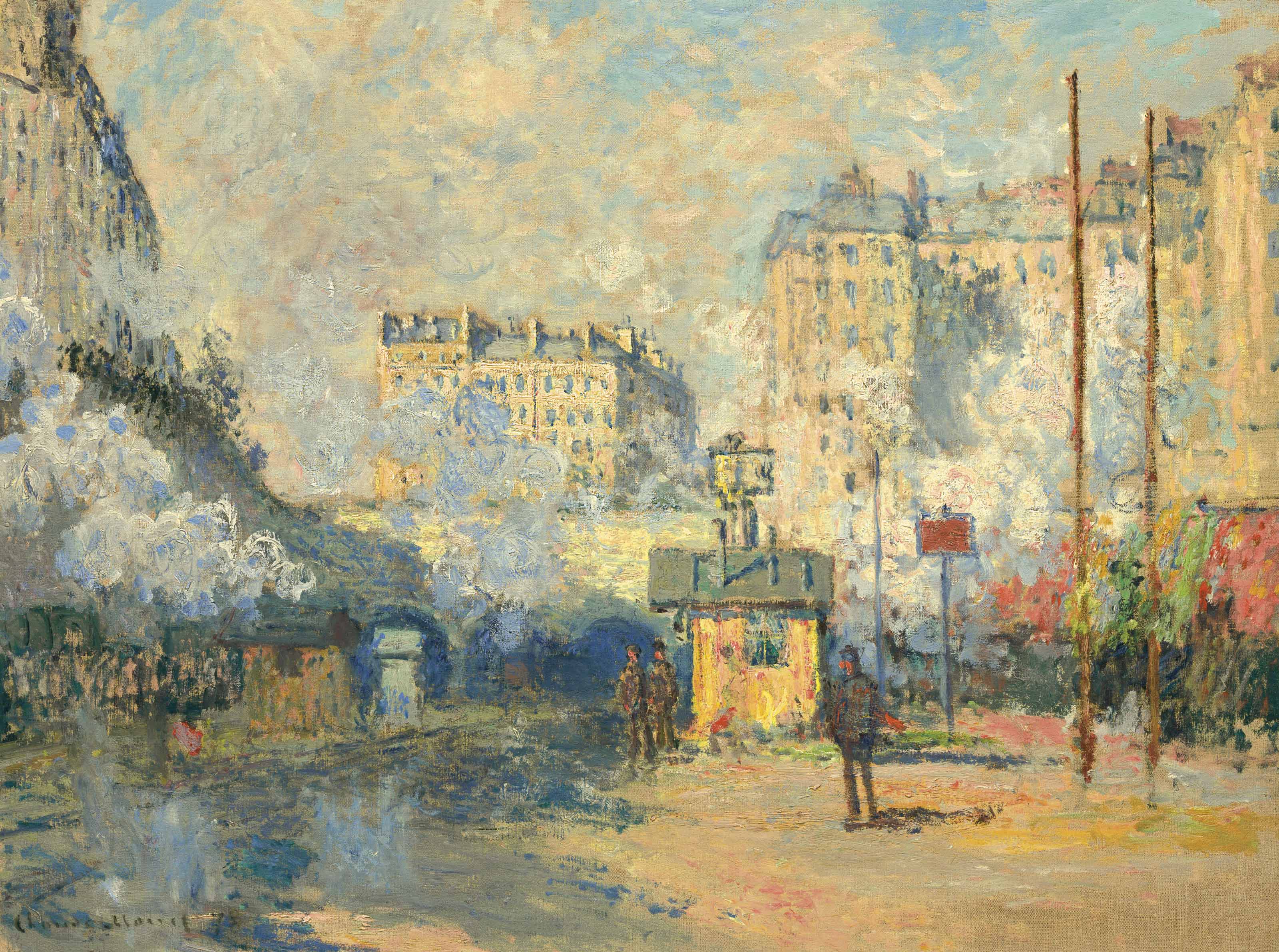
Exterior of Saint-Lazare Station, Sun Effect
Claude Monet · 1877
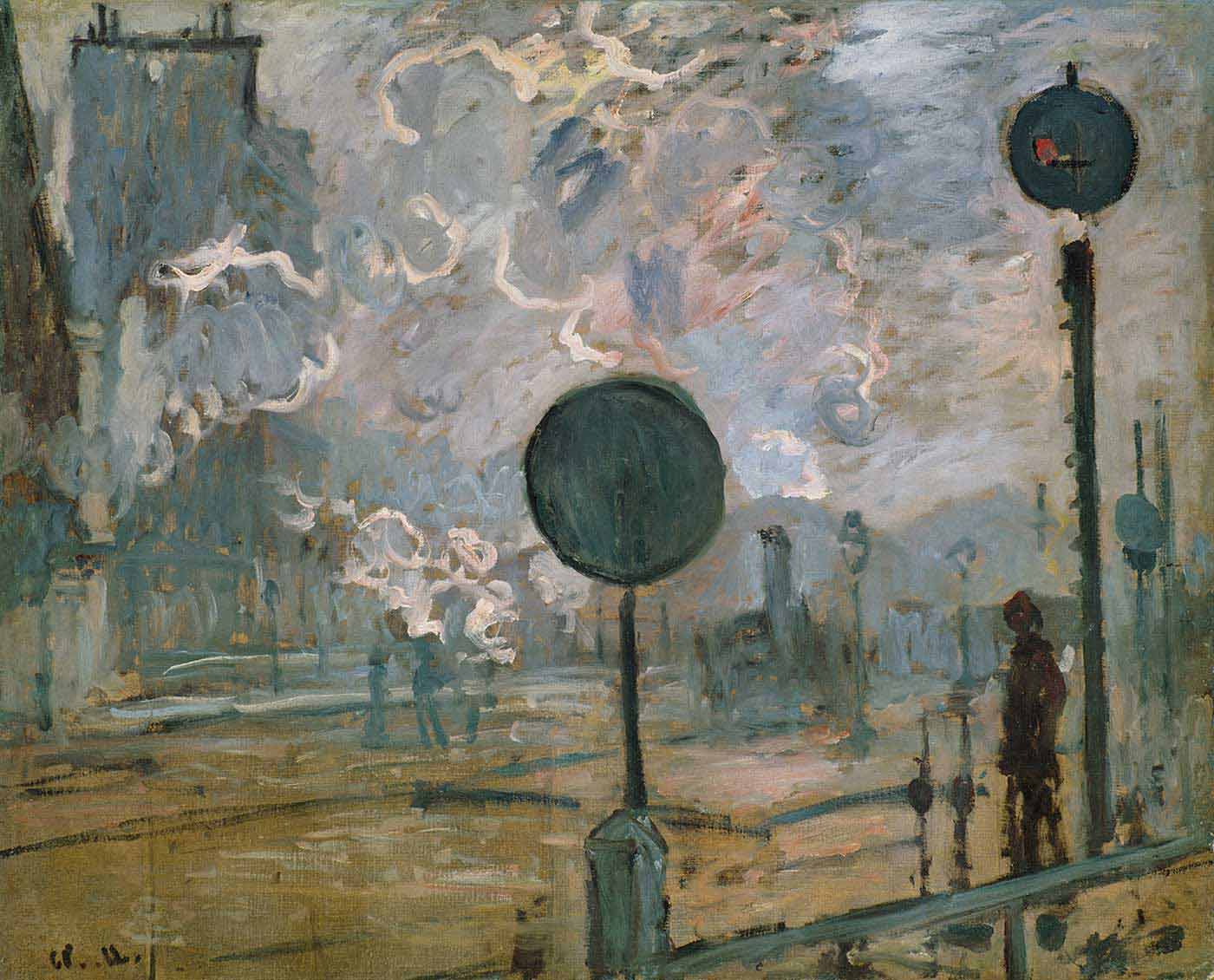
Exterior of Gare Saint-Lazare, The Signal
Claude Monet · 1877
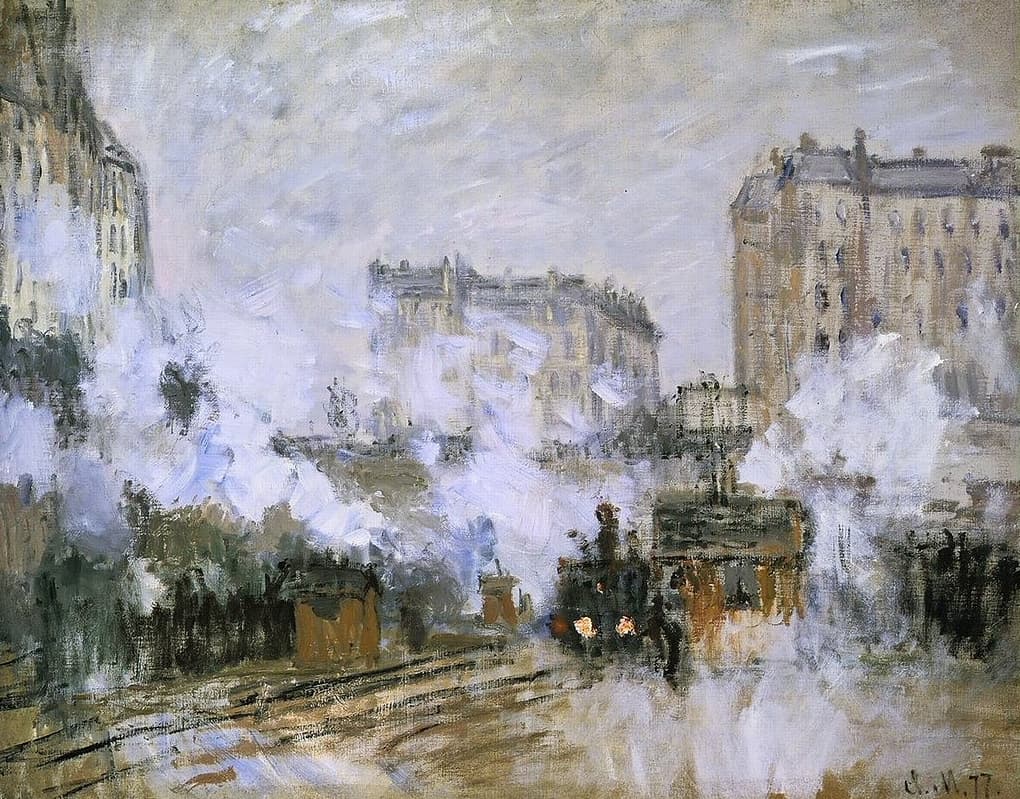
Exterior of Saint-Lazare Station, Arrival of a Train
Claude Monet · 1877
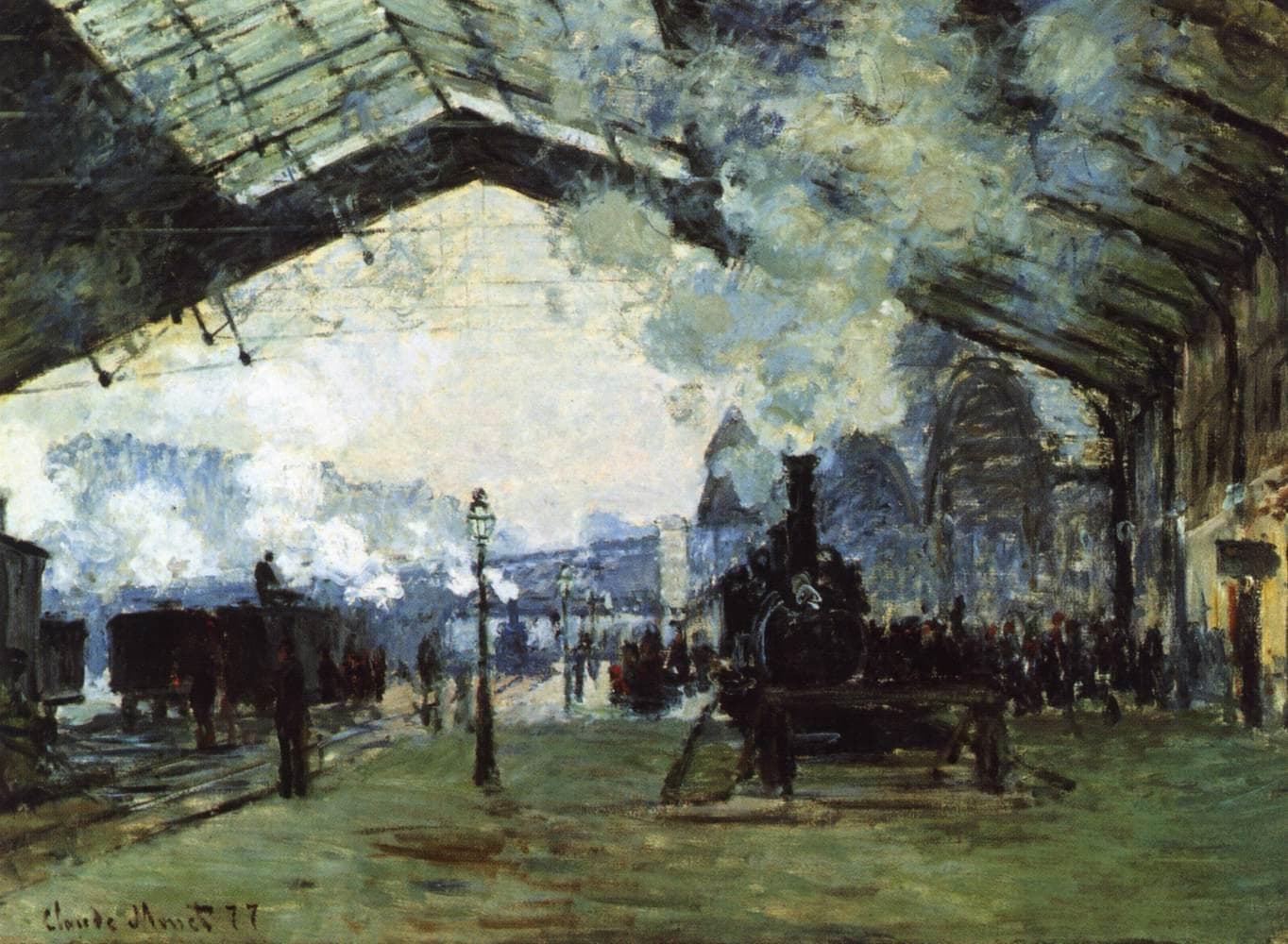
Gare Saint-Lazare: the Train from Normandy
Claude Monet · 1877
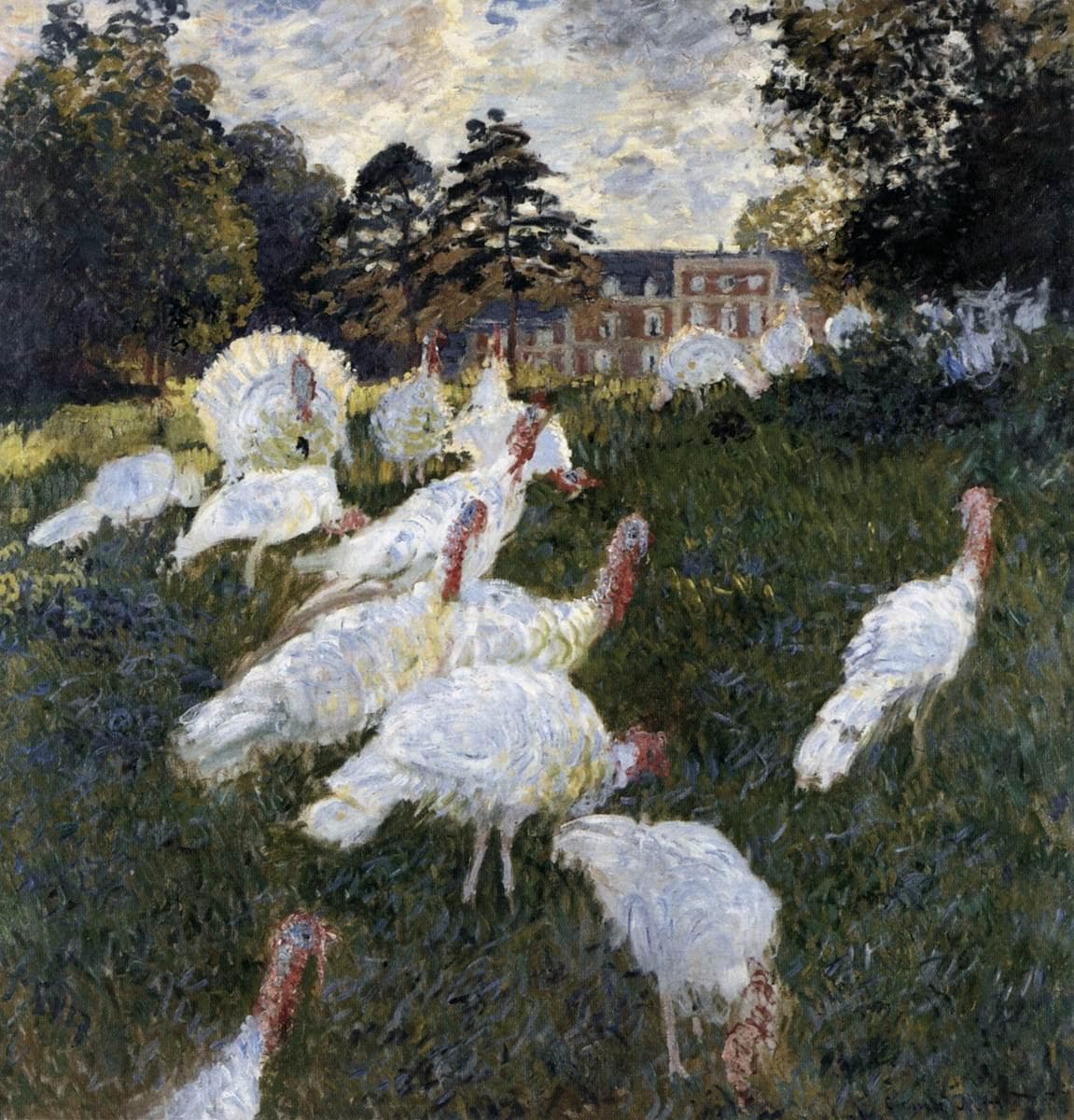
The Turkeys
Claude Monet · 1877
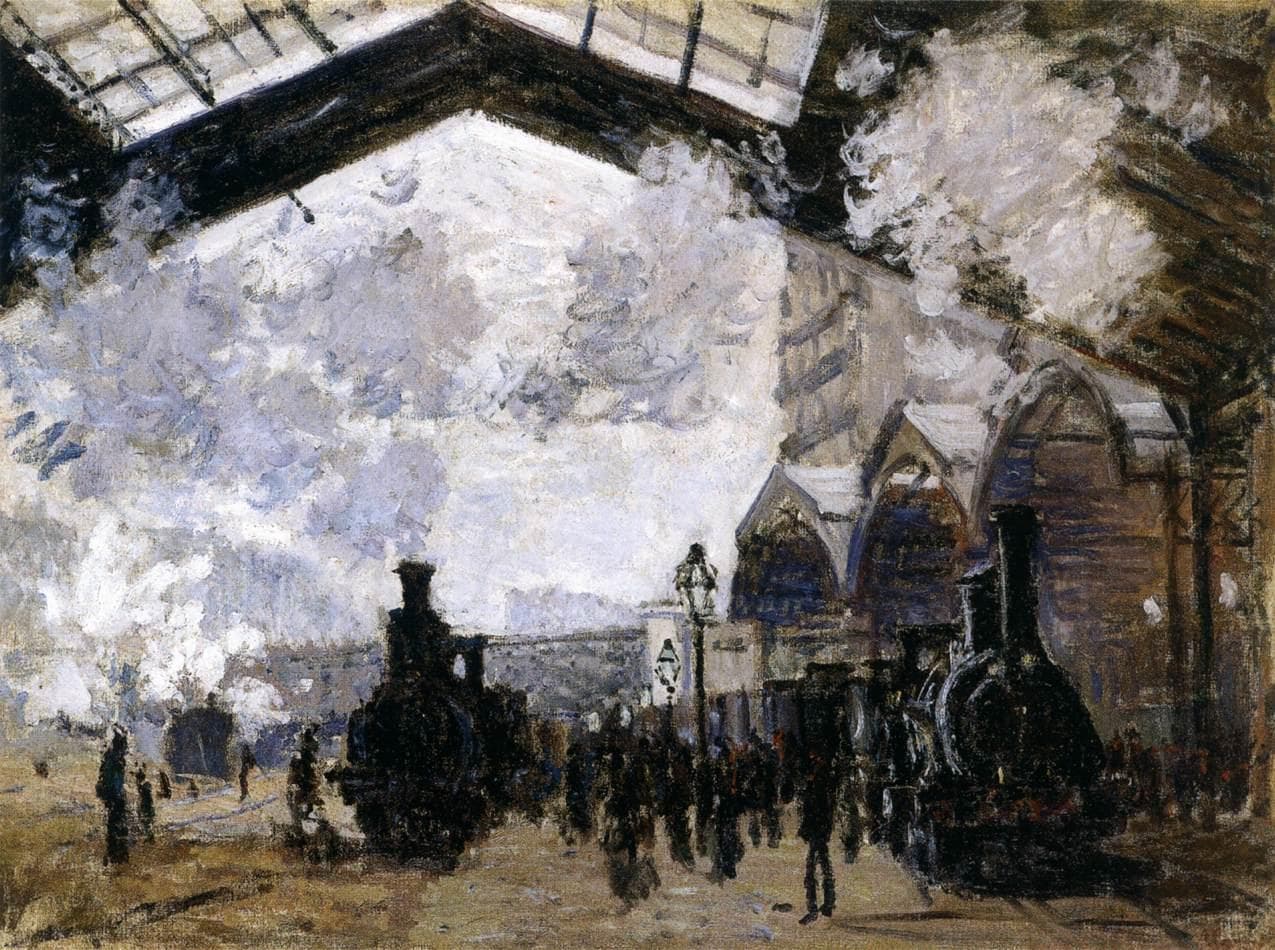
The Gare Saint-Lazare
Claude Monet · 1877
Kindred works
You may also study
Exterior of Gare Saint-Lazare, The Signal
Claude Monet · 1877
La Gare Saint-Lazare
Claude Monet · 1877
Gare Saint-Lazare: the Train from Normandy
Claude Monet · 1877
Exterior of Saint-Lazare Station, Arrival of a Train
Claude Monet · 1877
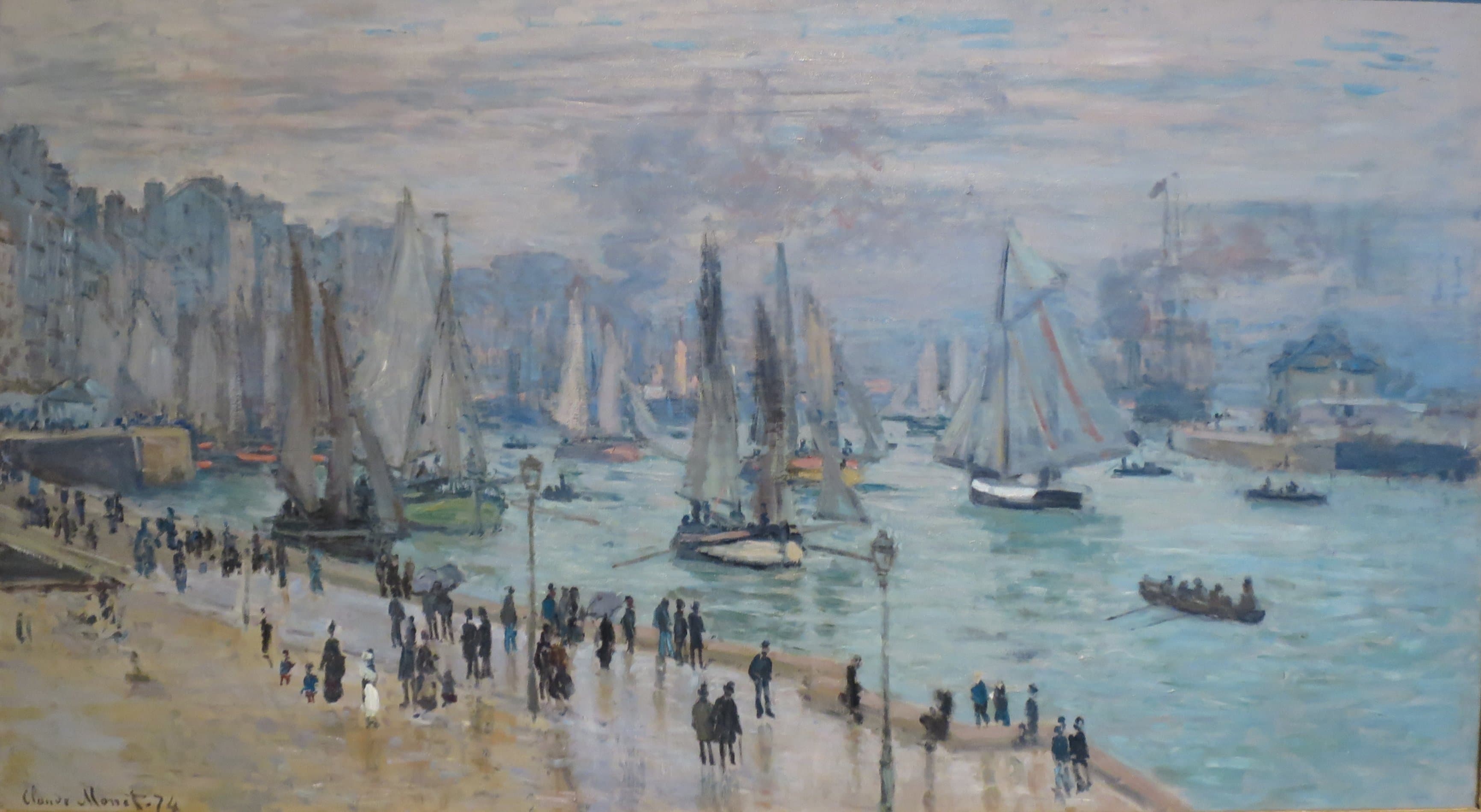
Fishing Boats Leaving the Harbor, Le Havre
Claude Monet · 1874
The Thames below Westminster
Claude Monet · c. 1871
Entrance to the Grande Rue at Argenteuil, Winter
Claude Monet · 1875
The Pont Neuf
Claude Monet · 1871