Image: Philadelphia Museum of Art; reproduction via Wikimedia Commons · Public domain · via Wikimedia Commons
The Zuiderkerk, Amsterdam (Looking up the Groenburgwal)
Claude Monet, c. 1874
The Zuiderkerk, Amsterdam is a c. 1874 painting by Claude Monet looking up the Groenburgwal canal to the tower of the Zuiderkerk on a bright day. It is in the Philadelphia Museum of Art, bought in 1921.
- Artist
- Claude Monet
- Date
- c. 1874
- Medium
- Oil on canvas
- Dimensions
- 54.5 × 65.4 cm
- Collection
- Philadelphia Museum of Art, Philadelphia, United States
- Movement
- Impressionism
- Catalogue
- Wildenstein 309
- The City
- Water & Sea
- Architecture & Ruins
The Zuiderkerk, Amsterdam (Looking up the Groenburgwal) is a view by Claude Monet of one of Amsterdam's quieter canals, with the spire of the seventeenth-century Zuiderkerk rising at its end. Painted about 1874, during a short visit Monet made to the Dutch capital, and catalogued by Wildenstein as no. 309, it was bought by the Philadelphia Museum of Art in 1921 with the W. P. Wilstach Fund.
What you're looking at
We look straight up the canal from water level. The Groenburgwal runs away from us, its surface a dense field of short blue, lilac and cream dabs flecked with yellow, catching the sun. A white wooden drawbridge with a tall counterweighted beam, characteristic of Amsterdam, crosses the canal in the middle distance, and beyond it a low brick bridge carries a small crowd of figures.
At the end of the view, the Zuiderkerk's tower climbs to the top of the canvas: a pale stone base, then stacked stages of white, blue-green and gray, with an orange clock face and an onion spire. Its stepped-gabled church front shows below to the right. On the left a yellow-green lock-keeper's or bridge-keeper's hut with a red chimney sits at the water's edge, and on the right bank a row of tall, narrow gabled houses in cream, red, yellow and green, with their hoisting beams, catches full sunlight above leafless or thinly leaved trees. The sky is blue with soft white clouds. The signature is at lower right.
Where and when it was painted
Monet had worked in Zaandam, near Amsterdam, in 1871 on his way back from London. He returned to the Netherlands for a shorter stay, usually dated to 1874, when he painted around a dozen views of Amsterdam's canals, harbor and churches. The Zuiderkerk, built between 1603 and 1611 to designs by Hendrick de Keyser, was the first church in Amsterdam built for Protestant worship, and its tower was a favorite motif for painters. The Groenburgwal, a short canal in the old center, runs in its shadow. The Philadelphia museum notes some uncertainty about the date, and "c. 1874" is the cautious form.
How it was painted
The surface is busy and crusty, worked in small, thick touches that give the bright light a vibrating quality. The houses are built of short vertical strokes, the water of short horizontal ones, and the tower of stacked dabs that keep it airy despite its mass. Compared with the Dutch views of 1871, such as Zaandam, the palette here is lighter and warmer, closer to the sunlit Argenteuil pictures of the same years.
How this version differs
Monet painted the same view up the Groenburgwal at least twice. The second canvas, Canal in Amsterdam, shows the same drawbridge, hut and tower but under a hazier, cooler sky, with deeper blue-violet shadows and a rowing boat on the canal. The Philadelphia picture is the sunnier of the two, with the house fronts on the right in full light and the water sparkling. For Monet's other Dutch canvases see Houses on the Zaan River at Zaandam and Tulip Fields in Holland from his later visit of 1886.
Monet and the Netherlands
Monet first went to the Netherlands in 1871, after his exile in London during the Franco-Prussian War, and spent four productive months at Zaandam painting windmills, canals and houses on the water. The flat light, the reflections and the constant presence of water suited him. His return to Amsterdam a few years later produced fewer pictures but some of his most urban, with the Zuiderkerk and the busy harbor. He came back once more in 1886 to paint the bulb fields. See Claude Monet's life in paintings.
Where to see it
The painting is in the Philadelphia Museum of Art (accession W1921-1-6), bought in 1921 from the W. P. Wilstach Fund, the endowment left by Anna H. Wilstach for the purchase of paintings. It is not always on view, so check the museum's collection page before visiting. For other Monet collections, see where to see Monet's paintings.
Questions & answers
Where is Monet's Zuiderkerk, Amsterdam?
It is in the Philadelphia Museum of Art (accession W1921-1-6), bought in 1921 with the W. P. Wilstach Fund. It is not always on display, so check the museum's website before visiting.
When did Monet paint Amsterdam?
He made a short visit to Amsterdam usually dated to 1874 and painted around a dozen views of its canals and churches. He had earlier worked at nearby Zaandam in 1871.
What does The Zuiderkerk, Amsterdam show?
It looks up the Groenburgwal canal in sunlight to the tower of the Zuiderkerk, with a white Amsterdam drawbridge, a small hut on the left and a row of tall gabled houses on the right.
Did Monet paint the Groenburgwal more than once?
Yes. A second version, Canal in Amsterdam, shows the same view in cooler, hazier light with a rowing boat on the water. The Philadelphia canvas is the brighter and sunnier of the two.
More by the artist
Claude Monet
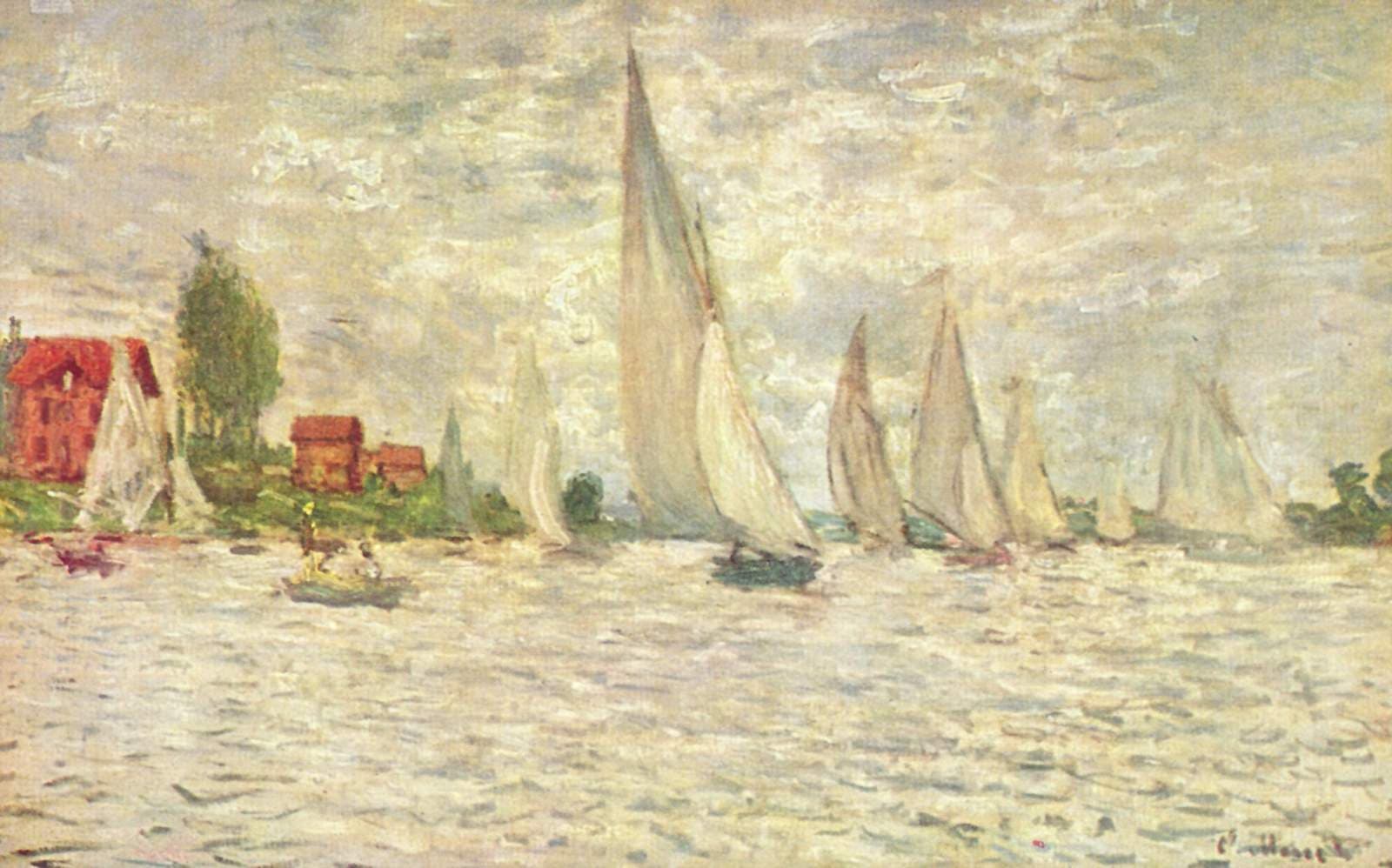
Les barques. Régates à Argenteuil
Claude Monet · 1874
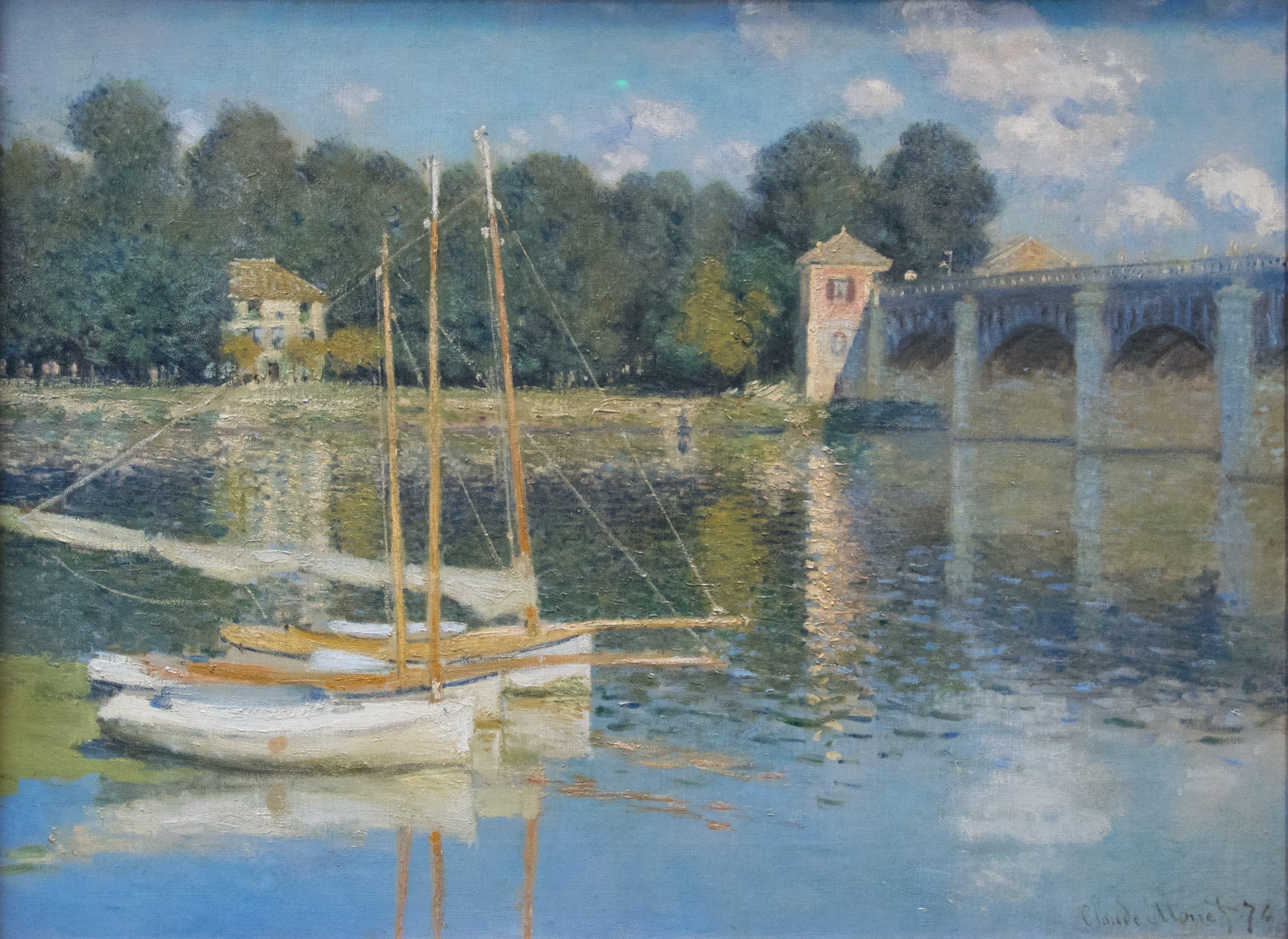
The Argenteuil Bridge
Claude Monet · 1874
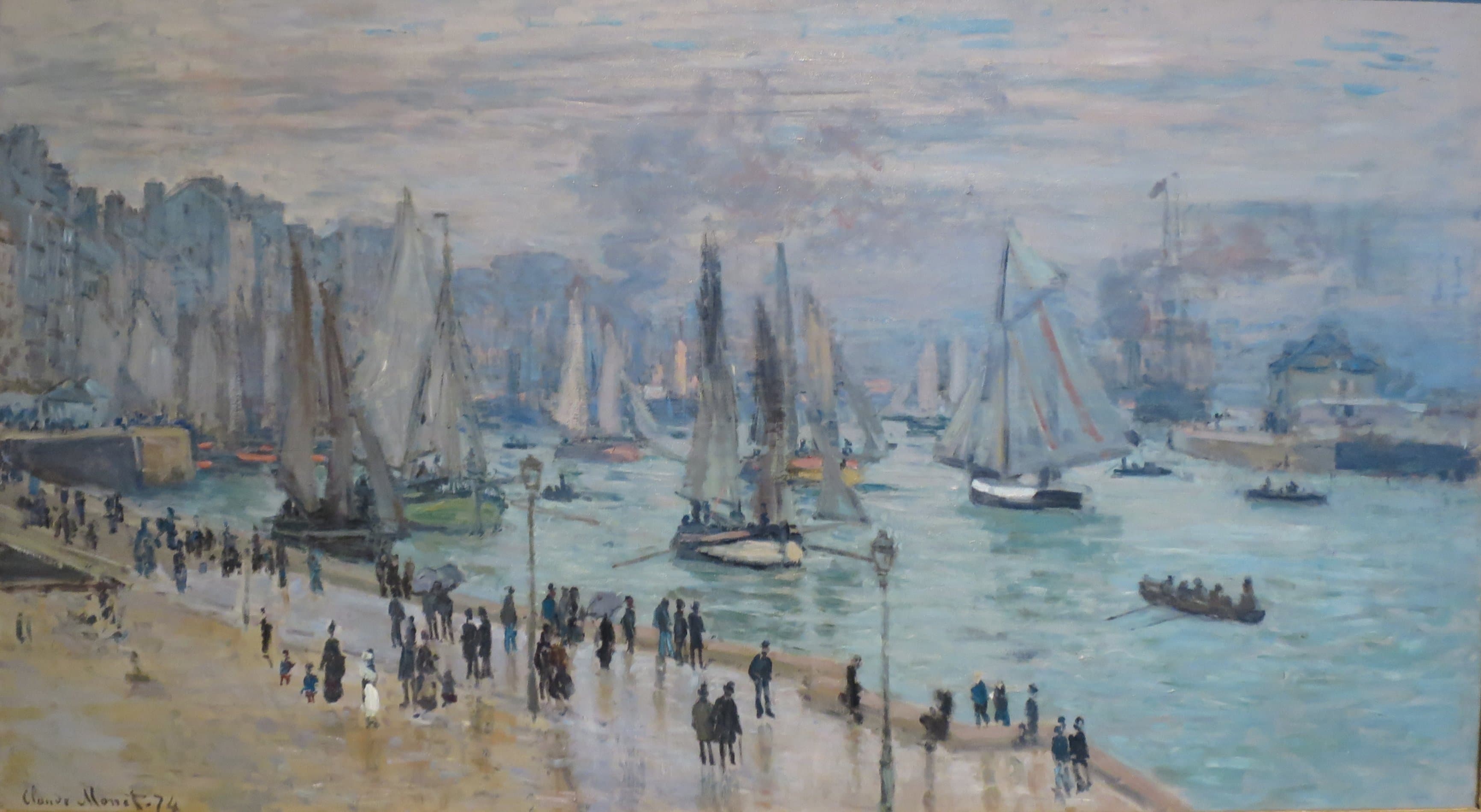
Fishing Boats Leaving the Harbor, Le Havre
Claude Monet · 1874
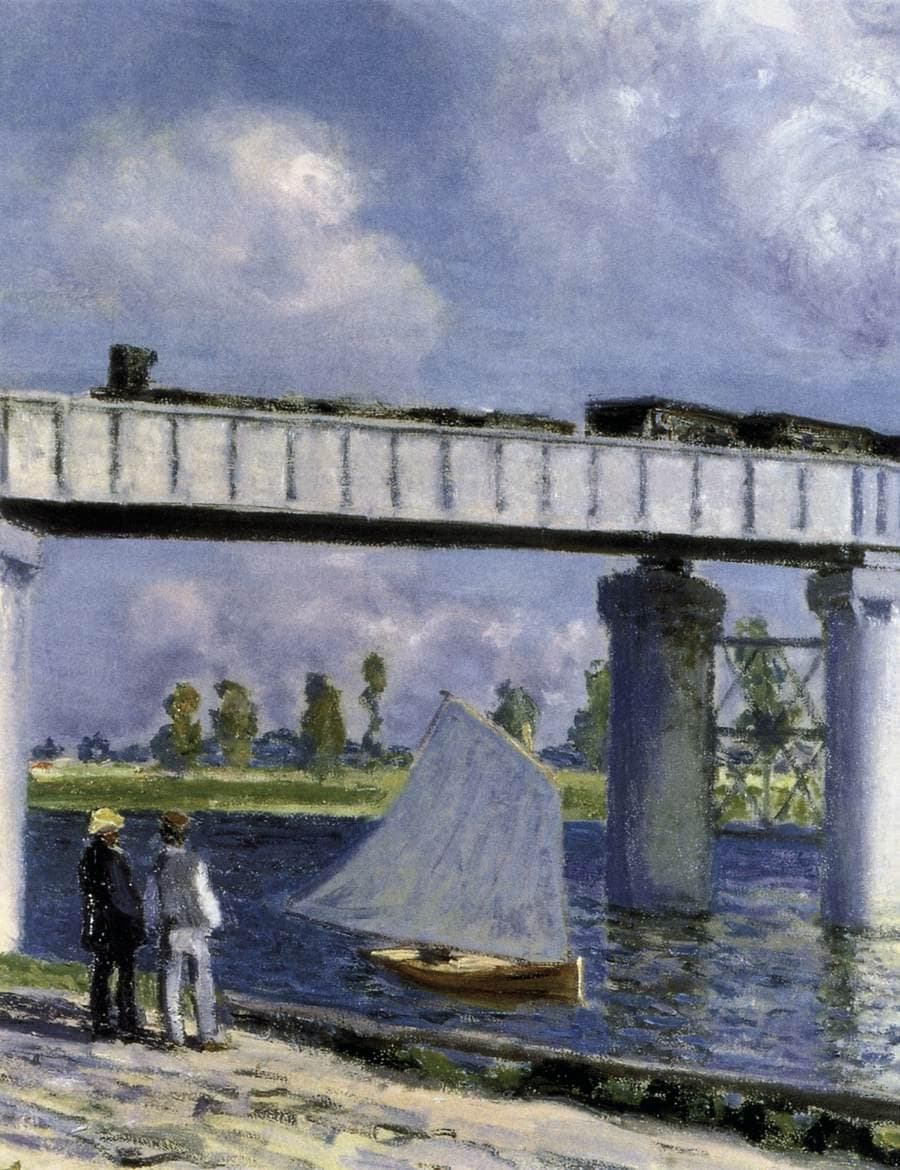
The Railway Bridge at Argenteuil (detail)
Claude Monet · 1873
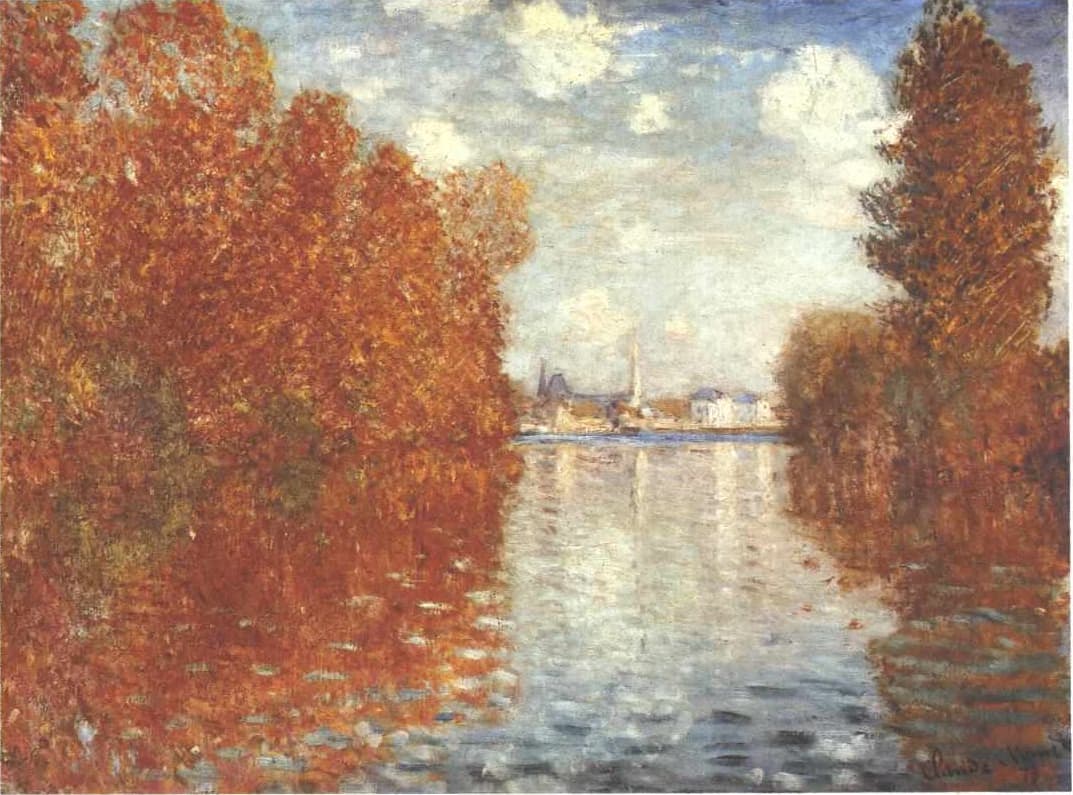
Autumn Effect at Argenteuil
Claude Monet · 1873
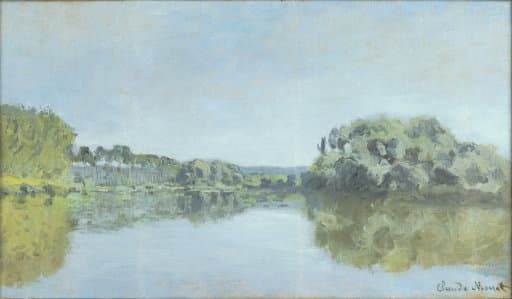
Bords de la Seine à Argenteuil
Claude Monet · 1870s (inscribed 1875 on the frame)
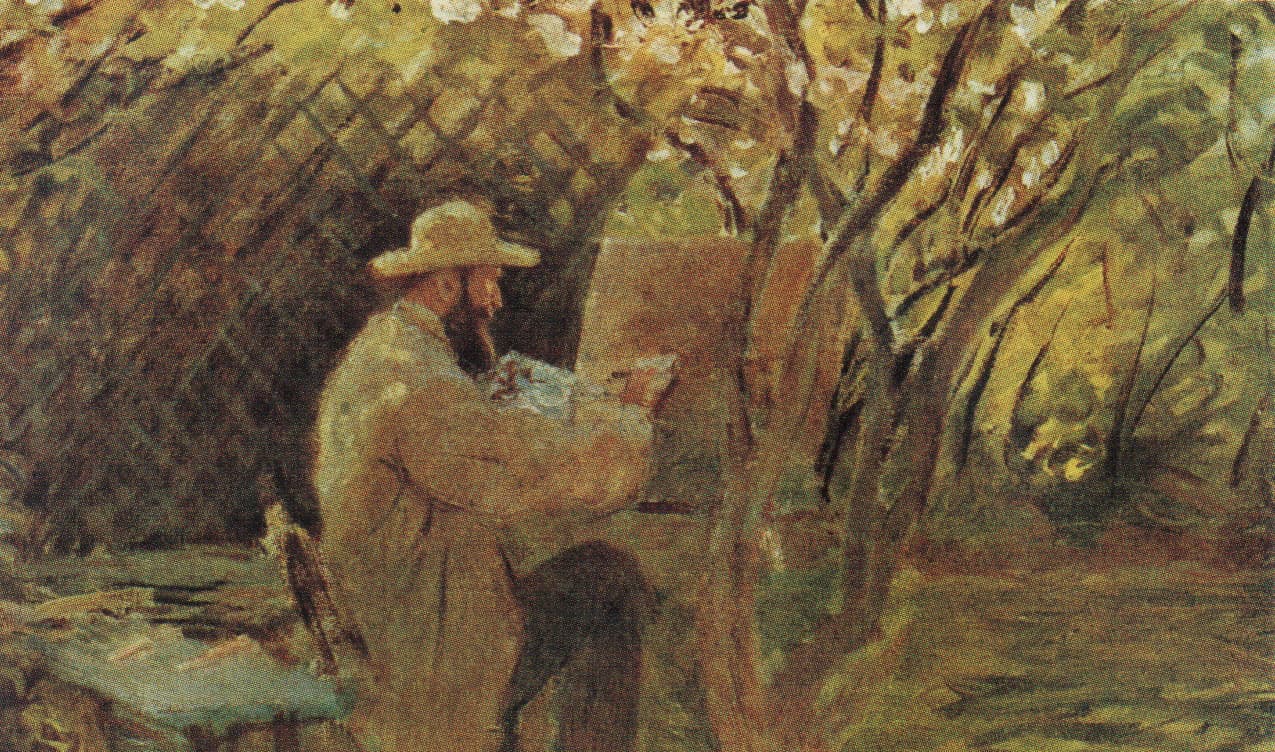
Manet Painting in Monet's Garden at Argenteuil
Claude Monet · 1874
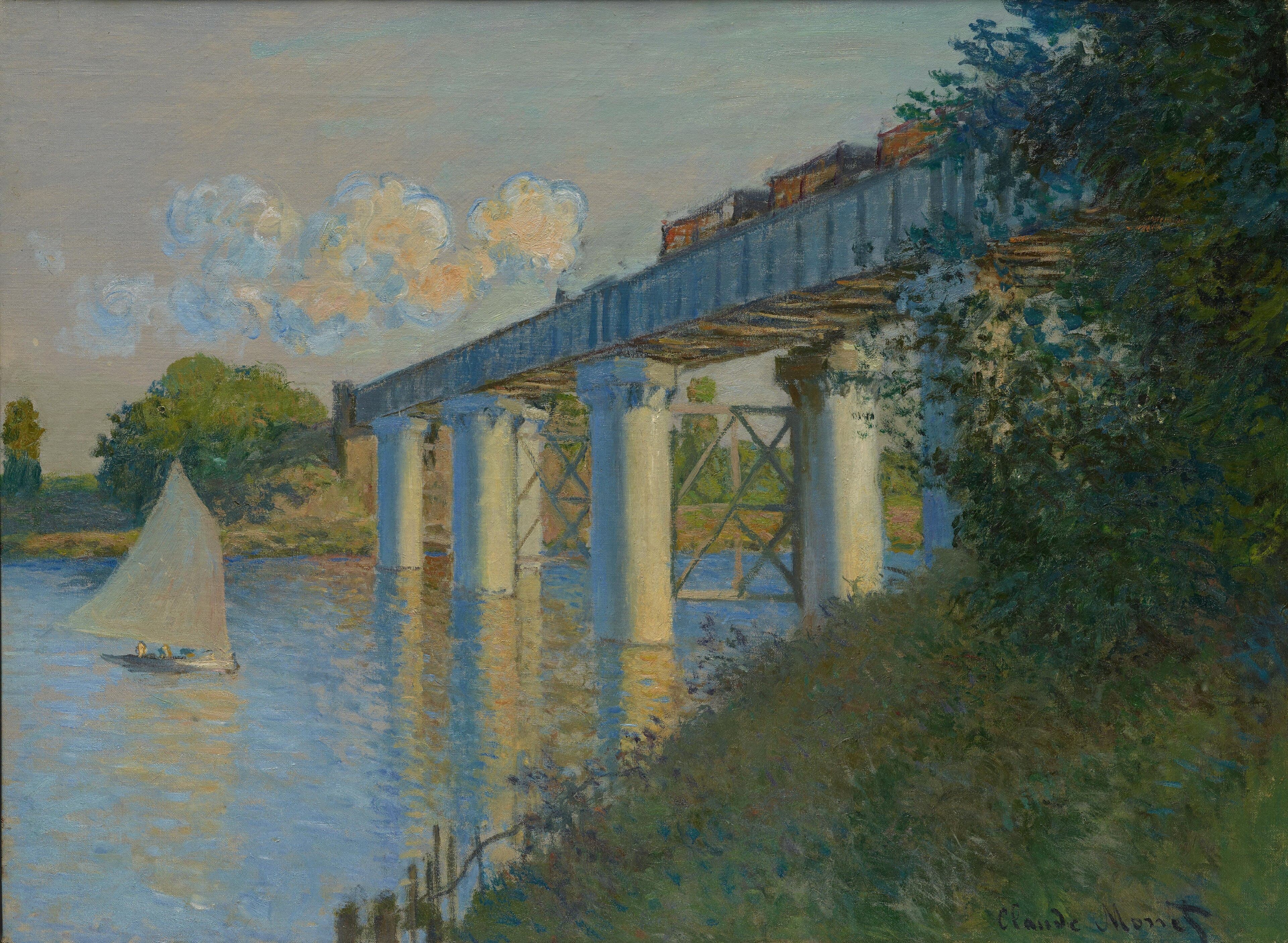
Railroad Bridge, Argenteuil
Claude Monet · 1873
Also painted in 1874
The same year
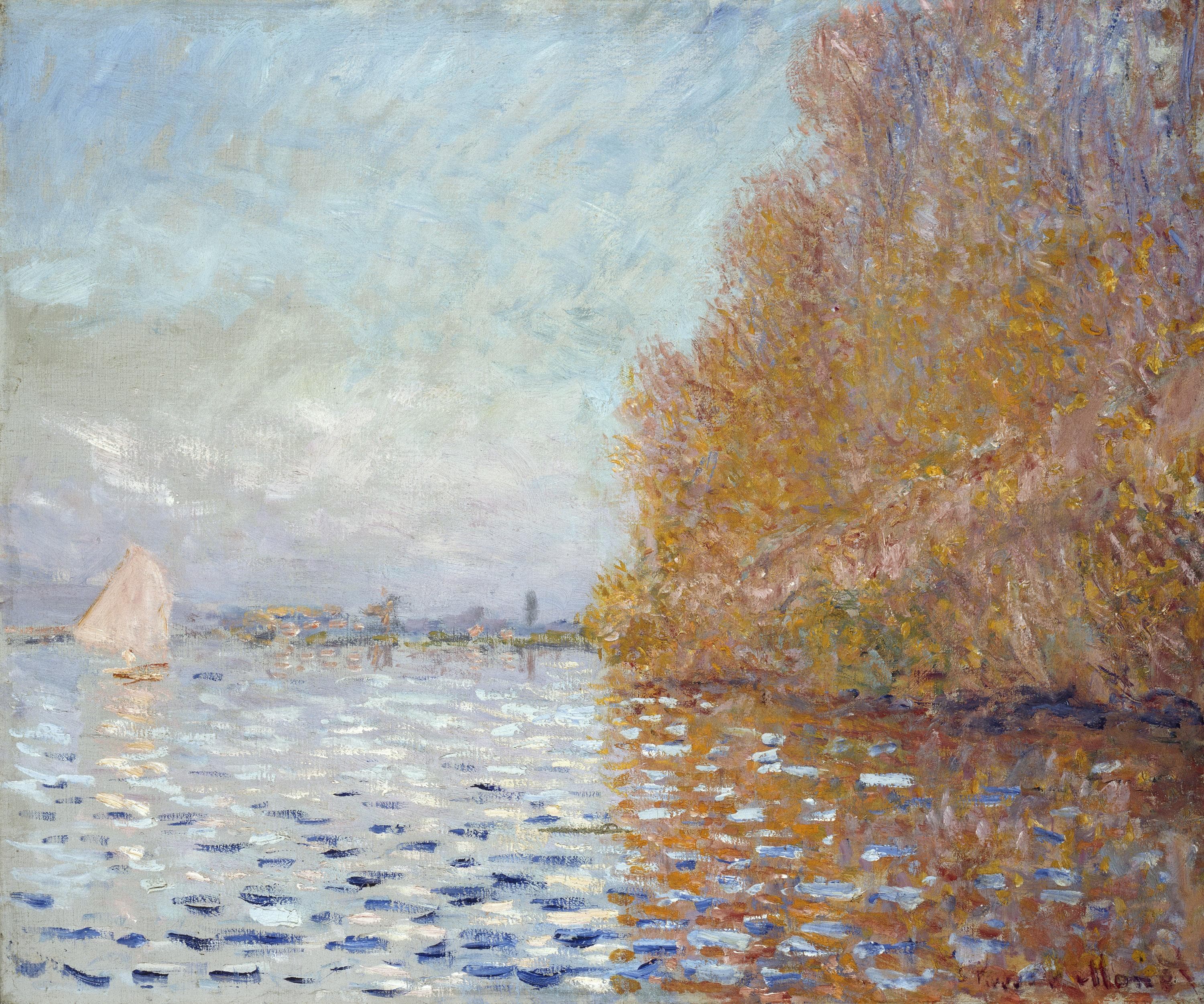
Argenteuil Basin with a Single Sailboat
Claude Monet · 1874
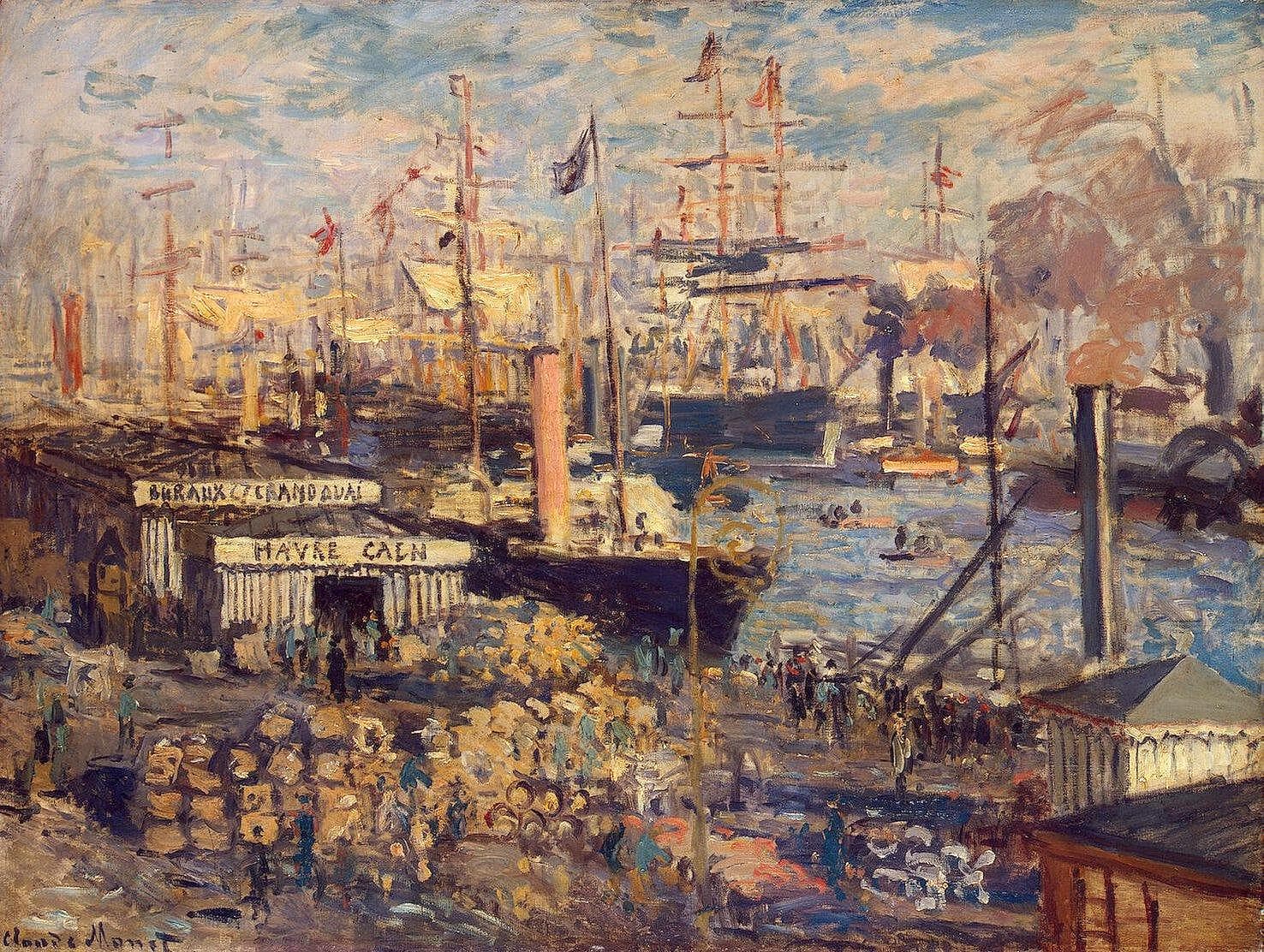
The Grand Quai at Le Havre
Claude Monet · 1874
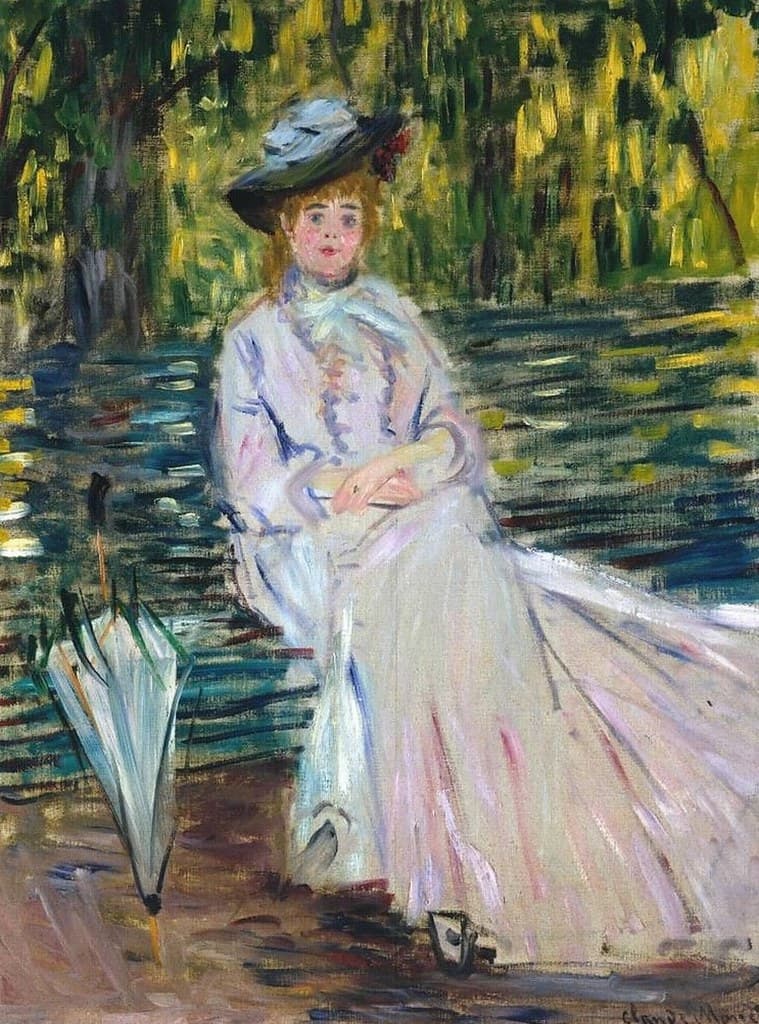
Woman Seated on a Bench
Claude Monet · c. 1874
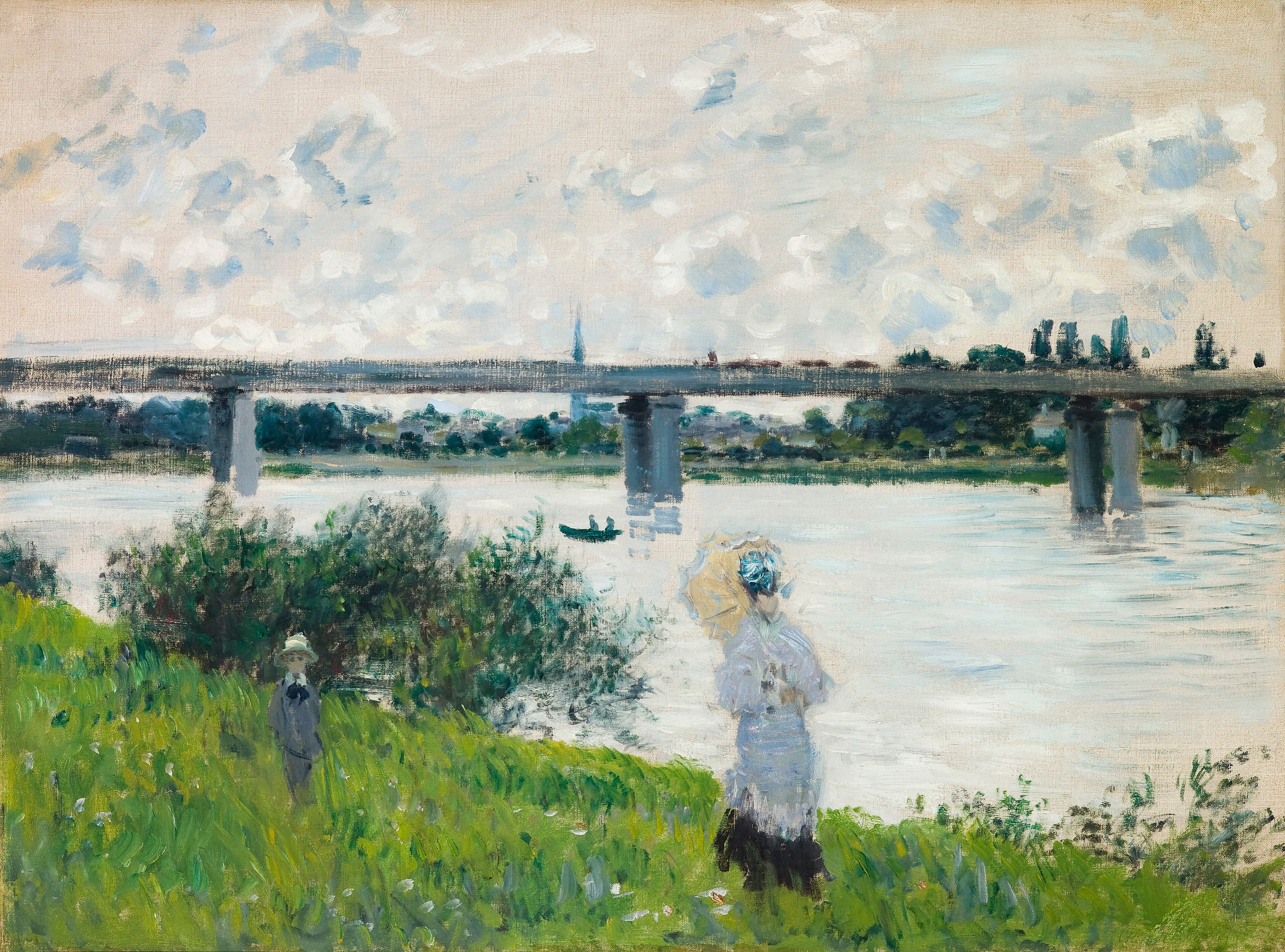
The Promenade with the Railroad Bridge, Argenteuil
Claude Monet · 1874
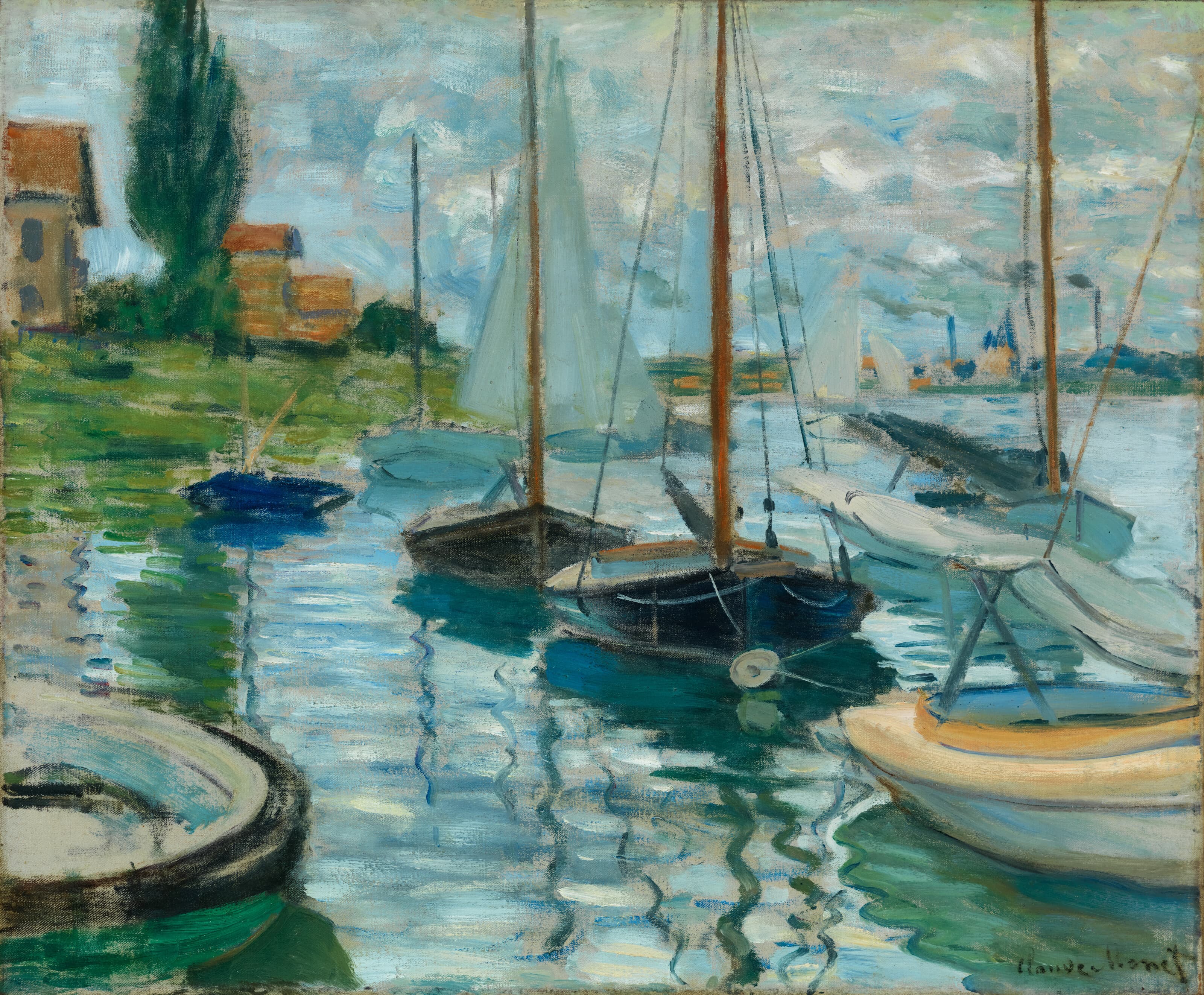
Sailboats on the Seine at Petit-Gennevilliers
Claude Monet · 1874
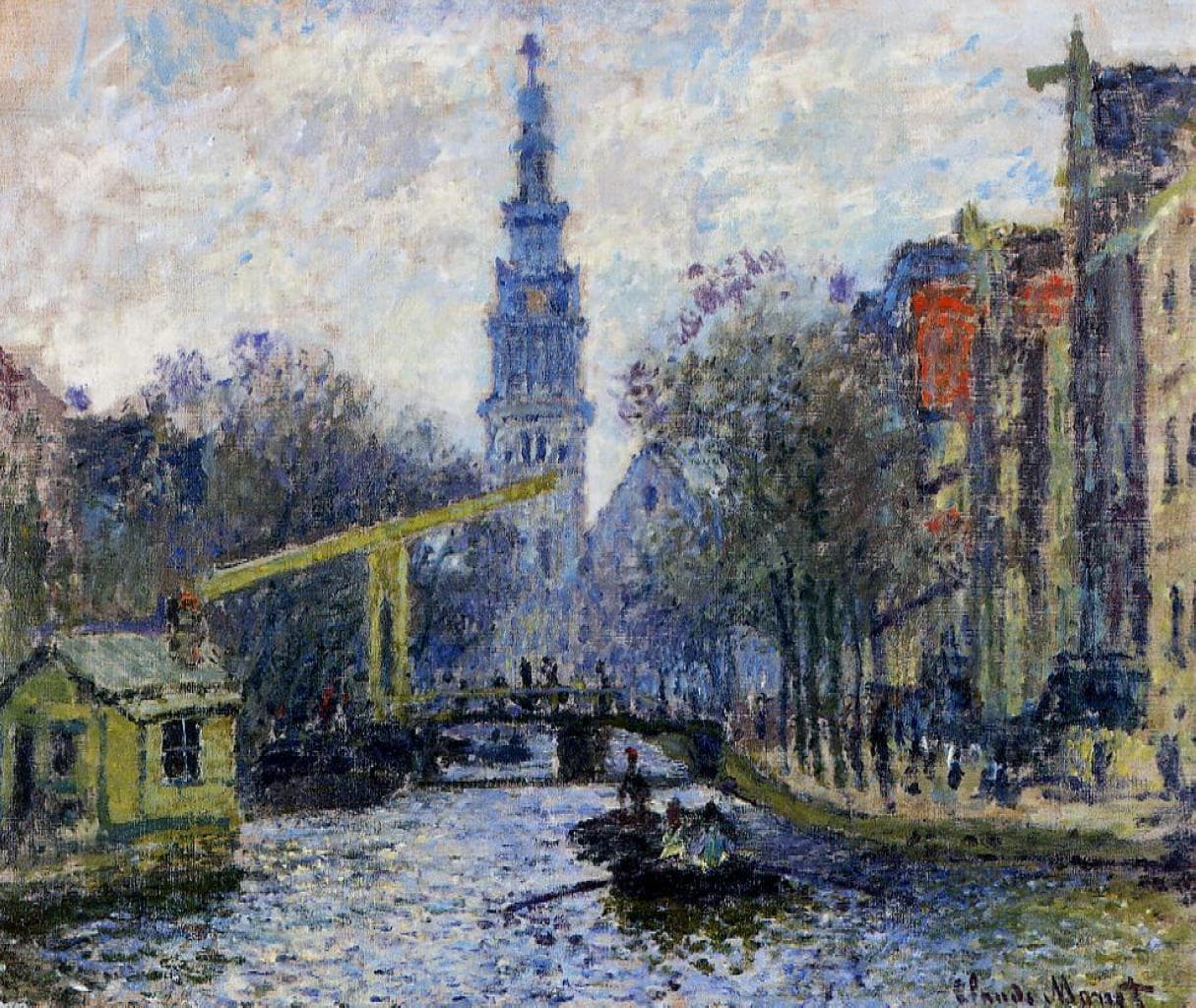
Canal in Amsterdam
Claude Monet · 1874
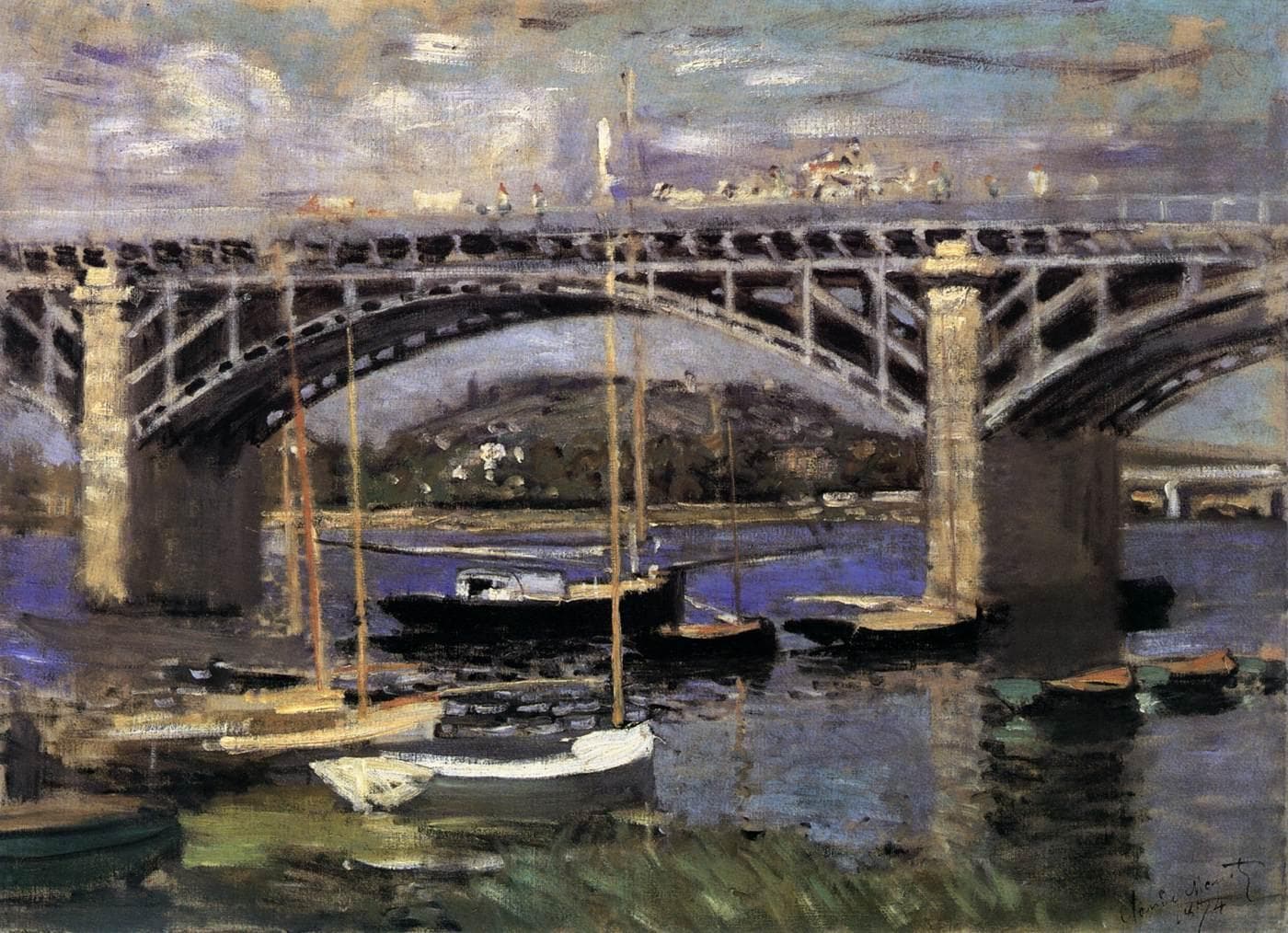
The Bridge at Argenteuil
Claude Monet · 1874
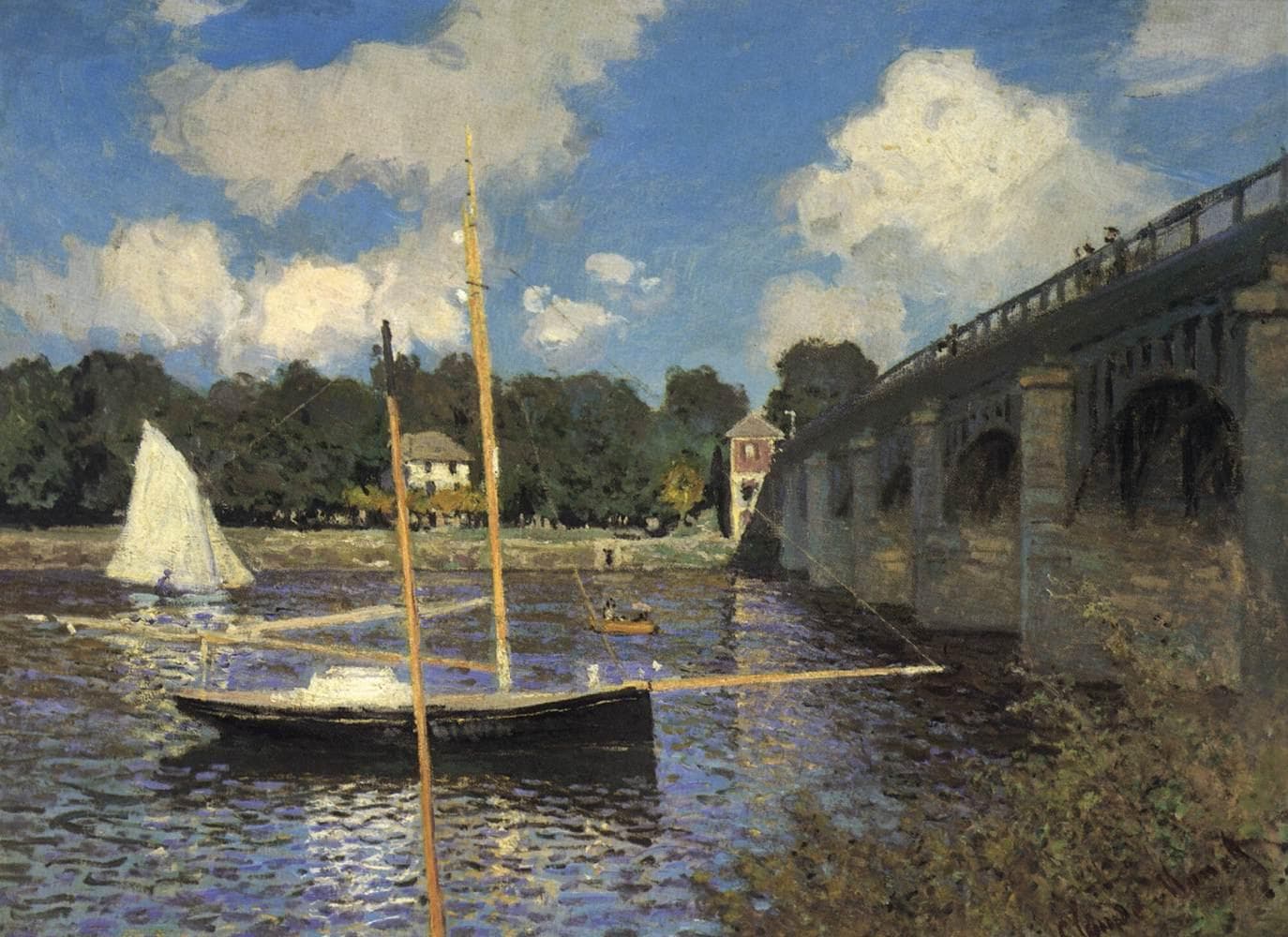
The Bridge at Argenteuil
Claude Monet · 1874
Kindred works
You may also study
Canal in Amsterdam
Claude Monet · 1874
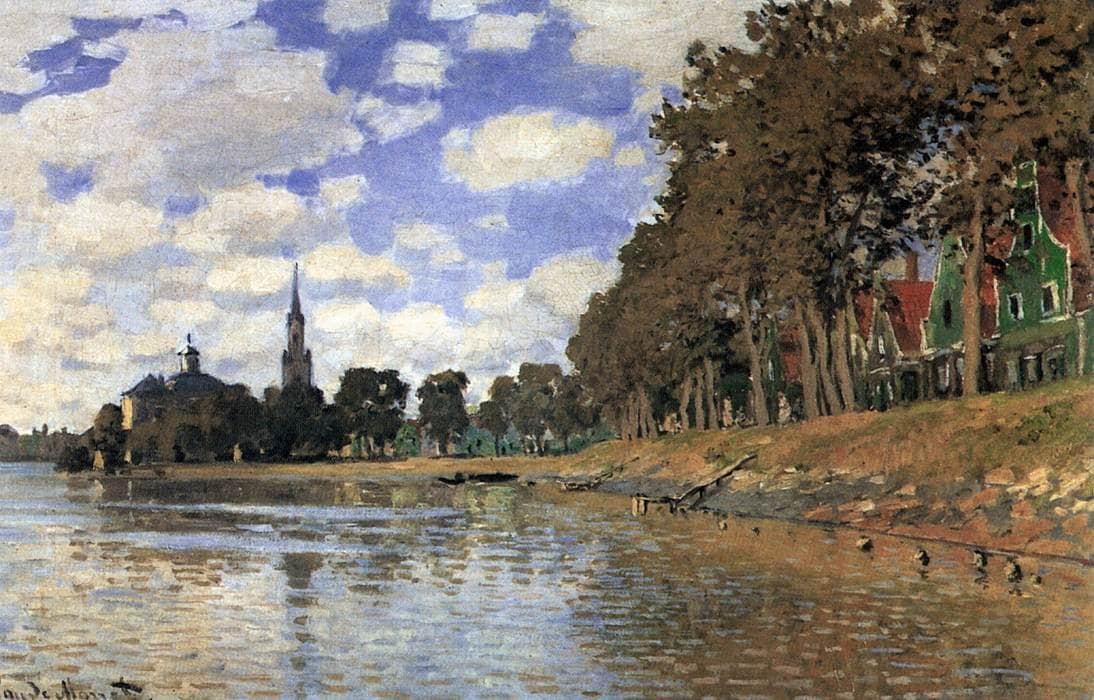
Zaandam
Claude Monet · 1871
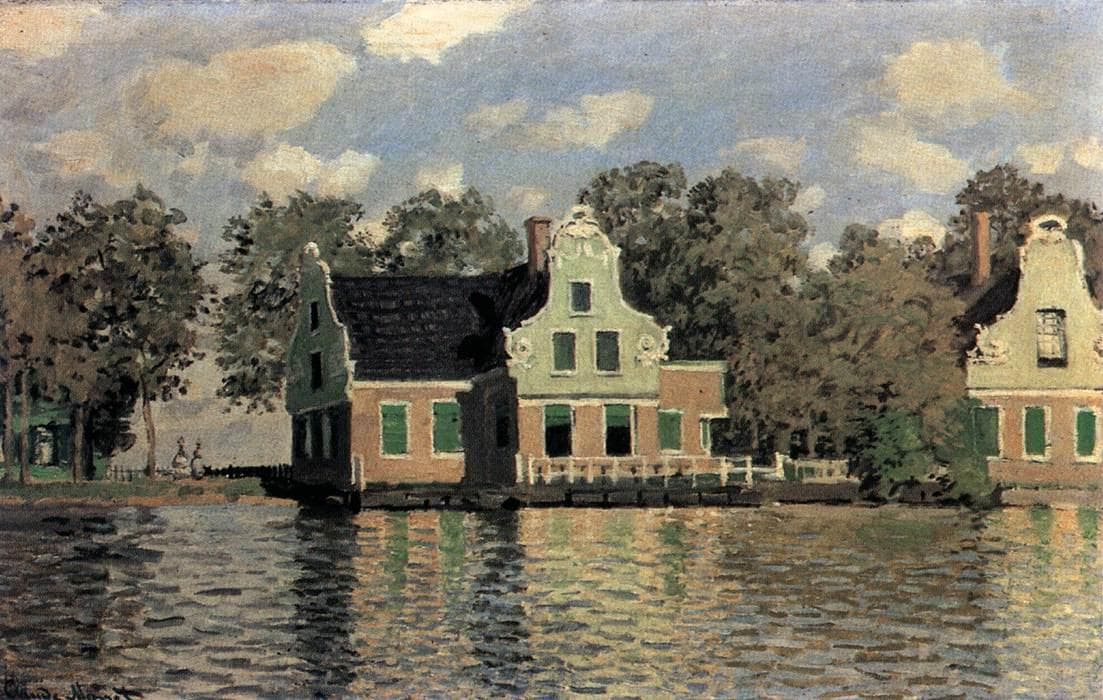
Houses on the Zaan River at Zaandam
Claude Monet · 1871–72
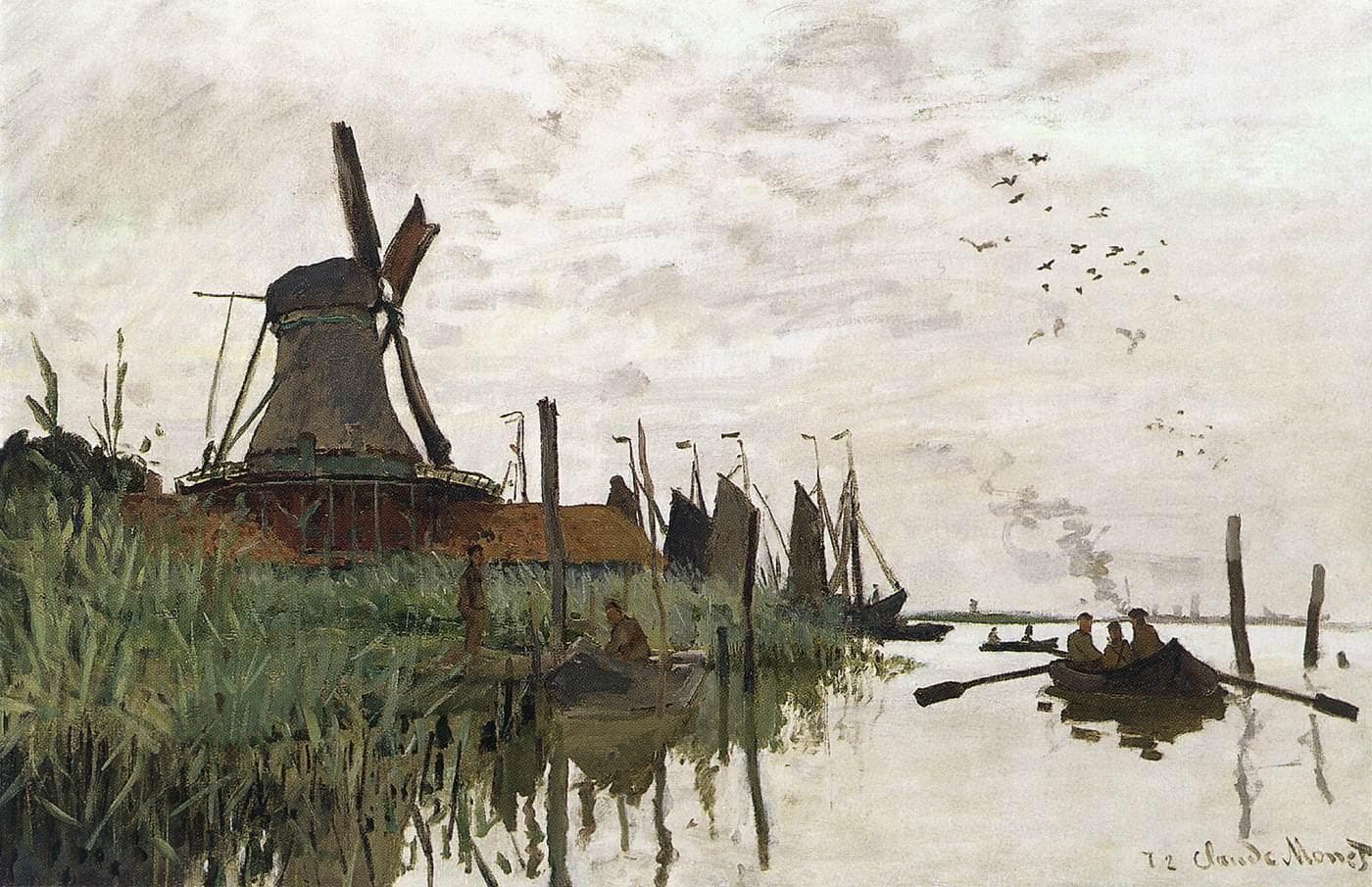
Windmill and Boats near Zaandam
Claude Monet · 1871
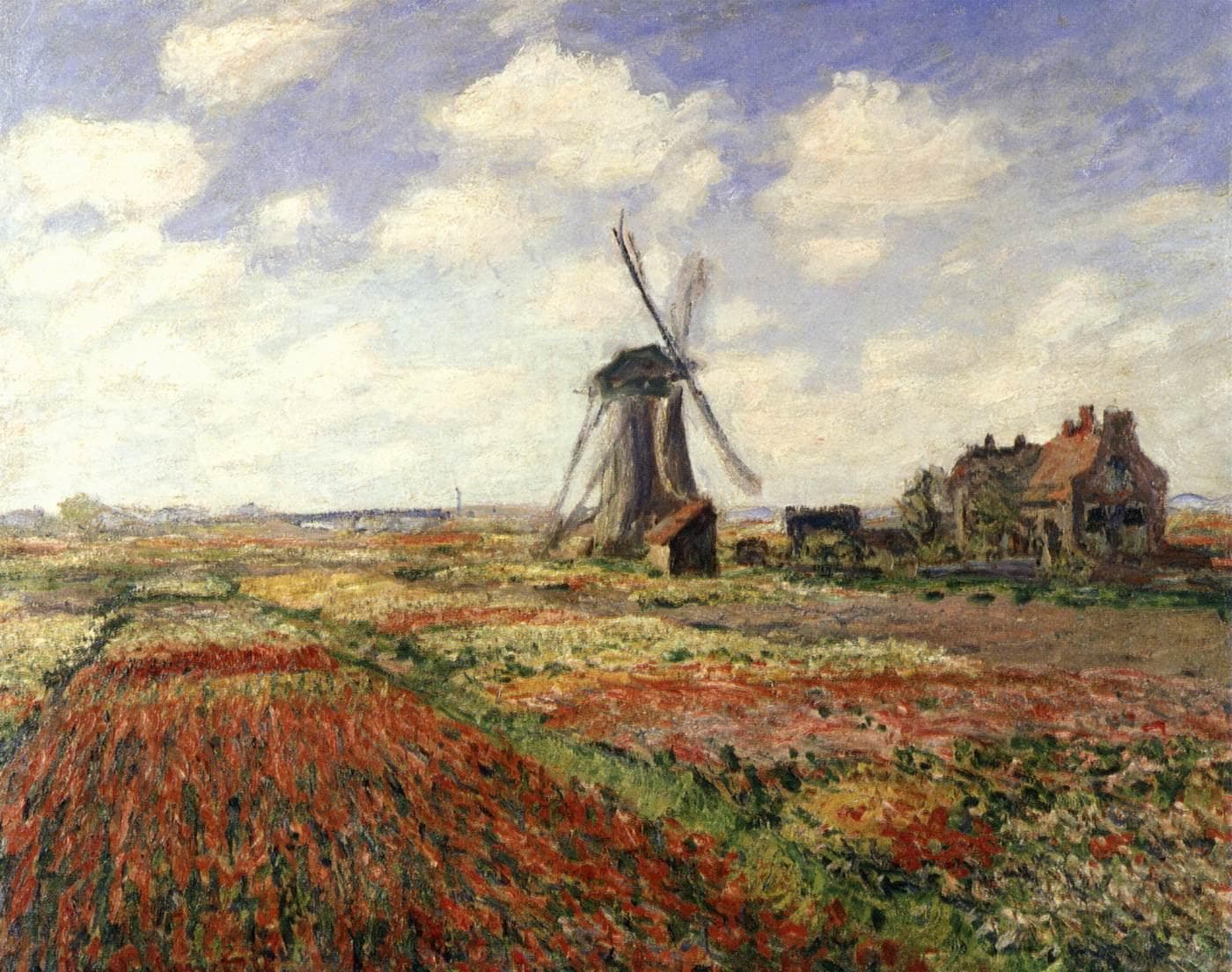
Tulip Fields in Holland
Claude Monet · 1886
The Doge's Palace (Le Palais ducal)
Claude Monet · 1908
Venice, Palazzo Dario
Claude Monet · 1908
The Houses of Parliament (Effect of Fog)
Claude Monet · 1903–04