Image: Musée Marmottan Monet, Paris · Public domain · via Wikimedia Commons
Nymphéas (Musée Marmottan Monet, 1914–17)
Claude Monet, 1914–17
This Nymphéas is a 151 × 201 cm canvas Claude Monet painted at Giverny between 1914 and 1917: pink-white lilies and green pads on a pond full of reflected grasses. It came to the Musée Marmottan Monet in Paris with Michel Monet's bequest in 1966.
- Artist
- Claude Monet
- Date
- 1914–17
- Medium
- Oil on canvas
- Dimensions
- 151 × 201 cm
- Collection
- Musée Marmottan Monet, Paris, France
- Movement
- Impressionism
- Catalogue
- Wildenstein 1791
- Nature & Landscape
- Water & Sea
This Nymphéas (Water Lilies) is a large canvas Claude Monet painted of his water-lily pond at Giverny between 1914 and 1917. It measures 151 × 201 cm, is stamped with the studio signature at lower left, and belongs to the Musée Marmottan Monet in Paris (inv. 5116), which received it in 1966 with the bequest of the painter's son Michel Monet. It is number 1791 in the Wildenstein catalogue raisonné.
What you're looking at
This is one of the most legible of the wartime pond pictures. The view looks down and across the water at a slight angle, so that the lily pads diminish as they recede. Across the top third floats a band of pads with seven or eight open flowers, white petals tipped with pink and set off by red-violet stems and sepals. At lower left a single white flower opens near the bank; at lower right sit a group of large, dark lilac pads, the nearest objects in the picture.
The middle of the canvas is open water, and it is full of green. Vertical strokes of grass green and emerald run down through it, the reflections of reeds and plants on the bank, and they give the water a depth like a clear pond seen into rather than a mirror. At the left edge a pale blue patch reads as reflected sky, with paler verticals that might be the trunks of trees.
The lightness of this canvas is its signature. The palette is cool and clear: pale greens, blue-greys, white and pink, without the heavy violets of many later works. The light feels like a bright, overcast morning.
Where and when it was painted
The dates matter. In 1914 Monet, after a period of grief and failing eyesight following the deaths of his wife Alice in 1911 and his son Jean in early 1914, returned to painting with a new ambition: a vast decorative cycle of water lilies. He built a large studio in 1915 and spent the war years painting the pond in canvases of every size. This picture, still relatively conventional in its spatial depth, belongs to the early part of that campaign, before the motifs dissolve into the looser, more abstract handling of 1918–22.
How it was painted
The surface is built in layers of fairly thin paint, with thicker touches reserved for the flowers. Monet uses strokes of different shapes to separate the elements: horizontal ellipses for the pads, long verticals for reflections, small curling touches for petals. The red of the stems and the pink of the petals are the only warm notes, and he places them carefully to lead the eye across the top of the picture.
How this version differs
The Musée Marmottan Monet owns the largest group of late water lilies anywhere, most of them from Michel Monet's bequest. Against its other canvases this one is calm and descriptive. Compare Nymphéas (1916–19), where a willow's trailing fronds cut through the pond, or Water-Lilies, Reflection of a Weeping Willow, where flowers have almost vanished in lilac reflection. The Marmottan's Water Lilies and Agapanthus belongs to the same years. Together they show how quickly the Water Lilies series moved from description to abstraction.
A detail to look for
Look at the lower left corner, where the studio stamp signature sits. Just above it, a single white lily is painted half-submerged, its petals turning pale turquoise where they meet the water. It is a small, exact observation: Monet noticing how a flower floating low in the pond takes on the color of the water around it. Then compare the flowers at the top of the canvas, which stand higher on their pads and keep their pink and white. Within one picture he records two states of the same flower. Details like this explain why the Marmottan's canvases from these years repay close looking even when they look loosely painted from across the room.
Where to see it
The Musée Marmottan Monet, in a former hunting lodge on the edge of the Bois de Boulogne in Paris, displays its Monet collection in a dedicated lower-level gallery, though works rotate and are lent to exhibitions. For other works by Claude Monet painted in his garden, see Giverny.
Questions & answers
Where is this Monet Nymphéas?
It is in the Musée Marmottan Monet in Paris (inventory 5116). It came to the museum in 1966 with the bequest of Michel Monet, the artist's son, which gave the Marmottan the world's largest collection of Monet's late works.
When was it painted?
The Marmottan dates it to 1914–17. Monet painted it at Giverny at the start of the long campaign that produced the Orangerie water lilies, after building his large new studio in 1915.
What does the painting show?
It shows Monet's lily pond seen from the bank: white and pink lilies on green pads across the top, a large group of dark pads at lower right, and open water full of the green reflections of reeds and plants.
How is this version different from other Marmottan water lilies?
It is one of the clearest and most descriptive of the group, with a cool, light palette and a sense of depth. Later canvases in the collection, painted around 1916–19, are looser and darker, with willow reflections taking over.
More by the artist
Claude Monet
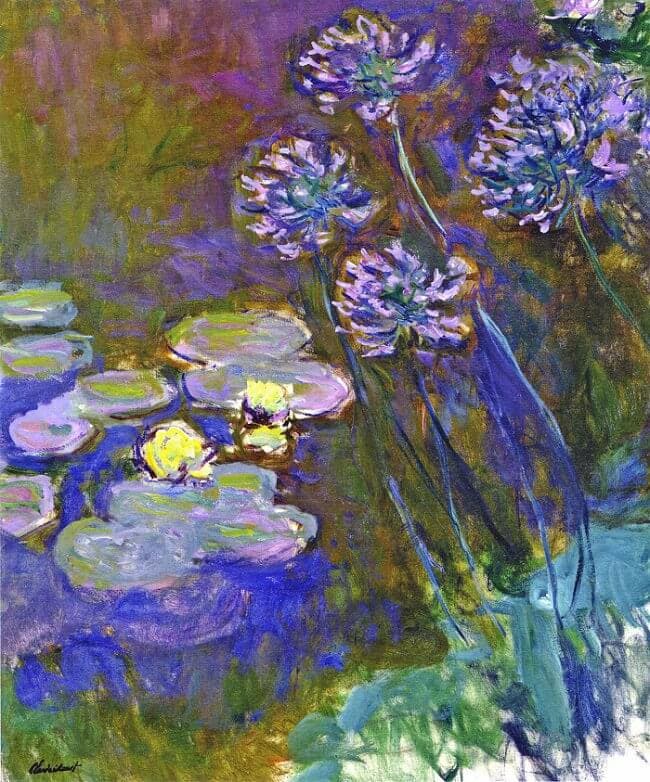
Water Lilies and Agapanthus
Claude Monet · 1914–17
Water Lilies (1914–17, Museum Barberini)
Claude Monet · 1914–17
Water Lilies (Nymphéas), 1915 (Gunma)
Claude Monet · 1915
Water Lilies (Asahi Group Oyamazaki Villa Museum)
Claude Monet · c. 1914–17
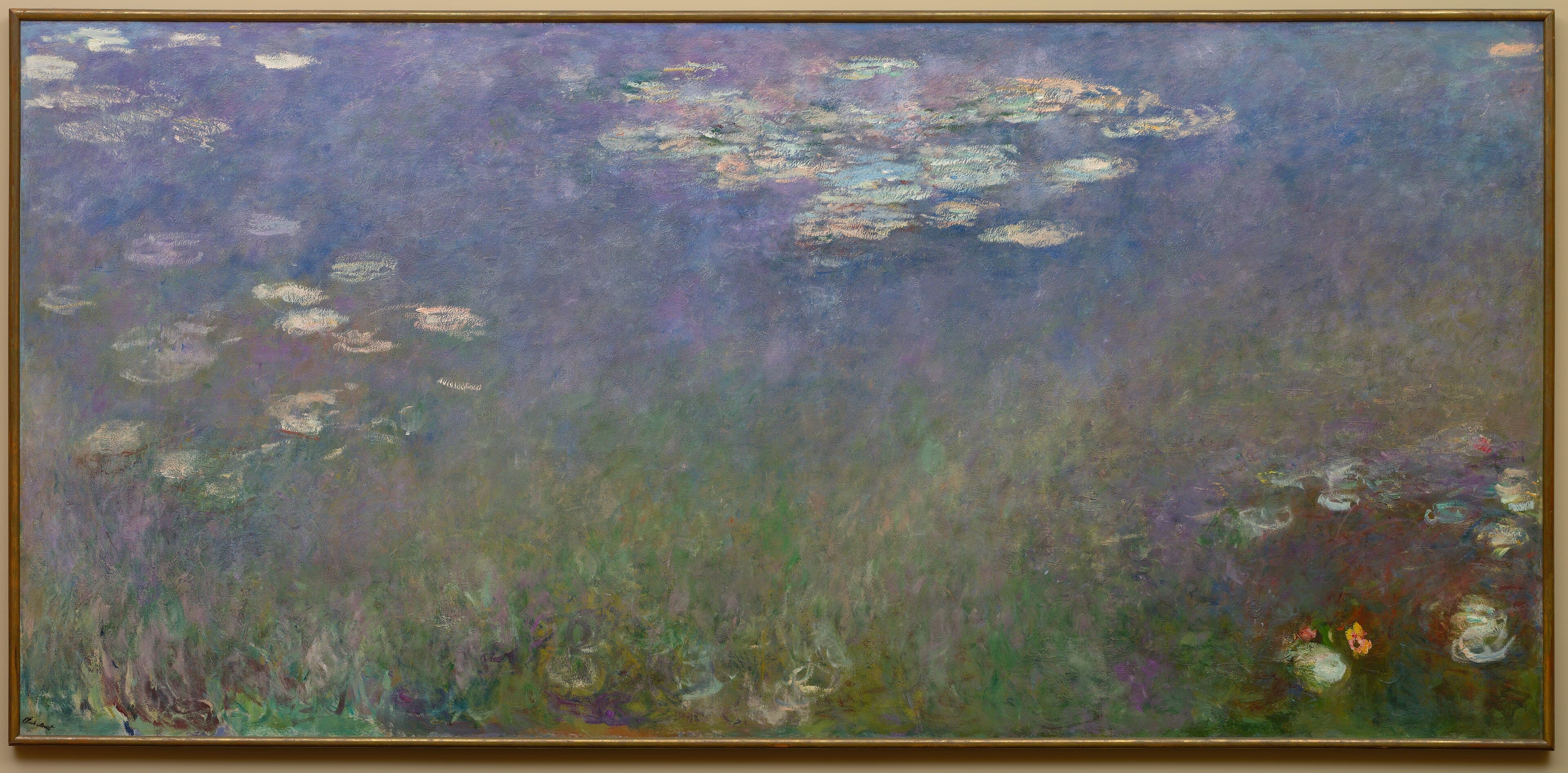
Water Lilies (Agapanthus)
Claude Monet · c. 1915–26
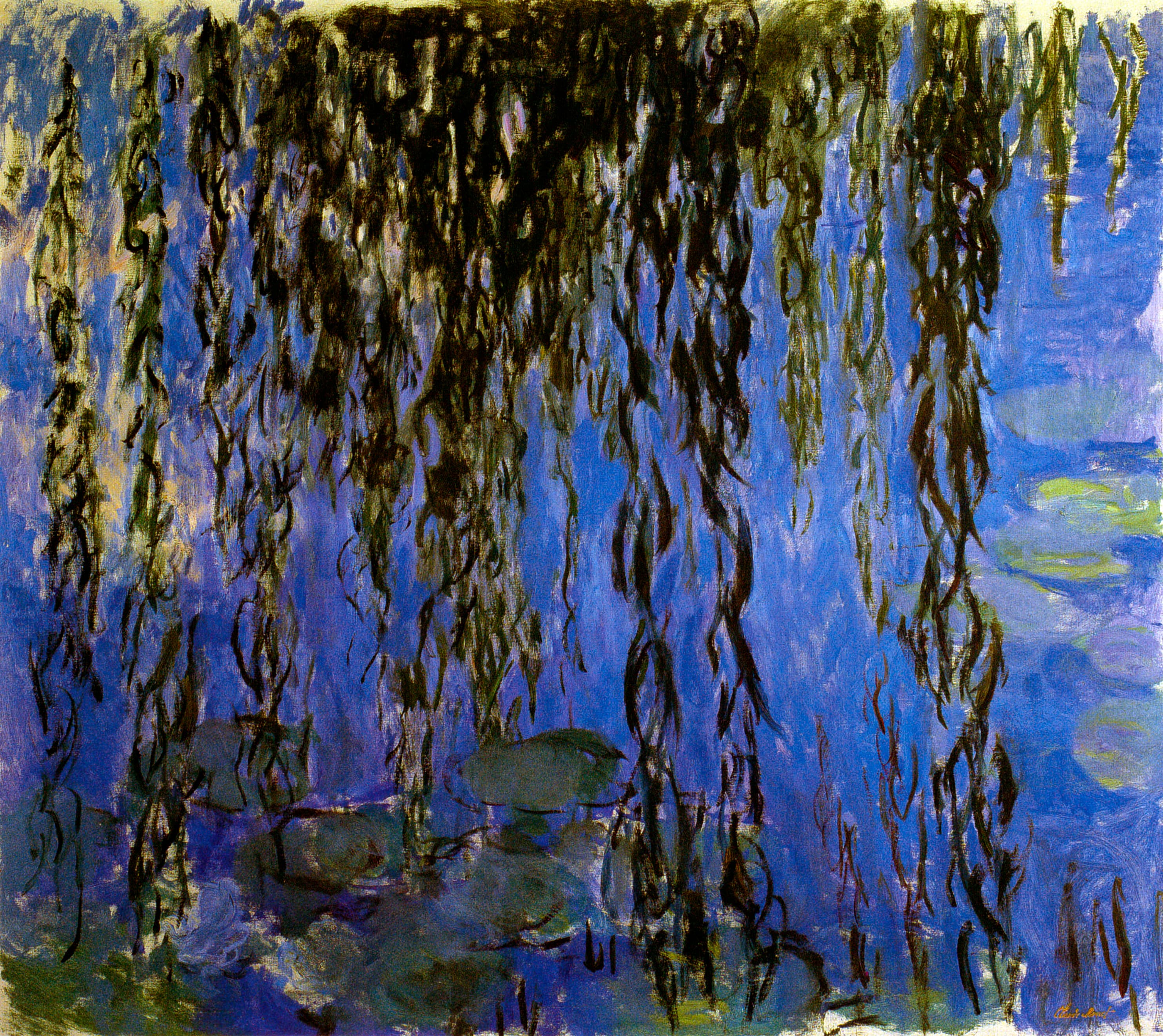
Water Lilies with Willow Branches
Claude Monet · c. 1916–17

Nymphéas [Waterlilies] (National Gallery of Australia)
Claude Monet · c. 1914–17
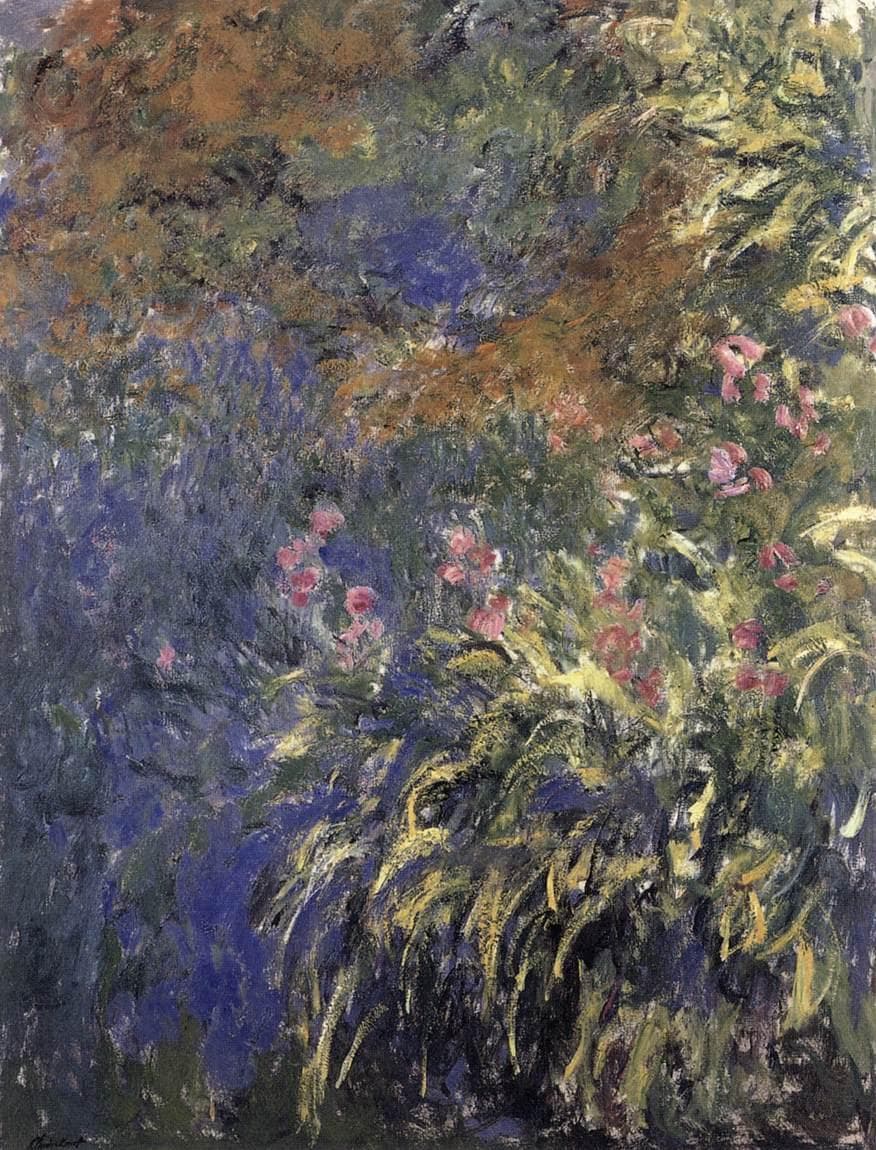
Irises by the Pond
Claude Monet · c. 1914–17
Also painted in 1914
The same year

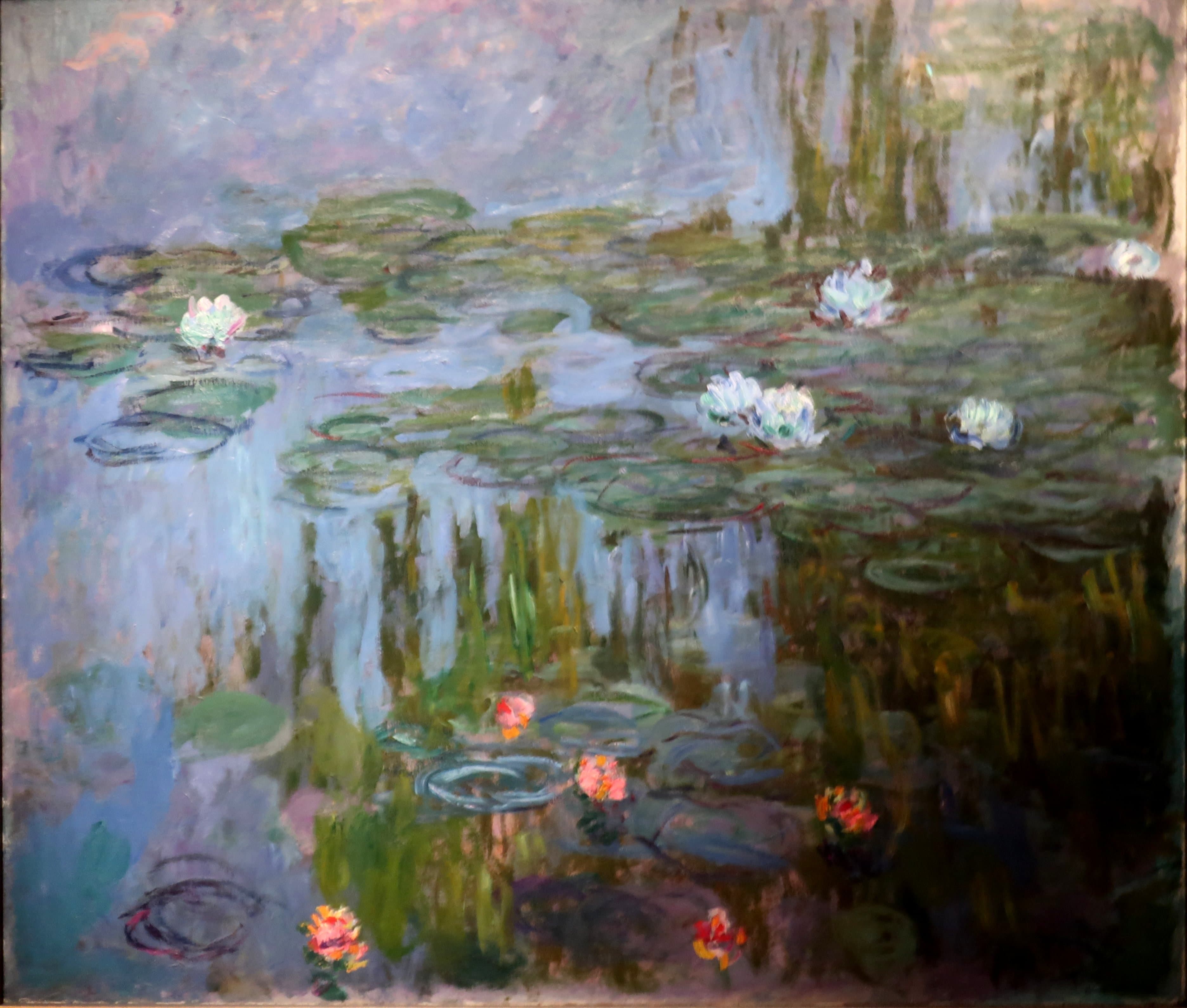
Kindred works
You may also study
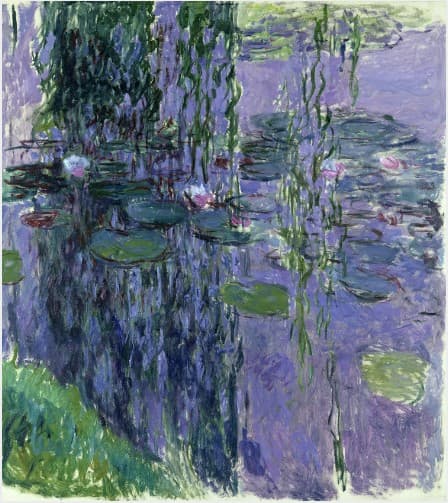
Nymphéas (Musée Marmottan Monet, 1916–19)
Claude Monet · 1916–19
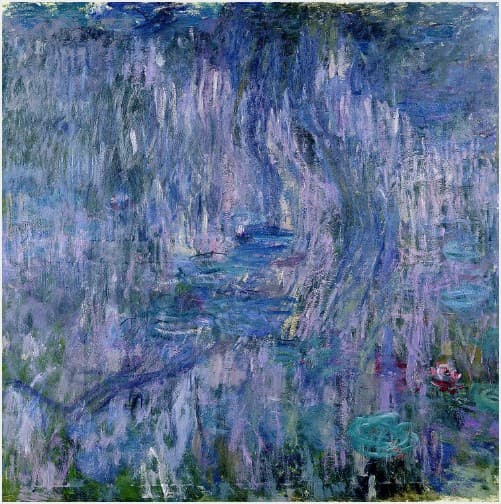
Water-Lilies, Reflection of a Weeping Willow
Claude Monet · 1916–19
Nymphéas (1915, Musée Marmottan Monet)
Claude Monet · 1915
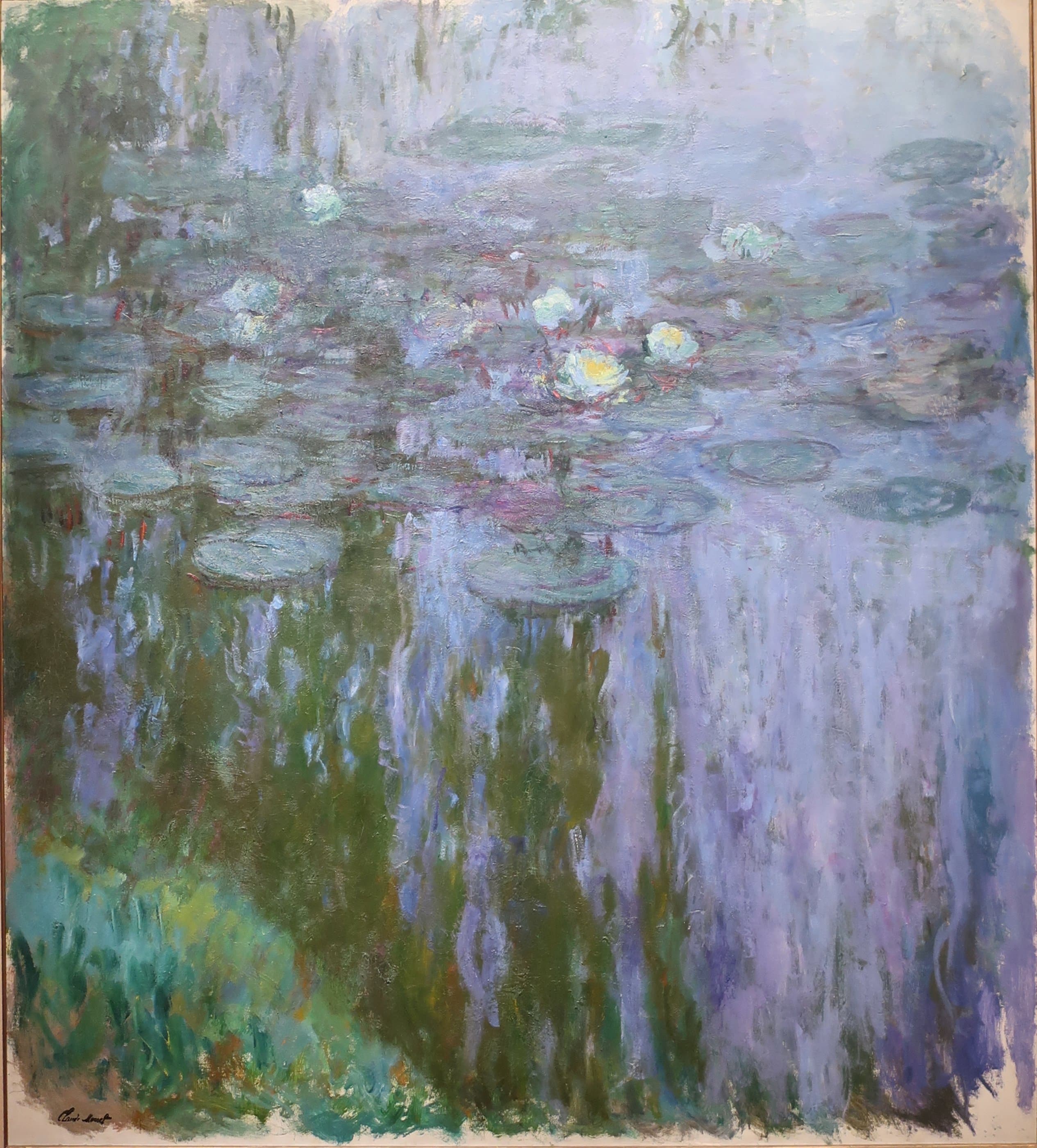
Nymphéas (Musée Marmottan Monet, 1916–19, inv. 5119)
Claude Monet · 1916–19
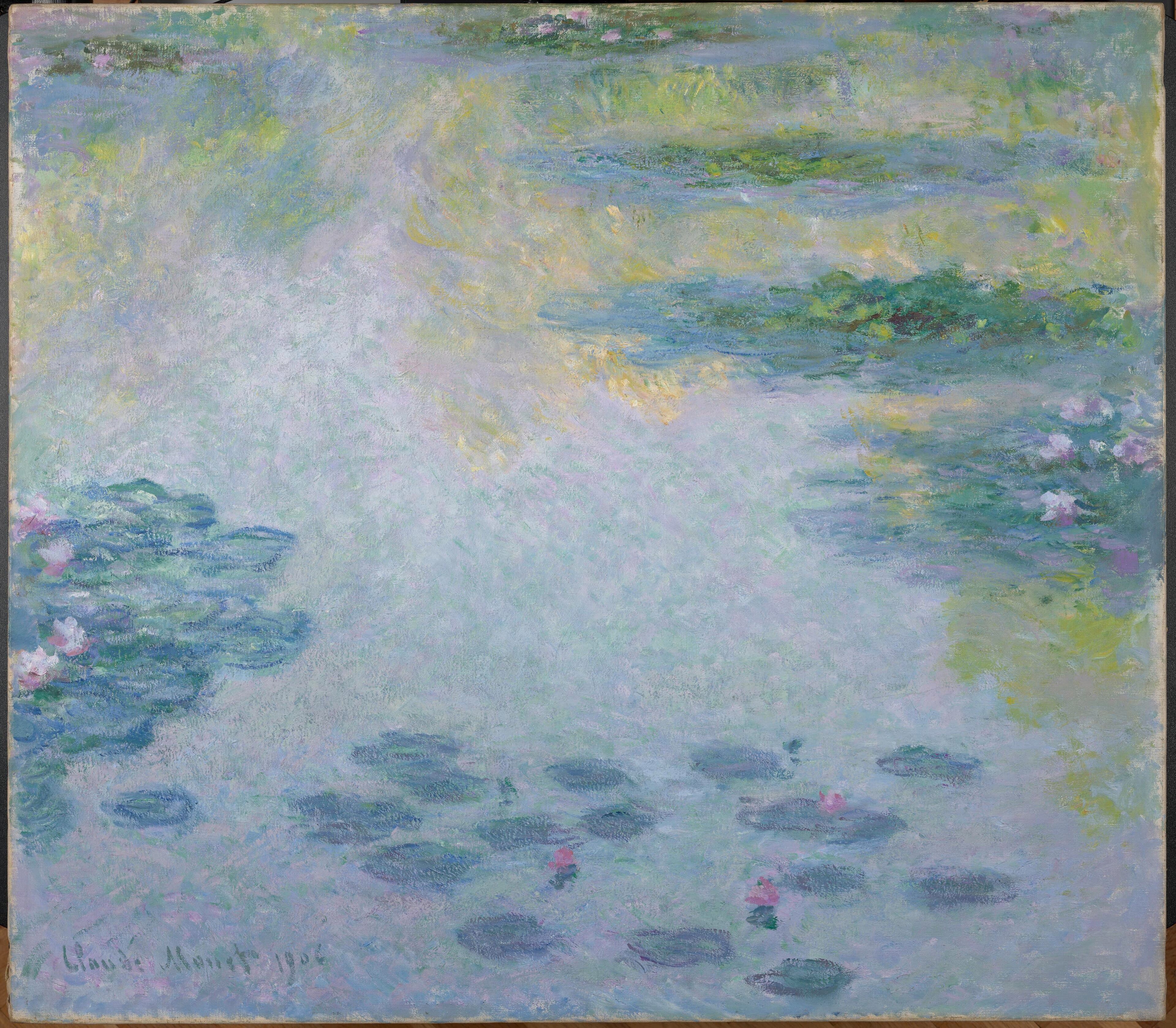
Waterlilies (1906, National Museum Cardiff)
Claude Monet · 1906
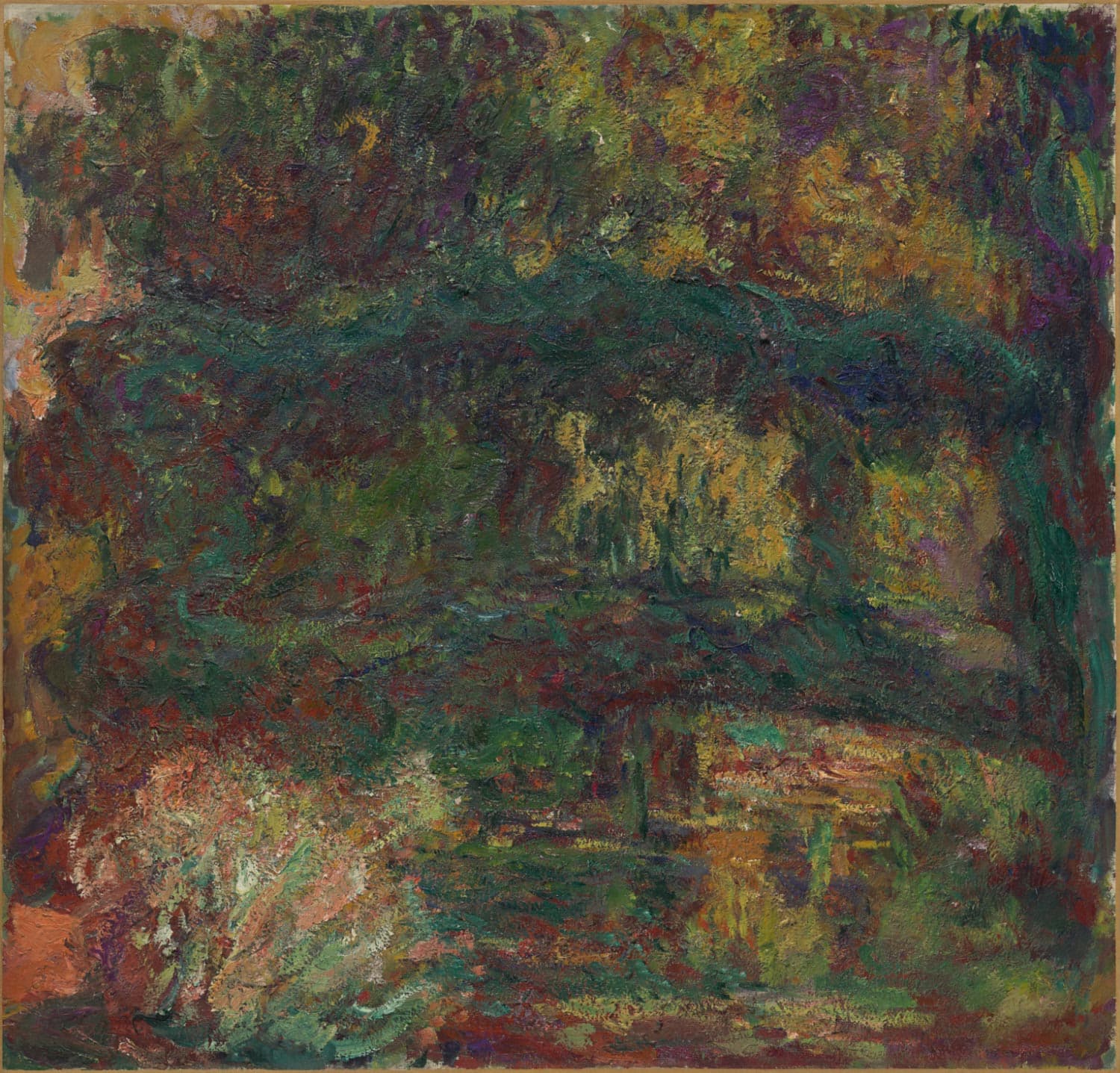
Nymphéas, Japanese Bridge
Claude Monet · 1918–26
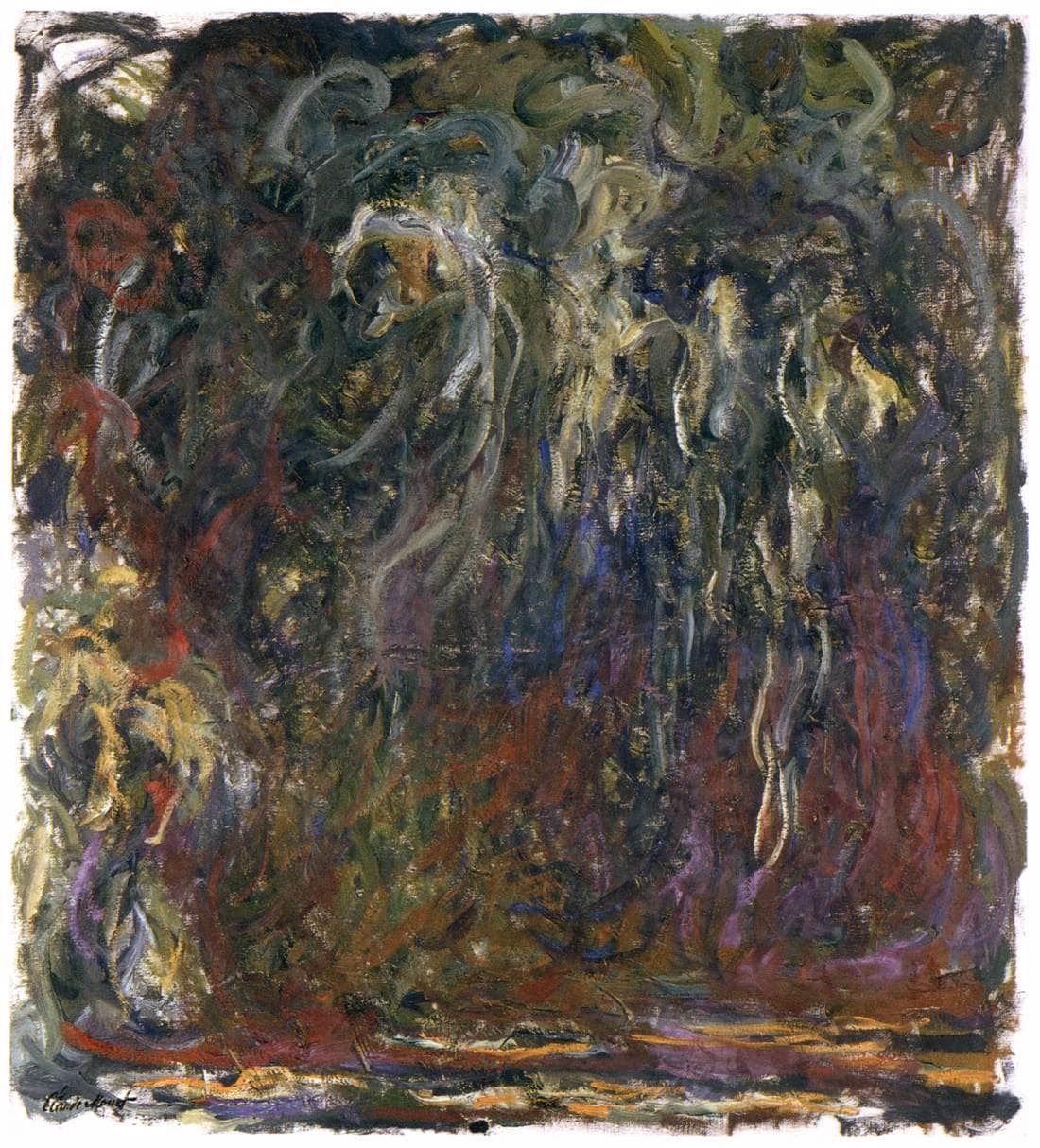
Weeping Willow
Claude Monet · 1920–22
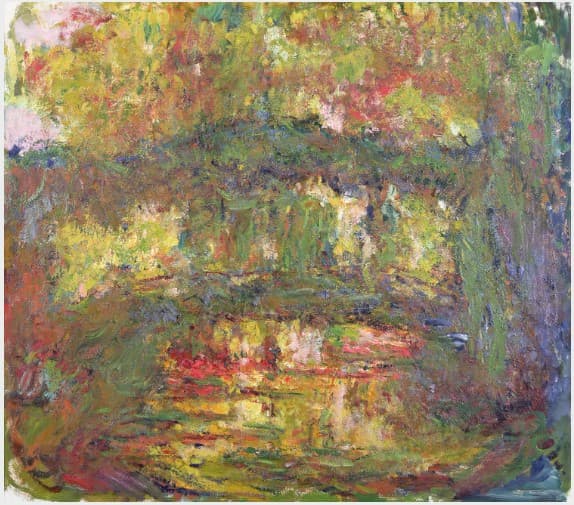
Le pont japonais
Claude Monet · 1918–24