Image: Baltimore Museum of Art (book reproduction via Wikimedia Commons) · Public domain · via Wikimedia Commons
Waterloo Bridge, Sunlight Effect with Smoke
Claude Monet, 1903
Waterloo Bridge, Sunlight Effect with Smoke is a 1903 Claude Monet painting in which white plumes of steam rise from the Thames into a band of golden sunlight beneath a blue bridge. It is in the Baltimore Museum of Art.
- Artist
- Claude Monet
- Date
- 1903
- Medium
- Oil on canvas
- Dimensions
- 65 × 100 cm
- Collection
- Baltimore Museum of Art, Baltimore, United States
- Movement
- Impressionism
- Catalogue
- Wildenstein 1566
- The City
- Water & Sea
Waterloo Bridge, Sunlight Effect with Smoke (Le pont de Waterloo, effet de soleil avec fumées) is one of Claude Monet's London views from the Savoy Hotel, signed and dated 1903 at lower left. It measures about 65 × 100 cm and is number 1566 in the Wildenstein catalogue raisonné. It came to the Baltimore Museum of Art in 1976 as part of the Helen and Abram Eisenberg Collection (1976.38), and it is shown in the museum's Cone Wing. Some records date it to 1900, the year Monet probably began it.
What you're looking at
The picture is organized in three bands. At the top, a hazy sky of lilac, blue-grey and pale orange is crossed by the faint shapes of chimneys and a large dark building on the south bank, with streaks of smoke drifting through. Across the middle runs the bridge, a dark blue-violet silhouette with a few small arches just visible.
Below it, the Thames is where the event happens. A broad horizontal band of sunlight, yellow and orange, lies across the river just beneath the bridge, as if the low sun were reflected there. Rising out of it, and partly blocking it, are a row of white and pink puffs: plumes of steam or smoke from tugs and steamboats passing under the bridge. They catch the light and glow against the dark water.
That is what distinguishes this version: the smoke is not distant, on the far bank, but right in the foreground, on the river, and it becomes the brightest shape in the picture. The effect is of a busy working river at early morning, smoky and luminous at once.
Where and when it was painted
In 1899, 1900 and 1901, Monet painted Waterloo Bridge from the Savoy each morning. Steam traffic on the Thames, tugs towing barges, was constant, and its smoke mingled with the fog that he loved. He finished and dated many canvases at Giverny in 1903, ahead of the 1904 exhibition of his Thames views at Durand-Ruel in Paris.
Thames tugs of the period burned coal and trailed heavy plumes, and the lighters and barges they towed passed constantly under the bridges. Monet's letters from London often mention the river traffic alongside the fog. In this canvas the two merge: the steam plumes take on the same lilac and gold as the sky, and it becomes hard to tell where weather ends and industry begins.
How it was painted
The smoke plumes are laid in thick, rounded strokes of white tinted with pink and lilac, painted over the river's darker blue. The gold band is a series of short, horizontal dabs. The bridge and sky are thinner and flatter. The picture depends on the contrast between the soft, warm smoke and the cool, dark river.
How this version differs
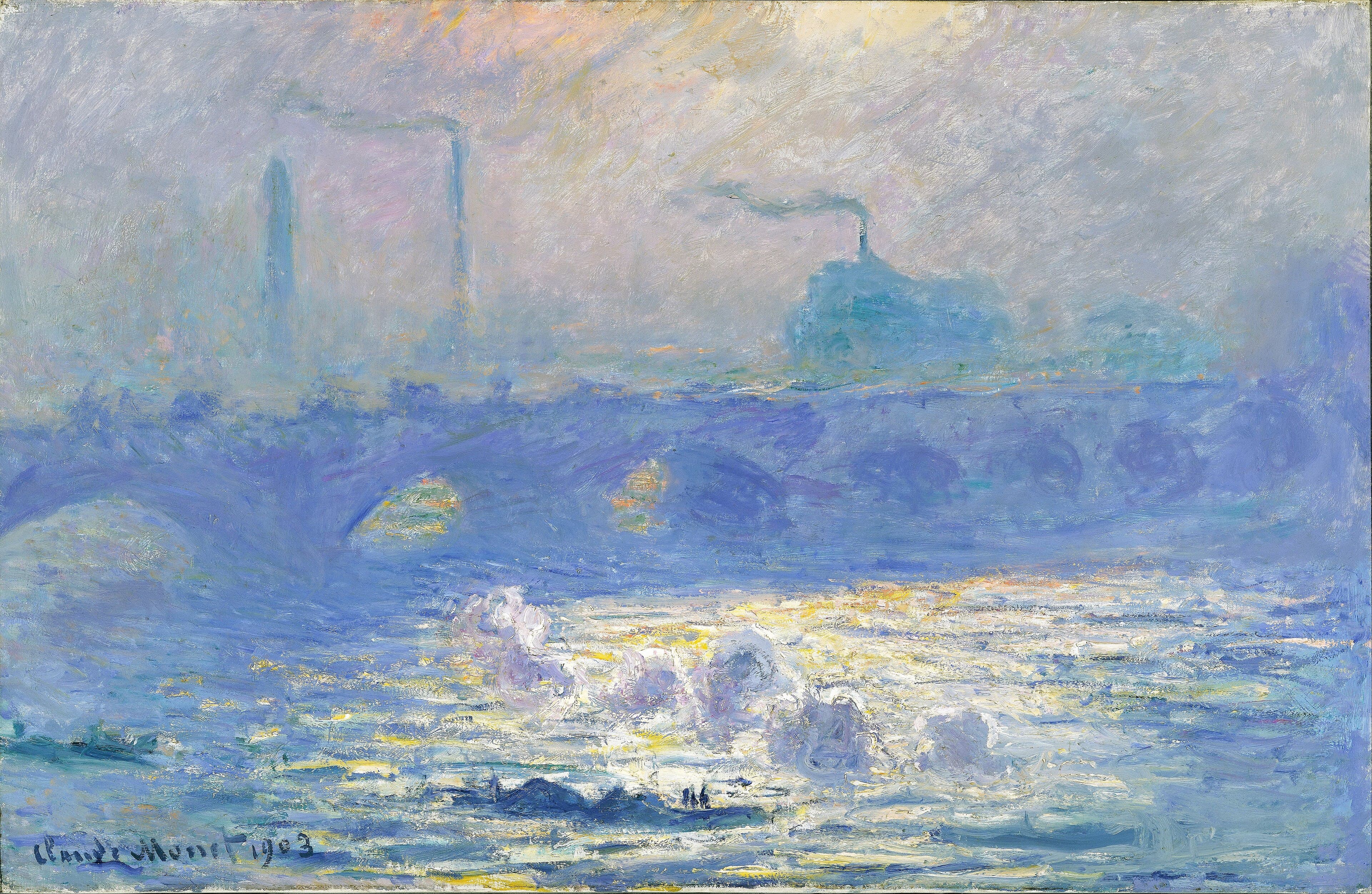
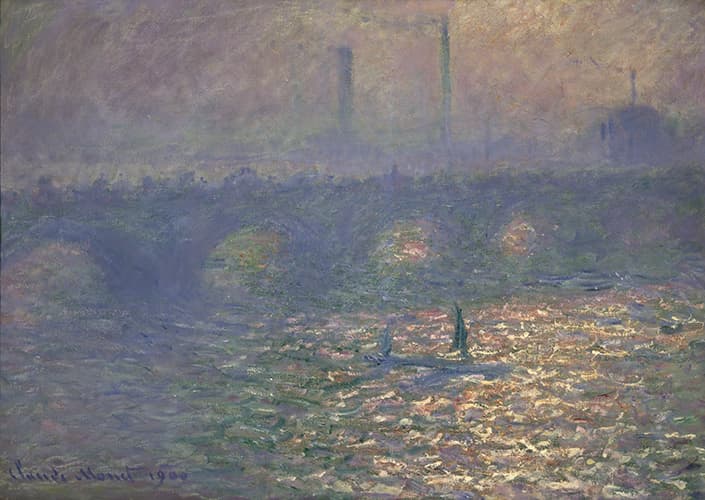
Its closest relative in the Waterloo Bridge series is the Denver Waterloo Bridge, Sunlight Effect, also dated 1903, where similar white plumes rise from a yellow river. The Baltimore canvas is darker and bluer, with the smoke more prominent against the shadow of the bridge. The Santa Barbara Waterloo Bridge shows the same morning light glittering on the water without the steam.
A detail to look for
In the upper sky, a long, dark diagonal trail of smoke drifts from one of the chimneys toward the right, almost parallel to the bridge below. Monet uses it to echo the horizontal of the bridge and to frame the bright band of the river from above. Compare the white plumes on the water, which rise vertically. Between the dark smoke above and the bright steam below, the painting holds two kinds of man-made atmosphere, both transformed by the same sunlight. This is the effect the Santa Barbara Museum's label describes for the series: natural and man-made atmospheres mingling, and Monet painting them as one.
Where to see it
The Baltimore Museum of Art's Cone Wing is known for the Cone sisters' collection of Matisse and modern French art, and the Eisenberg Monet hangs there among it. For Claude Monet's other London subjects, see Monet in London; for other museums, see where to see Monet's paintings.
Questions & answers
Where is Monet's Waterloo Bridge in Baltimore?
It is in the Baltimore Museum of Art (1976.38), part of the Helen and Abram Eisenberg Collection, bequeathed in 1976. It is displayed in the museum's Cone Wing.
When was it painted?
It is signed and dated 1903. Monet probably began it during his London stays of 1899–1901 and finished it at Giverny, which is why some sources give 1900.
What is the smoke in the painting?
The white and pink plumes rising from the river are steam and smoke from tugs and steamboats passing beneath the bridge. Monet painted London's smoke as part of its atmosphere, alongside the natural fog.
What does the painting show?
Waterloo Bridge as a dark blue silhouette with a band of golden sunlight on the Thames below it, white plumes of steam rising from boats, and chimneys faint in a hazy sky beyond.
More by the artist
Claude Monet
Charing Cross Bridge, The Thames
Claude Monet · 1903
Waterloo Bridge, Hazy Sun
Claude Monet · 1903
Waterloo Bridge, Sunlight Effect
Claude Monet · c. 1900 (dated 1903)
The Houses of Parliament (Effect of Fog)
Claude Monet · 1903–04
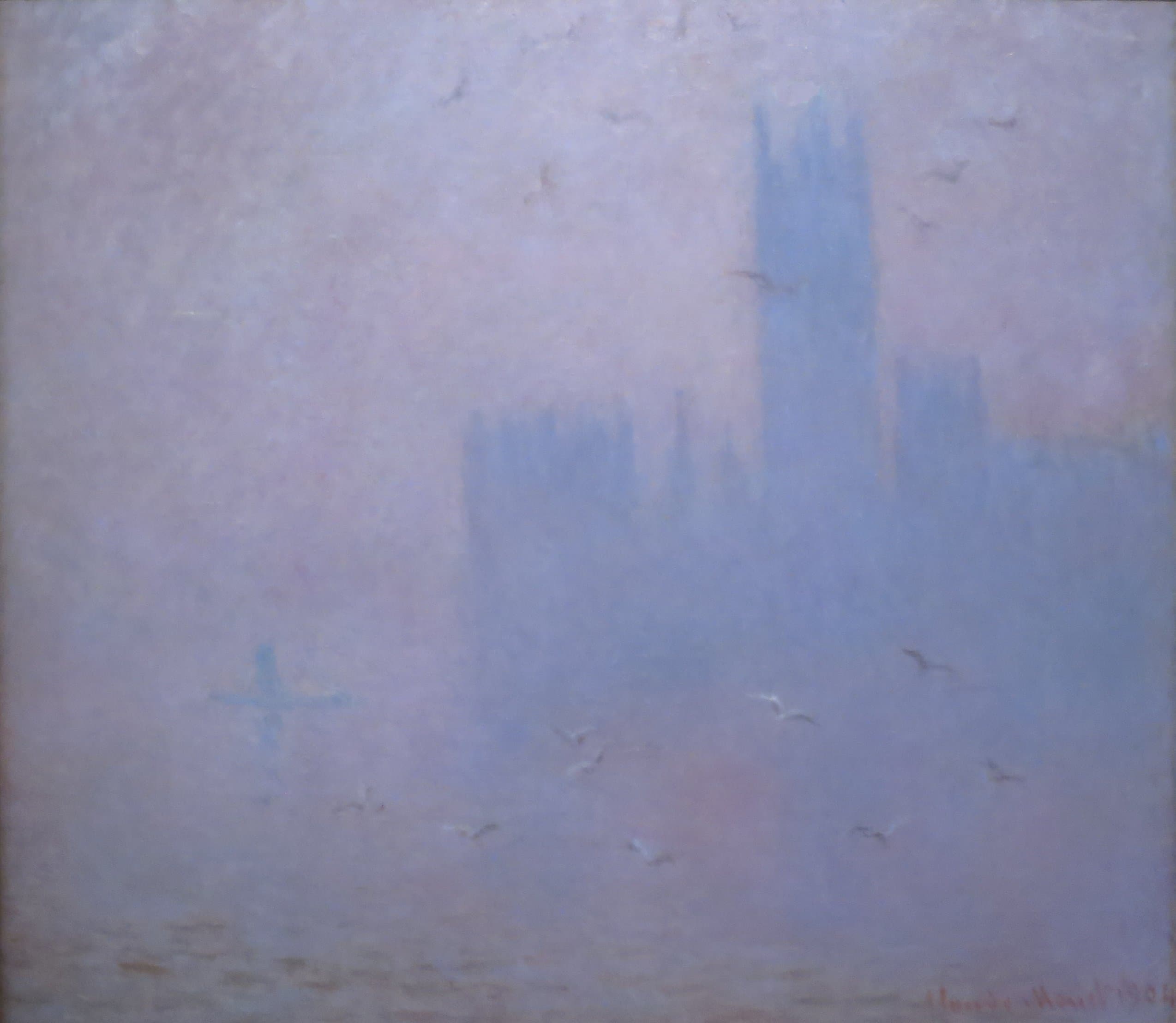
Seagulls, the River Thames and the Houses of Parliament
Claude Monet · 1904
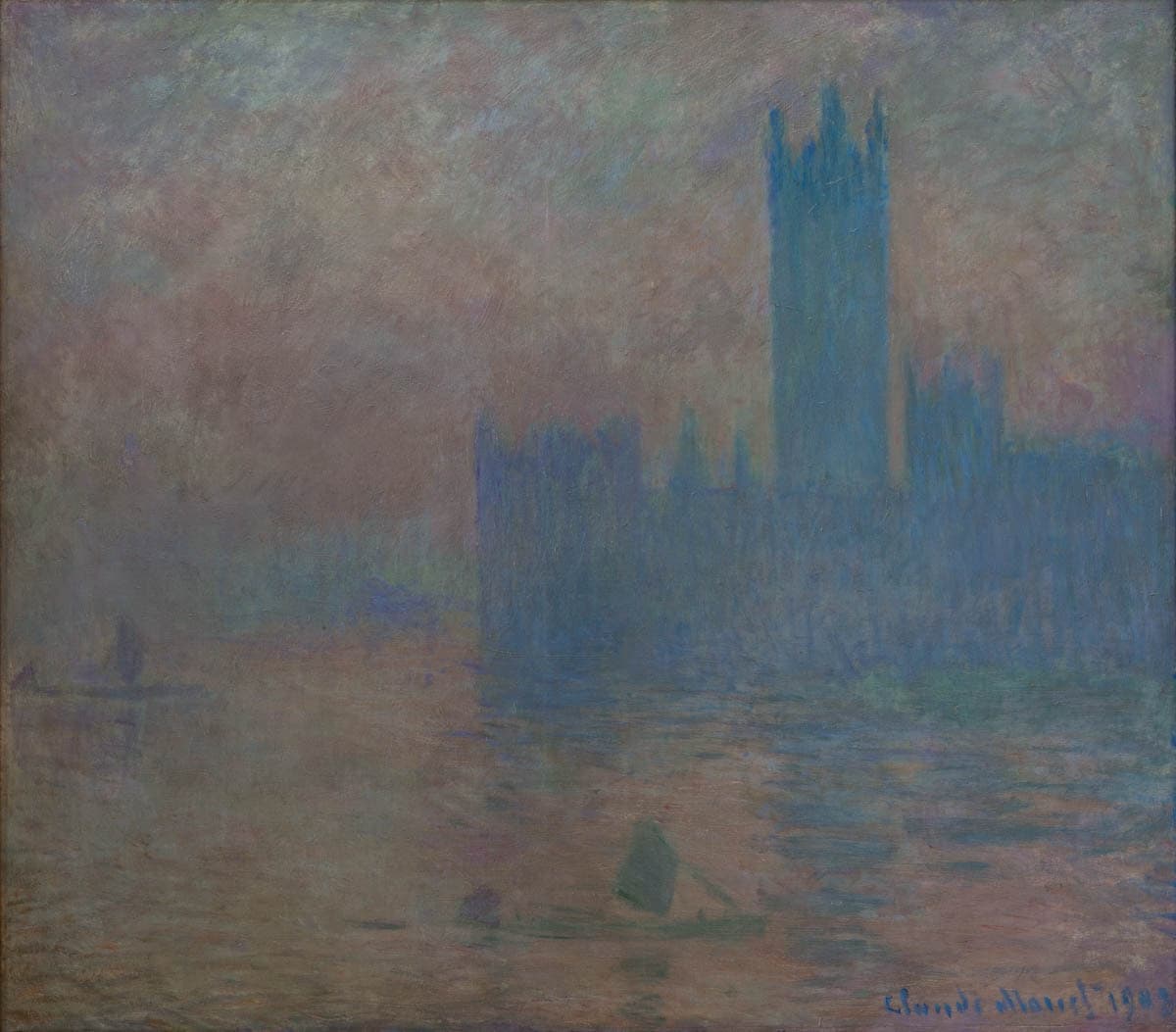
Le Parlement de Londres, effet de brouillard
Claude Monet · 1903
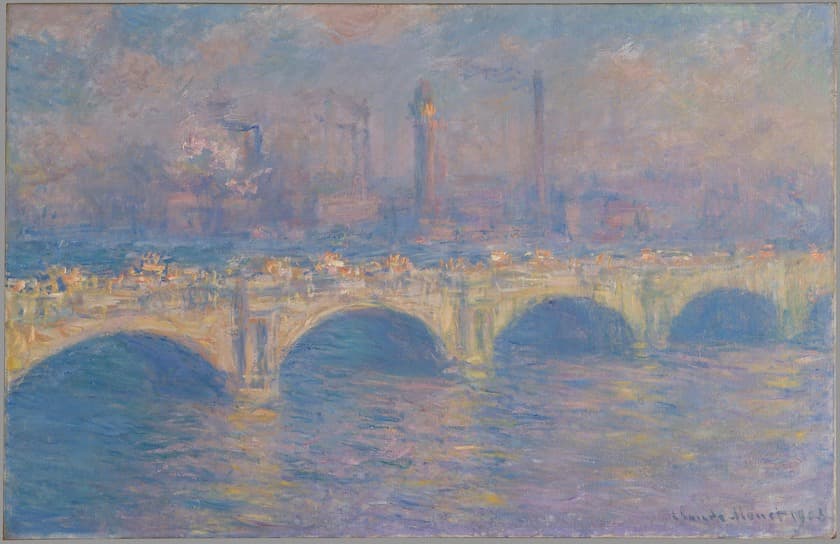
Waterloo Bridge, London
Claude Monet · 1903
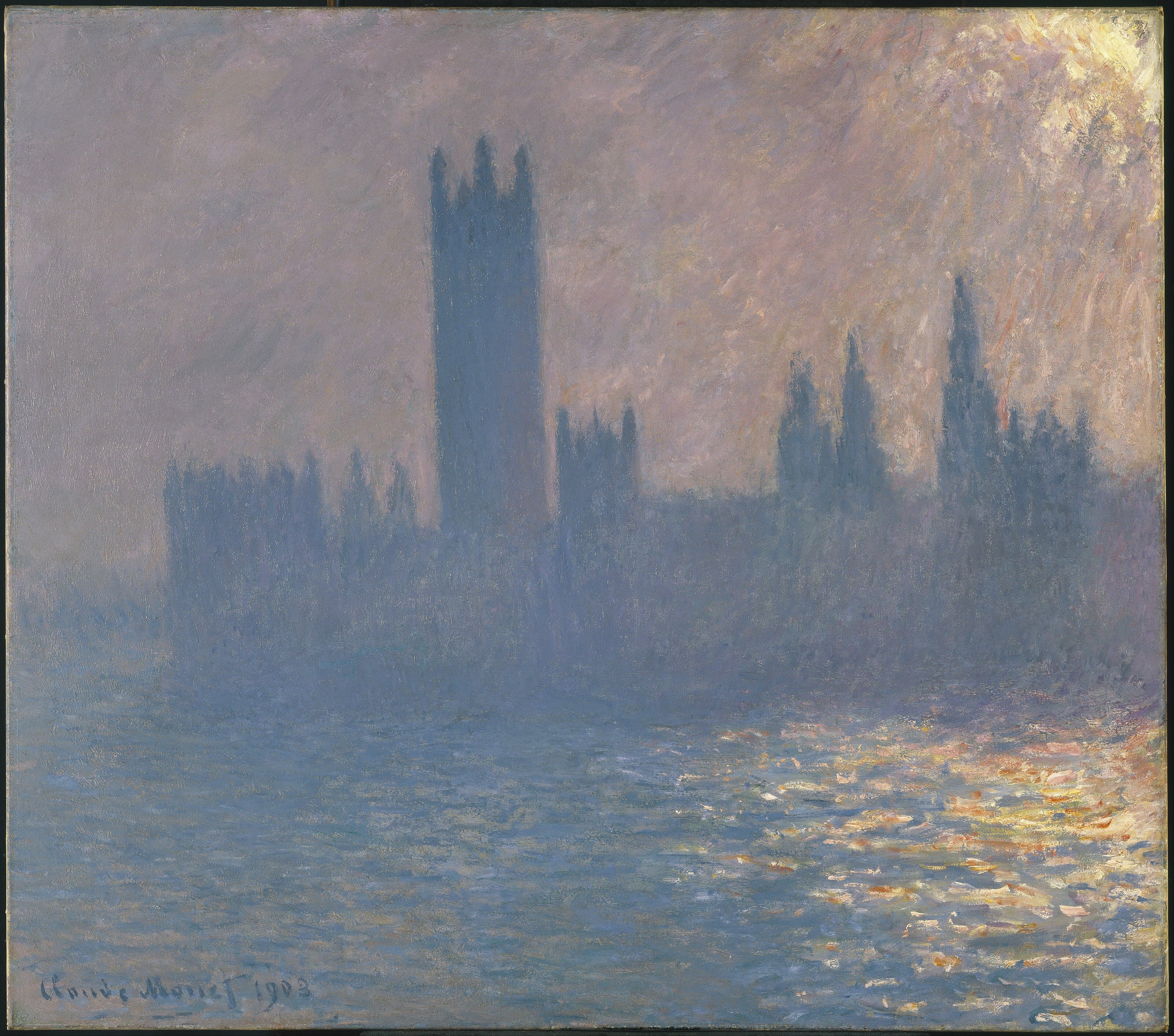
Houses of Parliament, Sunlight Effect
Claude Monet · 1903
Also painted in 1903
The same year
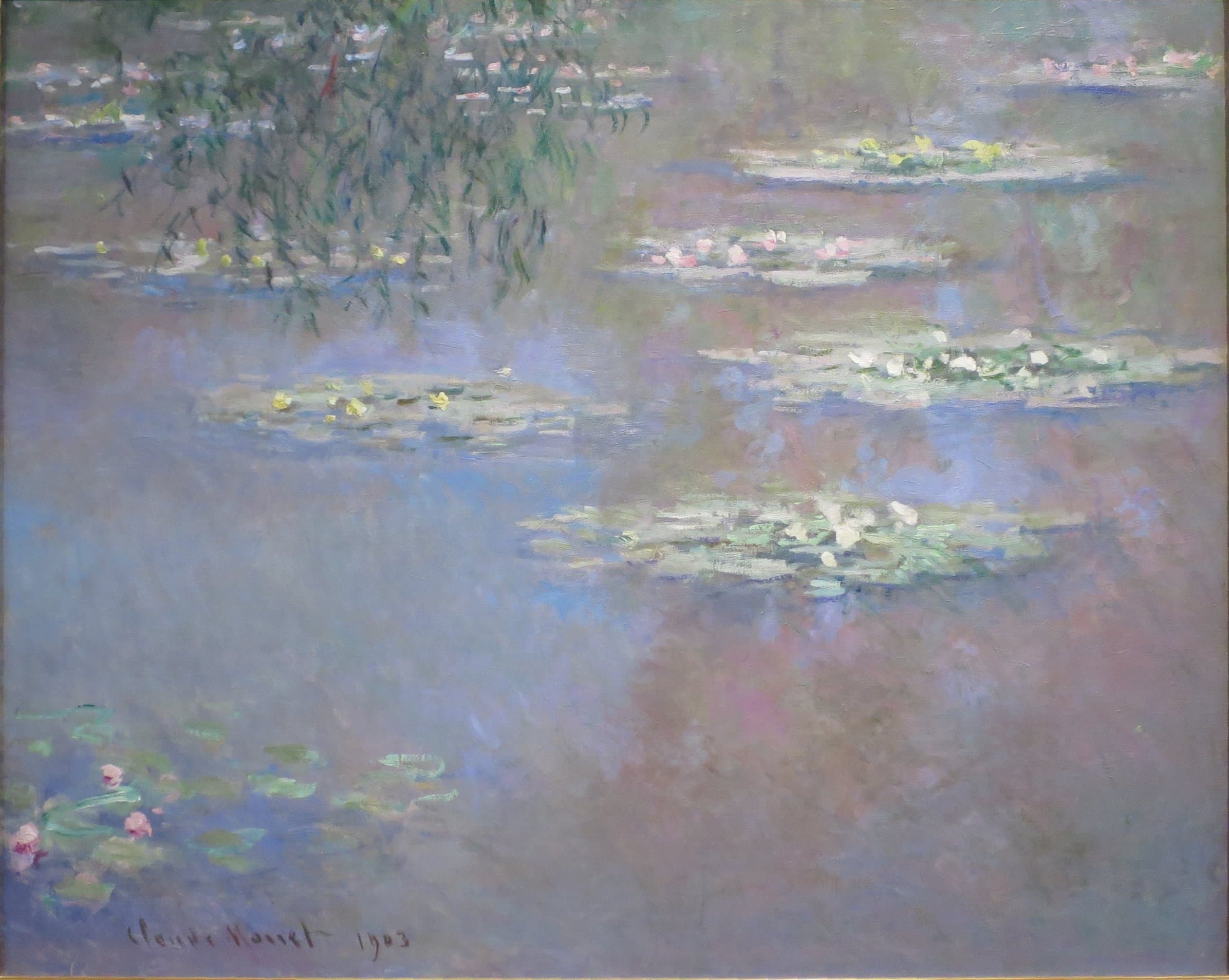
Waterlilies (1903, Dayton Art Institute)
Claude Monet · 1903
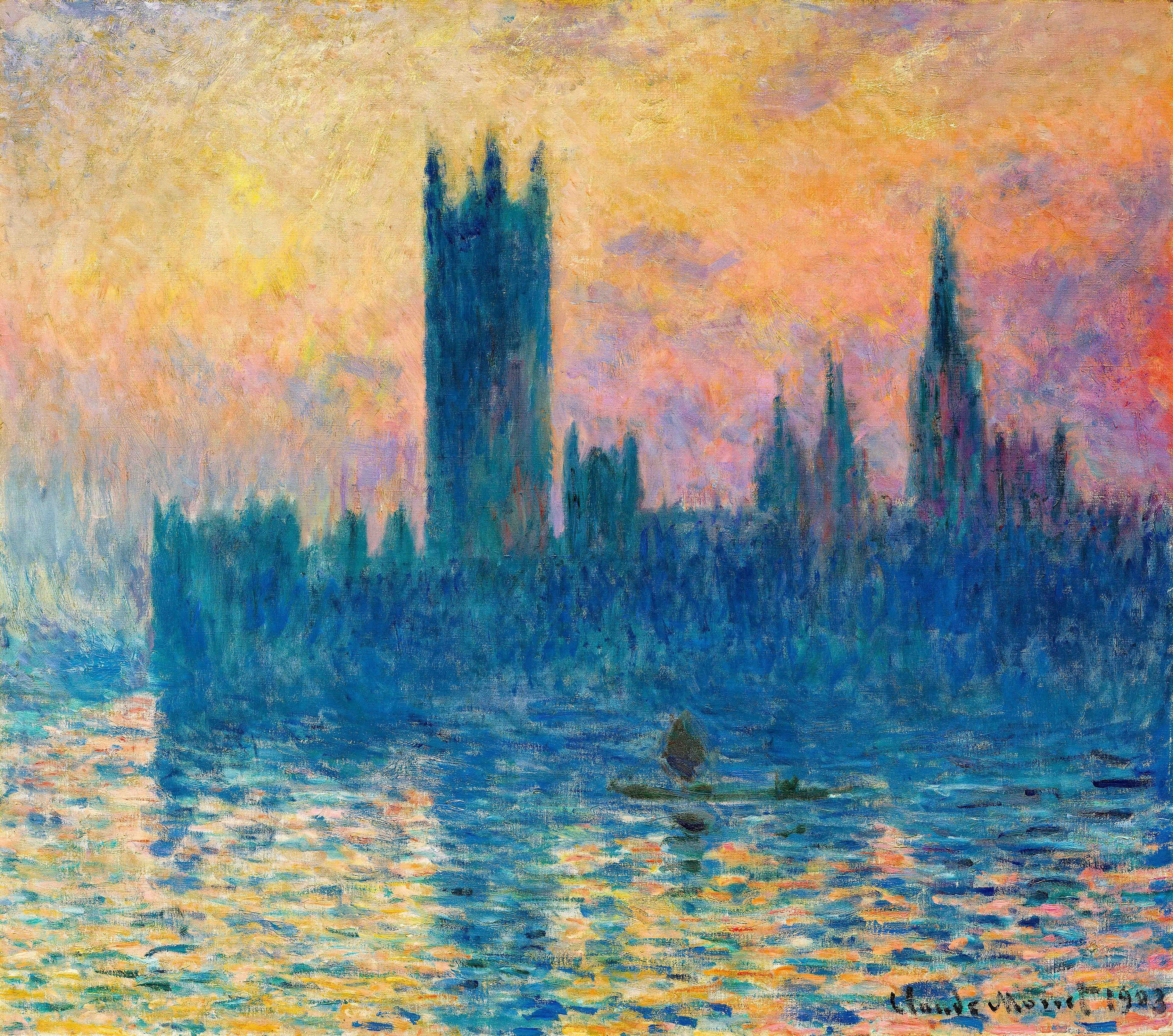
The Houses of Parliament, Sunset
Claude Monet · 1903
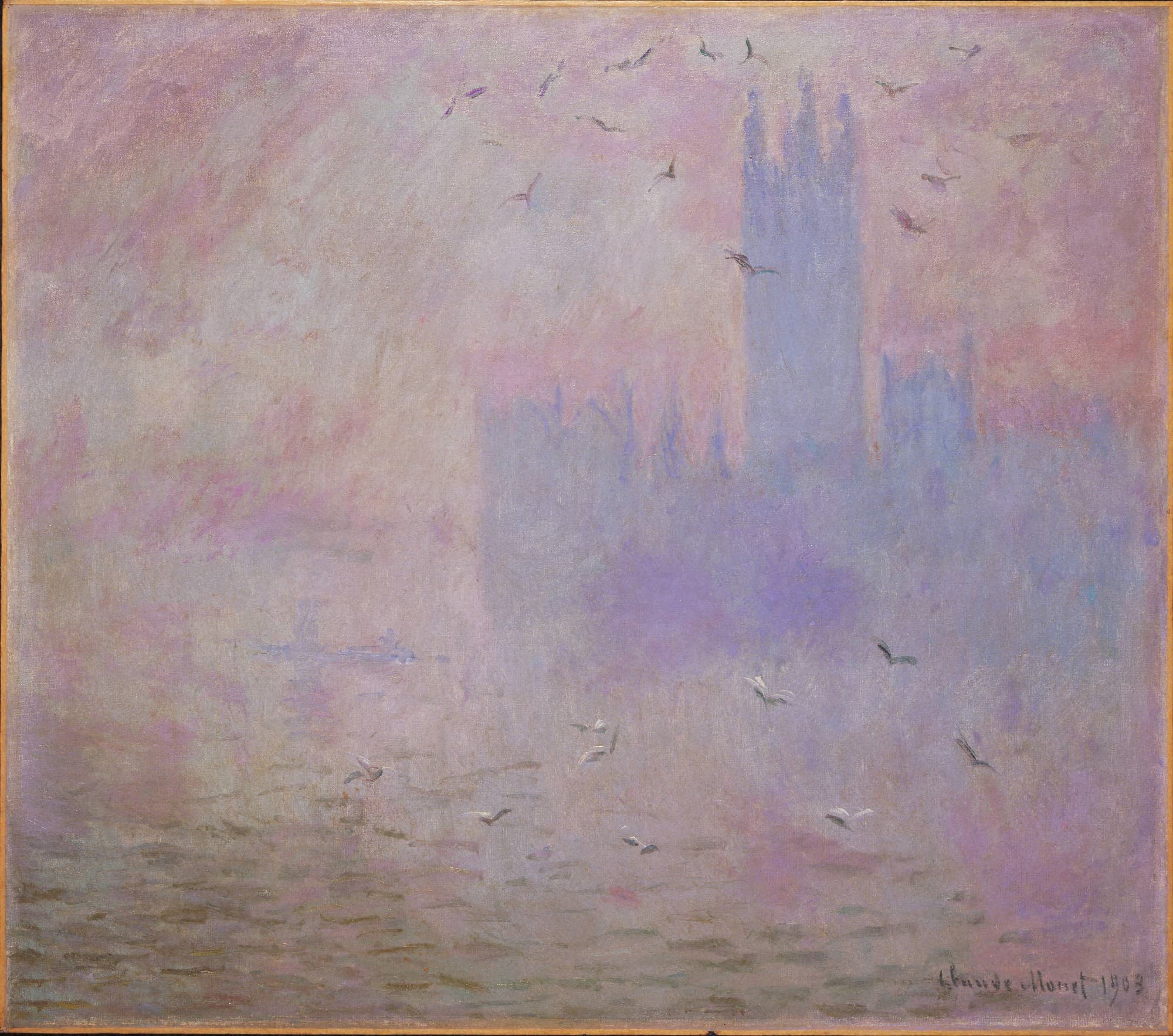
The Houses of Parliament, Seagulls
Claude Monet · 1903
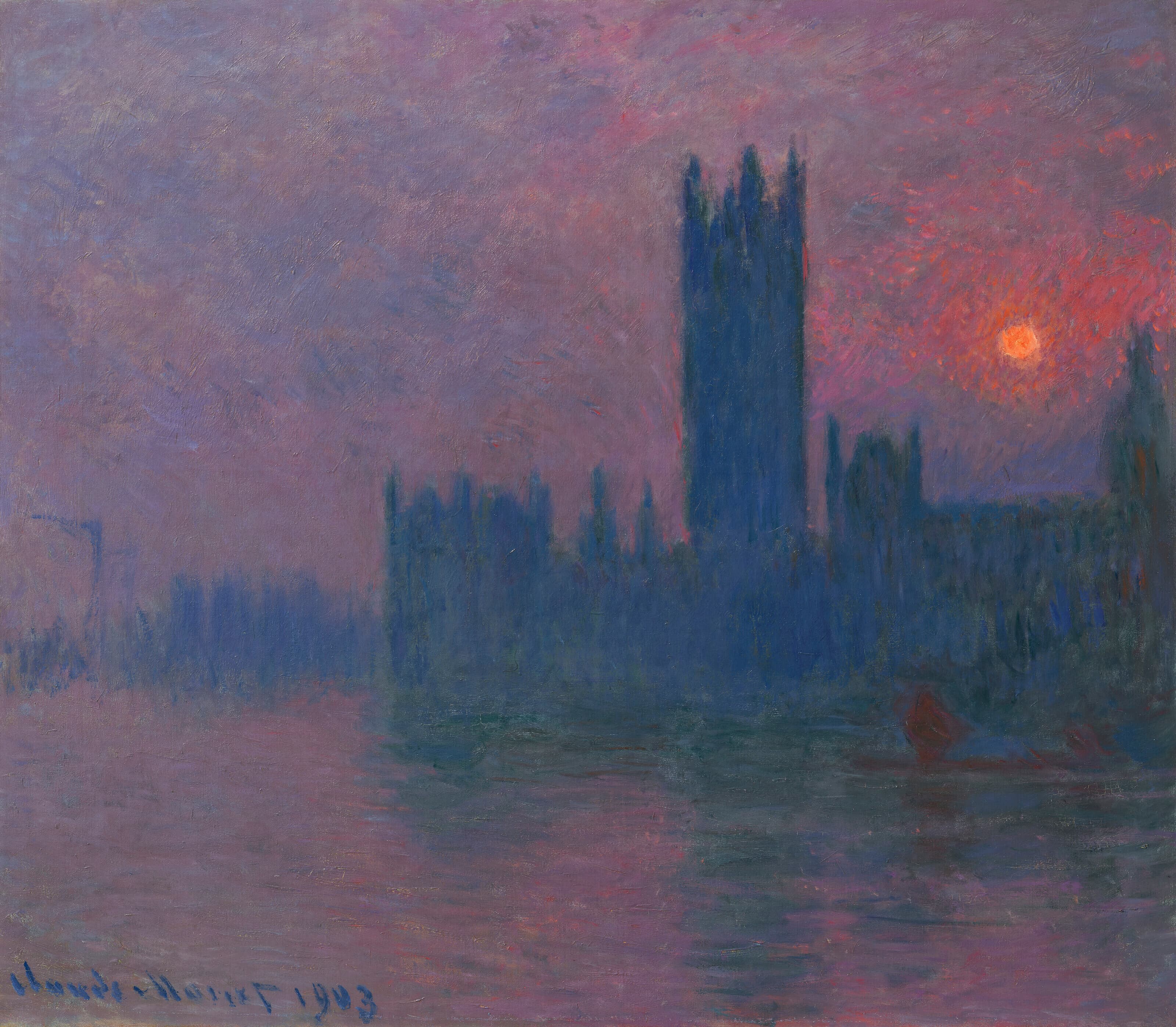
Houses of Parliament, Sunset
Claude Monet · 1903
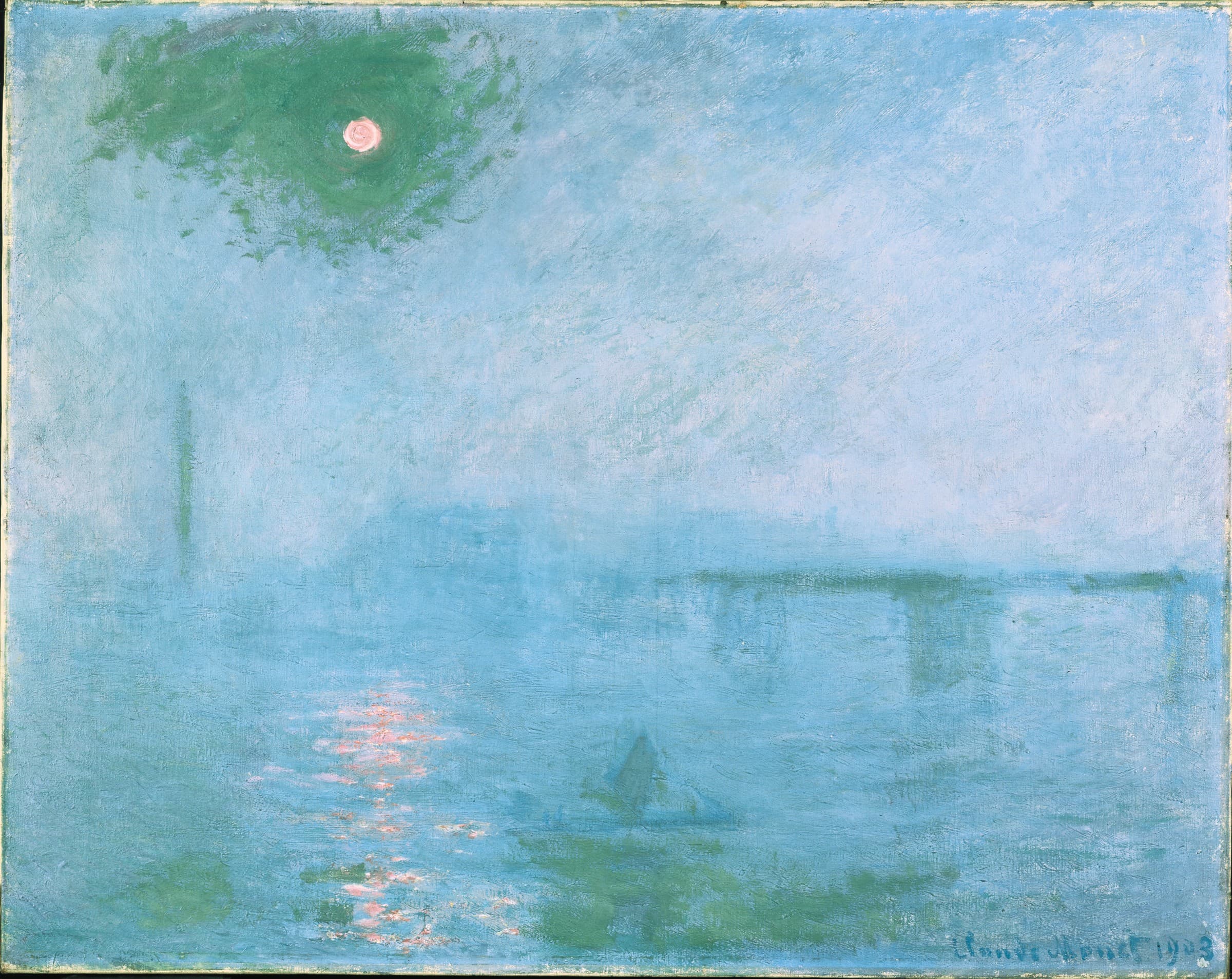
Charing Cross Bridge: Fog on the Thames
Claude Monet · 1903
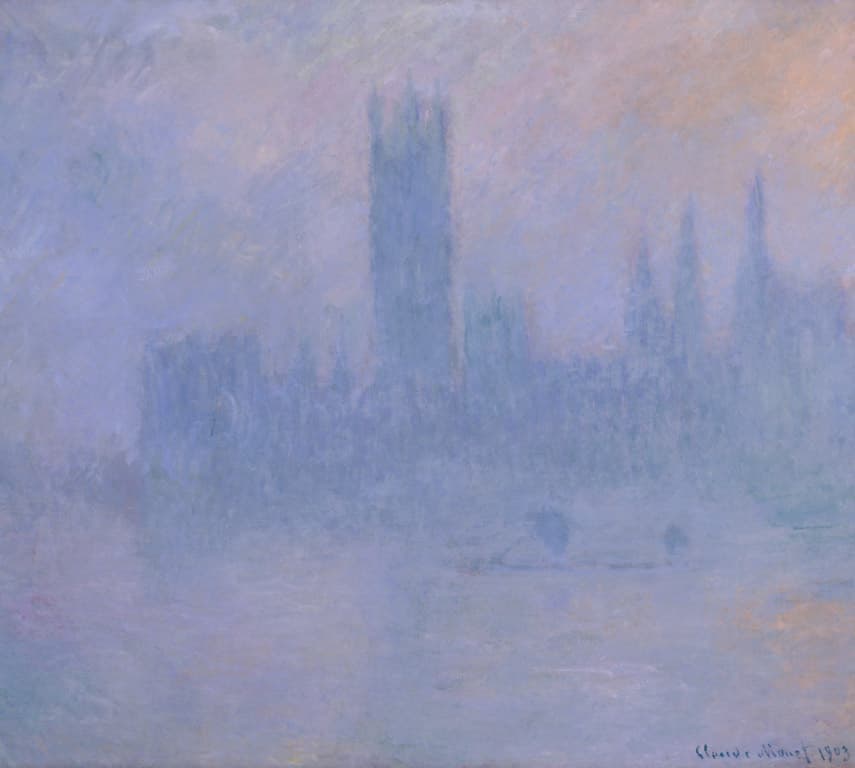
Houses of Parliament, Symphony in Blue
Claude Monet · 1903
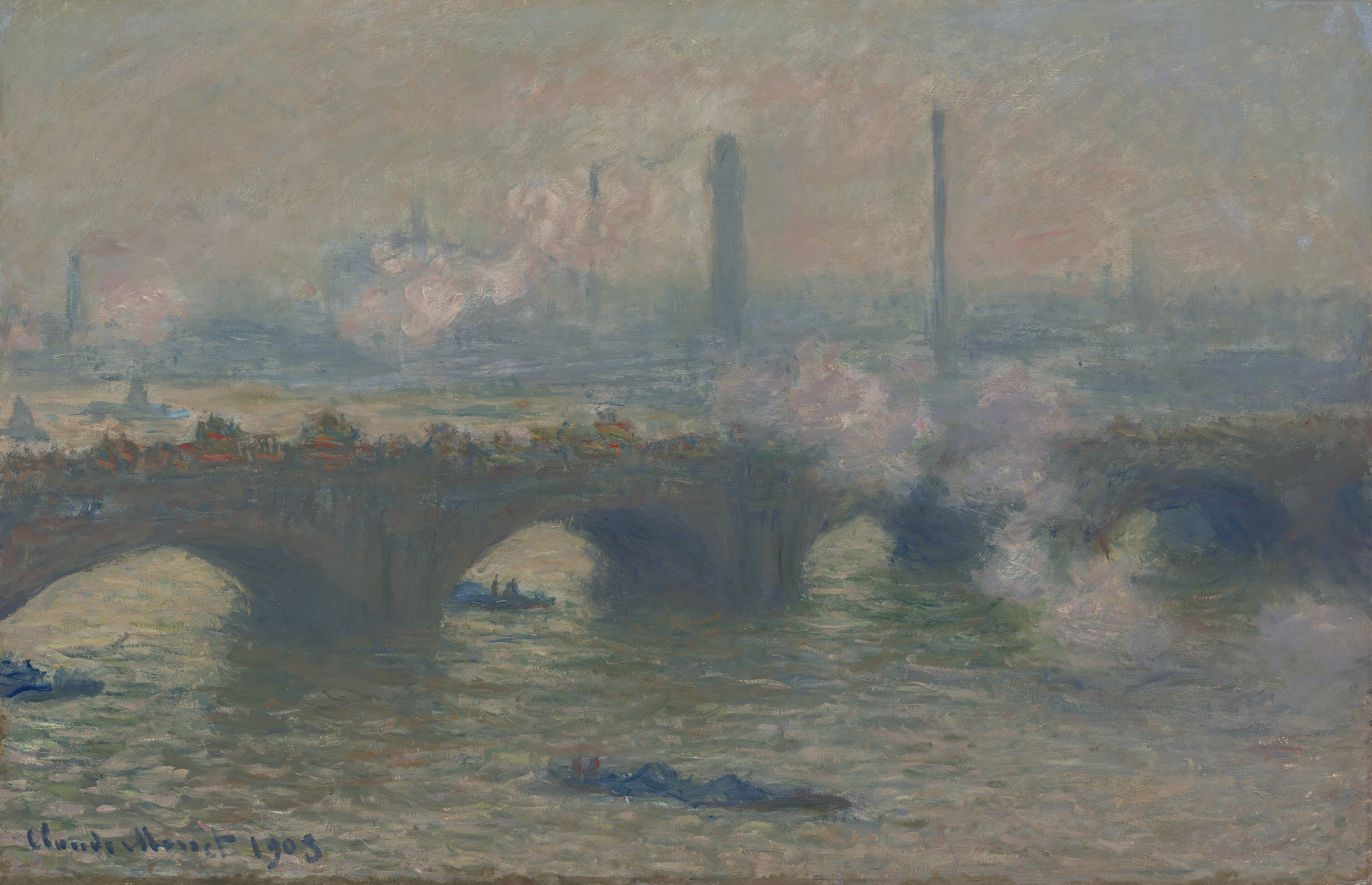
Waterloo Bridge, Gray Day
Claude Monet · 1903
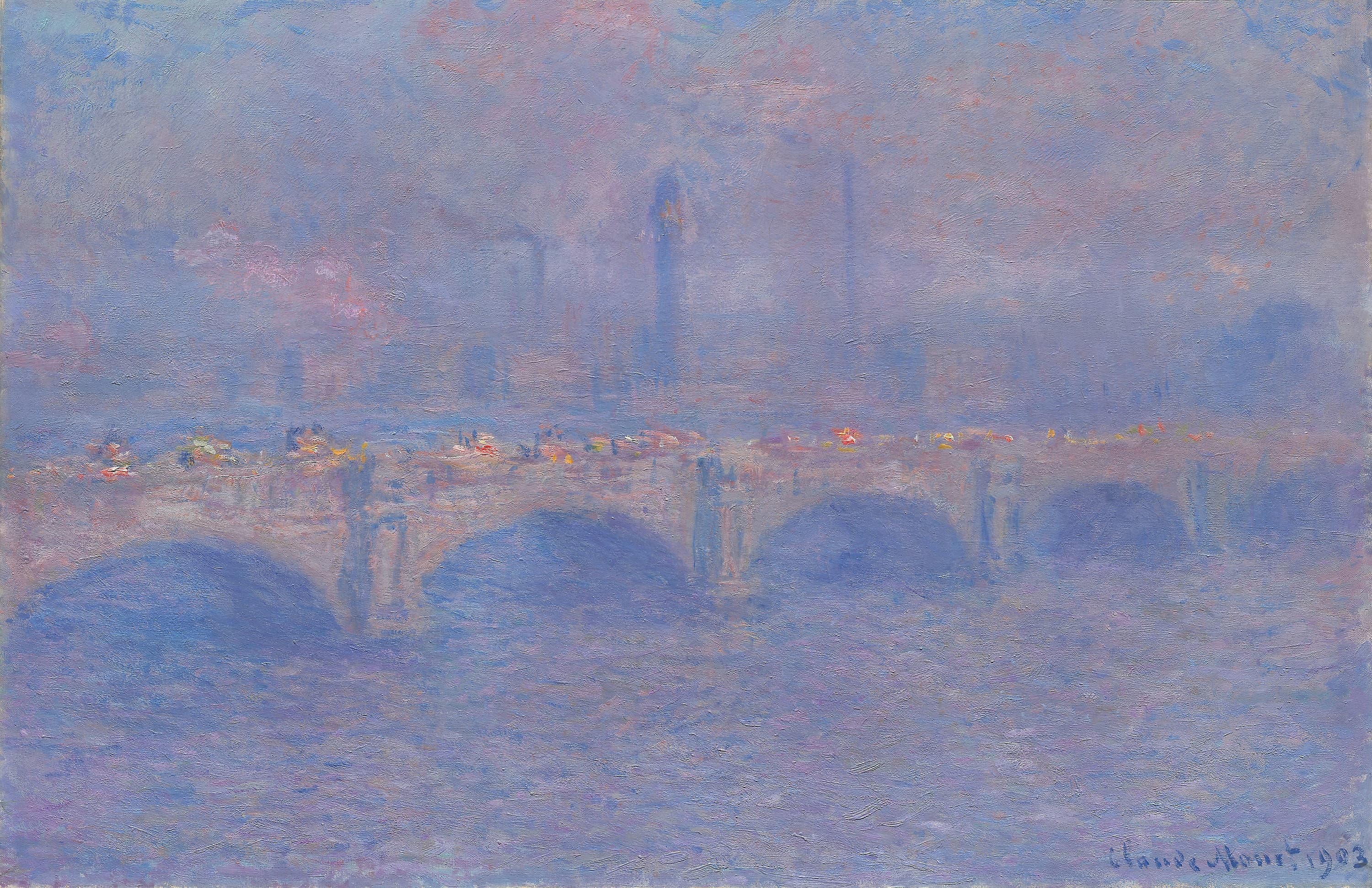
Waterloo Bridge, Sunlight Effect
Claude Monet · 1903
Kindred works
You may also study
Waterloo Bridge, Sunlight Effect (Denver Art Museum)
Claude Monet · 1903
Waterloo Bridge (Santa Barbara Museum of Art)
Claude Monet · 1900
Waterloo Bridge, Sunlight Effect
Claude Monet · 1903
Waterloo Bridge, Effect of Sun in the Mist
Claude Monet · c. 1900–03
Waterloo Bridge, London, Sun Effect
Claude Monet · 1899–1901
Gondola in Venice
Claude Monet · 1908
Waterloo Bridge, Overcast Weather
Claude Monet · 1900
The Grand Canal, Venice
Claude Monet · 1908