Image: National Museum of Western Art, Tokyo · Public domain · via Wikimedia Commons
Morning on the Seine
Claude Monet, 1898
Morning on the Seine is an 1898 Claude Monet painting of a willow-hung branch of the Seine near Giverny, the current rippling in blue-green under a damp morning light. It is in the National Museum of Western Art, Tokyo.
- Artist
- Claude Monet
- Date
- 1898
- Medium
- Oil on canvas
- Dimensions
- 73 × 91.5 cm
- Collection
- National Museum of Western Art, Tokyo, Japan
- Movement
- Impressionism
- Catalogue
- Wildenstein 1499
- Nature & Landscape
- Water & Sea
Morning on the Seine is a painting by Claude Monet of a branch of the Seine near Giverny, signed and dated Claude Monet 98 at the lower left. It measures 73 by 91.5 centimeters and belongs to the National Museum of Western Art in Tokyo, which bought it in 1965 from the collection of Kiichi Mimura of Ashiya. Wildenstein's catalogue lists it as Matinée sur la Seine, temps de pluie (Morning on the Seine, Rainy Weather).
What you're looking at
This canvas looks quite unlike the hushed, mirror-still Mornings of 1896–97. A willow hangs down from the top of the picture across almost its whole width, its long fronds painted as streaming, curved strokes of dark blue, teal and green, with flashes of white and pale blue where light catches the leaves. The fronds nearly touch the water at the center, and one or two trail down into it.
Below, the river is not still. It flows from upper right toward lower left in a broad band of short, choppy strokes, pale green, blue, yellow and white, so that the surface seems to ripple and move. At the right, in the distance, the far bank is a soft blue-green blur in the haze, and the river opens toward a pale yellow-white light. On the left, dense dark grasses and plants crowd the near bank in vertical and diagonal strokes. The colors are cool and damp: blue, teal, sea green, with a little yellow and a few pink touches in the water.
The museum's catalogue describes willows hanging over the water and waves washing through the grass, and notes the agitated brushwork, as if Monet were hurrying to catch a fleeting effect.
Giverny, 1897–98
The National Museum of Western Art connects this painting with Monet's series of misty summer mornings on the Seine near Giverny, painted in 1896–97 from a fixed spot at set times of the day with a limited palette. This canvas, dated 1898, comes slightly later and takes a different approach: a closer view, under the trees, with the water in motion and the weather wet rather than misty.
How it was painted
The brushwork is the striking feature. In the Mornings of 1897, Monet's strokes are soft and blended; here they are short, energetic and separate, laid on with a loaded brush in many directions. The willow fronds are long curving lines; the water is a dense pattern of small horizontal and diagonal dabs; the bank is hatched. The paint is thicker and more textured, and the result is closer to the vigorous handling of Monet's earlier river pictures than to the calm of the series.
How this version differs
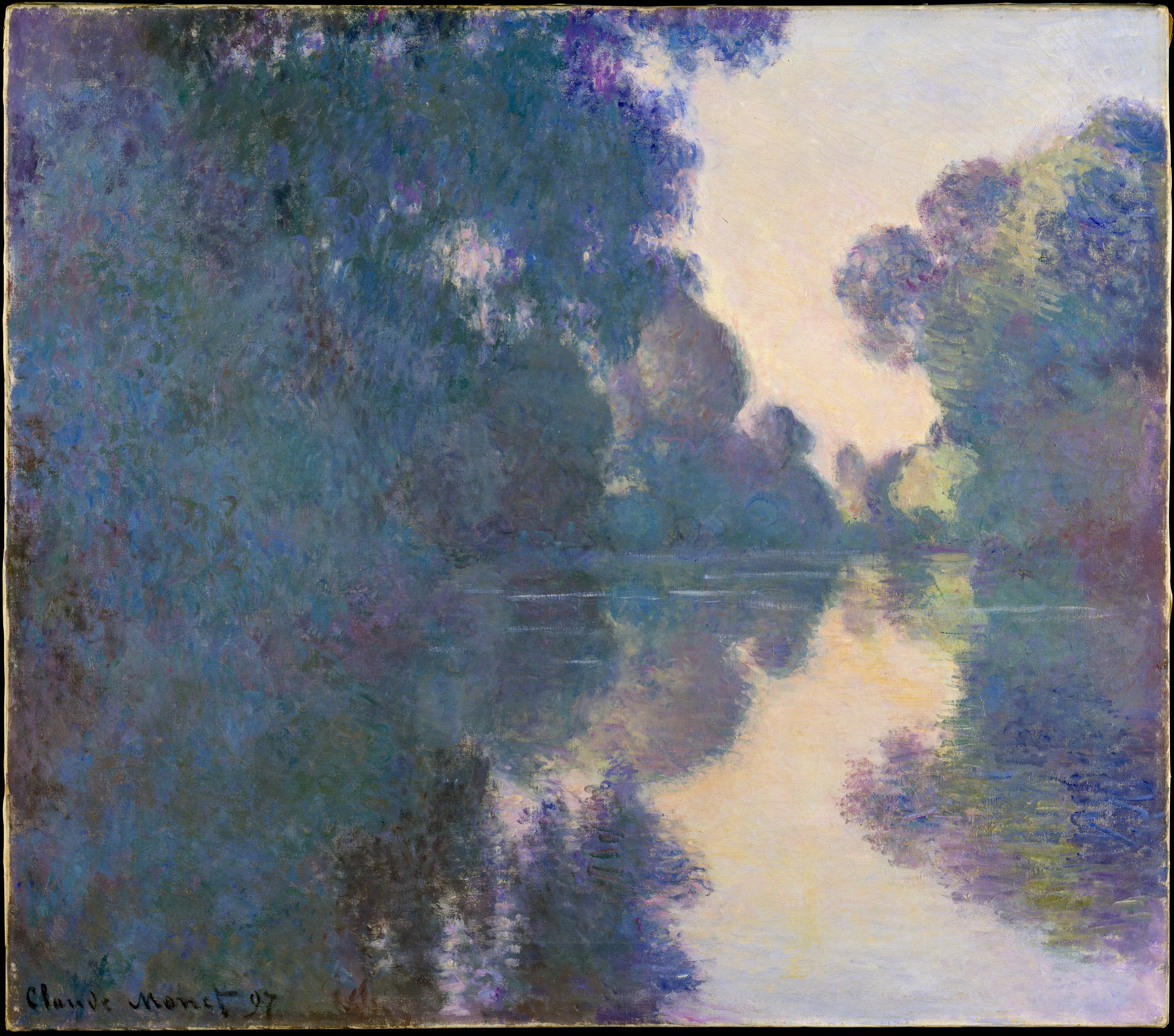
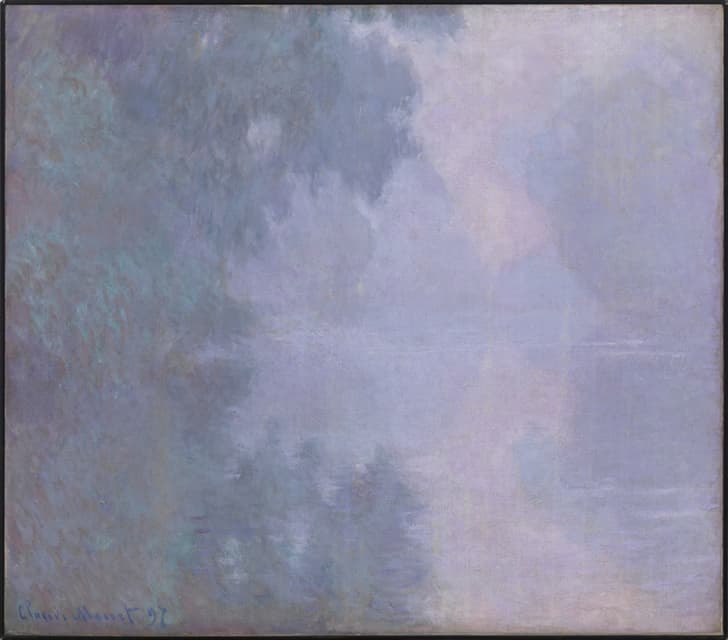
Compared with the classic Mornings, such as the Met's Morning on the Seine near Giverny or the White House's Morning on the Seine, Good Weather, this picture abandons symmetry and stillness. There is no sky to speak of, no mirror image, and the willow, not the space between the banks, is the subject. It is closest in spirit to the misty Morning on the Seine, Giverny at Amherst only in its color; in handling it is livelier than any of them. See the series in Mornings on the Seine and the village in Monet's Giverny.
Where to see it
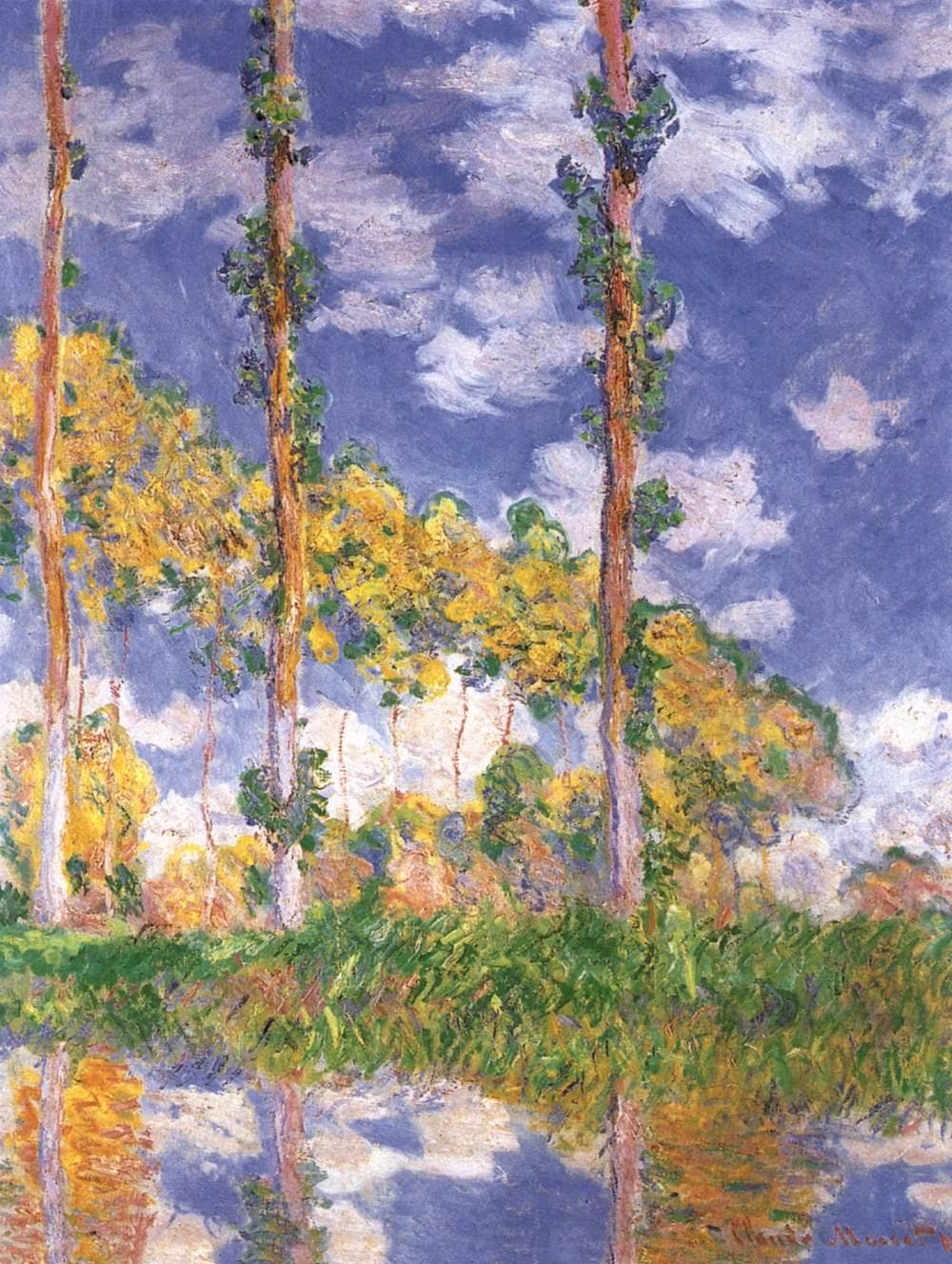
The painting is in the National Museum of Western Art in Ueno Park, Tokyo, whose collection grew from the Matsukata collection returned by France in 1959. The museum holds an important group of Monet paintings, including Three Poplars, Summer and a large Water Lilies. For other collections, see where to see Monet's paintings.
Questions & answers
Where is Monet's Morning on the Seine (1898)?
It is in the National Museum of Western Art in Ueno Park, Tokyo (P.1965-0004). The museum bought it in 1965; it previously belonged to Kiichi Mimura of Ashiya, Japan.
When and where was it painted?
It is dated 1898 and was painted on a branch of the Seine near Monet's home at Giverny, following his Mornings on the Seine series of 1896–97.
What does it show?
It shows a willow hanging its long fronds over a branch of the Seine, with the current rippling in blue, green and yellow strokes and dense grasses on the near bank, under a damp morning light.
Is it part of the Mornings on the Seine series?
It is closely related. The museum links it to the 1896–97 series, and Wildenstein titles it Matinée sur la Seine, temps de pluie. But its date, close-up view and agitated brushwork set it apart from the still, misty canvases of the series proper.
More by the artist
Claude Monet
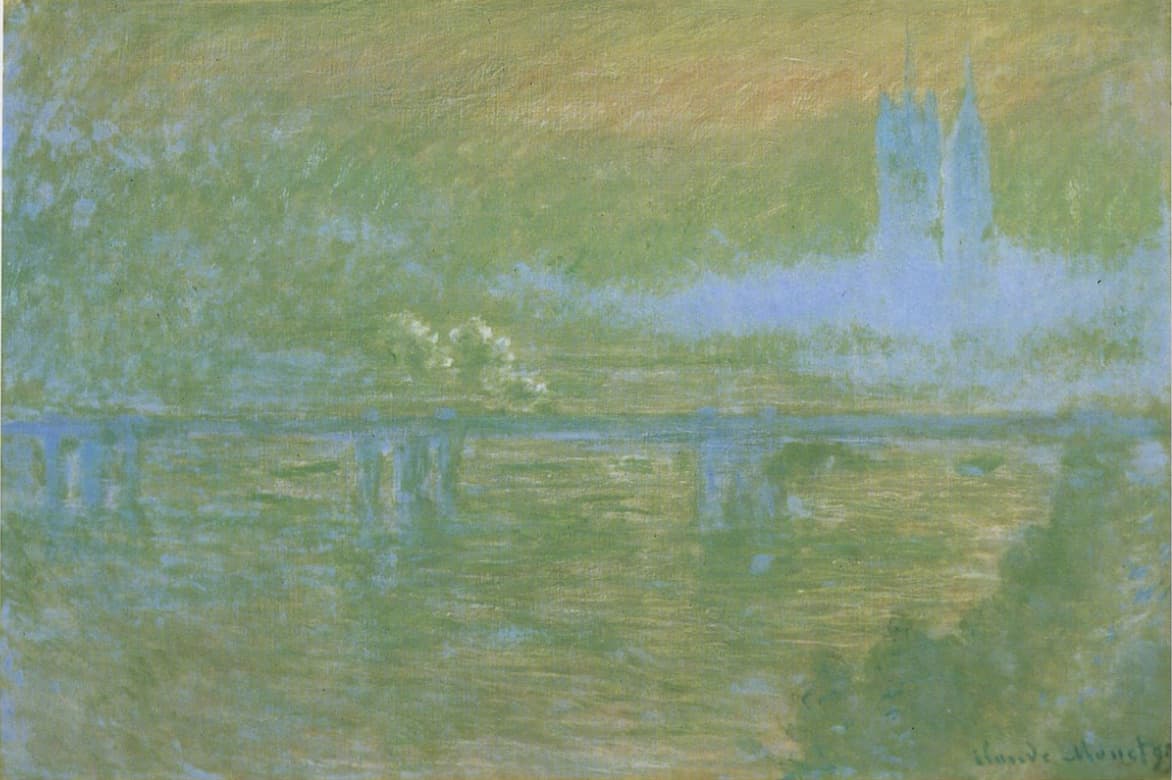
Charing Cross Bridge
Claude Monet · c. 1899
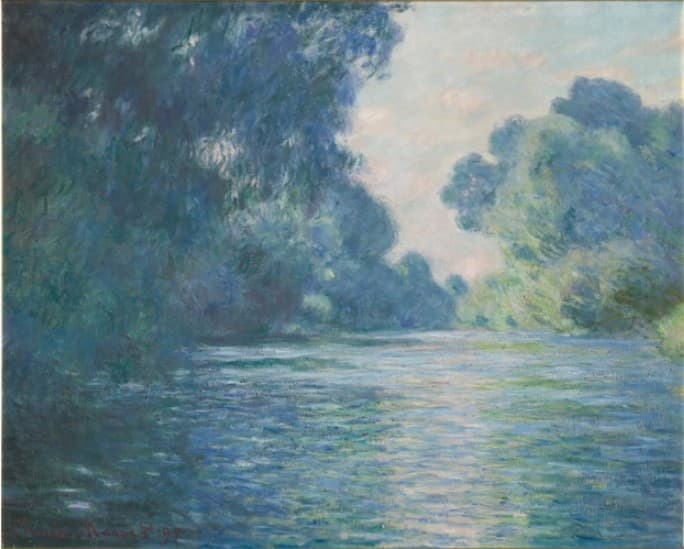
Arm of the Seine near Giverny
Claude Monet · 1897
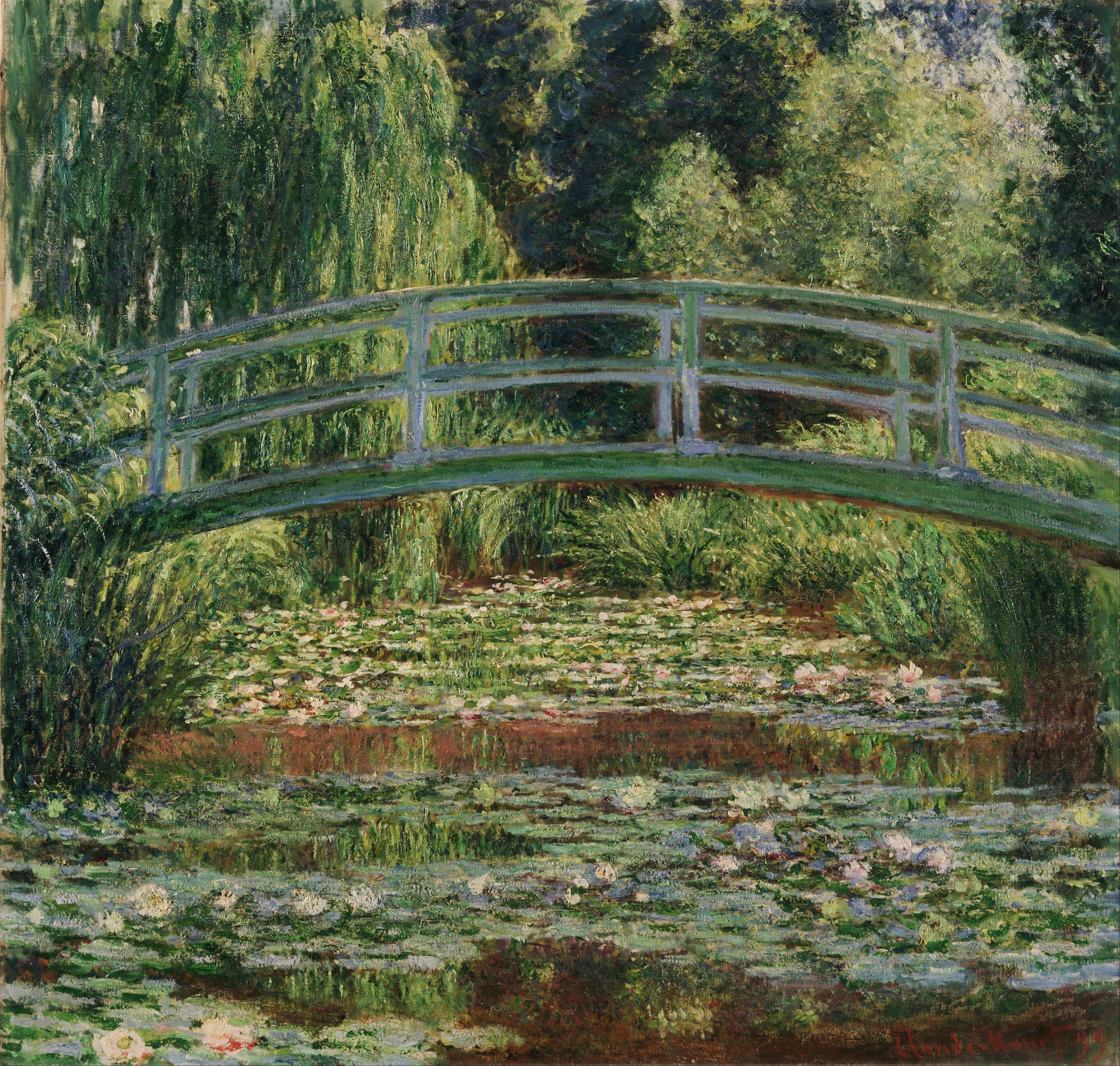
The Japanese Footbridge and the Water Lily Pool, Giverny
Claude Monet · 1899
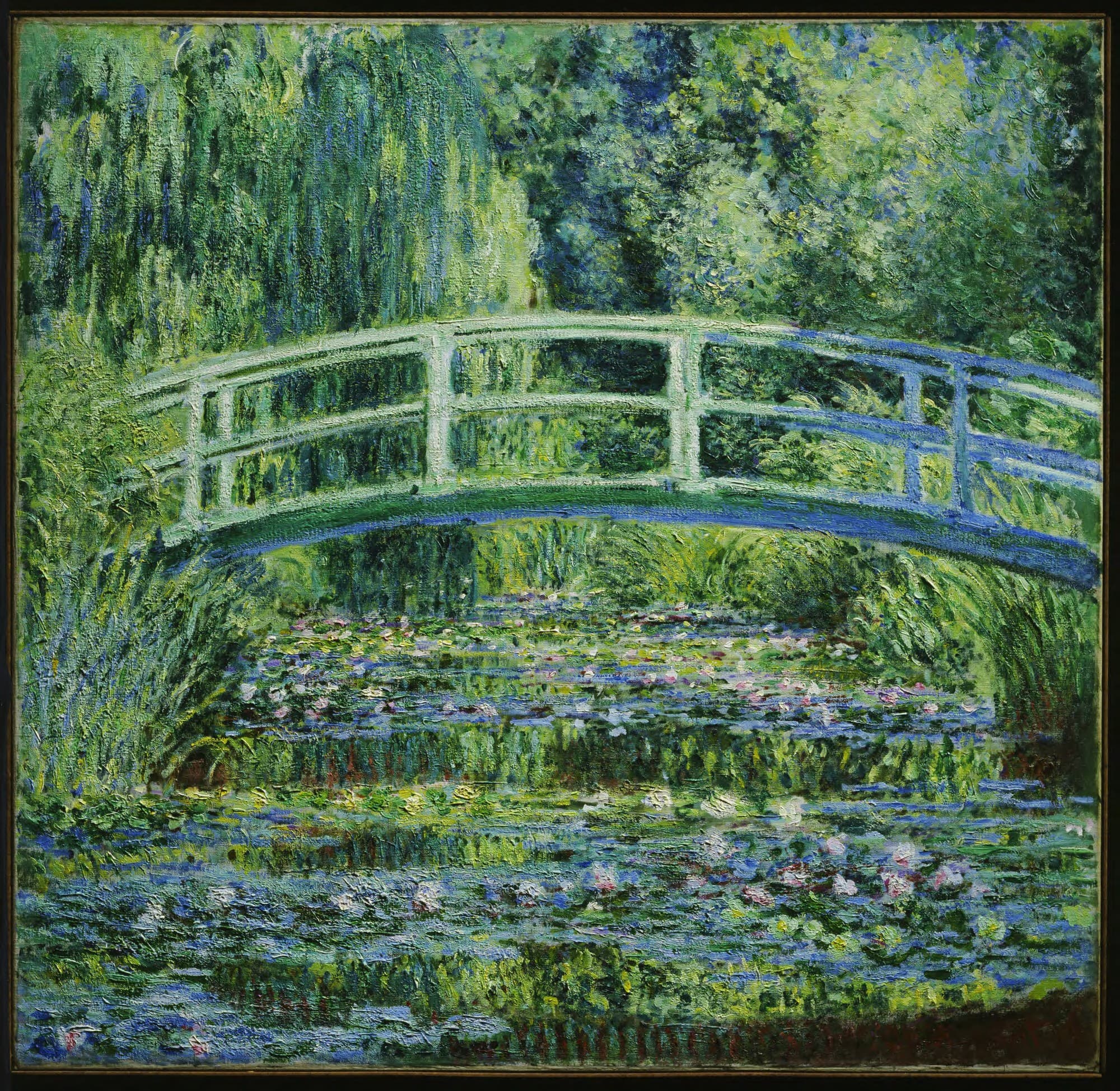
Water Lilies and Japanese Bridge
Claude Monet · 1899
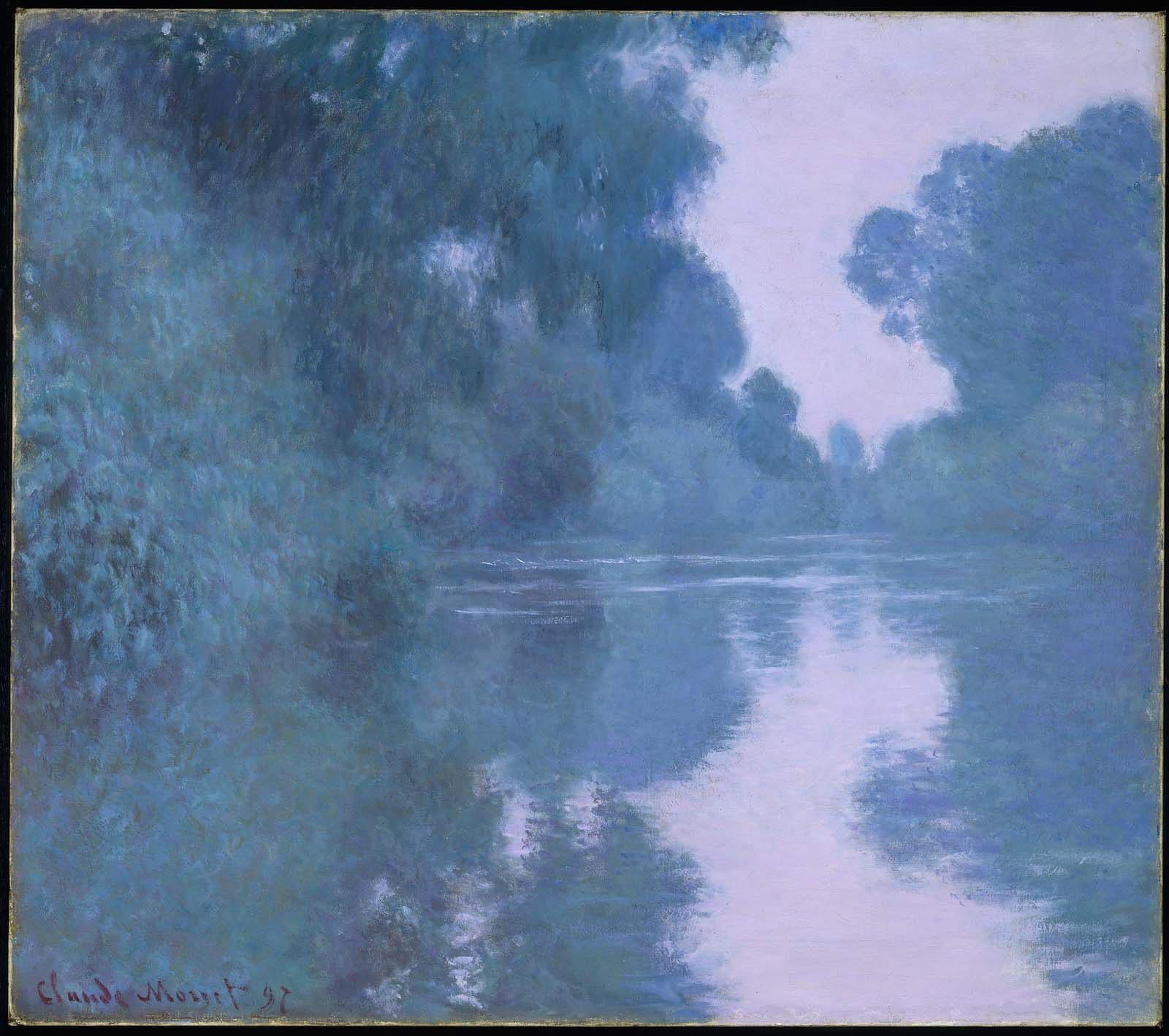
Morning on the Seine, near Giverny (1897)
Claude Monet · 1897
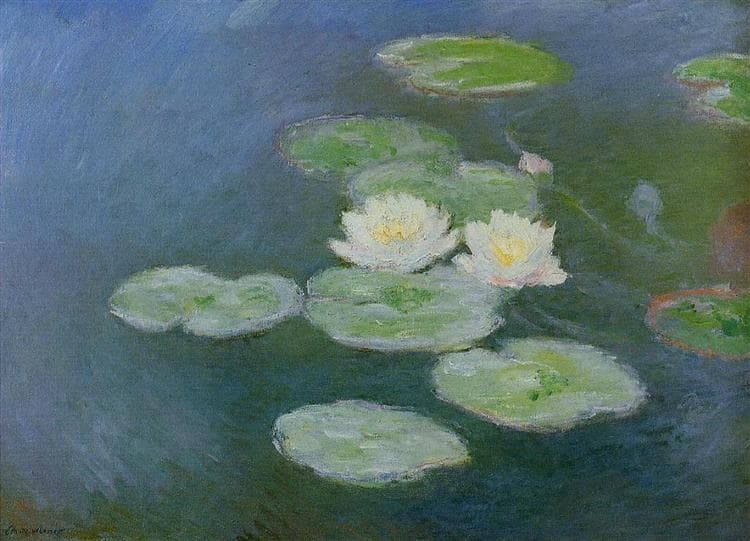
Water Lilies, Evening Effect
Claude Monet · 1897
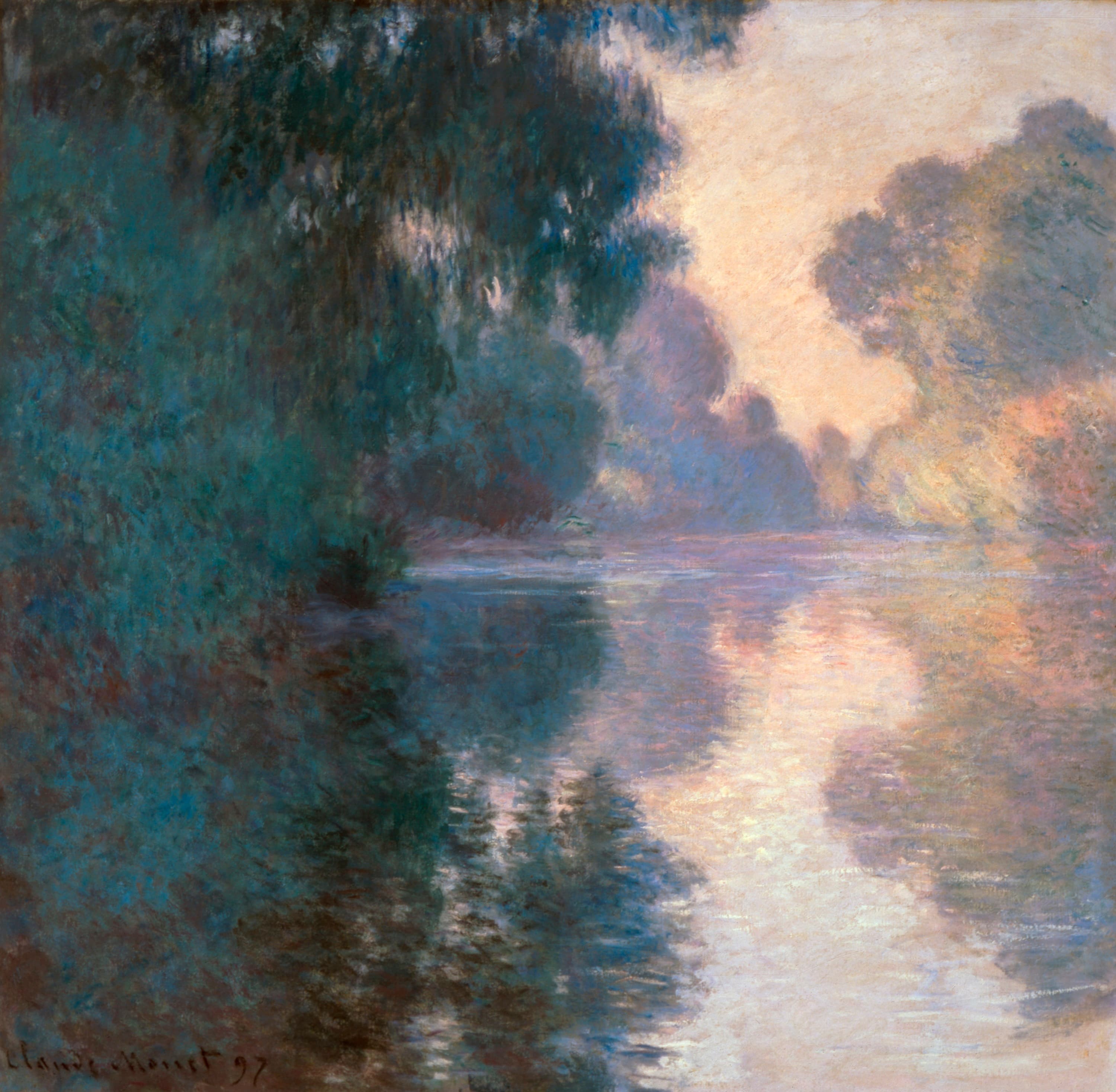
Morning on the Seine, Good Weather
Claude Monet · 1897
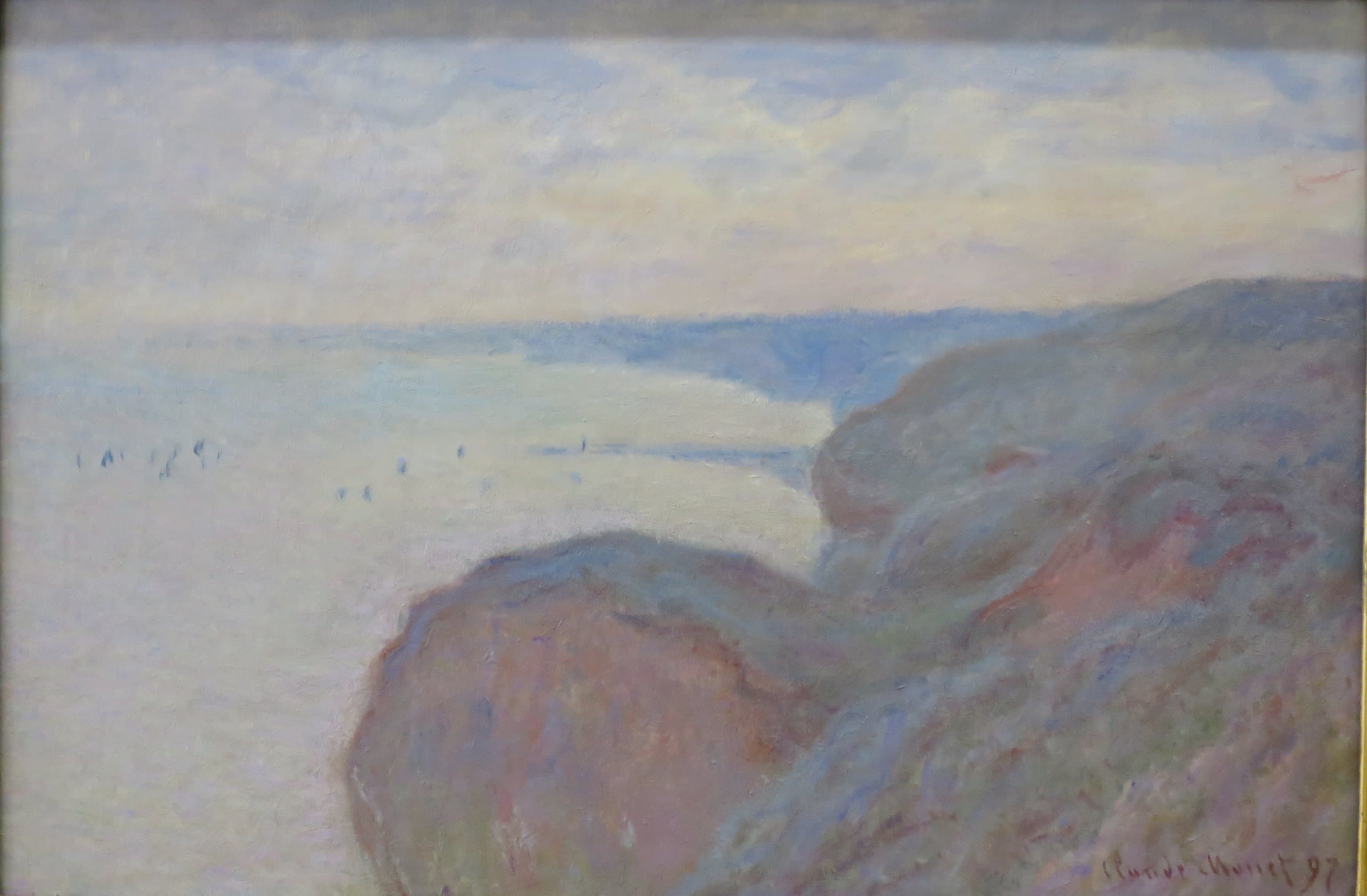
Steep Cliffs near Dieppe
Claude Monet · 1897
Also painted in 1898
The same year
Kindred works
You may also study
Morning on the Seine near Giverny
Claude Monet · 1897
Morning on the Seine, Giverny
Claude Monet · 1897
Three Poplars, Summer
Claude Monet · 1891
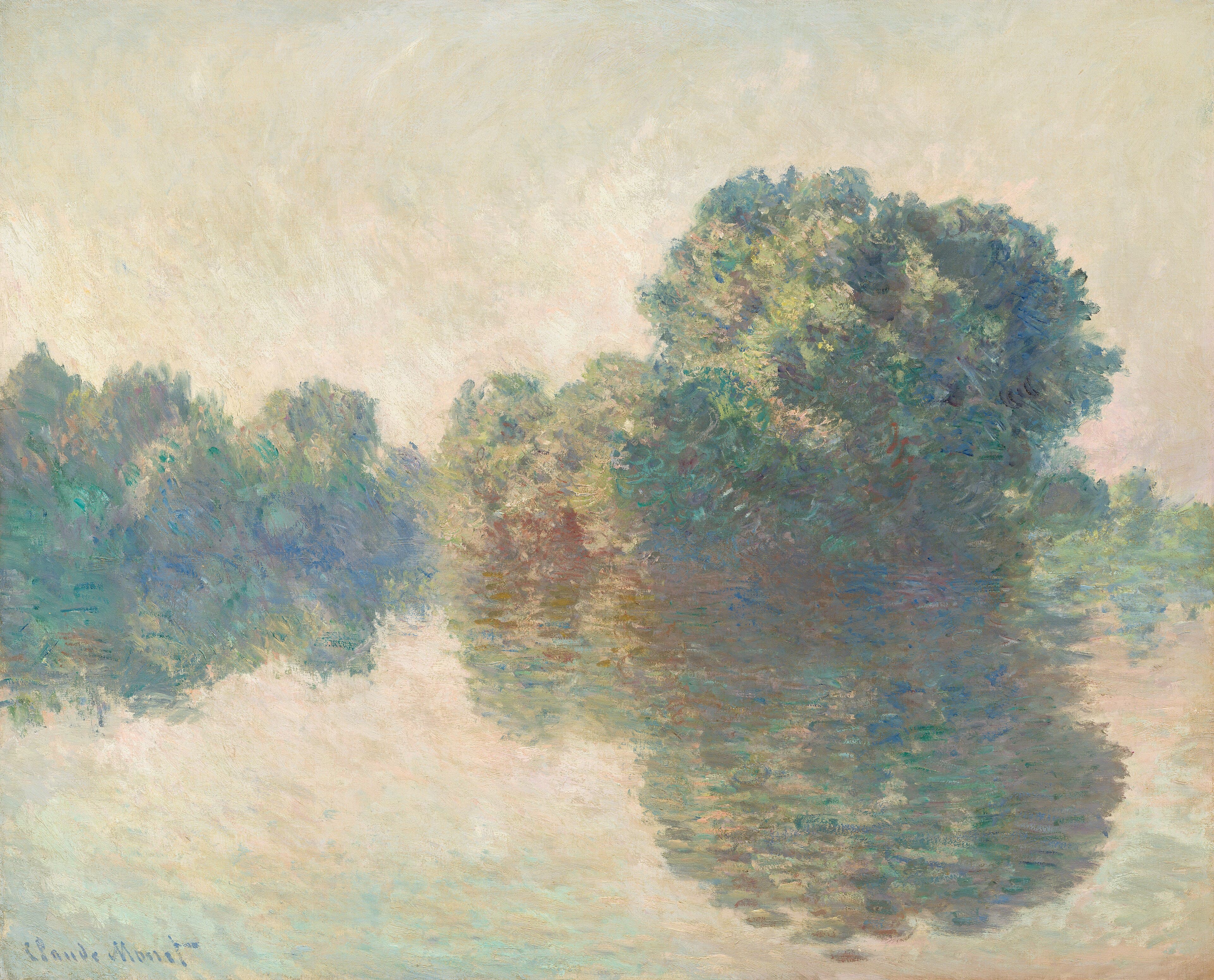
The Seine at Giverny
Claude Monet · 1897

The Seine at Asnières (Hermitage)
Claude Monet · 1873
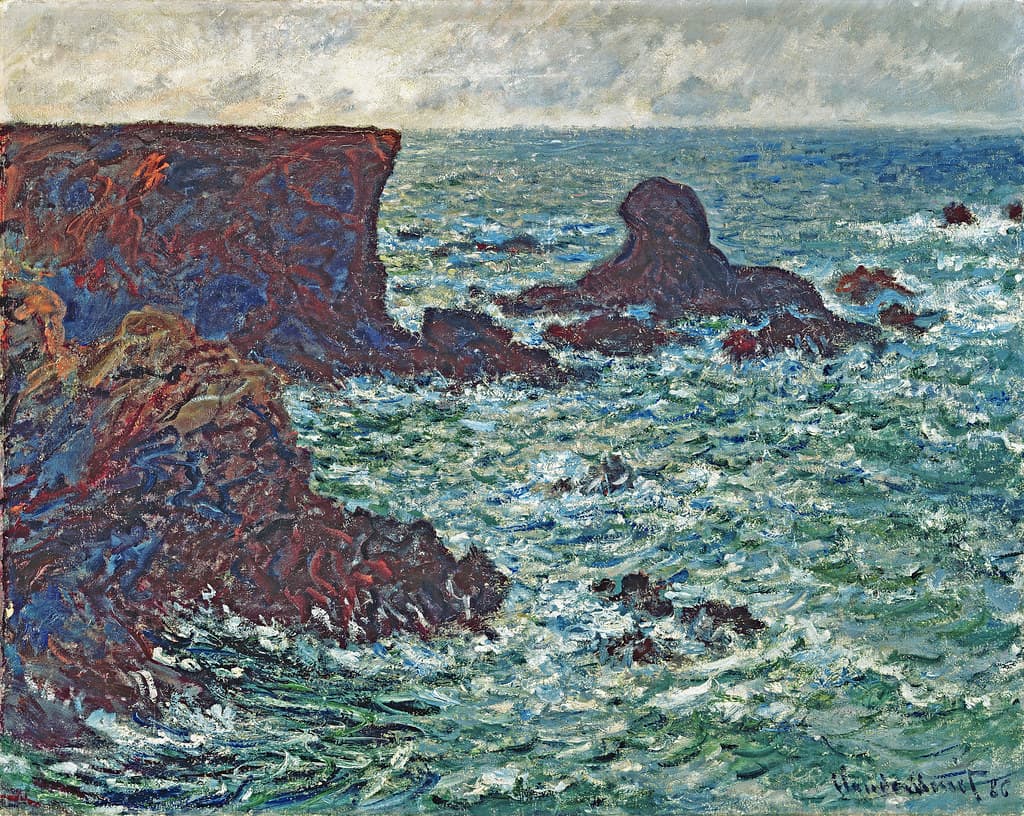
Rocks at Port-Coton, the Lion Rock, Belle-Île
Claude Monet · 1886
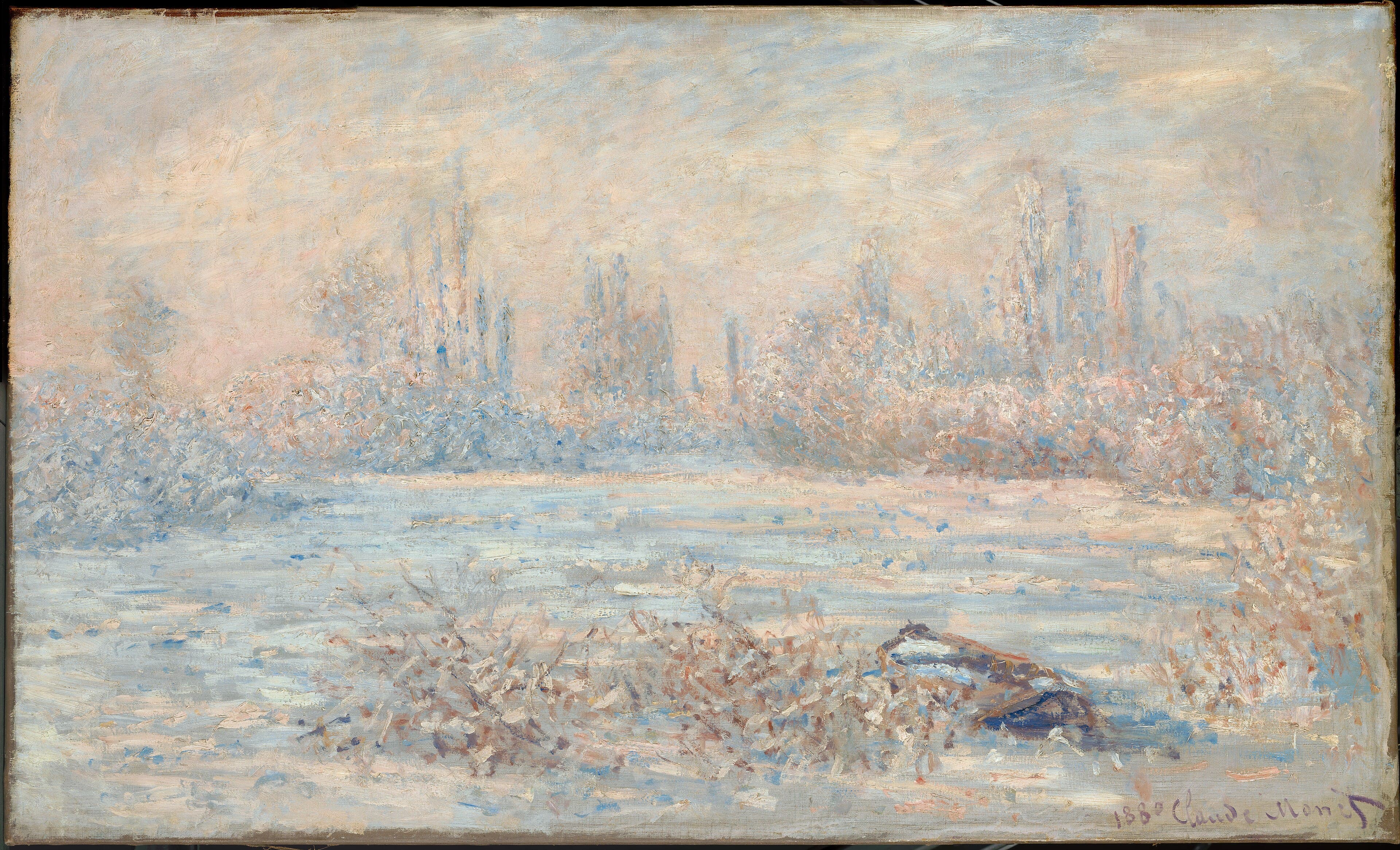
Frost (Le Givre)
Claude Monet · 1880
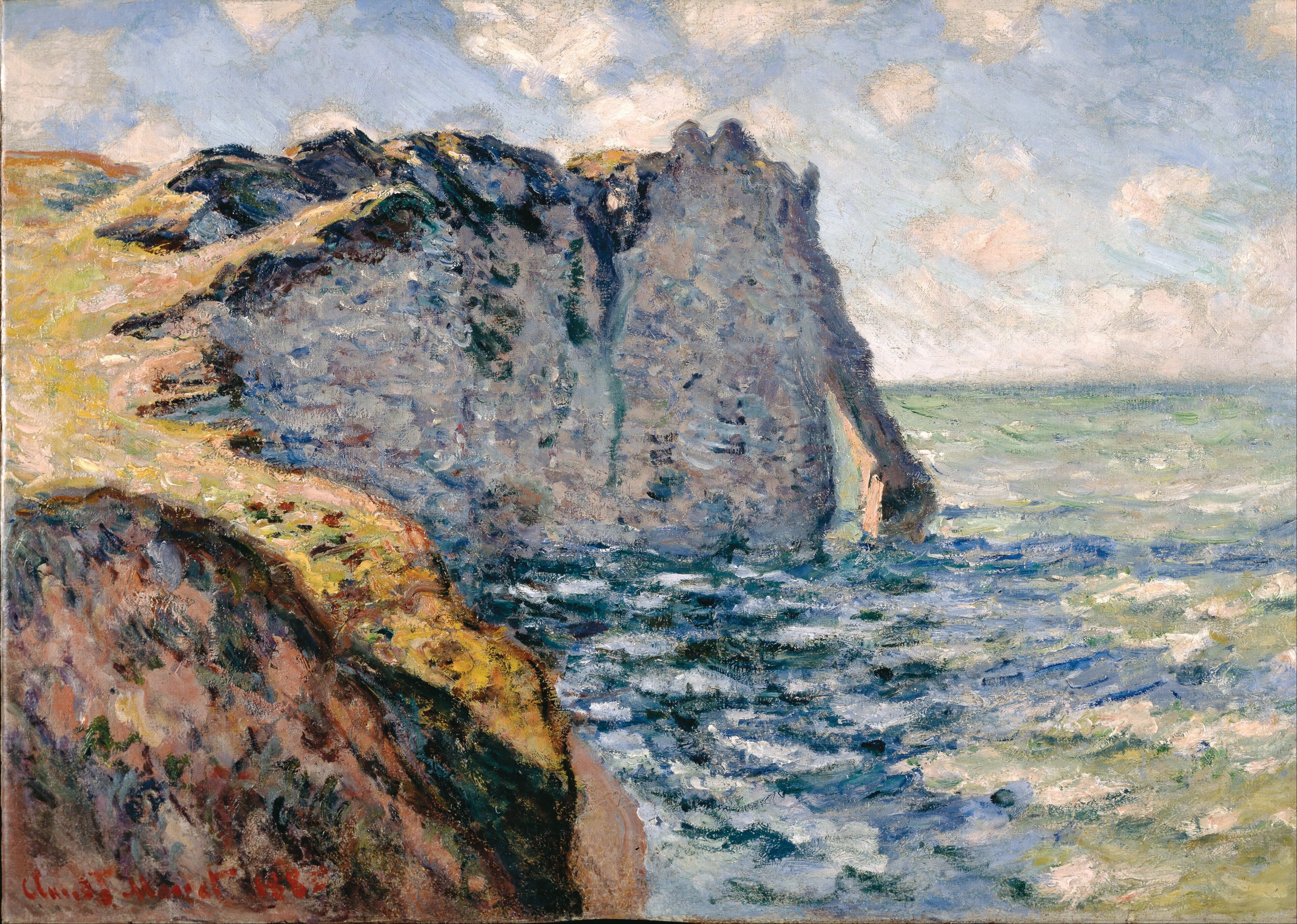
The Cliff of Aval, Étretat
Claude Monet · 1885